Search Result
Results for "
ALP activity
" in MedChemExpress (MCE) Product Catalog:
2
Biochemical Assay Reagents
1
Isotope-Labeled Compounds
| Cat. No. |
Product Name |
Target |
Research Areas |
Chemical Structure |
-
- HY-103701A
-
|
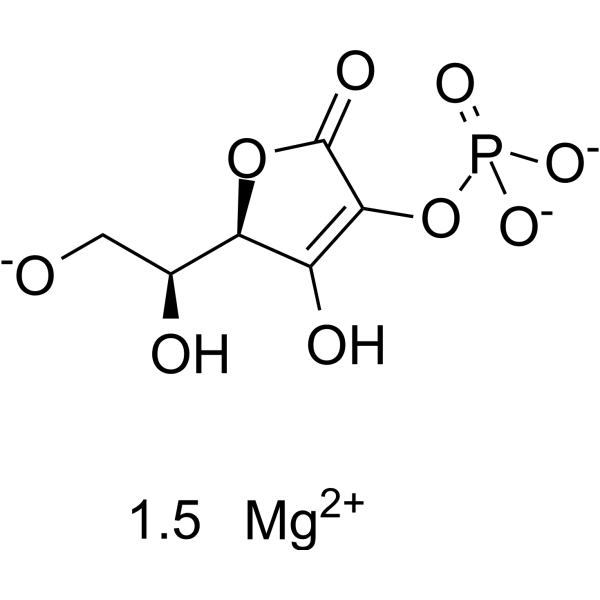
2-Phospho-L-ascorbic acid magnesium; LAA2P magnesium
|
Phosphatase
Reactive Oxygen Species (ROS)
Endogenous Metabolite
|
Metabolic Disease
|
|
L-Ascorbic acid 2-phosphate magnesium (2-Phospho-L-ascorbic acid magnesium) is a long-acting vitamin C derivative that can stimulate collagen formation and expression . L-Ascorbic acid 2-phosphate magnesium (2-Phospho-L-ascorbic acid magnesium) can be used as a culture medium supplement for the osteogenic differentiation of human adipose stem cells (hASCs). L-Ascorbic acid 2-phosphate magnesium (2-Phospho-L-ascorbic acid magnesium) increases alkaline phosphatase (ALP) activity and expression of runx2A in hASCs during the osteogenic differentiation .
|
-
-
- HY-107837
-
|
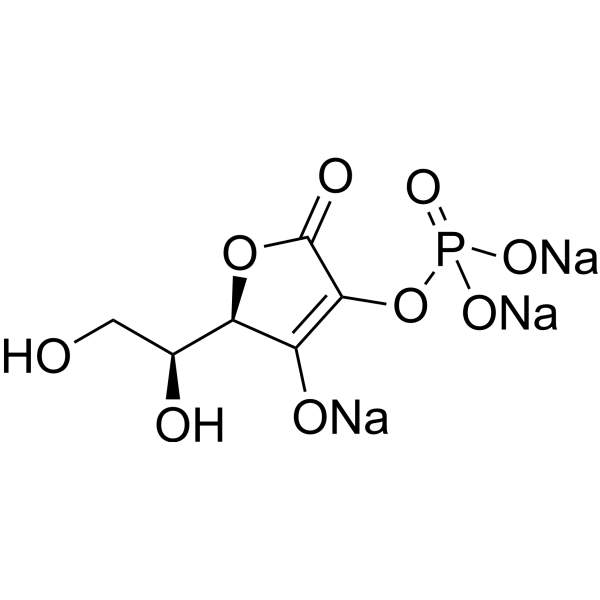
2-Phospho-L-ascorbic acid trisodium
|
Phosphatase
Reactive Oxygen Species (ROS)
Endogenous Metabolite
|
Metabolic Disease
|
|
L-Ascorbic acid 2-phosphate trisodium (2-Phospho-L-ascorbic acid trisodium) is a long-acting vitamin C derivative that can stimulate collagen formation and expression . L-Ascorbic acid 2-phosphate trisodium (2-Phospho-L-ascorbic acid trisodium) can be used as a culture medium supplement for the osteogenic differentiation of human adipose stem cells (hASCs). L-Ascorbic acid 2-phosphate trisodium (2-Phospho-L-ascorbic acid trisodium) increases alkaline phosphatase (ALP) activity and expression of runx2A in hASCs during the osteogenic differentiation .
|
-
-
- HY-103701
-
|
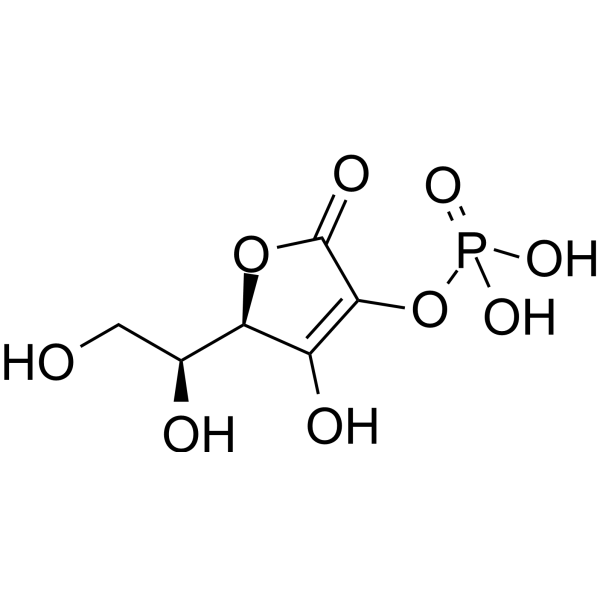
2-Phospho-L-ascorbic acid; LAA2P
|
Phosphatase
Reactive Oxygen Species (ROS)
Endogenous Metabolite
|
Metabolic Disease
|
|
L-ascorbic acid 2-phosphate (2-Phospho-L-ascorbic acid) is a long-acting vitamin C derivative that can stimulate collagen formation and expression . L-ascorbic acid 2-phosphate (2-Phospho-L-ascorbic acid) can be used as a culture medium supplement for the osteogenic differentiation of human adipose stem cells (hASCs). L-ascorbic acid 2-phosphate increases alkaline phosphatase (ALP) activity and expression of runx2A in hASCs during the osteogenic differentiation .
|
-
-
- HY-103701B
-
|
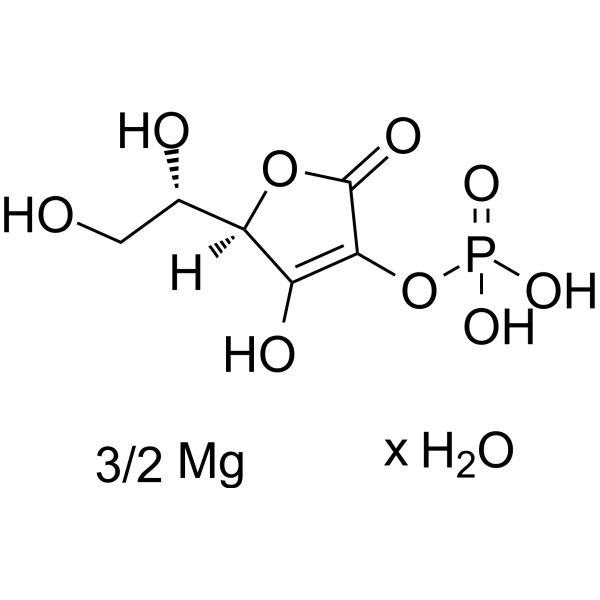
2-Phospho-L-ascorbic acid magnesium hydrate; LAA2P magnesium hydrate
|
Phosphatase
Reactive Oxygen Species (ROS)
Endogenous Metabolite
|
Metabolic Disease
|
|
L-ascorbic acid 2-phosphate (2-Phospho-L-ascorbic acid) magnesium hydrate is a long-acting vitamin C derivative that can stimulate collagen formation and expression. L-ascorbic acid 2-phosphate magnesium hydrate can be used as a culture medium supplement for the osteogenic differentiation of human adipose stem cells (hASCs). L-ascorbic acid 2-phosphate magnesium hydrate increases alkaline phosphatase (ALP) activity and expression of runx2A in hASCs during the osteogenic differentiation .
|
-
-
- HY-N0123
-
|
Barbaloin-A
|
Wnt
|
Cancer
|
|
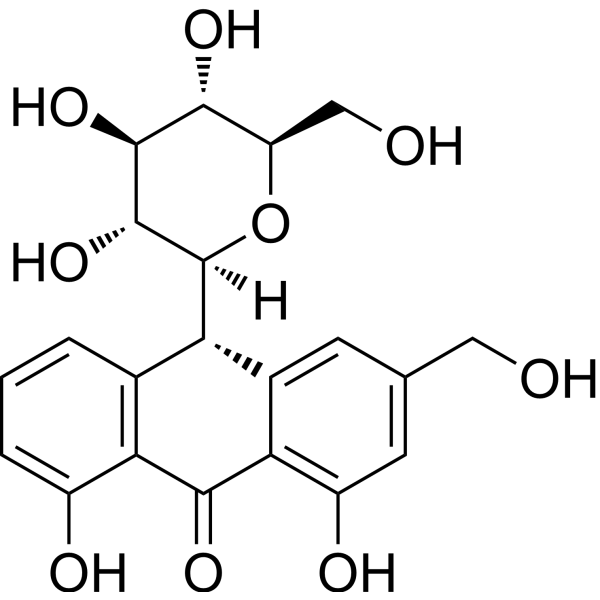
Aloin (Aloin-A; Barbaloin-A) is a natural anti-tumor anthraquinone glycoside with iron chelating activity. Aloin induces the differentiation of MC3T3-E1 cells into osteoblasts through MAPK-mediated Wnt and Bmp signaling pathways. Alkaline phosphatase (ALP) is an early marker of osteoblast differentiation, and the activity of ALP is also enhanced by Aloin. Aloin also reduces brain edema, reduces blood-brain barrier disruption and improves cortical impact injuries. Aloin is used in research into osteoporosis and traumatic brain injury (TBI) .
|
-
-
- HY-Y0284
-
-

-
- HY-W014410
-
|
|
RUNX
|
Metabolic Disease
|
|
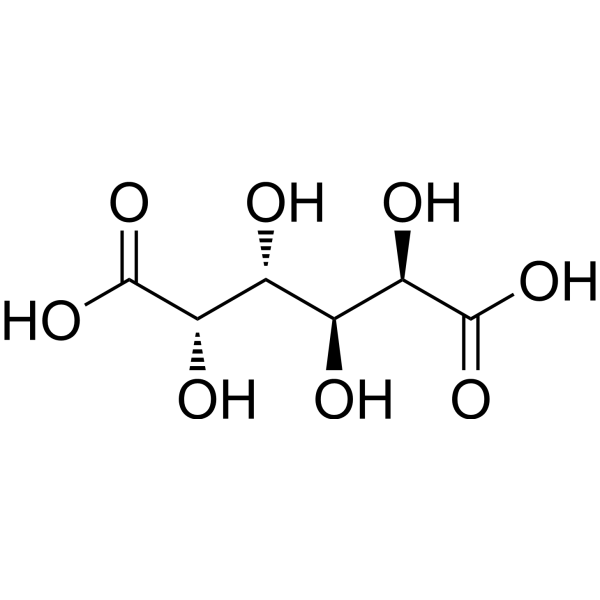
Mucic acid is an aldonic acid that can be prepared from pectin. Mucic acid increases the expression level of Runx2, promotes osteoblast differentiation, and upregulates osteogenic differentiation marker genes. Mucic acid can be used to prepare platform compounds, polymers, polymer materials and metal-organic frameworks. Mucic acid is applicable to the research of bone-related defects .
|
-
-
- HY-107245
-
|
|
Estrogen Receptor/ERR
Sirtuin
RUNX
|
Metabolic Disease
|
|
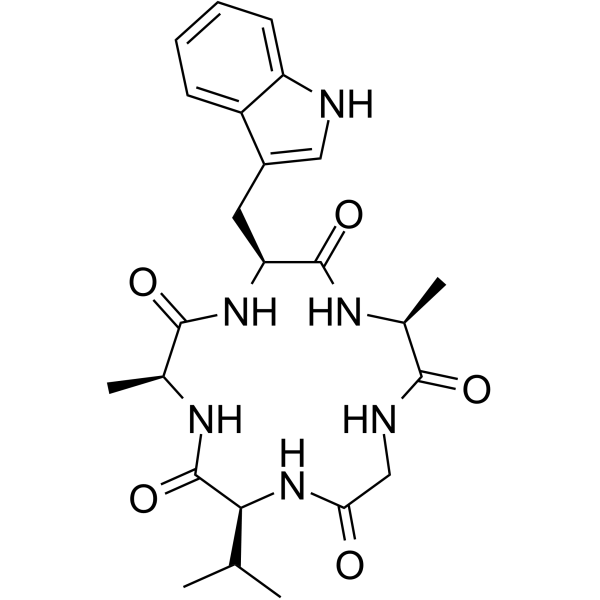
Segetalin B, an orally active cyclopentapeptide found in Vaccaria segetalis, possesses estrogen-like activity. Segetalin B promotes mineralization of ovariectomized rat-derived bone marrow mesenchymal stem cells (BMSCs) in vitro and increases the level of osteocalcin, BMP-2, ALP, and SIRT1 activity. Segetalin B is promising for research of post-menopausal osteoporosis (PMOP) .
|
-
-
- HY-D1491A
-
|
|
Fluorescent Dye
|
Others
|
|
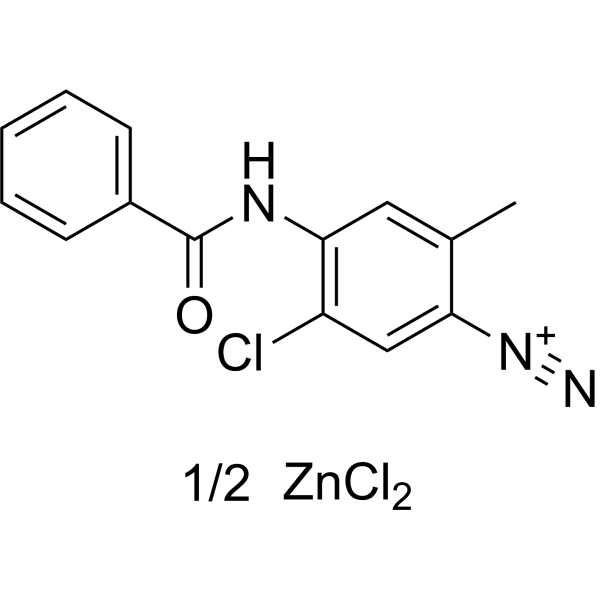
Fast Red Violet LB Zinc chloride is a stain that stains tartrate-resistant acid phosphatase (TRAP) and Fast Red Violet LB Zinc chloride can be used to stain alkaline phosphatase (ALP) activity .
|
-
-
- HY-N2511
-
|
|
Cholinesterase (ChE)
Phosphatase
|
Infection
Neurological Disease
|
|
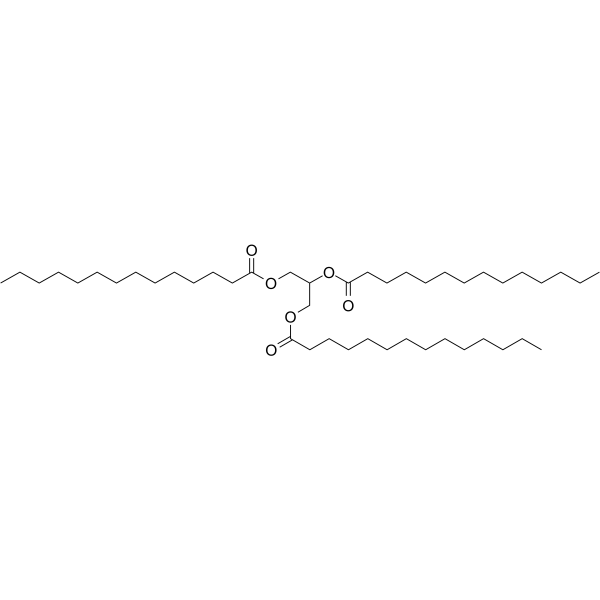
Trimyristin is an orally active compound. Trimyristin can be isolated from the seeds of nutmeg (Myristica fragrans). Trimyristin inhibits the activities of acetylcholinesterase (AChE), ACP and ALP, with IC50 values of 0.11, 0.16 and 0.18 mM, respectively. Trimyristin exerts competitive-noncompetitive inhibition on acetylcholinesterase, uncompetitive inhibition on ACP, and competitive/noncompetitive inhibition on ALP. Trimyristin restores the downregulated acetylcholinesterase concentration in the cerebral cortex of rats exposed to sodium arsenite. Trimyristin can be used in studies related to fascioliasis and neurotoxicity .
|
-
-
- HY-133108
-
|
|
EBV
Parasite
Phosphatase
Influenza Virus
|
Infection
Metabolic Disease
Inflammation/Immunology
Cancer
|
|
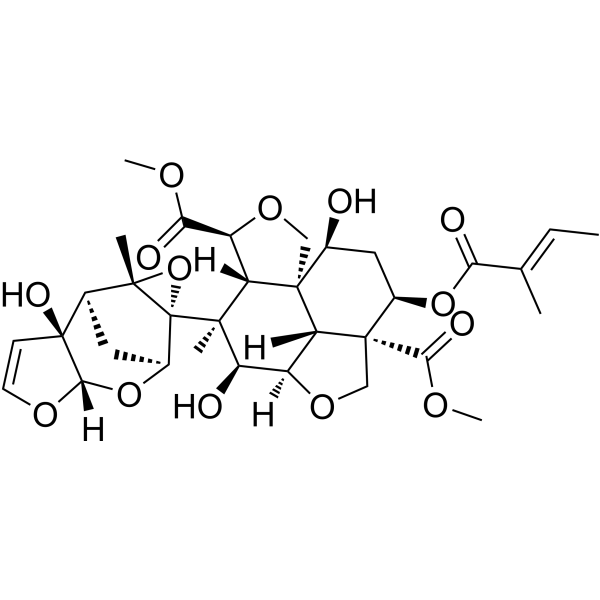
Azadirachtin B is an limonoid isolated from seed kernels of Azadirachta indica. Azadirachtin B increases alkaline phosphatase (ALP) activity and stimulates osteoblast differentiation. Azadirachtin B is active against the Epstein-Barr virus early antigen (EBV-EA). Azadirachtin B has insecticidal, nematocidal, anticancer, anti-inflammatory, antiviral and osteogenic properties .
|
-
-
- HY-W013755
-
|
DNOP; Di-n-octyl phthalate; Phthalic acid dioctyl ester
|
Biochemical Assay Reagents
Aminotransferases (Transaminases)
Phosphatase
Bacterial
|
Inflammation/Immunology
|
|
Dioctyl phthalate (DNOP) is a plasticizer. Dioctyl phthalate increases the activities of alanine aminotransferase (ALT) and alkaline phosphatase (ALP) in the liver, as well as the levels of creatinine and urea in the kidney. Exposure to Dioctyl phthalate disrupts the homeostasis of the intestinal microbial community, increases the abundance of pathogenic bacteria, and reduces the abundance of beneficial bacteria such as Lactobacillus. Dioctyl phthalate induces significant and dose-dependent inflammatory responses in the liver, spleen and kidney of mice .
|
-

-
- HY-N4119
-
|
|
Phosphatase
Cholinesterase (ChE)
p38 MAPK
Apoptosis
Autophagy
|
Neurological Disease
Metabolic Disease
|
|
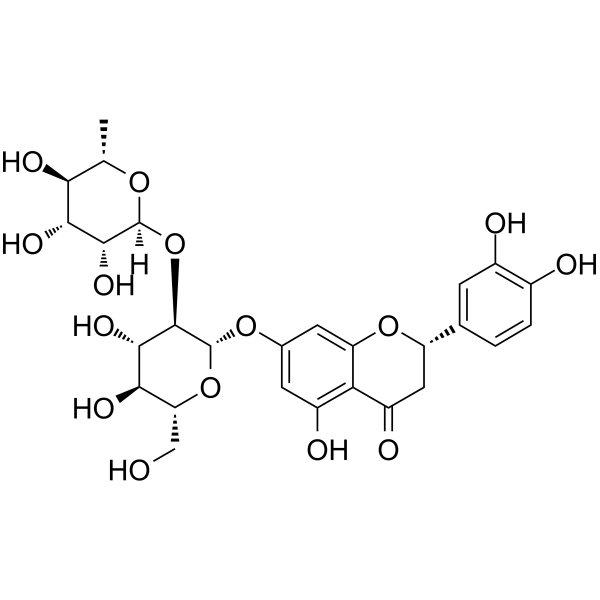
Neoeriocitrin is a Naringin (HY-N0153) analogue found in Drynaria Rhizome. Neoeriocitrin induces cells proliferation, differentiation, up-regulates type I collagen, osteocalcin, and key osteogenic markers, and increases ALP activity. Neoeriocitrin increases expression of Runx2, COL I, OCN and Beclin1. Neoeriocitrin inhibits phosphorylation of P38 mitogen-activated protein kinase, reduces acetylcholinesterase (AChE) activity, and increases choline acetyltransferase (ChAT) activity. Neoeriocitrin reduces apoptosis and induces autophagy. Neoeriocitrin can be used for the researches of osteoporosis and Alzheimer's disease .
|
-
-
- HY-112832
-
|
|
Phosphatase
|
Infection
|
|
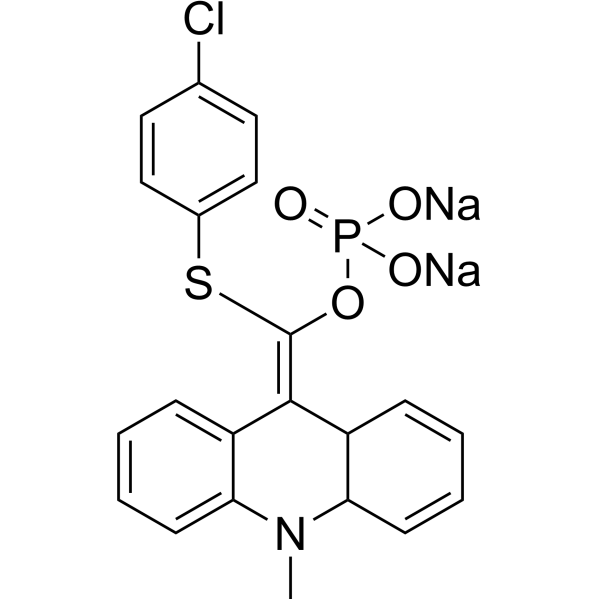
Lumigen APS-5 is a substrate of alkaline phosphatase (ALP). Lumigen APS-5 can be used to assess the activity of alkaline phosphatase (ALP) .
|
-
-
- HY-108531
-
|
|
RAR/RXR
|
Metabolic Disease
|
|
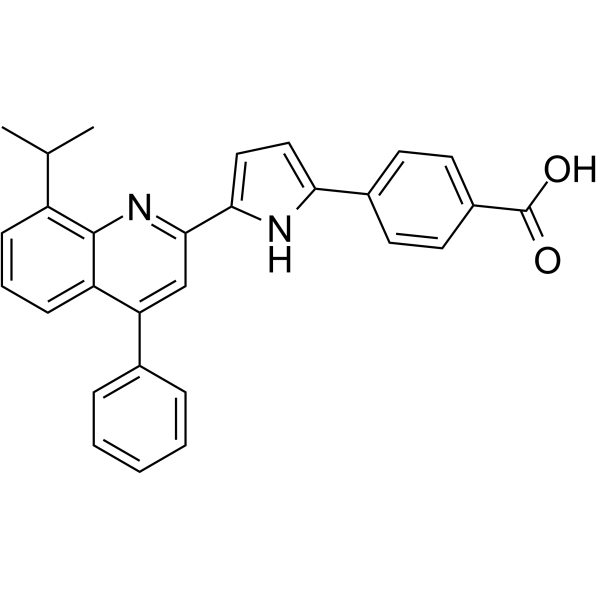
ER 50891 is a RARα antagonist. ER 50891 can significantly antagonize the inhibitory effect of all-trans retinoic acid (ATRA) on the total cell metabolic activity and proliferation of MC3T3-E1 preosteoblasts. ER 50891 rescues ATRA-inhibited osteocalcin (OCN) expression and extracellular matrix mineralization, and suppresses alkaline phosphatase (ALP) activity synergistically. ER 50891 can be used for the study of osteoporosis related to ATRA-induced inhibition of osteoblastogenesis .
|
-
-
- HY-103701AR
-
|
2-Phospho-L-ascorbic acid magnesium (Standard); LAA2P magnesium (Standard)
|
Reference Standards
Phosphatase
Reactive Oxygen Species (ROS)
Endogenous Metabolite
|
Metabolic Disease
|
|
L-Ascorbic acid 2-phosphate (magnesium) (Standard) is the analytical standard of L-Ascorbic acid 2-phosphate (magnesium). This product is intended for research and analytical applications. L-Ascorbic acid 2-phosphate magnesium (2-Phospho-L-ascorbic acid magnesium) is a?long-acting?vitamin?C?derivative?that can stimulate collagen formation and expression . L-Ascorbic acid 2-phosphate magnesium (2-Phospho-L-ascorbic acid magnesium) can be used as a culture medium supplement for the osteogenic differentiation of human adipose stem cells (hASCs). L-Ascorbic acid 2-phosphate magnesium (2-Phospho-L-ascorbic acid magnesium) increases alkaline phosphatase (ALP) activity and expression of runx2A in hASCs during the osteogenic differentiation .
|
-

-
- HY-P4496
-
|
|
Phosphatase
|
Others
|
|
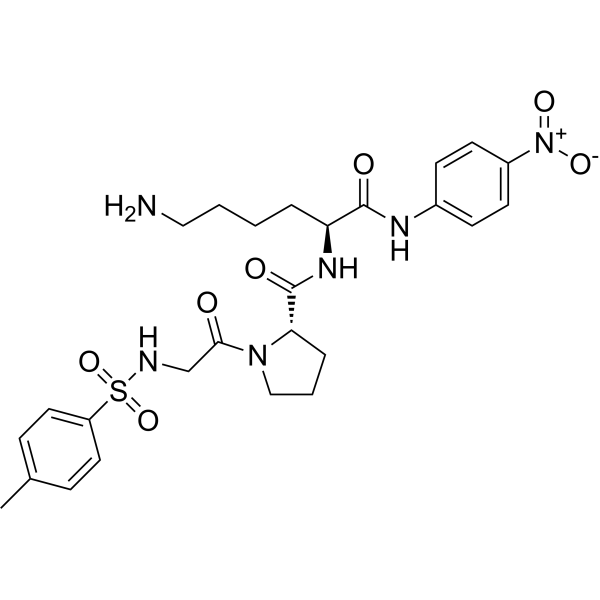
Tos-Gly-Pro-Lys-pNA is a substrate for the serine protease ALP and can be used to measure the activity of this enzyme .
|
-
-
- HY-D1491
-
|
|
Fluorescent Dye
|
Others
|
|
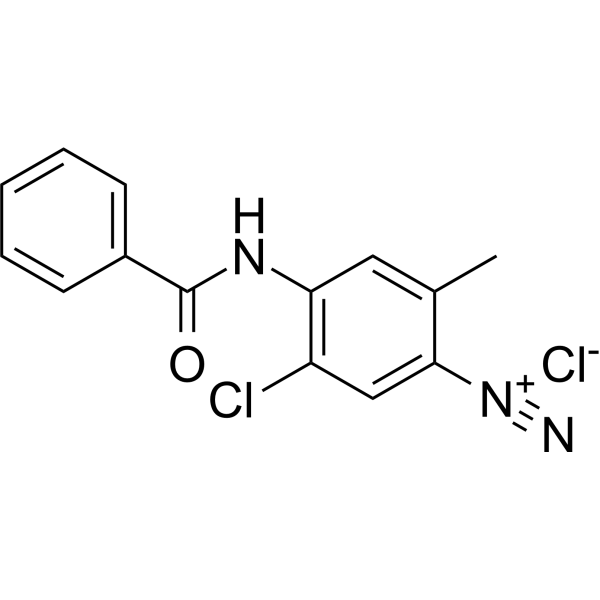
Fast Red Violet LB is a dye for staining tartrate resistant acid phosphatase (TRAP). Fast Red Violet LB can be used for alkaline phosphatase (ALP) activity staining .
|
-
-
- HY-108531A
-
|
|
RAR/RXR
|
Cancer
|
|
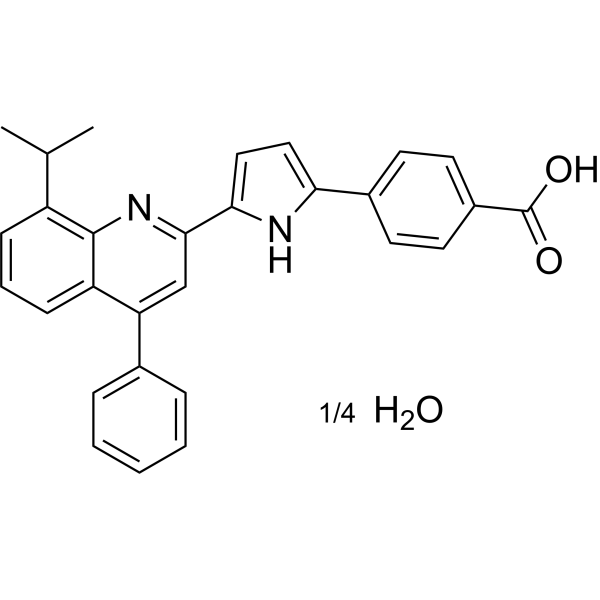
ER 50891 quarterhydrate is a RARα antagonist. ER 50891 can significantly antagonize the inhibitory effect of all-trans retinoic acid (ATRA) on the total cell metabolic activity and proliferation of MC3T3-E1 preosteoblasts. ER 50891 rescues ATRA-inhibited osteocalcin (OCN) expression and extracellular matrix mineralization, and suppresses alkaline phosphatase (ALP) activity synergistically. ER 50891 can be used for the study of osteoporosis related to ATRA-induced inhibition of osteoblastogenesis .
|
-
-
- HY-N0123R
-
|
Barbaloin-A (Standard)
|
Reference Standards
Wnt
|
Cancer
|
|
Aloin (Standard) is the analytical standard of Aloin. This product is intended for research and analytical applications. Aloin (Aloin-A; Barbaloin-A) is a natural anti-tumor anthraquinone glycoside with iron chelating activity. Aloin induces the differentiation of MC3T3-E1 cells into osteoblasts through MAPK-mediated Wnt and Bmp signaling pathways. Alkaline phosphatase (ALP) is an early marker of osteoblast differentiation, and the activity of ALP is also enhanced by Aloin. Aloin also reduces brain edema, reduces blood-brain barrier disruption and improves cortical impact injuries. Aloin is used in research into osteoporosis and traumatic brain injury (TBI) .
|
-

-
- HY-N2511S
-
-
-
- HY-N2511R
-
|
|
Reference Standards
Cholinesterase (ChE)
Phosphatase
Endogenous Metabolite
|
Metabolic Disease
|
|
Trimyristin (Standard) is the analytical standard of Trimyristin. This product is intended for research and analytical applications. Trimyristin, an active molluscicidal component of?Myristica fragrans?Houtt, significantly inhibits acetylcholinesterase (AChE), acid and alkaline phosphatase (ACP/ALP) activities in the nervous tissue of?Lymnaea acuminata. IC50s of Trimyristin against AChE, ACP, and ALP are 0.11, 0.16 and 0.18 mM, respectively .
|
-

-
- HY-106064A
-
|
U 60257B
|
Leukotriene Receptor
|
Inflammation/Immunology
|
|
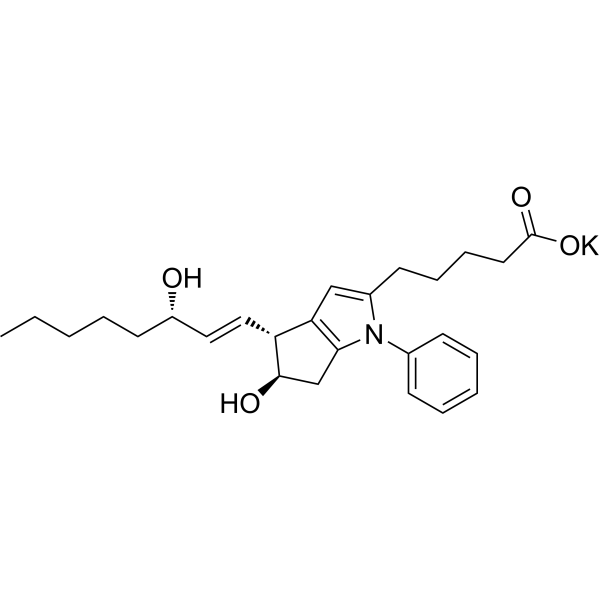
Piriprost (U-60,257B) potassium is an inhibitor of leukotriene synthesis. Piriprost potassium inhibits the release of both leukotriene and histamine with an IC50 of 0.11 μM from isolated porcine lung cells. Piriprost potassium increases alkaline phosphatase (ALP) activity in cultured endometrial stromal cells .
|
-
-
- HY-N14645
-
|
|
Phosphatase
|
Metabolic Disease
|
|
Ipolamiide is an antiosteoporotic agent that can be isolated from Barleria lupulina. Ipolamiide exhibits a potent antiosteoporotic effect. Ipolamiide dose-dependently enhances alkaline phosphatase (ALP) activity in MC3T3-E1 cells. Ipolamiide can be used for osteoporosis research .
|
-

-
- HY-149248
-
|
|
NF-κB
|
Inflammation/Immunology
|
|
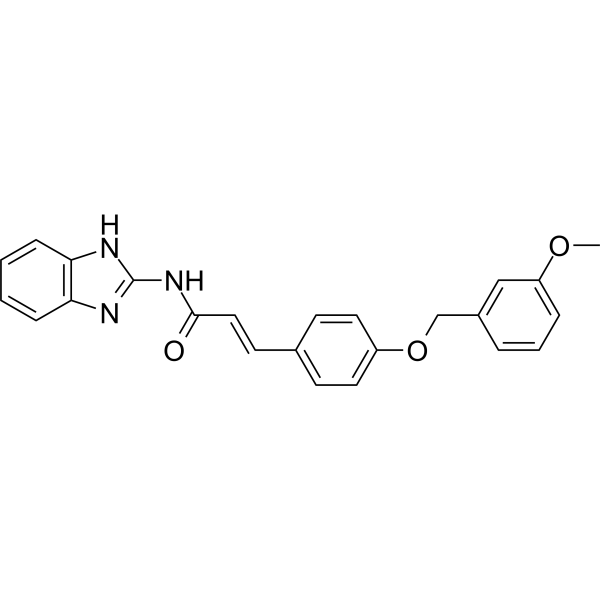
NF-κB-IN-8 competitively antagonizes LPS binding to MD-2. NF-κB-IN-8 reduces the expression of inflammatory factors by binding to MD-2. NF-κB-IN-8 also inhibits ALP activity. NF-κB-IN-8 can be used for the research of inflammation such as acute lung injury (ALI) .
|
-
-
- HY-N4119R
-
|
|
Reference Standards
Phosphatase
Cholinesterase (ChE)
p38 MAPK
Apoptosis
Autophagy
|
Neurological Disease
Metabolic Disease
|
|
Neoeriocitrin (Standard) is the analytical standard of Neoeriocitrin (HY-N4119). This product is intended for research and analytical applications. Neoeriocitrin is a Naringin (HY-N0153) analogue found in Drynaria Rhizome. Neoeriocitrin induces cells proliferation, differentiation, up-regulates type I collagen, osteocalcin, and key osteogenic markers, and increases ALP activity. Neoeriocitrin increases expression of Runx2, COL I, OCN and Beclin1. Neoeriocitrin inhibits phosphorylation of P38 mitogen-activated protein kinase, reduces acetylcholinesterase (AChE) activity, and increases choline acetyltransferase (ChAT) activity. Neoeriocitrin reduces apoptosis and induces autophagy. Neoeriocitrin can be used for the researches of osteoporosis and Alzheimer's disease .
|
-

-
- HY-N8917
-
|
|
Phosphatase
|
Metabolic Disease
|
|
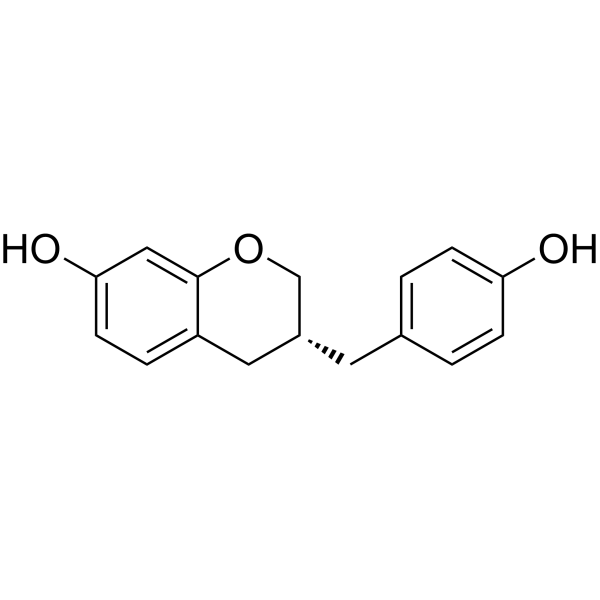
(3R)-7-hydroxy-3-(4-hydroxybenzyl)chromane is a homoisoflavonoid. (3R)-7-hydroxy-3-(4-hydroxybenzyl)chromane increases the level of alkaline phosphatase (ALP) activity. (3R)-7-hydroxy-3-(4-hydroxybenzyl)chromane promotes mesenchymal stem cells (MSCs) osteogenesis, but cannot enhance MSCs proliferation. (3R)-7-hydroxy-3-(4-hydroxybenzyl)chromane can be used for osteoporosis research .
|
-
-
- HY-107837R
-
|
2-Phospho-L-ascorbic acid trisodium (Standard)
|
Reference Standards
Phosphatase
Reactive Oxygen Species (ROS)
Endogenous Metabolite
|
Metabolic Disease
|
|
L-Ascorbic acid 2-phosphate (trisodium) (Standard) is the analytical standard of L-Ascorbic acid 2-phosphate (trisodium). This product is intended for research and analytical applications. L-Ascorbic acid 2-phosphate trisodium (2-Phospho-L-ascorbic acid trisodium) is a long-acting vitamin C derivative that can stimulate collagen formation and expression[1]. L-Ascorbic acid 2-phosphate trisodium (2-Phospho-L-ascorbic acid trisodium) can be used as a culture medium supplement for the osteogenic differentiation of human adipose stem cells (hASCs). L-Ascorbic acid 2-phosphate trisodium (2-Phospho-L-ascorbic acid trisodium) increases alkaline phosphatase (ALP) activity and expression of runx2A in hASCs during the osteogenic differentiation[2][3].
|
-

-
- HY-N15378
-
|
|
IAP
Bcl-2 Family
COX
TNF Receptor
Caspase
Apoptosis
|
Inflammation/Immunology
Cancer
|
|
β-carotene-15,15ʹ-epoxide is a XIAP antagonist with apoptosis-inducing and antitumor activity, found in the leaves of Spondias mombin. In a DMBA (HY-W011845)-induced rat model of breast cancer, β-carotene-15,15ʹ-epoxide binds to the BIR3 domain of the anti-apoptotic protein XIAP, blocking its interaction with caspase-9 and thereby promoting tumor cell apoptosis. In addition, β-carotene-15,15ʹ-epoxide significantly downregulates the expression of BCL-2, COX-2, and TNF-α in tumor tissues, reduces MDA levels, increases catalase activity, and modulates serum levels of LDH, ALP, and ALT, demonstrating strong antioxidant, anti-inflammatory, and metabolic protective effects. β-carotene-15,15ʹ-epoxide may be used in research on inflammation-related conditions and cancers such as breast cancer .
|
-

-
- HY-W404758
-
|
|
Phosphatase
Collagen
Osteopontin
|
Metabolic Disease
|
|
Calcium glucoheptonate is a highly water-soluble calcium supplement. Calcium glucoheptonate can increase the proliferation rate and Calcium intake of MG-63 cells and increase the activity of alkaline phosphatase (ALP). Calcium glucoheptonate can upregulate the expression of osteogenic-related genes and proteins,such as collagen-1, osteocalcin and osteocalcin. Calcium glucoheptonate can be used for the researches of osteoporosis and hypocalcemia .
|
-

-
- HY-N10625A
-
|
5α-Cyprinol
|
Phosphatase
|
Metabolic Disease
|
|
Cyprinol (5α-Cyprinol) is an orally active bile salt and xenochemical pheromone . Cyprinol impairs renal function and increases plasma ALP activity in rats, induces diel vertical migration in Daphnia spp., enhances the permeability of the rectal mucosa to water-soluble compounds, and aids lipid digestion in fish. Cyprinol can be used in studies of fish toxicity and acute renal failure .
|
-

-
- HY-W459577
-
|
|
SOD
HSP
DNA/RNA Synthesis
Phosphatase
|
Inflammation/Immunology
Cancer
|
|
Zinc picolinate is an orally effective zinc supplement. Zinc picolinate reduces the expression of Hsp70, inhibits oxidative DNA damage, increases serum ALP activity, decreases MDA concentration, elevates SOD levels, and raises zinc concentrations in serum, whole body and plasma. Zinc picolinate does not alter copper and manganese contents in rainbow trout. Zinc picolinate exerts a protective effect against Acetic acid (HY-Y0319)-induced experimental colitis in Sprague Dawley rats. Zinc picolinate reduces uterine fibroid volume, alleviates colonic oxidative damage, relieves colonic inflammation, and enhances intestinal barrier integrity. Zinc picolinate can be used in research related to uterine fibroids, ulcerative colitis and chronic obstructive pulmonary disease .
|
-

| Cat. No. |
Product Name |
Type |
-
- HY-D1491
-
|
|
Fluorescent Dyes
|
|
Fast Red Violet LB is a dye for staining tartrate resistant acid phosphatase (TRAP). Fast Red Violet LB can be used for alkaline phosphatase (ALP) activity staining .
|
| Cat. No. |
Product Name |
Type |
-
- HY-103701B
-
|
2-Phospho-L-ascorbic acid magnesium hydrate; LAA2P magnesium hydrate
|
Biochemical Assay Reagents
|
|
L-ascorbic acid 2-phosphate (2-Phospho-L-ascorbic acid) magnesium hydrate is a long-acting vitamin C derivative that can stimulate collagen formation and expression. L-ascorbic acid 2-phosphate magnesium hydrate can be used as a culture medium supplement for the osteogenic differentiation of human adipose stem cells (hASCs). L-ascorbic acid 2-phosphate magnesium hydrate increases alkaline phosphatase (ALP) activity and expression of runx2A in hASCs during the osteogenic differentiation .
|
-
- HY-112832
-
|
|
Biochemical Assay Reagents
|
|
Lumigen APS-5 is a substrate of alkaline phosphatase (ALP). Lumigen APS-5 can be used to assess the activity of alkaline phosphatase (ALP) .
|
| Cat. No. |
Product Name |
Target |
Research Area |
-
- HY-107245
-
|
|
Estrogen Receptor/ERR
Sirtuin
RUNX
|
Metabolic Disease
|
|
Segetalin B, an orally active cyclopentapeptide found in Vaccaria segetalis, possesses estrogen-like activity. Segetalin B promotes mineralization of ovariectomized rat-derived bone marrow mesenchymal stem cells (BMSCs) in vitro and increases the level of osteocalcin, BMP-2, ALP, and SIRT1 activity. Segetalin B is promising for research of post-menopausal osteoporosis (PMOP) .
|
-
- HY-P4496
-
|
|
Phosphatase
|
Others
|
|
Tos-Gly-Pro-Lys-pNA is a substrate for the serine protease ALP and can be used to measure the activity of this enzyme .
|
| Cat. No. |
Product Name |
Category |
Target |
Chemical Structure |
-
- HY-103701A
-
-
-
- HY-107837
-
-
-
- HY-103701
-
-
-
- HY-103701B
-
-
-
- HY-N0123
-
-
-
- HY-W014410
-
-
-
- HY-107245
-
-
-
- HY-N2511
-
-
-
- HY-133108
-
-
-
- HY-N4119
-
-
-
- HY-103701AR
-
|
2-Phospho-L-ascorbic acid magnesium (Standard); LAA2P magnesium (Standard)
|
Structural Classification
Natural Products
Human Gut Microbiota Metabolites
Endogenous metabolite
Source Classification
|
Reference Standards
Phosphatase
Reactive Oxygen Species (ROS)
Endogenous Metabolite
|
|
L-Ascorbic acid 2-phosphate (magnesium) (Standard) is the analytical standard of L-Ascorbic acid 2-phosphate (magnesium). This product is intended for research and analytical applications. L-Ascorbic acid 2-phosphate magnesium (2-Phospho-L-ascorbic acid magnesium) is a?long-acting?vitamin?C?derivative?that can stimulate collagen formation and expression . L-Ascorbic acid 2-phosphate magnesium (2-Phospho-L-ascorbic acid magnesium) can be used as a culture medium supplement for the osteogenic differentiation of human adipose stem cells (hASCs). L-Ascorbic acid 2-phosphate magnesium (2-Phospho-L-ascorbic acid magnesium) increases alkaline phosphatase (ALP) activity and expression of runx2A in hASCs during the osteogenic differentiation .
|
-
-
- HY-N0123R
-
|
Barbaloin-A (Standard)
|
Quinones
Structural Classification
Liliaceae
Anthraquinones
Phenols
Polyphenols
Aloe vera (L.) Burm. f.
Plants
Source Classification
|
Reference Standards
Wnt
|
|
Aloin (Standard) is the analytical standard of Aloin. This product is intended for research and analytical applications. Aloin (Aloin-A; Barbaloin-A) is a natural anti-tumor anthraquinone glycoside with iron chelating activity. Aloin induces the differentiation of MC3T3-E1 cells into osteoblasts through MAPK-mediated Wnt and Bmp signaling pathways. Alkaline phosphatase (ALP) is an early marker of osteoblast differentiation, and the activity of ALP is also enhanced by Aloin. Aloin also reduces brain edema, reduces blood-brain barrier disruption and improves cortical impact injuries. Aloin is used in research into osteoporosis and traumatic brain injury (TBI) .
|
-
-
- HY-N2511R
-
-
-
- HY-N14645
-
-
-
- HY-N4119R
-
|
|
Structural Classification
Flavonoids
other families
Flavonones
Phenols
Polyphenols
Plants
Source Classification
|
Reference Standards
Phosphatase
Cholinesterase (ChE)
p38 MAPK
Apoptosis
Autophagy
|
|
Neoeriocitrin (Standard) is the analytical standard of Neoeriocitrin (HY-N4119). This product is intended for research and analytical applications. Neoeriocitrin is a Naringin (HY-N0153) analogue found in Drynaria Rhizome. Neoeriocitrin induces cells proliferation, differentiation, up-regulates type I collagen, osteocalcin, and key osteogenic markers, and increases ALP activity. Neoeriocitrin increases expression of Runx2, COL I, OCN and Beclin1. Neoeriocitrin inhibits phosphorylation of P38 mitogen-activated protein kinase, reduces acetylcholinesterase (AChE) activity, and increases choline acetyltransferase (ChAT) activity. Neoeriocitrin reduces apoptosis and induces autophagy. Neoeriocitrin can be used for the researches of osteoporosis and Alzheimer's disease .
|
-
-
- HY-N8917
-
-
-
- HY-107837R
-
|
2-Phospho-L-ascorbic acid trisodium (Standard)
|
Structural Classification
Ketones, Aldehydes, Acids
Endogenous metabolite
Source Classification
|
Reference Standards
Phosphatase
Reactive Oxygen Species (ROS)
Endogenous Metabolite
|
|
L-Ascorbic acid 2-phosphate (trisodium) (Standard) is the analytical standard of L-Ascorbic acid 2-phosphate (trisodium). This product is intended for research and analytical applications. L-Ascorbic acid 2-phosphate trisodium (2-Phospho-L-ascorbic acid trisodium) is a long-acting vitamin C derivative that can stimulate collagen formation and expression[1]. L-Ascorbic acid 2-phosphate trisodium (2-Phospho-L-ascorbic acid trisodium) can be used as a culture medium supplement for the osteogenic differentiation of human adipose stem cells (hASCs). L-Ascorbic acid 2-phosphate trisodium (2-Phospho-L-ascorbic acid trisodium) increases alkaline phosphatase (ALP) activity and expression of runx2A in hASCs during the osteogenic differentiation[2][3].
|
-
-
- HY-N15378
-
|
|
Structural Classification
Natural Products
Spondias mombin L.
Plants
Anacardiaceae
Source Classification
|
IAP
Bcl-2 Family
COX
TNF Receptor
Caspase
Apoptosis
|
|
β-carotene-15,15ʹ-epoxide is a XIAP antagonist with apoptosis-inducing and antitumor activity, found in the leaves of Spondias mombin. In a DMBA (HY-W011845)-induced rat model of breast cancer, β-carotene-15,15ʹ-epoxide binds to the BIR3 domain of the anti-apoptotic protein XIAP, blocking its interaction with caspase-9 and thereby promoting tumor cell apoptosis. In addition, β-carotene-15,15ʹ-epoxide significantly downregulates the expression of BCL-2, COX-2, and TNF-α in tumor tissues, reduces MDA levels, increases catalase activity, and modulates serum levels of LDH, ALP, and ALT, demonstrating strong antioxidant, anti-inflammatory, and metabolic protective effects. β-carotene-15,15ʹ-epoxide may be used in research on inflammation-related conditions and cancers such as breast cancer .
|
-
-
- HY-N10625A
-
|
5α-Cyprinol
|
Structural Classification
Animals
Steroids
Source Classification
|
Phosphatase
|
|
Cyprinol (5α-Cyprinol) is an orally active bile salt and xenochemical pheromone . Cyprinol impairs renal function and increases plasma ALP activity in rats, induces diel vertical migration in Daphnia spp., enhances the permeability of the rectal mucosa to water-soluble compounds, and aids lipid digestion in fish. Cyprinol can be used in studies of fish toxicity and acute renal failure .
|
-
| Cat. No. |
Product Name |
Chemical Structure |
-
- HY-N2511S
-
|
|
|
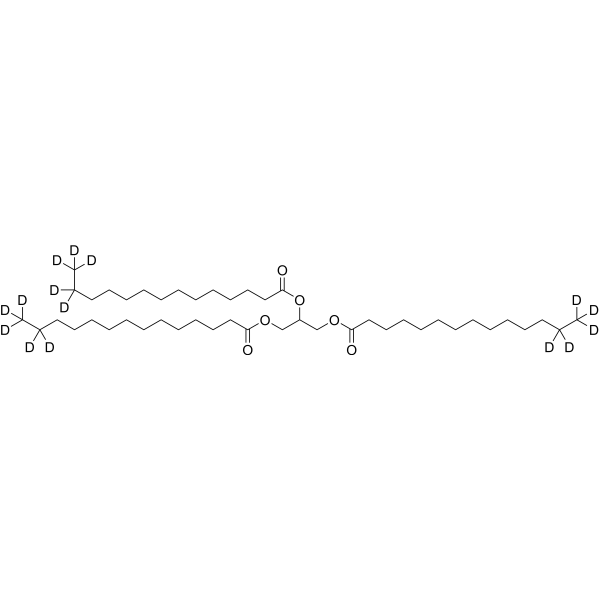
Trimyristin--d15 is the deuterium labeled Trimyristin. Trimyristin, an active molluscicidal component of Myristica fragrans Houtt, significantly inhibits acetylcholinesterase (AChE), acid and alkaline phosphatase (ACP/ALP) activities in the nervous tissue of Lymnaea acuminata. IC50s of Trimyristin against AChE, ACP, and ALP are 0.11, 0.16 and 0.18 mM, respectively .
|
-
Your information is safe with us. * Required Fields.
Inquiry Information
- Product Name:
- Cat. No.:
- Quantity:
- MCE Japan Authorized Agent:








