Search Result
Results for "
Ach Inhibitors
" in MedChemExpress (MCE) Product Catalog:
2
Isotope-Labeled Compounds
| Cat. No. |
Product Name |
Target |
Research Areas |
Chemical Structure |
-
- HY-B0282
-
|
Ach chloride
|
nAChR
Calcium Channel
Endogenous Metabolite
|
Infection
Neurological Disease
Cancer
|
|
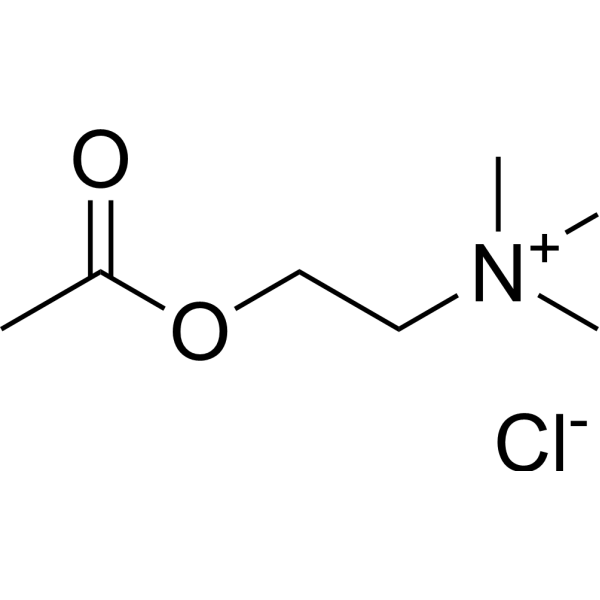
Acetylcholine chloride (ACh chloride), a neurotransmitter, is a potent and BBB-permeable cholinergic agonist. Acetylcholine chloride is a modulator of the activity of dopaminergic (DAergic) neurons through the stimulation of nicotinic acetylcholine receptors (nAChRs) . Acetylcholine chloride inhibits p53 mutant peptide aggregation in vitro .
|
-
-
- HY-B1205
-
-
-
- HY-117930
-
|
Ach-4471
|
Complement System
|
Inflammation/Immunology
|
|
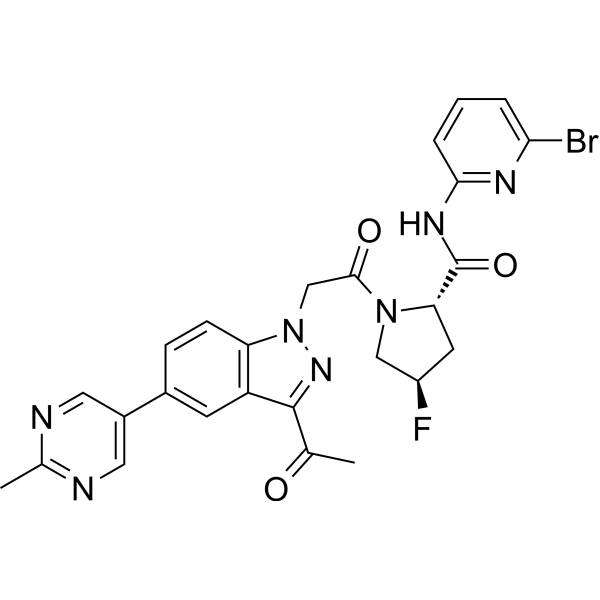
Danicopan (ACH-4471), a selective and orally active small-molecule factor D inhibitor, shows high binding affinity to human Factor D with Kd value of 0.54 nM. Danicopan (ACH-4471) inhibits alternative pathway of complement (APC) activity, has potential to block the alternative pathway of complement in paroxysmal nocturnal hemoglobinuria (PNH) and atypical hemolytic uremic syndrome (aHUS) .
|
-
-
- HY-B0282S
-
|
Ach-d4 chloride
|
nAChR
Calcium Channel
Endogenous Metabolite
|
Neurological Disease
Cancer
|
|
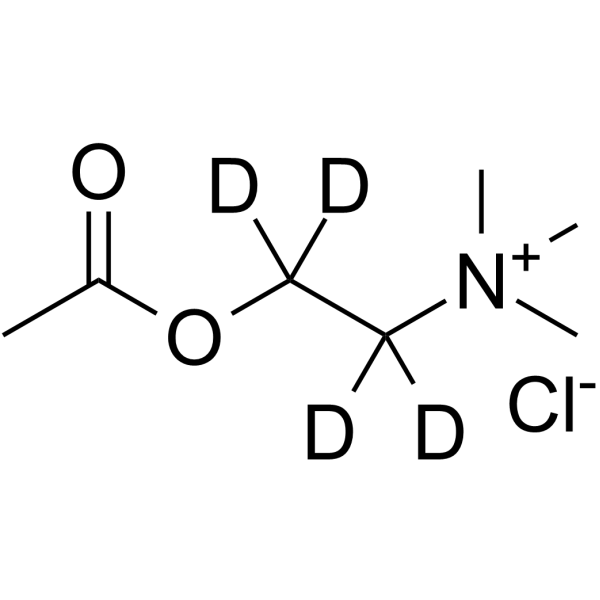
Acetylcholine-d4 (chloride) is the deuterium labeled Acetylcholine chloride. Acetylcholine chloride (ACh chloride), a neurotransmitter, is a potent and BBB-permeable cholinergic agonist. Acetylcholine chloride is a modulator of the activity of dopaminergic (DAergic) neurons through the stimulation of nicotinic acetylcholine receptors (nAChRs) . Acetylcholine chloride inhibits p53 mutant peptide aggregation in vitro .
|
-
-
- HY-B0394
-
|
Tropine tropate sulfate monohydrate; DL-Hyoscyamine sulfate monohydrate
|
mAChR
|
Cardiovascular Disease
Neurological Disease
Cancer
|
|
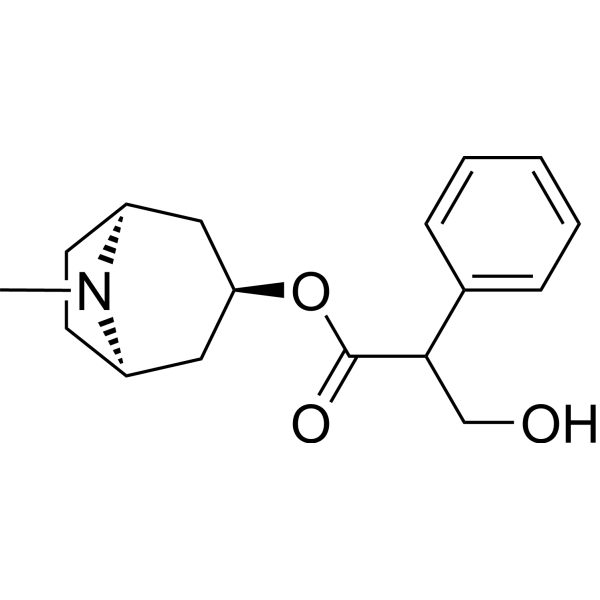
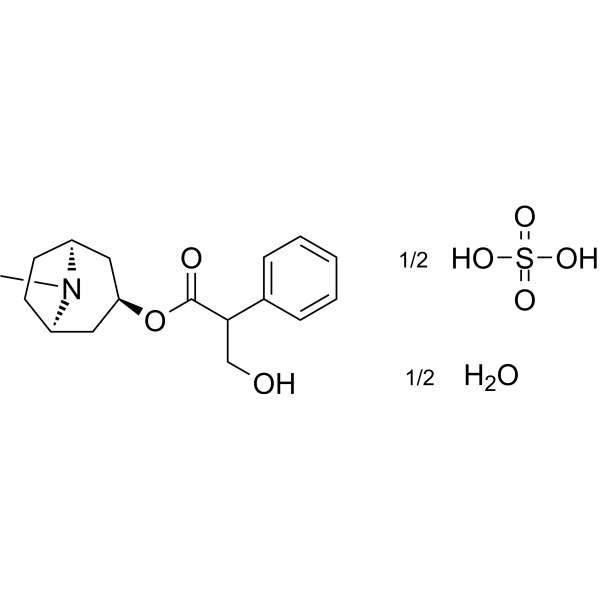
Atropine (Tropine tropate) sulfate monohydrate is a competitive muscarinic acetylcholine receptor (mAChR) antagonist with IC50 values of 0.39 and 0.71 nM for Human mAChR M4 and Chicken mAChR M4, respectively. Atropine sulfate monohydrate inhibits ACh-induced relaxations in human pulmonary veins. Atropine sulfate monohydrate can be used for research of anti-myopia and bradycardia .
|
-
-
- HY-103182
-
|
|
Adenosine Receptor
|
Others
|
|
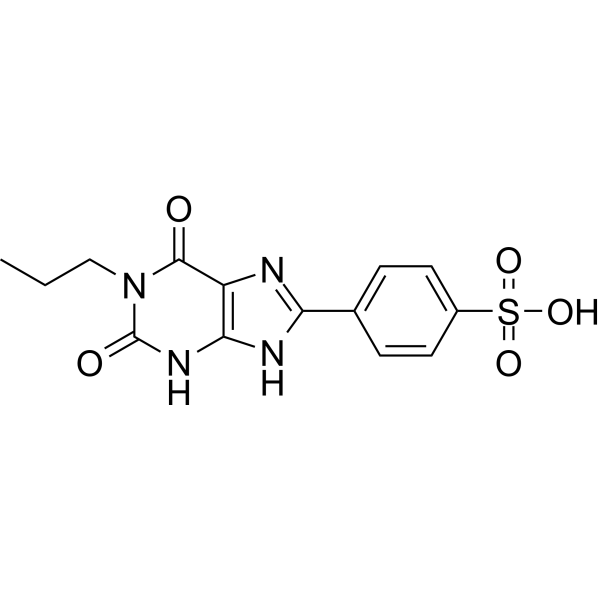
PSB-1115 is a selective A2B Adenosine Receptor antagonist. PSB-1115 inhibits the 2,4,6-trinitrobenzenesulfonic acid (TNBS)-induced contraction inhibition of acetylcholine (ACh) .
|
-
-
- HY-B2152
-
|
Hemicholinium dibromide
|
Cholinesterase (ChE)
|
Neurological Disease
|
|
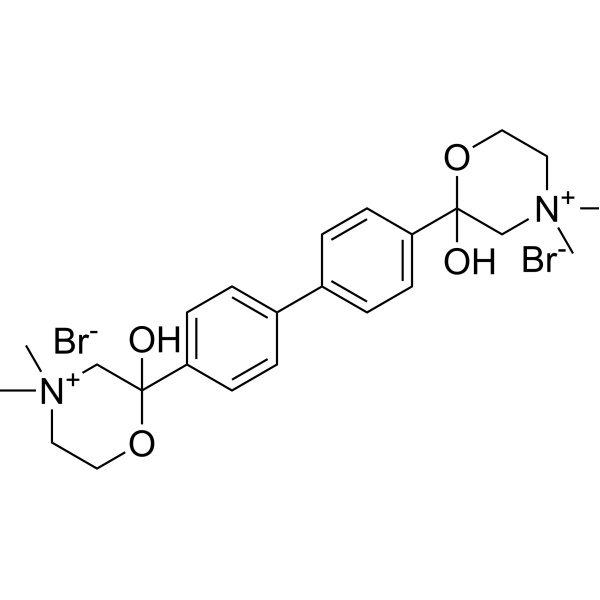
Hemicholinium 3 is a competitive inhibitor of the high affinity choline transporter (HACU) with a Ki value of 25 nM. Hemicholinium 3, a neuromuscular blocking agent which inhibits the synthesis and the release of acetylcholine (ACh) . Hemicholinium 3 inhibits the Epibatidine-evoked contraction and [ 3H]acetylcholine release with IC50s of 897 nM and 693 nM, respectively .
|
-
-
- HY-B1205A
-
|
Tropine tropate sulfate; DL-Hyoscyamine sulfate; Sulfatropinol
|
mAChR
|
Cardiovascular Disease
Neurological Disease
Cancer
|
|
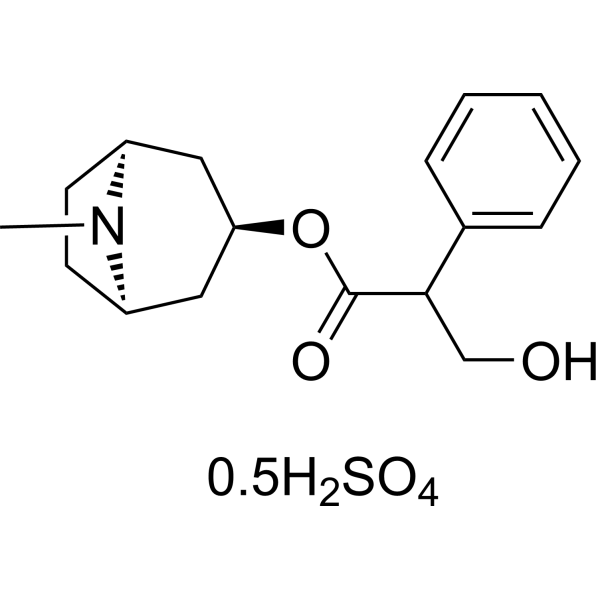
Atropine (Tropine tropate) sulfate is a competitive muscarinic acetylcholine receptor (mAChR) antagonist with IC50 values of 0.39 and 0.71 nM for Human mAChR M4 and Chicken mAChR M4, respectively. Atropine sulfate inhibits ACh-induced relaxations in human pulmonary veins. Atropine sulfate can be used for research of anti-myopia and bradycardia .
|
-
-
- HY-125159
-
|
PF-00520904
|
Parasite
nAChR
|
Infection
|
|
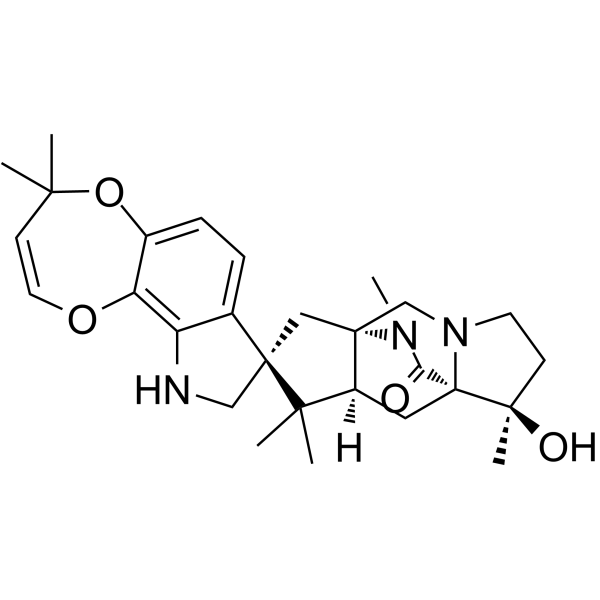
Derquantel, a spirocyclic anthelmintic, is a competitive, orally active nicotinic acetylcholine receptor (nAChR) antagonist. Derquantel inhibits ACh-induced depolarization with an IC50 of 0.22 μM. By selectively antagonizing nAChRs on the somatic muscles of nematodes, Derquantel causes flaccid paralysis of muscles, thereby dislodging parasites from the host's gastrointestinal tract. Derquantel is applicable to research related to Haemonchus contortus infection and Ascaris suum infection .
|
-
-
- HY-N8376
-
|
(±)-Fustin; 3,7,3',4'-Tetrahydroxyflavanone
|
Amyloid-β
mAChR
Cholinesterase (ChE)
|
Neurological Disease
|
|
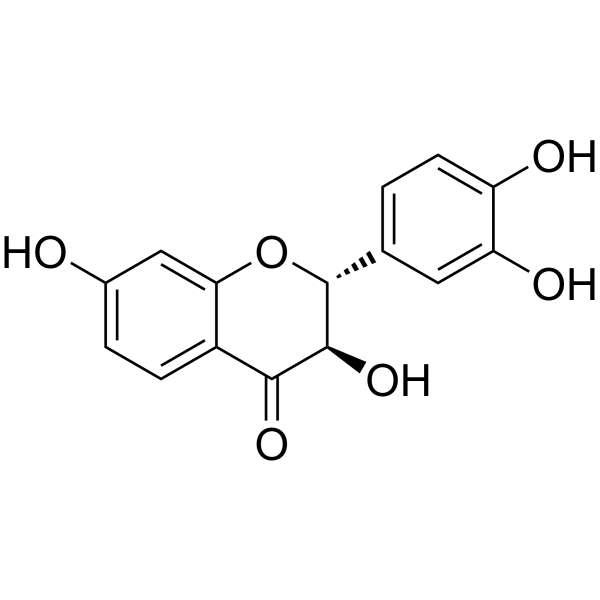
Fustinis ((±)-Fustin; 3,7,3',4'-Tetrahydroxyflavanone) is a potent amyloid β (Aβ) inhibitor. Fustinis ((±)-Fustin; 3,7,3',4'-Tetrahydroxyflavanone) increases the expression of acetylcholine (ACh) levels, choline acetyltransferase (ChAT) activity, and ChAT gene induced by Aβ (1-42). Fustinis ((±)-Fustin; 3,7,3',4'-Tetrahydroxyflavanone) decreases in acetyl cholinesterase (AChE) activity and AChE gene expression induced by Aβ (1-42). Fustinis ((±)-Fustin; 3,7,3',4'-Tetrahydroxyflavanone) increases muscarinic M1 receptor gene expression and muscarinic M1 receptor binding activity. Fustinis ((±)-Fustin; 3,7,3',4'-Tetrahydroxyflavanone) can be used for Alzheimer's disease research .
|
-
-
- HY-B1113
-
|
Dimpylate
|
Environmental Pollutants
Parasite
|
Infection
|
|
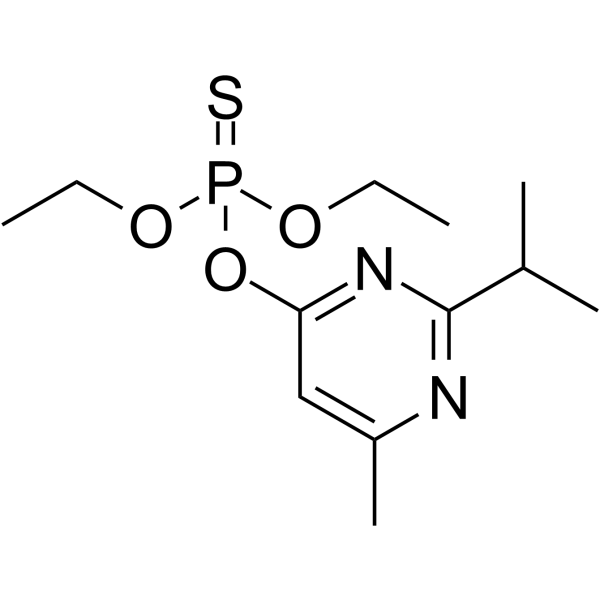
Diazinon is an orally active, irreversible AChE inhibitor and insecticide that can be absorbed through the digestive system, skin or respiratory tract. Diazinon inhibits AChE, leading to accumulation of acetylcholine, which in turn overstimulates ACh receptors and affects the nervous system. Diazinon also produces reactive oxygen species (ROS), which induce oxidative stress in various tissues. Diazinon is mainly used in the agricultural field as an insecticide and may have potential effects on human and animal health .
|
-
-
- HY-B0282S1
-
|
Ach-d9 chloride
|
nAChR
Calcium Channel
Endogenous Metabolite
|
Neurological Disease
Cancer
|
|
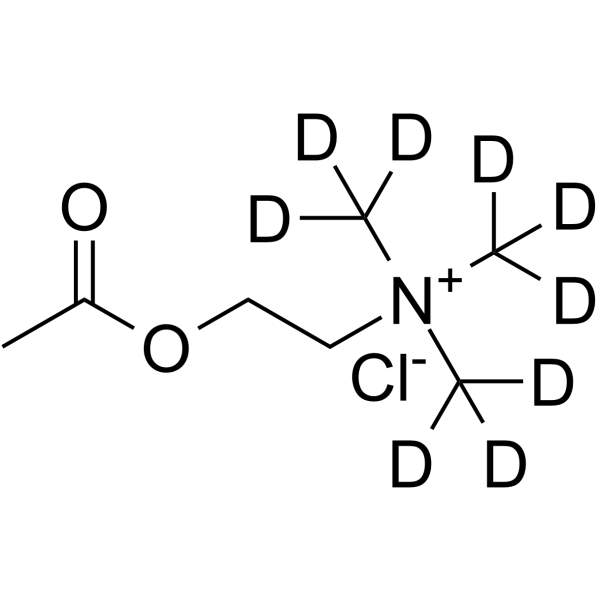
Acetylcholine-d9 (chloride) is the deuterium labeled Acetylcholine chloride. Acetylcholine chloride (ACh chloride), a neurotransmitter, is a potent and BBB-permeable cholinergic agonist. Acetylcholine chloride is a modulator of the activity of dopaminergic (DAergic) neurons through the stimulation of nicotinic acetylcholine receptors (nAChRs) . Acetylcholine chloride inhibits p53 mutant peptide aggregation in vitro .
|
-
-
- HY-B0282R
-
|
Ach chloride (Standard)
|
Reference Standards
nAChR
Calcium Channel
Endogenous Metabolite
|
Neurological Disease
Cancer
|
|
Acetylcholine (chloride) (Standard) is the analytical standard of Acetylcholine (chloride). This product is intended for research and analytical applications. Acetylcholine chloride (ACh chloride), a neurotransmitter, is a potent and BBB-permeable cholinergic agonist. Acetylcholine chloride is a modulator of the activity of dopaminergic (DAergic) neurons through the stimulation of nicotinic acetylcholine receptors (nAChRs) . Acetylcholine chloride inhibits p53 mutant peptide aggregation in vitro .
|
-

-
- HY-W415004
-
|
|
Cholinesterase (ChE)
|
Neurological Disease
|
|
ACHE-IN-38 (Compound mol-8) inhibits the metabolic breakdown of the neurotransmitter acetylcholine (ACh) by the enzyme acetylcholinesterase (AChE) and hence alleviates memory deficits in patients with Alzheimer’s Disease by potentiating cholinergic transmission .
|
-

-
- HY-N0801
-
|
|
MMP
Cholinesterase (ChE)
|
Neurological Disease
Inflammation/Immunology
|
|
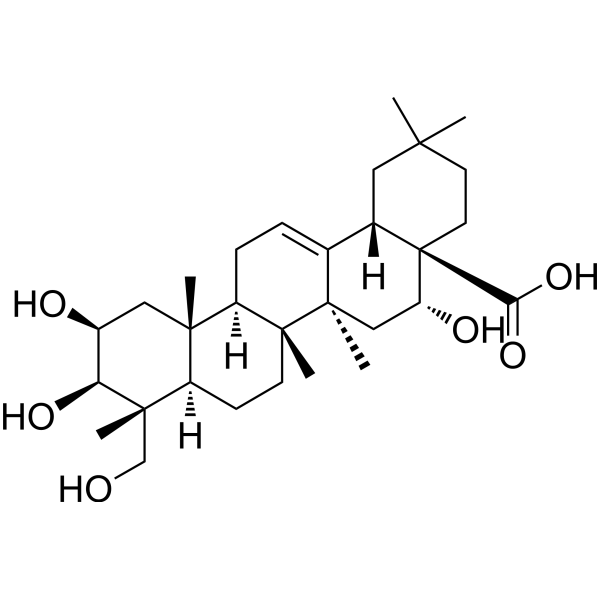
Polygalacic acid, is a triterpene, isolated from the root of Polygala tenuifolia Willd. Polygalacic acid inhibits MMP expression. Polygalacic acid may have a therapeutic effect in Osteoarthritis (OA) treatment .
Polygalacic acid exerts a significant neuroprotective effect on cognitive impairment, PA improves cholinergic system reactivity by inhibiting acetylcholinesterase (AChE) activity, increasing choline acetyltransferase (ChAT) activity, and elevating levels of acetylcholine (Ach) in the hippocampus and frontal cortex .
|
-
-
- HY-B1205R
-
|
Tropine tropate (Standard); DL-Hyoscyamine (Standard)
|
Reference Standards
mAChR
Endogenous Metabolite
|
Cardiovascular Disease
Neurological Disease
|
|
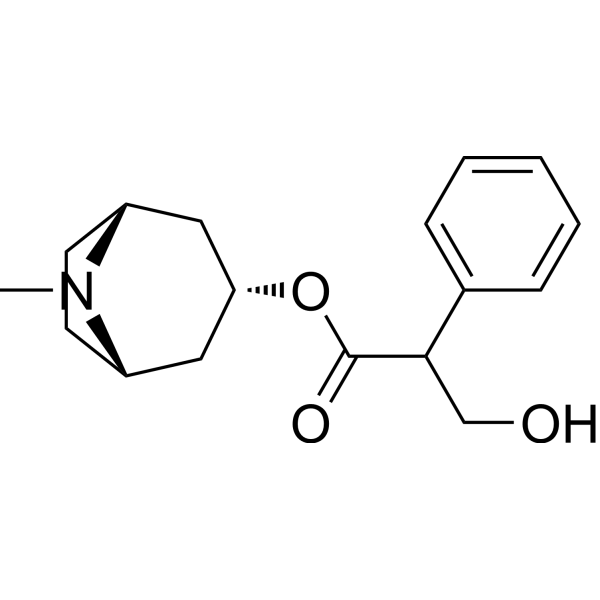
Atropine (Standard) is the analytical standard of Atropine. This product is intended for research and analytical applications. Atropine (Tropine tropate) is a competitive muscarinic acetylcholine receptor (mAChR) antagonist with IC50 values of 0.39 and 0.71 nM for Human mAChR M4 and Chicken mAChR M4, respectively. Atropine inhibits ACh-induced relaxations in human pulmonary veins. Atropine can be used for research of anti-myopia and bradycardia .
|
-
-
- HY-100795A
-
|
(±)-Pirmenol hydrochloride; CI-845
|
mAChR
Potassium Channel
|
Cardiovascular Disease
|
|
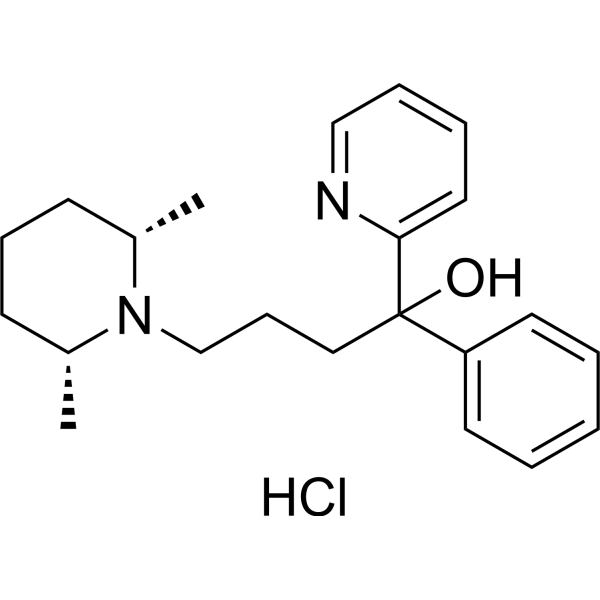
Pirmenol ((±)-Pirmenol) hydrochloride is an orally active antiarrhythmic agent. Pirmenol hydrochloride inhibits IK.ACh (IC50: 0.1 μM) by blocking mAchR. Pirmenol hydrochloride can be used in the research of cardiovascular disease, such as atrial fibrillation .
|
-
-
- HY-P2626
-
|
|
Opioid Receptor
|
Neurological Disease
|
|
[D-Ala2]-Met-Enkephalin, an opioid peptide, is a potent opioid agonist. [D-Ala2]-Met-Enkephalin inhibits ACh-induced and suckling-induced oxytocin (OT) release .
|
-
![[D-Ala2]-Met-Enkephalin](//file.medchemexpress.com/product_pic/hy-p2626.gif)
-
- HY-124182
-
|
Ach-3102; JNJ64289901
|
HCV
|
Infection
|
|
Odalasvir (ACH-3102) is a potent and selective inhibitor of HCV NS5A, and can be used in research on hepatitis C virus infection .
|
-

-
- HY-123858
-
|
|
nAChR
|
Neurological Disease
|
|
VU6001221 is a blood-brain barrier permeable Choline Transporter (CHT) inhibitor (IC50 = 270 nM). VU6001221 increases the likelihood of extracellular choline elevation activating synaptic α7 nicotine ACh receptors. VU6001221 attenuates potassium-induced ACh levels in the prefrontal cortex .
|
-

-
- HY-124892A
-
|
Acetyl-AF64
|
Histone Acetyltransferase
|
Neurological Disease
|
|
Acetylethylcholine mustard hydrochloride (Acetyl-AF64) is an inhibitor of choline acetyl-transferase that reduces the contraction frequency of the myotubes by inhibiting the synthesis of acetylethylcholine (Ach) with the half-maximal inhibitory concentration (IC50) of 1.22 mM. Acetylethylcholine mustard hydrochloride is an irreversible ligand for the high affinity choline transport system. Acetylethylcholine mustard hydrochloride is also a cholinotoxin. Acetylethylcholine mustard hydrochloride is a precursor for ethylcholine mustard aziridinium ion .
|
-

-
- HY-106054
-
|
|
Prostaglandin Receptor
|
Metabolic Disease
Inflammation/Immunology
|
|
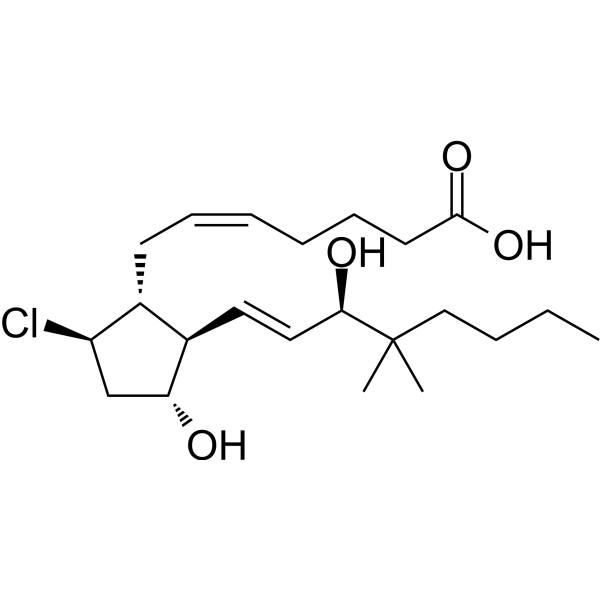
Nocloprost, a prostaglandin E2 (PGE2) analog, is an orally active EP1- and EP3-receptor agonist. Nocloprost inhibits evoked [ 3H]ACh release. Nocloprost has gastroprotective and ulcer-healing properties. Nocloprost accelerates the healing of chronic gastric ulcerations and enhances mucosal growth in rats .
|
-
-
- HY-B1205AR
-
|
Tropine tropate sulfate (Standard); DL-Hyoscyamine sulfate (Standard); Sulfatropinol (Standard)
|
Reference Standards
mAChR
|
Cardiovascular Disease
Neurological Disease
|
|
Atropine (sulfate) (Standard) is the analytical standard of Atropine (sulfate). This product is intended for research and analytical applications. Atropine (Tropine tropate) sulfate is a competitive muscarinic acetylcholine receptor (mAChR) antagonist with IC50 values of 0.39 and 0.71 nM for Human mAChR M4 and Chicken mAChR M4, respectively. Atropine sulfate inhibits ACh-induced relaxations in human pulmonary veins. Atropine sulfate can be used for research of anti-myopia and bradycardia .
|
-

-
- HY-15113A
-
|
|
Prolyl Endopeptidase (PREP)
|
Neurological Disease
Cancer
|
|
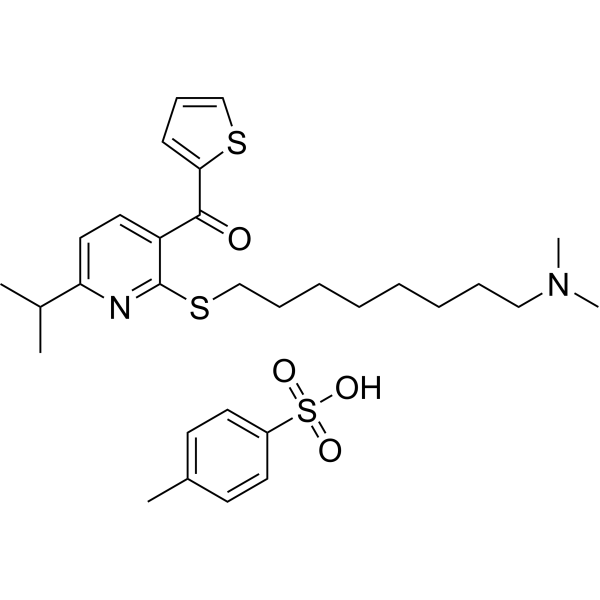
Y-29794 tosylate is a selective, orally active inhibitor for non-peptide prolyl endopeptidase (PREP), with an IC50 of 3 nM and a Ki of 0.95 nM. Y-29794 tosylate enhances the effect of thyrotropin-releasing hormone (TRH) on the release of ACh in the rat hippocampus, exhibits potential neuroprotective efficacy. Y-29794 tosylate exhibits anticancer activity through inhibition of the IRS1-AKT-mTORC1 pathway. Y-29794 tosylate penetrates the brain-blood barrier (BBB) .
|
-
-
- HY-19512
-
|
GS9132
|
HCV Protease
HCV
|
Infection
|
|
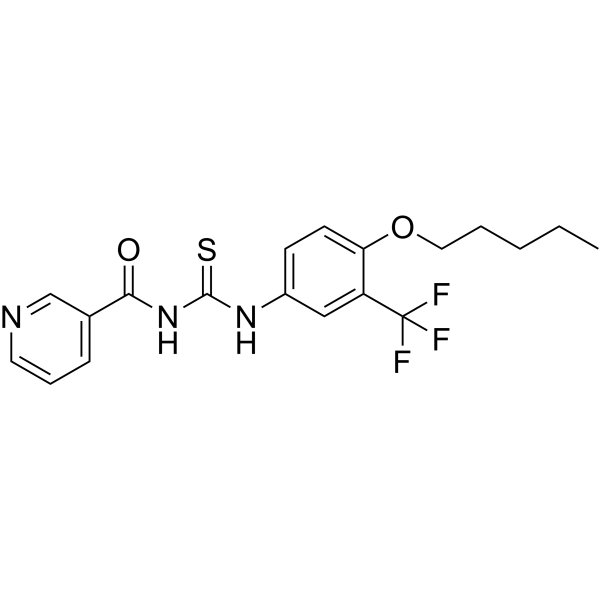
ACH-806 is an NS4A antagonist which can inhibit Hepatitis C Virus (HCV) replication with an EC50 of 14 nM.
|
-
-
- HY-176547
-
|
|
FGFR
Cytochrome P450
|
Endocrinology
|
|
FGFR2/3-IN-3 is a dual-target FGFR2/3 inhibitor with IC50s of 2.7 nM (TEL-FGFR2) and 3.9 nM (TEL-FGFR3), respectively. FGFR2/3-IN-3 has effective activity against both wild-type and mutant FGFR3. FGFR2/3-IN-3 has low CYP3A4 inhibitory effect and hERG toxicity. FGFR2/3-IN-3 improves the imbalance between chondrocyte proliferation and differentiation and promotes bone growth by inhibiting the signaling pathway mediated by mutant FGFR3. FGFR2/3-IN-3 shows a growth-promoting effect in a dwarfism mouse model and has the potential to study bone development disorder-related diseases such as achondroplasia (ACH) .
|
-

-
- HY-16658C
-
|
Z-VA-DL-D(OH)-FMK
|
Caspase
|
Infection
|
|
Z-VA-DL-D-FMK (Z-VA-DL-D(OH)-FMK) is an inhibitor for caspase . Z-VA-DL-D-FMK binds irreversibly to caspases, increases the sensitivity of TNF-α, and activates HIV replication in infected T cell ACH-2 .
|
-

-
- HY-100795
-
|
(±)-Pirmenol; CI-845 free base
|
mAChR
Potassium Channel
|
Cardiovascular Disease
|
|
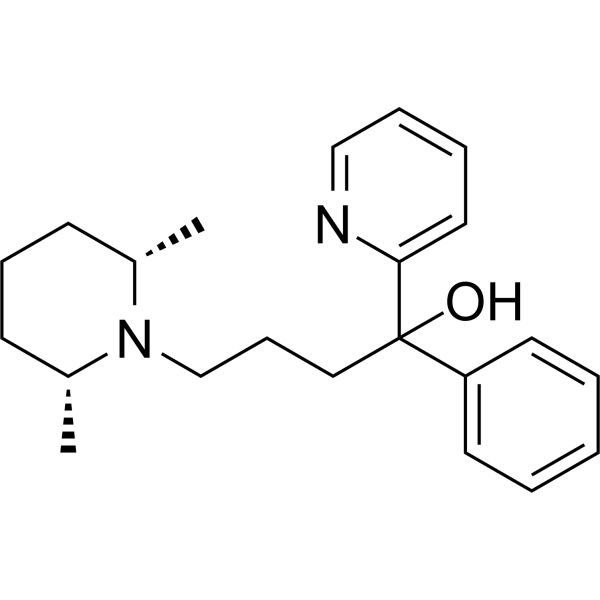
Pirmenol is an orally active antiarrhythmic agent. Pirmenol inhibits IK.ACh (IC50: 0.1 μM) by blocking mAchR. Pirmenol can be used in the research of cardiovascular disease, such as atrial fibrillation .
|
-
-
- HY-103182A
-
|
|
Adenosine Receptor
|
Others
|
|
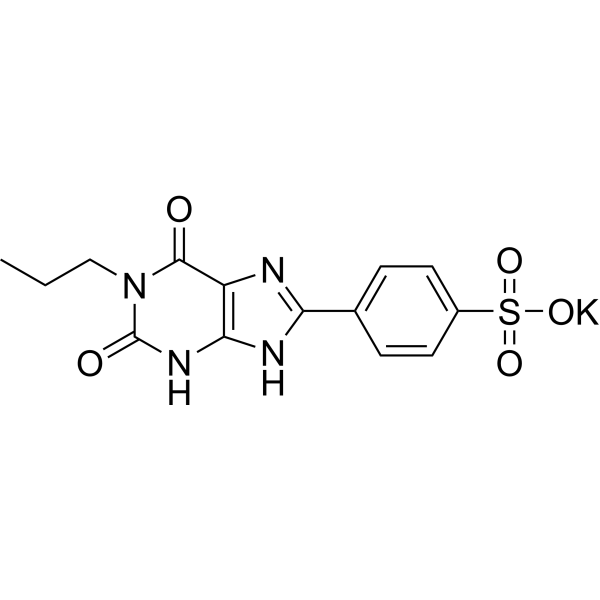
PSB-1115 potassium salt is a selective A2B Adenosine Receptor antagonist. PSB-1115 potassium salt inhibits the 2,4,6-trinitrobenzenesulfonic acid (TNBS)-induced contraction inhibition of acetylcholine (ACh) .
|
-
-
- HY-W856819
-
|
|
Opioid Receptor
Cholinesterase (ChE)
Drug Metabolite
nAChR
|
Neurological Disease
|
|
Eseroline is a potent μ-opioid receptor agonist, which is the hydrolytic metabolite of Physostigmine (HY-N6608). Eseroline is a selective and competitive acetylcholinesterase (AChE) inhibitor, with its Ki values for AChE and BuChE being 0.1 μM and 200 μM respectively. Eseroline has nicotinic acetylcholine receptor allosteric enhancing ligand (nAChR-APL) activity, meaning it does not activate the receptor but significantly enhances the signal transduction of Ach triggered by the receptor. Eseroline is neurotoxic, causing cell membrane damage (LDH leakage) and energy metabolism collapse (ATP depletion). Eseroline can be used for the study of Alzheimer's disease .
|
-

-
- HY-178485
-
|
|
PI3K
HDAC
Akt
Histone Methyltransferase
|
Cancer
|
|
SJY26 is a PI3K/HDAC dual-target inhibitor with IC50s of 0.59 nM (PI3Kα and PI3Kδ), 2.02 nM (PI3Kγ), 12.69 nM (PI3Kβ) and 114 nM (HDAC1). SJY26 exhibits potent broad-spectrum anti-proliferative activity, and is particularly sensitive to Jurkat and PC9R cells. SJY26 inhibited the migration of PC9R cells, arrested the cell cycle and induced cell apoptosis. SJY26 reduces AKT phosphorylation, and decreases histone H3 deacetylation (Ac-H3). SJY26 can be used for the studies of non-small cell lung cancer and leukemia .
|
-

-
- HY-144801A
-
|
|
Potassium Channel
|
Cardiovascular Disease
|
|
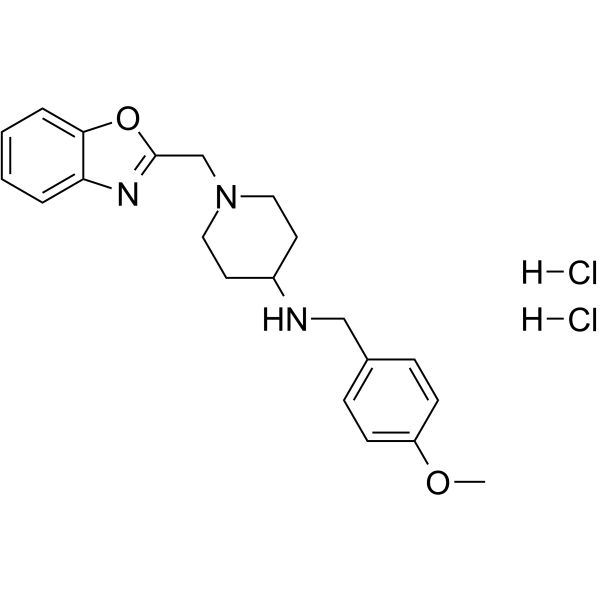
DDO-02005 is a potent Kv1.5 potassium channel inhibitor with an IC50 value of 0.72 μM. DDO-02005 has good anti-atrial fibrillation (AF) effect in CaCl2-ACh AF rats model and effective anti-arrhythmic activity caused by aconitine .
|
-
-
- HY-144801
-
|
|
Potassium Channel
|
Cardiovascular Disease
|
|
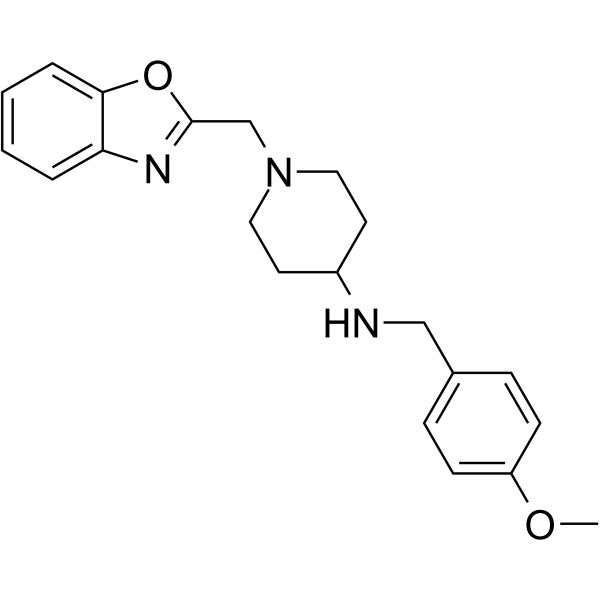
DDO-02005 (free base) is a potent Kv1.5 potassium channel inhibitor with an IC50 value of 0.72 μM. DDO-02005 (free base) has good anti-atrial fibrillation (AF) effect in CaCl2-ACh AF rats model and effective anti-arrhythmic activity caused by aconitine .
|
-
-
- HY-W003576
-
|
|
Cholinesterase (ChE)
|
Neurological Disease
|
|
ACHE-IN-38 hydrochloride (Compound 13b) inhibits the metabolic breakdown of the neurotransmitter acetylcholine (ACh) by the enzyme acetylcholinesterase (AChE) and hence alleviates memory deficits in patients with Alzheimer’s Disease by potentiating cholinergic transmission .
|
-

-
- HY-121366
-
|
RU-15525
|
Calcium Channel
|
Others
|
Kadethrin is a synthetic pyrethroid that acts as an insecticide. Kadethrin can affect the binding of [3H] full-histamine toxin ([3H]H12-HTX) to the nicotinic acetylcholine (Ach) receptor/channel binding sites, and it inhibits the Ca 2+ flux through the receptor ion channels .
|
-

-
- HY-N1064
-
|
|
nAChR
|
Neurological Disease
|
|
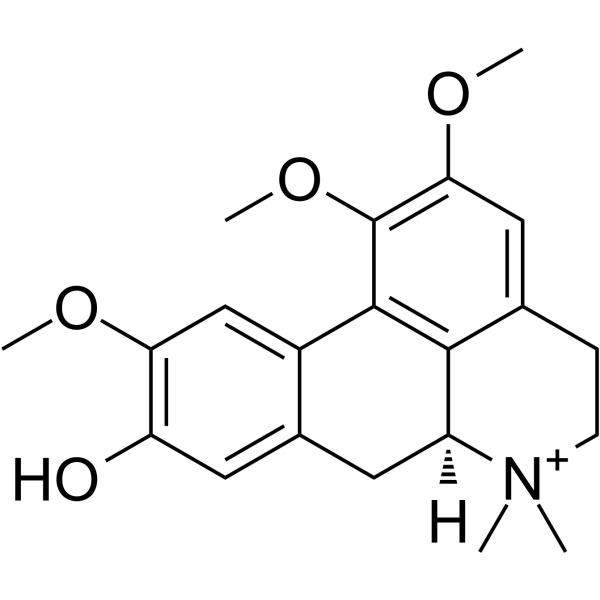
Xanthoplanine, isolated from theroot of Xylopia parviflora, fully inhibits the EC50 ACh responses of both alpha7 and alpha4beta2 nACh receptors with estimated IC50 values of 9 μM (alpha7) and 5 μM (alpha4beta2) .
|
-
-
- HY-103182R
-
|
|
Reference Standards
Adenosine Receptor
|
Others
|
|
PSB-1115 (Standard) is the analytical standard of PSB-1115. This product is intended for research and analytical applications. PSB-1115 is a selective A2B Adenosine Receptor antagonist. PSB-1115 inhibits the 2,4,6-trinitrobenzenesulfonic acid (TNBS)-induced contraction inhibition of acetylcholine (ACh) .
|
-

-
- HY-W003576R
-
|
|
Cholinesterase (ChE)
Reference Standards
|
Neurological Disease
|
|
ACHE-IN-38 (hydrochloride) (Standard) is the analytical standard of ACHE-IN-38 (hydrochloride). This product is intended for research and analytical applications. ACHE-IN-38 hydrochloride (Compound 13b) inhibits the metabolic breakdown of the neurotransmitter acetylcholine (ACh) by the enzyme acetylcholinesterase (AChE) and hence alleviates memory deficits in patients with Alzheimer’s Disease by potentiating cholinergic transmission .
|
-

-
- HY-17460AR
-
|
BMS284756 Mesylate hydrate (Standard)
|
Reference Standards
Bacterial
Topoisomerase
DNA/RNA Synthesis
Antibiotic
|
Infection
|
|
ACHE-IN-38 (hydrochloride) (Standard) is the analytical standard of ACHE-IN-38 (hydrochloride). This product is intended for research and analytical applications. ACHE-IN-38 hydrochloride (Compound 13b) inhibits the metabolic breakdown of the neurotransmitter acetylcholine (ACh) by the enzyme acetylcholinesterase (AChE) and hence alleviates memory deficits in patients with Alzheimer’s Disease by potentiating cholinergic transmission .
|
-

-
- HY-B1205B
-
|
Tropine tropate hydrobromide; DL-Hyoscyamine hydrobromide
|
mAChR
|
Cardiovascular Disease
Neurological Disease
Cancer
|
|
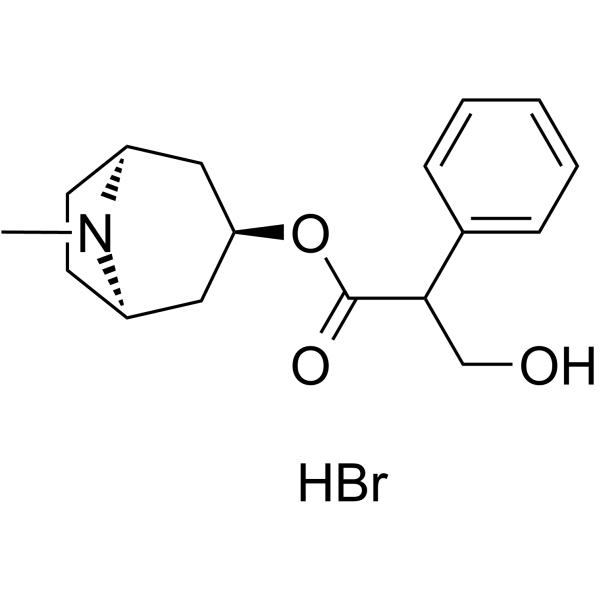
Atropine (Tropine tropate) hydrobromide is a competitive muscarinic acetylcholine receptor (mAChR) antagonist with IC50 values of 0.39 and 0.71 nM for Human mAChR M4 and Chicken mAChR M4, respectively. Atropine hydrobromide inhibits ACh-induced relaxations in human pulmonary veins. Atropine hydrobromide can be used for research of anti-myopia and bradycardia .
|
-
-
- HY-B0394R
-
|
Tropine tropate sulfate monohydrate (Standard); DL-Hyoscyamine sulfate monohydrate (Standard)
|
Reference Standards
mAChR
|
Cardiovascular Disease
Neurological Disease
|
|
Atropine (sulfate monohydrate) (Standard) is the analytical standard of Atropine (sulfate monohydrate). This product is intended for research and analytical applications. Atropine (Tropine tropate) sulfate monohydrate is a competitive muscarinic acetylcholine receptor (mAChR) antagonist with IC50 values of 0.39 and 0.71 nM for Human mAChR M4 and Chicken mAChR M4, respectively. Atropine sulfate monohydrate inhibits ACh-induced relaxations in human pulmonary veins. Atropine sulfate monohydrate can be used for research of anti-myopia and bradycardia .
|
-

-
- HY-15113
-
|
|
Prolyl Endopeptidase (PREP)
|
Neurological Disease
Cancer
|
|
Y-29794 is a selective, orally active inhibitor for non-peptide prolyl endopeptidase (PREP), with an IC50 of 3 nM and a Ki of 0.95 nM. Y-29794 enhances the effect of thyrotropin-releasing hormone (TRH) on the release of ACh in the rat hippocampus, exhibits potential neuroprotective efficacy. Y-29794 exhibits anticancer activity through inhibition of the IRS1-AKT-mTORC1 pathway. Y-29794 penetrates the brain-blood barrier (BBB) .
|
-

-
- HY-170841
-
|
|
HDAC
Epigenetic Reader Domain
|
Cancer
|
|
HDAC3/BRD4-IN-1 (compound 26n) is an inhibitor of HDAC3/BRD4 with an IC50 of 8 nM for HDAC3 (IC50s are 220 nM and 120 nM for HDAC1 and HDAC2, respectively). HDAC3/BRD4-IN-1 has anti-tumor and anti-proliferative effects by upregulating Ac-H3 and downregulating c-Myc. The half-life of HDAC3/BRD4-IN-1 in human liver microsomes is 29.36 min .
|
-

-
- HY-108029
-
|
Ach-2684 sodium; Neceprevir sodium
|
HCV
HCV Protease
|
Infection
|
|
Deldeprevir (ACH-2684; Neceprevir) sodium is a HCV NS3/4A protease inhibitor and resistance inhibitor. Deldeprevir sodium exhibits activity against wild-type genotype 1a and 1b HCV, including mutant strains resistant to other NS3 protease inhibitors. Deldeprevir sodium blocks the emergence of HCV mutant strains resistant to ACH-3422 in vitro, with enhanced efficacy when used in triple combination with ACH-3422 and ACH-3102 (HY-124182). Deldeprevir sodium shows additive antiviral potency when combined with ACH-3422, and exerts antiviral activity against HCV replicons carrying ACH-3102. Deldeprevir sodium is applicable to research related to hepatitis C .
|
-

-
- HY-167293
-
|
Ach-2684; Neceprevir
|
HCV Protease
|
Infection
|
|
Deldeprevir (ACH-2684) is a HCV NS3 protease inhibitor. Deldeprevir has potent antiviral activities against different genotypes and against known resistant variants (such as R155, Al56 and D168) by the formation a highly stable complex with NS3 prolease. Deldeprevir can be used for Hepatitis C virus infection research .
|
-

-
- HY-180296
-
|
|
Cholinesterase (ChE)
|
Neurological Disease
|
|
AChE-IN-103 (Compound 10) is an inhibitor of ACh. AChE-IN-103 exhibits log IC50 values of 1.477 and 2.2 for models based on alignments I and II. AChE-IN-103 can be studied in research on Alzheimer’s disease .
|
-

-
- HY-100795AR
-
|
(±)-Pirmenol hydrochloride (Standard); CI-845 (Standard)
|
mAChR
Reference Standards
Potassium Channel
|
Cardiovascular Disease
|
|
Pirmenol (hydrochloride) (Standard) is the analytical standard of Pirmenol (hydrochloride) (HY-100795A). This product is intended for research and analytical applications. Pirmenol ((±)-Pirmenol) hydrochloride is an orally active antiarrhythmic agent. Pirmenol hydrochloride inhibits IK.ACh (IC50: 0.1 μM) by blocking mAchR. Pirmenol hydrochloride can be used in the research of cardiovascular disease, such as atrial fibrillation .
|
-

-
- HY-W070884
-
|
|
nAChR
|
Infection
|
|
nAChR-IN-2 (Compound 2) is an inhibitor of insect nicotinic acetylcholine receptors (nAChR). nAChR-IN-2 inhibits the binding of α-bungarotoxin (HY-P1264) to the ACh site of insect nAChR in honeybee heads, with an IC50 of 360 μM. nAChR-IN-2 also inhibits the binding of Phencyclidine to the NCB/PCP site of insect nAChR in honeybee heads, with an IC50 of 84 μM .
|
-

-
- HY-W754293
-
|
V0191; DMAE pidolate; DMAE PCA
|
mAChR
|
Neurological Disease
|
|
Deanol pidolate (V0191; DMAE pidolate) is an orally active pro-cholinergic agent that improves cognitive symptoms by increasing the release of acetylcholine (Ach) and avoids the typical side effects of cholinesterase inhibitors. Deanol pidolate can alleviate the harmful effects of scopolamine on long-term memory and restore to baseline levels more quickly. Deanol pidolate can be used in research on Alzheimer's disease .
|
-

-
- HY-168167
-
|
|
Endogenous Metabolite
|
Neurological Disease
|
|
BuChE-IN-14 is a novel compound that selectively inhibits acetylcholinesterase (AChE) activity. BuChE-IN-14 showed a concentration-dependent inhibitory effect on AChE in rat brain in vitro experiments. BuChE-IN-14 can increase the extracellular acetylcholine (ACh) concentration in the rat hippocampus and striatum at a certain dose. BuChE-IN-14 may help improve memory impairment caused by cholinergic dysfunction .
|
-

- HY-128547
-
|
|
Potassium Channel
mAChR
|
Cardiovascular Disease
|
|
Cetiedil citrate is a vasodilator and antihemolytic agent . Cetiedil citrate exerts anti-sickle cell anemia effects by blocking Ca 2+-activated K + channels (Gardos/KCa3.1). Cetiedil citrate is a muscarinic receptor antagonist that inhibits calcium-dependent release of acetylcholine (ACh) from mediated reconstituted proteoliposomes, with a Ki value of 5 μM. Cetiedil citrate possesses analgesic, spasmolytic and local anesthetic activities. Cetiedil citrate can be used in research related to ischemic leg pain caused by vascular diseases and sickle cell disease .
|
-

- HY-116153
-
|
|
Cholinesterase (ChE)
|
Neurological Disease
|
|
HUHS2002 is a free fatty acid derivative with the ability to enhance α7 cholinergic receptor activity. HUHS2002 enhances whole-cell membrane currents of α7 ACh receptors expressed in Xenopus oocytes in a concentration-dependent manner. The effects of HUHS2002 were blocked in the presence of the Ca2 /calmodulin-dependent protein kinase II (CaMKII) inhibitor KN-93. HUHS2002 activated CaMKII in cultured rodent hippocampal neurons, and this activation was abolished by KN-93. HUHS2002 also partially inhibited the activity of protein phosphatase 1 (PP1) in a cell-free PP1 activity assay .
|
-

| Cat. No. |
Product Name |
Target |
Research Area |
| Cat. No. |
Product Name |
Category |
Target |
Chemical Structure |
-
- HY-B0282
-
-
-
- HY-B1205
-
-
-
- HY-N8376
-
|
(±)-Fustin; 3,7,3',4'-Tetrahydroxyflavanone
|
Flavanonols
Flavonoids
Plants
Rhus glabra L.
Source Classification
Anacardiaceae
|
Amyloid-β
mAChR
Cholinesterase (ChE)
|
|
Fustinis ((±)-Fustin; 3,7,3',4'-Tetrahydroxyflavanone) is a potent amyloid β (Aβ) inhibitor. Fustinis ((±)-Fustin; 3,7,3',4'-Tetrahydroxyflavanone) increases the expression of acetylcholine (ACh) levels, choline acetyltransferase (ChAT) activity, and ChAT gene induced by Aβ (1-42). Fustinis ((±)-Fustin; 3,7,3',4'-Tetrahydroxyflavanone) decreases in acetyl cholinesterase (AChE) activity and AChE gene expression induced by Aβ (1-42). Fustinis ((±)-Fustin; 3,7,3',4'-Tetrahydroxyflavanone) increases muscarinic M1 receptor gene expression and muscarinic M1 receptor binding activity. Fustinis ((±)-Fustin; 3,7,3',4'-Tetrahydroxyflavanone) can be used for Alzheimer's disease research .
|
-
-
- HY-B0282R
-
-
-
- HY-N0801
-
|
|
Triterpenes
Terpenoids
Polygalaceae
Plants
Polygala tenuifolia Willd.
Source Classification
|
MMP
Cholinesterase (ChE)
|
|
Polygalacic acid, is a triterpene, isolated from the root of Polygala tenuifolia Willd. Polygalacic acid inhibits MMP expression. Polygalacic acid may have a therapeutic effect in Osteoarthritis (OA) treatment .
Polygalacic acid exerts a significant neuroprotective effect on cognitive impairment, PA improves cholinergic system reactivity by inhibiting acetylcholinesterase (AChE) activity, increasing choline acetyltransferase (ChAT) activity, and elevating levels of acetylcholine (Ach) in the hippocampus and frontal cortex .
|
-
-
- HY-B1205R
-
|
Tropine tropate (Standard); DL-Hyoscyamine (Standard)
|
Atropa belladonna Linn.
Solanaceae
Plants
Endogenous metabolite
Source Classification
|
Reference Standards
mAChR
Endogenous Metabolite
|
|
Atropine (Standard) is the analytical standard of Atropine. This product is intended for research and analytical applications. Atropine (Tropine tropate) is a competitive muscarinic acetylcholine receptor (mAChR) antagonist with IC50 values of 0.39 and 0.71 nM for Human mAChR M4 and Chicken mAChR M4, respectively. Atropine inhibits ACh-induced relaxations in human pulmonary veins. Atropine can be used for research of anti-myopia and bradycardia .
|
-
-
- HY-B1205AR
-
|
Tropine tropate sulfate (Standard); DL-Hyoscyamine sulfate (Standard); Sulfatropinol (Standard)
|
Alkaloids
Structural Classification
Other Alkaloids
Atropa belladonna Linn.
Solanaceae
Plants
Source Classification
|
Reference Standards
mAChR
|
|
Atropine (sulfate) (Standard) is the analytical standard of Atropine (sulfate). This product is intended for research and analytical applications. Atropine (Tropine tropate) sulfate is a competitive muscarinic acetylcholine receptor (mAChR) antagonist with IC50 values of 0.39 and 0.71 nM for Human mAChR M4 and Chicken mAChR M4, respectively. Atropine sulfate inhibits ACh-induced relaxations in human pulmonary veins. Atropine sulfate can be used for research of anti-myopia and bradycardia .
|
-
-
- HY-N1064
-
-
-
- HY-B0394R
-
|
Tropine tropate sulfate monohydrate (Standard); DL-Hyoscyamine sulfate monohydrate (Standard)
|
Alkaloids
Structural Classification
Other Alkaloids
Atropa belladonna Linn.
Solanaceae
Plants
Source Classification
|
Reference Standards
mAChR
|
|
Atropine (sulfate monohydrate) (Standard) is the analytical standard of Atropine (sulfate monohydrate). This product is intended for research and analytical applications. Atropine (Tropine tropate) sulfate monohydrate is a competitive muscarinic acetylcholine receptor (mAChR) antagonist with IC50 values of 0.39 and 0.71 nM for Human mAChR M4 and Chicken mAChR M4, respectively. Atropine sulfate monohydrate inhibits ACh-induced relaxations in human pulmonary veins. Atropine sulfate monohydrate can be used for research of anti-myopia and bradycardia .
|
-
| Cat. No. |
Product Name |
Chemical Structure |
-
- HY-B0282S
-
|
|
|
Acetylcholine-d4 (chloride) is the deuterium labeled Acetylcholine chloride. Acetylcholine chloride (ACh chloride), a neurotransmitter, is a potent and BBB-permeable cholinergic agonist. Acetylcholine chloride is a modulator of the activity of dopaminergic (DAergic) neurons through the stimulation of nicotinic acetylcholine receptors (nAChRs) . Acetylcholine chloride inhibits p53 mutant peptide aggregation in vitro .
|
-
-
- HY-B0282S1
-
|
|
|
Acetylcholine-d9 (chloride) is the deuterium labeled Acetylcholine chloride. Acetylcholine chloride (ACh chloride), a neurotransmitter, is a potent and BBB-permeable cholinergic agonist. Acetylcholine chloride is a modulator of the activity of dopaminergic (DAergic) neurons through the stimulation of nicotinic acetylcholine receptors (nAChRs) . Acetylcholine chloride inhibits p53 mutant peptide aggregation in vitro .
|
-
Your information is safe with us. * Required Fields.
Inquiry Information
- Product Name:
- Cat. No.:
- Quantity:
- MCE Japan Authorized Agent:





![[D-Ala2]-Met-Enkephalin](http://file.medchemexpress.com/product_pic/hy-p2626.gif)





