Search Result
Results for "
CYP1A2 inhibitor
" in MedChemExpress (MCE) Product Catalog:
4
Isotope-Labeled Compounds
| Art. -Nr. |
Produktname |
Target |
Forschungsgebiete |
Chemical Structure |
-
- HY-B0476
-
|
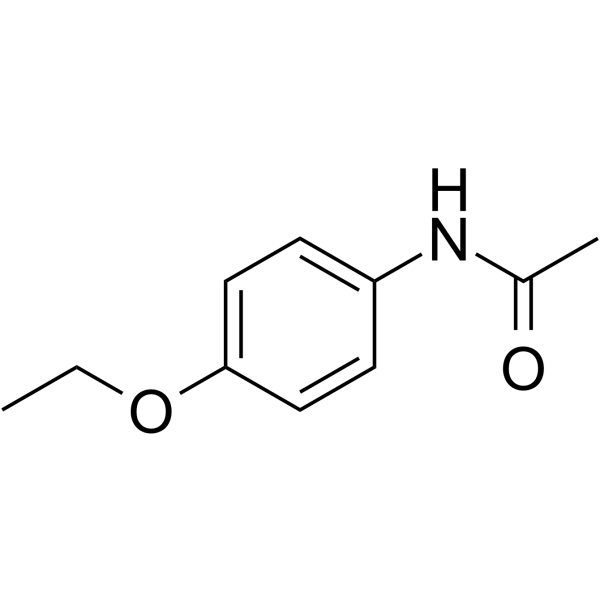
Acetophenetidin
|
COX
|
Inflammation/Immunology
|
|
Phenacetin (Acetophenetidin) is a non-opioid analgesic/antipyretic agent. Phenacetin is a selective COX-3 inhibitor. Phenacetin is used as probe of cytochrome P450 enzymes CYP1A2 in human liver microsomes and in rats .
|
-
-
- HY-N0043
-
-
-
- HY-111338
-
|
|
Cholinesterase (ChE)
|
Neurological Disease
|
|
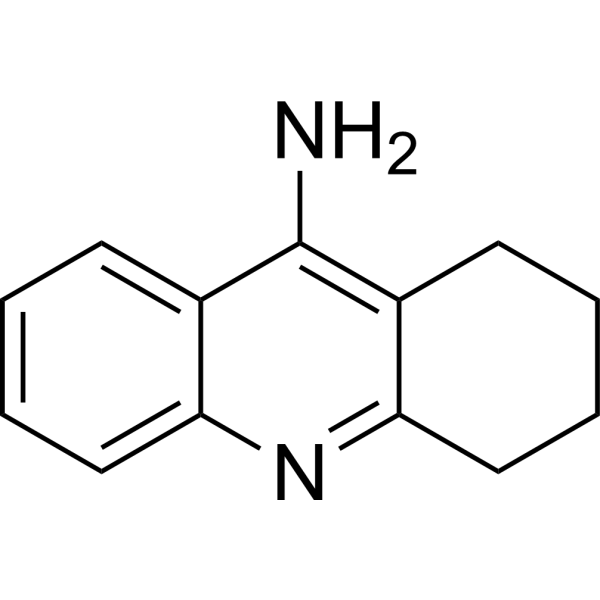
Tacrine is an effective oral acetylcholine (AChE) inhibitor (IC50 = 109 nM) and also acts as an active substrate for CYP1A2. Tacrine can restore cognitive dysfunction in elderly rats. Tacrine can cause liver toxicity and is used in research related to Alzheimer's disease .
|
-
-
- HY-19340
-
TMS
Maximum Cited Publications
9 Publications Verification
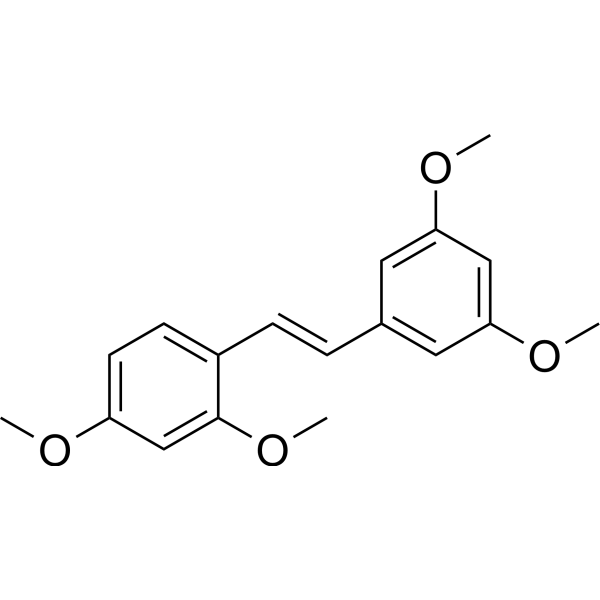
(E)-2,3',4,5'-tetramethoxystilbene
|
Cytochrome P450
|
Cancer
|
|
TMS ((E)-2,3',4,5'-tetramethoxystilbene) is a selective and competitive CYP1B1 inhibitor with an IC50 of 6 nM and a Ki value of 3 nM. TMS shows a lesser extent inhibitory effect on CYP1A1 (IC50=300 nM) and CYP1A2 (IC50=3.1 μM). TMS is a methylated derivative of resveratrol and has anti-cancer activity .
|
-
-
- HY-30152
-
-
-
- HY-17614
-
|
SMT C1100; BMN 195; VOX-C1100
|
Cytochrome P450
|
Others
|
|
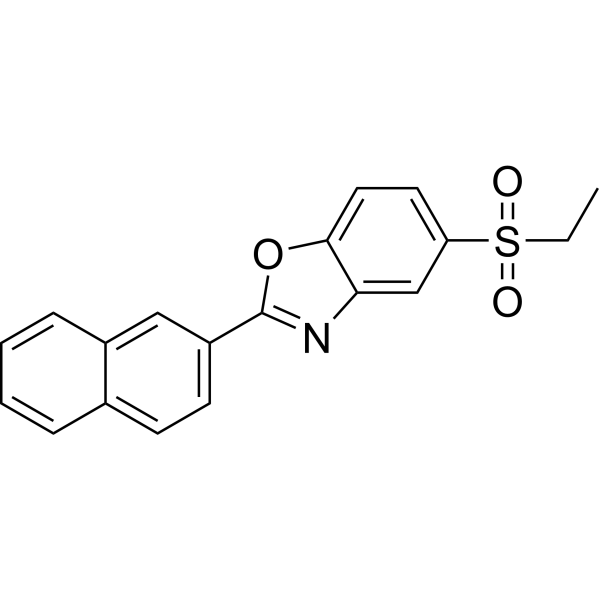
Ezutromid (SMT C1100) is a first-in-class, orally active benzoxazole utrophin modulator with an EC50 of 0.91 μM. Ezutromid can be used for the research Duchenne muscular dystrophy (DMD). Ezutromid inhibits CYP1A2 enzymic activity in human liver microsomes (HLM) with an IC50 of 5.4 μM .
|
-
-
- HY-18063
-
|
|
Potassium Channel
Cytochrome P450
|
Neurological Disease
|
|
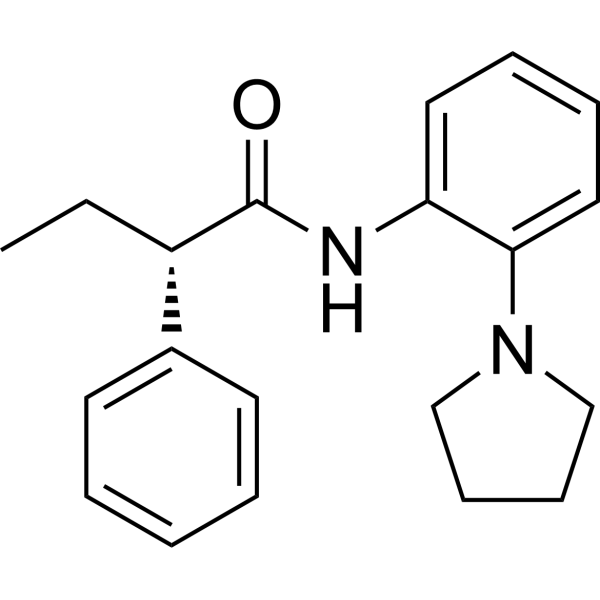
ML252 is a selective inhibitor of KCNQ2 (Kv7.2) channel with an IC50s of 69 nM, 2.92 μM, 0.12 μM and 0.20 μM for KCNQ2, KCNQ1 (Kv7.1), KCNQ2/Q3 and KCNQ4, respectively. ML252 also inhibits Cytochrome P450 with IC50s of 6.1 nM (CYP1A2), 18.9 nM (CYP2C9), 3.9 nM (CYP3A4), 19.9 nM (CYP2D6), respectively. ML252 shows highly brain penetrant .
|
-
-
- HY-W013268
-
|
(+)-N-3-Benzylnirvanol
|
Cytochrome P450
|
Metabolic Disease
|
|
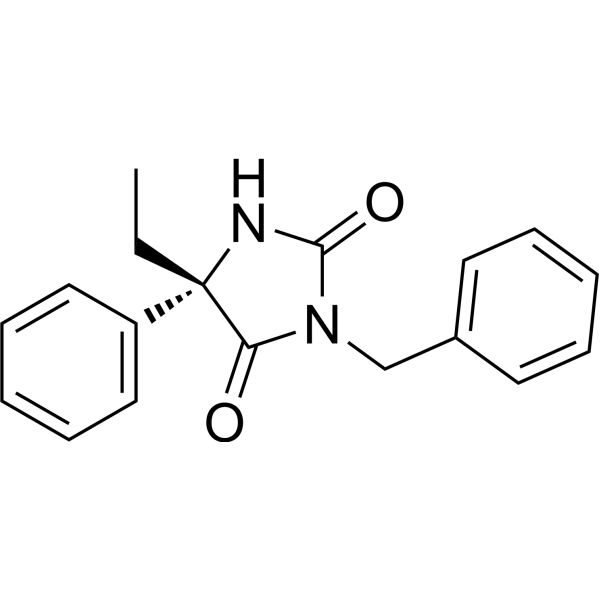
(S)-(+)-N-3-Benzylnirvanol ((+)-N-3-Benzylnirvanol) is a selective and competitive cytochrome P450 (CYP) isoform CYP2C19 inhibitor with a Ki of 250 nM. (S)-(+)-N-3-Benzylnirvanol has low activity against CYP1A2, CYP2A6, CYP2C8, CYP2C9, CYP2D6, CYP2E1, and CYP3A4 .
|
-
-
- HY-N1050
-
|
|
mTOR
Ribosomal S6 Kinase (RSK)
Bacterial
|
Infection
Neurological Disease
Cancer
|
|
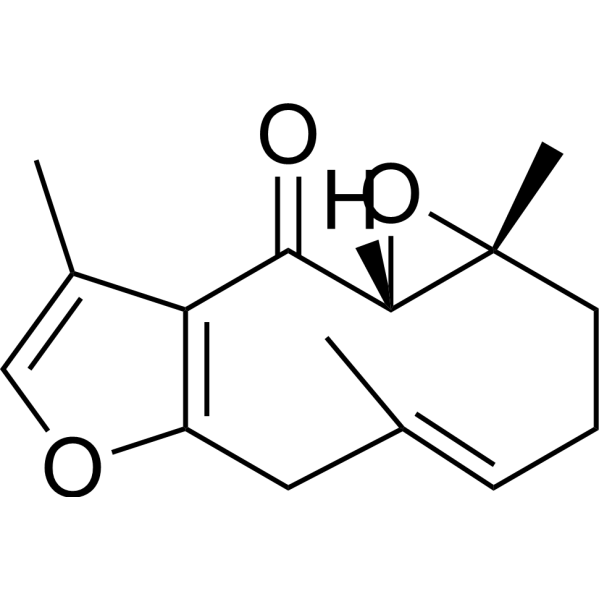
Zederone is a sesquiterpene. Zederone inhibits ovarian cancer cell proliferation through mTOR/p70s6K signalling pathway. Zederone inhibits CYP activities with IC50s of 2.9 μM (CYP2B6), 9.2 μM (CYP2C9), 11,2 μM (CYP2C19) and >30 μM (CYP1A2 and CYP2D6). Zederone is hepatotoxic with LD50 value at 24 hours in mice of approximately 223 mg/kg and cytotoxic against the KG1a cell line. Zederone shows antibacterial activity against a number of multi-drug resistant and Methicillin (HY-121544)-resistant Staphylococcus aureus strain. Zederone shows cognition improving capacity and assists in the modulation of gut bacterial dysbiosis .
|
-
-
- HY-W010195
-
|
|
Cytochrome P450
|
Others
|
|
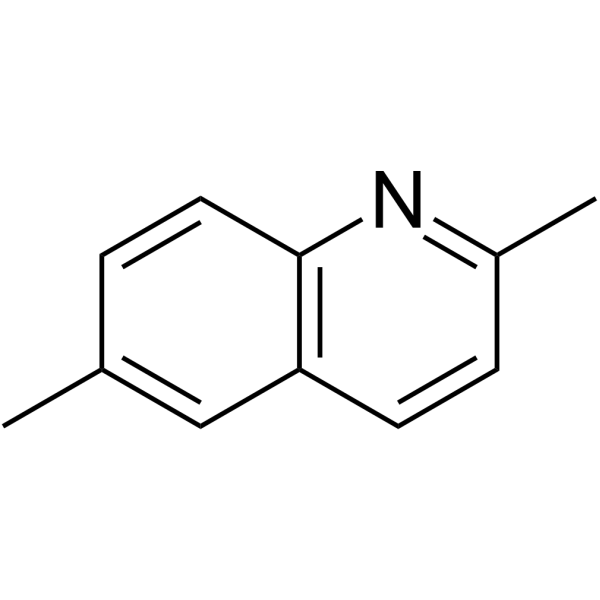
2,6-Dimethylquinoline, a nature constituent from the roots of Peucedantu praeruptorum, is a CYP1A2 inhibitor with an IC50 of 3.3 µM. 2,6-Dimethylquinoline also inhibits CYP2B6 activity with an IC50 of 480 µM .
|
-
-
- HY-117026
-
LKY-047
1 Publications Verification
|
Cytochrome P450
|
Metabolic Disease
Inflammation/Immunology
|
|
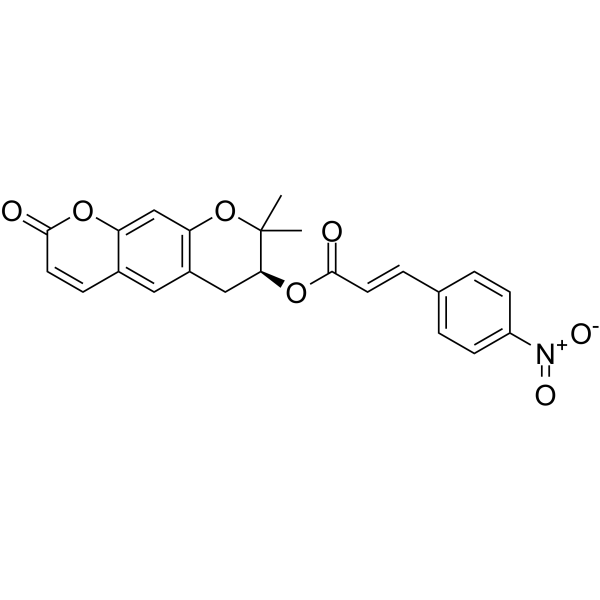
LKY-047, a Decursin derivative, is a potent and selective reversible competitive cytochrome P45022J2 (CYP2J2) inhibitor with an IC50 of 1.7 μM. LKY-047 is inactive against other human P450s, such as CYPs 1A2, 2A6, 2B6, 2C8, 2C9, 2C19, 2D6, 2E1, and 3A .
|
-
-
- HY-132845
-
|
PTC857
|
α-synuclein
Cytochrome P450
Ferroptosis
Lipoxygenase
|
Neurological Disease
|
|
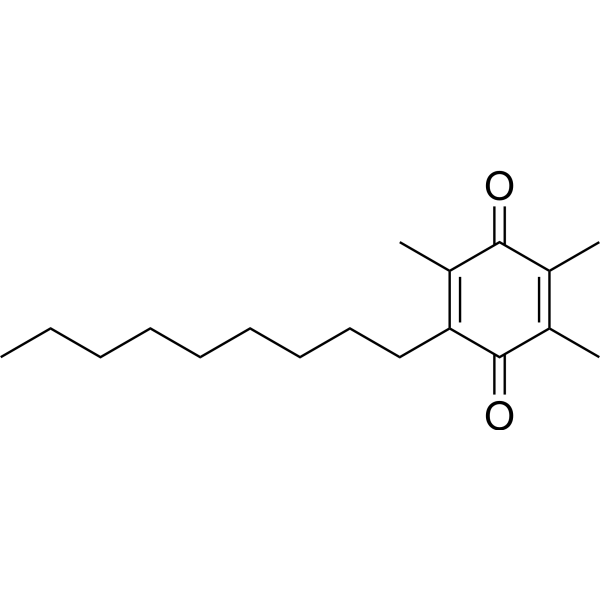
Utreloxastat (PTC857) is an orally active and blood-brain barrier-permeable 15-lipooxygenase inhibitor. Utreloxastat is a weak inhibitor of CYP1A2 and 2B6 with an IC50 of >5.3 μM. Utreloxastat reduces oxidative stress and inhibits the consumption of reduced glutathione and ferroptosis. Utreloxastat can be used in the study of neurodegenerative diseases characterized by high levels of oxidative stress and mitochondrial pathology, such as amyotrophic lateral sclerosisc .
|
-
-
- HY-N2382
-
|
|
Cytochrome P450
P-glycoprotein
|
Metabolic Disease
Cancer
|
|
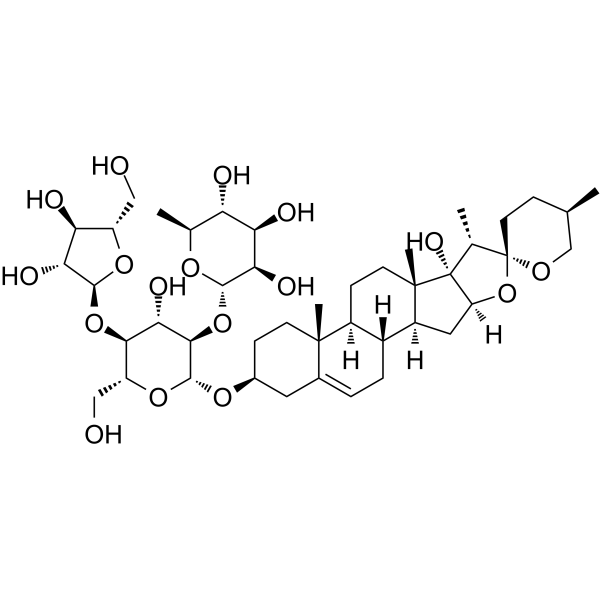
Polyphyllin H is a steroidal saponin. Polyphyllin H is isolated from Paris polyphylla. Polyphyllin H potently inhibits the activities of CYP1A2 (IC50 = 6.44 μM, competitive), CYP2D6 (IC50 = 13.88 μM, competitive) and CYP3A4 (IC50 = 4.52 μM, non-competitive, time-dependent). Polyphyllin H downregulates the expression of ABCB1 and ABCC3. Polyphyllin H binds to membrane cholesterol and disrupts lipid raft structures. Polyphyllin H restores the sensitivity of paclitaxel-resistant breast cancer cells to paclitaxel .
|
-
-
- HY-B0476S
-
|
Acetophenetidin-d5
|
COX
|
Inflammation/Immunology
|
|
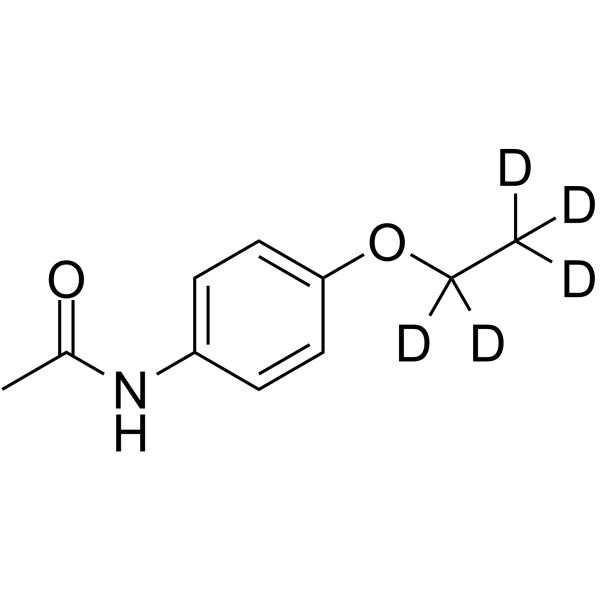
Phenacetin-d5 is the deuterium labeled Phenacetin. Phenacetin (Acetophenetidin) is a non-opioid analgesic/antipyretic agent. Phenacetin is a selective COX-3 inhibitor. Phenacetin is used as probe of cytochrome P450 enzymes CYP1A2 in human liver microsomes and in rats .
|
-
-
- HY-B0476R
-
|
Acetophenetidin (Standard)
|
Reference Standards
COX
|
Inflammation/Immunology
|
|
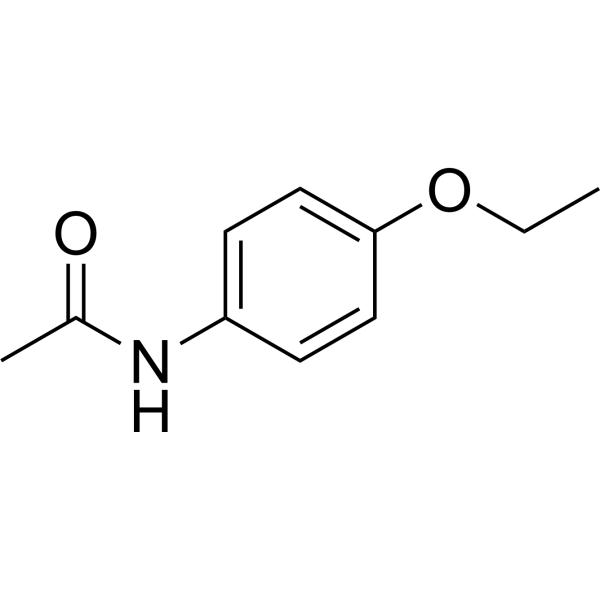
Phenacetin (Standard) is the analytical standard of Phenacetin. This product is intended for research and analytical applications. Phenacetin (Acetophenetidin) is a non-opioid analgesic/antipyretic agent. Phenacetin is a selective COX-3 inhibitor. Phenacetin is used as probe of cytochrome P450 enzymes CYP1A2 in human liver microsomes and in rats .
|
-
-
- HY-W045990
-
|
|
Cytochrome P450
|
Metabolic Disease
|
|
2,7-Dimethylnaphthalene is a selective cytochrome P450 1A2 (CYP1A2) enzyme inhibitor with an IC50 of 65 μM. 2,7-Dimethylnaphthalene can be used for the research of metabolic disease .
|
-

-
- HY-W777979
-
|
|
Cytochrome P450
Bacterial
|
Infection
|
|
Frutinone A is a CYP1A2 inhibitor, possesses a chromonocoumarin structural scaffold. Frutinone A shows various biological activities, including antibacterial and antioxidant .
|
-

-
- HY-N8382
-
|
|
Cytochrome P450
Parasite
Insecticide
|
Infection
|
|
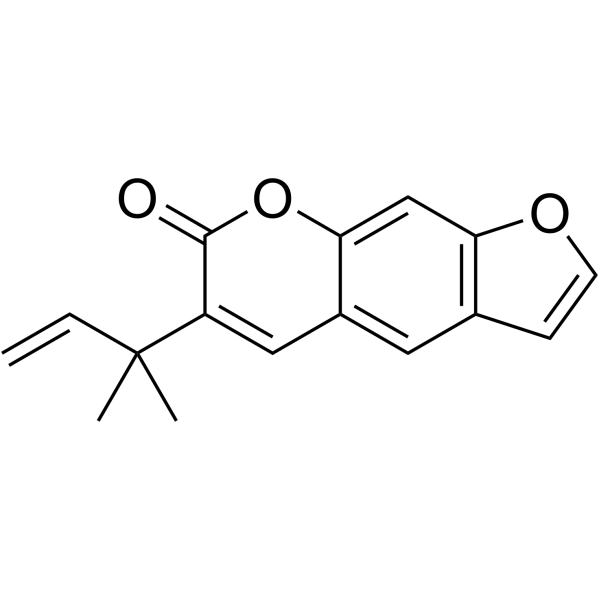
Chalepensin is a nematicide and CYP inhibitor. Chalepensin inhibits CYP2A6, CYP1A1, CYP1A2, CYP2A13, CYP2C9, CYP2D6, CYP2E1, and CYP3A4 to varying degrees, with IC50 values of 82.3 μM, 2.86 μM, 3.01 μM, 0.21 μM, 6.58 μM, 1.67 μM, 61.1 μM, and 61.7 μM, respectively. Chalepensin potently and selectively kills third-stage infective larvae of Strongyloides venezuelensis .
|
-
-
- HY-W015697
-
-

-
- HY-N3090
-
|
|
Cytochrome P450
|
Metabolic Disease
|
|
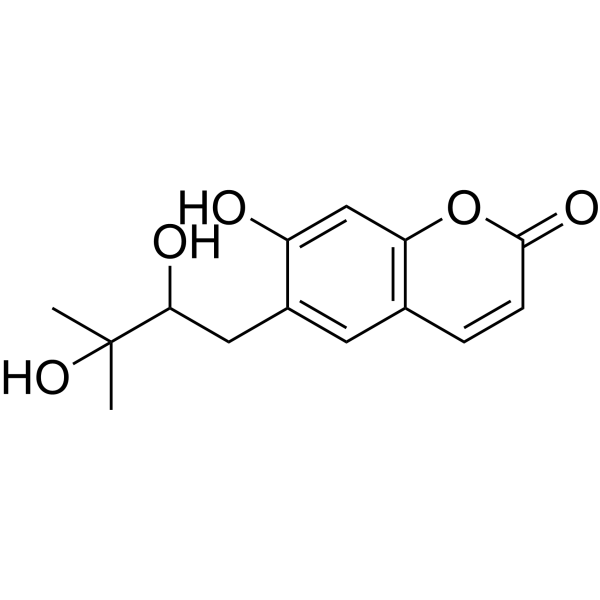
Peucedanol is a non-competitive inhibitor of CYP3A4 with a Ki value of 4.07 μM and a competitive inhibitor of CYP1A2 and CYP2D6 with Ki values of 3.39 μM and 6.77 μM, respectively .
|
-
-
- HY-N1882
-
|
|
Cytochrome P450
|
Metabolic Disease
|
|
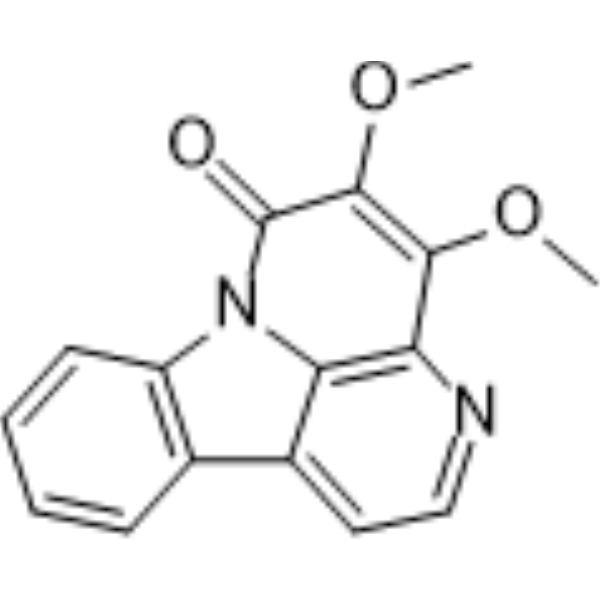
4,5-Dimethoxycanthin-6-one is a potent and uncompetitive inhibitor of CYP1A2-mediated phenacetin O-deethylation with an IC50 value of 1.7μM and a Ki value of 2.6 μM. 4,5-Dimethoxycanthin-6-one, as an alkaloid, is isolated from the wood of Picrasma quassioides BENNET (Simaroubaceae) .
|
-
-
- HY-B0476S1
-
|
|
COX
|
Inflammation/Immunology
|
|
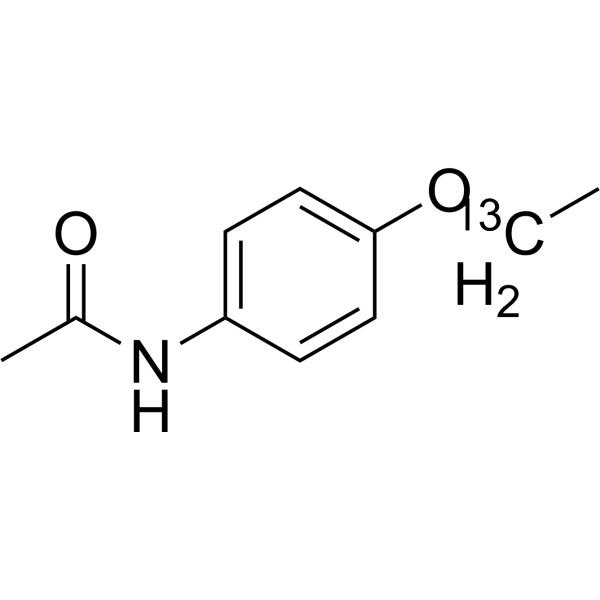
Phenacetin- 13C is the 13C labeled Phenacetin . Phenacetin (Acetophenetidin) is a non-opioid analgesic/antipyretic agent. Phenacetin is a selective COX-3 inhibitor. Phenacetin is used as probe of cytochrome P450 enzymes CYP1A2 in human liver microsomes and in rats .
|
-
-
- HY-131495
-
|
(S)-6-Desmethyl Naproxen
|
COX
|
Inflammation/Immunology
|
|
(S)-6-O-Desmethylnaproxen ((S)-6-Desmethyl Naproxen) is a metabolite of the non-steroidal anti-inflammatory drug (NSAID) and COX inhibitor (+)-naproxen ((S)-naproxen). (S)-6-O-Desmethylnaproxen is formed from (S)-naproxen by the cytochrome P450 (CYP) isoforms CYP1A2 and CYP2C9.
|
-

-
- HY-155732
-
|
|
Parasite
|
Infection
|
|
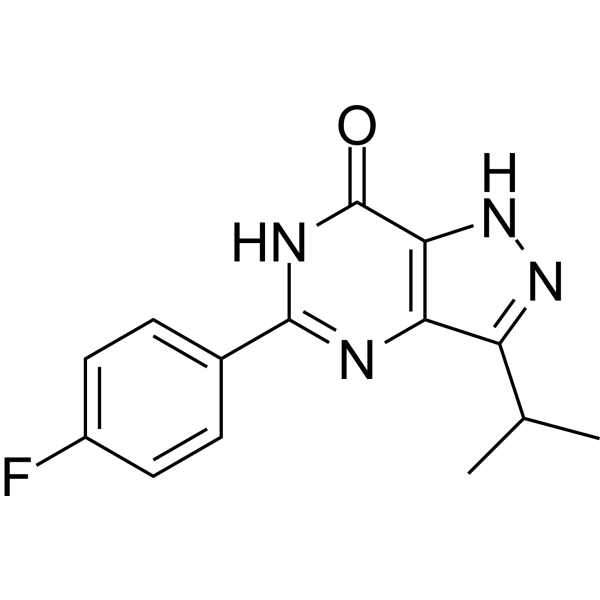
NPD-2975 (compound 30) is an orally active antitrypanosomal agent, against Human African Trypanosomiasis (HAT). NPD-2975 has low toxicity potential against human MRC-5 lung fibroblasts, and acute mouse model of T. b. brucei infection. NPD-2975 shows acceptable metabolic stability, inhibits T. b. brucei with IC500 of 70 nM in vitro. NPD-2975 also inhibits CYP enzymes resulted in IC50 values of 0.16 and 0.42 μM against CYP1A2 and CYP2C19, respectively .
|
-
-
- HY-175836
-
|
|
Cytochrome P450
Apoptosis
|
Cancer
|
|
CYP1B1-IN-12 is a selective cytochrome P450 1B1 (CYP1B1) inhibitor with an IC50 of 6.05 nM. CYP1B1-IN-12 demonstrates remarkable selectivity, exceeding 1600-fold and 16,000-fold over CYP1A1 and CYP1A2, respectively. CYP1B1-IN-12 can enhance Paclitaxel (HY-B0015)-mediated apoptosis and restore Paclitaxel sensitivity in A549/Taxol-resistant cells. CYP1B1-IN-12 can inhibit the epithelial-mesenchymal transition process and reduce cells migration and invasion. CYP1B1-IN-12 can be used for the research of cancer, such as non-small cell lung cancer (NSCLC) .
|
-

-
- HY-124158
-
|
|
Proton Pump
|
Metabolic Disease
|
|
KR-60436 is a reversible H +/K +-ATPase inhibitor. KR-60436 can potently inhibit the metabolism of CYP1A2 substrates .
|
-

-
- HY-W010195R
-
|
|
Reference Standards
Cytochrome P450
|
Others
|
|
2,6-Dimethylquinoline, a nature constituent from the roots of Peucedantu praeruptorum, is a CYP1A2 inhibitor with an IC50 of 3.3 µM. 2,6-Dimethylquinoline also inhibits CYP2B6 activity with an IC50 of 480 µM .
|
-

-
- HY-156330
-
|
|
HIV
Cytochrome P450
|
Infection
|
|
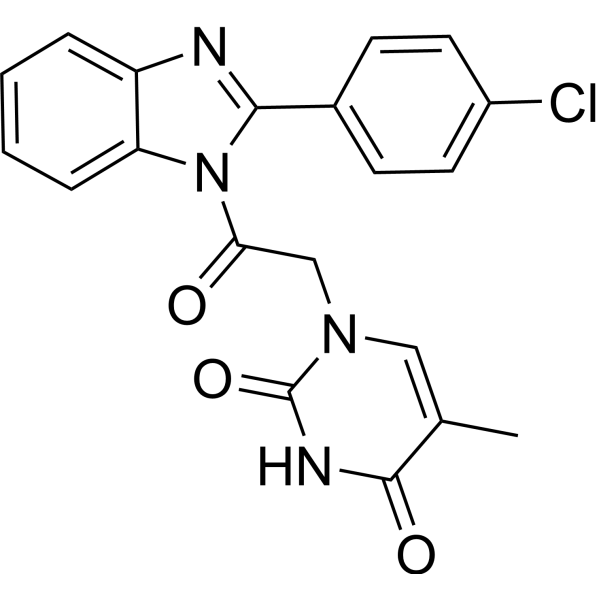
HIV-IN-9 (Compound 2b) is a HIV inhibitor (IC50: 6.65 μg/mL), and has high binding affinity with HIV-RT. HIV-IN-9 also inhibits CYP3A4, CYP1A2, CYP2C1, and CYP2D6 .
|
-
-
- HY-179154
-
|
|
Glycosidase
Cytochrome P450
|
Metabolic Disease
|
|
α-Glucosidase-IN-101 (Compound 13j) is an uncompetitive α-glucosidase inhibitor, with an IC50 of 120 nM. α-Glucosidase-IN-101 properly inhibits CYP1A2, CYP2C19, and CYP2C9 isoforms of cytochrome P450. α-Glucosidase-IN-101 can be used in the research of diabetes .
|
-

-
- HY-111338R
-
|
|
Cholinesterase (ChE)
Reference Standards
|
Neurological Disease
|
|
Tacrine (Standard) is the analytical standard of Tacrine. This product is intended for research and analytical applications. Tacrine is an effective oral acetylcholine (AChE) inhibitor (IC50 = 109 nM) and also acts as an active substrate for CYP1A2. Tacrine can restore cognitive dysfunction in elderly rats. Tacrine can cause liver toxicity and is used in research related to Alzheimer's disease .
|
-

-
- HY-143906
-
|
|
URAT1
|
Inflammation/Immunology
|
|
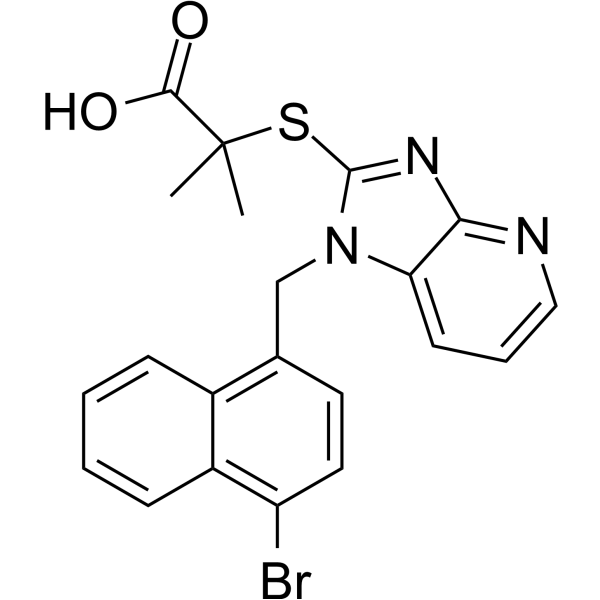
URAT1 inhibitor 2 is an orally active and potent URAT1 and CYP isozyme inhibitor, with IC50 values of 1.36 μM, 16.97 μM, 5.22 μM for URAT1-mediated 14C-UA uptake, CYP1A2 and CYP2C9, respectively. URAT1 inhibitor 2 is a promising agent candidate in the study of hyperuricemia and gout .
|
-
-
- HY-123319A
-
|
|
Bacterial
Antibiotic
|
Infection
|
|
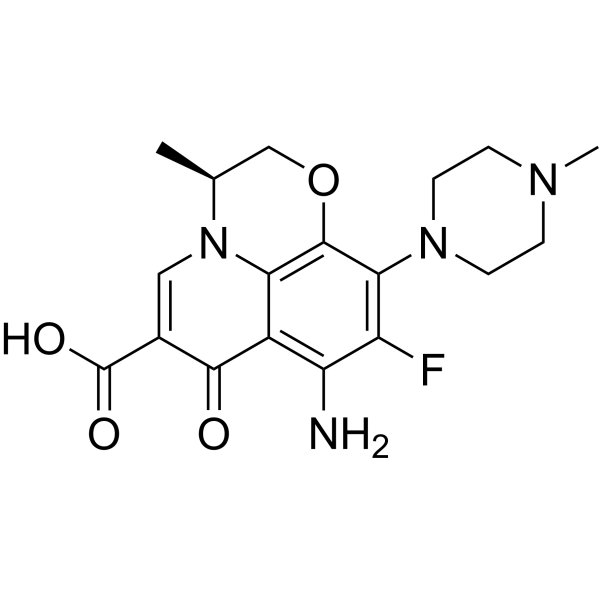
Antofloxacin is a well tolerate, orally active and broad-spectrum 8-amino-fluoroquinolone with potent antibacterial activities. Antofloxacin shows superior antibacterial activity against gyrA mutation-positive H. pylori strains, especially in Asn87- mutated strains, compared to levofloxacin. Antofloxacin is a weak, reversible inhibitor of CYP1A2 for the research of infections caused by a diverse group of bacterial species .
|
-
-
- HY-123319
-
|
|
Bacterial
Antibiotic
|
Infection
|
|
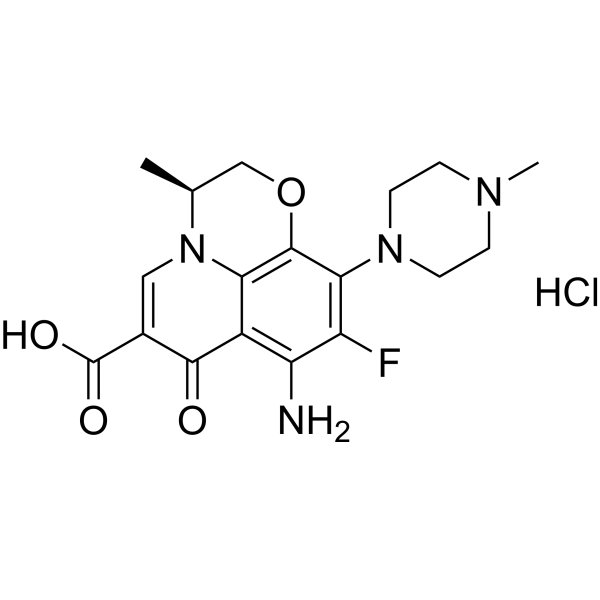
Antofloxacin hydrochloride is a well tolerate, orally active and broad-spectrum 8-amino-fluoroquinolone with potent antibacterial activities. Antofloxacin hydrochloride shows superior antibacterial activity against gyrA mutation-positive H. pylori strains, especially in Asn87- mutated strains, compared to levofloxacin. Antofloxacin hydrochloride is a weak, reversible inhibitor of CYP1A2 for the research of infections caused by a diverse group of bacterial species .
|
-
-
- HY-17614R
-
|
SMT C1100 (Standard); BMN 195 (Standard); VOX-C1100 (Standard)
|
Cytochrome P450
Reference Standards
|
Others
|
|
Ezutromid (Standard) is the analytical standard of Ezutromid. This product is intended for research and analytical applications. Ezutromid (SMT C1100) is a first-in-class, orally active benzoxazole utrophin modulator with an EC50 of 0.91 μM. Ezutromid can be used for the research Duchenne muscular dystrophy (DMD). Ezutromid inhibits CYP1A2 enzymic activity in human liver microsomes (HLM) with an IC50 of 5.4 μM .
|
-

-
- HY-W707708
-
|
|
Isotope-Labeled Compounds
COX
|
Inflammation/Immunology
|
|
N-(4-Ethoxyphenyl)acetamide-2,2,2-d3 is the deuterium labeled Phenacetin (HY-B0476). Phenacetin (Acetophenetidin) is a non-opioid analgesic/antipyretic agent. Phenacetin is a selective COX-3 inhibitor. Phenacetin is used as probe of cytochrome P450 enzymes CYP1A2 in human liver microsomes and in rats .
|
-

-
- HY-106379
-
|
GR-87442
|
5-HT Receptor
|
Neurological Disease
|
|
Lurosetron (GR-87442) is a 6-fluoro analogue of Alosetron (HY-70050A). Lurosetron is a serotonin 5-HT3 receptor antagonist. Lurosetron inhibits recombinant (rbt) CYP1A2, with an IC50 of 0.1 μM. Lurosetron also inhibits other CYP isoforms, including rbtCYP2C9 and rbtCYP3A4 with IC50s ranging between 3.5 μM and 16 μM. .
|
-

-
- HY-169119
-
|
|
Cytochrome P450
Fungal
|
Infection
|
|
Antifungal agent 114 (Compound 19g) is an inhibitor for Cytochrome P450, that inhibits CYP1A2, CYP2C9, CYP2C19 CYP2D6 and CYP3A4 at 10 μM. Antifungal agent 114 exhibits antifungal activity against Cryptococcus neoformans, Candida and Aspergillus, with MIC <0.0625 μg/mL. Antifungal agent 114 exhibits good metabolic stability in human liver microsomes with a half-time of 107 minutes .
|
-

-
- HY-152079
-
|
|
Cytochrome P450
|
Cancer
|
|
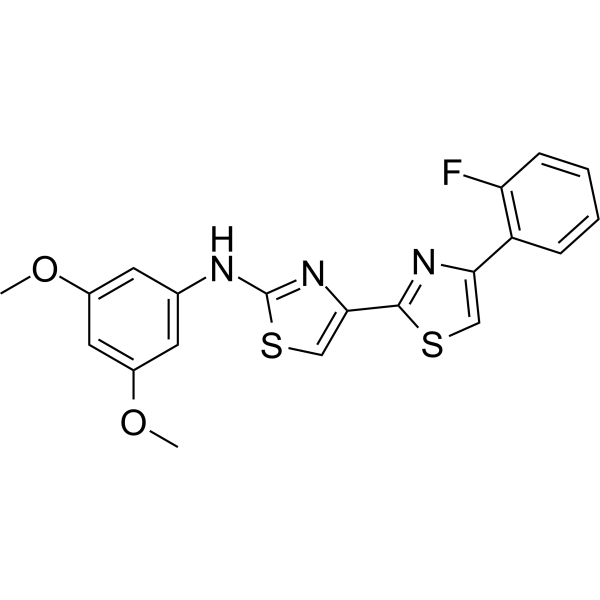
CYP1B1-IN-3 is a potent and selective CYP1B1 inhibitor with IC50 values of 6.6, 347.3, >10000 nM for CYP1B1, CYP1A1, CYP1A2, respectively. CYP1B1-IN-3 inhibits cell migration and invasion. CYP1B1-IN-3 inhibits P-gp, AKT/ERK, FAK/SRC, and EMT pathways .
|
-
-
- HY-30152R
-
|
8-Hydroxypsoralen (Standard)
|
Reference Standards
5-HT Receptor
Reactive Oxygen Species (ROS)
Endogenous Metabolite
|
Neurological Disease
Inflammation/Immunology
|
|
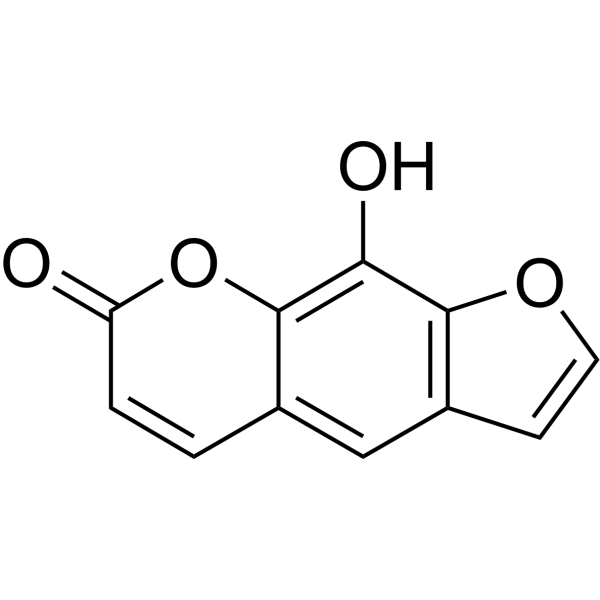
Xanthotoxol (Standard) is the analytical standard of Xanthotoxol. This product is intended for research and analytical applications. Xanthotoxol (8-Hydroxypsoralen) It is a kind of fragrant bean substance, and it is a CYP450 inhibitor. Xanthotoxol has anti-inflammatory, anti-inflammatory, and 5-HT antagonistic and protective effects. Xanthotoxol inhibited CYP3A4 sum CYP1A2 IC50s separation 7.43 μM sum 27.82 μM. Xanthotoxol can pass through MAPK and NF-κB, inhibiting inflammation .
|
-

-
- HY-131495R
-
|
(S)-6-Desmethyl Naproxen (Standard)
|
Cytochrome P450
Reference Standards
|
Inflammation/Immunology
|
|
(S)-6-O-Desmethylnaproxen (Standard) is the analytical standard of (S)-6-O-Desmethylnaproxen. This product is intended for research and analytical applications. (S)-6-O-Desmethylnaproxen ((S)-6-Desmethyl Naproxen) is a metabolite of the non-steroidal anti-inflammatory drug (NSAID) and COX inhibitor (+)-naproxen ((S)-naproxen). (S)-6-O-Desmethylnaproxen is formed from (S)-naproxen by the cytochrome P450 (CYP) isoforms CYP1A2 and CYP2C9.
|
-

-
- HY-173032
-
|
|
mGluR
|
Neurological Disease
|
|
VU6033685 is the orally active positive allosteric modulator (PAM) for mGlu1 that positively modulates human mGlu1 and human mGlu5 with EC50 of 39 nM and 3960 nM. VU6033685 also inhibits CYP1A2, CYP2C9 and CYP2D6 with IC50 of 26, 22.3 and 23.8 μM, respectively. VU6033685 reverses amphetamine-induced rats hyperlocomotion, protects rats from MK-801 (HY-15084B)-induced cognitive impairment. VU6033685 exhibits good pharmacokinetics characteristics in rats with an oral bioavailability of 42.8% .
|
-

-
- HY-172393
-
|
|
β-catenin
Apoptosis
Caspase
MDM-2/p53
Bcl-2 Family
Cytochrome P450
|
Cancer
|
|
TCF4/β-catenin-IN-1 (Compound 8b) is an inhibitor of TCF4/β-catenin, and induces apoptosis. TCF4/β-catenin-IN-1 up-regulates p53, caspase-3, caspase-8, caspase-9 levels and Bax protein expression as well as down-regulates Bcl-2 protein expression. TCF4/β-catenin-IN-1 can inhibit CYP3A4, CYP1A2, CYP2C19, and shows promising cytotoxic activity in cancer cells .
|
-

-
- HY-18063A
-
|
|
Potassium Channel
Cytochrome P450
|
Neurological Disease
|
|
ML252 hydrochloride is a selective inhibitor of KCNQ2 (Kv7.2) channel with IC50s of 69 nM, 2.92 μM, 0.12 μM and 0.20 μM for KCNQ2, KCNQ1 (Kv7.1), KCNQ2/Q3 and KCNQ4, respectively. ML252 hydrochloride also inhibits Cytochrome P450 with IC50s of 6.1 nM (CYP1A2), 18.9 nM (CYP2C9), 3.9 nM (CYP3A4), 19.9 nM (CYP2D6), respectively. ML252 hydrochloride shows highly brain penetrant .
|
-

-
- HY-N0043R
-
|
Gypenoside VIII (Standard)
|
Reference Standards
NF-κB
COX
Calcium Channel
Cytochrome P450
Endogenous Metabolite
|
Cardiovascular Disease
Inflammation/Immunology
Cancer
|
|
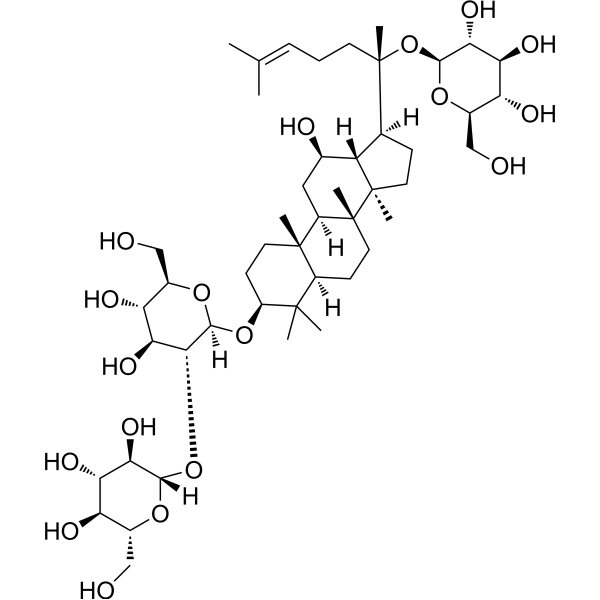
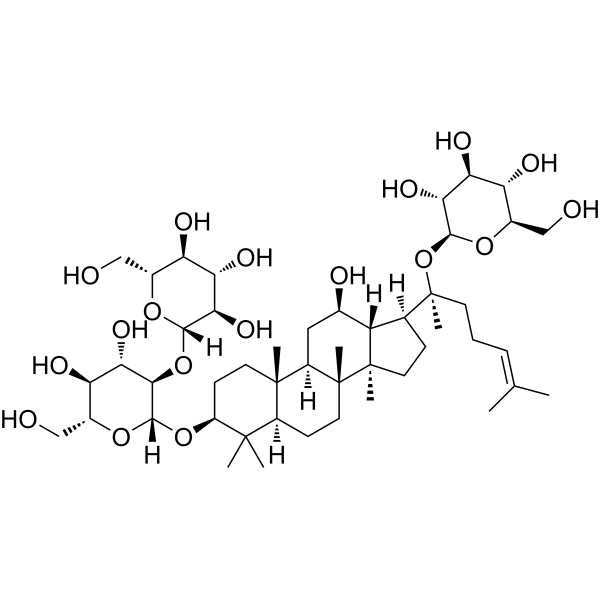
Ginsenoside Rd (Standard) is the analytical standard of Ginsenoside Rd. This product is intended for research and analytical applications. Ginsenoside Rd inhibits TNFα-induced NF-κB transcriptional activity with an IC50 of 12.05±0.82 μM in HepG2 cells. Ginsenoside Rd inhibits expression of COX-2 and iNOS mRNA. Ginsenoside Rd also inhibits Ca2+ influx. Ginsenoside Rd inhibits CYP2D6, CYP1A2, CYP3A4, and CYP2C9, with IC50s of 58.0±4.5 μM, 78.4±5.3 μM, 81.7±2.6 μM, and 85.1±9.1 μM, respectively.
|
-
-
- HY-174425
-
|
|
Cytochrome P450
|
Cancer
|
CYP1B1-IN-9 is a highly selective and competitive CYP1B1 Inhibitor with IC50 values of 1.48 nM, > 100 μM, and > 80 μM for CYP1B1, CYP1A1, and CYP1A2, respectively. CYP1B1-IN-9 significantly inhibits the migration and invasion of A549/T cells. CYP1B1-IN-9 has the ability to resensitize Paclitaxel (HY-B0015)-resistant cells, and good metabolic stability and safety, and shows favorable pharmacokinetic parameters. CYP1B1-IN-9 can be used for the study of tumor-drug resistance .
|
-

-
- HY-178786
-
|
|
RET
Potassium Channel
Cytochrome P450
|
Cancer
|
|
RET-IN-31 (Compound 13) is an orally active, selective RET inhibitor (IC50s: 1.4 nM, 1.9 nM, 3.8 nM for RET WT, RET V804L, RET V804M, respectively). RET-IN-31 inhibits hERG and Cytochrome P450 (IC50s: 13.6 μM, 7.9 μM, 12.8 μM, 16.9 μM, 8.9 μM, 13.0 μM for CYP1A2, CYP2C9, CYP2C19, CYP2D6, CYP3A4-M, CYP3A4-T, respectively). RET-IN-31 has anti-cancer effects against activated RET mutations and gene fusion-driven cancers .
|
-

-
- HY-W142473
-
|
|
Cytochrome P450
|
Others
|
|
1,2-Dimethylnaphthalene is a CYP1A2 inhibitor with an IC50 of 5.5 μM and a pIC50 of 5.26 .
|
-

-
- HY-153875
-
|
|
β-glucuronidase
Cytochrome P450
|
Metabolic Disease
|
|
Saccharolactone is a potent orally active β-glucuronidase inhibitor. Saccharolactone markedly lowers biliary endogenous β-glucuronidase activity in the rat bile. Saccharolactone can stabilize glucuronide metabolites in vitro. Saccharolactone is also a strong inhibitor of CYP1A2, 2D6, 3A4 and 2C8 isoforms (IC50 < 4 mM) .
|
-

-
- HY-B0476S3
-
-

-
- HY-181747
-
|
|
Cytochrome P450
|
Cancer
|
|
CYP11A1-IN-3 (Compound II-4) is a selective CYP11A1 inhibitor with an IC50 of 26.7 nM. CYP11A1-IN-3 shows selectivity towards CYP1A2, 2C9 and 2D6. CYP11A1-IN-3 can be used for the research of castration-resistant prostate cancer .
|
-

- HY-119578
-
|
|
Cytochrome P450
|
Cancer
|
|
Imiprothrin is an inducer that induces CYP1A2 and metallothionein 1a, with significant genotoxicity and cytotoxicity. In rat hepatocytes, Imiprothrin initiates detoxification responses by triggering the overexpression of these two genes. Imiprothrin induces chromosomal aberrations and micronucleus formation in rat bone marrow cells, and causes DNA damage in hepatocytes. Imiprothrin triggers oxidative stress in rats, leading to lipid peroxidation, excessive reactive oxygen species production and redox imbalance, which in turn impairs liver and kidney functions and causes tissue damage. Imiprothrin inhibits weight gain in mice, and even causes high mortality in female mice at high doses. However, it shows no carcinogenicity in rat experiments; among relevant indicators, aspartate aminotransferase and total protein are identified as sensitive toxicity biomarkers .
|
-

| Art. -Nr. |
Produktname |
Category |
Target |
Chemical Structure |
-
- HY-N0043
-
-
-
- HY-30152
-
-
-
- HY-N1050
-
|
|
Terpenoids
Sesquiterpenes
Plants
Curcuma elata Roxb.
Source Classification
Zingiberaceae
|
mTOR
Ribosomal S6 Kinase (RSK)
Bacterial
|
|
Zederone is a sesquiterpene. Zederone inhibits ovarian cancer cell proliferation through mTOR/p70s6K signalling pathway. Zederone inhibits CYP activities with IC50s of 2.9 μM (CYP2B6), 9.2 μM (CYP2C9), 11,2 μM (CYP2C19) and >30 μM (CYP1A2 and CYP2D6). Zederone is hepatotoxic with LD50 value at 24 hours in mice of approximately 223 mg/kg and cytotoxic against the KG1a cell line. Zederone shows antibacterial activity against a number of multi-drug resistant and Methicillin (HY-121544)-resistant Staphylococcus aureus strain. Zederone shows cognition improving capacity and assists in the modulation of gut bacterial dysbiosis .
|
-
-
- HY-W010195
-
-
-
- HY-N2382
-
|
|
Structural Classification
other families
Plants
Steroids
Source Classification
|
Cytochrome P450
P-glycoprotein
|
|
Polyphyllin H is a steroidal saponin. Polyphyllin H is isolated from Paris polyphylla. Polyphyllin H potently inhibits the activities of CYP1A2 (IC50 = 6.44 μM, competitive), CYP2D6 (IC50 = 13.88 μM, competitive) and CYP3A4 (IC50 = 4.52 μM, non-competitive, time-dependent). Polyphyllin H downregulates the expression of ABCB1 and ABCC3. Polyphyllin H binds to membrane cholesterol and disrupts lipid raft structures. Polyphyllin H restores the sensitivity of paclitaxel-resistant breast cancer cells to paclitaxel .
|
-
-
- HY-W045990
-
-
-
- HY-W777979
-
-
-
- HY-N8382
-
|
|
Structural Classification
Natürliche Produkte
Haloxylon ammodendron (C. A. Mey.) Bunge
Amaranthaceae
Plants
Source Classification
|
Cytochrome P450
Parasite
Insecticide
|
|
Chalepensin is a nematicide and CYP inhibitor. Chalepensin inhibits CYP2A6, CYP1A1, CYP1A2, CYP2A13, CYP2C9, CYP2D6, CYP2E1, and CYP3A4 to varying degrees, with IC50 values of 82.3 μM, 2.86 μM, 3.01 μM, 0.21 μM, 6.58 μM, 1.67 μM, 61.1 μM, and 61.7 μM, respectively. Chalepensin potently and selectively kills third-stage infective larvae of Strongyloides venezuelensis .
|
-
-
- HY-N3090
-
-
-
- HY-N1882
-
-
-
- HY-W010195R
-
-
-
- HY-30152R
-
-
-
- HY-N0043R
-
-
-
- HY-W142473
-
-
| Art. -Nr. |
Produktname |
Chemical Structure |
-
- HY-B0476S
-
|
|
|
Phenacetin-d5 is the deuterium labeled Phenacetin. Phenacetin (Acetophenetidin) is a non-opioid analgesic/antipyretic agent. Phenacetin is a selective COX-3 inhibitor. Phenacetin is used as probe of cytochrome P450 enzymes CYP1A2 in human liver microsomes and in rats .
|
-
-
- HY-B0476S1
-
|
|
|
Phenacetin- 13C is the 13C labeled Phenacetin . Phenacetin (Acetophenetidin) is a non-opioid analgesic/antipyretic agent. Phenacetin is a selective COX-3 inhibitor. Phenacetin is used as probe of cytochrome P450 enzymes CYP1A2 in human liver microsomes and in rats .
|
-
-
- HY-W707708
-
|
|
|
N-(4-Ethoxyphenyl)acetamide-2,2,2-d3 is the deuterium labeled Phenacetin (HY-B0476). Phenacetin (Acetophenetidin) is a non-opioid analgesic/antipyretic agent. Phenacetin is a selective COX-3 inhibitor. Phenacetin is used as probe of cytochrome P450 enzymes CYP1A2 in human liver microsomes and in rats .
|
-
-
- HY-B0476S3
-
|
|
|
Phenacetin- 13C-1 (Acetophenetidin- 13C-1) is the 13C-labeled Phenacetin (HY-B0476). Phenacetin (Acetophenetidin) is a non-opioid analgesic/antipyretic agent. Phenacetin is a selective COX-3 inhibitor. Phenacetin is used as probe of cytochrome P450 enzymes CYP1A2 in human liver microsomes and in rats .
|
-
| Art. -Nr. |
Produktname |
|
Classification |
-
- HY-119578
-
|
|
|
Alkynes
|
|
Imiprothrin is an inducer that induces CYP1A2 and metallothionein 1a, with significant genotoxicity and cytotoxicity. In rat hepatocytes, Imiprothrin initiates detoxification responses by triggering the overexpression of these two genes. Imiprothrin induces chromosomal aberrations and micronucleus formation in rat bone marrow cells, and causes DNA damage in hepatocytes. Imiprothrin triggers oxidative stress in rats, leading to lipid peroxidation, excessive reactive oxygen species production and redox imbalance, which in turn impairs liver and kidney functions and causes tissue damage. Imiprothrin inhibits weight gain in mice, and even causes high mortality in female mice at high doses. However, it shows no carcinogenicity in rat experiments; among relevant indicators, aspartate aminotransferase and total protein are identified as sensitive toxicity biomarkers .
|
Your information is safe with us. * Required Fields.
Inquiry Information
- Produktname:
- Art. -Nr.:
- Menge:
- MCE Japan Authorized Agent:








