Search Result
Results for "
Carbonic+anhydrase+inhibitors
" in MedChemExpress (MCE) Product Catalog:
1
Biochemical Assay Reagents
5
Isotope-Labeled Compounds
| Cat. No. |
Product Name |
Target |
Research Areas |
Chemical Structure |
-
- HY-13650
-
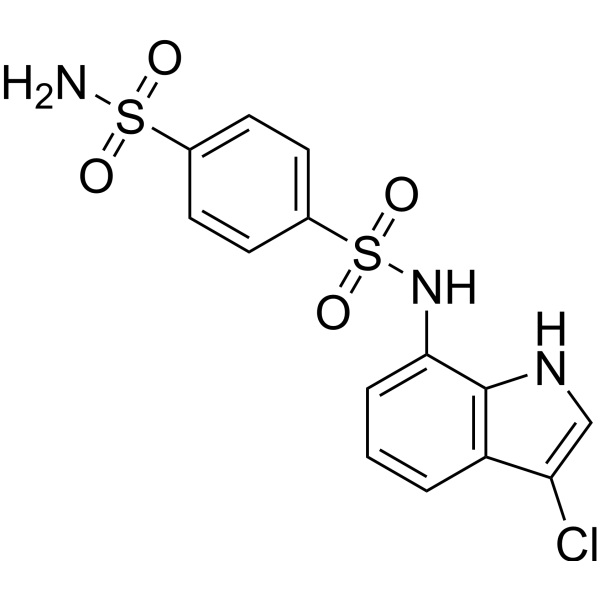
Indisulam
Maximum Cited Publications
15 Publications Verification
E 7070
|
Molecular Glues
Carbonic Anhydrase
|
Cancer
|
|
Indisulam (E 7070) is a carbonic anhydrase inhibitor with anticancer activity. Indisulam (E 7070) is a sulfonamide agent that targets the G1 phase of the cell cycle. Indisulam (E 7070) causes a blockade in the G1/S transition through inhibition of the activation of both CDK2 and cyclin E. Indisulam (E 7070) targets splicing by inducing RBM39 degradation via recruitment to DCAF15 .
|
-
-
- HY-B0242
-
|
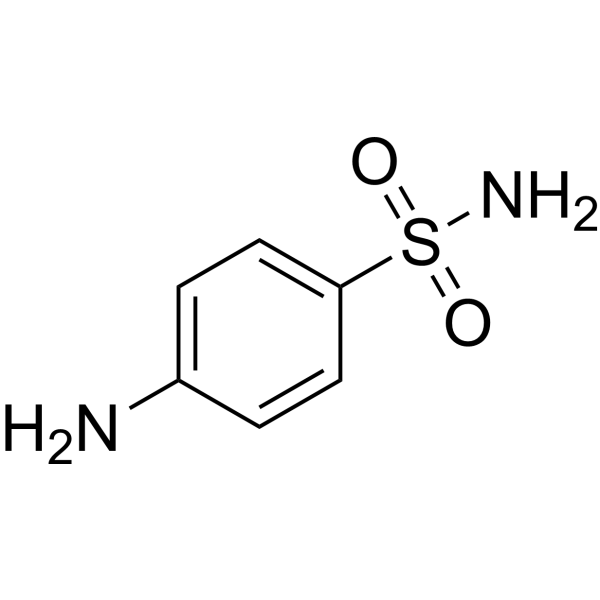
Sulphanilamide
|
Environmental Pollutants
Antibiotic
Bacterial
|
Infection
|
|
ulfanilamide (Sulphanilamide) is a potent and orally active sulfonamide antibiotic and can be a major intermediate of sulfamethoxazole biodegradation. Sulfanilamide also is a carbonic anhydrase inhibitor. Sulfanilamide shows inhibition on virus of lymphogranuloma venereum .
|
-
-
- HY-N0639
-
|
|
HBV
Pyroptosis
Carbonic Anhydrase
|
Infection
Inflammation/Immunology
|
|
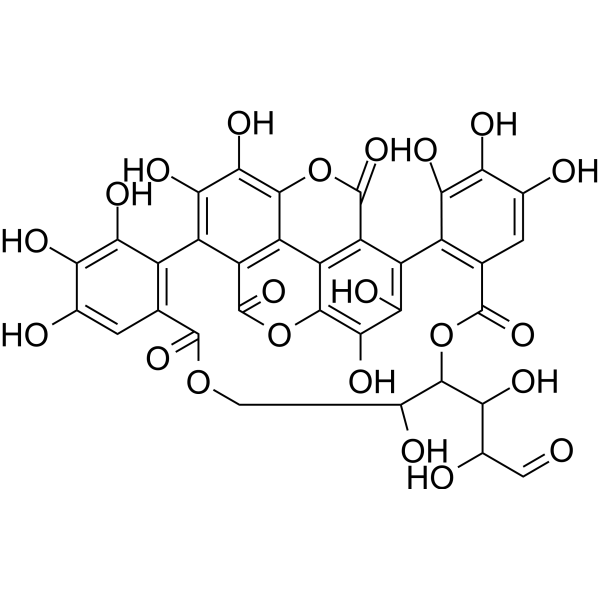
Punicalin is a species that can be isolated from the leaves of Punica granatum. Punicalin is an active molecule against hepatitis b virus (HBV). Punicalin can induce pyroptosis. Punicalin is a Carbonic anhydrase inhibitor. Punicalin blocks the binding of S-glycoprotein and ACE2 receptors. Pnuicalin has anti-inflammatory, antioxidant and antiviral activity .
|
-
-
- HY-B0553
-
-
-
- HY-B0124
-
|
AD 810; CI 912
|
Carbonic Anhydrase
Apoptosis
|
Neurological Disease
|
|
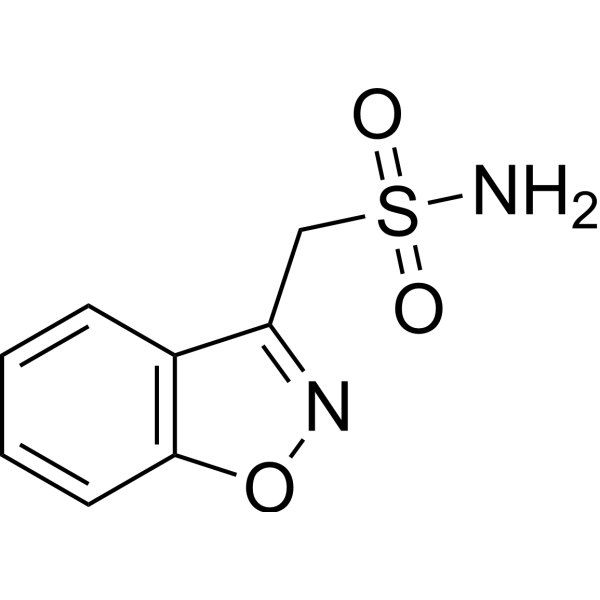
Zonisamide (AD 810) is an orally active carbonic anhydrase inhibitor, with Kis of 35.2 and 20.6 nM for hCA II and hCA V, respectively. Zonisamide exerts neuroprotective effects through anti-apoptosis and upregulating MnSOD levels. Zonisamide also increases the expression of Hrd1, thereby improving cardiac function in AAC rats. Zonisamide can be used in studies of seizure, parkinson’s disease and cardiac hypertrophy .
|
-
-
- HY-B1480
-
-
-
- HY-B0397
-
|
Diclofenamide
|
Carbonic Anhydrase
|
Neurological Disease
|
|
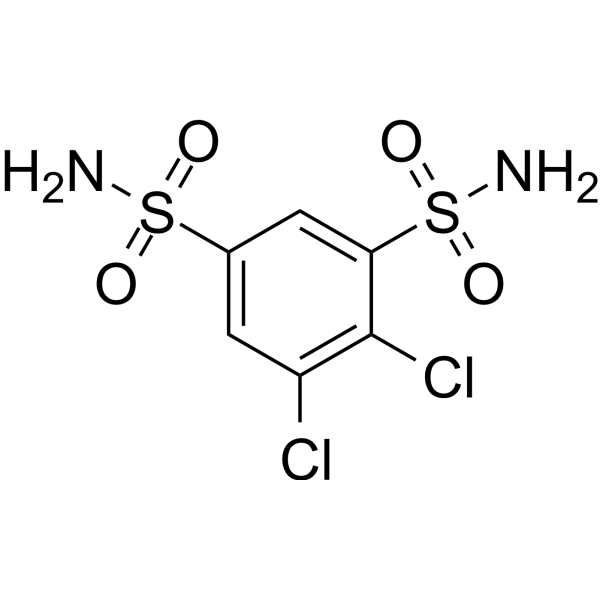
Dichlorphenamide (Diclofenamide) is an orally active, specific, carbonic anhydrase inhibitor. Dichlorphenamide can reduce intraocular pressure by inhibiting the secretion of water from the eye. Dichlorphenamide can be used for glaucoma research .
|
-
-
- HY-101087
-
|
|
Carbonic Anhydrase
Amyloid-β
Reactive Oxygen Species (ROS)
|
Neurological Disease
Inflammation/Immunology
Cancer
|
|
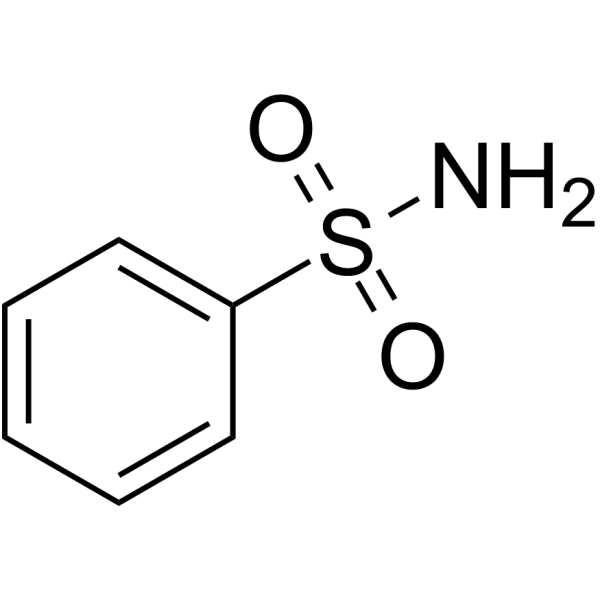
Benzenesulphonamide (Compound 1) is a carbonic anhydrase inhibitor. Benzenesulphonamide exhibits CA II inhibitory activity. Benzenesulphonamide reduces ROS and improves the gene expression of amyloid-β40 and 42. Benzenesulphonamide is beneficial for Alzheimer's disease. Benzenesulphonamide derivatives have anticancer, anti-inflammatory, and anticonvulsant activities. Benzenesulphonamide can be used in the research of Alzheimer's disease, epilepsy, inflammatory diseases, leukemia, melanoma, lung cancer, and colon cancer .
|
-
-
- HY-108316
-
-
-
- HY-B1056
-
|
Propazol; 2-Benzimidazolepropionic acid
|
Bacterial
Parasite
Antibiotic
Carbonic Anhydrase
|
Infection
Cancer
|
|
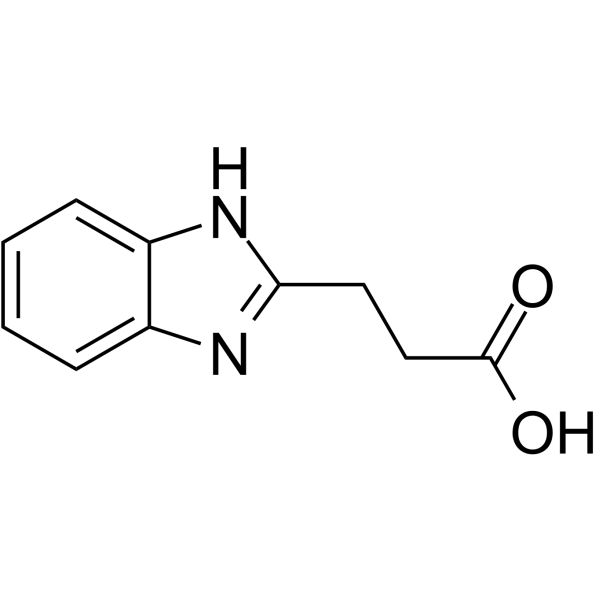
Procodazole is an orally active enhancer and a non-specific active immune protector against viral and bacterial infections. Procodazole also exhibits antiparasitic activity. In addition, Procodazole is a carbonic anhydrase inhibitor with antitumor activity .
|
-
-
- HY-W013316
-
|
|
Carbonic Anhydrase
|
Endocrinology
|
|
Lasamide is a potent human Carbonic Anhydrase inhibitor with Ki values of 7.54 and 2.76 nM for hCAXII and hCAIX, respectively .
|
-

-
- HY-163109
-
|
|
Carbonic Anhydrase
|
Infection
|
|
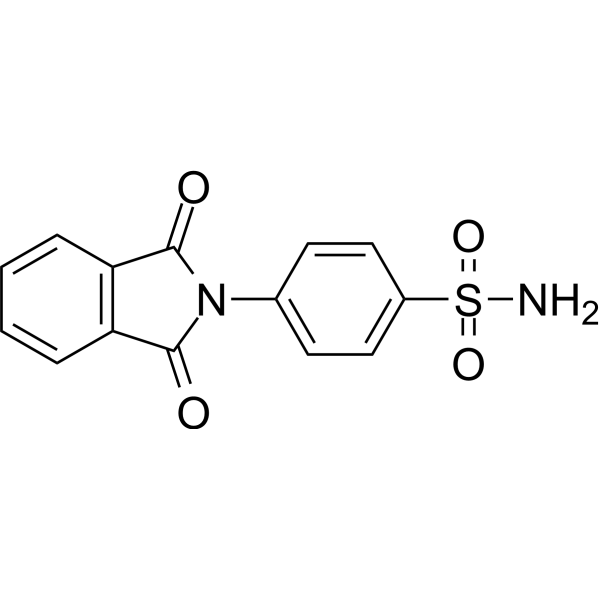
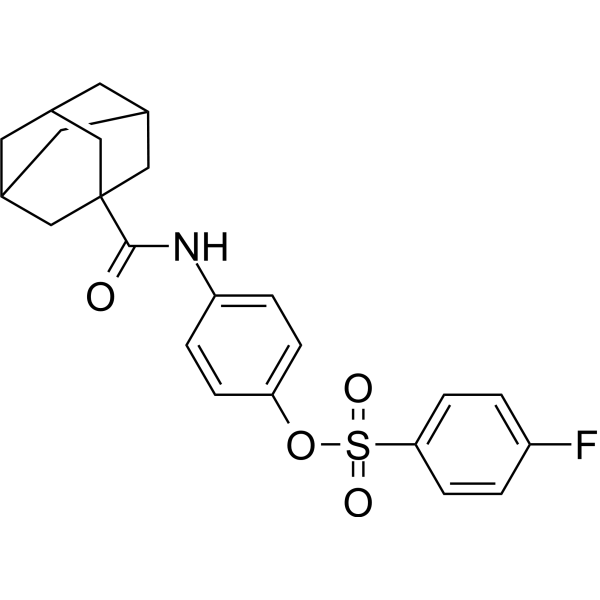
Carbonic anhydrase inhibitor 16 (compound 1) is a dengue protease inhibitor with inhibitory activity against carbonic anhydrase hCA I and hCA II (Ki: 28.5 nM, 2.2 nM) .
|
-
-
- HY-69085
-
|
|
Carbonic Anhydrase
|
Others
|
|
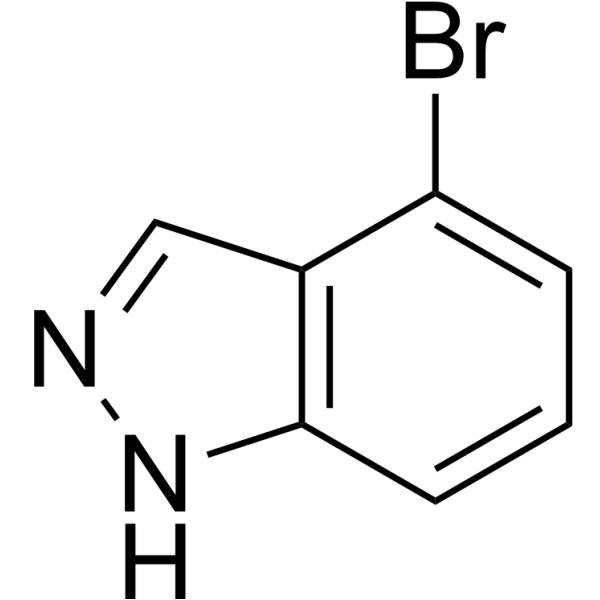
4-Bromo-1H-indazole is a carbonic anhydrase inhibitor, with an IC50 of 0.403 mM and a Ki of 0.383 mM against hCA-I, as well as an IC50 of 0.700 mM and a Ki of 0.935 mM against hCA-II. 4-Bromo-1H-indazole reduces the catalytic activity of human I and II isoforms of carbonic anhydrase .
|
-
-
- HY-151917
-
|
|
Apoptosis
Carbonic Anhydrase
Phosphodiesterase (PDE)
|
Cancer
|
|
Enpp/Carbonic anhydrase-IN-2 (compound 1i) is a potent Enpp and carbonic anhydrase inhibitor with IC50s of 1.13, 1.07, 0.74, 0.33, 0.68 for NPP1, NPP2, NPP3, CA-IX, CA-XII respectively. Enpp/Carbonic anhydrase-IN-2 shows antiproliferative activity for cancer cells and low cytotoxic against normal cells. Enpp/Carbonic anhydrase-IN-2 induces Apoptosis .
|
-
-
- HY-W012168
-
|
|
Carbonic Anhydrase
|
Metabolic Disease
|
|
4-Chloro-3-sulfamoylbenzoic acid is a weak inhibitor of human carbonic anhydrase isoforms hCA I, hCA II, hCA IV, and hCA IX, and a synthesis intermediate for carbonic anhydrase inhibitors. 4-Chloro-3-sulfamoylbenzoic acid is the major metabolite of tripamide detected in tissues, urine, and feces of rats and rabbits following Tripamide (HY-106570) administration. 4-Chloro-3-sulfamoylbenzoic acid can be used for the study of carbonic anhydrase inhibition and species differences in drug metabolism .
|
-

-
- HY-W044762
-
|
|
Carbonic Anhydrase
|
Cancer
|
|
5,6-Dihydro-2H-pyran-2-one (Compound 1) is a prodrug-type carbonic anhydrase inhibitor. 5,6-Dihydro-2H-pyran-2-one can specifically inhibit the tumor-associated subtype hCA IX and the cytoplasmic subtype hCA I with Ki values of 1.35 and 8.03 μM. 5,6-Dihydro-2H-pyran-2-one can be used for the research on hypoxia-related cancer .
|
-

-
- HY-142849
-
|
|
Carbonic Anhydrase
|
Endocrinology
|
|
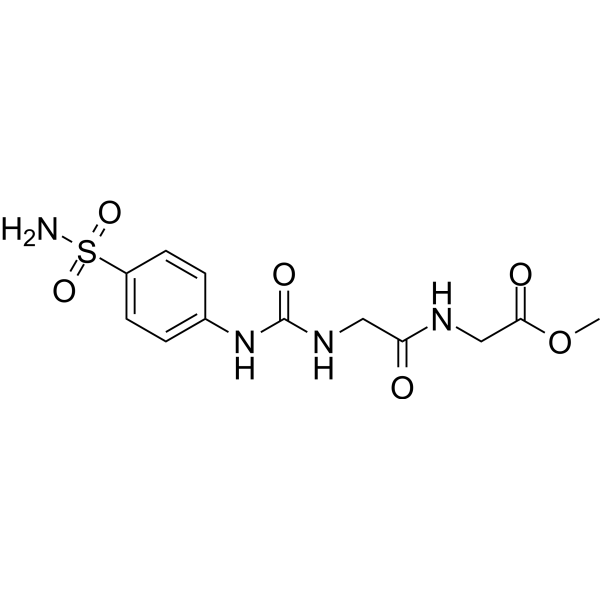
Carbonic anhydrase inhibitor 1 (compound 7c) is a carbonic anhydrase II inhibitor. Carbonic anhydrase inhibitor 3 reduces the intraocular pressure in glaucomatous rabbits .
|
-
-
- HY-N0085
-
|
6,7,8-Trimethoxycoumarin; Fraxetin dimethyl ether
|
Carbonic Anhydrase
|
Cancer
|
|
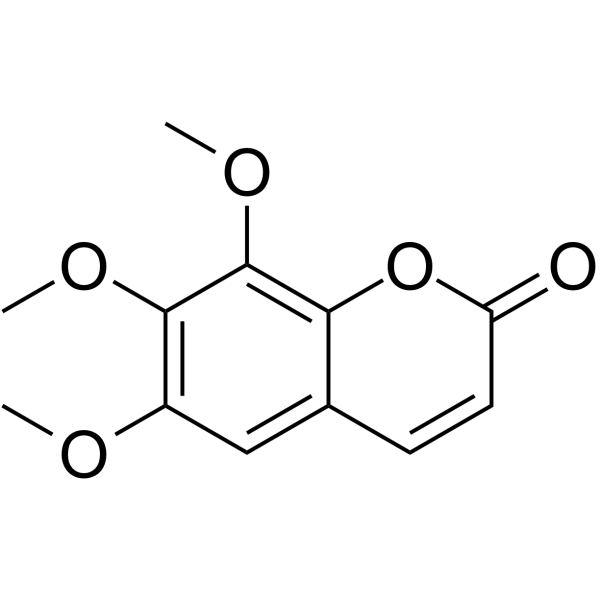
Dimethylfraxetin is a Carbonic anhydrase inhibitor, with a Ki value of 0.0097 μM.
|
-
-
- HY-B0242R
-
|
Sulphanilamide (Standard)
|
Reference Standards
Bacterial
Antibiotic
|
Infection
|
|
Sulfanilamide (Standard) is the analytical standard of Sulfanilamide. This product is intended for research and analytical applications. ulfanilamide (Sulphanilamide) is a potent and orally active sulfonamide antibiotic and can be a major intermediate of sulfamethoxazole biodegradation. Sulfanilamide also is a carbonic anhydrase inhibitor. Sulfanilamide shows inhibition on virus of lymphogranuloma venereum .
|
-

-
- HY-B0124A
-
|
AD 810 sodium; CI 912 sodium
|
Carbonic Anhydrase
Apoptosis
|
Cardiovascular Disease
Neurological Disease
|
|
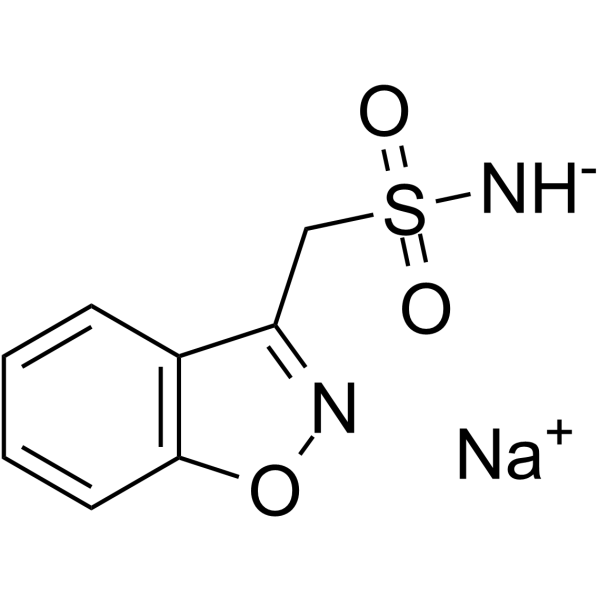
Zonisamide (AD 810) sodium is an orally active carbonic anhydrase inhibitor, with Kis of 35.2 and 20.6 nM for hCA II and hCA V, respectively. Zonisamide sodium exerts neuroprotective effects through anti-apoptosis and upregulating MnSOD levels. Zonisamide sodium also increases the expression of Hrd1, thereby improving cardiac function in AAC rats. Zonisamide sodium can be used in studies of seizure, parkinson’s disease and cardiac hypertrophy .
|
-
-
- HY-142853
-
|
|
Carbonic Anhydrase
|
Endocrinology
|
|
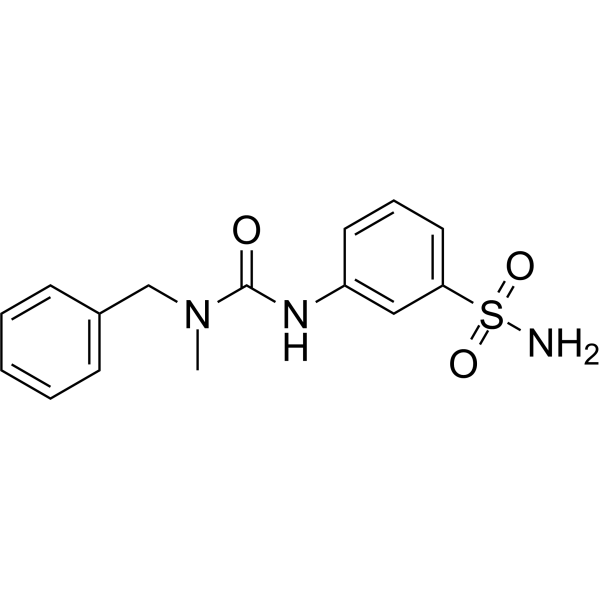
Carbonic anhydrase inhibitor 3 (compound 11g) is a carbonic anhydrase II inhibitor. Carbonic anhydrase inhibitor 3 reduces the intraocular pressure in glaucomatous rabbits .
|
-
-
- HY-144376
-
|
|
Carbonic Anhydrase
|
Cancer
|
|
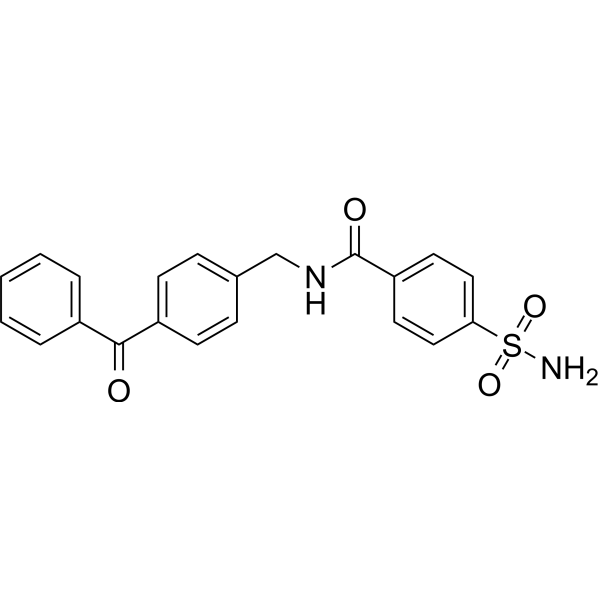
Carbonic anhydrase inhibitor 4 is carbonic anhydrase photoprobe/inhibitor. Carbonic anhydrase inhibitor 4 is against human carbonic anhydrases (hCA I-XIV) with Ki values of 640-1166 nM .
|
-
-
- HY-150570
-
|
|
Carbonic Anhydrase
CDK
|
Cancer
|
|
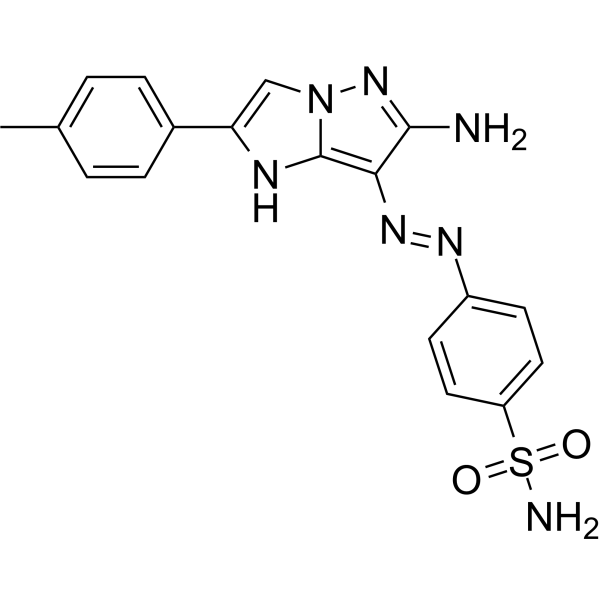
Carbonic anhydrase inhibitor 14 (Compound 8b) is a carbonic anhydrase (CA) inhibitor with Ki values of 1203, 99.7, 9.4 and 27.7 nM against hCA I, hCA II, hCA IX and hCA XII, respectively. Carbonic anhydrase inhibitor 14 can also inhibit CDK2 with an IC50 of 20.3 μM. Carbonic anhydrase inhibitor 14 shows antitumor activity .
|
-
-
- HY-108316S
-
-
-
- HY-W031519
-
|
|
Carbonic Anhydrase
|
Cardiovascular Disease
|
|
Chloraminophenamide (Compound 14) is a carbonic anhydrase inhibitor, with Kis of 75, 160 and 8400 nM for hCA II, bCA IV and hCA I, respectively. Chloraminophenamide has the potential for antiglaucoma research .
|
-

-
- HY-106331A
-
|
MK-927; (Rac)-MK 417
|
Carbonic Anhydrase
|
Neurological Disease
|
|
(Rac)-Sezolamide hydrochloride (MK-927; (Rac)-MK 417) is a carbonic anhydrase inhibitor (CAI) (Ki: 12.0 nM). (Rac)-Sezolamide hydrochloride has a topical intraocular pressure (IOP) lowering effect. (Rac)-Sezolamide hydrochloride can be used in glaucoma research .
|
-

-
- HY-129781
-
|
|
Carbonic Anhydrase
|
Endocrinology
|
|
L-650719 is a topical carbonic anhydrase inhibitor (CAI) with a Ki of 10 nM for CA II. L-650719 has shown good intraocular pressure-lowering effects in a rabbit model. L-650719 may be used in glaucoma research .
|
-

-
- HY-B0553S
-
|
L584601-d6
|
Isotope-Labeled Compounds
Carbonic Anhydrase
|
Inflammation/Immunology
|
|
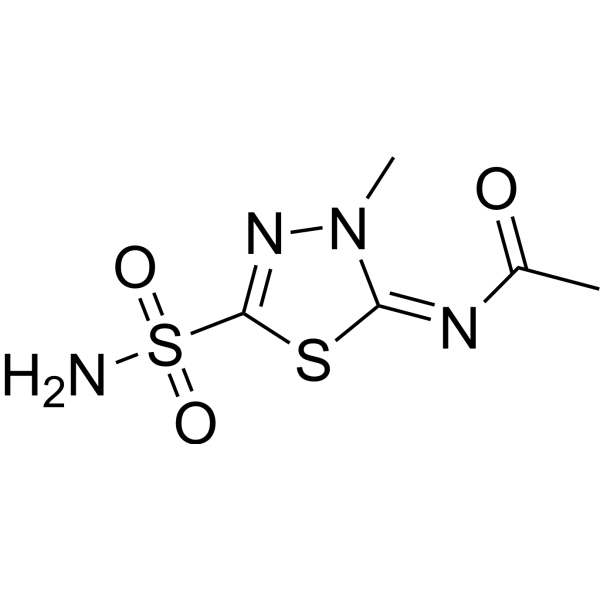
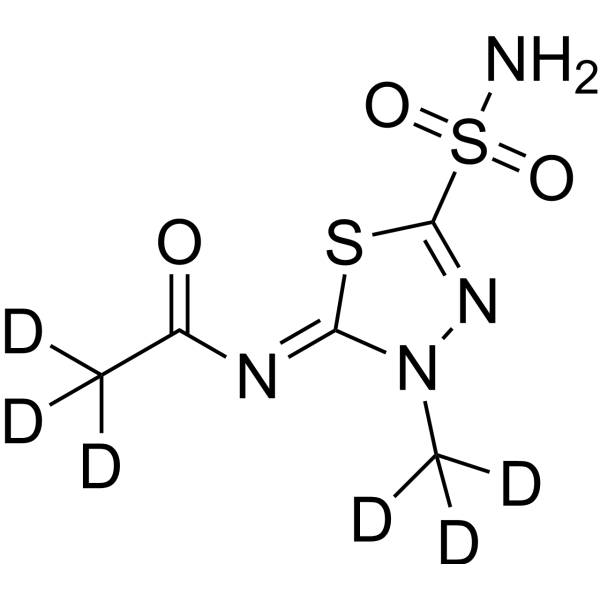
Methazolamide-d6 is the deuterium labeled Methazolamide. Methazolamide (L584601) is a sulfonamide derivative used as a carbonic anhydrase inhibitor with a Ki of 14 nM for human carbonic anhydrase II. Methazolamide, an intraocular pressure-lowering agent, reduces intraocular pressure elevations associated with glaucoma and other ocular disorders .
|
-
-
- HY-151916
-
|
|
Apoptosis
Carbonic Anhydrase
Phosphodiesterase (PDE)
|
Cancer
|
|
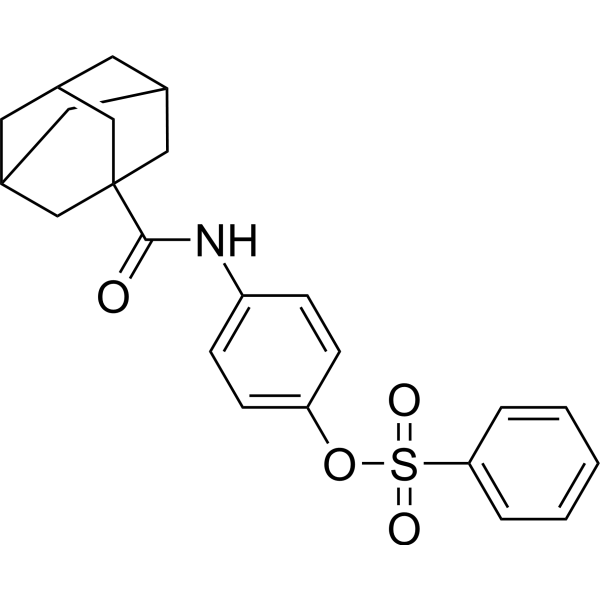
Enpp/Carbonic anhydrase-IN-1 (compound 1e) is a potent Enpp and carbonic anhydrase inhibitor with IC50s of 1.36, 1.35, 3.00, 0.88, 1.02 μM for NPP1, NPP2, NPP3, CA-II, CA-IX respectively. Enpp/Carbonic anhydrase-IN-1 shows antiproliferative activity for cancer cells and low cytotoxic against normal cells. Enpp/Carbonic anhydrase-IN-1 induces Apoptosis .
|
-
-
- HY-13650R
-
|
E 7070 (Standard)
|
Molecular Glues
Carbonic Anhydrase
Reference Standards
|
Cancer
|
|
Indisulam (Standard) is the analytical standard of Indisulam. This product is intended for research and analytical applications. Indisulam (E 7070) is a carbonic anhydrase inhibitor with anticancer activity. Indisulam (E 7070) is a sulfonamide agent that targets the G1 phase of the cell cycle. Indisulam (E 7070) causes a blockade in the G1/S transition through inhibition of the activation of both CDK2 and cyclin E. Indisulam (E 7070) targets splicing by inducing RBM39 degradation via recruitment to DCAF15 .
|
-

-
- HY-149498
-
-
-
- HY-159960
-
|
|
Antibiotic
Bacterial
Carbonic Anhydrase
|
Infection
|
|
Carbonic anhydrase inhibitor 28 (Compound 11) is a Pseudomonas aeruginosa carbonic anhydrase inhibitor. Carbonic anhydrase inhibitor 28 exhibits antimicrobial activity, with a MIC of 0.5 μg/mL and a MBC of 1 μg/mL against P. aeruginosa. Carbonic anhydrase inhibitor 28 can be used in anti-infection research .
|
-

-
- HY-161686
-
|
|
Carbonic Anhydrase
|
Cancer
|
|
Carbonic anhydrase inhibitor 24 (Compound 11) is a human carbonic anhydrase (carbonic anhydrase) inhibitor. Ki values of Carbonic anhydrase inhibitor 24 for hCAs IX and XII were 10.7 and 7.5 nM, respectively .
|
-

-
- HY-115998
-
|
|
Carbonic Anhydrase
|
Cancer
|
|
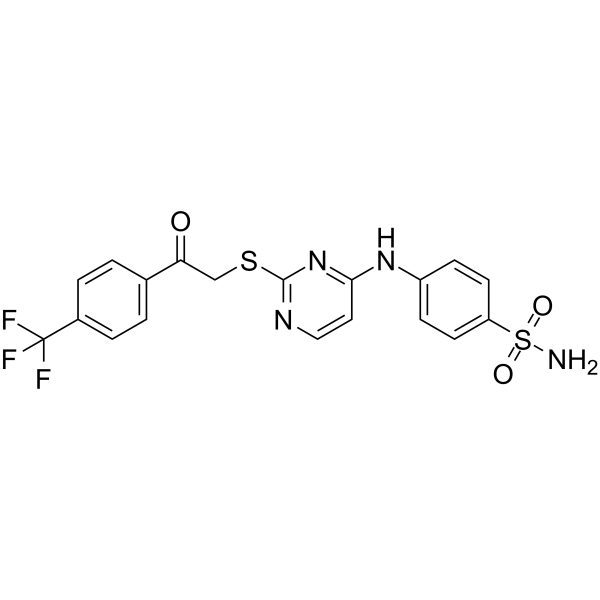
Carbonic anhydrase inhibitor 11 (compound VI) is a potent, selective carbonic anhydrase inhibitor. Carbonic anhydrase inhibitor 11 shows Ki values of 40, 39, 200 and 900 nM against CA II, IX, and XII, respectively .
|
-
-
- HY-115994
-
|
|
Carbonic Anhydrase
|
Cancer
|
|
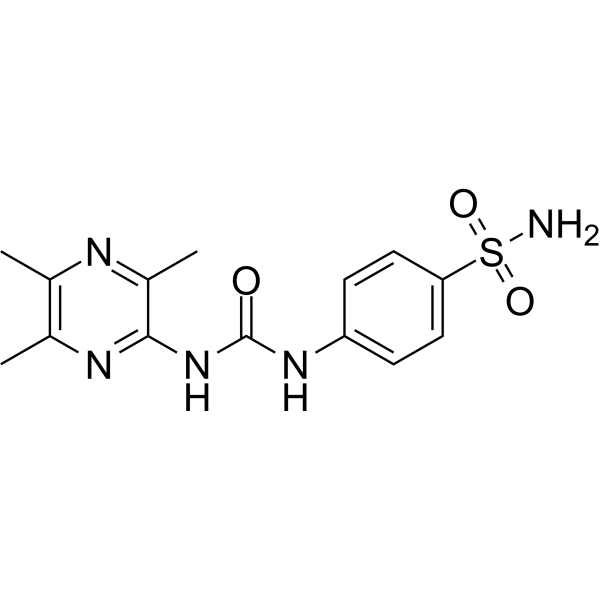
Carbonic anhydrase inhibitor 10 is a potent hCA IX inhibitor with a Ki value of 6.2 nM. Carbonic anhydrase inhibitor 10 exhibits anti-proliferative activity against MCF-7 cancer cell line with an IC50 of 11.9 μM. Carbonic anhydrase inhibitor 10 can be used for cancer research .
|
-
-
- HY-173620
-
|
|
Carbonic Anhydrase
|
Infection
|
|
Carbonic anhydrase inhibitor 31 (Compound 3F4) is a mtCA2 inhibitor (Ki: 5.2 nM). Carbonic anhydrase inhibitor 31 can be used in the research of anti-tuberculosis .
|
-

-
- HY-172899
-
|
|
Carbonic Anhydrase
Apoptosis
CDK
|
Cancer
|
|
Carbonic anhydrase inhibitor 33 (11D) is a dual inhibitor of CA (Carbonic anhydrase) IX/XII and CDK6, with Ki values of 19.7 nM and 26.1 nM for hCA IX and hCA XII, respectively. Carbonic anhydrase inhibitor 33 (11D) induces G1 arrest and apoptosis. Carbonic anhydrase inhibitor 33 (11D) can be used in the research for NSCLC .
|
-

-
- HY-162226
-
|
|
Carbonic Anhydrase
|
Others
|
|
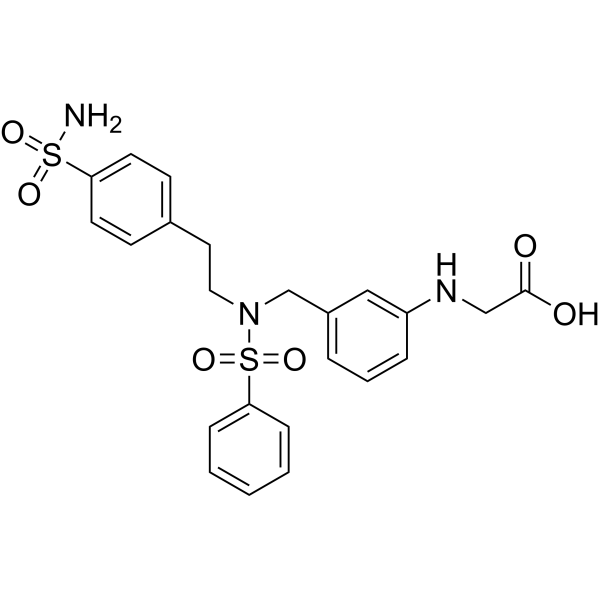
Carbonic anhydrase inhibitor 19 (compound 26a) inhibits the Glaucoma related isoforms hCA II and hCA XII with Kis of 9.4 nM and 6.7 nM, respectively. Carbonic anhydrase inhibitor 19 reveals an intraocular pressure (IOP) lowering effect .
|
-
-
- HY-158078
-
|
|
Carbonic Anhydrase
|
Cancer
|
|
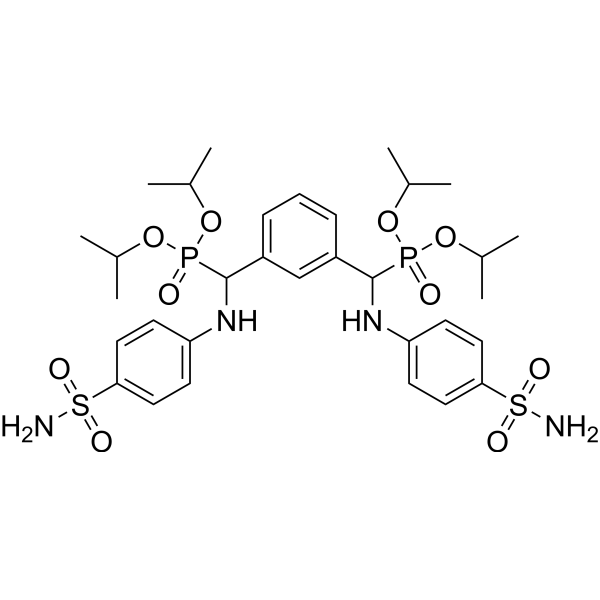
Carbonic anhydrase inhibitor 21 (Compound 5h) is a selective carbonic anhydrase (hCA IX) inhibitor, with a Ki of 15.1?nM, and is highly selective against other investigated isoform. Carbonic anhydrase inhibitor 21 can be used for anticancer research .
|
-
-
- HY-132156
-
|
|
Carbonic Anhydrase
|
Neurological Disease
|
|
Carbonic anhydrase inhibitor 22 (Compd 2g), a sulfonamide carbonic anhydrase inhibitor, with Ki values of 762 nM (hCA I), 20.3 nM (hCA II), 8.3 nM (hCA VII), 17.9 nM (hCA IX) and 10.5 nM (hCA XII), repectively .
|
-

-
- HY-161374
-
|
|
Carbonic Anhydrase
|
Cancer
|
|
Carbonic anhydrase inhibitor 20 (compound 11) is an inhibitor of piperazinosulfonamide carbonic anhydrase (Carbonic Anhydrase). The Ki of Carbonic anhydrase inhibitor 20 for hCA I, hCA II, hCA IX, and hCA XII are 47.6 nM, 36.5 nM, 8.3 nM, and 2.7 nM respectively .
|
-

-
- HY-173194
-
|
|
Carbonic Anhydrase
|
Cancer
|
|
Carbonic anhydrase inhibitor 29 (Compound 5d) is an inhibitor targeting carbonic anhydrase IX (CA IX) and XII (CA XII), with inhibition constants (Ki) of 26.6 nM for CA IX and 10.9 nM for CA XII. Carbonic anhydrase inhibitor 29 can be used in anticancer research .
|
-

-
- HY-115999
-
|
|
Carbonic Anhydrase
|
Cancer
|
|
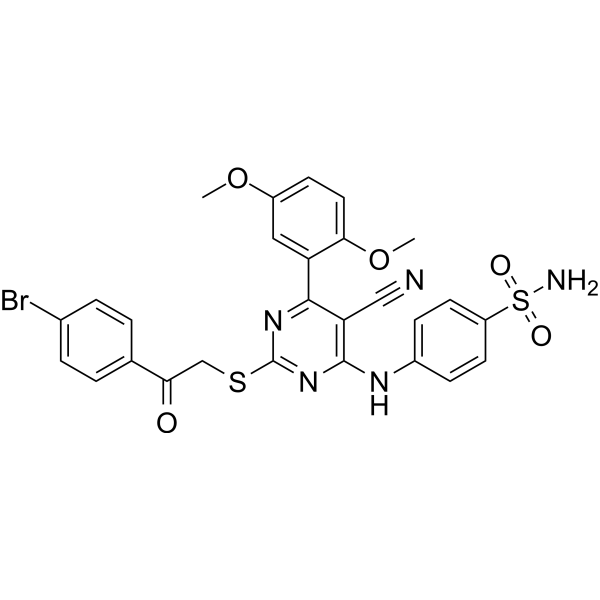
Carbonic anhydrase inhibitor 12 is a potent CA II inhibitor, also has inhibitory activity in CA I (Kis of 1.72 and 271 nM in CA II and CA I, respectively). Carbonic anhydrase inhibitor 12 has potent anticancer activity against different cancer cell lines .
|
-
-
- HY-19213
-
-

-
- HY-19213A
-
-
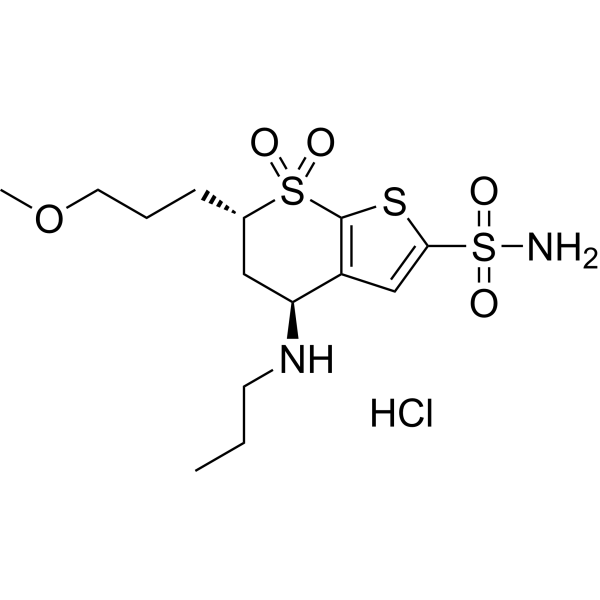
-
- HY-163268
-
|
|
Carbonic Anhydrase
|
Cancer
|
|
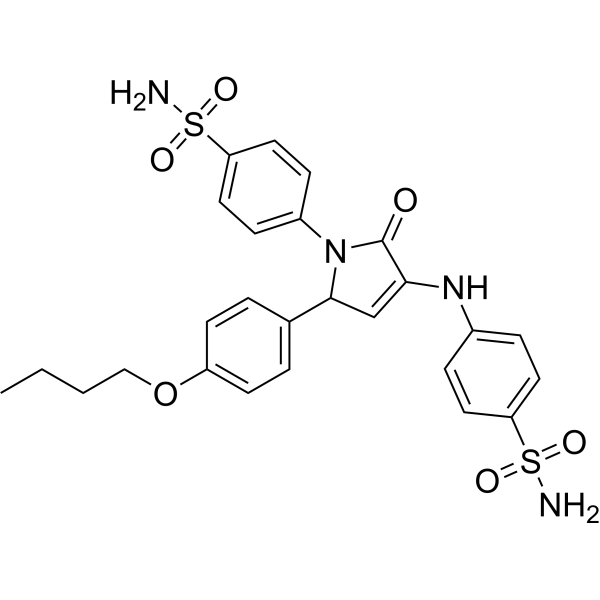
Carbonic anhydrase inhibitor 18 (Compound 9) is a human carbonic anhydrase (hCA) isoform inhibitor, with Kis of 604.8, 333.6, 1.9 and 6.7 nM for hCA I, hCA II, hCA IX and hCA XII, respectively. Carbonic anhydrase inhibitor 18 can be used for the research of cancer .
|
-
-
- HY-156013
-
-
-
- HY-B1480R
-
-

-
- HY-172816
-
|
|
Carbonic Anhydrase
mTOR
NKCC
|
Neurological Disease
|
|
Carbonic anhydrase inhibitor 32 (compound 5B) is an orally active and selective hCA (Carbonic anhydrase ) II/VII inhibitor with the Ki values of 6.3 nM, 10.1 nM and 681 nM for hCA II, hCA VII and hCA I,respectively. Carbonic anhydrase inhibitor 32 shows neuroprotective and anticonvulsant potential by reducing mTOR activation, and raising hippocampus KCC2 levels .
|
-

-
- HY-147956
-
-
- HY-106332A
-
|
MK 417; (S)-MK-927
|
Carbonic Anhydrase
|
Endocrinology
|
|
Sezolamide hydrochloride (MK 417) is a potent topical carbonic anhydrase inhibitor. Sezolamide hydrochloride can be used in studies to reduce intraocular pressure .
|
-

- HY-B1480S
-
-

- HY-12610
-
|
|
Parasite
|
Cancer
|
|
Carbonic anhydrase inhibitor 27 (compund 5g) is an antitrypanosomal agent that reduces parasites in the bloodstream and improves survival of infected mice .
|
-

- HY-168124
-
|
|
Carbonic Anhydrase
|
Cancer
|
|
Carbonic anhydrase inhibitor 26 (compund 6T) is a carbonic anhydrase II inhibitor with IC50 of 9.10 ± 0.26 μM .
|
-

- HY-161174
-
-
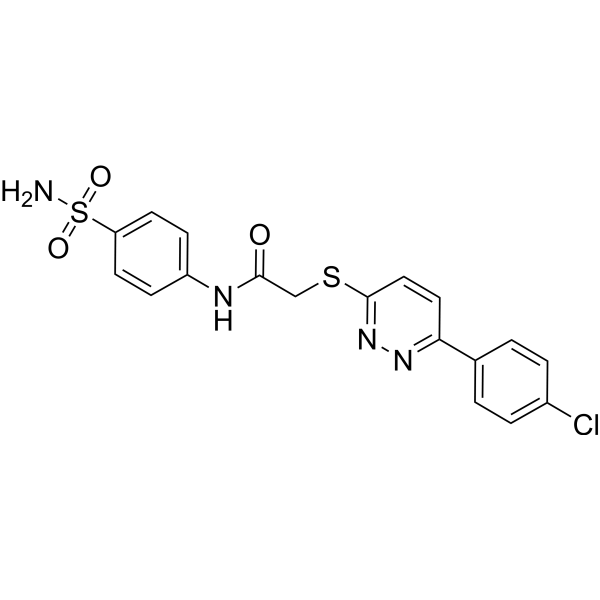
- HY-108316R
-
-

- HY-172607
-
|
|
Carbonic Anhydrase
|
Infection
|
|
Carbonic anhydrase inhibitor 30 (compound 17) is an inhibitor of carbonic anhydrase with Ki values of 2.13 μM and 0.161 nM for hCA I and hCA II, respectively [1] .
|
-

- HY-146207
-
|
|
Carbonic Anhydrase
|
Cancer
|
|
HCAIX-IN-2 (compound 9d) is a selective carbonic anhydrase inhibitor with the Ki values of 24.6 nM and 45.3 nM for hCA IX and hCA XII, respectively .
|
-
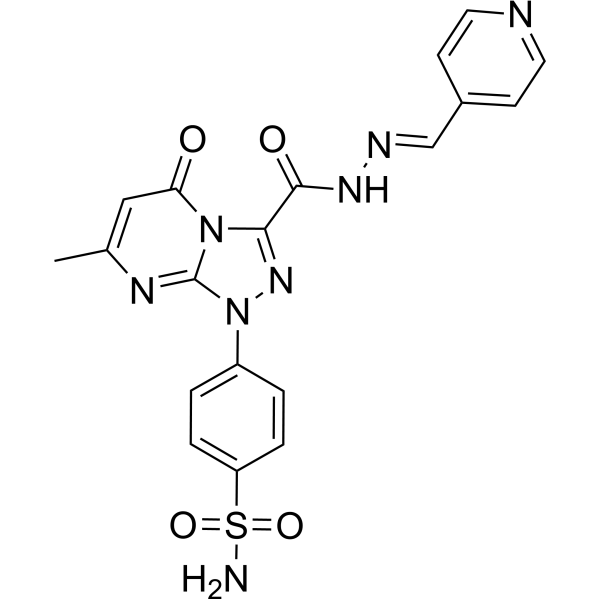
- HY-144807
-
|
|
Carbonic Anhydrase
|
Cancer
|
|
Carbonic anhydrase inhibitor 9 is a potent carbonic anhydrase (CA) inhibitor with Kis of 56.4 and 56.9 nM for hCA II and IX, respectively. Antiproliferative activity .
|
-
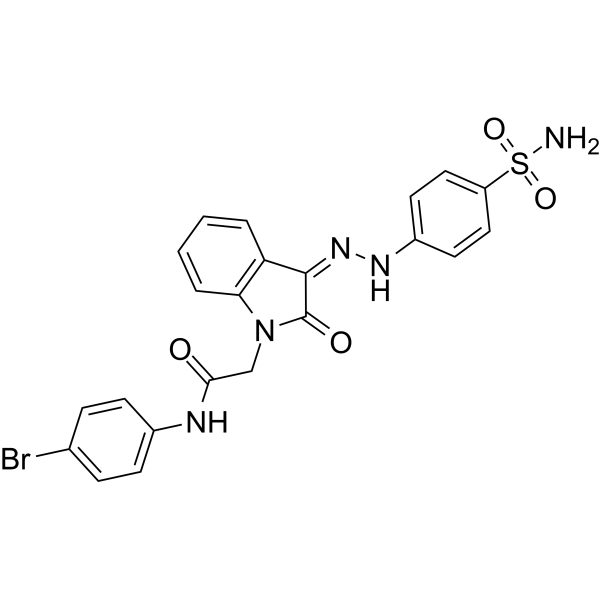
- HY-163660
-
|
|
Carbonic Anhydrase
|
Infection
|
|
Carbonic anhydrase inhibitor 23 (compound 40) is a potent inhibitor of carbonic anhydrase (CA), with the Ki of 617.2 nM and 434.1 nM for hCA I (α) and hCA II (α), respectively .
|
-

- HY-120677
-
|
|
Carbonic Anhydrase
|
Inflammation/Immunology
|
|
AHR-15010 is an oral active carbonic anhydrase inhibitor with the IC50 of 0.13 μM. AHR-15010 shows anti-arthritic activity and can be used for study of arthritis .
|
-

- HY-N8411R
-
|
(+)-Aromadendrene (Standard)
|
Bacterial
Reference Standards
|
Infection
|
|
Benzenesulphonamide (Standard) is the analytical standard of Benzenesulphonamide. This product is intended for research and analytical applications. Benzenesulphonamide (compound 1) is a potent carbonic anhydrase inhibitor. Benzenesulphonamide shows CA II inhibitory activity .
|
-

- HY-137364
-
|
|
Carbonic Anhydrase
|
Cardiovascular Disease
Metabolic Disease
|
|
Disulfamide, an orally active diuretic, is a carbonic anhydrase inhibitor with the IC50 value of 0.07 μM. Disulfamide leads to diuresis by inhibiting carbonic anhydrase and preventing the reabsorption of sodium and bicarbonate in the proximal tubule .
|
-
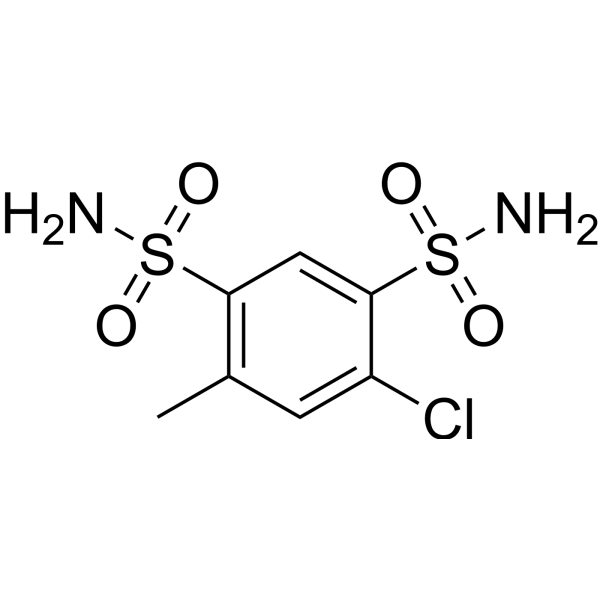
- HY-B0397A
-
|
Diclofenamide disodium
|
Carbonic Anhydrase
|
Neurological Disease
|
|
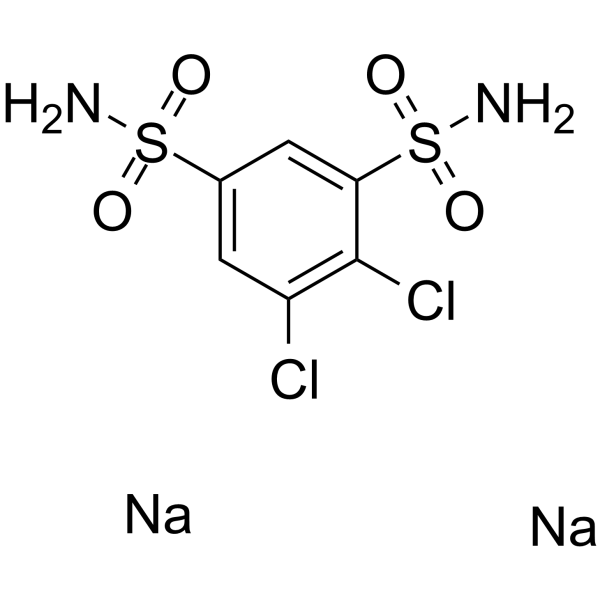
Dichlorphenamide (Diclofenamide) disodium is an orally active, specific, carbonic anhydrase inhibitor. Dichlorphenamide can reduce intraocular pressure by inhibiting the secretion of water from the eye. Dichlorphenamide can be used for glaucoma research .
|
-
- HY-W013316R
-
|
|
Reference Standards
Carbonic Anhydrase
|
Endocrinology
|
|
Lasamide (Standard) is the analytical standard of Lasamide. This product is intended for research and analytical applications. Lasamide is a potent human Carbonic Anhydrase inhibitor with Ki values of 7.54 and 2.76 nM for hCAXII and hCAIX, respectively .
|
-

- HY-132155
-
|
NSC 91508
|
Carbonic Anhydrase
|
Neurological Disease
|
|
Indan-5-sulphonamide (Compd 1) is a carbonic anhydrase inhibitor and anticonvulsant agent, with Ki values of 0.039 nM (hCA XII), 6.5 nM (hCA XIV) and 5.1 nM (hCA XIV), respectively .
|
-

- HY-144639
-
-
- HY-159982
-
|
|
Carbonic Anhydrase
|
Cancer
|
|
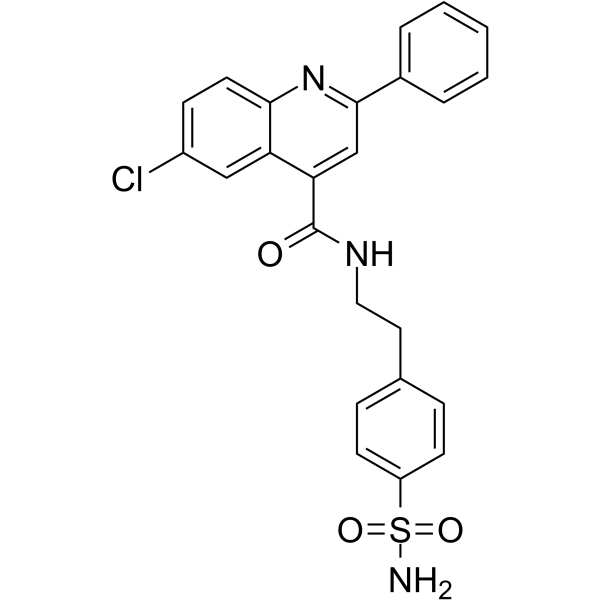
SH7s is a potent carbonic anhydrases inhibitor, with Kis of 15.9 and 55.2 nM for hCA IX and hCA XII, respectively. SH7s is also a hypoxia-mediated chemo-sensitizing agent in colorectal cancer cells .
|
-

- HY-157462
-
|
|
Carbonic Anhydrase
|
Infection
|
|
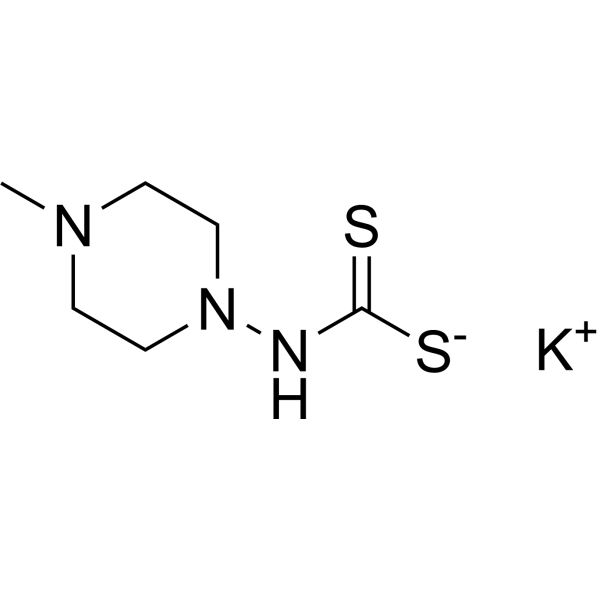
FC14-584B, a dithiocarbamate, is a β-Carbonic Anhydrase inhibitor. FC14-584B inhibits the growth of trophozoites. FC14-584B can be used for the research of tuberculosis .
|
-
- HY-146010
-
|
|
Carbonic Anhydrase
|
Cancer
|
|
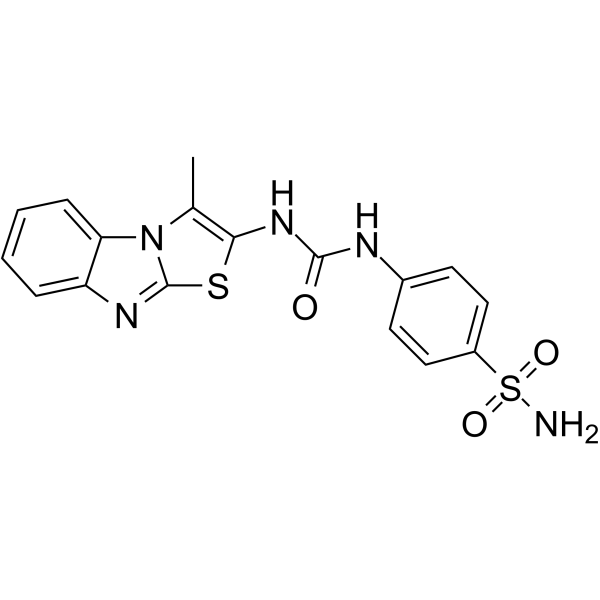
Carbonic anhydrase inhibitor 13 (compound 7) is a potent carbonic anhydrase (CA) inhibitor, which features 3-methylthiazolo[3,2-a]benzimidazole moiety (as a tail) connected to the zinc anchoring benzenesulfonamide moiety via ureido linker .
|
-
- HY-144641
-
|
|
Carbonic Anhydrase
|
Cancer
|
|
Carbonic anhydrase inhibitor 7 (compound 5b) is a potent inhibitor of human carbonic anhydrase (hCA), with Kis of 6.5 nM, 7.1 nM, 72.1 nM, and 255.8 nM for hCA IX, hCA II, hCA XII and hCA I, respectively .
|
-
- HY-176055
-
|
|
Carbonic Anhydrase
|
Infection
|
|
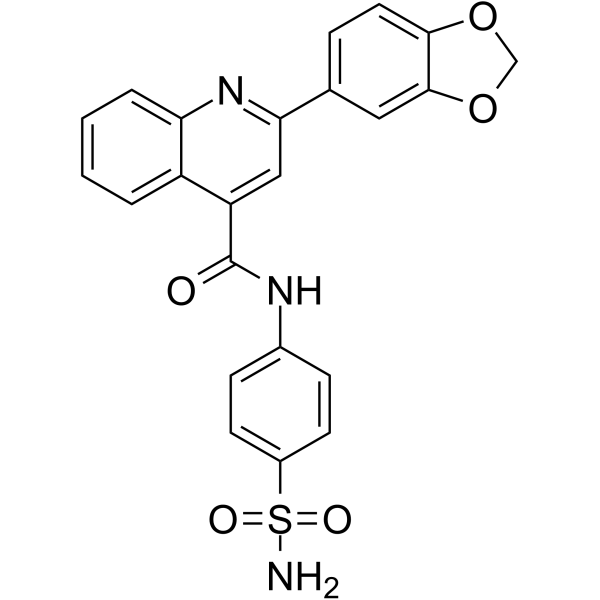
hCAI/II-IN-11 (compound 2c) is a Carbonic Anhydrase Inhibitor with IC50 values of 12.56 μM and 13.02 μM for hCA I and hCA II, respectively. hCAI/II-IN-11 shows antioxidant and antimicrobial effects .
|
-

- HY-144640
-
|
|
Carbonic Anhydrase
|
Cancer
|
|
Carbonic anhydrase inhibitor 6 (compound 9b) is a potent inhibitor of human carbonic anhydrase (hCA), with Kis of 9.7 nM, 35.2 nM, 88.5 nM, and 91.8 nM for hCA IX, hCA II, hCA XII and hCA I, respectively .
|
-
- HY-119063
-
|
|
Carbonic Anhydrase
|
Others
|
|
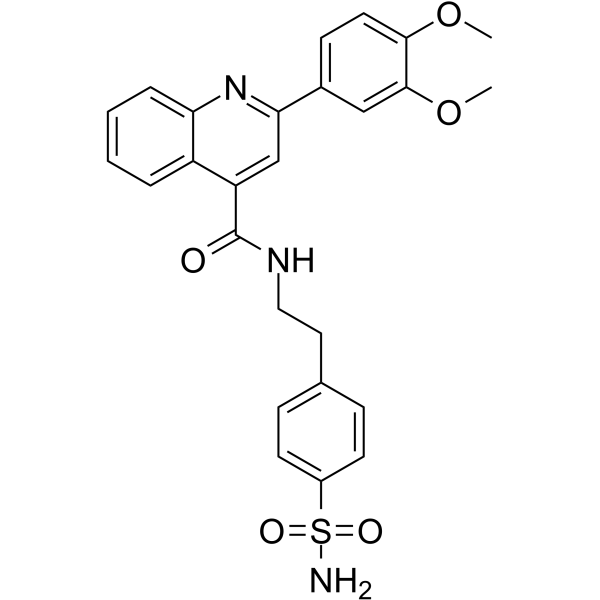
L-645151 is a carbonic anhydrase inhibitor with ocular penetration and hypotensive activity. L-645151 lowers the elevated intraocular pressure (IOP) of o-chymotripsinized (o-CT) rabbit eyes. L-645151 is promising for research of an ocular hypotensive agent .
|
-

- HY-161295
-
|
|
Carbonic Anhydrase
|
Cancer
|
|
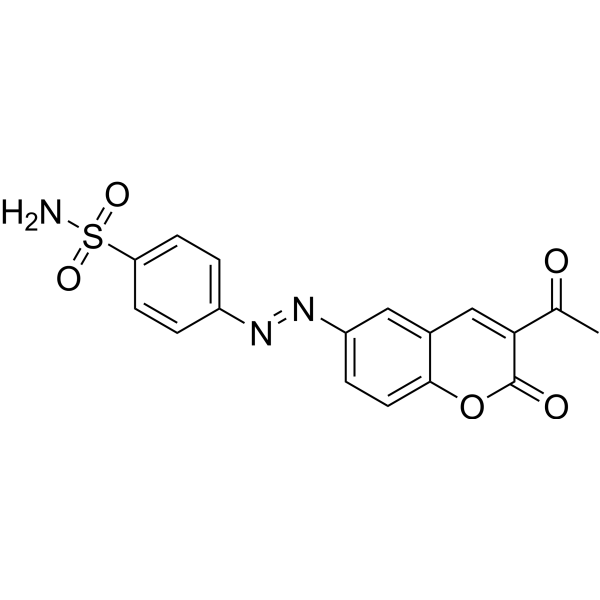
hCAIX/XII-IN-10 (compound DK-8) is a carbonic anhydrase inhibitor. hCAIX/XII-IN-10 has potent inhibitory activity against tumor-associated membrane-bound isoforms hCA IX and XII, with Ki values of 32.5 nM and 29.2 nM .
|
-
- HY-106331
-
|
MK-927 free base; (Rac)-MK 417 free base
|
Carbonic Anhydrase
|
Endocrinology
|
|
(Rac)-Sezolamide (MK-927 (free base); (Rac)-MK 417 (free base)) is a carbonic anhydrase inhibitor (CAI) (Ki: 12.0 nM). (Rac)-Sezolamide has a topical intraocular pressure (IOP) lowering effect. (Rac)-Sezolamide can be used in glaucoma research .
|
-

- HY-B0397R
-
|
Diclofenamide (Standard)
|
Reference Standards
Carbonic Anhydrase
|
Neurological Disease
|
|
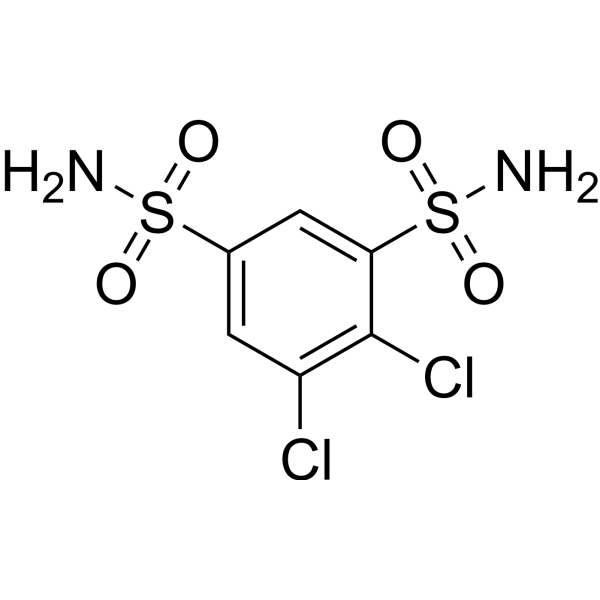
Dichlorphenamide (Standard) is the analytical standard of Dichlorphenamide. This product is intended for research and analytical applications. Dichlorphenamide (Diclofenamide) is an orally active, specific, carbonic anhydrase inhibitor. Dichlorphenamide can reduce intraocular pressure by inhibiting the secretion of water from the eye. Dichlorphenamide can be used for glaucoma research .
|
-
- HY-178056
-
|
|
Carbonic Anhydrase
Bacterial
|
Infection
|
|
Carbonic anhydrase-IN-2 is an orally active carbonic anhydrase inhibitor. Carbonic anhydrase-IN-2 shows antibacterial effect against various vancomycin-resistant Enterococcus (VRE) strains. Carbonic anhydrase-IN-2 can be used for the research of infection, such as E. faecium .
|
-

- HY-152141
-
|
|
Carbonic Anhydrase
|
Others
|
|
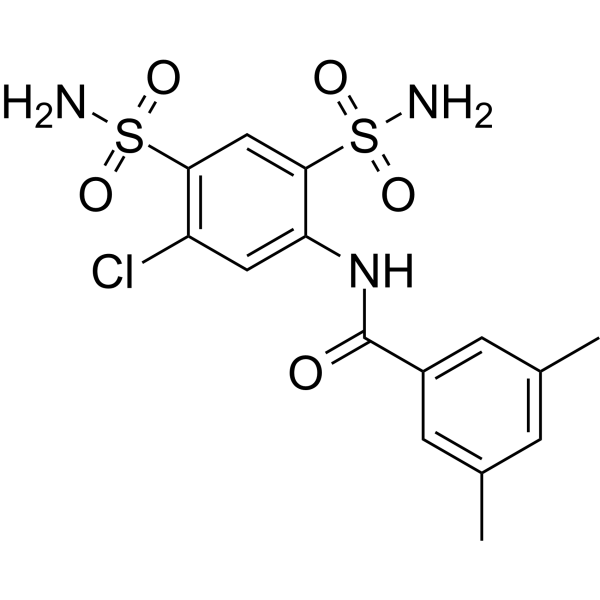
hCAII-IN-9 is a potent carbonic anhydrase inhibitor with IC50s of 1.18 μM (hCA II), 0.17 μM (hCA IX), and 2.99 μM (hCA XII), respectively. hCAII-IN-9 has no blood-brain barrier permeability .
|
-
- HY-158372
-
|
|
Carbonic Anhydrase
|
Cancer
|
|
hCA I-IN-3 (compound 24), an aryl ether derivative, is a potent carbonic anhydrase inhibitor. hCA I-IN-3 can inhibit carbonic anhydrase hCA I and hCA II isoenzymes, with IC50 values of 4.77 and 9.66 nM, respectively. hCA I-IN-3 can be used for cancer research .
|
-

- HY-B0553R
-
-

- HY-N0639R
-
|
|
Reference Standards
HBV
Pyroptosis
Carbonic Anhydrase
|
Infection
Inflammation/Immunology
|
|
Punicalin (Standard) is the analytical standard of Punicalin. This product is intended for research and analytical applications. Punicalin is a species that can be isolated from the leaves of Punica granatum. Punicalin is an active molecule against hepatitis b virus (HBV). Punicalin can induce pyroptosis. Punicalin is a Carbonic anhydrase inhibitor. Punicalin blocks the binding of S-glycoprotein and ACE2 receptors. Pnuicalin has anti-inflammatory, antioxidant and antiviral activity .
|
-

- HY-B0124R
-
|
AD 810 (Standard); CI 912 (Standard)
|
Reference Standards
Carbonic Anhydrase
Apoptosis
|
Neurological Disease
|
|
Zonisamide (Standard) is the analytical standard of Zonisamide. This product is intended for research and analytical applications. Zonisamide (AD 810) is an orally active carbonic anhydrase inhibitor, with Kis of 35.2 and 20.6 nM for hCA II and hCA V, respectively. Zonisamide exerts neuroprotective effects through anti-apoptosis and upregulating MnSOD levels. Zonisamide also increases the expression of Hrd1, thereby improving cardiac function in AAC rats. Zonisamide can be used in studies of seizure, parkinson’s disease and cardiac hypertrophy .
|
-

- HY-B0124S2
-
|
AD 810-13C6; CI 912-13C6
|
Isotope-Labeled Compounds
Carbonic Anhydrase
Apoptosis
|
Neurological Disease
|
|
Zonisamide- 13C6 (AD 810- 13C6) is 13C labeled Zonisamide. Zonisamide (AD 810) is an orally active carbonic anhydrase inhibitor, with Kis of 35.2 and 20.6 nM for hCA II and hCA V, respectively. Zonisamide exerts neuroprotective effects through anti-apoptosis and upregulating MnSOD levels. Zonisamide also increases the expression of Hrd1, thereby improving cardiac function in AAC rats. Zonisamide can be used in studies of seizure, parkinson’s disease and cardiac hypertrophy .
|
-

- HY-101087R
-
|
|
Reference Standards
Carbonic Anhydrase
Amyloid-β
Reactive Oxygen Species (ROS)
|
Neurological Disease
Inflammation/Immunology
Cancer
|
|
Benzenesulphonamide (Standard) is the analytical standard of Benzenesulphonamide (HY-101087). This product is intended for research and analytical applications. Benzenesulphonamide (Compound 1) is a carbonic anhydrase inhibitor. Benzenesulphonamide exhibits CA II inhibitory activity. Benzenesulphonamide reduces ROS and improves the gene expression of amyloid-β40 and 42. Benzenesulphonamide is beneficial for Alzheimer's disease. Benzenesulphonamide derivatives have anticancer, anti-inflammatory, and anticonvulsant activities. Benzenesulphonamide can be used in the research of Alzheimer's disease, epilepsy, inflammatory diseases, leukemia, melanoma, lung cancer, and colon cancer .
|
-

- HY-163753
-
|
|
Carbonic Anhydrase
|
Others
|
|
Carbonic anhydrase inhibitor 25 (compound 6a) is a potent carbonic anhydrase inhibitor. Carbonic anhydrase inhibitor 25 shows inhibition for hCA I and hCA II receptor .
|
-

- HY-106332
-
|
MK 417 free base; (S)-MK-927 free base
|
Carbonic Anhydrase
|
Neurological Disease
|
|
Sezolamide (MK 417 free base) is a potent topical carbonic anhydrase inhibitor. Sezolamide can be used in studies to reduce intraocular pressure .
|
-

- HY-W015675R
-
|
|
Reference Standards
Endogenous Metabolite
|
Metabolic Disease
|
|
Lasamide (Standard) is the analytical standard of Lasamide. This product is intended for research and analytical applications. Lasamide is a potent human Carbonic Anhydrase inhibitor with Ki values of 7.54 and 2.76 nM for hCAXII and hCAIX, respectively .
|
-

- HY-W566406
-
|
|
Carbonic Anhydrase
|
Neurological Disease
|
|
Aminozolamide is a carbonic anhydrase inhibitor. Aminozolamide regulates intraocular pressure by inhibiting carbonic anhydrase activity. Aminozolamide exerts local ocular effects, exhibits good retention in the ciliary body of rabbit eyes, and prevents rapid elimination from the eye. Aminozolamide is applicable to the research of ocular hypertension .
|
-

- HY-182070
-
|
|
Carbonic Anhydrase
|
Cancer
|
|
Carbonic anhydrase-IN-38 (compound 5c) is a carbonic anhydrase inhibitor with antiproliferative activity, with Ki values of 576.2 nM, 41.3 nM and 86.9 nM against hCA VII, hCA IX and hCA XII, respectively. Carbonic anhydrase-IN-38 can be used in research related to triple-negative breast cancer and glioblastoma .
|
-

- HY-180542
-
|
|
Carbonic Anhydrase
Bacterial
Drug Derivative
|
Infection
|
|
CAI0019 is an orally active α-carbonic anhydrase inhibitor based on the Acetazolamide (HY-B0782) framework. CAI0019 exhibits narrow-spectrum antibiofilm activity, with its MIC50 being 0.094 μM and MIC90 being 0.39 μM. CAI0019 selectively inhibits Enterococcus in a septic peritonitis mouse model, without affecting most intestinal commensal bacteria .
|
-

- HY-181238
-
|
|
Carbonic Anhydrase
|
Others
|
|
CAII-IN-13 is a human carbonic anhydrase inhibitor, with a Ki of 65.9 nM against human carbonic anhydrase II and a Ki of 968.4 nM against human carbonic anhydrase I. CAII-IN-13 functionally inhibits the catalytic activities of human carbonic anhydrase II and human carbonic anhydrase I. CAII-IN-13 satisfies the Lipinski's rule of five and may possess physicochemical properties and pharmacokinetic profiles associated with in vivo bioavailability .
|
-

- HY-183668
-
|
|
Bacterial
Carbonic Anhydrase
|
Infection
|
|
Carbonic anhydrase-IN-39 is a bacterial carbonic anhydrase inhibitor with oral bioavailability. Carbonic anhydrase-IN-39 inhibits α-NgCA and β-NgCA from Neisseria gonorrhoeae, as well as human hCA I and hCA II. Carbonic anhydrase-IN-39 exhibits bactericidal activity against Neisseria gonorrhoeae and reduces gonococcal burden in infected mouse models. Carbonic anhydrase-IN-39 can be used in the research of gonorrhea .
|
-

- HY-182426
-
|
|
Carbonic Anhydrase
|
Neurological Disease
|
|
NCX-278 is a human carbonic anhydrase inhibitor with a 13 nM Ki for hCA II, 410 nM Ki for hCA I, 181 nM Ki for hCA IV, and selective inhibition of hCA II over hCA IV. NCX-278 is a potent and effective stimulator of NO/sGC/cGMP signaling with an EC50 of 2.05 lM. NCX-278 exerts NO-mediated vascular relaxant effects. NCX-278 lowers intraocular pressure in normotensive rabbits. NCX-278 can be used for the research of open-angle glaucoma .
|
-

- HY-129986
-
|
|
Endogenous Metabolite
|
Others
|
|
hCAI/II-IN-9 is a carbonic anhydrase inhibitor with inhibitory activity against human carbonic anhydrase isoforms I, II, IX, and XII. The inhibition constants (Ki) of hCAI/II-IN-9 for hCA I are in the range of 7.9-894 nM, for hCA II are in the range of 7.5-1645 nM, for hCA IX are in the range of 5.0-240 nM, and for hCA XII are in the range of 0.47-2.83 nM. hCAI/II-IN-9 may have potential applications in inhibiting a variety of pathologies involving these carbonic anhydrase isoforms .
|
-

- HY-B0124S3
-
|
|
Isotope-Labeled Compounds
Carbonic Anhydrase
Apoptosis
|
Neurological Disease
|
|
Zonisamide- 15N,d4 is the 15N- and deuterium labeled Zonisamide (HY-B0124). Zonisamide (AD 810) is an orally active carbonic anhydrase inhibitor, with Kis of 35.2 and 20.6 nM for hCA II and hCA V, respectively. Zonisamide exerts neuroprotective effects through anti-apoptosis and upregulating MnSOD levels. Zonisamide also increases the expression of Hrd1, thereby improving cardiac function in AAC rats. Zonisamide can be used in studies of seizure, parkinson’s disease and cardiac hypertrophy .
|
-

| Cat. No. |
Product Name |
Type |
-
- HY-69085
-
|
|
Biochemical Assay Reagents
|
|
4-Bromo-1H-indazole is a carbonic anhydrase inhibitor, with an IC50 of 0.403 mM and a Ki of 0.383 mM against hCA-I, as well as an IC50 of 0.700 mM and a Ki of 0.935 mM against hCA-II. 4-Bromo-1H-indazole reduces the catalytic activity of human I and II isoforms of carbonic anhydrase .
|
| Cat. No. |
Product Name |
Category |
Target |
Chemical Structure |
| Cat. No. |
Product Name |
Chemical Structure |
-
- HY-108316S
-
|
|
|
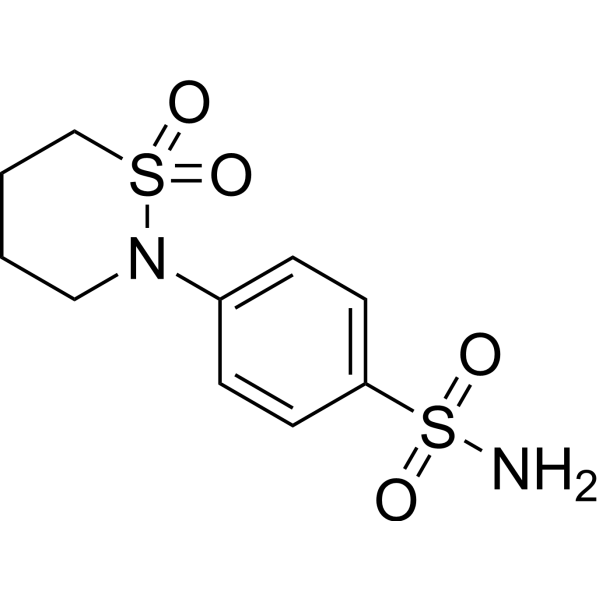
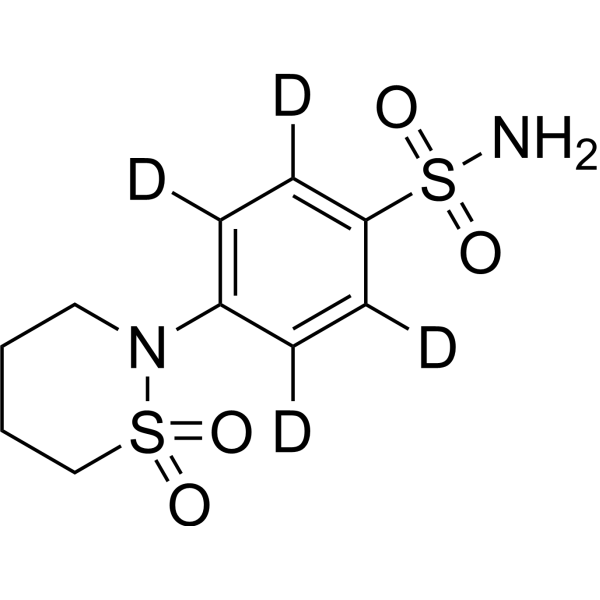
Sulthiame-d4 is the deuterium labeled Sultiame. Sultiame is a carbonic anhydrase inhibitor, widely used as an antiepileptic agent .
|
-
-
- HY-B0553S
-
|
|
|
Methazolamide-d6 is the deuterium labeled Methazolamide. Methazolamide (L584601) is a sulfonamide derivative used as a carbonic anhydrase inhibitor with a Ki of 14 nM for human carbonic anhydrase II. Methazolamide, an intraocular pressure-lowering agent, reduces intraocular pressure elevations associated with glaucoma and other ocular disorders .
|
-
-
- HY-B1480S
-
|
|
|
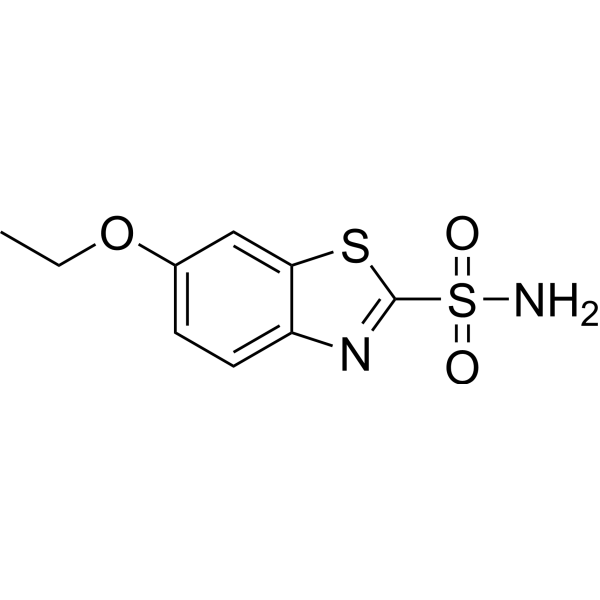
Ethoxzolamide-d5 (Redupresin-d5) is deuterium labeled Ethoxzolamide. Ethoxzolamide is a carbonic anhydrase inhibitor with Ki of 1 nM.
|
-
-
- HY-B0124S2
-
|
|
|
Zonisamide- 13C6 (AD 810- 13C6) is 13C labeled Zonisamide. Zonisamide (AD 810) is an orally active carbonic anhydrase inhibitor, with Kis of 35.2 and 20.6 nM for hCA II and hCA V, respectively. Zonisamide exerts neuroprotective effects through anti-apoptosis and upregulating MnSOD levels. Zonisamide also increases the expression of Hrd1, thereby improving cardiac function in AAC rats. Zonisamide can be used in studies of seizure, parkinson’s disease and cardiac hypertrophy .
|
-
-
- HY-B0124S3
-
|
|
|
Zonisamide- 15N,d4 is the 15N- and deuterium labeled Zonisamide (HY-B0124). Zonisamide (AD 810) is an orally active carbonic anhydrase inhibitor, with Kis of 35.2 and 20.6 nM for hCA II and hCA V, respectively. Zonisamide exerts neuroprotective effects through anti-apoptosis and upregulating MnSOD levels. Zonisamide also increases the expression of Hrd1, thereby improving cardiac function in AAC rats. Zonisamide can be used in studies of seizure, parkinson’s disease and cardiac hypertrophy .
|
-
Your information is safe with us. * Required Fields.
Inquiry Information
- Product Name:
- Cat. No.:
- Quantity:
- MCE Japan Authorized Agent:








