Search Result
Results for "
EGFR inhibition
" in MedChemExpress (MCE) Product Catalog:
| Cat. No. |
Product Name |
Target |
Research Areas |
Chemical Structure |
-
- HY-164702
-
|
Izalontamab Brengitecan
|
Antibody-Drug Conjugates (ADCs)
EGFR
|
Cancer
|
|
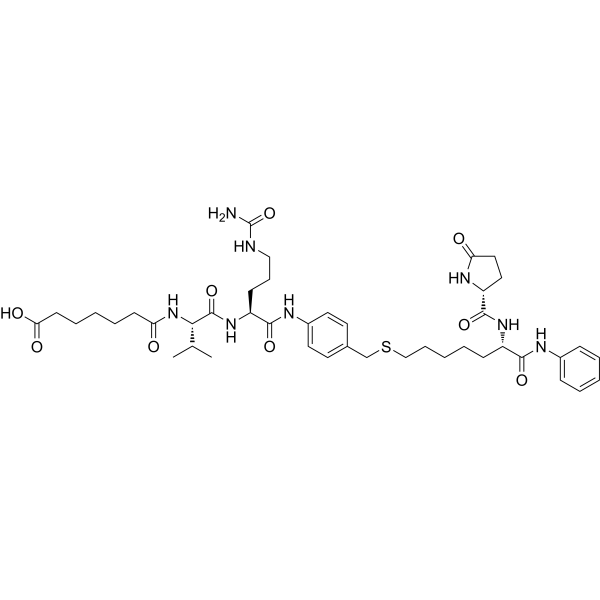
BL-B01D1 is a bispecific ADC, which targets EGFR and HER3 through bispecific antibody Izalontamab (HY-P99676), and exhibits cytotoxicity against various cancer cells via inhibition of DNA replication and DNA synthesis by its ADC toxin ED04 (HY-153891). BL-B01D1 can be used in the study of cancer .
|
-
-
- HY-10325
-
|
EKI-785; WAY-EKI 785
|
EGFR
Apoptosis
|
Endocrinology
Cancer
|
|
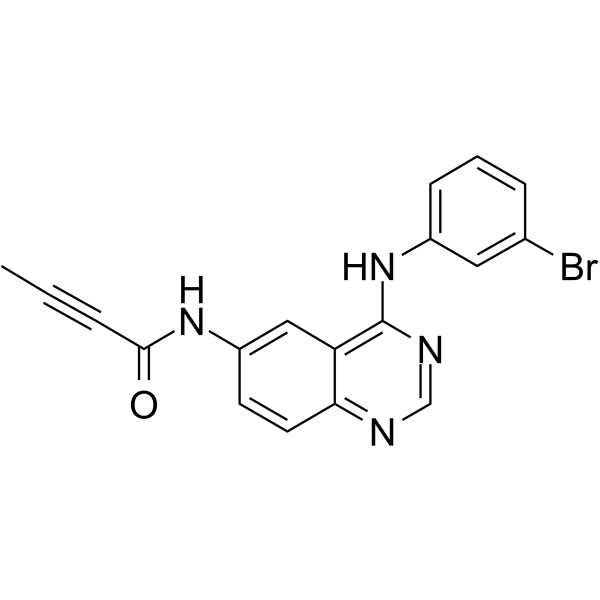
CL-387785 (EKI-785; WAY-EKI 785) is an orally active EGFR inhibitor with an IC50 of 370 pM. CL-387785 inhibits EGF-stimulated EGFR autophosphorylation with an IC50 of approximately 5 nM. CL-387,785 exerts selective inhibition on cell lines overexpressing EGFR or c-erbB-2, whereas it shows weak inhibitory effects on cell lines with low expression of these two receptors. CL-387785 effectively induces cell cycle arrest and apoptosis. CL-387785 can be used for the research of non-small cell lung cancer and autosomal recessive polycystic kidney disease .
|
-
-
- HY-172429
-
|
ORIC-114
|
EGFR
|
Neurological Disease
Cancer
|
|
Enozertinib (ORIC-114) is an orally active, CNS-penetrant, highly selective and irreversible dual EGFR/HER2 inhibitor that exhibits potent and targeted inhibition of exon 20 insertion mutations. Enozertinib exhibits high kinome selectivity for the EGFR family of receptors to reduce off-target kinase liabilities. Enozertinib induces tumor regression and demonstrates antitumor activity in central nervous system and non-small cell lung cancer (NSCLC) tumor models. Enozertinib can be used for the research of solid tumors and NSCLC .
|
-
-
- HY-130549
-
|
|
PROTAC Linkers
|
Cancer
|
|
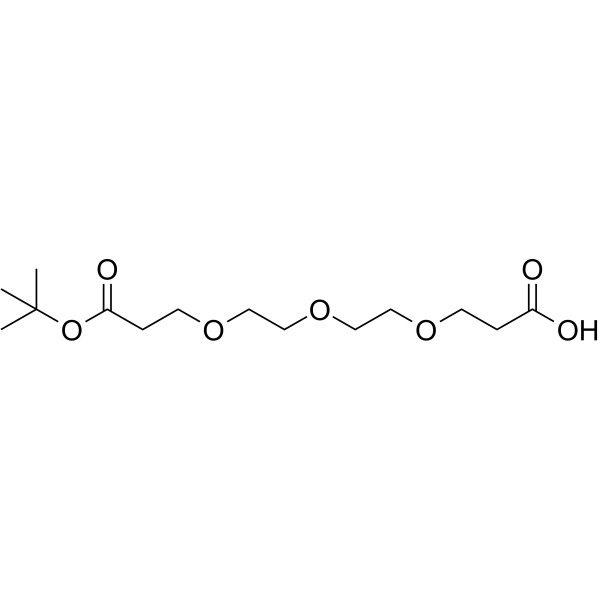
Acid-PEG3-C2-Boc is a PEG- and Alkyl/ether-based PROTAC linker can be used in the synthesis of PROTACs for the degradation of EGFR and inhibition of mTOR .
|
-
-
- HY-13984
-
NT-1
1 Publications Verification
EGFR mutant-IN-3
|
EGFR
ERK
Apoptosis
Drug Derivative
|
Cancer
|
|
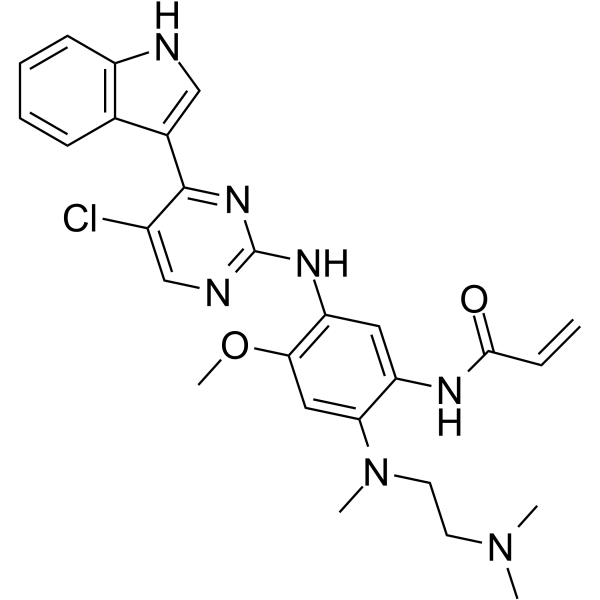
NT-1 (EGFR mutant-IN-3) is a potent mutant EGFR inhibitor and an analog of Osimertinib (HY-15772). This mutant EGFR inhibitor suppresses FGFR WT with an IC50 of 0.4 nM. NT-1 also inhibits EGFR L858R, EGFR Exon 19 deletion and EGFR T790M. NT-1 exerts deeper inhibition on p-EGFR and p-ERK, and induces tumor cell apoptosis. NT-1 can be used in colorectal cancer research .
|
-
-
- HY-172429A
-
|
ORIC-114 hemihydrate
|
EGFR
|
Neurological Disease
Cancer
|
|
Enozertinib (ORIC-114) hemihydrate is an orally active, CNS-penetrant, highly selective and irreversible dual EGFR/HER2 inhibitor that exhibits potent and targeted inhibition of exon 20 insertion mutations. Enozertinib hemihydrate exhibits high kinome selectivity for the EGFR family of receptors to reduce off-target kinase liabilities. Enozertinib hemihydrate induces tumor regression and demonstrates antitumor activity in central nervous system and non-small cell lung cancer (NSCLC) tumor models. Enozertinib hemihydrate can be used for the research of solid tumors and NSCLC .
|
-
-
- HY-135699
-
TD52
2 Publications Verification
|
Apoptosis
Phosphatase
Akt
|
Cancer
|
|
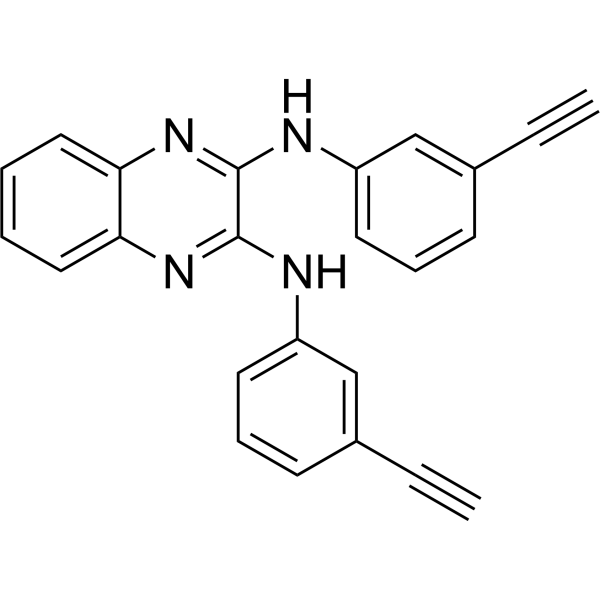
TD52, an Erlotinib (HY-50896) derivative, is an orally active, potent cancerous inhibitor of protein phosphatase 2A (CIP2A) inhibitor. TD52 mediates the apoptotic effect in triple-negative breast cancer (TNBC) cells via regulating the CIP2A/PP2A/p-Akt signalling pathway. TD52 indirectly reduced CIP2A by disturbing Elk1 binding to the CIP2A promoter. TD52 has less p-EGFR inhibition and has potent anti-cancer activity . TD52 is a click chemistry reagent, it contains an Alkyne group and can undergo copper-catalyzed azide-alkyne cycloaddition (CuAAc) with molecules containing Azide groups.
|
-
-
- HY-112293
-
|
|
EGFR
|
Cancer
|
|
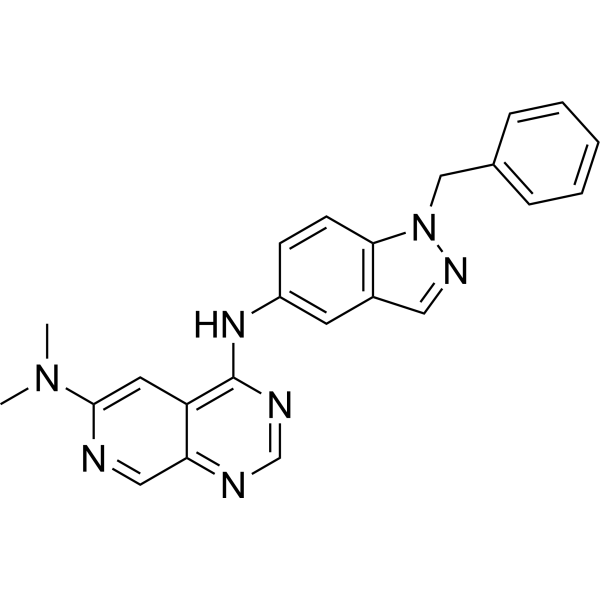
GW2974 is a potent dual inhibitor of EGFR and HER2 with IC50 value of 0.007 μM and 0.016 μM, respectively. GW2974 demonstrates in vitro inhibition of the EGFR and HER2 and inhibits the growth of tumor cell. GW2974 can be used for glioblastoma multiforme (GBM) disease research .
|
-
-
- HY-111553
-
|
|
EGFR
|
Cancer
|
|
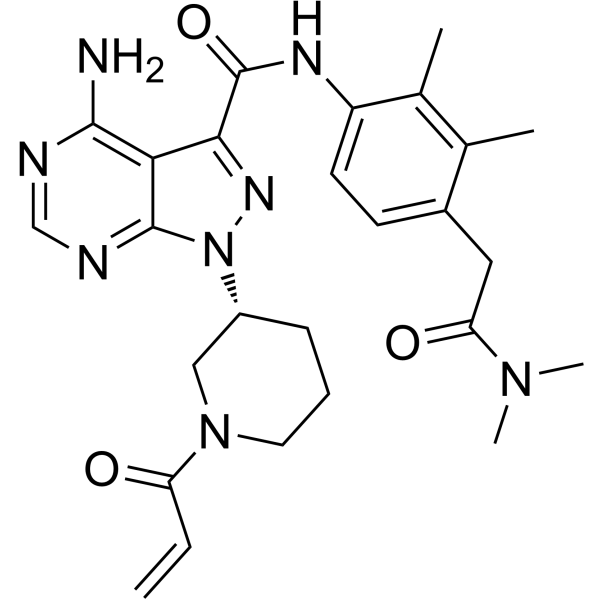
TAS0728 is a potent, selective, orally active, irreversible and covalent-binding HER2 inhibitor, with an IC50 of 13 nM. TAS0728 also shows IC50s of 4.9, 8.5, 31, 65, 33, 25 and 86 nM for BMX、HER4、BLK、EGFR、JAK3、SLK and LOK respectively. Furthermore, TAS0728 exhibits robust and sustained inhibition of the phosphorylation of HER2, HER3, and downstream effectors .
|
-
-
- HY-N6932
-
|
|
Cannabinoid Receptor
P-glycoprotein
PI3K
Akt
mTOR
Apoptosis
Autophagy
EGFR
|
Metabolic Disease
Cancer
|
|
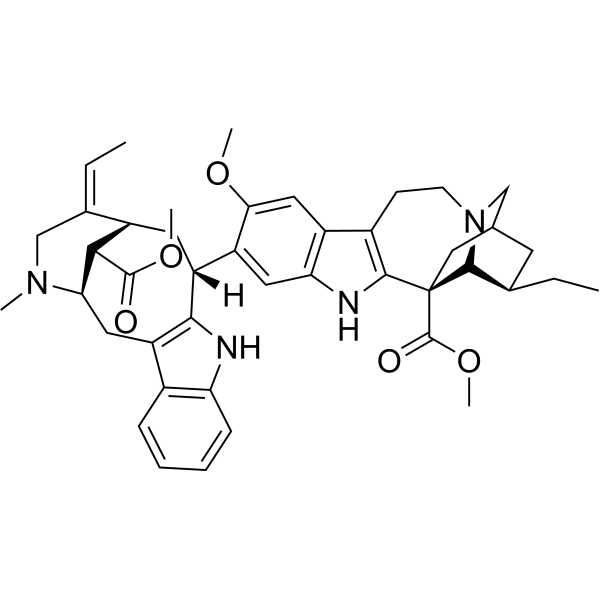
Voacamine is an indole alkaloid with cannabinoid 1 (CB1) antagonistic activity. Voacamine can inhibit nuclear translocation. Voacamine is effective in enhancing the effect of Doxorubicin (HY-15142A) as it interferes with the P-glycoprotein (P-gp) function. Voacamine promotes apoptosis-independent autophagic cell death in human osteosarcoma cells. Voacamine activates mitochondrial-associated apoptosis signaling pathway and inhibition of PI3K/Akt/mTOR signaling pathway to suppress breast cancer progression. Voacamine inhibits EGFR to exert oncogenic activity against colorectal cancer .
|
-
-
- HY-135699A
-
|
|
Akt
Phosphatase
Apoptosis
|
Cancer
|
|
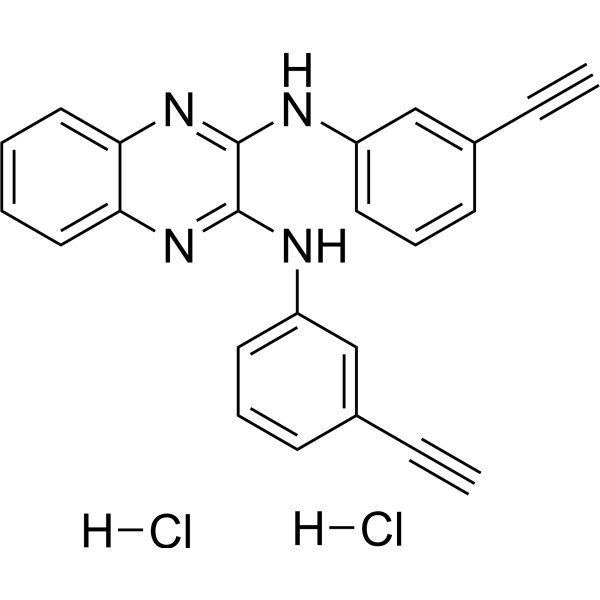
TD52 dihydrochloride, an Erlotinib (HY-50896) derivative, is an orally active, potent cancerous inhibitor of protein phosphatase 2A (CIP2A) inhibitor. TD52 dihydrochloride mediates the apoptotic effect in triple-negative breast cancer (TNBC) cells via regulating the CIP2A/PP2A/p-Akt signalling pathway. TD52 dihydrochloride indirectly reduced CIP2A by disturbing Elk1 binding to the CIP2A promoter. TD52 dihydrochloride has less p-EGFR inhibition and has potent anti-cancer activity . TD52 (dihydrochloride) is a click chemistry reagent, it contains an Alkyne group and can undergo copper-catalyzed azide-alkyne cycloaddition (CuAAc) with molecules containing Azide groups.
|
-
-
- HY-146325
-
|
|
HSP
|
Cancer
|
|
HSP90-IN-11 (Compound 12c) is a potent inhibitor of HSP90. HSP90-IN-11 displays potent HSP90α inhibition comparable to AUY-922 (Luminespib). HSP90-IN-11 shows significant antiproliferative activity in CRC and NSCLC cells in a double digit nM range. HSP90-IN-11 leads to rapid degradation of client proteins EGFR and Akt in NSCLC cells. HSP90-IN-11 induces significant accumulation of a sub-G1 phase population .
|
-
-
- HY-117852
-
|
TRX-13
|
EGFR
Tyrosinase
|
Cancer
|
|
CGP-59326 (TRX-13) is a highly potent and selective epidermal growth factor receptor (EGFR) tyrosine kinase inhibitor (IC50=0.027 μM). CGP-59326 blocks the EGFR signaling pathwa, demonstrating highly selective inhibition of EGFR-dependent tumor cells. CGP-59326 is promising for research of cancers .
|
-
-
- HY-129510
-
|
|
EGFR
Mitosis
|
Cancer
|
|
4-Methyl erlotinib, is a potent and selective epidermal growth factor receptor (EGFR) tyrosine kinase inhibitor. 4-Methyl erlotinib potently inhibits EGF-mediated tumor cell mitosis by reducing EGFr-specific tyrosine phosphorylation. Using a mouse model of human tumor transplantation, 4-Methyl erlotinib demonstrated significant and sustained suppression of EGFr phosphotyrosine levels, resulting in significant growth inhibition of EGFr-dependent human cancers .
|
-
-
- HY-112806
-
|
|
Drug-Linker Conjugates for ADC
HDAC
EGFR
Microtubule/Tubulin
|
Cancer
|
|
ST8155AA1 is a part of antibody agent conjugates (ADCs) charged with HDAC inhibitor. ST8155AA1 induces α-tubulin, histone H3/H4 acetylation via direct enzymatic inhibition. ST8155AA1 recognizes and binds EGFR, undergoes internalization into EGFR-expressing tumor cells. ST8155AA1 inhibits cancer cell proliferation and exerts activity in mouse tumor models. ST8155AA1 can be used for the research of non-small cell lung cancer .
|
-
-
- HY-178955
-
|
|
EGFR
HSP
PI3K
Caspase
Apoptosis
CDK
ERK
Akt
|
Cancer
|
|
EGFR-IN-182 (Compound 4) is an EGFR inhibitor with an IC50 value of 199 nM. EGFR-IN-182 inhibits HSP90 and PI3K, with IC50 values of 5.007 and 13.596 μM respectively. EGFR-IN-182 exhibits strong anti-proliferative activity against MCF-7 and MDA-MB-231 cells. EGFR-IN-182 downregulates Cyclin D1, inducing cell cycle arrest; it enhances the activity of caspase-9, inducing cell apoptosis. EGFR-IN-182 downregulates the expressions of ERK and AKT. EGFR-IN-182 can be used for research on breast cancer .
|
-
-
- HY-174231
-
|
|
EGFR
Apoptosis
|
Cancer
|
|
EGFR-IN-163 (Compound 13) is a competitive epidermal growth factor receptor (EGFR) inhibitor (IC50=0.079 μM, selective for HER-2 inhibition). EGFR-IN-163 induces tumor cell apoptosis and cell cycle arrest at G₂/M phase. EGFR-IN-163 is promising for research of estrogen receptor-positive (ER+) breast cancer .
|
-
-
- HY-178942
-
|
|
VEGFR
EGFR
Apoptosis
Bcl-2 Family
Caspase
MDM-2/p53
|
Cancer
|
|
EGFR/VEGFR2-IN-9 (Compound 9b) is an inhibitor of VEGFR-2 (IC50 = 1.325 μM) and EGFR (IC50 = 1.891 μM). EGFR/VEGFR2-IN-9 significantly inhibits the proliferation of multiple cancer cell lines, particularly leukemia cells. EGFR/VEGFR2-IN-9 upregulates the expression levels of Bax, caspase-3, and p53, while downregulating the expression of Bcl-2. EGFR/VEGFR2-IN-9 induces apoptosis and arrests the cell cycle in the G1 phase. EGFR/VEGFR2-IN-9 can be used to investigate anti-tumor angiogenesis and multi-drug resistant cancers .
|
-
-
- HY-150552
-
-
-
- HY-131710
-
|
|
Phosphodiesterase (PDE)
EGFR
Wnt
Apoptosis
|
Cancer
|
|
PDE5-IN-3 (compound 11j) is a potent PDE5 inhibitor with an IC50 of 1.57 nM. PDE5-IN-3 shows moderate EGFR inhibition with IC50 of 5.827 µM. PDE5-IN-3 significantly inhibits the Wnt/β-catenin pathway (IC50=1286.96 ng/mL). PDE5-IN-3 induces the intrinsic apoptotic mitochondrial pathway in HepG2 cells. PDE5-IN-3 has strong antitumor activity .
|
-
-
- HY-147802
-
|
|
EGFR
Apoptosis
|
Cancer
|
|
EGFR-IN-59 (Compound 8c) is a EGFR inhibitor (IC50=190 nM) and apoptosis inducer. EGFR-IN-59 exhibits cytotoxicity against non-small lung cancer cell lines (A549) and normal lung fibroblasts (WI38) with IC50s of 8.62 and 52.6 µM, respectively. EGFR-IN-59 can be used for the research of various cancers such as non-small cell lung cancer (NSCLC), head and neck cancer, breast cancer and colorectal cancer .
|
-
-
- HY-128633
-
|
|
PI3K
Akt
Apoptosis
|
Cancer
|
|
PI3K-IN-4 is a potent Pan-PI3K inhibitor. PI3K-IN-4 has high activity for three PI3K isoforms with the IC50 values of picomole. PI3K-IN-4 shows superior inhibitory activity against PI3Kα (IC50 = 0.20 nM), PI3Kβ (IC50 = 2.99 nM), PI3Kδ (IC50 = 0.48 nM) and PI3Kγ (IC50 = 0.58 nM) and has no significant activity against EGFR. PI3K-IN-4 inhibits cancer cell growth though PI3K/Akt signaling pathway, leading to the inhibition of colony formation and the induction of apoptosis. PI3K-IN-4 can be used for lung, colon and breast cancer research .
|
-
-
- HY-147826
-
|
|
EGFR
Apoptosis
|
Cancer
|
|
EGFR-IN-60 (Compound 7d) shows obvious inhibition of EGFR WT, EGFR T790M, EGFR L858R and JAK3 with IC50s of 83, 26, 53, and 69 nM, respectively. EGFR-IN-60 potently inhibits the growth of H1975 cells harboring EGFR T790M mutation (IC50=1.32 µM) over A431 cells overexpressing EGFR WT (IC50=4.96 µM). EGFR-IN-60 exhibits good oral absorption, potent and safe antitumor activity. EGFR-IN-60 induces cell death through apoptosis supported by increased Bax/Bcl-2 ratio .
|
-
-
- HY-162881
-
|
|
EGFR
|
Cancer
|
DS06652923 is an orally active EGFR triple mutation inhibitor. DS06652923 has a growth inhibition effect on Ba/F3 EGFR del19/T90M/C797S cells, with a GI50 value of 9.4 nM. DS06652923 can lead to tumor regression in Ba/F3 xenograft models .
|
-
-
- HY-171252
-
|
|
EGFR
|
Cancer
|
|
EGFR-IN-145 (compound 7c) is an EGFR kinase inhibitor. At a concentration of 20 μM, EGFR-IN-145 has an inhibition rate of 52.7% on EGFR-wild type kinase .
|
-
-
- HY-169568
-
|
|
EGFR
|
Cancer
|
|
EGFR-IN-147 (compound ID-5841161) is a potent inhibitor of EGFR, with the inhibition rate of 14% at 1 μM. EGFR-IN-147 has the potential for the research of cancer .
|
-
-
- HY-145823
-
|
|
EGFR
|
Cancer
|
|
EGFR-IN-42 (Compound 17b) is a potent inhibitor of EGFR with single-digit nanomolar activity. EGFR-IN-42 connects tamoxifen or endoxifen with the EGFR-inhibitor gefitinib via a covalent linkage. EGFR-IN-42 retains both ER antagonist activity and EGFR inhibition. EGFR-IN-42 has superior anti-cancer activity .
|
-
-
- HY-145824
-
|
|
EGFR
|
Cancer
|
|
EGFR-IN-43 (Compound 17c) is a potent inhibitor of EGFR with single-digit nanomolar activity. EGFR-IN-43 connects tamoxifen or endoxifen with the EGFR-inhibitor gefitinib via a covalent linkage. EGFR-IN-43 retains both ER antagonist activity and EGFR inhibition. EGFR-IN-43 has superior anti-cancer activity .
|
-
-
- HY-147967
-
|
|
EGFR
|
Cancer
|
|
EGFR-IN-63 is an EGFR inhibition (IC50: 0.096 μM) and it has anticancer activity in MCF-7 cells (IC50: 2.49 μM).
|
-
-
- HY-172621
-
|
|
EGFR
|
Cancer
|
|
EGFR-IN-159 (compound 12), a dihydropyrimidine, is a potent EGFR inhibitor with an IC50 value of 29.00 nM. EGFR-IN-159 exhibits dose-dependent inhibition against EGFR and HER2. EGFR-IN-159 shows cytotoxicity against MCF-7 breast cancer cells and Vero cells with IC50 values of 16.07 μg/mL and 35.98 μg/mL, respectively. EGFR-IN-159 has no BBB permeation. EGFR-IN-159 shows appreciable anti-cancer activity .
|
-
-
- HY-160682
-
|
|
EGFR
|
Others
|
|
EGFR/HER2-IN-12 (compound 14b) is a dual inhibitor of EGFR and HER2 with 81% and 51% inhibition at 10 μM. The toxicity of EGFR/HER2-IN-12 to cancer cells A431 and MDA-MB-361 was not significant .
|
-
-
- HY-151158
-
|
|
EGFR
|
Cancer
|
|
EGFR/HER2-IN-7 is a potent anticancer agent with high selectivity against MCF-7 breast cancer cells. EGFR/HER2-IN-7 is a EGFR/HER2 kinase and DHFR inhibitor, with IC50s of 0.18 μM (EGFR), 0.146 μM (HER2), respectively. EGFR/HER2-IN-7 shows moderate inhibition on DHFR (IC50=0.907 μM) .
|
-
-
- HY-178005
-
|
|
EGFR
VEGFR
Apoptosis
|
Cancer
|
|
EGFR-IN-174 is a potent EGFR inhibitor (IC50 = 0.17 μM) and also displays VEGFR-2 inhibition (IC50 = 0.2007 μM). EGFR-IN-174 exhibits potent anticancer effects with low cytotoxicity to normal cells. EGFR-IN-174 induces G2/M and Pre-G1 phase arrest and significantly triggers apoptosis. EGFR-IN-174 can be used in cancer research, such as colorectal carcinoma, hepatocellular carcinoma, and breast cancer .
|
-
-
- HY-158178
-
|
|
EGFR
|
Cancer
|
|
EGFR T790M/L858R-IN-7 (Compound 72) is a novel pyrimidine compound that inhibits the EGFR T790M and L858R mutation with a high efficacy (93% inhibition rate at 0.05 μM). EGFR T790M/L858R-IN-7 functions by specifically binding to the kinase domain of EGFR, thereby inhibiting its phosphorylation activity .
|
-
-
- HY-158176
-
|
|
EGFR
|
Cancer
|
|
EGFR T790M/L858R-IN-5 (example 52) is a potent inhibitor of EGFR T790M/L858R with the inhibition percentage of 92.9% in the concerntration of 0.05 μM .
|
-
-
- HY-172780
-
|
|
EGFR
Apoptosis
|
Cancer
|
|
EGFR-IN-161 (Compound DD-8) is a potent and reversible inhibitor of L858R/T790M/C797S mutant EGFR kinases, with an IC50 of 0.87 nM. EGFR-IN-161 can induce apoptosis process, G1-phase arrestation, and migration inhibition in tumor cells .
|
-
-
- HY-158177
-
|
|
EGFR
|
Cancer
|
|
EGFR T790M/L858R-IN-6 (compound 53), a pyrimidine compound, is a potent EGFR T790M/L858R inhibitor. EGFR T790M/L858R-IN-6 shows 90.88% enzyme activity inhibition with 0.05 μM .
|
-
-
- HY-129510R
-
|
|
EGFR
Mitosis
Reference Standards
|
Cancer
|
|
4-Methyl erlotinib (Standard) is the analytical standard of 4-Methyl erlotinib. This product is intended for research and analytical applications. 4-Methyl erlotinib, is a potent and selective epidermal growth factor receptor (EGFR) tyrosine kinase inhibitor. 4-Methyl erlotinib potently inhibits EGF-mediated tumor cell mitosis by reducing EGFr-specific tyrosine phosphorylation. Using a mouse model of human tumor transplantation, 4-Methyl erlotinib demonstrated significant and sustained suppression of EGFr phosphotyrosine levels, resulting in significant growth inhibition of EGFr-dependent human cancers .
|
-
-
- HY-172877
-
|
|
Raf
EGFR
Apoptosis
Bcl-2 Family
|
Cancer
|
|
EGFR/BRAFV600E-IN-5 (Compound 7I) is a dual BRAFV600E/EGFR inhibitor with IC50 of 0.048 μM and 0.037 μM, respectively. EGFR/BRAFV600E-IN-5 has significant anti-melanoma activity with IC50 of 3.16 μM and 2.50 μM against MALME-3M and LOX-IMVI cell lines, respectively. EGFR/BRAFV600E-IN-5 exerts anti-tumor effects by inducing G1 arrest, inhibiting DNA synthesis, and activating the mitochondrial apoptosis pathway. EGFR/BRAFV600E-IN-5 can be used for melanoma research, especially for combined inhibition of BRAFV600E mutation and EGFR signaling pathway .
|
-
-
- HY-147862
-
|
|
EGFR
Apoptosis
|
Cancer
|
|
EGFR-IN-62 (compound 9h) is a potent and reversible EGFR kinase inhibitor, with IC50 values of 10 nM (L858R/T790 M), 29 nM (WT), and 242 nM (L858R/T790 M/C797S), respectively. EGFR-IN-62 shows antiproliferative activity against A549 and H1975 cell lines, with IC50 values of 2.53 and 1.56 μM, respectively. EGFR-IN-62 induces dose-dependent apoptosis process, G1/G0-phase arrestation, and the inhibition of motility on A549 and/or H1975 cell lines .
|
-
-
- HY-164413
-
|
|
VEGFR
EGFR
RET
Apoptosis
|
Cancer
|
|
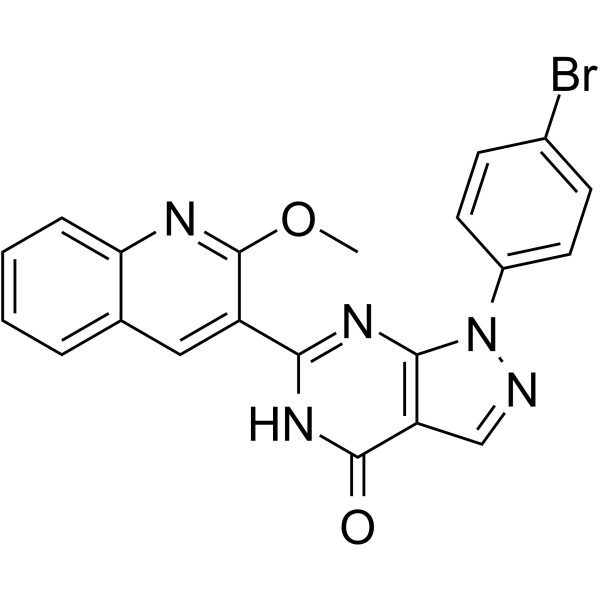
CLM3, a pyrazolopyrimidine derivative, is a multiple tyrosine kinase inhibitor. CLM3 shows antiproliferative and proapoptotic activity on endothelial and cancer cells, synergistically enhanced by SN38 (HY-13704). These effects are mainly due to its inhibition of phosphorylation of VEGFR-2, EGFR and RET tyrosine kinases and their related signaling pathways .
|
-
-
- HY-173500
-
|
|
MMP
Apoptosis
EGFR
STAT
|
Cancer
|
|
MG-3C is a potent matrix metalloproteinase 9 (MMP-9) inhibitor. MG-3C can selectively kill non-small-cell lung cancer (NSCLC) cells harboring the EGFR T790M mutation. MG-3C blocks the EGFR/STAT3 signaling pathway, inducing G2/M phase arrest, growth inhibition, and apoptosis of cancer cells. MG-3C is promising for research of lung cancer .
|
-
-
- HY-175220
-
|
|
VEGFR
Apoptosis
EGFR
mTOR
|
Cancer
|
|
4-TCPA is a potent VEGFR2 inhibitor. 4-TCPA induces apoptosis and cell cycle arrest, likely through inhibition of VEGFR2 and EGFR signaling with additional effects on the mTOR pathway. 4-TCPA can inhibit the vitality and proliferation of various cancer cell lines. 4-TCPA can be used for the study of cancers such as lung cancer, breast cancer and leukemia .
|
-
-
- HY-178004
-
|
|
VEGFR
Apoptosis
|
Cancer
|
|
VEGFR-2-IN-73 is a potent and selective VEGFR-2 inhibitor, showing selectively inhibition of VEGFR-2 (IC50 = 0.0787 μM) over EGFR (IC50 = 1.31 μM). VEGFR-2-IN-73 demonstrates potent antiproliferative activity across multiple cancer cell lines. VEGFR-2-IN-73 induces G2/M and Pre-G1 phase arrest and significantly enhances apoptosis. VEGFR-2-IN-73 can be used in cancer research, such as colorectal carcinoma, hepatocellular carcinoma, and breast cancer .
|
-
-
- HY-181093
-
|
|
Akt
EGFR
Apoptosis
Necroptosis
Caspase
Bcl-2 Family
MDM-2/p53
|
Cancer
|
|
EGFR-IN-191 is an anti-tumor agent targeting both EGFR and AKT. EGFR-IN-191 exerts its anti-tumor activity by inducing DNA damage, apoptosis, cell cycle arrest, and inhibition of the PI3K/AKT-EGFR signaling pathway in tumor cells. EGFR-IN-191 can be used in the study of tumors such as triple-negative breast cancer .
|
-
-
- HY-183310
-
|
|
EGFR
Apoptosis
DNA/RNA Synthesis
|
Cancer
|
|
EGFR-IN-210 is a EGFR kinase inhibitor with an IC50 of 0.198 μM. EGFR-IN-210 induces antiproliferative, pro-apoptotic, G0/G1 cell cycle arrest, DNA synthesis inhibition and anti-migratory effects in cancer cells. EGFR-IN-210 can be used for the research of various cancers including colorectal cancer .
|
-
-
- HY-173118
-
|
|
EGFR
Apoptosis
|
Cancer
|
|
EGFR-IN-152 (compound D4) is a potent EGFR tyrosine kinase inhibitor, exhibiting potent EGFR L858R/T790M/C797S inhibition activity (IC50 = 40 nM). EGFR-IN-152 induces G0/G1 phase cell cycle arrest and apoptosis, thereby inhibiting colony formation and cell proliferation of non-small cell lung cancer (NSCLC) cells. EGFR-IN-152 can be used for NSCLC research .
|
-
-
- HY-10325R
-
|
EKI-785 (Standard); WAY-EKI 785 (Standard)
|
Reference Standards
EGFR
Apoptosis
|
Endocrinology
Cancer
|
|
CL-387785 (EKI-785; WAY-EKI 785) (Standard) is the analytical standard of CL-387785 (HY-10325). This product is intended for research and analytical applications. CL-387785 is an orally active EGFR inhibitor with an IC50 of 370 pM. CL-387785 inhibits EGF-stimulated EGFR autophosphorylation with an IC50 of approximately 5 nM. CL-387,785 exerts selective inhibition on cell lines overexpressing EGFR or c-erbB-2, whereas it shows weak inhibitory effects on cell lines with low expression of these two receptors. CL-387785 effectively induces cell cycle arrest and apoptosis. CL-387785 can be used for the research of non-small cell lung cancer and autosomal recessive polycystic kidney disease.
|
-
-
- HY-103566A
-
|
|
mGluR
EGFR
p38 MAPK
Apoptosis
|
Neurological Disease
|
|
LY456236 free base is a selective, non-competitive and orally active antagonist of glutamate receptor 1 (mGlu1), which can inhibit phosphatidylinositol hydrolysis with an IC50 of 0.145 μM. LY456236 free base can also inhibit EGFR, with an IC50 of 0.918 μM. LY456236 free base blocks cell proliferation by inhibiting the MAPK pathway, reversing the anti-apoptotic effect of DHPG (HY-12598A). LY456236 free base can be used in epilepsy research .
|
-
-
- HY-182378
-
|
|
|
Cancer
|
|
Vps34-IN-5 is an orally active VPS34 inhibitor, 98% target inhibition, and an IC50 categorized as B. Vps34-IN-5 induces additive or synergistic anti-proliferative activity with EGFR inhibitors in cancer cells. Vps34-IN-5 is administered orally alone or with Erlotinib (HY-50896) in mouse xenograft models. Vps34-IN-5 can be used for the research of non-small cell lung cancer .
|
-
- HY-18957C
-
|
BGB-283 hydrochloride
|
Endogenous Metabolite
|
Cancer
|
|
Lifirafenib hydrochloride (BGB-283 hydrochloride) is a novel, reversible B-RAFV600E inhibitor with antitumor activity. Lifirafenib has shown potent antitumor activity against solid tumors with B-RAFV600E mutations, such as melanoma, thyroid cancer, and low-grade serous ovarian cancer. Lifirafenib exhibits selective cytotoxicity in vitro, preferentially inhibiting the proliferation of cancer cells with B-RAFV600E and EGFR mutations/amplification. Lifirafenib can achieve dose-dependent inhibition of tumor growth in animal models, accompanied by partial and complete tumor shrinkage .
|
-
| Cat. No. |
Product Name |
Type |
-
- HY-164702
-
|
Izalontamab Brengitecan
|
Fluorescent Dyes
|
|
BL-B01D1 is a bispecific ADC, which targets EGFR and HER3 through bispecific antibody Izalontamab (HY-P99676), and exhibits cytotoxicity against various cancer cells via inhibition of DNA replication and DNA synthesis by its ADC toxin ED04 (HY-153891). BL-B01D1 can be used in the study of cancer .
|
| Cat. No. |
Product Name |
Category |
Target |
Chemical Structure |
| Cat. No. |
Product Name |
|
Classification |
-
- HY-135699
-
TD52
2 Publications Verification
|
|
Alkynes
|
|
TD52, an Erlotinib (HY-50896) derivative, is an orally active, potent cancerous inhibitor of protein phosphatase 2A (CIP2A) inhibitor. TD52 mediates the apoptotic effect in triple-negative breast cancer (TNBC) cells via regulating the CIP2A/PP2A/p-Akt signalling pathway. TD52 indirectly reduced CIP2A by disturbing Elk1 binding to the CIP2A promoter. TD52 has less p-EGFR inhibition and has potent anti-cancer activity . TD52 is a click chemistry reagent, it contains an Alkyne group and can undergo copper-catalyzed azide-alkyne cycloaddition (CuAAc) with molecules containing Azide groups.
|
-
- HY-135699A
-
|
|
|
Alkynes
|
|
TD52 dihydrochloride, an Erlotinib (HY-50896) derivative, is an orally active, potent cancerous inhibitor of protein phosphatase 2A (CIP2A) inhibitor. TD52 dihydrochloride mediates the apoptotic effect in triple-negative breast cancer (TNBC) cells via regulating the CIP2A/PP2A/p-Akt signalling pathway. TD52 dihydrochloride indirectly reduced CIP2A by disturbing Elk1 binding to the CIP2A promoter. TD52 dihydrochloride has less p-EGFR inhibition and has potent anti-cancer activity . TD52 (dihydrochloride) is a click chemistry reagent, it contains an Alkyne group and can undergo copper-catalyzed azide-alkyne cycloaddition (CuAAc) with molecules containing Azide groups.
|
-
- HY-129510
-
|
|
|
Alkynes
|
|
4-Methyl erlotinib, is a potent and selective epidermal growth factor receptor (EGFR) tyrosine kinase inhibitor. 4-Methyl erlotinib potently inhibits EGF-mediated tumor cell mitosis by reducing EGFr-specific tyrosine phosphorylation. Using a mouse model of human tumor transplantation, 4-Methyl erlotinib demonstrated significant and sustained suppression of EGFr phosphotyrosine levels, resulting in significant growth inhibition of EGFr-dependent human cancers .
|
Your information is safe with us. * Required Fields.
Inquiry Information
- Product Name:
- Cat. No.:
- Quantity:
- MCE Japan Authorized Agent:

