Search Result
Results for "
Endometriosis
" in MedChemExpress (MCE) Product Catalog:
11
Isotope-Labeled Compounds
| Cat. No. |
Product Name |
Target |
Research Areas |
Chemical Structure |
-
- HY-B0084
-
|
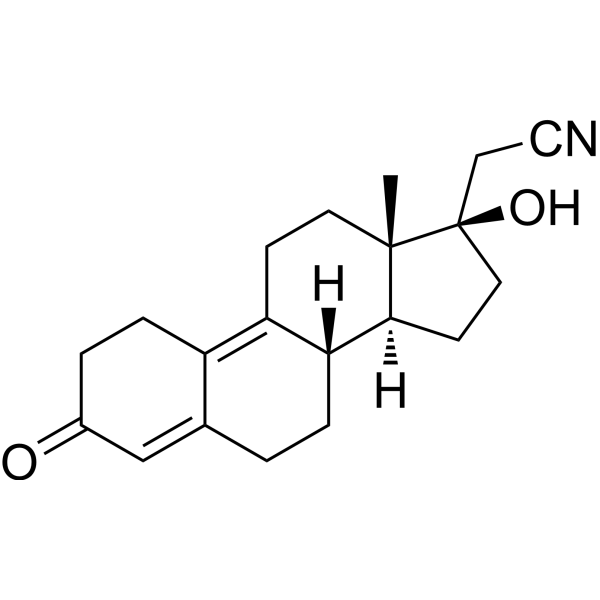
STS 557
|
Progesterone Receptor
|
Endocrinology
|
|
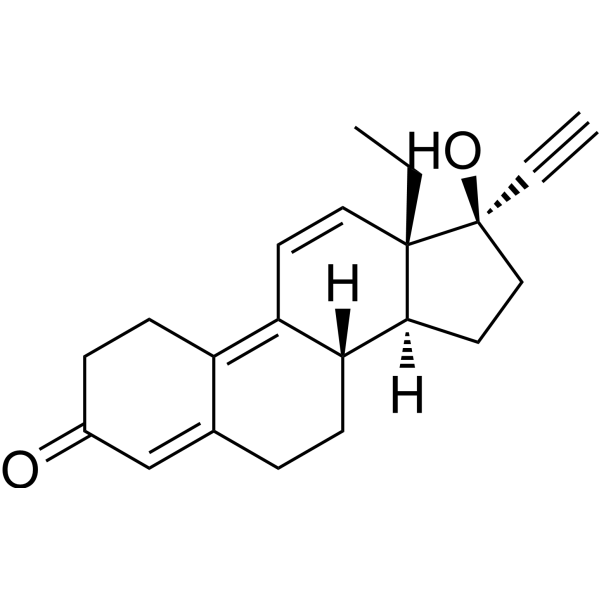
Dienogest (STS-557) is an orally active and selective progesterone receptor agonist that effectively reduces the gene expression of COX-2, mPGES-1 and aromatase. Dienogest also inhibits the mRNA and protein expression of PGE2 synthase and the activation of NF-κB. Dienogest can be used in studies of endometriosis, menopause and menorrhagia .
|
-
-
- HY-16474
-
|
TAK-385
|
GnRH Receptor
|
Endocrinology
Cancer
|
|
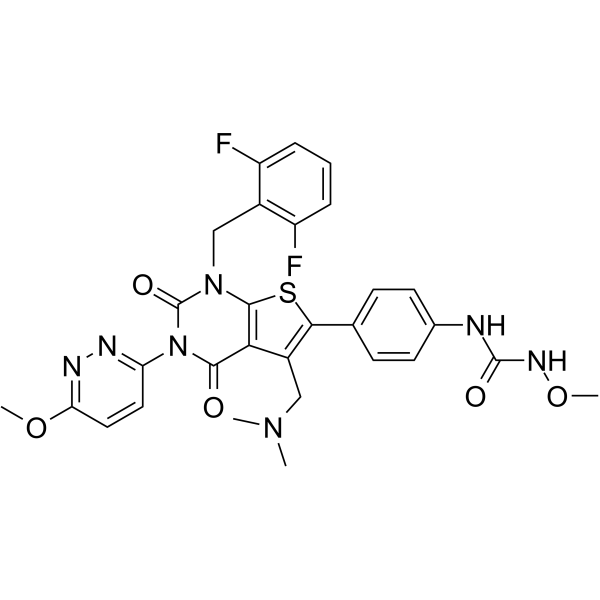
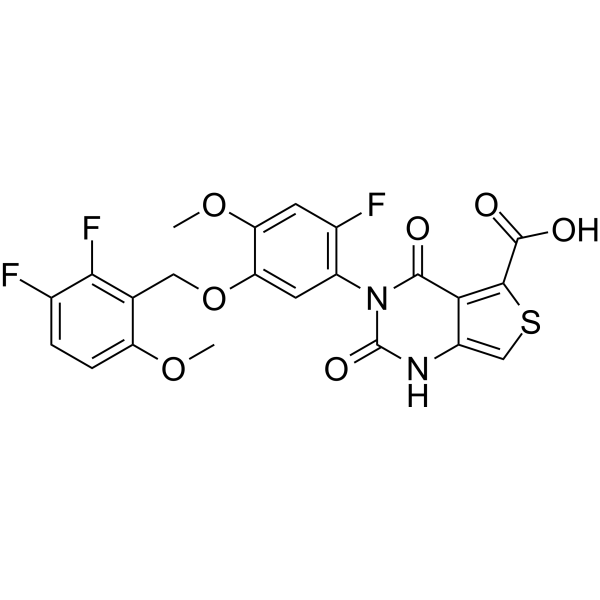
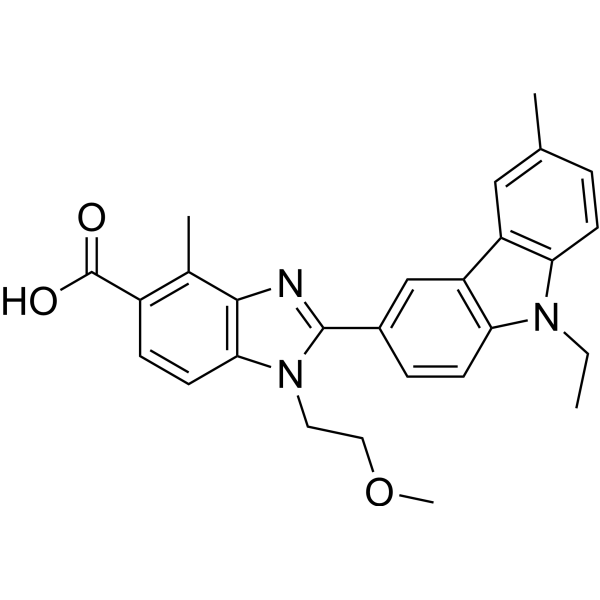
Relugolix (TAK-385)?is a potent, orally active, nonpeptidic gonadotropin-releasing hormone (GnRH) antagonist. Relugolix possesses high affinity and potent antagonistic activity for human receptor (binding IC50=0.33 nM) and monkey receptor (IC50=0.32 nM) compared with TAK-013 (HY-100209) . Relugolix is used for the study of sex-hormone-dependent diseases, such as including endometriosis, uterine fibroids and prostate cancer et al .
|
-
-
- HY-B0554
-
-
-
- HY-B1496
-
|
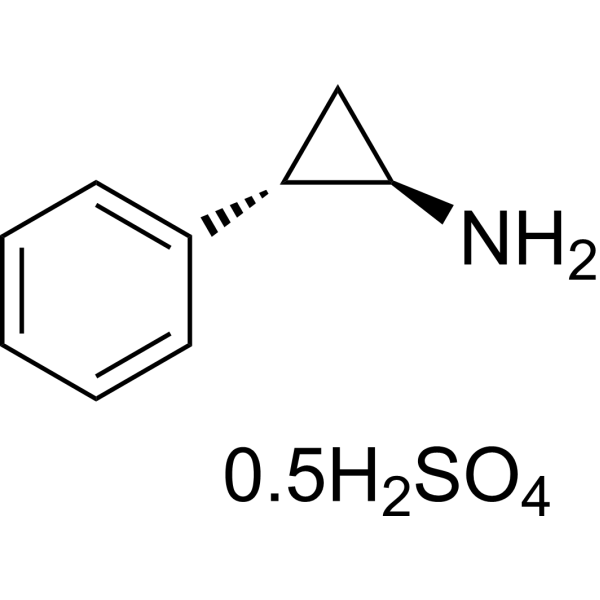
SKF 385 hemisulfate
|
Monoamine Oxidase
Histone Demethylase
|
Neurological Disease
Cancer
|
|
Tranylcypromine (SKF 385) hemisulfate is an irreversible, nonselective monoamine oxidase (MAO) inhibitor used in the treatment of depression. Tranylcypromine hemisulfate is also a lysine-specific demethylase 1 (LSD1) inhibitor, suppresses lesion growth and improves generalized hyperalgesia in mouse with induced endometriosis. Tranylcypromine has antidepressant effects .
|
-
-
- HY-16701
-
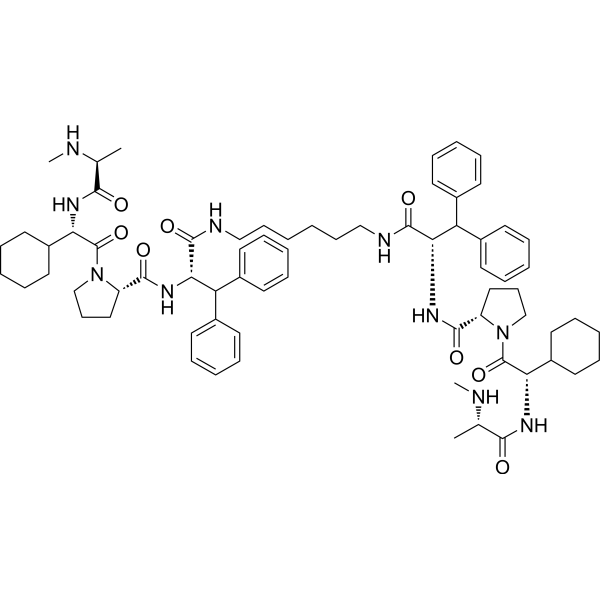
BV6
Maximum Cited Publications
22 Publications Verification
|
IAP
|
Cancer
|
|
BV6 is an antagonist of cIAP1 and XIAP, members of the inhibitors of apoptosis (IAP) family. BV6 shows an IC50 of 7.2 μM in MTS assays in HCC193 cells. BV6 can be used in the research of endometrial cancer and endometriosis .
|
-
-
- HY-124748A
-
|
|
Protease Activated Receptor (PAR)
Apoptosis
|
Inflammation/Immunology
|
|
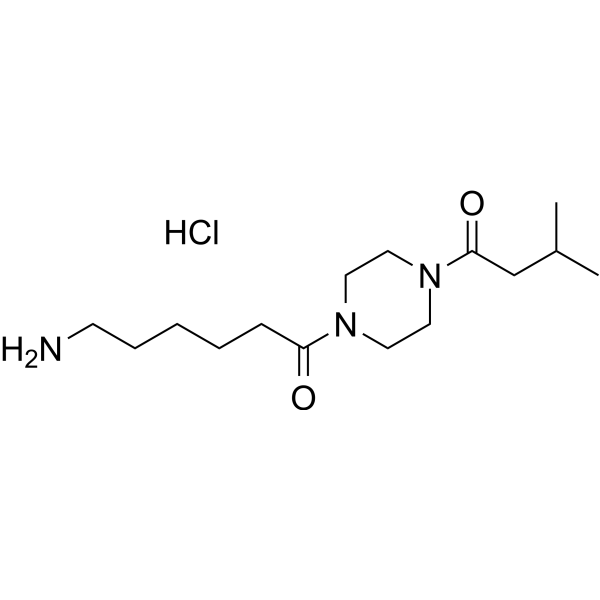
ENMD-1068 hydrochloride is a selective protease-activated receptor 2 (PAR2) antagonist. ENMD-1068 hydrochloride reduces hepatic stellate cell activation and collagen expression by inhibiting TGF-β1/Smad signaling. ENMD-1068 hydrochloride also inhibits the proliferation of endometrial cells and induces apoptosis of epithelial cells in the lesion. ENMD-1068 hydrochloride can be used in the study of endometriosis and liver fibrosis .
|
-
-
- HY-14369
-
-
-
- HY-104038
-
|
LTI-291; BIA 28-6156
|
Glycosidase
|
Neurological Disease
Endocrinology
|
|
Pariceract (LTI-291) is an activator of glucocerebrosidase (Gcase), with activation rates of more than 60% (1 μM) and between 10%-20% (0.1 μM). Pariceract can be used for Parkinson's disease and endometriosis research .
|
-
-
- HY-14789
-
-
-
- HY-N0864
-
|
Macranthoiside I
|
Apoptosis
COX
Reactive Oxygen Species (ROS)
Caspase
SOD
|
Cancer
|
|
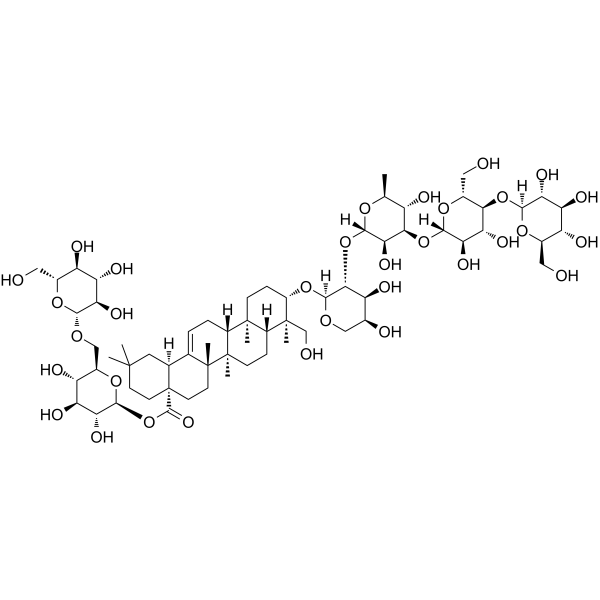
Macranthoidin B (Macranthoiside I) is an orally active triterpene saponin. Macranthoidin B inhibits epithelial-mesenchymal transition in endometriosis via the COX‑2/PGE2 pathway, and also induces tumor cell apoptosis and inhibits their proliferation by regulating metabolism and increasing ROS levels . Macranthoidin B can be used in studies related to endometriosis, colorectal cancer and hepatocellular carcinoma .
|
-
-
- HY-B1710
-
-
-
- HY-17557
-
-
-
- HY-101405
-
|
R 2323
|
Estrogen Receptor/ERR
|
Inflammation/Immunology
|
|
Gestrinone (R2323) is a synthetic steroid hormone used to treat endometriosis. It inhibits leiomyoma cells with an IC50 of 43.67 μM. Gestrinone is a click chemistry reagent, it contains an Alkyne group and can undergo copper-catalyzed azide-alkyne cycloaddition (CuAAc) with molecules containing Azide groups.
|
-
-
- HY-109093
-
|
KLH-2109; OBE-2109
|
GnRH Receptor
|
Inflammation/Immunology
Cancer
|
|
Linzagolix (KLH-2109; OBE-2109) is a potent, non-peptide, and orally active GnRH antagonist. Linzagolix can be used for uterine fibroids, endometriosis, adenomyosis research .
|
-
-
- HY-B0554S
-
|
|
Isotope-Labeled Compounds
Progesterone Receptor
|
Endocrinology
|
|
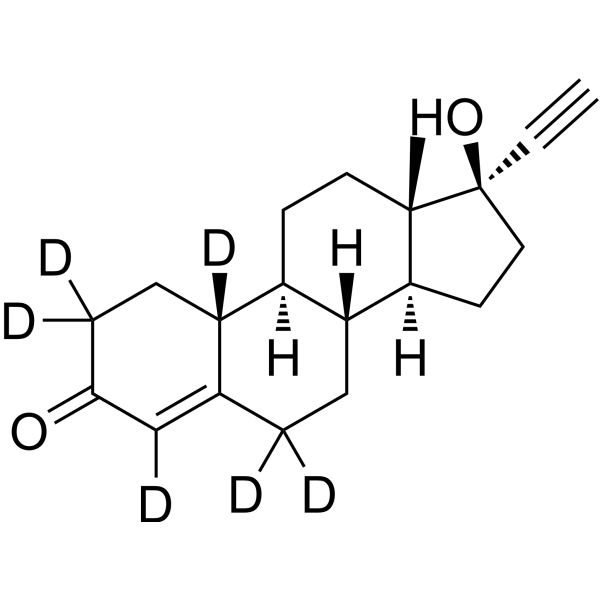
Norethindrone-d6 is the deuterium labeled Norethindrone. Norethindrone is a female progestin approved by FDA for the treatment of endometriosis, uterine bleeding caused by abnormal hormone levels, and secondary amenorrhea. Norethindrone-d6 is a click chemistry reagent, it contains an Alkyne group and can undergo copper-catalyzed azide-alkyne cycloaddition (CuAAc) with molecules containing Azide groups.
|
-
-
- HY-15606
-
|
NSP-989
|
Progesterone Receptor
|
Endocrinology
|
|
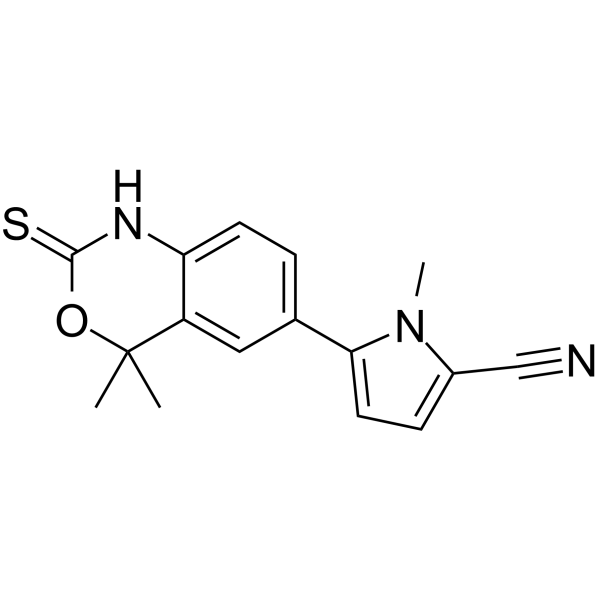
Tanaproget is an orally effective, selective nonsteroidal progesterone receptor (PR) agonist targeting human PR with an IC50 of 1.7 nM. Tanaproget promotes the interaction between PR receptors and coactivators (such as SRC-1), thereby inhibiting the secretion of matrix metalloproteinases (MMP-3/MMP-7) and reducing endometrial tissue invasion and angiogenesis. Tanaproget can be used for contraception and endometriosis inhibition research .
|
-
-
- HY-P0056A
-
|
|
GnRH Receptor
|
Cancer
|
|
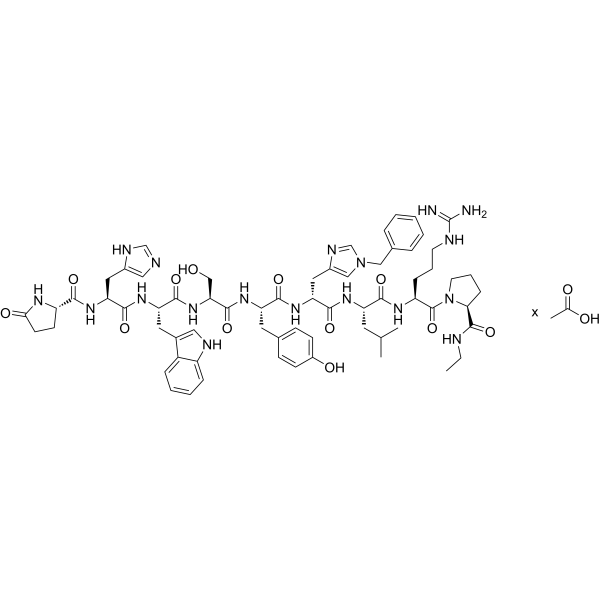
Histrelin acetate, a GnRH analogue, is a GnRH Receptor agonist. Histrelin acetate increases serum luteinising hormone (LH), follicle stimulating hormone (FSH) and testosterone levels. Histrelin acetate can be used in the research of prostate cancer, endometriosis .
|
-
-
- HY-111539
-
|
|
Prostaglandin Receptor
|
Inflammation/Immunology
Endocrinology
|
|
BAY-1316957 is a potent, selective and orally active prostaglandin E2 receptor subtype 4 (EP4-R) antagonist with an IC50 of 15.3 nM for human EP4-R. BAY-1316957 has excellent agent metabolism and pharmacokinetics properties, and can be used for endometriosis research .
|
-
-
- HY-P990246
-
|
|
Adhesion G Protein-coupled Receptors (AGPCRs)
|
Inflammation/Immunology
|
|
Anti-Mouse F4/80 Antibody (CI:A3-1) is an anti-mouse F4/80 IgG2b monoclonal antibody. Anti-Mouse F4/80 Antibody (CI:A3-1) can clear macrophages. Anti-Mouse F4/80 Antibody (CI:A3-1) can be used for research on inflammation conditions such as endometriosis. Anti-Mouse F4/80 Antibody (CI:A3-1) often used for flow cytometry analysis and immunohistochemical analysis .
|
-
-
- HY-134864
-
|
GnRH antagonist 2
|
GnRH Receptor
|
Endocrinology
|
|
Lumigolix (GnRH antagonist 2) (formula I) is a GnRH receptor antagonist that can be used for endometriosis research .
|
-
-
- HY-159525
-
|
Linustedastat; FOR-6219;
OG-6219
|
17β-HSD
|
Endocrinology
|
|
Linustedastatum (Linustedastat; FOR-6219) is an orally active hydroxysteroid 17-beta dehydrogenase 1 (HSD17B1) inhibitor. Linustedastatum can be used for the study of endometriosis .
|
-
-
- HY-156701
-
|
|
Aldose Reductase
|
Metabolic Disease
Endocrinology
|
|
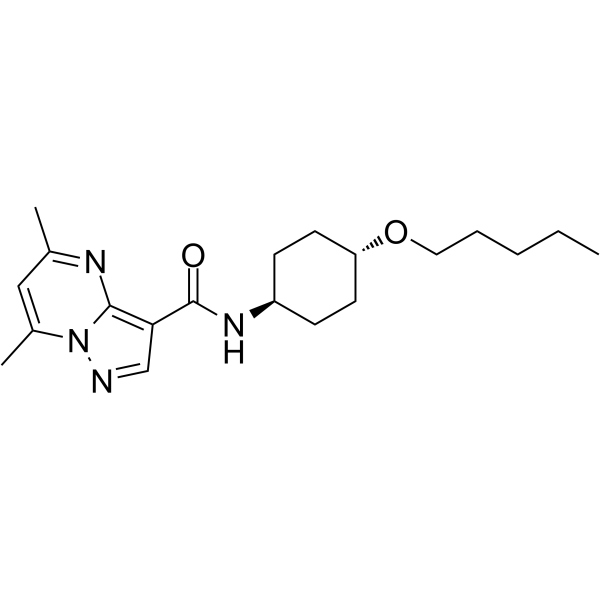
BAY-1128688 is a potent, orally active and selective AKR1C3 inhibitor with IC50 < 2 nM. BAY-1128688 shows high selectivity over related AKR1C enzymes (1C1, 1C2, 1C4) and AKR1D1. BAY-1128688 exhibits no relevant activity at major nuclear hormone receptors. BAY-1128688 reduces endometriotic lesions in the marmoset monkey endometriosis model. BAY-1128688 can be used for endometriosis research .
|
-
-
- HY-157493
-
|
|
Progesterone Receptor
|
Endocrinology
|
|
PR antagonist 1 (compound 8) is a selective progesterone receptor (PR) antagonist, and can be used for the research of a variety of progesterone-related diseases and disorders such as endometriosis and uterine fibroids .
|
-
-
- HY-P0056
-
|
|
GnRH Receptor
|
Cancer
|
|
Histrelin, a GnRH analogue, is a GnRH Receptor agonist. Histrelin increases serum luteinising hormone (LH), follicle stimulating hormone (FSH) and testosterone levels. Histrelin can be used in the research of prostate cancer, endometriosis .
|
-
-
- HY-160645
-
|
|
P2X Receptor
|
Neurological Disease
Endocrinology
Cancer
|
|
P2X4 antagonist-1 is a P2X4 receptor antagonist with an IC50 of 15 nM. P2X4 antagonist-1 inhibits ATP (HY-B2176)-induced calcium influx. P2X4 antagonist-1 can be used for the research of pain syndromes, endometriosis, cancer .
|
-
-
- HY-32345
-
|
BXL-628; Ro-26-9228
|
VD/VDR
Apoptosis
|
Inflammation/Immunology
Endocrinology
Cancer
|
|
Elocalcitol (BXL-628), a vitamin D analogue, is a selective, orally active vitamin D receptor (VDR) agonist. Elocalcitol shows anti-inflammatory activity. Elocalcitol inhibits growth of prostate cancer cells .
|
-
-
- HY-B0084R
-
|
STS 557 (Standard)
|
Reference Standards
Progesterone Receptor
|
Endocrinology
|
|
Dienogest (Standard) is the analytical standard of Dienogest. This product is intended for research and analytical applications. Dienogest (STS-557) is an orally active and selective progesterone receptor agonist that effectively reduces the gene expression of COX-2, mPGES-1 and aromatase. Dienogest also inhibits the mRNA and protein expression of PGE2 synthase and the activation of NF-κB. Dienogest can be used in studies of endometriosis, menopause and menorrhagia .
|
-
-
- HY-16474R
-
|
TAK-385 (Standard)
|
Reference Standards
GnRH Receptor
|
Endocrinology
Cancer
|
|
Relugolix (Standard) is the analytical standard of Relugolix. This product is intended for research and analytical applications. Relugolix (TAK-385) is a potent, orally active, nonpeptidic gonadotropin-releasing hormone (GnRH) antagonist. Relugolix possesses high affinity and potent antagonistic activity for human receptor (binding IC50=0.33 nM) and monkey receptor (IC50=0.32 nM) compared with TAK-013 (HY-100209) . Relugolix is used for the study of sex-hormone-dependent diseases, such as including endometriosis, uterine fibroids and prostate cancer et al .
|
-
-
- HY-B0084S2
-
-
-
- HY-129593
-
|
|
GnRH Receptor
|
Endocrinology
Cancer
|
|
A-75998 is an antagonist of luteinizing hormone-releasing hormone (LHRH). A-75998 can be used in the research of diseases such as hormone-sensitive cancers and endometriosis .
|
-
-
- HY-178419
-
|
|
GnRH Receptor
|
Cancer
|
|
GnRH-R antagonist-3 (Compound 37) is a Gonadotropin releasing hormone receptor (GnRH-R) antagonist with IC50s of 94 and 275 nM for rat and human GnRH-R, respectively. GnRH-R antagonist-3 can be used for hormone dependent diseases such as endometriosis, breast and prostate cancer research .
|
-
-
- HY-124748
-
|
|
Protease Activated Receptor (PAR)
Apoptosis
|
Inflammation/Immunology
|
|
ENMD-1068 is a selective protease-activated receptor 2 (PAR2) antagonist. ENMD-1068 reduces hepatic stellate cell activation and collagen expression by inhibiting TGF-β1/Smad signaling. ENMD-1068 also inhibits the proliferation of endometrial cells and induces apoptosis of epithelial cells in the lesion. ENMD-1068 can be used in the study of endometriosis and liver fibrosis .
|
-
-
- HY-U00289
-
-
-
- HY-B0554R
-
|
Norethisterone (Standard)
|
Reference Standards
Progesterone Receptor
Bacterial
|
Endocrinology
Cancer
|
|
Norethindrone (Standard) is the analytical standard of Norethindrone. This product is intended for research and analytical applications. Norethindrone is a female progestin approved by FDA for the treatment of endometriosis, uterine bleeding caused by abnormal hormone levels, and secondary amenorrhea.
|
-
-
- HY-B0554S2
-
|
Norethisterone-d8
|
Isotope-Labeled Compounds
|
Endocrinology
Cancer
|
|
Norethindrone-d8 (Norethisterone-d8) is deuterium labeled Norethindrone. Norethindrone is a female progestin approved by FDA for the treatment of endometriosis, uterine bleeding caused by abnormal hormone levels, and secondary amenorrhea.
|
-
-
- HY-105173
-
|
EP 24332
|
GnRH Receptor
Histamine Receptor
|
Endocrinology
Cancer
|
|
Teverelix (EP 24332) is a GnRH antagonist. Teverelix binds competitively and reversibly to GnRH receptors, thereby suppressing the release of LH and FSH. Teverelix can be used in the research of prostatic hyperplasia, endometriosis, and prostate cancer .
|
-
-
- HY-W746582
-
|
Norethisterone-d7
|
Isotope-Labeled Compounds
Bacterial
Progesterone Receptor
|
Endocrinology
|
|
Norethindrone-d7 (Norethisterone-d7) is the deuterium labeled Norethindrone (HY-B0554). Norethindrone is a female progestin approved by FDA for the treatment of endometriosis, uterine bleeding caused by abnormal hormone levels, and secondary amenorrhea.
|
-
-
- HY-16701A
-
BV6 TFA
Maximum Cited Publications
22 Publications Verification
|
IAP
|
Cancer
|
|
BV6 TFA is an antagonist of cIAP1 and XIAP, members of the inhibitors of apoptosis (IAP) family. BV6 TFA shows an IC50 of 7.2 μM in MTS assays in HCC193 cells. BV6 TFA can be used in the research of endometrial cancer and endometriosis .
|
-
-
- HY-B1710R
-
|
19-Norethindrone acetate (Standard)
|
Reference Standards
Progesterone Receptor
|
Cardiovascular Disease
Inflammation/Immunology
Endocrinology
Cancer
|
|
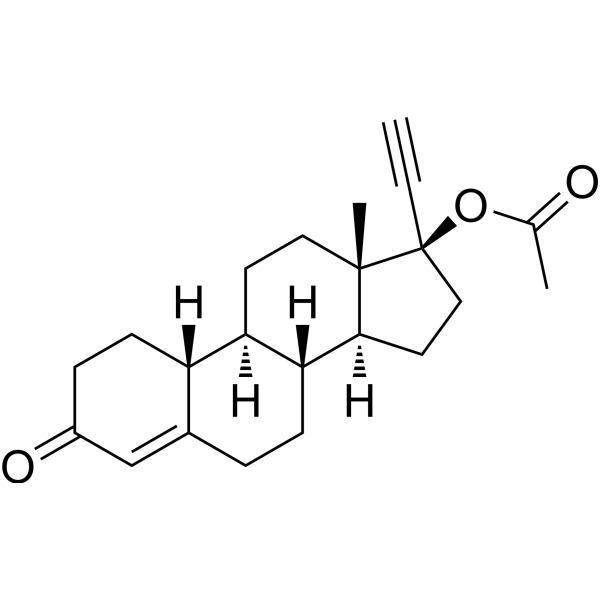
Norethindrone acetate (Standard) is the analytical standard of Norethindrone acetate. This product is intended for research and analytical applications. Norethindrone acetate is a female hormone used for the research of endometriosis . Norethindrone acetate is a click chemistry reagent, it contains an Alkyne group and can undergo copper-catalyzed azide-alkyne cycloaddition (CuAAc) with molecules containing Azide groups.
|
-
-
- HY-76737S
-
|
4-CDE-d5
|
Isotope-Labeled Compounds
Estrogen Receptor/ERR
|
Endocrinology
|
|
4-Chlorodiphenyl ether-d5 (4-CDE-d5) is the deuterium labeled 4-Chlorodiphenyl ether. 4-Chlorodiphenyl ether is an estrogen-mimicking active compound. 4-Chlorodiphenyl ether maintains the survival of endometriotic cysts and exhibits estrogenic activity associated with the growth of endometriotic implants. 4-Chlorodiphenyl ether can be used in research related to endometriosis.
|
-
-
- HY-120767
-
|
KLH-2109 choline; OBE-2109 choline
|
GnRH Receptor
|
Inflammation/Immunology
Cancer
|
|
Linzagolix choline (KLH-2109 choline) is a non-peptide gonadotropin-releasing hormone (GnRH) antagonist with oral activity. Linzagolix choline inhibits the release of endogenous gonadotropins such as luteinizing hormone LH and follicle-stimulating hormone FSH by binding to the GnRH receptor within the pituitary gland. This inhibition results in a reduction in the production of sex hormones such as estrogen and progesterone, which in turn affects the course of sex hormone-dependent diseases. Linzagolix choline can be used in the study of sex hormone-dependent diseases such as endometriosis and uterine fibroids .
|
-
-
- HY-16474S
-
|
TAK-385-d6
|
Isotope-Labeled Compounds
GnRH Receptor
|
Endocrinology
Cancer
|
|
Relugolix-d6 is deuterium labeled Relugolix. Relugolix (TAK-385)?is a potent, orally active, nonpeptidic gonadotropin-releasing hormone (GnRH) antagonist. Relugolix possesses high affinity and potent antagonistic activity for human receptor (binding IC50=0.33 nM) and monkey receptor (IC50=0.32 nM) compared with TAK-013 (HY-100209) . Relugolix is used for the study of sex-hormone-dependent diseases, such as including endometriosis, uterine fibroids and prostate cancer et al .
|
-
-
- HY-W703425
-
|
delta-5(6)-Norethindrone
|
Progesterone Receptor
|
Endocrinology
|
|
17α-Ethynyl-19-nor-Δ-5(6)-androsten-17β-ol-3-one (delta-5(6)-Norethindrone), an impurity of Norethindrone, is an anabolic agent. Norethindrone is a progestin athat can be used for endometriosis research .
|
-
-
- HY-151200
-
|
|
Steroid Sulfatase
|
Endocrinology
|
|
Steroid sulfatase-IN-4 (Compound 16) is an irreversible steroid sulfatase (STS) inhibitor with an IC50 of 25 nM against human STS. Steroid sulfatase-IN-4 can be used for the research of endometriosis .
|
-
-
- HY-178418
-
|
|
GnRH Receptor
|
Cancer
|
|
GnRH-R antagonist-2 (Compound 44c) is a Gonadotropin releasing hormone receptor (GnRH-R) antagonist with IC50s of 43 and 88 nM for rat and human GnRH-R, respectively. GnRH-R antagonist-2 can be used for hormone dependent diseases such as endometriosis, breast and prostate cancer research .
|
-
-
- HY-W267205
-
|
|
17β-HSD
|
Endocrinology
Cancer
|
|
3-Acetyl-7-Hydroxycoumarin (Compound 2) is a high selective 17-beta-hydroxysteroid dehydrogenase type 1 (17β-HSD1) inhibitor. 3-Acetyl-7-Hydroxycoumarin shows a significant improvement of the inhibitory potency, with 57% inhibition of 17β-HSD1 at 6 μM. 3-Acetyl-7-Hydroxycoumarin is promising for research of hormone-dependent diseases, such as breast cancer and endometriosis .
|
-
-
- HY-151201
-
|
|
Steroid Sulfatase
|
Cancer
|
|
Steroid sulfatase/17β-HSD1-IN-3 (compound 19) is a dual inhibitor of steroid sulfatase (STS) and 17β-hydroxysteroid dehydrogenase type 1 (17β HSD1). Steroid sulfatase/17β-HSD1-IN-3 irreversibly inhibits hSTS activity with anIC50 value of 27 nM. Steroid sulfatase/17β-HSD1-IN-3 can be used in the study of endometriosis and other estrogen-dependent diseases .
|
-
-
- HY-151202
-
|
|
Steroid Sulfatase
|
Cancer
|
|
Steroid sulfatase/17β-HSD1-IN-4 (compound 37) is a dual inhibitor of steroid sulfatase (STS) and 17β-hydroxysteroid dehydrogenase type 1 (17β HSD1). Steroid sulfatase/17β-HSD1-IN-4 irreversibly inhibits hSTS activity with anIC50 value of 63 nM. Steroid sulfatase/17β-HSD1-IN-4 can be used in the study of endometriosis and other estrogen-dependent diseases .
|
-
-
- HY-155010
-
|
|
Steroid Sulfatase
|
Metabolic Disease
|
|
Steroid sulfatase/17β-HSD1-IN-5 is a irreversible inhibitor of steroid sulfatase (STS) .Steroid sulfatase/17β-HSD1-IN-5 is a reversible and selective inhibitor of 7β-hydroxysteroid dehydrogenase type1 (17β-HSD1), with IC50s of 43 nM and 6.2μM for 17β-HSD1 and 17β-HSD2, respectively. Steroid sulfatase/17β-HSD1-IN-5 can be used for metabolic disease (especially for endometriosis) research .
|
-
-
- HY-14901
-
|
|
Progesterone Receptor
|
Cancer
|
|
Telapristone is a Progesterone antagonist. Telapristone can be used in the study of uterine fibroids and endometriosis .
|
-
- HY-P2067
-
|
|
GnRH Receptor
|
Endocrinology
Cancer
|
|
Argtide is a luteinizing hormone-releasing hormone (LHRH) antagonist. Argtide is used in endometriosis and cancer-related research .
|
-
- HY-N0864R
-
|
Macranthoiside I (Standard)
|
Reference Standards
Others
|
Cancer
|
|
Macranthoidin B (Macranthoiside I) Standard is the analytical standard of Macranthoidin B (HY-N0864). This product is intended for research and analytical applications. Macranthoidin B (Macranthoiside I) is an orally active triterpene saponin. Macranthoidin B inhibits epithelial-mesenchymal transition in endometriosis via the COX‑2/PGE2 pathway, and also induces tumor cell apoptosis and inhibits their proliferation by regulating metabolism and increasing ROS levels . Macranthoidin B can be used in studies related to endometriosis, colorectal cancer and hepatocellular carcinoma .
|
-
- HY-N7748A
-
-
- HY-B0554S1
-
|
Norethisterone-13C2
|
Isotope-Labeled Compounds
Progesterone Receptor
Bacterial
|
Endocrinology
|
|
Norethindrone- 13C2 (Norethisterone- 13C2) is the 13C labeled Norethindrone (HY-B0554) . Norethindrone is a female progestin approved by FDA for the treatment of endometriosis, uterine bleeding caused by abnormal hormone levels, and secondary amenorrhea .
|
-
- HY-17447SA
-
|
SKF 385-d5 hydrochloride
|
Monoamine Oxidase
Histone Demethylase
|
Neurological Disease
|
|
Tranylcypromine-d5 (hydrochloride) is a deuterium labeled (rel)-Tranylcypromine hydrochloride. Tranylcypromine hydrochloride is an irreversible, nonselective monoamine oxidase (MAO) inhibitor used in the treatment of depression. Tranylcypromine hydrochloride is also a lysine-specific demethylase 1 (LSD1) inhibitor, suppresses lesion growth and improves generalized hyperalgesia in mouse with induced endometriosis .
|
-
- HY-101405R
-
|
R 2323 (Standard)
|
Reference Standards
Estrogen Receptor/ERR
|
Inflammation/Immunology
|
|
Gestrinone (Standard) is the analytical standard of Gestrinone. This product is intended for research and analytical applications. Gestrinone (R2323) is a synthetic steroid hormone used to treat endometriosis. It inhibits leiomyoma cells with an IC50 of 43.67 μM. Gestrinone is a click chemistry reagent, it contains an Alkyne group and can undergo copper-catalyzed azide-alkyne cycloaddition (CuAAc) with molecules containing Azide groups.
|
-
- HY-14789R
-
|
NBI-56418 (Standard)
|
GnRH Receptor
Nuclear Factor of activated T Cells (NFAT)
Reference Standards
|
Endocrinology
Cancer
|
|
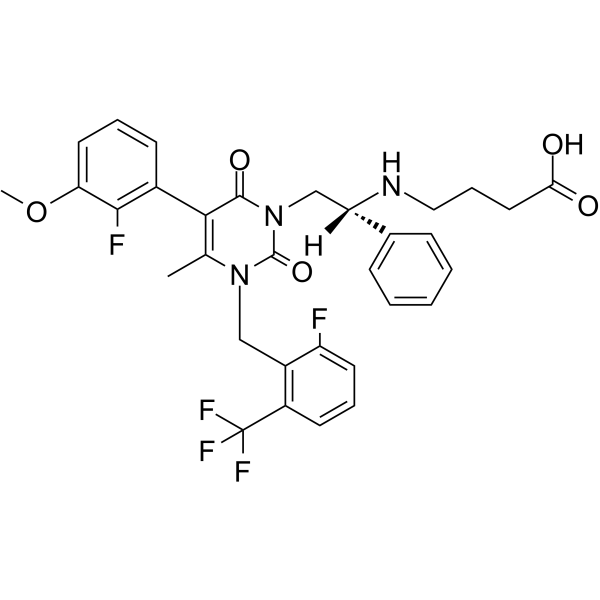
(R)-Elagolix (Standard) is the analytical standard of (R)-Elagolix. This product is intended for research and analytical applications. Elagolix is a highly effective, selective, oral-active, short-term, non-peptide gonadotropin-releasing hormone receptor (GnRH receptor) antagonist (KD = 54 pM) and NFAT inhibitor, which can be used to study pain related to endometriosis. .
|
-
- HY-W751574
-
-
- HY-B1496R
-
|
SKF 385 hemisulfate (Standard)
|
Reference Standards
Monoamine Oxidase
Histone Demethylase
|
Neurological Disease
|
|
Tranylcypromine (hemisulfate) (Standard) is the analytical standard of Tranylcypromine (hemisulfate). This product is intended for research and analytical applications. Tranylcypromine (SKF 385) hemisulfate is an irreversible, nonselective monoamine oxidase (MAO) inhibitor used in the treatment of depression. Tranylcypromine hemisulfate is also a lysine-specific demethylase 1 (LSD1) inhibitor, suppresses lesion growth and improves generalized hyperalgesia in mouse with induced endometriosis. Tranylcypromine has antidepressant effects .
|
-
- HY-17557R
-
|
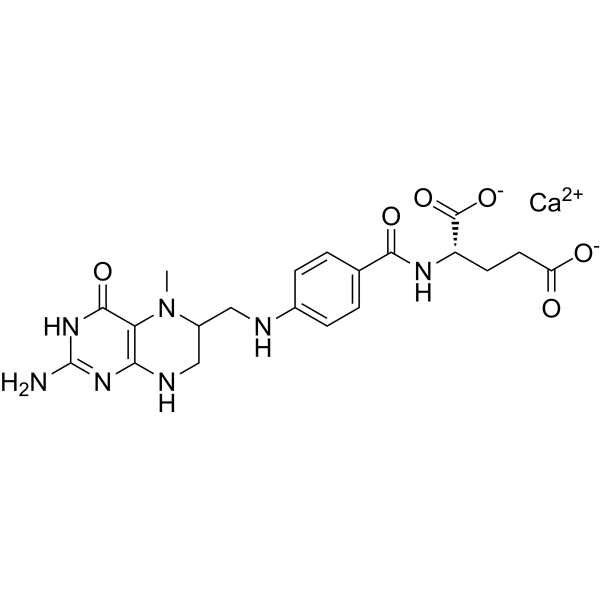
NSC173328 (Standard); 5-Methyl THF calcium (Standard)
|
Reference Standards
Drug Derivative
|
Cardiovascular Disease
Cancer
|
|
Calcium N5-methyltetrahydrofolate (Standard) is the analytical standard of Calcium N5-methyltetrahydrofolate (HY-17557). This product is intended for research and analytical applications. Calcium N5-methyltetrahydrofolate (NSC173328; 5-Methyl THF (calcium)), Levomefolic acid (HY-14781) derivative, is a folic acid supplement. Calcium N5-methyltetrahydrofolate can be used for the research of neural tube defects, infertility, non-hodgkin's lymphoma, endometriosis .
|
-
- HY-16290
-
|
ZK 230211; BAY86 5044
|
Progesterone Receptor
|
Endocrinology
|
|
Lonaprisan (ZK 230211; BAY86 5044) is an antagonist for progesterone receptor, with IC50 of 3.6 pM and 2.5 pM for PR-A and PR-B, respectively. Lonaprisan exhibits antiprogestagenic activity in rabbits, interrupts early pregnancy in rats, and exhibits antitumor efficacy against DMBA (HY-W011845)-induced mammary tumor. Lonaprisan reveals antiglucocorticoid and antiandrogenic effect .
|
-
- HY-B0084S4
-
|
STS 557-13C,15N,d4
|
Isotope-Labeled Compounds
Progesterone Receptor
|
Endocrinology
|
|
Dienogest-13C,15N,d4 (STS 557-13C,15N,d4) is the 13C, 15N and deuterium labeled isotope of Dienogest (HY-B0084). Dienogest (STS-557) is an orally active and selective progesterone receptor agonist that effectively reduces the gene expression of COX-2, mPGES-1 and aromatase. Dienogest also inhibits the mRNA and protein expression of PGE2 synthase and the activation of NF-κB. Dienogest can be used in studies of endometriosis, menopause and menorrhagia .
|
-
- HY-136535
-
|
hTrkA-IN-1
|
Trk Receptor
|
Inflammation/Immunology
|
|
Anizatrectinib (hTrkA-IN-1) is a potent and orally active inhibitor of TrkA kinase with an IC50 of 1.3 nM, compound 2 extracted from patent WO2015175788. Anizatrectinib can be used for the study of inflammatory disease, such as prostatitis, pelvic, et al .
|
-
- HY-104038R
-
|
LTI-291 (Standard); BIA 28-6156 (Standard)
|
Reference Standards
Glycosidase
|
Neurological Disease
Endocrinology
|
|
Pariceract (Standard) is the analytical standard of Pariceract (HY-104038). This product is intended for research and analytical applications. Pariceract (LTI-291) is an activator of glucocerebrosidase (Gcase), with activation rates of more than 60% (1 μM) and between 10%-20% (0.1 μM). Pariceract can be used for Parkinson's disease and endometriosis research .
|
-
- HY-181638
-
|
|
Drug Derivative
|
Metabolic Disease
|
|
4-Cl-Benzodioxolyl chalcone is a type of chalcone. It reduces the viability of endometriotic cells while maintaining or increasing the viability of normal endometrial cells. 4-Cl-Benzodioxolyl chalcone can be used in the research of endometriosis .
|
-
- HY-181637
-
|
|
Drug Derivative
|
Endocrinology
|
|
4-DMA-3'-OH-Chalcone (compound 24) is a synthetic chalcone derivative and selective cytotoxic agent.4-DMA-3'-OH-Chalcone reduces viability of endometriotic cells, while preserving or enhancing viability of eutopic endometrial cells.4-DMA-3'-OH-Chalcone can be used for the research of endometriosis .
|
-
- HY-76737
-
|
4-CDE
|
Estrogen Receptor/ERR
|
Endocrinology
|
|
4-Chlorodiphenyl ether (4-CDE) is an estrogen-mimicking active compound. 4-Chlorodiphenyl ether maintains the survival of endometriotic cysts and exhibits estrogenic activity associated with the growth of endometriotic implants. 4-Chlorodiphenyl ether can be used in research related to endometriosis .
|
-
- HY-P992035
-
|
|
Interleukin Related
|
Endocrinology
|
|
AMY109 is an anti-human interleukin-8 (IL-8) monoclonal antibody, with a Ka of 36.8 pM for human IL-8, and a Ka of 380 pM for cynomolgus monkey IL-8. AMY109 binds to human and cynomolgus monkey IL-8 in a pH-dependent manner, inhibits IL-8-mediated activation of CXCR1 and CXCR2, and blocks the downstream biological activities of IL-8. AMY109 inhibits neutrophil recruitment to endometriotic lesions and suppresses monocyte chemoattractant protein-1 production by neutrophils. AMY109 is applicable to research related to endometriosis .
|
-
- HY-182421
-
|
|
Kisspeptin Receptor
|
Endocrinology
Cancer
|
|
GPR54 antagonist‑1 is a GPR54 antagonist with IC50 values of 3.6 nM and 15 nM against human and rat GPR54, respectively. GPR54 antagonist‑1 shows blood‑brain barrier penetration. GPR54 antagonist‑1 blocks the function of human and rat GPR54 receptors. GPR54 antagonist‑1 suppresses plasma luteinizing hormone levels in castrated male rats. GPR54 antagonist‑1 can be used for the study of prostate cancer and endometriosis .
|
-
- HY-16470
-
|
TAS-108
|
Estrogen Receptor/ERR
|
Endocrinology
|
|
SR 16234 (TAS-108) is a selective estrogen receptor modulator. SR 16234 is promising for research of pain symptoms associated with endometriosis .
|
-
- HY-179528
-
|
|
Nuclear Hormone Receptor 4A/NR4A
Ferroptosis
Glutathione Peroxidase
Reactive Oxygen Species (ROS)
Transferrin Receptor
Apoptosis
Bcl-2 Family
Caspase
|
Endocrinology
Cancer
|
|
DIM-3,5-Cl2 is an inverse NR4A1/NR4A2 agonist with KD values of 7.7 μM and 12.0 μM for NR4A1 and NR4A2, respectively. DIM-3,5-Cl2 acts as an inverse agonist to downregulate pro-oncogenic and proendometriotic gene products, and as an agonist to enhance NR4A1/2/Sp1/Sp4-mediated CD71 transactivation. DIM-3,5-Cl2 induces ferroptosis via ROS formation, lipoperoxidation, MDA production, and reduced GPX4, SLC7A11 expression. DIM-3,5-Cl2 induces apoptosis via PARP and caspase-3 cleavage, reduced BCL-2 expression, and inhibits cancer cell viability. DIM-3,5-Cl2 can be used for the research of triple negative breast cancer, endometriosis, and colorectal cancer .
|
-
- HY-115633
-
-
- HY-115633S
-
-
- HY-184012
-
|
|
Phospholipase
|
Endocrinology
|
|
BAY-163 is a tertiary urea derivative and inactive negative control probe for BAY-439 (HY-178123). BAY-163 does not inhibit phospholipase A2 group V (PLA2-G5) activity in immune cells. BAY-163 can be used for research on endometriosis .
|
-
- HY-119080
-
|
|
Progesterone Receptor
|
Endocrinology
Cancer
|
|
CP8754 is an orally active, selective human progesterone receptor (hPR) antagonist that blocks progesterone-mediated signaling pathways. CP8754 competitively inhibits the binding of [ 3H]-progesterone to hPR. And in vitro, CP8754 inhibits progesterone-dependent exogenous luciferase and endogenous alkaline phosphatase expression; while in vivo, CP8754 inhibits rabbit endometrial transformation. CP8754 does not significantly bind to human glucocorticoid receptors (hGR), estrogen receptors (hER), or rat androgen receptors (rAR). CP8754 can be used in the study of progesterone-related diseases such as breast cancer, endometriosis, uterine fibroids, and meningioma, as well as hormone-dependent tumors .
|
-
| Cat. No. |
Product Name |
Target |
Research Area |
-
- HY-P0056A
-
|
|
GnRH Receptor
|
Cancer
|
|
Histrelin acetate, a GnRH analogue, is a GnRH Receptor agonist. Histrelin acetate increases serum luteinising hormone (LH), follicle stimulating hormone (FSH) and testosterone levels. Histrelin acetate can be used in the research of prostate cancer, endometriosis .
|
-
- HY-P0056
-
|
|
GnRH Receptor
|
Cancer
|
|
Histrelin, a GnRH analogue, is a GnRH Receptor agonist. Histrelin increases serum luteinising hormone (LH), follicle stimulating hormone (FSH) and testosterone levels. Histrelin can be used in the research of prostate cancer, endometriosis .
|
-
- HY-105173
-
|
EP 24332
|
GnRH Receptor
Histamine Receptor
|
Endocrinology
Cancer
|
|
Teverelix (EP 24332) is a GnRH antagonist. Teverelix binds competitively and reversibly to GnRH receptors, thereby suppressing the release of LH and FSH. Teverelix can be used in the research of prostatic hyperplasia, endometriosis, and prostate cancer .
|
-
- HY-P2067
-
|
|
GnRH Receptor
|
Endocrinology
Cancer
|
|
Argtide is a luteinizing hormone-releasing hormone (LHRH) antagonist. Argtide is used in endometriosis and cancer-related research .
|
| Cat. No. |
Product Name |
Target |
Research Area |
Image |
-
- HY-P990246
-
|
|
Adhesion G Protein-coupled Receptors (AGPCRs)
|
Inflammation/Immunology
|
|
Anti-Mouse F4/80 Antibody (CI:A3-1) is an anti-mouse F4/80 IgG2b monoclonal antibody. Anti-Mouse F4/80 Antibody (CI:A3-1) can clear macrophages. Anti-Mouse F4/80 Antibody (CI:A3-1) can be used for research on inflammation conditions such as endometriosis. Anti-Mouse F4/80 Antibody (CI:A3-1) often used for flow cytometry analysis and immunohistochemical analysis .
|
-
(5)
-
- HY-P992035
-
|
|
Interleukin Related
|
Endocrinology
|
|
AMY109 is an anti-human interleukin-8 (IL-8) monoclonal antibody, with a Ka of 36.8 pM for human IL-8, and a Ka of 380 pM for cynomolgus monkey IL-8. AMY109 binds to human and cynomolgus monkey IL-8 in a pH-dependent manner, inhibits IL-8-mediated activation of CXCR1 and CXCR2, and blocks the downstream biological activities of IL-8. AMY109 inhibits neutrophil recruitment to endometriotic lesions and suppresses monocyte chemoattractant protein-1 production by neutrophils. AMY109 is applicable to research related to endometriosis .
|
-
(5)
| Cat. No. |
Product Name |
Category |
Target |
Chemical Structure |
-
- HY-N0864
-
-
-
- HY-N0864R
-
|
Macranthoiside I (Standard)
|
Triterpenes
Structural Classification
other families
Terpenoids
Plants
Source Classification
|
Reference Standards
Others
|
|
Macranthoidin B (Macranthoiside I) Standard is the analytical standard of Macranthoidin B (HY-N0864). This product is intended for research and analytical applications. Macranthoidin B (Macranthoiside I) is an orally active triterpene saponin. Macranthoidin B inhibits epithelial-mesenchymal transition in endometriosis via the COX‑2/PGE2 pathway, and also induces tumor cell apoptosis and inhibits their proliferation by regulating metabolism and increasing ROS levels . Macranthoidin B can be used in studies related to endometriosis, colorectal cancer and hepatocellular carcinoma .
|
-
-
- HY-N7748A
-
-
| Cat. No. |
Product Name |
Chemical Structure |
-
- HY-B0554S
-
|
|
|
Norethindrone-d6 is the deuterium labeled Norethindrone. Norethindrone is a female progestin approved by FDA for the treatment of endometriosis, uterine bleeding caused by abnormal hormone levels, and secondary amenorrhea. Norethindrone-d6 is a click chemistry reagent, it contains an Alkyne group and can undergo copper-catalyzed azide-alkyne cycloaddition (CuAAc) with molecules containing Azide groups.
|
-
-
- HY-B0084S2
-
|
|
|
Dienogest-d6 is deuterium labeled Dienogest (HY-B0084). Dienogest is an orally active progesterone receptor agonist that can be used in the study of endometriosis .
|
-
-
- HY-B0554S2
-
|
|
|
Norethindrone-d8 (Norethisterone-d8) is deuterium labeled Norethindrone. Norethindrone is a female progestin approved by FDA for the treatment of endometriosis, uterine bleeding caused by abnormal hormone levels, and secondary amenorrhea.
|
-
-
- HY-W746582
-
|
|
|
Norethindrone-d7 (Norethisterone-d7) is the deuterium labeled Norethindrone (HY-B0554). Norethindrone is a female progestin approved by FDA for the treatment of endometriosis, uterine bleeding caused by abnormal hormone levels, and secondary amenorrhea.
|
-
-
- HY-76737S
-
|
|
|
4-Chlorodiphenyl ether-d5 (4-CDE-d5) is the deuterium labeled 4-Chlorodiphenyl ether. 4-Chlorodiphenyl ether is an estrogen-mimicking active compound. 4-Chlorodiphenyl ether maintains the survival of endometriotic cysts and exhibits estrogenic activity associated with the growth of endometriotic implants. 4-Chlorodiphenyl ether can be used in research related to endometriosis.
|
-
-
- HY-16474S
-
|
|
|
Relugolix-d6 is deuterium labeled Relugolix. Relugolix (TAK-385)?is a potent, orally active, nonpeptidic gonadotropin-releasing hormone (GnRH) antagonist. Relugolix possesses high affinity and potent antagonistic activity for human receptor (binding IC50=0.33 nM) and monkey receptor (IC50=0.32 nM) compared with TAK-013 (HY-100209) . Relugolix is used for the study of sex-hormone-dependent diseases, such as including endometriosis, uterine fibroids and prostate cancer et al .
|
-
-
- HY-B0554S1
-
|
|
|
Norethindrone- 13C2 (Norethisterone- 13C2) is the 13C labeled Norethindrone (HY-B0554) . Norethindrone is a female progestin approved by FDA for the treatment of endometriosis, uterine bleeding caused by abnormal hormone levels, and secondary amenorrhea .
|
-
-
- HY-17447SA
-
|
|
|
Tranylcypromine-d5 (hydrochloride) is a deuterium labeled (rel)-Tranylcypromine hydrochloride. Tranylcypromine hydrochloride is an irreversible, nonselective monoamine oxidase (MAO) inhibitor used in the treatment of depression. Tranylcypromine hydrochloride is also a lysine-specific demethylase 1 (LSD1) inhibitor, suppresses lesion growth and improves generalized hyperalgesia in mouse with induced endometriosis .
|
-
-
- HY-W751574
-
|
|
|
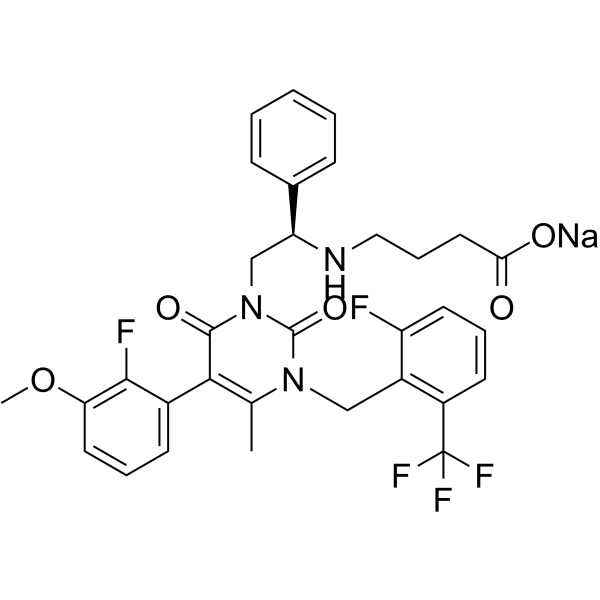
Elagolix-d6 (sodium) (NBI-56418-d6 (sodium)) is deuterium labeled Elagolix sodium. Elagolix sodium is a highly effective, selective, oral-active, short-term, non-peptide gonadotropin-releasing hormone receptor (GnRH receptor) antagonist (KD = 54 pM) and NFAT inhibitor, which can be used to study pain related to endometriosis. .
|
-
-
- HY-B0084S4
-
|
|
|
Dienogest-13C,15N,d4 (STS 557-13C,15N,d4) is the 13C, 15N and deuterium labeled isotope of Dienogest (HY-B0084). Dienogest (STS-557) is an orally active and selective progesterone receptor agonist that effectively reduces the gene expression of COX-2, mPGES-1 and aromatase. Dienogest also inhibits the mRNA and protein expression of PGE2 synthase and the activation of NF-κB. Dienogest can be used in studies of endometriosis, menopause and menorrhagia .
|
-
-
- HY-115633S
-
|
|
|
Elagolix-d9 is the deuterium labeled Elagolix. Elagolix sodium is a highly effective, selective, oral-active, short-term, non-peptide gonadotropin-releasing hormone receptor (GnRH receptor) antagonist (KD = 54 pM) and NFAT inhibitor, which can be used to study pain related to endometriosis. .
|
-
| Cat. No. |
Product Name |
|
Classification |
-
- HY-B0554
-
|
Norethisterone
|
|
Alkynes
|
|
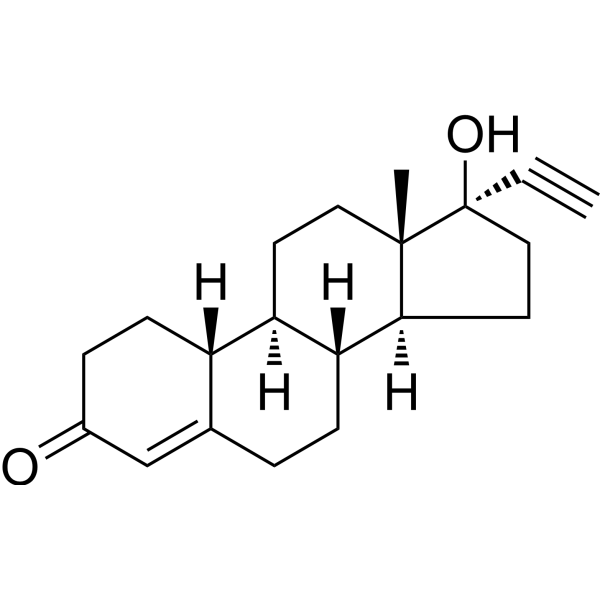
Norethindrone is a female progestin approved by FDA for the treatment of endometriosis, uterine bleeding caused by abnormal hormone levels, and secondary amenorrhea.
|
-
- HY-B1710
-
|
19-Norethindrone acetate
|
|
Alkynes
|
|
Norethindrone acetate is a female hormone used for the research of endometriosis . Norethindrone acetate is a click chemistry reagent, it contains an Alkyne group and can undergo copper-catalyzed azide-alkyne cycloaddition (CuAAc) with molecules containing Azide groups.
|
-
- HY-101405
-
|
R 2323
|
|
Alkynes
|
|
Gestrinone (R2323) is a synthetic steroid hormone used to treat endometriosis. It inhibits leiomyoma cells with an IC50 of 43.67 μM. Gestrinone is a click chemistry reagent, it contains an Alkyne group and can undergo copper-catalyzed azide-alkyne cycloaddition (CuAAc) with molecules containing Azide groups.
|
-
- HY-B0554S
-
|
|
|
Alkynes
|
|
Norethindrone-d6 is the deuterium labeled Norethindrone. Norethindrone is a female progestin approved by FDA for the treatment of endometriosis, uterine bleeding caused by abnormal hormone levels, and secondary amenorrhea. Norethindrone-d6 is a click chemistry reagent, it contains an Alkyne group and can undergo copper-catalyzed azide-alkyne cycloaddition (CuAAc) with molecules containing Azide groups.
|
Your information is safe with us. * Required Fields.
Inquiry Information
- Product Name:
- Cat. No.:
- Quantity:
- MCE Japan Authorized Agent:

