1. Search Result
Search Result
Results for "

Glucose dehydrogenase

" in MedChemExpress (MCE) Product Catalog:

47

Inhibitors & Agonists

1

Screening Libraries

10

Natural
Products

5

Recombinant Proteins

7

Antibodies

Cat. No. Product Name Target Research Areas Chemical Structure
  • HY-W010342
    6-Aminonicotinamide
    Maximum Cited Publications
    17 Publications Verification

    NADPH Oxidase Cancer
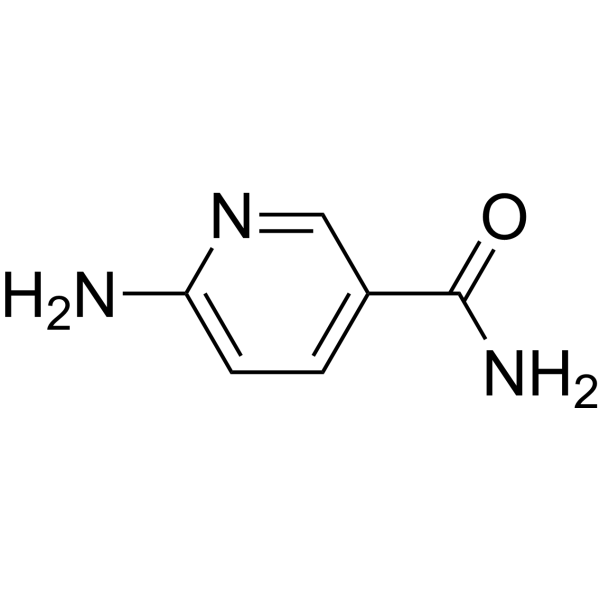
    6-Aminonicotinamide, a potent antimetabolite of nicotinamide, is competitive NADP +-dependent enzyme glucose-6-phosphate dehydrogenase (G6PD) inhibitor (Ki=0.46 μM). 6-Aminonicotinamide resultis ATP depletion and synergizes with DNA-crosslinking chemotherapy agents, such as Cisplatin (HY-17394), in killing cancer cells .
    6-Aminonicotinamide
  • HY-W107464
    G6PDi-1
    5+ Cited Publications

    PDI Metabolic Disease Inflammation/Immunology
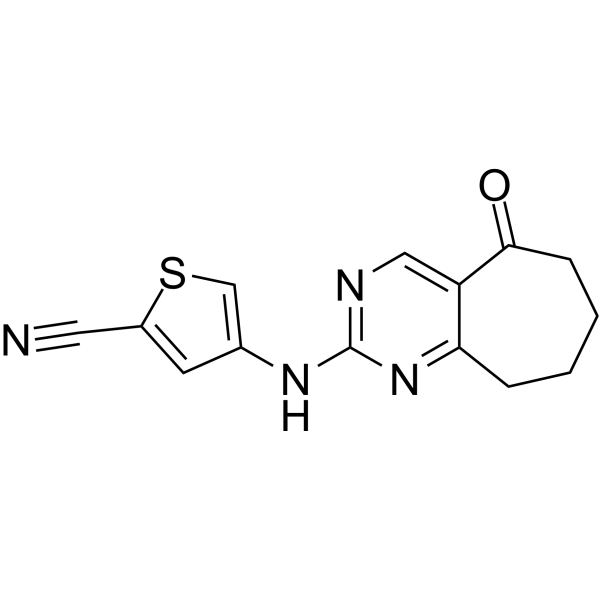
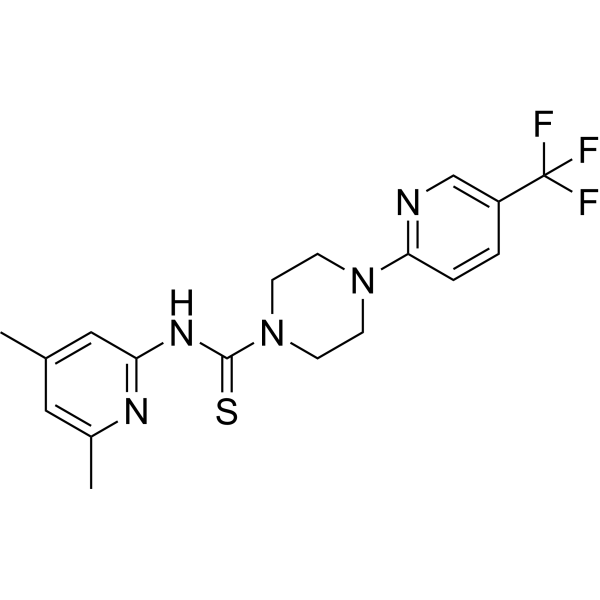
    G6PDi-1 is a reversible and non-competitive glucose-6-phosphate dehydrogenase (G6PD) inhibitor with an IC50 of 0.07 μM for human G6PD. G6PDi-1 depletes NADPH most strongly in lymphocytes. G6PDi-1 markedly decreases inflammatory cytokine production in T cells .
    G6PDi-1
  • HY-W012530

    Endogenous Metabolite PDI Infection Metabolic Disease
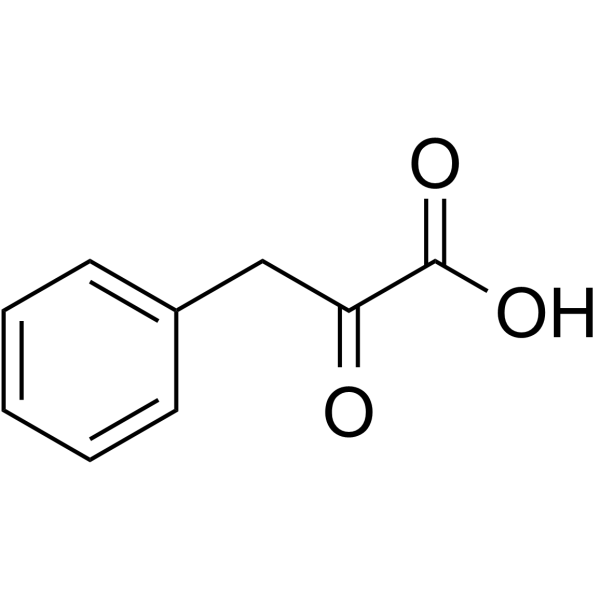
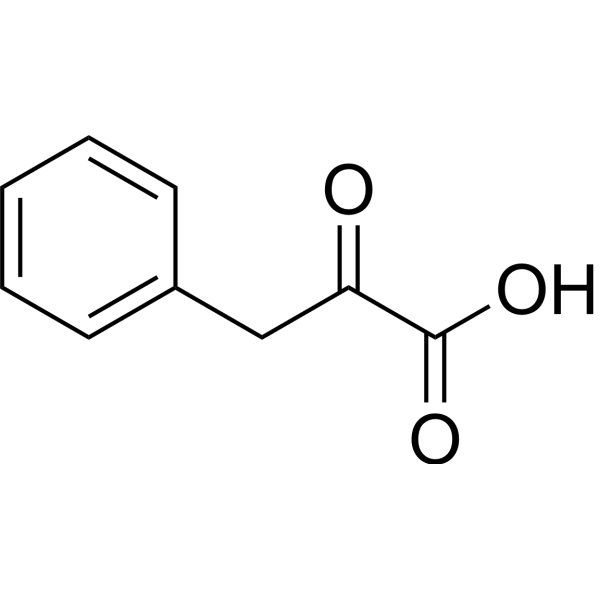
    Phenylpyruvic acid is a precursor of the antifungal compound phenyllactic acid. Phenylpyruvic acid can improve the antifungal activity of eight lactic acid bacterial strains through the addition into a dedined growth medium. Phenylpyruvic acid demonstrates improved inhibitory activity against fungal bread contaminants Aspergillus niger and Penicillium roqueforti. Phenylpyruvic acid affects enzyme activity of the pentose phosphate pathway involved in the oxidative phase in rat brain homogenates. Phenylpyruvic acid can reduce glucose-6-phosphate dehydrogenase activity .
    Phenylpyruvic acid
  • HY-125863

    G6PD

    Endogenous Metabolite Metabolic Disease Cancer
    Glucose-6-phosphate dehydrogenase, Microorganism (G6PD) is the rate-limiting enzyme of the pentose phosphate pathway. Glucose-6-phosphate dehydrogenase, Microorganism is a primary source of NADPH in antioxidant pathways, nitric oxide synthase, NADPH oxidase, cytochrome p450 systems, and others. Glucose-6-phosphate dehydrogenase, Microorganism is applicable in research related to diabetes, endothelial dysfunction, cancer, and cardiomyopathy .
    Glucose-6-phosphate dehydrogenase, Microorganism
  • HY-123962
    G6PD activator AG1
    5+ Cited Publications

    NADPH Oxidase Metabolic Disease
    G6PD activator AG1 is a potent and selective glucose-6-phosphate dehydrogenase (G6PD) agonist with an EC50 of 3 μM. G6PD is an oxidoreductase that catalyzes the oxidation of glucose-6-phosphate to 6-phosphogluconolactone and the simultaneous reduction of NAD phosphate (NADP) to reduced NADP (NADPH). G6PD activator AG1 can reduce hemolysis of human erythrocytes .
    G6PD activator AG1
  • HY-124529

    11β-HSD Endogenous Metabolite Metabolic Disease Inflammation/Immunology Cancer
    Lunularin is an inhibitor of 11β-hydroxysteroid dehydrogenase 1, with an IC50 of 45.44 μM and a Ki of 35.8 μM against human 11β-HSD1, and an IC50 of 17.39 μM and a Ki of 10.31 μM against rat 11β-HSD1. Lunularin upregulates the transcription levels of Sirt1 and Hmox1 genes in the liver. Lunularin reduces food intake and body weight gain, and decreases blood glucose levels in mice fed a high-fat diet. Lunularin inhibits LPS-induced TLR4-mediated NF-κB pathway activation and nitric oxide production. Lunularin inhibits the proliferation and colony formation of renal cancer and colon cancer cells, and exhibits cancer cell-specific cytotoxicity. Lunularin binds to the steroid-binding site of human 11β-HSD1 and the steroid/NADPH-binding region of rat 11β-HSD1, but does not inhibit 11β-HSD2 or mouse 11β-HSD1. Lunularin can be used in research related to diet-induced obesity, renal cancer, colorectal cancer, inflammatory diseases and metabolic syndrome .
    Lunularin
  • HY-E70014

    FAD-GDH; Glucose 1-dehydrogenase

    Endogenous Metabolite Others
    FAD-dependent glucose dehydrogenase (EC 1.1.5.9), or glucose dehydrogenase (FAD)/Pseudomonas glucose dehydrogenase. FAD-dependent glucose dehydrogenase is insensitive to O2 and displays high substrate specificity to glucose and thus is especially attractive enzymes for use in glucose biosensor applications .
    FAD-dependent glucose dehydrogenase
  • HY-121744
    PS10
    5+ Cited Publications

    PDHK Inflammation/Immunology
    PS10 is a novel, potent and ATP-competitive pan-PDK inhibitor, inhibits all PDK isoforms with IC50 of 0.8 μM, 0.76 μM, 2.1 μM and 21.3 μM for PDK2, PDK4, PDK1, and PDK3, respectively. PS10 shows high affinity for PDK2 (Kd= 239 nM) than for Hsp90 (Kd= 47 μM) . PS10 improves glucose tolerance, stimulates myocardial carbohydrate oxidation in diet-induced obesity. PS10 has the potential for the investigation of diabetic cardiomyopathy .PDK: pyruvate dehydrogenase kinase
    PS10
  • HY-P3186A

    GDH-NAD

    Endogenous Metabolite Metabolic Disease
    NAD-dependent glucose dehydrogenase (GDH-NAD) is an oxidoreductase that uses NAD + as a coenzyme, specifically catalyzes the dehydrogenation of glucose to gluconolactone, and reduces NAD + to NADH. NAD-dependent glucose dehydrogenase exhibits favorable substrate selectivity and stability, and is not affected by oxygen .
    NAD-dependent Glucose dehydrogenase
  • HY-124113

    4′‐BR

    Sirtuin Apoptosis Caspase Lactate Dehydrogenase GLUT Metabolic Disease Inflammation/Immunology Cancer
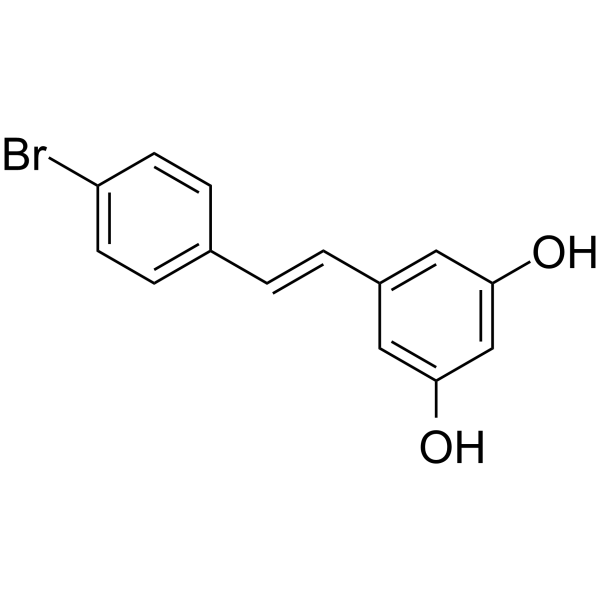
    4'-Bromo-resveratrol (4′‐BR) is a dual SIRT1/SIRT3 inhibitor with an IC50 of 0.2 mM for both targets. 4'-Bromo-resveratrol induces caspase-dependent apoptosis, induces G0/G1 cell cycle arrest, and inhiibits proliferation. 4'-Bromo-resveratrol reduces lactate production, glucose uptake, and NAD +/NADH ratio, and downregulates lactate dehydrogenase A and glucose transporter 1 (GLUT1). 4'-Bromo-resveratrol can be used for the research of melanoma .
    4'-Bromo-resveratrol
  • HY-117240
    NCT-502
    5+ Cited Publications

    Phosphoglycerate Dehydrogenase (PHGDH) Cancer
    NCT-502 is a human phosphoglycerate dehydrogenase (PHGDH) inhibitor, cytotoxic to PHGDH-dependent cancer cells, and reduces glucose-derived serine production, with an IC50 of 3.7 μM against PHGDH .
    NCT-502
  • HY-P3186

    Endogenous Metabolite Metabolic Disease
    Glucose dehydrogenase, recombinant Microorganisms is a FDA-dependent oxidoreductase. Glucose dehydrogenase (GDH) catalyzes the oxidation of β-D-glucose to β-D-glucono-1,5-lactone with simultaneous reduction of the cofactor NADP + to NADPH or, to a lesser extent, NAD + to NADH. Glucose dehydrogenase (GDH) accepts both NAD + and NADP + as cofactors and can be used for the regeneration of NADH and NADPH .
    Glucose dehydrogenase, recombinant Microorganisms
  • HY-P2914

    Biochemical Assay Reagents Metabolic Disease Inflammation/Immunology
    Carnitine acetyltransferase is a mitochondrial matrix enzyme that catalyzes the interconversion of Acetyl-CoA and Acetylcarnitine (HY-126358). Carnitine acetyltransferase functions as a positive regulator of total body glucose tolerance and muscle activity of pyruvate dehydrogenase. Carnitine acetyltransferase is responsible for mitochondrial acetyl-CoA balance and regulation of fatty acid oxidation by utilizing short- and medium- chain fatty acids and their corresponding acylcarnitines as substrates. Carnitine acetyltransferase plays a crucial role in regulating glucose homeostasis. Carnitine acetyltransferase can be utilized in the research of aging, obesity, and diabetes .
    Carnitine acetyltransferase
  • HY-W587796

    6-PGδL; 6-Phosphonoglucono-D-lactone

    Endogenous Metabolite Cardiovascular Disease Metabolic Disease Cancer
    6-Phosphoglucono-δ-lactone (6-PGδL), a reversal substrate of glucose-6-phosphate dehydrogenase (G6PD), is an intermediate compound in the oxidative branch of the pentose phosphate pathway (PPP). 6-Phosphoglucono-δ-lactone produced from D-glucose-6-phosphate by glucose-6-phosphate dehydrogenase (G6PDH) and is converted to 6-phosphoglutonate by lactonase. 6-Phosphoglucono-δ-lactone can be used for heart failure, type 2 diabetes and cancers research .
    6-Phosphoglucono-δ-lactone
  • HY-W005629

    Environmental Pollutants Cannabinoid Receptor PDK-1 Metabolic Disease Cancer
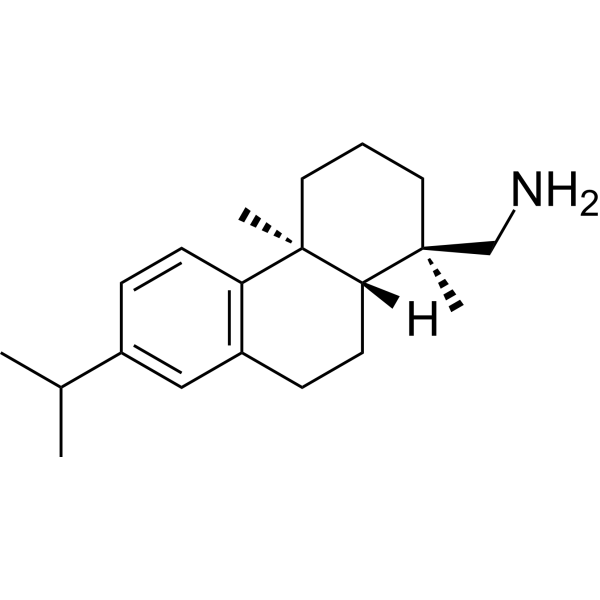
    Leelamine is an orally active pyruvate dehydrogenase kinase (PDK) inhibitor with an IC50 value of 9.5 μM, showing a blood glucose lowering effect in the diabetic mouse. Leelamine is also a weak agonist of cannabinoid receptors CB1 and CB2. Leelamine decreases mitotic activity, prostate-specific antigen expression and induces Apoptosis to cell death in cancer cells .
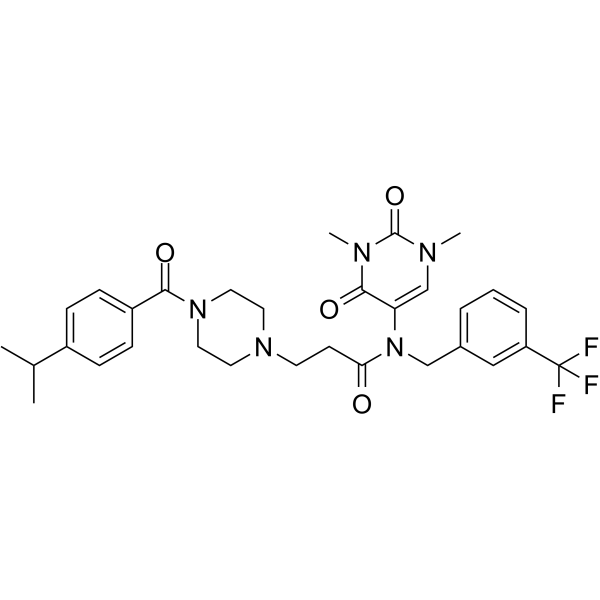
    Leelamine
  • HY-125863C

    G6PD, Bacillus sp.

    Endogenous Metabolite Others
    Glucose-6-phosphate dehydrogenase, Bacillus sp. catalyzes the conversion of glucose-6-phosphate into 6-phosphogluconolactone, and produces reduced nicotinamide adenine dinucleotide phosphate (NADPH) and ribose-5-phosphate in this process. Glucose-6-phosphate dehydrogenase, Bacillus sp. can be used in research about diabetic complications .
    Glucose-6-phosphate dehydrogenase, Bacillus sp.
  • HY-128578
    KPLH1130
    2 Publications Verification

    PDHK NO Synthase Interleukin Related HIF/HIF Prolyl-Hydroxylase Metabolic Disease Inflammation/Immunology
    KPLH1130 is a pyruvate dehydrogenase kinase (PDK) inhibitor. KPLH1130 potently inhibits M1 macrophage polarization by reducing the expression of pro-inflammatory cytokines, decreasing the levels of M1 phenotype markers (HIF-1α, iNOS) and nitric oxide (NO) production. KPLH1130 prevents the reduction of mitochondrial oxygen consumption rate (OCR) induced by inflammatory stimuli (LPS ((HY-D1056) + IFN-γ) in various macrophage types. KPLH1130 improves glucose tolerance in HFD-fed mice. KPLH1130 can be used for the study of obesity-associated metabolic disorders and other inflammatory conditions .
    KPLH1130
  • HY-155157

    Endogenous Metabolite Cardiovascular Disease
    PF-07247685 is a BCKDC kinase (BDK) inhibitor (EC50=2.2 nM). PF-07247685 stabilizes the interaction between BDK and BCKDH core subunit E2 and prevents phosphorylation of E1. While BDK mediates branched-chain ketoacid dehydrogenase (BCKDH) phosphorylation, and inhibition of BCKDH is involved in controlling the rate-limiting step of branched-chain amino acid (BCAA) degradation. Impaired BCAA catabolism has been associated with several diseases, particularly cardiometabolic diseases, including heart failure (HF), type 2 diabetes mellitus (T2DM), non-alcoholic fatty liver disease (NAFLD), and obesity. PF-07247685 improved cardiometabolic endpoints and improves glucose tolerance in mice .
    PF-07247685
  • HY-W612338

    9-ONA

    Acetyl-CoA Carboxylase Inflammation/Immunology
    9-Oxononanoic acid (9-ONA) is an orally active acetyl-CoA carboxylase inhibitor. 9-Oxononanoic acid inhibits acetyl-CoA carboxylase via accumulation of long-chain acyl-CoA. 9-Oxononanoic acid increases carnitine palmitoyltransferase, isocitrate dehydrogenase and glucose 6-phosphate dehydrogenase activity to elevate β-oxidation and support NADPH (HY-113324) supplyactivity. 9-Oxononanoic acid stimulates phospholipase A2 activity via post-translational, non-transcriptional mechanisms. 9-Oxononanoic acid can be used for the research of atherothrombosis .
    9-Oxononanoic acid
  • HY-E70020

    Others Others
    UDP-Glc dehydrogenase (UGDH) catalyzes is a NAD+-dependent enzyme that catalyzes the two-fold oxidation of UDP-glucose (UDP-Glc) to produce UDP-glucuronic acid. UDP-Glc dehydrogenase (UGDH) is a key enzyme in the nucleotide-sugar interconversion pathway necessary for biosynthesis of many cell-wall polysaccharides .
    UDP-Glc dehydrogenase (UGDH)
  • HY-W016203

    Sodium phenylpyruvate

    Endogenous Metabolite PDI Infection Metabolic Disease
    Phenylpyruvic acid sodium is a endogenous metabolite that participates in the synthesis of 3-phenyllactic acid (PLA) by lactate dehydrogenase. Phenylpyruvic acid is a precursor of the antifungal compound phenyllactic acid. Phenylpyruvic acid can improve the antifungal activity of eight lactic acid bacterial strains through the addition into a dedined growth medium. Phenylpyruvic acid demonstrates improved inhibitory activity against fungal bread contaminants Aspergillus niger and Penicillium roqueforti. Phenylpyruvic acid affects enzyme activity of the pentose phosphate pathway involved in the oxidative phase in rat brain homogenates. Phenylpyruvic acid can reduce glucose-6-phosphate dehydrogenase activity .
    Phenylpyruvic acid sodium
  • HY-W012530R

    Reference Standards Endogenous Metabolite PDI Infection Metabolic Disease
    Phenylpyruvic acid (Standard) is the analytical standard of Phenylpyruvic acid. This product is intended for research and analytical applications. Phenylpyruvic acid is a precursor of the antifungal compound phenyllactic acid. Phenylpyruvic acid can improve the antifungal activity of eight lactic acid bacterial strains through the addition into a dedined growth medium. Phenylpyruvic acid demonstrates improved inhibitory activity against fungal bread contaminants Aspergillus niger and Penicillium roqueforti. Phenylpyruvic acid affects enzyme activity of the pentose phosphate pathway involved in the oxidative phase in rat brain homogenates. Phenylpyruvic acid can reduce glucose-6-phosphate dehydrogenase activity .
    Phenylpyruvic acid (Standard)
  • HY-125863B

    G6PD (yeast, recombinant)

    Endogenous Metabolite Cardiovascular Disease Metabolic Disease Cancer
    Glucose 6-phosphate dehydrogenase (yeast, recombinant) is the rate-limiting enzyme of the pentose phosphate pathway and a major source of NADPH in antioxidant pathways, nitric oxide synthase, NADPH oxidase, and cytochrome P450 systems. Glucose 6-phosphate dehydrogenase helps cells resist oxidative stress and regulates metabolic rates. It holds potential for research in fields such as diabetes, endothelial dysfunction, cancer, and cardiomyopathy .
    Glucose 6-phosphate dehydrogenase (yeast, recombinant)
  • HY-125863A

    G6PD (Leuconostoc sp., recombinant)

    Endogenous Metabolite Metabolic Disease
    Glucose-6-phosphate dehydrogenase (Leuconostoc sp., recombinant) is an NADP-dependent enzyme in the pentose phosphate pathway, which is one of the ways glucose is metabolized. Glucose-6-phosphate dehydrogenase (Leuconostoc sp., recombinant) can be used to quantify ATP, glucose, and creatine kinase .
    Glucose-6-phosphate dehydrogenase (Leuconostoc sp., recombinant)
  • HY-141851

    Endogenous Metabolite Metabolic Disease
    UDP-glucose dehydrogenase is a cytosolic enzyme that catalyzes the oxidation of UDP-glucose to UDP-glucuronate. UDP-glucose dehydrogenase plays a critical role in synthesis of glycosaminoglycans and proteoglycans .
    UDP-glucose dehydrogenase
  • HY-N2093
    Vicine
    2 Publications Verification

    Drug Metabolite Cardiovascular Disease Metabolic Disease
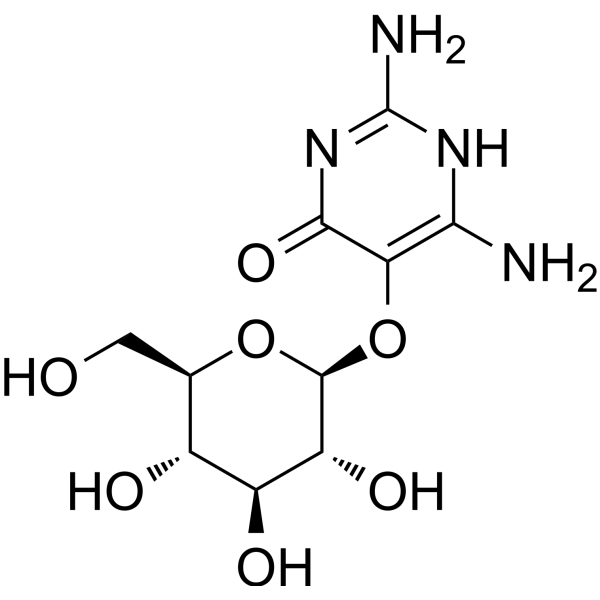
    Vicine, an alkaloid glycoside found mainly in fava beans, is toxic in individuals who have a hereditary loss of the enzyme glucose-6-phosphate dehydrogenase and may cause haemolytic anaemia.Vicine is an inactive compound that is hydrolysed by the intestinal microflora to a highly reactive free radical generating compound, the aglycone divicine when Vicine enters the body through food .
    Vicine
  • HY-128606

    Endogenous Metabolite Transketolase Neurological Disease Metabolic Disease
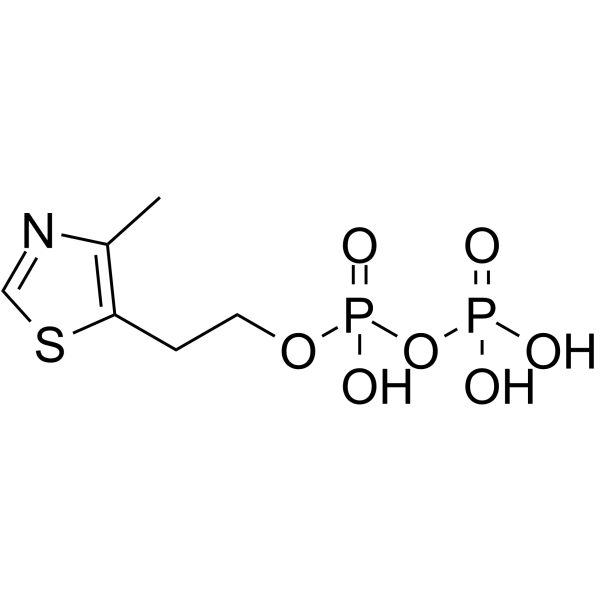
    Thiamine diphosphate analog 1 is an analog of thiamine diphosphate. Thiamine diphosphate is the active metabolite of vitamin B1 in organisms. Thiamine diphosphate targets ThDP-dependent enzymes such as transketolase and pyruvate dehydrogenase complex, acting as an essential coenzyme to exert an activating effect. Thiamine diphosphate assists in catalytic reactions in free form and initiates the catalytic cycles of various glucose-metabolizing enzymes. Thiamine diphosphate serves as a diagnostic biomarker and protective factor for Alzheimer's disease. Thiamine diphosphate can be used in research related to metabolism and Alzheimer's disease .
    Thiamine diphosphate analog 1
  • HY-114509

    Bacterial Infection Metabolic Disease
    Anilazine is a fungicide and inhibit the growth of Rhizobium sp. and E. coli. Anilazine inhibits glucose oxidation and succinate oxidation and also inhibits in vitro succinic dehydrogenase activity .
    Anilazine
  • HY-117428

    11β-HSD Metabolic Disease
    INU-101 is a potent, selective and orally active 11β-hydroxysteroid dehydrogenase (11β-HSD) type 1 inhibitor. INU-101 has highly potent inhibitory activity in mouse, monkey and human 11β-HSD1, derived from liver microsomes. INU-101 can enhance insulin sensitivity and lower the fasting blood glucose level. INU-101 can be used for the research of metabolic disease, such as diabetes .
    INU-101
  • HY-W027038

    Drug Intermediate Others
    Ethyl mandelate is an important intermediate in pharmaceutical synthesis. Ethyl mandelate can be synthesized by short-chain dehydrogenase/reductase (SDR) .
    Ethyl mandelate
  • HY-W010342R

    NADPH Oxidase Reference Standards Cancer
    6-Aminonicotinamide, a potent antimetabolite of nicotinamide, is competitive NADP+-dependent enzyme glucose-6-phosphate dehydrogenase (G6PD) inhibitor (Ki=0.46 μM). 6-Aminonicotinamide resultis ATP depletion and synergizes with DNA-crosslinking chemotherapy agents, such as Cisplatin (HY-17394), in killing cancer cells .
    6-Aminonicotinamide (Standard)
  • HY-E70419

    Others Others
    PQQ-Dependent glucose dehydrogenase, microorganismyes PQQnovel nanostructure platform for fluorescence analysis of glucose dehydrogenase-dependent glycogenase. Fluorescence signals were generated under ultraviolet excitation at a wavelength (365 nm).
    PQQ-Dependent glucose dehydrogenase, microorganism
  • HY-155156

    Endogenous Metabolite Cardiovascular Disease
    PF-07238025 is a BCKDC kinase (BDK) inhibitor (EC50=19 nM). PF-07238025 stabilizes the interaction between BDK and BCKDH core subunit E2 and prevents phosphorylation of E1. While BDK mediates branched-chain ketoacid dehydrogenase (BCKDH) phosphorylation, and inhibition of BCKDH is involved in controlling the rate-limiting step of branched-chain amino acid (BCAA) degradation. Impaired BCAA catabolism has been associated with several diseases, particularly cardiometabolic diseases, including heart failure (HF), type 2 diabetes mellitus (T2DM), non-alcoholic fatty liver disease (NAFLD), and obesity. PF-07238025 improved cardiometabolic endpoints and improves glucose tolerance in mice .
    PF-07238025
  • HY-125954B

    Biochemical Assay Reagents Metabolic Disease
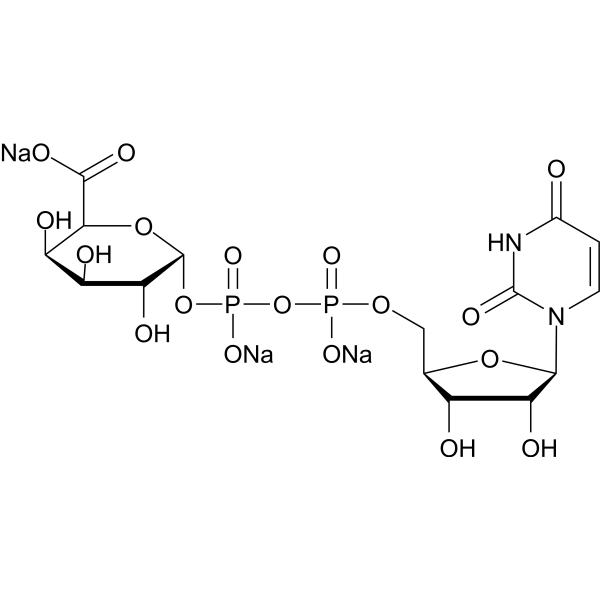
    UDP-galacturonic acid trisodium is a cofactor that is formed by the catalytic activity of UDP-glucose dehydrogenase .
    UDP-galacturonic acid trisodium
  • HY-162586

    PDHK Cancer
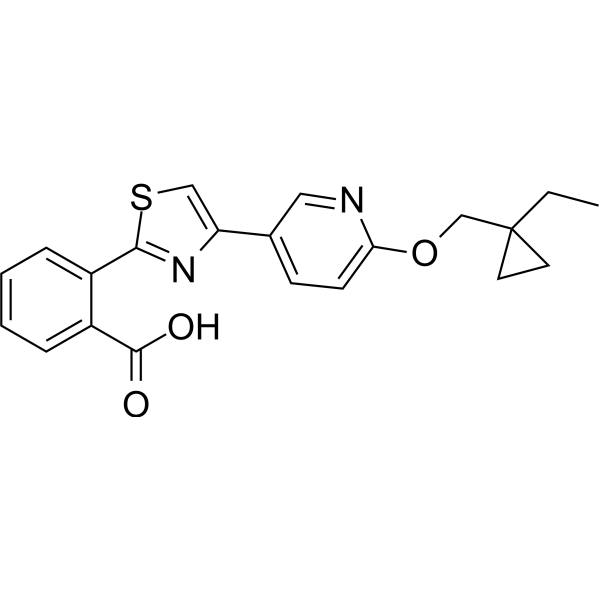
    PDHK-IN-7 (compound 32) is an inhibitor of pyruvate dehydrogenase kinase with an IC50 value of 17 nM.PDHK-IN-7 activates PDH in rat livers and has a glucose-lowering effect in Zucker fatty rats .
    PDHK-IN-7
  • HY-W007972R

    3-Methoxyacrylic Acid Methyl Ester (Standard)

    Reference Standards Others Others
    Anilazine (Standard) is the analytical standard of Anilazine. This product is intended for research and analytical applications. Anilazine is a fungicide and inhibit the growth of Rhizobium sp. and E. coli. Anilazine inhibits glucose oxidation and succinate oxidation and also inhibits in vitro succinic dehydrogenase activity .
    Methyl 3-methoxyacrylate (Standard)
  • HY-114509R

    Reference Standards Bacterial Infection Metabolic Disease
    Anilazine (Standard) is the analytical standard of Anilazine. This product is intended for research and analytical applications. Anilazine is a fungicide and inhibit the growth of Rhizobium sp. and E. coli. Anilazine inhibits glucose oxidation and succinate oxidation and also inhibits in vitro succinic dehydrogenase activity .
    Anilazine (Standard)
  • HY-146240

    Aldehyde Dehydrogenase (ALDH) Metabolic Disease
    ALDH1A1-IN-3 (compound 57) is an excellent and selective aldehyde dehydrogenase 1A1 (ALDH1A1) inhibitor with an IC50 value of 0.379 μM. ALDH1A1-IN-3 can effectively improve glucose consumption in HepG2 cells. ALDH1A1-IN-3 can be used for researching glucose metabolism improvement .
    ALDH1A1-IN-3
  • HY-P3186B

    Endogenous Metabolite Metabolic Disease
    Glucose dehydrogenase, Pseudomonas sp. (EC 1.1.1.47) is an oxidoreductase that acts on the CH-OH group of a donor molecule and uses NAD + or NADP + as an acceptor. The three substrates of glucose dehydrogenase are β-D-glucose, NAD +, and NADP +, while its four products are D-gluconic acid-1,5-lactone, NADH, NADPH, and H +.
    Glucose dehydrogenase, Pseudomonas sp.
  • HY-E71039

    Biochemical Assay Reagents Others
    Chemically modified Glucose-6-phosphate Dehydrogenase, Leuconostoc mesenteroides is a cytosolic enzyme. Chemically modified Glucose-6-phosphate Dehydrogenase, Leuconostoc mesenteroides is in the pentose phosphate pathway, a metabolic pathway that supplies reducing energy to cells (such as erythrocytes) by maintaining the level of the co-enzyme nicotinamide adenine dinucleotide phosphate (NADPH) .
    Chemically modified Glucose-6-phosphate Dehydrogenase, Leuconostoc mesenteroides
  • HY-125863D

    Endogenous Metabolite Metabolic Disease
    Glucose-6-phosphate dehydrogenase, Torula yeast (EC 1.1.1.49), is a cytoplasmic enzyme located in the pentose phosphate pathway, a metabolic pathway that provides reducing energy to cells (e.g., erythrocytes) by maintaining the level of the coenzyme nicotinamide adenine dinucleotide phosphate (NADPH).
    Glucose-6-phosphate dehydrogenase, Torula yeast
  • HY-W248922

    PDI Infection
    2,6-Dibromo-4-(hydroxymethyl) phenol (Compound 5) acts as a selective inhibitor of Saccharomyces cerevisiae glucose-6-phosphate dehydrogenase, with an IC50 value of 50.2 μM, and shows no activity against Leuconostoc mesenteroides glucose-6-phosphate dehydrogenase .
    2,6-Dibromo-4-(hydroxymethyl)phenol
  • HY-E70398A

    Endogenous Metabolite Metabolic Disease
    Sorbitol dehydrogenase, Sheep (EC 1.1.1.14) is an enzyme in carbohydrate metabolism that converts sorbitol, the sugar alcohol form of glucose, into fructose. Sorbitol dehydrogenase works in conjunction with aldose reductase, enabling the body to utilize glucose to produce fructose without ATP consumption. Sorbitol dehydrogenase uses NAD+ as a cofactor, and zinc ions also participate in the catalytic process.
    Sorbitol Dehydrogenase, Sheep
  • HY-136783

    Parasite Infection
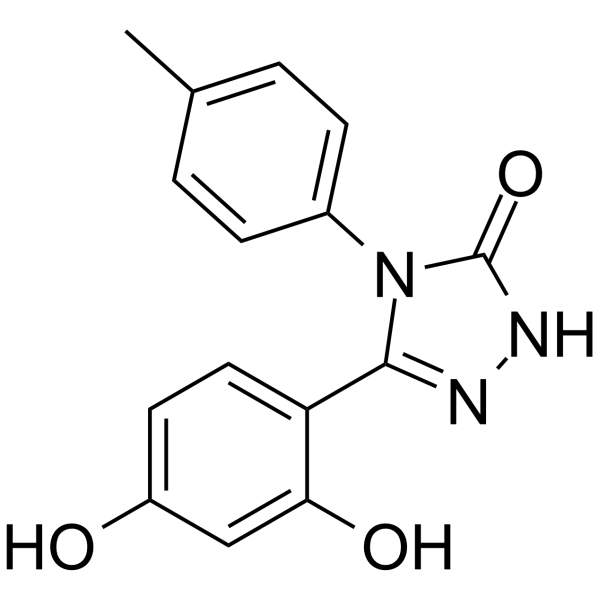
    G6PD-IN-2 is a Plasmodium falciparum glucose-6-phosphate dehydrogenase (G6PD) inhibitor with an IC50 value of 0.2 μM. G6PD-IN-2 exerts weak inhibitory activity on Plasmodium falciparum glucose-6-phosphate dehydrogenase-6-phosphogluconolactonase (PfGluPho) with an IC50 value of 22.0 μM. G6PD-IN-2 inhibits growth of Plasmodium falciparum 3D7 strain and exhibits low cytotoxicity in hepatocytes. G6PD-IN-2 can be used for the research of malaria .
    G6PD-IN-2
  • HY-P3001A

    Malate Dehydrogenase (MDH) Metabolic Disease
    Malate dehydrogenase, Yeast (EC 1.1.1.37) is an enzyme in the citric acid cycle that catalyzes the conversion of malate to oxaloacetate (requiring NAD+). Malate dehydrogenase participates in gluconeogenesis, the process of synthesizing glucose from small molecules.
    Malate Dehydrogenase,Yeast
  • HY-P3001C

    Biochemical Assay Reagents Metabolic Disease
    Malate dehydrogenase, Bacteria (EC 1.1.1.37), is an enzyme in the citric acid cycle that catalyzes the conversion of malate to oxaloacetate (requiring NAD+). Malate dehydrogenase also participates in gluconeogenesis, the process of synthesizing glucose from small molecules.
    Malate dehydrogenase, Bacteria
  • HY-N17816

    Apoptosis Reactive Oxygen Species (ROS) α-synuclein Succinate Dehydrogenase Bcl-2 Family Caspase Cardiovascular Disease Neurological Disease Metabolic Disease Inflammation/Immunology Cancer
    Tambulin is an orally active flavonol compound found in Zanthoxylum armatum. Tambulin can inhibit cell proliferation, induce apoptosis and inhibit ROS production. Tambulin upregulates cleaved caspase-3, cleaved caspase-9, and Bax, downregulates Bcl-2 levels. Tambulin can stimulate glucose-dependent insulin secretion and induce endothelium-independent vasorelaxation. Tambulin binds to succinate dehydrogenase (SDH) (Ki = 11.02 μM) and shows significant ferric reducing power. Tambulin can enhances oxidative stress resistance, reduces, lipofuscin deposits, lipid levels, α-synuclein levels, improves locomotary behavior, and dopamine levels in in age-synchronized L1 hermaphrodite Caenorhabditis elegans models of ageing and Parkinson's disease. Tambulin can be used for the researches of Parkinson's disease, lung squamous cell carcinoma, and diabetes .
    Tambulin

Inquiry Online

Your information is safe with us. * Required Fields.

Salutation


Country or Region *

Applicant Name *


Organization Name *

Department *


Email Address *


Product Name *

Cat. No.


Requested quantity *

Phone Number *


Remarks

Inquiry Online

Inquiry Information

Product Name:
Cat. No.:
Quantity:
MCE Japan Authorized Agent: