Search Result
Results for "
Gram positive pathogen
" in MedChemExpress (MCE) Product Catalog:
2
Biochemical Assay Reagents
3
Isotope-Labeled Compounds
| Cat. No. |
Product Name |
Target |
Research Areas |
Chemical Structure |
-
- HY-B0925
-
|
|
Bacterial
Antibiotic
|
Infection
|
|
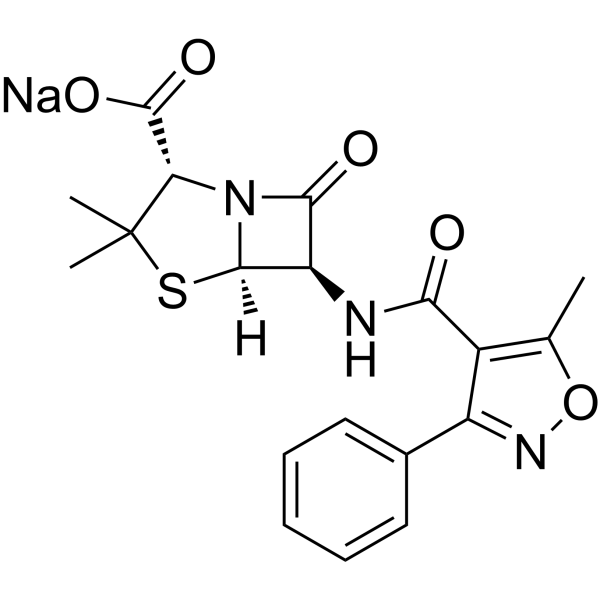
Oxacillin sodium salt is an orally active synthetic penicillin with good bactericidal activity against staphylococci and other gram-positive pathogens .
|
-
-
- HY-B0698A
-
|
Sch-39720 dihydrate
|
Beta-lactamase
Bacterial
Antibiotic
|
Infection
|
|
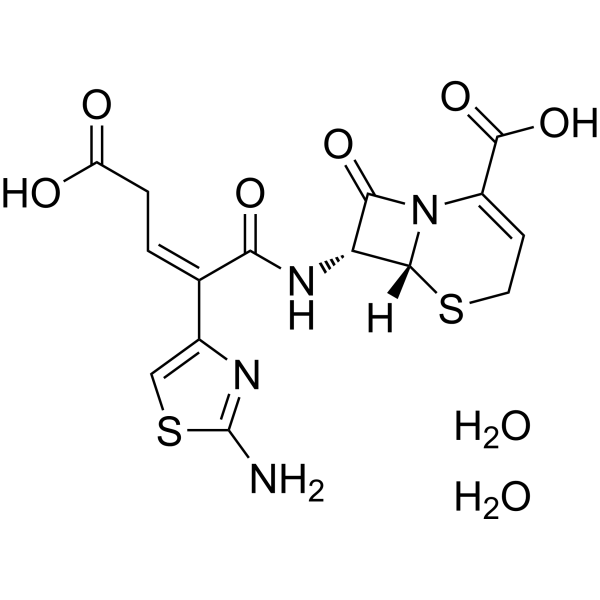
Ceftibuten (Sch-39720) dihydrate, an antibiotic, is an orally active cephalosporin, possesses potent activity in vitro against a wide range of gram-negative and certain gram-positive pathogens .
|
-
-
- HY-B1156
-
|
Cefradine; SQ-11436
|
Bacterial
Antibiotic
TOPK
|
Infection
Inflammation/Immunology
|
|
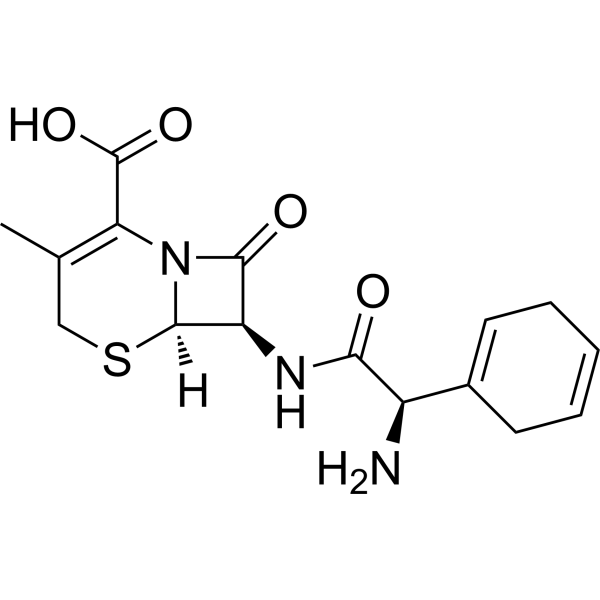
Cephradine (Cefradine) is a broad-spectrum and orally active cephalosporin. Cephradine is active against both gram-positive and gram-negative pathogens. Cephradine is effective in eradicating most penicillinase-producing organisms. Cephradine has been used in the research of genitourinary, gastrointestinal and respiratory tract infections, and in infections of the skin and soft tissues. Cephradine blocks solar-ultraviolet induced skin inflammation through direct inhibition of TOPK .
|
-
-
- HY-112579
-
|
Ro 63-9141; BAL 9141
|
Bacterial
Antibiotic
|
Infection
Inflammation/Immunology
|
|
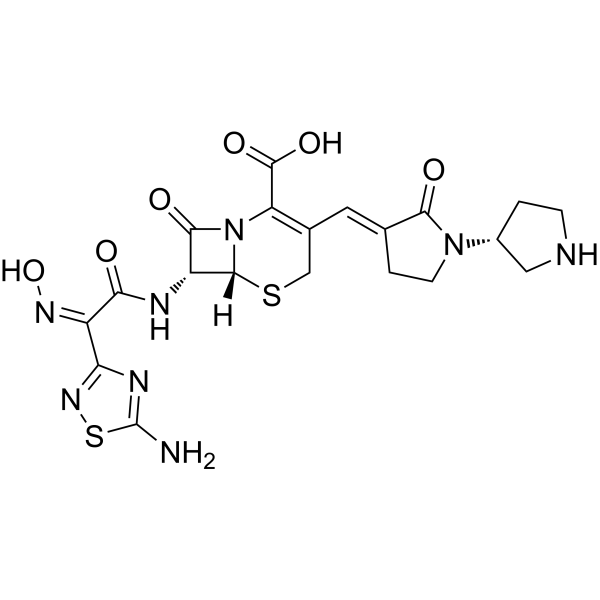
Ceftobiprole (Ro 63-9141) is a broad-spectrum cephalosporin with high levels of in vitro activity against methicillin- (MRSA) and vancomycin-resistant staphylococci (VRSA) and penicillin-resistant streptococci with a MIC90 value of 2 μg/mL for MRSA. Ceftobiprole also inhibits gram-positive and gram-negative pathogens. Ceftobiprole can be used for the study of hospital-acquired pneumonia (excluding ventilator-associated pneumonia) and community-acquired pneumonia .
|
-
-
- HY-106574A
-
|
BAL5788 sodium
|
Bacterial
|
Infection
Inflammation/Immunology
|
|
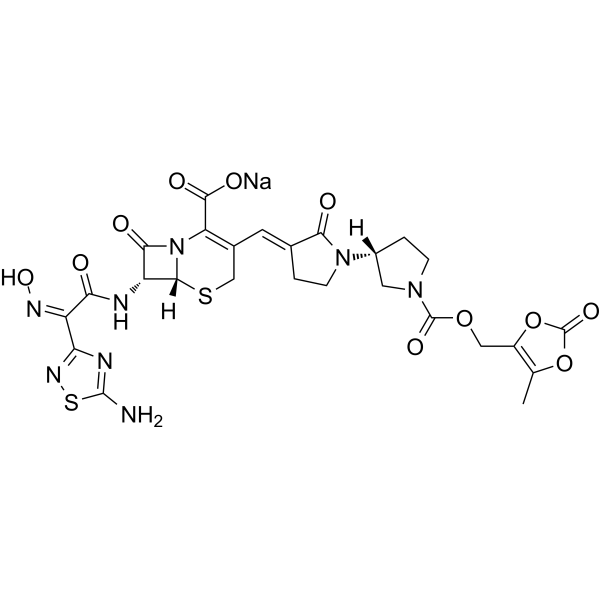
Ceftobiprole medocaril (BAL5788) sodium is the parenteral proagent of Ceftobiprole (HY-112579). Ceftobiprole is a parenteral pyrrolidinone cephalosporin. Ceftobiprole is a broad-spectrum cephalosporin with high levels of in vitro activity against methicillin- (MRSA) and vancomycin-resistant staphylococci (VRSA) and penicillin-resistant streptococci. Ceftobiprole also inhibits gram-positive and gram-negative pathogens .
|
-
-
- HY-B0395C
-
|
DU6859a hydrate
|
Bacterial
Antibiotic
|
Infection
|
|
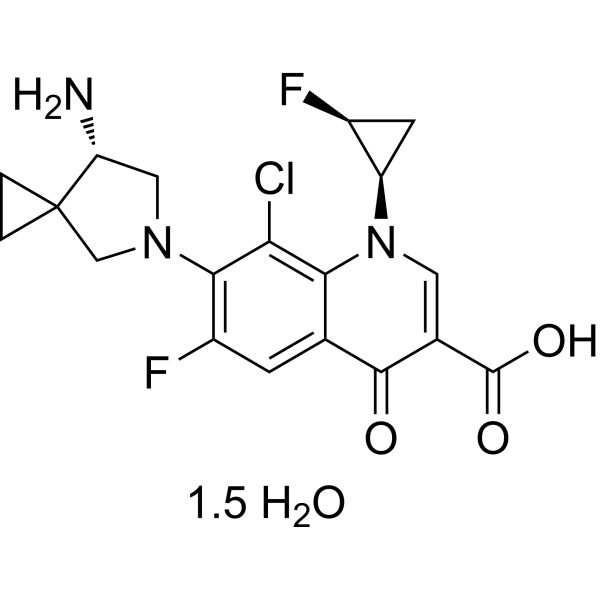
Sitafloxacin (DU6859a) hydrate is an orally active fluoroquinolone antibiotic (antibiotic) with in vitro activity against a wide range of Gram-positive and -negative bacteria, including anaerobic bacteria, as well as atypical pathogens. Sitafloxacin is used in the study of respiratory tract infections and urinary tract infections .
|
-
-
- HY-B0395
-
|
DU6859a
|
Bacterial
Antibiotic
|
Infection
|
|
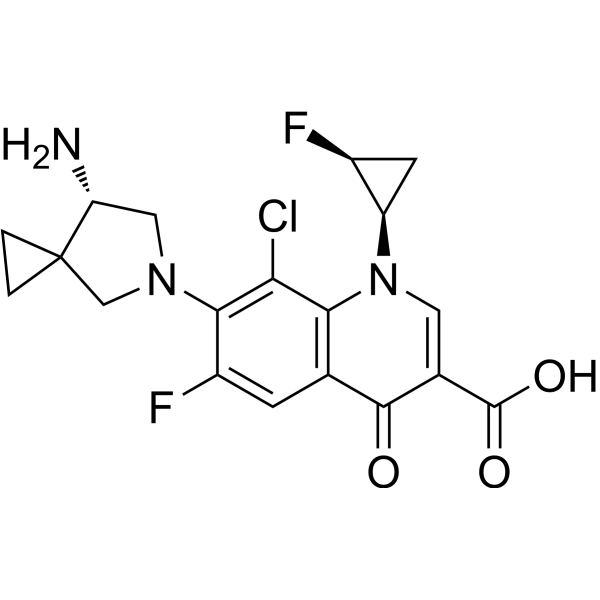
Sitafloxacin (DU6859a) is a potent, orally active fluoroquinolone antibiotic. Sitafloxacin shows antichlamydial activity and antibacterial activities against a broad range of gram-positive and gram-negative bacteria, including anaerobic bacteria, as well as against atypical pathogens. Sitafloxacin can be used for the research of respiratory tract infection and urinary tract infection .
|
-
-
- HY-111023
-
|
TG-873870 malate
|
Antibiotic
Bacterial
|
Infection
|
|
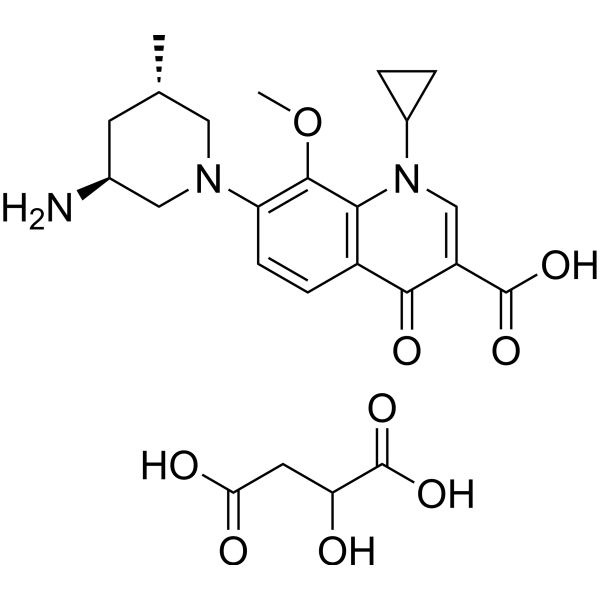
Nemonoxacin (TG-873870) malate is a nonfluorinated quinolone antibiotic. Nemonoxacin malate has broad-spectrum activity against Gram-positive, Gram-negative and atypical pathogens. Nemonoxacin malate can inhibit drug-resistant Streptococcus pneumoniae and Methicillin-resistant Staphylococcus aureus. Nemonoxacin malate can be used for the research of community-acquired pneumonia .
|
-
-
- HY-141633
-
|
|
Bacterial
|
Infection
|
|
Sucrose monolaurate is a glycolipid surfactant . Sucrose monolaurate interacts with bacterial DNA, disrupts cell membrane permeability, and exerts excellent inhibitory and bactericidal effects against a variety of foodborne pathogens (especially Gram-positive bacteria). Sucrose monolaurate significantly reduces liquid surface tension, and acts as a synergist for chlorine-based disinfectants in food cleaning and disinfection to improve the removal efficiency of pathogens on the surface of agricultural products .
|
-

-
- HY-P5601
-
|
|
Bacterial
Fungal
|
Infection
|
|
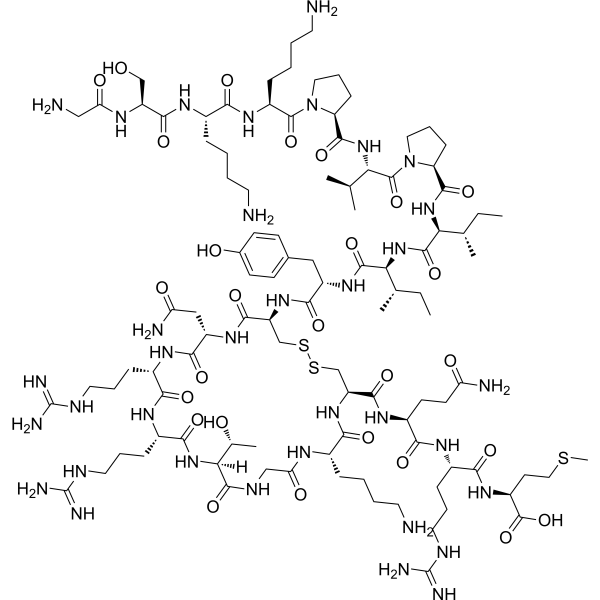
Thanatin is an inducible cationic antimicrobial peptide. Thanatin is a pathogen-inducible single-disulfide-bond-containing β-hairpin AMP. Thanatin displays broad-spectrum activity against both Gram-negative and Gram-positive bacteria as well as against various species of fungi with MICs of 0.3-40 µM, 0.6-40 µM and 0.6-20 µM, respectively. Thanatin has the property of competitive replacement of divalent cations from bacterial outer membrane (OM), leading to OM disruption .
|
-
-
- HY-A0279
-
|
Pristinamycine
|
Bacterial
Antibiotic
|
Infection
|
|
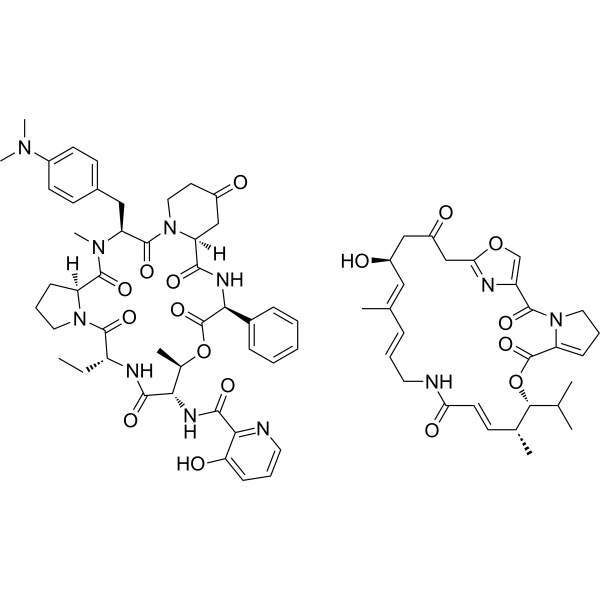
Pristinamycin, produced by Streptomyces pristinaespiralis, is an orally active streptogramin-like antibiotic consisting of two chemically unrelated components: Pristinamycin I (PI) and Pristinamycin II (PII). Pristinamycin is highly active against many antibiotic-resistant pathogens, particularly Gram-positive bacteria, including Methicillin-resistant Staphylococcus aureus (MRSA), Vancomycin-resistant S. aureus (VRSA) and Enterococcus faecium (VREF) .
|
-
-
- HY-P5601A
-
|
|
Bacterial
Fungal
|
Infection
|
|
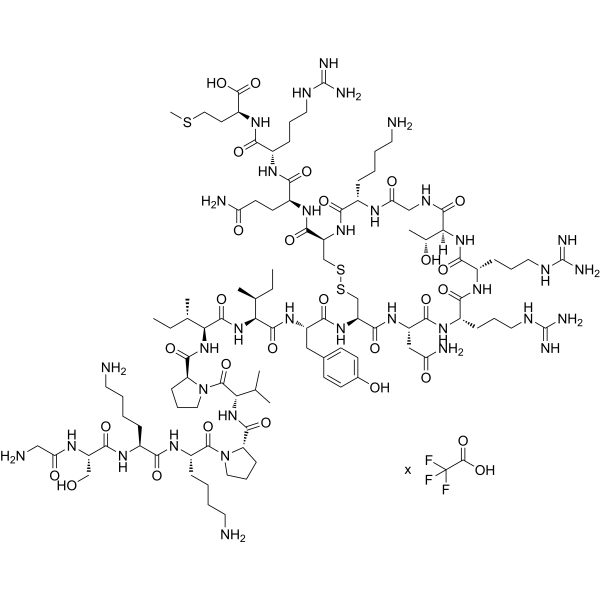
Thanatin TFA is an inducible cationic antimicrobial peptide. Thanatin TFA s a pathogen-inducible single-disulfide-bond-containing β-hairpin AMP. Thanatin TFA displays broad-spectrum activity against both Gram-negative and Gram-positive bacteria as well as against various species of fungi with MICs of 0.3-40 µM, 0.6-40 µM and 0.6-20 µM, respectively. Thanatin TFA has the property of competitive replacement of divalent cations from bacterial outer membrane (OM), leading to OM disruption .
|
-
-
- HY-16158
-
|
Wy-4508; Aminocyclohexylpenicillin; Ciclacillin
|
Bacterial
Antibiotic
|
Infection
|
|
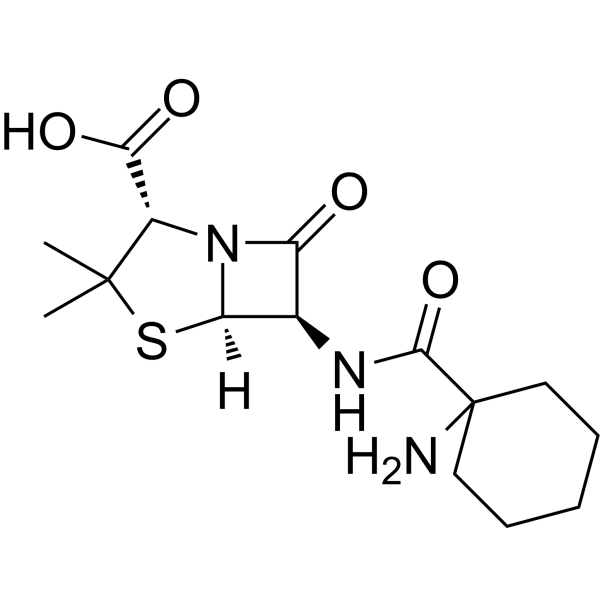
Cyclacillin (Wy-4508) is an orally active aminopenicillin antibiotic, shows antibacterial activity against a wide range of gram-positive and gram-negative pathogens .
|
-
-
- HY-103249
-
|
Reutericycline
|
Bacterial
|
Infection
Metabolic Disease
|
|
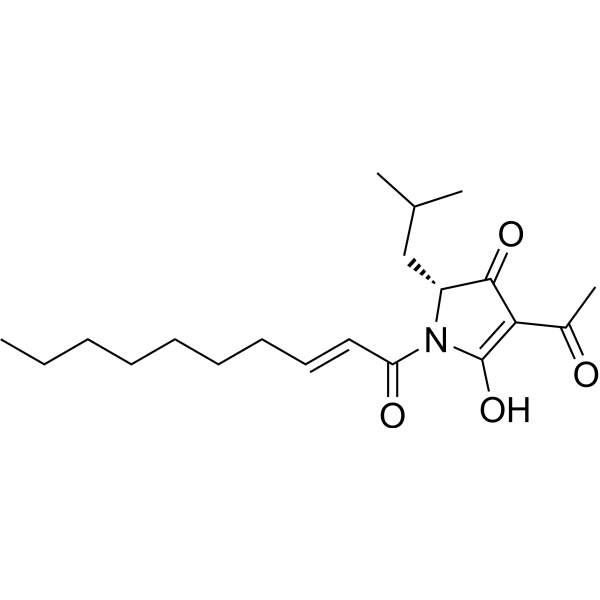
Reutericyclin (Reutericycline) is an orally active antibacterial and anti-obesity agent that selectively inhibits Gram-positive bacteria. By selectively dissipating transmembrane potential, Reutericyclin exerts non-lytic bactericidal or bacteriostatic activity against pathogens such as Clostridium difficile and Staphylococcus aureus, and rapidly kills vegetative cells and spores of Clostridium difficile. Reutericyclin possesses favorable properties including resistance to enzymatic hydrolysis, iron-chelating function, and poor absorption by colonic epithelium. Reutericyclin not only eradicates staphylococcal biofilms and inhibits drug-resistant strains, but also counteracts Risperidone (HY-11018)-induced weight gain by inducing changes in gut microbiota composition and restoring energy utilization efficiency. Reutericyclin can be used in research related to Clostridium difficile infection, Risperidone-induced weight gain, and staphylococcal superficial skin infections .
|
-
-
- HY-14855A
-
|
(S)-TR 700; (S)-DA 7157
|
Bacterial
Antibiotic
|
Infection
|
|
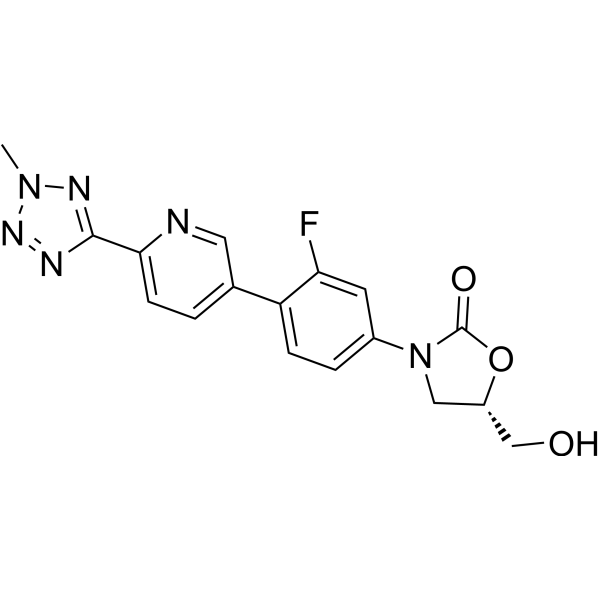
(S)-Tedizolid is the S-enantiomer of Tedizolid. Tedizolid is a novel oxazolidinone with activity against Gram-positive pathogens. (S)-Tedizolid is the less active isomer.
|
-
-
- HY-U00035
-
|
|
Bacterial
|
Infection
|
|
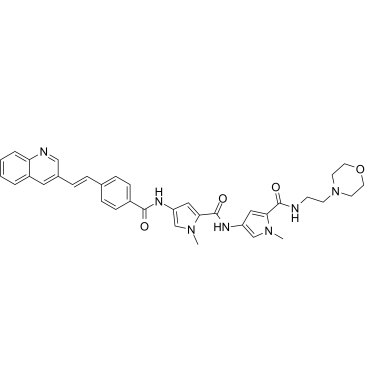
MGB-BP-3 is an antibiotic that has been shown to be active against a broad range of important multi-resistant Gram-positive pathogens.
|
-
-
- HY-14737A
-
|
TAK-599 hydrate; PPI0903 hydrate
|
Antibiotic
Bacterial
|
Infection
|
|
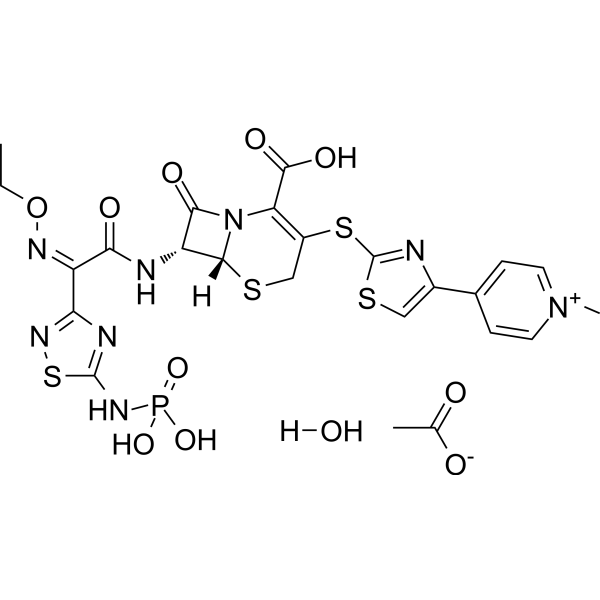
Ceftaroline fosamil hydrate is a potent cephalosporin antibiotic. Ceftaroline fosamil hydrateshows broad-spectrum activity against Gram-positive pathogens, including methicillin-resistant Staphylococcus aureus (MRSA) and multidrug-resistant Streptococcus pneumoniae, and common Gram-negative organisms. Ceftaroline fosamil hydrate has anti-infective activity, and can be used for the research of complicated skin and skin structure infections (cSSSIs) and community-acquired bacterial pneumonia (CABP) .
|
-
-
- HY-B0925A
-
|
|
Bacterial
Antibiotic
|
Infection
|
|
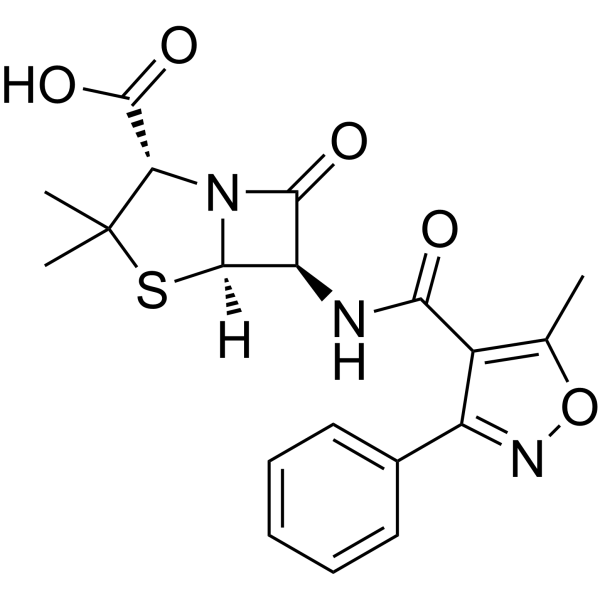
Oxacillin is an orally active synthetic penicillin with good bactericidal activity against staphylococci and other gram-positive pathogens .
|
-
-
- HY-B0536
-
|
AM-1091; CI-960; PD 127391
|
Bacterial
Antibiotic
|
Infection
|
|
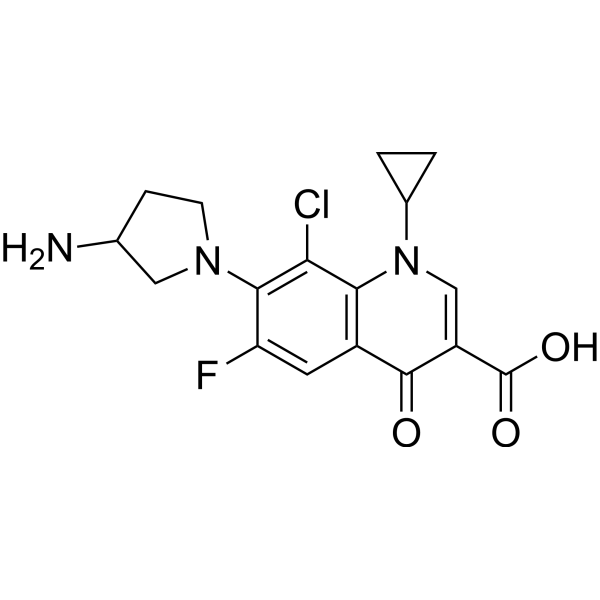
Clinafloxacin (AM 1091) is a potent and broad-spectrum fluoroquinolone antibiotic, has inhibitory activity against gram-positive, gram-negative bacterias, and anaerobic pathogens in vitro . Clinafloxacin is against DNA gyrase and topoisomerase IV of?S. aureus with IC50 values of 0.92 μg/ml and 1.62 μg/ml, respectively .
|
-
-
- HY-P1884
-
|
|
Bacterial
|
Infection
|
|
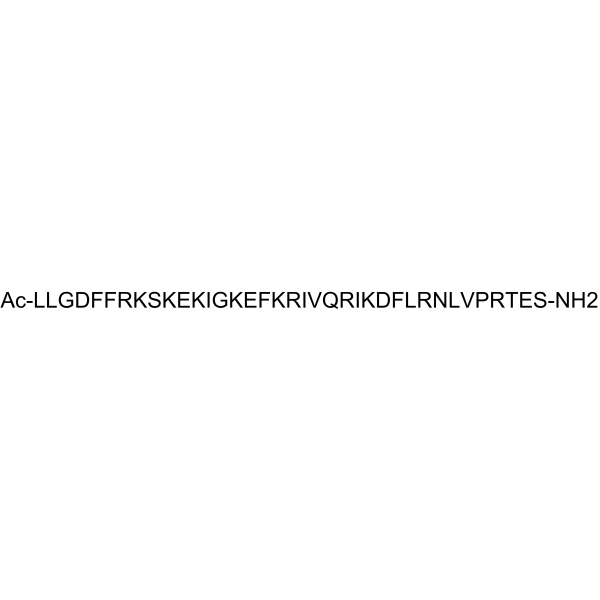
LL-37, acetylated, amidated is a cathelicidin peptide LL-37 acetylated on the N-terminus and amidated on the C-terminus. The single human cathelicidin peptide LL-37 has antimicrobial and anti-biofilm activity against multiple Gram-positive and Gram-negative human pathogens, and has wound-healing effects on the host .
|
-
-
- HY-W031471A
-
|
|
Bacterial
Fungal
|
Infection
|
|
Pyrazine-2-amidoxime is a structural analogue of pyrazine-2-carboxamide with antimicrobial activity. Pyrazine-2-amidoxime shows killing and inhibiting properties against Candida albicans, fungal pathogen and Gram-positive bacteria .
|
-

-
- HY-106410A
-
|
DW-224a
|
Bacterial
Topoisomerase
Antibiotic
|
Infection
|
|
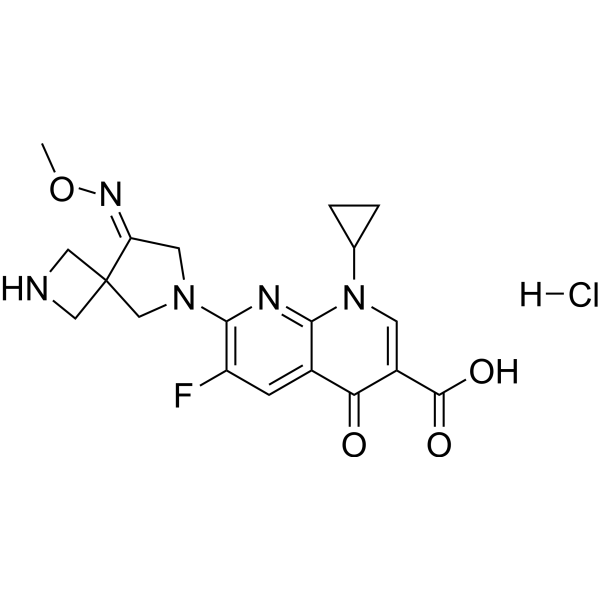
Zabofloxacin hydrochloride (DW-224a) is a potent and seletive inhibitor of the bacterial type II and IV topoisomerases. Zabofloxacin hydrochloride has excellent activity against gram-positive pathogens including Steptococcus aureus, Streptococcus pyogenes and S.pneumonia. Zabofloxacin hydrochloride is a novel fluoronaphthyridone quinolone that is considered as an alternative antibiotic for treatment of quinolone-susceptible (QSSP) and quinolone-resistant gonorrhea (QRSP) .
|
-
-
- HY-N3968
-
|
GTN; (R)-(+)-Goniothalamin
|
Apoptosis
Insecticide
Bacterial
Fungal
Reactive Oxygen Species (ROS)
|
Infection
Inflammation/Immunology
Cancer
|
|
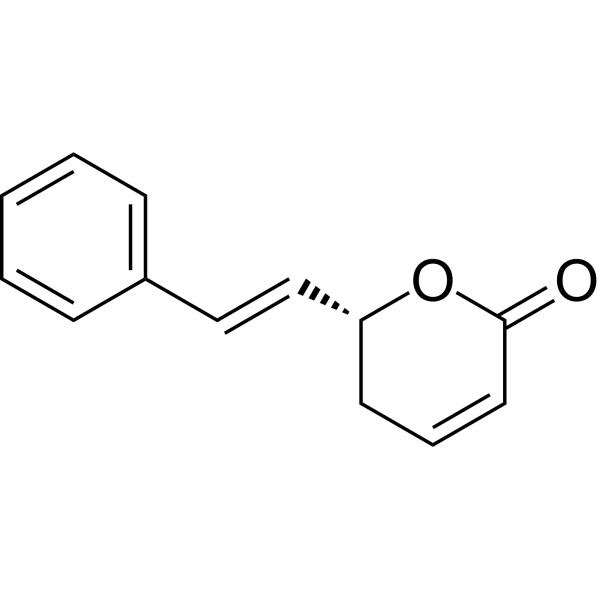
Goniothalamin (GTN) is a styryl lactone. Goniothalamin exhibits insecticidal, anti-tumor and antibacterial activities. Goniothalamin induces cell cycle arrest and apoptosis in tumor cells. Goniothalamin acts as a larvicide against Culex quinquefasciatus larvae and as a cytotoxin against brine shrimp larvae. Goniothalamin functions as an antibacterial agent against Gram-positive and Gram-negative bacteria, and also acts as an antifungal agent against pathogens including Candida albicans, Trichophyton rubrum and Trichophyton mentagrophytes. Goniothalamin is applicable to research related to breast cancer, lymphatic filariasis, bacterial infections and fungal infections .
|
-
-
- HY-B0698
-
|
Sch 39720
|
Beta-lactamase
Bacterial
Antibiotic
|
Infection
|
|
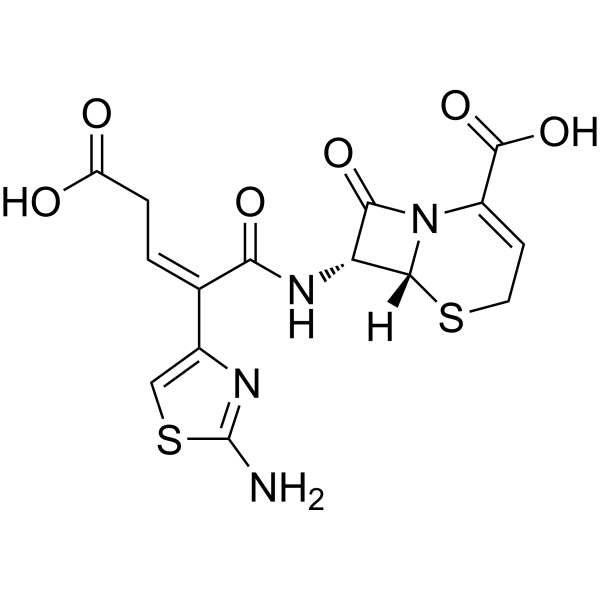
Ceftibuten (Sch39720), an antibiotic, is an orally active cephalosporin, possesses potent activity in vitro against a wide range of gram-negative and certain gram-positive pathogens .
|
-
-
- HY-116863
-
|
|
Bacterial
|
Infection
|
|
KKL-40 is a small molecule inhibitor that targets the trans-transcription process and is effective against methicillin-sensitive and -resistant Staphylococcus aureus (S. aureus) as well as other Gram-positive pathogens including vancomycin-resistant Enterococcus faecium, Bacillus subtilis, and Streptococcus pyogenes. KKL-40 synergizes with the human antimicrobial peptide LL-37 to inhibit S. aureus, but does not synergize with other antibiotics such as daptomycin, kanamycin, or erythromycin. Trans-transcription is an extreme form of recoding, and KKL-40 inhibits trans-transcription but is nontoxic to HeLa cells .
|
-

-
- HY-B0536A
-
|
AM 1091 hydrochloride; CI 960 hydrochloride; PD127391 hydrochloride
|
Bacterial
Antibiotic
|
Infection
|
|
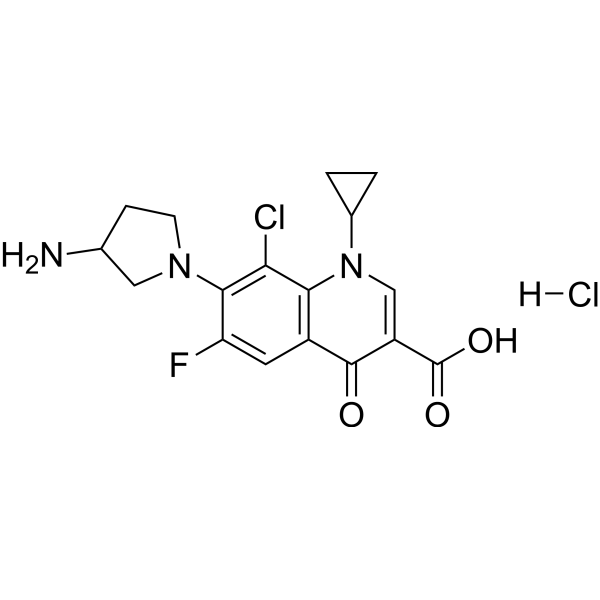
Clinafloxacin hydrochloride (AM 1091 hydrochloride) is a potent and broad-spectrum fluoroquinolone antibiotic, has inhibitory activity against gram-positive, gram-negative bacterias, and anaerobic pathogens in vitro . Clinafloxacin hydrochloride is against DNA gyrase and topoisomerase IV of S. aureus with IC50 values of 0.92 µg/ml and 1.62 µg/ml, respectively .
|
-
-
- HY-151918
-
|
|
Bacterial
|
Infection
Inflammation/Immunology
|
|
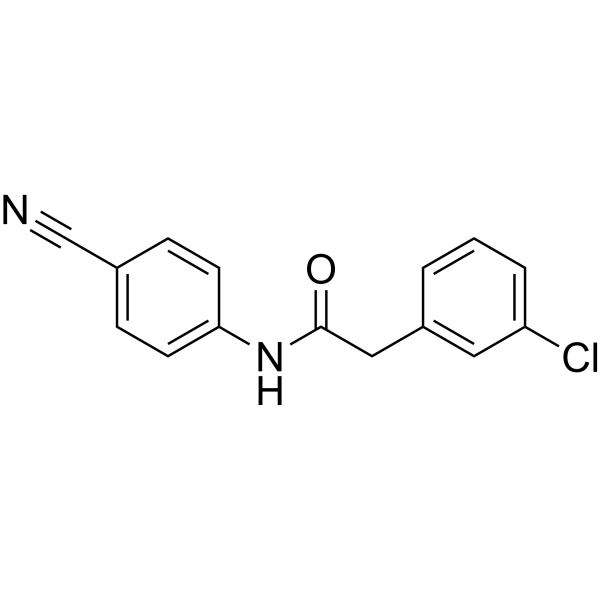
Antibacterial agent 125 is an antibacterial agent. Antibacterial agent 125 has a potent antimicrobial activity against clinically relevant Gram-positive pathogens with MIC50 values range from 0.25 - 8 μM. Antibacterial agent 125 can be used for the research of antimicrobial resistance .
|
-
-
- HY-139554
-
|
KBP-7072
|
Antibiotic
Bacterial
|
Infection
|
|
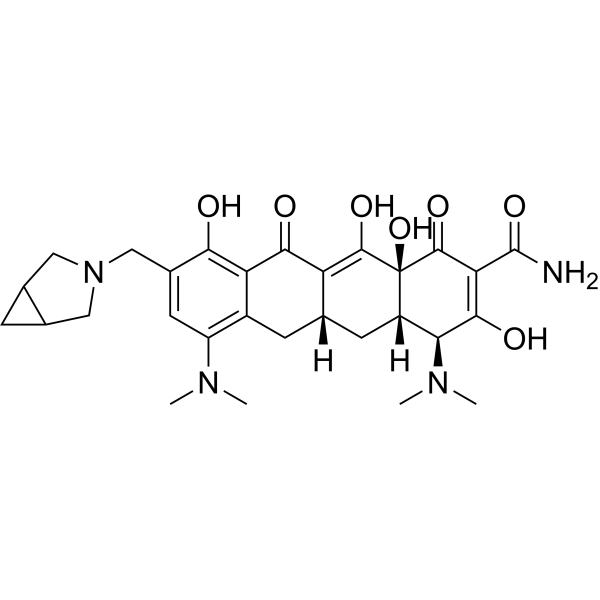
Zifanocycline (KBP-7072) is a semisynthetic third-generation aminomethylcycline antibiotic that inhibits the normal function of the bacterial ribosome. Zifanocycline exhibits a broad spectrum of in vitro antibacterial activity against Gram-positive and Gram-negative bacteria, including many multidrug-resistant pathogens. Zifanocycline is available in both oral and injectable formulations. Zifanocycline can be used for the research of acute bacterial skin and skin structure infections, community-acquired bacterial pneumonia, and complicated intra-abdominal infections .
|
-
-
- HY-B0395CR
-
|
DU6859a hydrate (Standard)
|
Bacterial
Antibiotic
Reference Standards
|
Infection
|
|
Sitafloxacin (hydrate) (Standard) is the analytical standard of Sitafloxacin (hydrate). This product is intended for research and analytical applications. Sitafloxacin (DU6859a) hydrate is an orally active fluoroquinolone antibiotic (antibiotic) with in vitro activity against a wide range of Gram-positive and -negative bacteria, including anaerobic bacteria, as well as atypical pathogens. Sitafloxacin is used in the study of respiratory tract infections and urinary tract infections .
|
-

-
- HY-106410
-
|
DW-224a Free base
|
Bacterial
Topoisomerase
Antibiotic
|
Infection
|
|
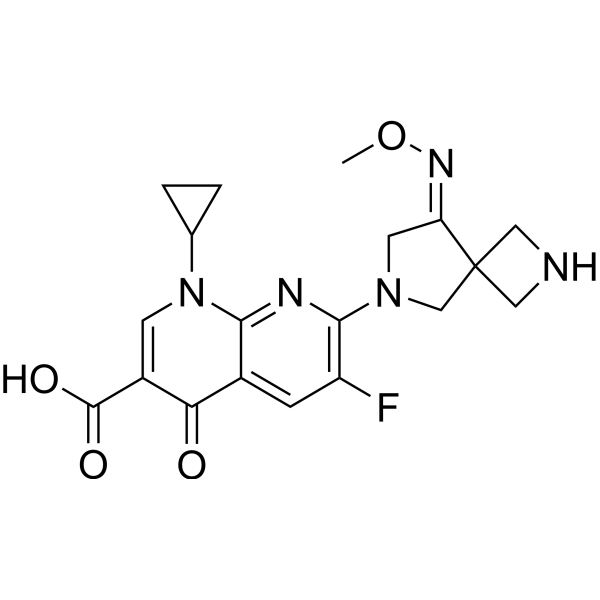
Zabofloxacin (DW-224a Free base) is a potent and seletive inhibitor of the bacterial type II and IV topoisomerases. Zabofloxacin has excellent activity against gram-positive pathogens including Steptococcus aureus, Streptococcus pyogenes and S.pneumonia. Zabofloxacin is a novel fluoronaphthyridone quinolone that is considered as an alternative antibiotic for treatment of quinolone-susceptible (QSSP) and quinolone-resistant gonorrhea (QRSP) .
|
-
-
- HY-B0698B
-
|
Sch 39720 monohydrate
|
Beta-lactamase
Bacterial
Antibiotic
|
Infection
|
|
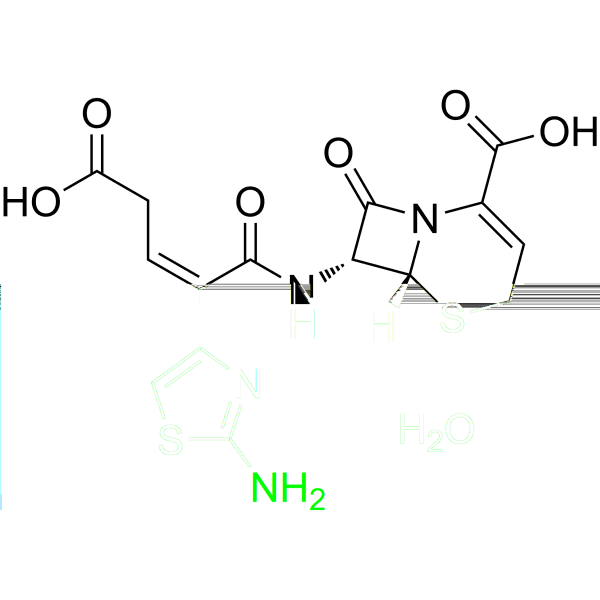
Ceftibuten (Sch39720) monohydrate, an antibiotic, is an orally active cephalosporin, possesses potent activity in vitro against a wide range of gram-negative and certain gram-positive pathogens .
|
-
-
- HY-P1720
-
|
|
Antibiotic
Bacterial
|
Infection
|
|
Telomycin is a calcium-dependent antibiotic, which can be produced by Streptomyces. Telomycin inhibits gram-positive bacteria, including multidrug-resistant (MDR) pathogens .
|
-

-
- HY-113687
-
|
|
Bacterial
|
Infection
|
|
T145 is an oxazolidinone with antibacterial activity that inhibits growth of gram negatives (K. pneumoniae, A. baumannii, P. aeruginosa and E. cloacae), gram positives (E. faecalis and S. aureus) and acid fast pathogens (Mab, Mav and Mtb) .
|
-

-
- HY-B0395A
-
|
DU6859a hydrochloride
|
Antibiotic
Bacterial
|
Infection
|
|
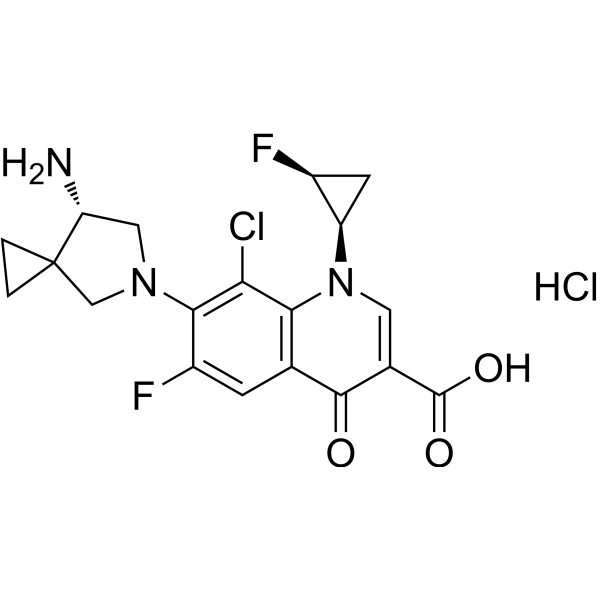
Sitafloxacin (DU6859a) hydrochloride is a potent, orally active fluoroquinolone antibiotic. Sitafloxacin hydrochloride shows antichlamydial activity and antibacterial activities against a broad range of gram-positive and gram-negative bacteria, including anaerobic bacteria, as well as against atypical pathogens. Sitafloxacin hydrochloride can be used for the research of respiratory tract infection and urinary tract infection .
|
-
-
- HY-179415
-
|
|
Dihydrofolate reductase (DHFR)
Bacterial
|
Infection
|
|
DHFR-IN-24, a benzothiazole derivative, is a dihydrofolate reductase (DHFR) inhibitor. DHFR-IN-24 has intrinsic antibacterial activity against both Gram-positive and Gram-negative strains. DHFR-IN-24 synergistically combines DHFR inhibition with photodynamic therapy (PDT) for enhanced antibacterial activity against multidrug-resistant pathogens .
|
-

-
- HY-106574
-
|
BAL5788
|
Bacterial
|
Infection
Inflammation/Immunology
|
|
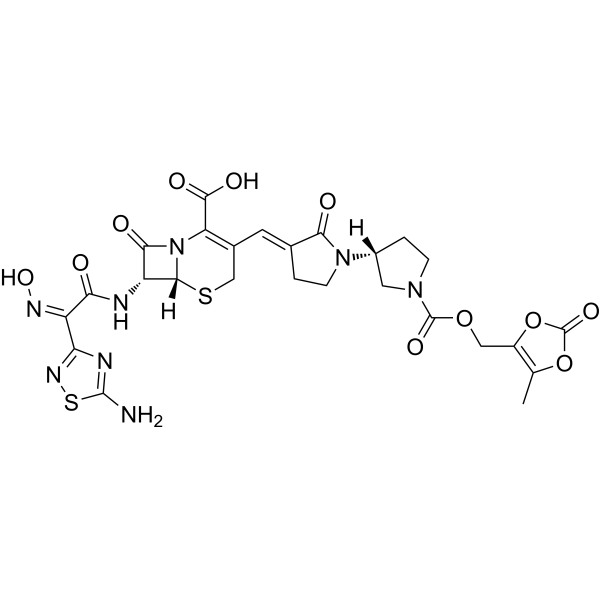
Ceftobiprole medocaril (BAL5788) is the parenteral proagent of Ceftobiprole (HY-112579). Ceftobiprole is a parenteral pyrrolidinone cephalosporin. Ceftobiprole is a broad-spectrum cephalosporin with high levels of in vitro activity against methicillin- (MRSA) and vancomycin-resistant staphylococci (VRSA) and penicillin-resistant streptococci. Ceftobiprole also inhibits gram-positive and gram-negative pathogens .
|
-
-
- HY-159955
-
|
|
Bacterial
|
Infection
|
|
DC-159a is an 8-methoxyfluoroquinolone with broad-spectrum antimicrobial activity, especially against Gram-positive pathogens. DC-159a against Peptostreptococcus, Clostridium difficile, and Bacteroides fragilis with MIC90 values of 0.5, 4, and 2 μg/mL, respectively .
|
-

-
- HY-12824
-
|
|
Antibiotic
Bacterial
|
Infection
|
|
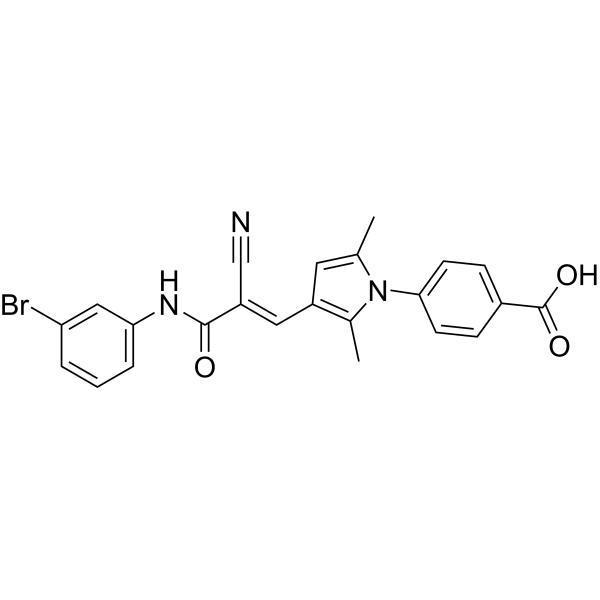
RNPA1000, an antibiotic, is a potent RnpA inhibitor and inhibits RnpA-mediated cellular RNA degradation. RNPA1000 inhibits tRNA maturation with an IC50 of 175 μM. RNPA1000 displays broad-spectrum antimicrobial activities and inhibits staphylococcal and all Gram-positive bacterial pathogens activity .
|
-
-
- HY-105048A
-
|
|
Bacterial
|
Infection
|
|
Omiganan pentahydrochloride is a cationic peptide compound with a broad antibacterial profile. Omiganan pentahydrochloride is capable of inhibiting a variety of bacteria, including yeast, and is active against both gram-positive and gram-negative bacteria. Omiganan pentahydrochloride is able to interact with the bacterial cell membrane, causing the destruction of the cell membrane and the death of the bacteria. Omiganan pentahydrochloride can be used for the study of antimicrobial activity against pathogens commonly associated with catheter-associated infections, including strains with drug-resistant phenotypes .
|
-

-
- HY-106998
-
|
|
Bacterial
Antibiotic
|
Infection
|
|
DC-756 is a fluoroquinolone antibiotic. DC-756 possesses potent activity against Gram-positive and Gram-negative pathogens comparable to Trovafloxacin (HY-A0170), with MIC, against Ofloxacin (HY-B0125)-resistant strains 16-fold better than Trovafloxacin. DC-756 is well absorbed orally in rats and found to have good photostability. DC-756 can be used to study bacterial resistance .
|
-

-
- HY-P5706
-
|
|
Bacterial
|
Infection
Inflammation/Immunology
|
|
HG2 is a fast-acting antimicrobial peptide. HG2 shows anti-biofilm and anti-inflammatory activities. HG2 is active against Gram-positive pathogens, especially against MRSA strains (MIC: 16-32 μg/mL). HG2 can bind to bacterial lipids and reduces ATP concentration in S. aureus MRSA USA300 cells .
|
-

-
- HY-114900
-
|
|
Antibiotic
|
Infection
Others
|
|
BB-3497 is a potent, orally active and selective peptide deformylase (PDF) inhibitor. BB-3497 is highly selective for PDF (IC50 = 7 nM for E. coli PDF.Ni) over the other mammalian metalloenzymes (MMP-1/2/3/7 and enkephalinase). BB-3497 exhibits potent activity against gram-positive bacteria and some gram-negative pathogens. BB-3497 protects mice from infection in systemic models of Staphylococeus aureus. BB-3497 can be used for anti-bacterial infection research .
|
-

-
- HY-175539
-
|
|
Bacterial
Topoisomerase
DNA/RNA Synthesis
|
Infection
|
|
DNA gyrase/Topo IV-IN-2 (Compound AK19) is an antibacterial agent with IC50 values of 0.783 μM and 7.136 μM against E. coli DNA gyrase and topoisomerase IV, respectively. DNA gyrase/Topo IV-IN-2 exhibits broad-spectrum antibacterial efficacy against both Gram-positive and Gram-negative pathogens. DNA gyrase/Topo IV-IN-2 can inhibit the biofilms of B. subtilis and MRSA, with an MIC of 1.9 μM against both B. subtilis and MRSA. DNA gyrase/Topo IV-IN-2 can be used in research related to anti-drug-resistant bacterial drugs .
|
-

-
- HY-P10694
-
|
|
Bacterial
|
Infection
Inflammation/Immunology
|
|
IDR-HH2 is an immunomodulatory peptide with the ability to modulate the host cytokine/chemokine environment. IDR-HH2 can promote the adhesion of monocytes and THP-1 cells to fibronectin. Additionally, IDR-HH2 possesses antibacterial activity, inhibiting the activity of both P. aeruginosa and S. aureus with MIC values of 75 µg/mL and 38 µg/mL, respectively .
|
-

-
- HY-113557
-
-

-
- HY-125745
-
|
|
Antibiotic
Bacterial
|
Infection
|
|
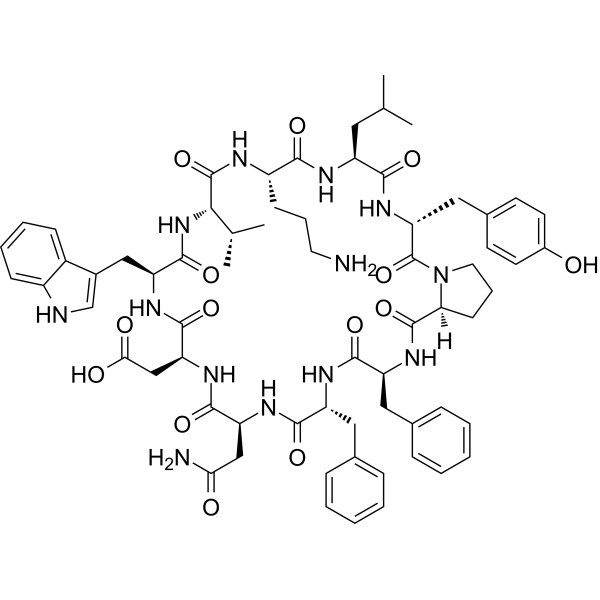
Loloatin B 10 is an antibiotic, which exhibits antibacterial efficacy against gram positive antibiotic resistant human pathogens .
|
-
-
- HY-167892
-
|
|
Antibiotic
Bacterial
|
Infection
Inflammation/Immunology
|
|
DRF-8417, an oxazolidinone antibiotic, is active against Gram-positive and fastidious Gram-negative bacteria. DRF 8417 exhibits potent activity against Gram-positive pathogens with MIC50 and MIC90 values ranging from 0.06 to 1 mg/L .
|
-

-
- HY-155333
-
|
|
Bacterial
|
Infection
|
|
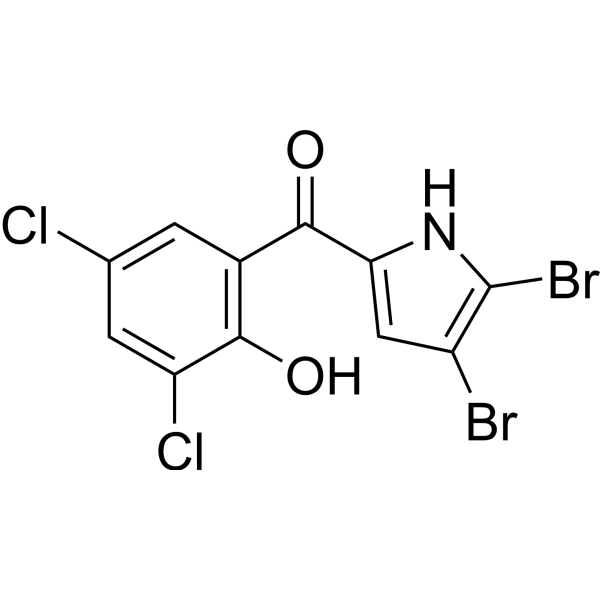
Antibiofilm agent-1 is an antibacterial agent that inhibits growth of Gram-positive pathogens (WO2017011725A1; compound 17) .
|
-
-
- HY-161689
-
|
|
Bacterial
|
Infection
|
|
Antibacterial agent 220 is a potent antibacterial agent that can directly destroy bacterial cell membranes. Antibacterial agent 220 effectively combats Gram-positive and and Gram-negative pathogens, including drug-resistant strains .
|
-

-
- HY-132923
-
|
|
Bacterial
|
Infection
|
|
NBTIs-IN-4 demonstrates potent antibacterial activity against diverse Gram-positive pathogens, inhibition of both DNA gyrase and topoisomerase IV, a low frequency of resistance.
|
-
- HY-B0925AS
-
|
|
Bacterial
Antibiotic
|
Infection
|
|
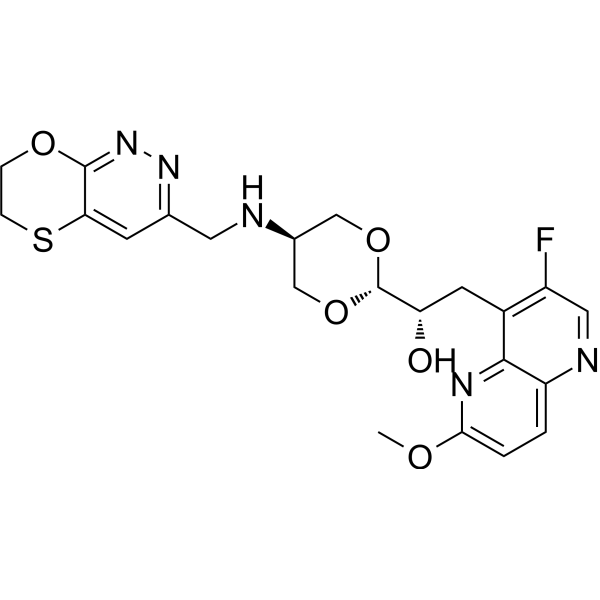
Oxacillin-d5 is the deuterium labeled Oxacillin . Oxacillin is an orally active synthetic penicillin with good bactericidal activity against staphylococci and other gram-positive pathogens .
|
-
- HY-N15550
-
|
|
Antibiotic
Bacterial
|
Infection
|
|
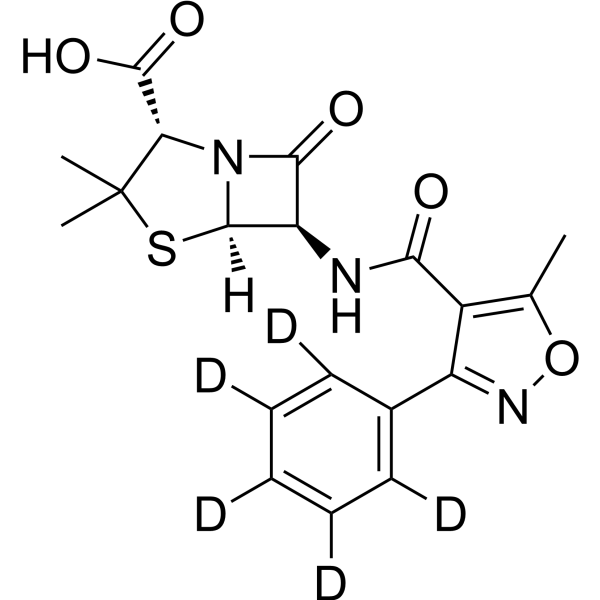
Armeniaspirol B is a selective antibiotic targeting Gram-positive pathogens, showing MIC values of 0.5 μg/mL against S. aureus Newman and 2.0 μg/mL against S. aureus USA300. Armeniaspirol B is promising for research of Gram-positive bacterial infections (e.g., MRSA, VRE infections) .
|
-

- HY-W353258R
-
|
BAY 12-8039 monohydrate (Standard)
|
Reference Standards
Antibiotic
Topoisomerase
Bacterial
|
Infection
|
|
Moxifloxacin hydrochloride (BAY 12-8039) monohydrate (Standard) is the analytical standard of Moxifloxacin hydrochloride monohydrate. This product is intended for research and analytical applications. Moxifloxacin hydrochloride monohydrate is a blood-brain barrier-permeable, orally active topoisomerase II/IV inhibitor and a fluoroquinolone antibiotic. Moxifloxacin hydrochloride monohydrate disrupts bacterial DNA replication, transcription, repair and chromosome segregation processes. Moxifloxacin hydrochloride monohydrate exhibits activity against Gram-positive bacteria, Gram-negative bacteria, anaerobes, atypical pathogens, drug-resistant respiratory pathogens, Mycobacterium tuberculosis, mycoplasmas and Ureaplasma urealyticum.
|
-

- HY-B0925R
-
|
|
Reference Standards
Bacterial
Antibiotic
|
Infection
|
|
Oxacillin (sodium salt) (Standard) is the analytical standard of Oxacillin (sodium salt). This product is intended for research and analytical applications. Oxacillin sodium salt is an orally active synthetic penicillin with good bactericidal activity against staphylococci and other gram-positive pathogens .
|
-

- HY-W745714
-
|
|
Isotope-Labeled Compounds
Antibiotic
Bacterial
|
Infection
|
|
Oxacillin-d5 sodium salt (HY-B0925) is the deuterium labeled Oxacillin sodium salt. Oxacillin sodium salt is an orally active synthetic penicillin with good bactericidal activity against staphylococci and other gram-positive pathogens .
|
-

- HY-146756
-
|
|
Bacterial
|
Infection
|
|
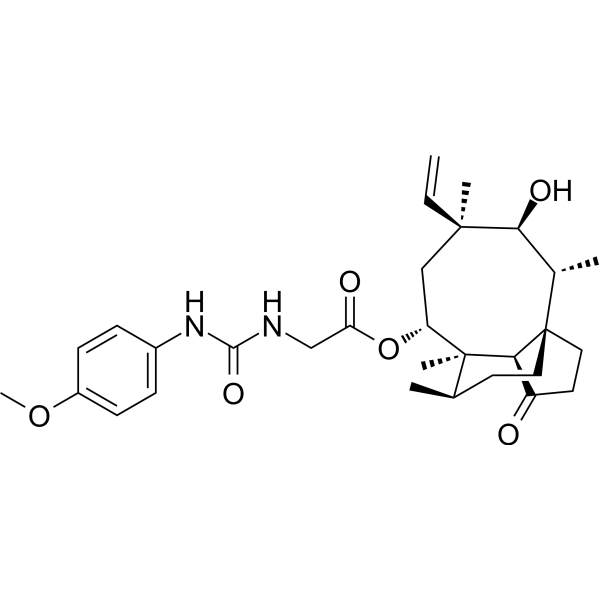
22-((4-Methoxyphenyl)urea-1-yl)-22-deoxypleuromutilin (compound 6n) is an antibacterial pleuromutilin derivative against Gram-positive pathogens (GPPs) and Mycoplasma pneumoniae .
|
-
- HY-B0395B
-
|
DU6859a monohydrate
|
Bacterial
Antibiotic
|
Infection
|
|
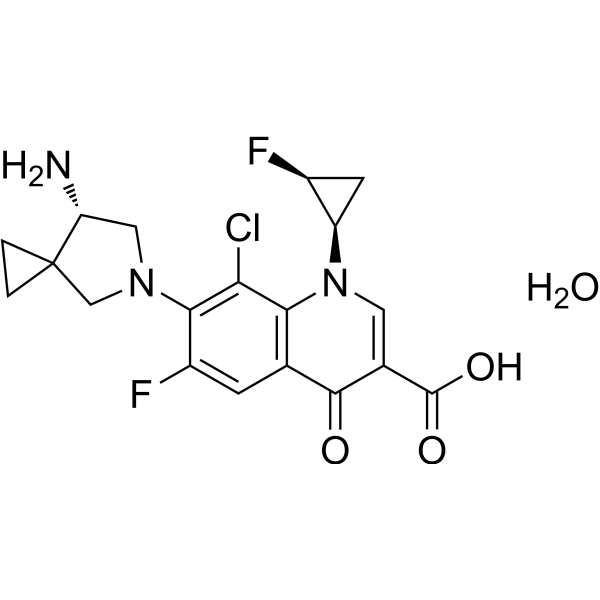
Sitafloxacin (DU6859a) monohydrate is a potent, orally active fluoroquinolone antibiotic. Sitafloxacin monohydrate shows antichlamydial activity and antibacterial activities against a broad range of gram-positive and gram-negative bacteria, including anaerobic bacteria, as well as against atypical pathogens. Sitafloxacin monohydrate can be used for the research of respiratory tract infection and urinary tract infection .
|
-
- HY-105533
-
|
|
Bacterial
|
Infection
|
|
BAYV-3522 is an orally effective cephalosporin. BAYV-3522 has antibacterial activity against Gram positive bacteria and some respiratory pathogens. BAYV-3522 can be used in the research of infectious conditions .
|
-

- HY-14855AR
-
|
(S)-TR 700 (Standard); (S)-DA 7157 (Standard)
|
Reference Standards
Bacterial
Antibiotic
|
Infection
|
|
(S)-Tedizolid (Standard) is the analytical standard of (S)-Tedizolid. This product is intended for research and analytical applications. (S)-Tedizolid is the S-enantiomer of Tedizolid. Tedizolid is a novel oxazolidinone with activity against Gram-positive pathogens. (S)-Tedizolid is the less active isomer.
|
-

- HY-155007
-
|
|
Bacterial
|
Infection
|
|
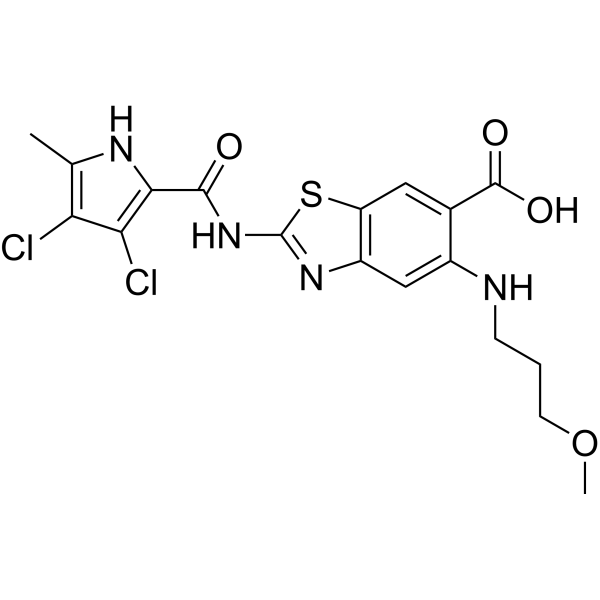
DNA gyrase B-IN-2 (Compound E) is a 2-aminobenzothiazole-based DNA gyrase B inhibitor with promising activity against ESKAPE bacterial pathogens. DNA gyrase B-IN-2 showed low nanomolar inhibition of DNA gyrase (IC50 < 10 nM) and broad-spectrum antibacterial activity against pathogens belonging to the ESKAPE group, with the minimum inhibitory concentration < 0.03 μg/mL for most Gram-positive strains and 4–16 μg/mL against Gram-negative E. coli, Acinetobacter baumannii, Pseudomonas aeruginosa, and Klebsiella pneumoniae.DNA gyrase B-IN-2 can be used for the research of infection .
|
-
- HY-B1156A
-
|
Cefradine sodium; SQ-11436 sodium
|
Bacterial
Antibiotic
TOPK
|
Infection
Inflammation/Immunology
|
|
Cephradine sodium is a broad-spectrum and orally active cephalosporin. Cephradine sodium is active against both gram-positive and gram-negative pathogens. Cephradine sodium is effective in eradicating most penicillinase-producing organisms. Cephradine sodium has been used in the research of genitourinary, gastrointestinal and respiratory tract infections, and in infections of the skin and soft tissues. Cephradine sodium blocks solar-ultraviolet induced skin inflammation through direct inhibition of TOPK .
|
-

- HY-B0536R
-
|
AM-1091 (Standard); CI-960 (Standard); PD 127391 (Standard)
|
Reference Standards
Bacterial
Antibiotic
|
Infection
|
|
Clinafloxacin (Standard) is the analytical standard of Clinafloxacin. This product is intended for research and analytical applications. Clinafloxacin (AM 1091) is a potent and broad-spectrum fluoroquinolone antibiotic, has inhibitory activity against gram-positive, gram-negative bacterias, and anaerobic pathogens in vitro . Clinafloxacin is against DNA gyrase and topoisomerase IV of S. aureus with IC50 values of 0.92 µg/ml and 1.62 µg/ml, respectively .
|
-

- HY-N14889
-
|
|
Antibiotic
Bacterial
|
Infection
|
|
Ophiobolin D is a terpenoid antibiotic found in Cochliobulus miyabeanus and has four components A, B, C and D. A, B, C have anti-Gram-positive bacteria, mycobacteria and fungi, and have a strong inhibitory effect on some plant pathogens. D has a weak inhibitory effect on Staphylococcus aureus .
|
-

- HY-139554A
-
|
KBP-7072 TFA
|
Bacterial
|
Infection
|
|
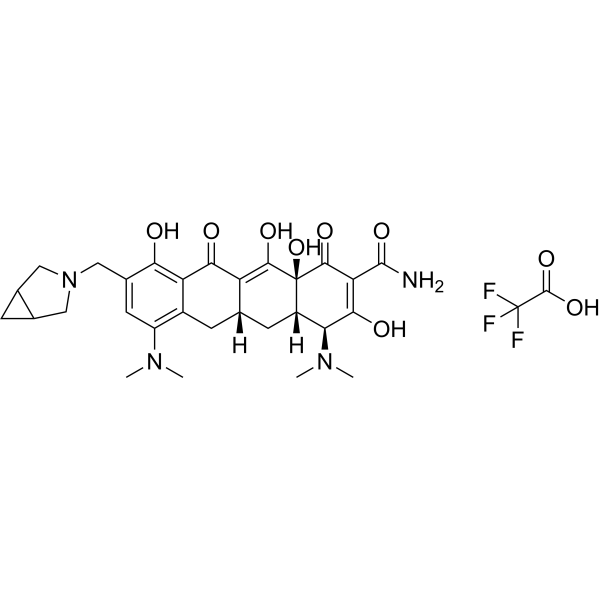
Zifanocycline (KBP-7072) TFA is an orally active, semi-synthetic aminomethylcycline antibiotic that inhibits the normal function of bacterial ribosomes. Zifanocycline TFA has broad spectrum in vitro antimicrobial activity against Gram-positive and Gram-negative bacteria, including many multidrug-resistant pathogens. Zifanocycline TFA is indicated for the study of acute bacterial skin and skin structure infections, community-acquired bacterial pneumonia, and complicated intra-abdominal infections .
|
-
- HY-B0395S
-
|
DU6859a-d4
|
Isotope-Labeled Compounds
Bacterial
Antibiotic
|
Infection
|
|
Sitafloxacin-d4 (DU6859a-d4) is deuterium labeled Sitafloxacin. Sitafloxacin (DU6859a) is a potent, orally active fluoroquinolone antibiotic. Sitafloxacin shows antichlamydial activity and antibacterial activities against a broad range of gram-positive and gram-negative bacteria, including anaerobic bacteria, as well as against atypical pathogens. Sitafloxacin can be used for the research of respiratory tract infection and urinary tract infection .
|
-

- HY-P10540
-
|
|
Bacterial
|
Infection
|
|
Pantinin-2 is a cysteine-free toxic peptide found in the emperor scorpion (paninus imperator). Pantinin-2 has high activity against Gram-positive bacteria but weak activity against Gram-negative bacteria. Pantinin-2 also exhibits activity against Candida tropicalis and has relatively mild hemolytic activity against human erythrocytes. Pantinin-2 can be used in the development of antimicrobial drugs for drug-resistant pathogens .
|
-

- HY-B1156R
-
|
Cefradine (Standard); SQ-11436 (Standard)
|
Reference Standards
Bacterial
Antibiotic
TOPK
|
Infection
Inflammation/Immunology
|
|
Cephradine (Standard) is the analytical standard of Cephradine. This product is intended for research and analytical applications. Cephradine (Cefradine) is a broad-spectrum and orally active cephalosporin. Cephradine is active against both gram-positive and gram-negative pathogens. Cephradine is effective in eradicating most penicillinase-producing organisms. Cephradine has been used in the research of genitourinary, gastrointestinal and respiratory tract infections, and in infections of the skin and soft tissues. Cephradine blocks solar-ultraviolet induced skin inflammation through direct inhibition of TOPK .
|
-

- HY-N8497
-
|
|
Bacterial
|
Infection
|
|
Leoidin is an OATP1B1 and OATP1B3 inhibitor with Ki values of 0.08 and 1.84 μM,respectively. Leoidin inhibits sodium fluorescein uptake in CHO cells expressing the human OATP1B1 and OATP1B3. Leoidin is an antibacterial agent against both Gram-positive and Gram-negative pathogens. Leoidin inhibits phenylalanyl-tRNA synthetase (PheRS) (IC50= 42 μM) and inhibits protein synthesis in bacterial. Leoidin can be isolated from L. gangaleoides .
|
-

- HY-P5709
-
|
|
Bacterial
|
Infection
Inflammation/Immunology
|
|
HG4 is a fast-acting antimicrobial peptide. HG4 shows anti-biofilm and anti-inflammatory activities. HG4 is active against Gram-positive pathogens, especially against MRSA strains (MIC: 32-64 μg/mL). HG4 can bind to bacterial lipids and reduces ATP concentration in S. aureus MRSA USA300 cells .
|
-

- HY-139554AR
-
|
KBP-7072 TFA (Standard)
|
Bacterial
Antibiotic
Reference Standards
|
Infection
|
|
Zifanocycline (TFA) (Standard) is the analytical standard of Zifanocycline (TFA). This product is intended for research and analytical applications. Zifanocycline (KBP-7072) TFA is an orally active, semi-synthetic aminomethylcycline antibiotic that inhibits the normal function of bacterial ribosomes. Zifanocycline TFA has broad spectrum in vitro antimicrobial activity against Gram-positive and Gram-negative bacteria, including many multidrug-resistant pathogens. Zifanocycline TFA is indicated for the study of acute bacterial skin and skin structure infections, community-acquired bacterial pneumonia, and complicated intra-abdominal infections[1][2].
|
-

- HY-13766A
-
|
VX-853-2
|
Bacterial
|
Others
|
|
Timcodar mesylate (VX-853-2) and its analog VX-710 are mammalian multidrug-resistant bacterial efflux pump inhibitors that directly inhibit ethidium bromide efflux in Staphylococcus aureus. Timcodar mesylate has the potential to enhance antibiotic activity by inhibiting bacterial efflux pumps, effectively reducing the minimum inhibitory concentration of some antibiotics against Gram-positive pathogens such as Staphylococcus aureus, Enterococcus and Streptococcus pneumoniae .
|
-

- HY-N13196
-
|
|
Bacterial
|
Infection
|
|
Arcopilin A (compound Arcopilin A(1))is an antibacterial agent. Arcopilin A has weak inhibitory effects on fungal pathogens and Gram-positive bacteria, with IC50 values of 8.9 μg/mL and 14 μg/mL for cells KB-3-1 and L929, but it can effectively destroy preformed biofilms of Staphylococcus aureus. Arcopilin A can enhance the activities of gentamicin (GM; HY-K1050) and vancomycin (Vac; HY-B0671) by 115 and 31 times, respectively .
|
-

- HY-172826
-
|
|
Bacterial
|
Infection
|
|
Anti-MRSA agent 26 is a potent anti-MRSA agent with MIC <0.015 μg/mL. Anti-MRSA agent 26 has superior activity against a broad range of Gram-positive pathogens and shows no cytotoxicity in three mammalian cell lines (Caco-2, DU-145 and MDCKII MDR1 cells) at 10 μM. Anti-MRSA agent 26 has a robust TAP pharmacophore and an excellent antibacterial activity in Staphylococcus aureus skin infection mice model .
|
-

- HY-147531
-
|
|
Bacterial
|
Infection
|
|
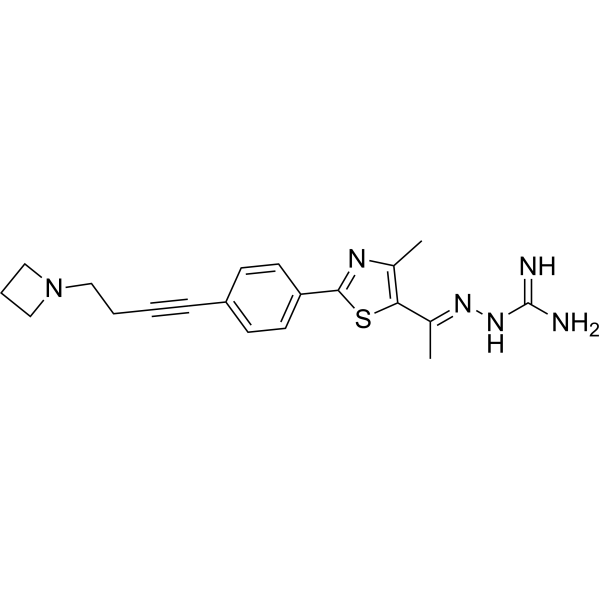
Antibacterial agent 106 (compound 8) is an orally active and potent antibacterial agent with antibiofilm activity. Antibacterial agent 106 shows potent antibacterial effect against multi-agent resistant (MDR)-Gram positive pathogens. Antibacterial agent 106 is highly effective in clearing 99.7% of the intracellular methicillin-resistant S. aureus (MRSA) harbored inside macrophages . Antibacterial agent 106 is a click chemistry reagent, it contains an Alkyne group and can undergo copper-catalyzed azide-alkyne cycloaddition (CuAAc) with molecules containing Azide groups.
|
-
- HY-17626A
-
|
WCK-2349 mesylate
|
Antibiotic
Bacterial
|
Infection
|
|
Alalevonadifloxacin (WCK-2349) mesylate is an orally active antibiotic targeting Gram-positive and Gram-negative bacteria. Alalevonadifloxacin mesylate is promising for research of acute bacterial skin and skin structure infections and hospital-acquired pneumonia caused by MRSA and other pathogens .
|
-

- HY-106410AR
-
|
DW-224a (Standard)
|
Reference Standards
Bacterial
Topoisomerase
Antibiotic
|
Infection
|
|
Zabofloxacin hydrochloride (Standard) is the analytical standard of Zabofloxacin hydrochloride (HY-106410A). This product is intended for research and analytical applications. Zabofloxacin hydrochloride (DW-224a) is a potent and seletive inhibitor of the bacterial type II and IV topoisomerases. Zabofloxacin hydrochloride has excellent activity against gram-positive pathogens including Steptococcus aureus, Streptococcus pyogenes and S.pneumonia. Zabofloxacin hydrochloride is a novel fluoronaphthyridone quinolone that is considered as an alternative antibiotic for treatment of quinolone-susceptible (QSSP) and quinolone-resistant gonorrhea (QRSP) .
|
-

- HY-181107
-
|
|
Bacterial
DNA/RNA Synthesis
Cytochrome P450
|
Infection
|
|
DNA Gyrase/ribosomes-IN-1 is a bacterial ribosome and DNA gyrase inhibitor, with IC50 values of 1.11 μM and 3.31 μM, respectively. DNA Gyrase/ribosomes-IN-1 also inhibits CYP3A4, with an IC50 of 18.5 μM, and exhibits stability in mouse plasma and liver microsomes. DNA Gyrase/ribosomes-IN-1 inhibits bacterial protein synthesis by interacting with ribosomal RNA and associated sites. DNA Gyrase/ribosomes-IN-1 suppresses bacterial DNA replication by interacting with the gyrase complex. DNA Gyrase/ribosomes-IN-1 restores activity against macrolide-resistant, erm-mediated Gram-positive pathogens and enhances activity against Gram-negative bacteria such as Haemophilus influenzae and Moraxella catarrhalis. DNA Gyrase/ribosomes-IN-1 can be used in research on community-acquired bacterial pneumonia .
|
-

| Cat. No. |
Product Name |
Type |
-
- HY-141633
-
|
|
Biochemical Assay Reagents
|
|
Sucrose monolaurate is a glycolipid surfactant . Sucrose monolaurate interacts with bacterial DNA, disrupts cell membrane permeability, and exerts excellent inhibitory and bactericidal effects against a variety of foodborne pathogens (especially Gram-positive bacteria). Sucrose monolaurate significantly reduces liquid surface tension, and acts as a synergist for chlorine-based disinfectants in food cleaning and disinfection to improve the removal efficiency of pathogens on the surface of agricultural products .
|
-
- HY-W353258R
-
|
BAY 12-8039 monohydrate (Standard)
|
Biochemical Assay Reagents
|
|
Moxifloxacin hydrochloride (BAY 12-8039) monohydrate (Standard) is the analytical standard of Moxifloxacin hydrochloride monohydrate. This product is intended for research and analytical applications. Moxifloxacin hydrochloride monohydrate is a blood-brain barrier-permeable, orally active topoisomerase II/IV inhibitor and a fluoroquinolone antibiotic. Moxifloxacin hydrochloride monohydrate disrupts bacterial DNA replication, transcription, repair and chromosome segregation processes. Moxifloxacin hydrochloride monohydrate exhibits activity against Gram-positive bacteria, Gram-negative bacteria, anaerobes, atypical pathogens, drug-resistant respiratory pathogens, Mycobacterium tuberculosis, mycoplasmas and Ureaplasma urealyticum.
|
| Cat. No. |
Product Name |
Target |
Research Area |
-
- HY-P5601
-
|
|
Bacterial
Fungal
|
Infection
|
|
Thanatin is an inducible cationic antimicrobial peptide. Thanatin is a pathogen-inducible single-disulfide-bond-containing β-hairpin AMP. Thanatin displays broad-spectrum activity against both Gram-negative and Gram-positive bacteria as well as against various species of fungi with MICs of 0.3-40 µM, 0.6-40 µM and 0.6-20 µM, respectively. Thanatin has the property of competitive replacement of divalent cations from bacterial outer membrane (OM), leading to OM disruption .
|
-
- HY-P5601A
-
|
|
Bacterial
Fungal
|
Infection
|
|
Thanatin TFA is an inducible cationic antimicrobial peptide. Thanatin TFA s a pathogen-inducible single-disulfide-bond-containing β-hairpin AMP. Thanatin TFA displays broad-spectrum activity against both Gram-negative and Gram-positive bacteria as well as against various species of fungi with MICs of 0.3-40 µM, 0.6-40 µM and 0.6-20 µM, respectively. Thanatin TFA has the property of competitive replacement of divalent cations from bacterial outer membrane (OM), leading to OM disruption .
|
-
- HY-P1884
-
|
|
Bacterial
|
Infection
|
|
LL-37, acetylated, amidated is a cathelicidin peptide LL-37 acetylated on the N-terminus and amidated on the C-terminus. The single human cathelicidin peptide LL-37 has antimicrobial and anti-biofilm activity against multiple Gram-positive and Gram-negative human pathogens, and has wound-healing effects on the host .
|
-
- HY-P1720
-
|
|
Antibiotic
Bacterial
|
Infection
|
|
Telomycin is a calcium-dependent antibiotic, which can be produced by Streptomyces. Telomycin inhibits gram-positive bacteria, including multidrug-resistant (MDR) pathogens .
|
-
- HY-105048A
-
|
|
Bacterial
|
Infection
|
|
Omiganan pentahydrochloride is a cationic peptide compound with a broad antibacterial profile. Omiganan pentahydrochloride is capable of inhibiting a variety of bacteria, including yeast, and is active against both gram-positive and gram-negative bacteria. Omiganan pentahydrochloride is able to interact with the bacterial cell membrane, causing the destruction of the cell membrane and the death of the bacteria. Omiganan pentahydrochloride can be used for the study of antimicrobial activity against pathogens commonly associated with catheter-associated infections, including strains with drug-resistant phenotypes .
|
-
- HY-P5706
-
|
|
Bacterial
|
Infection
Inflammation/Immunology
|
|
HG2 is a fast-acting antimicrobial peptide. HG2 shows anti-biofilm and anti-inflammatory activities. HG2 is active against Gram-positive pathogens, especially against MRSA strains (MIC: 16-32 μg/mL). HG2 can bind to bacterial lipids and reduces ATP concentration in S. aureus MRSA USA300 cells .
|
-
- HY-P10694
-
|
|
Bacterial
|
Infection
Inflammation/Immunology
|
|
IDR-HH2 is an immunomodulatory peptide with the ability to modulate the host cytokine/chemokine environment. IDR-HH2 can promote the adhesion of monocytes and THP-1 cells to fibronectin. Additionally, IDR-HH2 possesses antibacterial activity, inhibiting the activity of both P. aeruginosa and S. aureus with MIC values of 75 µg/mL and 38 µg/mL, respectively .
|
-
- HY-125745
-
|
|
Antibiotic
Bacterial
|
Infection
|
|
Loloatin B 10 is an antibiotic, which exhibits antibacterial efficacy against gram positive antibiotic resistant human pathogens .
|
-
- HY-P10540
-
|
|
Bacterial
|
Infection
|
|
Pantinin-2 is a cysteine-free toxic peptide found in the emperor scorpion (paninus imperator). Pantinin-2 has high activity against Gram-positive bacteria but weak activity against Gram-negative bacteria. Pantinin-2 also exhibits activity against Candida tropicalis and has relatively mild hemolytic activity against human erythrocytes. Pantinin-2 can be used in the development of antimicrobial drugs for drug-resistant pathogens .
|
-
- HY-P5709
-
|
|
Bacterial
|
Infection
Inflammation/Immunology
|
|
HG4 is a fast-acting antimicrobial peptide. HG4 shows anti-biofilm and anti-inflammatory activities. HG4 is active against Gram-positive pathogens, especially against MRSA strains (MIC: 32-64 μg/mL). HG4 can bind to bacterial lipids and reduces ATP concentration in S. aureus MRSA USA300 cells .
|
| Cat. No. |
Product Name |
Category |
Target |
Chemical Structure |
-
- HY-A0279
-
-
-
- HY-103249
-
|
Reutericycline
|
Infection
Structural Classification
Microorganisms
Classification of Application Fields
Antibiotics
Antibacterial
Disease Research
Disease Research Fields
Other Antibiotics
Source Classification
|
Bacterial
|
|
Reutericyclin (Reutericycline) is an orally active antibacterial and anti-obesity agent that selectively inhibits Gram-positive bacteria. By selectively dissipating transmembrane potential, Reutericyclin exerts non-lytic bactericidal or bacteriostatic activity against pathogens such as Clostridium difficile and Staphylococcus aureus, and rapidly kills vegetative cells and spores of Clostridium difficile. Reutericyclin possesses favorable properties including resistance to enzymatic hydrolysis, iron-chelating function, and poor absorption by colonic epithelium. Reutericyclin not only eradicates staphylococcal biofilms and inhibits drug-resistant strains, but also counteracts Risperidone (HY-11018)-induced weight gain by inducing changes in gut microbiota composition and restoring energy utilization efficiency. Reutericyclin can be used in research related to Clostridium difficile infection, Risperidone-induced weight gain, and staphylococcal superficial skin infections .
|
-
-
- HY-N3968
-
|
GTN; (R)-(+)-Goniothalamin
|
Structural Classification
Natural Products
Lythraceae
Plants
Lythrum salicaria L.
Source Classification
|
Apoptosis
Insecticide
Bacterial
Fungal
Reactive Oxygen Species (ROS)
|
|
Goniothalamin (GTN) is a styryl lactone. Goniothalamin exhibits insecticidal, anti-tumor and antibacterial activities. Goniothalamin induces cell cycle arrest and apoptosis in tumor cells. Goniothalamin acts as a larvicide against Culex quinquefasciatus larvae and as a cytotoxin against brine shrimp larvae. Goniothalamin functions as an antibacterial agent against Gram-positive and Gram-negative bacteria, and also acts as an antifungal agent against pathogens including Candida albicans, Trichophyton rubrum and Trichophyton mentagrophytes. Goniothalamin is applicable to research related to breast cancer, lymphatic filariasis, bacterial infections and fungal infections .
|
-
-
- HY-N15550
-
|
|
Microorganisms
Antibiotics
Source Classification
|
Antibiotic
Bacterial
|
|
Armeniaspirol B is a selective antibiotic targeting Gram-positive pathogens, showing MIC values of 0.5 μg/mL against S. aureus Newman and 2.0 μg/mL against S. aureus USA300. Armeniaspirol B is promising for research of Gram-positive bacterial infections (e.g., MRSA, VRE infections) .
|
-
-
- HY-N14889
-
|
|
Natural Products
Microorganisms
Source Classification
|
Antibiotic
Bacterial
|
|
Ophiobolin D is a terpenoid antibiotic found in Cochliobulus miyabeanus and has four components A, B, C and D. A, B, C have anti-Gram-positive bacteria, mycobacteria and fungi, and have a strong inhibitory effect on some plant pathogens. D has a weak inhibitory effect on Staphylococcus aureus .
|
-
-
- HY-N8497
-
|
|
Monophenols
Microorganisms
Phenols
Source Classification
|
Bacterial
|
|
Leoidin is an OATP1B1 and OATP1B3 inhibitor with Ki values of 0.08 and 1.84 μM,respectively. Leoidin inhibits sodium fluorescein uptake in CHO cells expressing the human OATP1B1 and OATP1B3. Leoidin is an antibacterial agent against both Gram-positive and Gram-negative pathogens. Leoidin inhibits phenylalanyl-tRNA synthetase (PheRS) (IC50= 42 μM) and inhibits protein synthesis in bacterial. Leoidin can be isolated from L. gangaleoides .
|
-
-
- HY-N13196
-
|
|
Microorganisms
Antibiotics
Source Classification
|
Bacterial
|
|
Arcopilin A (compound Arcopilin A(1))is an antibacterial agent. Arcopilin A has weak inhibitory effects on fungal pathogens and Gram-positive bacteria, with IC50 values of 8.9 μg/mL and 14 μg/mL for cells KB-3-1 and L929, but it can effectively destroy preformed biofilms of Staphylococcus aureus. Arcopilin A can enhance the activities of gentamicin (GM; HY-K1050) and vancomycin (Vac; HY-B0671) by 115 and 31 times, respectively .
|
-
| Cat. No. |
Product Name |
Chemical Structure |
-
- HY-B0925AS
-
|
|
|
Oxacillin-d5 is the deuterium labeled Oxacillin . Oxacillin is an orally active synthetic penicillin with good bactericidal activity against staphylococci and other gram-positive pathogens .
|
-
-
- HY-W745714
-
|
|
|
Oxacillin-d5 sodium salt (HY-B0925) is the deuterium labeled Oxacillin sodium salt. Oxacillin sodium salt is an orally active synthetic penicillin with good bactericidal activity against staphylococci and other gram-positive pathogens .
|
-
-
- HY-B0395S
-
|
|
|
Sitafloxacin-d4 (DU6859a-d4) is deuterium labeled Sitafloxacin. Sitafloxacin (DU6859a) is a potent, orally active fluoroquinolone antibiotic. Sitafloxacin shows antichlamydial activity and antibacterial activities against a broad range of gram-positive and gram-negative bacteria, including anaerobic bacteria, as well as against atypical pathogens. Sitafloxacin can be used for the research of respiratory tract infection and urinary tract infection .
|
-
Your information is safe with us. * Required Fields.
Inquiry Information
- Product Name:
- Cat. No.:
- Quantity:
- MCE Japan Authorized Agent:








