1. Search Result
Search Result
Results for "

Heme Oxygenase Inhibitors

" in MedChemExpress (MCE) Product Catalog:

39

Inhibitors & Agonists

4

Biochemical Assay Reagents

3

Peptides

12

Natural
Products

Targets Recommended:
Cat. No. Nom du produit Target Áreas de investigación Chemical Structure
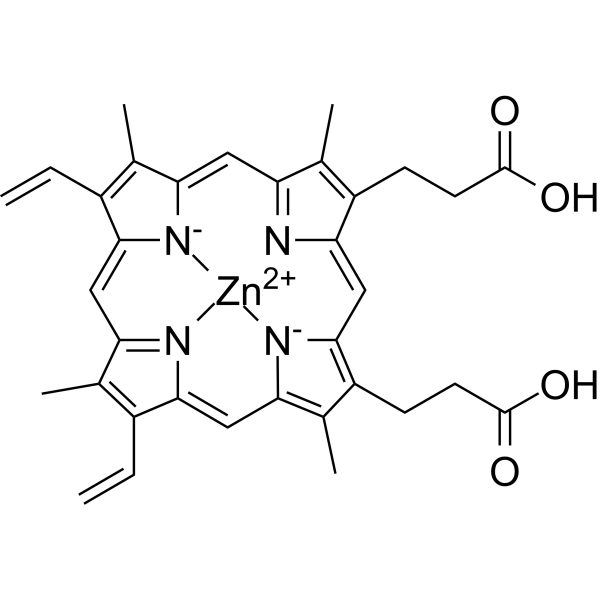
  • HY-101193
    Zinc Protoporphyrin
    Maximum Cited Publications
    67 Publications Verification

    Zn(II)-protoporphyrin IX; ZnPP; Zinc Protoporphyrin-9

    Reactive Oxygen Species (ROS) Endogenous Metabolite Apoptosis Cardiovascular Disease Metabolic Disease Cancer
    Zinc Protoporphyrin (Zn(II)-protoporphyrin IX) is an orally active and competitive heme oxygenase-1 (HO-1) inhibitor. Zinc Protoporphyrin regulates expression of HO-1 at the transcriptional level. The effect of Zinc Protoporphyrin on HO-1 expression is controversial.  It was shown to induce HO-1 expression in some cells, but suppress it in others. Zinc Protoporphyrin is used as a screening marker of iron deficiency in vivo. Zinc Protoporphyrin has anti-cancer activity .
    Zinc Protoporphyrin
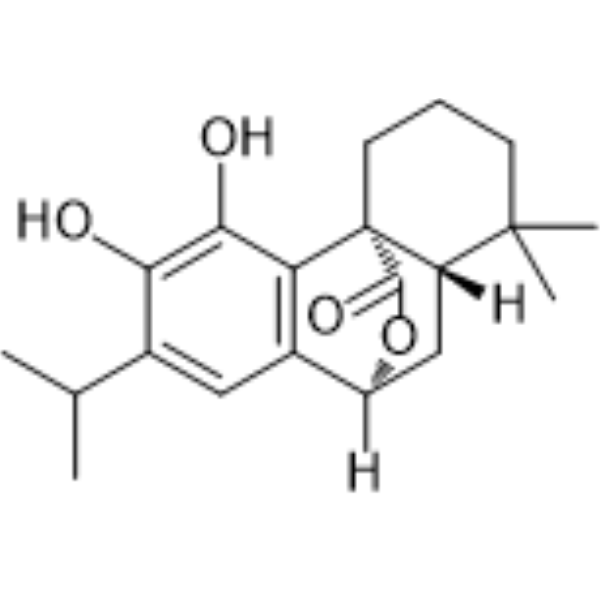
  • HY-N0643
    Carnosol
    15+ Cited Publications

    Ribosomal S6 Kinase (RSK) Keap1-Nrf2 Endogenous Metabolite Cancer
    Carnosol is a potent Ribosomal S6 Kinase (RSK2) inhibitor that could be useful for treating gastric cancer, with an IC50 of ~5.5 μM . Carnosol, a Nrf2 activator, increases the nuclear levels of Nrf2 and can promote the expression of heme oxygenase 1 (HMOX1) .
    Carnosol
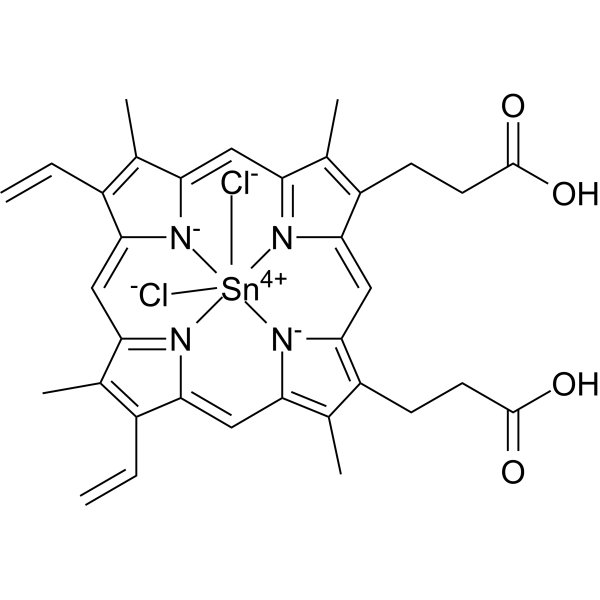
  • HY-101194
    Tin protoporphyrin IX dichloride
    15+ Cited Publications

    Tin-protoporphyrin IX; Sn-Protoporphyrin; SnPPIX

    Reactive Oxygen Species (ROS) Cancer
    Tin protoporphyrin IX dichloride (SnPPIX) is a potent Heme oxygenase-1 (HO-1) inhibitor. Tin protoporphyrin IX dichloride sensitizes pancreatic ductal adenocarcinoma (PDAC) tumors to chemotherapy in mice model .
    Tin protoporphyrin IX dichloride
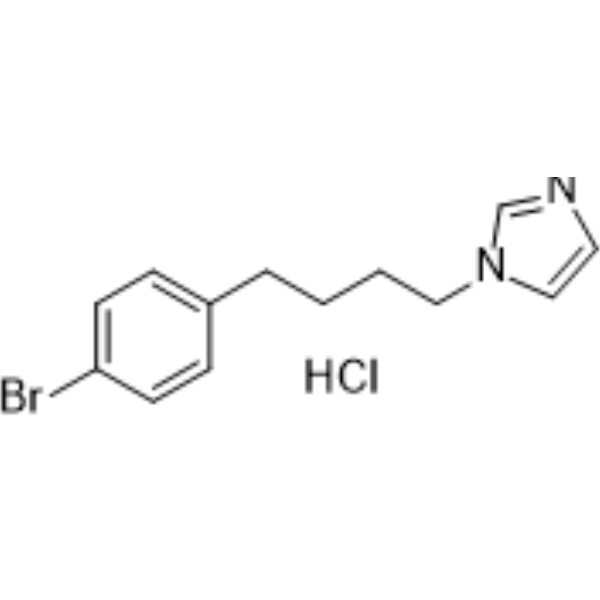
  • HY-111798A

    Reactive Oxygen Species (ROS) Cancer
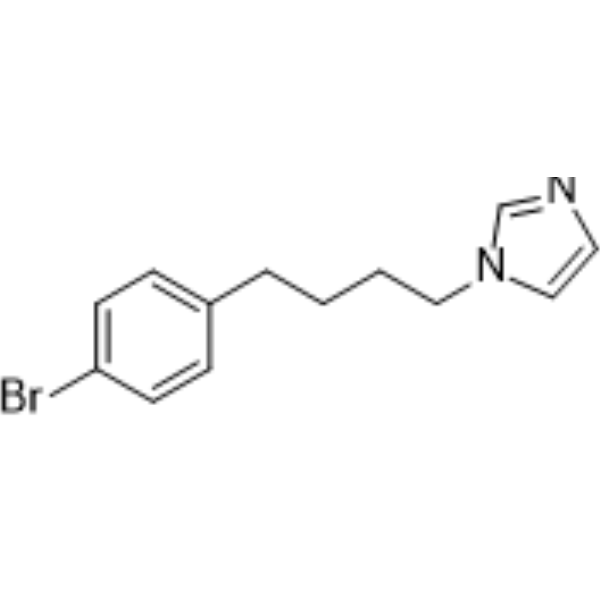
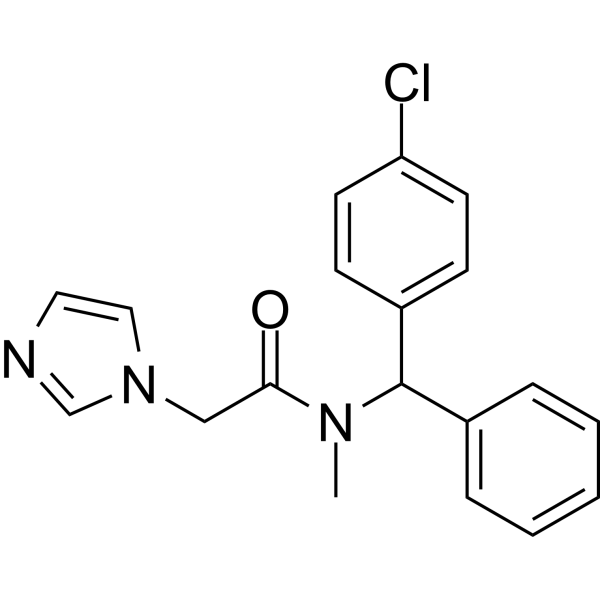
    Heme Oxygenase-1-IN-1 (Compound 2) hydrochloride is a heme oxygenase 1 (HO-1) inhibitor with an IC50 of 0.25 μM .
    Heme Oxygenase-1-IN-1 hydrochloride
  • HY-111798
    Heme Oxygenase-1-IN-1
    10+ Cited Publications

    Reactive Oxygen Species (ROS) Cancer
    Heme Oxygenase-1-IN-1 (compound 2) is a potent heme oxygenase 1 (HO-1) inhibitor, with an IC50 of 0.25 μM. Heme Oxygenase-1-IN-1 can be used for cancer research .
    Heme Oxygenase-1-IN-1
  • HY-W013812

    Linoleic Acid ethyl ester; Mandenol

    Tyrosinase Akt GSK-3 β-catenin Biochemical Assay Reagents NF-κB Heme Oxygenase (HO) Cardiovascular Disease Inflammation/Immunology
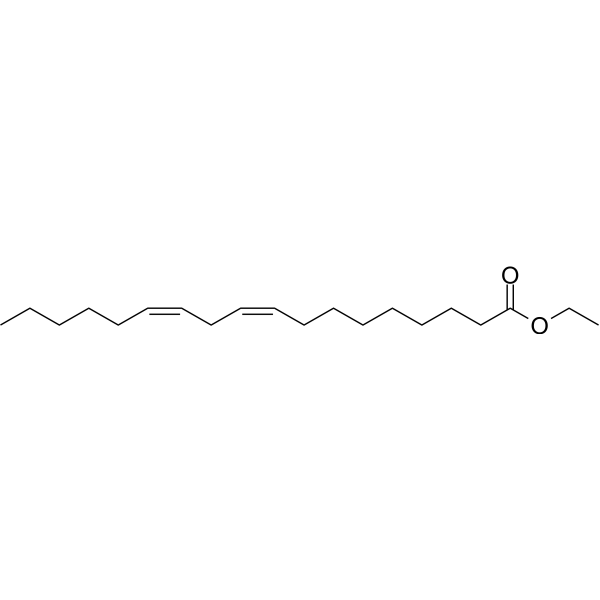
    Ethyl linoleate (Linoleic Acid ethyl ester) is an orally active unsaturated fatty acid. Ethyl linoleate inhibits the Akt/GSK3β/β-catenin signaling pathway and the activation of NF-κB. Ethyl linoleate induces heme oxygenase-1 and inhibits tyrosinase. Ethyl linoleate has whitening and anti-inflammatory effects. Ethyl linoleate promotes compound absorption. Ethyl linoleate has a significant influence on atherosclerosis. Ethyl linoleate is used in the research of inflammatory diseases. Ethyl linoleate can be used in cosmetics
    Ethyl linoleate
  • HY-13707

    Stannsoporfin; SnMP

    Heme Oxygenase (HO) Dengue Virus Bacterial Infection Metabolic Disease Cancer
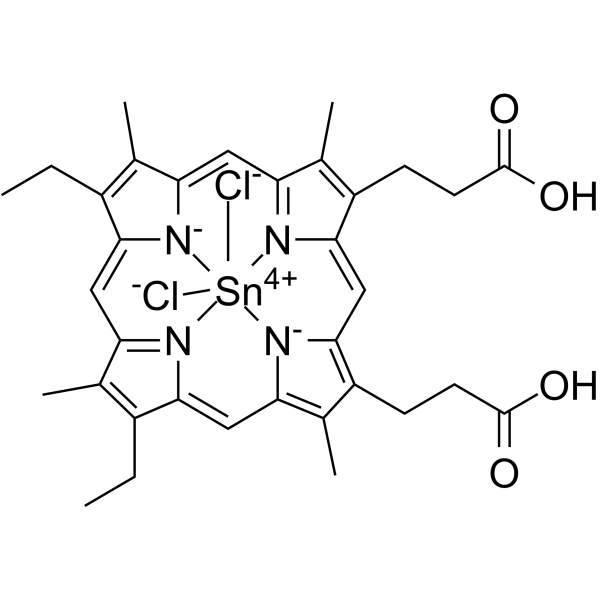
    Tin(IV) mesoporphyrin IX dichloride (Stannsoporfin) is an orally active heme oxygenase (HO) inhibitor. Tin(IV) mesoporphyrin IX dichloride increases DENV RNA replication. Tin(IV) mesoporphyrin IX dichloride enhances the bactericidal activity of the SPaO regimen against chronic Mycobacterium tuberculosis (Mtb)-infected mice. Tin(IV) mesoporphyrin IX dichloride exhibits antitumor effects. Tin(IV) mesoporphyrin IX dichloride is being developed to prevent the development of jaundice in infants with hyperbilirubinemia .
    Tin(IV) mesoporphyrin IX dichloride
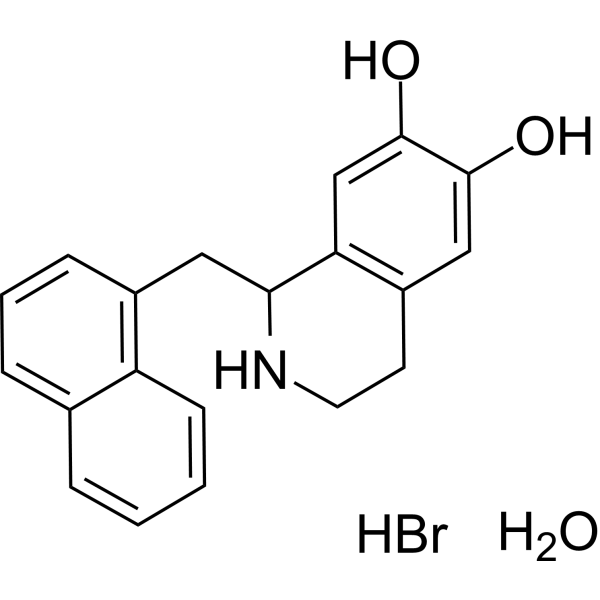
  • HY-15477
    YS-49
    10+ Cited Publications

    Akt PI3K Angiotensin Receptor Adrenergic Receptor Cardiovascular Disease Endocrinology
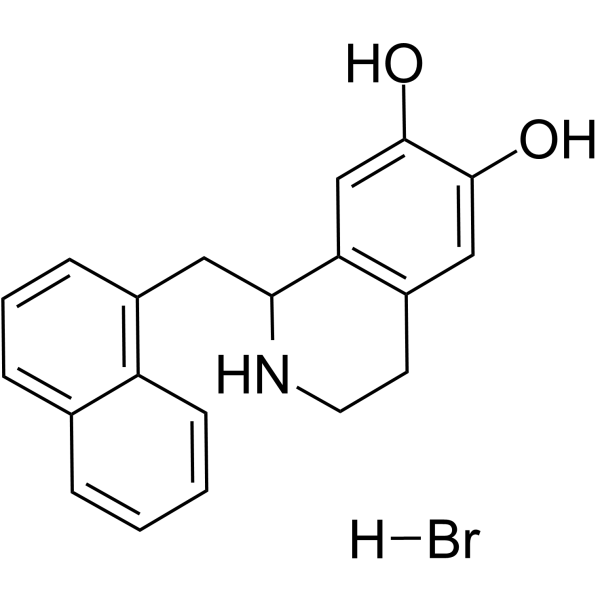
    YS-49 is a PI3K/Akt (a downstream target of RhoA) activator, to reduce RhoA/PTEN activation in the 3-methylcholanthrene-treated cells. YS-49 inhibits angiotensin II (Ang II)-stimulated proliferation of VSMCs via induction of heme oxygenase (HO)-1. YS-49 is also an isoquinoline compound alkaloid, has a strong positive inotropic action through activation of cardiac β-adrenoceptors .
    YS-49
  • HY-N0310
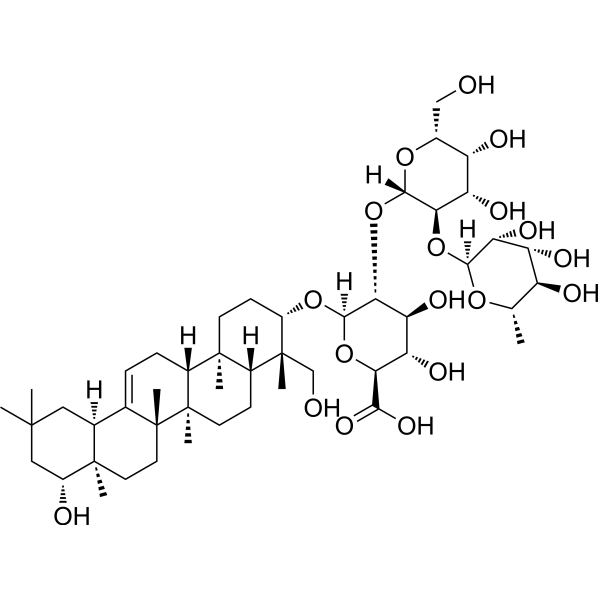
    Soyasaponin Bb
    1 Publications Verification

    Aldose Reductase Heme Oxygenase (HO) Reactive Oxygen Species (ROS) Apoptosis Neurological Disease Metabolic Disease
    Soyasaponin Bb is an orally active, covalent inducer of heme oxygenase HO-1 and an inhibitor of aldose reductase AKR1B1. Soyasaponin Bb can regulate oxidative stress pathways, enhance antioxidant capacity, reduce reactive oxygen species (ROS) generation, and inhibit lipid peroxidation and hepatocyte apoptosis. Soyasaponin Bb improves alcohol-induced hepatocyte membrane damage and liver function abnormalities, and improves Scopolamine (HY-N0296)-induced memory impairment. Soyasaponin Bb has antioxidant, hepatoprotective, and neuroprotective activities .
    Soyasaponin Bb
  • HY-N1353
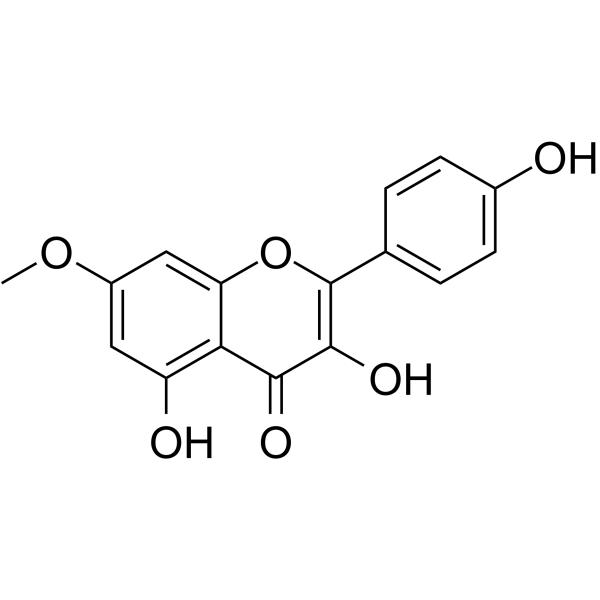
    Rhamnocitrin
    2 Publications Verification

    p38 MAPK Cardiovascular Disease Inflammation/Immunology
    Rhamnocitrin is an anti-inflammatory and antioxidant agent that targets STIM-1, NFATc3 and MAPK pathways and can scavenge DPPH (IC50=28.38 mM). Rhamnocitrin selectively inhibits oxidative stress and inflammatory responses in vascular endothelial cells and neurons. Rhamnocitrin up-regulates miR-185 to inhibit STIM-1-mediated store-operated calcium entry (SOCE), thereby blocking NFATc3 nuclear translocation and downstream inflammatory factor expression, while inducing heme oxygenase HO-1 expression and regulating the ERK/p38 MAPK pathway, inhibiting antioxidant and pro-inflammatory cytokines (such as IL-6, IL-8) and adhesion molecules (such as ICAM-1, VCAM-1). Rhamnocitrin can be used in the study of endothelial-related inflammatory diseases (such as sepsis, acute lung injury, atherosclerosis) and neuroprotection (such as oxidative damage of PC12 cells) .
    Rhamnocitrin
  • HY-B1817A

    Zinc(II) acetate, 99.99% trace metals basis

    CDK Heme Oxygenase (HO) Apoptosis Others
    Zinc (Zinc (II)) acetate, 99.99% trace metals basis is a heme oxygenase 1 (HO-1) activator and apoptosis inducer with cytotoxic and anticancer activities. Zinc acetate, 99.99% trace metals basis enhances HO-1 expression, alters the microRNA profile, and increases the level of caspase-cleaved cytokeratin 18. Zinc acetate, 99.99% trace metals basis also regulates the expression of Cdk2/cyclin E and interferes with cell cycle progression. Zinc acetate, 99.99% trace metals basis effectively inhibits cancer cell proliferation and induces their rapid death, with no significant cytotoxicity to non-tumor tissues. Zinc acetate, 99.99% trace metals basis has been widely used in studies related to hepatocellular carcinoma, prostate cancer, and other conditions .
    Zinc acetate, 99.99% trace metals basis
  • HY-147817

    Reactive Oxygen Species (ROS) Inflammation/Immunology Cancer
    Heme Oxygenase-2-IN-1 (Compound 9) is a potent, selective heme oxygenase-2 (HO-2) inhibitor with IC50 values of 0.9 μM and 14.9 μM against HO-2 and HO-1, respectively .
    Heme Oxygenase-2-IN-1
  • HY-N2535
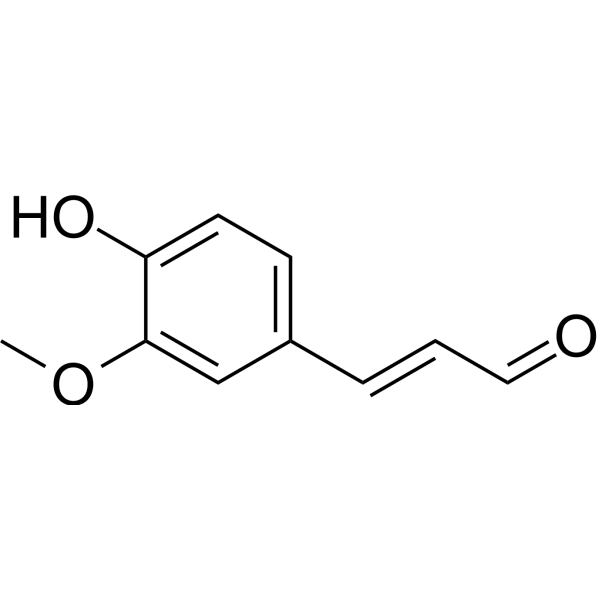
    Coniferaldehyde
    1 Publications Verification

    4-Hydroxy-3-methoxycinnamaldehyde

    Keap1-Nrf2 Apoptosis Inflammation/Immunology
    Coniferaldehyde (4-Hydroxy-3-methoxycinnamaldehyde) is an effective inducer of heme oxygenase-1 (HO-1). Coniferaldehyde inhibits LPS-induced apoptosis through the PKCα/β II/Nrf-2/HO-1 dependent pathway in RAW264.7 macrophage cells. Coniferaldehyde has antioxidant and anti-inflammatory activities .
    Coniferaldehyde
  • HY-W583212

    ZnMP

    Biochemical Assay Reagents Heme Oxygenase (HO) Inflammation/Immunology
    Zn (II) Mesoporphyrin IX (ZnMP) is a heme oxygenase inhibitor with photochemical substrate activity. Zn (II) Mesoporphyrin IX specifically inhibits the activity of bone marrow heme oxygenase. In vitro, Zn (II) Mesoporphyrin IX inhibits the growth of erythroid and myeloid progenitor cells in rabbit bone marrow, and blocks the rhG-CSF-induced mobilization of these progenitor cells into the peripheral blood, exhibiting toxicity to hematopoietic growth and progenitor cell production in rabbits. Zn (II) Mesoporphyrin IX undergoes irreversible photochemical decomposition conforming to first-order kinetic characteristics when irradiated with UV-B in 95% ethanol solution. Zn (II) Mesoporphyrin IX can be used in hematopoietic regulation research, but its photolability and toxic effects on the hematopoietic system require attention .
    Zn(II) Mesoporphyrin IX
  • HY-N5027
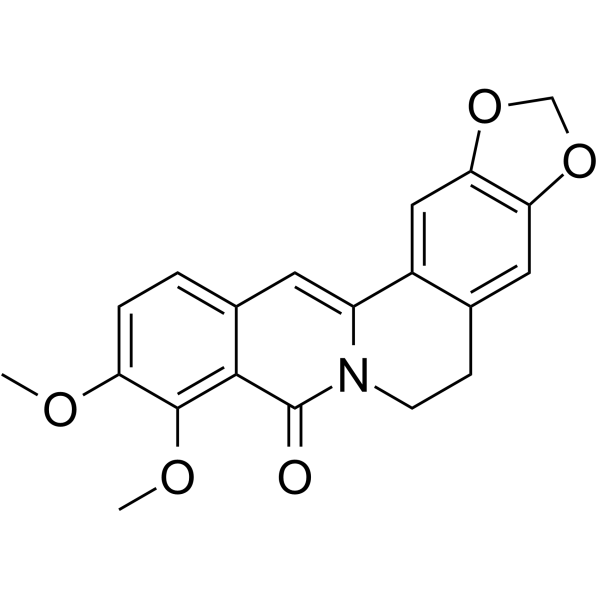
    Oxyberberine
    2 Publications Verification

    Oxyberberin; Berlambine; 8-Oxoberberine

    Others Infection Neurological Disease Inflammation/Immunology
    Oxyberberine (Oxyberberin; Berlambine) is an orally effective heme oxygenase HO-1 agonist that can activate antioxidant mechanisms by regulating the PI3K/Akt/AMPK signaling pathway. Oxyberberine induces HO-1 expression, increases SOD and GSH-Px activity, inhibits NF-κB-mediated inflammatory responses, and improves insulin sensitivity and glucose metabolism. Oxyberberine has anti-diabetic, neuroprotective, anti-inflammatory and antioxidant effects, and can be used to study type 2 diabetes, traumatic brain injury (TBI) and inflammatory bowel disease .
    Oxyberberine
  • HY-147517

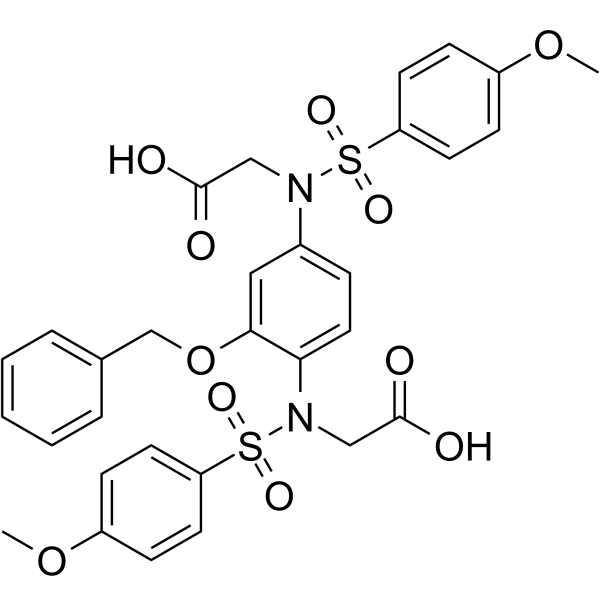
    Keap1-Nrf2 Neurological Disease Inflammation/Immunology
    Keap1-Nrf2-IN-9 (Compound 11) is a potent Keap1-Nrf2 PPI (Keap1-Nrf2 protein-protein interaction) inhibitor with an IC50 of 0.575 μM. Keap1-Nrf2-IN-9 increases the expression of Nrf2 target genes including heme oxygenase 1 (Hmox1), glutathione S-transferase P (GstP), and glutamate-cysteine ligase catalytic (Gclc) and modulatory (Gclm) subunits. Keap1-Nrf2-IN-9 shows no cytotoxic activity in ARPE19 cells .
    Keap1-Nrf2-IN-9
  • HY-34748

    Ethylideneacetone; (3Z)-pent-3-en-2-one

    Biochemical Assay Reagents Endogenous Metabolite Inflammation/Immunology
    3-Penten-2-one (Ethylideneacetone) inhibits nitric oxide production and inducible nitric oxide synthase expression via heme oxygenase-1 induction in RAW264.7 macrophages activated with Lipopolysaccharides (HY-D1056) (LPS) .
    3-Penten-2-one
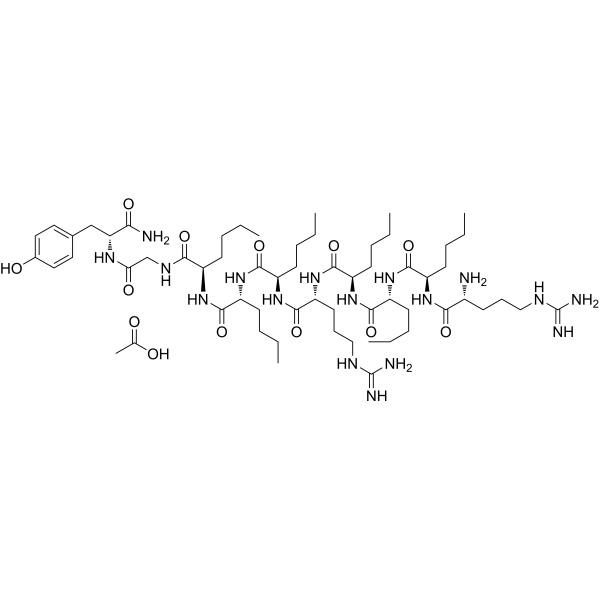
  • HY-106359A

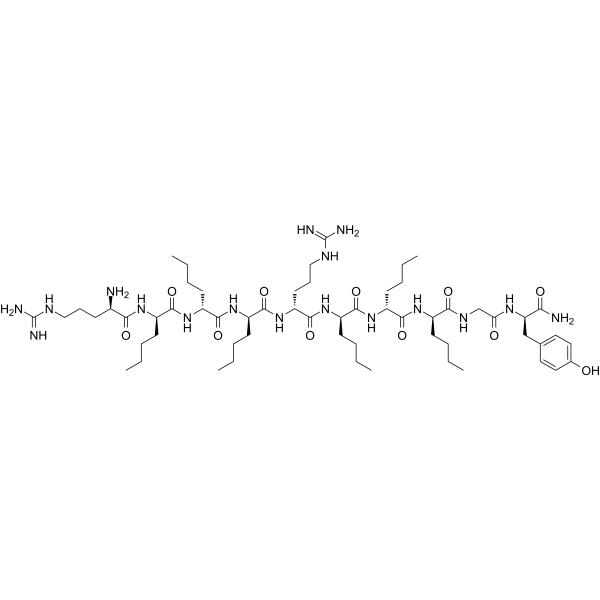
    RDP-58 acetate

    TNF Receptor IFNAR Reactive Oxygen Species (ROS) Cancer
    Delmitide (RDP58) acetate is an orally active d-isomer decapeptide with potent anti-inflammatory activity. Delmitide acetate inhibits production of TNF-α, IFN-γ, and interleukin (IL)-12, and up-regulates heme oxygenase 1 activity. Delmitide acetate can be used for the research of ulcerative colitis .
    Delmitide acetate
  • HY-15477A
    YS-49 monohydrate
    10+ Cited Publications

    Akt PI3K Angiotensin Receptor Adrenergic Receptor Cardiovascular Disease Endocrinology
    YS-49 (monohydrate) is a PI3K/Akt (a downstream target of RhoA) activator, to reduce RhoA/PTEN activation in the 3-methylcholanthrene-treated cells. YS-49 inhibits angiotensin II (Ang II)-stimulated proliferation of VSMCs via induction of heme oxygenase (HO)-1. YS-49 is also an isoquinoline compound alkaloid, has a strong positive inotropic action through activation of cardiac β-adrenoceptors .
    YS-49 monohydrate
  • HY-162857

    Heme Oxygenase (HO) Neurological Disease Cancer
    Heme Oxygenase-1-IN-3 (compound 4) is a highly selective heme oxygenase-1 (HO-1) inhibitor (Kd=141 nM) that can be used in the research of cancer and neurodegenerative diseases .
    Heme Oxygenase-1-IN-3
  • HY-106359

    RDP-58

    TNF Receptor IFNAR Reactive Oxygen Species (ROS) Infection Inflammation/Immunology Cancer
    Delmitide (RDP58) is an orally active d-isomer decapeptide with potent anti-inflammatory activity. Delmitide inhibits production of TNF-α, IFN-γ, and interleukin (IL)-12, and up-regulates heme oxygenase 1 activity. Delmitide can be used for the research of ulcerative colitis .
    Delmitide
  • HY-101193R

    Zn(II)-protoporphyrin IX (Standard); ZnPP (Standard); Zinc Protoporphyrin-9 (Standard)

    Reference Standards Reactive Oxygen Species (ROS) Endogenous Metabolite Apoptosis Cardiovascular Disease Metabolic Disease Cancer
    Zinc Protoporphyrin (Standard) is the analytical standard of Zinc Protoporphyrin. This product is intended for research and analytical applications. Zinc Protoporphyrin (Zn(II)-protoporphyrin IX) is an orally active and competitive heme oxygenase-1 (HO-1) inhibitor and markedly attenuates the protective effects of Phloroglucinol (PG) against H2O2 . Zinc Protoporphyrin is used as a screening marker of iron deficiency in individual pregnant women and children, but also to assess population iron status in combination with haemoglobin concentration . Zinc Protoporphyrin has anti-cancer activity .
    Zinc Protoporphyrin (Standard)
  • HY-175660

    Heme Oxygenase (HO) Cancer
    KCL-HO-1i is an orally active heme oxygenase-1 (HO-1) inhibitor (rat HO-1: IC50 = 123 nM) and human HO-1: IC50 = 128 nM). KCL-HO-1i targets immunosuppressive LYVE-1 + perivascular tumor-associated macrophages (PvTAMs) in the tumor microenvironment (TME), reduces PvTAM-mediated immune exclusion. KCL-HO-1i demonstrates synergistic anti-tumor efficacy with chemotherapy in MMTV-PyMT spontaneous breast cancer mice or C57Bl/6 mice bearing subcutaneous MN-MCA1 sarcomas. KCL-HO-1i can be used for the study of cancer .
    KCL-HO-1i
  • HY-115713

    Reactive Oxygen Species (ROS) Cancer
    Heme Oxygenase-1-IN-2 is a novel heme oxygenase-1 inhibitor (IC50 = 0.95 μM) with potent in vitro antiproliferative activity.
    Heme Oxygenase-1-IN-2
  • HY-W478741

    Endogenous Metabolite Keap1-Nrf2 NF-κB Metabolic Disease Cancer
    Pyrraline is an Nrf2 pathway activator with antioxidant and anti-inflammatory effects. Pyrraline upregulates antioxidant enzymes such as NAD(P)H dehydrogenase (NQO1) and heme oxygenase-1 (HO-1) via antioxidant response element (ARE) activation, while inhibiting NFκB-mediated inflammation. Pyrraline is promising for research of metabolic disorders (such as diabetic nephropathy) and cancers .
    Pyrraline
  • HY-W583271

    Vasopressin Receptor Biochemical Assay Reagents Metabolic Disease
    Zn(II) Deuteroporphyrin IX 2,4 bis ethylene glycol is a heme oxygenase (HO) inhibitor, and inhibiting HO activity can reduce the release of hypothalamic hormones like AVP, OT, and ANP caused by hyperosmolarity. Zn(II) Deuteroporphyrin IX 2,4 bis ethylene glycol can be used for research on hyperbilirubinemia .
    Zn(II) Deuteroporphyrin IX 2,4 bis ethylene glycol
  • HY-170867

    Keap1-Nrf2 Heme Oxygenase (HO) Reactive Oxygen Species (ROS) Cardiovascular Disease
    Nrf2/HO-1 activator 3 (Compound C3a) is the activator for Nrf2 signaling pathway that promotes the Nrf2 translocation into nuclei and upregulates the expression of heme oxygenase-1 HO-1. Nrf2/HO-1 activator 3 inhibits the overespression of ROS and MDA in H2O2- or glucose-stimulated H9c2 cardiomyocytes, inhibits the cell viability and colony formation, thereby exhibiting antioxidant efficacy .
    Nrf2/HO-1 activator 3
  • HY-105191

    RS-21607

    Cytochrome P450 Reactive Oxygen Species (ROS) Metabolic Disease
    Azalanstat (RS-21607) is an inhibitor of heme oxygenase and lanosterol 14α-demethylase, with inhibitory activity against HO-1 (IC50 = 5.5 µM) and HO-2 (IC50 = 24.5 µM). Azalanstat reduces the maturation rate of rat oocytes, increases rat oocyte degeneration, and partially inhibits progesterone production in preovulatory follicles of rats .
    Azalanstat
  • HY-N0643R

    Reference Standards Ribosomal S6 Kinase (RSK) Keap1-Nrf2 Endogenous Metabolite Cancer
    Carnosol (Standard) is the analytical standard of Carnosol. This product is intended for research and analytical applications. Carnosol is a potent Ribosomal S6 Kinase (RSK2) inhibitor that could be useful for treating gastric cancer, with an IC50 of ~5.5 μM . Carnosol, a Nrf2 activator, increases the nuclear levels of Nrf2 and can promote the expression of heme oxygenase 1 (HMOX1) .
    Carnosol (Standard)
  • HY-W354203

    1,2-Diisonicotinoylhydrazine

    MOFs Reactive Oxygen Species (ROS) Bacterial Infection
    N'-Isonicotinoylisonicotinohydrazide (Compound 7, 1,2-Diisonicotinoylhydrazine) is a competitive inhibitor (IC50=5-30 μM) of bacterial heme oxygenase (HO). N'-Isonicotinoylisonicotinohydrazide inhibits iron release and bacterial iron acquisition. N'-Isonicotinoylisonicotinohydrazide exhibits selective activity against HO enzymes from Pseudomonas aeruginosa and Neisseria meningitidis. N'-Isonicotinoylisonicotinohydrazide is promising for research of multidrug-resistant Gram-negative bacterial infections .
    N'-Isonicotinoylisonicotinohydrazide
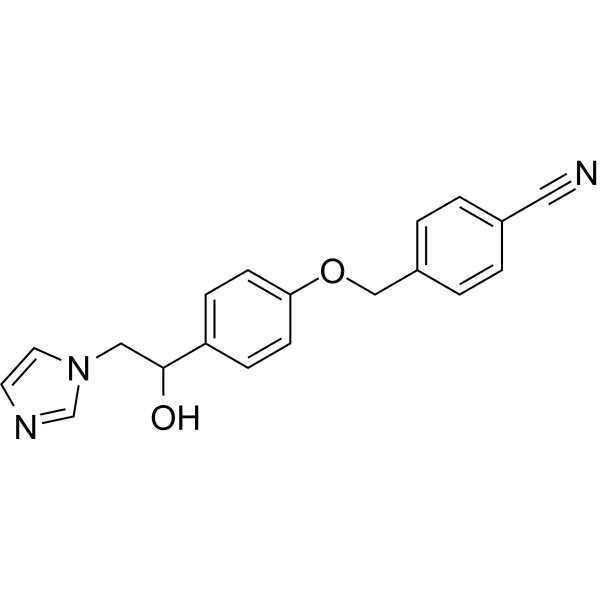
  • HY-118487A

    Endogenous Metabolite Cancer
    OB-24 free base is a compound that potently and selectively inhibits heme oxygenase 1 (HO-1) and has the potential to inhibit advanced prostate cancer. OB-24 significantly reduces protein carbonylation and the formation of reactive oxygen species by selectively inhibiting HO-1 activity in prostate cancer cells. OB-24 significantly inhibited cell proliferation in vitro and inhibited tumor growth and lymph node and lung metastasis in vivo. OB-24 exhibits powerful synergy when used in combination with Taxol .
    OB-24 free base
  • HY-N0310R

    Reference Standards Aldose Reductase Heme Oxygenase (HO) Reactive Oxygen Species (ROS) Apoptosis Neurological Disease Metabolic Disease
    Soyasaponin Bb (Standard) is the analytical standard of Soyasaponin Bb (HY-N0310). This product is intended for research and analytical applications. Soyasaponin Bb is an orally active, covalent inducer of heme oxygenase HO-1 and an inhibitor of aldose reductase AKR1B1. Soyasaponin Bb can regulate oxidative stress pathways, enhance antioxidant capacity, reduce reactive oxygen species (ROS) generation, and inhibit lipid peroxidation and hepatocyte apoptosis. Soyasaponin Bb improves alcohol-induced hepatocyte membrane damage and liver function abnormalities, and improves Scopolamine (HY-N0296)-induced memory impairment. Soyasaponin Bb has antioxidant, hepatoprotective, and neuroprotective activities .
    Soyasaponin Bb (Standard)
  • HY-N2535R

    4-Hydroxy-3-methoxycinnamaldehyde (Standard)

    Reference Standards Keap1-Nrf2 Apoptosis Inflammation/Immunology
    Coniferaldehyde (Standard) is the analytical standard of Coniferaldehyde. This product is intended for research and analytical applications. Coniferaldehyde (4-Hydroxy-3-methoxycinnamaldehyde) is an effective inducer of heme oxygenase-1 (HO-1). Coniferaldehyde inhibits LPS-induced apoptosis through the PKCα/β II/Nrf-2/HO-1 dependent pathway in RAW264.7 macrophage cells. Coniferaldehyde has antioxidant and anti-inflammatory activities .
    Coniferaldehyde (Standard)
  • HY-W424839

    DTBP

    Heme Oxygenase (HO) Cardiovascular Disease
    Probucol dithiobisphenol (DTBP) is the derivative of Probucol (HY-B0388). Probucol dithiobisphenol induces the production of heme oxygenase 1 (HO-1), and exhibits antioxidant activity. Probucol dithiobisphenol inhibits atherosclerotic lesions in Apoe −/− mice aorta, promotes re-endothelialization of aorta and inhibits restenosis in rabbit arterial injury models. Probucol dithiobisphenol is orally active .
    Probucol dithiobisphenol
  • HY-112749B

    Heme Oxygenase (HO) Reactive Oxygen Species (ROS) Mitochondrial Metabolism Cancer
    (3S,4R)-ME-344 is the (3S,4R)-enantiomer of ME-344 (HY-112749). ME-344 is a mitochondrial Heme oxygenase 1 (HO-1) inhibitor. ME-344 specifically binds and alters HO-1 structure, and increases HO-1 translocation from the rough endoplasmic reticulum to mitochondria, but only in drug-sensitive cells (such as H460 and SHP-77 cells). ME-344 decreases mitochondrial ATP production and induces ROS, with subsequent disruption of redox homeostasis and mitochondrial function. ME-344 has significant antitumor activity, and can be used for cancers like breast cancer research .
    (3S,4R)-ME-344
  • HY-N1353R

    Reference Standards Others p38 MAPK Cardiovascular Disease Inflammation/Immunology
    Rhamnocitrin (Standard) is the analytical standard of Rhamnocitrin. This product is intended for research and analytical applications. Rhamnocitrin is an anti-inflammatory and antioxidant agent that targets STIM-1, NFATc3 and MAPK pathways and can scavenge DPPH (IC50=28.38 mM). Rhamnocitrin selectively inhibits oxidative stress and inflammatory responses in vascular endothelial cells and neurons. Rhamnocitrin up-regulates miR-185 to inhibit STIM-1-mediated store-operated calcium entry (SOCE), thereby blocking NFATc3 nuclear translocation and downstream inflammatory factor expression, while inducing heme oxygenase HO-1 expression and regulating the ERK/p38 MAPK pathway, inhibiting antioxidant and pro-inflammatory cytokines (such as IL-6, IL-8) and adhesion molecules (such as ICAM-1, VCAM-1). Rhamnocitrin can be used in the study of endothelial-related inflammatory diseases (such as sepsis, acute lung injury, atherosclerosis) and neuroprotection (such as oxidative damage of PC12 cells) .
    Rhamnocitrin (Standard)
  • HY-P11589

    PPAR Reactive Oxygen Species (ROS) Keap1-Nrf2 Metabolic Disease
    PIISVYWK is an orally active PPARγ Inhibitor, heme oxygenase-1 Activator, and Nrf2 Activator. PIISVYWK mediates activity via the HO-1/Nrf2 pathway, ameliorates oxidative stress, reduces inflammation, and mediates anti-obesity activity. PIISVYWK can be used for the research of obesity .
    PIISVYWK
  • HY-105191A

    RS-21607 dihydrochloride

    Heme Oxygenase (HO) Metabolic Disease
    Azalanstat dihydrochloride (RS-21607 dihydrochloride) is an inhibitor of heme oxygenase and lanosterol 14α-demethylase, with inhibitory activity against HO-1 (IC50 = 5.5 µM) and HO-2 (IC50 = 24.5 µM). Azalanstat dihydrochloride reduces the maturation rate of rat oocytes, increases rat oocyte degeneration, and partially inhibits progesterone production in preovulatory follicles of rats .
    Azalanstat dihydrochloride
  • HY-183711

    Bacterial Heme Oxygenase (HO) Infection
    Antibacterial agent 344 is an antibacterial agent with potent biofilm inhibition (IC50 = 0.27 μM). Antibacterial agent 344 inhibits heme oxygenase (HemO), impairs iron homeostasis, virulence factor production, and motility. Antibacterial agent 344 synergizes with Ciprofloxacin (HY-B0356) and Tobramycin (HY-B0441), enhancing their efficacy and delaying the development of resistance. Antibacterial agent 344 improves bacterial-infected Galleria mellonella survival, and reduces bacterial load in mice wounds. Antibacterial agent 344 can be used for the research of Pseudomonas aeruginosa infections .
    Antibacterial agent 344

Demande en ligne

Your information is safe with us. * Required Fields.

Civilité


Country or Region *

Nom du demandeur *


Nom de l'organisation *

Department *


Adresse e-mail *


Nom du produit *

Cat. No.


Requested quantity *

Numéro de téléphone *


Remarques

Demande en ligne

Inquiry Information

Nom du produit:
Cat. No.:
Quantité:
MCE Japan Authorized Agent: