1. Search Result
Search Result
Results for "

Hyperpolarization

" in MedChemExpress (MCE) Product Catalog:

75

Inhibitors & Agonists

3

Fluorescent Dye

6

Peptides

5

Natural
Products

1

Isotope-Labeled Compounds

Targets Recommended:
Cat. No. Product Name Target Research Areas Chemical Structure
  • HY-N0219
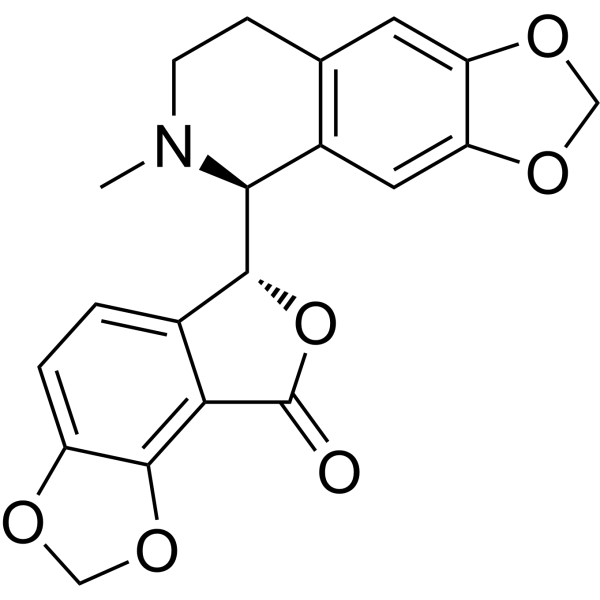
    Bicuculline
    35+ Cited Publications

    (+)-Bicuculline

    GABA Receptor Neurological Disease
    Bicuculline ((+)-Bicuculline) is A competing neurotransmitter GABAA receptor antagonist (IC50=2 μM). Bicuculline also blocks Ca 2+ activating potassium (SK) channels and subsequently blocks slow post-hyperpolarization (slow AHP). Bicuculline has anticonvulsant activity. Bicuculline can be used to induce seizures in mice .
    Bicuculline
  • HY-D0085
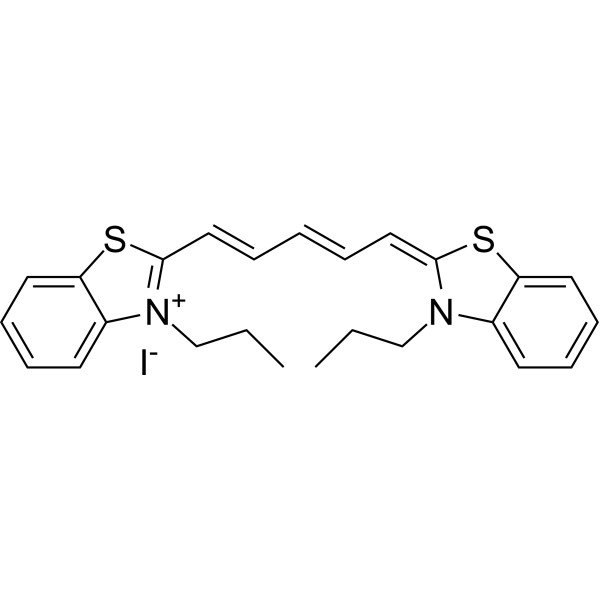
    DiSC3(5)
    10+ Cited Publications

    Fluorescent Dye Cancer
    DiSC3(5) is a fluorescent probe commonly used as a tracer dye to evaluate mitochondrial membrane potential. The excitation/emission wavelength of DiSC3(5) is up to 622/670 nm. DiSC3(5) can inhibit the respiratory system associated with mitochondrial NAD, and the IC50 value is 8 μM. DiSC3(5) in the presence of Na +/K +-ATPase inhibitor ouabain 2 can induce membrane hyperpolarization of Ehrlich ascites tumor cells .
    DiSC3(5)
  • HY-128692
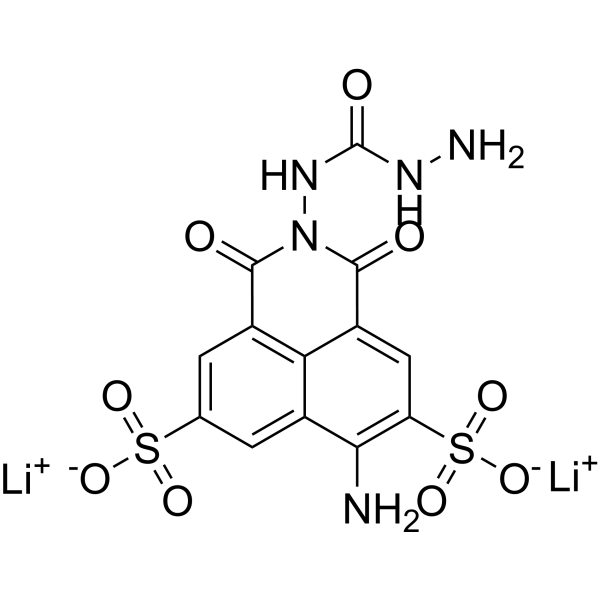
    Luc Yellow CH dilithium
    5 Publications Verification

    Fluorescent Dye Neurological Disease
    Luc Yellow CH dilithium is a high-intensity fluorescent probe containing free hydrazyl groups. Luc Yellow CH can react with fatty aldehydes at room temperature. Luc Yellow CH serves as a biological tracer to monitor neuronal branching, regeneration, gap junction detection and characterization, and selective ablation of cells after aldehyde fixation. Luc Yellow CH displays the maximum excitation/emission of 430 nm/540 nm, respectively .
    Luc Yellow CH dilithium
  • HY-B0162A
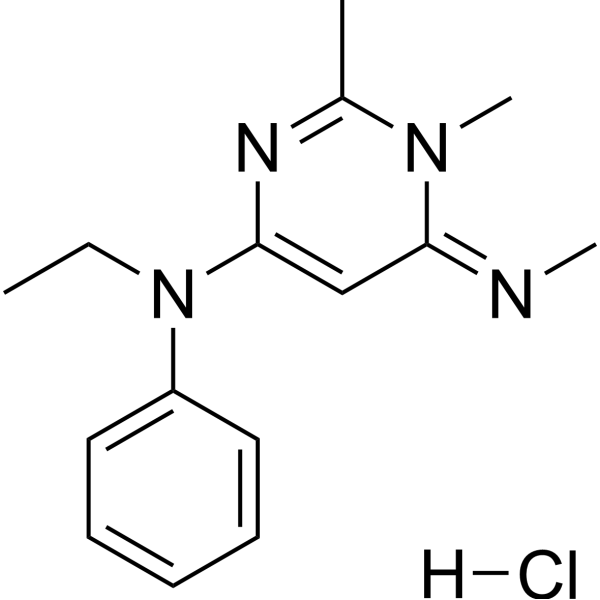
    Ivabradine hydrochloride
    3 Publications Verification

    HCN Channel Cardiovascular Disease Infection Neurological Disease Metabolic Disease Cancer
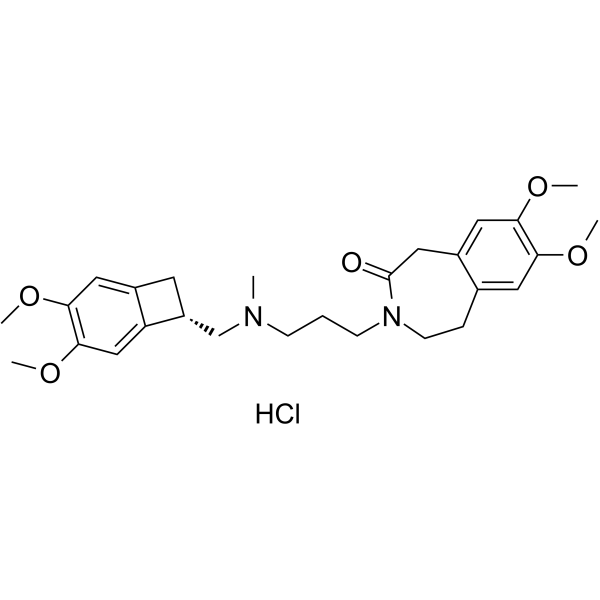
    Ivabradine hydrochloride is a potent and orally active HCN (hyperpolarization-activated cyclic nucleotide-gated) channel blocker that inhibits the cardiac pacemaker current (If). Ivabradine hydrochloride reduces dose-dependently heart rate without modification of blood pressure. Ivabradine hydrochloride shows anticonvulsant, anti-ischaemic and anti-anginal activity .
    Ivabradine hydrochloride
  • HY-101346
    ZD7288
    5+ Cited Publications

    ICI D7288

    HCN Channel Neurological Disease
    ZD7288 (ICI D7288) is a selective hyperpolarization-activated cyclic nucleotide-gated (HCN) channel blocker .
    ZD7288
  • HY-N6789
    KT5720
    4 Publications Verification

    PKA Neurological Disease Cancer
    KT5720 is a potent, cell-permeable, specific, reversible and ATP-competitive PKA inhibitor (IC50=3.3 μM). KT5720 is effective in reversing MDR1-mediated multidrug resistance. KT5720 also reduces the excitability of dorsal root ganglion (DRG) neurons by attenuating Hyperpolarization-activated cyclic nucleotide-gated (HCN) channel activity and reducing intracellular Ca2 + concentrations. KT5720 can be used in the study of haematological malignancies as well as HCN and DRG neuron-related diseases .
    KT5720
  • HY-14290
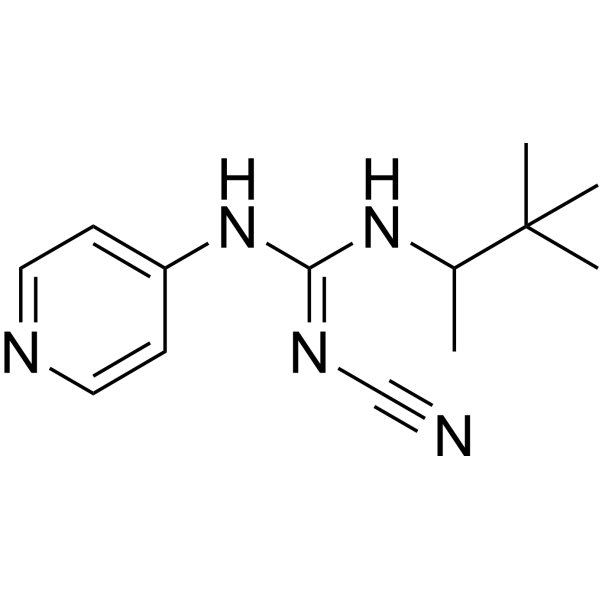
    Pinacidil
    4 Publications Verification

    P-1134

    Potassium Channel Cardiovascular Disease
    Pinacidil (P-1134) is a potent activator of ATP-sensitive potassium channel. Pinacidil is an antihypertensive agent hyperpolarizes vascular smooth muscle by opening K + channels. Pinacidil enhances K +-efflux in smooth muscle. Pinacidil has vasorelaxant properties. Pinacidil is able to inhibit spontaneous tone and of reducing agonist induced contractions. Pinacidil can be studied in research area such as cardiovascular diseases .
    Pinacidil
  • HY-122114
    ICA-27243
    1 Publications Verification

    Potassium Channel Neurological Disease
    ICA-27243 is a selective, potent and orally active KCNQ2/Q3 potassium channel opener with an EC50 of 0.38 μM. ICA-27243 is less effective at activating KCNQ4 and KCNQ3/Q5. ICA-27243 has antiepileptic and anticonvulsant effects .
    ICA-27243
  • HY-16689
    VU 0240551
    1 Publications Verification

    Potassium Channel Others
    VU 0240551 is a potent neuronal K-Cl cotransporter KCC2 inhibitor (IC50=560 nM) and is selective versus NKCC1. VU 0240551 also inhibits hERG and L-type Ca 2+ channels. VU 0240551 attenuates GABA-induced hyperpolarization of P cells, produces a positive shift in the P cell GABA reversal potential and enhances P cell synaptic transmission .
    VU 0240551
  • HY-B0162
    Ivabradine
    3 Publications Verification

    HCN Channel Cardiovascular Disease Cancer
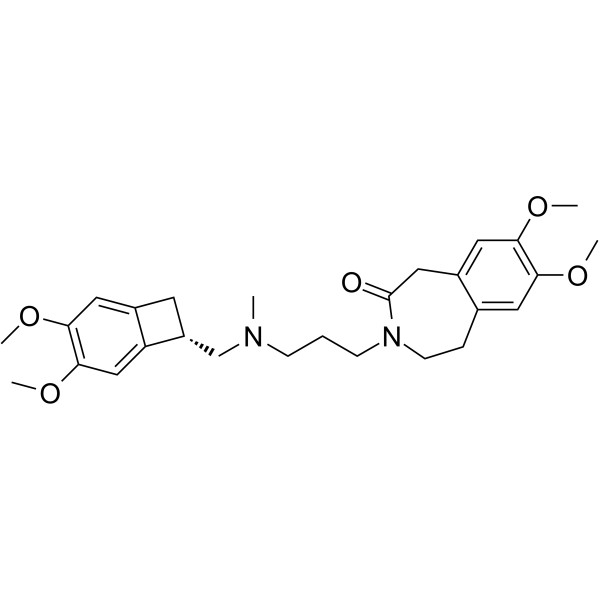
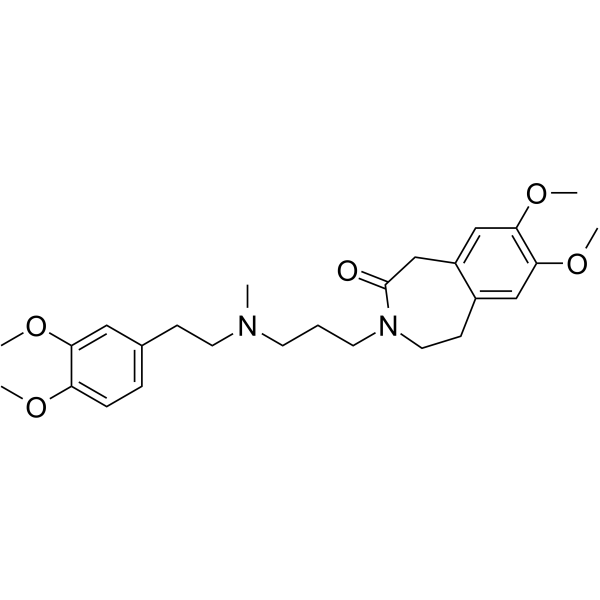
    Ivabradine is a potent and orally active HCN (hyperpolarization-activated cyclic nucleotide-gated) channel blocker that inhibits the cardiac pacemaker current (If). Ivabradine reduces dose-dependently heart rate without modification of blood pressure. Ivabradine shows anticonvulsant, anti-ischaemic and anti-anginal activity .
    Ivabradine
  • HY-B1194

    (±)-Tetramisole hydrochloride; DL-Tetramisole hydrochloride; R-829

    Potassium Channel Parasite PKA Infection Cardiovascular Disease
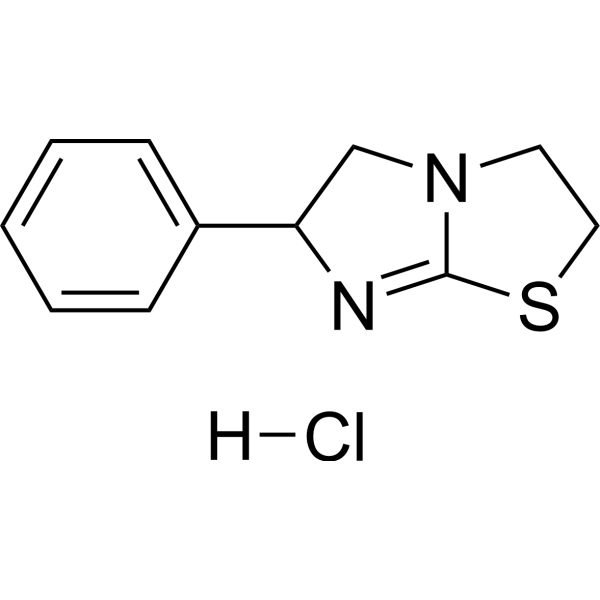
    Tetramisole hydrochloride is an orally active, selective inward rectifier potassium channel agonist with an EC50 of approximately 30 μM for the Kir2.1 subunit. Tetramisole hydrochloride is also an anti-nematode agent that blocks neuromuscular transmission by non-competitive depolarization. Tetramisole hydrochloride promotes the forward transport of Kir2.1 channels, hyperpolarizes the resting potential (RP), shortens the action potential duration (APD), inhibits intracellular calcium overload and the PKA signaling pathway, and exerts anti-arrhythmic and anti-myocardial remodeling activities. Tetramisole hydrochloride can be used in cardiac electrophysiology research and research related to myocardial ischemia and heart failure .
    Tetramisole hydrochloride
  • HY-108596

    Potassium Channel Inflammation/Immunology
    BL-1249 is a nonsteroidal anti-inflammatory agent (NSAID) and a potassium channel activator. BL-1249 potently activates K2P2.1 (TREK-1) and K2P10.1 (TREK-2) with EC50 values of 5.5 μM and 8.0 μM, respectively. BL-1249 extracellular application activates all TREK subfamily members but has no effect on other K2P subfamilies. BL-1249 exhibits more selective for the bladder (EC50 of 1.26 μM) than vascular tissue (EC50 of 21.0 μM) .
    BL-1249
  • HY-14290A
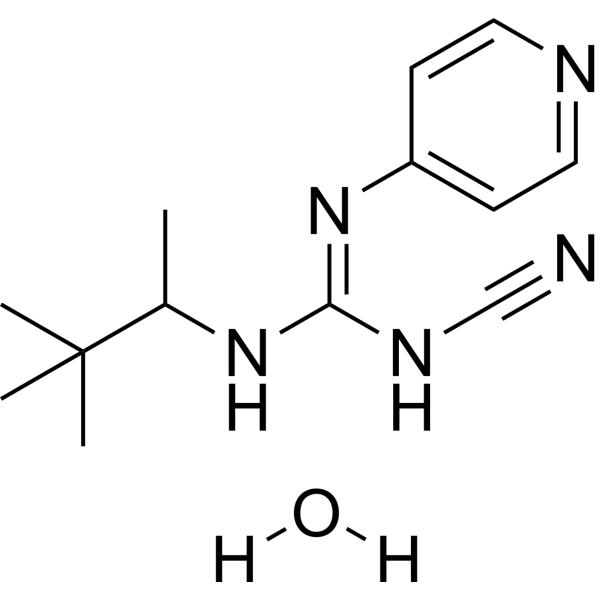
    Pinacidil monohydrate
    4 Publications Verification

    P-1134 monohydrate

    Potassium Channel Cardiovascular Disease
    Pinacidil (P-1134) monohydrate is a potent activator of ATP-sensitive potassium channel. Pinacidil monohydrate is an antihypertensive agent hyperpolarizes vascular smooth muscle by opening K + channels. Pinacidil monohydrate enhances K +-efflux in smooth muscle. Pinacidil monohydrate has vasorelaxant properties. Pinacidil monohydrate is able to inhibit spontaneous tone and of reducing agonist induced contractions. Pinacidil monohydrate can be studied in research area such as cardiovascular diseases .
    Pinacidil monohydrate
  • HY-111655
    SKA-31
    4 Publications Verification

    Potassium Channel Cardiovascular Disease
    SKA-31 is a potent potassium channel activator with EC50s of 260 nM, 1.9 μM, 2.9 μM, and 2.9 μM for KCa3.1, KCa2.2, KCa2.1 and KCa2.3, respectively. SKA-31 potentiates endothelium-derived hyperpolarizing factor response and lowers blood pressure .
    SKA-31
  • HY-13422
    Zatebradine hydrochloride
    2 Publications Verification

    UL-FS-49; UL-FS-49CL

    HCN Channel Cardiovascular Disease
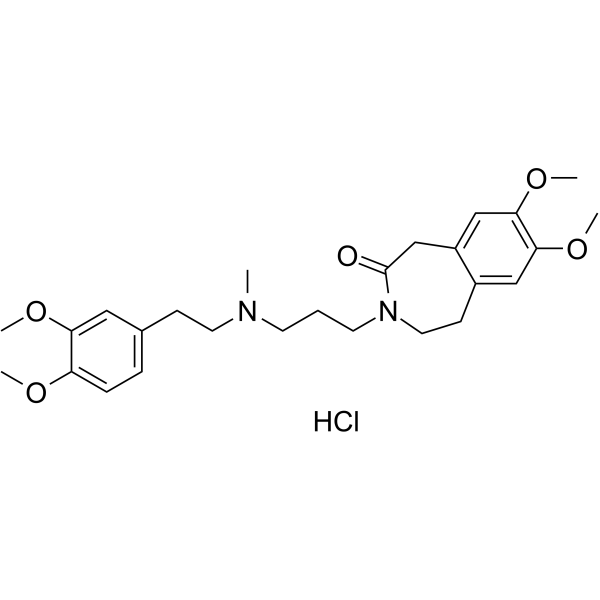
    Zatebradine (UL-FS-49 (free base)) is a potent inhibitor of hyperpolarization-activated cyclic nucleotide-gated (HCN) channels with an IC50 values 1.96 µM. Zatebradine blocks the slow inward current through human HCN1, HCN2, HCN3 and HCN4 channels, with IC50 values of 1.83 µM, 2.21 µM, 1.90 µM and 1.88 µM, respectively .
    Zatebradine hydrochloride
  • HY-172550

    HCN Channel Neurological Disease
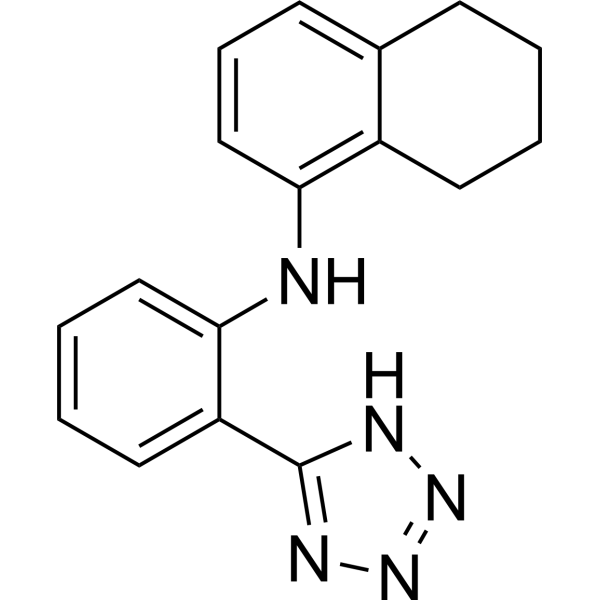
    MS7710 is a hyperpolarization-activated cyclic nucleotide-gated (HCN) channel inhibitor with blood-brain barrier permeability and an excellent brain/plasma concentration ratio. MS7710 inhibits HCN channel-mediated Ih current, and reduces the firing frequency and burst activity of dopaminergic neurons in the ventral tegmental area. MS7710 ameliorates chronic social defeat stress-induced deficits in social interaction and impairments in reward-related cognitive flexibility in mice. MS7710 exerts only limited effects on ventral tegmental area dopaminergic neuron activity, social interaction, exploratory behavior, locomotor activity or sucrose preference in control mice. MS7710 is applicable to the research of major depressive disorder .
    MS7710
  • HY-P10817

    Proton Pump Reactive Oxygen Species (ROS) Metabolic Disease
    Corza6 is a potent and selective human voltage-gated proton channel (hHv1) peptide inhibitor. Corza6 binds to the external voltage sensor domain (VSD) loop in hHv1 with a Kd of ~1 nM at the natural, hyperpolarized resting membrane potential (RMP) of mammalian cells. Corza6 allows capacitation in sperm and permits sustained reactive oxygen species (ROS) production in white blood cells (WBCs) .
    Corza6
  • HY-156004

    Bacterial Others
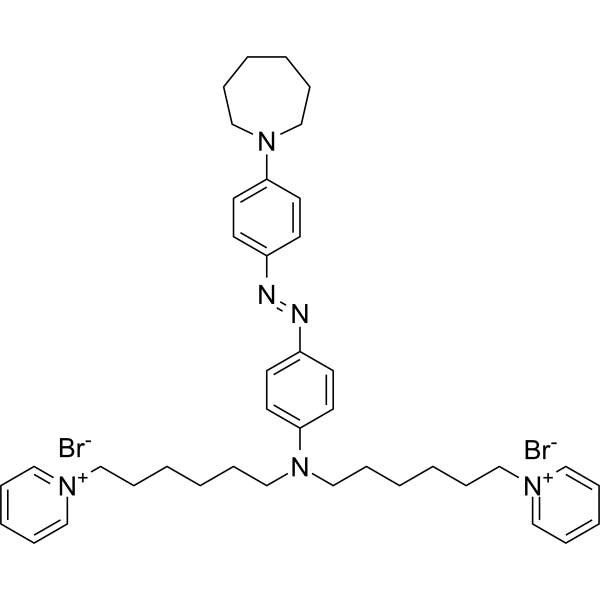
    Ziapin 2 is a membrane potential modulator and an intracellular membrane photoactuator. Ziapin 2 binds to the bacterial plasma membrane, and upon embedding into the lipid bilayer, undergoes trans-cis isomerization under 470 nm light irradiation, which triggers membrane potential hyperpolarization and induces the opening of ion channels on bacterial cell membranes. Through interactions with lipids, Ziapin 2 increases the overall flexibility of the lipid bilayer. Ziapin 2 can form photosensitive transmembrane dimers to trigger cellular signal transduction. Ziapin 2 is applicable to the research and regulation of bacterial electrical signal transduction and the regulation of membrane physical properties .
    Ziapin 2
  • HY-124424

    Potassium Channel Others Neurological Disease
    VU0071063 is a potent and specific Kir6.2/SUR1 opener (EC50=7.44 μM) and can be used for investigating Kir6.2/SUR1 expressed in the pancreas and brain. VU0071063 inhibits insulin secretion by inducing hyperpolarization of β-cell membrane potential. VU0071063 chemotype has a very steep structure-activity relationships .
    VU0071063
  • HY-163455

    HCN Channel Neurological Disease
    pan-HCN-IN-1 (Compound J&J12e) is an inhibitor for hyperpolarization-activated and cyclic-nucleotide-gated 1 (HCN1) ion channel, with IC50 of 58 nM. pan-HCN-IN-1 reduces the voltage sag response and enhances EPSP summation in ex vivo rats brain slices .
    pan-HCN-IN-1
  • HY-P10817A

    Proton Pump Reactive Oxygen Species (ROS) Metabolic Disease
    Corza6 TFA is a potent and selective human voltage-gated proton channel (hHv1) peptide inhibitor. Corza6 TFA binds to the external voltage sensor domain (VSD) loop in hHv1 with a Kd of ~1 nM at the natural, hyperpolarized resting membrane potential (RMP) of mammalian cells. Corza6 TFA allows capacitation in sperm and permits sustained reactive oxygen species (ROS) production in white blood cells (WBCs) .
    Corza6 TFA
  • HY-13422A
    Zatebradine
    2 Publications Verification

    UL-FS-49 free base; UL-FS-49CL free base

    HCN Channel Cardiovascular Disease
    Zatebradine (UL-FS-49 (free base); UL-FS-49CL (free base)) is a potent inhibitor of hyperpolarization-activated cyclic nucleotide-gated (HCN) channels with an IC50 value of 1.96 µM. Zatebradine blocks the slow inward current through human HCN1, HCN2, HCN3 and HCN4 channels, with IC50 values of 1.83 µM, 2.21 µM, 1.90 µM and 1.88 µM, respectively .
    Zatebradine
  • HY-DY1021

    Fluorescent Dye Others
    DiSC3 (5) (solution) is a fluorescent probe commonly used as a tracer dye to evaluate mitochondrial membrane potential. The excitation/emission wavelength of DiSC3 (5) is up to 622/670 nm. DiSC3 (5) can inhibit the respiratory system associated with mitochondrial NAD, and the IC50 value is 8 μM. DiSC3 (5) in the presence of Na +/K +-ATPase inhibitor ouabain 2 can induce membrane hyperpolarization of Ehrlich ascites tumor cells .
    Solvent and concentration: DMSO: 1 mM
    The 1 mL volume is defined as the base specification. All larger sizes correspond to incremental volumes of this base.
    DiSC3(5) (solution)
  • HY-164911

    Potassium Channel Endocrinology
    VU0546110 is a selective inhibitor of the sperm-specific potassium channel SLO3, with IC50s of 1.287 μM (SLO3) and 59.80 μM (SLO1) in HEK293 cells, respectively. VU0546110 blocks heterologous SLO3 currents and endogenous K + currents in human sperm. VU0546110 halts sperm hyperpolarization, induced acrosome reaction, and hyper-activated motility. VU0546110 has contraceptive potential .
    VU0546110
  • HY-123264

    Potassium Channel Neurological Disease
    RL648_81 is a specific KQT-like subfamily 2/3 (KCNQ2/3) activator with an EC50 of 190 nM. RL648_81 robustly shifts the V1/2 of KCNQ2/3 channels towards hyperpolarized potentials.RL648_81 does not shift the V1/2 of either KCNQ4 or KCNQ5.RL648_81 has?the?potential?for?neurologic disorders associated with neuronal hyperexcitability research .
    RL648_81
  • HY-N12788

    Parasite Infection
    T-Cadinol is a sesquiterpene isolated from C. sylvestris that exhibits anti-Trypanosoma cruzi activity, with IC50 values of 18.2 μM and 15.8 μM against trypomastigote and amastigote forms, respectively. T-Cadinol can induce mitochondrial damage in parasites, leading to membrane hyperpolarization and decreased levels of reactive oxygen species. T-Cadinol can be used for the research of Chagas disease .
    T-Cadinol
  • HY-102052

    Potassium Channel Metabolic Disease
    DCEBIO is a small/medium conductance calcium-activated potassium (SKCa/IKCa) channel opener and primary neuron signal blocker. It hyperpolarizes the membrane potential of C2C12 myoblasts by activating IKCa channels, thereby promoting myogenic differentiation. The specific biological activity of DCEBIO is manifested in increased myotube formation, enhanced myosin heavy chain II protein levels and myogenin mRNA levels. DCEBIO can be applied in the field of muscle research, especially in muscle-related degenerative diseases such as sarcopenia .
    DCEBIO
  • HY-161092A

    HCN Channel Potassium Channel Neurological Disease
    KIO-301 chloride hydrochloride is an azobenzene photoswitchable compound that blocks voltage-gated ion channels, including hyperpolarization-activated cyclic nucleotide gating (HCN, during exposure to visible light) ) and voltage-gated potassium channels (voltage-gated potassium channels) .
    KIO-301 chloride hydrochloride
  • HY-100945

    mAChR Neurological Disease
    Nitrocaramiphen hydrochloride is a selective M1 receptor antagonist (Ki: 5.5 nM). Nitrocaramiphen Hydrochloride inhibits the hyperpolarizing effect of muscarine in the muscle fibers .
    Nitrocaramiphen hydrochloride
  • HY-119102

    HCN Channel Inflammation/Immunology
    BPU-11 is a hyperpolarization-activated cyclic nucleotide-gated (HCN) C-linker pocket (CLP) HCN4 CLP ligand. BPU-11 can be used for the research of congenital immune disease .
    BPU-11
  • HY-P3384

    Fungal Others Inflammation/Immunology
    Pezadeftide is a potent antifungal peptide. Pezadeftide can enter fungal cells and cause a rapid mitochondrial response that results in hyperpolarization of the mitochondrial membrane .
    Pezadeftide
  • HY-100418
    SKA-111
    1 Publications Verification

    Potassium Channel Cardiovascular Disease
    SKA-111 is a selective activator of potassium phannel KCa 3.1 , evokes KCa 3.1 membrane hyperpolarization in porcine endothelial cell. SKA-111 is capable of improving Bradykinin (HY-P0206)-induced coronary dilations in the isolated rat heart and can be used for cardiovascular disease research .
    SKA-111
  • HY-19116

    Potassium Channel Neurological Disease Metabolic Disease
    KRN-2391 is a KATP channel opener with NO donor properties. KRN-2391 exerts dual inhibitory effects on overactive bladder (OAB) by activating KATP channels (causing cellular hyperpolarization and bladder smooth muscle relaxation) and releasing NO (enhancing relaxation via cGMP pathways). KRN-2391 is promising for research of OAB .
    KRN-2391
  • HY-163880

    EGFR Ras p38 MAPK Reactive Oxygen Species (ROS) Cancer
    EGFR-IN-119 (Compound 5l) is an inhibitor for EGFR with an IC50 of 84.3 nM. EGFR-IN-119 inhibits the cytotoxicity in lung cancer cell A549 with an IC50 of 1.34 μM. EGFR-IN-119 downregulates the expressions of EGFR, KRAS, and MAP2K genes, exhibits antioxidant activity through reduction of reactive oxygen species (ROS), and hyperpolarizes the mitochondrial membrane potential .
    EGFR-IN-119
  • HY-P5389

    Gap Junction Protein Others
    Connexin mimetic peptide 40GAP27 is a biological active peptide. (This peptide corresponds to the GAP27 domain of the second extracellular loop of dominant vascular connexin (Cx40), designated as 40Gap 27. It was used to investigate mechanisms through which oxidant stress impairs communication via gap junctions. When administered, 40Gap27attenuates endothelium-dependent subintimal smooth muscle hyperpolarization.)
    Connexin mimetic peptide 40GAP27
  • HY-N0219R

    (+)-Bicuculline (Standard)

    Reference Standards GABA Receptor Neurological Disease
    Bicuculline (Standard) is the analytical standard of Bicuculline. This product is intended for research and analytical applications. Bicuculline ((+)-Bicuculline) is A competing neurotransmitter GABAA receptor antagonist (IC50=2 μM). Bicuculline also blocks Ca2+ activating potassium (SK) channels and subsequently blocks slow post-hyperpolarization (slow AHP). Bicuculline has anticonvulsant activity. Bicuculline can be used to induce seizures in mice .
    Bicuculline (Standard)
  • HY-178158

    Farnesyl Transferase Apoptosis DNA/RNA Synthesis Cancer
    SQS-IN-1 is a squalene synthase (SQS) inhibitor. SQS-IN-1 exhibits potent and broad-spectrum anti-proliferative effects on both mouse and human lung cancer cell lines. SQS-IN-1 inhibits DNA replication and the cell cycle, causing mitochondrial hyperpolarization and inducing cell apoptosis. SQS-IN-1 inhibits cell migration and invasion. SQS-IN-1 can be used to the study of lung cancer .
    SQS-IN-1
  • HY-178509

    TRP Channel Cardiovascular Disease
    TRPV4-KCa2.3 modulator 1 (Compound IB-2) is a TRPV4-KCa2.3 protein complex enhancer with antihypertensive activity. TRPV4-KCa2.3 modulator 1 enhances endothelial cell hyperpolarization and vasodilatio. TRPV4-KCa2.3 modulator 1 is promising for research of hypertension and cardiovascular disorders .
    TRPV4-KCa2.3 modulator 1
  • HY-P10993

    Bcl-2 Family Cancer
    CT20p is an anticancer peptide based on the C hydrophobic terminus of Bax. CT20p has a unique cytotoxic effect independent of full-length Bax, and can act on mitochondria, leading to fusion-like aggregation and mitochondrial membrane hyperpolarization. CT20p can reduce α5β1 integrin levels and inhibit F-actin polymerization, thereby destroying the cytoskeleton and preventing cell attachment. CT20p can be used in the study of breast cancer .
    CT20p
  • HY-N12528

    Epoxide Hydrolase Cardiovascular Disease
    10,11-EDT, a soluble epoxide hydrolase (sEH) substrate, is a metabolic product of adrenic acid. 10,11-EDT is an endothelium-derived hyperpolarizing factor with strong vasorelaxant effects .
    10,11-EDT
  • HY-174146

    5-HT Receptor Neurological Disease
    5-HT1A agonist 1 (Compound Ex.37) is a highly selective 5-HT1a receptor agonist (EC50=0.18 nM). 5-HT1A agonist 1 mimicks serotonin binding to the receptor, promotes postsynaptic membrane hyperpolarization, inhibits neuronal hyperexcitability, and reduces the release of anxiety-related neurotransmitters. 5-HT1A agonist 1 is promising for research of neuropsychiatric diseases .
    5-HT1A agonist 1
  • HY-133614

    Potassium Channel Others
    Dihydroisopimaric acid activates large conductance Ca 2+ activated K + (BK) channels alphabeta1 in the direct measurement of BKalphabeta1 opening under whole-cell voltage clamp .
    Dihydroisopimaric acid
  • HY-131281

    Drug Metabolite Others
    Ivabradine impurity 1 is an Ivabradine impurity. Ivabradine is an orally bioavailable, hyperpolarization-activated, cyclic nucleotide-gated (HCN) channel blocker .
    Ivabradine impurity 1
  • HY-131282

    Drug Metabolite Others
    Ivabradine impurity 2 is an Ivabradine impurity. Ivabradine is an orally bioavailable, hyperpolarization-activated, cyclic nucleotide-gated (HCN) channel blocker .
    Ivabradine impurity 2
  • HY-131283

    Drug Metabolite Endocrinology
    8-Demethyl Ivabradine is a metabolite of Ivabradine. Ivabradine is an orally bioavailable, hyperpolarization-activated, cyclic nucleotide-gated (HCN) channel blocker .
    8-Demethyl Ivabradine
  • HY-100799

    GABA Receptor Neurological Disease
    ZAPA sulfate is an agonist at low affinity GABAA-receptors. ZAPA sulfate induces membrane hyperpolarization of the Ascaris muscle cell with an EC50 of 10.3 μM .
    ZAPA sulfate
  • HY-123708

    Galectin Others
    SNAP 398299 is a Gal3 receptor antagonist with potential anxiolytic and antidepressant effects. SNAP 398299 can partially reverse the neuropeptide Galanin-induced inhibition of dorsal raphe cell firing and the Galanin-induced hyperpolarizing current.
    SNAP 398299
  • HY-Z8942

    Insecticide Parasite Chloride Channel Infection
    Avermectin B2a is an insecticide targeting glutamate-gated chloride channels (GluCls). Avermectin B2a causes hyperpolarization of nematode/insect neurons and subsequent paralysis/death. Avermectin B2a is promising for research of agricultural pests .
    Avermectin B2a
  • HY-137968

    Parasite Infection
    Avermectin B1a aglycon is an aglycone derivative of Avermectin B1a (HY-15308), an antiparasitic agent that paralyzes nematodes. Avermectin B1a aglycon hyperpolarizes P. crassipes muscle fibers, with a minimum effective concentration of 0.1 μM .
    Avermectin B1a aglycon
  • HY-120540

    Potassium Channel Cardiovascular Disease
    BMS-182264 is a highly selective ATP-sensitive potassium channel agonist. BMS-182264 promotes potassium efflux and membrane hyperpolarization to induce smooth muscle relaxation and vasodilation. BMS-182264 is promising for research of cardiovascular diseases such as hypertension and myocardial ischemia .
    BMS-182264

Inquiry Online

Your information is safe with us. * Required Fields.

Salutation


Country or Region *

Applicant Name *


Organization Name *

Department *


Email Address *


Product Name *

Cat. No.


Requested quantity *

Phone Number *


Remarks

Inquiry Online

Inquiry Information

Product Name:
Cat. No.:
Quantity:
MCE Japan Authorized Agent:

