Search Result
Results for "
Leukaemia cancer
" in MedChemExpress (MCE) Product Catalog:
2
Isotope-Labeled Compounds
| Cat. No. |
Product Name |
Target |
Research Areas |
Chemical Structure |
-
- HY-134836
-
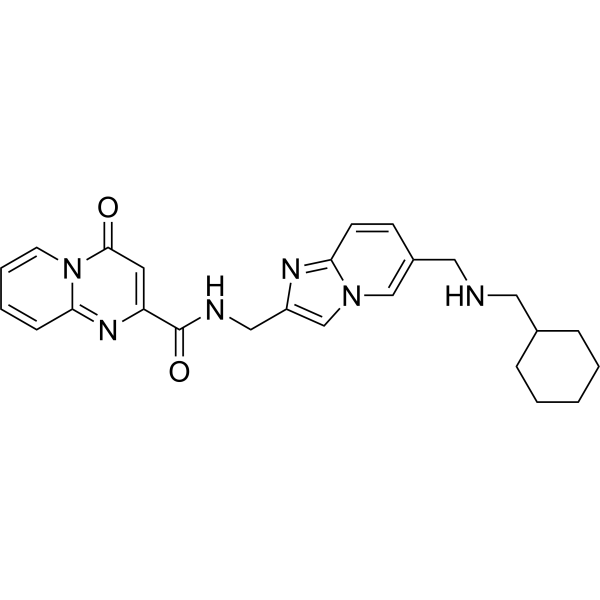
STM2457
Maximum Cited Publications
104 Publications Verification
|
Apoptosis
METTL3
|
Cancer
|
|
STM2457 is a first-in-class, highly potent, selective and orally active METTL3 inhibitor with an IC50 of 16.9 nM. STM2457 can be used for the research of acute myeloid leukaemia (AML) .
|
-
-
- HY-13502
-
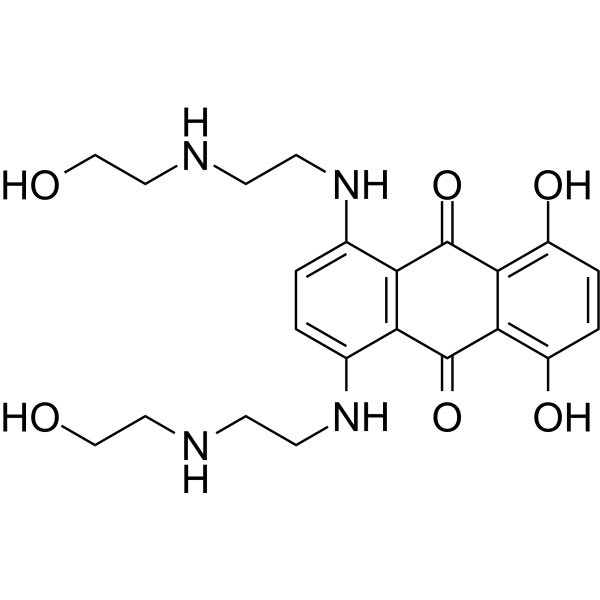
Mitoxantrone
Maximum Cited Publications
46 Publications Verification
Mitozantrone; NSC 301739
|
Topoisomerase
PKC
Orthopoxvirus
Apoptosis
Endogenous Metabolite
|
Infection
Cancer
|
|
Mitoxantrone is a potent topoisomerase II inhibitor. Mitoxantrone also inhibits protein kinase C (PKC) activity with an IC50 of 8.5 μM. Mitoxantrone induces apoptosis of B-CLL (B-chronic lymphocytic leukaemia) cells. Mitoxantrone shows antitumor activity . Mitoxantrone also has anti-orthopoxvirus activity with EC50s of 0.25 μM and and 0.8 μM for cowpox and monkeypox, respectively .
|
-
-
- HY-16993
-
|
|
Apoptosis
WDR5
|
Cancer
|
|
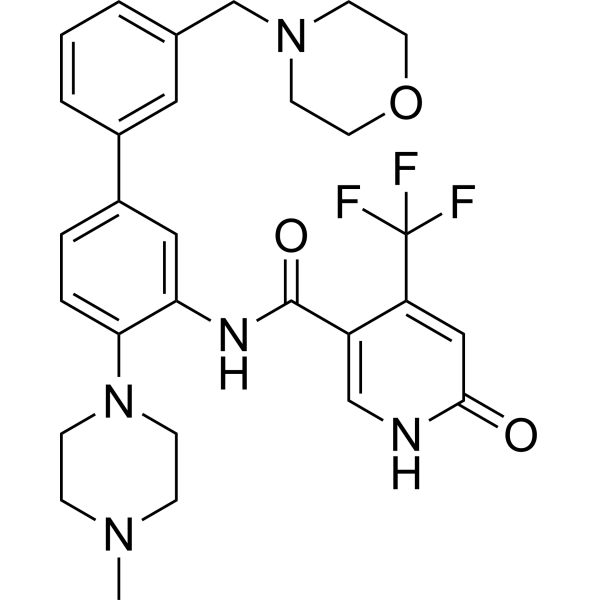
OICR-9429, a chemical probe, is high affinity WD repeat domain 5 (WDR5) inhibitor, competitively blocks WDR5 interaction with MLL protein via binding the central peptide-binding pocket of WDR5. OICR-9429 can suppress histone H3K4 trimethylation and can be used for the research of various cancers including non-MLL-rearranged leukaemia, colon, pancreatic, prostate cancer and bladder cancer (BCa) .
|
-
-
- HY-13502A
-
|
Mitozantrone dihydrochloride; NSC 301739 dihydrochloride
|
Topoisomerase
PKC
Orthopoxvirus
Apoptosis
Endogenous Metabolite
|
Infection
Cancer
|
|
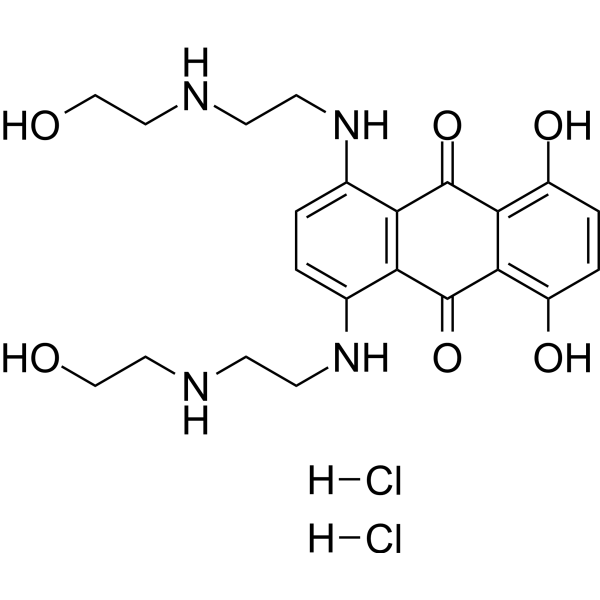
Mitoxantrone dihydrochloride is a potent topoisomerase II inhibitor. Mitoxantrone dihydrochloride also inhibits protein kinase C (PKC) activity with an IC50 of 8.5 μM. Mitoxantrone dihydrochloride induces apoptosis of B-CLL (B-chronic lymphocytic leukaemia) cells. Mitoxantrone dihydrochloride shows antitumor activity . Mitoxantrone dihydrochloride also has anti-orthopoxvirus activity with EC50s of 0.25 μM and and 0.8 μM for cowpox and monkeypox, respectively .
|
-
-
- HY-N0095
-
|
10-HCPT; 10-Hydroxycamptothecin
|
Topoisomerase
Apoptosis
|
Cancer
|
|
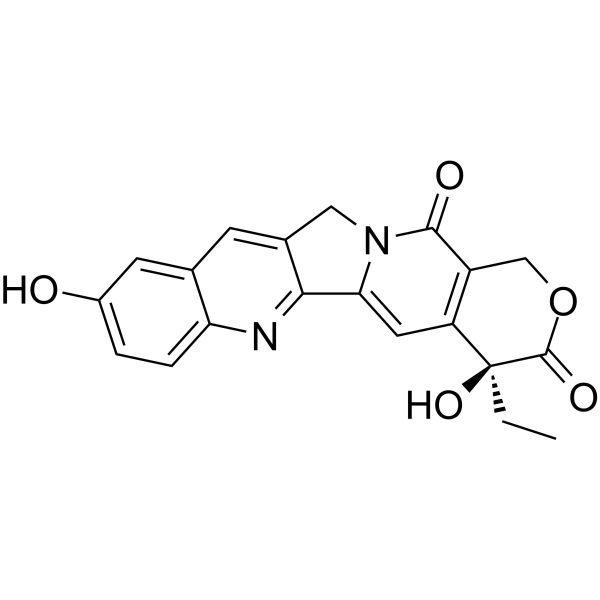
(S)-10-Hydroxycamptothecin (10-HCPT;10-Hydroxycamptothecin) is a DNA topoisomerase I inhibitor of isolated from the Chinese plant Camptotheca accuminata. (S)-10-Hydroxycamptothecin exhibits a remarkable apoptosis-inducing effect. (S)-10-Hydroxycamptothecin has the potential for hepatoma, gastric carcinoma, colon cancer and leukaemia treatment .
|
-
-
- HY-148333
-
MS177
3 Publications Verification
|
PROTACs
Histone Methyltransferase
Apoptosis
|
Cancer
|
|
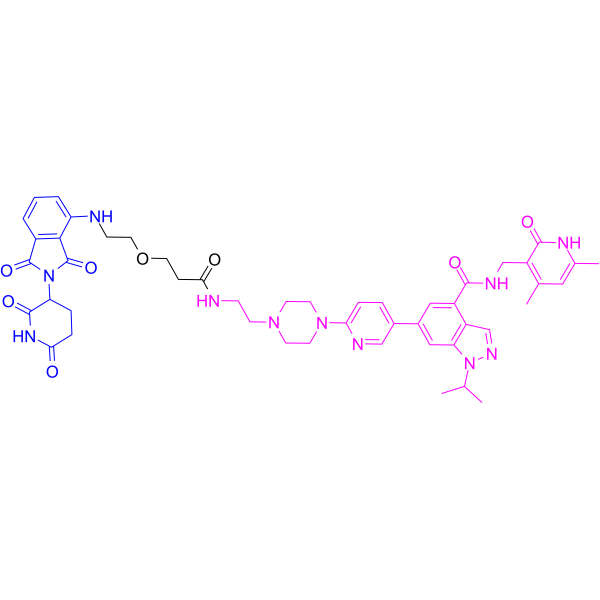
MS177 is an effective and fast-acting EZH2 degrader. MS177 is a PROTAC that consists of a CRBN ligand, linker, and a potent enzymatic EZH2 inhibitor C24 (C24 IC50): 12 nM). MS177 effectively depletes both canonical EZH2-PRC2 and noncanonical EZH2-cMyc complexes. MS177 induces leukaemia cell growth inhibition, apoptosis and cell cycle progression arrest .
|
-
-
- HY-P99189
-
|
IMC-A12; NSC742460
|
IGF-1R
|
Cancer
|
|
Cixutumumab (IMC-A12) is a human anti-IGF-1R monoclonal antibody with high affinity that inhibits ligand-dependent receptor activation and downstream signaling. Cixutumumab also mediates the internalization and degradation of IGF-IR. Cixutumumab shows broad-spectrum anti-tumour activity and can be used in studies of cancers such as lung cancer, malignancies, leukaemia, non-small cell lung cancer and prostate cancer .
|
-

-
- HY-144806
-
|
|
PI3K
Akt
Apoptosis
|
Cancer
|
|
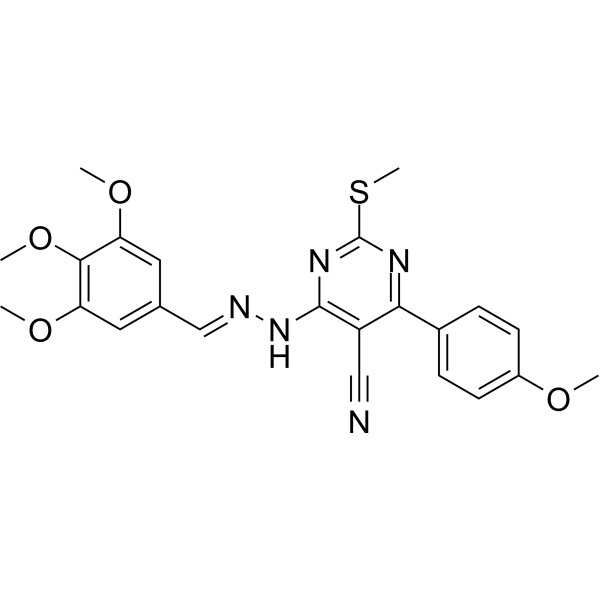
PI3K/AKT-IN-1 is an effective PI3K/AKT dual inhibitor (IC50 of 6.99, 4.01 and 3.36 μM for PI3Kγ, PI3Kδ and AKT, respectively). PI3K/AKT-IN-1 has anticancer activity and acts by inhibiting PI3K/AKT axis and inducing caspase 3 dependent apoptosis .
|
-
-
- HY-16126
-
|
L-651582; CAI
|
Calcium Channel
NF-κB
p38 MAPK
NO Synthase
|
Cardiovascular Disease
Inflammation/Immunology
Cancer
|
|
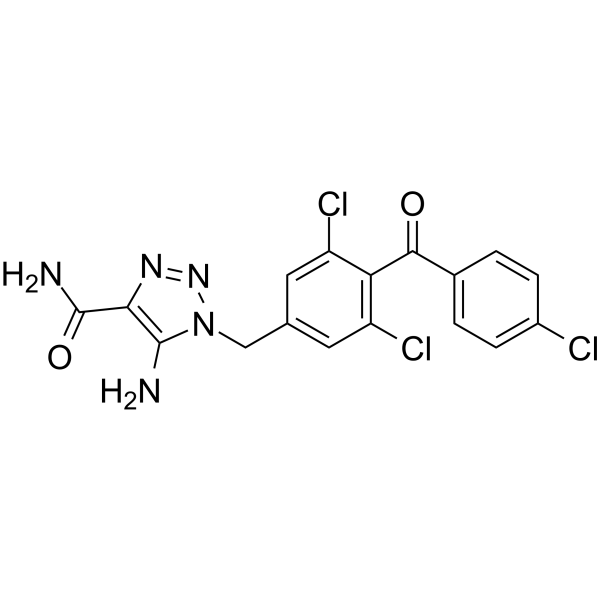
Carboxyamidotriazole (L-651582) is an orally active cytostatic inhibitor of nonvoltage-operated calcium channels and calcium channel-mediated signaling pathways. Carboxyamidotriazole inhibits NF-κB, MAPK activation and NO production. Carboxyamidotriazole has anti-angiogenic and anti-inflammatory activities. Carboxyamidotriazole has anticancer activity against liver cancer, lung cancer and leukemia .
|
-
-
- HY-173189A
-
|
2′,5′-ApApA pentasodium; 2′,5′-trioligoadenylate pentasodium; 5'-O-Triphosphoryladenylyl-(2'→5')-adenylyl-(2'→5')-adenosine pentasodium
|
RSV
DNA/RNA Synthesis
|
Infection
Cancer
|
2-5A (2′,5′-ApApA) pentasodium solution 100 mM is a high-affinity (Ka=0.04 nM) RNase L binder. 2-5A pentasodium solution 100 mM activates the nuclease activity of latent RNase L to cleave single-stranded RNA by inducing conformational changes and dimerization of latent RNase L, thereby mediating critical antiviral responses and enhancing interferon effects. 2-5A pentasodium solution 100 mM not only effectively inhibits Rauscher murine leukemia virus replication, reduces viremia and splenomegaly, but also enhances antileukemic efficacy when combined with amphotericin B and exhibits favorable high-dose tolerance. 2-5A pentasodium solution 100 mM is an important tool molecule for investigating the pathological mechanisms of viral infection, hereditary prostate cancer and leukemia .
|
-

-
- HY-157334
-
DEG-77
1 Publications Verification
|
Molecular Glues
Casein Kinase
IKZF Family
Bcl-2 Family
CDK
Apoptosis
|
Cancer
|
|
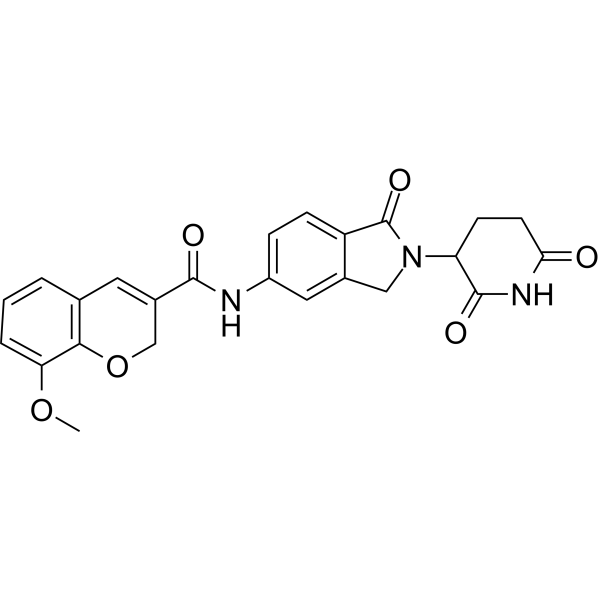
DEG-77 is a molecular glue targeting IKZF2 and CK1α, with DC50 values of 15.3 nM and 10 nM, respectively. DEG-77 exhibits significant anti-tumor activity, inducing increased transcriptional levels of the pro-apoptotic protein Bax and the cell cycle arrest protein p21. DEG-77 is applicable to the research of acute myeloid leukemia (AmL), diffuse large B-cell lymphoma and ovarian cancer.
|
-
-
- HY-16125
-
|
L-651582 Orotate; CAI Orotate
|
Calcium Channel
|
Cardiovascular Disease
Inflammation/Immunology
Cancer
|
|
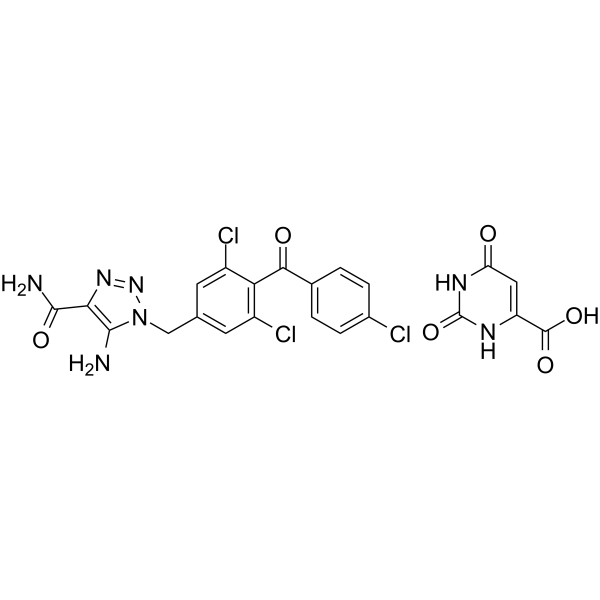
Carboxyamidotriazole Orotate (L-651582 Orotate) is the orotate salt form of Carboxyamidotriazole (CAI), an orally bioavailable signal transduction inhibitor. Carboxyamidotriazole Orotate is a cytostatic inhibitor of nonvoltage-operated calcium channels and calcium channel-mediated signaling pathways. Carboxyamidotriazole Orotate shows anti-tumor, anti-inflammatory and antiangiogenic effects .
|
-
-
- HY-117548
-
UNC1062
2 Publications Verification
|
TAM Receptor
Apoptosis
p38 MAPK
ERK
PI3K
Akt
JAK
STAT
|
Cardiovascular Disease
Cancer
|
|
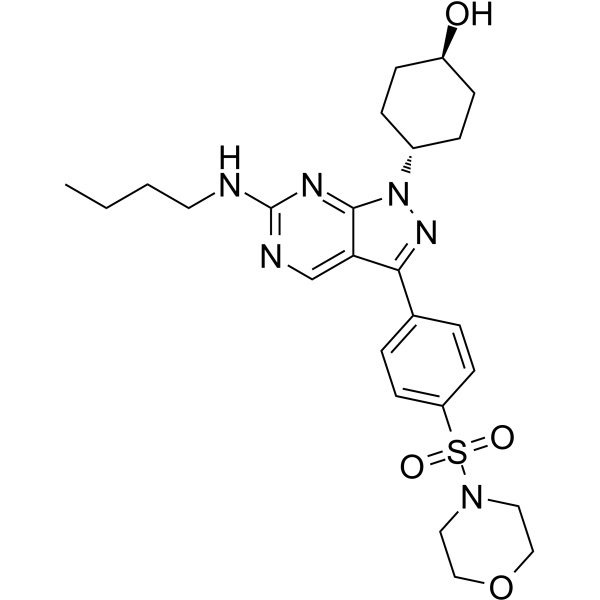
UNC1062 is a highly selective tyrosine kinase (MERTK) inhibitor with an IC50 of 1.1 nM (Morrison Ki = 0.33 nM). UNC1062 exhibits good selectivity for the TAM family (TYRO3 IC50 = 60 nM, AXL IC50 = 85 nM). UNC1062 exhibits significant anti-proliferative effects and induces apoptosis in various cancer models (such as melanoma, gastric cancer, and acute myeloid leukemia). UNC1062 inhibits multiple pathways, including MAPK/ERK, PI3K/AKT and JAK/STAT and affects the motility of head and neck squamous cell carcinoma (HNSCC) cells through the RhoA signaling pathway. UNC1062 inhibits macrophage efferocytosis, and it suitable for research on atherosclerosis .
|
-
-
- HY-155219
-
|
|
Methylenetetrahydrofolate Dehydrogenase (MTHFD)
Apoptosis
DNA/RNA Synthesis
|
Cancer
|
|
TH9028 is an inhibitor of MTHFD1, MTHFD2 and MTHFD2L, with IC50 values of 0.5 nM, 11 nM and 27 nM, respectively. TH9028 reduces replication fork speed, induces replication stress, triggers S-phase arrest, initiates apoptosis, impairs thymidine production, and causes erroneous uracil incorporation into DNA. TH9028 can be used in research related to acute myeloid leukemia .
|
-

-
- HY-117664
-
|
|
DNA/RNA Synthesis
|
Cancer
|
|
PNR-7-02 is a dual Rev1 and human DNA polymerase η (hpol η) inhibitor, with an IC50 value of 8 μM against hpol η. PNR-7-02 binds to hpol η to disrupt the orientation of template DNA and block the catalytic function of hpol η. When used in combination with Cisplatin (HY-17394), PNR-7-02 induces DNA damage and replication stress in cells with intact hpol η function. PNR-7-02 can be used in mechanism studies related to chronic myeloid leukemia and ovarian cancer .
|
-

-
- HY-120234
-
|
Z-Leu-Leu-Nle-CHO; GSII
|
γ-secretase
Proteasome
Apoptosis
|
Cancer
|
|
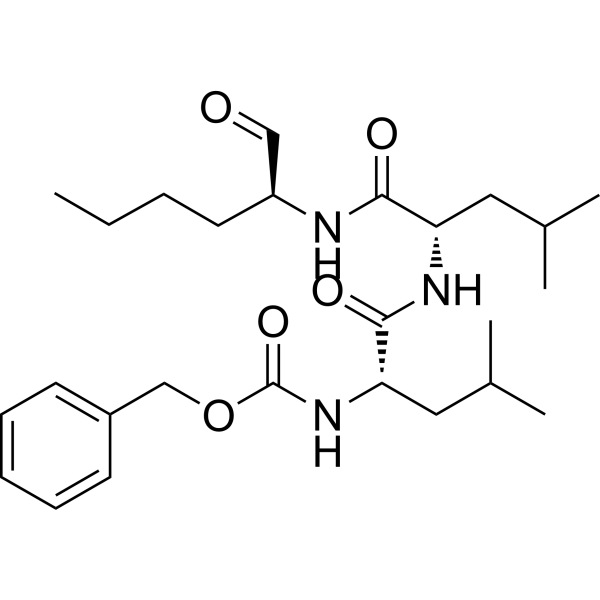
Z-LLNle-CHO (Z-Leu-Leu-Nle-CHO) is a γ-secretase inhibitor I. Z-LLNle-CHO induces caspase and ROS-dependent apoptosis by blocking the Akt-mediated pro-survival pathway. Z-LLNle-CHO can be used in cancer research, such as breast cancer and leukaemia .
|
-
-
- HY-50733A
-
|
|
Casein Kinase
Ras
Apoptosis
|
Cancer
|
|
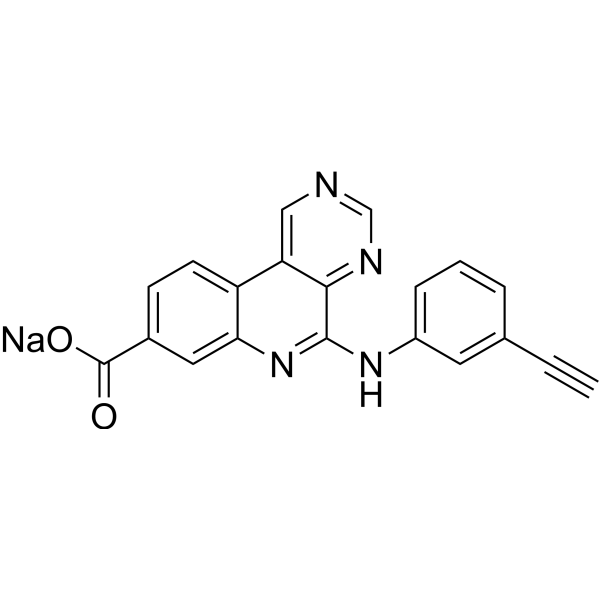
CX-5011 is a CK2 inhibitor. CX-5011 also induces Rac1 activation. CX-5011 induces apoptosis and induces cancer cell death .
|
-
-
- HY-175003
-
|
|
Proton Pump
|
Cancer
|
|
HV1-IN-2 (Compound 14c) is a human voltage-gated proton channel (HV1) inhibitor with an IC50 of 2.14 μM. HV1-IN-2 has a potent anticancer activity with significant antiproliferative effects against THP-1 and MCF-7 cells. HV1-IN-2 can be used for cancers research, such as colorectal tumours, leukaemia, and breast cancer .
|
-

-
- HY-116894
-
|
|
Apoptosis
|
Cancer
|
|
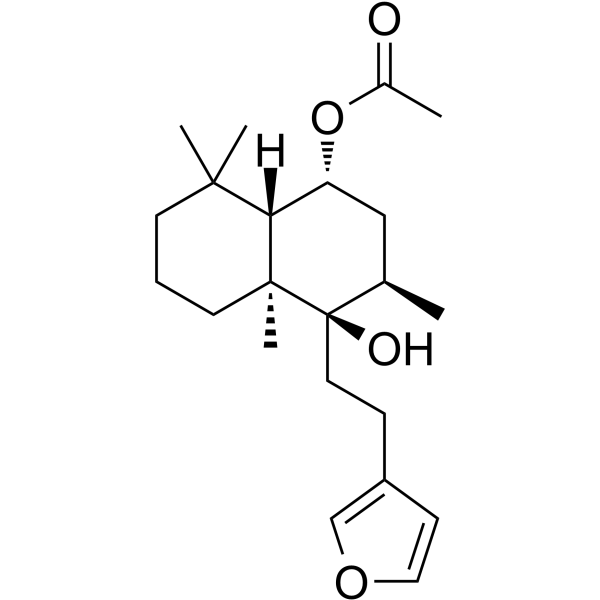
Rotundifuran, a labdane type diterpene, is isolated from Vitex rotundifolia. Rotundifuran can inhibit the cell cycle progression and induce apoptosis in human myeloid leukaemia cells .
|
-
-
- HY-143286
-
|
|
PROTACs
FLT3
|
Cancer
|
|
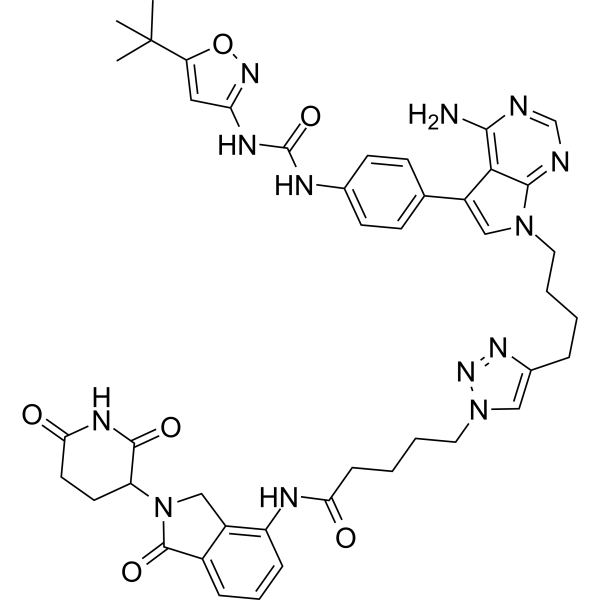
PF15 is a PROTAC connected by ligands for FLT3 kinase and CRBN. PF15 is a high selective FLT3-ITD degrader, with a DC50 of 76.7 nM. PF15 significantly inhibits the proliferation of FLT3-ITD-positive cells, can down-regulate the phosphorylation of FLT3 and STAT5. PF15 also inhibits tumor growth in mouse models and can be used in study of leukemia .
|
-
-
- HY-157404
-
|
|
Pim
|
Cancer
|
|
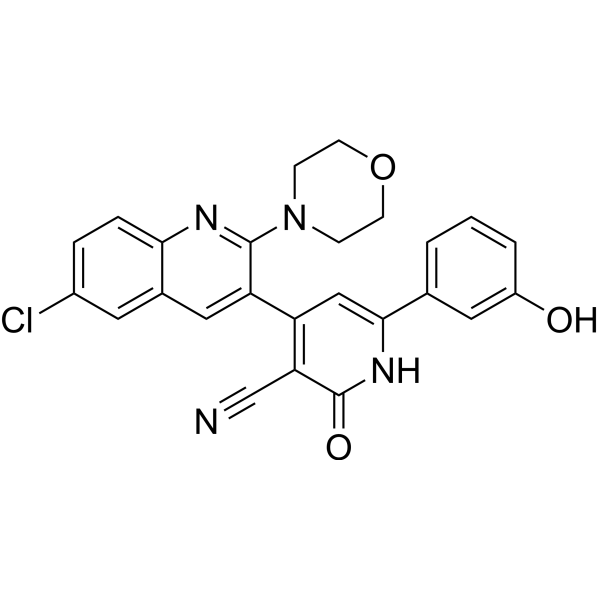
Pim-1/2 kinase inhibitor 2 (compound 5b) is a competitive PIM-1 and PIM-2 kinase inhibitor with IC50s of 1.31 μM and 0.67 μM, respectively. Pim-1/2 kinase inhibitor 2 shows in-vitro low cytotoxicity against normal human lung fibroblast Wi-38 cell line and potent in-vitro anticancer activity against myeloid leukaemia (NFS-60), liver (HepG-2), prostate (PC-3), and colon (Caco-2) cancer cell lines .
|
-
-
- HY-150586
-
|
|
HDAC
Apoptosis
|
Cancer
|
|
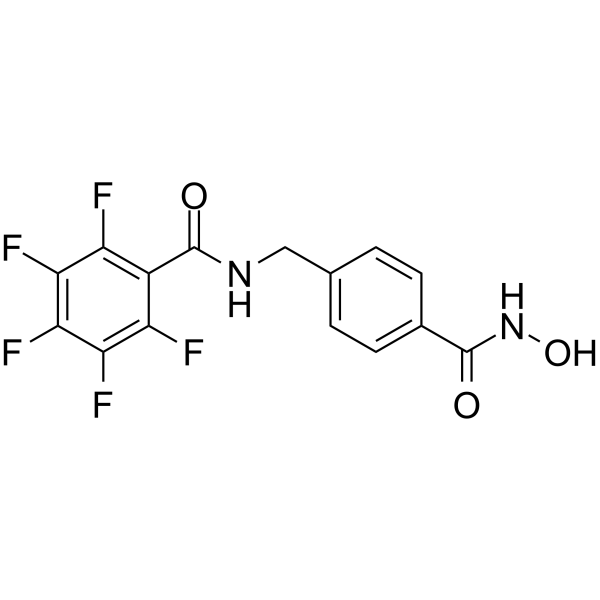
PTG-0861 is a selective histone deacetylase 6 (HDAC6) inhibitor with the IC50 value of 5.92 nM. PTG-0861 induces apoptosis and can be used in the study of acute myeloid leukemia, multiple myeloma and other hematological cancers .
|
-
-
- HY-P2620
-
|
|
Fluorescent Dye
|
Metabolic Disease
Cancer
|
|
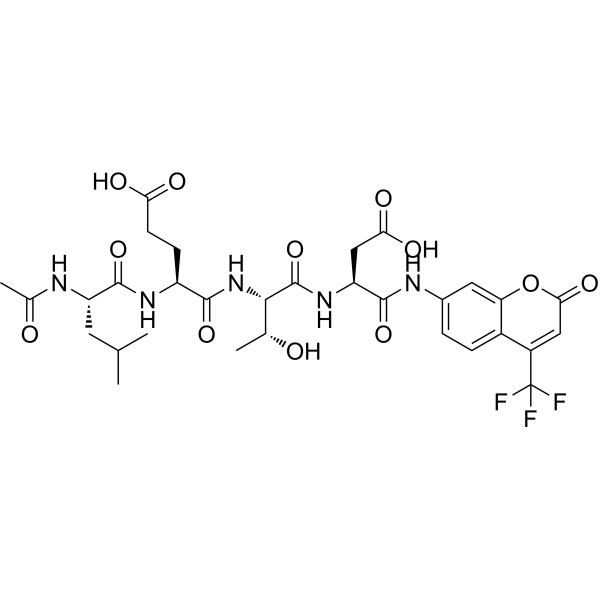
Ac-LETD-AFC is a caspase-8 fluorogenic substrate. Ac-LETD-AFC can measure caspase-8 fluorogenic activity and can be used for the research of cancer cell apoptosis and oxidative stress metabolism .
|
-
-
- HY-174849
-
|
|
DNA/RNA Synthesis
|
Cancer
|
|
TdT-IN-1 (Compound 8c) is a selective and non-nucleoside terminal deoxynucleotidyl transferase (TdT) inhibitor with IC50 s of 0.11 and 0.19 μM for Mg 2+ and Mn 2+. TdT-IN-1 can be used for leukaemias and skin cancer research .
|
-

-
- HY-144755
-
|
|
Histone Demethylase
|
Cancer
|
|
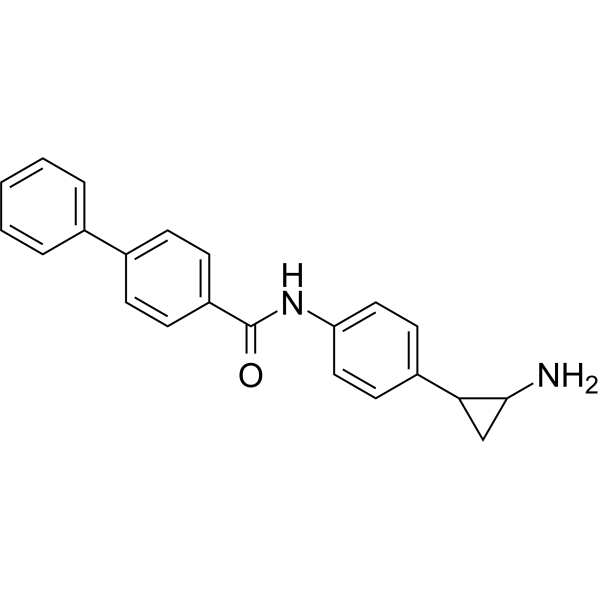
MC2652 (compound 1a) is a potent LSD1 inhibitor. MC2652 displays high inhibiting effects in MV4-11 and NB4 leukaemia cells. MC2652 shows antiproliferative activity against prostate cancer LNCaP cells .
|
-
-
- HY-P991425
-
|
|
Transmembrane Glycoprotein
|
Cancer
|
|
AT-1413 is a human monoclonal antibody (mAb) targeting CD43. AT-1413 induces antibody-dependent cell-mediated cytotoxicity (ADCC) in melanoma cell lines and acute myeloid leukemia (AML) cells. AT-1413 has antitumor activity in AML mouse models. AT-1413 can be used in Acute myeloid leukaemia, Breast cancer, Malignant melanoma and Myelodysplastic syndromes research. Recommended isotype control: Human IgG1 kappa, Isotype Control (HY-P99001) .
|
-

-
- HY-16126R
-
|
L-651582 (Standard); CAI (Standard)
|
Reference Standards
Calcium Channel
|
Inflammation/Immunology
Cancer
|
|
Carboxyamidotriazole (Standard) is the analytical standard of Carboxyamidotriazole. This product is intended for research and analytical applications. Carboxyamidotriazole (L-651582) is a cytostatic inhibitor of nonvoltage-operated calcium channels and calcium channel-mediated signaling pathways. Carboxyamidotriazole shows anti-tumor, anti-inflammatory and antiangiogenic effects .
|
-

-
- HY-164619
-
|
|
CDK
SARS-CoV
|
Infection
Cancer
|
|
CDK9-IN-34 (Compound 1b) is an inhibitor for CDK9 with an IC50 of 0.25 μM. CDK9-IN-34 exhibits cytotoxicity to cancer cell HCT116, MCF7 and K652 with IC50s of 1.43, 3.01 and 50.27 μM, respectively. CDK9-IN-34 exhibits antiviral activity against coronavirus 229E with an IC50 of 145.92 μM .
|
-

-
- HY-N0095S
-
|
10-HCPT-d5; 10-Hydroxycamptothecin-d5
|
Isotope-Labeled Compounds
Apoptosis
Topoisomerase
|
Cancer
|
|
(S)-10-Hydroxycamptothecin-d5 (10-HCPT-d5) is the deuterium labeled (S)-10-Hydroxycamptothecin. (S)-10-Hydroxycamptothecin (10-HCPT) is a DNA topoisomerase I inhibitor. (S)-10-Hydroxycamptothecin exhibits a remarkable apoptosis-inducing effect. (S)-10-Hydroxycamptothecin has the potential for hepatoma, gastric carcinoma, colon cancer and leukaemia research .
|
-

-
- HY-N0095R
-
|
10-HCPT (Standard); 10-Hydroxycamptothecin (Standard)
|
Reference Standards
Topoisomerase
Apoptosis
|
Cancer
|
|
(S)-10-Hydroxycamptothecin (Standard) is the analytical standard of (S)-10-Hydroxycamptothecin. This product is intended for research and analytical applications. (S)-10-Hydroxycamptothecin (10-HCPT;10-Hydroxycamptothecin) is a DNA topoisomerase I inhibitor of isolated from the Chinese plant Camptotheca accuminata. (S)-10-Hydroxycamptothecin exhibits a remarkable apoptosis-inducing effect. (S)-10-Hydroxycamptothecin has the potential for hepatoma, gastric carcinoma, colon cancer and leukaemia treatment .
|
-

-
- HY-13502B
-
|
Mitozantrone diacetate; NSC 301739 diacetate
|
Topoisomerase
PKC
Orthopoxvirus
Apoptosis
Endogenous Metabolite
|
Infection
Cancer
|
|
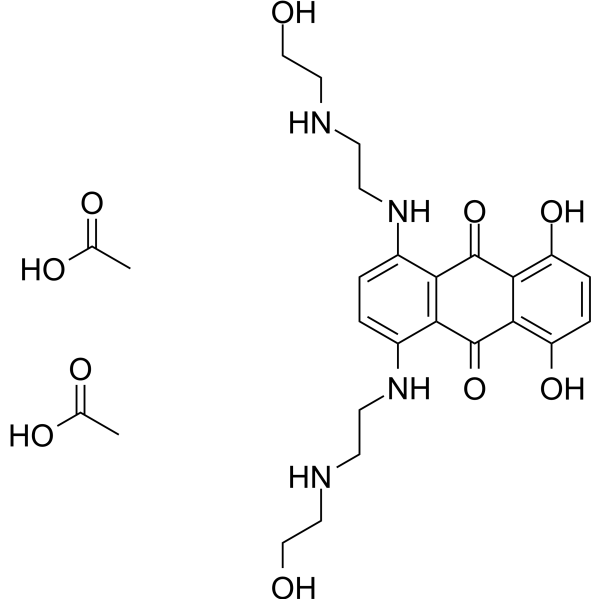
Mitoxantrone diacetate is a potent topoisomerase II inhibitor. Mitoxantrone diacetate also inhibits protein kinase C (PKC) activity with an IC50 of 8.5 μM. Mitoxantrone diacetate induces apoptosis of B-CLL (B-chronic lymphocytic leukaemia) cells. Mitoxantrone diacetate shows antitumor activity . Mitoxantrone diacetate also has anti-orthopoxvirus activity with EC50s of 0.25 μM and and 0.8 μM for cowpox and monkeypox, respectively .
|
-
-
- HY-13776
-
|
|
P-glycoprotein
|
Cancer
|
|
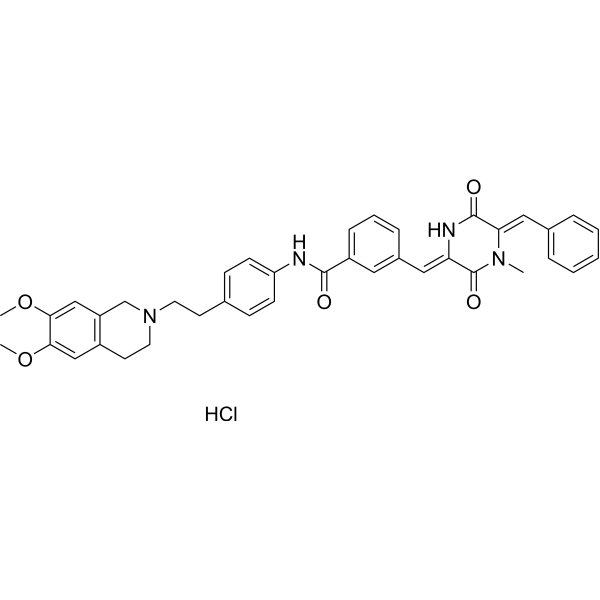
XR9051 is an orally active and specific modulator of P-glycoprotein-mediated multidrug resistance (MDR) .
|
-

-
- HY-13776A
-
|
|
P-glycoprotein
|
Cancer
|
|
XR9051 hydrochloride is an orally active and specific modulator of P-glycoprotein-mediated multidrug resistance (MDR) .
|
-
-
- HY-13502AS
-
|
Mitozantrone-d8dihydrochloride; NSC 301739-d8 dihydrochloride
|
Endogenous Metabolite
PKC
Apoptosis
Topoisomerase
Orthopoxvirus
Isotope-Labeled Compounds
|
Infection
Cancer
|
|
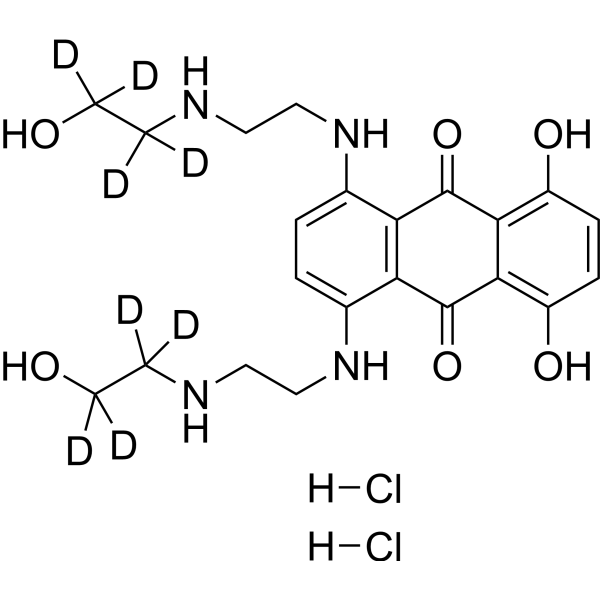
Mitoxantrone-d8 dihydrochloride is deuterated labeled Mitoxantrone dihydrochloride (HY-13502A). Mitoxantrone dihydrochloride is a potent topoisomerase II inhibitor. Mitoxantrone dihydrochloride also inhibits protein kinase C (PKC) activity with an IC50 of 8.5 μM. Mitoxantrone dihydrochloride induces apoptosis of B-CLL (B-chronic lymphocytic leukaemia) cells. Mitoxantrone dihydrochloride shows antitumor activity . Mitoxantrone dihydrochloride also has anti-orthopoxvirus activity with EC50s of 0.25 μM and and 0.8 μM for cowpox and monkeypox, respectively .
|
-
-
- HY-13502AR
-
|
Mitozantrone dihydrochloride (Standard); NSC 301739 dihydrochloride (Standard)
|
Reference Standards
Topoisomerase
PKC
Orthopoxvirus
Apoptosis
Endogenous Metabolite
|
Infection
Cancer
|
|
Mitoxantrone (dihydrochloride) (Standard) is the analytical standard of Mitoxantrone (dihydrochloride). This product is intended for research and analytical applications. Mitoxantrone dihydrochloride is a potent topoisomerase II inhibitor. Mitoxantrone dihydrochloride also inhibits protein kinase C (PKC) activity with an IC50 of 8.5 μM. Mitoxantrone dihydrochloride induces apoptosis of B-CLL (B-chronic lymphocytic leukaemia) cells. Mitoxantrone dihydrochloride shows antitumor activity . Mitoxantrone dihydrochloride also has anti-orthopoxvirus activity with EC50s of 0.25 μM and and 0.8 μM for cowpox and monkeypox, respectively .
|
-

-
- HY-13502R
-
|
Mitozantrone (Standard); NSC 301739 (Standard)
|
Reference Standards
Topoisomerase
PKC
Orthopoxvirus
Apoptosis
Endogenous Metabolite
|
Infection
Cancer
|
|
Mitoxantrone (Standard) is the analytical standard of Mitoxantrone. This product is intended for research and analytical applications. Mitoxantrone is a potent topoisomerase II inhibitor. Mitoxantrone also inhibits protein kinase C (PKC) activity with an IC50 of 8.5 μM. Mitoxantrone induces apoptosis of B-CLL (B-chronic lymphocytic leukaemia) cells. Mitoxantrone shows antitumor activity . Mitoxantrone also has anti-orthopoxvirus activity with EC50s of 0.25 μM and and 0.8 μM for cowpox and monkeypox, respectively .
|
-

-
- HY-168597
-
|
|
FGFR
Apoptosis
VEGFR
|
Cancer
|
|
FGFR1/VEGFR2-IN-3 (Compound 8m) is a dual inhibitor of FGFR1/VEGFR2. FGFR1/VEGFR2-IN-3 exhibits anti-proliferative and anti-migratory activities against cancer cells, and is capable of inducing cell apoptosis .
|
-

-
- HY-N3210
-
|
|
Others
|
Cancer
|
|
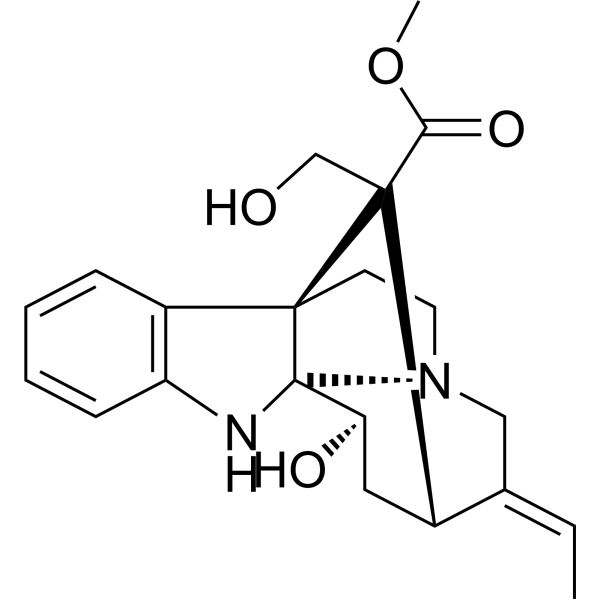
Nb-Demethylechitamine is an alkaloid isolated from the methanol extract of Alstonia rostrata twigs. Nb-Demethylechitamine has in vitro cytotoxic activity against several human cancer cell lines, including human myeloid leukemia HL-60, liver cancer SMMC-7721, lung cancer A-549, breast cancer MCF-7, and colon cancer SW480 cells .
|
-
-
- HY-16125R
-
|
L-651582 Orotate (Standard); CAI Orotate (Standard)
|
Calcium Channel
Reference Standards
|
Cardiovascular Disease
Inflammation/Immunology
Cancer
|
|
Carboxyamidotriazole (Orotate) (Standard) is the analytical standard of Carboxyamidotriazole (Orotate). This product is intended for research and analytical applications. Carboxyamidotriazole Orotate (L-651582 Orotate) is the orotate salt form of Carboxyamidotriazole (CAI), an orally bioavailable signal transduction inhibitor. Carboxyamidotriazole Orotate is a cytostatic inhibitor of nonvoltage-operated calcium channels and calcium channel-mediated signaling pathways. Carboxyamidotriazole Orotate shows anti-tumor, anti-inflammatory and antiangiogenic effects .
|
-

-
- HY-138195
-
|
|
DNA/RNA Synthesis
Apoptosis
FAK
Src
MMP
Autophagy
|
Cancer
|
|
NEO212 is an orally active, blood-brain barrier permeable conjugate of Temozolomide (TMZ) (HY-17364) and Perillyl Alcohol (POH) (HY-N7000), with potent anticancer activity. NEO212 overcomes classical TMZ resistance and DNA alkylation by depleting MGMT. By inhibiting the FAK/Src signaling pathway, NEO212 reduces the production of MMP2 and MMP9, induces mesenchymal-epithelial transition, and inhibits the migration, invasion and tumor progression of glioma stem cells. NEO212 disrupts autophagy flux to enhance mitochondrial apoptosis; it induces differentiation of acute myeloid leukemia (AML) cells into macrophages and proliferation arrest .
|
-

-
- HY-165532
-
|
SGX70393
|
Bcr-Abl
|
Cancer
|
|
SGX393 (SGX70393) is a Bcr-Abl kinase inhibitor. SGX393 binds to the active conformation of the kinase domains of both wild-type and T315I mutant Bcr-Abl, thereby inhibiting kinase activity. SGX393 exhibits antiproliferative effects in cells expressing wild-type or T315I mutant Bcr-Abl, and suppresses T315I-driven tumor growth. SGX393 can be used for the research of chronic myeloid leukemia .
|
-

-
- HY-105854A
-
|
|
Ras
MEK
ERK
PI3K
Akt
MMP
Keap1-Nrf2
Heme Oxygenase (HO)
Reactive Oxygen Species (ROS)
Apoptosis
|
Cardiovascular Disease
Neurological Disease
Inflammation/Immunology
Cancer
|
|
Pipoxolan is an orally active smooth muscle relaxant, anti-inflammatory agent and anticancer agent. Pipoxolan modulates PI3K/AKT signaling pathways, and reduces the levels of Ras/MEK/p-ERK, MMP-2 and MMP-9. Pipoxolan inhibits pro-inflammatory transcription factor pathways, activates Nrf2/HO-1, and suppresses the production of pro-inflammatory mediators. Pipoxolan induces ROS generation, endogenous mitochondrial Apoptosis, and G0/G1 cell cycle arrest. Pipoxolan reduces cerebral infarction size and inhibits intimal hyperplasia. Pipoxolan can be used in research related to cerebral ischemia, intimal hyperplasia, oral squamous cell carcinoma, leukemia and lung cancer .
|
-

| Cat. No. |
Product Name |
Target |
Research Area |
-
- HY-120234
-
|
Z-Leu-Leu-Nle-CHO; GSII
|
γ-secretase
Proteasome
Apoptosis
|
Cancer
|
|
Z-LLNle-CHO (Z-Leu-Leu-Nle-CHO) is a γ-secretase inhibitor I. Z-LLNle-CHO induces caspase and ROS-dependent apoptosis by blocking the Akt-mediated pro-survival pathway. Z-LLNle-CHO can be used in cancer research, such as breast cancer and leukaemia .
|
-
- HY-P2620
-
|
|
Fluorescent Dye
|
Metabolic Disease
Cancer
|
|
Ac-LETD-AFC is a caspase-8 fluorogenic substrate. Ac-LETD-AFC can measure caspase-8 fluorogenic activity and can be used for the research of cancer cell apoptosis and oxidative stress metabolism .
|
| Cat. No. |
Product Name |
Target |
Research Area |
Image |
-
- HY-P99189
-
|
IMC-A12; NSC742460
|
IGF-1R
|
Cancer
|
|
Cixutumumab (IMC-A12) is a human anti-IGF-1R monoclonal antibody with high affinity that inhibits ligand-dependent receptor activation and downstream signaling. Cixutumumab also mediates the internalization and degradation of IGF-IR. Cixutumumab shows broad-spectrum anti-tumour activity and can be used in studies of cancers such as lung cancer, malignancies, leukaemia, non-small cell lung cancer and prostate cancer .
|
-

(5)
-
- HY-P991425
-
|
|
Transmembrane Glycoprotein
|
Cancer
|
|
AT-1413 is a human monoclonal antibody (mAb) targeting CD43. AT-1413 induces antibody-dependent cell-mediated cytotoxicity (ADCC) in melanoma cell lines and acute myeloid leukemia (AML) cells. AT-1413 has antitumor activity in AML mouse models. AT-1413 can be used in Acute myeloid leukaemia, Breast cancer, Malignant melanoma and Myelodysplastic syndromes research. Recommended isotype control: Human IgG1 kappa, Isotype Control (HY-P99001) .
|
-
(5)
| Cat. No. |
Product Name |
Category |
Target |
Chemical Structure |
| Cat. No. |
Product Name |
Chemical Structure |
-
- HY-N0095S
-
|
|
|
(S)-10-Hydroxycamptothecin-d5 (10-HCPT-d5) is the deuterium labeled (S)-10-Hydroxycamptothecin. (S)-10-Hydroxycamptothecin (10-HCPT) is a DNA topoisomerase I inhibitor. (S)-10-Hydroxycamptothecin exhibits a remarkable apoptosis-inducing effect. (S)-10-Hydroxycamptothecin has the potential for hepatoma, gastric carcinoma, colon cancer and leukaemia research .
|
-
-
- HY-13502AS
-
|
|
|
Mitoxantrone-d8 dihydrochloride is deuterated labeled Mitoxantrone dihydrochloride (HY-13502A). Mitoxantrone dihydrochloride is a potent topoisomerase II inhibitor. Mitoxantrone dihydrochloride also inhibits protein kinase C (PKC) activity with an IC50 of 8.5 μM. Mitoxantrone dihydrochloride induces apoptosis of B-CLL (B-chronic lymphocytic leukaemia) cells. Mitoxantrone dihydrochloride shows antitumor activity . Mitoxantrone dihydrochloride also has anti-orthopoxvirus activity with EC50s of 0.25 μM and and 0.8 μM for cowpox and monkeypox, respectively .
|
-
| Cat. No. |
Product Name |
|
Classification |
-
- HY-173189A
-
|
2′,5′-ApApA pentasodium; 2′,5′-trioligoadenylate pentasodium; 5'-O-Triphosphoryladenylyl-(2'→5')-adenylyl-(2'→5')-adenosine pentasodium
|
|
Nucleotide Analogs
Adenine Nucleotide
|
2-5A (2′,5′-ApApA) pentasodium solution 100 mM is a high-affinity (Ka=0.04 nM) RNase L binder. 2-5A pentasodium solution 100 mM activates the nuclease activity of latent RNase L to cleave single-stranded RNA by inducing conformational changes and dimerization of latent RNase L, thereby mediating critical antiviral responses and enhancing interferon effects. 2-5A pentasodium solution 100 mM not only effectively inhibits Rauscher murine leukemia virus replication, reduces viremia and splenomegaly, but also enhances antileukemic efficacy when combined with amphotericin B and exhibits favorable high-dose tolerance. 2-5A pentasodium solution 100 mM is an important tool molecule for investigating the pathological mechanisms of viral infection, hereditary prostate cancer and leukemia .
|
Your information is safe with us. * Required Fields.
Inquiry Information
- Product Name:
- Cat. No.:
- Quantity:
- MCE Japan Authorized Agent:








