Search Result
Results for "
NADPH oxidase inhibitor
" in MedChemExpress (MCE) Product Catalog:
1
Isotope-Labeled Compounds
| Cat. No. |
Product Name |
Target |
Research Areas |
Chemical Structure |
-
- HY-12298
-
-
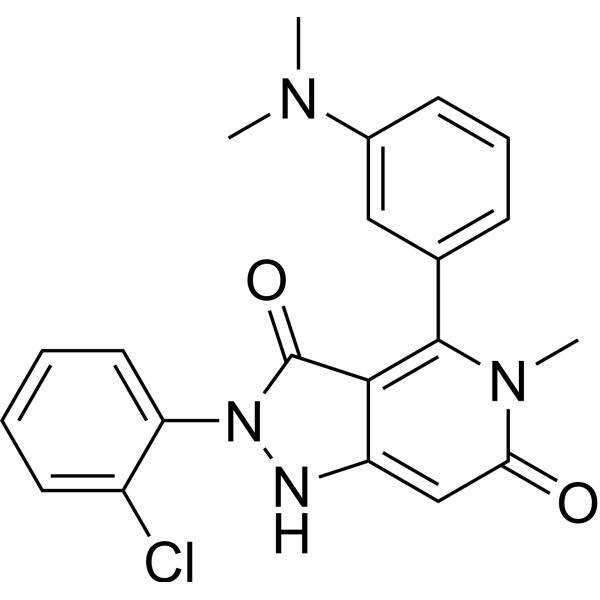
-
- HY-100965
-
-
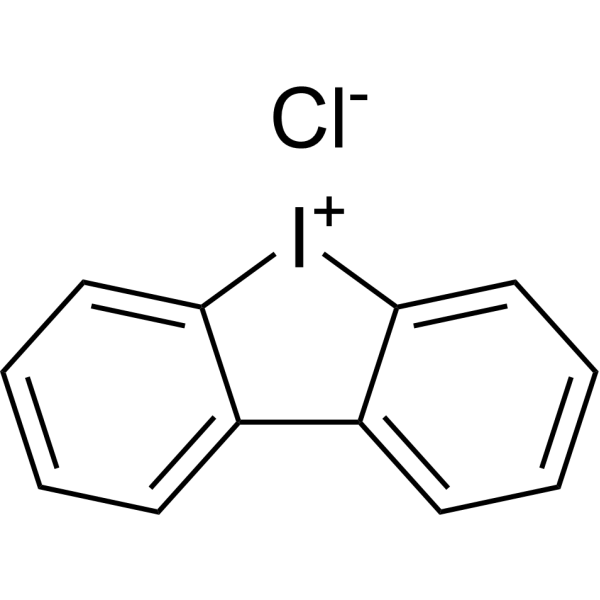
-
- HY-18950
-
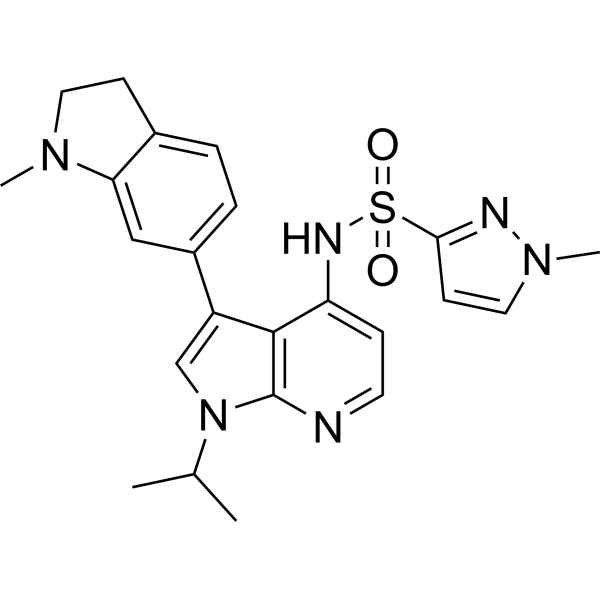
GSK2795039
Maximum Cited Publications
72 Publications Verification
|
NADPH Oxidase
Reactive Oxygen Species (ROS)
Apoptosis
|
Cancer
|
|
GSK2795039 is a NADPH oxidase 2 (NOX2) inhibitor with a mean pIC50 of 6 in different cell-free assays. GSK2795039 inhibits reactive oxygen species (ROS) production and NADPH consumption .
GSK2795039 reduces apoptosis .
|
-
-
- HY-N0088
-
|
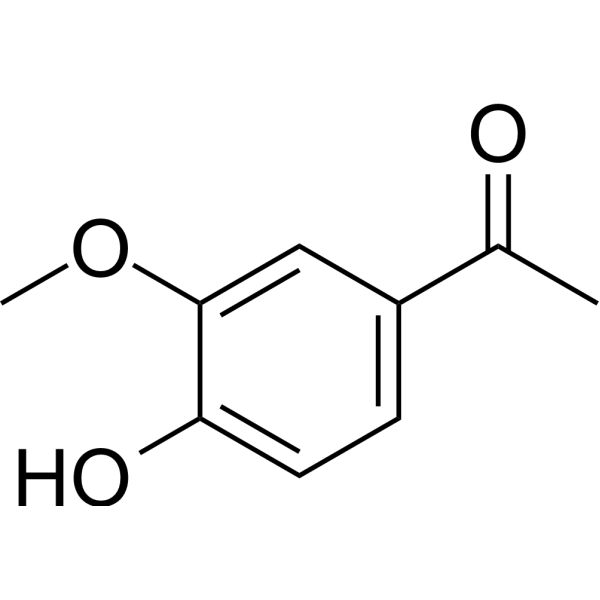
Acetovanillone
|
NADPH Oxidase
|
Metabolic Disease
Inflammation/Immunology
|
|
Apocynin is a selective NADPH-oxidase inhibitor with an IC50 of 10 μM . Apocynin improves acute lung inflammation in Carrageenan (HY-125474)-induced pleurisy mice model . Apocynin can also be used for cancer research . Apocynin reverses the aging process in mesenchymal stem cells to promote osteogenesis and increases bone mass .
|
-
-
- HY-100111
-
|
|
NADPH Oxidase
|
Metabolic Disease
|
|
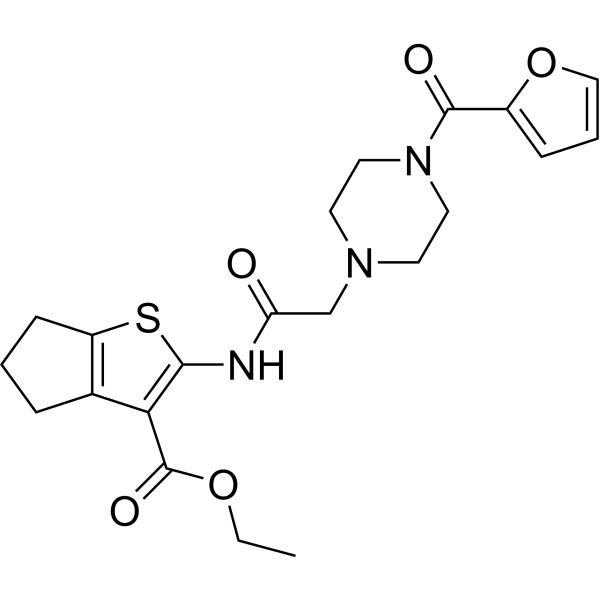
GLX351322 is an inhibitor of NADPH oxidase 4 (Nox4), and inhibits hydrogen peroxide production from NOX4-overexpressing cells with an IC50 of 5 μM.
|
-
-
- HY-12805
-
|
2-Acetylphenothiazine; 2-APT
|
NADPH Oxidase
|
Cardiovascular Disease
|
|
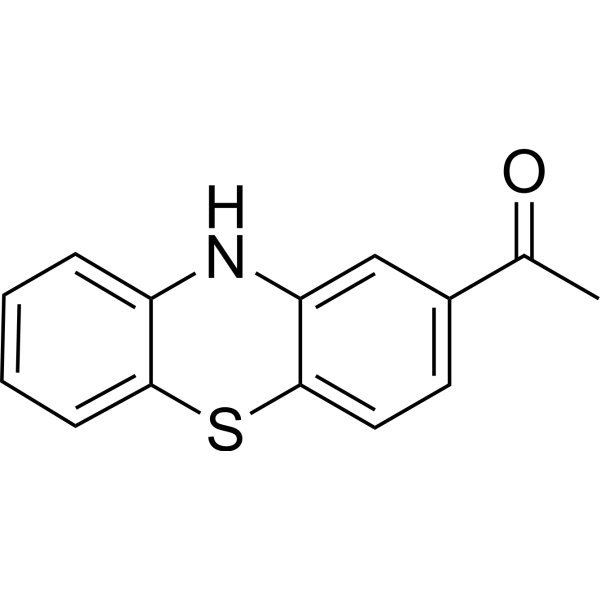
ML171 (2-Acetylphenothiazine;2-APT) is a potent and selective NADPH oxidase 1 (Nox1) inhibitor that blocks Nox1-dependent ROS generation, with an IC50 of 0.25 μM in HEK293-Nox1 confirmatory assay.
|
-
-
- HY-12804
-
-
-
- HY-N1471
-
|
|
Others
|
Inflammation/Immunology
|
|
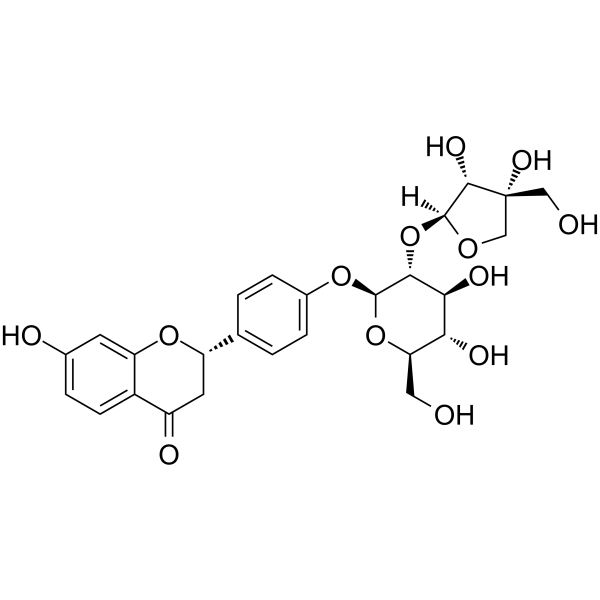
Liquiritin apioside is an orally active inhibitor of TRPV1 receptor. Liquiritin apioside selectively inhibits laryngeal chemoreflex (LCR) and has no significant effect on mechanoreflex (LMR). Liquiritin apioside inhibits LCR by inhibiting reactive oxygen species (ROS) and NADPH oxidase, weakening the interaction between ROS and TRPV1. Liquiritin apioside can be used in the research of respiratory-related diseases .
|
-
-
- HY-120801
-
APX-115
2 Publications Verification
Ewha-18278
|
NADPH Oxidase
|
Metabolic Disease
Inflammation/Immunology
|
|
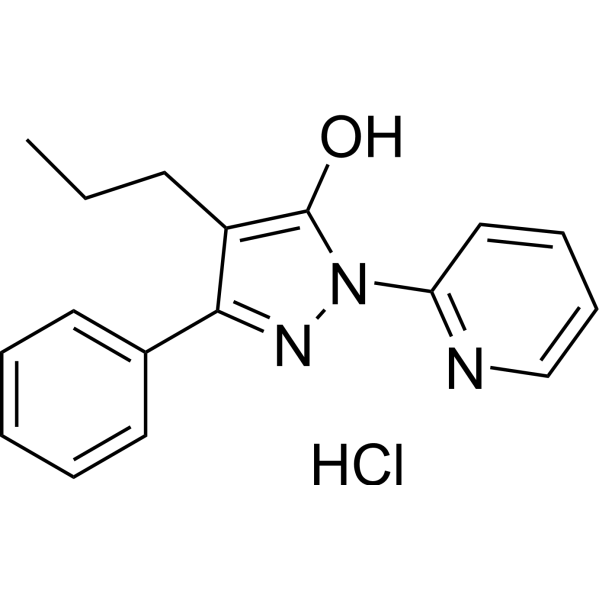
APX-115 (Ewha-18278) is a potent, orally active pan NADPH oxidase (Nox) inhibitor with Ki values of 1.08 μM, 0.57 μM, and 0.63 μM for Nox1, Nox2 and Nox4, respectively. APX-115 effectively prevents kidney injury .
|
-
-
- HY-101499
-
|
|
NADPH Oxidase
|
Neurological Disease
Metabolic Disease
Inflammation/Immunology
|
|
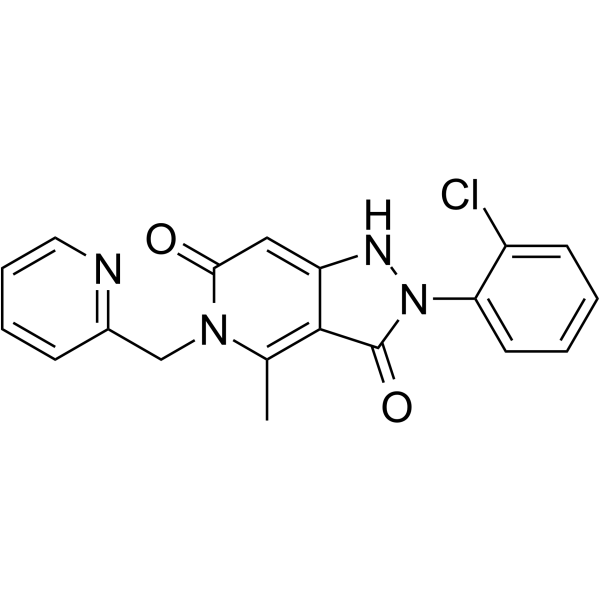
GKT136901 is a potent, selective and orally active inhibitor of NADPH oxidase (NOX1/4), with Kis of 160 and 165 nM, respectively. GKT136901 is also a selective and direct scavenger of peroxynitrite. GKT136901 can be used for the research of diabetic nephropathy, stroke, and neurodegeneration. GKT136901 also has anti-inflammatory activity .
|
-
-
- HY-120801A
-
|
Ewha-18278 free base; Isuzinaxib free base
|
NADPH Oxidase
|
Inflammation/Immunology
Endocrinology
|
|
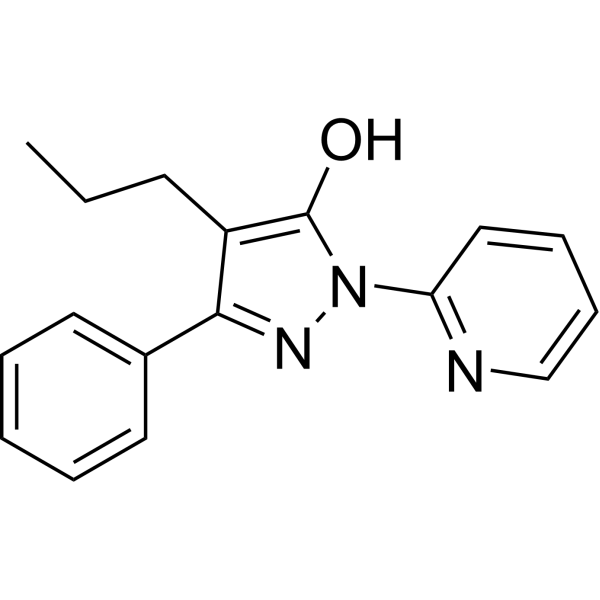
APX-115 free base (Ewha-18278 free base) is a potent, orally active pan NADPH oxidase (Nox) inhibitor with Ki values of 1.08 μM, 0.57 μM, and 0.63 μM for Nox1, Nox2 and Nox4, respectively. APX-115 free base effectively prevents kidney injury .
|
-
-
- HY-W015422
-
|
|
PARP
|
Metabolic Disease
|
|
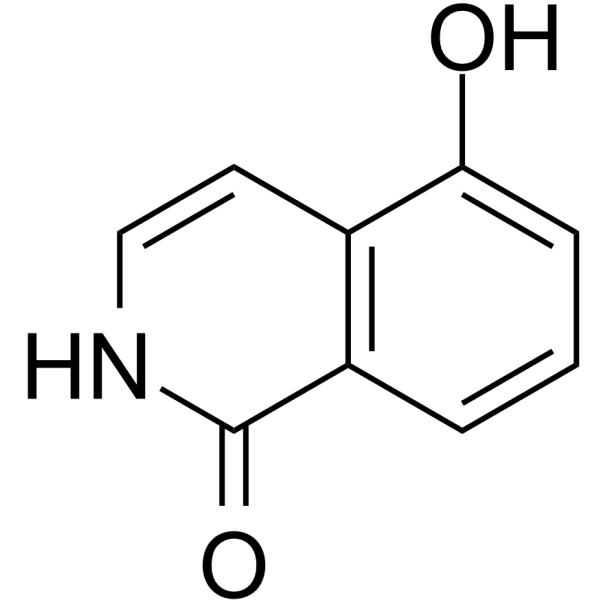
1,5-Isoquinolinediol is a potent PARP inhibitor, with an IC50 of 0.18-0.37 μM. 1,5-Isoquinolinediol attenuates diabetes-induced NADPH oxidase-derived oxidative stress in retina .
|
-
-
- HY-P5381
-
-
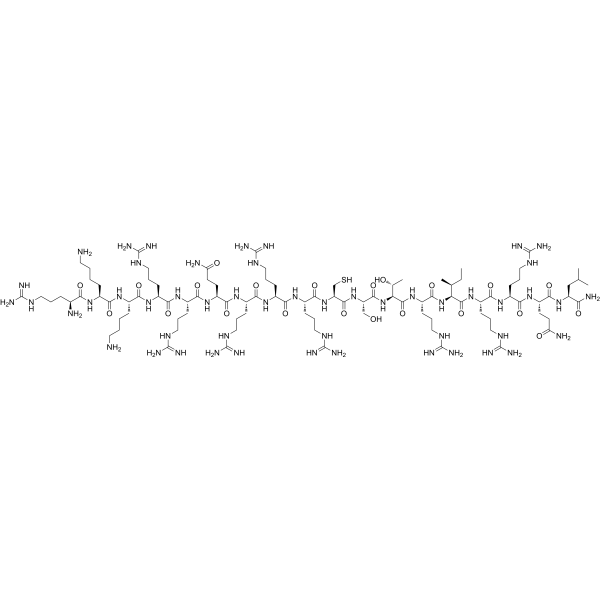
-
- HY-P1795
-
|
|
Formyl Peptide Receptor (FPR)
|
Inflammation/Immunology
|
|
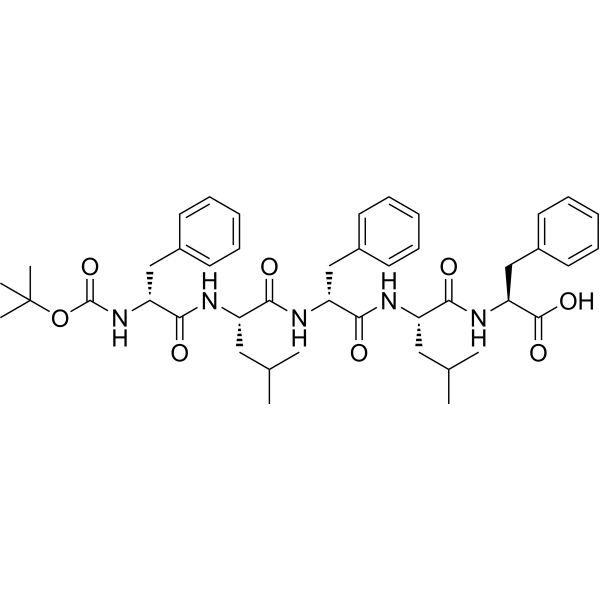
Boc-dPhe-Leu-dPhe-Leu-Phe (Boc-fLfLF) is a selective N-formyl peptide receptor1 (FPR1) antagonist. Boc-dPhe-Leu-dPhe-Leu-Phe inhibits fMIFL(HY-P0224)-induced NADPH oxidase activity. Boc-dPhe-Leu-dPhe-Leu-Phe can be used for the study of inflammation .
|
-
-
- HY-W050000
-
OR-1855
1 Publications Verification
|
Drug Metabolite
Reactive Oxygen Species (ROS)
ERK
p38 MAPK
|
Cardiovascular Disease
Inflammation/Immunology
|
|
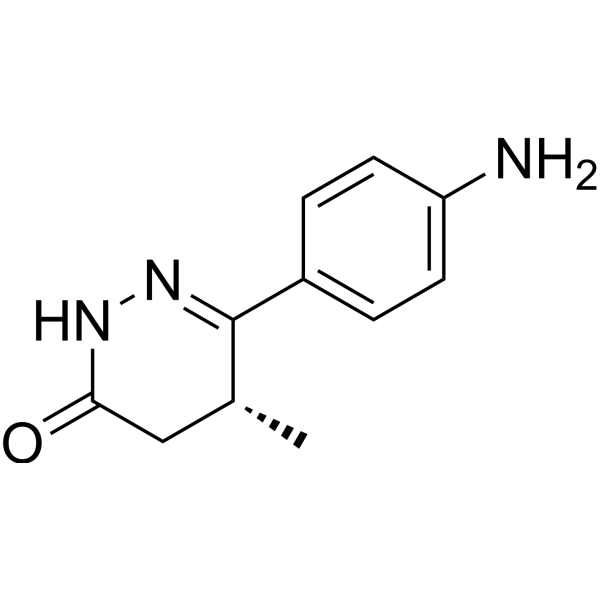
OR-1855, an active metabolite of Levosimendan (HY-14286), has effect on myometrial contractility. OR-1855 exerts anti-inflammatory effects by inhibiting IL-1β-induced ROS formation and NAD(P)H oxidase-dependent superoxide radical generation in HUVECs. OR-1855 inhibits IL-1β-induced phosphorylation p38 MAPK, ERK1/2, c-Jun and JNK in HUVECs. OR-1855 can be used for the study of inflammation .
|
-
-
- HY-107586
-
|
DAQ B1; L-783281; Dimethylasterriquinone
|
Insulin Receptor
Akt
NO Synthase
NADPH Oxidase
JAK
STAT
FOXO
DNA/RNA Synthesis
ERK
Flavivirus
|
Cardiovascular Disease
Infection
Metabolic Disease
Inflammation/Immunology
|
|
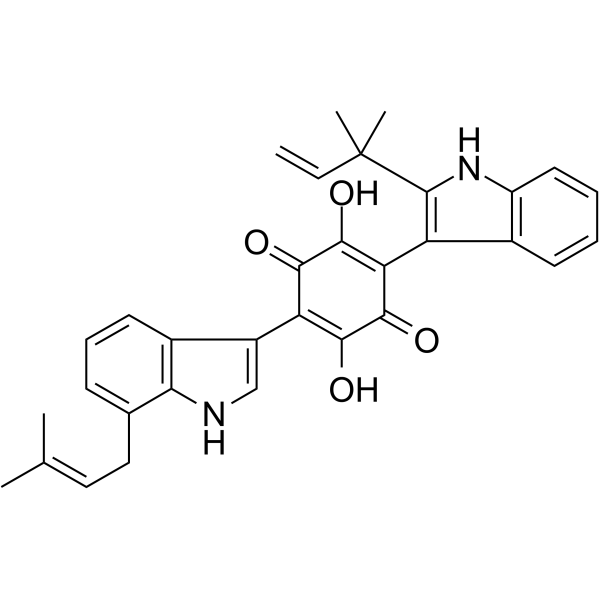
Demethylasterriquinone B1 (DAQ B1; L-783281) is an orally active insulin receptor (insulin receptor) agonist and AKT activator. By activating AKT, Demethylasterriquinone B1 upregulates the expression and activity of eNOS to increase NO production, while downregulating the expression of the NADPH oxidase subunit p22phox to reduce oxidative stress and improve vascular endothelial dysfunction in hypertensive rats. Demethylasterriquinone B1 combind with an AKT inhibitor targets the insulin signaling pathway to activate two antiviral pathways, RNA interference and JAK/STAT, in mosquitoes, thereby reducing Zika virus infection .
|
-
-
- HY-152026
-
|
|
NADPH Oxidase
|
Neurological Disease
|
|
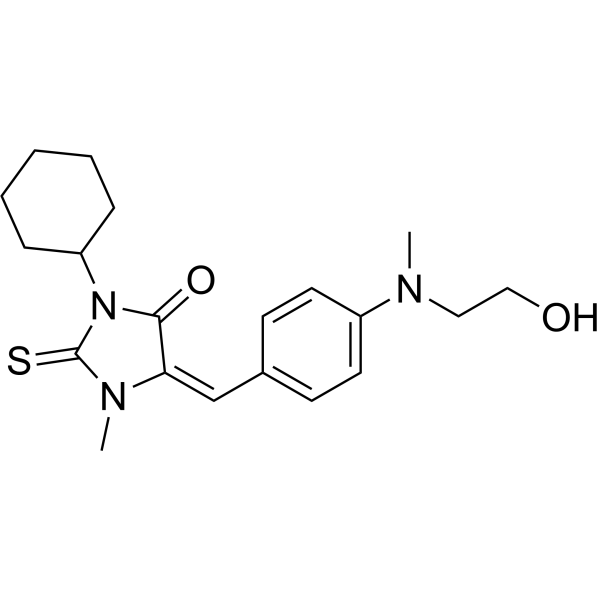
NADPH oxidase-IN-1 is an orally active NADPH oxidase (Nox) inhibitor, related with neuronal inflammation. NADPH oxidase-IN-1 can cross the blood-brain barrier (BBB), inhibits Nox2 and Nox4 with IC50s of 1.9 μM and 2.47 μM, respectively. NADPH oxidase-IN-1 suppresses pro-inflammatory cytokines production and LPS-mediated microglial migration, also has in vivo efficacy .
|
-
-
- HY-126195
-
|
ML-090
|
NADPH Oxidase
|
Neurological Disease
|
|
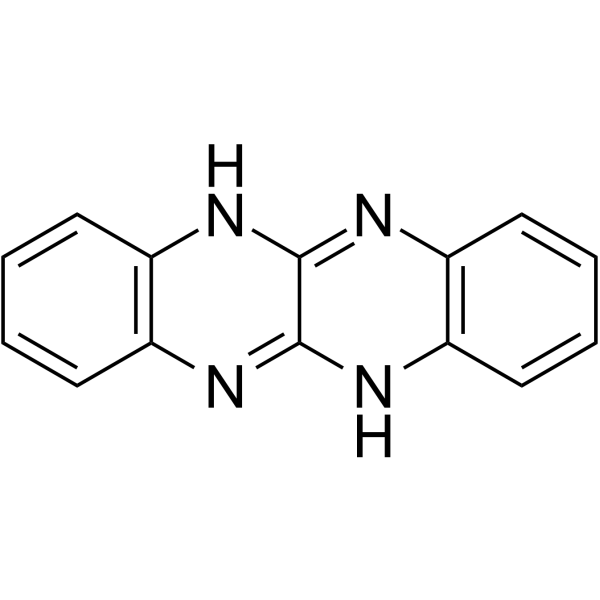
Fluoflavine (ML-090) is a selective NOX1 inhibitor and reactive oxygen species inhibitor. Fluoflavine reduces reactive oxygen species production, NOX1-mediated downstream signaling events, and oxygen-glucose deprivation-induced retinal ganglion cell death. Fluoflavine inhibits NADPH oxidase activity and pathological retinal neovascularization induced by oxygen-induced retinopathy in the retinas of ischemic mice. Fluoflavine can be used in studies related to retinal ischemia-reperfusion injury and proliferative retinopathy .
|
-
-
- HY-119576
-
-
-
- HY-P1435
-
|
|
NADPH Oxidase
|
Cardiovascular Disease
Cancer
|
|
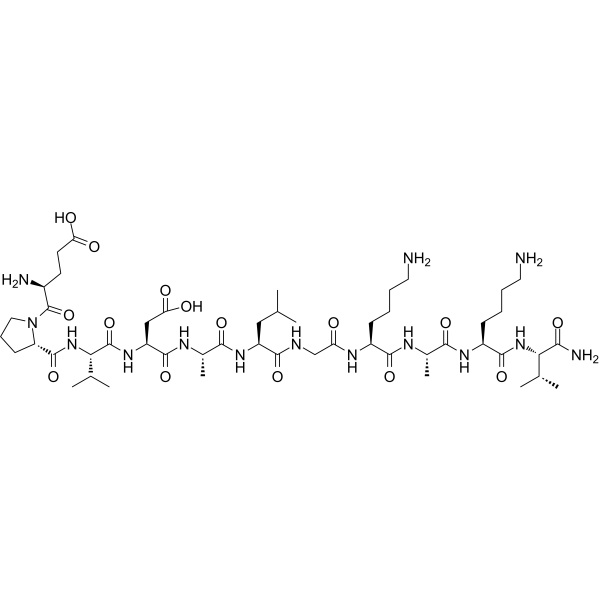
NoxA1ds is a potent and highly selective NADPH oxidase 1 (NOX1) inhibitor (IC50=20 nM). NoxA1ds inhibits NOX1-derived O 2- production in HT-29 human colon cancer cells. NoxA1ds attenuates VEGF-induced human pulmonary artery endothelial cell migration under hypoxic conditions in vitro. NoxA1ds can be used in the study of hypertension, atherosclerosis and tumors .
|
-
-
- HY-111447
-
|
|
NADPH Oxidase
Apoptosis
|
Cardiovascular Disease
Cancer
|
|
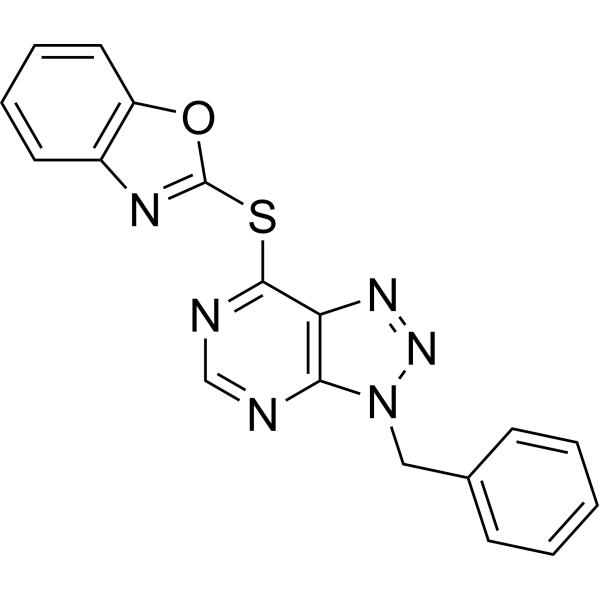
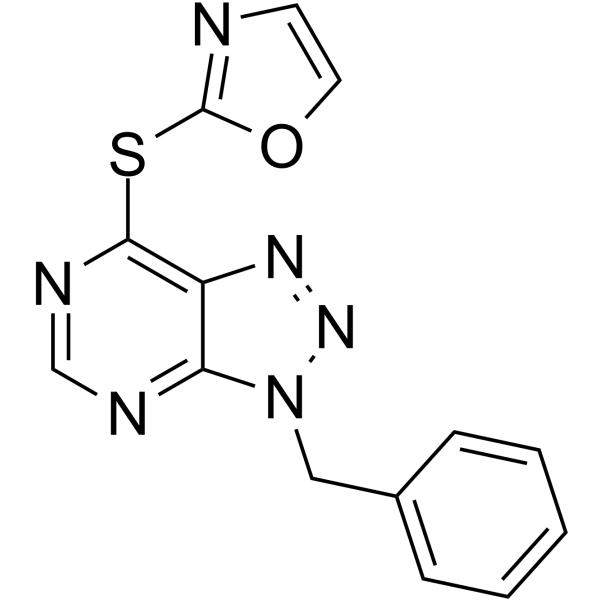
VAS 3947, a specific NADPH oxidase (NOX) inhibitor, exerts a potent antiplatelet effect. VAS3947 induces apoptosis independently of anti-NOX activity, via UPR activation, mainly due to aggregation and misfolding of proteins .
|
-
-
- HY-101499A
-
|
|
NADPH Oxidase
|
Neurological Disease
Metabolic Disease
|
|
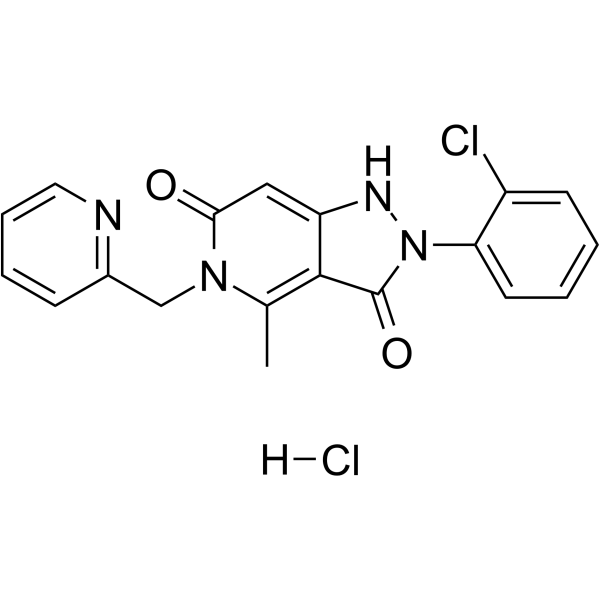
GKT136901 hydrochloride is a potent, selective and orally active inhibitor of NADPH oxidase (NOX1/4), with Kis of 160 and 165 nM, respectively. GKT136901 hydrochloride is also a selective and direct scavenger of peroxynitrite. GKT136901 hydrochloride can be used for the research of diabetic nephropathy, stroke, and neurodegeneration. GKT136901 hydrochloride also has anti-inflammatory activity .
|
-
-
- HY-N0088S
-
|
Acetovanillone-d3
|
Apoptosis
Autophagy
|
Cancer
|
|
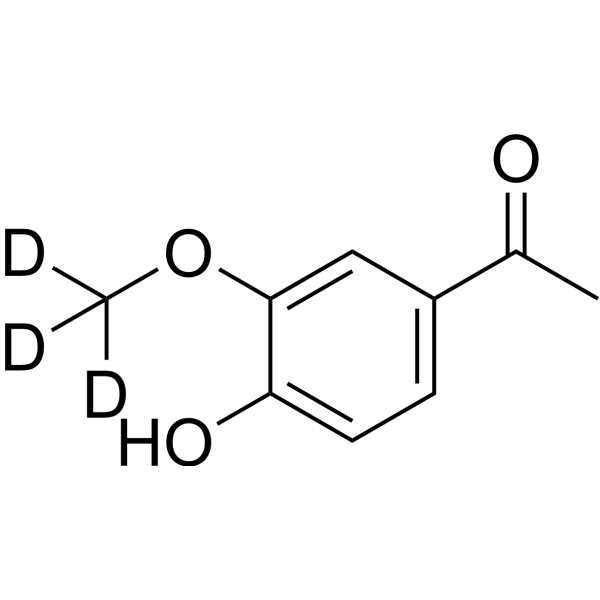
Apocynin-d3 is the deuterium labeled Apocynin . Apocynin is a selective NADPH-oxidase inhibitor with an IC50 of 10 μM .
|
-
-
- HY-121097
-
-
-
- HY-174817
-
-

-
- HY-130579
-
|
L-VNIO hydrochloride
|
NO Synthase
NADPH Oxidase
|
Cardiovascular Disease
Neurological Disease
|
|
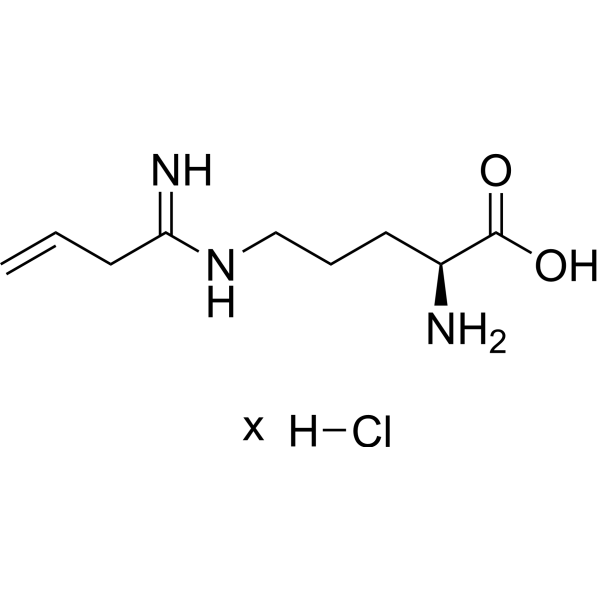
Vinyl-L-NIO (L-VNIO) hydrochloride is a neuronal nitric oxide synthase (NOS) inhibitor with a rat Ki of 0.10 μM. Vinyl-L-NIO hydrochloride inhibits NADPH oxidase activity, attenuates renal fibrosis, inflammation, oxidative stress indices, and albuminuria. Vinyl-L-NIO hydrochloride can be used for the research of parkinson's disease, migraine headache, and hypertension .
|
-
-
- HY-12805R
-
|
2-Acetylphenothiazine (Standard); 2-APT (Standard)
|
NADPH Oxidase
Reference Standards
|
Cardiovascular Disease
|
|
ML171 (Standard) is the analytical standard of ML171. This product is intended for research and analytical applications. ML171 (2-Acetylphenothiazine;2-APT) is a potent and selective NADPH oxidase 1 (Nox1) inhibitor that blocks Nox1-dependent ROS generation, with an IC50 of 0.25 μM in HEK293-Nox1 confirmatory assay.
|
-

-
- HY-174818
-
-

-
- HY-12298R
-
|
GKT137831 (Standard); GKT831 (Standard)
|
NADPH Oxidase
Ferroptosis
Reference Standards
|
Cardiovascular Disease
|
|
Setanaxib (Standard) is the analytical standard of Setanaxib. This product is intended for research and analytical applications. Setanaxib (GKT137831) is a selective NADPH oxidase (NOX1/4) inhibitor with Kis of 140 and 110 nM, respectively.
|
-

-
- HY-N2641
-
|
4'-O-Methyldihydroquercetin; Blumeatin A
|
NADPH Oxidase
|
Others
|
|
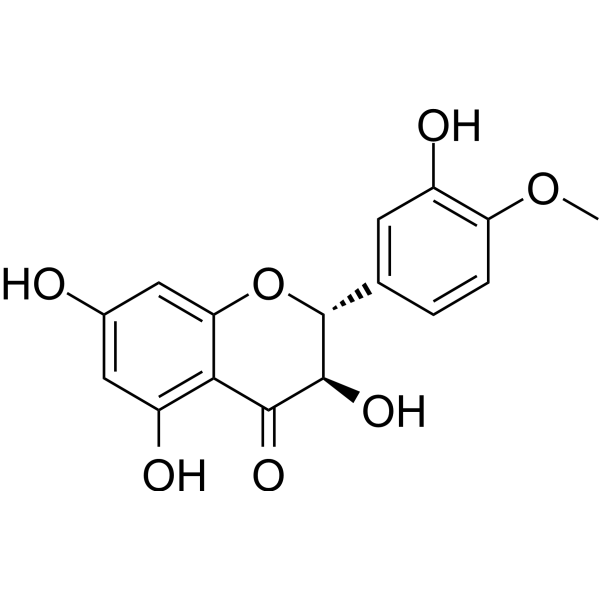
Dihydrotamarixetin (4'-O-Methyldihydroquercetin; Blumeatin A) is a flavonoid with a saturated 2,3-bond and a non-catechol B ring. Dihydrotamarixetin acts as an inhibitor of NADPH Oxidase .
|
-
-
- HY-114809
-
|
|
Reactive Oxygen Species (ROS)
NADPH Oxidase
|
Inflammation/Immunology
Cancer
|
|
AL-1 is a potent O2 - generation inhibitor (IC50 = 7.6 μM) through the inhibition of leukocytic NADPH oxidase. AL-1 inhibits 12-O-Tetradecanoylphorbol-13-acetate (TPA)-induced H2O2 production. AL-1 reduces tumor incidence in ICR mouse skin. AL-1 can be used for research on oxidative stress-related diseases including cancer .
|
-

-
- HY-148936
-
-

-
- HY-106981
-
|
OR 1384
|
NADPH Oxidase
Reactive Oxygen Species (ROS)
Apoptosis
NF-κB
NO Synthase
STAT
|
Inflammation/Immunology
|
|
Orazipone (OR 1384) is a small molecule immunomodulator with strong anti-inflammatory properties. Orazipone exerts its immunomodulatory effect by forming reversible thiol complexes, which bind to intracellular signaling proteins and the thiol groups of glutathione. Orazipone exhibits potent anti-eosinophilic activity by inducing apoptosis. Orazipone inhibits activation of inflammatory transcription factors NF-kB and STAT 1 and decreases inducible iNOS expression and NO production in response to inflammatory stimuli. Orazipone reduces NADPH oxidase activity and thereby decreases ROS production. Orazipone has a protective effect in intestinal radiation injury .
|
-

-
- HY-136271
-
|
|
Phospholipase
NADPH Oxidase
p38 MAPK
Akt
NF-κB
AP-1
Reactive Oxygen Species (ROS)
|
Cardiovascular Disease
Inflammation/Immunology
Cancer
|
|
MJ-33 is a competitive phospholipase A₂ (PLA₂) inhibitor with an IC50 of 0.3 μM. MJ-33 inhibits the activation of NOX2 by blocking the PLA₂ activity of Prdx6, thereby reducing the production of ROS. MJ-33 effectively inhibits the activity of acidic PLA₂ (pH 4.0), reduces the degradation of pulmonary surfactant phosphatidylcholine (PC), but has no effect on alkaline PLA₂ (pH 8.5). MJ-33 significantly alleviates lung oxidative damage induced by ischemia-reperfusion (I/R). MJ-33 significantly inhibits the invasive, migratory and adhesive abilities of prostate cancer cells by suppressing the MAPK, AKT, NF-κB and AP-1 signaling pathways. MJ-33 can be used to study ROS-related diseases and prostate cancer .
|
-

-
- HY-N16527
-
|
|
TNF Receptor
Interleukin Related
NADPH Oxidase
Reactive Oxygen Species (ROS)
NF-κB
COX
NO Synthase
JNK
AP-1
TGF-β Receptor
|
Metabolic Disease
|
|
7-O-Galloyl-D-sedoheptulose is an orally effective polyphenolic compound. 7-O-Galloyl-D-sedoheptulose lowers the serum levels of glucose, leptin, insulin, C-peptide, resistin, TNF-α, IL-6, and increases the serum level of adiponectin. 7-O-Galloyl-D-sedoheptulose significantly reduces the levels of ROS and lipid peroxidation products (TBARS) by down-regulating the protein expression of NADPH oxidase subunit Nox-4 and p22phox. 7-O-Galloyl-D-sedoheptulose down-regulates NF-κB and related pro-inflammatory factors (COX-2, iNOS), inhibits the phosphorylation of JNK and the activity of its downstream AP-1. 7-O-Galloyl-D-sedoheptulose reduces the expression of TGF-β1 and fibronectin, indicating its potential in anti-tissue fibrosis. 7-O-Galloyl-D-sedoheptulose can be used for the study of type 2 diabetes and its hepatic and pancreatic complications .
|
-

-
- HY-12804R
-
|
|
NADPH Oxidase
|
Cardiovascular Disease
|
|
VAS2870 (Standard) is the analytical standard of VAS2870. This product is intended for research and analytical applications. VAS2870 is a NADPH oxidase (NOX) inhibitor.
|
-

-
- HY-P1908
-
-

-
- HY-120896B
-
|
|
Reactive Oxygen Species (ROS)
|
Cancer
|
|
Imipramine Blue chloride is a potent anti-invasive agent. Imipramine Blue chloride inhibits the invasion of glioma. Imipramine Blue chloride inhibits NADPH oxidase-mediated reactive oxygen species generation .
|
-

-
- HY-160524
-
|
|
NADPH Oxidase
|
Cancer
|
|
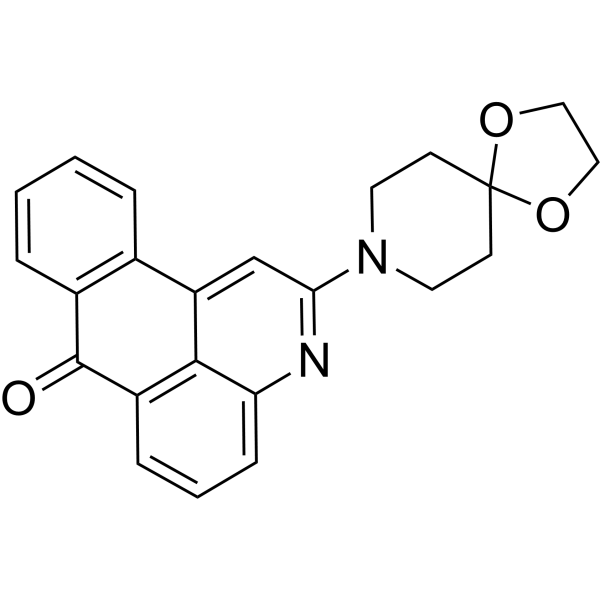
NOX2-IN-3 (compound 3) is an inhibitor of NOX2 (NADPH Oxidase 2). NOX2-IN-3 sensitizes tumor cells to MRTX1133 (HY-134813) .
|
-
-
- HY-170540
-
-

-
- HY-101499AR
-
|
|
Reference Standards
NADPH Oxidase
|
Neurological Disease
Metabolic Disease
|
|
GKT136901 (hydrochloride) (Standard) is the analytical standard of GKT136901 (hydrochloride). This product is intended for research and analytical applications. GKT136901 hydrochloride is a potent, selective and orally active inhibitor of NADPH oxidase (NOX1/4), with Kis of 160 and 165 nM, respectively. GKT136901 hydrochloride is also a selective and direct scavenger of peroxynitrite. GKT136901 hydrochloride can be used for the research of diabetic nephropathy, stroke, and neurodegeneration. GKT136901 hydrochloride also has anti-inflammatory activity .
|
-

-
- HY-N0088R
-
|
Acetovanillone (Standard)
|
Reference Standards
NADPH Oxidase
|
Metabolic Disease
Inflammation/Immunology
|
|
Apocynin (Standard) is the analytical standard of Apocynin. This product is intended for research and analytical applications. Apocynin is a selective NADPH-oxidase inhibitor with an IC50 of 10 μM . Apocynin improves acute lung inflammation in Carrageenan (HY-125474)-induced pleurisy mice model . Apocynin can also be used for cancer research . Apocynin reverses the aging process in mesenchymal stem cells to promote osteogenesis and increases bone mass .
|
-

-
- HY-101499R
-
|
|
Reference Standards
NADPH Oxidase
|
Neurological Disease
Metabolic Disease
Inflammation/Immunology
|
|
GKT136901 (Standard) is the analytical standard of GKT136901. This product is intended for research and analytical applications. GKT136901 is a potent, selective and orally active inhibitor of NADPH oxidase (NOX1/4), with Kis of 160 and 165 nM, respectively. GKT136901 is also a selective and direct scavenger of peroxynitrite. GKT136901 can be used for the research of diabetic nephropathy, stroke, and neurodegeneration. GKT136901 also has anti-inflammatory activity .
|
-

-
- HY-P1435A
-
|
|
NADPH Oxidase
|
Cardiovascular Disease
Cancer
|
|
NoxA1ds TFA is a potent and highly selective NADPH oxidase 1 (NOX1) inhibitor (IC50=20 nM). NoxA1ds TFA inhibits NOX1-derived O 2- production in HT-29 human colon cancer cells. NoxA1ds TFA attenuates VEGF-induced human pulmonary artery endothelial cell migration under hypoxic conditions in vitro. NoxA1ds TFA can be used in the study of hypertension, atherosclerosis and tumors .
|
-

-
- HY-W050000R
-
|
|
Drug Metabolite
Reference Standards
Reactive Oxygen Species (ROS)
ERK
p38 MAPK
|
Cardiovascular Disease
Inflammation/Immunology
|
|
OR-1855 (Standard) is an analytical standard of OR-1855 (HY-W050000). This product is intended for research and analytical applications. OR-1855, an active metabolite of Levosimendan (HY-14286), has effect on myometrial contractility. OR-1855 exerts anti-inflammatory effects by inhibiting IL-1β-induced ROS formation and NAD(P)H oxidase-dependent superoxide radical generation in HUVECs. OR-1855 inhibits IL-1β-induced phosphorylation p38 MAPK, ERK1/2, c-Jun and JNK in HUVECs. OR-1855 can be used for the study of inflammation .
|
-

-
- HY-W015422R
-
|
|
Reference Standards
PARP
|
Metabolic Disease
|
|
1,5-Isoquinolinediol is a potent PARP inhibitor, with an IC50 of 0.18-0.37 μM. 1,5-Isoquinolinediol attenuates diabetes-induced NADPH oxidase-derived oxidative stress in retina .
|
-

-
- HY-100965R
-
-

-
- HY-100111R
-
|
|
NADPH Oxidase
Reference Standards
|
Metabolic Disease
|
|
GLX351322 (Standard) is the analytical standard of GLX351322 (HY-100111). This product is intended for research and analytical applications. GLX351322 is an inhibitor of NADPH oxidase 4 (Nox4), and inhibits hydrogen peroxide production from NOX4-overexpressing cells with an IC50 of 5 μM.
|
-

-
- HY-185008
-
|
|
NADPH Oxidase
|
Cardiovascular Disease
Inflammation/Immunology
|
|
CPP11G (Compound 11g) is a highly selective NADPH oxidase 2 (Nox2) inhibitor (IC50=20 μM). CPP11G is promising for research of inflammatory diseases (e.g., vasculitis, atherosclerosis) and Nox2-overactivated pathologies (e.g., ischemia-reperfusion injury) .
|
-

-
- HY-181176
-
|
|
NADPH Oxidase
SARS-CoV
Virus Protease
|
Infection
Inflammation/Immunology
|
|
DEMAMP is an antioxidant. DEMAMP exhibits scavenging effects on DPPH and H2O2 free radicals, with IC50 values of 0.60 and 0.48 mg/mL, respectively. Molecular docking simulations show that DEMAMP potently inhibits NADPH oxidase and the Mpro and RdRp proteins of SARS-CoV-2, and ADMET analysis confirms that it has favorable oral bioavailability. DEMAMP can be used in studies related to COVID-19 .
|
-

- HY-124487
-
|
|
NADPH Oxidase
TGF-β Receptor
Reactive Oxygen Species (ROS)
p38 MAPK
|
Cardiovascular Disease
Metabolic Disease
Inflammation/Immunology
|
|
GK-136901 is an orally active, dual Nox1/Nox4 NADPH oxidase inhibitor with a Ki of 160 nM for Nox1 and 165 nM for Nox4. GK-136901 potently blocks high glucose-induced intracellular reactive oxygen species production, p38-MAPK phosphorylation, and upregulation of TGF-β1/2 and fibronectin (fibronectin) in renal cells. GK-136901 also inhibits the proliferation of mouse pulmonary vascular cells under hypoxic conditions. GK-136901 is applicable to the research on the pathogenesis of type 2 diabetic nephropathy, high glucose-related renal lesions and pulmonary hypertension .
|
-

| Cat. No. |
Product Name |
Target |
Research Area |
-
- HY-P5381
-
-
- HY-P1795
-
|
|
Formyl Peptide Receptor (FPR)
|
Inflammation/Immunology
|
|
Boc-dPhe-Leu-dPhe-Leu-Phe (Boc-fLfLF) is a selective N-formyl peptide receptor1 (FPR1) antagonist. Boc-dPhe-Leu-dPhe-Leu-Phe inhibits fMIFL(HY-P0224)-induced NADPH oxidase activity. Boc-dPhe-Leu-dPhe-Leu-Phe can be used for the study of inflammation .
|
-
- HY-P1435
-
|
|
NADPH Oxidase
|
Cardiovascular Disease
Cancer
|
|
NoxA1ds is a potent and highly selective NADPH oxidase 1 (NOX1) inhibitor (IC50=20 nM). NoxA1ds inhibits NOX1-derived O 2- production in HT-29 human colon cancer cells. NoxA1ds attenuates VEGF-induced human pulmonary artery endothelial cell migration under hypoxic conditions in vitro. NoxA1ds can be used in the study of hypertension, atherosclerosis and tumors .
|
-
- HY-P1908
-
-
- HY-P1435A
-
|
|
NADPH Oxidase
|
Cardiovascular Disease
Cancer
|
|
NoxA1ds TFA is a potent and highly selective NADPH oxidase 1 (NOX1) inhibitor (IC50=20 nM). NoxA1ds TFA inhibits NOX1-derived O 2- production in HT-29 human colon cancer cells. NoxA1ds TFA attenuates VEGF-induced human pulmonary artery endothelial cell migration under hypoxic conditions in vitro. NoxA1ds TFA can be used in the study of hypertension, atherosclerosis and tumors .
|
| Cat. No. |
Product Name |
Category |
Target |
Chemical Structure |
-
- HY-N0088
-
-
-
- HY-N1471
-
-
-
- HY-N2641
-
-
-
- HY-N16527
-
|
|
Structural Classification
Cornaceae
Cornus officinalis Sieb. et Zucc.
Phenols
Polyphenols
Plants
Source Classification
|
TNF Receptor
Interleukin Related
NADPH Oxidase
Reactive Oxygen Species (ROS)
NF-κB
COX
NO Synthase
JNK
AP-1
TGF-β Receptor
|
|
7-O-Galloyl-D-sedoheptulose is an orally effective polyphenolic compound. 7-O-Galloyl-D-sedoheptulose lowers the serum levels of glucose, leptin, insulin, C-peptide, resistin, TNF-α, IL-6, and increases the serum level of adiponectin. 7-O-Galloyl-D-sedoheptulose significantly reduces the levels of ROS and lipid peroxidation products (TBARS) by down-regulating the protein expression of NADPH oxidase subunit Nox-4 and p22phox. 7-O-Galloyl-D-sedoheptulose down-regulates NF-κB and related pro-inflammatory factors (COX-2, iNOS), inhibits the phosphorylation of JNK and the activity of its downstream AP-1. 7-O-Galloyl-D-sedoheptulose reduces the expression of TGF-β1 and fibronectin, indicating its potential in anti-tissue fibrosis. 7-O-Galloyl-D-sedoheptulose can be used for the study of type 2 diabetes and its hepatic and pancreatic complications .
|
-
-
- HY-N0088R
-
-
| Cat. No. |
Product Name |
Chemical Structure |
-
- HY-N0088S
-
|
|
|
Apocynin-d3 is the deuterium labeled Apocynin . Apocynin is a selective NADPH-oxidase inhibitor with an IC50 of 10 μM .
|
-
Your information is safe with us. * Required Fields.
Inquiry Information
- Product Name:
- Cat. No.:
- Quantity:
- MCE Japan Authorized Agent:








