Delivery of temperature sensitive items including proteins and kits will be paused on 6/19 for the Juneteenth holiday. For urgent orders please contact customer service.
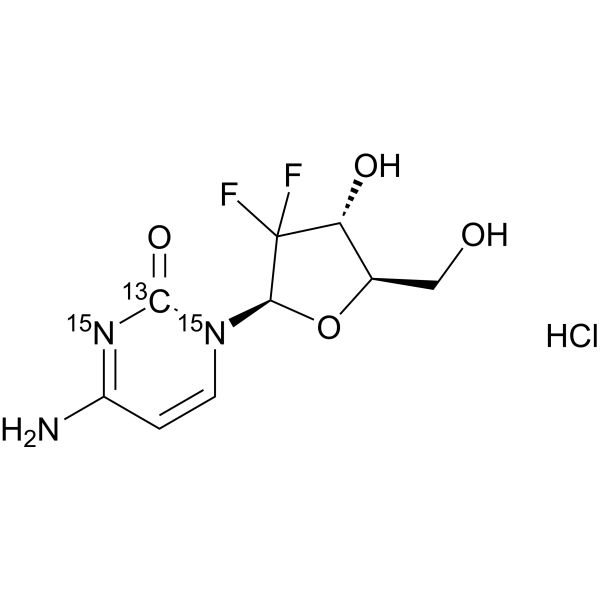
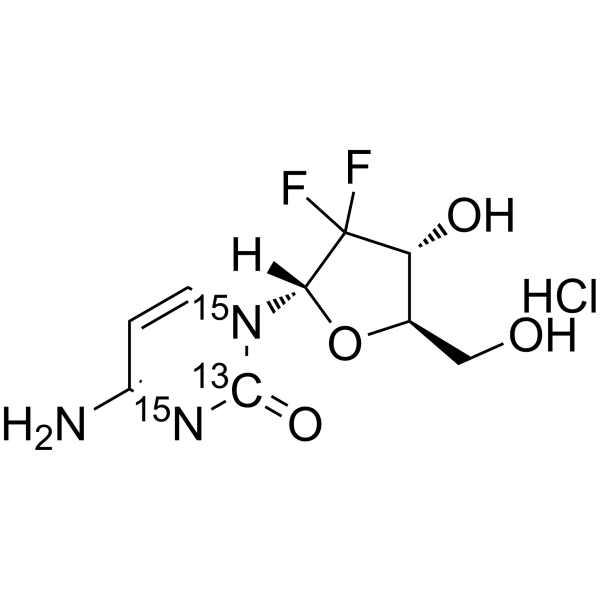
Gemcitabine- 13C, 15N2 (hydrochloride) is the 13C and 15N labeled Gemcitabine hydrochloride . Gemcitabine Hydrochloride (LY 188011 Hydrochloride) is a pyrimidine nucleoside analog antimetabolite and an antineoplastic agent. Gemcitabine Hydrochloride inhibits DNA synthesis and repair, resulting in autophagyand apoptosis [3].
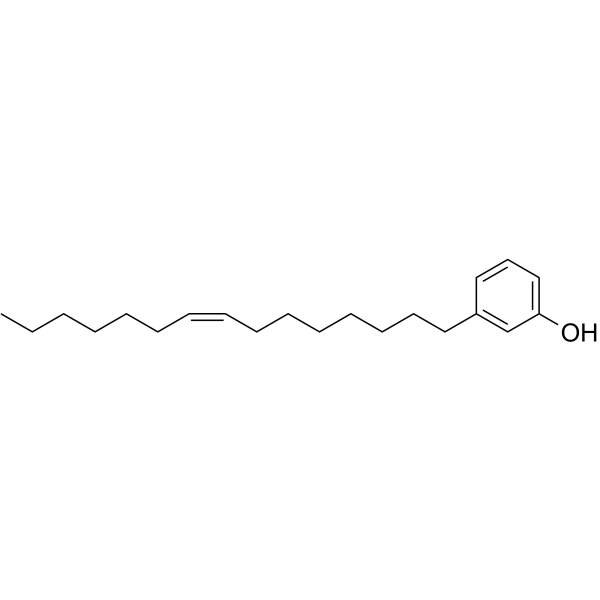
Cardanol monoene (Cardanol C15:1) is a phenolic compound which can be found in cashew nut shell liquid. Cardanol monoene can inhibit cancer cells proliferation, migration, cause S phase arrest, induce apoptosis, ROS production and mitochondrial depolarization. Cardanol monoene downregulates MMP-2, MMP-9, cyclinA1 expression, regulates CDK2, p53, Bax, cytochrome c, cleaved caspase-3, cleaved PARP, Apaf-1 expression and Bax/Bcl-2 ratio. Cardanol monoene shows weak DPPH radical scavenging activity and AChE inhibition activity. Cardanol monoene is lethal to Artemia salina nauplii. Cardanol monoene. Cardanol monoene can be used for the research of cancer, infection and inflamation .
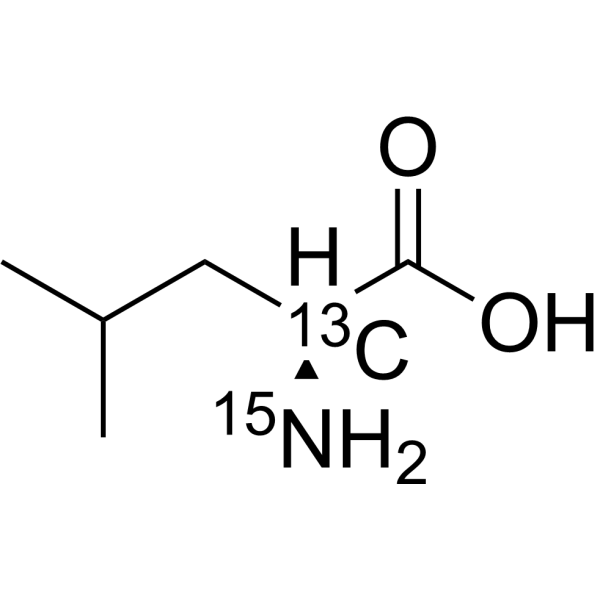
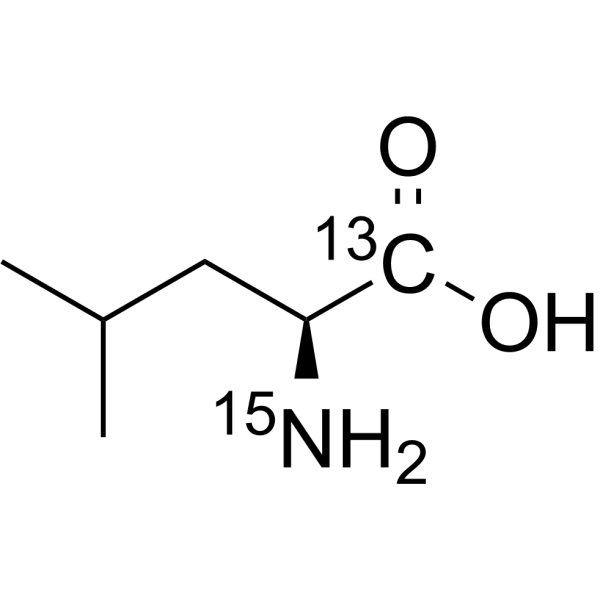
L-Leucine-2- 13C, 15N is the 13C- and 15N-labeled L-Leucine. L-Leucine is an essential branched-chain amino acid (BCAA), which activates the mTOR signaling pathway .
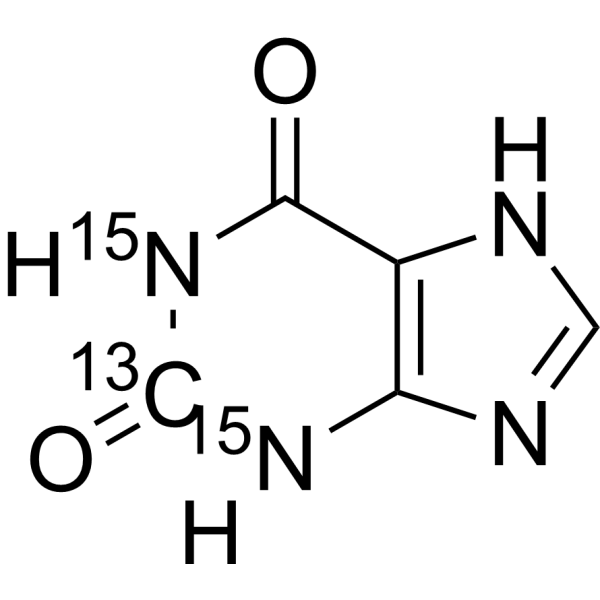
Xanthine- 13C, 15N2 is a 15N-labeled and 13C-labled Xanthine (HY-W017389). Xanthine is a plant alkaloid with mild stimulant activity of the central nervous system. Xanthine also acts as an intermediate product on the pathway of purine degradation [3].
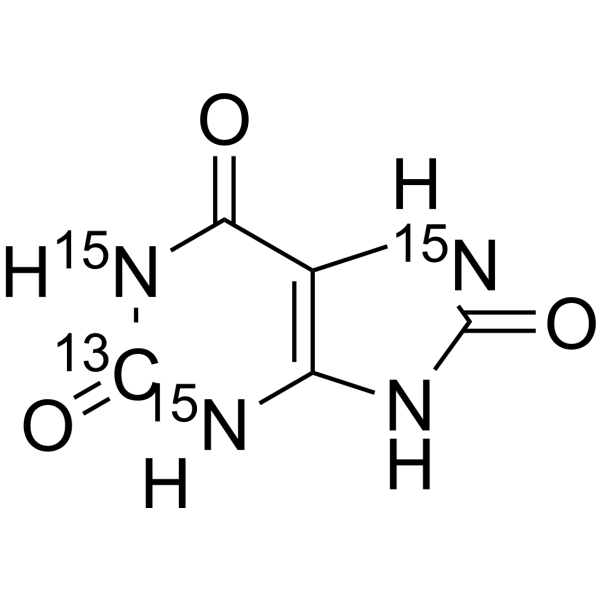
Uric acid- 13C, 15N3 is the 13C-labeled and 15N-labeled Uric acid. Uric acid, scavenger of oxygen radical, is a very important antioxidant that help maintains the stability of blood pressure and antioxidant stress. Uric acid can remove reactive oxygen species (ROS) such as singlet oxygen and peroxynitrite, inhibiting lipid peroxidation .
CDHR3 Human Pre-designed siRNA Set A contains three designed siRNAs for CDHR3 gene (Human), as well as a negative control, a positive control, and a FAM-labeled negative control.
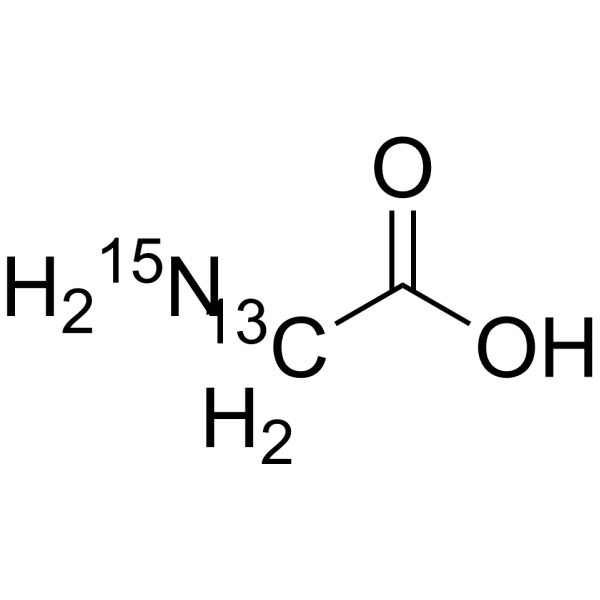
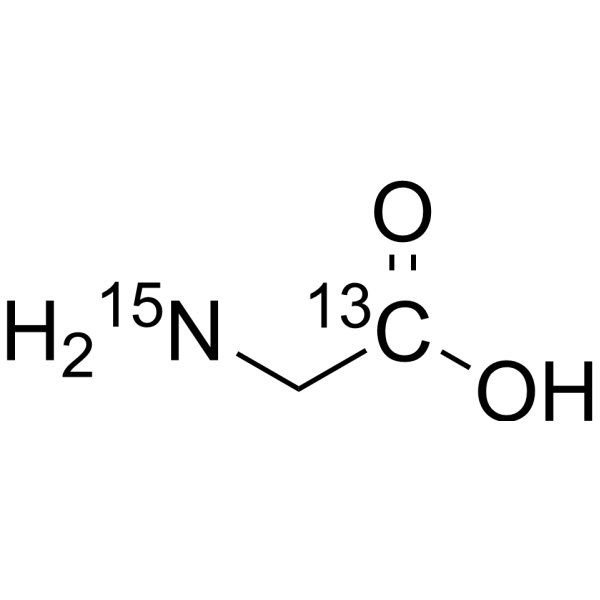
Glycine-2- 13C, 15N is the 13C- and 15N-labeled Glycine. Glycine is an inhibitory neurotransmitter in the CNS and also acts as a co-agonist along with glutamate, facilitating an excitatory potential at the glutaminergic N-methyl-D-aspartic acid (NMDA) receptors.
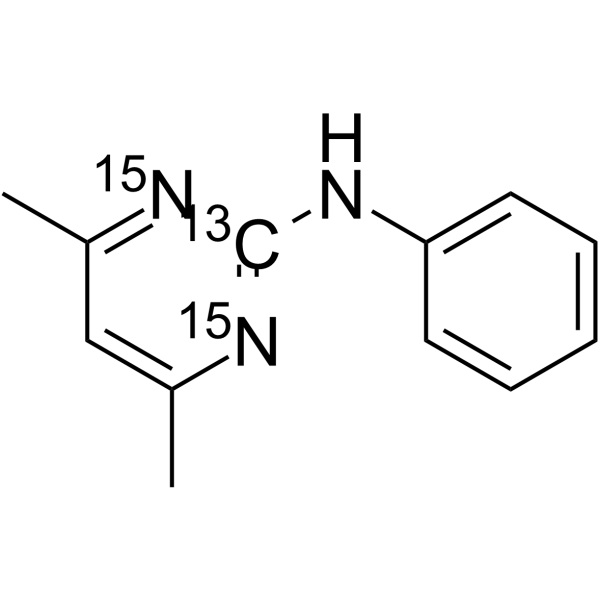
Pyrimethanil- 13C, 15N2 is the 13C-labeled and 15N-labeled Pyrimethanil. Pyrimethanil is an?anilinopyrimidine?and broad-spectrum?contact fungicide for the control of Botrytis spp. on a wide variety of crops . Pyrimethanil inhibits the biosynthesis of methionine and other amino acids in?Botrytis cinerea. Pyrimethanil can be used for the research of fungal diseases prevention on fruit, vegetable and ornamental plants with mold infection [3].
Cdhr3 Rat Pre-designed siRNA Set A contains three designed siRNAs for Cdhr3 gene (Rat), as well as a negative control, a positive control, and a FAM-labeled negative control.
Cdhr3 Mouse Pre-designed siRNA Set A contains three designed siRNAs for Cdhr3 gene (Mouse), as well as a negative control, a positive control, and a FAM-labeled negative control.
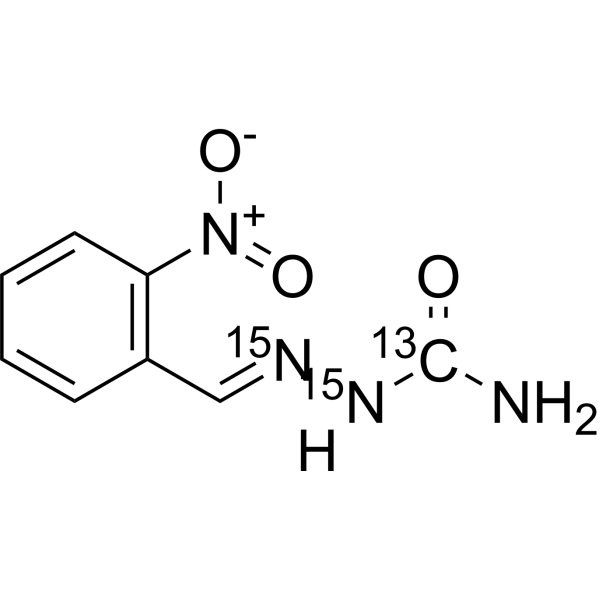
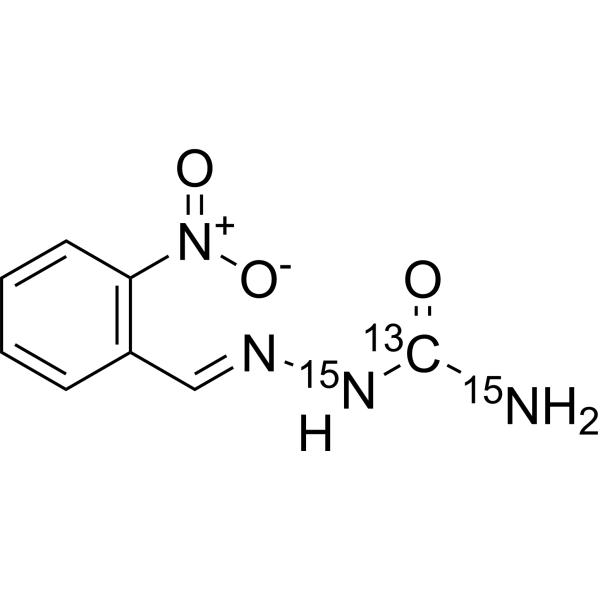
2-Nitrobenzaldehyde semicarbazone- 13C, 15N2-1 is the 13C, 15N labeled 2-Nitrobenzaldehyde semicarbazone. 2-Nitrobenzaldehyde Semicarbazone is a derivative of Semicarbazide. 2-Nitrobenzaldehyde Semicarbazone can be measured as a metabolite marker to detect the widely banned antibiotic Nitrofurazone.
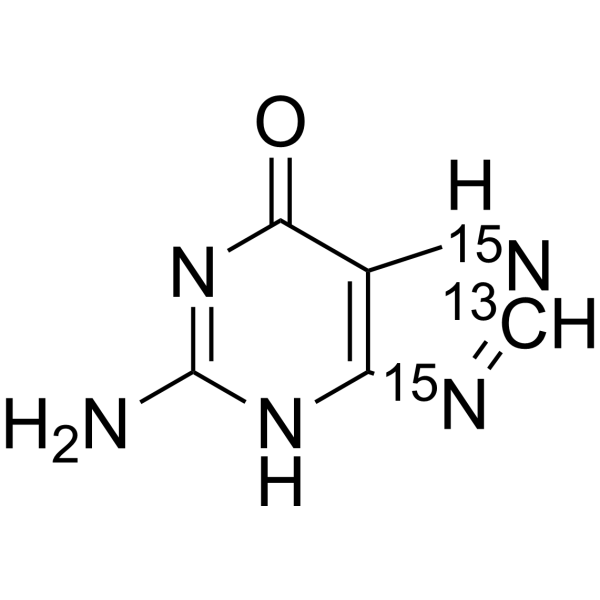
Guanine- 13C, 15N2 is the 13C and 15N labeled Guanine (HY-Y1055) . Guanine is one of the fundamental components of nucleic acids (DNA and RNA). Guanine is a purine derivative, consisting of a fused pyrimidine-imidazole ring system with conjugated double bonds. Guanine has the potential to serve as a large-capacity N pool. Guanine has cytotoxic, antinociceptive and neuroprotective effects [3] .
EA-C15 is a potent and selective TEAD inhibitor with an IC50 of 0.34 μM. EA-C15 covalently binds to the TEAD palmitoylation site, blocks palmitoylation and transcriptional activity, and inhibits YAP-dependent cancer cell proliferation and YAP-TEAD target gene (CTGF and CYR61) transcription. EA-C15 can be used for cancer research .
c9,t11,c15-CLNA is a conjugated linolenic acid (CLNA) isomer produced by Lactobacillus plantarum ZS2058. c9,t11,c15-CLNA has significant anti-proliferation activity against colon cancer cells (IC50: 18.26 μM). c9,t11,c15-CLNA induces pyroptosis by activating the canonical pyroptosis pathway mediated by caspase-1. c9,t11,c15-CLNA can be used in the study of colon cancer .
Tetrazole-C15-(N-acetylsulfamoyl)butanoic acid (Ligand 1) improves the pharmacokinetic properties of therapeutic peptides and proteins through non-covalent binding with human serum albumin (HSA). Tetrazole-C15-(N-acetylsulfamoyl)butanoic acid can be used for synthesis of long-acting human growth hormone (HGH) analog somapacitan .
iso-C15:0 3-OH is a fatty acid that can be isolated from strain PLR T. PLR T is a rod shaped, Gram-stain-negative, chemo-organotrophic, heterotrophic, strictly aerobic bacterium isolated from faeces of the mollusc Aplysia punctata .
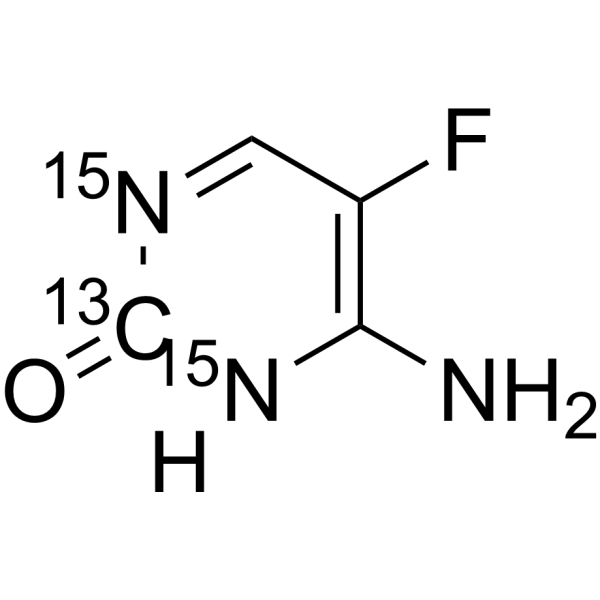
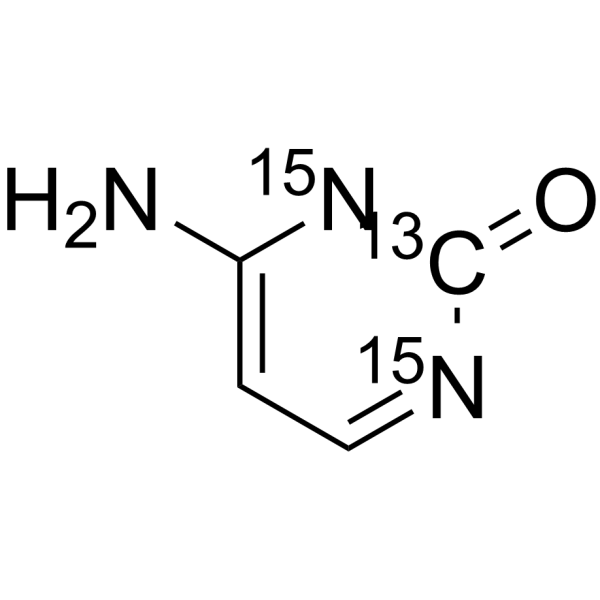
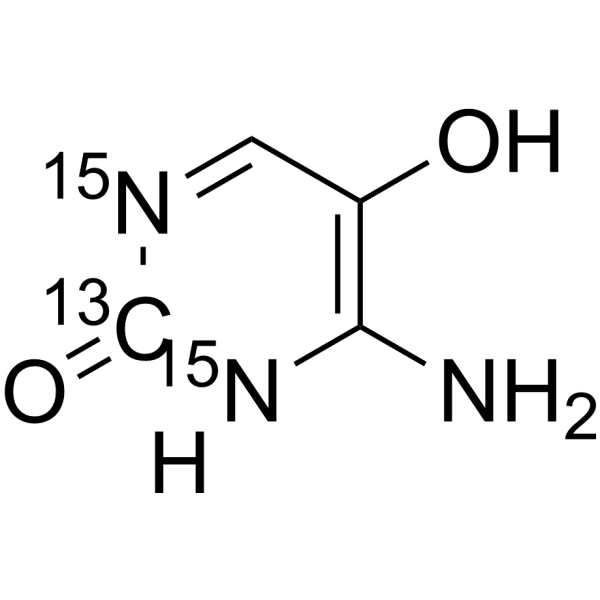
Cytosine- 13C, 15N2 is the 13C and 15N labeled Cytosine . Cytosine is one of the four main bases found in DNA and RNA. Cytosine modifications exhibit circadian oscillations that are involved in epigenetic diversity and aging [3].
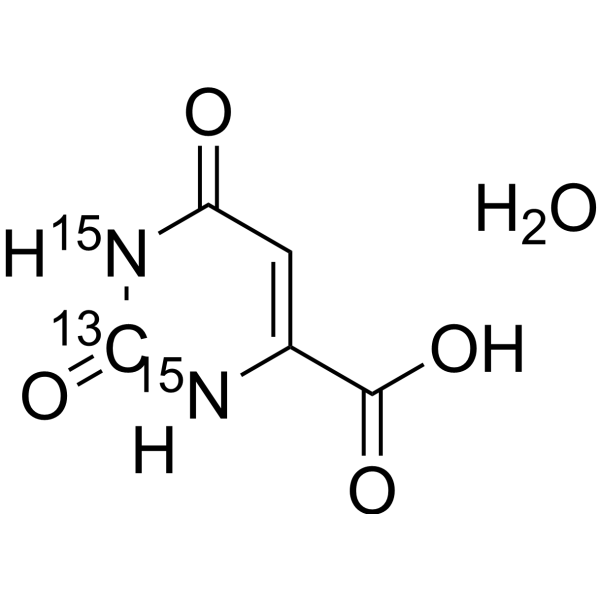
Orotic acid- 13C, 15N2 (monohydrate) is the 13C and 15N labeled Orotic acid . Orotic acid (6-Carboxyuracil), a precursor in biosynthesis of pyrimidine nucleotides and RNA, is released from the mitochondrial dihydroorotate dehydrogenase (DHODH) for conversion to UMP by the cytoplasmic UMP synthase enzyme. Orotic acid is a marker for measurement in routine newborn screening for urea cycle disorders. Orotic acid can induce hepatic steatosis and hepatomegaly in rats [3] .
15-Keto Iloprost is a C-15 oxidized derivative of Iloprost (HY-A0096). Iloprost (ZK 36374) is a prostacyclin (PGI2) analogue, involves in embryo development and inflammation improvement, and inhibits tumor metastasis .
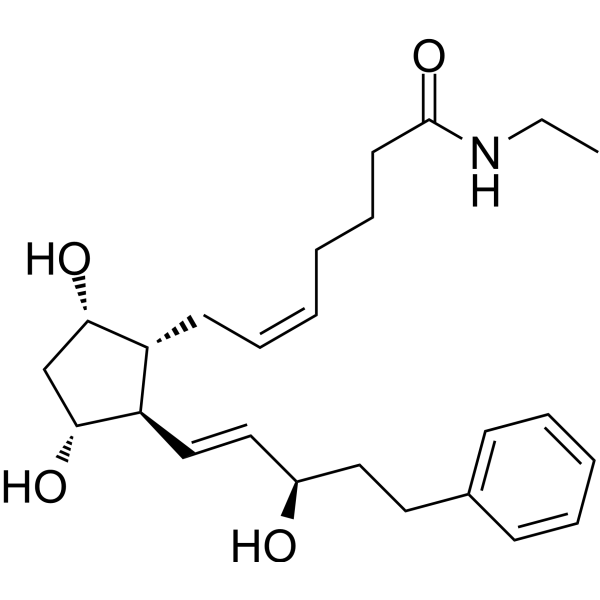
(15R)-Bimatoprost (15(R)-17-phenyl trinor PGF2α ethyl amide) is a prostaglandin analog used to study glaucoma and ocular hypertension. (15R)-Bimatoprost is an isomer of Bimatoprost with an inverted (β) hydroxyl group on C-15 .
t9,t11,c15-CLNA is a conjugated linolenic acid (CLNA) isomer produced by Lactobacillus plantarum ZS2058. t9,t11,c15-CLNA has the main activities of anti-inflammatory, antioxidant and improving intestinal barrier function. The regulatory mechanism of t9,t11,c15-CLNA includes upregulation of tight junction proteins, inhibition of pro-inflammatory cytokines (such as TNF-α, IL-6) and activation of antioxidant enzymes (such as SOD, CAT). t9,t11,c15-CLNA can be used in the study of inflammatory bowel diseases (such as colitis) .
15(R)-17-phenyl trinor Prostaglandin F2α isopropyl ester (15(R)-17-phenyl trinor PGF2α isopropyl ester) is the latanoprost-related isomer containing both a double bond at 13,14 and an inverted (β) hydroxyl group at C-15. Similar to 15(S)-latanoprost, 15(R)-17-phenyl trinor PGF2α isopropyl ester is a potential impurity in most commercial preparations of the latanoprost bulk drug product. The IC50 values for the free acid forms of 15(S)-17-phenyl trinor PGF2α and 15(R)-17-phenyl trinor PGF2α were determined to be 0.71 nM and 30 nM, respectively, in a FP receptor binding assay using the cat iris sphincter muscle.1 A 3 μg dose of 15(R)-17-phenyl trinor PGF2α caused a 1.9 mmHg reduction of IOP in normotensive cynomolgus monkeys.
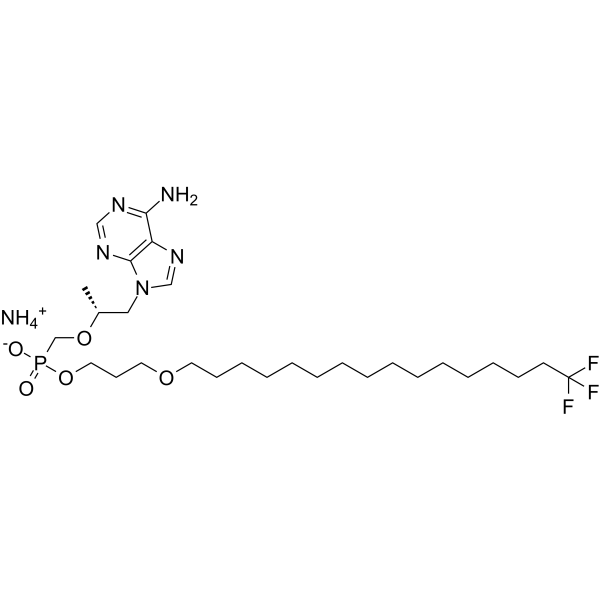
Tenofovir-C3-O-C15-CF3 (ammonium) exhibits substantially longer t1/2 values than tenofovir in human liver microsomes, potent anti-HIV activity in vitro, and enhances pharmacokinetic properties in vivo.
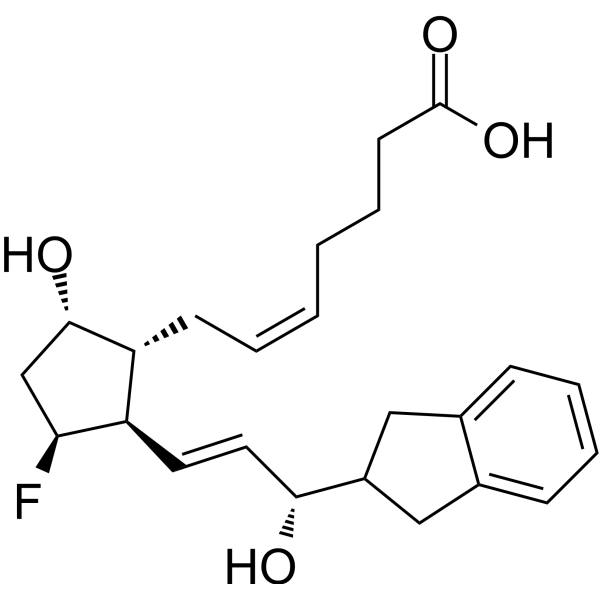
(S)-AL 8810 is an 11β-fluoro analog of PGF2α that acts as a potent and selective antagonist at the FP receptor. (S)-AL 8810 is the C-15 epimer of AL 8810, having the
inverse, (S), or "natural" configuration at C-15 relative to AL 8810, which is 15-(R) .
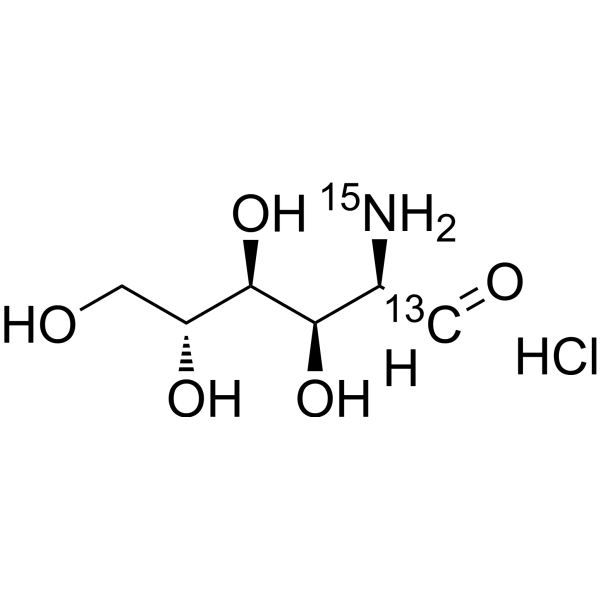
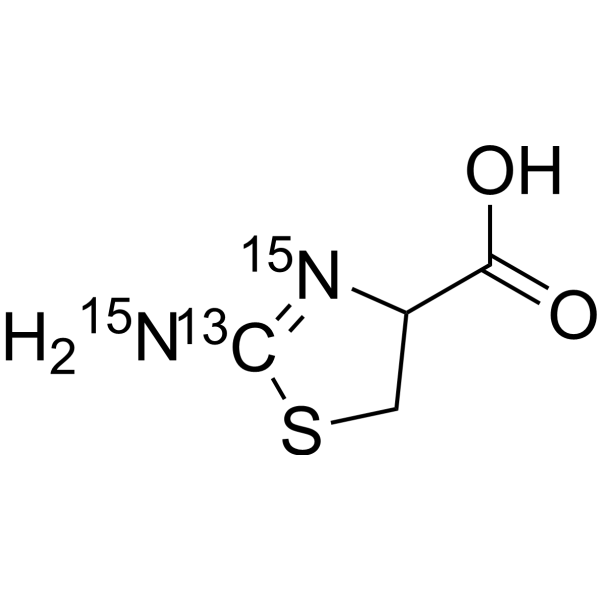
Glucosamine- 13C, 15N (hydrochloride) is the 13C and 15N labeled Glucosamine hydrochloride. Glucosamine hydrochloride (D-Glucosamine hydrochloride) is an amino sugar and a prominent precursor in the biochemical synthesis of glycosylated proteins and lipids, i
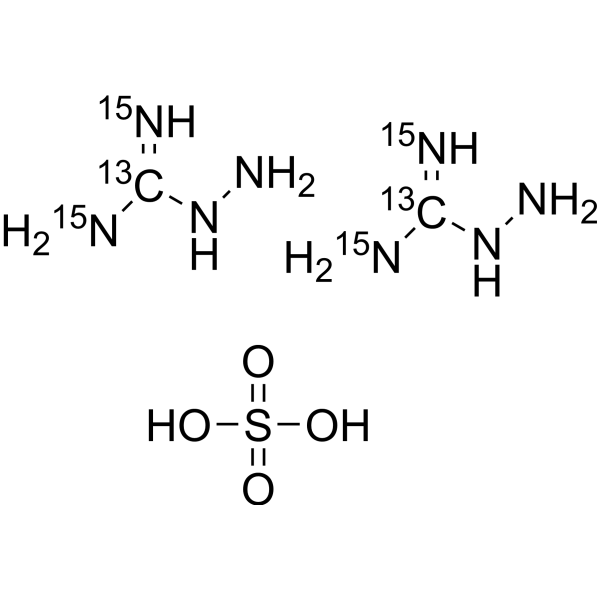
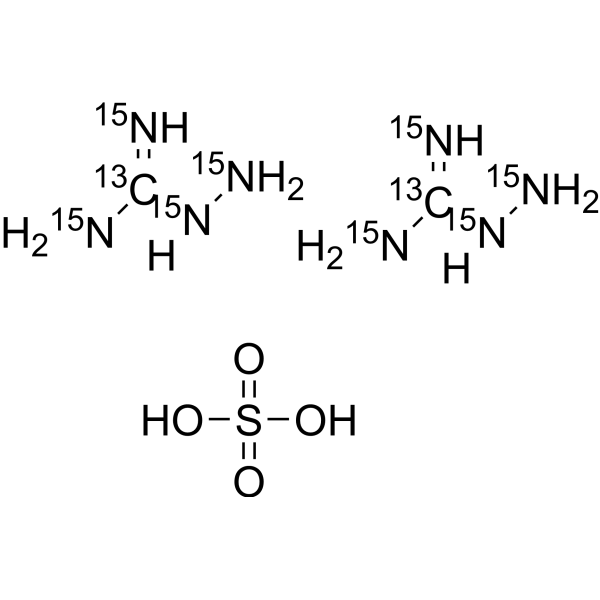
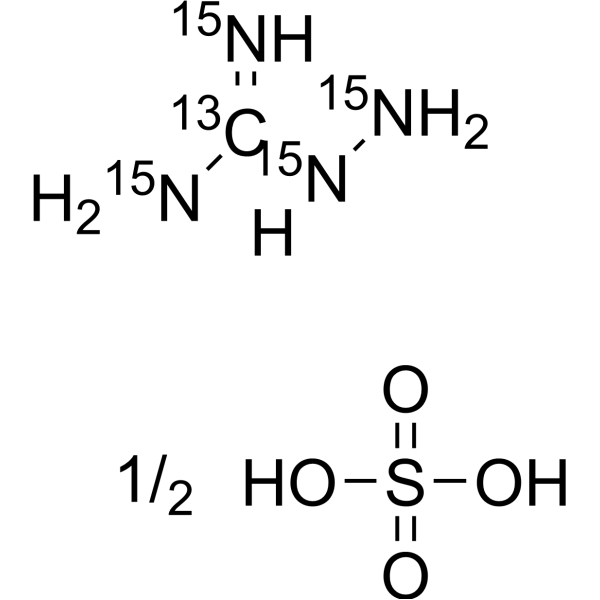
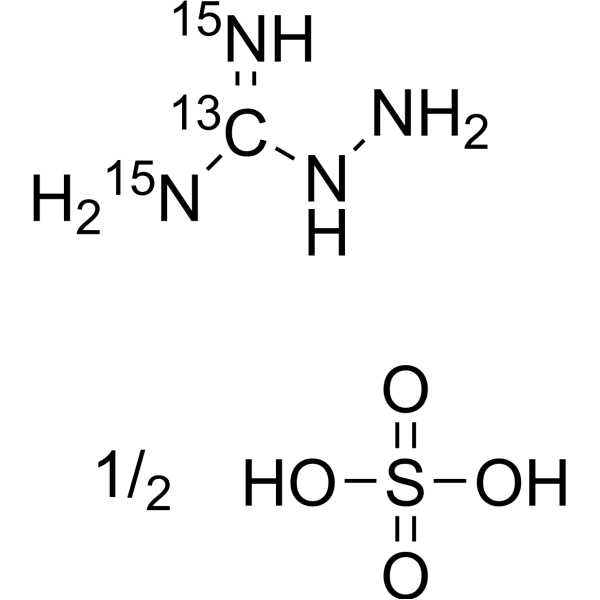
Aminoguanidine- 13C, 15N4 (Pimagedine- 13C, 15N4) is the 13C- and 15N-labeled Aminoguanidine (HY-B1041A). Aminoguanidine (Pimagedine hydrochloride) is an inhibitor of diamine oxidase and nitric oxide synthase. Aminoguanidine has a dose-dependent inhibitory effect on apoptosis induced by Doxorubicin (HY-15142). Aminoguanidine has antioxidant properties. Aminoguanidine can be used in diabetic nephropathy research [3] .
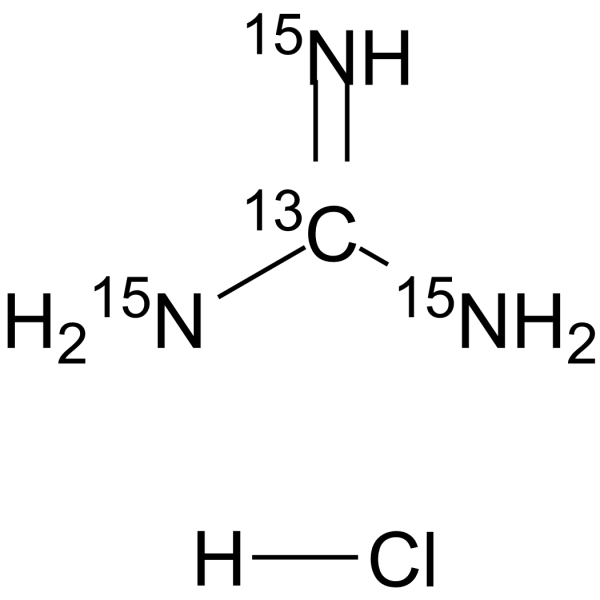
Guanidine- 13C, 15N3 (hydrochloride)is the 13C-labeled and 15N-labeled Guanidine hydrochloride. Guanidine hydrochloride (Guanidinium chloride) a strong chaotrope, is also a strong denaturant of proteins .
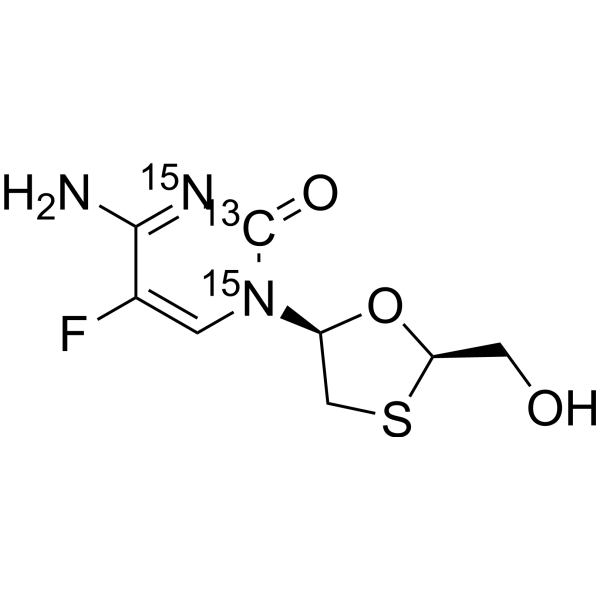
Emtricitabine- 13C, 15N2 (BW1592- 13C, 15N2) is a 13C- and 15N-labeled Emtricitabine (HY-17427). Emtricitabine is a nucleoside reverse transcriptase inhibitor (NRTI) with an EC50 of 0.01 μM in PBMC cell. It is an antiviral agent for the treatment of HIV infection.
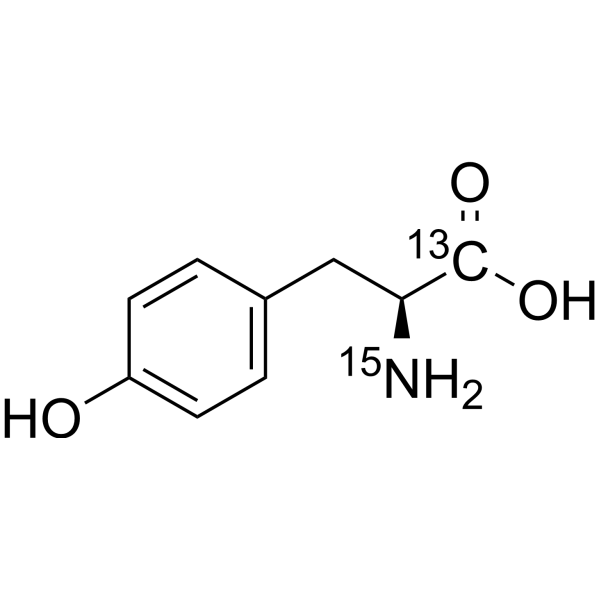
L-Tyrosine- 13C, 15N is the 13C and 15N labeled L-Tyrosine . L-Tyrosine is a non-essential amino acid which can inhibit citrate synthase activity in the posterior cortex .
L-Leucine-1- 13C, 15N is the 13C- and 15N-labeled L-Leucine. L-Leucine is an essential branched-chain amino acid (BCAA), which activates the mTOR signaling pathway .
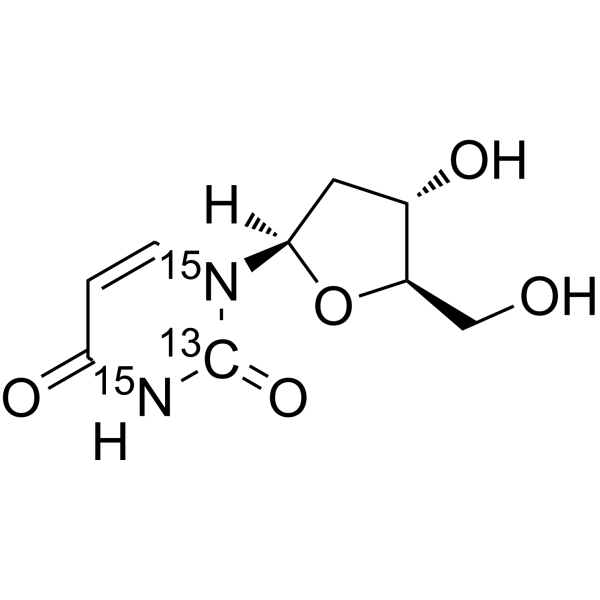
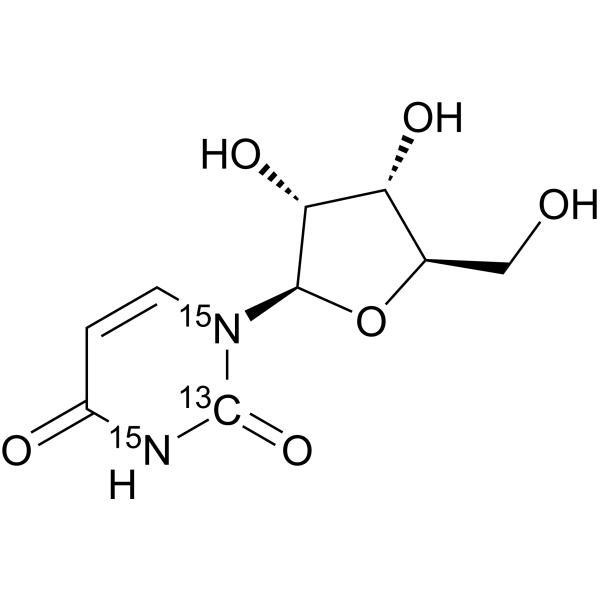
2'-Deoxyuridine- 13C, 15N2 is the 13C and 15N labeled 2'-Deoxyuridine . 2'-Deoxyuridine could increase chromosome breakage and results in a decreased thymidylate synthetase activity. A known use of 2'-Deoxyuridine is as a precursor in the synthesis of Edoxudine .
Favipiravir- 13C 15N (T-705- 13C 15N) is 13C and 15N labeled Favipiravir. Favipiravir (T-705) is a potent viral RNA polymerase inhibitor, it is phosphoribosylated by cellular enzymes to its active form, Favipiravir-ribofuranosyl-5′-triphosphate (RTP). Favipiravir-RTP inhibits the influenza viral RNA-dependent RNA polymerase (RdRP) activity with an IC50 of 341 nM.
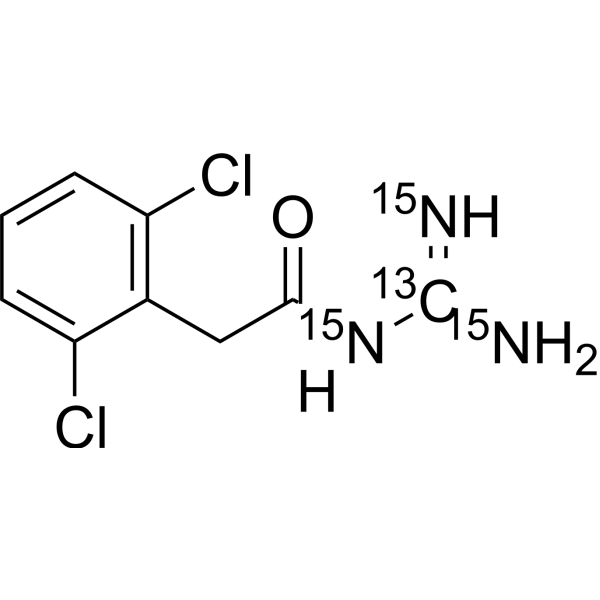
Guanfacine- 13C, 15N3 is the 13C and 15N labeled Guanfacine . Guanfacine is an orally active noradrenergic α2A agonist and has high selective for the α2A receptor subtype. Guanfacine has effects in producing hypotension and sedation. Guanfacine can be used for the research of a variety of prefrontal cortex (PFC) cognitive disorders, including tourette's syndrome and attention deficit hyperactivity disorder (ADHD) [3] .
CB 3705 is a dihydrofolate reductase (DHFR) and thymidylate synthetase (TS) inhibitor. CB 3705 inhibits L1210 cells and mutant L1210 cell line (L1210:C15) with ID50s of 4.77 μM and 408 μM, respectively .
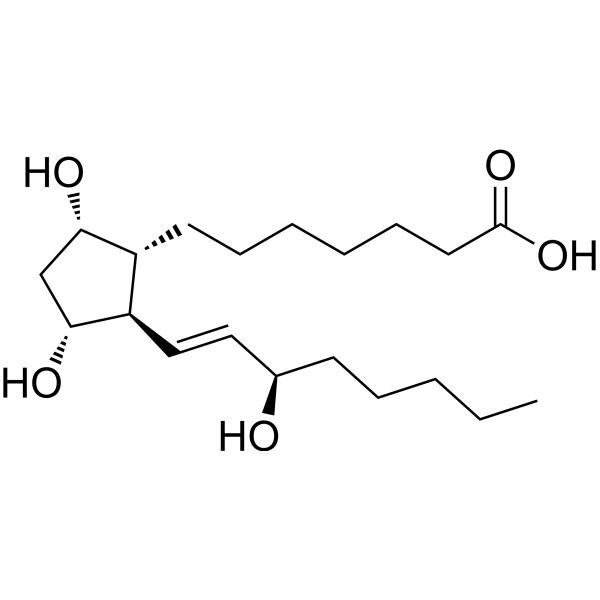
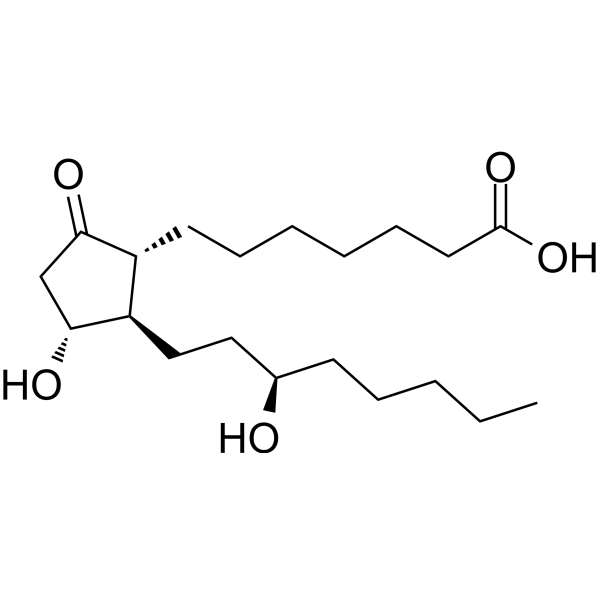
13,14-dihydro-15(R)-Prostaglandin E1 (13,14-dihydro-15(R)- PGE1) is an analog of 13,14-dihydro- PGE1 which has the hydroxyl group at C-15 in the unnatural R configuration .
1,3-Dipentadecanoin(C15:0) is a long-chain triglyceride with substrate activity for lipid metabolism studies. 1,3-Dipentadecanoin(C15:0) is used as a model compound for studying the hydrolysis of triglycerides by lipase. 1,3-Dipentadecanoin(C15:0) can help understand the metabolic mechanism of triglycerides in chemical research.
C15orf48 Human Pre-designed siRNA Set A contains three designed siRNAs for C15orf48 gene (Human), as well as a negative control, a positive control, and a FAM-labeled negative control.
Urethane- 13C, 15N (Ethyl carbamate- 13C, 15N) is the 13C- and 15N-labeled Urethane (HY-B1207). Urethane (Ethyl carbamate), the ethyl ester of carbamic acid, is a byproduct of fermentation found in various food products. Urethane has the ability to suppress bacterial, protozoal, sea urchin egg, and plant tissue growth in vitro .
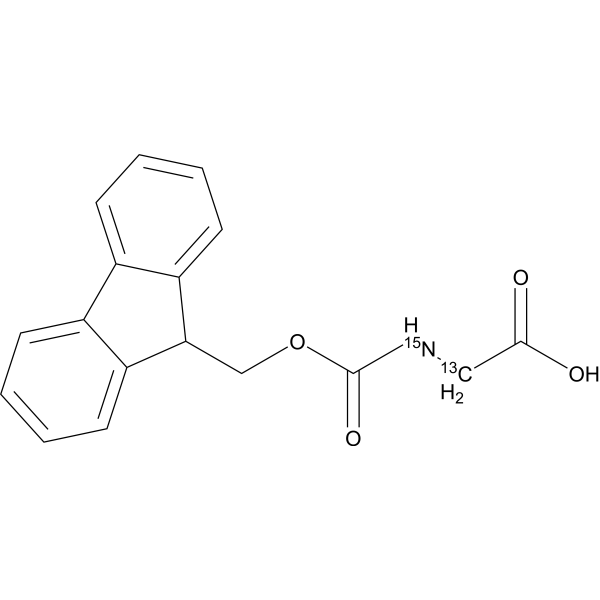
Fmoc-Gly-OH-2- 13C, 15N (Fmoc-glycine-2- 13C, 15N) is the 13C, 15N labeled Fmoc-Gly-OH (HY-Y1250). Fmoc-Gly-OH (Fmoc glycine) is a Fmoc-protected glycine derivative, can be used for the synthesis of compounds .
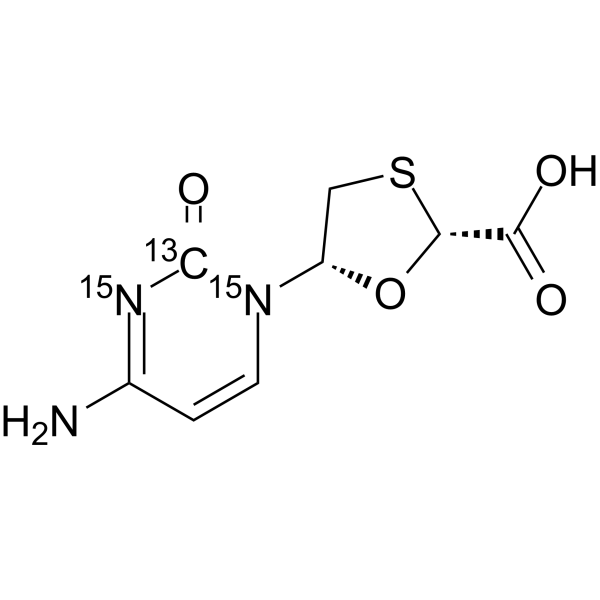
Lamivudine- 13C, 15N2 is a labelled impurity of Lamivudine (BCH-189). Lamivudine is a nucleoside reverse transcriptase inhibitors (NRTIs), and can inhibit HIV reverse transcriptase 1/2 and the reverse transcriptase of hepatitis B virus .
Glycine-1- 13C, 15N is the 13C- and 15N-labeled Glycine. Glycine is an inhibitory neurotransmitter in the CNS and also acts as a co-agonist along with glutamate, facilitating an excitatory potential at the glutaminergic N-methyl-D-aspartic acid (NMDA) receptors.
Dienogest-13C,15N,d4 (STS 557-13C,15N,d4) is the 13C, 15N and deuterium labeled isotope of Dienogest (HY-B0084). Dienogest (STS-557) is an orally active and selective progesterone receptor agonist that effectively reduces the gene expression of COX-2, mPGES-1 and aromatase. Dienogest also inhibits the mRNA and protein expression of PGE2 synthase and the activation of NF-κB. Dienogest can be used in studies of endometriosis, menopause and menorrhagia .
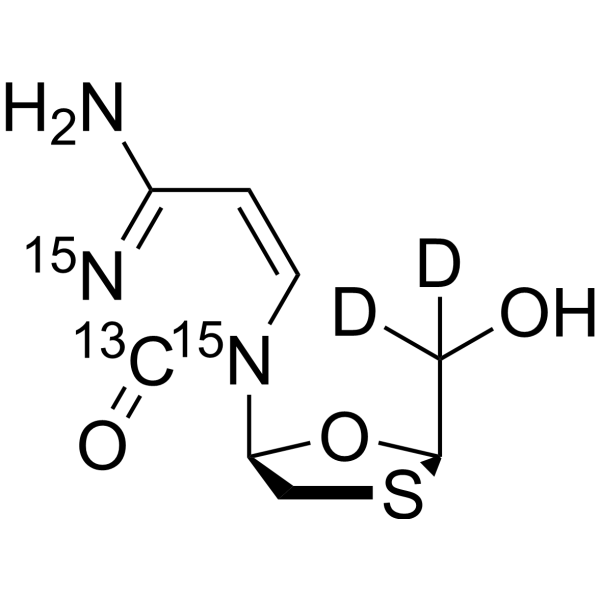
Lamivudine-13C,15N2,d2 (BCH-189-13C,15N2,d2) is a 13C, 15N, and deuterium labeled Lamivudine (HY-B0250). Lamivudine is an orally active and blood-brain barrier permeable nucleoside reverse transcriptase inhibitor (NRTI). Lamivudine inhibits HIV reverse transcriptase 1 and 2 and hepatitis B virus (HBV) reverse transcriptase [3] .
PROTAC SMARCA2 degrader-24 (Compound 34) is a PROTAC degrader for SMARCA2 with a DC50 < 0.1 µM in HeLa. PROTAC SMARCA2 degrader-24 degrades SMARCA4 with a DC50 > 10 μM in HeLa .
Thymidine- 13C, 15N2 is the 13C- and 15N-labeled Thymidine (HY-N1150). Thymidine, a specific precursor of deoxyribonucleic acid, is used as a cell synchronizing agent. Thymidine is a DNA synthesis inhibitor that can arrest cell at G1/S boundary, prior to DNA replication [3].
8-Bromoguanosine- 13C, 15N2 is the 13C- and 15N-labeled 8-Bromoguanosine (HY-W019033). 8-Bromoguanosine is a purine nucleoside, a brominated derivative of guanosine. 8-Bromoguanosine can reduce the conformational heterogeneity of RNA to enhance its function [3].
8-Hydroxy guanosine- 13C, 15N2 is 13C and 15N labeled 8-Hydroxyguanosine. 8-Hydroxyguanosine, an oxidized nucleoside, is a marker of RNA oxidative damage and oxidative stress. 8-Hydroxyguanosine stimulates proliferation and differentiation of B cells [3] .
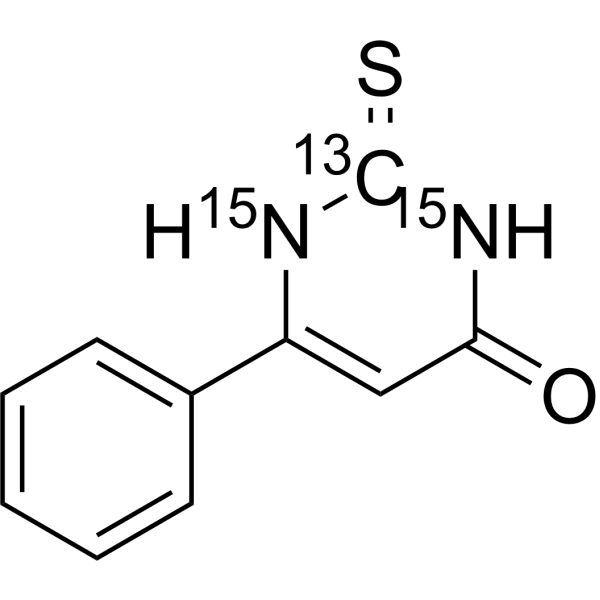
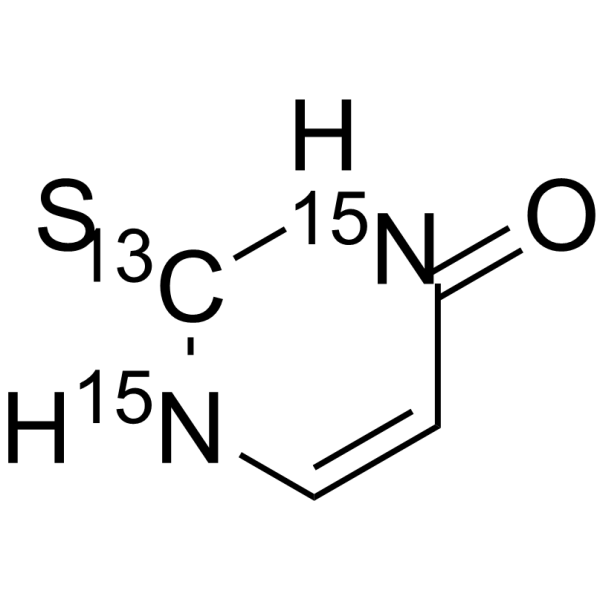
2-Thiouracil- 13C, 15N2 is the 13C, 15N labeled 2-Thiouracil. 2-Thiouracil (Thiouracil) is an antithyroid compound. 2-Thiouracil can function as a highly specific melanoma seeker. 2-Thiouracil is a selective inhibitor of neuronal nitric oxide synthase (nNOS) with a Ki of 20 μM.
Dihydrouracil- 13C, 15N2 (5,6-Dihydrouracil- 13C, 15N2) is the 13C- and 15N-labeled Dihydrouracil (HY-W012926). Dihydrouracil (5,6-Dihydrouracil), a metabolite of Uracil, can be used as a marker for identification of dihydropyrimidine dehydrogenase (DPD)-deficient .
Hsp90-IN-47 (Compound C15) is a Hsp90 inhibitor and antifungal agent, with an IC50 of 0.014 μM against Hsp90α. When combined with Fluconazole (HY-B0101), Hsp90-IN-47 exerts significant synergistic antifungal effects against fluconazole-resistant Candida albicans 0304103. Hsp90-IN-47 exhibits antitumor activity against acute myeloid leukemia and non-small cell lung cancer .
14S(15R)-EET is an endogenous epoxytrienoic acid derivative that mainly exists in rat organs. By studying its metabolic process, it was found that its stereoselective hydration and formation of chiral diols were significantly affected by epoxidase. Different 14,15-EET enantiomers showed different regions and stereochemistry of hydration reactions, among which 14(R),15(S)-EET showed specific hydration for C15. These findings reveal the important role of epoxidase in the metabolism of endogenous EETs, and the differences in enzyme affinity and reaction rate for individual EET enantiomers may lead to their stereoselective metabolism .
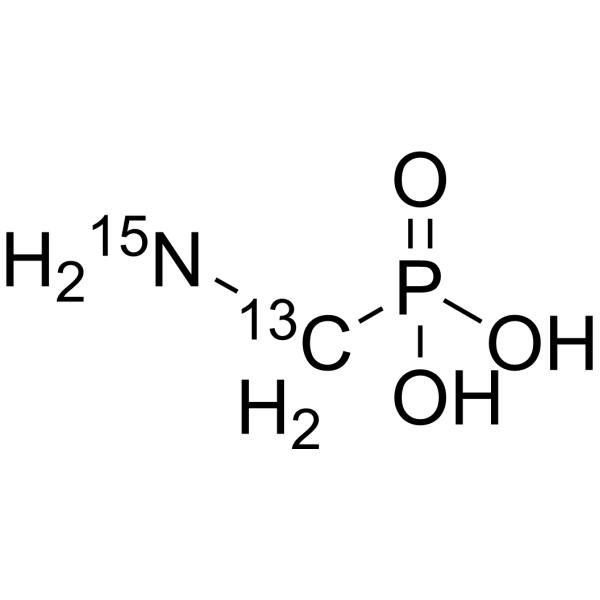
(Aminomethyl)phosphonic acid- 13C, 15N,d2 is the 13C-, 15N- and deuterium labeled (Aminomethyl)phosphonic acid (HY-W035361). (Aminomethyl)phosphonic acid is used as a phosphonate agent in wastewater treatment .
1,3-Dipentadecanoin(C15:0) is a long-chain triglyceride with substrate activity for lipid metabolism studies. 1,3-Dipentadecanoin(C15:0) is used as a model compound for studying the hydrolysis of triglycerides by lipase. 1,3-Dipentadecanoin(C15:0) can help understand the metabolic mechanism of triglycerides in chemical research.
DMEM (Dulbecco's Modified Eagle Medium) is a widely used basal medium for supporting the growth of many different mammalian cells. Cell lines successfully cultured in DMEM include Hela, 293, Cos-7, and PC-12, as well as primary fibroblasts, neurons, glial cells, HUVECs, and smooth muscle cells. The 500 mL is defined as the base specification. All larger sizes correspond to incremental volumes of this base.
DMEM (Dulbecco's Modified Eagle Medium) is a widely used basal medium for supporting the growth of many different mammalian cells. Cell lines successfully cultured in DMEM include Hela, 293, Cos-7, and PC-12, as well as primary fibroblasts, neurons, glial cells, HUVECs, and smooth muscle cells, etc. The 500 mL is defined as the base specification. All larger sizes correspond to incremental volumes of this base.
MCE PEI Transfection Reagent is designed based on 25 kDa PEI. It has high-efficiency, low-toxicity, strong-stability, and is suitable for many cell types, such as HEK-293、HEK-293T、CHO-K1、COS-1、COS-7、NIH/3T3、Sf9、HepG2 and HeLa et, even some hard-to-transfect cells. It can also be applied to large-scale recombinant protein expression and virus production. The 1 mL is defined as the base specification. All larger sizes correspond to incremental volumes of this base.
Cardanol monoene (Cardanol C15:1) is a phenolic compound which can be found in cashew nut shell liquid. Cardanol monoene can inhibit cancer cells proliferation, migration, cause S phase arrest, induce apoptosis, ROS production and mitochondrial depolarization. Cardanol monoene downregulates MMP-2, MMP-9, cyclinA1 expression, regulates CDK2, p53, Bax, cytochrome c, cleaved caspase-3, cleaved PARP, Apaf-1 expression and Bax/Bcl-2 ratio. Cardanol monoene shows weak DPPH radical scavenging activity and AChE inhibition activity. Cardanol monoene is lethal to Artemia salina nauplii. Cardanol monoene. Cardanol monoene can be used for the research of cancer, infection and inflamation .
iso-C15:0 3-OH is a fatty acid that can be isolated from strain PLR T. PLR T is a rod shaped, Gram-stain-negative, chemo-organotrophic, heterotrophic, strictly aerobic bacterium isolated from faeces of the mollusc Aplysia punctata .
14S(15R)-EET is an endogenous epoxytrienoic acid derivative that mainly exists in rat organs. By studying its metabolic process, it was found that its stereoselective hydration and formation of chiral diols were significantly affected by epoxidase. Different 14,15-EET enantiomers showed different regions and stereochemistry of hydration reactions, among which 14(R),15(S)-EET showed specific hydration for C15. These findings reveal the important role of epoxidase in the metabolism of endogenous EETs, and the differences in enzyme affinity and reaction rate for individual EET enantiomers may lead to their stereoselective metabolism .
TPM1 encodes tropomyosin, a key actin-binding component in muscle contraction and cytoskeletal structure. It contains α-helical chains that form a coiled-coil structure that stabilizes actin filaments. TPM1 Protein, Human (His) is the recombinant human-derived TPM1 protein, expressed by E. coli , with N-His labeled tag.
The Ebola virus NP/nucleoprotein is critical for viral genome protection and replication, forming a helical capsid to protect the genome.The VP35 interaction stabilizes the monomeric NP, maintaining solubility until replication triggers cooperative binding to viral RNA.Ebola virus NP/Nucleoprotein Protein (His) is the recombinant Virus-derived Ebola virus NP/Nucleoprotein protein, expressed by E.coli , with N-His labeled tag.
The multifunctional ANP32A protein regulates multiple cellular processes, including tumor suppression, apoptosis, cell cycle progression, and transcription. It promotes apoptosis by activating caspase-9 and supporting apoptotic body formation. ANP32A Protein, Human (His-GST) is the recombinant human-derived ANP32A protein, expressed by E. coli , with N-His, N-GST labeled tag.
Ebola virus Glycoprotein/GP Protein is pivotal in viral entry, serving as the receptor-binding subunit.In later infection stages, GP1 down-regulates crucial host cell surface molecules, including integrins like ITGA1-6, disrupting adhesion and potentially causing blood vessel integrity disruption.GP1 interacts with host TLR4, stimulating monocyte differentiation, leading to T-lymphocyte bystander death.It down-regulates natural killer cell function, counters BST2/tetherin, cooperates with VP40 for NF-kappa-B activation, acts as an antibody decoy, and induces cytokine transcription in host macrophages and dendritic cells through TLR4 activation.Ebola virus Glycoprotein/GP Protein (QDA39862, HEK293, His) is the recombinant Virus-derived Ebola virus Glycoprotein/GP protein, expressed by HEK293 , with C-His labeled tag.
Ebola virus glycoproteins (GPs) play a key role in the virus entry process, with GP1 serving as the receptor-binding subunit and GP2 for membrane fusion.GP downregulates host cell surface molecules, disrupts adhesion and may lead to disruption of vascular integrity.Ebola virus Glycoprotein/GP Protein (AHX24649, sf9, His) is the recombinant Virus-derived Ebola virus Glycoprotein/GP protein, expressed by Sf9 insect cells , with C-His labeled tag.
Ebola virus VP24 Protein is an IFN antagonist, and mediates nucleocapsid assembly. VP24 inhibits IFN-activated signaling by preventing nuclear import of STAT1 via competitive binding to nuclear import receptors (karyopherins). VP24 can interact with NP and is essential for nucleocapsid formation and packaging into the virion. Ebola virus VP24 Protein (AHX24653, His) is the recombinant Virus-derived Ebola virus VP24 protein, expressed by E. coli , with N-His labeled tag.
Ebola virus glycoproteins (GPs) play a key role in the virus entry process, with GP1 serving as the receptor-binding subunit and GP2 for membrane fusion. GP downregulates host cell surface molecules, disrupts adhesion and may lead to disruption of vascular integrity. Ebola virus Glycoprotein/GP Protein RBD (AHX24649, HEK293, His) is the recombinant Virus-derived Ebola virus Glycoprotein/GP protein RBD, expressed by HEK293 , with C-His labeled tag.
Ebola virus glycoproteins (GPs) play a key role in the virus entry process, with GP1 serving as the receptor-binding subunit and GP2 for membrane fusion. GP downregulates host cell surface molecules, disrupts adhesion and may lead to disruption of vascular integrity. Ebola virus Glycoprotein/GP2 Protein (AHX24649, HEK293, Fc) is the recombinant Virus-derived Ebola virus Glycoprotein/GP2 protein, expressed by HEK293 , with N-mFc labeled tag.
Ebola virus VP40 (matrix VP40 protein) centrally directs virus assembly and budding and has complex interactions with viral ribonucleocapsid and host ESCRT proteins (VPS4, PDCD6IP/ALIX, NEDD4, TGS101). Ebola virus VP40/Matrix VP40 Protein (AHX24648, His) is the recombinant Virus-derived Ebola virus VP40/Matrix VP40 protein, expressed by E. coli , with N-6*His labeled tag.
Ebola virus glycoproteins (GPs) play a key role in the virus entry process, with GP1 serving as the receptor-binding subunit and GP2 for membrane fusion.GP downregulates host cell surface molecules, disrupts adhesion and may lead to disruption of vascular integrity.Ebola virus Glycoprotein/GP1 Protein (AHX24649, HEK293, His) is the recombinant Virus-derived Ebola virus Glycoprotein/GP1 protein, expressed by HEK293 , with C-His labeled tag.
Ebola virus glycoproteins (GPs) play a key role in the virus entry process, with GP1 serving as the receptor-binding subunit and GP2 for membrane fusion. GP downregulates host cell surface molecules, disrupts adhesion and may lead to disruption of vascular integrity. Ebola virus Glycoprotein/GP1 Protein (AHX24649, sf9, His) is the recombinant Virus-derived Ebola virus Glycoprotein/GP1 protein, expressed by Sf9 insect cells , with C-His labeled tag.
Ebola virus glycoproteins (GPs) play a key role in the virus entry process, with GP1 serving as the receptor-binding subunit and GP2 for membrane fusion. GP downregulates host cell surface molecules, disrupts adhesion and may lead to disruption of vascular integrity. Ebola virus Glycoprotein/GP Protein RBD (AHX24649, HEK293, Fc) is the recombinant Virus-derived Ebola virus Glycoprotein/GP protein RBD, expressed by HEK293 , with C-hFc labeled tag.
Ebola virus glycoproteins (GPs) play a key role in the virus entry process, with GP1 serving as the receptor-binding subunit and GP2 for membrane fusion.GP downregulates host cell surface molecules, disrupts adhesion and may lead to disruption of vascular integrity.Ebola virus Glycoprotein/GP Protein (AHX24649, HEK293, His) is the recombinant Virus-derived Ebola virus Glycoprotein/GP protein, expressed by HEK293 , with C-His labeled tag.
Gemcitabine- 13C, 15N2 (hydrochloride) is the 13C and 15N labeled Gemcitabine hydrochloride . Gemcitabine Hydrochloride (LY 188011 Hydrochloride) is a pyrimidine nucleoside analog antimetabolite and an antineoplastic agent. Gemcitabine Hydrochloride inhibits DNA synthesis and repair, resulting in autophagyand apoptosis [3].
L-Leucine-2- 13C, 15N is the 13C- and 15N-labeled L-Leucine. L-Leucine is an essential branched-chain amino acid (BCAA), which activates the mTOR signaling pathway .
Xanthine- 13C, 15N2 is a 15N-labeled and 13C-labled Xanthine (HY-W017389). Xanthine is a plant alkaloid with mild stimulant activity of the central nervous system. Xanthine also acts as an intermediate product on the pathway of purine degradation [3].
Uric acid- 13C, 15N3 is the 13C-labeled and 15N-labeled Uric acid. Uric acid, scavenger of oxygen radical, is a very important antioxidant that help maintains the stability of blood pressure and antioxidant stress. Uric acid can remove reactive oxygen species (ROS) such as singlet oxygen and peroxynitrite, inhibiting lipid peroxidation .
Glycine-2- 13C, 15N is the 13C- and 15N-labeled Glycine. Glycine is an inhibitory neurotransmitter in the CNS and also acts as a co-agonist along with glutamate, facilitating an excitatory potential at the glutaminergic N-methyl-D-aspartic acid (NMDA) receptors.
Pyrimethanil- 13C, 15N2 is the 13C-labeled and 15N-labeled Pyrimethanil. Pyrimethanil is an?anilinopyrimidine?and broad-spectrum?contact fungicide for the control of Botrytis spp. on a wide variety of crops . Pyrimethanil inhibits the biosynthesis of methionine and other amino acids in?Botrytis cinerea. Pyrimethanil can be used for the research of fungal diseases prevention on fruit, vegetable and ornamental plants with mold infection [3].
2-Nitrobenzaldehyde semicarbazone- 13C, 15N2-1 is the 13C, 15N labeled 2-Nitrobenzaldehyde semicarbazone. 2-Nitrobenzaldehyde Semicarbazone is a derivative of Semicarbazide. 2-Nitrobenzaldehyde Semicarbazone can be measured as a metabolite marker to detect the widely banned antibiotic Nitrofurazone.
Guanine- 13C, 15N2 is the 13C and 15N labeled Guanine (HY-Y1055) . Guanine is one of the fundamental components of nucleic acids (DNA and RNA). Guanine is a purine derivative, consisting of a fused pyrimidine-imidazole ring system with conjugated double bonds. Guanine has the potential to serve as a large-capacity N pool. Guanine has cytotoxic, antinociceptive and neuroprotective effects [3] .
Cytosine- 13C, 15N2 is the 13C and 15N labeled Cytosine . Cytosine is one of the four main bases found in DNA and RNA. Cytosine modifications exhibit circadian oscillations that are involved in epigenetic diversity and aging [3].
Orotic acid- 13C, 15N2 (monohydrate) is the 13C and 15N labeled Orotic acid . Orotic acid (6-Carboxyuracil), a precursor in biosynthesis of pyrimidine nucleotides and RNA, is released from the mitochondrial dihydroorotate dehydrogenase (DHODH) for conversion to UMP by the cytoplasmic UMP synthase enzyme. Orotic acid is a marker for measurement in routine newborn screening for urea cycle disorders. Orotic acid can induce hepatic steatosis and hepatomegaly in rats [3] .
Glucosamine- 13C, 15N (hydrochloride) is the 13C and 15N labeled Glucosamine hydrochloride. Glucosamine hydrochloride (D-Glucosamine hydrochloride) is an amino sugar and a prominent precursor in the biochemical synthesis of glycosylated proteins and lipids, i
Guanidine- 13C, 15N3 (hydrochloride)is the 13C-labeled and 15N-labeled Guanidine hydrochloride. Guanidine hydrochloride (Guanidinium chloride) a strong chaotrope, is also a strong denaturant of proteins .
Emtricitabine- 13C, 15N2 (BW1592- 13C, 15N2) is a 13C- and 15N-labeled Emtricitabine (HY-17427). Emtricitabine is a nucleoside reverse transcriptase inhibitor (NRTI) with an EC50 of 0.01 μM in PBMC cell. It is an antiviral agent for the treatment of HIV infection.
L-Tyrosine- 13C, 15N is the 13C and 15N labeled L-Tyrosine . L-Tyrosine is a non-essential amino acid which can inhibit citrate synthase activity in the posterior cortex .
L-Leucine-1- 13C, 15N is the 13C- and 15N-labeled L-Leucine. L-Leucine is an essential branched-chain amino acid (BCAA), which activates the mTOR signaling pathway .
2'-Deoxyuridine- 13C, 15N2 is the 13C and 15N labeled 2'-Deoxyuridine . 2'-Deoxyuridine could increase chromosome breakage and results in a decreased thymidylate synthetase activity. A known use of 2'-Deoxyuridine is as a precursor in the synthesis of Edoxudine .
Favipiravir- 13C 15N (T-705- 13C 15N) is 13C and 15N labeled Favipiravir. Favipiravir (T-705) is a potent viral RNA polymerase inhibitor, it is phosphoribosylated by cellular enzymes to its active form, Favipiravir-ribofuranosyl-5′-triphosphate (RTP). Favipiravir-RTP inhibits the influenza viral RNA-dependent RNA polymerase (RdRP) activity with an IC50 of 341 nM.
Guanfacine- 13C, 15N3 is the 13C and 15N labeled Guanfacine . Guanfacine is an orally active noradrenergic α2A agonist and has high selective for the α2A receptor subtype. Guanfacine has effects in producing hypotension and sedation. Guanfacine can be used for the research of a variety of prefrontal cortex (PFC) cognitive disorders, including tourette's syndrome and attention deficit hyperactivity disorder (ADHD) [3] .
Urethane- 13C, 15N (Ethyl carbamate- 13C, 15N) is the 13C- and 15N-labeled Urethane (HY-B1207). Urethane (Ethyl carbamate), the ethyl ester of carbamic acid, is a byproduct of fermentation found in various food products. Urethane has the ability to suppress bacterial, protozoal, sea urchin egg, and plant tissue growth in vitro .
Fmoc-Gly-OH-2- 13C, 15N (Fmoc-glycine-2- 13C, 15N) is the 13C, 15N labeled Fmoc-Gly-OH (HY-Y1250). Fmoc-Gly-OH (Fmoc glycine) is a Fmoc-protected glycine derivative, can be used for the synthesis of compounds .
Lamivudine- 13C, 15N2 is a labelled impurity of Lamivudine (BCH-189). Lamivudine is a nucleoside reverse transcriptase inhibitors (NRTIs), and can inhibit HIV reverse transcriptase 1/2 and the reverse transcriptase of hepatitis B virus .
Glycine-1- 13C, 15N is the 13C- and 15N-labeled Glycine. Glycine is an inhibitory neurotransmitter in the CNS and also acts as a co-agonist along with glutamate, facilitating an excitatory potential at the glutaminergic N-methyl-D-aspartic acid (NMDA) receptors.
Dienogest-13C,15N,d4 (STS 557-13C,15N,d4) is the 13C, 15N and deuterium labeled isotope of Dienogest (HY-B0084). Dienogest (STS-557) is an orally active and selective progesterone receptor agonist that effectively reduces the gene expression of COX-2, mPGES-1 and aromatase. Dienogest also inhibits the mRNA and protein expression of PGE2 synthase and the activation of NF-κB. Dienogest can be used in studies of endometriosis, menopause and menorrhagia .
Lamivudine-13C,15N2,d2 (BCH-189-13C,15N2,d2) is a 13C, 15N, and deuterium labeled Lamivudine (HY-B0250). Lamivudine is an orally active and blood-brain barrier permeable nucleoside reverse transcriptase inhibitor (NRTI). Lamivudine inhibits HIV reverse transcriptase 1 and 2 and hepatitis B virus (HBV) reverse transcriptase [3] .
Thymidine- 13C, 15N2 is the 13C- and 15N-labeled Thymidine (HY-N1150). Thymidine, a specific precursor of deoxyribonucleic acid, is used as a cell synchronizing agent. Thymidine is a DNA synthesis inhibitor that can arrest cell at G1/S boundary, prior to DNA replication [3].
8-Bromoguanosine- 13C, 15N2 is the 13C- and 15N-labeled 8-Bromoguanosine (HY-W019033). 8-Bromoguanosine is a purine nucleoside, a brominated derivative of guanosine. 8-Bromoguanosine can reduce the conformational heterogeneity of RNA to enhance its function [3].
8-Hydroxy guanosine- 13C, 15N2 is 13C and 15N labeled 8-Hydroxyguanosine. 8-Hydroxyguanosine, an oxidized nucleoside, is a marker of RNA oxidative damage and oxidative stress. 8-Hydroxyguanosine stimulates proliferation and differentiation of B cells [3] .
2-Thiouracil- 13C, 15N2 is the 13C, 15N labeled 2-Thiouracil. 2-Thiouracil (Thiouracil) is an antithyroid compound. 2-Thiouracil can function as a highly specific melanoma seeker. 2-Thiouracil is a selective inhibitor of neuronal nitric oxide synthase (nNOS) with a Ki of 20 μM.
Dihydrouracil- 13C, 15N2 (5,6-Dihydrouracil- 13C, 15N2) is the 13C- and 15N-labeled Dihydrouracil (HY-W012926). Dihydrouracil (5,6-Dihydrouracil), a metabolite of Uracil, can be used as a marker for identification of dihydropyrimidine dehydrogenase (DPD)-deficient .
(Aminomethyl)phosphonic acid- 13C, 15N,d2 is the 13C-, 15N- and deuterium labeled (Aminomethyl)phosphonic acid (HY-W035361). (Aminomethyl)phosphonic acid is used as a phosphonate agent in wastewater treatment .
CDHR3 Human Pre-designed siRNA Set A contains three designed siRNAs for CDHR3 gene (Human), as well as a negative control, a positive control, and a FAM-labeled negative control.
Cdhr3 Rat Pre-designed siRNA Set A contains three designed siRNAs for Cdhr3 gene (Rat), as well as a negative control, a positive control, and a FAM-labeled negative control.
Cdhr3 Mouse Pre-designed siRNA Set A contains three designed siRNAs for Cdhr3 gene (Mouse), as well as a negative control, a positive control, and a FAM-labeled negative control.
C15orf48 Human Pre-designed siRNA Set A contains three designed siRNAs for C15orf48 gene (Human), as well as a negative control, a positive control, and a FAM-labeled negative control.
Inquiry Online
Your information is safe with us. * Required Fields.
Western blot analysis of extracts from THP-1(lane 2(20μg), Jurkat (lane 3(20μg) and NIH3T3(lane 4(20μg) using FOXO1A (HY-P80132) Rabbit mAb. Proteins were transferred
to a PVDF membrane and blocked with 5% non-fat milk in TBST for 2 hour at room temperature. The primary antibody (1/1000) and Loading control antibody (Beta Actin, HY-P80438, 1/10000) was
used in 5% non-fat milk in TBST at 4°C overnight. Goat Anti-Mouse/Rabbit IgG-HRP Secondary Antibody (1/10000) was used for 1 hour at room temperature.
Western blot analysis of extracts from THP-1(lane 2(20μg), Jurkat (lane 3(20μg) and NIH3T3(lane 4(20μg) using FOXO1A (HY-P80132) Rabbit mAb. Proteins were transferred
to a PVDF membrane and blocked with 5% non-fat milk in TBST for 2 hour at room temperature. The primary antibody (1/1000) and Loading control antibody (Beta Actin, HY-P80438, 1/10000) was
used in 5% non-fat milk in TBST at 4°C overnight. Goat Anti-Mouse/Rabbit IgG-HRP Secondary Antibody (1/10000) was used for 1 hour at room temperature.
Western blot analysis of extracts from THP-1(lane 2(20μg), Jurkat (lane 3(20μg) and NIH3T3(lane 4(20μg) using FOXO1A (HY-P80132) Rabbit mAb. Proteins were transferred
to a PVDF membrane and blocked with 5% non-fat milk in TBST for 2 hour at room temperature. The primary antibody (1/1000) and Loading control antibody (Beta Actin, HY-P80438, 1/10000) was
used in 5% non-fat milk in TBST at 4°C overnight. Goat Anti-Mouse/Rabbit IgG-HRP Secondary Antibody (1/10000) was used for 1 hour at room temperature.
Western blot analysis of extracts from THP-1(lane 2(20μg), Jurkat (lane 3(20μg) and NIH3T3(lane 4(20μg) using FOXO1A (HY-P80132) Rabbit mAb. Proteins were transferred
to a PVDF membrane and blocked with 5% non-fat milk in TBST for 2 hour at room temperature. The primary antibody (1/1000) and Loading control antibody (Beta Actin, HY-P80438, 1/10000) was
MedchemExpress Validation 03
Western blot analysis of extracts from THP-1(lane 2(20μg), Jurkat (lane 3(20μg) and NIH3T3(lane 4(20μg) using FOXO1A (HY-P80132) Rabbit mAb. Proteins were transferred
MedchemExpress Validation 04
Western blot analysis of extracts from THP-1(lane 2(20μg), Jurkat (lane 3(20μg) and NIH3T3(lane 4(20μg) using FOXO1A (HY-P80132) Rabbit mAb. Proteins were transferred
to a PVDF membrane and blocked with 5% non-fat milk in TBST for 2 hour at room temperature. The primary antibody (1/1000) and Loading control antibody (Beta Actin, HY-P80438, 1/10000) was
used in 5% non-fat milk in TBST at 4°C overnight. Goat Anti-Mouse/Rabbit IgG-HRP Secondary Antibody (1/10000) was used for 1 hour at room temperature.
MedchemExpress Validation
Western blot analysis of extracts from THP-1(lane 2(20μg), Jurkat (lane 3(20μg) and NIH3T3(lane 4(20μg) using FOXO1A (HY-P80132) Rabbit mAb. Proteins were transferred
to a PVDF membrane and blocked with 5% non-fat milk in TBST for 2 hour at room temperature. The primary antibody (1/1000) and Loading control antibody (Beta Actin, HY-P80438, 1/10000) was
used in 5% non-fat milk in TBST at 4°C overnight. Goat Anti-Mouse/Rabbit IgG-HRP Secondary Antibody (1/10000) was used for 1 hour at room temperature.
Western blot analysis of extracts from THP-1(lane 2(20μg), Jurkat (lane 3(20μg) and NIH3T3(lane 4(20μg) using FOXO1A (HY-P80132) Rabbit mAb. Proteins were transferred
to a PVDF membrane and blocked with 5% non-fat milk in TBST for 2 hour at room temperature. The primary antibody (1/1000) and Loading control antibody (Beta Actin, HY-P80438, 1/10000) was
used in 5% non-fat milk in TBST at 4°C overnight. Goat Anti-Mouse/Rabbit IgG-HRP Secondary Antibody (1/10000) was used for 1 hour at room temperature.
MedchemExpress Validation
Western blot analysis of extracts from THP-1(lane 2(20μg), Jurkat (lane 3(20μg) and NIH3T3(lane 4(20μg) using FOXO1A (HY-P80132) Rabbit mAb. Proteins were transferred
to a PVDF membrane and blocked with 5% non-fat milk in TBST for 2 hour at room temperature. The primary antibody (1/1000) and Loading control antibody (Beta Actin, HY-P80438, 1/10000) was
used in 5% non-fat milk in TBST at 4°C overnight. Goat Anti-Mouse/Rabbit IgG-HRP Secondary Antibody (1/10000) was used for 1 hour at room temperature.
MedchemExpress Validation
Western blot analysis of extracts from THP-1(lane 2(20μg), Jurkat (lane 3(20μg) and NIH3T3(lane 4(20μg) using FOXO1A (HY-P80132) Rabbit mAb. Proteins were transferred
to a PVDF membrane and blocked with 5% non-fat milk in TBST for 2 hour at room temperature. The primary antibody (1/1000) and Loading control antibody (Beta Actin, HY-P80438, 1/10000) was
used in 5% non-fat milk in TBST at 4°C overnight. Goat Anti-Mouse/Rabbit IgG-HRP Secondary Antibody (1/10000) was used for 1 hour at room temperature.
MedchemExpress Validation
Western blot analysis of extracts from THP-1(lane 2(20μg), Jurkat (lane 3(20μg) and NIH3T3(lane 4(20μg) using FOXO1A (HY-P80132) Rabbit mAb. Proteins were transferred
to a PVDF membrane and blocked with 5% non-fat milk in TBST for 2 hour at room temperature. The primary antibody (1/1000) and Loading control antibody (Beta Actin, HY-P80438, 1/10000) was
used in 5% non-fat milk in TBST at 4°C overnight. Goat Anti-Mouse/Rabbit IgG-HRP Secondary Antibody (1/10000) was used for 1 hour at room temperature.
MedchemExpress Validation
Western blot analysis of extracts from THP-1(lane 2(20μg), Jurkat (lane 3(20μg) and NIH3T3(lane 4(20μg) using FOXO1A (HY-P80132) Rabbit mAb. Proteins were transferred
to a PVDF membrane and blocked with 5% non-fat milk in TBST for 2 hour at room temperature. The primary antibody (1/1000) and Loading control antibody (Beta Actin, HY-P80438, 1/10000) was
used in 5% non-fat milk in TBST at 4°C overnight. Goat Anti-Mouse/Rabbit IgG-HRP Secondary Antibody (1/10000) was used for 1 hour at room temperature.
MedchemExpress Validation
Western blot analysis of extracts from THP-1(lane 2(20μg), Jurkat (lane 3(20μg) and NIH3T3(lane 4(20μg) using FOXO1A (HY-P80132) Rabbit mAb. Proteins were transferred
to a PVDF membrane and blocked with 5% non-fat milk in TBST for 2 hour at room temperature. The primary antibody (1/1000) and Loading control antibody (Beta Actin, HY-P80438, 1/10000) was
used in 5% non-fat milk in TBST at 4°C overnight. Goat Anti-Mouse/Rabbit IgG-HRP Secondary Antibody (1/10000) was used for 1 hour at room temperature.
MedchemExpress Validation
Western blot analysis of extracts from THP-1(lane 2(20μg), Jurkat (lane 3(20μg) and NIH3T3(lane 4(20μg) using FOXO1A (HY-P80132) Rabbit mAb. Proteins were transferred
to a PVDF membrane and blocked with 5% non-fat milk in TBST for 2 hour at room temperature. The primary antibody (1/1000) and Loading control antibody (Beta Actin, HY-P80438, 1/10000) was
used in 5% non-fat milk in TBST at 4°C overnight. Goat Anti-Mouse/Rabbit IgG-HRP Secondary Antibody (1/10000) was used for 1 hour at room temperature.
MedChemExpress values your privacy and your trust is important to us. We use cookies to enhance your website experience. Some cookies are necessary to run the website.
Privacy and Cookie Policy