Search Result
Results for "
Tyr-Gly-Gly
" in MedChemExpress (MCE) Product Catalog:
3
Isotope-Labeled Compounds
| Cat. No. |
Product Name |
Target |
Research Areas |
Chemical Structure |
-
- HY-P0017
-
-
-
- HY-P0288
-
|
Leu-enkephalin; Leucine enkephalin; Leucyl-enkephalin
|
Opioid Receptor
Endogenous Metabolite
|
Neurological Disease
|
|
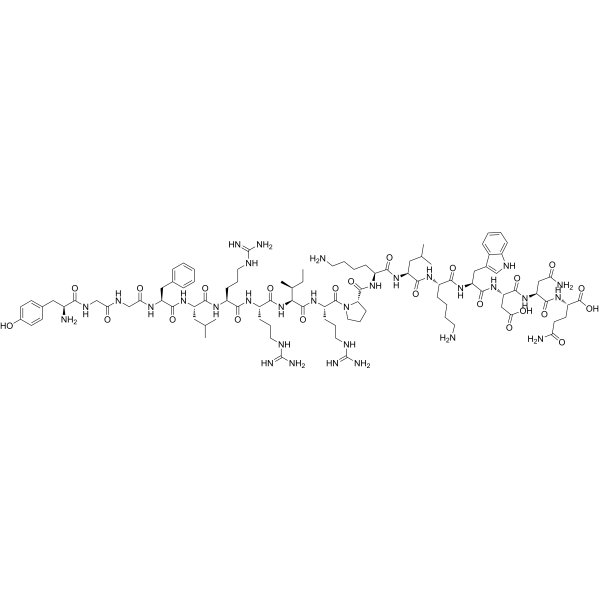
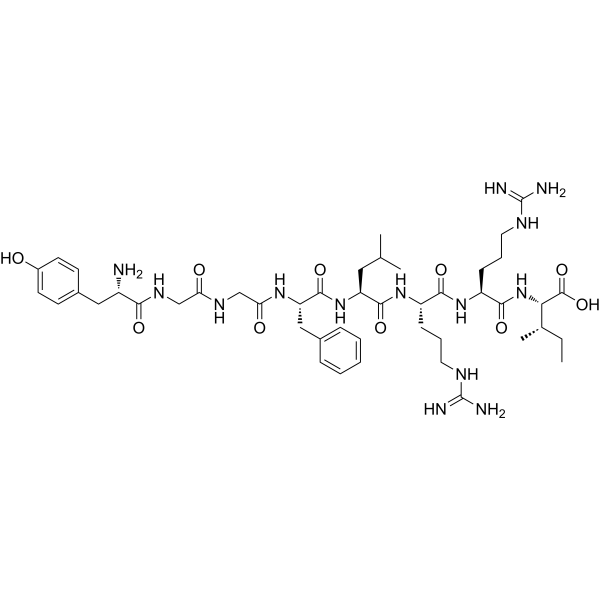
[Leu5]-Enkephalin is a pentapeptide with morphine like properties. [Leu5]-Enkephalin is a five amino acid endogenous peptide that acts as an agonist at opioid receptors.
|
-
-
- HY-P1351
-
|
|
Biochemical Assay Reagents
|
Cancer
|
|
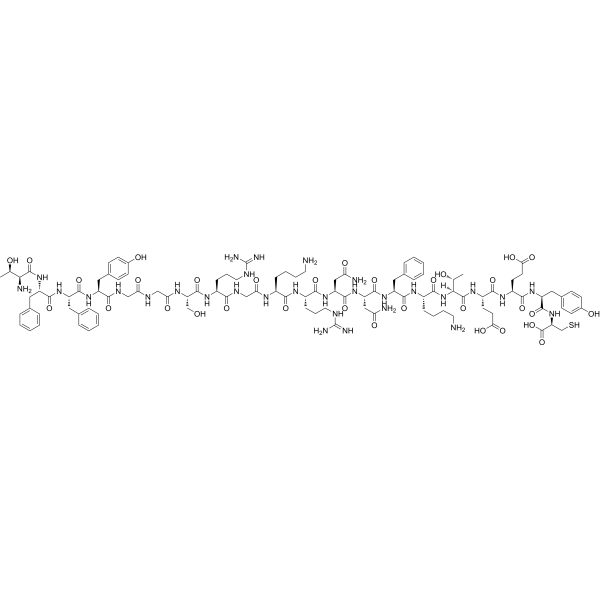
Angiopep-2-cys is a conjugate of Angiopep-2 hydrochloride (HY-P2341) and cysteine. Angiopep-2 hydrochloride is a brain peptide vector. The conjugation of anticancer agents with the Angiopep-2 peptide vector could increase their efficacy in the treatment of brain cancer .
|
-
-
- HY-P0073
-
|
Met-Enkephalin; Methionine enkephalin; Metenkefalin
|
Opioid Receptor
|
Neurological Disease
Cancer
|
|
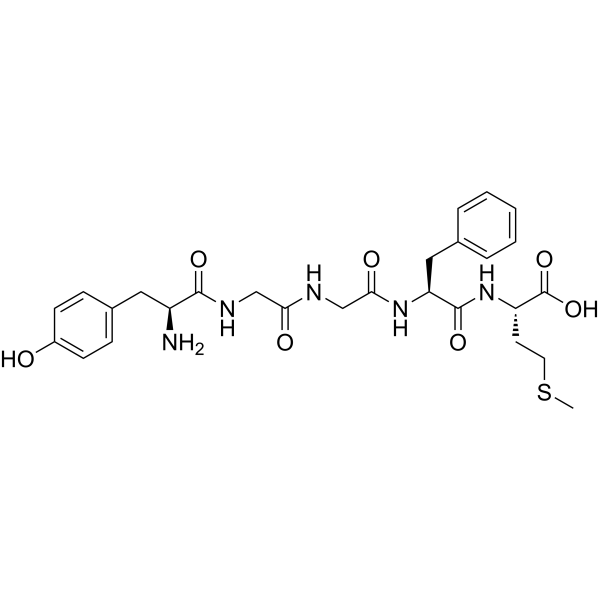
Tyr-Gly-Gly-Phe-Met-OH regulates human immune function and inhibits tumor growth via binding to the opioid receptor.
|
-
-
- HY-P2341
-
|
|
LDLR
|
Cancer
|
|
Angiopep-2 hydrochloride is a brain peptide vector. The conjugation of anticancer agents with the Angiopep-2 peptide vector could increase their efficacy in the treatment of brain cancer .
|
-
-
- HY-P4073
-
|
GRN1005; Paclitaxel trevatide
|
Peptide-Drug Conjugates (PDCs)
LDLR
|
Cancer
|
|
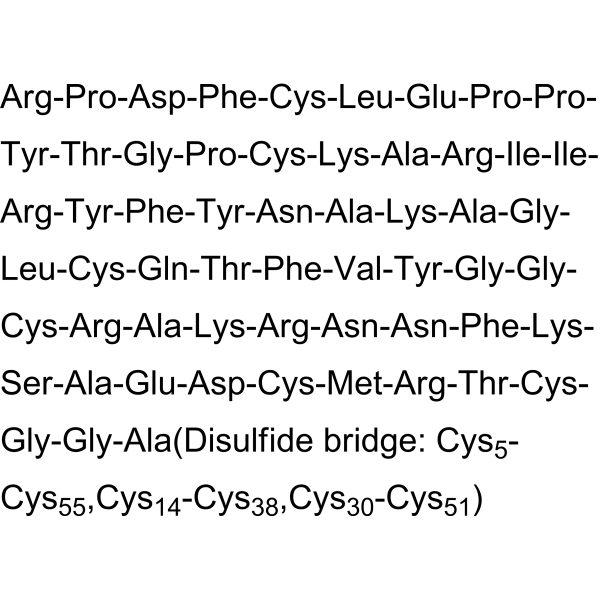
ANG1005 (Paclitaxel trevatide) is a brain-penetrating peptide-drug conjugate. ANG1005, a taxane derivative, consists of three paclitaxel (HY-B0015) molecules covalently linked to Angiopep-2, designed to cross the blood-brain and blood-cerebrospinal barriers and to penetrate malignant cells via low density lipoprotein receptor-related protein (LRP1) transport system .
|
-
-
- HY-P1502
-
|
|
Opioid Receptor
|
Neurological Disease
|
|
β-Endorphin, human, a prominent endogenous peptide, existing in the hypophysis cerebri and hypothalamus, is an agonist of opioid receptor, with preferred affinity for μ-opioid receptor and δ-opioid receptor; β-Endorphin, human exhibits antinociception activity.
|
-
-
- HY-P1333
-
|
|
Opioid Receptor
Apoptosis
Caspase
Endogenous Metabolite
|
Neurological Disease
|
|
Dynorphin A is an endogenous opioid peptide involved in inhibitory neurotransmission in the central nervous system (CNS). Dynorphin A is a highy potent kappa opioid receptor (KOR) agonist, and is also an agonist for other opioid receptors, such as mu (MOR) and delta (DOR). Dynorphin A can induce neuronal death, and can be used in the research of neurological disease .
|
-
-
- HY-P2159
-
|
|
Opioid Receptor
Endogenous Metabolite
|
Neurological Disease
|
|
Dynorphin A (1-8) is a ligand with preference for the κ-opioid receptor, and its IC50 value against human placental κ-opioid receptor is 330 nM. Dynorphin A (1-8) mediates neuroprotective effects by inhibiting oxidative stress, suppressing apoptosis, and competitively displacing the binding of κ partial agonists. Dynorphin A (1-8) is the dominant opioid peptide in human placental villi and tissue extracts; it undergoes rapid hydrolysis and can enter the central nervous system via intranasal administration. Dynorphin A (1-8) can be used in studies related to ischemic stroke .
|
-
-
- HY-P1087
-
|
Metorphamide
|
Opioid Receptor
|
Cancer
|
|
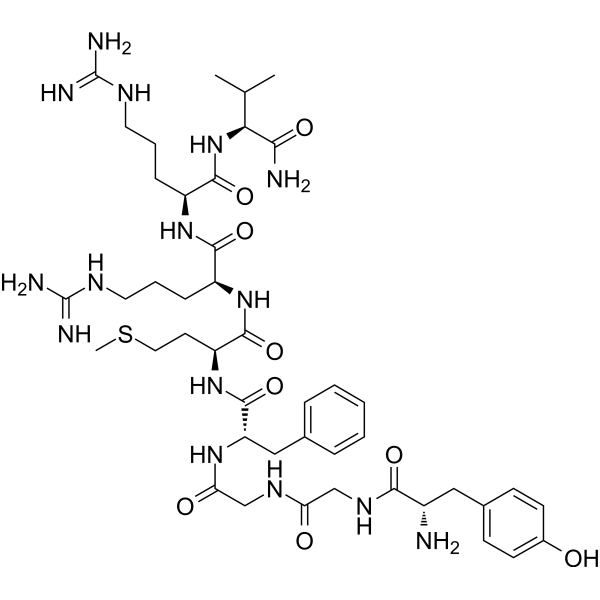
Adrenorphin is a opioid octapeptide, acting as a potent agonist of μ-opioid receptor, with Ki of 12 nM.
|
-
-
- HY-P10908
-
H-20
1 Publications Verification
|
PD-1/PD-L1
|
Others
|
|
H-20 is a PD-1 agonist. H-20 can be used in the research of chronic pain .
|
-
-
- HY-P0088
-
|
Dynorphin A Porcine Fragment 1-13
|
Opioid Receptor
|
Others
|
|
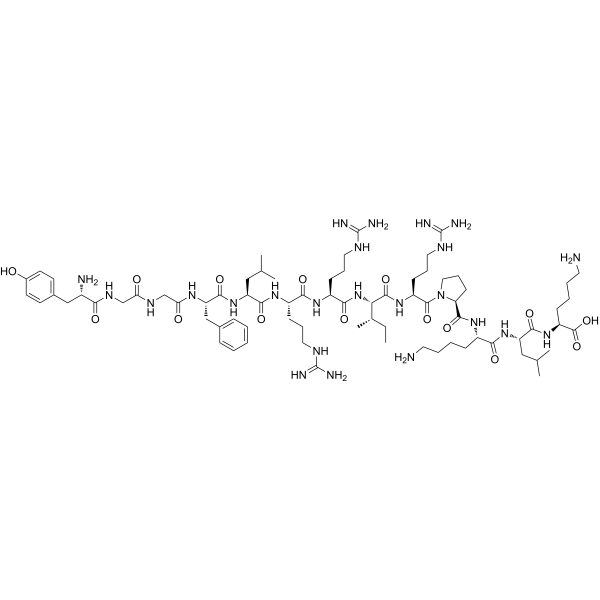
Porcine dynorphin A (1-13) is a potent, endogenous κ opioid receptor agonist and is antinociceptive at physiological concentrations.
|
-
-
- HY-P1470
-
-
-
- HY-P1337
-
-
-
- HY-P11195
-
|
|
Drug Derivative
|
Neurological Disease
|
|
Angiopep-2 azide is a peptide derivative of Angiopep-2 (HY-P2341) bearing a side chain azide (N3) group. Angiopep-2 exhibits high blood-brain barrier (BBB) penetration capability and can be used for brain compound delivery .
|
-
-
- HY-P1170
-
|
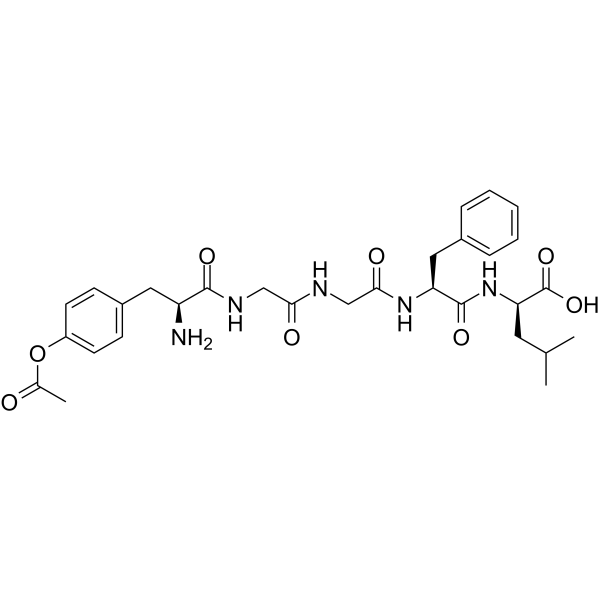
Ac-L-Tyr-Gly-Gly-L-Phe-D-Leu-COOH
|
Opioid Receptor
|
Neurological Disease
|
|
N-terminally acetylated Leu-enkephalin is the N-terminally acetylated form of Leu-enkephalin. Leu-enkephalin is a five amino acid endogenous peptide that acts as an agonist at opioid receptors.
|
-
-
- HY-P3558
-
-
-
- HY-P2676
-
|
Tyr-Gly-Gly
|
Amino Acid Derivatives
|
Others
|
|
Enkephalin(1-3) (Tyr-Gly-Gly) is a tripeptide containing one L-tyrosine and two glycine residues .
|
-
-
- HY-P1742
-
|
|
Opioid Receptor
|
Metabolic Disease
|
|
Gluten Exorphin B5 is an exogenous opioid peptides derived from wheat gluten, acts on opioid receptor, increases postprandial plasma insulin level in rats .
|
-
-
- HY-P1467A
-
|
5-Methionine-enkephalin amide TFA
|
Opioid Receptor
|
Neurological Disease
|
|
[Met5]-Enkephalin, amide TFA is an agonist for δ opioid receptors as well as putative ζ ζ opioid receptors.
|
-
-
- HY-P1594A
-
|
|
Opioid Receptor
iGluR
|
Neurological Disease
|
|
Dynorphin A (1-10) (TFA), an endogenous opioid neuropeptide, binds to extracellular loop 2 of the κ-opioid receptor. Dynorphin A (1-10) (TFA) also blocks NMDA-activated current with an IC50 of 42.0 μM.
|
-
-
- HY-108814A
-
|
DX-88 TFA
|
Kallikrein
|
Cardiovascular Disease
|
|
Ecallantide (DX-88) TFA is a specific recombinant plasma kallikrein inhibitor. Ecallantide inhibits the production of bradykinin. Ecallantide may be used to prevent acute attacks of angioedema .
|
-
-
- HY-P1337A
-
-
-
- HY-P1866A
-
|
|
Opioid Receptor
|
Neurological Disease
|
|
β-Endorphin, equine TFA is an endogenous opioid peptide, which binds at high affinity to both μ/δ opioid receptors. β-Endorphin, equine TFA has analgesic properties .
|
-
-
- HY-P10217
-
|
|
PD-1/PD-L1
|
Cancer
|
|
PD-1/PD-L1-IN-42 (Compound B8.4) is an inhibitor of the interaction between PD-1 and PD-L1, with an EC50 of 0.1 μM. PD-1/PD-L1-IN-42 can be used for the research of cancer immunotherapy .
|
-
-
- HY-108814
-
|
DX-88
|
Kallikrein
|
Cardiovascular Disease
|
|
Ecallantide (DX-88) is a specific plasma kallikrein inhibitor. Ecallantide inhibits the production of bradykinin. Ecallantide can be used to prevent acute attacks of angioedema .
|
-
-
- HY-P5081
-
|
|
TGF-β Receptor
Collagen
|
Inflammation/Immunology
|
|
Endotrophin (Mus musculus) is an adipokine, a cleavage fragment derived from Collagen VI, whose levels are elevated in adipose tissue and breast tumors of obese mice. Endotrophin (Mus musculus) activates the TGF-β signaling pathway and reduces the expression of hormone-sensitive lipase. Endotrophin (Mus musculus) induces adipogenesis, lipid accumulation, fibrosis, inflammation, angiogenesis, adipose tissue expansion, epithelial-mesenchymal transition, and insulin resistance; it also induces Cisplatin (HY-17394) resistance in cancer cells. Endotrophin (Mus musculus) can be used in research related to metabolic diseases such as obesity and type 2 diabetes, as well as cancers such as breast cancer .
|
-
-
- HY-P1467
-
-
-
- HY-P4196
-
-
-
- HY-P1594
-
|
|
Opioid Receptor
iGluR
|
Neurological Disease
|
|
Dynorphin A (1-10) an endogenous opioid neuropeptide, binds to extracellular loop 2 of the κ-opioid receptor. Dynorphin A (1-10) also blocks NMDA-activated current with an IC50 of 42.0 μM.
|
-
-
- HY-P10421
-
|
|
ERK
|
Cancer
|
|
PKCδ substrate acts as a nuclear transporter of ERK2 and is involved in ERK2 mediated gene activation. PKCδ is involved in the regulation of cell growth, proliferation, cell cycle arrest, and apoptosis by phosphorylating hBVR and other proteins. PKCδ substrate can be used to study the development of diseases, especially cancer biology .
|
-
-
- HY-P5907
-
|
|
Opioid Receptor
|
Neurological Disease
|
|
Helianorphin-19 is a potent and selective κ-opioid receptor (KOR) activator with a Ki of 21 nM and an EC50 of 45 nM. Helianorphin-19 exhibits strong KOR-specific peripheral analgesic activity in a mouse model of chronic visceral pain .
|
-
-
- HY-P6441
-
|
|
β-catenin
Wnt
|
Inflammation/Immunology
|
|
KP-6, a polypeptide, is a Wnt/β-catenin signal inhibitor. KP-6 inhibits TGF-β and blocks rush fibrosis signal path crucial in vivo. KP-6 suppresses Renal tissues damage and renal fibrosis, and reverse the course of disease of chronic kidney disease (CKD) .
|
-
-
- HY-P1866
-
-
-
- HY-P2046
-
|
|
Opioid Receptor
|
Neurological Disease
|
|
β-Endorphin (rat) is an endogenous opioid neuropeptide and peptide hormone. β-Endorphin (rat) has analgesic activity and also contributes to food intake in satiated rats. β-Endorphin (rat) can be used in the research of neurological diseases such as analgesia and drug addiction .
|
-
-
- HY-P5206
-
|
|
Bacterial
|
Infection
|
|
Garvicin KS, GakB is a peptide at sizes of 34 amino acids to form bacteriocin garvicin KS (GarKS), with other 2 peptides, GakA, and GakC. Garvicin KS, GakB inhibits fibroblast viability and proliferation. Garvicin KS, GakB with GakA, is a potent combination with good peptide stability, antimicrobial efficacy, and fibroblast viability/proliferation effects. Garvicin KS peptides inhibit MSSA with MIC values in the order GakB >GakC >GakA .
|
-
-
- HY-P0073S2
-
|
Met-Enkephalin-13C2,15N TFA-1; Methionine enkephalin-13C2,15N TFA-1; Metenkefalin-13C2,15N TFA-1
|
Isotope-Labeled Compounds
Opioid Receptor
|
Neurological Disease
Cancer
|
|
Tyr-Gly-{Gly- 13C2, 15N}-Phe-Met-OH TFA (Met-Enkephalin- 13C2, 15N TFA-1) is the 13C- and 15N-labeled Tyr-Gly-Gly-Phe-Met-OH TFA. Tyr-Gly-Gly-Phe-Met-OH regulates human immune function and inhibits tumor growth via binding to the opioid receptor.
|
-
-
- HY-P0073S
-
|
Met-Enkephalin-13C9,15N TFA; Methionine enkephalin-13C9,15N TFA; Metenkefalin-13C9,15N TFA
|
Isotope-Labeled Compounds
Opioid Receptor
|
Neurological Disease
Cancer
|
|
Tyr-Gly-Gly-{Phe- 13C9, 15N}-Met-OH TFA (Met-Enkephalin- 13C9, 15N TFA) is the 13C- and 15N-labeled Tyr-Gly-Gly-Phe-Met-OH TFA. Tyr-Gly-Gly-Phe-Met-OH regulates human immune function and inhibits tumor growth via binding to the opioid receptor.
|
-
-
- HY-P0288A
-
-
-
- HY-P1863
-
|
|
Opioid Receptor
|
Neurological Disease
|
|
α-Neoendorphin (1-8) is a 8-amino acid peptide derived from the N-terminal of α-Neoendorphin. α-Neoendorphin is an endogenous opioid peptide.
|
-
-
- HY-P5826
-
|
|
Opioid Receptor
|
Neurological Disease
|
|
Dynorphin B (1-9) is a neuropeptide and N-terminal cleavage product of dynorphin B. The formation of dynorphin B (1-9) is blocked by N-ethylmaleimide (NEM), a non-selective inhibitor of cysteine peptidases .
|
-
-
- HY-P10615
-
-
-
- HY-P3647
-
-
-
- HY-P3647A
-
|
|
Opioid Receptor
Adenylate Cyclase
|
Neurological Disease
|
|
[DPro10] Dynorphin A (1-11), porcine hydrochloride, a N-Alkylated derivative, is a potent κ-opioid receptor agonist with a Ki value of 0.13 nM. [DPro10] Dynorphin A (1-11), porcine hydrochloride has analgesic property .
|
-
-
- HY-P5061
-
-
-
- HY-P1625
-
|
Dynorphin A ethylamide (1-9)
|
Opioid Receptor
|
Neurological Disease
|
|
Daeatal (Dynorphin A ethylamide (1-9)) is an ethylamine-modified dynorphin fragment that can be used in the study of analgesia, addiction, depression, etc. Dynorphin A is an endogenous opioid peptide involved in inhibitory neurotransmission in the central nervous system (CNS). Dynorphin A is a highy potent kappa opioid receptor (KOR) agonist, and is also an agonist for other opioid receptors, such as mu (MOR) and delta (DOR). Dynorphin A can induce neuronal death, and can be used in the research of neurological disease .
|
-
-
- HY-P1253
-
|
|
Opioid Receptor
|
Neurological Disease
|
|
α-Endorphin (human) is a neuropeptide, that acts on the central nervous system (CNS) and peripheral nervous system (PNS). α-Endorphin (human) binds μ-opioid receptor, and exhibits analgesic efficacy. α-Endorphin (human) regulates sexual behaviors and pleasure felling .
|
-
-
- HY-P1333A
-
|
|
Opioid Receptor
Apoptosis
Caspase
Endogenous Metabolite
|
Neurological Disease
|
|
Dynorphin A TFA is an endogenous opioid peptide involved in inhibitory neurotransmission in the central nervous system (CNS). Dynorphin A TFA is a highy potent kappa opioid receptor (KOR) agonist, and is also an agonist for other opioid receptors, such as mu (MOR) and delta (DOR). Dynorphin A TFA can induce neuronal death, and can be used in the research of neurological disease .
|
-
-
- HY-P1819
-
-
-
- HY-P11127
-
|
|
Transmembrane Glycoprotein
MHC
|
Inflammation/Immunology
|
|
MBP (111-129) is a polypeptide that constitutes an immunodominant epitope cluster restricted by HLA-DRB1*0401. MBP (111-129) is an antagonist for the clone HD4-1C2 TCR and an agonist for clone MS2-3C8 TCR. MBP (111-129) can be used for on multiple sclerosis and T cell biology .
|
-
- HY-P4106A
-
|
|
Amino Acid Derivatives
|
Neurological Disease
|
|
Tat-GluR23Y, scrambled TFA is the scrambled peptide of Tat-GluR23Y (HY-P2259). Tat-GluR23Y is a synthetic peptide containing tyrosine residues that inhibit AMPAR endocytosis and is effective in the research of long-term depression (LTD) .
|
-
- HY-P4106
-
|
|
Amino Acid Derivatives
|
Neurological Disease
|
|
Tat-GluR23Y, scrambled is the scrambled peptide of Tat-GluR23Y (HY-P2259). Tat-GluR23Y is a synthetic peptide containing tyrosine residues that inhibit AMPAR endocytosis and is effective in the research of long-term depression (LTD) .
|
-
- HY-P10911
-
|
|
LDLR
|
Others
|
|
IETP2 targets low-density lipoprotein receptor-related protein 1 (LRP1) with a KD of 738 nM and can be used for drug- and imaging agents delivery across the blood-labyrinth barrier (BLB) .
|
-
- HY-P1331
-
-
- HY-P5117
-
|
|
Toll-like Receptor (TLR)
|
Neurological Disease
|
|
TAT-CIRP is a a small peptide, refers to Trans-trans-activating (Tat)-cold-inducible RNA binding protein. TAT-CIRP is an inhibitor of myeloid differentiation protein 2 (MD2). TAT-CIRP exhibits robust neuroprotection against ischemic and hemorrhagic stroke in mice .
|
-
- HY-P5892
-
|
|
Opioid Receptor
|
Neurological Disease
|
|
β-Endorphin (1-27) (human) is an opioid antagonist that binds μ-, δ-, and κ-opioid receptors with Kis of 5.31, 6.17, and 39.82 nM, respectively. β-Endorphin (1-27) (human) inhibits β-Endorphin (HY-P1502)-induced and etorphine-induced analgesia .
|
-
- HY-P10006
-
|
|
Opioid Receptor
|
Neurological Disease
|
|
Leumorphin, human is a potent kappa opioid receptor (κ opioid receptor) agonist. Leumorphin, human inhibits the contraction of the myenteric plexus-longitudinal muscle preparation of the guinea pig ileum .
|
-
- HY-W019878
-
|
β-Lipotropin 61-91
|
Opioid Receptor
|
Cardiovascular Disease
Neurological Disease
|
|
β-Endorphin, rat (β-Lipotropin 61-91), a neuropeptide, is involved in cardiovascular regulation. β-Endorphin, rat induces marked, prolonged muscular rigidity and immobility similar to a catatonic state in rats .
|
-
- HY-P1502F
-
|
|
Opioid Receptor
|
Neurological Disease
|
|
Biocytin-β-endorphin, human is abiotinylated β-Endorphin, human (HY-P1502). β-Endorphin, human, a prominent endogenous peptide, existing in the hypophysis cerebri and hypothalamus, is an agonist of opioid receptor, with preferred affinity for μ-opioid receptor and δ-opioid receptor; β-Endorphin, human exhibits antinociception activity.
|
-
- HY-P10110
-
|
|
Autophagy
|
Neurological Disease
|
|
retro-inverso TAT-Beclin 1 D-amino acid is has higher activity and resistance to proteolytic degradation in vivo compared to L-amino acids peptide. TAT-Beclin 1 can induce autophagy in peripheral tissues in adult mice as well as in the central nervous system of neonatal mice .
|
-
- HY-P5870
-
|
|
Potassium Channel
|
Inflammation/Immunology
|
|
KTX-Sp2 is a potassium channel toxin. KTX-Sp2 effectively blocks three types of exogenous voltage-gated potassium channels: Kv1.1, Kv1.2 and Kv1.3. Ktx-Sp2 inhibits endogenous Kv1.3 and suppresses Ca 2+ signaling in Jurkat T cells. Ktx-Sp2 inhibits IL-2 secretion from activated Jurkat T cells .
|
-
- HY-P10572
-
-
- HY-P0073S1
-
|
Met-Enkephalin-13C2,15N TFA; Methionine enkephalin-13C2,15N TFA; Metenkefalin-13C2,15N TFA
|
Isotope-Labeled Compounds
Opioid Receptor
|
Neurological Disease
Cancer
|
|
Tyr-{Gly- 13C2, 15N}-Gly-Phe-Met-OH TFA (Met-Enkephalin- 13C2, 15N TFA) is the 13C- and 15N-labeled Tyr-Gly-Gly-Phe-Met-OH TFA. Tyr-Gly-Gly-Phe-Met-OH regulates human immune function and inhibits tumor growth via binding to the opioid receptor.
|
-
- HY-P11656
-
|
|
mTOR
Beclin1
Autophagy
Atg8/LC3
Reactive Oxygen Species (ROS)
MMP
p38 MAPK
PERK
JNK
Collagen
|
Inflammation/Immunology
|
|
α-Neoendorphin porcine is a peptide. α-Neoendorphin porcine effectively alleviates UVB-induced skin photoaging via activating mTOR-Beclin-1-mediated autophagy, reducing UVB-triggered ROS production, inhibiting the MAPK pathway and MMP activity, and promoting type I procollagen synthesis. α-Neoendorphin porcine exerts anti-aging and anti-wrinkle effects on skin cells. α-Neoendorphin porcine can be used in studies related to skin photoaging .
|
-
- HY-P5081A
-
|
|
TGF-β Receptor
Collagen
|
Inflammation/Immunology
|
|
Endotrophin (Mus musculus) TFA is an adipokine, a cleavage fragment derived from Collagen VI, whose levels are elevated in adipose tissue and breast tumors of obese mice. Endotrophin (Mus musculus) TFA activates the TGF-β signaling pathway and reduces the expression of hormone-sensitive lipase. Endotrophin (Mus musculus) TFA induces adipogenesis, lipid accumulation, fibrosis, inflammation, angiogenesis, adipose tissue expansion, epithelial-mesenchymal transition, and insulin resistance; it also induces Cisplatin (HY-17394) resistance in cancer cells. Endotrophin (Mus musculus) TFA can be used in research related to metabolic diseases such as obesity and type 2 diabetes, as well as cancers such as breast cancer .
|
-
| Cat. No. |
Product Name |
Target |
Research Area |
-
- HY-P0017
-
-
- HY-P0288
-
|
Leu-enkephalin; Leucine enkephalin; Leucyl-enkephalin
|
Opioid Receptor
Endogenous Metabolite
|
Neurological Disease
|
|
[Leu5]-Enkephalin is a pentapeptide with morphine like properties. [Leu5]-Enkephalin is a five amino acid endogenous peptide that acts as an agonist at opioid receptors.
|
-
- HY-P1351
-
|
|
Biochemical Assay Reagents
|
Cancer
|
|
Angiopep-2-cys is a conjugate of Angiopep-2 hydrochloride (HY-P2341) and cysteine. Angiopep-2 hydrochloride is a brain peptide vector. The conjugation of anticancer agents with the Angiopep-2 peptide vector could increase their efficacy in the treatment of brain cancer .
|
-
- HY-P0073
-
|
Met-Enkephalin; Methionine enkephalin; Metenkefalin
|
Opioid Receptor
|
Neurological Disease
Cancer
|
|
Tyr-Gly-Gly-Phe-Met-OH regulates human immune function and inhibits tumor growth via binding to the opioid receptor.
|
-
- HY-P2341
-
|
|
LDLR
|
Cancer
|
|
Angiopep-2 hydrochloride is a brain peptide vector. The conjugation of anticancer agents with the Angiopep-2 peptide vector could increase their efficacy in the treatment of brain cancer .
|
-
- HY-P4073
-
|
GRN1005; Paclitaxel trevatide
|
Peptide-Drug Conjugates (PDCs)
LDLR
|
Cancer
|
|
ANG1005 (Paclitaxel trevatide) is a brain-penetrating peptide-drug conjugate. ANG1005, a taxane derivative, consists of three paclitaxel (HY-B0015) molecules covalently linked to Angiopep-2, designed to cross the blood-brain and blood-cerebrospinal barriers and to penetrate malignant cells via low density lipoprotein receptor-related protein (LRP1) transport system .
|
-
- HY-P1502
-
|
|
Opioid Receptor
|
Neurological Disease
|
|
β-Endorphin, human, a prominent endogenous peptide, existing in the hypophysis cerebri and hypothalamus, is an agonist of opioid receptor, with preferred affinity for μ-opioid receptor and δ-opioid receptor; β-Endorphin, human exhibits antinociception activity.
|
-
- HY-P1333
-
|
|
Opioid Receptor
Apoptosis
Caspase
Endogenous Metabolite
|
Neurological Disease
|
|
Dynorphin A is an endogenous opioid peptide involved in inhibitory neurotransmission in the central nervous system (CNS). Dynorphin A is a highy potent kappa opioid receptor (KOR) agonist, and is also an agonist for other opioid receptors, such as mu (MOR) and delta (DOR). Dynorphin A can induce neuronal death, and can be used in the research of neurological disease .
|
-
- HY-P2159
-
|
|
Opioid Receptor
Endogenous Metabolite
|
Neurological Disease
|
|
Dynorphin A (1-8) is a ligand with preference for the κ-opioid receptor, and its IC50 value against human placental κ-opioid receptor is 330 nM. Dynorphin A (1-8) mediates neuroprotective effects by inhibiting oxidative stress, suppressing apoptosis, and competitively displacing the binding of κ partial agonists. Dynorphin A (1-8) is the dominant opioid peptide in human placental villi and tissue extracts; it undergoes rapid hydrolysis and can enter the central nervous system via intranasal administration. Dynorphin A (1-8) can be used in studies related to ischemic stroke .
|
-
- HY-P1087
-
|
Metorphamide
|
Opioid Receptor
|
Cancer
|
|
Adrenorphin is a opioid octapeptide, acting as a potent agonist of μ-opioid receptor, with Ki of 12 nM.
|
-
- HY-P10908
-
H-20
1 Publications Verification
|
PD-1/PD-L1
|
Others
|
|
H-20 is a PD-1 agonist. H-20 can be used in the research of chronic pain .
|
-
- HY-P0088
-
|
Dynorphin A Porcine Fragment 1-13
|
Opioid Receptor
|
Others
|
|
Porcine dynorphin A (1-13) is a potent, endogenous κ opioid receptor agonist and is antinociceptive at physiological concentrations.
|
-
- HY-P1470
-
-
- HY-P1337
-
-
- HY-P11195
-
|
|
Drug Derivative
|
Neurological Disease
|
|
Angiopep-2 azide is a peptide derivative of Angiopep-2 (HY-P2341) bearing a side chain azide (N3) group. Angiopep-2 exhibits high blood-brain barrier (BBB) penetration capability and can be used for brain compound delivery .
|
-
- HY-P1170
-
|
Ac-L-Tyr-Gly-Gly-L-Phe-D-Leu-COOH
|
Opioid Receptor
|
Neurological Disease
|
|
N-terminally acetylated Leu-enkephalin is the N-terminally acetylated form of Leu-enkephalin. Leu-enkephalin is a five amino acid endogenous peptide that acts as an agonist at opioid receptors.
|
-
- HY-P3558
-
-
- HY-P2676
-
|
Tyr-Gly-Gly
|
Amino Acid Derivatives
|
Others
|
|
Enkephalin(1-3) (Tyr-Gly-Gly) is a tripeptide containing one L-tyrosine and two glycine residues .
|
-
- HY-P1742
-
|
|
Opioid Receptor
|
Metabolic Disease
|
|
Gluten Exorphin B5 is an exogenous opioid peptides derived from wheat gluten, acts on opioid receptor, increases postprandial plasma insulin level in rats .
|
-
- HY-P1467A
-
|
5-Methionine-enkephalin amide TFA
|
Opioid Receptor
|
Neurological Disease
|
|
[Met5]-Enkephalin, amide TFA is an agonist for δ opioid receptors as well as putative ζ ζ opioid receptors.
|
-
- HY-P1594A
-
|
|
Opioid Receptor
iGluR
|
Neurological Disease
|
|
Dynorphin A (1-10) (TFA), an endogenous opioid neuropeptide, binds to extracellular loop 2 of the κ-opioid receptor. Dynorphin A (1-10) (TFA) also blocks NMDA-activated current with an IC50 of 42.0 μM.
|
-
- HY-108814A
-
|
DX-88 TFA
|
Kallikrein
|
Cardiovascular Disease
|
|
Ecallantide (DX-88) TFA is a specific recombinant plasma kallikrein inhibitor. Ecallantide inhibits the production of bradykinin. Ecallantide may be used to prevent acute attacks of angioedema .
|
-
- HY-P1337A
-
-
- HY-P1866A
-
|
|
Opioid Receptor
|
Neurological Disease
|
|
β-Endorphin, equine TFA is an endogenous opioid peptide, which binds at high affinity to both μ/δ opioid receptors. β-Endorphin, equine TFA has analgesic properties .
|
-
- HY-P3559
-
|
|
Peptides
|
Others
|
|
Ala-Ala-Ala-Tyr-Gly-Gly-Phe-Leu is a β-lipotropin peptide. Ala-Ala-Ala-Tyr-Gly-Gly-Phe-Leu is a polypeptide of 8 amino acids .
|
-
- HY-P10217
-
|
|
PD-1/PD-L1
|
Cancer
|
|
PD-1/PD-L1-IN-42 (Compound B8.4) is an inhibitor of the interaction between PD-1 and PD-L1, with an EC50 of 0.1 μM. PD-1/PD-L1-IN-42 can be used for the research of cancer immunotherapy .
|
-
- HY-P4831
-
|
|
Peptides
|
Others
|
|
Acetyl-β-Endorphin (human) is a polypeptide that can be found by peptide screening. Peptide screening is a research tool that pools active peptides primarily by immunoassay. Peptide screening can be used for protein interaction, functional analysis, epitope screening, especially in the field of agent research and development .
|
-
- HY-P11281A
-
-
- HY-P11281
-
-
- HY-108814
-
|
DX-88
|
Kallikrein
|
Cardiovascular Disease
|
|
Ecallantide (DX-88) is a specific plasma kallikrein inhibitor. Ecallantide inhibits the production of bradykinin. Ecallantide can be used to prevent acute attacks of angioedema .
|
-
- HY-P5081
-
|
|
TGF-β Receptor
Collagen
|
Inflammation/Immunology
|
|
Endotrophin (Mus musculus) is an adipokine, a cleavage fragment derived from Collagen VI, whose levels are elevated in adipose tissue and breast tumors of obese mice. Endotrophin (Mus musculus) activates the TGF-β signaling pathway and reduces the expression of hormone-sensitive lipase. Endotrophin (Mus musculus) induces adipogenesis, lipid accumulation, fibrosis, inflammation, angiogenesis, adipose tissue expansion, epithelial-mesenchymal transition, and insulin resistance; it also induces Cisplatin (HY-17394) resistance in cancer cells. Endotrophin (Mus musculus) can be used in research related to metabolic diseases such as obesity and type 2 diabetes, as well as cancers such as breast cancer .
|
-
- HY-P1467
-
-
- HY-P4196
-
-
- HY-P1594
-
|
|
Opioid Receptor
iGluR
|
Neurological Disease
|
|
Dynorphin A (1-10) an endogenous opioid neuropeptide, binds to extracellular loop 2 of the κ-opioid receptor. Dynorphin A (1-10) also blocks NMDA-activated current with an IC50 of 42.0 μM.
|
-
- HY-P10421
-
|
|
ERK
|
Cancer
|
|
PKCδ substrate acts as a nuclear transporter of ERK2 and is involved in ERK2 mediated gene activation. PKCδ is involved in the regulation of cell growth, proliferation, cell cycle arrest, and apoptosis by phosphorylating hBVR and other proteins. PKCδ substrate can be used to study the development of diseases, especially cancer biology .
|
-
- HY-P5907
-
|
|
Opioid Receptor
|
Neurological Disease
|
|
Helianorphin-19 is a potent and selective κ-opioid receptor (KOR) activator with a Ki of 21 nM and an EC50 of 45 nM. Helianorphin-19 exhibits strong KOR-specific peripheral analgesic activity in a mouse model of chronic visceral pain .
|
-
- HY-P6441
-
|
|
β-catenin
Wnt
|
Inflammation/Immunology
|
|
KP-6, a polypeptide, is a Wnt/β-catenin signal inhibitor. KP-6 inhibits TGF-β and blocks rush fibrosis signal path crucial in vivo. KP-6 suppresses Renal tissues damage and renal fibrosis, and reverse the course of disease of chronic kidney disease (CKD) .
|
-
- HY-P1866
-
-
- HY-P2046
-
|
|
Opioid Receptor
|
Neurological Disease
|
|
β-Endorphin (rat) is an endogenous opioid neuropeptide and peptide hormone. β-Endorphin (rat) has analgesic activity and also contributes to food intake in satiated rats. β-Endorphin (rat) can be used in the research of neurological diseases such as analgesia and drug addiction .
|
-
- HY-P5206
-
|
|
Bacterial
|
Infection
|
|
Garvicin KS, GakB is a peptide at sizes of 34 amino acids to form bacteriocin garvicin KS (GarKS), with other 2 peptides, GakA, and GakC. Garvicin KS, GakB inhibits fibroblast viability and proliferation. Garvicin KS, GakB with GakA, is a potent combination with good peptide stability, antimicrobial efficacy, and fibroblast viability/proliferation effects. Garvicin KS peptides inhibit MSSA with MIC values in the order GakB >GakC >GakA .
|
-
- HY-P0073S2
-
|
Met-Enkephalin-13C2,15N TFA-1; Methionine enkephalin-13C2,15N TFA-1; Metenkefalin-13C2,15N TFA-1
|
Isotope-Labeled Compounds
Opioid Receptor
|
Neurological Disease
Cancer
|
|
Tyr-Gly-{Gly- 13C2, 15N}-Phe-Met-OH TFA (Met-Enkephalin- 13C2, 15N TFA-1) is the 13C- and 15N-labeled Tyr-Gly-Gly-Phe-Met-OH TFA. Tyr-Gly-Gly-Phe-Met-OH regulates human immune function and inhibits tumor growth via binding to the opioid receptor.
|
-
- HY-P0073S
-
|
Met-Enkephalin-13C9,15N TFA; Methionine enkephalin-13C9,15N TFA; Metenkefalin-13C9,15N TFA
|
Isotope-Labeled Compounds
Opioid Receptor
|
Neurological Disease
Cancer
|
|
Tyr-Gly-Gly-{Phe- 13C9, 15N}-Met-OH TFA (Met-Enkephalin- 13C9, 15N TFA) is the 13C- and 15N-labeled Tyr-Gly-Gly-Phe-Met-OH TFA. Tyr-Gly-Gly-Phe-Met-OH regulates human immune function and inhibits tumor growth via binding to the opioid receptor.
|
-
- HY-P0288A
-
-
- HY-P1863
-
|
|
Opioid Receptor
|
Neurological Disease
|
|
α-Neoendorphin (1-8) is a 8-amino acid peptide derived from the N-terminal of α-Neoendorphin. α-Neoendorphin is an endogenous opioid peptide.
|
-
- HY-P5826
-
|
|
Opioid Receptor
|
Neurological Disease
|
|
Dynorphin B (1-9) is a neuropeptide and N-terminal cleavage product of dynorphin B. The formation of dynorphin B (1-9) is blocked by N-ethylmaleimide (NEM), a non-selective inhibitor of cysteine peptidases .
|
-
- HY-P10615
-
-
- HY-P3647
-
-
- HY-P3647A
-
|
|
Opioid Receptor
Adenylate Cyclase
|
Neurological Disease
|
|
[DPro10] Dynorphin A (1-11), porcine hydrochloride, a N-Alkylated derivative, is a potent κ-opioid receptor agonist with a Ki value of 0.13 nM. [DPro10] Dynorphin A (1-11), porcine hydrochloride has analgesic property .
|
-
- HY-P5061
-
-
- HY-P1625
-
|
Dynorphin A ethylamide (1-9)
|
Opioid Receptor
|
Neurological Disease
|
|
Daeatal (Dynorphin A ethylamide (1-9)) is an ethylamine-modified dynorphin fragment that can be used in the study of analgesia, addiction, depression, etc. Dynorphin A is an endogenous opioid peptide involved in inhibitory neurotransmission in the central nervous system (CNS). Dynorphin A is a highy potent kappa opioid receptor (KOR) agonist, and is also an agonist for other opioid receptors, such as mu (MOR) and delta (DOR). Dynorphin A can induce neuronal death, and can be used in the research of neurological disease .
|
- HY-P1253
-
|
|
Opioid Receptor
|
Neurological Disease
|
|
α-Endorphin (human) is a neuropeptide, that acts on the central nervous system (CNS) and peripheral nervous system (PNS). α-Endorphin (human) binds μ-opioid receptor, and exhibits analgesic efficacy. α-Endorphin (human) regulates sexual behaviors and pleasure felling .
|
- HY-P1333A
-
|
|
Opioid Receptor
Apoptosis
Caspase
Endogenous Metabolite
|
Neurological Disease
|
|
Dynorphin A TFA is an endogenous opioid peptide involved in inhibitory neurotransmission in the central nervous system (CNS). Dynorphin A TFA is a highy potent kappa opioid receptor (KOR) agonist, and is also an agonist for other opioid receptors, such as mu (MOR) and delta (DOR). Dynorphin A TFA can induce neuronal death, and can be used in the research of neurological disease .
|
- HY-P1819
-
- HY-P11127
-
|
|
Transmembrane Glycoprotein
MHC
|
Inflammation/Immunology
|
|
MBP (111-129) is a polypeptide that constitutes an immunodominant epitope cluster restricted by HLA-DRB1*0401. MBP (111-129) is an antagonist for the clone HD4-1C2 TCR and an agonist for clone MS2-3C8 TCR. MBP (111-129) can be used for on multiple sclerosis and T cell biology .
|
- HY-P0182
-
|
|
Peptides
|
Others
|
|
NH2-QGGYTMHQDQEGDTDAGLK-COOH is a synthetic peptide chain with an amine group attached to lysine and an carboxyl group attached to glutamine.
|
- HY-P4106A
-
|
|
Amino Acid Derivatives
|
Neurological Disease
|
|
Tat-GluR23Y, scrambled TFA is the scrambled peptide of Tat-GluR23Y (HY-P2259). Tat-GluR23Y is a synthetic peptide containing tyrosine residues that inhibit AMPAR endocytosis and is effective in the research of long-term depression (LTD) .
|
- HY-P4106
-
|
|
Amino Acid Derivatives
|
Neurological Disease
|
|
Tat-GluR23Y, scrambled is the scrambled peptide of Tat-GluR23Y (HY-P2259). Tat-GluR23Y is a synthetic peptide containing tyrosine residues that inhibit AMPAR endocytosis and is effective in the research of long-term depression (LTD) .
|
- HY-P10911
-
|
|
LDLR
|
Others
|
|
IETP2 targets low-density lipoprotein receptor-related protein 1 (LRP1) with a KD of 738 nM and can be used for drug- and imaging agents delivery across the blood-labyrinth barrier (BLB) .
|
- HY-P1331
-
- HY-P5117
-
|
|
Toll-like Receptor (TLR)
|
Neurological Disease
|
|
TAT-CIRP is a a small peptide, refers to Trans-trans-activating (Tat)-cold-inducible RNA binding protein. TAT-CIRP is an inhibitor of myeloid differentiation protein 2 (MD2). TAT-CIRP exhibits robust neuroprotection against ischemic and hemorrhagic stroke in mice .
|
- HY-P5892
-
|
|
Opioid Receptor
|
Neurological Disease
|
|
β-Endorphin (1-27) (human) is an opioid antagonist that binds μ-, δ-, and κ-opioid receptors with Kis of 5.31, 6.17, and 39.82 nM, respectively. β-Endorphin (1-27) (human) inhibits β-Endorphin (HY-P1502)-induced and etorphine-induced analgesia .
|
- HY-P10006
-
|
|
Opioid Receptor
|
Neurological Disease
|
|
Leumorphin, human is a potent kappa opioid receptor (κ opioid receptor) agonist. Leumorphin, human inhibits the contraction of the myenteric plexus-longitudinal muscle preparation of the guinea pig ileum .
|
- HY-W019878
-
|
β-Lipotropin 61-91
|
Opioid Receptor
|
Cardiovascular Disease
Neurological Disease
|
|
β-Endorphin, rat (β-Lipotropin 61-91), a neuropeptide, is involved in cardiovascular regulation. β-Endorphin, rat induces marked, prolonged muscular rigidity and immobility similar to a catatonic state in rats .
|
- HY-P1502F
-
|
|
Opioid Receptor
|
Neurological Disease
|
|
Biocytin-β-endorphin, human is abiotinylated β-Endorphin, human (HY-P1502). β-Endorphin, human, a prominent endogenous peptide, existing in the hypophysis cerebri and hypothalamus, is an agonist of opioid receptor, with preferred affinity for μ-opioid receptor and δ-opioid receptor; β-Endorphin, human exhibits antinociception activity.
|
- HY-P10110
-
|
|
Autophagy
|
Neurological Disease
|
|
retro-inverso TAT-Beclin 1 D-amino acid is has higher activity and resistance to proteolytic degradation in vivo compared to L-amino acids peptide. TAT-Beclin 1 can induce autophagy in peripheral tissues in adult mice as well as in the central nervous system of neonatal mice .
|
- HY-P5870
-
|
|
Potassium Channel
|
Inflammation/Immunology
|
|
KTX-Sp2 is a potassium channel toxin. KTX-Sp2 effectively blocks three types of exogenous voltage-gated potassium channels: Kv1.1, Kv1.2 and Kv1.3. Ktx-Sp2 inhibits endogenous Kv1.3 and suppresses Ca 2+ signaling in Jurkat T cells. Ktx-Sp2 inhibits IL-2 secretion from activated Jurkat T cells .
|
- HY-P10572
-
- HY-P0073S1
-
|
Met-Enkephalin-13C2,15N TFA; Methionine enkephalin-13C2,15N TFA; Metenkefalin-13C2,15N TFA
|
Isotope-Labeled Compounds
Opioid Receptor
|
Neurological Disease
Cancer
|
|
Tyr-{Gly- 13C2, 15N}-Gly-Phe-Met-OH TFA (Met-Enkephalin- 13C2, 15N TFA) is the 13C- and 15N-labeled Tyr-Gly-Gly-Phe-Met-OH TFA. Tyr-Gly-Gly-Phe-Met-OH regulates human immune function and inhibits tumor growth via binding to the opioid receptor.
|
- HY-P11656
-
|
|
mTOR
Beclin1
Autophagy
Atg8/LC3
Reactive Oxygen Species (ROS)
MMP
p38 MAPK
PERK
JNK
Collagen
|
Inflammation/Immunology
|
|
α-Neoendorphin porcine is a peptide. α-Neoendorphin porcine effectively alleviates UVB-induced skin photoaging via activating mTOR-Beclin-1-mediated autophagy, reducing UVB-triggered ROS production, inhibiting the MAPK pathway and MMP activity, and promoting type I procollagen synthesis. α-Neoendorphin porcine exerts anti-aging and anti-wrinkle effects on skin cells. α-Neoendorphin porcine can be used in studies related to skin photoaging .
|
- HY-P5081A
-
|
|
TGF-β Receptor
Collagen
|
Inflammation/Immunology
|
|
Endotrophin (Mus musculus) TFA is an adipokine, a cleavage fragment derived from Collagen VI, whose levels are elevated in adipose tissue and breast tumors of obese mice. Endotrophin (Mus musculus) TFA activates the TGF-β signaling pathway and reduces the expression of hormone-sensitive lipase. Endotrophin (Mus musculus) TFA induces adipogenesis, lipid accumulation, fibrosis, inflammation, angiogenesis, adipose tissue expansion, epithelial-mesenchymal transition, and insulin resistance; it also induces Cisplatin (HY-17394) resistance in cancer cells. Endotrophin (Mus musculus) TFA can be used in research related to metabolic diseases such as obesity and type 2 diabetes, as well as cancers such as breast cancer .
|
| Cat. No. |
Product Name |
Category |
Target |
Chemical Structure |
| Cat. No. |
Product Name |
Chemical Structure |
-
- HY-P0073S2
-
|
|
|
Tyr-Gly-{Gly- 13C2, 15N}-Phe-Met-OH TFA (Met-Enkephalin- 13C2, 15N TFA-1) is the 13C- and 15N-labeled Tyr-Gly-Gly-Phe-Met-OH TFA. Tyr-Gly-Gly-Phe-Met-OH regulates human immune function and inhibits tumor growth via binding to the opioid receptor.
|
-
-
- HY-P0073S
-
|
|
|
Tyr-Gly-Gly-{Phe- 13C9, 15N}-Met-OH TFA (Met-Enkephalin- 13C9, 15N TFA) is the 13C- and 15N-labeled Tyr-Gly-Gly-Phe-Met-OH TFA. Tyr-Gly-Gly-Phe-Met-OH regulates human immune function and inhibits tumor growth via binding to the opioid receptor.
|
-
-
- HY-P0073S1
-
|
|
|
Tyr-{Gly- 13C2, 15N}-Gly-Phe-Met-OH TFA (Met-Enkephalin- 13C2, 15N TFA) is the 13C- and 15N-labeled Tyr-Gly-Gly-Phe-Met-OH TFA. Tyr-Gly-Gly-Phe-Met-OH regulates human immune function and inhibits tumor growth via binding to the opioid receptor.
|
-
| Cat. No. |
Product Name |
|
Classification |
-
- HY-P11195
-
|
|
|
Azide
|
|
Angiopep-2 azide is a peptide derivative of Angiopep-2 (HY-P2341) bearing a side chain azide (N3) group. Angiopep-2 exhibits high blood-brain barrier (BBB) penetration capability and can be used for brain compound delivery .
|
Your information is safe with us. * Required Fields.
Inquiry Information
- Product Name:
- Cat. No.:
- Quantity:
- MCE Japan Authorized Agent: