1. Search Result
Search Result
Results for "

actinomycetes

" in MedChemExpress (MCE) Product Catalog:

81

Inhibitors & Agonists

1

Screening Libraries

2

Biochemical Assay Reagents

11

Peptides

47

Natural
Products

3

Isotope-Labeled Compounds

Cat. No. Product Name Target Research Areas Chemical Structure
  • HY-P0018
    Pepstatin
    Maximum Cited Publications
    59 Publications Verification

    Pepstatin A

    HIV Protease Autophagy Infection Inflammation/Immunology
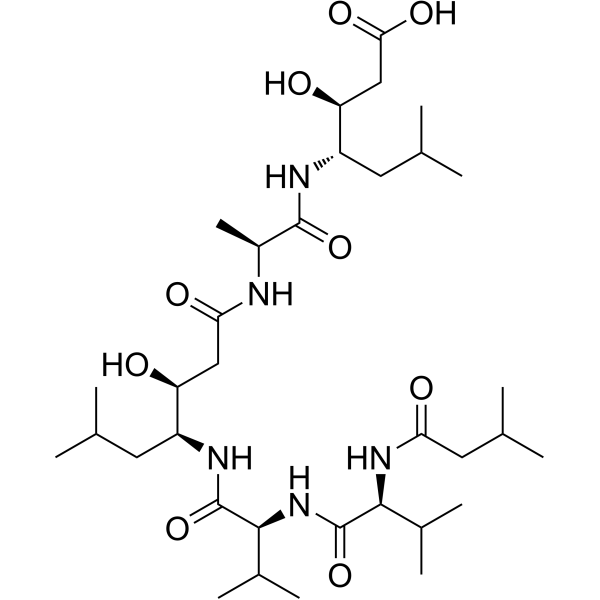
    Pepstatin (Pepstatin A) is a specific, orally active aspartic protease inhibitor produced by actinomycetes, with IC50s of 4.5 nM, 6.2 nM, 150 nM, 290 nM, 520 nM and 260 nM for hemoglobin-pepsin, hemoglobin-proctase, casein-pepsin, casein-proctase, casein-acid protease and hemoglobin-acid protease, respectively. Pepstatin also inhibits HIV protease .
    Pepstatin
  • HY-B0220
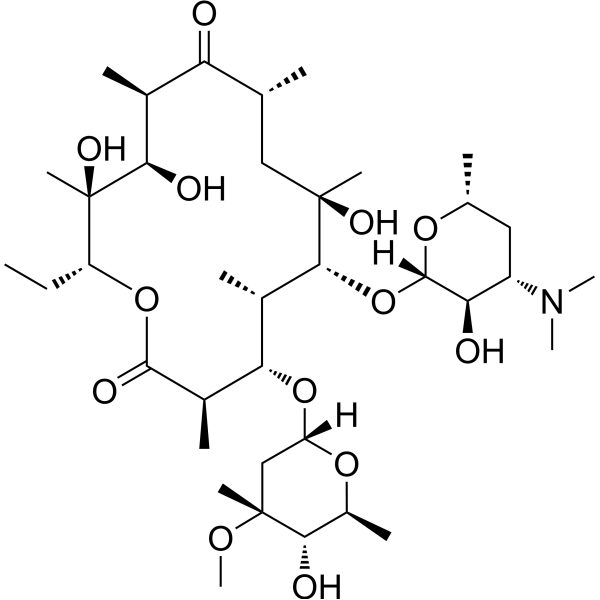
    Erythromycin
    20+ Cited Publications

    Bacterial Antibiotic DNA/RNA Synthesis Infection Cancer
    Erythromycin is a macrolide antibiotic produced by actinomycete?Streptomyces erythreus?with a broad spectrum of antimicrobial activity. Erythromycin binds to bacterial 50S ribosomal subunits and inhibits?RNA-dependent protein synthesis?by blockage of transpeptidation and/or translocation reactions, without affecting synthesis of nucleic acid [1][2]. Erythromycin also exhibits antitumor and neuroprotective effect in different fields of research [3][4].
    Erythromycin
  • HY-19332
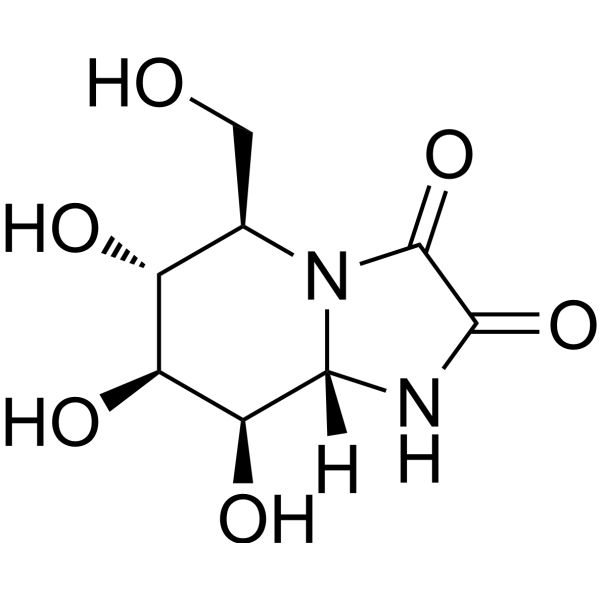
    Kifunensine
    10+ Cited Publications

    FR-900494

    Glycosidase Inflammation/Immunology
    Kifunensine, a potent and selective inhibitor of class I α-mannosidases isolated from Actinomycete, prevents α-mannosidases I from trimming mannose residues on glycoproteins. Kifunensine inhibits ERAD .
    Kifunensine
  • HY-B0220A
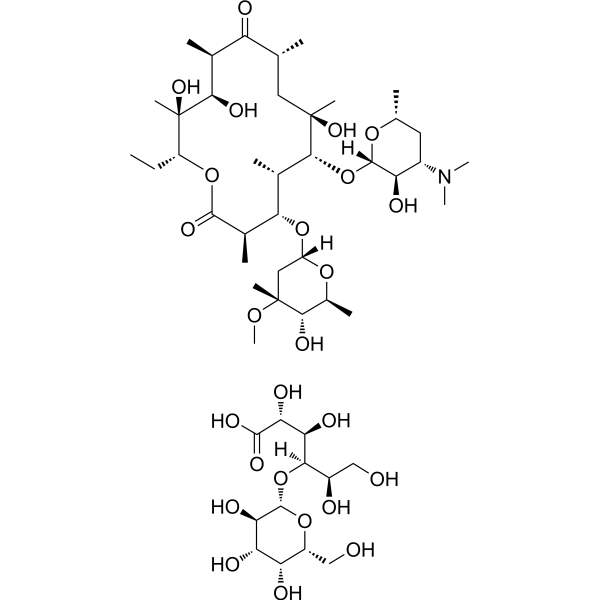
    Erythromycin lactobionate
    20+ Cited Publications

    Antibiotic Bacterial DNA/RNA Synthesis Infection Cancer
    Erythromycin lactobionate is a macrolide antibiotic produced by actinomycete Streptomyces erythreus with a broad spectrum of antimicrobial activity. Erythromycin lactobionate binds to bacterial 50S ribosomal subunits and inhibits RNA-dependent protein synthesis by blockage of transpeptidation and/or translocation reactions, without affecting synthesis of nucleic acid [1][2]. Erythromycin lactobionate also exhibits antitumor and neuroprotective effect in different fields of research [3][4].
    Erythromycin lactobionate
  • HY-B0220D
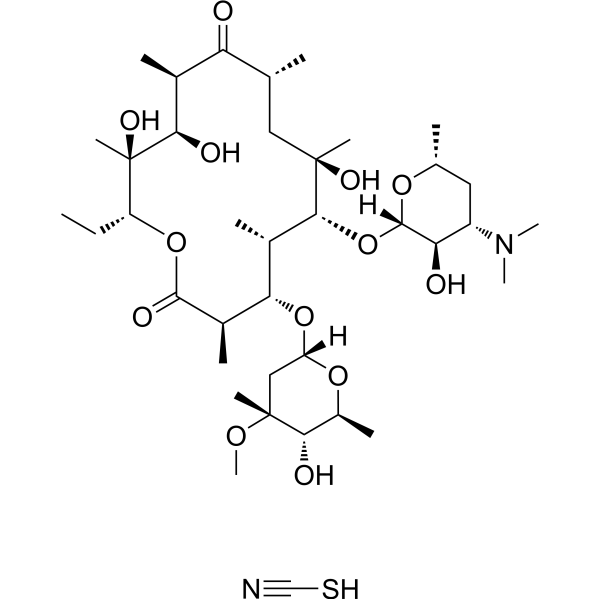
    Erythromycin thiocyanate
    20+ Cited Publications

    Bacterial Antibiotic DNA/RNA Synthesis Infection Cancer
    Erythromycin thiocyanate is a macrolide antibiotic produced by actinomycete Streptomyces erythreus with a broad spectrum of antimicrobial activity. Erythromycin thiocyanate binds to bacterial 50S ribosomal subunits and inhibits RNA-dependent protein synthesis by blockage of transpeptidation and/or translocation reactions, without affecting synthesis of nucleic acid [1][2]. Erythromycin thiocyanate also exhibits antitumor and neuroprotective effect in different fields of research [3][4].
    Erythromycin thiocyanate
  • HY-138800
    Spinosad
    4 Publications Verification

    nAChR Neurological Disease
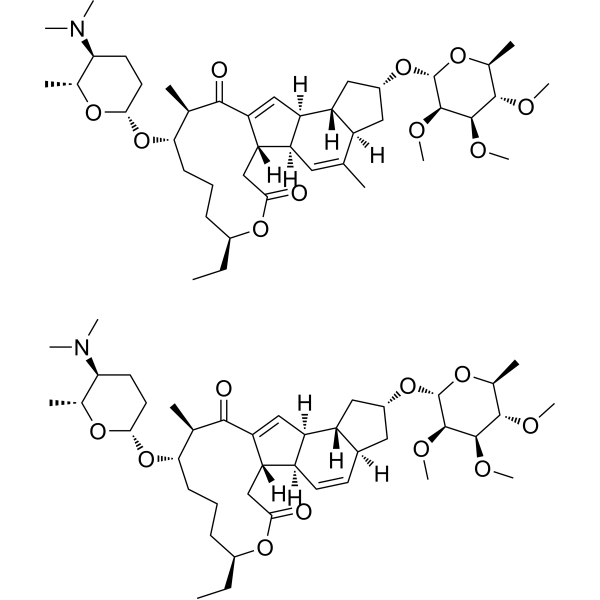
    Spinosad, a mixture of spinosyns A and D known as fermentation products of a soil actinomycete (Saccharopolyspora spinosa), is a biological neurotoxic insecticide with a broader action spectrum. Spinosad targets the nicotinic acetylcholine receptor (nAChRs) of the insect nervous system. Spinosad has an excellent environmental and mammalian toxicological profile. Larvicidal activity .
    Spinosad
  • HY-W015650

    Drug Derivative Others
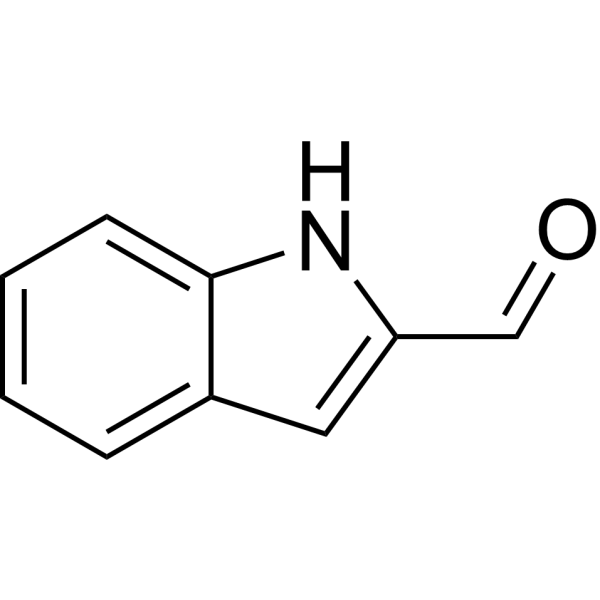
    Indole-2-carbaldehyde is an indole derivative that can be used to reduce or remove localized fat deposits and/or tighten loose skin and soft tissues. Indole-2-carbaldehyde can be isolated from the fermentation broth of the coral symbiotic actinomycete Pseudonocardia sp. SCSIO 11457 and is used in cosmetic applications or pharmaceutical production .
    Indole-2-carbaldehyde
  • HY-127034

    Ser/Thr Protease DNA/RNA Synthesis Metabolic Disease Cancer
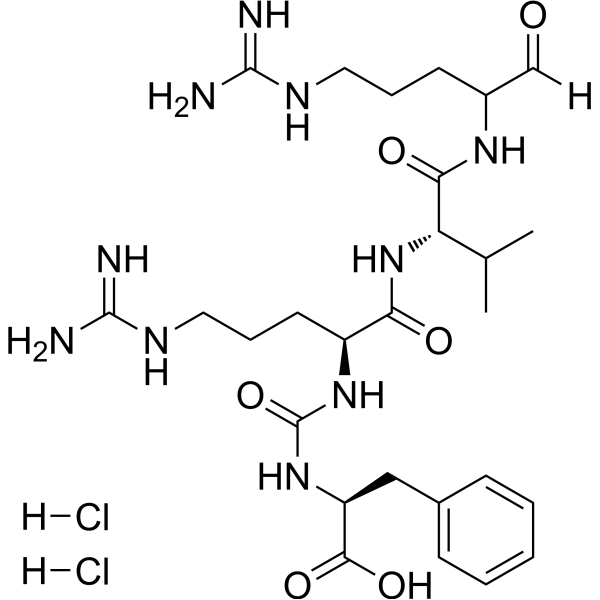
    Antipain dihydrochloride is a protease inhibitor isolated from Actinomycetes. Antipain dihydrochloride inhibits N-methyl-N'-nitro-N-nitrosoguanidine (MNNG)-induced transformation and increases chromosomal aberrations. Antipain dihydrochloride restricts uterine DNA synthesis and function in mice .
    Antipain dihydrochloride
  • HY-N7071A
    Maduramicin ammonium
    2 Publications Verification

    Maduramycin ammonium

    Bacterial Apoptosis Antibiotic Autophagy AMPK Eukaryotic Initiation Factor (eIF) Infection Cardiovascular Disease
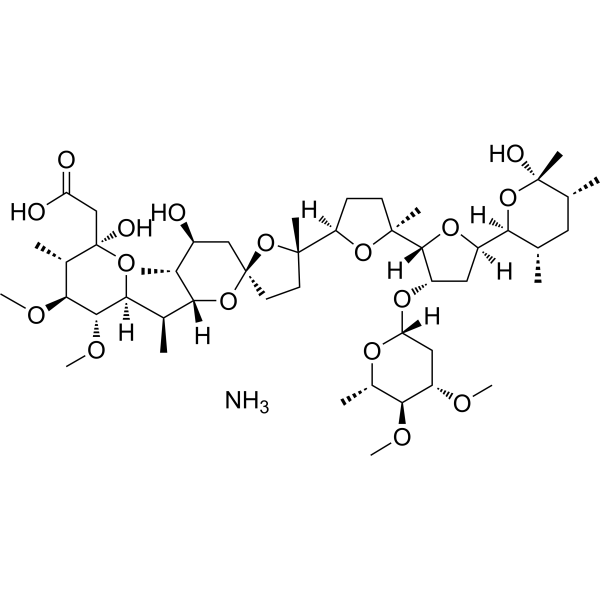
    Maduramicin ammonium (Maduramycin ammonium) is isolated from the actinomycete Actinomadura rubra. Maduramicin ammonium (Maduramycin ammonium) is an anticoccidial agent for the the treatment of Eimeria spp., E. adenoeides, E. gallopavonis, and E. dispersa infection . Maduramicin ammonium (Maduramycin ammonium) induces cell apoptosis in chicken myocardial cells via intrinsic and extrinsic pathways .
    Maduramicin ammonium
  • HY-135498

    Bacterial Infection
    Ferrioxamine E is a siderophore and bacterial growth regulator. Ferrioxamine E can chelate ferric iron, and promote the growth, morphological differentiation and antibiotic synthesis of Streptomyces tanashiensis .
    Ferrioxamine E
  • HY-N125722

    Aabomycin A1

    ATP Synthase Antibiotic Infection
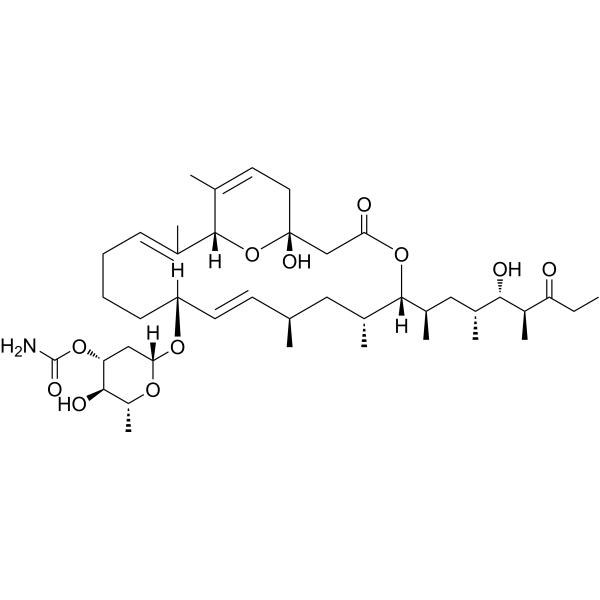
    Venturicidin A (Aabomycin A1), from actinomycetes, is a membrane-active natural product inhibitor of ATP synthase. Venturicidin A potentiates the aminoglycoside antibiotic gentamicin against multidrug-resistant clinical isolates of Staphylococcus, Enterococcus, and Pseudomonas aeruginosa. Venturicidin A shows noticeable toxicity toward human embryonic-kidney (HEK)cells with an IC50 of 31 μg/mL.
    Venturicidin A
  • HY-B0220S1

    Isotope-Labeled Compounds Bacterial Antibiotic Infection
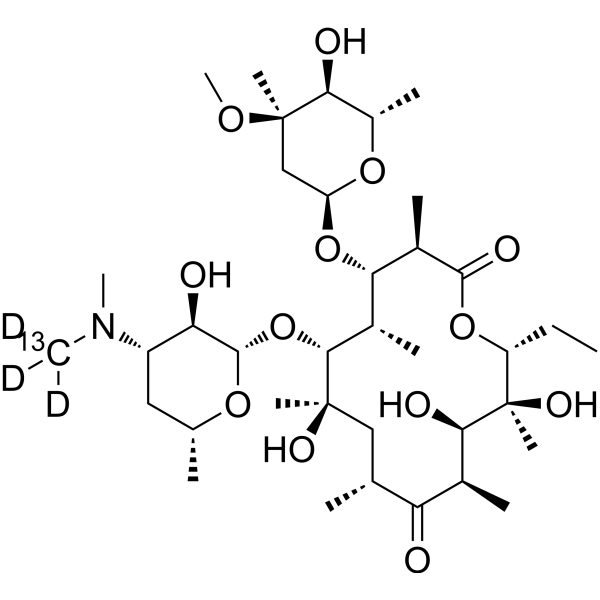
    Erythromycin- 13C,d3 is the 13C- and deuterium labeled Erythromycin. Erythromycin is a macrolide antibiotic produced by actinomycete?Streptomyces erythreus?with a broad spectrum of antimicrobial activity. Erythromycin acts by binding to bacterial 50S ribosomal subunits and inhibits?RNA-dependent protein synthesis?by blockage of transpeptidation and/or translocation reactions, without affecting synthesis of nucleic acid .
    Erythromycin-13C,d3
  • HY-124258

    (-)-Valilactone

    Endogenous Metabolite Metabolic Disease
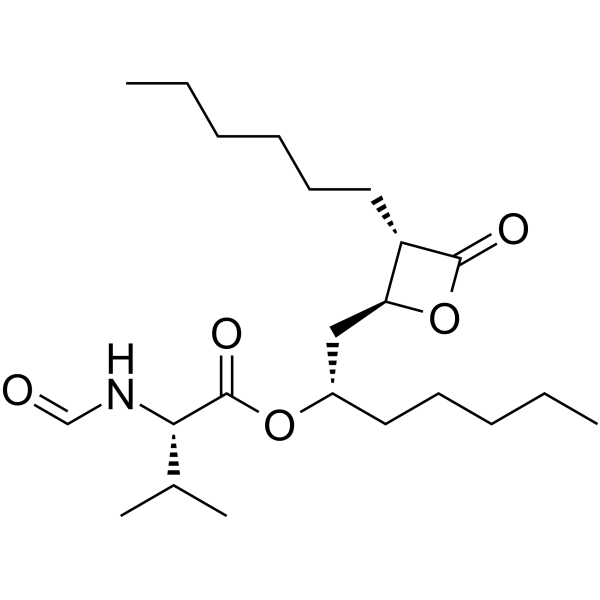
    Valilactone is a potent and effective inhibitor of esterase, produced by actinomycetes .
    Valilactone
  • HY-P2200

    BMY-29304

    HIV Antibiotic Infection Inflammation/Immunology
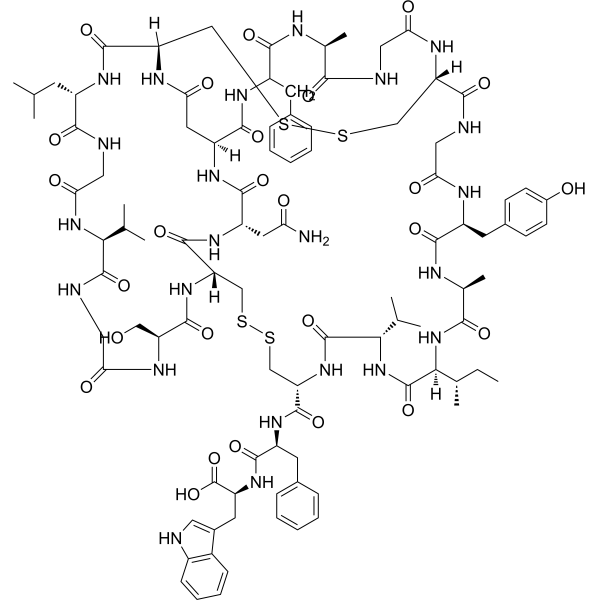
    Siamycin I (BMY-29304), a 21-residue tricyclic peptide, is a secondary metabolite in actinomycetes. Siamycin I is a HIV fusion inhibitor with ED50s of 0.05 to 5.7 μM for acute HIV type 1 (HIV-1) and HIV-2 infections. Siamycin I inhibits the gelatinase and gelatinase biosynthesis-activating pheromone (GBAP) signaling via the FsrC-FsrA two-component regulatory system in a noncompetitive manner. Siamycin I suppresses the expression of both fsrBDC and gelE-sprE transcripts. Siamycin I, a lasso peptide, interacts with lipid II and inhibits cell wall biosynthesis. Siamycin I, an antibiotic, has the potential for enterococcal infections research .
    Siamycin I
  • HY-18234C

    Biochemical Assay Reagents Inflammation/Immunology Cancer
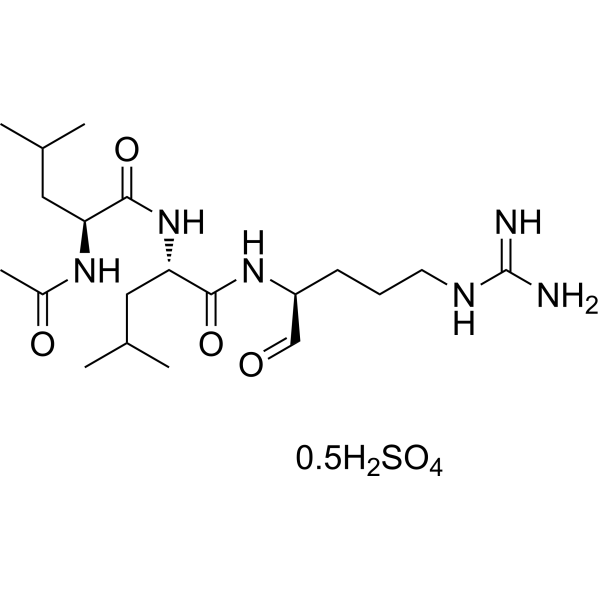
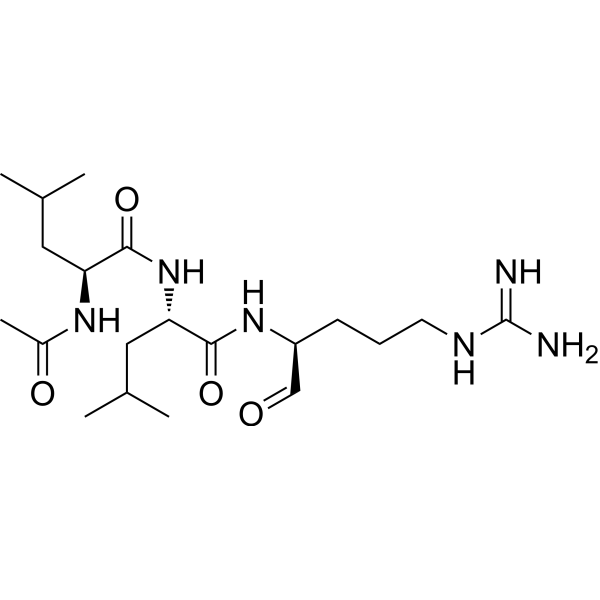
    Leupeptin Ac-LL (hydrochloride) is the hydrochloride form of Leupeptin Ac-LL (HY-18234B). Leupeptin Ac-LL (hydrochloride) has better inhibition than Leupeptin Ac-LL .
    Leupeptin Ac-LL hydrochloride
  • HY-W102907

    Endogenous Metabolite Bacterial Infection
    Pyrrole-2-carboxamide (Compound 26) is a secondary metabolite. Pyrrole-2-carboxamide can be produced by two mangrove-derived actinomycetes Streptomyces sp. WHUA03072 and Streptomyces sp. WHUA03267 .
    Pyrrole-2-carboxamide
  • HY-P0018A
    Pepstatin Trifluoroacetate
    Maximum Cited Publications
    59 Publications Verification

    Pepstatin A Trifluoroacetate

    HIV Protease Autophagy Infection Inflammation/Immunology
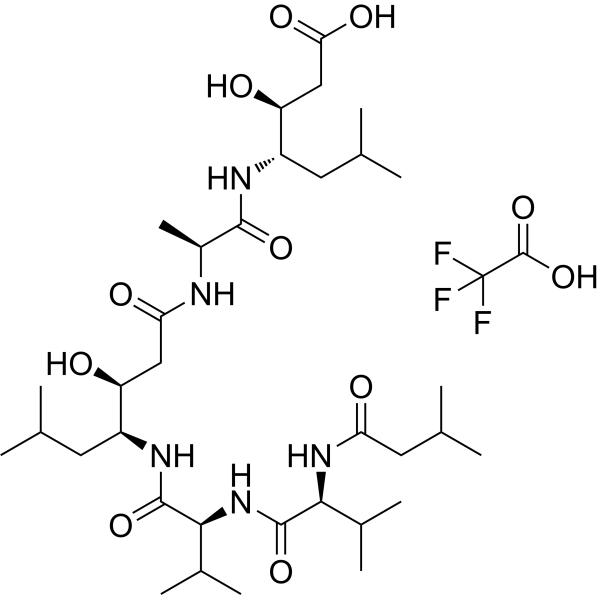
    Pepstatin (Pepstatin A) Trifluoroacetate is a specific, orally active aspartic protease inhibitor produced by actinomycetes, with IC50s of 4.5 nM, 6.2 nM, 150 nM, 290 nM, 520 nM and 260 nM for hemoglobin-pepsin, hemoglobin-proctase, casein-pepsin, casein-proctase, casein-acid protease and hemoglobin-acid protease, respectively. Pepstatin Trifluoroacetate also inhibits HIV protease .
    Pepstatin Trifluoroacetate
  • HY-P0018B
    Pepstatin Ammonium
    Maximum Cited Publications
    59 Publications Verification

    Pepstatin A Ammonium

    HIV Protease Autophagy Infection Inflammation/Immunology
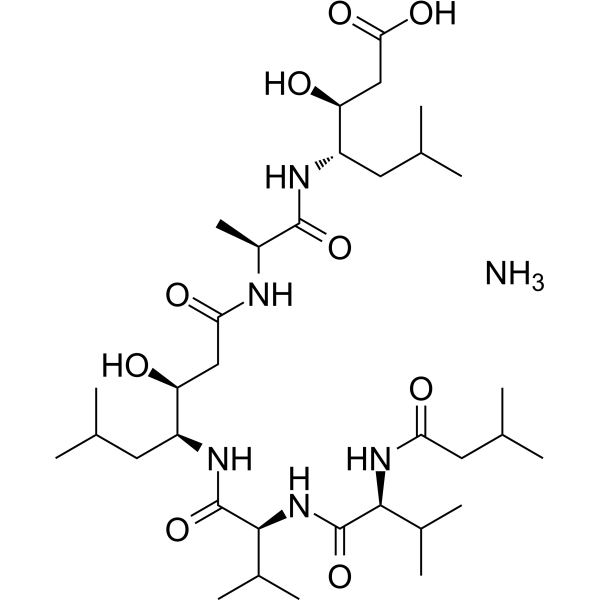
    Pepstatin (Pepstatin A) Ammonium is a specific, orally active aspartic protease inhibitor produced by actinomycetes, with IC50s of 4.5 nM, 6.2 nM, 150 nM, 290 nM, 520 nM and 260 nM for hemoglobin-pepsin, hemoglobin-proctase, casein-pepsin, casein-proctase, casein-acid protease and hemoglobin-acid protease, respectively. Pepstatin Ammonium also inhibits HIV protease .
    Pepstatin Ammonium
  • HY-B0220S2

    Bacterial DNA/RNA Synthesis Antibiotic Infection
    Erythromycin-d3 is the deuterium labeled Erythromycin . Erythromycin is a macrolide antibiotic produced by actinomycete Streptomyces erythreus with a broad spectrum of antimicrobial activity. Erythromycin binds to bacterial 50S ribosomal subunits and inhibits RNA-dependent protein synthesis by blockage of transpeptidation and/or translocation reactions, without affecting synthesis of nucleic acid. Erythromycin also exhibits antitumor and neuroprotective effect in different fields of research .
    Erythromycin-d3
  • HY-P3511

    Bacterial Infection
    Friulimicin D, a lipopeptide antibiotic, like Friulimicin B, is isolated from the actinomycete Actinoplanes friuliensis .
    Friulimicin D
  • HY-117738

    Aminopeptidase sFRP-1 Others
    Benarthin is a catechol-type siderophore isolated from the marine actinomycete Streptomyces YM5-799 that exhibits iron-chelating properties .
    Benarthin
  • HY-N8261

    Bacterial TGF-beta/Smad Infection
    Amicoumacin B can be produced by actinomycete, strain 04-5195 T.. Amicoumacin B increases the expression of bone morphogenetic protein 2 (BMP-2). Amicoumacin B has inhibitory effect against C. violaceum (MIC = 250 µg/mL). Amicoumacin B has quorum sensing inhibitory activity, and reduces the expression of the C. violaceum operons vioA, vioB, vioD, and vioE, but increases the expression of vioC .
    Amicoumacin B
  • HY-131307

    Actinotetraose hexatiglate

    Endogenous Metabolite Others
    Tigloside (Actinotetraose hexatiglate) is a symmetrical tetrasaccharide esterified with Tiglic acids (HY-W012999), which is detected as a secondary metabolite of an actinomycete strain Amycolatopsis .
    Tigloside
  • HY-B0220B

    Antibiotic Bacterial Infection Cancer
    Erythromycin gluceptate is a macrolide antibiotic produced by actinomycete Streptomyces erythreus with a broad spectrum of antimicrobial activity. Erythromycin gluceptate binds to bacterial 50S ribosomal subunits and inhibits RNA-dependent protein synthesis by blockage of transpeptidation and/or translocation reactions, without affecting synthesis of nucleic acid [1][2]. Erythromycin gluceptate also exhibits antitumor and neuroprotective effect in different fields of research [3][4].
    Erythromycin (gluceptate)
  • HY-137196

    Bacterial Infection
    Anhydrochlortetracycline hydrochloride is a degradation product of chlortetracycline (HY-B1327A). Anhydrochlortetracycline hydrochloride inhibits the growth of actinomycetes .
    Anhydrochlortetracycline hydrochloride
  • HY-126708

    ADC Payload Antibiotic Infection
    Luisol A, an aromatic tetraol, is a major metabolite of an estuarine marine actinomycete of the genus Streptomyces. Luisol A, is an anthraquinone antibiotic analog .
    Luisol A
  • HY-127039

    Ser/Thr Protease DNA/RNA Synthesis Metabolic Disease Cancer
    Antipain is a protease inhibitor isolated from Actinomycetes. Antipain inhibits N-methyl-N'-nitro-N-nitrosoguanidine (MNNG)-induced transformation and increases chromosomal aberrations. Antipain restricts uterine DNA synthesis and function in mice .
    Antipain
  • HY-18234B

    Ser/Thr Protease Metabolic Disease Inflammation/Immunology Cancer
    Leupeptin Ac-LL is a protease inhibitor from actinomycetes. Leupeptin Ac-LL has antiplasmin activity .
    Leupeptin Ac-LL
  • HY-108875

    Antibiotic Bacterial DNA/RNA Synthesis Infection Cancer
    Erythromycin stearate is a macrolide antibiotic produced by actinomycete Streptomyces erythreus with a broad spectrum of antimicrobial activity. Erythromycin stearate binds to bacterial 50S ribosomal subunits and inhibits RNA-dependent protein synthesis by blockage of transpeptidation and/or translocation reactions, without affecting synthesis of nucleic acid [1][2]. Erythromycin stearate also exhibits antitumor and neuroprotective effect in different fields of research [3][4].
    Erythromycin stearate
  • HY-B0220E

    Bacterial Antibiotic DNA/RNA Synthesis Infection Cancer
    Erythromycin A dihydrate is a macrolide antibiotic produced by actinomycete Streptomyces erythreus with a broad spectrum of antimicrobial activity. Erythromycin A dihydrate binds to bacterial 50S ribosomal subunits and inhibits RNA-dependent protein synthesis by blockage of transpeptidation and/or translocation reactions, without affecting synthesis of nucleic acid [1][2]. Erythromycin A dihydrate also exhibits antitumor and neuroprotective effect in different fields of research [3][4].
    Erythromycin A dihydrate
  • HY-B0220R
    Erythromycin (Standard)
    20+ Cited Publications

    Reference Standards Bacterial Antibiotic DNA/RNA Synthesis Infection Cancer
    Erythromycin (Standard) is the analytical standard of Erythromycin. This product is intended for research and analytical applications. Erythromycin is a macrolide antibiotic produced by actinomycete?Streptomyces erythreus?with a broad spectrum of antimicrobial activity. Erythromycin binds to bacterial 50S ribosomal subunits and inhibits?RNA-dependent protein synthesis?by blockage of transpeptidation and/or translocation reactions, without affecting synthesis of nucleic acid . Erythromycin also exhibits antitumor and neuroprotective effect in different fields of research .
    Erythromycin (Standard)
  • HY-N13075

    Antibiotic Bacterial Infection
    Mycoplanecin A is a cyclic peptide antibiotic. Mycoplanecin A has strong anti-mycobacterial, luteus, and Hypococcus activity. Mycoplanecin A also has moderate anti-Xanthomonas oryzae activity. Mycoplanecin A also has antibacterial effect on some strains of Actinomycetes .
    Mycoplanecin A
  • HY-N7071

    Maduramycin

    Antibiotic Apoptosis Infection
    Maduramicin (Maduramycin) is isolated from the actinomycete Actinomadura rubra. Maduramicin is an anticoccidial agent for the the treatment of Eimeria spp., E. adenoeides, E. gallopavonis, and E. dispersa infection . Maduramicin induces cell apoptosis in chicken myocardial cells via intrinsic and extrinsic pathways .
    Maduramicin
  • HY-129564

    Antibiotic Cancer
    Acetomycin is an antibiotic. Acetomycin inhibits the growth of CT-8 human colon adenocarcinoma cells (IC50: 1.5 μg/mL) and L1210 murine leukemia cells (IC50: 2.2 μg/mL). Acetomycin can be isolated from actinomycete WP-2661 .
    Acetomycin
  • HY-N11048

    Bacterial Infection Cancer
    Amycolatopsin A is a 20-membered macrolide, that can be isolated from a strain of the rare actinomycete Amycolatopsis sp. MST‐108494. Amycolatopsin A shows antimycobacterial activity against Mycobacterium bovis (BCG) and M. tuberculosis (H37Rv) with IC50 values of 0.4 µM and 4.4 µM, respectively .
    Amycolatopsin A
  • HY-N8280

    Fungal Infection
    IKD-8344 is a macrocyclic dilactone originally isolated from an actinomycete species and has diverse biological activities, including anticancer, antimicrobial, and anthelmintic properties. It is cytotoxic to L5178Y murine leukemia cells (IC50=0.54 ng/ml).1 IKD-8344 inhibits growth of the mycelial form of C. albicans (MIC=6.25 μg/mL) and potentiates the activity of polymyxin B against the multidrug-resistant pathogenic bacterium B. cenocepacia.
    IKD-8344
  • HY-P11027

    Bacterial Antibiotic Infection
    Thiazoplanomicin (Compound 1) is a thiazolyl peptide antibiotic. Thiazoplanomicin can be isolated from the leaf-litter actinomycete Actinoplanes sp. MM794L-181F6. Thiazoplanomicin has potent antimicrobial activities against gonococcal strains (especially drug-resistant strains) and Gram-positive bacterium with MICs of 31.2-125 and 0.5-15.6 ng/mL, respectively. Thiazoplanomicin has no antibacterial activity against E.coli. Thiazoplanomicin can be used for bacterial infections research .
    Thiazoplanomicin
  • HY-N16377

    Others Cancer
    1-Butyl-3,5,8-trihydroxy-9,10-anthracenedione (Compound 2) is an anthraquinone analog. 1-Butyl-3,5,8-trihydroxy-9,10-anthracenedione can be isolated from soil Actinomycete Streptomyces. 1-Butyl-3,5,8-trihydroxy-9,10-anthracenedione has potent cytotoxicity against HepG2, A875, BGC-823 and MCF-7 cells with IC50s of 2.29, 4.90, 0.99 and 1.66 μg/mL, respectively. 1-Butyl-3,5,8-trihydroxy-9,10-anthracenedione has an antitumor activity .
    1-Butyl-3,5,8-trihydroxy-9,10-anthracenedione
  • HY-129307

    Antibiotic Bacterial Infection Cancer
    Gilvocarcin V is an antibiotic with antibacterial activity and can be isolated from Actinomycete. Gilvocarcin V also has anti-tumor activity and can be used in cancer research .
    Gilvocarcin V
  • HY-N12260

    HIV Bacterial Infection
    Benanomicin A is a microbial metabolite and can be isolated from Actinomycetes.Benanomicin has antifungal activitya and inhibits HIV-1 viral infection in MT-4 cells .
    Benanomicin A
  • HY-123321

    Antibiotic Bacterial Infection
    Sakyomicin A is an antibiotic isolated from Actinomycete strain M-53. Sakyomicin A is active against Gram-positive bacteria .
    Sakyomicin A
  • HY-119195

    Angiotensin-converting Enzyme (ACE) Cardiovascular Disease
    I5B2 is an angiotensin I converting enzyme inhibitor (IC50=0.091 μM) that can be isolated from the culture medium of Actinomycete actininadura sp. No. 937ZE-1. I5B2 can be used in the study of hypertension .
    I5B2
  • HY-125414

    Antibiotic Bacterial Infection
    Lydicamycin is an antibiotic isolated from the fermentation broth of an actinomycete strain identified as Streptomyces lydicus. Lydicamycin is active against Gram-positive bacteria and a certain yeast, but inactive against Gram-negative bacteria .
    Lydicamycin
  • HY-W168309A

    Endogenous Metabolite Inflammation/Immunology
    Trans-Caffeic aldehyde is a type of phenylpropanoid compound, which was discovered in the secondary metabolites of the actinomycete Acrocarpospora punica. Trans-Caffeic aldehyde does not exhibit inhibitory activity against NO production in the mouse macrophage (RAW 264.7) model induced by LPS (HY-D1056) .
    trans-Caffeic aldehyde
  • HY-B0220C

    Antibiotic Bacterial DNA/RNA Synthesis Infection Cancer
    Erythromycin aspartate is a macrolide antibiotic produced by actinomycete?Streptomyces erythreus?with a broad spectrum of antimicrobial activity. Erythromycin aspartate binds to bacterial 50S ribosomal subunits and inhibits?RNA-dependent protein synthesis?by blockage of transpeptidation and/or translocation reactions, without affecting synthesis of nucleic acid [1][2]. Erythromycin aspartate also exhibits antitumor and neuroprotective effect in different fields of research [3][4].
    Erythromycin (aspartate)
  • HY-B0220F

    Bacterial Antibiotic DNA/RNA Synthesis Infection Cancer
    Erythromycin glutamate is a macrolide antibiotic produced by actinomycete Streptomyces erythreus with a broad spectrum of antimicrobial activity. Erythromycin glutamate binds to bacterial 50S ribosomal subunits and inhibits RNA-dependent protein synthesis by blockage of transpeptidation and/or translocation reactions, without affecting synthesis of nucleic acid [1][2]. Erythromycin glutamate also exhibits antitumor and neuroprotective effect in different fields of research [3][4].
    Erythromycin (glutamate)
  • HY-B0220DR

    Reference Standards Bacterial Antibiotic DNA/RNA Synthesis Infection Cancer
    Erythromycin (thiocyanate) (Standard) is the analytical standard of Erythromycin (thiocyanate). This product is intended for research and analytical applications. Erythromycin thiocyanate is a macrolide antibiotic produced by actinomycete Streptomyces erythreus with a broad spectrum of antimicrobial activity. Erythromycin thiocyanate binds to bacterial 50S ribosomal subunits and inhibits RNA-dependent protein synthesis by blockage of transpeptidation and/or translocation reactions, without affecting synthesis of nucleic acid[1][2]. Erythromycin thiocyanate also exhibits antitumor and neuroprotective effect in different fields of research[3][4].
    Erythromycin thiocyanate (Standard)
  • HY-N8491B

    Others Others
    (-)-Dihydrocarveol is a metabolite that can be extracted from actinomycetes .
    (-)-Dihydrocarveol
  • HY-127007

    Antibiotic Infection
    Okilactomycin is a lactone group antibiotic isolated from the culture filtrate of a strain of actinomycetes (Streptomyces species) .
    Okilactomycin
  • HY-N12219

    NSC 266530

    Endogenous Metabolite Metabolic Disease
    Pyridindolol (NSC 266530) is a β-galactosidase inhibitor. Pyridindolol can be produced by actinomycetes .
    Pyridindolol

Inquiry Online

Your information is safe with us. * Required Fields.

Salutation


Country or Region *

Applicant Name *


Organization Name *

Department *


Email Address *


Product Name *

Cat. No.


Requested quantity *

Phone Number *


Remarks

Inquiry Online

Inquiry Information

Product Name:
Cat. No.:
Quantity:
MCE Japan Authorized Agent:

