



Erythromycin lactobionate
Based on 27 publication(s) in Google Scholar
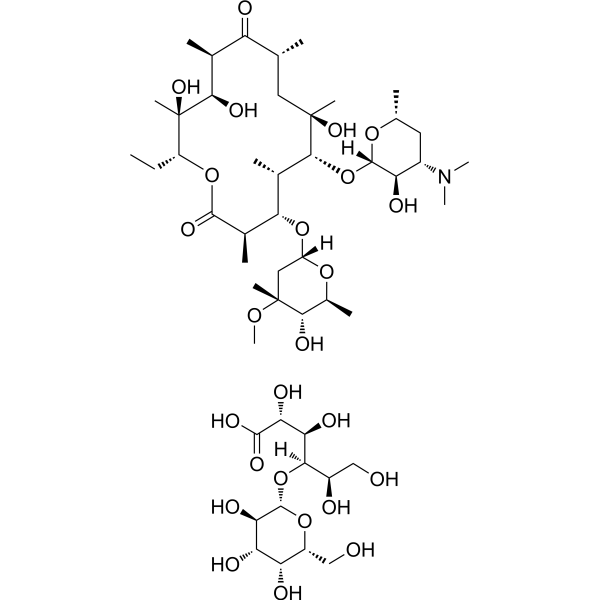
Erythromycin lactobionate is a macrolide antibiotic produced by actinomycete Streptomyces erythreus with a broad spectrum of antimicrobial activity. Erythromycin lactobionate binds to bacterial 50S ribosomal subunits and inhibits RNA-dependent protein synthesis by blockage of transpeptidation and/or translocation reactions, without affecting synthesis of nucleic acid[1][2]. Erythromycin lactobionate also exhibits antitumor and neuroprotective effect in different fields of research[3][4].
For research use only. We do not sell to patients.
- CAS No.: 3847-29-8
- Formula: C49H89NO25
- Molecular Weight:1092.22
-
Storage:Powder -20°C, 3 years ; In solvent -80°C, 6 months , -20°C, 1 month

To place orders, for customer services and technical support, please contact: MedChemExpress USA
Tel: 609-228-6898 E-mail: [email protected] [email protected]


-
 Biological Activity
-
Chemical Information
-
Solvent & Solubility
- Protocols
- Purity & Documentation
- References
-
 Help & FAQs



Publications Citing Use of MedChemExpress (MCE) Erythromycin lactobionate
More- Theranostics. 2022 Jan 1;12(3):1187-1203. [Abstract]
- Acta Pharm Sin B. 2021 Sep;11(9):2850-2858. [Abstract]
- J Exp Med. 2026 Mar 2;223(3):e20241287. [Abstract]
- EBioMedicine. 2022 Apr;78:103943. [Abstract]
- Emerg Contam. 2026 Feb 23.
- Biofabrication. 2023 Aug 21;15(4). [Abstract]
- J Med Chem. 2022 Mar 10;65(5):3894-3912. [Abstract]
- Emerg Microbes Infect. 2024 Dec;13(1):2321981. [Abstract]
- mLife. 2023 Feb 11;2(1):58-72. [Abstract]
- J Chem Inf Model. 2021 Apr 26;61(4):2016-2025. [Abstract]
- BMC Microbiol. 2023 Apr 20;23(1):109. [Abstract]
- Aquat Toxicol. 2025 Mar:280:107284. [Abstract]
- Microbiol Spectr. 2025 Aug 29:e0059025. [Abstract]
- Microbiol Spectr. 2022 Feb 23;10(1):e0099121. [Abstract]
- Environ Microbiol. 2021 Feb;23(2):696-712. [Abstract]
- AMB Express. 2024 Dec 24;14(1):141. [Abstract]
- Viruses. 2019 Nov 15;11(11):1064. [Abstract]
- Water. 2025 Jun 6.
- Toxicol Lett. 2026 Jul 2:423:113152.
- Vet Microbiol. 2024 May:292:110046. [Abstract]
- bioRxiv. 2026 Jul 27.
- Authorea. 2026 May 12.
- bioRxiv. 2024 May 10.
- Research Square Print. December 5th, 2022.
- Charles University. 2020 Jul.
- Research Square Preprint. 2020 Jun.
- Chemosphere. 2019 Jun:225:378-387. [Abstract]
 Customer Validation & Images

-
Microbiological Assay
-
RT-PCR
-
Microbiological Assay
All Antibiotic Isoforms
MoreAll DNA/RNA Synthesis Isoforms
More

Biological Activity
Description
IC50 & Target
|
Macrolide |
In Vitro
Erythromycin lactobionate inhibits growth of P. falciparum with IC50 and IC90 values of 58.2 μM and 104.0 μM, respectively[1]. Erythromycin lactobionate (10 μM, 100 μM; 24 h, 72 h) shows antioxidant and anti-inflammatory effects and suppresses the accumulation of 4-HNE (p<0.01) and 8-OHdG (p<0.01), reduces Iba-1 (p<0.01) and TNF-α (p<0.01) expression significantly[4].
MedChemExpress (MCE) has not independently confirmed the accuracy of these methods. They are for reference only.
-
Cell Line:Embryos primary cortical neuron (from the cerebral cortices of 17-day-old Sprague-Dawley rat)
-
Concentration:10, 100 μM
-
Incubation Time:24, 72 hours
-
Result:Improved the viability of cultured neuronal cells in vitro after 3 hours oxygen-glucose deprivation (OGD).
In Vivo
MedChemExpress (MCE) has not independently confirmed the accuracy of these methods. They are for reference only.
-
Animal Model:Female ddY mice (6 week-old) with EAC cells or CDF mice (6 week-old) with P388 cells[3]
-
Dosage:0.1 mg/kg; 0.5 mg/kg; 10 mg/kg; 30 mg/kg; 50 mg/kg
-
Administration:Gastric intubation; 30-120 days
-
Result:Decreased tumor growth and prolonged the mean survival time of mice from the dose of 5 mg/kg, however, the 50 mg/kg dosage shortened the MST in tumorbearing mice.
-
Animal Model:Male Sprague-Dawley rats (8-week-old, 250-300 g)[4]
-
Dosage:50 mg/kg
-
Administration:Subcutaneous single injection
-
Result:Reduced infarct volume and edema volume, improved neurological deficit.


Chemical Information
-
CAS No. 3847-29-8
-
Appearance Solid
-
Molecular Weight 1092.22
-
Formula C49H89NO25
-
Color White to off-white
-
SMILES
C[C@@H]([C@@H]([C@H](C(O[C@@H]1CC)=O)C)O[C@@](O[C@@H](C)[C@@H]2O)([H])C[C@@]2(C)OC)[C@H]([C@](O)(C[C@H](C([C@@H]([C@@H](O)[C@@]1(O)C)C)=O)C)C)O[C@@](O[C@H](C)C[C@@H]3N(C)C)([H])[C@@H]3O.O[C@H]([C@@H](O)C(O)=O)[C@]([C@H](O)CO)([H])O[C@@H]([C@@H]([C@@H](O)[C@H]4O)O)O[C@@H]4CO
-
Shipping
Room temperature in continental US; may vary elsewhere.
-
Storage
Powder -20°C 3 years In solvent -80°C 6 months -20°C 1 month


Publications (27)
-
Journal Impact Factor
-
Most Recent
-
Theranostics
Antibiotic Azithromycin inhibits brown/beige fat functionality and promotes obesity in human and rodents. [Abstract]2022 Jan 1;12(3):1187-1203. PMID: 35154482
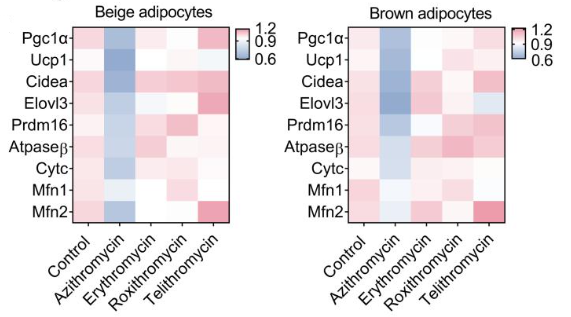
Erythromycin lactobionate purchased from MedChemExpress. Usage Cited in: Theranostics. 2022 Jan 1;12(3):1187-1203. [Abstract]
mRNA levels of thermogenic and mitochondrial gene programs in immortal beige and brown adipocytes treated with controls,erythromycin, azithromycin roxithromycin and telithromyc at 5 uM for 24 h (n=3).
-
Acta Pharm Sin B
Repurposing carrimycin as an antiviral agent against human coronaviruses, including the currently pandemic SARS-CoV-2. [Abstract]2021 Sep;11(9):2850-2858. PMID: 33723501 -
J Exp Med
2026 Mar 2;223(3):e20241287. PMID: 41400657 -
EBioMedicine
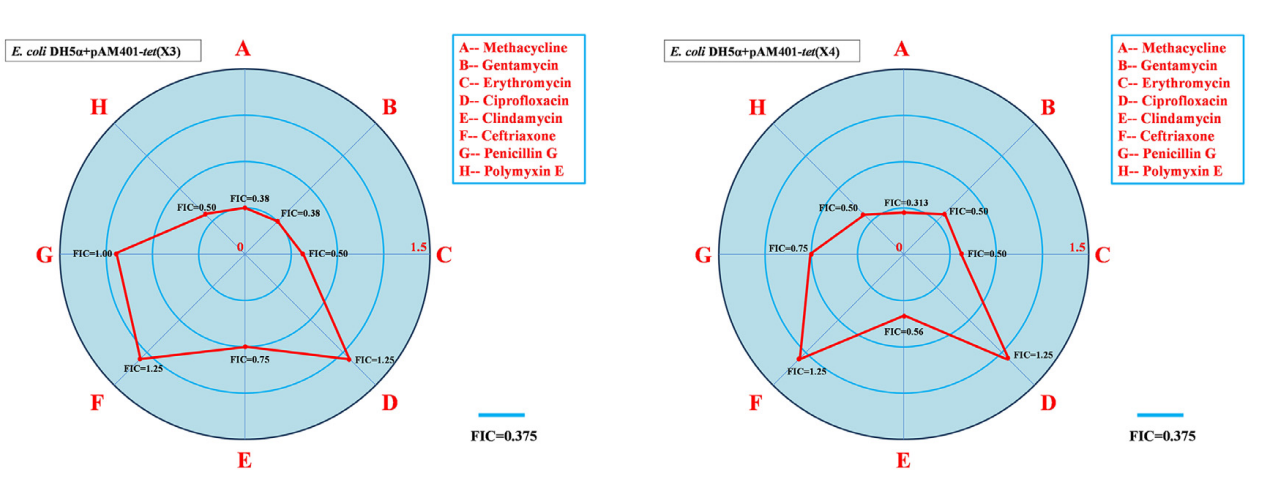
A novel inhibitor of monooxygenase reversed the activity of tetracyclines against tet(X3)/tet(X4)-positive bacteria. [Abstract]2022 Apr;78:103943. PMID: 35306337
Erythromycin lactobionate purchased from MedChemExpress. Usage Cited in: EBioMedicine. 2022 Apr;78:103943. [Abstract]
FIC indices of the combination of plumbagin (32 μg/mL) and Erythromycin against tet(X3)/tet(X4)-positive strains. Synergy was defined as an FIC index of ≤ 0.5.
-
-
Biofabrication
Highly reproducible and cost-effective one-pot organoid differentiation using a novel platform based on PF-127 triggered spheroid assembly. [Abstract]2023 Aug 21;15(4). PMID: 37552975 -
J Med Chem
Activators of the Anticipatory Unfolded Protein Response with Enhanced Selectivity for Estrogen Receptor Positive Breast Cancer. [Abstract]2022 Mar 10;65(5):3894-3912. PMID: 35080871 -
Emerg Microbes Infect
AMXT-1501 targets membrane phospholipids against Gram-positive and -negative multidrug-resistant bacteria. [Abstract]2024 Dec;13(1):2321981. PMID: 38422452 -
mLife
LipR functions as an intracellular pH regulator in Bacillus thuringiensis under glucose conditions. [Abstract]2023 Feb 11;2(1):58-72. PMID: 38818337 -
J Chem Inf Model
Macrolides May Prevent Severe Acute Respiratory Syndrome Coronavirus 2 Entry into Cells: A Quantitative Structure Activity Relationship Study and Experimental Validation. [Abstract]2021 Apr 26;61(4):2016-2025. PMID: 33734704 -
BMC Microbiol
The antimicrobial activity of cethromycin against Staphylococcus aureus and compared with erythromycin and telithromycin. [Abstract]2023 Apr 20;23(1):109. PMID: 37081393 -
Aquat Toxicol
Antibacterials exert toxic effects on aquatic organisms by inhibiting respiration, inducing oxidative stress, mitochondrial dysfunction and autophagy. [Abstract]2025 Mar:280:107284. PMID: 39951902 -
Microbiol Spectr
2025 Aug 29:e0059025. PMID: 40879403 -
Microbiol Spectr
The Mechanism of Action of Ginkgolic Acid (15:1) against Gram-Positive Bacteria Involves Cross Talk with Iron Homeostasis. [Abstract]2022 Feb 23;10(1):e0099121. PMID: 35019708 -
Environ Microbiol
Expression of ribosomal protection protein RppA is regulated by a ribosome-dependent ribo-regulator and two mistranslation products. [Abstract]2021 Feb;23(2):696-712. PMID: 32592275 -
AMB Express
Repurposing pinaverium bromide against Staphylococcus and its biofilms with new mechanisms. [Abstract]2024 Dec 24;14(1):141. PMID: 39718732
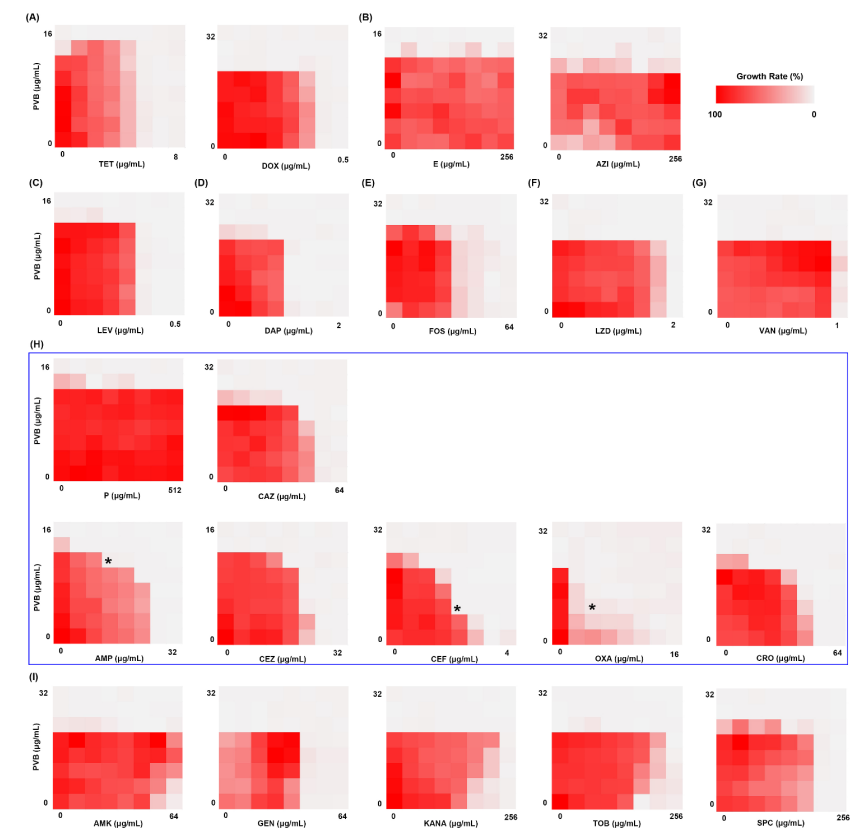
Erythromycin lactobionate purchased from MedChemExpress. Usage Cited in: AMB Express. 2024 Dec 24;14(1):141. [Abstract]
Combinational antimicrobial effects between PVB and conventional antibiotics against MRSA ATCC 43,300. TET, Tetracycline. DOX, Doxycycline. E, Erythromycin. AZI, Azithromycin. P, Penicillin. CAZ, Ceftazidime. AMP, Ampicillin. CEZ, Cefazolin. CEF, Cefotaxime. OXA, Oxacillin. CRO, Ceftriaxone. AMK, Amikacin. GEN, Gentamycin, KANA, Kanamycin. TOB, Tobramycin. SPC, Spectinomycin.
-
Viruses
Erythromycin Estolate Inhibits Zika Virus Infection by Blocking Viral Entry as a Viral Inactivator. [Abstract]2019 Nov 15;11(11):1064. PMID: 31731598 -
-
-
Vet Microbiol
Discovery of the tigecycline resistance gene cluster tmexCD3-toprJ1 in Pasteurella multocida strains isolated from pigs in China. [Abstract]2024 May:292:110046. PMID: 38471428 -
-
-
-
-
-
-
Chemosphere
Mass-balance-model-based evaluation of sewage treatment plant contribution to residual pharmaceuticals in environmental waters. [Abstract]2019 Jun:225:378-387. PMID: 30884299


Solvent & Solubility
In Vitro:
H2O : ≥ 100 mg/mL (91.56 mM)
* "≥" means soluble, but saturation unknown.
Please refer to the solubility information to select the appropriate solvent. Once prepared, please aliquot and store the solution to prevent product inactivation from repeated freeze-thaw cycles.
Storage method and period of stock solution: -80°C, 6 months; -20°C, 1 month. When stored at -80°C, please use it within 6 months. When stored at -20°C, please use it within 1 month.
* Note: If you choose water as the stock solution, please dilute it to the working solution, then filter and sterilize it with a 0.22 μm filter before use.
Please refer to the solubility information to select the appropriate solvent. Once prepared, please aliquot and store the solution to prevent product inactivation from repeated freeze-thaw cycles.
Storage method and period of stock solution: -80°C, 6 months; -20°C, 1 month. When stored at -80°C, please use it within 6 months. When stored at -20°C, please use it within 1 month.
* Note: If you choose water as the stock solution, please dilute it to the working solution, then filter and sterilize it with a 0.22 μm filter before use.
Concentration (start) × Volume (start) = Concentration (final) × Volume (final)


Purity & Documentation
-
Data Sheet (282 KB)
-
SDS (251 KB)
- English - EN (251 KB)
- Français - FR (251 KB)
- Deutsch - DE (251 KB)
- Norwegian - NO (251 KB)
- Español - ES (251 KB)
- Swedish - SV (251 KB)
- Italian - IT (251 KB)
- Korean - KR (251 KB)
- Portuguese - PT (251 KB)
-
Handling Instructions (2659 KB)
References
[1]. Gribble MJ, et al. Erythromycin. Med Clin North Am. 1982 Jan;66(1):79-89. [Content Brief]
[2]. Nakornchai S, et al. Activity of azithromycin or erythromycin in combination with antimalarial drugs against multidrug-resistant Plasmodium falciparum in vitro. Acta Trop. 2006 Dec;100(3):185-91. Epub 2006 Nov 28. [Content Brief]
[3]. Hamada K, et al. Antitumor effect of erythromycin in mice. Chemotherapy. 1995 Jan-Feb. 41(1):59-69. [Content Brief]
[4]. Katayama Y, et al. Neuroprotective effects of erythromycin on cerebral ischemia reperfusion-injury and cell viability after oxygen-glucose deprivation in cultured neuronal cells. Brain Res. 2014 Nov 7. 1588:159-67. [Content Brief]


Complete Stock Solution Preparation Table
Please refer to the solubility information to select the appropriate solvent. Once prepared, please aliquot and store the solution to prevent product inactivation from repeated freeze-thaw cycles.
Storage method and period of stock solution: -80°C, 6 months; -20°C, 1 month. When stored at -80°C, please use it within 6 months. When stored at -20°C, please use it within 1 month.
| Optional Solvent | Concentration Solvent Mass | 1 mg | 5 mg | 10 mg | 25 mg |
|---|---|---|---|---|---|
| H2O | 1 mM | 0.9156 mL | 4.5778 mL | 9.1557 mL | 22.8892 mL |
| 5 mM | 0.1831 mL | 0.9156 mL | 1.8311 mL | 4.5778 mL | |
| 10 mM | 0.0916 mL | 0.4578 mL | 0.9156 mL | 2.2889 mL | |
| 15 mM | 0.0610 mL | 0.3052 mL | 0.6104 mL | 1.5259 mL | |
| 20 mM | 0.0458 mL | 0.2289 mL | 0.4578 mL | 1.1445 mL | |
| 25 mM | 0.0366 mL | 0.1831 mL | 0.3662 mL | 0.9156 mL | |
| 30 mM | 0.0305 mL | 0.1526 mL | 0.3052 mL | 0.7630 mL | |
| 40 mM | 0.0229 mL | 0.1144 mL | 0.2289 mL | 0.5722 mL | |
| 50 mM | 0.0183 mL | 0.0916 mL | 0.1831 mL | 0.4578 mL | |
| 60 mM | 0.0153 mL | 0.0763 mL | 0.1526 mL | 0.3815 mL | |
| 80 mM | 0.0114 mL | 0.0572 mL | 0.1144 mL | 0.2861 mL |
* Note: If you choose water as the stock solution, please dilute it to the working solution, then filter and sterilize it with a 0.22 μm filter before use.


Erythromycin lactobionate Related Classifications
HY-B0220A Related Classifications
 Powered by Bioz