1. Search Result
Search Result
Results for "

anti-inflammatory and immunomodulatory effects

" in MedChemExpress (MCE) Product Catalog:

55

阻害剤およびアゴニスト

1

スクリーニングライブラリ

2

ペプチド

24

天然物

6

同位体標識化合物

1

クリックケミストリー

1

オリゴヌクレオチド

製品番号 製品名 Target 研究分野 構造式
  • HY-10071
    Y-27632
    Maximum Cited Publications
    533 Publications Verification

    ROCK NADPH Oxidase mTOR Reactive Oxygen Species (ROS) NF-κB Apoptosis Akt Autophagy PAK Ras Cancer
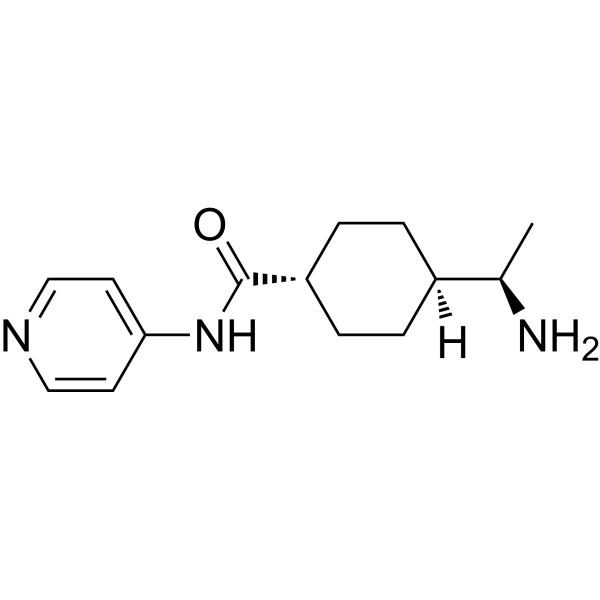
    Y-27632 is a ROCK inhibitor with Ki values of 220 nM and 300 nM for ROCK1 and ROCK2, respectively. Y-27632 exerts anti-inflammatory and immunomodulatory effects in systemic lupus erythematosus models by inhibiting the ROCK/NF-κB pathway. Y-27632 enhances autophagy by inhibiting the AKT/mTOR pathway, thereby inducing apoptosis apoptosis in oral squamous cell carcinoma. Y-27632 induces the formation of tunneling nanotubes in ARPE-19 cells and significantly enhances mitochondrial transfer through these channels. Y-27632 promotes neurite outgrowth in PC12 cells by activating the Rac1/NOX1/ROS/AKT/PAK1 signaling cascade .
    Y-27632
  • HY-N0092
    Inosine
    Maximum Cited Publications
    16 Publications Verification

    Adenosine Receptor Endogenous Metabolite Neurological Disease Inflammation/Immunology Cancer
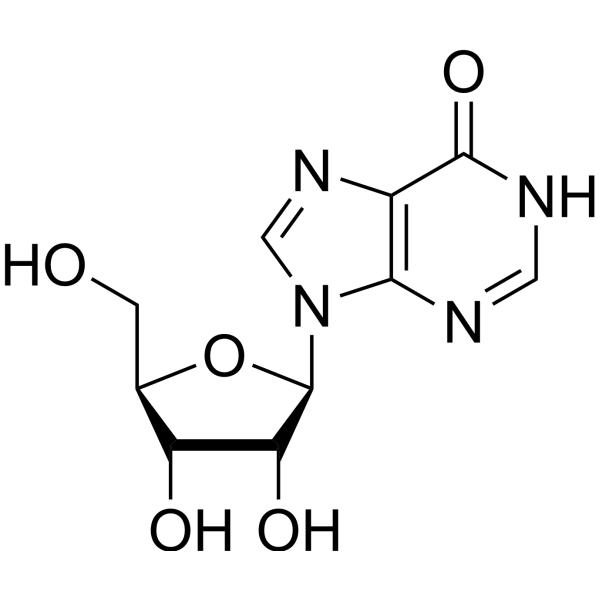
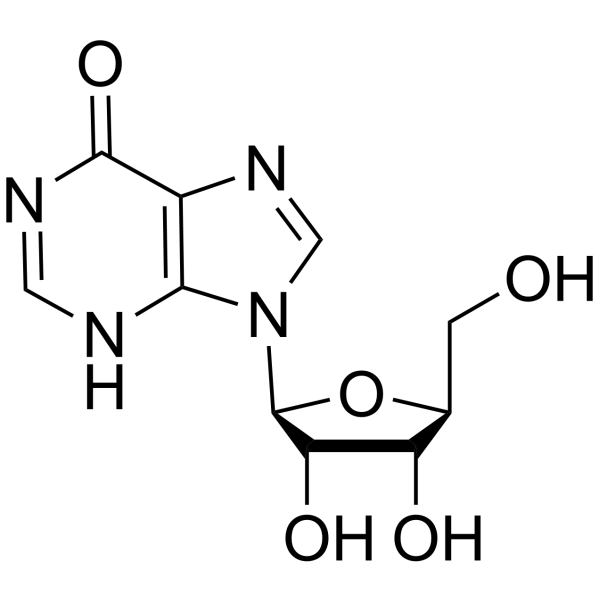
    Inosine is an endogenous purine nucleoside produced by catabolism of adenosine. Inosine has anti-inflammatory, antinociceptive, immunomodulatory and neuroprotective effects. Inosine is an agonist for adenosine A1 (A1R) and A2A (A2AR) receptors .
    Inosine
  • HY-B0195
    Tranilast
    5+ Cited Publications

    MK-341; SB 252218

    Angiotensin Receptor Prostaglandin Receptor Cardiovascular Disease Inflammation/Immunology Endocrinology Cancer
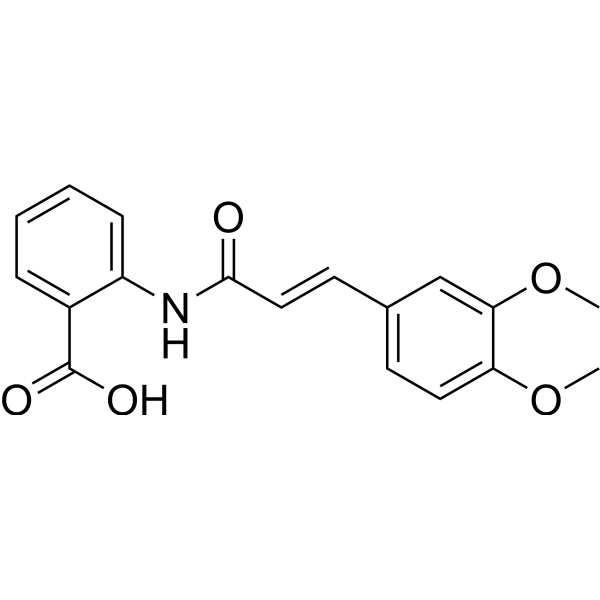
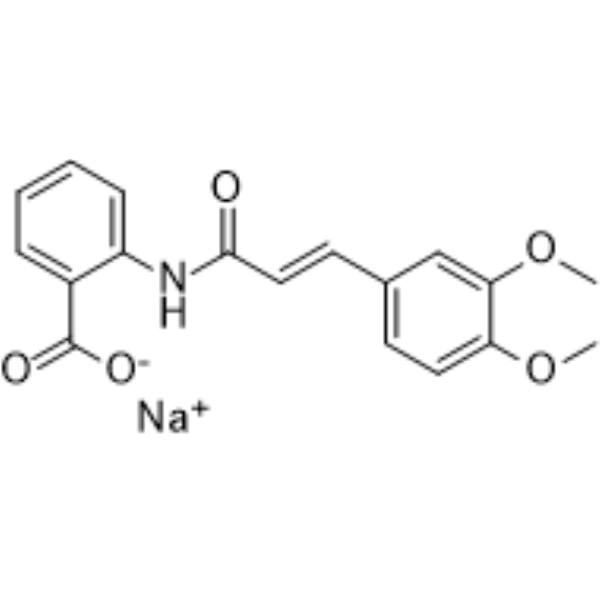
    Tranilast (MK-341) acts as an anti-atopic agent. Tranilast suppresses production of prostaglandin D2 (PGD2, IC50= 0.1 mM). Tranilast sodium exhibits anti-inflammatory and immunomodulatory effects . Tranilast sodium antagonizes angiotensin II and inhibits its biological effects in vascular smooth muscle cells .
    Tranilast
  • HY-113212
    Ursocholic acid
    1 Publications Verification

    Endogenous Metabolite Apoptosis Metabolic Disease Inflammation/Immunology
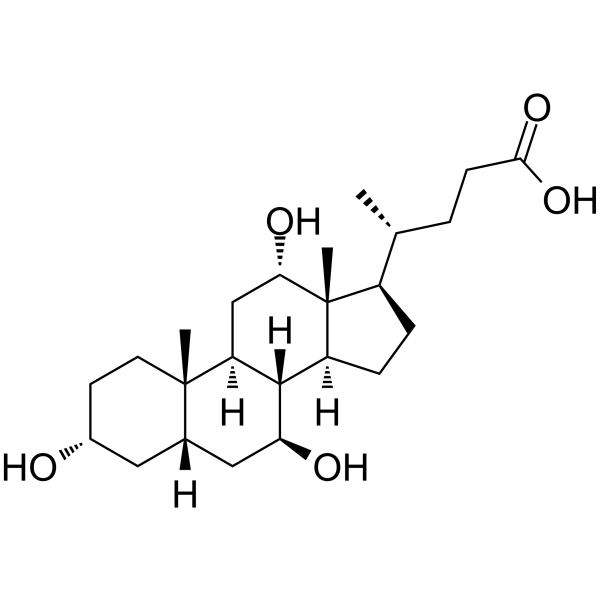
    Ursocholic acid, a bile acid present in mammalian bile, is converted to deoxycholic acid (UDC) by the mouse intestinal flora. Ursocholic acid acts as a gallstone dissolving agent in the liver through anti-apoptosis, anti-inflammatory, immunomodulatory, bile regulation, and coordinated changes in mitochondrial integrity and cell signaling, Ursocholic acid also has favorable effects on bones in patients with chronic cholestasis .
    Ursocholic acid
  • HY-N0591
    Dehydrocostus Lactone
    2 Publications Verification

    (-)-Dehydrocostus lactone; Epiligulyl oxide

    Bacterial Apoptosis p38 MAPK NF-κB MAPKAPK2 (MK2) Akt NO Synthase Interleukin Related Caspase Infection Inflammation/Immunology Cancer
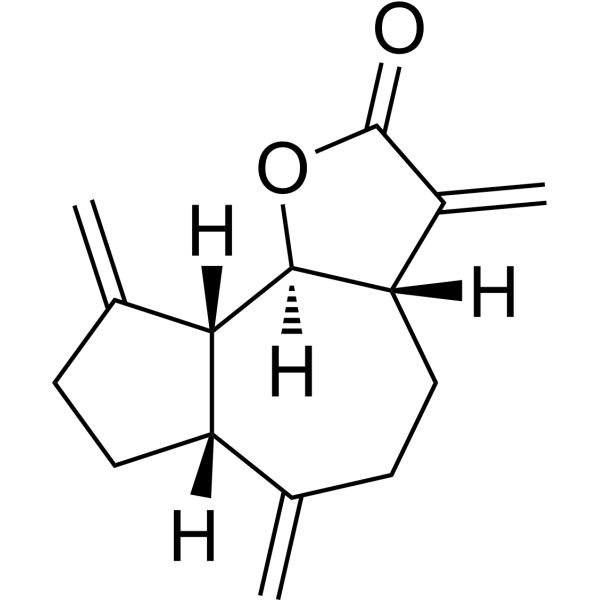
    Dehydrocostus Lactone ((-)-Dehydrocostus lactone) is a natural sesquiterpene that can be isolated from Saussurea lappa. Dehydrocostus Lactone has multiple activities such as anti-inflammatory, antibacterial, anti-tumor, and immunomodulatory effects. Dehydrocostus Lactone has an MIC of 2 µg/mL against Mycobacterium tuberculosis. Dehydrocostus Lactone can also inhibit the killing activity of cytotoxic T lymphocytes and induce apoptosis in tumor cells .
    Dehydrocostus Lactone
  • HY-B0328
    Triamcinolone
    2 Publications Verification

    Glucocorticoid Receptor Interleukin Related Cardiovascular Disease Inflammation/Immunology Endocrinology Cancer
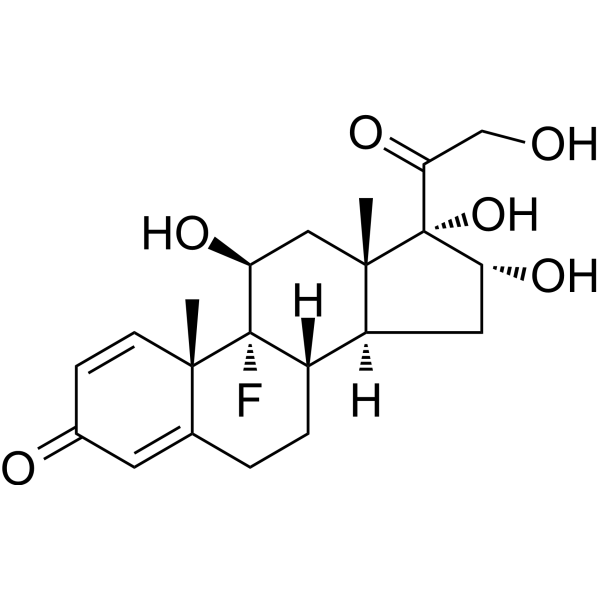
    Triamcinolone is a long-acting corticosteroid with anti-inflammatory, anti-oedematous, anti-proliferative, anti-angiogenetic, immunomodulatory and neuroprotective effects through binding to glucocorticoid receptors. Triamcinolone can relieve several dermatitis, immune diseases and ocular diseases .
    Triamcinolone
  • HY-N2420
    Flavokawain A
    2 Publications Verification

    Apoptosis Histone Methyltransferase Cytochrome P450 Caspase Survivin IAP p38 MAPK PI3K NO Synthase COX JNK ERK Akt Inflammation/Immunology Cancer
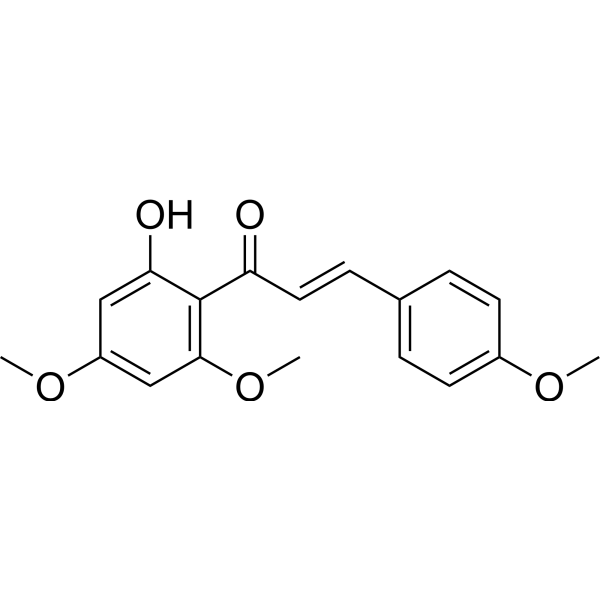
    Flavokawain A is a chalcone compound and an orally active inhibitor of PRMT5 and cytochrome P450. Flavokawain A has anti-inflammatory, anti-tumor, and immunomodulatory effects. Flavokawain A can inhibit the proliferation of tumor cells and induce apoptosis. Flavokawain A can be used in the research of diseases such as bladder cancer .
    Flavokawain A
  • HY-B0905
    Tilmicosin
    5 Publications Verification

    LY-177370; EL-870

    Bacterial Antibiotic Apoptosis Calcium Channel Infection Inflammation/Immunology
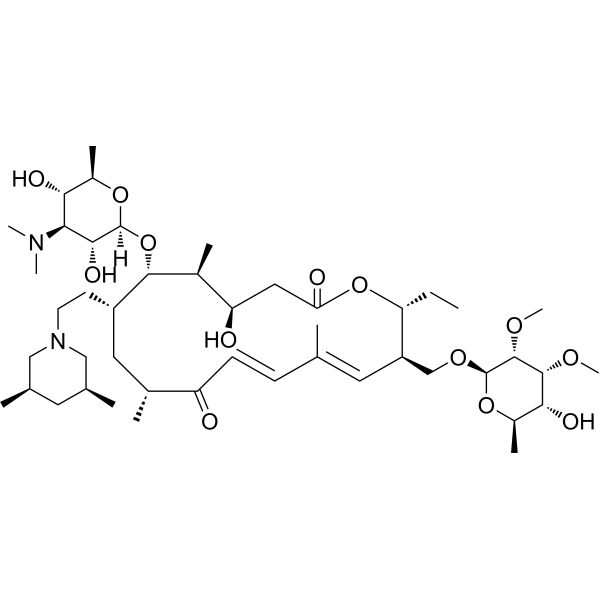
    Tilmicosin (LY-177370) is an orally active calcium channel antagonist and macrolide antibiotic with antimicrobial activity. Tilmicosin mainly acts on the 50S subunit of bacterial ribosomes, inhibiting protein synthesis. Tilmicosin is effective in the treatment of respiratory diseases in livestock such as cattle, sheep and pigs. In addition, Tilmicosin has immunomodulatory and anti-inflammatory effects .
    Tilmicosin
  • HY-P3206

    Thymulin; Thymic factor

    ERK Neurological Disease Inflammation/Immunology Endocrinology
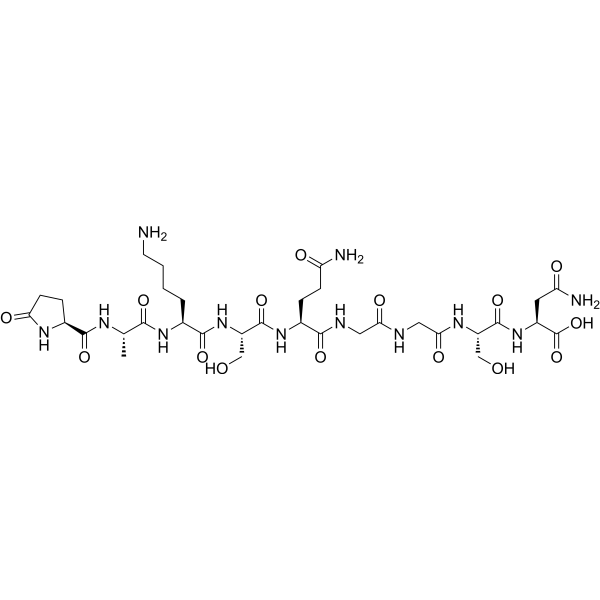
    Serum thymic factor (Thymulin) is a zinc-dependent immunomodulatory peptide hormone, which can be produced by the thymic epithelial cells. Serum thymic factor stimulates the release of hormones from the pituitary gland, exhibits hypophysiotropic activity. Serum thymic factor protects rats from Cephaloridine (HY-B2072)-induced nephrotoxicity by inhibiting ERK activation. Serum thymic factor exhibits anti-diabetic, anti-inflammatory and analgesic effects. Serum thymic factor can be used in research about endocrine, reproductive, neurodegenerative and inflammatory diseases .
    Serum thymic factor
  • HY-14658A

    (S)-(-)-Thalidomide

    Molecular Glues Ligands for E3 Ligase Autophagy Apoptosis Metabolic Disease Inflammation/Immunology
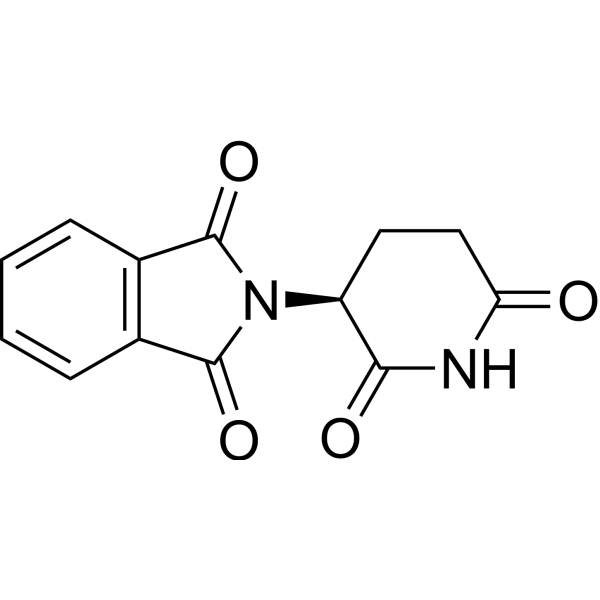
    (S)-Thalidomide ((S)-(-)-Thalidomide) is the S-enantiomer of Thalidomide. (S)-Thalidomide has immunomodulatory, anti-inflammatory, antiangiogenic and pro-apoptotic effects . (S)-Thalidomide induces teratogenic effects by binding to cereblon (CRBN) .
    (S)-Thalidomide
  • HY-N0313

    MAGL Endogenous Metabolite Inflammation/Immunology
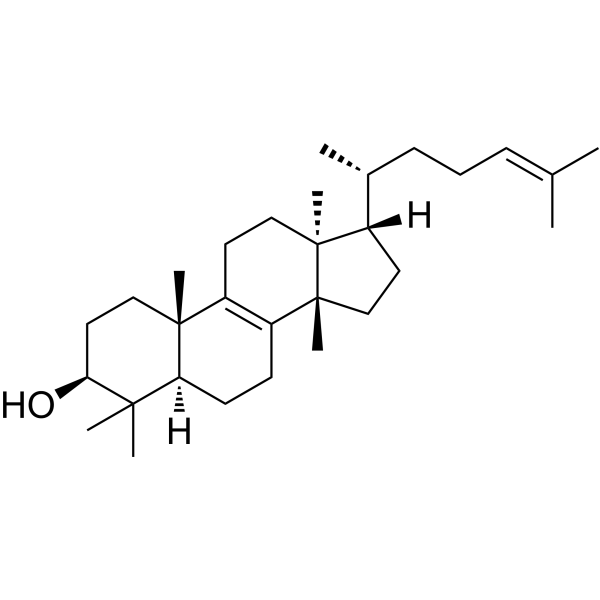
    Euphol is a tetracyclic triterpene alcohol isolated from the sap of Euphorbia tirucalli with anti-mutagenic, anti-inflammatory and immunomodulatory effects, orally active. Euphol inhibits the monoacylglycerol lipase (MGL) activity via a reversible mechanism (IC50=315 nM). MGL inhibition in the periphery modulates the endocannabinoid system to block the development of inflammatory pain .
    Euphol
  • HY-N0092S2
    Inosine-13C5
    2 Publications Verification

    Isotope-Labeled Compounds Adenosine Receptor Endogenous Metabolite Neurological Disease Inflammation/Immunology Cancer
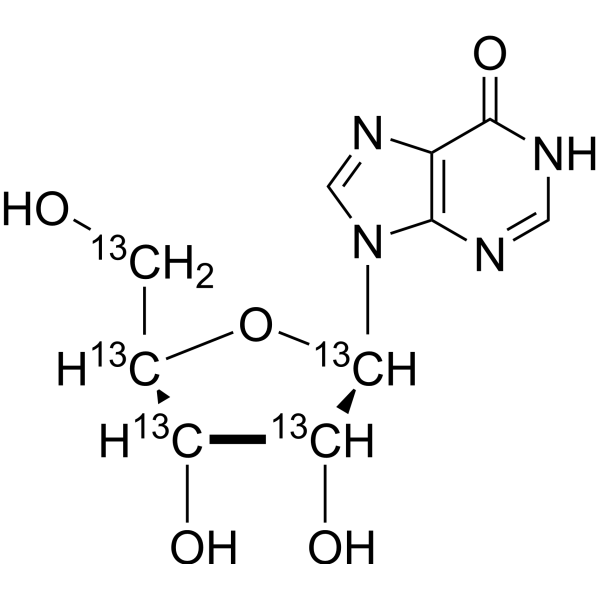
    Inosine- 13C5 is the 13C5 labeled Inosine (HY-N0092). Inosine is an endogenous purine nucleoside produced by catabolism of adenosine. Inosine has anti-inflammatory, antinociceptive, immunomodulatory and neuroprotective effects. Inosine is an agonist for adenosine A1 (A1R) and A2A (A2AR) receptors .
    Inosine-13C5
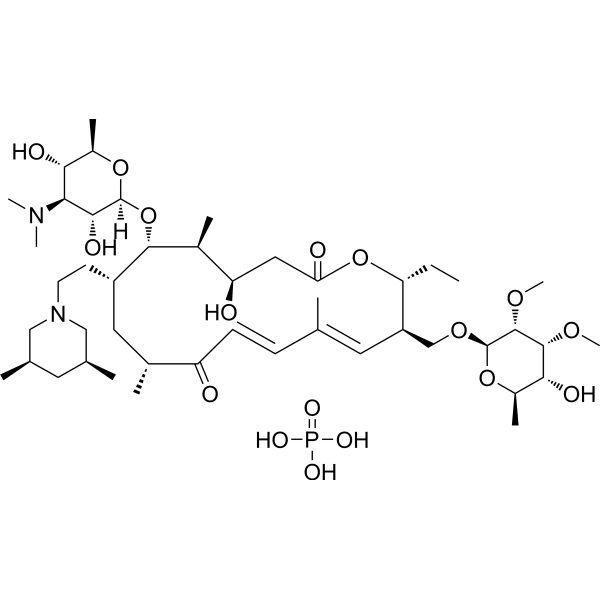
  • HY-B0905A
    Tilmicosin phosphate
    5 Publications Verification

    LY-177370 phosphate; EL-870 phosphate

    Bacterial Antibiotic Apoptosis NO Synthase COX Infection Inflammation/Immunology
    Tilmicosin (LY-177370) phosphate is an orally active calcium channel antagonist and macrolide antibiotic with antimicrobial activity. Tilmicosin phosphate mainly acts on the 50S subunit of bacterial ribosomes, inhibiting protein synthesis. Tilmicosin phosphate is effective in the treatment of respiratory diseases in livestock such as cattle, sheep and pigs. In addition, Tilmicosin phosphate has immunomodulatory and anti-inflammatory effects .
    Tilmicosin phosphate
  • HY-N0120

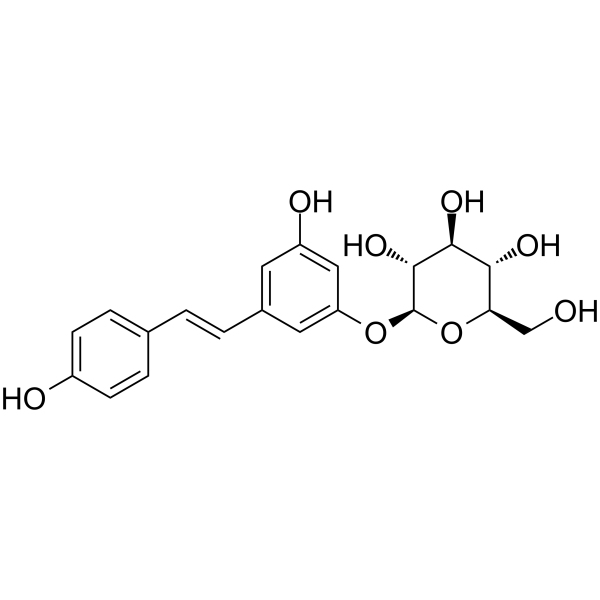
    (E/Z)-Piceid

    Drug Isomer Cardiovascular Disease Metabolic Disease Inflammation/Immunology Cancer
    (E/Z)-Polydatin ((E/Z)-Piceid) is a mixture of the E/Z configurations of Polydatin (HY-N0120A). Polydatin can be isolated from Polygonum cuspidatum, grapes, peanuts, red wine, hop pellets, cocoa-containing products and chocolate products. Polydatin exhibits multiple biological properties, such as anti-platelet aggregation, anti-low-density lipoprotein oxidation, cardioprotective activity, anti-inflammatory and immunomodulatory functions. Polydatin shows favorable cytotoxic effects against various tumor cell lines, including cervical cancer cells, liver cancer cells, and nasopharyngeal carcinoma cells .
    (E/Z)-Polydatin
  • HY-10790
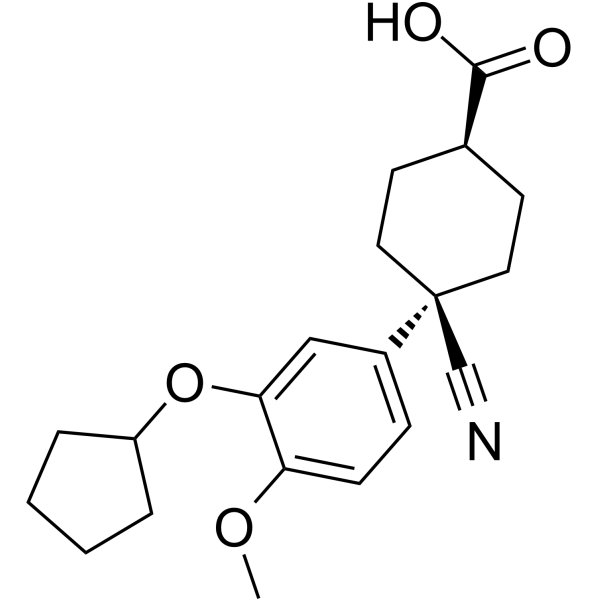
    Cilomilast
    3 Publications Verification

    SB-207499

    Phosphodiesterase (PDE) Inflammation/Immunology
    Cilomilast (SB-207499) is a potent, selective and orally active inhibitor of Phosphodiesterase 4 (PDE4), with IC50s of ~100 and 120 nM for LPDE4 and HPDE4, respectively. Cilomilast shows selectivity for PDE4 over PDE1, PDE2, PDE3 and PDE5 (IC50=74, 65, >100, and 83 μM, respectively). Cilomilast has anti-inflammatory and immunomodulatory effects and can be used for thr research of asthma and chronic obstructive pulmonary disease (COPD) .
    Cilomilast
  • HY-100712
    DPO-1
    1 Publications Verification

    Potassium Channel Calcium Channel NOD-like Receptor (NLR) Interleukin Related Cardiovascular Disease Inflammation/Immunology
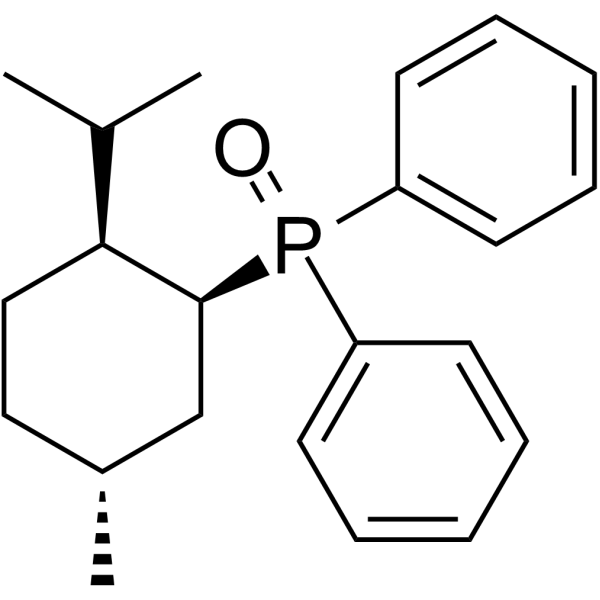
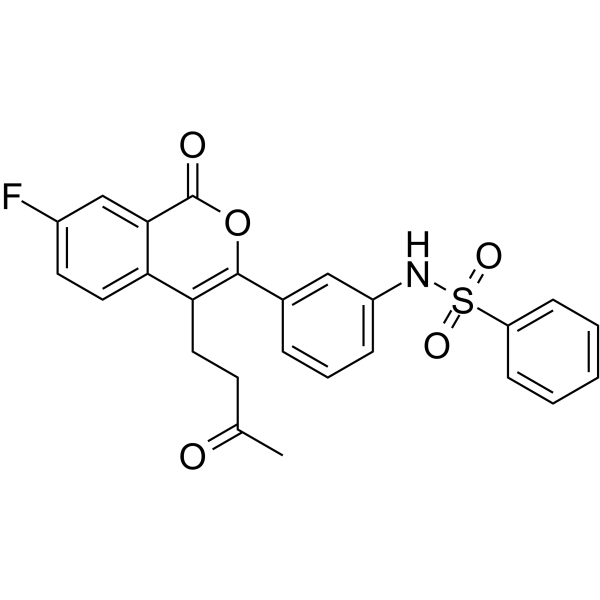
    DPO-1 is a potent Kv1.5 and Kv1.3 (EC50 = 3.1 μM) channels inhibitor with potential immunomodulatory and anti-inflammatory effects. DPO-1 reduces Kv1.3 current density, blunts Ca 2+ influx in Ca 2+-depleted Jurkat cells, and inhibits IL-2 secretion in activated Jurkat cells. DPO-1 inhibits Uric acid sodium (HY-B2130A) (MSU)-induced NLRP3 inflammasome activation by blocking Kv1.5-mediated K + efflux. DPO-1 can be used for the study of immunologic disorders and atrial fibrillation .
    DPO-1
  • HY-W010649

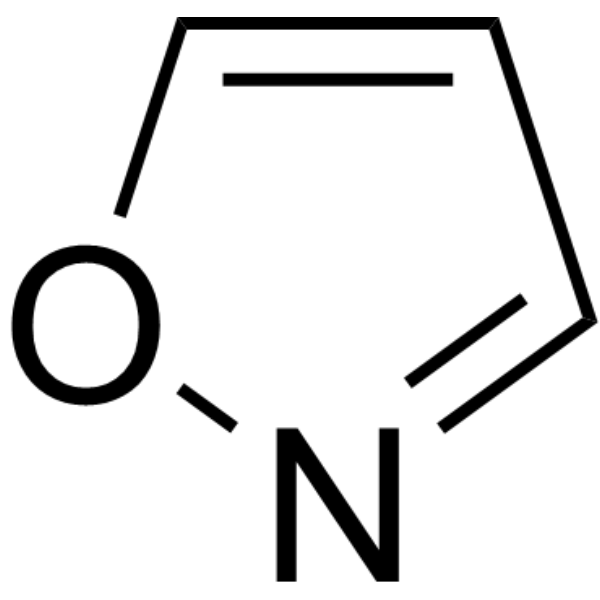
    HSP Epigenetic Reader Domain ATP-binding cassette (ABC) transporters Bacterial Fungal Antibiotic Infection Metabolic Disease Inflammation/Immunology Cancer
    Isoxazole is a member of the five-membered heterocycle drug scaffold. Isoxazole has been used as a BET bromodomain inhibitor and can improve β-cell function in a diabetic mouse model. Isoxazole and its derivatives exhibit broad biological activities (such as antimicrobial, antibacterial, antifungal, antiviral, anticancer, anti-inflammatory, immunomodulatory, analgesic, anti-tuberculosis, and anti-diabetic effects). For example, the bicyclic Isoxazole can act as an HSP90 inhibitor, and the tricyclic Isoxazole is promising as a selective multidrug resistance protein (MRP1) inhibitor​ .
    Isoxazole
  • HY-127029A

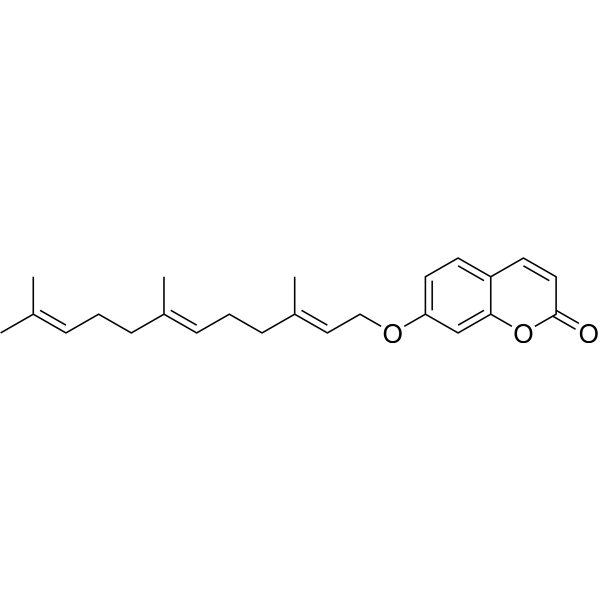
    NO Synthase Lipoxygenase Neurological Disease Inflammation/Immunology Cancer
    Umbelliprenin, a prenylated coumarin, is an antioxidant with anticancer, anti-inflammatory and immunomodulatory effects. Umbelliprenin inhibits lipoxygenase managing the inflammation pathways. In inflammatory macrophages, Umbelliprenin suppresses nitric oxide production as well as inducible nitric oxide synthase (NO synthase) .
    Umbelliprenin
  • HY-P3206A

    Thymulin acetate; Thymic factor acetate

    ERK Neurological Disease Inflammation/Immunology Endocrinology
    Serum thymic factor acetate (Thymulin acetate) is the acetate salt form of Serum thymic factor (HY-P3206). Serum thymic factor acetate is a zinc-dependent immunomodulatory peptide hormone, which can be produced by the thymic epithelial cells. Serum thymic factor acetate stimulates the release of hormones from the pituitary gland, exhibits hypophysiotropic activity. Serum thymic factor acetate protects rats from Cephaloridine (HY-B2072)-induced nephrotoxicity by inhibiting ERK activation. Serum thymic factor acetate exhibits anti-diabetic, anti-inflammatory and analgesic effects. Serum thymic factor acetate can be used in research about endocrine, reproductive, neurodegenerative and inflammatory diseases .
    Serum thymic factor acetate
  • HY-N0092R

    Reference Standards Adenosine Receptor Endogenous Metabolite Neurological Disease Inflammation/Immunology
    Inosine (Standard) is the analytical standard of Inosine. This product is intended for research and analytical applications. Inosine is an endogenous purine nucleoside produced by catabolism of adenosine. Inosine has anti-inflammatory, antinociceptive, immunomodulatory and neuroprotective effects. Inosine is an agonist for adenosine A1 (A1R) and A2A (A2AR) receptors . In Vitro:Inosine dose-dependently stimulates cAMP production mediated through the A2AR .
    Inosine dose-dependently induces hA2AR-mediated ERK1/2 phosphorylation .
    Inosine (100 μM; 24 hours) reduces oxidative stress in MES 23.5 cells cultured with astrocytes .
    In Vivo:Inosine (10-100 mg/kg; i.p.) exhibits antinociceptive effect in mice .
    Inosine (Standard)
  • HY-N2191

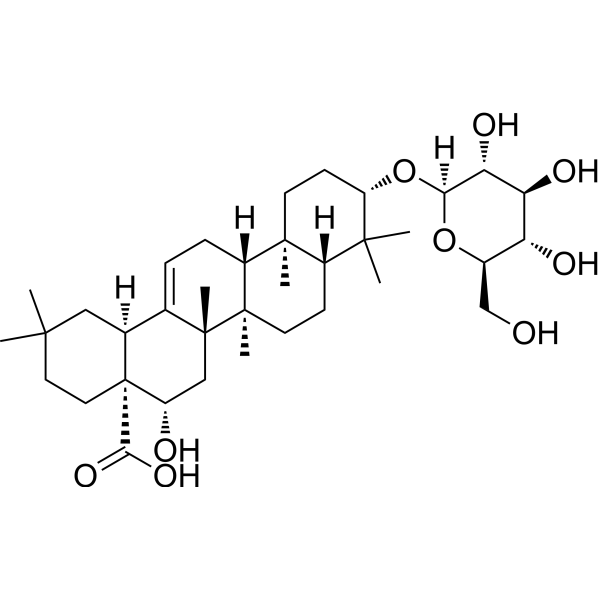
    Others Inflammation/Immunology
    Ecliptasaponin D is a triterpenoid glucoside isolated from Eclipta alba (L.) Hassk which is the aerial part of Eclipta prostrate. Eclipta prostrate is considered as a nourishing herbal medicine with pleiotropic effects, including anti-inflammatory, hepatoprotective, antioxidant and immunomodulatory [1,2].
    Ecliptasaponin D
  • HY-21075

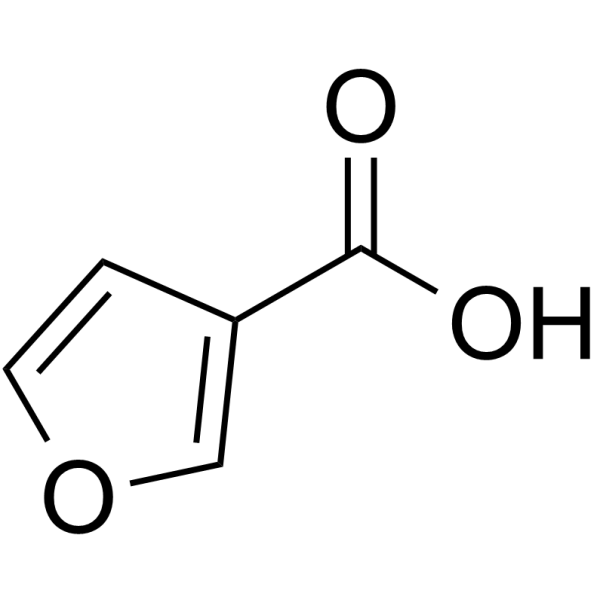
    Endogenous Metabolite Inflammation/Immunology
    3-Furanoic acid is an active unit, and its derivatives have a wide range of anti-inflammatory activities. 3-Furanoic acid-related derivatives can target inflammation-related signaling pathways and inhibit the proliferation of synovial fibroblasts to exert immunomodulatory effects .
    3-Furanoic acid
  • HY-N0092S

    Isotope-Labeled Compounds Adenosine Receptor Endogenous Metabolite Neurological Disease Inflammation/Immunology
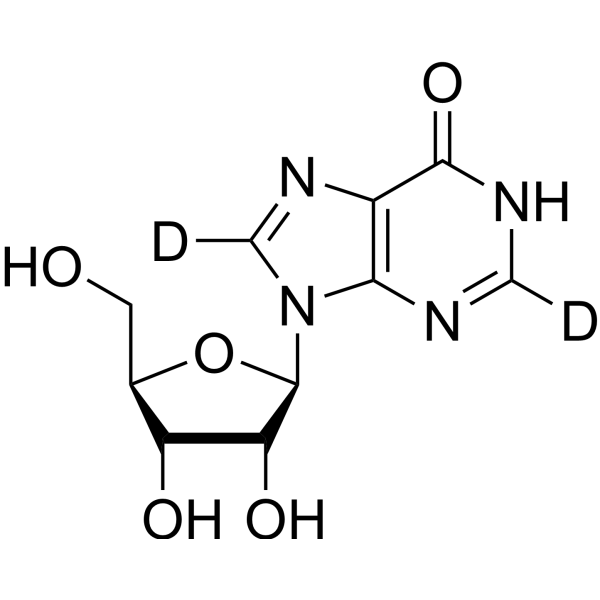
    Inosine-2,8-d2 is the deuterium labeled Inosine. Inosine is an endogenous purine nucleoside produced by catabolism of adenosine. Inosine has anti-inflammatory, antinociceptive, immunomodulatory and neuroprotective effects. Inosine is an agonist for adenosine A1 (A1R) and A2A (A2AR) receptors .
    Inosine-2,8-d2
  • HY-W717504

    Drug Derivative
    Glucosylceramide, plant is a plant-derived glycolipid with anti-inflammatory and immunomodulatory activities. Glucosylceramide, plant plays an important role in promoting cell proliferation and repair. Glucosylceramide, plant is widely used in skin care products to enhance skin barrier function. Glucosylceramide, plant has also been studied for improving nervous system health, showing potential neuroprotective effects.
    Glucosylceramide, plant
  • HY-17412B

    Drug Metabolite Others
    4-Epiminocycline is a Minocycline (HY-17412A) degradation product. Minocycline (HY-17412A) is an antibiotic that has anti-inflammatory, anticancer, antibacterial, immunomodulatory and neuroprotective effects .
    4-Epiminocycline
  • HY-10071A
    Y-27632 hydrochloride hydrate
    395+ Cited Publications

    ROCK NF-κB Apoptosis Autophagy Akt mTOR NADPH Oxidase Reactive Oxygen Species (ROS) PAK Ras Neurological Disease Inflammation/Immunology Cancer
    Y-27632 hydrochloride hydrate is a ROCK inhibitor with Ki values of 220 nM and 300 nM for ROCK1 and ROCK2, respectively. Y-27632 hydrochloride hydrate exerts anti-inflammatory and immunomodulatory effects in systemic lupus erythematosus models by inhibiting the ROCK/NF-κB pathway. Y-27632 hydrochloride hydrate enhances autophagy by inhibiting the AKT/mTOR pathway, thereby inducing apoptosis apoptosis in oral squamous cell carcinoma. Y-27632 hydrochloride hydrate induces the formation of tunneling nanotubes in ARPE-19 cells and significantly enhances mitochondrial transfer through these channels. Y-27632 hydrochloride hydrate promotes neurite outgrowth in PC12 cells by activating the Rac1/NOX1/ROS/AKT/PAK1 signaling cascade .
    Y-27632 hydrochloride hydrate
  • HY-148166

    Nucleoside Antimetabolite/Analog Others
    L-Inosine is the L-configuration of Inosine (HY-N0092). Inosine is an endogenous purine nucleoside produced by catabolism of adenosine. Inosine has anti-inflammatory, antinociceptive, immunomodulatory and neuroprotective effects .
    L-Inosine
  • HY-B0195A

    MK-341 sodium; SB 252218 sodium

    Prostaglandin Receptor Angiotensin Receptor Inflammation/Immunology Endocrinology Cancer
    Tranilast sodium (MK-341 sodium) acts as an anti-atopic agent. Tranilast suppresses production of prostaglandin D2 (PGD2, IC50= 0.1 mM). Tranilast sodium exhibits anti-inflammatory and immunomodulatory effects . Tranilast sodium antagonizes angiotensin II and inhibits its biological effects in vascular smooth muscle cells .
    Tranilast sodium
  • HY-N7741

    Dehydrozaluzanin C-derivative

    Bacterial Infection Inflammation/Immunology
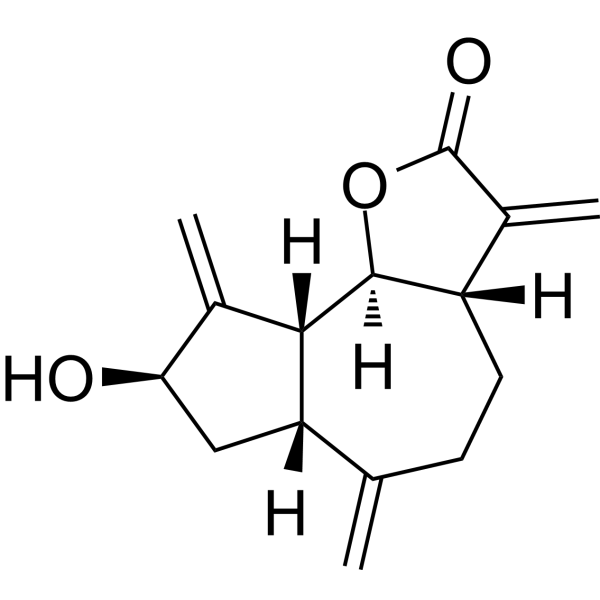
    Isozaluzanin C (Dehydrozaluzanin c-derivative) is an anti-inflammatory agent that can be isolated from Saussurea lappa and has immunomodulatory effects. Isozaluzanin C improves tissue damage (lung, kidney, and liver) and excessive inflammation in mice induced by LPS (HY-D1056) or CRKP infection. Isozaluzanin C can be used in the study of bacterial infections and sepsi .
    Isozaluzanin C
  • HY-B0905R

    LY-177370 (Standard); EL-870 (Standard)

    Reference Standards Bacterial Antibiotic Apoptosis Calcium Channel Infection Inflammation/Immunology
    Tilmicosin (Standard) is the analytical standard of Tilmicosin. This product is intended for research and analytical applications. Tilmicosin (LY-177370) is an orally active calcium channel antagonist and macrolide antibiotic with antimicrobial activity. Tilmicosin mainly acts on the 50S subunit of bacterial ribosomes, inhibiting protein synthesis. Tilmicosin is effective in the treatment of respiratory diseases in livestock such as cattle, sheep and pigs. In addition, Tilmicosin has immunomodulatory and anti-inflammatory effects .
    Tilmicosin (Standard)
  • HY-N0313R

    MAGL Endogenous Metabolite Reference Standards Inflammation/Immunology
    Euphol (Standard) is the analytical standard of Euphol. This product is intended for research and analytical applications. Euphol is a tetracyclic triterpene alcohol isolated from the sap of Euphorbia tirucalli with anti-mutagenic, anti-inflammatory and immunomodulatory effects, orally active. Euphol inhibits the monoacylglycerol lipase (MGL) activity via a reversible mechanism (IC50=315 nM). MGL inhibition in the periphery modulates the endocannabinoid system to block the development of inflammatory pain .
    Euphol (Standard)
  • HY-122281

    Cannabinoid Receptor Others
    JTE 7-31 selectively acts on peripheral cannabinoid receptors, minimizing central nervous system side effects. They exhibit potent immunomodulatory, anti-inflammatory and anti-allergic properties, as well as inhibitory effects on nephritis .
    JTE 7-31
  • HY-N0092S4

    Isotope-Labeled Compounds Adenosine Receptor Endogenous Metabolite Neurological Disease Inflammation/Immunology Cancer
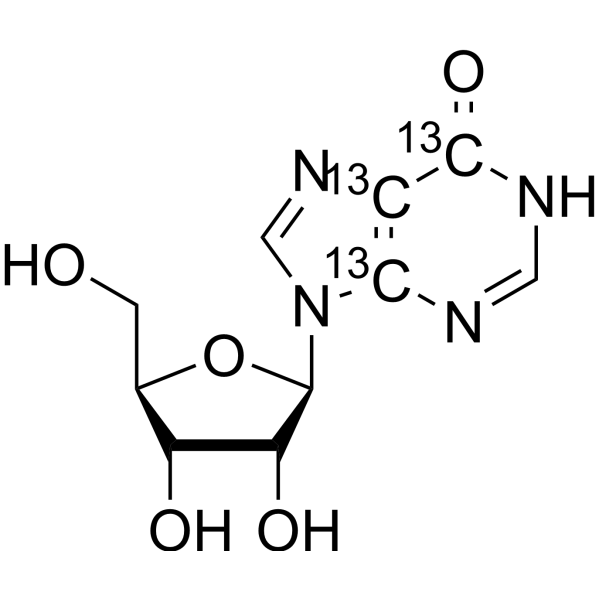
    Inosine-13C3 is a 13C-labeled Inosine that can be used in pharmacokinetic studies of Inosine. Inosine is an agonist of adenosine receptors A1R and A2AR with anti-inflammatory immunomodulatory, antinociceptive and neuroprotective effects .
    Inosine-13C3
  • HY-N2420R

    Reference Standards Apoptosis Histone Methyltransferase Cytochrome P450 Caspase Survivin IAP p38 MAPK PI3K NO Synthase COX JNK ERK Akt Inflammation/Immunology Cancer
    Flavokawain A is a chalcone compound and an orally active inhibitor of PRMT5 and cytochrome P450. Flavokawain A has anti-inflammatory, anti-tumor, and immunomodulatory effects. Flavokawain A can inhibit the proliferation of tumor cells and induce apoptosis. Flavokawain A can be used in the research of diseases such as bladder cancer .
    Flavokawain A (Standard)
  • HY-N0092S1

    Adenosine Receptor Isotope-Labeled Compounds Endogenous Metabolite Neurological Disease Inflammation/Immunology Cancer
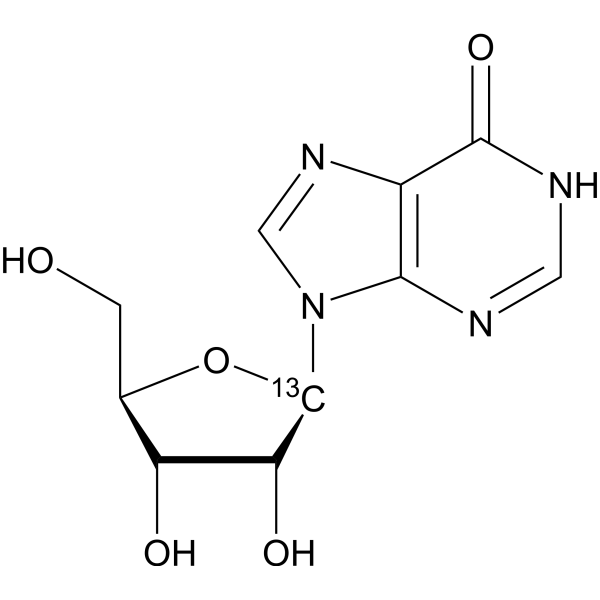
    Inosine- 13C is the 13C labeled Inosine. Inosine is an endogenous purine nucleoside produced by catabolism of adenosine. Inosine has anti-inflammatory, antinociceptive, immunomodulatory and neuroprotective effects. Inosine is an agonist for adenosine A1 (A1R) and A2A (A2AR) receptors .
    Inosine-13C
  • HY-B0905S

    LY-177370-d3; EL-870-d3

    Isotope-Labeled Compounds Bacterial Antibiotic Apoptosis NO Synthase COX Infection Inflammation/Immunology
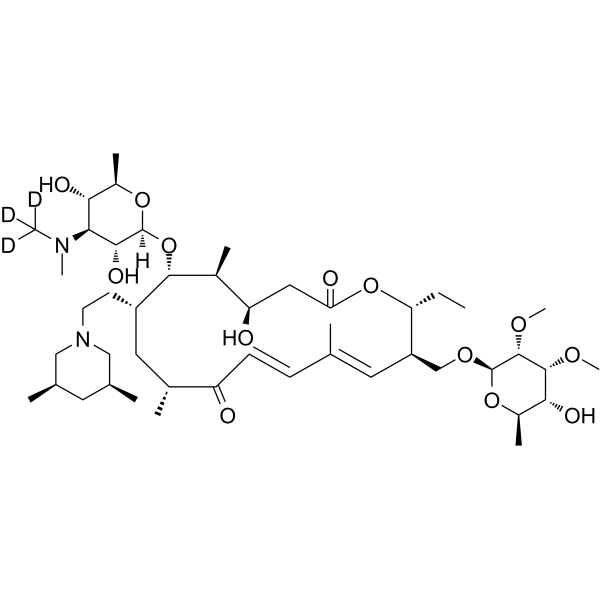
    Tilmicosin-d3 is the deuterium labeled Tilmicosin. Tilmicosin (LY-177370) is an orally active calcium channel antagonist and macrolide antibiotic with antimicrobial activity. Tilmicosin mainly acts on the 50S subunit of bacterial ribosomes, inhibiting protein synthesis. Tilmicosin is effective in the treatment of respiratory diseases in livestock such as cattle, sheep and pigs. In addition, Tilmicosin has immunomodulatory and anti-inflammatory effects .
    Tilmicosin-d3
  • HY-131675

    TNF Receptor Inflammation/Immunology
    CH-100 is an immunomodulatory agent targeting T-cell activation and inflammatory mediator production. CH-100 demonstrates anti-inflammatory and hepatoprotective effects by reducing TNF-α secretion, suppressing CD4+ T-cell proliferation, and lowering endotoxin levels in alcohol-fed rats. CH-100 is promising for research of alcoholic liver disease and T-cell-mediated hepatitis .
    CH-100
  • HY-N16660

    Drug Derivative Neurological Disease Inflammation/Immunology
    Tangshenoside V is a phenylpropanoid glucoside found in the roots of Codonopsis tangshen. Tangshenoside V has potential anti-inflammatory, immunomodulatory and mucosal protective effects. Tangshenoside V can be used for the researches of inflammation, immunology and neurological disease .
    Tangshenoside V
  • HY-112946

    Proteasome Inflammation/Immunology
    LU-001i is a highly specific proteasome β1i (LMP2) inhibitor. LU-001i alone has no significant immunomodulatory effect, but when combined with the LMP7 inhibitor (PRN1126), it can exert anti-inflammatory and immunomodulatory effects. LU-001i can be used for the study of autoimmune diseases .
    LU-001i
  • HY-B0195R

    MK-341 (Standard); SB 252218 (Standard)

    Reference Standards Angiotensin Receptor Prostaglandin Receptor Cardiovascular Disease Inflammation/Immunology Endocrinology Cancer
    Tranilast (Standard) is the analytical standard of Tranilast. This product is intended for research and analytical applications. Tranilast (MK-341) acts as an anti-atopic agent. Tranilast suppresses production of prostaglandin D2 (PGD2, IC50= 0.1 mM). Tranilast sodium exhibits anti-inflammatory and immunomodulatory effects . Tranilast sodium antagonizes angiotensin II and inhibits its biological effects in vascular smooth muscle cells .
    Tranilast (Standard)
  • HY-113212S

    Isotope-Labeled Compounds Apoptosis Endogenous Metabolite Metabolic Disease Inflammation/Immunology
    Ursocholic acid-d4 is deuterium labeled Ursocholic acid. Ursocholic acid, a bile acid present in mammalian bile, is converted to deoxycholic acid (UDC) by the mouse intestinal flora. Ursocholic acid acts as a gallstone dissolving agent in the liver through anti-apoptosis, anti-inflammatory, immunomodulatory, bile regulation, and coordinated changes in mitochondrial integrity and cell signaling, Ursocholic acid also has favorable effects on bones in patients with chronic cholestasis .
    Ursocholic acid-d4
  • HY-B0905AR

    LY-177370 phosphate (Standard); EL-870 phosphate (Standard)

    Reference Standards Bacterial Antibiotic Apoptosis NO Synthase COX Infection Inflammation/Immunology
    Tilmicosin (phosphate) (Standard) is the analytical standard of Tilmicosin (phosphate). This product is intended for research and analytical applications. Tilmicosin (LY-177370) phosphate is an orally active calcium channel antagonist and macrolide antibiotic with antimicrobial activity. Tilmicosin phosphate mainly acts on the 50S subunit of bacterial ribosomes, inhibiting protein synthesis. Tilmicosin phosphate is effective in the treatment of respiratory diseases in livestock such as cattle, sheep and pigs. In addition, Tilmicosin phosphate has immunomodulatory and anti-inflammatory effects .
    Tilmicosin phosphate (Standard)
  • HY-113212R

    Endogenous Metabolite Reference Standards Apoptosis Metabolic Disease Inflammation/Immunology
    Ursocholic acid (Standard) is the analytical standard of Ursocholic acid. This product is intended for research and analytical applications. Ursocholic acid, a bile acid present in mammalian bile, is converted to deoxycholic acid (UDC) by the mouse intestinal flora. Ursocholic acid acts as a gallstone dissolving agent in the liver through anti-apoptosis, anti-inflammatory, immunomodulatory, bile regulation, and coordinated changes in mitochondrial integrity and cell signaling, Ursocholic acid also has favorable effects on bones in patients with chronic cholestasis[1][2][3][4][5].
    Ursocholic acid (Standard)
  • HY-115913

    Phosphodiesterase (PDE) Inflammation/Immunology
    PDE4-IN-6 is a potent, safe and moderately selective PDE4 inhibitor with IC50s of 0.125 and 0.43 µM for PDE4B and PDE4D, respectively. PDE4-IN-6 can downregulate the expression level of TNF-α and IL-6. PDE4-IN-6 has potent immunomodulatory activity thereby its potential against rheumatoid arthritis. Anti-inflammatory and anti-arthritic effects .
    PDE4-IN-6
  • HY-N0591R

    (-)-Dehydrocostus lactone (Standard); Epiligulyl oxide (Standard)

    Reference Standards Bacterial Apoptosis p38 MAPK NF-κB MAPKAPK2 (MK2) Akt NO Synthase Interleukin Related Caspase Infection Inflammation/Immunology Cancer
    Dehydrocostus Lactone (Standard) ((-)-Dehydrocostus lactone (Standard)) is the analytical standard of Dehydrocostus Lactone (HY-N0591). This product is intended for research and analytical applications. Dehydrocostus Lactone is a natural sesquiterpene that can be isolated from Saussurea lappa. Dehydrocostus Lactone has multiple activities such as anti-inflammatory, antibacterial, anti-tumor, and immunomodulatory effects. Dehydrocostus Lactone has an MIC of 2 µg/mL against Mycobacterium tuberculosis. Dehydrocostus Lactone can also inhibit the killing activity of cytotoxic T lymphocytes and induce apoptosis in tumor cells.
    Dehydrocostus Lactone (Standard)
  • HY-N0272R

    Reference Standards Others Inflammation/Immunology
    Eleutheroside E (Standard) is the analytical standard of Eleutheroside E. This product is intended for research and analytical applications. Eleutheroside E is an important component of Eleutheroside and has antioxidant, anti-fatigue, anti-inflammatory, antibacterial, immunomodulatory and cardioprotective effects. Eleutheroside E may inhibit the MAPK signaling pathway, thereby inhibiting H/R-induced NF-κB activation and oxidative stress, reducing metabolic reprogramming, and protecting myocardium from ischemia-reperfusion (I/R) injury. Eleutheroside E also counteracts the effects of high altitude hypobaric hypoxia (HAHI) by inhibiting inflammation and pyroptosis .
    Eleutheroside E (Standard)
  • HY-10790R

    SB-207499 (Standard)

    Phosphodiesterase (PDE) Reference Standards Inflammation/Immunology
    Cilomilast (Standard) is the analytical standard of Cilomilast. This product is intended for research and analytical applications. Cilomilast (SB-207499) is a potent, selective and orally active inhibitor of Phosphodiesterase 4 (PDE4), with IC50s of ~100 and 120 nM for LPDE4 and HPDE4, respectively. Cilomilast shows selectivity for PDE4 over PDE1, PDE2, PDE3 and PDE5 (IC50=74, 65, >100, and 83 μM, respectively). Cilomilast has anti-inflammatory and immunomodulatory effects and can be used for thr research of asthma and chronic obstructive pulmonary disease (COPD) .
    Cilomilast (Standard)
  • HY-N19073

    Others Inflammation/Immunology
    Picrorrhiza kurroa extract is derived from the root of the Picrorrhiza kurroa plant. Its active ingredients include matrine I, matrine II, oleanolic acid, and triterpenoids, which give it hepatoprotective, anti-inflammatory, antioxidant, and immunomodulatory effects.
    Picrorrhiza kurroa extract
  • HY-N19084

    Others Inflammation/Immunology Cancer
    Piper longum fruit extract contains a variety of bioactive compounds, including piperine, flavonoids, phenolic compounds, and various alkaloids. Piper longum fruit extract has applications such as antioxidant activity, anti-inflammatory effects, antitumor and immunomodulatory properties, hepatoprotective effects, and anti-chromosome breakage activity.
    Piper longum fruit extract
  • HY-N17764

    Others Infection Neurological Disease Metabolic Disease Inflammation/Immunology
    Meliasendanin D 4'-O-β-D-glucopyranoside (Example 1) is a neolignan-type lignan that may have potential functions in controlling blood sugar, lowering blood pressure, and exhibiting antibacterial, anti-inflammatory, analgesic, or immunomodulatory effects, which require further experimental verification.
    Meliasendanin D 4'-O-β-D-glucopyranoside

オンラインお問い合わせ

入力情報は安全に管理されます. 必須入力項目.

タイトル


国或いは地域 *

お名前 *


組纖名 *

デパートメント *


メールアドレス *


製品名 *

製品番号


カスタマ需要量 *

電話番号 *


必ず会社名を記載ください。個人への返信は行いません。

備考

バルクお問い合わせ

Inquiry Information

製品名:
製品番号:
数量:
MCE 日本正規代理店: