



Dehydrocostus Lactone (Standard)
Dehydrocostus Lactone (Standard) ((-)-Dehydrocostus lactone (Standard)) is the analytical standard of Dehydrocostus Lactone (HY-N0591). This product is intended for research and analytical applications. Dehydrocostus Lactone is a natural sesquiterpene that can be isolated from Saussurea lappa. Dehydrocostus Lactone has multiple activities such as anti-inflammatory, antibacterial, anti-tumor, and immunomodulatory effects. Dehydrocostus Lactone has an MIC of 2 µg/mL against Mycobacterium tuberculosis. Dehydrocostus Lactone can also inhibit the killing activity of cytotoxic T lymphocytes and induce apoptosis in tumor cells.
Nos produits utilisent uniquement pour la recherche. Nous ne vendons pas aux patients.
- Pureté : 98%
- CAS No.: 477-43-0
- Formule: C15H18O2
- Masse moléculaire:230.30
-
Stockage:
Please store the product under the recommended conditions in the Certificate of Analysis.


To place orders, for customer services and technical support, please contact: MedChemExpress USA
Tel: 609-228-6898 E-mail: [email protected] [email protected]


-
 Product Information
-
Chemical Information
- Pureté et documentation
-
 Help & FAQs


-
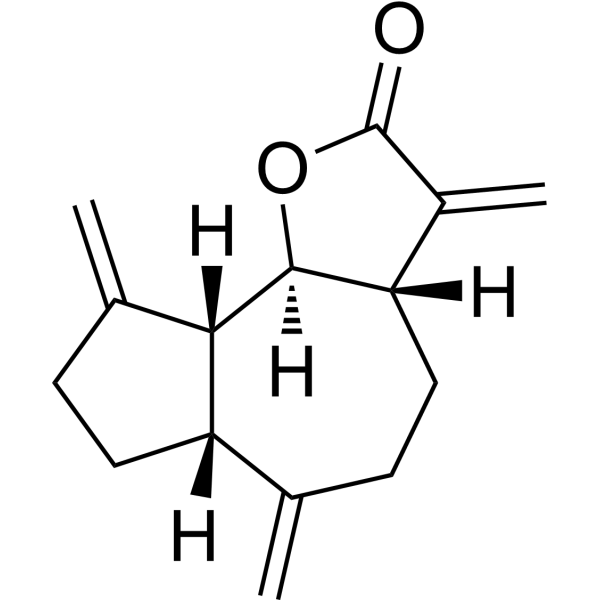
HY-N0591
Dehydrocostus LactoneSesquiterpene -
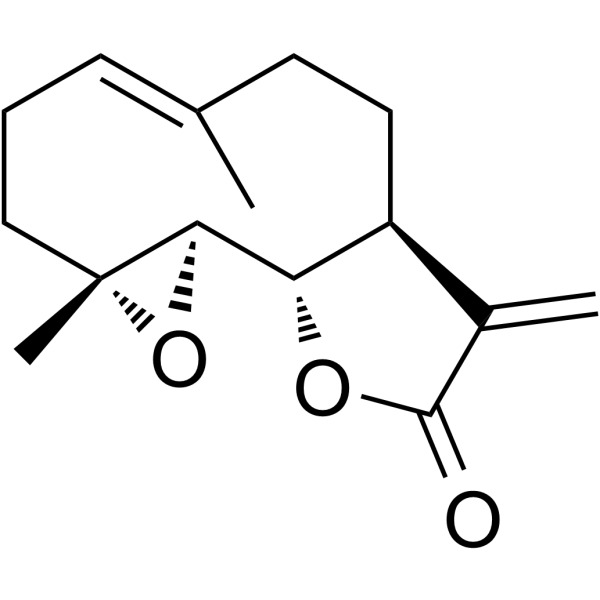
HY-N0141
ParthenolideNF-κB Inhibitor -
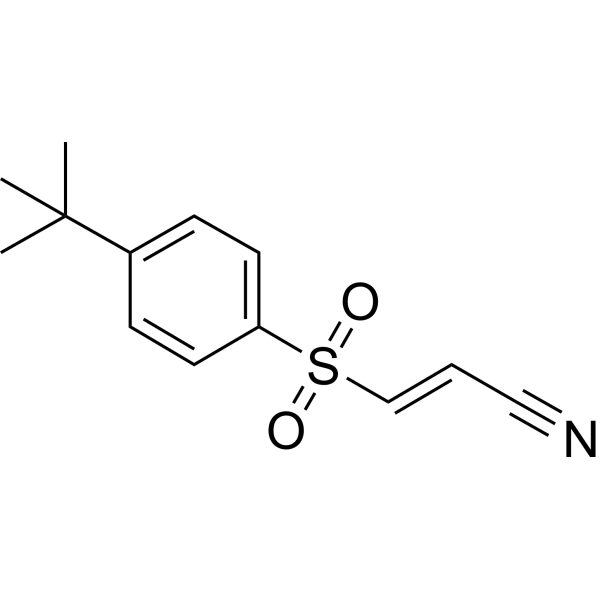
HY-10257
BAY 11-7085NF-κB Activation Inhibitor -
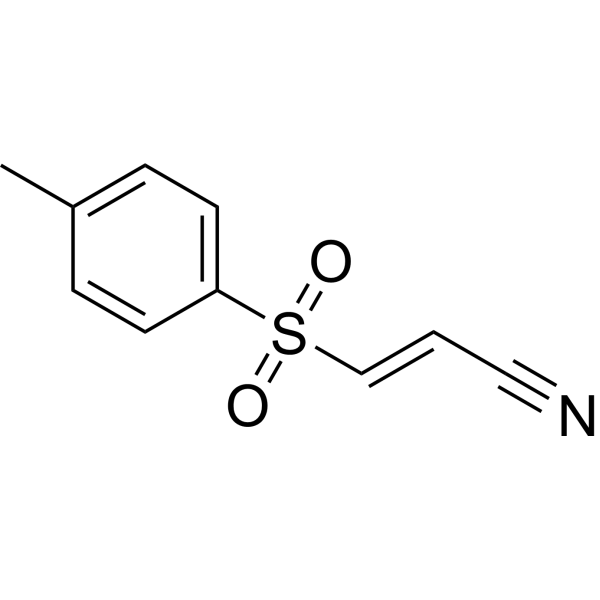
HY-13453
BAY 11-7082IκBα/NF-κB Inhibitor -
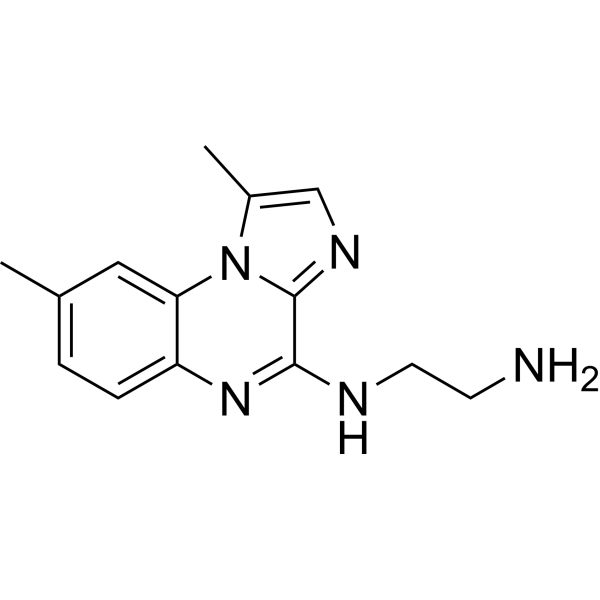
HY-10519
BMS-345541IKK-1/IKK-2 Inhibitor -
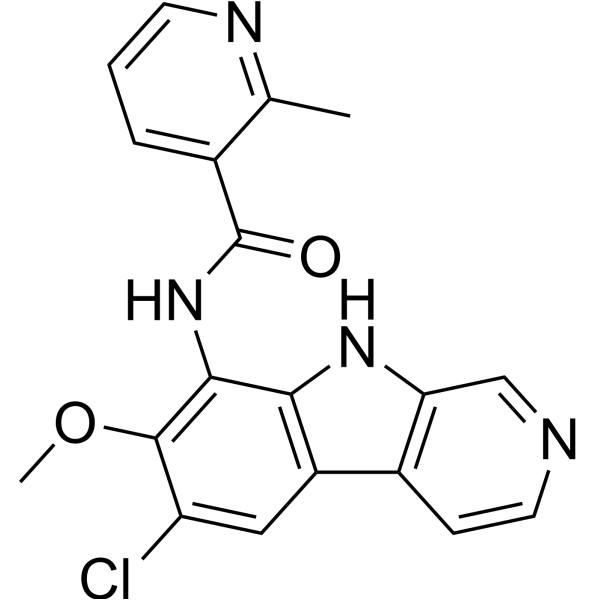
HY-15473
MLN120BIKKβ Inhibitor -
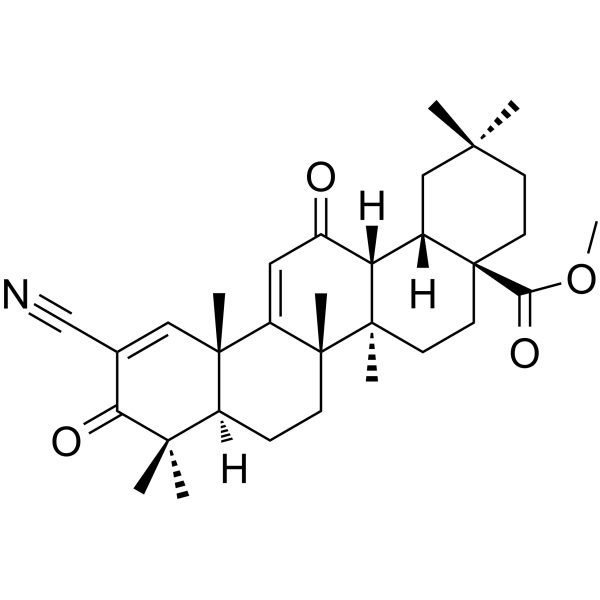
HY-13324
Bardoxolone methylNrf2 Activator -
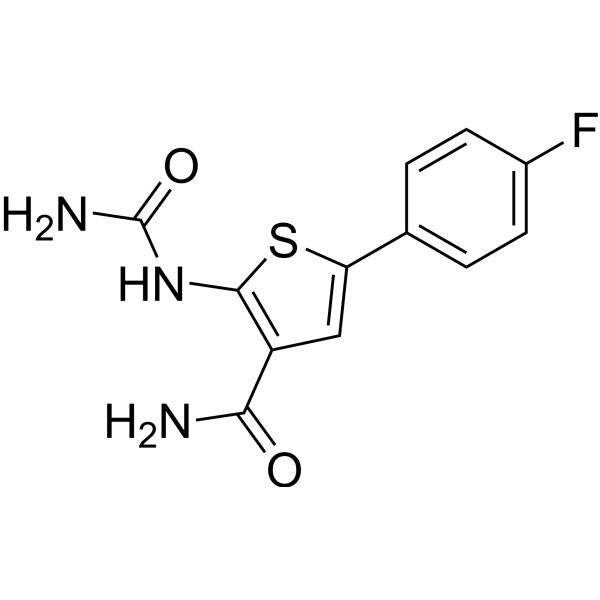
HY-10074
TPCA-1IKK-2 Inhibitor -
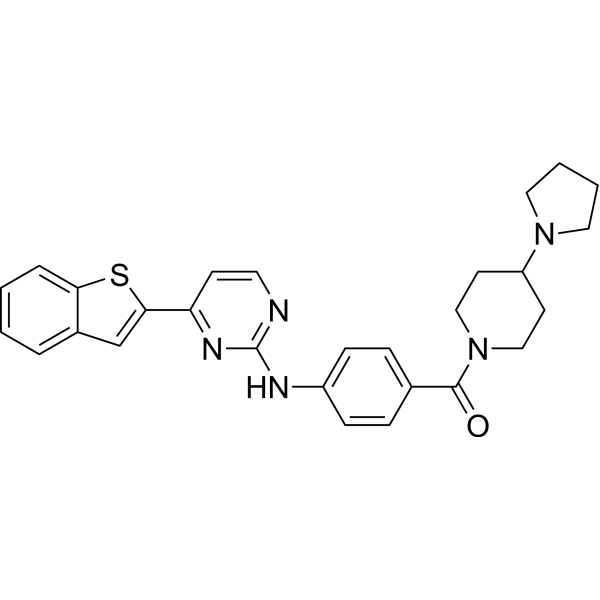
HY-13687
IKK 16IKK Inhibitor -
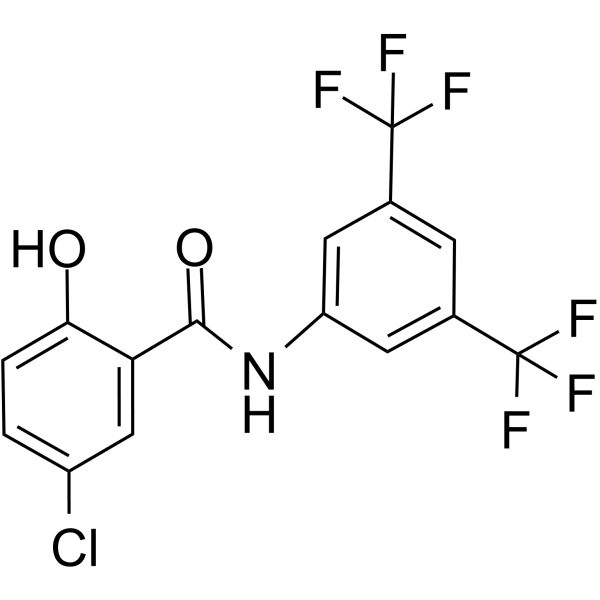
HY-10172
IMD-0354IKKβ Inhibitor -
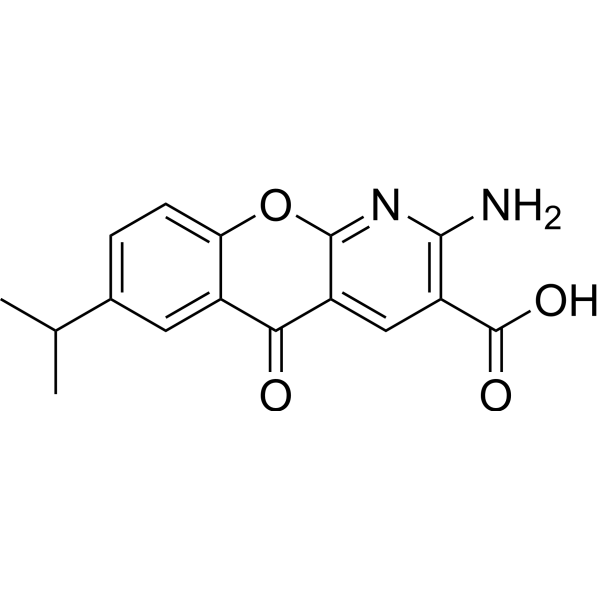
HY-B0713
AmlexanoxIKK Inhibitor -
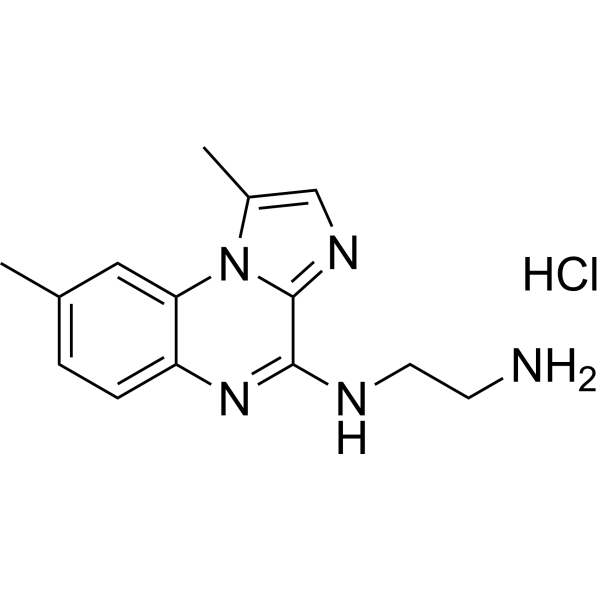
HY-10518
BMS-345541 hydrochlorideIKK-1/IKK-2 Inhibitor


Product Information
Information
Application
The compound is the grade of analytical standard, which is the reference standard supplied assay. It is commonly used in qualitative, quantitative and methodological research experiments in HPLC, GC and MS.


Chemical Information
-
CAS No. 477-43-0
-
Masse moléculaire 230.30
-
Formule C15H18O2
-
SMILES
O=C(O[C@@]([C@@]1([H])C(CC[C@@]21[H])=C)([H])[C@@]3([H])CCC2=C)C3=C
-
Synonyms
(-)-Dehydrocostus lactone (Standard); Epiligulyl oxide (Standard)
-
Structure Classification
-
Livraison
Room temperature in continental US; may vary elsewhere.
-
Stockage
Please store the product under the recommended conditions in the Certificate of Analysis.


Pureté et documentation
Références
[2]. Lee HJ, et al. A sesquiterpene, dehydrocostus lactone, inhibits the expression of inducible nitric oxide synthase and TNF-alpha in LPS-activated macrophages. Planta Med. 1999 Mar;65(2):104-8. [Content Brief]
[4]. Nie Y, Wang Z, Chai G, et al. Dehydrocostus Lactone Suppresses LPS-induced Acute Lung Injury and Macrophage Activation through NF-κB Signaling Pathway Mediated by p38 MAPK and Akt. Molecules. 2019;24(8):1510. [Content Brief]

Calculators
Concentration (start) × Volume (start) = Concentration (final) × Volume (final)


Dehydrocostus Lactone (Standard) Related Classifications
HY-N0591R Related Classifications
 Powered by Bioz