
1. Search Result
Search Result
Results for "

anti-malarial effects

" in MedChemExpress (MCE) Product Catalog:

38

Inhibitors & Agonists

19

Natural
Products

6

Isotope-Labeled Compounds

1

Oligonucleotides

Cat. No. Product Name Target Research Areas Chemical Structure
  • HY-B0094
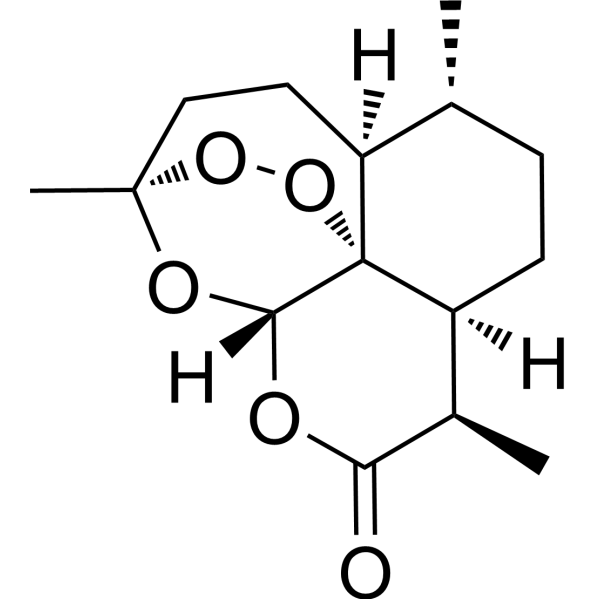
    Artemisinin
    30+ Cited Publications

    Qinghaosu; NSC 369397

    HCV Parasite Akt Ferroptosis Infection Neurological Disease Metabolic Disease Inflammation/Immunology Cancer
    Artemisinin (Qinghaosu), a sesquiterpene lactone, is an anti-malarial agent isolated from the aerial parts of Artemisia annua L. plants . Artemisinin inhibits AKT signaling pathway by decreasing pAKT in a dose-dependent manner. Artemisinin reduces cancer cell proliferation, migration, invasion, tumorigenesis and metastasis and has neuroprotective effects .
    Artemisinin
  • HY-N0674
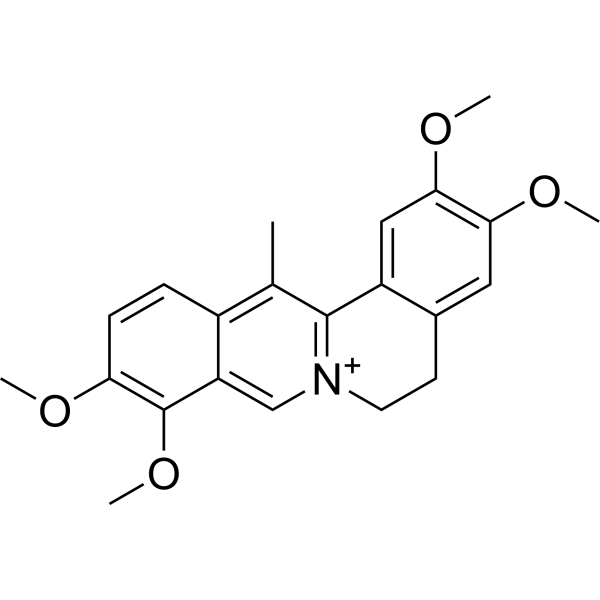
    Dehydrocorydaline
    Maximum Cited Publications
    44 Publications Verification

    13-Methylpalmatine

    Bcl-2 Family Caspase PARP p38 MAPK Parasite Autophagy Infection Cancer
    Dehydrocorydaline (13-Methylpalmatine) is an alkaloid that regulates protein expression of Bax, Bcl-2; activates caspase-7, caspase-8, and inactivates PARP . Dehydrocorydaline elevates p38 MAPK activation. Anti-inflammatory and anti-cancer activities . Dehydrocorydaline shows strong anti-malarial effects (IC50=38 nM), and low cytotoxicity (cell viability > 90%) using P. falciparum 3D7 strain .
    Dehydrocorydaline
  • HY-126741
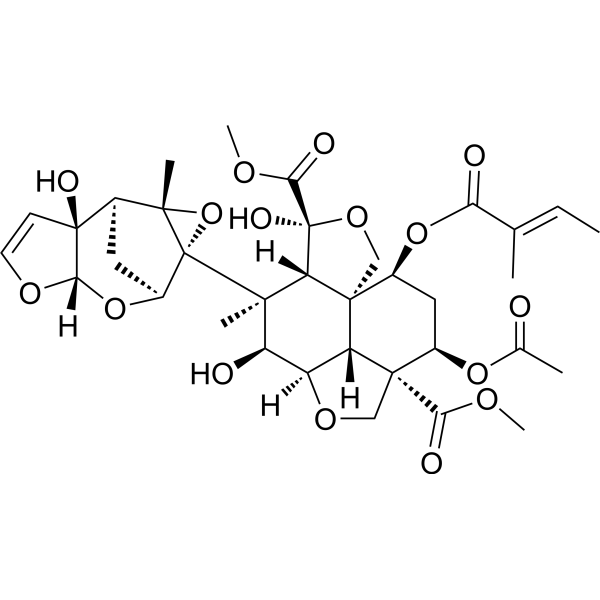
    Azadirachtin
    2 Publications Verification

    Environmental Pollutants Parasite Caspase NF-κB Apoptosis Bcl-2 Family Infection Inflammation/Immunology Cancer
    Azadirachtin is an oral active triterpenoid compound with anticancer, antimalarial, anti-inflammatory, and insecticidal activities. Azadirachtin induces cell apoptosis through the mitochondrial pathway (by inhibiting Bcl-2/Bax ratio or activating Apaf-1 and caspase-3) or through death receptors (by inhibiting TNFR activation). Additionally, Azadirachtin exerts its anti-inflammatory effects by inhibiting NF-кB signaling pathway activation, and it exhibits insecticidal activity by inducing apoptosis in insect cells .
    Azadirachtin
  • HY-N0152
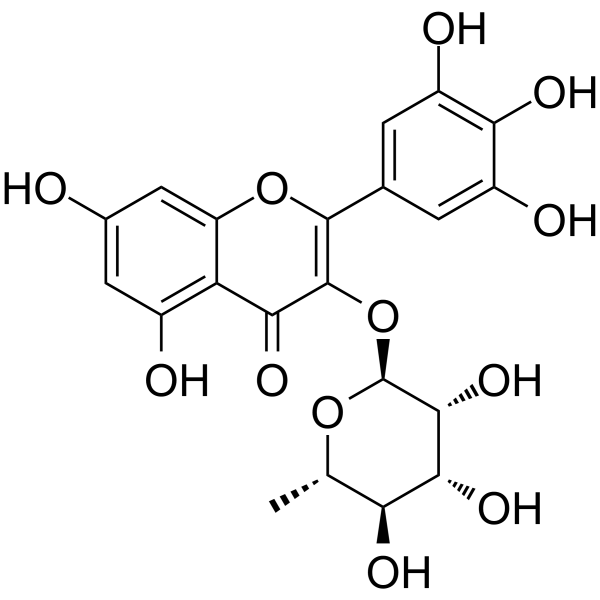
    Myricitrin
    3 Publications Verification

    PKC NO Synthase TNF Receptor Parasite Infection Neurological Disease Inflammation/Immunology
    Myricitrin, a naturally occurring flavonoid, is an orally active nitric oxide (NO) and PKC inhibitor. Myricitrin has central nervous system activity, including anxiolytic-like action. Myricitrin possesses antioxidant, anti-inflammatory, antifibrotic and anti-malarial effects .
    Myricitrin
  • HY-B1359
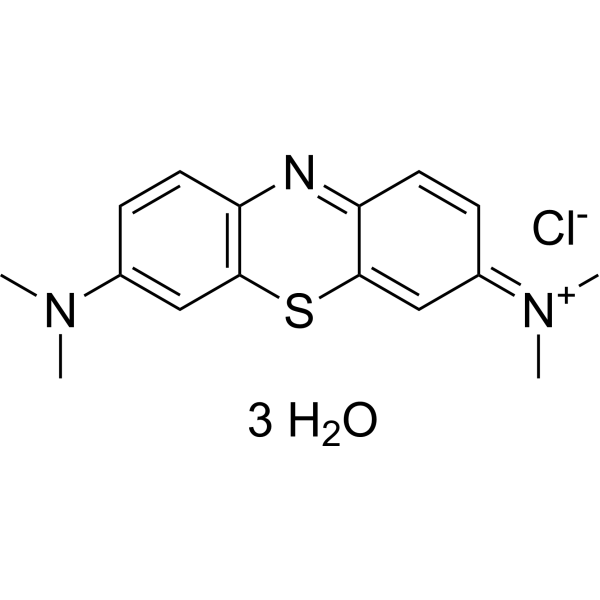
    Methylene blue trihydrate
    25+ Cited Publications

    C.I. Basic Blue 9 trihydrate

    Guanylate Cyclase Monoamine Oxidase NO Synthase Parasite Infection Neurological Disease Cancer
    Methylene blue trihydrate (C.I. Basic Blue 9 trihydrate) is a guanylyl cyclase (sGC), monoamine oxidase A (MAO-A) and NO synthase (NOS) inhibitor. Methylene blue trihydrate is a vasopressor and is often used as a dye in several medical procedures. Methylene blue trihydrate has antinociception, antimalarial, antidepressant and anxiolytic activity effects. Methylene Blue trihydrate has the potential for methemoglobinemias, neurodegenerative disorders and ifosfamide-induced encephalopathytreatment .
    Methylene blue trihydrate
  • HY-N6664

    Arabic gum

    Environmental Pollutants Parasite Apoptosis PERK Transmembrane Glycoprotein Infection Cardiovascular Disease Neurological Disease Metabolic Disease Cancer
    Gum Arabic is an orally active complex branched polysaccharide. Gum Arabic can be isolated from the Acacia senegal tree. Gum Arabic upregulates the expression of maturation markers (CD86, CD40, and CD54), promotes ERK1/2 phosphorylation, and inhibits Apoptosis. Gum Arabic exhibits antimalarial effects against Plasmodium berghei ANKA. Gum Arabic exhibits hepatoprotective, renal, and cardiovascular protective activities. Gum Arabic improves obesity. Gum Arabic is commonly used as a stabilizer and thickener. Gum Arabic can be used in the research of brain tumor imaging .
    Gum arabic
  • HY-131904A

    Enolase Parasite Infection Cancer
    Hex is an enolase inhibitor and antimalarial agent with Ki values of 74.4 nM and 269.4 nM for ENO2 and ENO1, respectively. Hex is a NfENO and TbENO inhibitor with IC50s value of 0.14 μM and 2.1 μM, respectively. Hex has antimalarial activity against Plasmodium falciparum 3D7, Naegleria fowleri trophozoites and Plasmodium berghei ANKA strain. Hex has anti-tumor effects against intracranial tumors .
    Hex
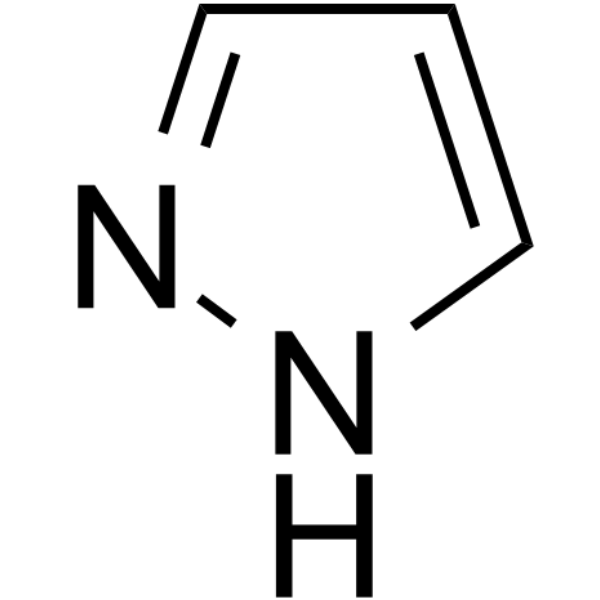
  • HY-76228

    Pyrazole

    Parasite iGluR Infection
    1H-pyrazole (Pyrazole) is a five-membered heterocyclic compound, and its derivatives are orally effective antimalarial and antileishmanial agents with the potential to modulate targets such as alcohol dehydrogenase and NMDA receptors. 1H-pyrazole derivatives exhibit inhibitory effects on Plasmodium berghei in infected mice and on promastigotes of Leishmania aethiopica, respectively. 1H-pyrazole can be used in research related to malaria and leishmaniasis .
    1H-pyrazole
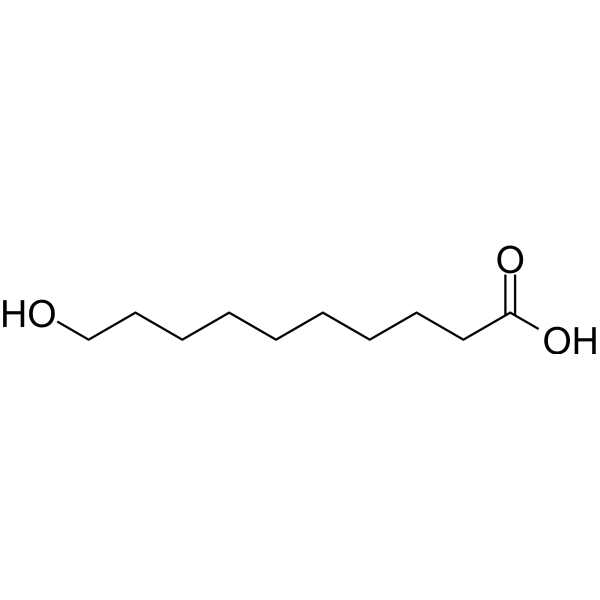
  • HY-Y0148

    NSC 15139; 10-HDAA

    Parasite Autophagy NF-κB Interleukin Related NO Synthase MDM-2/p53 TNF Receptor RANKL/RANK Caspase Infection Neurological Disease Inflammation/Immunology
    10-Hydroxydecanoic acid (10-HDAA) is a saturated fatty acid derived from 10-hydroxy-trans-2-decenoic acid, which can be isolated from royal jelly. 10-Hydroxydecanoic acid exhibits various biological activities, including anti-inflammatory, insecticidal, anti-malarial, and anti-Leishmania properties, as well as enhancing antigen-specific immune responses. The anti-inflammatory effects of 10-Hydroxydecanoic acid are primarily mediated by inhibiting the activation of NF-κB and the translation of interferon regulatory factor 1 (IRF-1), which reduces the production of interleukin 6 (IL-6) and nitric oxide (NO) in inflammatory cells. Additionally, 10-Hydroxydecanoic acid alleviates neuroinflammatory responses through the p53-autophagy pathway and the p53-NLRP3 pathway. Finally, 10-Hydroxydecanoic acid enhances antigen-specific immune responses by promoting the effective uptake of antigens by microfold cells .
    10-Hydroxydecanoic acid
  • HY-N1457
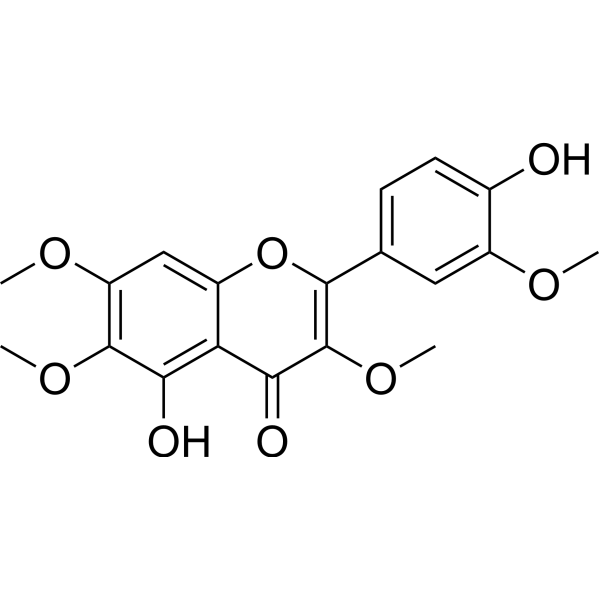
    Chrysosplenetin
    3 Publications Verification

    P-glycoprotein Topoisomerase Apoptosis DNA/RNA Synthesis Wnt β-catenin Parasite Infection Metabolic Disease Cancer
    Chrysosplenetin is an orally active polymethoxyflavone. Chrysosplenetin exerts anticancer effects by inhibiting topoisomerase, protecting DNA and inducing apoptosis. Chrysosplenetin acts as an antimalarial sensitizer, reverses Artemisinin (HY-B0094) resistance by inhibiting and downregulating P-glycoprotein, and enhances the efficacy of Artemisinin. Chrysosplenetin promotes bone formation by activating the Wnt/β-catenin pathway and exerts anti-osteoporotic effects .
    Chrysosplenetin
  • HY-W012732
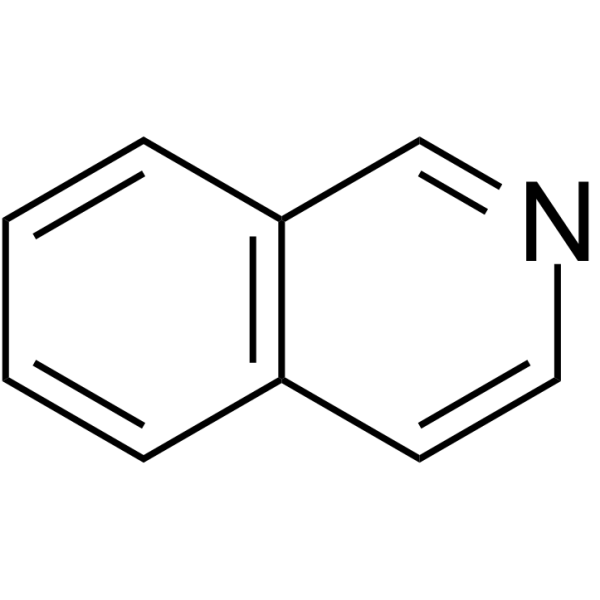
    Isoquinoline
    2 Publications Verification

    Environmental Pollutants Parasite Drug Isomer TNF Receptor HIV NF-κB Interleukin Related Neurological Disease Cancer
    Isoquinoline is an analog of pyridine. Isoquinoline-based alkaloids, such as p-tolyl bisisoquinoline, phthaloyl isoquinoline, and naphthyl isoquinoline, exhibit anticancer activity. Berberine, an isoquinoline alkaloid, exerts anti-inflammatory effects in diabetic mice by downregulating the gene expression ratios of pro-/anti-inflammatory and Th1/Th2 cytokines. Additionally, some isoquinoline-based compounds also possess antidepressant, antibacterial, antimalarial, and anti-HIV activities .
    Isoquinoline
  • HY-B0094R

    Qinghaosu (Standard); NSC 369397 (Standard)

    Reference Standards HCV Parasite Akt Ferroptosis Infection Neurological Disease Cancer
    Artemisinin (Standard) is the analytical standard of Artemisinin. This product is intended for research and analytical applications. Artemisinin (Qinghaosu), a sesquiterpene lactone, is an anti-malarial agent isolated from the aerial parts of Artemisia annua L. plants . Artemisinin inhibits AKT signaling pathway by decreasing pAKT in a dose-dependent manner. Artemisinin reduces cancer cell proliferation, migration, invasion, tumorigenesis and metastasis and has neuroprotective effects .
    Artemisinin (Standard)
  • HY-N0674A
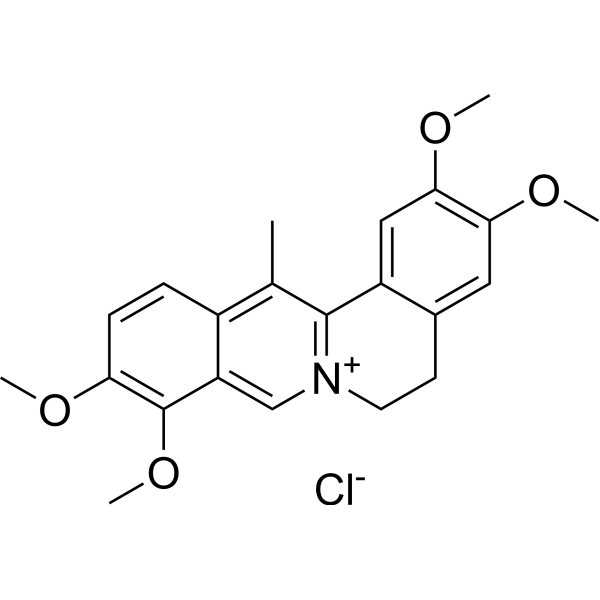
    Dehydrocorydaline chloride
    Maximum Cited Publications
    44 Publications Verification

    13-Methylpalmatine chloride

    Bcl-2 Family Caspase PARP p38 MAPK Parasite Autophagy Infection Cancer
    Dehydrocorydaline chloride (13-Methylpalmatine chloride) is an alkaloid that regulates protein expression of Bax, Bcl-2; activates caspase-7, caspase-8, and inactivates PARP . Dehydrocorydaline chloride elevates p38 MAPK activation. Anti-inflammatory and anti-cancer activities . Dehydrocorydaline chloride shows strong anti-malarial effects (IC50?=38 nM), and low cytotoxicity (cell viability?>?90%) using P. falciparum 3D7 strain .
    Dehydrocorydaline chloride
  • HY-N0674B
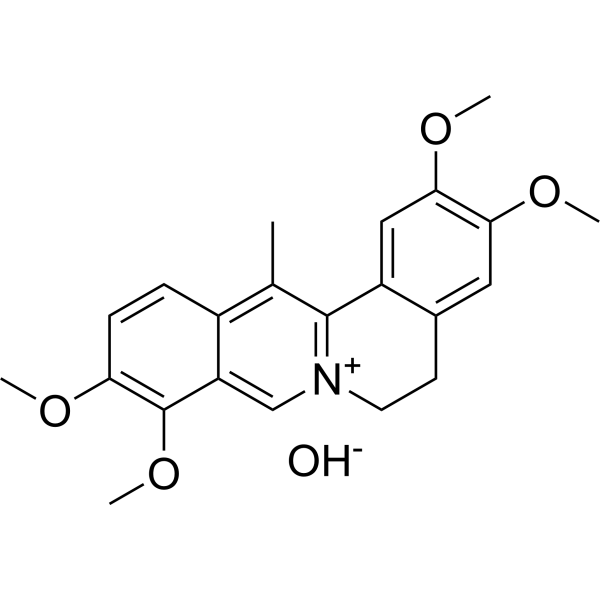
    Dehydrocorydaline (hydroxyl)
    40+ Cited Publications

    13-Methylpalmatine (hydroxyl)

    Bcl-2 Family Caspase PARP p38 MAPK Parasite Autophagy Infection Inflammation/Immunology Cancer
    Dehydrocorydaline (13-Methylpalmatine) hydroxyl is an alkaloid that regulates protein expression of Bax, Bcl-2; activates caspase-7, caspase-8, and inactivates PARP. Dehydrocorydaline hydroxyl elevates p38 MAPK activation. Anti-inflammatory and anti-cancer activities. Dehydrocorydaline hydroxyl shows strong anti-malarial effects (IC50=38 nM), and low cytotoxicity (cell viability > 90%) using P. falciparum 3D7 strain.
    Dehydrocorydaline (hydroxyl)
  • HY-N4238
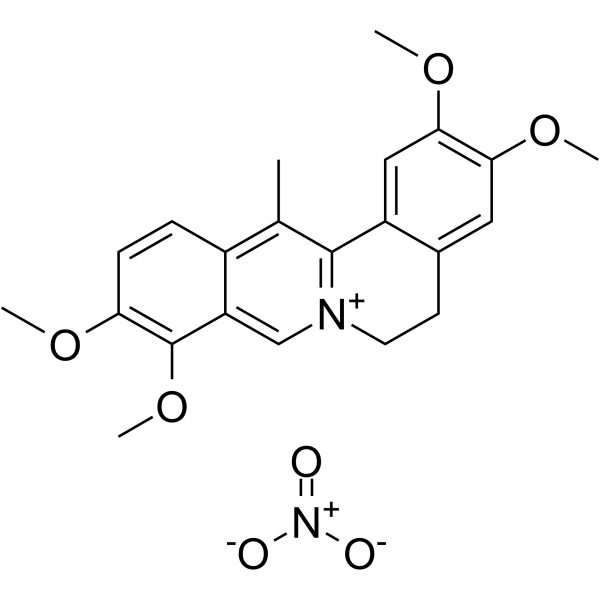
    Dehydrocorydaline nitrate
    40+ Cited Publications

    13-Methylpalmatine nitrate

    Bcl-2 Family Caspase PARP p38 MAPK Parasite Autophagy Infection Cancer
    Dehydrocorydaline nitrate (13-Methylpalmatine nitrate) is an alkaloid. Dehydrocorydaline regulates protein expression of Bax, Bcl-2; activates caspase-7, caspase-8, and inactivates PARP . Dehydrocorydaline nitrate elevates p38 MAPK activation. Anti-inflammatory and anti-cancer activities. . Dehydrocorydaline nitrate shows strong anti-malarial effects (IC50 =38 nM), and low cytotoxicity (cell viability > 90%) using P. falciparum 3D7 strain .
    Dehydrocorydaline nitrate
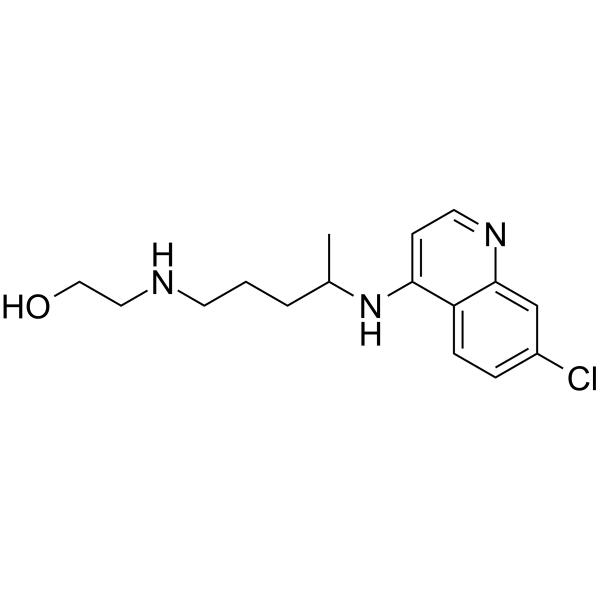
  • HY-135810

    Desethylhydroxychloroquine

    CHIKV Influenza Virus Parasite Infection Inflammation/Immunology
    Cletoquine (Desethylhydroxychloroquine) is a major active metabolite of Hydroxychloroquine. Cletoquine is produced in the liver by CYP2D6, CYP3A4, CYP3A5, and CYP2C8 isoenzymes. Cletoquine is also a Chloroquine derivative and has the ability to against the chikungunya virus (CHIKV). Cletoquine has antimalarial effects and has the potential for autoimmune diseases treatment .
    Cletoquine
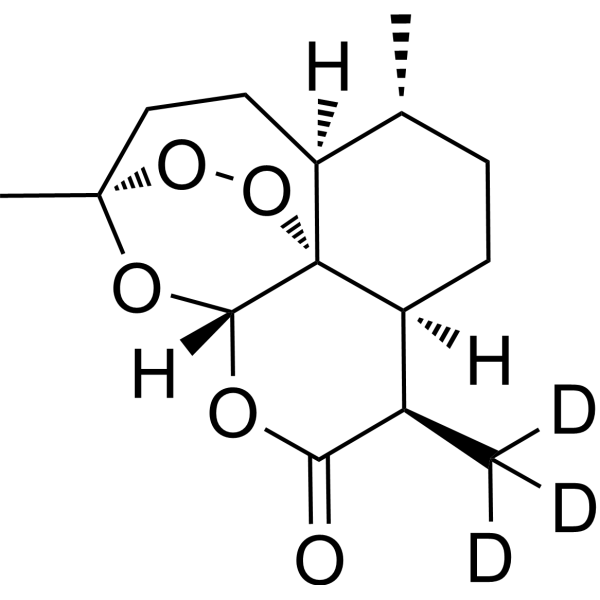
  • HY-B0094S

    Qinghaosu-d3; NSC 369397-d3

    Akt Ferroptosis HCV Parasite Infection Neurological Disease Cancer
    Artemisinin-d3 is the deuterium labeled Artemisinin. Artemisinin (Qinghaosu), a sesquiterpene lactone, is an anti-malarial agent isolated from the aerial parts of Artemisia annua L. plants . Artemisinin inhibits AKT signaling pathway by decreasing pAKT in a dose-dependent manner. Artemisinin reduces cancer cell proliferation, migration, invasion, tumorigenesis and metastasis and has neuroprotective effects .
    Artemisinin-d3
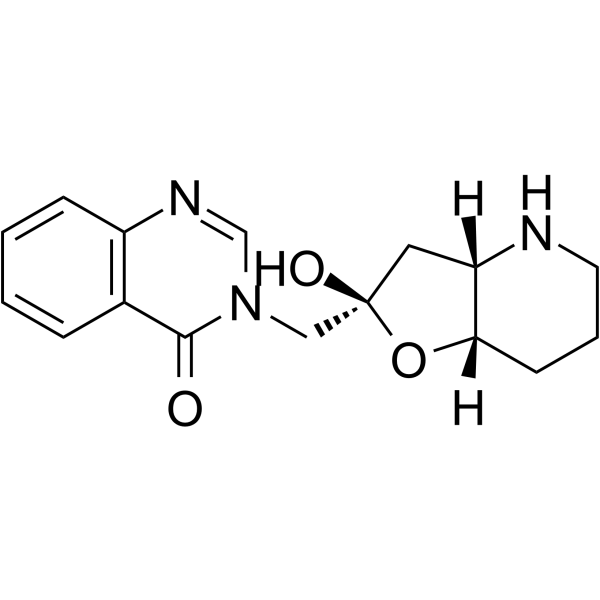
  • HY-N5029

    Parasite Infection
    Isofebrifugine is a natural quinazolinone alkaloid with important physiological activities and good pharmacological effects. Antimalarial effect .
    Isofebrifugine
  • HY-174393

    Parasite Mitochondrial Metabolism Infection
    Gamhepathiopine is a thienopyrimidinone compound. Gamhepathiopine exerts antimalarial effects by targeting the Qo site of Plasmodium falciparum cytochrome b and inhibiting the activity of complex III in the electron transport chain .
    Gamhepathiopine
  • HY-N0152R

    Reference Standards PKC NO Synthase TNF Receptor Parasite Infection Neurological Disease Inflammation/Immunology
    Myricitrin (Standard) is the analytical standard of Myricitrin. This product is intended for research and analytical applications. Myricitrin, a naturally occurring flavonoid, is an orally active nitric oxide (NO) and PKC inhibitor. Myricitrin has central nervous system activity, including anxiolytic-like action. Myricitrin possesses antioxidant, anti-inflammatory, antifibrotic and anti-malarial effects .
    Myricitrin (Standard)
  • HY-B0094S3

    Qinghaosu-13C,d4; NSC 369397-13C,d4

    Ferroptosis Akt Parasite HCV Isotope-Labeled Compounds Infection Neurological Disease Cancer
    Artemisinin- 13C,d4 is 13C and deuterated labeled Artemisinin (HY-B0094). Artemisinin (Qinghaosu), a sesquiterpene lactone, is an anti-malarial agent isolated from the aerial parts of Artemisia annua L. plants . Artemisinin inhibits AKT signaling pathway by decreasing pAKT in a dose-dependent manner. Artemisinin reduces cancer cell proliferation, migration, invasion, tumorigenesis and metastasis and has neuroprotective effects .
    Artemisinin-13C,d4
  • HY-163070

    Parasite Infection
    Antimalarial agent 35 (compound QP11) is a selective inhibitor FP2. Antimalarial agent 35 has antimalarial activity and shows synergistic effects when combined with chloroquine(HY-17589A) .
    Antimalarial agent 35
  • HY-121804

    Parasite Others
    SSJ-183 is a compound with antimalarial activity, with activity that modulates antimalarial effects and pharmacokinetic properties. SSJ-183 has shown some activity in antimalarial studies, and its pharmacokinetic properties are between those of other tested compounds, which is of certain significance for the study of new antimalarial combination therapies.
    SSJ-183
  • HY-167647

    Parasite Infection
    Menoctone is an orally active antimalarial agent that demonstrates suppressive effects against blood-induced rodent malaria. Menoctone enhances the anti-malarias effect of chloroquine or quinine and can be utilized in malarias research .
    Menoctone
  • HY-13735E

    Mepacrine methanesulfonate; SN-390 methanesulfonate

    Parasite Apoptosis Autophagy Mitophagy Infection Cancer
    Quinacrine (Mepacrine) methanesulfonate is a potent, orally active antimalarial agent with antitumor effects in vitro and in vivo. Quinacrine dihydrochloride inhibits NF-κB and activates p53 signaling, inducing apoptosis in tumor cells .
    Quinacrine methanesulfonate
  • HY-Y0148R

    NSC 15139 (Standard); 10-HDAA (Standard)

    Reference Standards Parasite Autophagy NF-κB Interleukin Related NO Synthase MDM-2/p53 TNF Receptor RANKL/RANK Caspase Infection Neurological Disease Inflammation/Immunology
    10-Hydroxydecanoic acid (Standard) is the analytical standard of 10-Hydroxydecanoic acid. This product is intended for research and analytical applications. 10-Hydroxydecanoic acid (10-HDAA) is a saturated fatty acid derived from 10-hydroxy-trans-2-decenoic acid, which can be isolated from royal jelly. 10-Hydroxydecanoic acid exhibits various biological activities, including anti-inflammatory, insecticidal, anti-malarial, and anti-Leishmania properties, as well as enhancing antigen-specific immune responses. The anti-inflammatory effects of 10-Hydroxydecanoic acid are primarily mediated by inhibiting the activation of NF-κB and the translation of interferon regulatory factor 1 (IRF-1), which reduces the production of interleukin 6 (IL-6) and nitric oxide (NO) in inflammatory cells. Additionally, 10-Hydroxydecanoic acid alleviates neuroinflammatory responses through the p53-autophagy pathway and the p53-NLRP3 pathway. Finally, 10-Hydroxydecanoic acid enhances antigen-specific immune responses by promoting the effective uptake of antigens by microfold cells[1][2][3][4][5].
    10-Hydroxydecanoic acid (Standard)
  • HY-111817A

    Parasite Infection
    (Rac)-ACT-451840 is an isomer of ACT-451840 that exhibits significant antimalarial effects. (Rac)-ACT-451840 exhibits significant antimalarial activity against P. berghei-infected mice at a dose of 20 mg/kg (ED90=13 mg/kg), and has an inhibitory effect at a dose of 300 mg/kg. The ED90 of (Rac)-ACT-451840 in the P. falciparum humanized immunodeficient mouse model is 3.7 mg/kg. (Rac)-ACT-451840 is similar to artemisinin, with a rapid onset of action but requires repeated high doses.
    (Rac)-ACT-451840
  • HY-135810A

    Desethylhydroxychloroquine oxalate

    CHIKV Influenza Virus Parasite Infection Inflammation/Immunology
    Cletoquine oxalate (Desethylhydroxychloroquine oxalate) is a major active metabolite of Hydroxychloroquine. Cletoquine oxalate is produced in the liver by CYP2D6, CYP3A4, CYP3A5, and CYP2C8 isoenzymes. Cletoquine oxalate is also a Chloroquine derivative and has the ability to against the chikungunya virus (CHIKV). Cletoquine oxalate has antimalarial effects and has the potential for autoimmune diseases treatment .
    Cletoquine oxalate
  • HY-135810S

    Desethylhydroxychloroquine-d4

    Isotope-Labeled Compounds CHIKV Influenza Virus Parasite Infection Inflammation/Immunology
    Cletoquine-d4 is deuterium labeled Cletoquine. Cletoquine (Desethylhydroxychloroquine) is a major active metabolite of Hydroxychloroquine. Cletoquine is produced in the liver by CYP2D6, CYP3A4, CYP3A5, and CYP2C8 isoenzymes. Cletoquine is also a Chloroquine derivative and has the ability to against the chikungunya virus (CHIKV). Cletoquine has antimalarial effects and has the potential for autoimmune diseases treatment .
    Cletoquine-d4
  • HY-135810S1

    Desethylhydroxychloroquine-d4-1

    Isotope-Labeled Compounds CHIKV Influenza Virus Parasite Infection Inflammation/Immunology
    Cletoquine-d4-1 is the deuterium labeled Cletoquine. Cletoquine (Desethylhydroxychloroquine) is a major active metabolite of Hydroxychloroquine. Cletoquine is produced in the liver by CYP2D6, CYP3A4, CYP3A5, and CYP2C8 isoenzymes. Cletoquine is also a Chloroquine derivative and has the ability to against the chikungunya virus (CHIKV). Cletoquine has antimalarial effects and has the potential for autoimmune diseases treatment .
    Cletoquine-d4-1
  • HY-W777442

    Isotope-Labeled Compounds Influenza Virus Parasite CHIKV Infection
    Cletoquine-d4 Oxalate is the deuterium labeled Cletoquine (oxalate) (HY-135810A). Cletoquine oxalate (Desethylhydroxychloroquine oxalate) is a major active metabolite of Hydroxychloroquine. Cletoquine oxalate is produced in the liver by CYP2D6, CYP3A4, CYP3A5, and CYP2C8 isoenzymes. Cletoquine oxalate is also a Chloroquine derivative and has the ability to against the chikungunya virus (CHIKV). Cletoquine oxalate has antimalarial effects and has the potential for autoimmune diseases treatment .
    Cletoquine-d4 Oxalate
  • HY-76228R

    Pyrazole (Standard)

    Reference Standards Parasite iGluR Infection Inflammation/Immunology
    1H-pyrazole (Standard) is the analytical standard of 1H-pyrazole. This product is intended for research and analytical applications. 1H-pyrazole (Pyrazole) is a five-membered heterocyclic compound, and its derivatives are orally effective antimalarial and antileishmanial agents with the potential to modulate targets such as alcohol dehydrogenase and NMDA receptors. 1H-pyrazole derivatives exhibit inhibitory effects on Plasmodium berghei in infected mice and on promastigotes of Leishmania aethiopica, respectively. 1H-pyrazole can be used in research related to malaria and leishmaniasis .
    1H-pyrazole (Standard)
  • HY-W665882

    TNF Receptor Parasite Drug Metabolite Infection Inflammation/Immunology
    Norketotifen is the active metabolite of Ketotifen (HY-B0157). Norketotifen exhibits skin anti-inflammatory activity, anti-malarial activity, and antipruritic activity against non-histamine-mediated dog itching in mice. Norketotifen effectively inhibits TNF-α release without causing any sedative side effects. Norketotifen can be used for research on non-sedating anti-inflammatory agents .
    Norketotifen
  • HY-N19054

    Others Infection Neurological Disease Inflammation/Immunology
    Cinchona ledgeriana extract, derived from the bark of the cinchona tree, is rich in alkaloids such as quinine and quinidine, and has antimalarial, anti-inflammatory, analgesic, and antioxidant effects.
    Cinchona ledgeriana extract
  • HY-N18878

    Bacterial Endogenous Metabolite Parasite Infection
    Ambigol C is an ambigol, Antibacterial agent and Antimalarial agent. Ambigol C is isolated from Fischerella ambigua 108b. Ambigol C exhibits selective antibacterial activity against Gram-positive Staphylococcus aureus strains (including MRSA) with MIC values of 0.98-3.91 μg/mL. Ambigol C also shows potent antibacterial activity against B. megaterium, and possesses weak antimalarial and trypanocidal effects. Ambigol C can be used in the research of bacterial infections, plasmodial infections and trypanosomal infections .
    Ambigol C
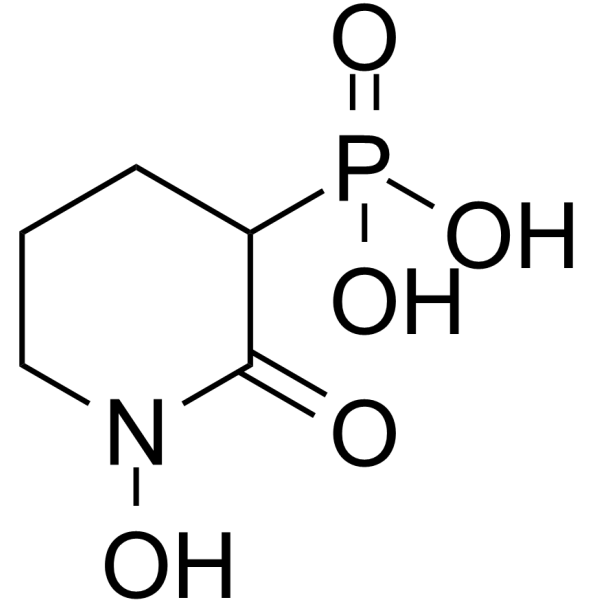
  • HY-179656

    Parasite Guanylate Cyclase Nucleoside Antimetabolite/Analog Infection
    UA2239 is an antimalarial agent and acyclic nucleoside phosphonate. UA2239 disrupts the essential cGMP-dependent egress pathway by decreasing cGMP levels. UA2239 targets guanylyl cyclase α. UA2239 demonstrates rapid and irreversible inhibitory effects on Plasmodium parasites .
    UA2239
  • HY-183286

    Dihydrofolate reductase (DHFR) Parasite Infection
    DHFR-IN-27 (Compound LA4) is an orally active DHFR inhibitor and antimalarial agent, with a Ki value of 1.71 nM against TgDHFR. DHFR-IN-27 reduces the parasitic load of Toxoplasma gondii in infected mice and prolongs the survival time of infected mice. DHFR-IN-27 exerts Antiparasitic effects against Toxoplasma gondii. DHFR-IN-27 can be used in the research of toxoplasmosis .
    DHFR-IN-27
  • HY-W012732S2

    Isotope-Labeled Compounds Environmental Pollutants Parasite Drug Isomer TNF Receptor HIV NF-κB Interleukin Related Neurological Disease Cancer
    Isoquinoline- 15N is the 15N-labeled Isoquinoline (HY-W012732). Isoquinoline is an analog of pyridine. Isoquinoline-based alkaloids, such as p-tolyl bisisoquinoline, phthaloyl isoquinoline, and naphthyl isoquinoline, exhibit anticancer activity. Berberine, an isoquinoline alkaloid, exerts anti-inflammatory effects in diabetic mice by downregulating the gene expression ratios of pro-/anti-inflammatory and Th1/Th2 cytokines. Additionally, some isoquinoline-based compounds also possess antidepressant, antibacterial, antimalarial, and anti-HIV activities.
    Isoquinoline-15N

Inquiry Online

Your information is safe with us. * Required Fields.

Salutation


Country or Region *

Applicant Name *


Organization Name *

Department *


Email Address *


Product Name *

Cat. No.


Requested quantity *

Phone Number *


Remarks

Inquiry Online

Inquiry Information

Product Name:
Cat. No.:
Quantity:
MCE Japan Authorized Agent:

