



Methylene blue trihydrate
Based on 30 publication(s) in Google Scholar
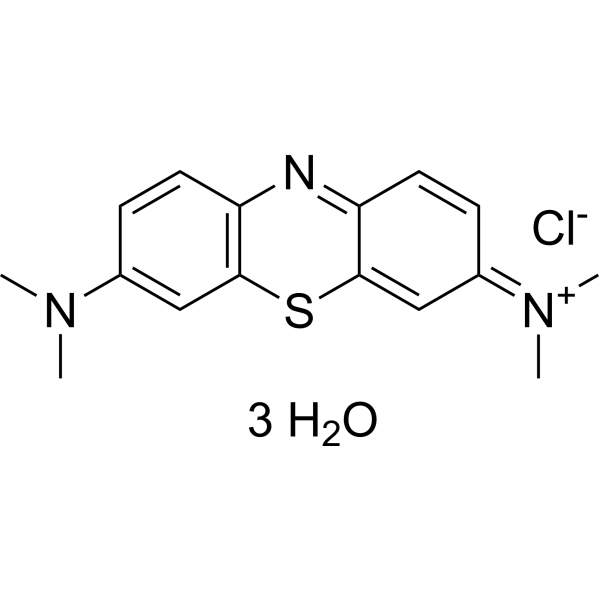
Methylene blue trihydrate (C.I. Basic Blue 9 trihydrate) is a guanylyl cyclase (sGC), monoamine oxidase A (MAO-A) and NO synthase (NOS) inhibitor. Methylene blue trihydrate is a vasopressor and is often used as a dye in several medical procedures. Methylene blue trihydrate has antinociception, antimalarial, antidepressant and anxiolytic activity effects. Methylene Blue trihydrate has the potential for methemoglobinemias, neurodegenerative disorders and ifosfamide-induced encephalopathytreatment.
For research use only. We do not sell to patients.
- Purity : 98.0%
- CAS No.: 7220-79-3
- Formula: C16H24ClN3O3S
- Molecular Weight:373.90
-
Storage:Powder -20°C, 3 years , 4°C, 2 years ; In solvent -80°C, 6 months , -20°C, 1 month

To place orders, for customer services and technical support, please contact: MedChemExpress USA
Tel: 609-228-6898 E-mail: [email protected] [email protected]


-
 Biological Activity
-
Chemical Information
-
Solvent & Solubility
- Protocols
- Purity & Documentation
- References
-
 Help & FAQs


-
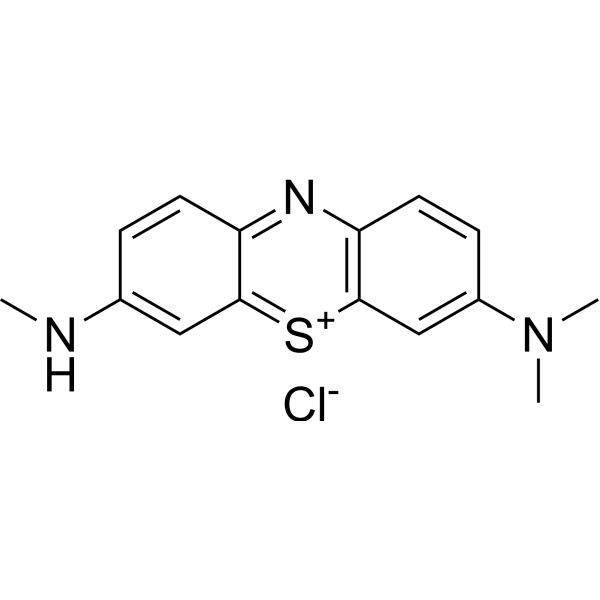
HY-D0004
Azure BMAO-A Inhibitor -
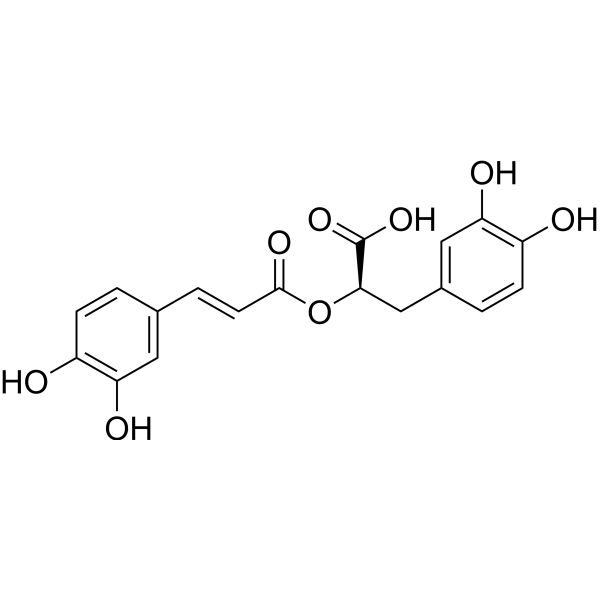
HY-N0529
Rosmarinic acidAnti-Inflammatory Agent -
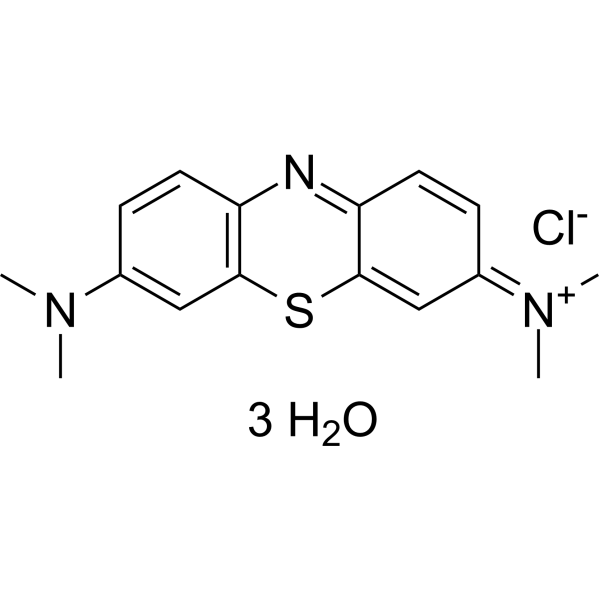
HY-B1359A
Methylene blue indicatorBiochemical Assay Reagent -
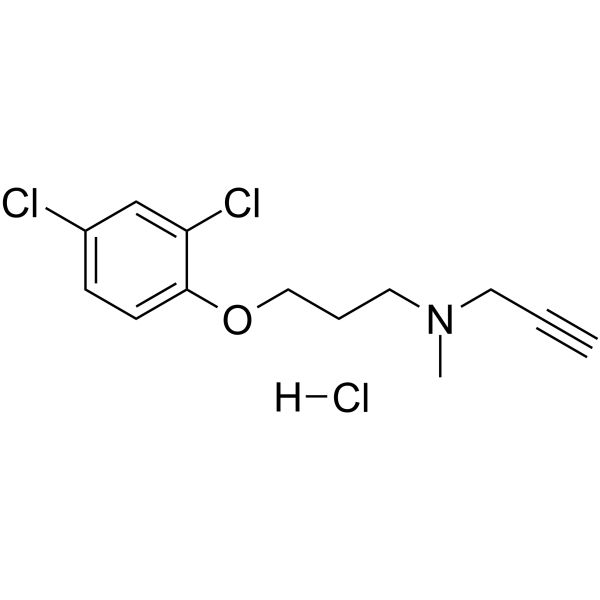
HY-14197A
Clorgyline hydrochlorideMAO-A Inhibitor -
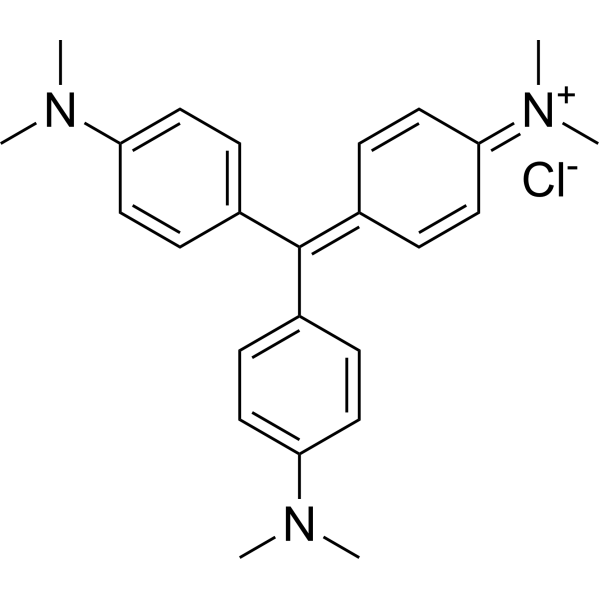
HY-B0324A
Crystal VioletFluorochrome -
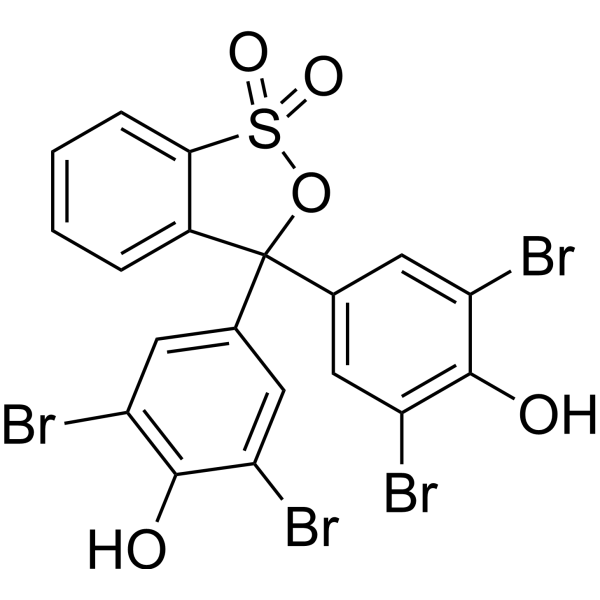
HY-B1571
Bromophenol bluepH Indicator -
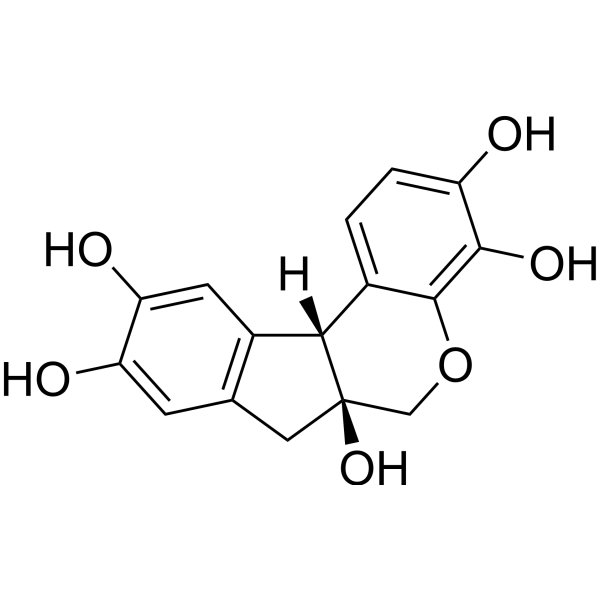
HY-N0116
HematoxylinHistologic Stain -
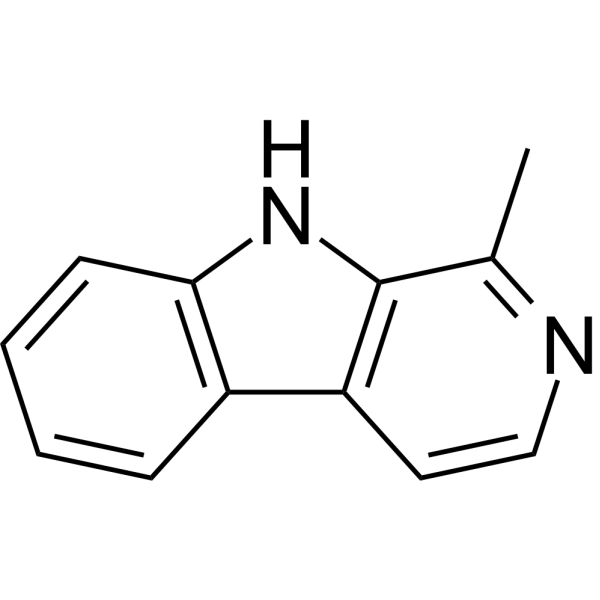
HY-101392
HarmaneMAO Inhibitor -
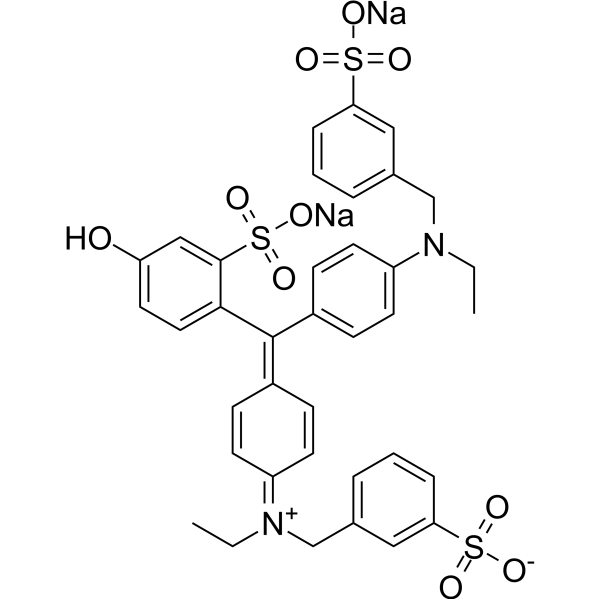
HY-D0914
Fast Green FCFSea Green Triarylmethane Food Dye -
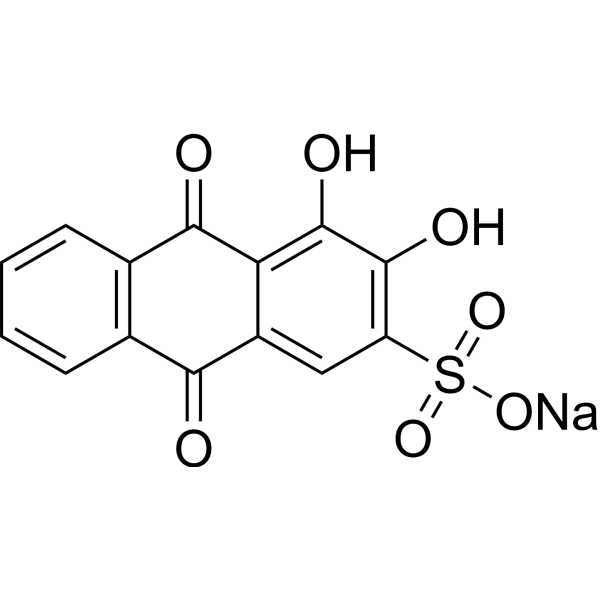
HY-120601
Alizarin Red S sodiumCalcium Deposits Dye -
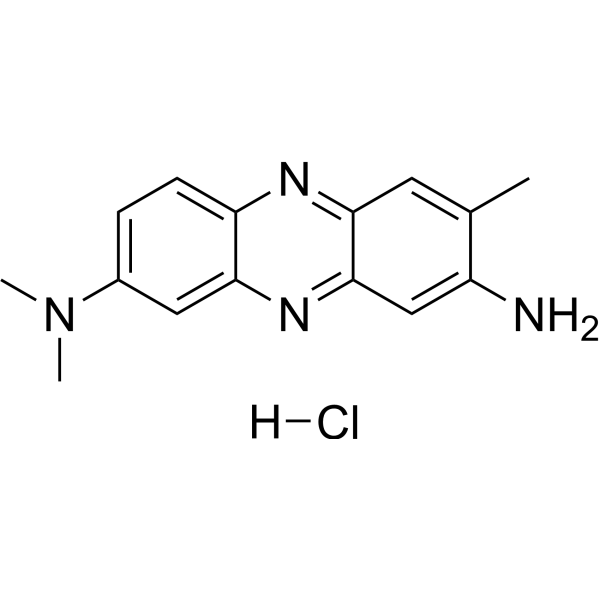
HY-D0166
Neutral RedBiochemical Assay Reagent -
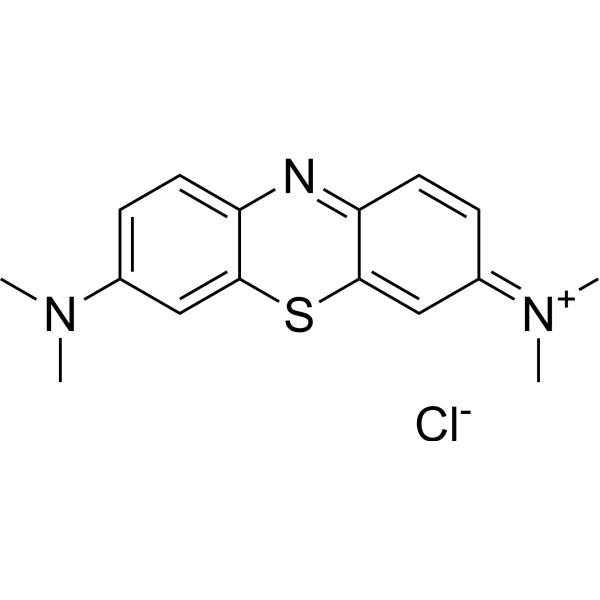
HY-14536
Methylene BluesGC Inhibitor
Publications Citing Use of MedChemExpress (MCE) Methylene blue trihydrate
More- Nat Commun. 2024 Nov 27;15(1):10303. [Abstract]
- ACS Nano. 2026 Jun 30;20(25):18058-18072. [Abstract]
- Redox Biol. 2020 Sep:36:101601. [Abstract]
- Gut Microbes. 2025 Dec 31;17(1):2599543. [Abstract]
- J Nanobiotechnology. 2025 Jul 4;23(1):485. [Abstract]
- Theranostics. 2021 Oct 17;11(20):9884-9903. [Abstract]
- Biomaterials. 2023 Feb:293:121988. [Abstract]
- Chem Eng J. 2025 Nov 24;526:171230.
- Phytomedicine. 2025 Nov 25:148:157423. [Abstract]
- Nano Res. 2026 Feb 6.
- Phytother Res. 2023 Apr;37(4):1405-1421. [Abstract]
- Cell Rep. 2025 Nov 25;44(11):116520. [Abstract]
- Cell Rep. 2024 Feb 13;43(2):113779. [Abstract]
- Nanophotonics. 2025 Nov 25;14(27):4993-5001. [Abstract]
- J Environ Sci. 2025 Dec 25.
- Cell Signal. 2025 Dec:136:112145. [Abstract]
- Bioengineering (Basel). 2025 Oct 27;12(11):1164. [Abstract]
- BMC Cancer. 2024 Dec 3;24(1):1489. [Abstract]
- Chemistry. 2026 May;8(5):65.
- Biomed Res Int. 2021 May 14:2021:5565748. [Abstract]
- Exp Ther Med. 2019 Nov;18(5):4049-4057. [Abstract]
- World J Gastrointest Surg. 2023 Jun 27;15(6):1068-1079. [Abstract]
- Hematology. 2022 Dec;27(1):43-52. [Abstract]
- Res Sq. 2025 Nov 12.
- Patent. US20240325538A1.
- Patent. US20240238271A1.
- Patent. US20230226111A1.
- Research Square Print. 2023 Feb 21.
- Curr Res Virol Sci. 2022;3:100019. [Abstract]
- Evid Based Complement Alternat Med. 2020 Mar 10:2020:3524641. [Abstract]
 Customer Validation & Images

-
Gel Electrophoresis
-
Gel Electrophoresis

-
Gel Electrophoresis
-
Cell Migration/Invasion Assay
-
WB
All Parasite Isoforms
More

Biological Activity
Description
IC50 & Target
|
Plasmodium |
Cellular Effect
|
Cell Line

|
Type | Value | Description | References |
|---|---|---|---|---|
| Caco-2 | CC50 |
7.25 μM
Compound: METHYLENE BLUE
|
Toxicity against Caco-2 cells determined at 48 hours by intracellular ATP concentration using the CellTiter-Glo Luminescent Cell Viability Assay
Toxicity against Caco-2 cells determined at 48 hours by intracellular ATP concentration using the CellTiter-Glo Luminescent Cell Viability Assay
|
10.21203/rs.3.rs-23951/v1 |
| Caco-2 | IC50 |
2.03 μM
Compound: METHYLENE BLUE
|
Determination of IC50 values for inhibition of SARS-CoV-2 induced cytotoxicity of Caco-2 cells after 48 hours by high content imaging
Determination of IC50 values for inhibition of SARS-CoV-2 induced cytotoxicity of Caco-2 cells after 48 hours by high content imaging
|
10.21203/rs.3.rs-23951/v1 |
In Vitro
By acting as an alternative electron acceptor/donor Methylene blue restores mitochondrial function, improves neuronal energy production and inhibits the formation of superoxide[1].
Methylene blue inhibits cytochrome P450 (CYP) isozymes. Methylene blue is an odorless, water soluble, dark blue-green crystalline powder, which turns blue whenever mixed in solution. Methylene blue is a vasopressor that impacts the NO synthetic pathway by inhibiting inducible NOS and inhibiting the subsequent activation of sGC. In addition, by binding to the iron heme moiety of sGC and causing enzyme inhibition, Methylene blue blocks accumulation of cyclic GMP (cGMP), competing directly with NO in its ability to activate soluble guanylyl cyclase[3].
MedChemExpress (MCE) has not independently confirmed the accuracy of these methods. They are for reference only. Further protocols information, click here.
In Vivo
Methylene blue is used as a dye in chromoendoscopy, and is sprayed onto the mucosa of the gastrointestinal tract in order to identify dysplasia, or pre-cancerous lesions[2].
Methylene blue is able to restore vascular tone, normalize mean arterial pressures (MAP), and reduce vasopressor usage[3].
MedChemExpress (MCE) has not independently confirmed the accuracy of these methods. They are for reference only.
Clinical Trial
| NCT Number | Sponsor | Condition | Start Date |
Phase
|
|---|---|---|---|---|
| NCT01329991 | Plexxikon| | 2011-05 | PHASE1 |


Chemical Information
-
CAS No. 7220-79-3
-
Appearance Solid
-
Molecular Weight 373.90
-
Formula C16H24ClN3O3S
-
Color Dark green to black
-
SMILES
CN(C1=CC(SC2=C/C(C=CC2=N3)=[N+](C)\C)=C3C=C1)C.O.[Cl-]
-
Synonyms
C.I. Basic Blue 9 trihydrate
-
Shipping
Room temperature in continental US; may vary elsewhere.
-
Storage
Powder -20°C 3 years 4°C 2 years In solvent -80°C 6 months -20°C 1 month


Publications (30)
-
Journal Impact Factor
-
Most Recent
-
Nat Commun
DEAD-box RNA helicase 10 is required for 18S rRNA maturation by controlling the release of U3 snoRNA from pre-rRNA in embryonic stem cells. [Abstract]2024 Nov 27;15(1):10303. PMID: 39604362
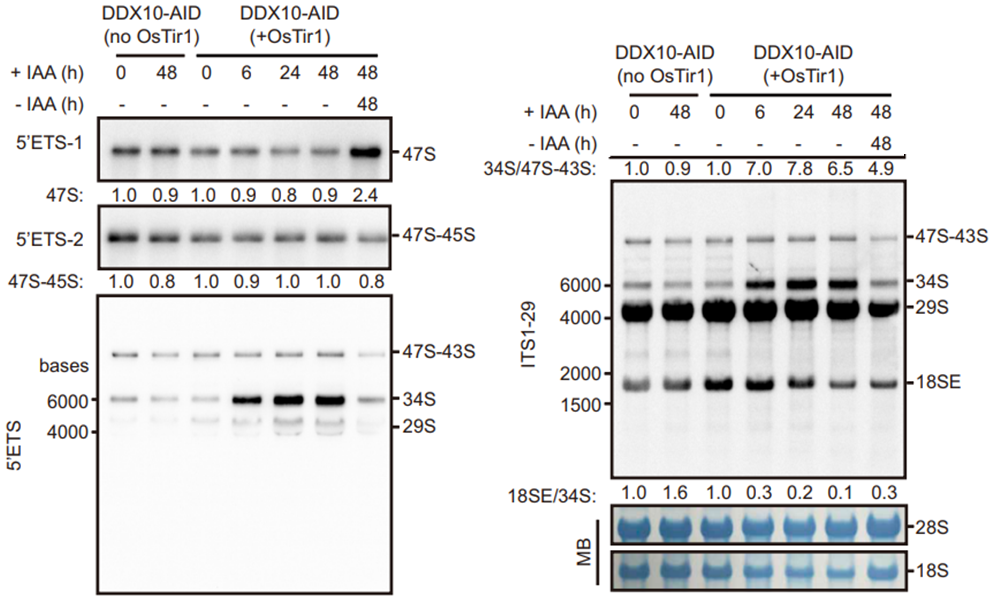
Methylene blue trihydrate purchased from MedChemExpress. Usage Cited in: Nat Commun. 2024 Nov 27;15(1):10303. [Abstract]
Northern blot analysis of pre-rRNA intermediates using 5'ETS-1, 5'ETS-2, 5'ETS and ITS1-29 probes in DDX10-AID mESCs with IAA treatment (0 h, 6 h, 24 h, and 48 h) or treated with IAA for 48 h followed by 48 h of washing. MB represents methylene blue staining. Experiments were repeated three times independently with similar results. Membranes were stained with Methylene Blue stain solution (0.03% Methylene Blue in 0.3 M sodium acetate (pH 5.0-5.5)), and then RNA was crosslinked onto the membrane using UV light.
Methylene blue trihydrate purchased from MedChemExpress. Usage Cited in: Nat Commun. 2024 Nov 27;15(1):10303. [Abstract]
Northern blot analysis of pre-rRNA intermediate levels in DDX10-AID (+ OsTir1) mESCs overexpressing DDX10FL, DDX10ΔHBD, DDX10ΔHCD or DDX10ΔHD at 0 h and 48 h after IAA treatment. MB represents Methylene Blue staining. Experiments were repeated three times independently with similar results. Source data are provided as a Source Data file. Membranes were stained with Methylene Blue stain solution (0.03% Methylene Blue in 0.3 M sodium acetate (pH 5.0-5.5)), and then RNA was crosslinked onto the membrane using UV light.
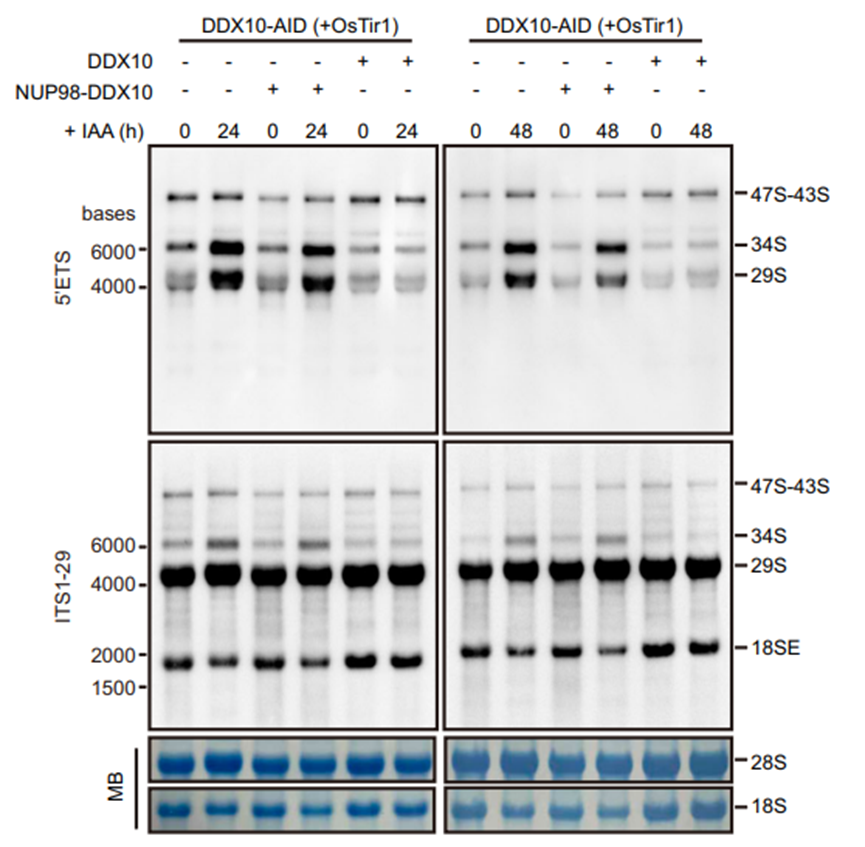
Methylene blue trihydrate purchased from MedChemExpress. Usage Cited in: Nat Commun. 2024 Nov 27;15(1):10303. [Abstract]
Northern blot analysis of pre-rRNA intermediates in DDX10-AID (+ OsTir1) mESCs overexpressing NUP98-DDX10 or DDX10, treated with IAA at different time points (0 h, 24 h, and 48 h). MB represents Methylene Blue staining. Experiments were repeated two times independently with similar results. Source data are provided as a Source Data file. Membranes were stained with Methylene Blue stain solution (0.03% Methylene Blue in 0.3 M sodium acetate (pH 5.0-5.5)), and then RNA was crosslinked onto the membrane using UV light.
-
ACS Nano
Keratinocyte-Derived Apoptotic Nanovehicles Reprogram Cutaneous Dendritic Cells to Ameliorate Psoriasis. [Abstract]2026 Jun 30;20(25):18058-18072. PMID: 42301004 -
Redox Biol
An effective inactivant based on singlet oxygen-mediated lipid oxidation implicates a new paradigm for broad-spectrum antivirals. [Abstract]2020 Sep:36:101601. PMID: 32535542 -
Gut Microbes
Helicobacter pylori infection aggravates hepatic steatosis by lactylation-driven WTAP-mediated m6A modification. [Abstract]2025 Dec 31;17(1):2599543. PMID: 41384837 -
J Nanobiotechnology
SIRT5-modified human umbilical cord mesenchymal stem cells loaded with antioxidant polydopamine nanozyme enhance parpi resistance in ovarian cancer via fatty acid metabolism reprogramming. [Abstract]2025 Jul 4;23(1):485. PMID: 40616128 -
Theranostics
Establishment of tumor inflammasome clusters with distinct immunogenomic landscape aids immunotherapy. [Abstract]2021 Oct 17;11(20):9884-9903. PMID: 34815793
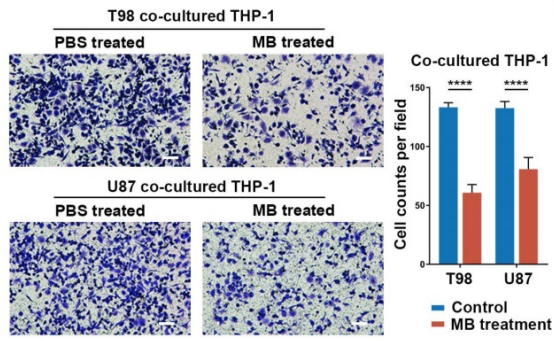
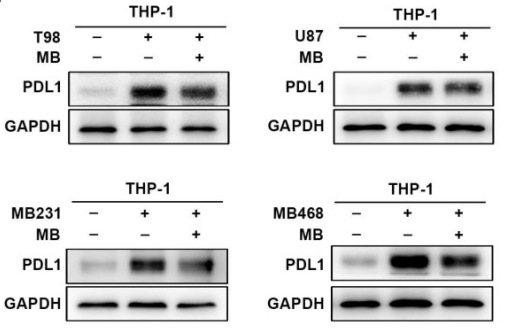
Methylene blue trihydrate purchased from MedChemExpress. Usage Cited in: Theranostics. 2021 Oct 17;11(20):9884-9903. [Abstract]
Migration analysis of THP-1, co-cultured with cancer cells that were pre-treated with Methylene Blue.
Methylene blue trihydrate purchased from MedChemExpress. Usage Cited in: Theranostics. 2021 Oct 17;11(20):9884-9903. [Abstract]
Western blotting analysis of PD-L1 expression in THP-1 which was co-cultured with cancer cells pre-treated with Methylene Blue.
-
Biomaterials
Manganese-enriched photonic/catalytic nanomedicine augments synergistic anti-TNBC photothermal/nanocatalytic/immuno-therapy via activating cGAS-STING pathway. [Abstract]2023 Feb:293:121988. PMID: 36580716 -
-
Phytomedicine
Arnicolide C induces ROS-mediated modulation of PI3K/Akt and MAPK pathways to suppress MYC in hepatocellular carcinoma. [Abstract]2025 Nov 25:148:157423. PMID: 41138574 -
-
Phytother Res
Carnosol inhibits KGN cells oxidative stress and apoptosis and attenuates polycystic ovary syndrome phenotypes in mice through Keap1-mediated Nrf2/HO-1 activation. [Abstract]2023 Apr;37(4):1405-1421. PMID: 36786429 -
Cell Rep
WDFY2 promotes MRN complex formation required for homologous recombination-mediated DNA repair. [Abstract]2025 Nov 25;44(11):116520. PMID: 41196680 -
Cell Rep
The ARID1A-METTL3-m6A axis ensures effective RNase H1-mediated resolution of R-loops and genome stability. [Abstract]2024 Feb 13;43(2):113779. PMID: 38358891 -
Nanophotonics
2025 Nov 25;14(27):4993-5001. PMID: 41426083 -
-
Cell Signal
YTHDF2 drives oral squamous cell carcinoma progression via m6A-dependent degradation of MTUS1/ATIP1 mRNA and mitochondrial dysregulation. [Abstract]2025 Dec:136:112145. PMID: 40975502 -
Bioengineering (Basel)
2025 Oct 27;12(11):1164. PMID: 41301120 -
BMC Cancer
FTO-mediated demethylation of MTUS1/ATIP1 promotes tumor progression in head and neck squamous cell carcinoma. [Abstract]2024 Dec 3;24(1):1489. PMID: 39627705 -
-
Biomed Res Int
Gentiopicroside Produces Endothelium-Independent Vasodilation by Deactivating the PI3K/Akt/Rho-Kinase Pathway in Isolated Rat Thoracic Aorta. [Abstract]2021 May 14:2021:5565748. PMID: 34095301 -
Exp Ther Med
MicroRNA-139-5p regulates chronic inflammation by suppressing nuclear factor-κB activity to inhibit cell proliferation and invasion in colorectal cancer. [Abstract]2019 Nov;18(5):4049-4057. PMID: 31616518 -
World J Gastrointest Surg
Impact of interstitial cells of Cajal on slow wave and gallbladder contractility in a guinea pig model of acute cholecystitis. [Abstract]2023 Jun 27;15(6):1068-1079. PMID: 37405098 -
Hematology
Downregulation of Smad4 expression confers chemoresistance against imatinib mesylate to chronic myeloid leukemia K562 cells. [Abstract]2022 Dec;27(1):43-52. PMID: 34957936 -
-
-
-
-
-
Curr Res Virol Sci
Identification of broad anti-coronavirus chemical agents for repurposing against SARS-CoV-2 and variants of concern. [Abstract]2022;3:100019. PMID: 35072124 -
Evid Based Complement Alternat Med
Acupuncture at Gastric Back-Shu and Front-Mu Acupoints Enhances Gastric Motility via the Inhibition of the Glutamatergic System in the Hippocampus. [Abstract]2020 Mar 10:2020:3524641. PMID: 32215036


Solvent & Solubility
In Vitro:
DMSO : 100 mg/mL (267.45 mM; Need ultrasonic; Hygroscopic DMSO has a significant impact on the solubility of product, please use newly opened DMSO)
Please refer to the solubility information to select the appropriate solvent. Once prepared, please aliquot and store the solution to prevent product inactivation from repeated freeze-thaw cycles.
Storage method and period of stock solution: -80°C, 6 months; -20°C, 1 month. When stored at -80°C, please use it within 6 months. When stored at -20°C, please use it within 1 month.
Please refer to the solubility information to select the appropriate solvent. Once prepared, please aliquot and store the solution to prevent product inactivation from repeated freeze-thaw cycles.
Storage method and period of stock solution: -80°C, 6 months; -20°C, 1 month. When stored at -80°C, please use it within 6 months. When stored at -20°C, please use it within 1 month.
Concentration (start) × Volume (start) = Concentration (final) × Volume (final)
In Vivo:
Select the appropriate dissolution method based on your experimental animal and administration route.
- For the following dissolution methods, please ensure to first prepare a clear stock solution using an In Vitro approach and then sequentially add co-solvents:
- To ensure reliable experimental results, the clarified stock solution can be appropriately stored based on storage conditions. As for the working solution for In Vivo experiments, it is recommended to prepare freshly and use it on the same day.
- The percentages shown for the solvents indicate their volumetric ratio in the final prepared solution. If precipitation or phase separation occurs during preparation, heat and/or sonication can be used to aid dissolution.
Add each solvent one by one: 10% DMSO 40% PEG300 5% Tween-80 45% Saline
Solubility: ≥ 2.5 mg/mL (6.69 mM); Clear solution
This protocol yields a clear solution of ≥ 2.5 mg/mL (saturation unknown).
Taking 1 mL working solution as an example, add 100 μL DMSO stock solution (25.0 mg/mL) to 400 μL PEG300, and mix evenly; then add 50 μL Tween-80 and mix evenly; then add 450 μL Saline to adjust the volume to 1 mL.
Preparation of Saline: Dissolve 0.9 g sodium chloride in ddH₂O and dilute to 100 mL to obtain a clear Saline solution.
Add each solvent one by one: 10% DMSO 90% (20% SBE-β-CD in Saline)
Solubility: ≥ 2.5 mg/mL (6.69 mM); Clear solution
This protocol yields a clear solution of ≥ 2.5 mg/mL (saturation unknown).
Taking 1 mL working solution as an example, add 100 μL DMSO stock solution (25.0 mg/mL) to 900 μL 20% SBE-β-CD in Saline, and mix evenly.
Preparation of 20% SBE-β-CD in Saline (4°C, storage for one week): 2 g SBE-β-CD powder is dissolved in 10 mL Saline, completely dissolve until clear.
In Vivo Dissolution Calculator
Please enter the basic information of animal experiments:
-
-
-
-
Recommended: Prepare an additional quantity of animals to account for potential losses during experiments.
Please enter your animal formula composition:
-
%DMSO +
Recommended: Keep the proportion of DMSO in working solution below 2% if your animal is weak.
-
%+
-
+%Tween-80 + +
-
%Saline +
The co-solvents required include: DMSO, . All of co-solvents are available by MedChemExpress (MCE). , Tween 80. All of co-solvents are available by MedChemExpress (MCE).
Working solution concentration: 0.22 mg/mL
Method for preparing stock solution: mg drug dissolved in μL DMSO. Stock solution concentration: mg/mL.
1. Take μL DMSO stock solution;
2. Add μL .
μL , mix evenly;
3. Then add μL Tween 80, mix evenly;
4. Then add μL
Please ensure that the stock solution in the first step is dissolved to a clear state, and add co-solvents in sequence. You can use ultrasonic heating (ultrasonic cleaner, recommended frequency 20-40 kHz), vortexing, etc. to assist dissolution.

Protocols
-
Protocol for Elevated Plus Maze Test
The Elevated Plus Maze is a rodent anxiety-like behavior assay based on the conflict between spontaneous exploration and avoidance of open, elevated, exposed spaces. The apparatus contains two open arms and two closed arms arranged in a plus shape, and rodents normally spend more time in closed arms than open arms. The assay readout is generated by recording arm entries, time spent in open and closed arms, and related exploratory behaviors. Increased open-arm time or open-arm entries is commonly interpreted as reduced anxiety-like behavior, whereas reduced open-arm exploration is interpreted as increased anxiety-like behavior.
-
Formalin-Induced Paw Inflammation/Nociceptive Inflammation
The formalin-induced paw inflammation/nociceptive test is a chemical persistent pain model in rodents in which subcutaneous injection of formalin into the hind paw produces spontaneous nocifensive behaviors such as flinching and licking. The response is classically biphasic, consisting of an early acute phase (Phase I) reflecting direct activation of peripheral nociceptors (particularly C-fiber afferents), followed by a later prolonged phase (Phase II) associated with central sensitization in the spinal dorsal horn driven by sustained afferent input and inflammatory signaling. This model is widely used to evaluate analgesic and anti-inflammatory interventions because it captures both peripheral nociception and central sensitization processes within a single assay system.


Purity & Documentation
-
Data Sheet (275 KB)
-
SDS (558 KB)
- English - EN (558 KB)
- Français - FR (558 KB)
- Deutsch - DE (558 KB)
- Norwegian - NO (558 KB)
- Español - ES (558 KB)
- Swedish - SV (558 KB)
- Italian - IT (558 KB)
- Korean - KR (558 KB)
- Portuguese - PT (558 KB)
-
Handling Instructions (2659 KB)
References
[1]. Delport A, et al. Methylene blue and its analogues as antidepressant compounds. Metab Brain Dis. 2017 Oct;32(5):1357-1382. [Content Brief]
[2]. Masaki E, et al. Methylene blue, a soluble guanylyl cyclase inhibitor, reduces the sevoflurane minimum alveolar anesthetic concentration and decreases the brain cyclic guanosine monophosphate content in rats. Anesth Analg. 1999 Aug;89(2):484-9. [Content Brief]
[3]. McCartney SL, et al. Intraoperative vasoplegia: methylene blue to the rescue! Curr Opin Anaesthesiol. 2018 Feb;31(1):43-49. [Content Brief]


Complete Stock Solution Preparation Table
Please refer to the solubility information to select the appropriate solvent. Once prepared, please aliquot and store the solution to prevent product inactivation from repeated freeze-thaw cycles.
Storage method and period of stock solution: -80°C, 6 months; -20°C, 1 month. When stored at -80°C, please use it within 6 months. When stored at -20°C, please use it within 1 month.
| Optional Solvent | Concentration Solvent Mass | 1 mg | 5 mg | 10 mg | 25 mg |
|---|---|---|---|---|---|
| DMSO | 1 mM | 2.6745 mL | 13.3726 mL | 26.7451 mL | 66.8628 mL |
| 5 mM | 0.5349 mL | 2.6745 mL | 5.3490 mL | 13.3726 mL | |
| 10 mM | 0.2675 mL | 1.3373 mL | 2.6745 mL | 6.6863 mL | |
| 15 mM | 0.1783 mL | 0.8915 mL | 1.7830 mL | 4.4575 mL | |
| 20 mM | 0.1337 mL | 0.6686 mL | 1.3373 mL | 3.3431 mL | |
| 25 mM | 0.1070 mL | 0.5349 mL | 1.0698 mL | 2.6745 mL | |
| 30 mM | 0.0892 mL | 0.4458 mL | 0.8915 mL | 2.2288 mL | |
| 40 mM | 0.0669 mL | 0.3343 mL | 0.6686 mL | 1.6716 mL | |
| 50 mM | 0.0535 mL | 0.2675 mL | 0.5349 mL | 1.3373 mL | |
| 60 mM | 0.0446 mL | 0.2229 mL | 0.4458 mL | 1.1144 mL | |
| 80 mM | 0.0334 mL | 0.1672 mL | 0.3343 mL | 0.8358 mL | |
| 100 mM | 0.0267 mL | 0.1337 mL | 0.2675 mL | 0.6686 mL |


Methylene blue trihydrate Related Classifications
HY-B1359 Related Classifications
 Powered by Bioz