1. Search Result
Search Result
Results for "

bioactive lipid

" in MedChemExpress (MCE) Product Catalog:

29

Inhibitors & Agonists

8

Screening Libraries

1

Fluorescent Dyes

5

Biochemical Assay Reagents

1

Peptides

13

Natural
Products

4

Oligonucleotides

1

GMP Molecules

Cat. No. Product Name Target Research Areas Chemical Structure
  • HY-N1964
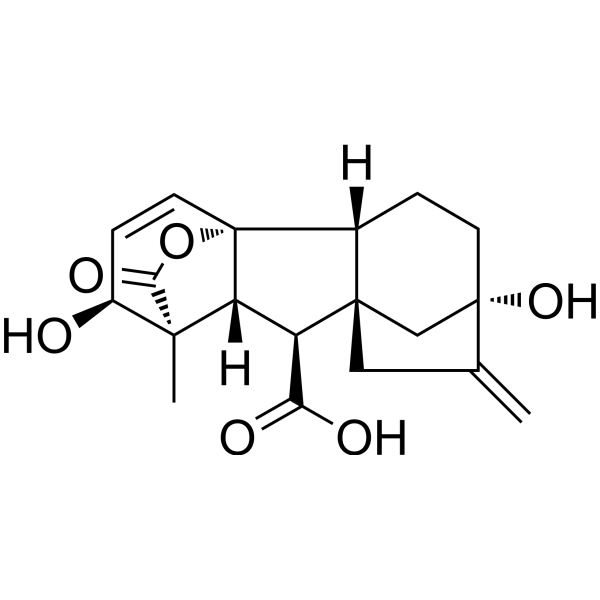
    Gibberellic acid
    1 Publications Verification

    Gibberellin A3

    Environmental Pollutants Drug Derivative Metabolic Disease
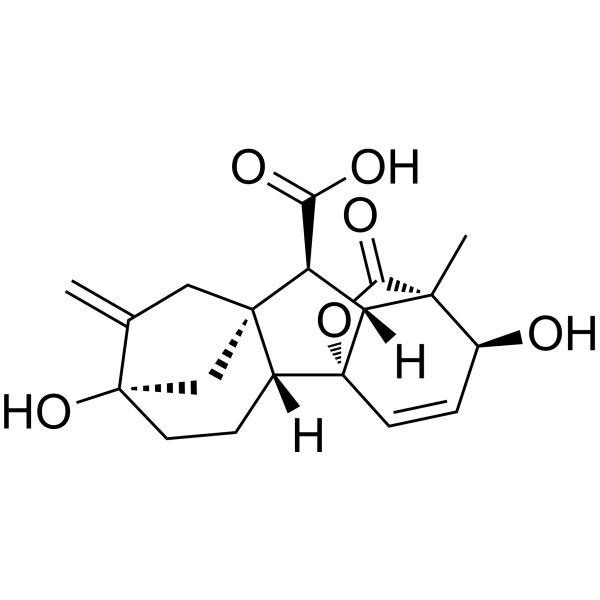
    Gibberellic acid (GA3) is a natural plant growth regulator with oral bioactivity. Gibberellic acid governs multiple plant developmental events, including seed germination, cell elongation, floral organ formation, and rice spikelet fertility. Gibberellic acid optimizes root morphology and secondary metabolite production in Echinacea purpurea hairy roots, and serves as a bioactive seed priming agent to improve chilling stress tolerance in chickpea. Gibberellic acid mediates modulation of enzyme activity and secondary metabolism in plants and exerts tissue-specific regulatory effects on antioxidant systems and lipid peroxidation in rats. Gibberellic acid can be used in studies of plant growth, metabolism, and abiotic stress responses .
    Gibberellic acid
  • HY-100355

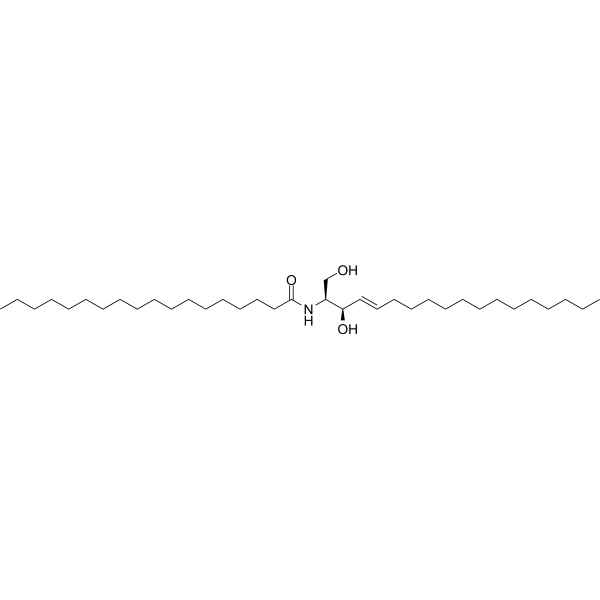
    C18-Ceramide

    Endogenous Metabolite Neurological Disease Cancer
    C18-Ceramide (d18:1/18:0) is a bioactive molecule with multiple functions in cells, not a traditional agonist or inhibitor targeting a single site. It can act on multiple cellular targets, such as proteins related to endoplasmic reticulum stress (e.g., ATF-4, XBP-1, CHOP), proteins in the PI3K/AKT signaling pathway, and SNARE complex proteins. It exerts activities like inducing cell death, promoting autophagy, and regulating exocytosis through mechanisms such as activating endoplasmic reticulum stress, inhibiting the PI3K/AKT signaling pathway, and affecting lipid raft - related functions. It can be used in research on the mechanism of neuronal injury in the field of neuroscience and in the treatment research of cancers such as glioma in the field of oncology .
    C18-Ceramide (d18:1/18:0)
  • HY-125848

    Apoptosis AMPK PPAR p38 MAPK PI3K Akt GSK-3 Reactive Oxygen Species (ROS) SOD Caspase Neurological Disease Metabolic Disease Inflammation/Immunology Cancer
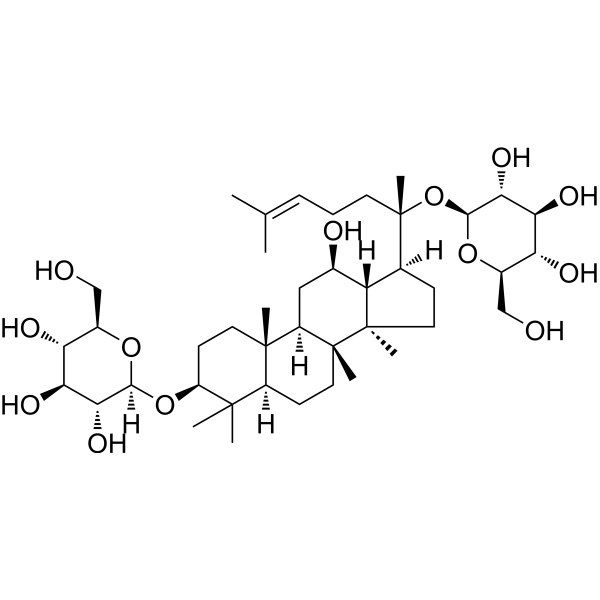
    Ginsenoside F2 is an orally active bioactive compound that participates in the regulation of metabolism and inflammation. Ginsenoside F2 promotes the phosphorylation of AMPK and ACC, binds to PPARγ, inhibits the phosphorylation of MAPK, activates the PI3K/AKT/GSK-3β pathway, reduces GLRX expression, and regulates lipid metabolism. Ginsenoside F2 reduces ROS production and MDA levels, restores SOD activity in cells, and alleviates oxidative stress. Ginsenoside F2 induces cell apoptosis (Apoptosis) and increases the number of cleaved caspase-3-positive cells. Ginsenoside F2 reduces body weight gain, adipose tissue weight and serum lipid levels in obese mice, and activates the hepatic AMPK signaling pathway and the expression of antioxidant enzymes. Ginsenoside F2 alleviates atopic dermatitis in mice by inhibiting inflammation and reshaping the gut microbiota . Ginsenoside F2 is applicable to research related to insulin resistance, obesity, atopic dermatitis, liver cancer, glioblastoma and glioma .
    Ginsenoside F2
  • HY-W006405

    Estrogen Receptor/ERR Cardiovascular Disease Cancer
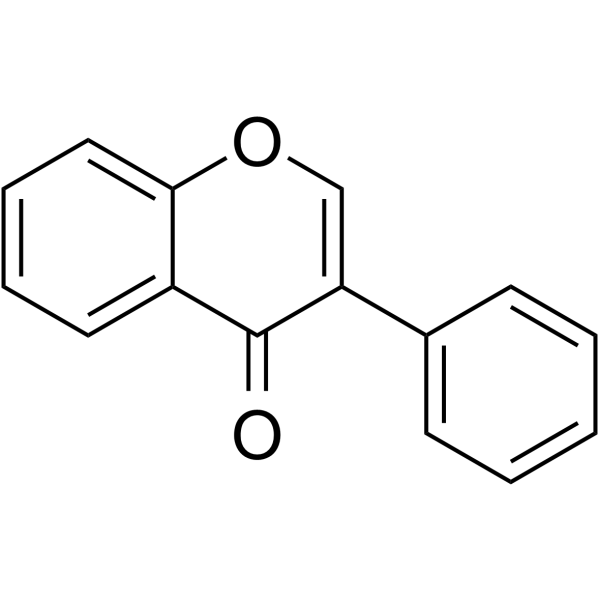
    Isoflavone is an orally available bioactive component of soy phytoestrogen with lipid-lowering and antioxidant activities. Isoflavone prevents a variety of chronic diseases by regulating fatty acid oxidation in the liver and gene expression in adipose tissue. In addition, isoflavone has important value in the research of cancer and cardiovascular diseases .
    Isoflavone
  • HY-N1990
    Gypenoside XLIX
    2 Publications Verification

    PPAR Sirtuin Keap1-Nrf2 Toll-like Receptor (TLR) NF-κB Reactive Oxygen Species (ROS) NOD-like Receptor (NLR) Apoptosis Pyroptosis Autophagy Cardiovascular Disease Neurological Disease Metabolic Disease Inflammation/Immunology
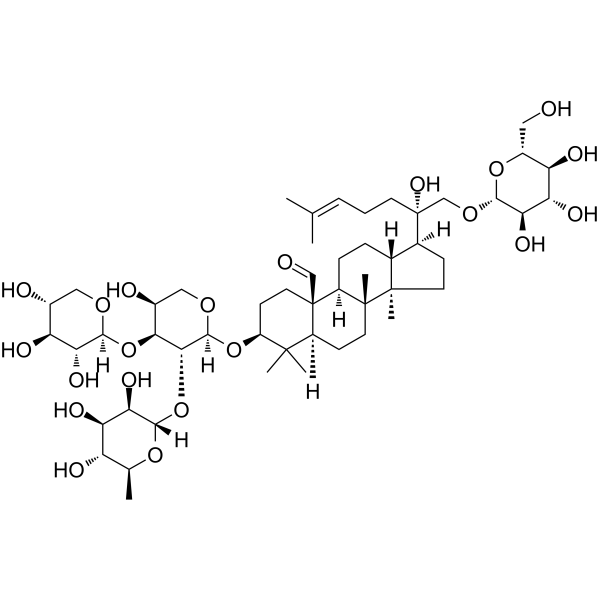
    Gypenoside XLIX is a multifunctional bioactive compound that can be isolated from Gynostemma pentaphyllum, with a Ka value of 1.58 μM for its binding to SIRT1. Gypenoside XLIX acts as a PPAR-α agonist. It inhibits the activation of TLR4-mediated NF-κB signaling pathway by activating the Sirt1/Nrf2 signaling pathway, reduces ROS accumulation, and alleviates hepatic inflammatory injury in mice with sepsis-induced liver disease. Gypenoside XLIX targets SIRT1 to block YAP-NLRP3 activation and improve sepsis-induced cardiomyopathy. Gypenoside XLIX inhibits apoptosis (Apoptosis), pyroptosis (Pyroptosis), autophagy (Autophagy), lipid peroxidation, pro-inflammatory cytokines and anti-inflammatory cytokines. Gypenoside XLIX alleviates sepsis-induced splenic injury by inhibiting inflammation and oxidative stress, and mitigates sepsis-associated encephalopathy by targeting PPAR-α. Gypenoside XLIX prevents acute kidney injury by inhibiting IGFBP7/IGF1R-mediated programmed cell death and inflammation. Gypenoside XLIX inhibits the expression and activity of vascular cell adhesion molecule-1 in cytokine-induced human endothelial cells. Gypenoside XLIX is applicable to research related to acute liver injury, lung injury, cardiomyopathy, acute splenic injury, sepsis-associated encephalopathy, acute kidney injury, atherosclerosis and chronic inflammation .
    Gypenoside XLIX
  • HY-157688

    PE(18:1p/0:0)

    Endogenous Metabolite Liposome Metabolic Disease
    C18(Plasm) LPE (PE(18:1p/0:0)) is a bioactive lipid with the activity of regulating cell signaling and promoting cell growth.
    C18(Plasm) LPE
  • HY-W011426

    Propan-2-yl hexadecanoate

    Environmental Pollutants Biochemical Assay Reagents Liposome Others
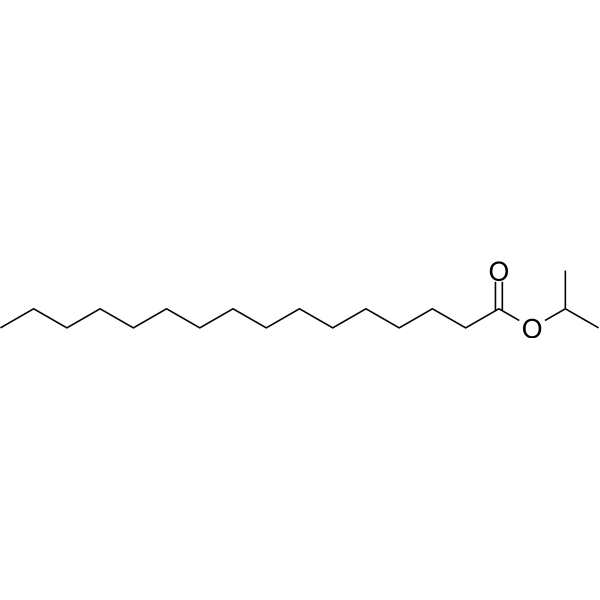
    Isopropyl palmitate is an fatty acid ester. Isopropyl palmitate can be used for design and characterization of bioactive bilayer films. The bilayer membrane not only has the ability to scavenge free radicals and inhibit lipid peroxidation, but also can inhibit the growth of known foodborne pathogens. Isopropyl palmitate can be used as an excipient, such as lubricant, oily carrier, solvent, controlled-release transdermal film. Pharmaceutical excipients, or pharmaceutical auxiliaries, refer to other chemical substances used in the pharmaceutical process other than pharmaceutical ingredients. Pharmaceutical excipients generally refer to inactive ingredients in pharmaceutical preparations, which can improve the stability, solubility and processability of pharmaceutical preparations. Pharmaceutical excipients also affect the absorption, distribution, metabolism, and elimination (ADME) processes of co-administered drugs .
    Isopropyl palmitate
  • HY-N3097

    TRP Channel Amyloid-β Toll-like Receptor (TLR) Keap1-Nrf2 Heme Oxygenase (HO) Dihydroorotate Dehydrogenase Ferroptosis PAI-1 NF-κB ERK Proton Pump Glutathione Peroxidase Thrombin Insecticide Bacterial Infection Cardiovascular Disease Neurological Disease Inflammation/Immunology Cancer
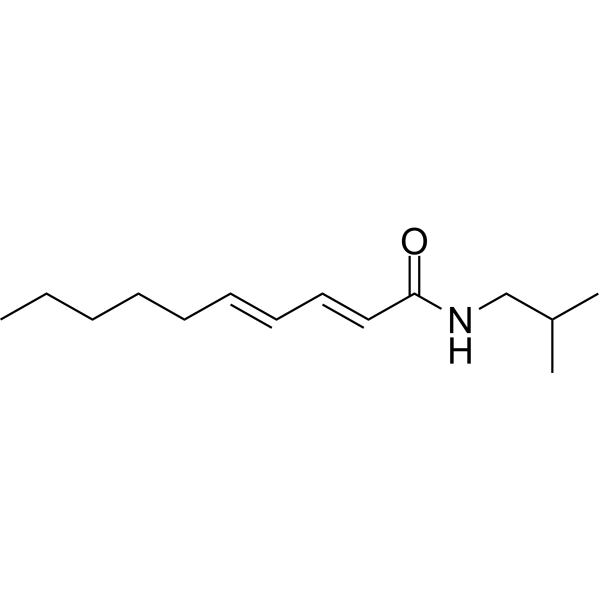
    Pellitorine is a bioactive natural amide compound. Pellitorine can competitively antagonize the activation of TRPV1 by Capsaicin (HY-10448), thereby reducing pain signal transmission. Pellitorine improves cognitive dysfunction by upregulating the BDNF-ERK1/2-CREB and Nrf2-HO-1 pathways. Pellitorine exerts anti-inflammatory and anti-sepsis effects by inhibiting the release of high mobility group protein B1 (HMGB1) and the expression of RAGE/TLR4. Pellitorine exerts its antithrombotic effect by prolonging the clotting time, inhibiting the activity of clotting factors and thrombin. Pellitorine inhibits lipid peroxidation and resists ferroptosis by upregulating GPX4 and DHODH. Pellitorine kills Aedes aegypti mosquito larvae by inhibiting V-type H⁺-ATPase and aquaporin 4 (AaAQP4). Pellitorine exhibits anti-cancer activity (e.g., leukemia and breast cancer) and has inhibitory effects on certain bacteria .
    Pellitorine
  • HY-N10455
    24-Epicastasterone
    2 Publications Verification

    24-epi-Castasterone

    Drug Derivative Others
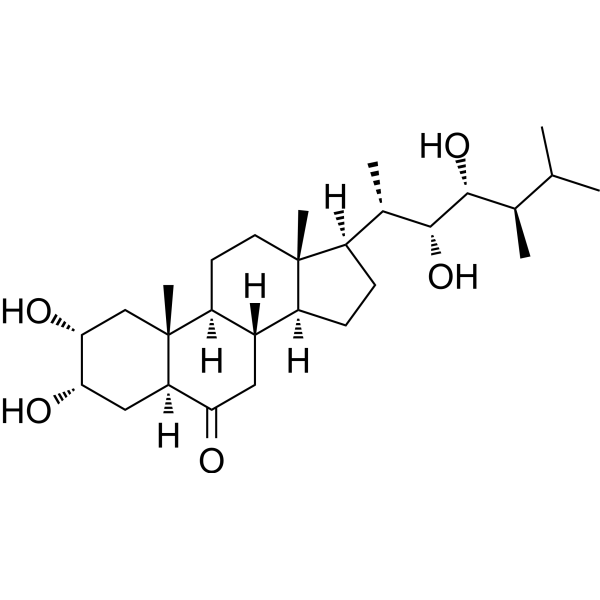
    24-Epicastasterone (24-epi-Castasterone) is a bioactive brassinosteroid and a ligand of ABCB1 and ABCB19 in Arabidopsis thaliana. 24-Epicastasterone stimulates the ATPase activity of ABCB19 and the ATP hydrolysis activity of ABCB1, which drive the efflux of substances from plant cells. 24-Epicastasterone increases the activities of catalase and guaiacol peroxidase in the roots of wheat seedlings. 24-Epicastasterone alleviates heat-induced lipid peroxidation through a ROS-dependent mechanism and enhances the heat tolerance of common wheat seedlings .
    24-Epicastasterone
  • HY-139066
    Punicic acid
    1 Publications Verification

    Trichosanic acid

    TNF Receptor GLUT Proteasome Tau Protein PKC Neurological Disease Metabolic Disease Inflammation/Immunology
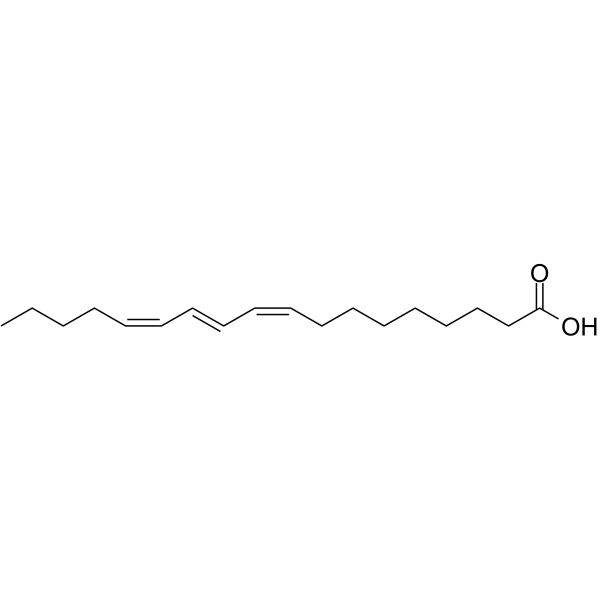
    Punicic acid is a bioactive compound of pomegranate seed oil. Punicic acid is an isomer of conjugated α-linolenic acid and ω-5 polyunsaturated fatty acids. Punicic acid has anti-inflammatory and antioxidant activities and can inhibit the expression of inflammatory mediators such as tumor necrosis factor α (TNF-α). Punicic acid can also reduce the formation of β-amyloid deposits and hyperphosphorylation of tau by increasing the expression of GLUT4 protein and inhibiting the overactivation of calpain, and is used to prevent and treat neurodegenerative diseases. In addition, punicic acid also has breast cancer inhibitor properties that depend on lipid peroxidation and PKC pathways .
    Punicic acid
  • HY-N11257

    6,7-DiketoLCA

    Others
    6,7-Diketolithocholic acid (6,7-DiketoLCA) is an important bioactive compound with anti-inflammatory and bile acid metabolism regulating activities. 6,7-Diketolithocholic acid can affect lipid metabolism and regulate the balance of glucose and lipid metabolism in the body. 6,7-Diketolithocholic acid has also been studied for the inhibition of diseases related to abnormal cholesterol metabolism.
    6,7-Diketolithocholic acid
  • HY-137862A

    (Rac)-1-Oleoyl-sn-glycero-3-phosphate; (Rac)-1-Oleoyl-LPA

    LPL Receptor Drug Isomer Neurological Disease
    (Rac)-1-Oleoyl lysophosphatidic acid is an isomer of 1-Oleoyl lysophosphatidic acid sodium (HY-107614). 1-Oleoyl lysophosphatidic acid sodium is a bioactive lipid that can activate the LPA receptors .
    (Rac)-1-Oleoyl lysophosphatidic acid
  • HY-P2982

    Liposome Metabolic Disease
    Ceramide 1-phosphate is a bioactive lipid and one of the key components of sphingolipids. Ceramide 1-phosphate playing diverse roles in cellular behaviors such as cell differentiation, migration, proliferation and death .
    Ceramide 1-phosphate
  • HY-132187

    TGF-beta/Smad TRP Channel Apoptosis PAI-1 Cardiovascular Disease Neurological Disease Metabolic Disease Inflammation/Immunology Cancer
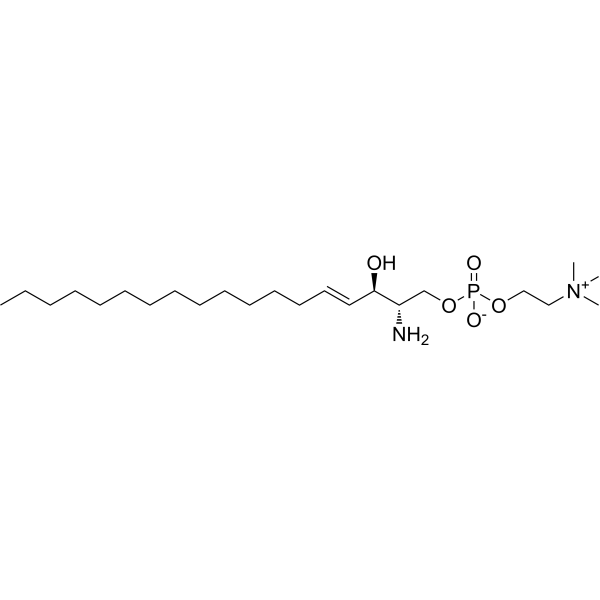
    Sphingosylphosphorylcholine is a bioactive lipid and a major component of plasma high-density lipoprotein that binds to OGR1 with a Kd of 33.3 nM. Sphingosylphosphorylcholine triggers delayed phosphorylation of Smad2, upregulates α-SMA expression, and activates TRPM3. Sphingosylphosphorylcholine reduces Apoptosis and upregulates the expression of uPA and its receptor uPA-R. Sphingosylphosphorylcholine exerts anti-apoptotic, anti-cardiac hypertrophy and pro-wound healing effects. Sphingosylphosphorylcholine induces scratching behavior in mice. Sphingosylphosphorylcholine is used in studies related to atopic dermatitis, promyelocytic leukemia, heart failure, myocardial ischemia/reperfusion injury, ovarian cancer, breast cancer, pancreatic cancer, and skin wound healing disorders in genetically impaired healing diabetes .
    Sphingosylphosphorylcholine
  • HY-N1964A

    Drug Derivative Metabolic Disease
    Gibberellic acid, suitable for plant cell culture (GA3, suitable for plant cell culture) is a natural plant growth regulator with oral bioactivity. Gibberellic acid, suitable for plant cell culture governs multiple plant developmental events, including seed germination, cell elongation, floral organ formation, and rice spikelet fertility. Gibberellic acid, suitable for plant cell culture optimizes root morphology and secondary metabolite production in Echinacea purpurea hairy roots, and serves as a bioactive seed priming agent to improve chilling stress tolerance in chickpea. Gibberellic acid, suitable for plant cell culture mediates modulation of enzyme activity and secondary metabolism in plants and exerts tissue-specific regulatory effects on antioxidant systems and lipid peroxidation in rats. Gibberellic acid, suitable for plant cell culture can be used in studies of plant growth, metabolism, and abiotic stress responses .
    Gibberellic acid, suitable for plant cell culture
  • HY-107614G

    1-Oleoyl-sn-glycero-3-phosphate sodium; 1-Oleoyl-LPA sodium

    LPL Receptor ROCK TGF-beta/Smad TGF-β Receptor Neurological Disease Cancer
    1-Oleoyl lysophosphatidic acid sodium (GMP) is the GMP-grade form of 1-Oleoyl lysophosphatidic acid sodium (HY-107614). GMP-grade small molecules serve as auxiliary reagents in cell therapy. 1-Oleoyl lysophosphatidic acid sodium is a bioactive lipid signaling molecule. 1-Oleoyl lysophosphatidic acid sodium inhibits lysoPLD-catalyzed hydrolysis of lysophosphatidylcholine and FS-3. 1-Oleoyl lysophosphatidic acid sodium activates LPA1 and LPA2, thereby triggering calcium mobilization, NFATc1 translocation, Rho/ROCK activation, Smad2/3 phosphorylation and c-Fos expression. 1-Oleoyl lysophosphatidic acid sodium induces anxiety-like, depression-like and hypoactivity phenotypes, regulates osteoclast cytoskeleton and viability, reduces osteoclast bone resorptive activity, and drives mesenchymal stem cell differentiation into myofibroblast-like cells. 1-Oleoyl lysophosphatidic acid sodium stimulates the secretion of transforming growth factor-β1 and stromal cell-derived factor-1. 1-Oleoyl lysophosphatidic acid sodium is applicable to research related to anxiety, depression and ovarian cancer .
    1-Oleoyl lysophosphatidic acid sodium
  • HY-W023983

    Drug Derivative Cancer
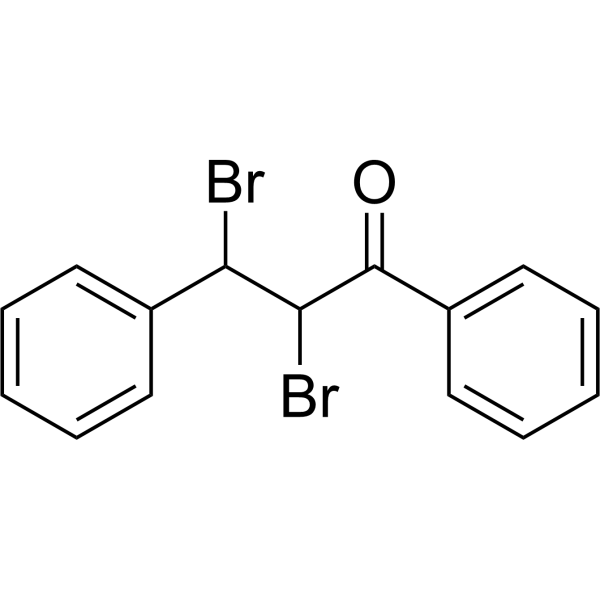
    Chalcone dibromide is a useful synthon in the synthesis of a large number of bioactive molecules such as pyrazolines, hydroxy pyrazolines, isoxazoles etc. Chalcone dibromide possesses antioxidant effects against tumor cells by inhibiting superoxide production and lipid peroxidation. Chalcone dibromide can be used for cancer disease research .
    Chalcone dibromide
  • HY-178794

    PGE synthase Inflammation/Immunology
    AGU661 is a Microsomal prostaglandin E2 synthase 1 (mPGES-1) inhibitor with an IC50 of 0.22  nM. AGU661 lowers PGE2 formation in human pro-inflammatory M1 macrophages and activated monocytes without affecting other lipid mediator pathways. AGU661 has unfavorable physicochemical properties with poor metabolic stability and strong plasma protein binding tendencies. AGU661 into PLGA-based NPs significantly enhances its bioactivity. AGU661 can be used for inflammatory disorders research .
    AGU661
  • HY-157620

    Endogenous Metabolite Metabolic Disease
    18:0 Lyso PS sodium is a bioactive molecule with the activity of promoting cell signaling. 18:0 Lyso PS sodium plays an important role in regulating the fluidity and integrity of cell membranes. 18:0 Lyso PS sodium is widely used in lipidomics research to analyze lipid metabolism in cells.
    18:0 Lyso PS sodium
  • HY-N1964R

    Gibberellin A3 (Standard)

    Reference Standards Drug Derivative Metabolic Disease
    Gibberellic acid (Standard) is the analytical standard of Gibberellic acid (GA3) (HY-N1964). This product is intended for research and analytical applications. Gibberellic acidis a natural plant growth regulator with oral bioactivity. Gibberellic acid governs multiple plant developmental events, including seed germination, cell elongation, floral organ formation, and rice spikelet fertility. Gibberellic acid optimizes root morphology and secondary metabolite production in Echinacea purpurea hairy roots, and serves as a bioactive seed priming agent to improve chilling stress tolerance in chickpea. Gibberellic acid mediates modulation of enzyme activity and secondary metabolism in plants and exerts tissue-specific regulatory effects on antioxidant systems and lipid peroxidation in rats. Gibberellic acid can be used in studies of plant growth, metabolism, and abiotic stress responses .
    Gibberellic acid (Standard)
  • HY-164283

    2-((2,3-Bis(oleoyloxy)propyl)dimethylammonio)ethyl hydrogen phosphate

    Endogenous Metabolite Others
    DOCP (2-((2,3-Bis(oleoyloxy)propyl)dimethylammonio)ethyl hydrogen phosphate), characterized by their inverted charge orientation compared to traditional phosphocholine (PC) lipids, feature a quaternary amine positioned near the bilayer interface and a phosphate group that protrudes into the aqueous environment. This unique configuration of iPC lipids provides an exceptional opportunity to explore the biophysical properties and bioactivity implications resulting from the charge inversion at the bilayer surface.
    DOCP
  • HY-129764

    PGF3α

    P-glycoprotein Metabolic Disease Inflammation/Immunology Cancer
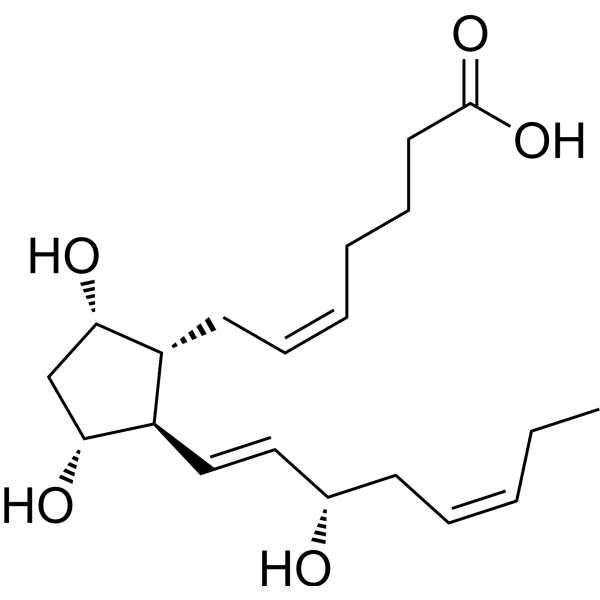
    Prostaglandin F3α (PGF3α) is an eicosapentaenoic acid (EPA)-derived bioactive lipid mediator that has anti-cancer and anti-inflammatory effects. Prostaglandin F3α is a substrate of ABCC4 with a Km of 12.1 μM. Prostaglandin F3α can be used for the research of diabetes .
    Prostaglandin F3α
  • HY-B2171AR

    Carminomycin hydrochloride (Standard); Carminomicin I hydrochloride (Standard)

    Reference Standards Apoptosis Infection Cancer
    Isoflavone (Standard) is the analytical standard of Isoflavone. This product is intended for research and analytical applications. Isoflavone is an orally available bioactive component of soy phytoestrogen with lipid-lowering and antioxidant activities. Isoflavone prevents a variety of chronic diseases by regulating fatty acid oxidation in the liver and gene expression in adipose tissue. In addition, isoflavone has important value in the research of cancer and cardiovascular diseases .
    Carubicin hydrochloride (Standard)
  • HY-W011426R

    Propan-2-yl hexadecanoate (Standard)

    Biochemical Assay Reagents Liposome Reference Standards Others
    Isopropyl palmitate (Standard) is the analytical standard of Isopropyl palmitate. This product is intended for research and analytical applications. Isopropyl palmitate is an fatty acid ester. Isopropyl palmitate can be used for design and characterization of bioactive bilayer films. The bilayer membrane not only has the ability to scavenge free radicals and inhibit lipid peroxidation, but also can inhibit the growth of known foodborne pathogens. Isopropyl palmitate can be used as an excipient, such as lubricant, oily carrier, solvent, controlled-release transdermal film. Pharmaceutical excipients, or pharmaceutical auxiliaries, refer to other chemical substances used in the pharmaceutical process other than pharmaceutical ingredients. Pharmaceutical excipients generally refer to inactive ingredients in pharmaceutical preparations, which can improve the stability, solubility and processability of pharmaceutical preparations. Pharmaceutical excipients also affect the absorption, distribution, metabolism, and elimination (ADME) processes of co-administered drugs .
    Isopropyl palmitate (Standard)
  • HY-W012618R

    Drug Intermediate Reference Standards Others
    Isopropyl palmitate (Standard) is the analytical standard of Isopropyl palmitate. This product is intended for research and analytical applications. Isopropyl palmitate is an fatty acid ester. Isopropyl palmitate can be used for design and characterization of bioactive bilayer films. The bilayer membrane not only has the ability to scavenge free radicals and inhibit lipid peroxidation, but also can inhibit the growth of known foodborne pathogens. Isopropyl palmitate can be used as an excipient, such as lubricant, oily carrier, solvent, controlled-release transdermal film. Pharmaceutical excipients, or pharmaceutical auxiliaries, refer to other chemical substances used in the pharmaceutical process other than pharmaceutical ingredients. Pharmaceutical excipients generally refer to inactive ingredients in pharmaceutical preparations, which can improve the stability, solubility and processability of pharmaceutical preparations. Pharmaceutical excipients also affect the absorption, distribution, metabolism, and elimination (ADME) processes of co-administered drugs .
    1-Phenyl-1-propanol (Standard)
  • HY-N3097R

    Reference Standards TRP Channel Amyloid-β Toll-like Receptor (TLR) Keap1-Nrf2 Heme Oxygenase (HO) Dihydroorotate Dehydrogenase Ferroptosis PAI-1 NF-κB Proton Pump Glutathione Peroxidase Thrombin Insecticide Bacterial Infection Cardiovascular Disease Neurological Disease Inflammation/Immunology Cancer
    Pellitorine (Standard) is the analytical standard of Pellitorine (HY-N3097). Pellitorine is a bioactive natural amide compound. Pellitorine can competitively antagonize the activation of TRPV1 by Capsaicin (HY-10448), thereby reducing pain signal transmission. Pellitorine improves cognitive dysfunction by upregulating the BDNF-ERK1/2-CREB and Nrf2-HO-1 pathways. Pellitorine exerts anti-inflammatory and anti-sepsis effects by inhibiting the release of high mobility group protein B1 (HMGB1) and the expression of RAGE/TLR4. Pellitorine exerts its antithrombotic effect by prolonging the clotting time, inhibiting the activity of clotting factors and thrombin. Pellitorine inhibits lipid peroxidation and resists ferroptosis by upregulating GPX4 and DHODH. Pellitorine kills Aedes aegypti mosquito larvae by inhibiting V-type H⁺-ATPase and aquaporin 4 (AaAQP4). Pellitorine exhibits anti-cancer activity (e.g., leukemia and breast cancer) and has inhibitory effects on certain bacteria.
    Pellitorine (Standard)
  • HY-168392

    Biochemical Assay Reagents Others
    Propylene glycol monopalmitate can be used to synthesize solid lipid nanoparticles (SLNs) for the delivery of bioactive compounds .
    Propylene glycol monopalmitate
  • HY-172765

    Endogenous Metabolite Metabolic Disease
    10-POHSA is a newly identified endogenous lipid that belongs to a collection of branched fatty acid esters of hydroxy fatty acids (FAHFAs). 10-POHSA may be a bioactive lipid with roles in metabolic syndrome and inflammation.
    10-POHSA
  • HY-N1964B

    GA3 Sterile Solution (1 mg/ml)

    Drug Derivative Metabolic Disease
    Gibberellic acid Sterile Solution (1 mg/mL) (GA3 Sterile Solution (1 mg/mL)) is a natural plant growth regulator with oral bioactivity. Gibberellic acid Sterile Solution (1 mg/mL) governs multiple plant developmental events, including seed germination, cell elongation, floral organ formation, and rice spikelet fertility. Gibberellic acid Sterile Solution (1 mg/mL) optimizes root morphology and secondary metabolite production in Echinacea purpurea hairy roots, and serves as a bioactive seed priming agent to improve chilling stress tolerance in chickpea. Gibberellic acid Sterile Solution (1 mg/mL) mediates modulation of enzyme activity and secondary metabolism in plants and exerts tissue-specific regulatory effects on antioxidant systems and lipid peroxidation in rats. Gibberellic acid Sterile Solution (1 mg/mL) can be used in studies of plant growth, metabolism, and abiotic stress responses .
    Gibberellic acid Sterile Solution (1 mg/ml)

Inquiry Online

Your information is safe with us. * Required Fields.

Salutation


Country or Region *

Applicant Name *


Organization Name *

Department *


Email Address *


Product Name *

Cat. No.


Requested quantity *

Phone Number *


Remarks

Inquiry Online

Inquiry Information

Product Name:
Cat. No.:
Quantity:
MCE Japan Authorized Agent: