1. Search Result
Search Result
Results for "

blood marker

" in MedChemExpress (MCE) Product Catalog:

48

Inhibitors & Agonists

8

Fluorescent Dyes

1

Biochemical Assay Reagents

1

Peptides

8

Natural
Products

1

GMP Molecules

Cat. No. Product Name Target Research Areas Chemical Structure
  • HY-128868A
    FITC-Dextran (MW 4000)
    Maximum Cited Publications
    90 Publications Verification

    Fluorescent Dye Others
    FITC-Dextran (MW 4000) is a fluorescent probe for fluorescein isothiocyanate (FITC) dextran (Ex=495 nm; Em=525 nm). FITC-Dextran (MW 4000) can be used as a marker to reveal heat shock-induced cell damage and to study the early and late stages of apoptosis. FITC-Dextran (MW 4000) can also be used for cell permeability studies, such as blood-brain barrier permeability and determination of the extent of blood-brain barrier disruption .
    FITC-Dextran (MW 4000)
  • HY-128868
    FITC-Dextran (MW 10000)
    Maximum Cited Publications
    90 Publications Verification

    Fluorescent Dye Others
    FITC-Dextran (MW 10000) is a fluorescent probe for fluorescein isothiocyanate (FITC) dextran (Ex=495 nm; Em=525 nm). FITC-Dextran (MW 10000) can be used as a marker to reveal heat shock-induced cell damage and to study the early and late stages of apoptosis. FITC-Dextran (MW 10000) can also be used for cell permeability studies, such as blood-brain barrier permeability and determination of the extent of blood-brain barrier disruption .
    FITC-Dextran (MW 10000)
  • HY-128868D
    FITC-Dextran (MW 40000)
    10+ Cited Publications

    Fluorescent Dye Others
    FITC-Dextran (MW 40000) is a fluorescent probe for fluorescein isothiocyanate (FITC) dextran (Ex=495 nm; Em=525 nm). FITC-Dextran (MW 40000) can be used as a marker to reveal heat shock-induced cell damage and to study the early and late stages of apoptosis. FITC-Dextran (MW 40000) can also be used for cell permeability studies, such as blood-brain barrier permeability and determination of the extent of blood-brain barrier disruption .
    FITC-Dextran (MW 40000)
  • HY-128868B
    FITC-Dextran (MW 3000-5000)
    2 Publications Verification

    Biochemical Assay Reagents Others
    FITC-Dextran (MW 3000-5000) is a fluorescent probe for fluorescein isothiocyanate (FITC) dextran (Ex=495 nm; Em=525 nm). FITC-Dextran (MW 3000-5000) can be used as a marker to reveal heat shock-induced cell damage and to study the early and late stages of apoptosis. FITC-Dextran (MW 3000-5000) can also be used for cell permeability studies, such as blood-brain barrier permeability and determination of the extent of blood-brain barrier disruption . Storage: protect from light.
    FITC-Dextran (MW 3000-5000)
  • HY-128868G
    FITC-Dextran (MW 150000)
    4 Publications Verification

    Fluorescent Dye Others
    FITC-Dextran (MW 150000) is a fluorescent probe for fluorescein isothiocyanate (FITC) dextran (Ex=491 nm; Em=518 nm). FITC-Dextran (MW 150000) can be used as a marker to reveal heat shock-induced cell damage and to study the early and late stages of apoptosis. FITC-Dextran (MW 150000) can be used in perfusion studies in animals or in fluorescence microlymphography, to study processes that affect the permeability of the blood brain barrier (BBB) . FITC-Dextran (MW 150000) can be used as fluorescent probe to study cell permeability .
    FITC-Dextran (MW 150000)
  • HY-W016715
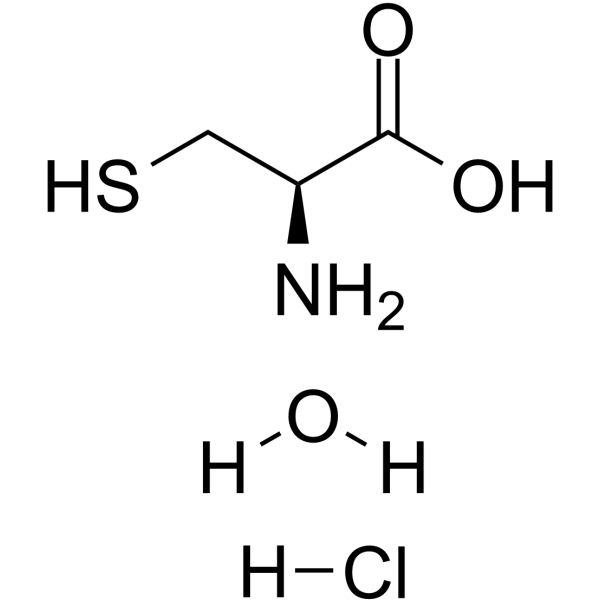
    L-Cysteine hydrochloride hydrate
    Maximum Cited Publications
    12 Publications Verification

    Endogenous Metabolite NF-κB Insulin Receptor Neurological Disease Metabolic Disease
    L-Cysteine hydrochloride hydrate is an orally active and essential amino acid, which acts as a precursor for biologically active molecules such as hydrogen sulphide (H2S), glutathione and taurine. L-Cysteine hydrochloride hydrate regulates CBS/H2S pathway, inhibits NF-κB activation and insulin and ghrelin secretion. L-Cysteine hydrochloride hydrate reduces blood sugar, vascular inflammation markers and appetite. L-Cysteine hydrochloride hydrate induces kidney damage. L-Cysteine hydrochloride hydrate can be used in the study of neurological diseases and diabetes .
    L-Cysteine hydrochloride hydrate
  • HY-N0123
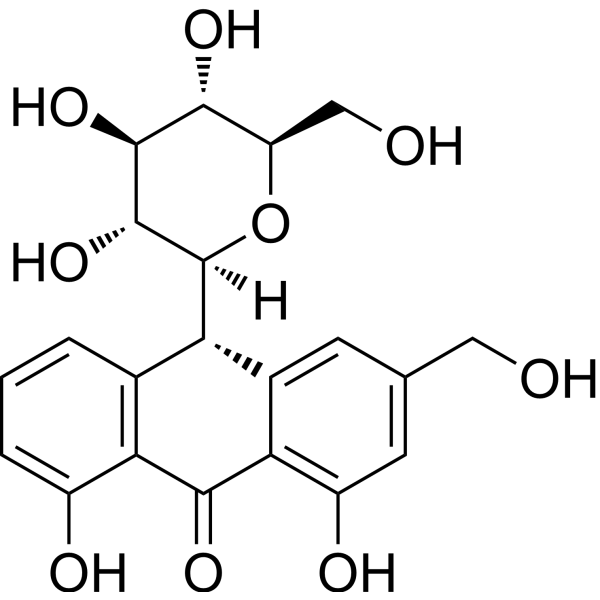
    Aloin-A
    5+ Cited Publications

    Barbaloin-A

    Wnt Cancer
    Aloin (Aloin-A; Barbaloin-A) is a natural anti-tumor anthraquinone glycoside with iron chelating activity. Aloin induces the differentiation of MC3T3-E1 cells into osteoblasts through MAPK-mediated Wnt and Bmp signaling pathways. Alkaline phosphatase (ALP) is an early marker of osteoblast differentiation, and the activity of ALP is also enhanced by Aloin. Aloin also reduces brain edema, reduces blood-brain barrier disruption and improves cortical impact injuries. Aloin is used in research into osteoporosis and traumatic brain injury (TBI) .
    Aloin-A
  • HY-W050031
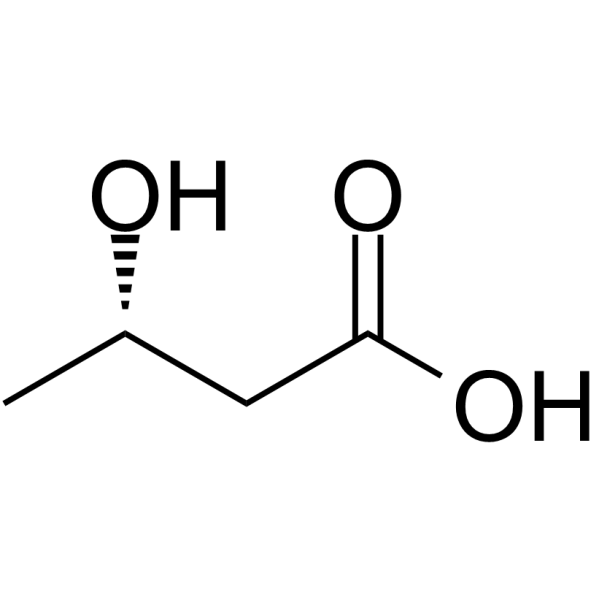
    (S)-3-Hydroxybutanoic acid
    2 Publications Verification

    (S)-β-Hydroxybutanoic acid; L-(+)-3-Hydroxybutyric acid; L-β-Hydroxybutyric acid

    Endogenous Metabolite Metabolic Disease
    (S)-3-Hydroxybutanoic acid is a metabolite and a disease marker of depression. 3-Hydroxybutyric acid is synthesized in the liver from acetyl-CoA, and can be used as an energy source by the brain when blood glucose is low.
    (S)-3-Hydroxybutanoic acid
  • HY-DY1016

    Fluorescent Dye Others
    FITC-Dextran (MW 10000) (solution) is a fluorescent probe for fluorescein isothiocyanate (FITC) dextran (Ex=495 nm; Em=525 nm). FITC-Dextran (MW 10000) can be used as a marker to reveal heat shock-induced cell damage and to study the early and late stages of apoptosis. FITC-Dextran (MW 10000) can also be used for cell permeability studies, such as blood-brain barrier permeability and determination of the extent of blood-brain barrier disruption .
    Solvent and Concentration: Sterile water: 2 mM
    FITC-Dextran (MW 10000) (solution)
  • HY-W096638A

    (S)-Glycerolphosphocholine

    Endogenous Metabolite Neurological Disease Metabolic Disease Cancer
    Glycerophosphocholine ((S)-Glycerolphosphocholine) is an orally active metabolite that crosses the blood-brain barrier. Glycerophosphocholine acts as a precursor of acetylcholine, a specific marker for phosphatidylcholine breakdown, a major water-soluble storage form of choline, and an intermediate in phosphatidylcholine metabolism. Glycerophosphocholine is specifically elevated in the cerebrospinal fluid of Alzheimer's disease models, and it also promotes growth hormone secretion and fat oxidation. Glycerophosphocholine is also a potential biomarker for breast cancer .
    Glycerophosphocholine
  • HY-10199A
    Ibutamoren
    5 Publications Verification

    MK-677 free base; MK-0677 free base

    GHSR Insulin Receptor Neurological Disease Metabolic Disease
    Ibutamoren (MK-677 free base; MK-0677 free base) is an orally active non-peptide growth hormone secretagogue receptor agonist. Ibutamoren activates signal cascades by mimicking endogenous ligands, triggers pulsatile release of growth hormone from the pituitary gland, and increases serum levels of IGF-1 and insulin-like growth factor-binding protein 3. Ibutamoren not only increases the frequency of growth hormone pulses in male individuals, but also promotes elevated bone formation markers in female individuals with postmenopausal osteoporosis. The combination of Ibutamoren with Alendronate sodium hydrate (HY-11101) significantly increases bone mineral density at the femoral neck. However, Ibutamoren may cause mild, reversible adverse reactions such as increased appetite, fluid retention, and elevated fasting blood glucose. Ibutamoren has been widely used in studies related to idiopathic growth hormone deficiency, sarcopenia, Alzheimer's disease, and osteoporosis .
    Ibutamoren
  • HY-153248

    Biochemical Assay Reagents Neurological Disease Inflammation/Immunology
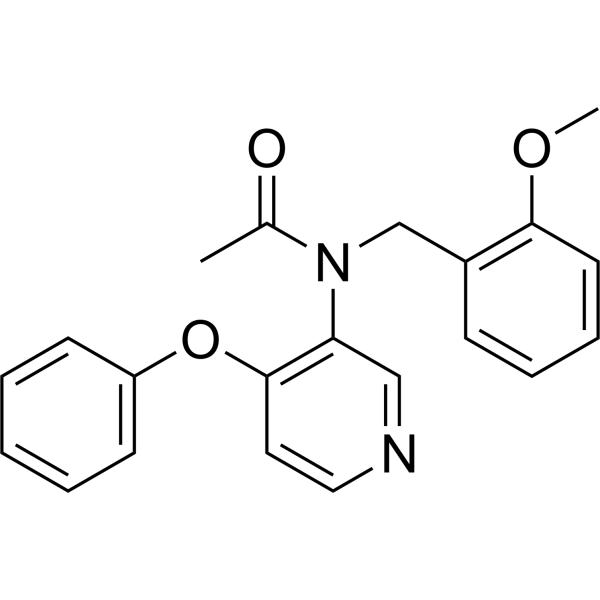
    PBR28 is a translocator protein (TSPO) binding positron emission tomography (PET) radiotracer with blood-brain barrier permeability . PBR28 binds to TSPO, a marker of microglial activation and neuroinflammation, and is used for neuroinflammation imaging in brain diseases and HIV-infected individuals .
    PBR28
  • HY-145580

    UCB0599; (R)-NPT200-11

    α-synuclein Neurological Disease
    Minzasolmin (UCB0599; (R)-NPT200-11) is an orally active, blood-brain-permeable α-synuclein (α-Syn) inhibitor that selectively binds to α-Syn misfolded intermediates (such as oligomers) and inhibits aggregation and fibril formation by regulating their conformational stability. Minzasolmin can reduce the generation of pathological oligomers and block neurotoxic signaling, thereby reducing the abnormal accumulation of α-Syn in the brain. Minzasolmin significantly improved motor deficits, reduced neuroinflammatory markers, and α-Syn-related pathological deposition in transgenic mouse models .
    Minzasolmin
  • HY-177338

    STING Cyclic GMP-AMP Synthase IFNAR TNF Receptor Interleukin Related Inflammation/Immunology Cancer
    STING agonist-45 is a selective STING agonist (EC50 = 0.28 μM). STING agonist-45 activates the innate immune response through the cGAS-STING pathway, upregulating key markers such as p-TBK1 and IRF3. STING agonist-45 exhibits robust STING activation in human peripheral blood mononuclear cells (PBMCs), inducing the production of type I interferons (such as IFN-β) and downstream cytokines (such as TNF-α and IL-6). STING agonist-45 enhances anti-tumor immunity, inhibits tumor growth, and increases CD8 + T cell infiltration in mouse models. STING agonist-45 is promising for the study of STING-related diseases .
    STING agonist-45
  • HY-W002199

    6:2 FTOH; 1H,1H,2H,2H-Perfluoro-1-octanol; 2-(Perfluorohexyl)ethanol

    Bacterial Apoptosis ERK TNF Receptor Infection Neurological Disease
    6:2 Fluorotelomer alcohol (6:2 FTOH) is an orally active, blood-brain barrier-permeable modulator of cyclin D1 and ETS1. 6:2 Fluorotelomer alcohol downregulates cyclin D1 expression, upregulates ETS1 via the TNF-α/ERK 1/2 pathway, impairs mitochondrial membrane potential and respiratory function, increases reactive oxygen species levels, disrupts calcium homeostasis and activates endoplasmic reticulum stress markers, and induces cell proliferation inhibition and endothelial-mesenchymal transition. Furthermore, 6:2 Fluorotelomer alcohol induces morphological abnormalities in zebrafish embryos and liver developmental damage, while disrupting the brain immune microenvironment in mice, causing systemic toxicity and delayed pup maturation in CD-1 mice. 6:2 Fluorotelomer alcohol also induces cortical neuron apoptosis, glial cell activation, synaptic abnormalities, colonic barrier damage, intestinal dysbiosis and autism spectrum disorder-like symptoms in mice. 6:2 Fluorotelomer alcohol shows no mutagenic, clastogenic, primary skin/eye irritation or skin sensitizing effects, exhibits no selective reproductive toxicity in CD-1 mice, and is classified as GHS Category 4 for acute oral toxicity. 6:2 Fluorotelomer alcohol can be used in studies of neurodevelopmental disorders and autism spectrum disorders .
    6:2 Fluorotelomer alcohol
  • HY-P10551

    Transmembrane Glycoprotein NF-κB TNF Receptor Cardiovascular Disease
    ApoA-I mimetic peptide 5A is a synthetic peptide molecule designed based on the structure and function of naturally occurring apolipoprotein A-I (Apo A-I). ApoA-I mimetic peptide 5A can promote the efflux of cholesterol from cells and help reduce the accumulation of cholesterol in cells. ApoA-I mimetic peptide 5A also shows anti-inflammatory activity and can reduce inflammatory markers in blood and tissues. ApoA-I mimetic peptide 5A can be used in the study of cardiovascular diseases .
    ApoA-I mimetic peptide 5A
  • HY-113331
    Thromboxane B2
    1 Publications Verification

    Prostaglandin Receptor Cardiovascular Disease Inflammation/Immunology
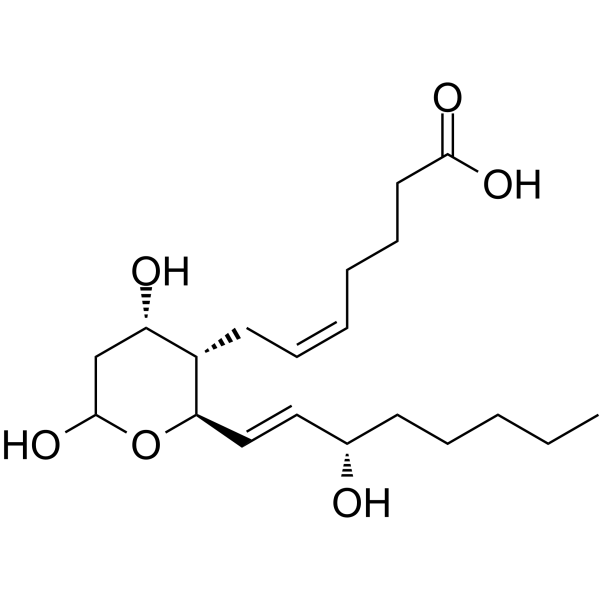
    Thromboxane B2 is a prostaglandin derivative that is released during anaphylaxis. Thromboxane B2 induces arterial contraction and platelet aggregation. Thromboxane B2 is a biological inactive product and circulating catabolite of thromboxane A2. Thromboxane B2 levels in peripheral venous blood and coronary sinus blood can be used as a diagnostic marker for angina. Thromboxane B2 level in serum is also associated with inhibition of COX-1 activity inhibition in platelets. Thromboxane B2 is a major product of prostaglandin endoperoxide metabolism. Thromboxane B2 produces dose-related decreases in airflow rate, tidal volume and dynamic lung compliance, whilst simultaneously increasing pulmonary airway resistance in dog model. Thromboxane B2 appears to be a naturally occurring bronchoactive metabolite in the bioconversion of arachidonic acid .
    Thromboxane B2
  • HY-B1035
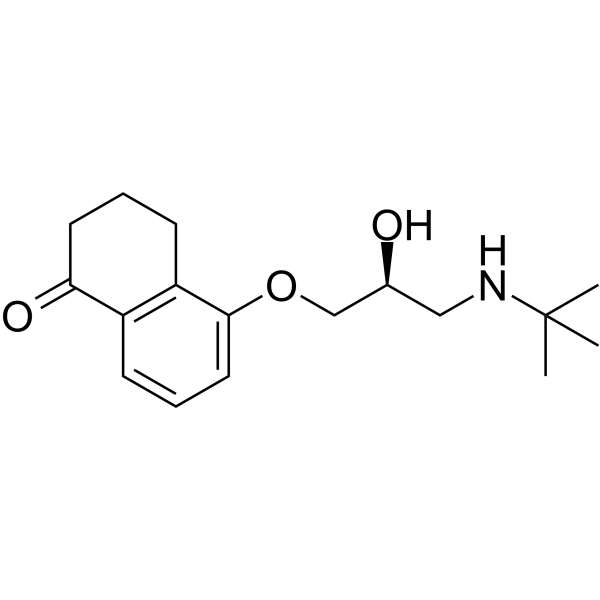
    Levobunolol hydrochloride
    1 Publications Verification

    l-Bunolol hydrochloride

    Adrenergic Receptor Calcium Channel Casein Kinase Cardiovascular Disease
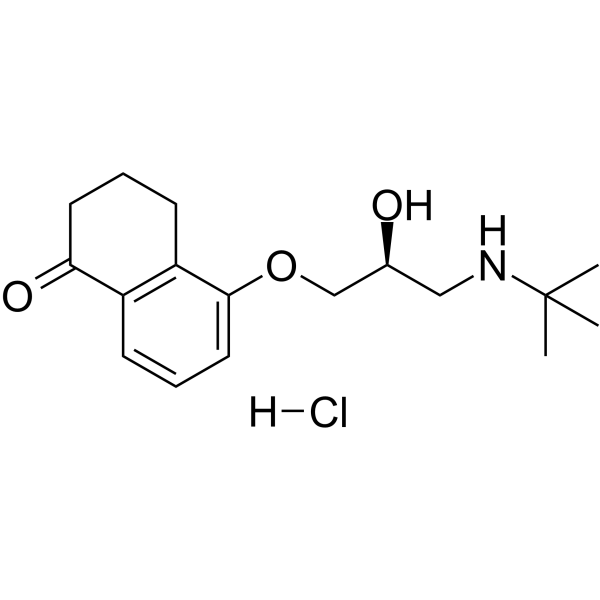
    Levobunolol (l-Bunolol) hydrochloride is a non-selective β-adrenergic antagonist and vasodilator. By blocking calcium ion influx and reducing the sensitivity of vascular smooth muscle to calcium, Levobunolol hydrochloride effectively dilates the ciliary arteries and increases ocular blood flow, so it is widely used in research on glaucoma and ocular hypertension. Levobunolol hydrochloride inhibits the β-receptor signaling pathway and the expression of related proliferation markers (such as CK3, CK14, CK19, Ki67) in corneal cells. In rabbit models, Levobunolol hydrochloride not only does not inhibit corneal epithelial regeneration, but also accelerates the healing of mechanical injury without adverse effects. Levobunolol hydrochloride also inhibits histamine-induced vasoconstriction and intracellular calcium elevation, exhibiting unique vascular regulatory activity. Levobunolol hydrochloride protects ocular blood flow and promotes corneal repair .
    Levobunolol hydrochloride
  • HY-N10534

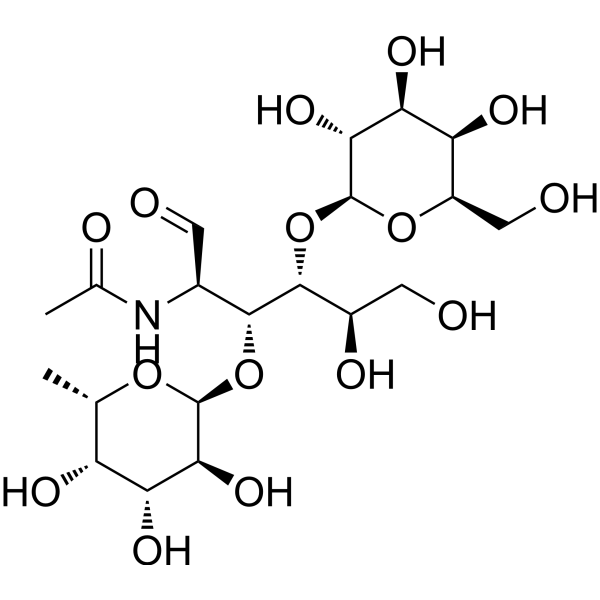
    Lewis X

    Parasite Infection Inflammation/Immunology Cancer
    Lewis X trisaccharide (Lewis X, Le x) is a potent TH2 regulator, antagonizes LPS-induced IL-12 immune expression. Lewis X trisaccharide is a human histo-blood group antigen, plays an key role in cell-cell adhesion, and servers as a tumor marker. Lewis X trisaccharide is highly expressed in the outer membrane of the parasite, can be used for the immunology research of schistosomiasis .
    Lewis X trisaccharide
  • HY-DY1018

    Fluorescent Dye Others
    FITC-Dextran (MW 4000) (solution) is a fluorescent probe for fluorescein isothiocyanate (FITC) dextran (Ex=495 nm; Em=525 nm). FITC-Dextran (MW 4000) can be used as a marker to reveal heat shock-induced cell damage and to study the early and late stages of apoptosis. FITC-Dextran (MW 4000) can also be used for cell permeability studies, such as blood-brain barrier permeability and determination of the extent of blood-brain barrier disruption .
    Solvent and Concentration: Sterile water: 2 mM
    FITC-Dextran (MW 4000) (solution)
  • HY-170506

    Thrombopoietin Receptor Inflammation/Immunology
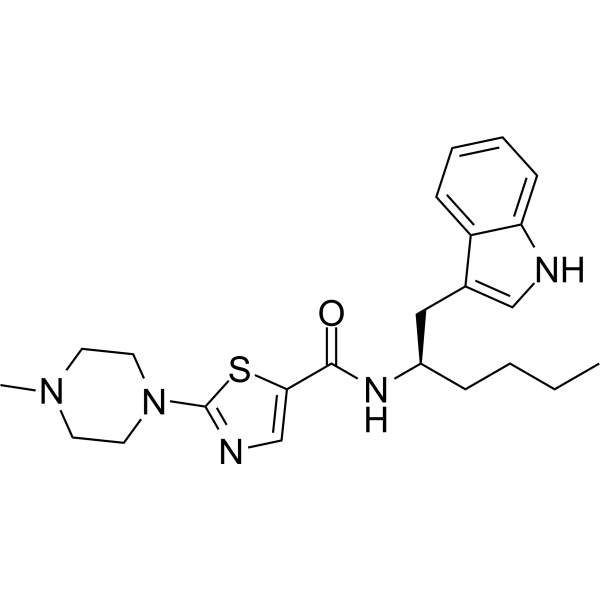
    KB-208 is a phagocytosis inhibitor that acts similarly to intravenous immunoglobulin (IVIG). KB-208 improves immune thrombocytopenia (ITP) in a mouse model at a dose of 1 mg/kg. KB-208 does not affect other blood parameters and does not elevate serum biochemical markers of toxicity, and can be used in research in the field of immunity .
    KB-208
  • HY-169004

    TGF-beta/Smad Interleukin Related Neurological Disease Inflammation/Immunology
    CBT-295 is an orally active autotaxin (ATX) inhibitor. CBT-295 exhibits a significant reduction in inflammatory cytokines like TGF-β, TNF-α and IL-6 levels, also reduced bile duct proliferation marker CK-19 and lowered liver fibrosis. The reversal of liver fibrosis with CBT-295 led to a reduction in blood and brain ammonia levels. CBT-295 also reduced neuroinflammation induced by ammonia. CBT-295 is promising for research of liver cirrhosis and associated encephalopathy .
    CBT-295
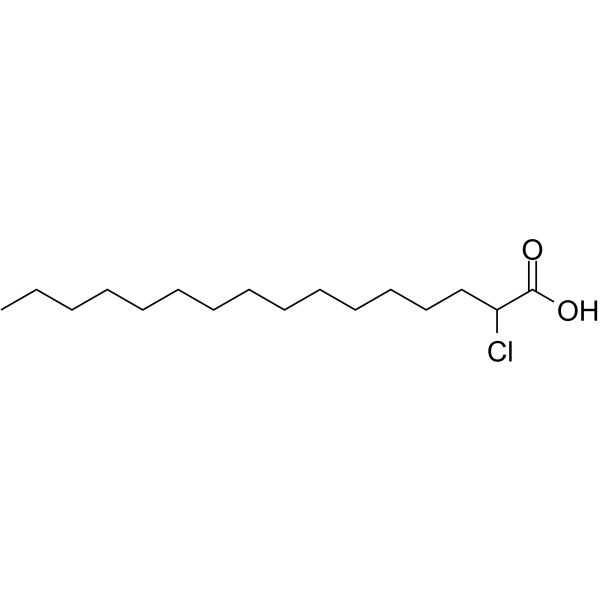
  • HY-131688

    PARP Caspase Inflammation/Immunology
    2-Chlorohexadecanoic acid, an inflammatory lipid mediator, interferes with protein palmitoylation,induces ER-stress markers, reduced the ER ATP content, and activates transcription and secretion of IL-6 as well as IL-8.2-Chlorohexadecanoic acid disrupts the mitochondrial membrane potential and induces procaspase-3 and PARP cleavage.2-Chlorohexadecanoic acid can across blood-brain barrier (BBB) and compromises ER- and mitochondrial functions in the human brain endothelial cell line hCMEC/D3 .
    2-Chlorohexadecanoic acid
  • HY-123789
    T5342126
    1 Publications Verification

    Toll-like Receptor (TLR) Inflammation/Immunology
    T-5342126 is a toll-like receptor 4 (TLR4) antagonist. It reduces LPS-induced production of nitric oxide (NO) in RAW 264.7 cells (IC50=27.8 μM), as well as decreases LPS-induced IL-8, TNF-α, and IL-6 production in isolated human whole blood (IC50s=110.5, 315.6, and 318.4 μM, respectively). T-5342126 (82 mg/kg) reduces ethanol intake and the abundance of ionized calcium-binding adapter molecule 1 (Iba1), a marker of microglial activation, in the central nucleus of the amygdala in ethanol-dependent mice.
    T5342126
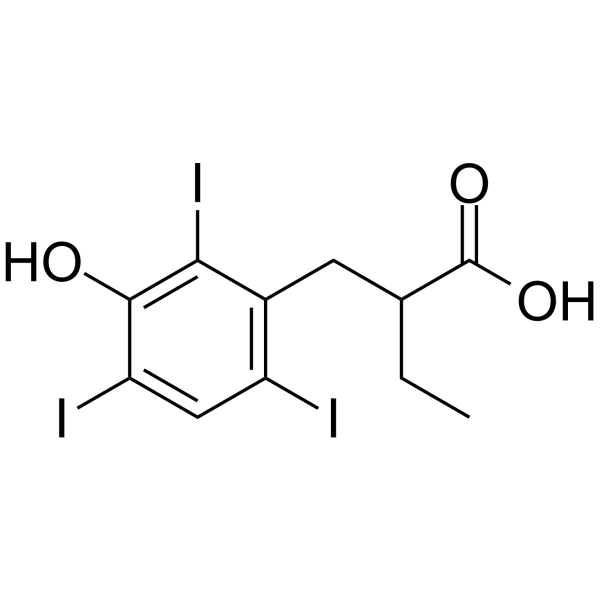
  • HY-W233505

    Biochemical Assay Reagents Others
    Iophenoxic acid is a systemic blood marker for assessment of bait acceptance by stoats (Mustela erminea) and weasels (Mustela nivalis) .
    Iophenoxic acid
  • HY-A0114

    RS 10029

    Angiotensin-converting Enzyme (ACE) Cardiovascular Disease
    Moexiprilat is an inhibitor of angiotensin-converting enzyme (ACE; IC50=2.1 nM) and an active metabolite of the prodrug Moexipril (HY-117281). It is formed from moexipril in vivo by side chain ester hydrolysis. Moexiprilat (10 nM) prevents the estrone- or angiotensin II-stimulated proliferation of primary neonatal rat cardiac fibroblasts. It reduces mean arterial blood pressure and increases the levels of atrial natriuretic peptide, a marker of hypertension, in ovariectomized mice when administered at a dose of 50 mg/kg per day.
    Moexiprilat
  • HY-N0123R

    Barbaloin-A (Standard)

    Reference Standards Wnt Cancer
    Aloin (Standard) is the analytical standard of Aloin. This product is intended for research and analytical applications. Aloin (Aloin-A; Barbaloin-A) is a natural anti-tumor anthraquinone glycoside with iron chelating activity. Aloin induces the differentiation of MC3T3-E1 cells into osteoblasts through MAPK-mediated Wnt and Bmp signaling pathways. Alkaline phosphatase (ALP) is an early marker of osteoblast differentiation, and the activity of ALP is also enhanced by Aloin. Aloin also reduces brain edema, reduces blood-brain barrier disruption and improves cortical impact injuries. Aloin is used in research into osteoporosis and traumatic brain injury (TBI) .
    Aloin-A (Standard)
  • HY-161783

    HDAC Keap1-Nrf2 Reactive Oxygen Species (ROS) Apoptosis Neurological Disease
    HDAC6-IN-45 (Compound 15) is a selective inhibitor for HDAC6 with IC50 of 15.2 nM. HDAC6-IN-45 exhibits neurotrophic through the upregulation of GAP43 and Beta-3 tubulin markers. HDAC6-IN-45 activates the Nrf2 signaling pathway, reduces H2O2-induced ROS production, inhibits apoptosis in PC12, and exhibits neuroprotective efficacy in SCOP-induced zebrafish Alzheimer's Disease models. HDAC6-IN-45 exhibits antioxidant activity and good blood-brain barrier (BBB) permeability .
    HDAC6-IN-45
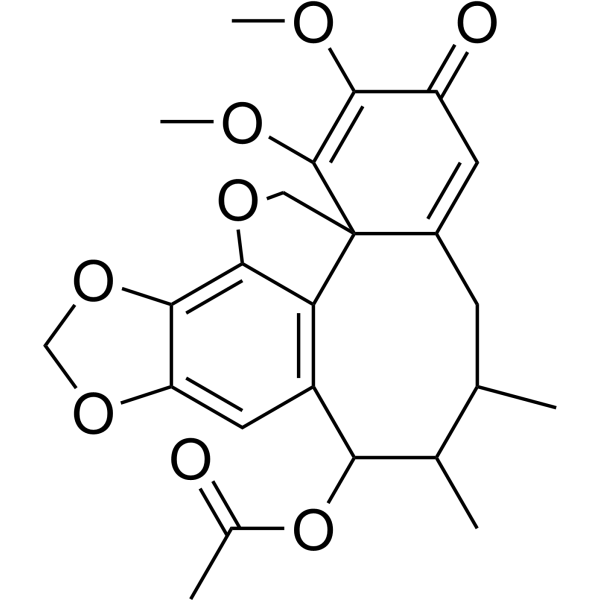
  • HY-N12714

    Others Others
    Interiorin C is the key active ingredient and key bioactivity marker in Schisandra chinensis (K. Interiorin) that is directly related to the improvement of hematopoietic function. Modern pharmacological research attributes Schisandra chinensis's blood-tonifying effects to its antioxidant and immunomodulatory activities .
    Interiorin C
  • HY-E70742

    c-Kit Cancer
    KIT (CD117) is an important cell surface marker used to identify certain types of hematopoietic(blood) progenitors in the bone marrow. KIT is a cytokine receptor expressed on the surface of hematopoietic stem cells as well as other cell types. Altered forms of this receptor may be associated with some types of cancer. KIT V654A is a mutant of KIT. KIT V654A Recombinant Human Active Protein Kinase is a recombinant KIT V654A protein that can be used to study KIT V654A-related functions .
    KIT V654A Recombinant Human Active Protein Kinase
  • HY-B1035A

    l-Bunolol

    Adrenergic Receptor Casein Kinase Calcium Channel Others
    Levobunolol (l-Bunolol) is a non-selective β-adrenergic antagonist and vasodilator. By blocking calcium ion influx and reducing the sensitivity of vascular smooth muscle to calcium, Levobunolol effectively dilates the ciliary arteries and increases ocular blood flow, so it is widely used in research on glaucoma and ocular hypertension. Levobunolol inhibits the β-receptor signaling pathway and the expression of related proliferation markers (such as CK3, CK14, CK19, Ki67) in corneal cells. In rabbit models, Levobunolol not only does not inhibit corneal epithelial regeneration, but also accelerates the healing of mechanical injury without adverse effects. Levobunolol also inhibits histamine-induced vasoconstriction and intracellular calcium elevation, exhibiting unique vascular regulatory activity. Levobunolol protects ocular blood flow and promotes corneal repair .
    Levobunolol
  • HY-E70737

    c-Kit Cancer
    KIT (CD117) is an important cell surface marker used to identify certain types of hematopoietic(blood) progenitors in the bone marrow. KIT is a cytokine receptor expressed on the surface of hematopoietic stem cells as well as other cell types. Altered forms of this receptor may be associated with some types of cancer. KIT T670I is a mutant of KIT. KIT T670I Recombinant Human Active Protein Kinase is a recombinant KIT T670I protein that can be used to study KIT T670I-related functions .
    KIT T670I Recombinant Human Active Protein Kinase
  • HY-E70738

    c-Kit Cancer
    KIT (CD117) is an important cell surface marker used to identify certain types of hematopoietic(blood) progenitors in the bone marrow. KIT is a cytokine receptor expressed on the surface of hematopoietic stem cells as well as other cell types. Altered forms of this receptor may be associated with some types of cancer. KIT V559D is a mutant of KIT. KIT V559D Recombinant Human Active Protein Kinase is a recombinant KIT V559D protein that can be used to study KIT V559D-related functions .
    KIT V559D Recombinant Human Active Protein Kinase
  • HY-E70741

    c-Kit Cancer
    KIT (CD117) is an important cell surface marker used to identify certain types of hematopoietic(blood) progenitors in the bone marrow. KIT is a cytokine receptor expressed on the surface of hematopoietic stem cells as well as other cell types. Altered forms of this receptor may be associated with some types of cancer. KIT V560G is a mutant of KIT. KIT V560G Recombinant Human Active Protein Kinase is a recombinant KIT V560G protein that can be used to study KIT V560G-related functions .
    KIT V560G Recombinant Human Active Protein Kinase
  • HY-E70736

    c-Kit Cancer
    KIT (CD117) is an important cell surface marker used to identify certain types of hematopoietic(blood) progenitors in the bone marrow. KIT is a cytokine receptor expressed on the surface of hematopoietic stem cells as well as other cell types. Altered forms of this receptor may be associated with some types of cancer. KIT D816V is a mutant of KIT. KIT D816V Recombinant Human Active Protein Kinase is a recombinant KIT D816V protein that can be used to study KIT D816V-related functions .
    KIT D816V Recombinant Human Active Protein Kinase
  • HY-E70735

    c-Kit Cancer
    KIT (CD117) is an important cell surface marker used to identify certain types of hematopoietic(blood) progenitors in the bone marrow. KIT is a cytokine receptor expressed on the surface of hematopoietic stem cells as well as other cell types. Altered forms of this receptor may be associated with some types of cancer. KIT D816H is a mutant of KIT. KIT D816H Recombinant Human Active Protein Kinase is a recombinant KIT D816H protein that can be used to study KIT D816H-related functions .
    KIT D816H Recombinant Human Active Protein Kinase
  • HY-E70734

    c-Kit Cancer
    KIT (CD117) is an important cell surface marker used to identify certain types of hematopoietic(blood) progenitors in the bone marrow. KIT is a cytokine receptor expressed on the surface of hematopoietic stem cells as well as other cell types. Altered forms of this receptor may be associated with some types of cancer. KIT A829P is a mutant of KIT. KIT A829P Recombinant Human Active Protein Kinase is a recombinant KIT A829P protein that can be used to study KIT A829P-related functions .
    KIT A829P Recombinant Human Active Protein Kinase
  • HY-170561

    Cholinesterase (ChE) Neurological Disease
    AChE/BuChE-IN-6 (Compound 11f) is an inhibitor of AChE and BuChE, with IC50 values of 1.24 and 1.85 μg/mL, respectively. AChE/BuChE-IN-6 also exhibits strong DPPH free radical scavenging activity (IC50 = 3.15 μg/mL). In vivo toxicity studies indicate that AChE/BuChE-IN-6 is safe, showing no significant differences in blood and biochemical markers compared to the control group after long-term administration, and no abnormalities were observed in liver and kidney tissues. AChE/BuChE-IN-6 holds promise for research into Alzheimer's disease .
    AChE/BuChE-IN-6
  • HY-W517092

    1,2,3,4,7,8,9-HpCDF

    Aryl Hydrocarbon Receptor Cytochrome P450 Metabolic Disease Inflammation/Immunology
    1,2,3,4,7,8,9-Heptachlorodibenzofuran (1,2,3,4,7,8,9-HpCDF) is a compound that induces the expression of CYP1A1 and CYP1B1 genes in human peripheral blood lymphocytes, while also promoting the expression of the aryl hydrocarbon receptor repressor (AhRR). 1,2,3,4,7,8,9-Heptachlorodibenzofuran can increase ethoxyresorufin-O-deethylase (EROD) activity in isolated human peripheral blood lymphocytes in a concentration-dependent manner, which serves as a marker of CYP1A1 activity. Furthermore, 1,2,3,4,7,8,9-Heptachlorodibenzofuran exhibits immunosuppressive effects by reducing the number of splenic plaque-forming cells in mice and increasing aryl hydrocarbon hydroxylase (AHH) activity in liver microsomes of mice injected with sheep red blood cells. 1,2,3,4,7,8,9-Heptachlorodibenzofuran can be used in research in the fields of immunology, metabolic diseases, and environmental toxicology .
    1,2,3,4,7,8,9-Heptachlorodibenzofuran
  • HY-E70740

    c-Kit Cancer
    KIT (CD117) is an important cell surface marker used to identify certain types of hematopoietic(blood) progenitors in the bone marrow. KIT is a cytokine receptor expressed on the surface of hematopoietic stem cells as well as other cell types. Altered forms of this receptor may be associated with some types of cancer. KIT V559D/V654A is a mutant of KIT. KIT V559D/V654A Recombinant Human Active Protein Kinase is a recombinant KIT V559D/V654A protein that can be used to study KIT V559D/V654A-related functions .
    KIT V559D/V654A Recombinant Human Active Protein Kinase
  • HY-E70739

    c-Kit Cancer
    KIT (CD117) is an important cell surface marker used to identify certain types of hematopoietic(blood) progenitors in the bone marrow. KIT is a cytokine receptor expressed on the surface of hematopoietic stem cells as well as other cell types. Altered forms of this receptor may be associated with some types of cancer. KIT V559D/T670I is a mutant of KIT. KIT V559D/T670I Recombinant Human Active Protein Kinase is a recombinant KIT V559D/T670I protein that can be used to study KIT V559D/T670I-related functions .
    KIT V559D/T670I Recombinant Human Active Protein Kinase
  • HY-W050031R

    (S)-β-Hydroxybutanoic acid (Standard); L-(+)-3-Hydroxybutyric acid (Standard); L-β-Hydroxybutyric acid (Standard)

    Reference Standards Endogenous Metabolite Metabolic Disease
    (S)-3-Hydroxybutanoic acid (Standard) is the analytical standard of (S)-3-Hydroxybutanoic acid (HY-W050031). This product is intended for research and analytical applications. (S)-3-Hydroxybutanoic acid is a metabolite and a disease marker for depression. (S)-3-Hydroxybutanoic acid is synthesized in the liver from acetyl-CoA and can be used by the brain as an energy source when blood sugar is low.
    (S)-3-Hydroxybutanoic acid (Standard)
  • HY-117521

    γ-secretase Amyloid-β Neurological Disease
    EVP-0015962 is an orally active, blood-brain barrier-permeable γ-secretase inhibitor with an IC50 of 3.9 μM. EVP-0015962 alters γ-secretase-mediated cleavage of amyloid precursor protein, reduces Aβ42 production and increases Aβ38 production. EVP-0015962 reduces Aβ aggregates, amyloid plaques and inflammatory markers in the brains of mice, and improves their cognitive impairment. EVP-0015962 can be used for the research of Alzheimer's disease .
    EVP-0015962
  • HY-123958

    ROCK β-catenin Collagen Cardiovascular Disease Neurological Disease Inflammation/Immunology
    SB772077B is a ROCK inhibitor. SB772077B has an anti-inflammatory activity and enhances aqueous outflow facility (OF) by inactivating RhoA/ROCK signal pathway. SB772077B significantly reduces the mRNA level of β-catenin and protein level of fibrotic markers, such as vinculin, fibronectin, collagen 1 A and vimentin. SB772077B also has vasodialatory activity and decreases pulmonary and systemic blood pressure. SB772077B can be used for glaucoma research and pulmonary hypertensive disorder research .
    SB772077B
  • HY-181709

    TG062

    GLP Receptor GCGR Metabolic Disease Inflammation/Immunology
    TPM003 (TG062) is a triple agonist of GLP-1R, GIPR and GCGR, with EC50 values of 33.9, 12.5 and 92.9 pM, respectively. TPM003 suppresses appetite, regulates blood glucose, enhances insulin sensitivity, reduces gastrointestinal intolerance, promotes hepatic lipid mobilization and increases energy expenditure. TPM003 induces weight loss, improves metabolic parameters, reverses hepatic steatosis and optimizes liver function markers. TPM003 is applicable for research on obesity and non-alcoholic steatohepatitis .
    TPM003
  • HY-Y0282

    NSC 77384; Sanibrom 40

    Environmental Pollutants Neurological Disease
    Sodium bromide (NSC 77384; Sanibrom 40) is a GABA-ergic system modulator that crosses the blood-brain barrier, and it effectively reduces and blocks epileptiform discharges. Sodium bromide exerts significant anticonvulsant effects by enhancing GABA-ergic inhibitory functions, such as increasing the amplitude of inhibitory postsynaptic currents and paired-pulse inhibition. Sodium bromide specifically enhances stimulation-induced extracellular alkalosis without affecting baseline pH or subsequent acidosis processes. Sodium bromide exhibits species-specific pharmacokinetic characteristics, competes with chloride ions for renal tubular reabsorption sites, and serves as a marker for extracellular fluid volume. Sodium bromide can be used in the research of epilepsy and related neurological diseases .
    Sodium bromide
  • HY-181556

    JNK TGF-beta/Smad Cadherin Inflammation/Immunology
    JNK3-IN-10 is a blood-brain barrier-impermeable JNK3 inhibitor (IC50=0.257 nM) with over 400-fold selectivity over JNK1. JNK3-IN-10 blocks the JNK3-mediated signaling pathway downstream of TGF-β1, inhibits TGF-β1-induced phosphorylation of c-Jun, reduces the expression of pro-fibrotic markers, and restores the expression of the epithelial protein E-cadherin. JNK3-IN-10 exhibits low cytotoxicity, anti-fibrotic, cytoprotective and renoprotective effects, and alleviates albuminuria, glomerulosclerosis and podocyte foot process fusion. JNK3-IN-10 can be used for the research of chronic kidney disease, glomerulosclerosis and adriamycin-induced nephropathy .
    JNK3-IN-10
  • HY-B0356G

    Bay-09867

    Bacterial Topoisomerase Akt β-catenin Inflammation/Immunology
    Ciprofloxacin GMP is Ciprofloxacin (HY-B0356) produced by using GMP guidelines. GMP small molecules works appropriately as an auxiliary reagent for cell therapy manufacture. Ciprofloxacin (Bay-09867) is an orally active, blood-brain barrier permeable fluoroquinolone antibacterial agent. Ciprofloxacin exerts bactericidal effects primarily by inhibiting topoisomerase II and IV. Ciprofloxacin inhibits the proliferation of human dental pulp stem cells and chondrocytes from young rats, and also activates the Akt signaling pathway and upregulates markers such as β-catenin and Nanog to maintain the morphological characteristics of stem cells. Ciprofloxacin induces significant neurotoxicity and tissue damage, including reducing serotonin and glutathione levels in the brain, inducing oxidative stress and depression-like behaviors, and causing articular cartilage damage. Ciprofloxacin can be applied to research related to infections of necrotic young permanent teeth and neurotoxicity .
    Ciprofloxacin

Inquiry Online

Your information is safe with us. * Required Fields.

Salutation


Country or Region *

Applicant Name *


Organization Name *

Department *


Email Address *


Product Name *

Cat. No.


Requested quantity *

Phone Number *


Remarks

Inquiry Online

Inquiry Information

Product Name:
Cat. No.:
Quantity:
MCE Japan Authorized Agent: