



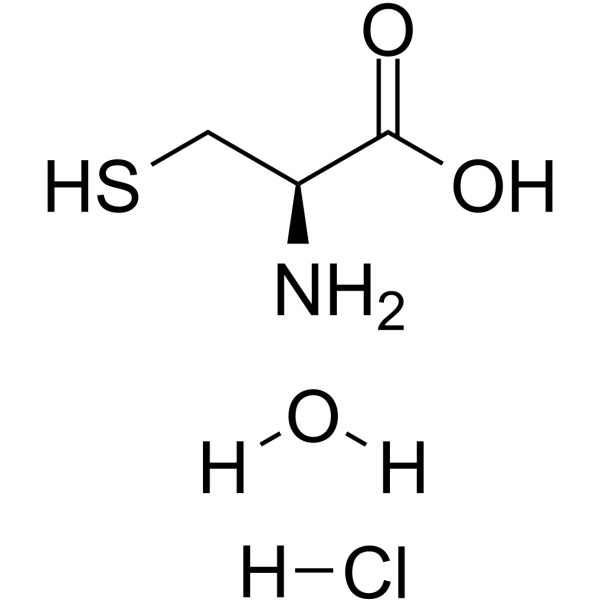
L-Cysteine hydrochloride hydrate
Based on 13 publication(s) in Google Scholar
L-Cysteine hydrochloride hydrate is an orally active and essential amino acid, which acts as a precursor for biologically active molecules such as hydrogen sulphide (H2S), glutathione and taurine. L-Cysteine hydrochloride hydrate regulates CBS/H2S pathway, inhibits NF-κB activation and insulin and ghrelin secretion. L-Cysteine hydrochloride hydrate reduces blood sugar, vascular inflammation markers and appetite. L-Cysteine hydrochloride hydrate induces kidney damage. L-Cysteine hydrochloride hydrate can be used in the study of neurological diseases and diabetes.
For research use only. We do not sell to patients.
- Purity : 98.0%
- CAS No.: 7048-04-6
- Formula: C3H10ClNO3S
- Molecular Weight:175.63
-
Storage:
4°C, sealed storage, away from moisture
* In solvent : -80°C, 6 months; -20°C, 1 month (sealed storage, away from moisture)

To place orders, for customer services and technical support, please contact: MedChemExpress USA
Tel: 609-228-6898 E-mail: [email protected] [email protected]


-
 Biological Activity
-
Chemical Information
-
Solvent & Solubility
- Protocols
- Purity & Documentation
- References
-
 Help & FAQs


-
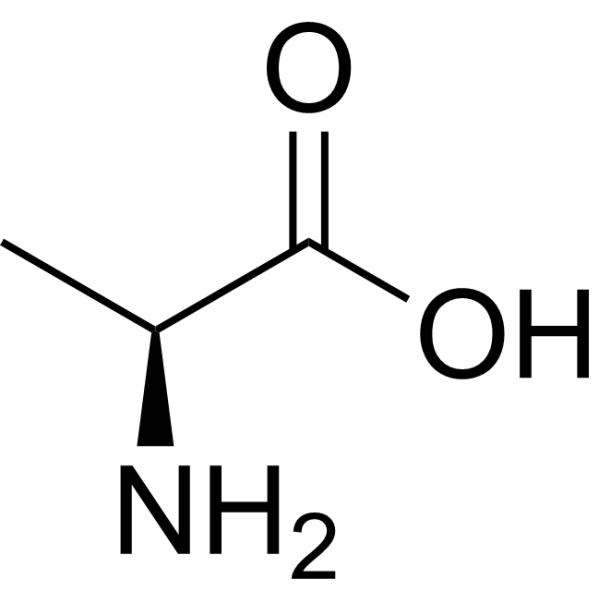
HY-N0229
L-AlanineEndogenous Metabolite -
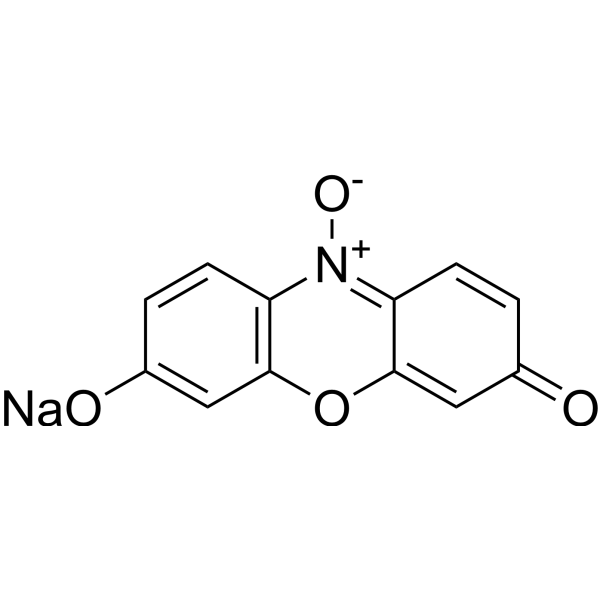
HY-111391
Resazurin sodiumBacterial Inhibitor -
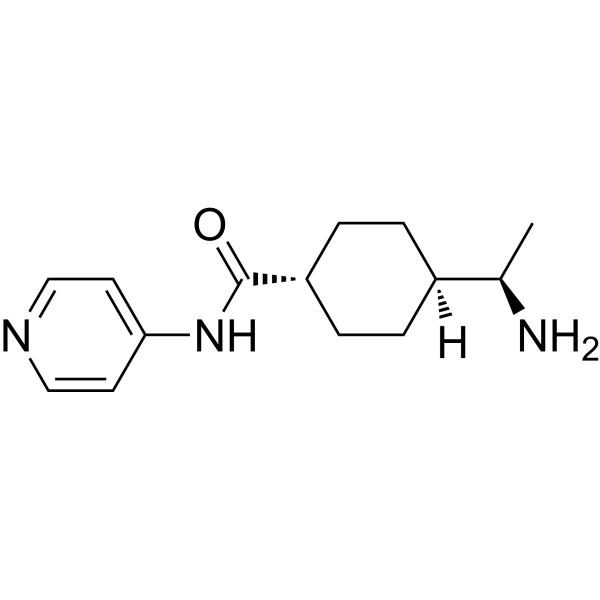
HY-10071
Y-27632ROCK Inhibitor -
HY-Y0337
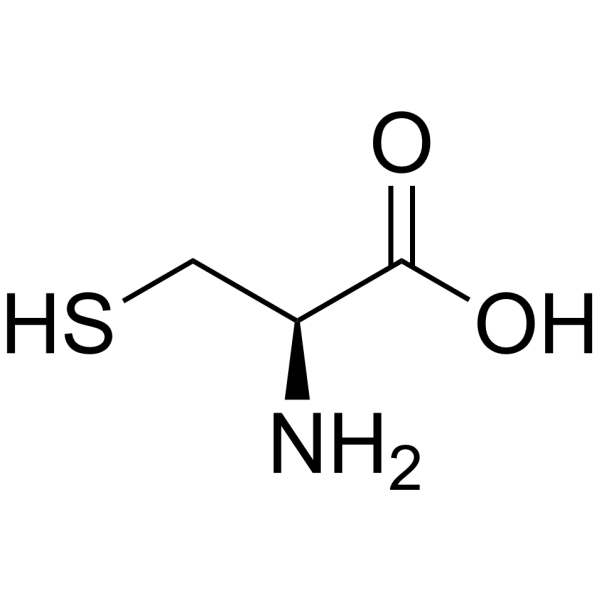
L-CysteineAnorectic Agent -
HY-N0666
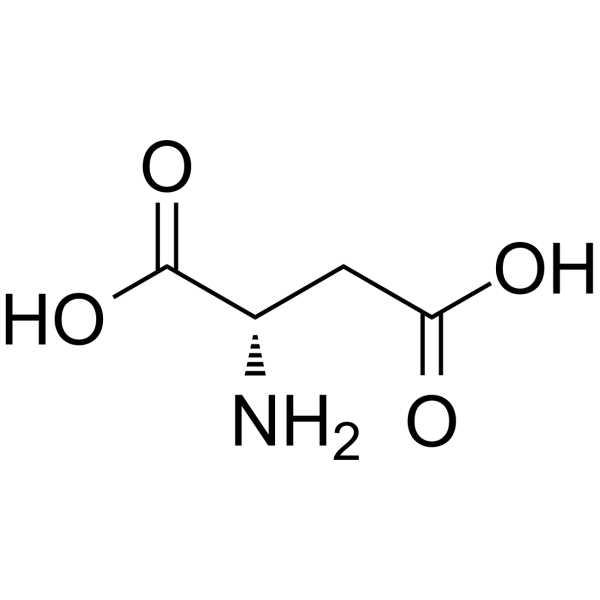
L-Aspartic acidNMDA Receptor Agonist -

HY-P7004
FGF basic/bFGF Protein, Human (146a.a) -

HY-W016715R
L-Cysteine hydrochloride hydrate (Standard)Amino Acid -

HY-Y0337R
L-Cysteine (Standard) -

HY-N0229R
L-Alanine (Standard)Endogenous Metabolite -
HY-W017443
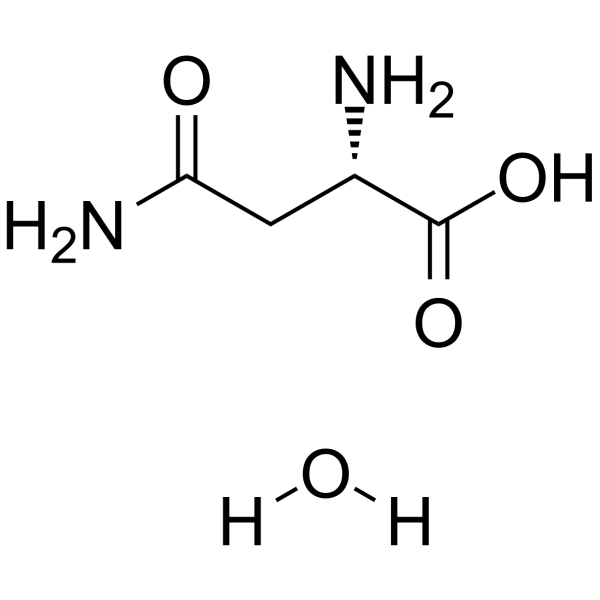
L-Asparagine monohydrateL-Asparaginase Substrate -
HY-N0390
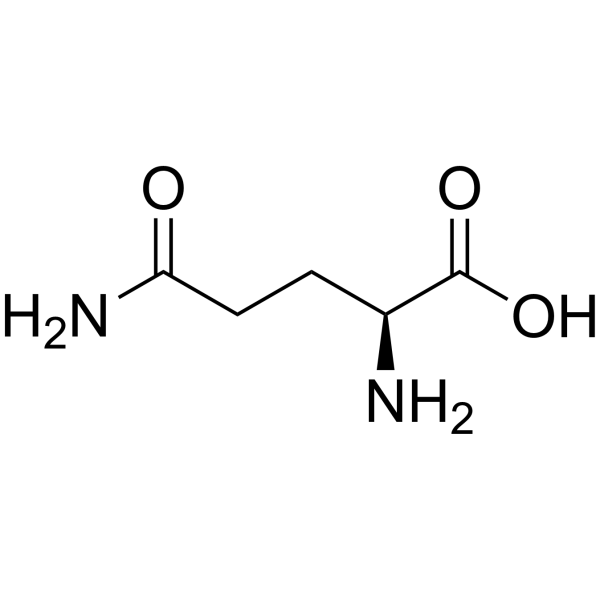
L-GlutamineEndogenous Metabolite -
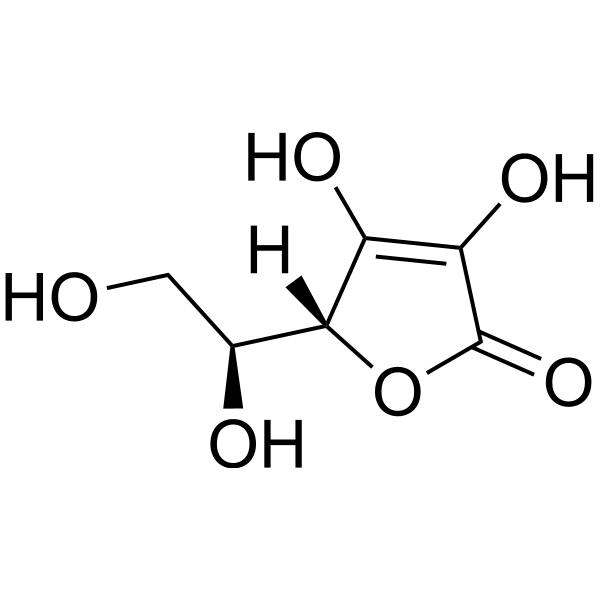
HY-B0166
L-Ascorbic acidAntioxidant
Publications Citing Use of MedChemExpress (MCE) L-Cysteine hydrochloride hydrate
More- Nature. 2025 Jul;643(8070):192-200. [Abstract]
- Cell Metab. 2025 Jan 7;37(1):291-304.e9. [Abstract]
- J Nanobiotechnology. 2026 Feb 28;24(1):315. [Abstract]
- Adv Sci (Weinh). 2025 Nov 21:e10500. [Abstract]
- Int J Biol Sci. 2023 Aug 21;19(14):4457-4475. [Abstract]
- Life Metab. 2025 Oct 8.
- Probiotics Antimicrob Proteins. 2025 Nov 26. [Abstract]
- J Chromatogr A. 2024 Apr 12:1720:464776. [Abstract]
- J Integr Neurosci. 2026 Jul 29;25(7):50683.
- Amino Acids. 2024 Sep 18;56(1):56. [Abstract]
- Sci Total Environ. 2024 Dec 20:957:177678. [Abstract]
- Research Square Preprint. 2024 Jan 24.
- SSRN. 2023 Nov 17.
All Endogenous Metabolite Isoforms
More

Biological Activity
Description
IC50 & Target
|
Microbial Metabolite |
Human Endogenous Metabolite |
In Vitro
L-Cysteine hydrochloride (5 mM, 5-7 days) hydrate inhibits Aspergillus flavus growth and AFB1 synthesis by disrupting cell structure and antioxidant system balance[2].
L-Cysteine (1-10 μM, 1-5 days) hydrochloride hydrate promotes the proliferation and differentiation of neural stem cells via the CBS/H2S pathway[3].
L-Cysteine (3 mM, 1 h) hydrochloride hydrate inhibits insulin release from the pancreatic β-Cell[4].
MedChemExpress (MCE) has not independently confirmed the accuracy of these methods. They are for reference only. Further protocols information, click here.
-
Cell Line:neural stem cells
-
Concentration:0.1, 1 and 10 μM
-
Incubation Time:3, 5 and 7 d
-
Result:Improved MAP-2 expression at day 5.
Increased the percentage of MAP-2-positive cells in NSCs (1 μM).
Increased the absolute number of newborn neurons.
In Vivo
L-Cysteine (50 mg/kg, i.p., 7 days) hydrochloride hydrate only marginally alleviates lead-induced toxicity in albino mice[6].
L-Cysteine (1-4 mmol/kg, p.o.) hydrochloride hydrate suppresses ghrelin and reduces appetite in rodents (rats and mice)[7].
L-Cysteine (1 mg/kg, p.o., daily, 8 weeks) hydrochloride hydrate can lower glycemia and markers of vascular inflammation in diabetes apparently by preventing NF-κB activation in a diabetic rat model[8].
L-Cysteine (1000 mg/kg, i.v., daily) hydrochloride hydrate suppresses body weight gain, decreases spontaneous activity, salivation, ptosis, tremor in male Sprague-Dawley rats[9].
MedChemExpress (MCE) has not independently confirmed the accuracy of these methods. They are for reference only.
-
Animal Model:Male Zucker diabetic rats[8]
-
Dosage:1 mg/kg
-
Administration:Oral gavage (p.o.), daily, 8 weeks
-
Result:Showed lower glucose levels.
Reduced blood glucose, glycated hemoglobin, CRP, MCP-1.
Decreased levels of activated NF-κB and phosphorylation of Akt.
Clinical Trial
| NCT Number | Sponsor | Condition | Start Date |
Phase

|
|---|---|---|---|---|
| NCT01329991 | Plexxikon| | 2011-05 | PHASE1 |


Chemical Information
-
CAS No. 7048-04-6
-
Appearance Solid
-
Molecular Weight 175.63
-
Formula C3H10ClNO3S
-
Color White to off-white
-
SMILES
N[C@@H](CS)C(O)=O.[H]Cl.[H]O[H]
-
Structure Classification
-
Initial Source
-
Shipping
Room temperature in continental US; may vary elsewhere.
-
Storage
4°C, sealed storage, away from moisture
* In solvent : -80°C, 6 months; -20°C, 1 month (sealed storage, away from moisture)


Publications (13)
-
Journal Impact Factor
-
Most Recent
-
Nature
2025 Jul;643(8070):192-200. PMID: 39695227 -
Cell Metab
Lighting up arginine metabolism reveals its functional diversity in physiology and pathology. [Abstract]2025 Jan 7;37(1):291-304.e9. PMID: 39413790 -
J Nanobiotechnology
Targeted inhibition of RGS19 alleviates renal fibrosis by restoring autophagy and modulating immune cell infiltration. [Abstract]2026 Feb 28;24(1):315. PMID: 41761314 -
Adv Sci (Weinh)
Targeting the SOX9/TIMP1 Axis with iRGD-Conjugated Nanoplatform Enhances Dendritic Cell Function and Photodynamic Immunotherapy in Gastric Cancer. [Abstract]2025 Nov 21:e10500. PMID: 41270217 -
Int J Biol Sci
MKL-1 suppresses ferroptosis by activating system Xc- and increasing glutathione synthesis. [Abstract]2023 Aug 21;19(14):4457-4475. PMID: 37781038 -
-
Probiotics Antimicrob Proteins
Potential Benefits of Metformin Via Roseburia Intestinalis in High-fat Diet-fed Mice With Colorectal Adenomas. [Abstract]2025 Nov 26. PMID: 41296177 -
J Chromatogr A
Preparation of thiol-free amino acid plasma matrix for quantification of thiol amino acids and their oxidized forms in human plasma by UPLC-MS/MS. [Abstract]2024 Apr 12:1720:464776. PMID: 38432109 -
-
Amino Acids
Identification of amino acids metabolomic profiling in human plasma distinguishes lupus nephritis from systemic lupus erythematosus. [Abstract]2024 Sep 18;56(1):56. PMID: 39292313 -
Sci Total Environ
Network pharmacology and transcriptomics reveal androgen receptor as a potential protein target for 6PPD-quinone. [Abstract]2024 Dec 20:957:177678. PMID: 39581451 -
-


Solvent & Solubility
In Vitro:
DMSO : 100 mg/mL (569.38 mM; Need ultrasonic; Hygroscopic DMSO has a significant impact on the solubility of product, please use newly opened DMSO)
Please refer to the solubility information to select the appropriate solvent. Once prepared, please aliquot and store the solution to prevent product inactivation from repeated freeze-thaw cycles.
Storage method and period of stock solution: -80°C, 6 months; -20°C, 1 month (sealed storage, away from moisture). When stored at -80°C, please use it within 6 months. When stored at -20°C, please use it within 1 month.
Please refer to the solubility information to select the appropriate solvent. Once prepared, please aliquot and store the solution to prevent product inactivation from repeated freeze-thaw cycles.
Storage method and period of stock solution: -80°C, 6 months; -20°C, 1 month (sealed storage, away from moisture). When stored at -80°C, please use it within 6 months. When stored at -20°C, please use it within 1 month.
Concentration (start) × Volume (start) = Concentration (final) × Volume (final)
In Vivo:
Select the appropriate dissolution method based on your experimental animal and administration route.
- For the following dissolution methods, please ensure to first prepare a clear stock solution using an In Vitro approach and then sequentially add co-solvents:
- To ensure reliable experimental results, the clarified stock solution can be appropriately stored based on storage conditions. As for the working solution for In Vivo experiments, it is recommended to prepare freshly and use it on the same day.
- The percentages shown for the solvents indicate their volumetric ratio in the final prepared solution. If precipitation or phase separation occurs during preparation, heat and/or sonication can be used to aid dissolution.
Add each solvent one by one: 10% DMSO 90% (20% SBE-β-CD in Saline)
Solubility: ≥ 2.5 mg/mL (14.23 mM); Clear solution
This protocol yields a clear solution of ≥ 2.5 mg/mL (saturation unknown).
Taking 1 mL working solution as an example, add 100 μL DMSO stock solution (25.0 mg/mL) to 900 μL 20% SBE-β-CD in Saline, and mix evenly.
Preparation of 20% SBE-β-CD in Saline (4°C, storage for one week): 2 g SBE-β-CD powder is dissolved in 10 mL Saline, completely dissolve until clear.
In Vivo Dissolution Calculator
Please enter the basic information of animal experiments:
-
-
-
-
Recommended: Prepare an additional quantity of animals to account for potential losses during experiments.
Please enter your animal formula composition:
-
%DMSO +
Recommended: Keep the proportion of DMSO in working solution below 2% if your animal is weak.
-
%+
-
+%Tween-80 + +
-
%Saline +
The co-solvents required include: DMSO, . All of co-solvents are available by MedChemExpress (MCE). , Tween 80. All of co-solvents are available by MedChemExpress (MCE).
Working solution concentration: 0.22 mg/mL
Method for preparing stock solution: mg drug dissolved in μL DMSO. Stock solution concentration: mg/mL. * In solvent : -80°C, 6 months; -20°C, 1 month (sealed storage, away from moisture)
1. Take μL DMSO stock solution;
2. Add μL .
μL , mix evenly;
3. Then add μL Tween 80, mix evenly;
4. Then add μL
Please ensure that the stock solution in the first step is dissolved to a clear state, and add co-solvents in sequence. You can use ultrasonic heating (ultrasonic cleaner, recommended frequency 20-40 kHz), vortexing, etc. to assist dissolution.

Protocols
-
Research Protocol for Endocrine Diseases
Endocrine diseases often arise from disrupted hormone production, hormone signaling, or target-tissue responsiveness; for diabetes-focused endocrine disease models, insulin signaling regulates glucose uptake, hepatic glucose output, lipid metabolism, and β-cell compensation. Type 2 diabetes develops through interacting defects in insulin resistance, β-cell dysfunction, adipose inflammation, hepatic glucose overproduction, altered incretin signaling, and ectopic lipid metabolism. A major unresolved question is whether endocrine dysfunction is driven primarily by target-tissue insulin resistance, intrinsic β-cell failure, immune/inflammatory stress, or combined multi-organ failure that differs by disease stage.
-
Research Protocol for Inflammation-related Diseases
The NLRP3 inflammasome is a cytosolic innate immune signaling platform that integrates priming signals and danger-signal activation to promote caspase-1 activation, maturation of IL-1β and IL-18, and gasdermin D-mediated pyroptotic cell death. The core experimental logic is to determine whether inflammatory disease phenotypes are driven by increased NLRP3 expression, ASC-containing inflammasome assembly, caspase-1 cleavage, GSDMD cleavage, and extracellular release of IL-1β/IL-18 rather than by nonspecific cell injury alone. The pathway is strongly linked to inflammation-related disease phenotypes because monosodium urate crystals activate NALP3/NLRP3 inflammasome signaling in gout-like crystal inflammation, cholesterol crystals activate NLRP3 inflammasomes in atherogenesis models, and DSS-induced intestinal inflammation has been reported to involve NLRP3 inflammasome activity. However, experimental colitis studies also show context-dependent protective effects of NLRP3 inflammasome co
-
Research Protocol for Metabolic Diseases
AMP-activated protein kinase, AMPK, is a conserved cellular energy sensor that responds to reduced cellular energy status and coordinates metabolism by increasing ATP-generating catabolic pathways while suppressing ATP-consuming anabolic processes. In metabolic disease research, the AMPK pathway is experimentally relevant because it regulates hepatic lipid synthesis, fatty acid oxidation, glucose production, skeletal-muscle glucose disposal, mTORC1-linked biosynthesis, autophagy, mitochondrial homeostasis, and whole-body energy balance. The central pathway logic is that energy stress, metformin, exercise-like stimulation, or direct AMPK activators increase AMPKα Thr172 phosphorylation and downstream substrate phosphorylation, including ACC and RAPTOR. Phosphorylation of ACC suppresses lipogenesis and supports fatty acid oxidation, whereas phosphorylation of RAPTOR suppresses mTORC1 signaling and links cellular energy status to growth and protein synthesis control. The pathway is linked


Purity & Documentation
-
Data Sheet (281 KB)
-
SDS (394 KB)
- English - EN (394 KB)
- Français - FR (394 KB)
- Deutsch - DE (394 KB)
- Norwegian - NO (394 KB)
- Español - ES (394 KB)
- Swedish - SV (394 KB)
- Italian - IT (394 KB)
- Korean - KR (394 KB)
- Portuguese - PT (394 KB)
-
Handling Instructions (2659 KB)
References
[1]. McGavigan AK, et al. L-cysteine suppresses ghrelin and reduces appetite in rodents and humans. Int J Obes (Lond). 2015 Mar;39(3):447-55. [Content Brief]
[2]. Qiu M, et al. L-Cysteine hydrochloride inhibits Aspergillus flavus growth and AFB1 synthesis by disrupting cell structure and antioxidant system balance. J Hazard Mater. 2023 Oct 5;459:132218. [Content Brief]
[3]. Wang Z, et al. L-Cysteine promotes the proliferation and differentiation of neural stem cells via the CBS/H₂S pathway. Neuroscience. 2013 May 1;237:106-17. [Content Brief]
[4]. Kaneko Y, et al. L-cysteine inhibits insulin release from the pancreatic beta-cell: possible involvement of metabolic production of hydrogen sulfide, a novel gasotransmitter. Diabetes. 2006 May;55(5):1391-7. [Content Brief]
[5]. Shibui Y, et al. Comparisons of l-cysteine and d-cysteine toxicity in 4-week repeated-dose toxicity studies of rats receiving daily oral administration. J Toxicol Pathol. 2017 Jul;30(3):217-229. [Content Brief]
[6]. Mahmoud YI, et al. Effects of L-cysteine on lead acetate induced neurotoxicity in albino mice. Biotech Histochem. 2016 Jul;91(5):327-32. [Content Brief]
[7]. McGavigan AK, et al. L-cysteine suppresses ghrelin and reduces appetite in rodents and humans. Int J Obes (Lond). 2015 Mar;39(3):447-55. [Content Brief]
[8]. Jain SK, et al. L-cysteine supplementation lowers blood glucose, glycated hemoglobin, CRP, MCP-1, and oxidative stress and inhibits NF-kappaB activation in the livers of Zucker diabetic rats. Free Radic Biol Med. 2009 Jun 15;46(12):1633-8. [Content Brief]


Complete Stock Solution Preparation Table
Please refer to the solubility information to select the appropriate solvent. Once prepared, please aliquot and store the solution to prevent product inactivation from repeated freeze-thaw cycles.
Storage method and period of stock solution: -80°C, 6 months; -20°C, 1 month (sealed storage, away from moisture). When stored at -80°C, please use it within 6 months. When stored at -20°C, please use it within 1 month.
| Optional Solvent | Concentration Solvent Mass | 1 mg | 5 mg | 10 mg | 25 mg |
|---|---|---|---|---|---|
| DMSO | 1 mM | 5.6938 mL | 28.4689 mL | 56.9379 mL | 142.3447 mL |
| 5 mM | 1.1388 mL | 5.6938 mL | 11.3876 mL | 28.4689 mL | |
| 10 mM | 0.5694 mL | 2.8469 mL | 5.6938 mL | 14.2345 mL | |
| 15 mM | 0.3796 mL | 1.8979 mL | 3.7959 mL | 9.4896 mL | |
| 20 mM | 0.2847 mL | 1.4234 mL | 2.8469 mL | 7.1172 mL | |
| 25 mM | 0.2278 mL | 1.1388 mL | 2.2775 mL | 5.6938 mL | |
| 30 mM | 0.1898 mL | 0.9490 mL | 1.8979 mL | 4.7448 mL | |
| 40 mM | 0.1423 mL | 0.7117 mL | 1.4234 mL | 3.5586 mL | |
| 50 mM | 0.1139 mL | 0.5694 mL | 1.1388 mL | 2.8469 mL | |
| 60 mM | 0.0949 mL | 0.4745 mL | 0.9490 mL | 2.3724 mL | |
| 80 mM | 0.0712 mL | 0.3559 mL | 0.7117 mL | 1.7793 mL | |
| 100 mM | 0.0569 mL | 0.2847 mL | 0.5694 mL | 1.4234 mL |


L-Cysteine hydrochloride hydrate Related Classifications
HY-W016715 Related Classifications
 Powered by Bioz