Search Result
Results for "
bromodomain+inhibitor
" in MedChemExpress (MCE) Product Catalog:
1
Biochemical Assay Reagents
1
Isotope-Labeled Compounds
| Cat. No. |
Product Name |
Target |
Research Areas |
Chemical Structure |
-
- HY-13030
-
-
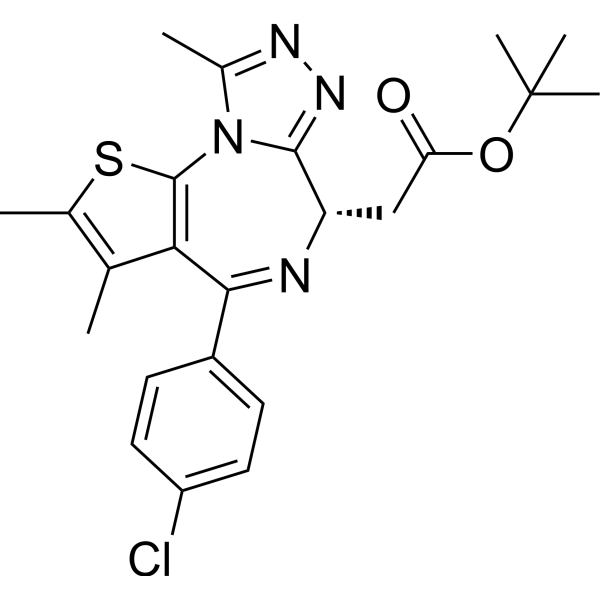
-
- HY-13032
-
|
I-BET762; GSK525762; GSK525762A
|
Epigenetic Reader Domain
|
Cancer
|
|
Molibresib (I-BET762; GSK525762) is a BET bromodomain inhibitor with IC50 of 32.5-42.5 nM.
|
-
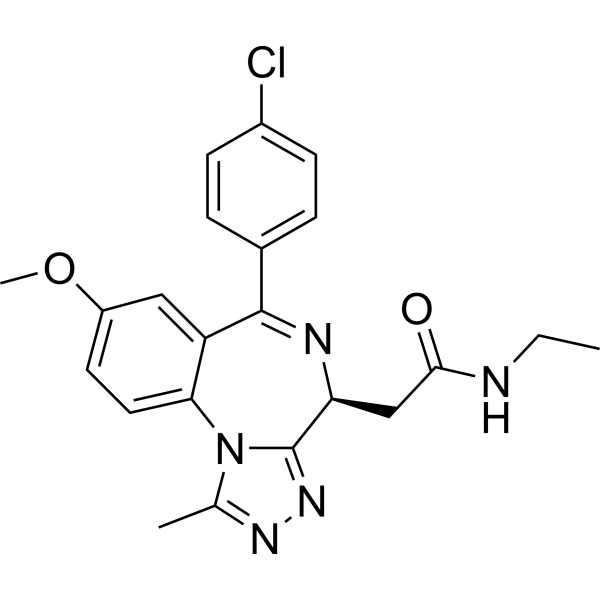
-
- HY-78695
-
-
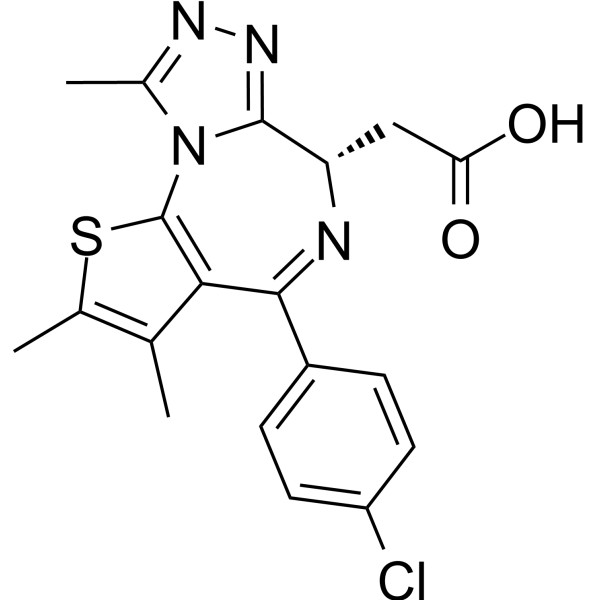
-
- HY-13235
-
|
GSK1210151A
|
Epigenetic Reader Domain
|
Cancer
|
|
I-BET151 (GSK1210151A) is a BET bromodomain inhibitor which inhibits BRD4, BRD2, and BRD3 with pIC50 of 6.1, 6.3, and 6.6, respectively .
|
-
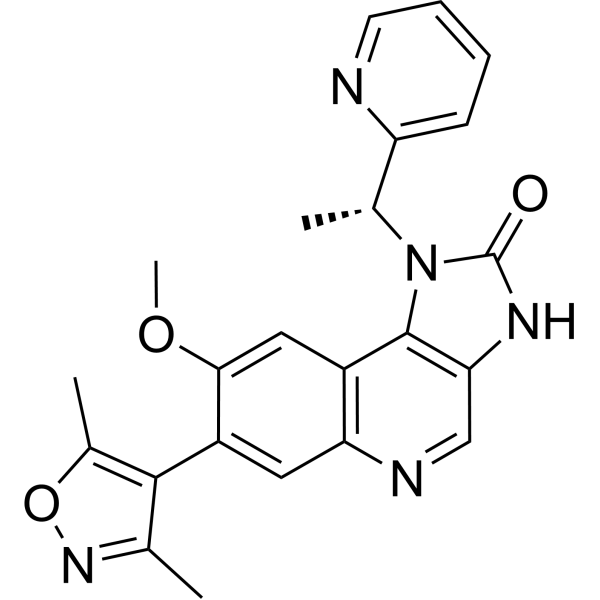
-
- HY-100015
-
|
ABBV-075
|
Epigenetic Reader Domain
Apoptosis
|
Cancer
|
|
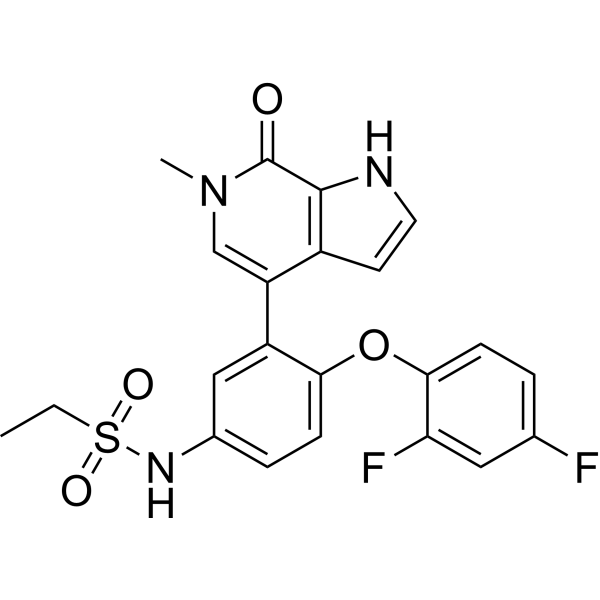
Mivebresib (ABBV-075) is a potent and orally active bromodomain and extraterminal domain (BET) bromodomain inhibitor. Mivebresib binds to BRD4 with a Ki of 1.5 nM .
|
-
-
- HY-136570
-
GSK778
1 Publications Verification
iBET-BD1
|
Epigenetic Reader Domain
Apoptosis
|
Inflammation/Immunology
Cancer
|
|
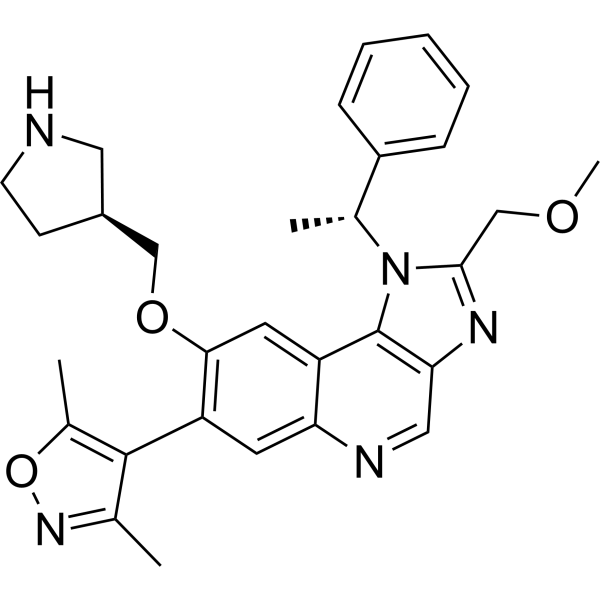
GSK778 (iBET-BD1), a chemical probe, is a potent and selective BD1 bromodomain inhibitor of the BET proteins, with IC50s of 75 nM (BRD2 BD1), 41 nM (BRD3 BD1), 41 nM (BRD4 BD1), and 143 nM (BRDT BD1), respectively. GSK778 phenocopies the effects of pan-BET inhibitors in cancer models .
|
-
-
- HY-12409
-
PFI-3
5 Publications Verification
|
Epigenetic Reader Domain
|
Cancer
|
|
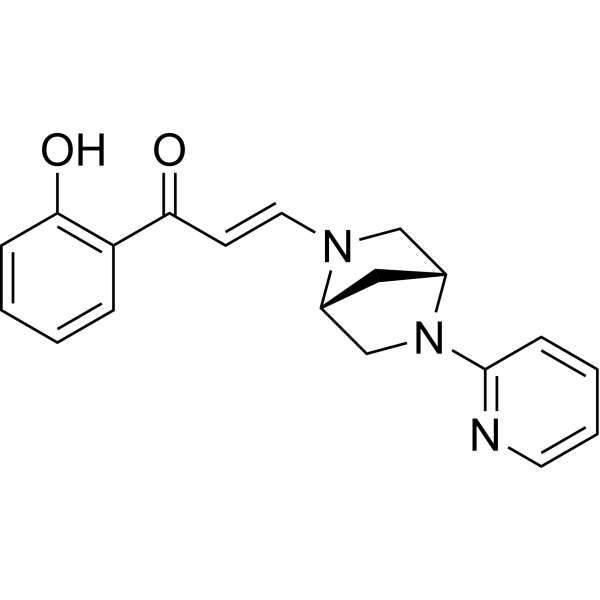
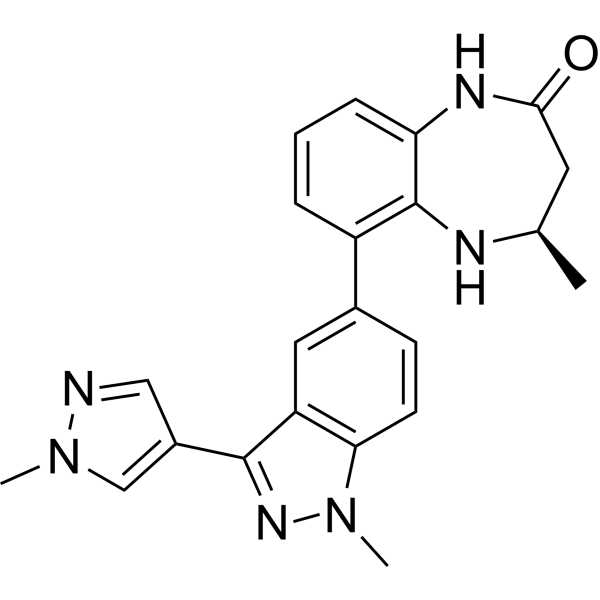
PFI-3, a chemical probe, is a selective, potent and cell-permeable SMARCA2/4 bromodomain inhibitor with a Kd of 89 nM.
|
-
-
- HY-100653
-
AZD5153
5 Publications Verification
|
Epigenetic Reader Domain
Apoptosis
|
Cancer
|
|
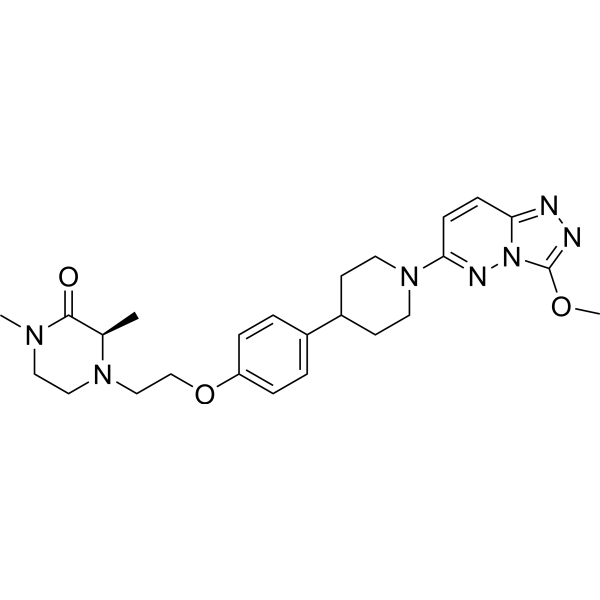
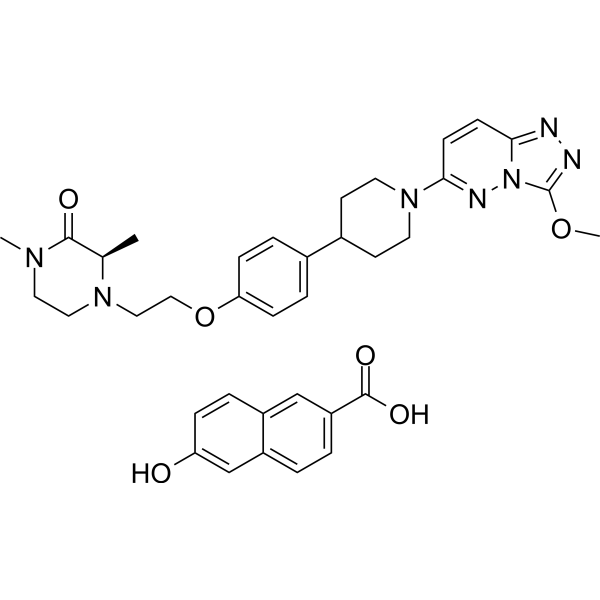
AZD5153 is a bivalent, selective, and orally active BET/BRD4 bromodomain inhibitor with an IC50 of value of 5 nM for full-length BRD4 (FL-BRD4). AZD5153 ligates two bromodomains in BRD4 simultaneously. AZD5153 can be used for the study of cancer, such as acute myeloid leukemia, multiple myeloma, and diffuse large B-cell lymphoma .
|
-
-
- HY-100653A
-
|
|
Epigenetic Reader Domain
|
Cancer
|
|
AZD5153 6-Hydroxy-2-naphthoic acid is the 6-Hydroxy-2-naphthoic acid of AZD5153. AZD5153 is a potent, selective, and orally available BET/BRD4 bromodomain inhibitor; disrupts BRD4 with an IC50 of 1.7 nM.
|
-
-
- HY-100482
-
-
-
- HY-136521
-
|
|
Epigenetic Reader Domain
|
Cancer
|
|
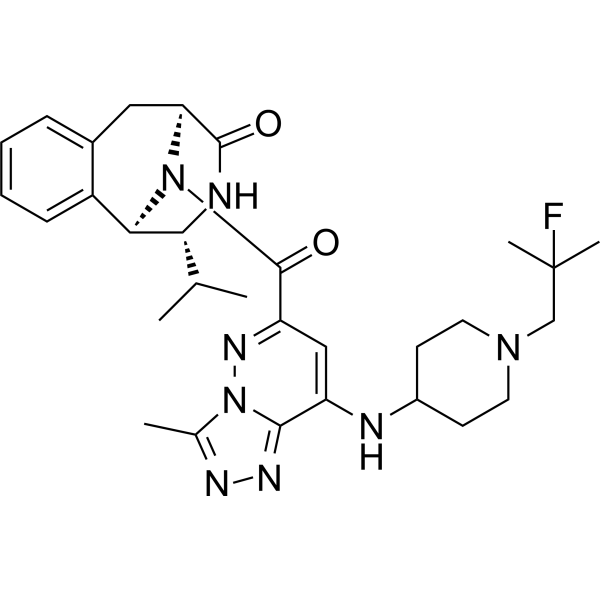
AZ13824374 is a potent and selective ATAD2 bromodomain inhibitor (pIC50 of 6.9 in HCT116 cells). AZ13824374 disrupts chromatin interactions and gene transcription by binding to the acetyl-lysine binding site of the ATAD2 bromodomain. AZ13824374 has anticancer activity against breast cancer .
|
-
-
- HY-15658
-
GSK2801
3 Publications Verification
|
Epigenetic Reader Domain
Apoptosis
|
Cancer
|
|
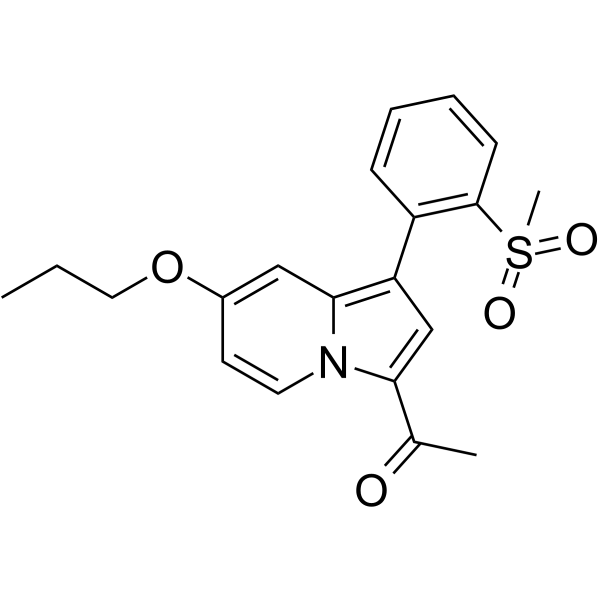
GSK2801, a chemical probe, is a potent, selective, orally active and cell active acetyl-lysine competitive BAZ2A and BAZ2B bromodomains inhibitor with Kd values of 136 nM and 257 nM, respectively. GSK2801 shows >50-fold selectivity for BAZ2A/B over BRD4 .
|
-
-
- HY-13959
-
MS436
1 Publications Verification
|
Epigenetic Reader Domain
|
Cancer
|
|
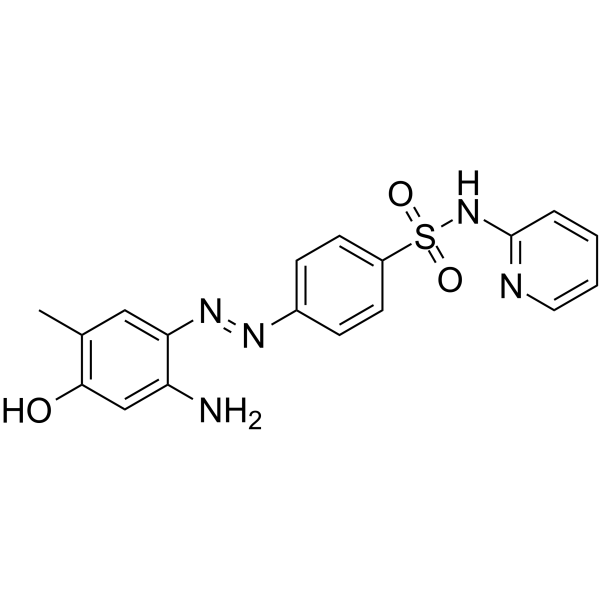
MS436 is a new class of bromodomain inhibitor, exhibits potent affinity of an estimated Ki=30-50 nM for the BRD4 BrD1 and a 10-fold selectivity over the BrD2.
|
-
-
- HY-151594
-
-
-
- HY-136571
-
GSK046
3 Publications Verification
iBET-BD2
|
Epigenetic Reader Domain
|
Inflammation/Immunology
|
|
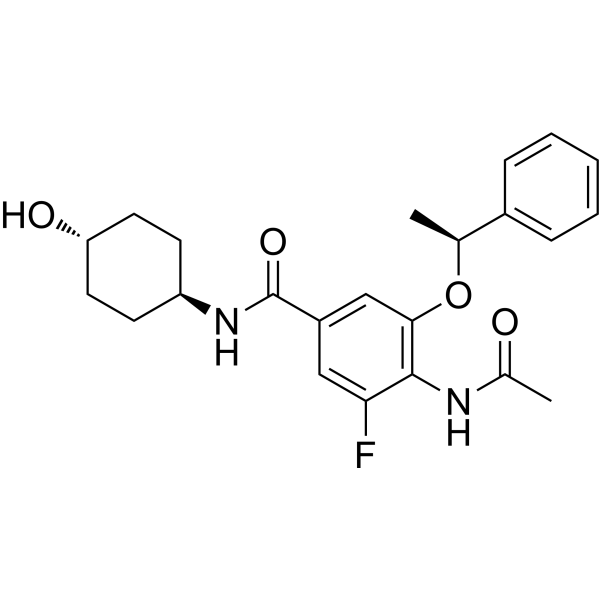
GSK046 (iBET-BD2), a chemical probe, is a potent, selective and orally active BD2 bromodomain inhibitor of the BET proteins, with IC50s of 264 nM (BRD2 BD2), 98 nM (BRD3 BD2), 49 nM (BRD4 BD2) and 214 nM (BRDT BD2), respectively. GSK046 has immunomodulatory activity .
|
-
-
- HY-134463
-
|
|
Epigenetic Reader Domain
Apoptosis
|
Cancer
|
|
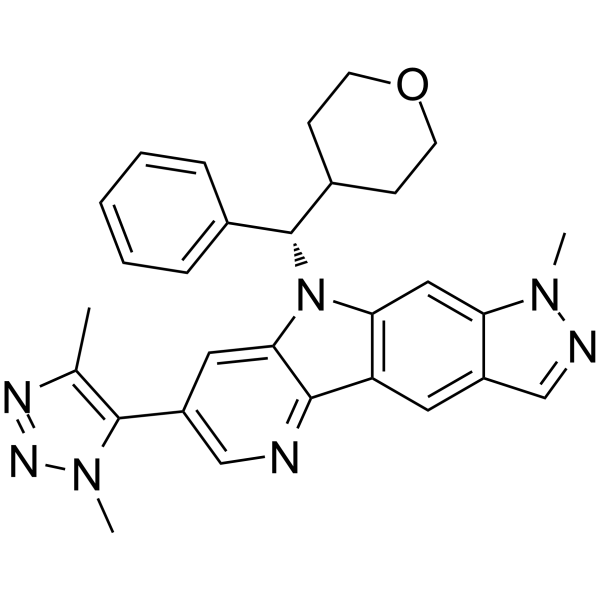
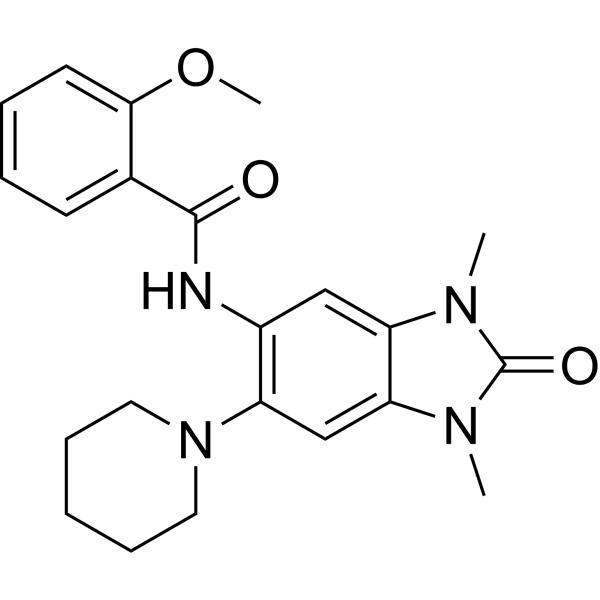
NHWD-870 is a potent, orally active and selective BET family bromodomain inhibitor and only binds bromodomains of BRD2, BRD3, BRD4 (IC50=2.7 nM), and BRDT. NHWD-870 has potent tumor suppressive efficacies and suppresses cancer cell-macrophage interaction. NHWD-870 increases tumor apoptosis and inhibits tumor proliferation .
|
-
-
- HY-18665
-
-
-
- HY-109050
-
|
GS-5829
|
Epigenetic Reader Domain
|
Cancer
|
|
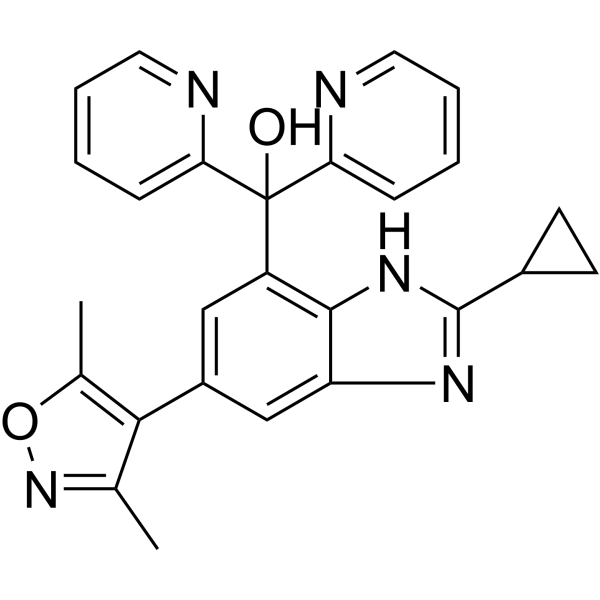
Alobresib (GS-5829) is a BET bromodomain inhibitor, which represents a highly effective therapeutics agent against recurrent/chemotherapy resistant uterine serous carcinoma (USC) overexpressing c-Myc. Alobresib can be used in the metastatic castration-resistant prostate cancer (mCRPC) research .
|
-
-
- HY-100352
-
BI-9564
2 Publications Verification
|
Epigenetic Reader Domain
|
Cancer
|
|
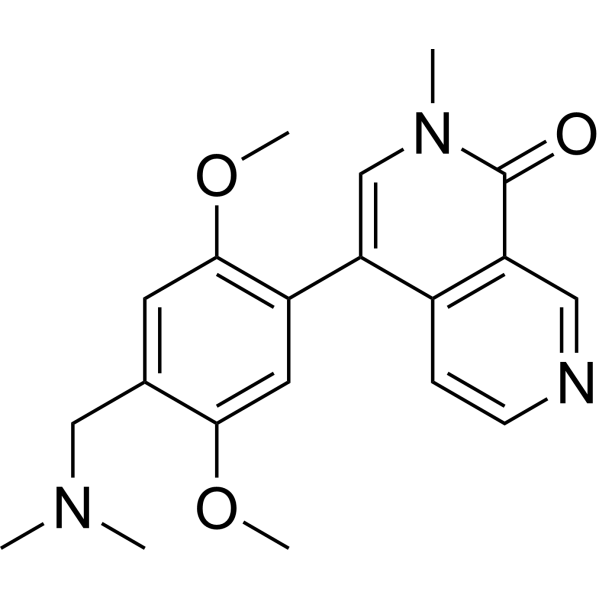
BI-9564, a chemical probe, is a potent, selective and cell-permeable BRD9/BRD7 bromodomains inhibitor, with IC50s of 75 nM and 3.4 μM and Kds of 14 nM and 239 nM, respectively. BI-9564 has an IC50 of > 100 μM for BET family .
|
-
-
- HY-131061
-
|
|
Epigenetic Reader Domain
|
Cancer
|
|
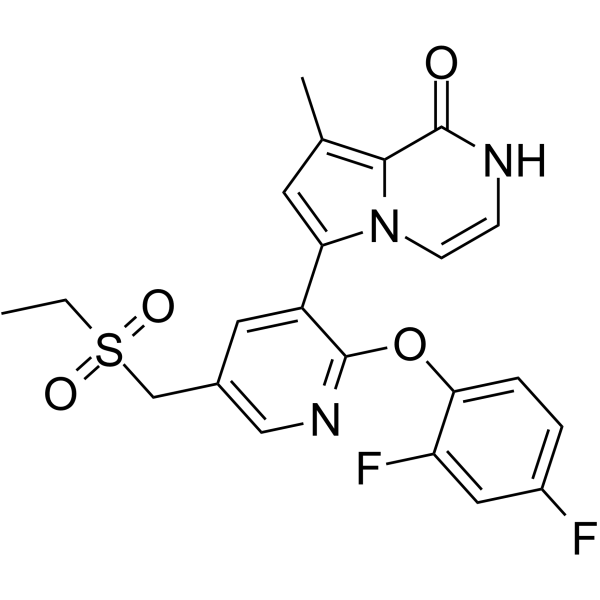
BET bromodomain inhibitor 1 is an orally active, selective bromodomain and extra-terminal (BET) bromodomain inhibitor with an IC50 of 2.6 nM for BRD4. BET bromodomain inhibitor 1 binds to BRD2(2), BRD3(2), BRD4(1), BRD4(2), and BRDT(2) with high affinities (Kd values of 1.3 nM, 1.0 nM, 3.0 nM, 1.6 nM, 2.1 nM, respectively). bromodomain inhibitor 1 has anti-cancer activity .
|
-
-
- HY-117286
-
|
TEN-010
|
Epigenetic Reader Domain
Apoptosis
|
Neurological Disease
Cancer
|
|
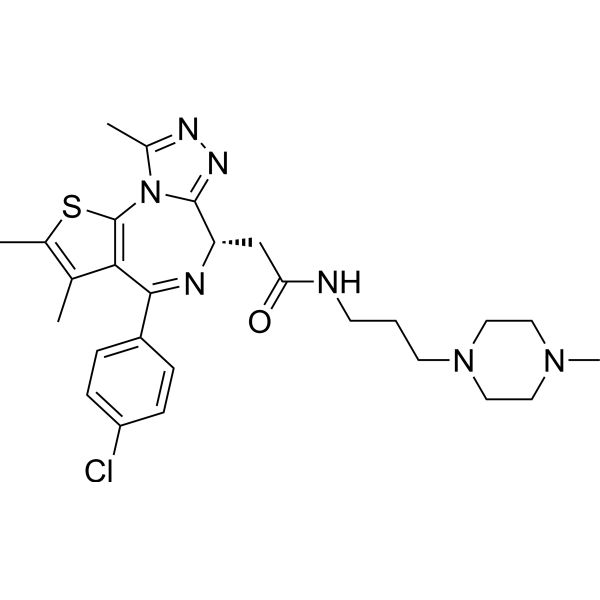
(S)-JQ-35 (TEN-010) is an orally active, blood-brain barrier-permeable bromodomain inhibitor that selectively targets the bromodomain and extra-terminal domain (BET) protein family (BRD4, BRD3, BRD2 and BRDT). (S)-JQ-35 blocks the activation of Myc gene expression by BRD4, thereby inhibiting cancer cell proliferation and promoting cancer cell apoptosis. (S)-JQ-35 can be used in research related to NUT midline carcinoma and neuroblastoma .
|
-
-
- HY-19336
-
|
|
Epigenetic Reader Domain
|
Cancer
|
|
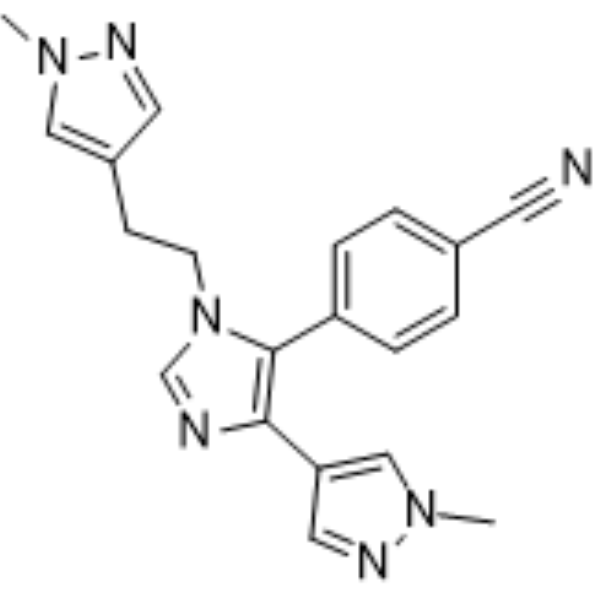
BAZ2-ICR is a potent, selective, cell active and orally active BAZ2A/B bromodomains inhibitor with IC50s of 130 nM and 180 nM, and Kds of 109 nM and 170 nM, respectively. BAZ2-ICR shows 10-15-fold selectivity for binding BAZ2A/B over CECR2 and >100-fold selectivity over all other bromodomains. BAZ2-ICR is an epigenetic chemical probe .
|
-
-
- HY-151538
-
|
|
Epigenetic Reader Domain
|
Cancer
|
|
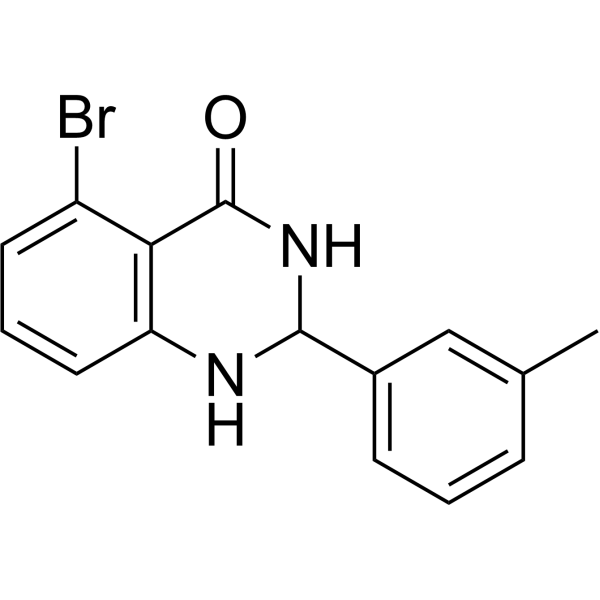
PBRM1-BD2-IN-8 (compound 34) is a potent PBRM1 Bromodomain inhibitor (PBRM1-BD2 Kd=4.4 μM, PBRM1-BD2 IC50=0.16 μM; PBRM1-BD5 Kd=25 μM). PBRM1-BD2-IN-8 shows anti-cancer activity .
|
-
-
- HY-W010649
-
|
|
HSP
Epigenetic Reader Domain
ATP-binding cassette (ABC) transporters
Bacterial
Fungal
Antibiotic
|
Infection
Metabolic Disease
Inflammation/Immunology
Cancer
|
|
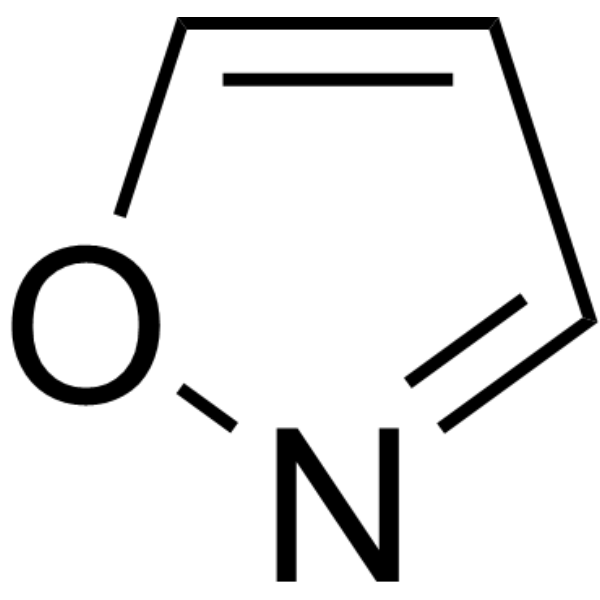
Isoxazole is a member of the five-membered heterocycle drug scaffold. Isoxazole has been used as a BET bromodomain inhibitor and can improve β-cell function in a diabetic mouse model. Isoxazole and its derivatives exhibit broad biological activities (such as antimicrobial, antibacterial, antifungal, antiviral, anticancer, anti-inflammatory, immunomodulatory, analgesic, anti-tuberculosis, and anti-diabetic effects). For example, the bicyclic Isoxazole can act as an HSP90 inhibitor, and the tricyclic Isoxazole is promising as a selective multidrug resistance protein (MRP1) inhibitor .
|
-
-
- HY-111420
-
-
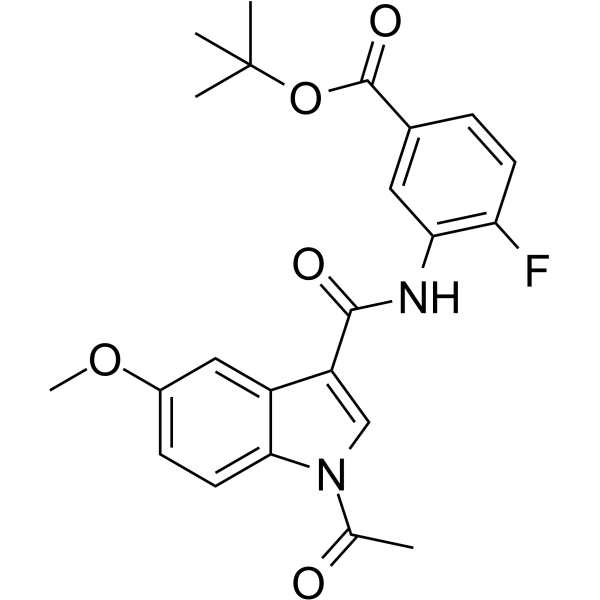
-
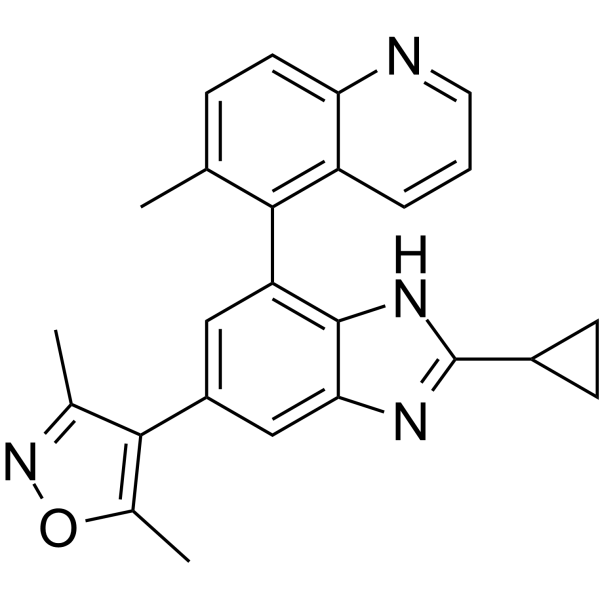
- HY-114416
-
|
|
Epigenetic Reader Domain
|
Cancer
|
|
GS-626510 is a potent, and orally active BET family bromodomains inhibitor, with Kd values of 0.59-3.2 nM for BRD2/3/4, with IC50 values of 83 nM and 78 nM foe BD1 and BD2, respectively .
|
-
-
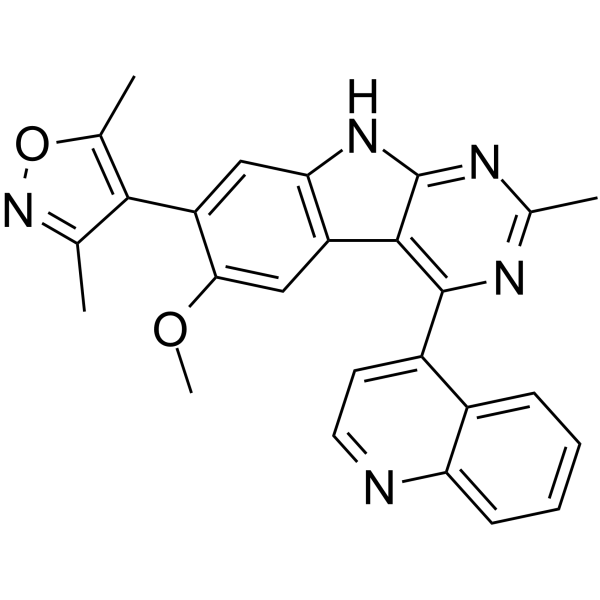
- HY-124596
-
|
|
Epigenetic Reader Domain
|
Cancer
|
|
CD161 is a potent, selective and orally bioavailable bromodomain and extra-terminal (BET) bromodomain inhibitor with an IC50s of 28.2 nM and 7.2 nM for BRD4 BD1 and BRD4 BD2, respectively. CD161 has good anticancer activity .
|
-
-
- HY-156744
-
|
|
PROTACs
Epigenetic Reader Domain
|
Cancer
|
|
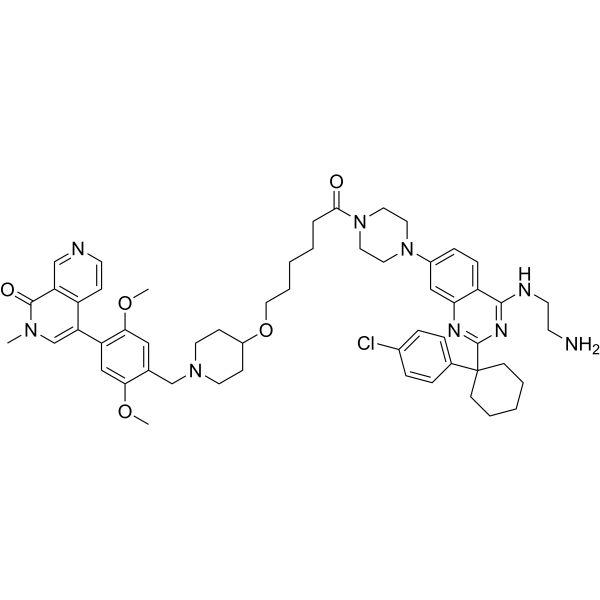
DBr-1 is a potent BRD9 PROTAC degrader (KD: 13 nM). DBr-1 can overcome intrinsic resistance to VHL-degrader. Blue: DCAF1 binder (HY-149934), Black: linker, Pink: BRD9/BRD7 bromodomains inhibitor (HY-100352) .
|
-
-
- HY-114504
-
|
|
Epigenetic Reader Domain
|
Inflammation/Immunology
|
|
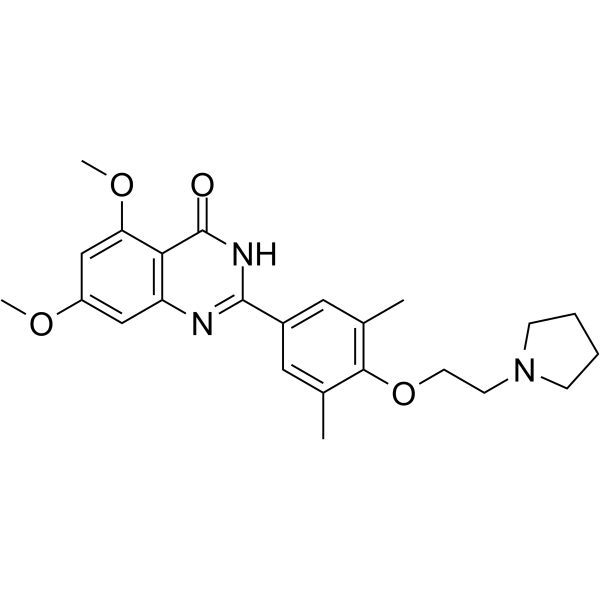
RVX-297 is a potent, orally active BET bromodomain inhibitor with selectivity for BD2. RVX-297 shows IC50s of 0.08, 0.05, and 0.02 μM for BRD2(BD2), BRD3(BD2), and BRD4(BD2), respectively. RVX-297 suppresses inflammatory gene expression in multiple immune cell types. RVX-297 is effective in acute inflammation and autoimmunity models .
|
-
-
- HY-151532
-
|
|
Epigenetic Reader Domain
|
Cancer
|
|
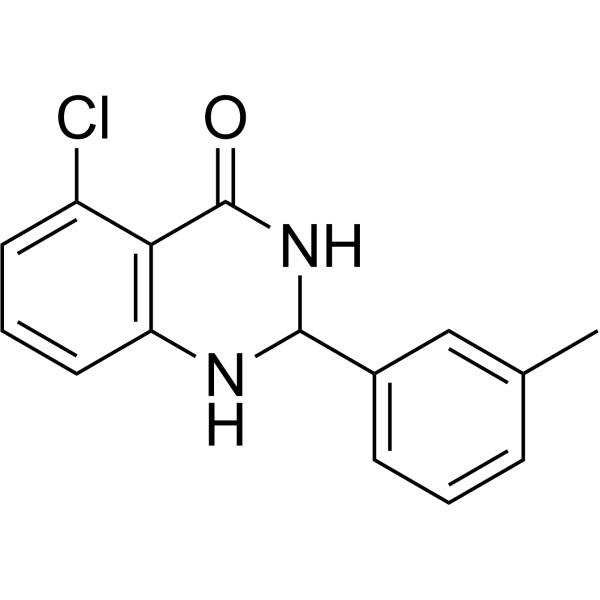
PBRM1-BD2-IN-5 is a potent PBRM1 Bromodomain inhibitor with Kd values of 1.5 μM and 3.9 μM for PBRM1-BD2 and PBRM1-BD5, respectively, and an IC50 value of 0.26 μM for PBRM1-BD2. PBRM1-BD2-IN-5 reduces the binding of full-length PBRM1 within the PBAF complex in cell lysates to acetylated histone peptide. PBRM1-BD2-IN-5 can be used to research anticancer .
|
-
-
- HY-139148
-
-
-
- HY-170817
-
|
|
Ligands for Target Protein for PROTAC
SWI/SNF Complex
|
Cancer
|
|
SMI-1074, a SMARCA bromodomain inhibitor, is a PROTAC target protein ligand (Ligand for Target Protein for PROTAC). SMI-1074 can be used for synthesis SMD-3236 (HY-170824) and SMD-1087 (HY-170828). SMI-1074 can be used for the research of smarca4-deficient cancers .
|
-

-
- HY-110315
-
|
|
Apoptosis
MDM-2/p53
Epigenetic Reader Domain
|
Cardiovascular Disease
|
|
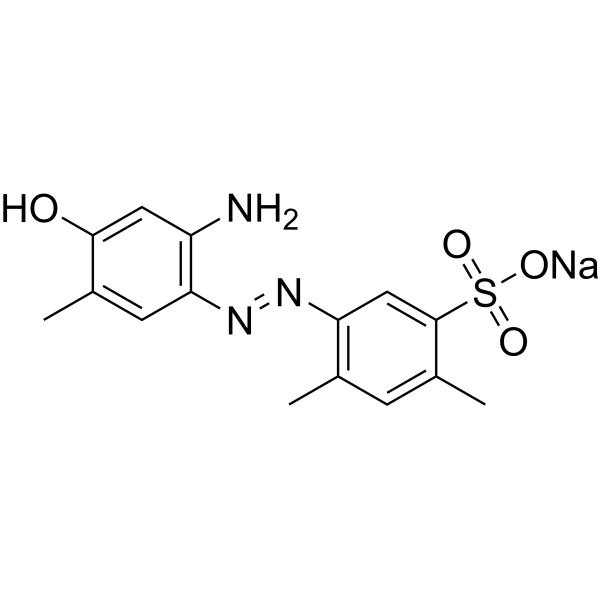
Ischemin sodium is a CBP bromodomain inhibitor that inhibits p53 interaction with CBP and transcriptional activity in cells. Ischemin sodium salt inhibits p53-induced p21 activation with an IC50 value of 5 µM. Ischemin sodium salt also prevents apoptosis in ischemic cardiomyocytes. Ischemin sodium salt can be used in the study of cardiovascular diseases (such as myocardial ischemia) .
|
-
-
- HY-100697
-
-
-
- HY-77826
-
|
|
Epigenetic Reader Domain
|
Cancer
|
|
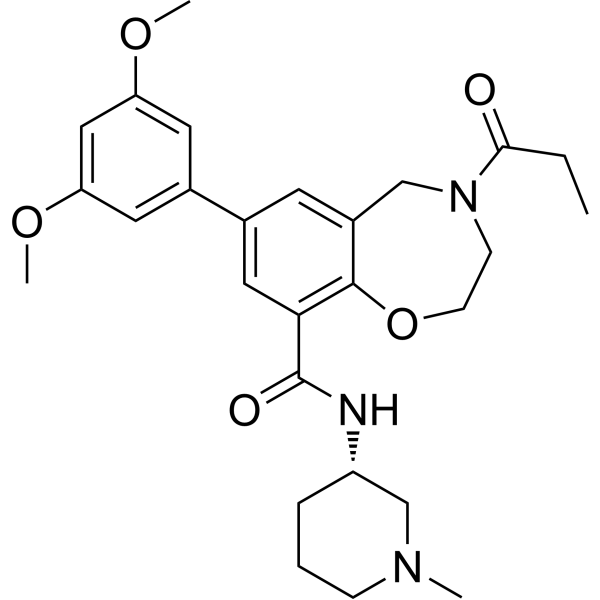
4-Chloro-N-methylpicolinamide (Compound 3) is a BAZ2A bromodomain inhibitor with a Kd of >500 μM. 4-Chloro-N-methylpicolinamide forms a weak hydrogen bond with the carbonyl oxygen of Pro1817. 4-Chloro-N-methylpicolinamide can be used in the research of invasive prostate cancer .
|
-

-
- HY-145431
-
|
|
Epigenetic Reader Domain
Parasite
|
Infection
|
|
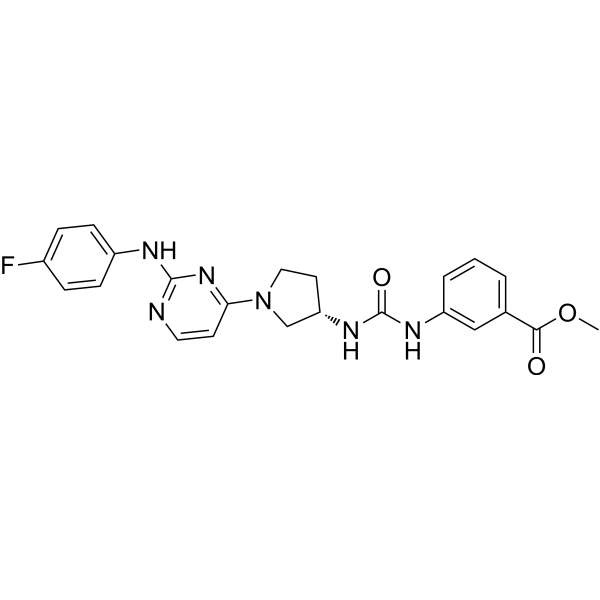
(S)-GSK1379725A (compound AU1) is a selective bromodomain and PHD finger containing transcription factor (BPTF) bromodomain inhibitor with a Kd of 2.8 μM. (S)-GSK1379725A shows to be selective for BPTF over BRD4 bromodomain. (S)-GSK1379725A shows antimalarial activity .
|
-
-
- HY-151528
-
|
|
Epigenetic Reader Domain
|
Cancer
|
|
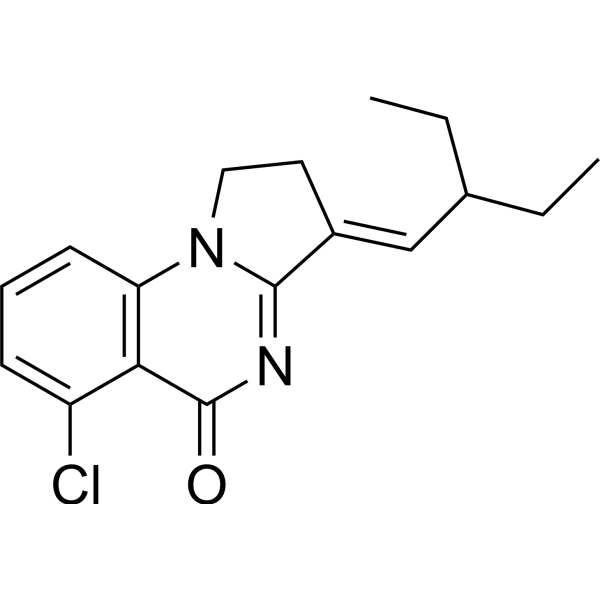
PBRM1-BD2-IN-1 is a selective and cell-active polybromo-1 (PBRM1) bromodomain inhibitor. PBRM1-BD2-IN-1 has binding affinity and inhibitory activity for PBRM1-BD2 with Kd and IC50 values of 0.7 μM and 0.2 μM, respectively. PBRM1-BD2-IN-1 can be used for the research of cancer .
|
-
-
- HY-151531
-
|
|
Epigenetic Reader Domain
|
Cancer
|
|
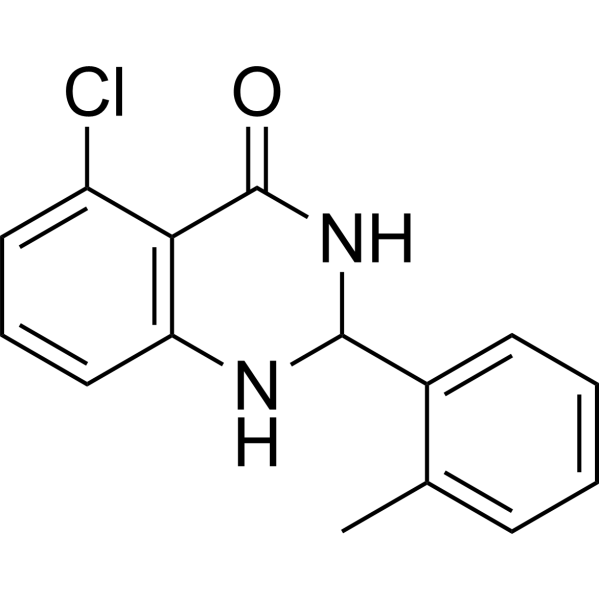
PBRM1-BD2-IN-4 (compound 15) is a potent PBRM1 Bromodomain inhibitor with Kd values of 5.5 μM and 11.1 μM for PBRM1-BD2 and PBRM1-BD5, respectively, and an IC50 value of 0.2 μM for PBRM1-BD2. PBRM1-BD2-IN-4 can be used to research anticancer .
|
-
-
- HY-116349
-
-
-
- HY-78197
-
|
|
Drug Intermediate
|
Others
|
|
3,5-Dimethylisoxazole-4-boronic acid pinacol ester is a drug intermediate that can be used for the synthesis of bromodomain inhibitors .
|
-

-
- HY-128703
-
-
-
- HY-153668
-
-
-
- HY-147375
-
|
|
Epigenetic Reader Domain
|
Cancer
|
|
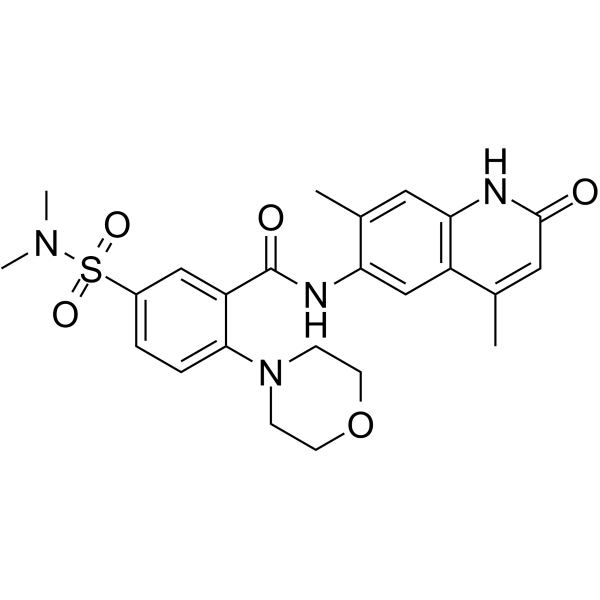
Bromodomain inhibitor-10 (compound 128) is a potent bromodomain inhibitor with Kds of 15.0, 2500 nM for BRD4-1 and BRD4-2, respectively. Bromodomain inhibitor-10 inhibits the production of IL12p40 .
|
-
-
- HY-147374
-
|
|
Epigenetic Reader Domain
|
Metabolic Disease
Inflammation/Immunology
|
|
Bromodomain inhibitor-9 is a Bromodomains inhibitor that selectively inhibits BRD4-1 (Kd: 12 nM). Bromodomain inhibitor-9 can be used in the research of diseases or conditions associated with systemic or tissue inflammation, lipid metabolism, fibrosis or chronic autoimmune diseases .
|
-
-
- HY-153668A
-
-
-
- HY-153593
-
|
|
Epigenetic Reader Domain
|
Cancer
|
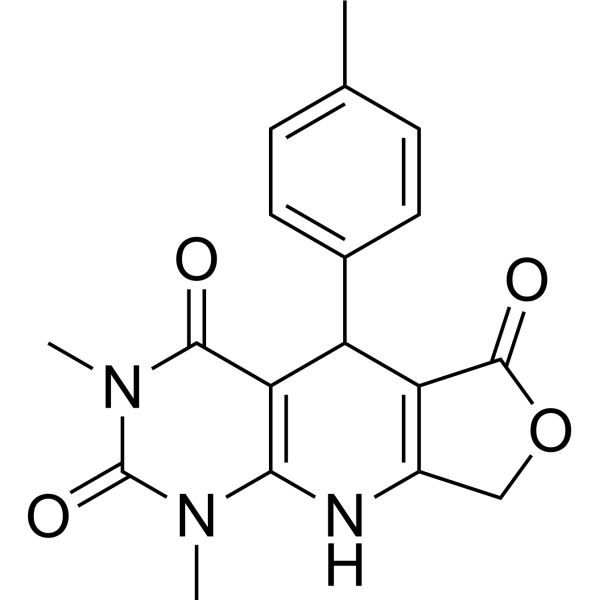
BET bromodomain inhibitor 3 is BET bromodomain inhibitor. BET bromodomain inhibitor 3 has inhibitory effect against BrdT with Ki value of > 40 µM. BET bromodomain inhibitor 3 can be used for the research of contraception, cancer, and heart disease .
|
-
-
- HY-136570A
-
-
-
- HY-122573
-
|
|
Epigenetic Reader Domain
|
Cancer
|
|
Bromodomain inhibitor-13 (Compound 1) is an analog of PFI-3 (HY-12409). Bromodomain inhibitor-13 is a bromodomain-containing protein (BCP) inhibitor. Bromodomain inhibitor-13 targets SMARCA2, SMARCA4, PB1(5), and second bromodomain of PB1 (PB1(2)) with KD values of 37, 53, 30, and 190 nM, respectively .
|
-

-
- HY-110315A
-
|
|
Epigenetic Reader Domain
Apoptosis
MDM-2/p53
|
Cardiovascular Disease
|
|
Ischemin is a CBP bromodomain inhibitor that inhibits p53 interaction with CBP and transcriptional activity in cells. Ischemin inhibits p53-induced p21 activation with an IC50 value of 5 µM. Ischemin also prevents apoptosis in ischemic cardiomyocytes. Ischemin can be used in the study of cardiovascular diseases (such as myocardial ischemia) .
|
-

-
- HY-161125
-
|
|
Drug Metabolite
|
Others
|
|
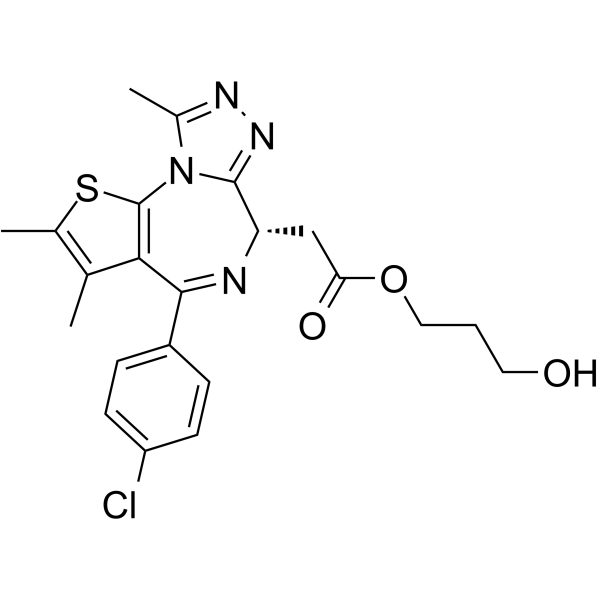
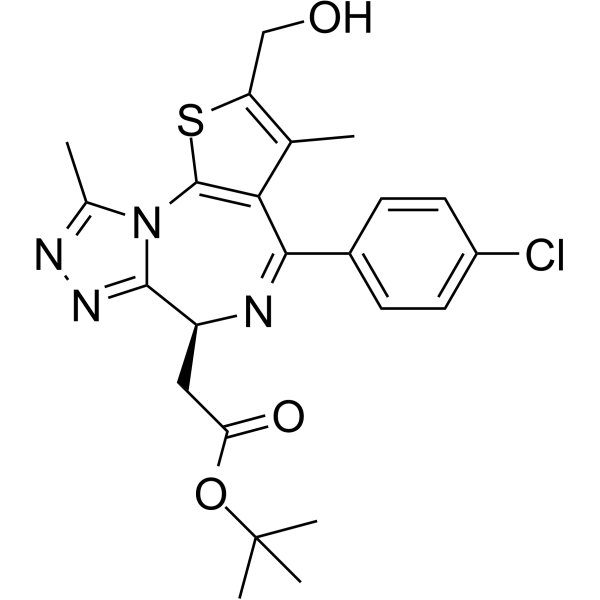
(+)-JQ1-OH is the major metabolite of (+)-JQ1(HY-13030). (+)-JQ-1 (JQ1) is a potent, specific, and reversible BET bromodomain inhibitor, with IC50s of 77 and 33 nM for the first and second bromodomain (BRD4(1/2)). (+)-JQ-1 also activates autophagy .
|
-
- HY-146709
-
-
- HY-146445
-
|
|
Epigenetic Reader Domain
Histone Acetyltransferase
|
Cancer
|
|
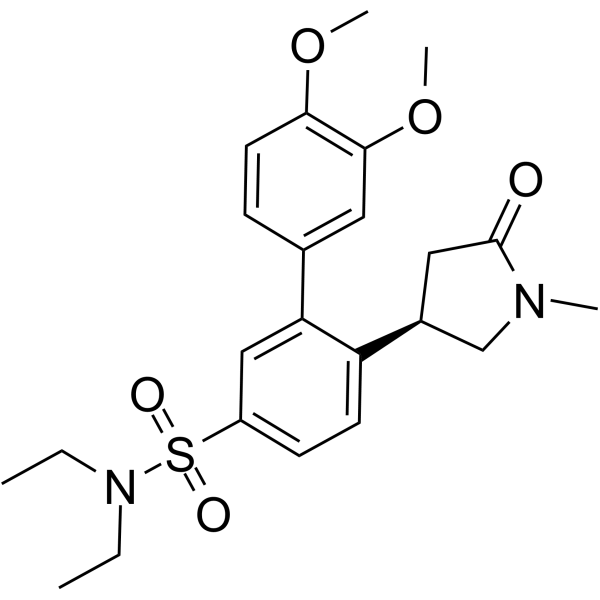
P300 bromodomain-IN-1 (Compoun 1u) is a potent p300 (EP300) bromodomain inhibitor with an IC50 of 49 nM. P300 bromodomain-IN-1 suppresses the expression of c-Myc and induces G1/G0 phase arrest and apoptosis in OPM-2 cells .
|
-
- HY-151533
-
|
|
Epigenetic Reader Domain
|
Cancer
|
|
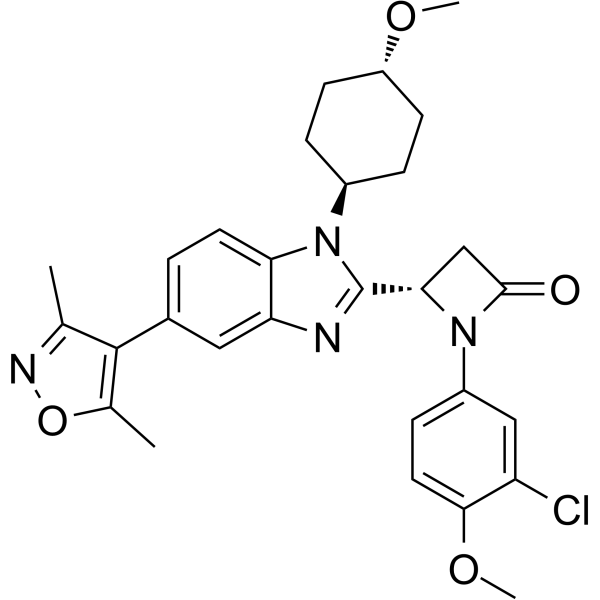
PBRM1-BD2-IN-6 is a potent PBRM1 bromodomain inhibitor with an IC50 value of 0.22 μM. PBRM1-BD2-IN-6 shows antiproliferation activity. PBRM1-BD2-IN-6 has the potential for the research of PBRM1-dependent cancer .
|
-
- HY-19541A
-
|
|
Epigenetic Reader Domain
|
Cancer
|
|
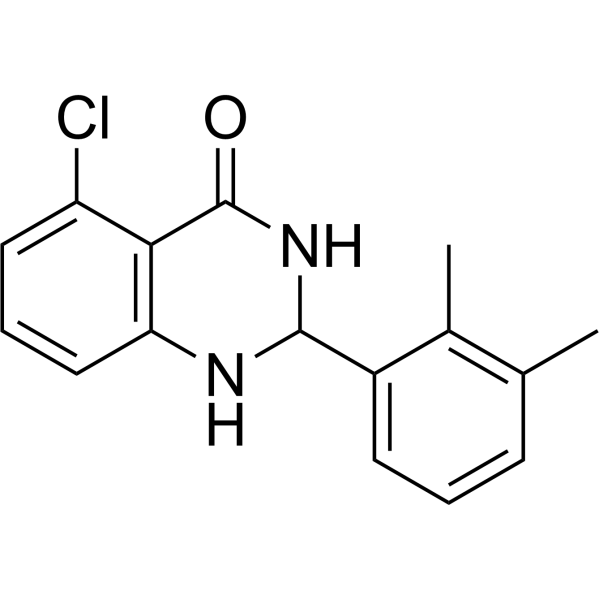
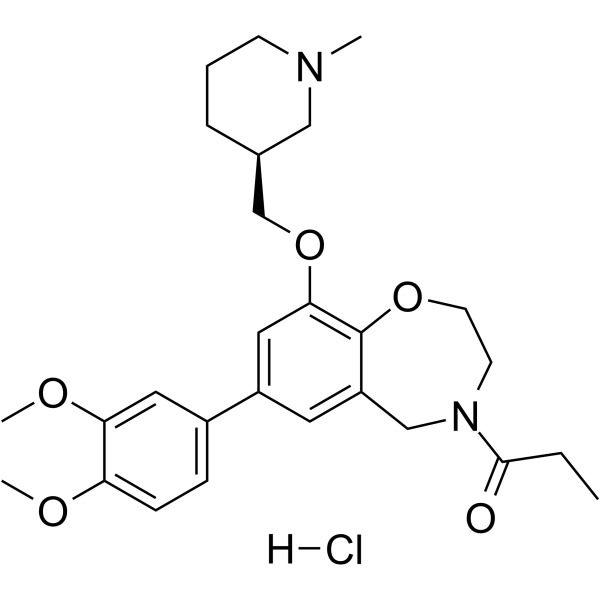
I-CBP112 hydrochloride is a selective inhibitor of CBP/P300 that directly binds their bromodomains (Kds = 142 and 625 nM, respectively). I-CBP112 significantly reduces the leukemia-initiating potential of MLL-AF9(+) acute myeloid leukemia cells in a dose-dependent manner in vitro and in vivo. I-CBP112 increases the cytotoxic activity of BET bromodomain inhibitor JQ1 as well as doxorubicin .
|
-
- HY-151529
-
|
|
Epigenetic Reader Domain
|
Cancer
|
|
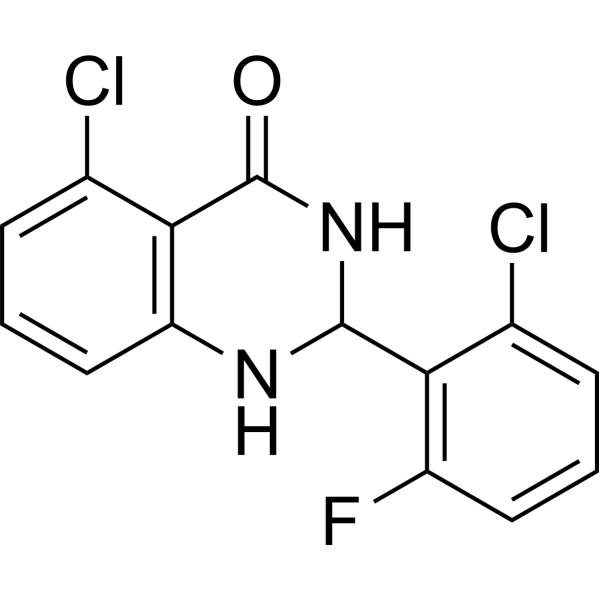
PBRM1-BD2-IN-2 is a selective and cell-active polybromo-1 (PBRM1) bromodomain inhibitor. PBRM1-BD2-IN-2 has binding affinity and inhibitory activity for PBRM1-BD2 with Kd and IC50 values of 9.3 μM and 1.0 μM, respectively. PBRM1-BD2-IN-2 can be used for the research of cancer .
|
-
- HY-171774
-
|
|
Ligands for Target Protein for PROTAC
Epigenetic Reader Domain
|
Cancer
|
|
PBRM1/SMARCA2,4-ligand-1 (Compound 4) is a Ligand for Target Protein for PROTAC that binds to PBRM1, SMARCA2, and SMARCA4. PBRM1/SMARCA2,4-ligand-1 is a potent SMARCA4 bromodomain inhibitor. PBRM1/SMARCA2,4-ligand-1 can be used to synthesize PROTAC AU-24118 (HY-163410) .
|
-

- HY-157393
-
-
- HY-176535
-
|
BBC0115
|
Epigenetic Reader Domain
Interleukin Related
STAT
|
Inflammation/Immunology
|
|
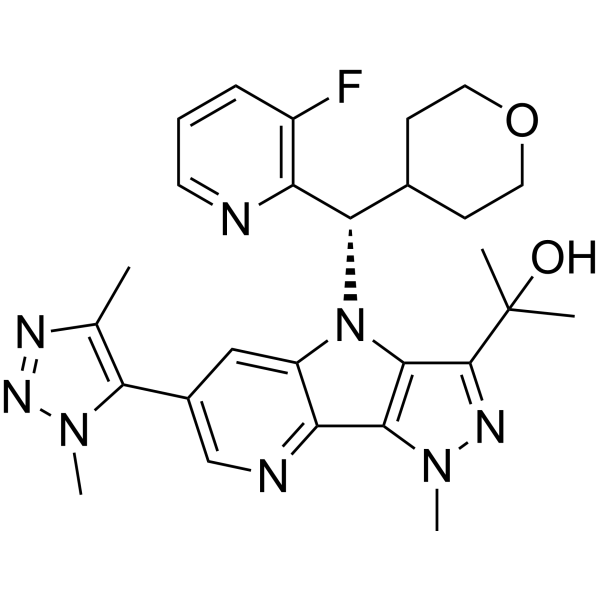
KB-0118 (BBC0115) is an orally active BET bromodomain inhibitor. KB-0118 selective binds to BRD2 and BRD4 over BRD3, with Kd values of 36.7 μM for BRD2 BD1 and 47.4 μM for BRD4 BD1. KB-0118 inhibits pro-inflammatory cytokines, including TNF, IL-1β, and IL-23a and selectively suppresses Th17 cell differentiation. KB-0118 modulates Th17-driven inflammation occurs through epigenetic suppression of BRD4, confirmed by downregulation of STAT3 and BRD4 target genes. KB-0118 has immunomodulatory effects in inflammatory bowel disease (IBD) model.
|
-

- HY-142265
-
-
- HY-168148S
-
-

- HY-15846A
-
-
- HY-128977
-
|
|
Epigenetic Reader Domain
|
Cancer
|
|
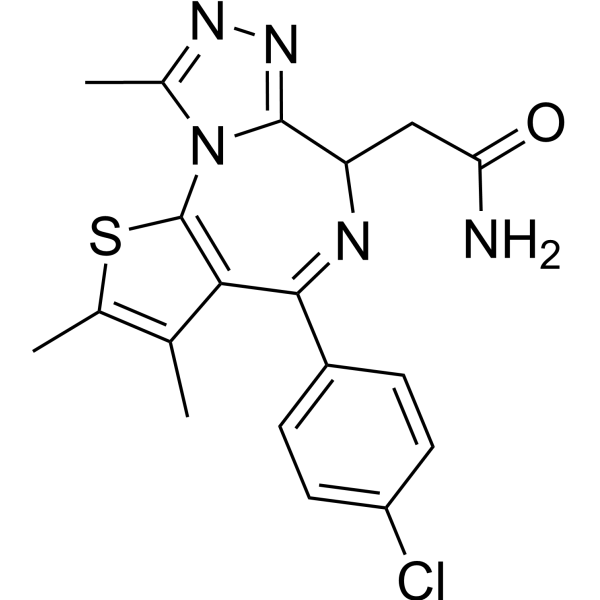
CD235 is a structurally similar analogue of CD161. CD161 is a potent and orally bioavailable BET bromodomain inhibitor .
|
-
- HY-157134
-
|
|
Epigenetic Reader Domain
|
Cancer
|
|
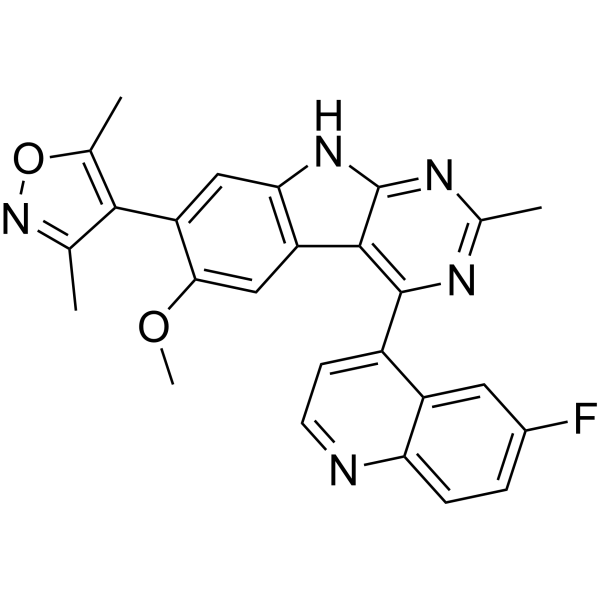
Y08262 is a potent and selective CBP bromodomain inhibitor. Y08262 selectively inhibits the CBP bromodomain with an IC50 value of 73.1 nM. Y08262 can be used for the research of acute myeloid leukemia (AML) .
|
-
- HY-110106
-
|
GSK1210151A dihydrochloride
|
Epigenetic Reader Domain
|
Cancer
|
|
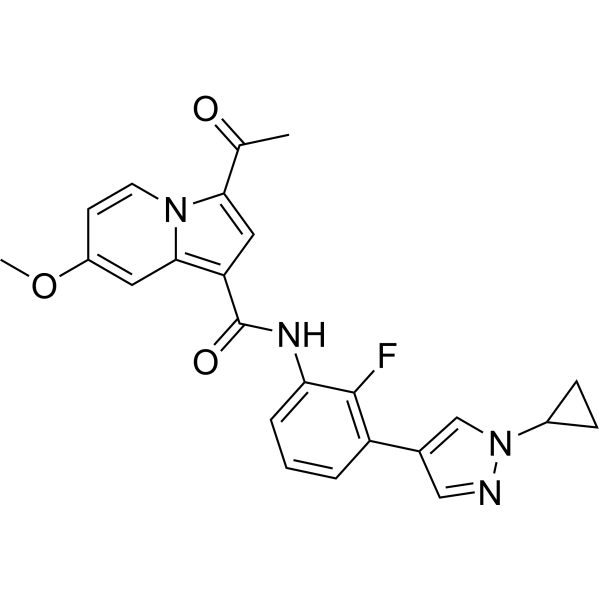
I-BET151 dihydrochloride (GSK1210151A dihydrochloride) is a BET bromodomain inhibitor which inhibits BRD4, BRD2, and BRD3 with pIC50 of 6.1, 6.3, and 6.6, respectively .
|
-
- HY-100015R
-
|
ABBV-075 (Standard)
|
Reference Standards
Epigenetic Reader Domain
Apoptosis
|
Cancer
|
|
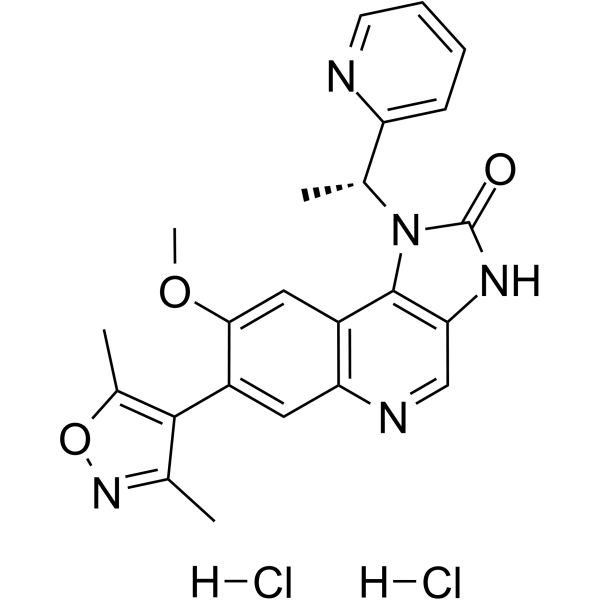
Mivebresib (Standard) is the analytical standard of Mivebresib. This product is intended for research and analytical applications. Mivebresib (ABBV-075) is a potent and orally active bromodomain and extraterminal domain (BET) bromodomain inhibitor. Mivebresib binds to BRD4 with a Ki of 1.5 nM .
|
-

- HY-142772
-
|
|
Epigenetic Reader Domain
|
Cancer
|
|
Y08284 is a potent, selective, oral active CBP bromodomain inhibitor with an IC50 of 4.21 nM. Y08284 suppresses the proliferation of prostate cancer cell lines LNCaP, C4-2B, and 22Rv1. Antitumor activity .
|
-
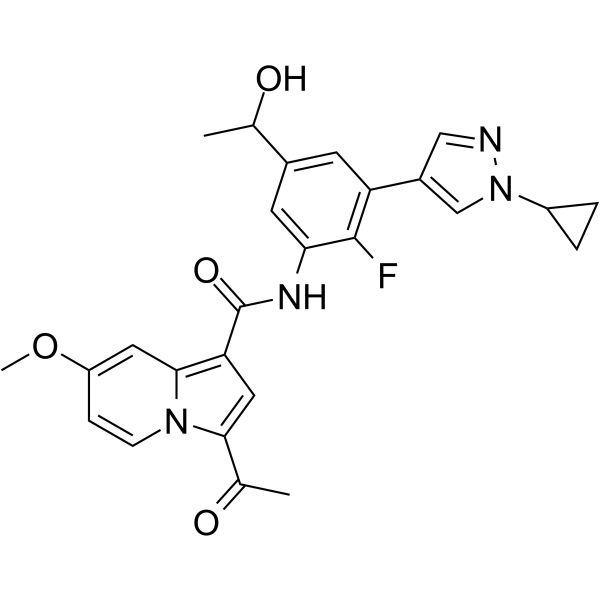
- HY-142743
-
|
|
Epigenetic Reader Domain
|
Cancer
|
|
Y08175 is a potent CBP bromodomain inhibitor. Y08175 exhibits considerable inhibitory effect with IC50s of 37 and 178.15 nM against CBP bromodomain in AlphaScreen assay and HTRF assay, respectively. Y08175 can be used for the research of prostate cancer .
|
-
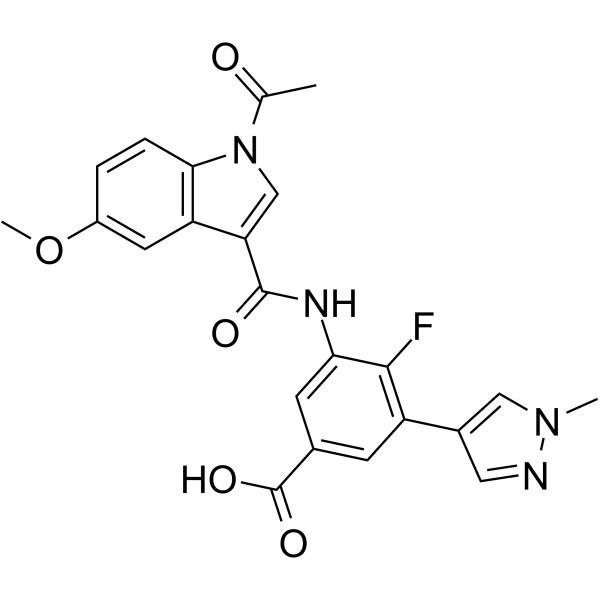
- HY-119490
-
|
|
Epigenetic Reader Domain
HIV
|
Infection
|
|
UMB-136 is a bromodomain inhibitor. UMB-136 is a promising latency-reversing agent (LRA) for HIV-1 eradication. UMB-136 reactivates HIV-1 in multiple cell models. UMB-136 enhances HIV-1 transcription and increases viral production through the release of P-TEFb .
|
-
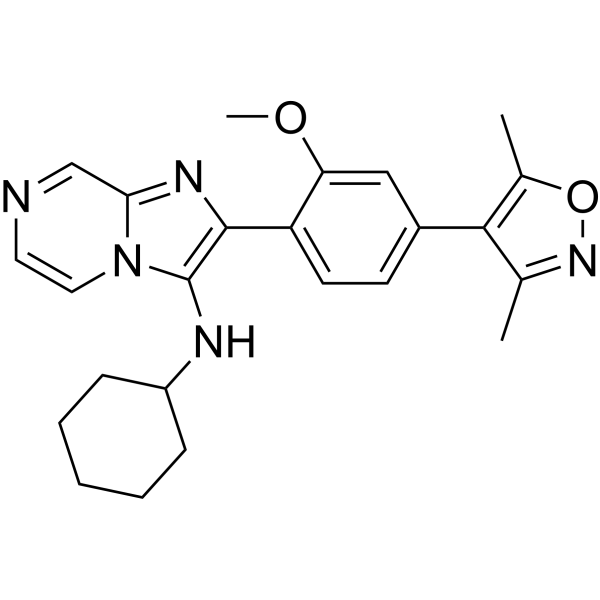
- HY-151594A
-
|
|
Epigenetic Reader Domain
|
Inflammation/Immunology
Cancer
|
|
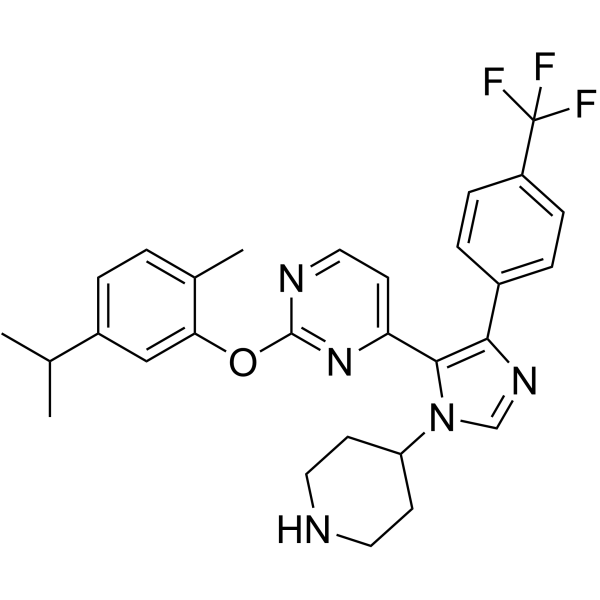
iBRD4-BD1 diTFA is selective BRD4 bromodomain inhibitor. iBRD4-BD1 diTFA has inhibition activity for BRD4 bromodomain with an IC50 value of 12 nM. iBRD4-BD1 diTFA can be used for the research of inflammation and oncology .
|
-
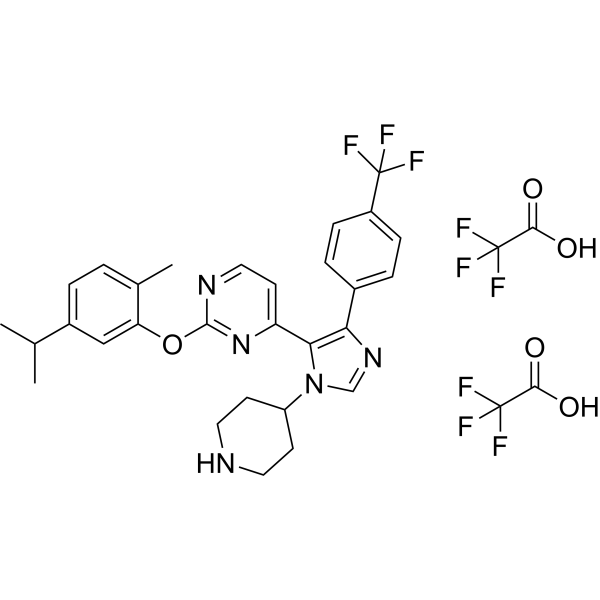
- HY-151534
-
|
|
Epigenetic Reader Domain
|
Cancer
|
|
PBRM1-BD2-IN-7 is a selective and cell-active polybromo-1 (PBRM1) bromodomain inhibitor. PBRM1-BD2-IN-7 has inhibitory activity for PBRM1-BD2 with an IC50 value of 0.29 μM. PBRM1-BD2-IN-7 can be used for the research of cancer .
|
-
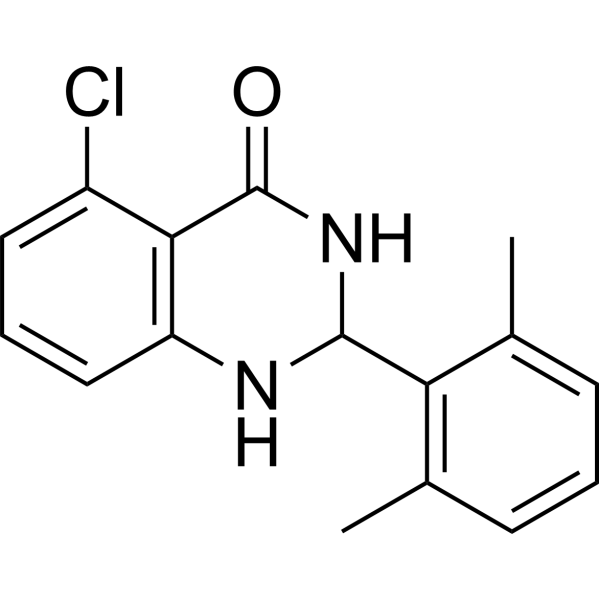
- HY-100697R
-
-

- HY-122081
-
|
|
Histone Acetyltransferase
LAG-3
CTLA-4
PD-1/PD-L1
|
Cancer
|
|
CPI-644 is a selective EP300/CBP bromodomain inhibitor, with an IC50 of 0.18 µM against the CBP bromodomain. CPI-644 reduces the proportion of FOXP3 + cells and downregulates the expression of LAG-3, CTLA-4 and PD-1. CPI-644 can be used in cancer-related research .
|
-

- HY-109050R
-
|
GS-5829 (Standard)
|
Reference Standards
Epigenetic Reader Domain
|
Cancer
|
|
Alobresib (Standard) is the analytical standard of Alobresib (HY-109050). This product is intended for research and analytical applications. Alobresib (GS-5829) is a BET bromodomain inhibitor, which represents a highly effective therapeutics agent against recurrent/chemotherapy resistant uterine serous carcinoma (USC) overexpressing c-Myc. Alobresib can be used in the metastatic castration-resistant prostate cancer (mCRPC) research .
|
-

- HY-183825
-
|
|
Epigenetic Reader Domain
c-Myc
|
Cancer
|
|
Eleven-Nineteen-Leukemia Protein IN-4 is a ENL YEATS domain inhibitor with an IC50 of 62.0 nM and a Kd of 100.4 nM. Eleven-Nineteen-Leukemia Protein IN-4 downregulates MYC expression and inhibits cancer cell growth; it exerts a synergistic effect with the bromodomain inhibitor JQ-1 (HY-13030). Eleven-Nineteen-Leukemia Protein IN-4 can be used in the research of acute myeloid leukemia .
|
-

- HY-100482R
-
|
|
Epigenetic Reader Domain
Reference Standards
Histone Acetyltransferase
|
Cancer
|
|
CPI-637 (Standard) is the analytical standard of CPI-637 (HY-100482). This product is intended for research and analytical applications. CPI-637 is a selective and potent CBP/EP300 bromodomain inhibitor with IC50 values of 0.03 μM, 0.051 μM and 11.0 μM for CBP, EP300 and BRD4 BD-1, respectively, and an EC50 of 0.3 μM for CBP .
|
-

- HY-W173361
-
|
|
Epigenetic Reader Domain
|
Others
|
|
CBP/p300-IN-24 is a selective CBP bromodomain inhibitor with an IC50 of 32 μM, showing selectivity over BRD4 BD-1 bromodomain. CBP/p300-IN-24 binds to the acetyl lysine binding pocket, forms hydrogen bonds with Asn1168 and a solvent-mediated hydrogen bond with Tyr1125, and forms hydrophobic interactions with Leu1120, Ile1122, and Val1174 .
|
-

- HY-100352R
-
|
|
Epigenetic Reader Domain
Reference Standards
|
Cancer
|
|
BI-9564 (Standard) is the analytical standard of BI-9564 (HY-100352). This product is intended for research and analytical applications. BI-9564, a chemical probe, is a potent, selective and cell-permeable BRD9/BRD7 bromodomains inhibitor, with IC50s of 75 nM and 3.4 μM and Kds of 14 nM and 239 nM, respectively. BI-9564 has an IC50 of > 100 μM for BET family .
|
-

- HY-183992
-
|
|
Epigenetic Reader Domain
Histone Acetyltransferase
|
Cancer
|
|
CZL-149 is an orally active dual BET and p300/CBP bromodomains inhibitor with IC50s of 13 nM and 10.5 nM for BED4 BD1 and p300, respectively. CZL-149 reduces c-Myc and H3K27Ac levels. CZL-149 has good drug-like properties and metabolic characteristics, as well as good safety. CZL-149 can be used for the study of multiple myeloma .
|
-

- HY-100653AR
-
|
|
Epigenetic Reader Domain
Reference Standards
|
Cancer
|
|
AZD5153 (6-Hydroxy-2-naphthoic acid) (Standard) is the analytical standard of AZD5153 (6-Hydroxy-2-naphthoic acid) (HY-100653A). This product is intended for research and analytical applications. AZD5153 6-Hydroxy-2-naphthoic acid is the 6-Hydroxy-2-naphthoic acid of AZD5153. AZD5153 is a potent, selective, and orally available BET/BRD4 bromodomain inhibitor; disrupts BRD4 with an IC50 of 1.7 nM.
|
-

| Cat. No. |
Product Name |
Type |
-
- HY-78197
-
|
|
Biochemical Assay Reagents
|
|
3,5-Dimethylisoxazole-4-boronic acid pinacol ester is a drug intermediate that can be used for the synthesis of bromodomain inhibitors .
|
| Cat. No. |
Product Name |
Chemical Structure |
-
- HY-168148S
-
|
|
|
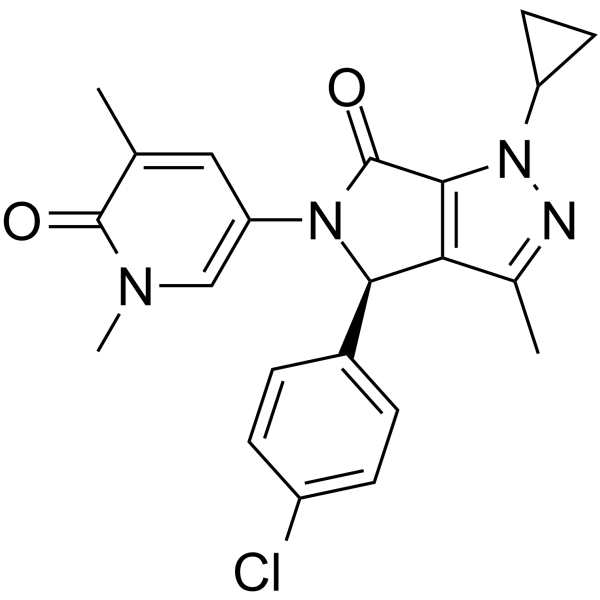
CZL-046 (compund 29) is an oral p300 bromodomain inhibitor .
|
-
Your information is safe with us. * Required Fields.
Inquiry Information
- Product Name:
- Cat. No.:
- Quantity:
- MCE Japan Authorized Agent:








