Search Result
Results for "
cAMP+accumulation
" in MedChemExpress (MCE) Product Catalog:
16
Isotope-Labeled Compounds
| Cat. No. |
Nombre del producto |
Target |
Áreas de investigación |
Chemical Structure |
-
- HY-W040329
-
|
|
Endogenous Metabolite
Nucleoside Antimetabolite/Analog
Caspase
Apoptosis
|
Metabolic Disease
Endocrinology
Cancer
|
|
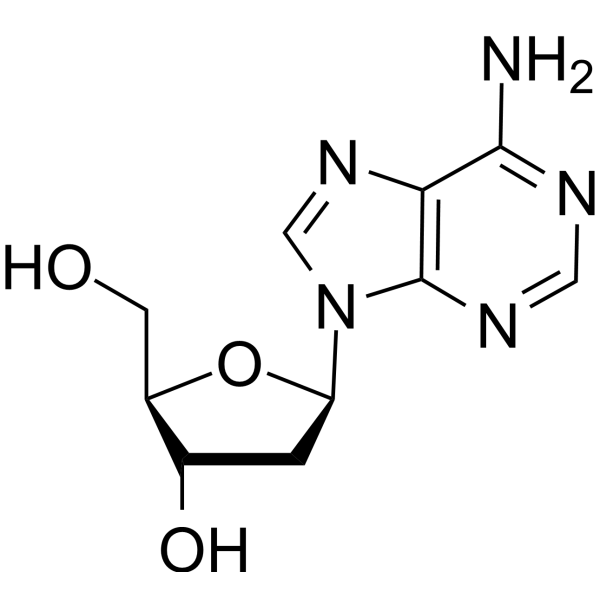
2′-Deoxyadenosine is an adenine nucleoside that inhibits glucose-stimulated insulin release. 2′-Deoxyadenosine inhibits glucose-stimulated increases seen in islet cyclic AMP (cAMP) accumulation. 2'-Deoxyadenosine activates caspase-3 and promotes apoptosis. 2'-Deoxyadenosine inhibits the activity of S-adenosyl-L-homocysteine hydrolase (SAHH). 2'-Deoxyadenosine inhibits the growth of various cells. 2'-Deoxyadenosine has an anticancer effect on colon cancer .
|
-
-
- HY-14302
-
Salmeterol
Maximum Cited Publications
8 Publications Verification
GR33343X
|
Adrenergic Receptor
|
Inflammation/Immunology
Endocrinology
|
|
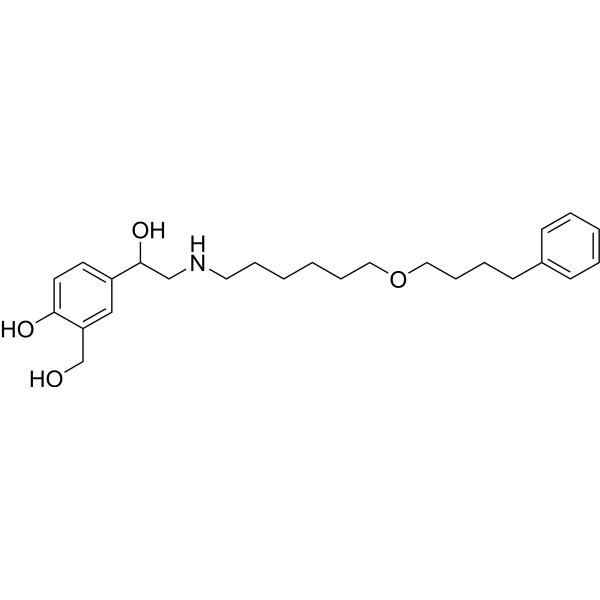
Salmeterol (GR33343X) is a potent and selective human β2 adrenoceptor agonist. Salmeterol shows potent stimulation of cAMP accumulation in CHO cells expressing human β2, β1 and β3 adrenoceptors with pEC50s of 9.6, 6.1, and 5.9, respectively .
|
-
-
- HY-P3419
-
|
|
Mas-related G-protein-coupled Receptor (MRGPR)
PERK
Calcium Channel
|
Cardiovascular Disease
Inflammation/Immunology
|
|
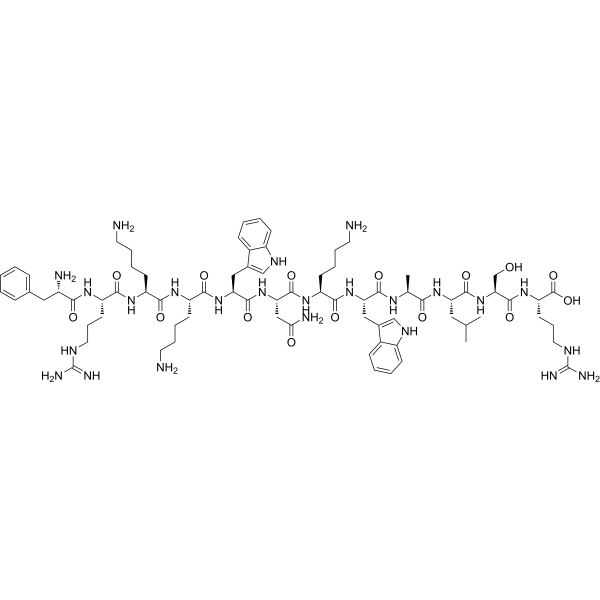
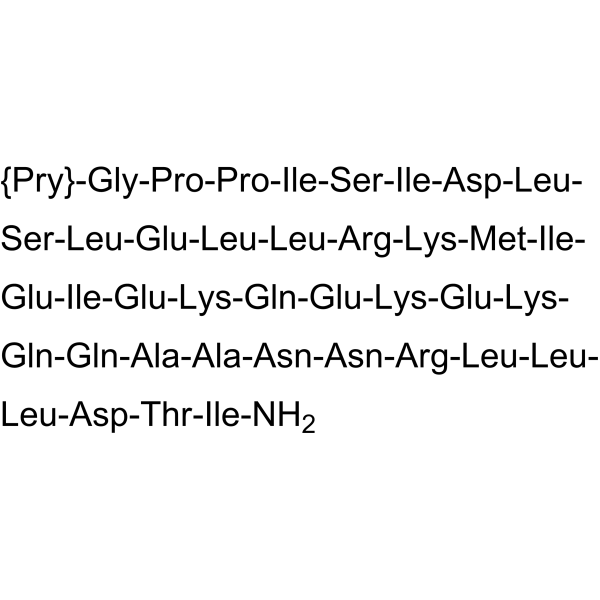
PAMP-12 (unmodified) is an endogenous peptide and is a MrgX2 agonist. PAMP-12 (unmodified) can reduce cAMP accumulation, increase Ca 2+ levels, enhance beta-arrestin recruitment, decrease IP-1, and increases phosphoERK. PAMP-12 (unmodified) can elicit hypotension through inhibiting catecholamine secretion from sympathetic nerve endings and adrenal chromaffin cells. PAMP-12 (unmodified) can be used for the research of hypotension and ulcerative colitis .
|
-
-
- HY-109139
-
|
NIR178; PBF509
|
Adenosine Receptor
|
Neurological Disease
Cancer
|
|
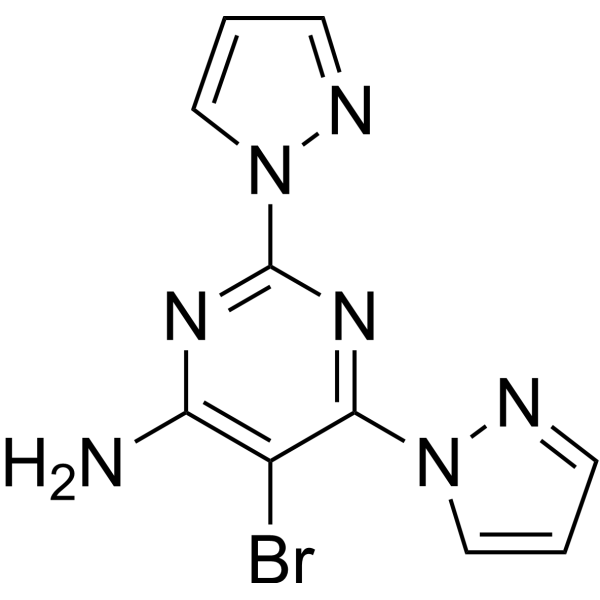
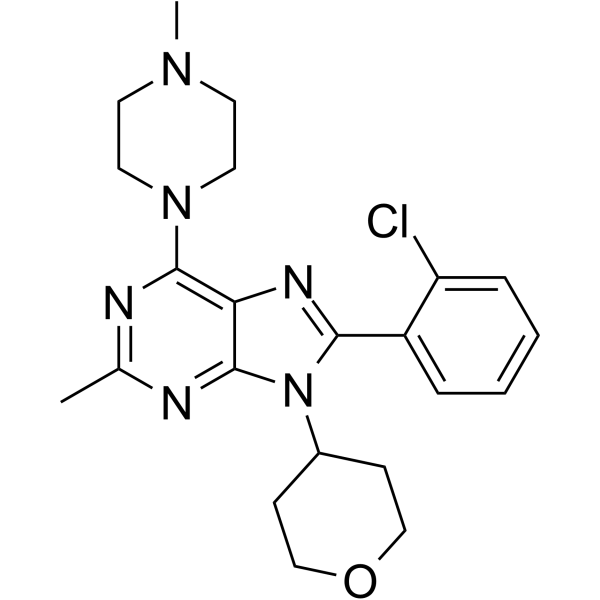
Taminadenant (NIR178; PBF509) is a highly potent and orally active adenosine A2A receptor (A2AR) antagonist. Taminadenant can antagonize A2AR agonist-mediated cAMP accumulation and impedance responses with KB values of 72.8 nM and 8.2 nM, respectively. Taminadenant reverses motor impairments in several rat models of movement disorders, including catalepsy, tremor, and hemiparkinsonism. Taminadenant can also inhibit tumor growth when combined with Spartalizumab (HY-P9972). Taminadenant reactivate the antitumor immune response .
|
-
-
- HY-W011683
-
|
|
Endogenous Metabolite
Nucleoside Antimetabolite/Analog
Caspase
Apoptosis
|
Metabolic Disease
Endocrinology
Cancer
|
|
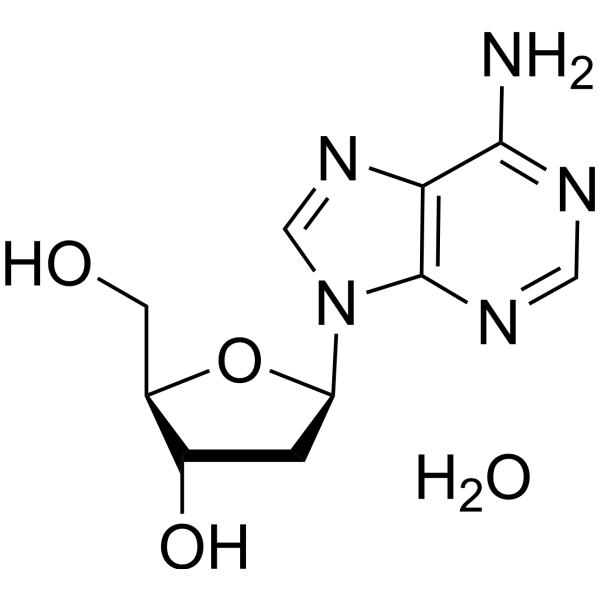
2′-Deoxyadenosine monohydrate is an adenine nucleoside that inhibits glucose-stimulated insulin release. 2′-Deoxyadenosine monohydrate inhibits glucose-stimulated increases seen in islet cyclic AMP (cAMP) accumulation. 2'-Deoxyadenosine monohydrate activates caspase-3 and promotes apoptosis. 2'-Deoxyadenosine monohydrate inhibits the activity of S-adenosyl-L-homocysteine hydrolase (SAHH). 2'-Deoxyadenosine monohydrate inhibits the growth of various cells. 2'-Deoxyadenosine monohydrate has an anticancer effect on colon cancer .
|
-
-
- HY-16642A
-
-
-
- HY-17453
-
|
GR 33343X xinafoate
|
Adrenergic Receptor
|
Inflammation/Immunology
Endocrinology
|
|
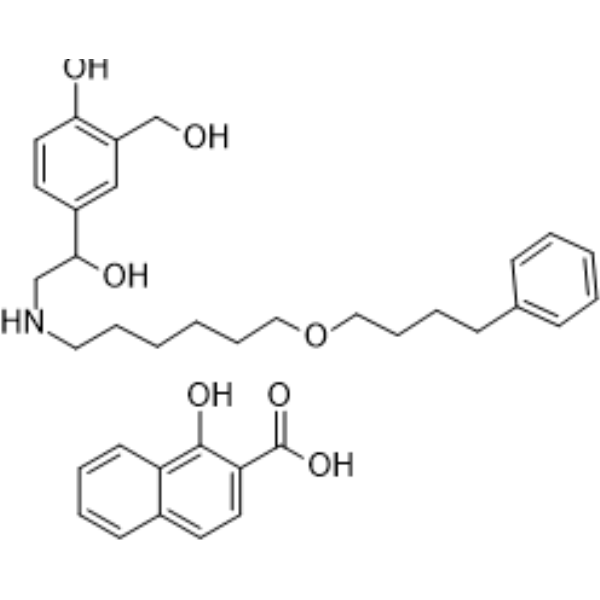
Salmeterol (GR 33343X) xinafoate is a potent and selective human β2 adrenoceptor agonist. Salmeterol shows potent stimulation of cAMP accumulation in CHO cells expressing human β2, β1 and β3 adrenoceptors with pEC50s of 9.6, 6.1, and 5.9, respectively .
|
-
-
- HY-19436
-
|
GW 427353
|
Adrenergic Receptor
|
Metabolic Disease
Endocrinology
|
|
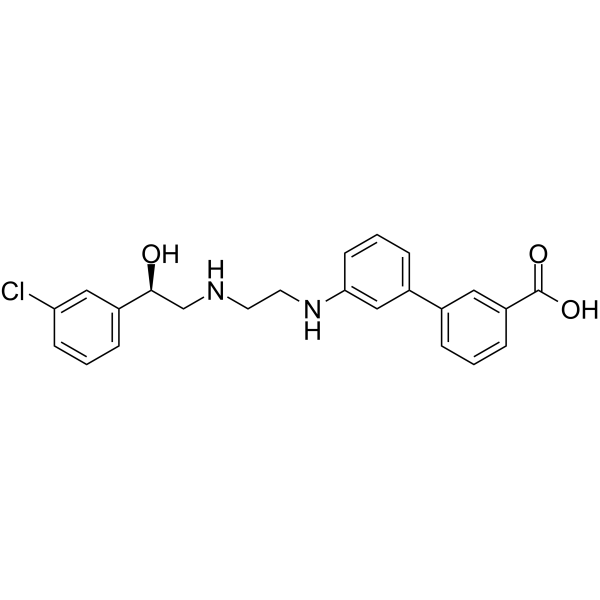
Solabegron (GW 427353) is a selective β3-adrenergic receptor agonist, stimulating cAMP accumulation in Chinese hamster ovary cells expressing the human β3-AR, with an EC50 value of 22 nM . Solabegron (GW 427353) is being developed for the treatment of overactive bladder and irritable bowel syndrome .
|
-
-
- HY-P10031
-
|
|
GLP Receptor
GCGR
|
Metabolic Disease
|
|
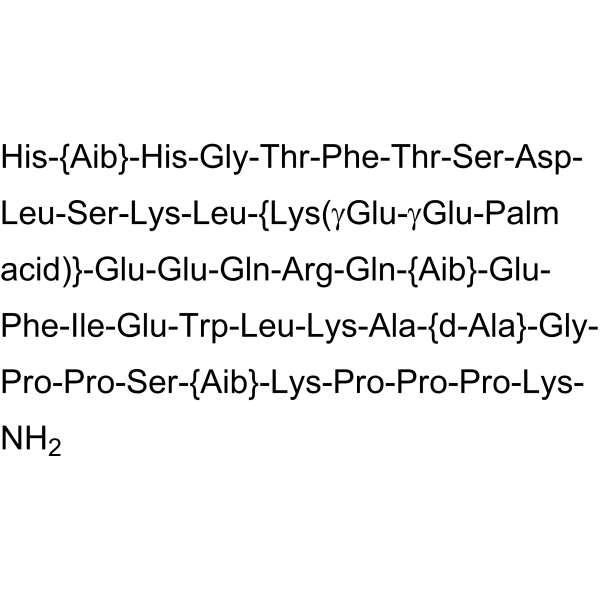
SAR441255 is a GLP-1R/GCGR/GIPR agonist, with human EC50 values of 1.03 pM, 1.01 pM, and 0.73 pM, respectively. SAR441255 stimulates receptor activity and drives cAMP accumulation. SAR441255 can be used for the research of type 2 diabetes, obesity .
|
-
-
- HY-103565
-
AMN082
1 Publications Verification
|
mGluR
|
Neurological Disease
|
|
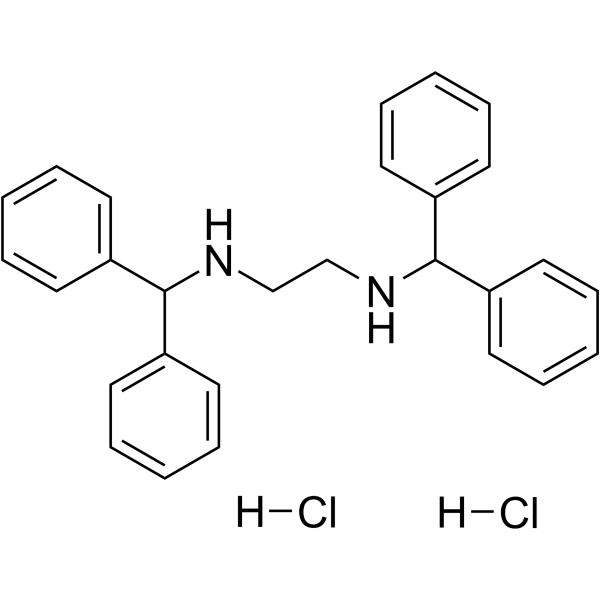
AMN082, a selective, orally active, and brain penetrant mGluR7 agonist, directly activates receptor signaling via an allosteric site in the transmembrane domain. AMN082 potently inhibits cAMP accumulation and stimulates GTPγS binding (EC50 values, 64-290 nM) at transfected mammalian cells expressing mGluR7. AMN082 shows selectivity over other mGluR subtypes and selected ionotropic glutamate receptors. Antidepressant effects .
|
-
-
- HY-139178
-
|
|
Phosphodiesterase (PDE)
|
Neurological Disease
|
|
KVA-D-88 is a blood-brain barrier-permeable PDE4 inhibitor with IC50 values of 140 and 880 nM for PDE4B and PDE4D, respectively. KVA-D-88 induces cAMP accumulation and inhibits neuroactive substance-mediated hyperlocomotion, locomotor sensitization. KVA-D-88 can be used for the research of drug addiction .
|
-

-
- HY-147395
-
|
|
GPR52
|
Neurological Disease
|
|
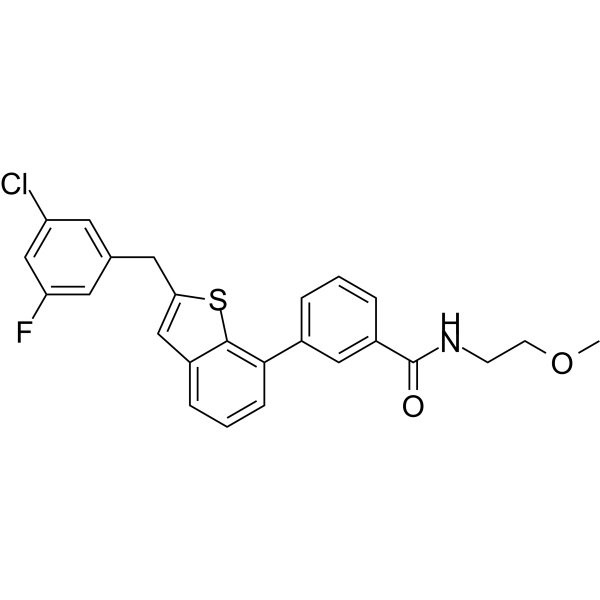
GPR52 agonist-1 is a potent, orally active and blood-brain barrier (BBB) penetrant GPR52 agonist with an pEC50 value of 7.53. GPR52 agonist-1 affects cAMP accumulation through direct interaction with GPR52. GPR52 agonist-1 can significantly suppress Methamphetamine-induced hyperactivity in mice. Antipsychotic activity .
|
-
-
- HY-P1298A
-
|
|
CRFR
|
Cardiovascular Disease
Neurological Disease
|
|
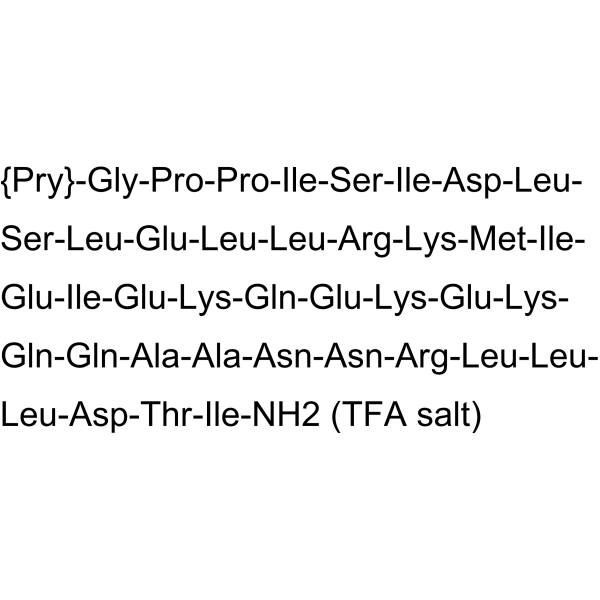
Sauvagine TFA is a corticotropin-releasing factor receptor (CRFR) agonist. Sauvagine TFA activates HM-CRF receptors to stimulate intracellular cAMP accumulation, activates PC-CRF receptors to trigger associated signaling pathways, and stimulates the hypothalamic-pituitary-adrenal axis. Sauvagine TFA can be used for research on central nervous system and blood diseases .
|
-
-
- HY-P1106A
-
|
|
CFTR
|
Cardiovascular Disease
|
|
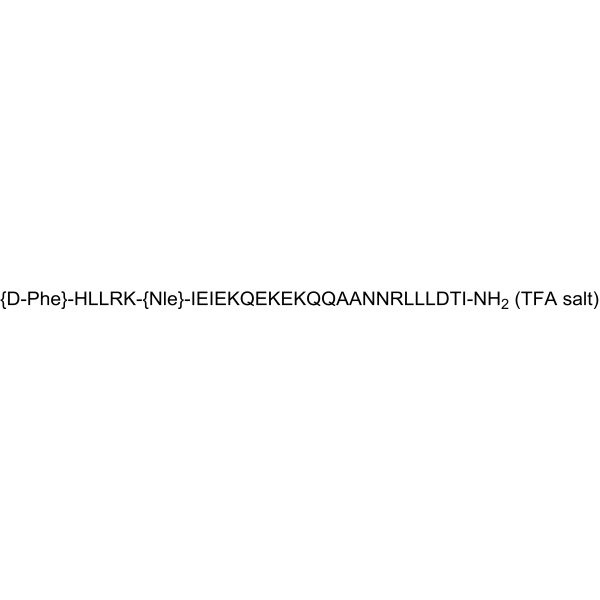
K41498 TFA is a highly selective CRF 2 receptor antagonist, with a Ki of 0.66 nM for human CRF2α receptor and a Ki of 0.62 nM for human CRF2β receptor. K41498 TFA inhibits cAMP accumulation in cells expressing CRF2. K41498 TFA antagonizes the hypotensive response induced by systemic administration of urocortin in conscious rats. K41498 TFA undergoes radioiodination without loss of activity and serves for autoradiographic studies of native CRF2 receptors in rat brain and peripheral tissues .
|
-
-
- HY-163996
-
|
|
GLP Receptor
Potassium Channel
Cytochrome P450
|
Metabolic Disease
|
|
DD202-114 is a potent and selective GLP1R agonist. DD202-114 inhibits hERG with an IC50 of 15.9 μM. DD202-114 exhibits strong CYP2C8 inhibition with an IC50 of 0.22 μM. DD202-114 promotes cAMP accumulation. DD202-114 reduces blood glucose levels and food intake. DD202-114 has the potential to be used in the study of type 2 diabetes mellitus (T2DM) and obesity .
|
-

-
- HY-W040329R
-
|
|
Reference Standards
Endogenous Metabolite
Nucleoside Antimetabolite/Analog
Caspase
Apoptosis
|
Metabolic Disease
Endocrinology
Cancer
|
|
2'-Deoxyadenosine (Standard) is the analytical standard of 2'-Deoxyadenosine (HY-W040329). This product is intended for research and analytical applications. 2′-Deoxyadenosine is an adenine nucleoside that inhibits glucose-stimulated insulin release. 2′-Deoxyadenosine inhibits glucose-stimulated increases seen in islet cyclic AMP (cAMP) accumulation. 2'-Deoxyadenosine activates caspase-3 and promotes apoptosis. 2'-Deoxyadenosine inhibits the activity of S-adenosyl-L-homocysteine hydrolase (SAHH). 2'-Deoxyadenosine inhibits the growth of various cells. 2'-Deoxyadenosine has an anticancer effect on colon cancer .
|
-

-
- HY-131032
-
|
|
Adenosine Receptor
|
Others
|
|
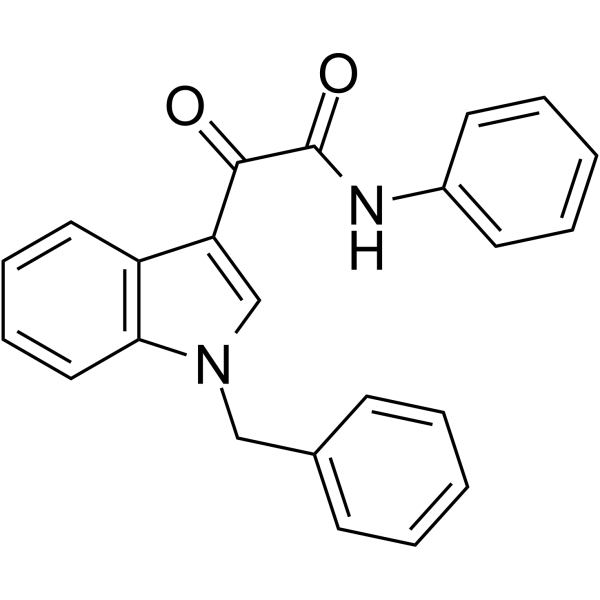
KI-7 is an A2B adenosine receptor positive allosteric modulator. KI-7 potentiates the cAMP accumulation induced by the non-selective A2B adenosine receptor agonist NECA (EC50=445.8 nM). KI-7 also potentiates the cAMP accumulation induced by the selective A2B adenosine receptor agonist BAY 60-6583 as well as by adenosine with EC50s of 2390 nM and 2550 nM, respectively .
|
-
-
- HY-149933
-
|
|
Cannabinoid Receptor
|
Neurological Disease
|
|
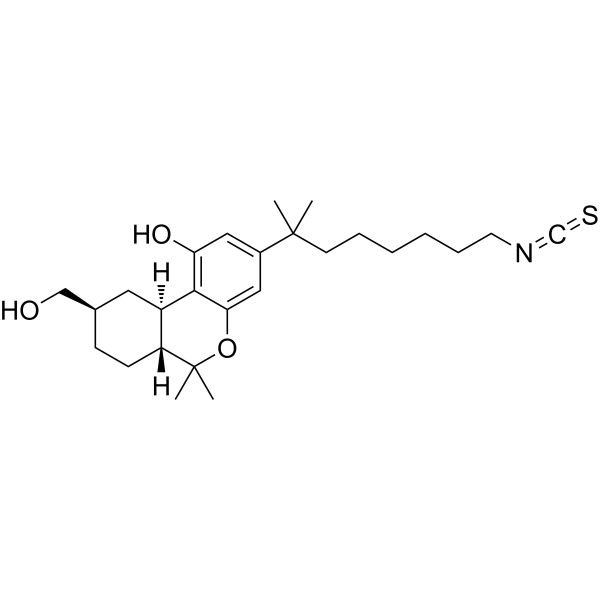
AM841 is a high-affinity electrophilic ligand. AM841 interacts covalently with a cysteine in helix six and activates the CB1 cannabinoid receptor. AM841 reduces Forskolin (HY-15371)-stimulated cAMP accumulation. AM841 also slows gastrointestinal motility .
|
-
-
- HY-19026
-
|
SKF 94836
|
Phosphodiesterase (PDE)
|
Cardiovascular Disease
|
|
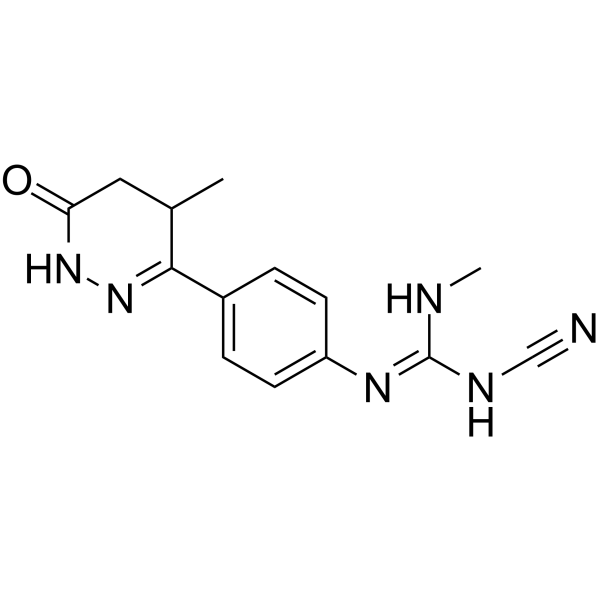
Siguazodan (SKF 94836) is a potent, selective and orally active phosphodiesterase III (PDE-III) inhibitor with an IC50 of 117 nM. Siguazodan increases cAMP accumulation in intact platelets with an EC50 of 18.88 μM. Siguazodan also inhibits phenylephrine-induced 5-HT release with an IC50 value of 4.2 μM .
|
-
-
- HY-P1298
-
|
|
CRFR
|
Cardiovascular Disease
Neurological Disease
|
|
Sauvagine is a corticotropin-releasing factor receptor (CRFR) agonist. Sauvagine activates HM-CRF receptors to stimulate intracellular cAMP accumulation, activates PC-CRF receptors to trigger associated signaling pathways, and stimulates the hypothalamic-pituitary-adrenal axis. Sauvagine can be used for research on central nervous system and blood diseases .
|
-
-
- HY-135119
-
|
|
Adrenergic Receptor
|
Inflammation/Immunology
Endocrinology
|
|
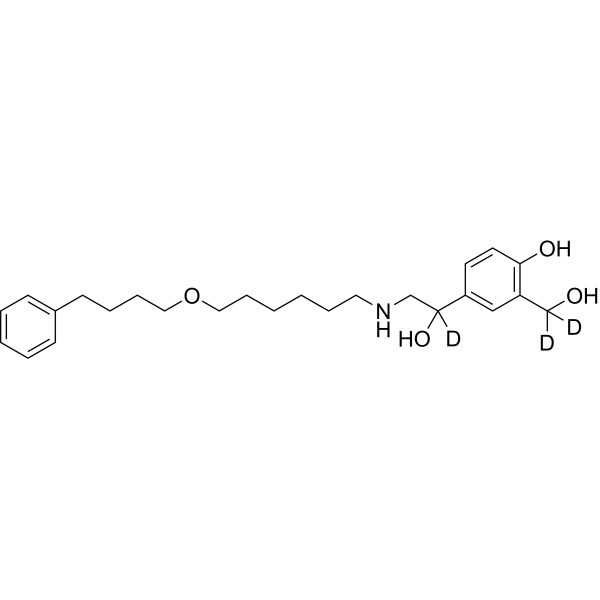
Salmeterol-d3 is a deuterium labeled Salmeterol. Salmeterol is a potent and selective human β2 adrenoceptor agonist. Salmeterol shows potent stimulation of cAMP accumulation in CHO cells expressing human β2, β1 and β3 adrenoceptors with pEC50s of 9.6, 6.1, and 5.9, respectively .
|
-
-
- HY-175231
-
|
|
5-HT Receptor
|
Neurological Disease
|
|
ST171 is a bitopic 5-HT1AR agonist with an Ki of 0.41 nM. ST171 selectively activates Gi/o signaling pathway and inhibits 5-HT1AR-mediated cAMP accumulation without Gs activation and marginal β-arrestin recruitment. T171 reduces hypersensitivity in chronic neuropathic and inflammatory pain mice model. ST171 can be used for pain research .
|
-

-
- HY-P1106
-
|
|
CRFR
|
Cardiovascular Disease
|
|
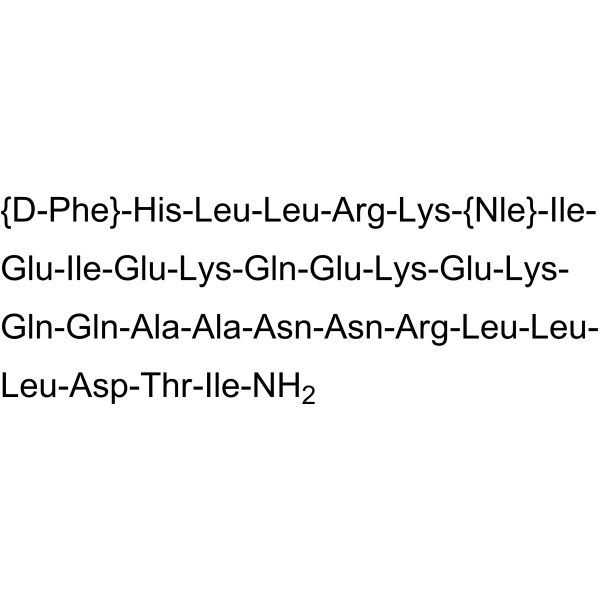
K41498 is a highly selective CRF 2 receptor antagonist, with a Ki of 0.66 nM for human CRF2α receptor and a Ki of 0.62 nM for human CRF2β receptor. K41498 inhibits cAMP accumulation in cells expressing CRF2. K41498 antagonizes the hypotensive response induced by systemic administration of urocortin in conscious rats. K41498 undergoes radioiodination without loss of activity and serves for autoradiographic studies of native CRF2 receptors in rat brain and peripheral tissues .
|
-
-
- HY-W040329S1
-
|
|
Isotope-Labeled Compounds
Endogenous Metabolite
Nucleoside Antimetabolite/Analog
Caspase
Apoptosis
|
Metabolic Disease
Endocrinology
Cancer
|
|
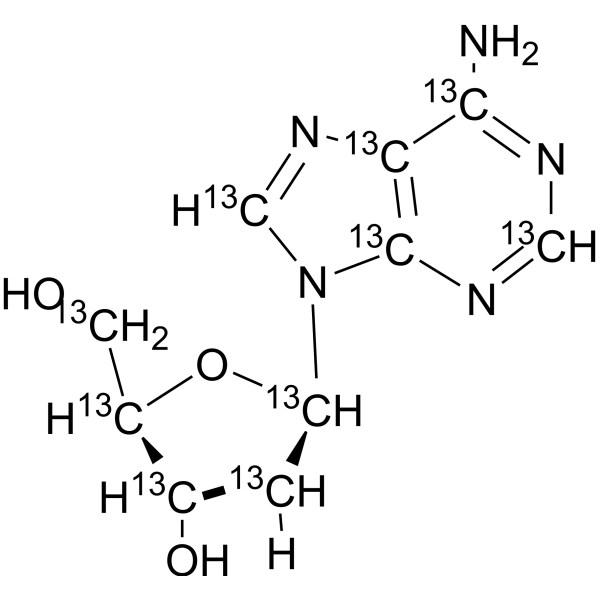
2'-Deoxyadenosine- 13C10 is 13C-labeled 2'-Deoxyadenosine (HY-W040329) . 2′-Deoxyadenosine is an adenine nucleoside that inhibits glucose-stimulated insulin release. 2′-Deoxyadenosine inhibits glucose-stimulated increases seen in islet cyclic AMP (cAMP) accumulation. 2'-Deoxyadenosine activates caspase-3 and promotes apoptosis. 2'-Deoxyadenosine inhibits the activity of S-adenosyl-L-homocysteine hydrolase (SAHH). 2'-Deoxyadenosine inhibits the growth of various cells. 2'-Deoxyadenosine has an anticancer effect on colon cancer .
|
-
-
- HY-106303
-
|
|
Adenosine Receptor
|
Cardiovascular Disease
|
|
YT 146 is a potent agonist of A2 adenosine receptor (A2 AR) agonist. YT 146 causes a concentreation dependent cAMP accumulation, with the EC50 of 1.5 nM. YT 146 has cardioprotective effects .
|
-

-
- HY-125382
-
|
|
Somatostatin Receptor
|
Metabolic Disease
|
|
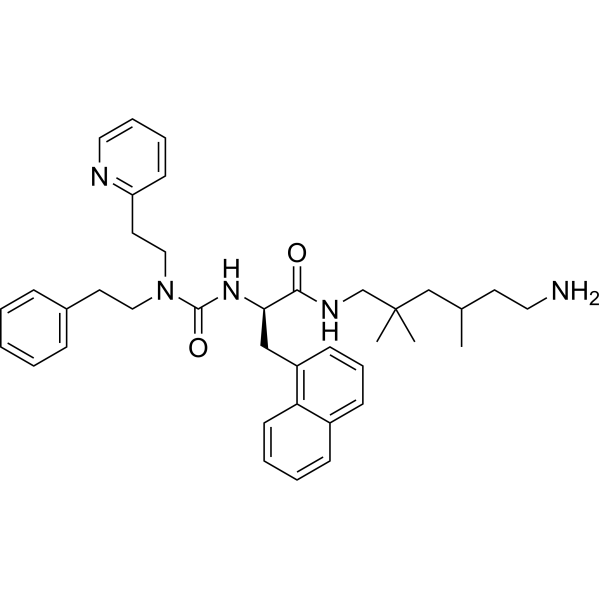
L-797591 is a selective sst1 agonist. L-797591 mimicks the effects of SRIF-14 and SRIF-28 by potently inhibiting either Forskolin (HY-15371)-stimulated or CRH-stimulated cAMP accumulation .
|
-
-
- HY-P10031A
-
|
|
GLP Receptor
GCGR
|
Metabolic Disease
|
|
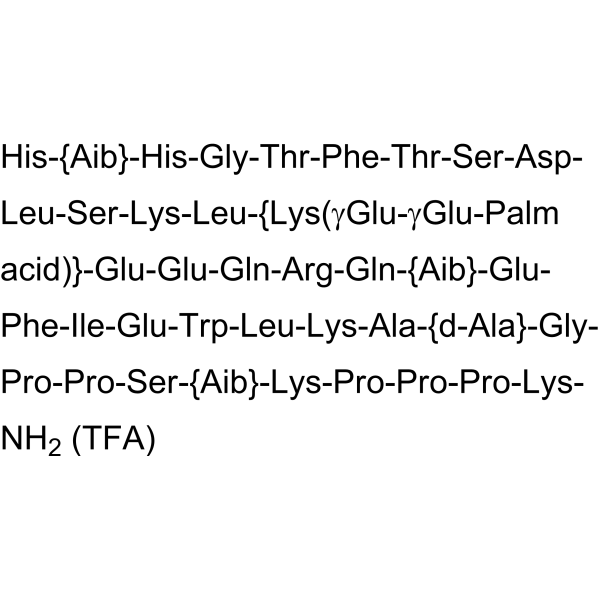
SAR441255 TFA is a GLP-1R/GCGR/GIPR agonist, with human EC50 values of 1.03 pM, 1.01 pM, and 0.73 pM, respectively. SAR441255 TFA stimulates receptor activity and drives cAMP accumulation. SAR441255 TFA can be used for the research of type 2 diabetes, obesity .
|
-
-
- HY-103172
-
|
|
P2Y Receptor
|
Metabolic Disease
|
|
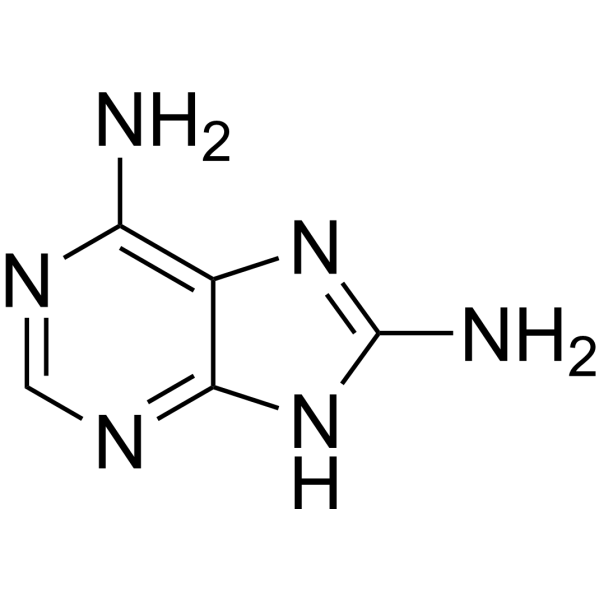
8-Aminoadenine is an adenine receptor 1 (rAde1R) inhibitor with a Ki of 6.51 μM in rat and 0.0341 μM in human. 8-Aminoadenine inhibits isoprenaline-induced cAMP accumulation and adenine uptake in astrocytoma cells expressing rAde1R. 8-Aminoadenine serves as a lead structure for the development of adenine receptor ligands to elucidate the functions of the adenine receptor family .
|
-
-
- HY-177122
-
|
|
Dopamine Receptor
|
Neurological Disease
|
|
Raxlaprazine etomoxil is a small molecule compound with dopamine D2 and D3 receptor modulating activity, which has potential application value in research related to mental illnesses. Raxlaprazine etomoxil exhibits high affinity for human recombinant D2L receptors, with an inhibition constant (Ki) of 1.95 nM. Raxlaprazine etomoxil effectively inhibits forskolin-stimulated cAMP accumulation, with an half maximal effective concentration (EC50) of 3.72 nM in functional activity experiments .
|
-

-
- HY-178783
-
|
|
Adenosine Receptor
|
Metabolic Disease
Inflammation/Immunology
Cancer
|
|
MRS8454 is a positive allosteric modulator (PAM) of the A3 adenosine receptor (A3AR). MRS8454 can significantly enhance the maximum effect of the standard agonist Cl-IB-MECA by approximately 286%-300%, and significantly reduce its EC50 value. MRS8454 effectively enhances the ability of A3AR agonists to inhibit the cAMP accumulation induced by Forskolin (HY-15371). MRS8454 can be used for the development of molecular probes .
|
-

-
- HY-120826
-
|
|
Monoamine Oxidase
Adenosine Receptor
|
Neurological Disease
|
|
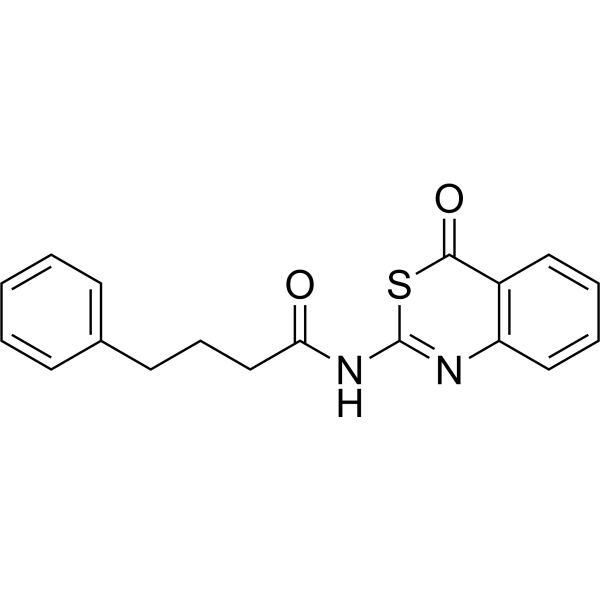
A2AAR/hMAO-B-IN-1 (compoudn 17) is a non-xanthine dual-target inhibitor targeting the A2A adenosine receptor (A2AAR) (IC50: 34.9 nM) andMAO-B (Ki: 39.5 nM, human). A2AAR/hMAO-B-IN-1 inhibits A2AAR-induced cAMP accumulation and exhibits competitive, reversible inhibition of MAO-B. A2AAR/hMAO-B-IN-1 can be used in the study of neurodegenerative diseases such as Parkinson's disease (PD) .
|
-
-
- HY-W011683S6
-
|
|
Isotope-Labeled Compounds
Endogenous Metabolite
Nucleoside Antimetabolite/Analog
Caspase
Apoptosis
|
Metabolic Disease
Endocrinology
Cancer
|
|
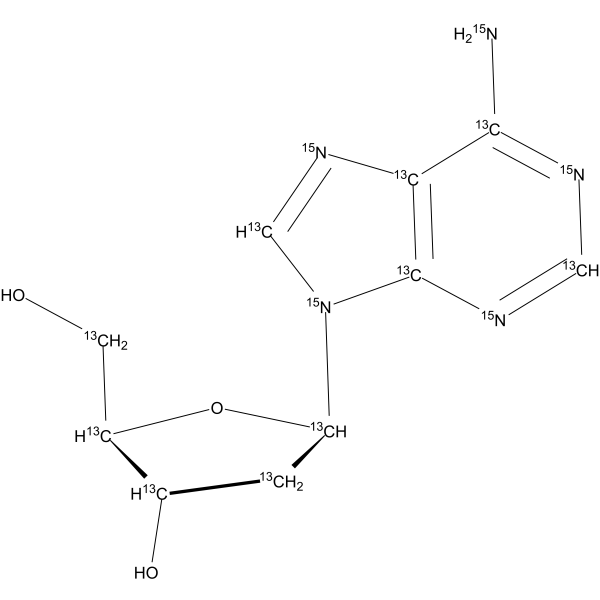
2'-Deoxyadenosine monohydrate- 13C10, 15N5 is the 13C and 15N labeled 2'-Deoxyadenosine monohydrate (HY-W011683) . 2′-Deoxyadenosine monohydrate is an adenine nucleoside that inhibits glucose-stimulated insulin release. 2′-Deoxyadenosine monohydrate inhibits glucose-stimulated increases seen in islet cyclic AMP (cAMP) accumulation. 2'-Deoxyadenosine monohydrate activates caspase-3 and promotes apoptosis. 2'-Deoxyadenosine monohydrate inhibits the activity of S-adenosyl-L-homocysteine hydrolase (SAHH). 2'-Deoxyadenosine monohydrate inhibits the growth of various cells. 2'-Deoxyadenosine monohydrate has an anticancer effect on colon cancer .
|
-
-
- HY-179471
-
|
|
GPR84
|
Inflammation/Immunology
|
|
PSB-17365 is a potent GPR84 agonist with EC50 values of 2.5 nM and 100 nM in a cAMP accumulation assay and a β-arrestin 2 recruitment assay, respectively .
|
-

-
- HY-125382A
-
|
|
Somatostatin Receptor
|
Neurological Disease
|
|
L-797591 hydrochloride is a selective sst1 agonist. L-797591 hydrochloride mimicks the effects of SRIF-14 and SRIF-28 by potently inhibiting either Forskolin (HY-15371)-stimulated or CRH-stimulated cAMP accumulation .
|
-

-
- HY-P99004
-
|
|
Melanocortin Receptor
|
Inflammation/Immunology
|
|
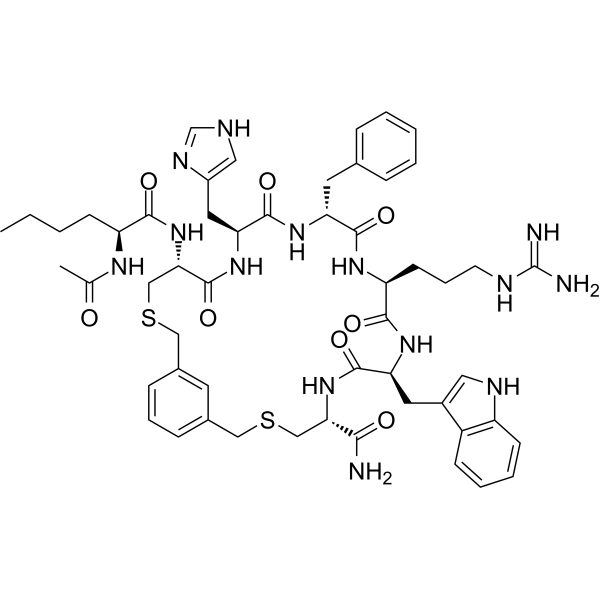
hMC1R agonist 1 is a selective hMC1R agonist. hMC1R agonist 1 activates adenylate cyclase to induce intracellular cAMP accumulation. hMC1R agonist 1 can be used for the research of immune-inflammatory disorders .
|
-
-
- HY-P10924
-
|
|
Elastase
|
Metabolic Disease
|
|
Roseltide rT1 is a neutrophil elastase inhibitor (IC50=0.47 μM) rich in cysteine and one of the Roseltide (rT1-rT8) family members. Roseltide rT1 improves cAMP accumulation stimulated by neutrophil elastase in vitro, showing potential for inhibiting related diseases .
|
-

-
- HY-178203
-
|
|
Cannabinoid Receptor
|
Neurological Disease
|
|
AM12814 is a potent and partial CB1 and CB2 agonist with Ki values of 0.7 nM and 3.4 nM. AM12814 can inhibit cAMP accumulation and recruitse β-arrestin 2. AM12814 exhibits cannabimimetic effects. AM12814 can be used for the research of neurological disease, suah as catalepsy .
|
-

-
- HY-P5950
-
|
Adrenocorticotropic hormone (6-24)
|
Mineralocorticoid Receptor
|
Cardiovascular Disease
|
|
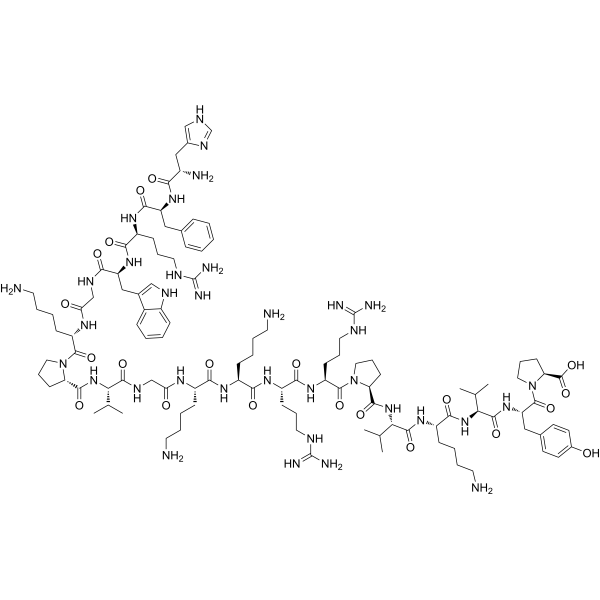
ACTH (6-24) (human) (Adrenocorticotropic hormone (6-24)) is an ACTH fragment. ACTH (6-24) (human) is a competitive inhibitor of steroidogenesis induced by ACTH (1-39) and ACTH (5-24) (Kd:13.4 and 3.4 nM). ACTH (6-24) (human) inhibits corticosterone production and cAMP accumulation induced by hPTH 1-34 .
|
-
-
- HY-119114
-
|
|
CRFR
|
Neurological Disease
|
|
E-2508 free base is an orally active and highly selective corticotropin-releasing factor type 1 receptor (CRF1) antagonist with anxiolytic effects (Ki=11 nM). E-2508 free base blocks CRF-induced cAMP accumulation via CRF1 receptor inhibition. E-2508 free base is promising for research of stress-related psychiatric disorders, such as anxiety and depression .
|
-

-
- HY-14302R
-
|
GR33343X (Standard)
|
Adrenergic Receptor
Reference Standards
|
Inflammation/Immunology
Endocrinology
|
|
Salmeterol (Standard) is the analytical standard of Salmeterol. This product is intended for research and analytical applications. Salmeterol (GR33343X) is a potent and selective human β2 adrenoceptor agonist. Salmeterol shows potent stimulation of cAMP accumulation in CHO cells expressing human β2, β1 and β3 adrenoceptors with pEC50s of 9.6, 6.1, and 5.9, respectively .
|
-

-
- HY-179240
-
|
|
Dopamine Receptor
|
Neurological Disease
|
|
UNC9815 is a D1 dopamine receptor (D1R) orthosteric allosteric modulator (PAM). UNC9815 can dose-dependently enhance the functional efficacy of dopamine in β-inhibitory protein recruitment experiments and cAMP accumulation experiments. When used in combination with other PAMs, UNC9815 exhibits a significant synergistic enhancement effect. UNC9815 can be used to study neurological and psychiatric diseases such as Parkinson's disease and schizophrenia .
|
-

-
- HY-17453R
-
|
GR 33343X xinafoate (Standard)
|
Reference Standards
Adrenergic Receptor
|
Inflammation/Immunology
Endocrinology
|
|
Salmeterol (xinafoate) (Standard) is the analytical standard of Salmeterol (xinafoate). This product is intended for research and analytical applications. Salmeterol (GR 33343X) xinafoate is a potent and selective human β2 adrenoceptor agonist. Salmeterol shows potent stimulation of cAMP accumulation in CHO cells expressing human β2, β1 and β3 adrenoceptors with pEC50s of 9.6, 6.1, and 5.9, respectively .
|
-

-
- HY-103565A
-
|
|
mGluR
|
Neurological Disease
|
|
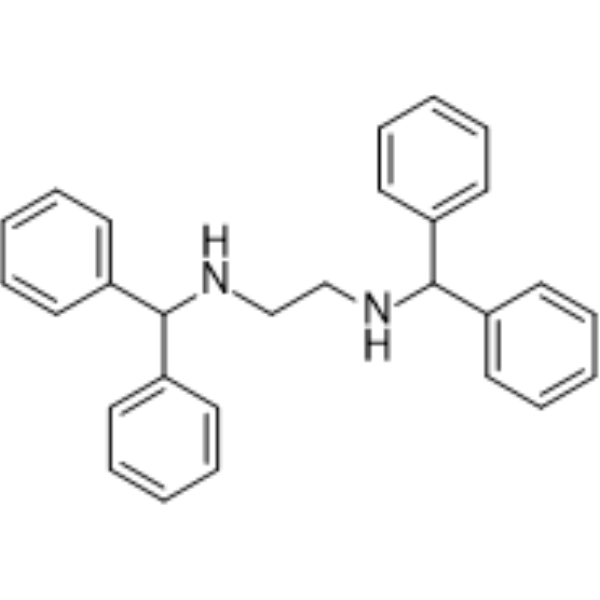
AMN082 free base, a selective, orally active, and brain penetrant mGluR7 agonist, directly activates receptor signaling via an allosteric site in the transmembrane domain. AMN082 free base potently inhibits cAMP accumulation and stimulates GTPγS binding (EC50 values, 64-290 nM) at transfected mammalian cells expressing mGluR7. AMN082 free base shows selectivity over other mGluR subtypes and selected ionotropic glutamate receptors. Antidepressant effects .
|
-
-
- HY-168481
-
|
|
GLP Receptor
|
Metabolic Disease
|
|
GLP-1R agonist 27 (compound 21) is a potent and orally active GLP-1R agonist. GLP-1R agonist 27 promots cyclic adenosine monophosphate (cAMP) accumulation. GLP-1R agonist 27 reduces blood glucose levels and food intake. GLP-1R agonist 27 has the potential for the research of obesity and type 2 diabetes mellitus (T2DM) .
|
-

-
- HY-112631
-
|
|
Phosphodiesterase (PDE)
|
Cardiovascular Disease
|
|
OPC-33540 is a highly selective and competitive PDE3 inhibitor with IC50 values of 0.32 nM (PDE3A) and 1.5 nM (PDE3B). OPC-33540 exhibits IC50s against PDE1, PDE2, PDE4, PDE5, and PDE7 of 42.9, 52.3, 100.8, 2.5, and 51.3 μM, respectively. OPC-33540 significantly enhances cAMP accumulation in platelets and effectively inhibits thrombin-induced platelet aggregation. OPC-33540 can be used in antithrombotic studies .
|
-

-
- HY-W011683S3
-
|
|
Isotope-Labeled Compounds
Endogenous Metabolite
Nucleoside Antimetabolite/Analog
Caspase
Apoptosis
|
Metabolic Disease
Endocrinology
Cancer
|
|
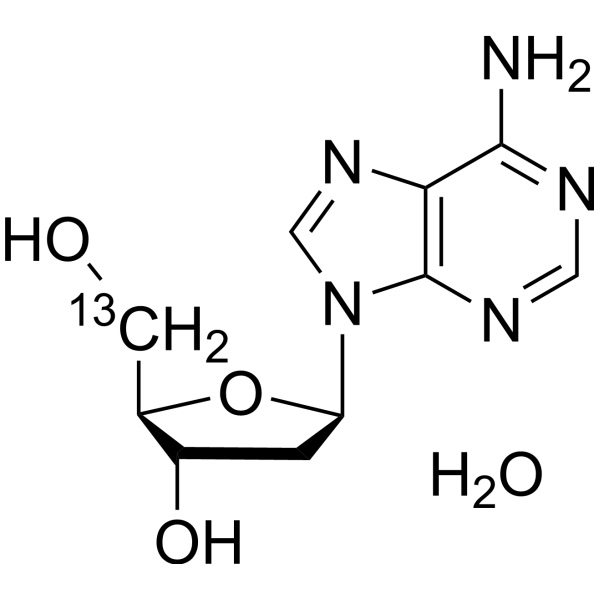
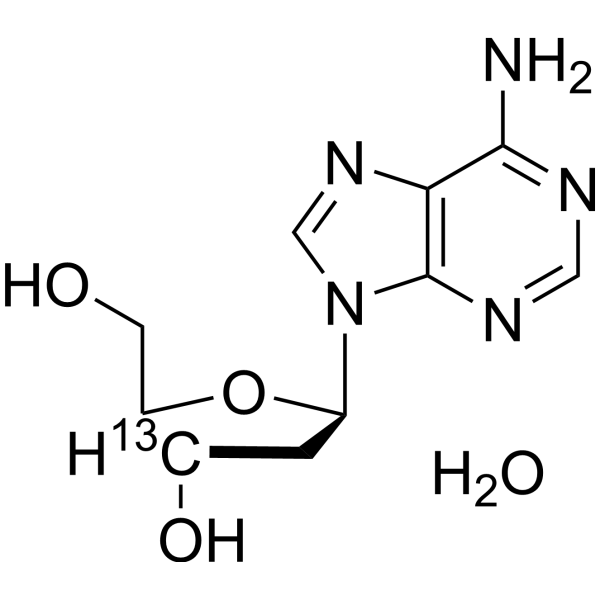
2'-Deoxyadenosine monohydrate-5′- 13C is the 13C labeled 2'-Deoxyadenosine monohydrate (HY-W011683) . 2′-Deoxyadenosine monohydrate is an adenine nucleoside that inhibits glucose-stimulated insulin release. 2′-Deoxyadenosine monohydrate inhibits glucose-stimulated increases seen in islet cyclic AMP (cAMP) accumulation. 2'-Deoxyadenosine monohydrate activates caspase-3 and promotes apoptosis. 2'-Deoxyadenosine monohydrate inhibits the activity of S-adenosyl-L-homocysteine hydrolase (SAHH). 2'-Deoxyadenosine monohydrate inhibits the growth of various cells. 2'-Deoxyadenosine monohydrate has an anticancer effect on colon cancer .
|
-
-
- HY-W011683S
-
|
|
Isotope-Labeled Compounds
Endogenous Metabolite
Nucleoside Antimetabolite/Analog
Caspase
Apoptosis
|
Metabolic Disease
Endocrinology
Cancer
|
|
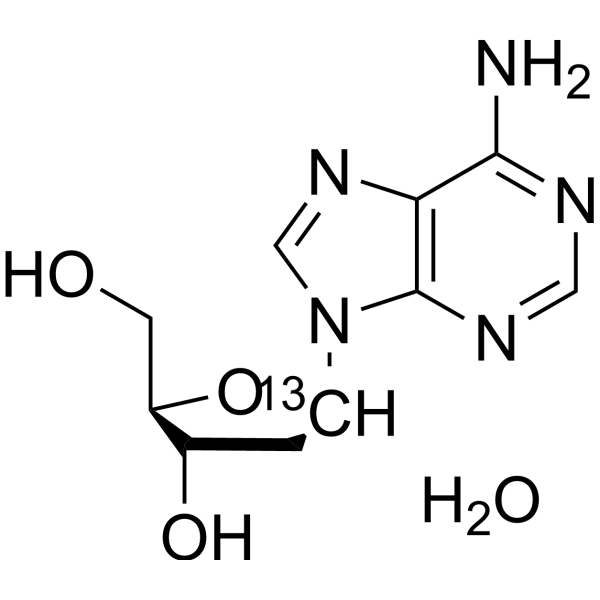
2'-Deoxyadenosine monohydrate-1′- 13C is the 13C labeled 2'-Deoxyadenosine monohydrate (HY-W011683) . 2′-Deoxyadenosine monohydrate is an adenine nucleoside that inhibits glucose-stimulated insulin release. 2′-Deoxyadenosine monohydrate inhibits glucose-stimulated increases seen in islet cyclic AMP (cAMP) accumulation. 2'-Deoxyadenosine monohydrate activates caspase-3 and promotes apoptosis. 2'-Deoxyadenosine monohydrate inhibits the activity of S-adenosyl-L-homocysteine hydrolase (SAHH). 2'-Deoxyadenosine monohydrate inhibits the growth of various cells. 2'-Deoxyadenosine monohydrate has an anticancer effect on colon cancer .
|
-
-
- HY-161817
-
-

-
- HY-175486
-
|
|
Opioid Receptor
|
Neurological Disease
|
|
KOR agonist 6 is a KOR agonist (Ki = 0.25 pM). KOR agonist 6 shows agonistic activity at MOR and DOR in CHO cells and inhibits Forskolin (HY-15371)-stimulated cAMP accumulation. KOR agonist 6 stimulates KOR-mediated [ 35S]GTPγS binding and inhibits cAMP accumulation in KOR-expressing HEK293 cells with potent agonistic activity, while showing lower β-arrestin recruitment potency. KOR agonist 6 demonstrates anti-nociceptive efficacy in mice. KOR agonist 6 can be used for the study of analgesics with reduced central nervous system (CNS) side effects .
|
-

-
- HY-19436A
-
|
GW 427353B
|
Adrenergic Receptor
|
Metabolic Disease
Endocrinology
|
|
Solabegron hydrochloride is a selective β3-adrenergic receptor agonist, stimulating cAMP accumulation in Chinese hamster ovary cells expressing the human β3-AR, with an EC50 value of 22 nM . Solabegron hydrochloride (GW 427353) is being developed for the treatment of overactive bladder and irritable bowel syndrome .
|
-

- HY-19026R
-
|
SKF 94836 (Standard)
|
Phosphodiesterase (PDE)
Reference Standards
|
Cardiovascular Disease
|
|
Siguazodan (Standard) is the analytical standard of Siguazodan. This product is intended for research and analytical applications. Siguazodan (SKF 94836) is a potent, selective and orally active phosphodiesterase III (PDE-III) inhibitor with an IC50 of 117 nM. Siguazodan increases cAMP accumulation in intact platelets with an EC50 of 18.88 μM. Siguazodan also inhibits phenylephrine-induced 5-HT release with an IC50 value of 4.2 μM .
|
-

- HY-14302S1
-
|
GR33343X-d5
|
Isotope-Labeled Compounds
Adrenergic Receptor
|
Endocrinology
|
|
Salmeterol-d5 is a deuterated labeled Salmeterol . Salmeterol (GR33343X) is a potent and selective human β2 adrenoceptor agonist. Salmeterol shows potent stimulation of cAMP accumulation in CHO cells expressing human β2, β1 and β3 adrenoceptors with pEC50s of 9.6, 6.1, and 5.9, respectively .
|
-

- HY-17453S
-
|
GR 33343X-d3 xinafoate
|
Isotope-Labeled Compounds
Adrenergic Receptor
|
Inflammation/Immunology
Endocrinology
|
|
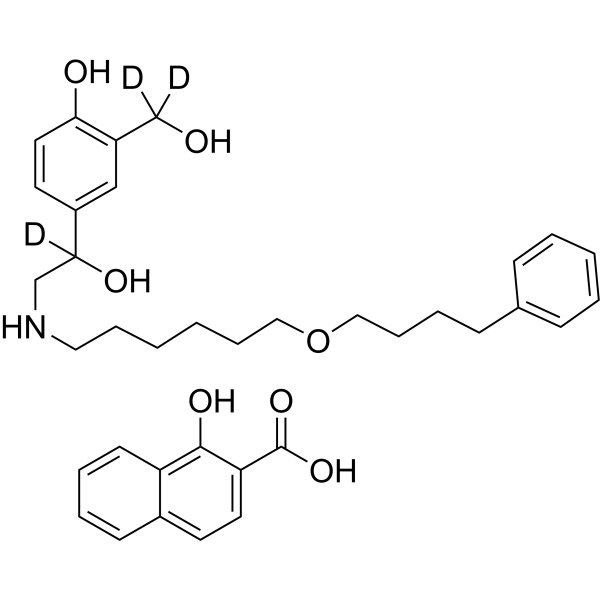
Salmeterol-d3 (xinafoate) is the deuterium labeled Salmeterol xinafoate. Salmeterol (GR 33343X) xinafoate is a potent and selective human β2 adrenoceptor agonist. Salmeterol shows potent stimulation of cAMP accumulation in CHO cells expressing human β2, β1 and β3 adrenoceptors with pEC50s of 9.6, 6.1, and 5.9, respectively .
|
-
- HY-119333
-
|
|
mAChR
|
Neurological Disease
|
|
NNC 11-1607 is a selective M1/M4 muscarinic acetylcholine receptor (mAChR) agonist. NNC 11-1607 inhibits Forskolin (HY-15371)-stimulated cAMP accumulation in Chinese hamster ovary cells expressing the human M2 or M4 mAChR. NNC 11-1607 is promising for research of central nervous system disorders, such as Alzheimer’s disease and schizophrenia .
|
-

- HY-17453S1
-
|
GR 33343X-13C6 xinafoate
|
Isotope-Labeled Compounds
Adrenergic Receptor
|
Inflammation/Immunology
Endocrinology
|
|
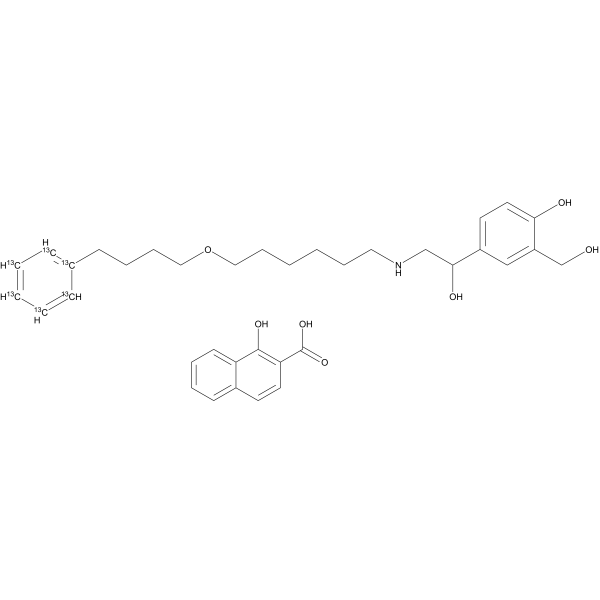
Salmeterol- 13C6 (xinafoate) is the 13C6 labeled Salmeterol (xinafoate). Salmeterol (GR 33343X) xinafoate is a potent and selective human β2 adrenoceptor agonist. Salmeterol shows potent stimulation of cAMP accumulation in CHO cells expressing human β2, β1 and β3 adrenoceptors with pEC50s of 9.6, 6.1, and 5.9, respectively.
|
-
- HY-19436S
-
|
GW 427353-d8
|
Isotope-Labeled Compounds
Adrenergic Receptor
|
Metabolic Disease
Endocrinology
|
|
Solabegron-d8 (GW 427353-d8) is deuterium labeled Solabegron. Solabegron (GW 427353) is a selective β3-adrenergic receptor agonist, stimulating cAMP accumulation in Chinese hamster ovary cells expressing the human β3-AR, with an EC50 value of 22 nM . Solabegron (GW 427353) is being developed for the treatment of overactive bladder and irritable bowel syndrome .
|
-

- HY-162787
-
|
|
Adenosine Receptor
|
Cancer
|
|
Adenosine receptor antagonist 5 (Compound 39) is a selective antagonist for human adenosine A3 receptor (hA3R) with Ki of 12 nM. Adenosine receptor antagonist 5 inhibits IB-MECA (HY-13591)-induced cAMP accumulation in NCI-H1792 cell, inhibits the proliferation of cancer cell LK-2 and NCI-H1792. Adenosine receptor antagonist 5 exhibits a fast metabolic rate in human liver microsomes .
|
-

- HY-114539
-
|
|
Dopamine Receptor
|
Neurological Disease
|
|
L-750667 triHydrochloride is a selective antagonist for the D4 dopamine receptor, with a Ki value of 0.51 nM. The radiolabeled form of L-750667, [ 125I]L-750,667, has a Kd value of 0.16 nM for the D4 receptor. L-750667 triHydrochloride can reverse dopamine-induced inhibition of cAMP accumulation. It can be used to study the distribution and function of D4 dopamine receptors in the central nervous system and has potential applications in the fields of neuroscience and psychiatry .
|
-

- HY-P3419A
-
|
|
Mas-related G-protein-coupled Receptor (MRGPR)
PERK
Calcium Channel
|
Cardiovascular Disease
Inflammation/Immunology
|
|
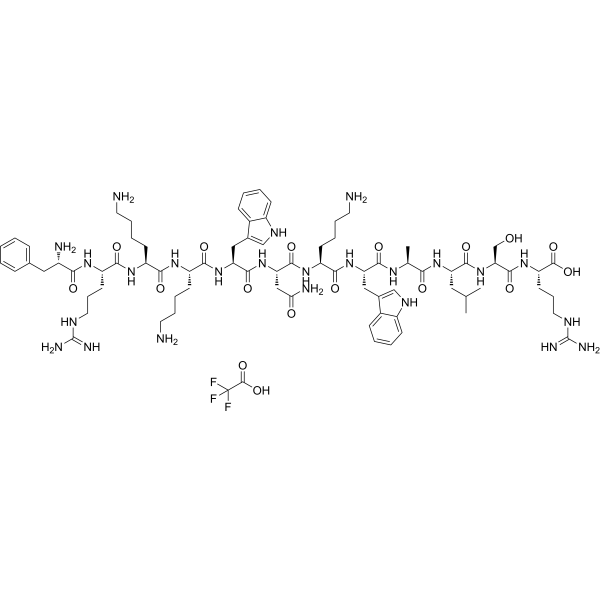
PAMP-12 (unmodified) TFA is an endogenous peptide and is a MrgX2 agonist. PAMP-12 (unmodified) TFA can reduce cAMP accumulation, increase Ca 2+ levels, enhance beta-arrestin recruitment, decrease IP-1, and increases phosphoERK. PAMP-12 (unmodified) TFA can elicit hypotension through inhibiting catecholamine secretion from sympathetic nerve endings and adrenal chromaffin cells. PAMP-12 (unmodified) TFA can be used for the research of hypotension and ulcerative colitis .
|
-
- HY-103565R
-
|
|
Reference Standards
mGluR
|
Neurological Disease
|
|
AMN082 (Standard) is the analytical standard of AMN082. This product is intended for research and analytical applications. AMN082, a selective, orally active, and brain penetrant mGluR7 agonist, directly activates receptor signaling via an allosteric site in the transmembrane domain. AMN082 potently inhibits cAMP accumulation and stimulates GTPγS binding (EC50 values, 64-290 nM) at transfected mammalian cells expressing mGluR7. AMN082 shows selectivity over other mGluR subtypes and selected ionotropic glutamate receptors. Antidepressant effects .
|
-

- HY-P0165B
-
|
ITM077 acetate; R1583 acetate; BIM51077 acetate
|
GLP Receptor
|
Metabolic Disease
|
|
Taspoglutide (R1583) acetate is an agonist of the glucagon-like peptide 1 receptor (GLP-1R) with an Ki value of 1.1 nM. Taspoglutide acetate induces cAMP accumulation in CHO-K1 cells expressing human GLP-1R (EC50 = 0.06 nM). Taspoglutide acetate decreases blood levels of glucose and increases blood levels of insulin in a glucose tolerance test in Zucker diabetic obese rats. Taspoglutide acetate reduces blood levels of gastric inhibitory polypeptide (GIP), plasma levels of triglycerides, and body weight in the same model .
|
-

- HY-W778207
-
|
|
Isotope-Labeled Compounds
|
Others
|
|
2'-Deoxyadenosine- 13C5 monohydrate is the 13C labeled isotope of '-Deoxyadenosine monohydrate (HY-W040329). 2′-Deoxyadenosine is an adenine nucleoside that inhibits glucose-stimulated insulin release. 2′-Deoxyadenosine inhibits glucose-stimulated increases seen in islet cyclic AMP (cAMP) accumulation. 2'-Deoxyadenosine activates caspase-3 and promotes apoptosis. 2'-Deoxyadenosine inhibits the activity of S-adenosyl-L-homocysteine hydrolase (SAHH). 2'-Deoxyadenosine inhibits the growth of various cells. 2'-Deoxyadenosine has an anticancer effect on colon cancer .
|
-

- HY-103565AR
-
|
|
Reference Standards
mGluR
|
Neurological Disease
|
|
AMN082 (free base) (Standard) is the analytical standard of AMN082 (free base). This product is intended for research and analytical applications. AMN082 free base, a selective, orally active, and brain penetrant mGluR7 agonist, directly activates receptor signaling via an allosteric site in the transmembrane domain. AMN082 free base potently inhibits cAMP accumulation and stimulates GTPγS binding (EC50 values, 64-290 nM) at transfected mammalian cells expressing mGluR7. AMN082 free base shows selectivity over other mGluR subtypes and selected ionotropic glutamate receptors. Antidepressant effects .
|
-

- HY-W745905
-
|
|
Isotope-Labeled Compounds
Apoptosis
Nucleoside Antimetabolite/Analog
Caspase
Endogenous Metabolite
|
Metabolic Disease
Endocrinology
Cancer
|
|
2'-Deoxyadenosine- 15N1 is the 15N-labeled 2'-Deoxyadenosine (HY-W040329). 2′-Deoxyadenosine is an adenine nucleoside that inhibits glucose-stimulated insulin release. 2′-Deoxyadenosine inhibits glucose-stimulated increases seen in islet cyclic AMP (cAMP) accumulation. 2'-Deoxyadenosine activates caspase-3 and promotes apoptosis. 2'-Deoxyadenosine inhibits the activity of S-adenosyl-L-homocysteine hydrolase (SAHH). 2'-Deoxyadenosine inhibits the growth of various cells. 2'-Deoxyadenosine has an anticancer effect on colon cancer .
|
-

- HY-W011683S7
-
|
|
Isotope-Labeled Compounds
Endogenous Metabolite
Nucleoside Antimetabolite/Analog
Caspase
Apoptosis
|
Metabolic Disease
Endocrinology
Cancer
|
|
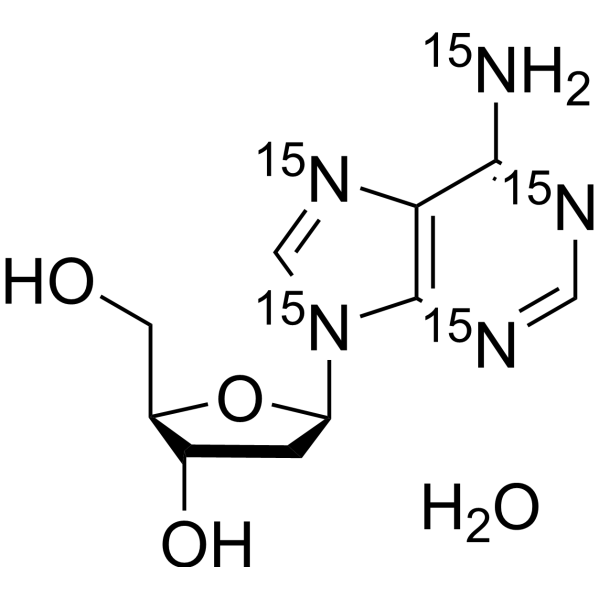
2'-Deoxyadenosine monohydrate- 15N5 is the 15N labeled 2'-Deoxyadenosine monohydrate (HY-W011683) . 2′-Deoxyadenosine monohydrate is an adenine nucleoside that inhibits glucose-stimulated insulin release. 2′-Deoxyadenosine monohydrate inhibits glucose-stimulated increases seen in islet cyclic AMP (cAMP) accumulation. 2'-Deoxyadenosine monohydrate activates caspase-3 and promotes apoptosis. 2'-Deoxyadenosine monohydrate inhibits the activity of S-adenosyl-L-homocysteine hydrolase (SAHH). 2'-Deoxyadenosine monohydrate inhibits the growth of various cells. 2'-Deoxyadenosine monohydrate has an anticancer effect on colon cancer .
|
-
- HY-114052
-
|
|
Phosphodiesterase (PDE)
|
Inflammation/Immunology
|
|
NVP-ABE171 is an efficient, long-lasting and orally active PDE4 inhibitor with IC50 values for PDE4D, PDE4B, PDE4A and PDE4C of 1.5, 34, 602 and 1230 nM respectively. NVP-ABE171 enhances the cAMP accumulation induced by isoproterenol, inhibits the oxidative burst of eosinophils and the release of inflammatory cytokines from T cells and monocytes. NVP-ABE171 exhibits potent anti-inflammatory activity in animal models of asthma and pulmonary inflammation. NVP-ABE171 can be used for research on asthma and chronic obstructive pulmonary disease .
|
-

- HY-W011683R
-
|
|
Reference Standards
Endogenous Metabolite
Nucleoside Antimetabolite/Analog
Caspase
Apoptosis
|
Metabolic Disease
Endocrinology
Cancer
|
|
2'-Deoxyadenosine monohydrate (Standard) is the analytical standard of 2'-Deoxyadenosine monohydrate ((HY-W011683). This product is intended for research and analytical applications. 2′-Deoxyadenosine monohydrate is an adenine nucleoside that inhibits glucose-stimulated insulin release. 2′-Deoxyadenosine monohydrate inhibits glucose-stimulated increases seen in islet cyclic AMP (cAMP) accumulation. 2'-Deoxyadenosine monohydrate activates caspase-3 and promotes apoptosis. 2'-Deoxyadenosine monohydrate inhibits the activity of S-adenosyl-L-homocysteine hydrolase (SAHH). 2'-Deoxyadenosine monohydrate inhibits the growth of various cells. 2'-Deoxyadenosine monohydrate has an anticancer effect on colon cancer .
|
-

- HY-W011683S1
-
|
|
Isotope-Labeled Compounds
Endogenous Metabolite
Nucleoside Antimetabolite/Analog
Caspase
Apoptosis
|
Metabolic Disease
Endocrinology
Cancer
|
|
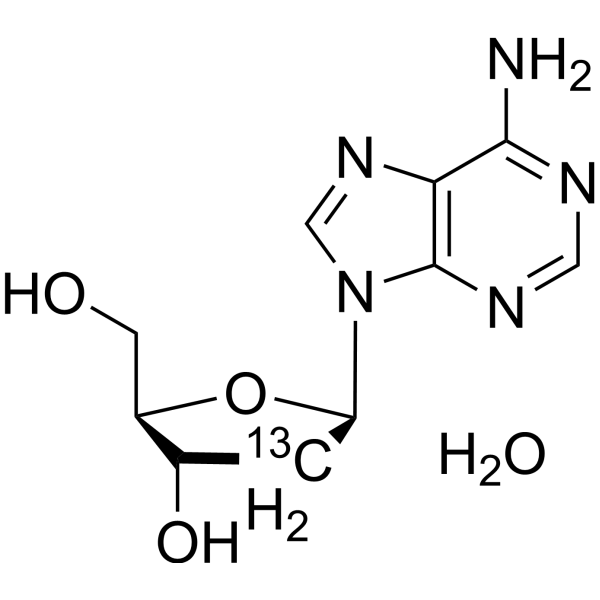
2'-Deoxyadenosine monohydrate-2′- 13C is the 13C labeled 2'-Deoxyadenosine monohydrate(HY-W011683) . 2′-Deoxyadenosine monohydrate is an adenine nucleoside that inhibits glucose-stimulated insulin release. 2′-Deoxyadenosine monohydrate inhibits glucose-stimulated increases seen in islet cyclic AMP (cAMP) accumulation. 2'-Deoxyadenosine monohydrate activates caspase-3 and promotes apoptosis. 2'-Deoxyadenosine monohydrate inhibits the activity of S-adenosyl-L-homocysteine hydrolase (SAHH). 2'-Deoxyadenosine monohydrate inhibits the growth of various cells. 2'-Deoxyadenosine monohydrate has an anticancer effect on colon cancer .
|
-
- HY-W040329S
-
|
|
Isotope-Labeled Compounds
Endogenous Metabolite
Nucleoside Antimetabolite/Analog
Caspase
Apoptosis
|
Metabolic Disease
Endocrinology
Cancer
|
|
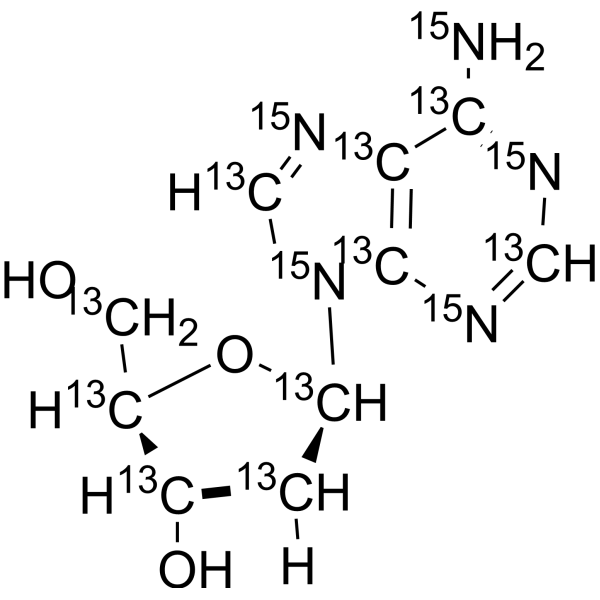
2'-Deoxyadenosine- 13C10, 15N5 is 13C and 15N-labeled 2'-Deoxyadenosine (HY-W040329) . 2′-Deoxyadenosine is an adenine nucleoside that inhibits glucose-stimulated insulin release. 2′-Deoxyadenosine inhibits glucose-stimulated increases seen in islet cyclic AMP (cAMP) accumulation. 2'-Deoxyadenosine activates caspase-3 and promotes apoptosis. 2'-Deoxyadenosine inhibits the activity of S-adenosyl-L-homocysteine hydrolase (SAHH). 2'-Deoxyadenosine inhibits the growth of various cells. 2'-Deoxyadenosine has an anticancer effect on colon cancer .
|
-
- HY-W011683S2
-
-
- HY-113513
-
|
|
Others
|
Cancer
|
|
5(S)-HEPE is an active metabolite of eicosapentaenoic acid. It is formed from EPA by 5-lipoxygenase (5-LO). 5(S)-HEPE is an agonist of G protein-coupled receptor 119 (GPR119). It increases cAMP accumulation in CHO-K1 cells expressing human GPR119 when used at a concentration of 10 μM. 5(S)-HEPE increases glucose-induced insulin secretion from MING6 insulinoma pancreatic islets and glucagon-like peptide 1 (GLP-1) secretion from HuTu 80 adenocarcinoma cells when used at a concentration of 10 μM. Serum levels of 5(S)-HEPE are elevated in patients with hyperlipidemia.
|
-

- HY-W040329S3
-
|
|
Isotope-Labeled Compounds
Endogenous Metabolite
Nucleoside Antimetabolite/Analog
Caspase
Apoptosis
|
Metabolic Disease
Endocrinology
Cancer
|
|
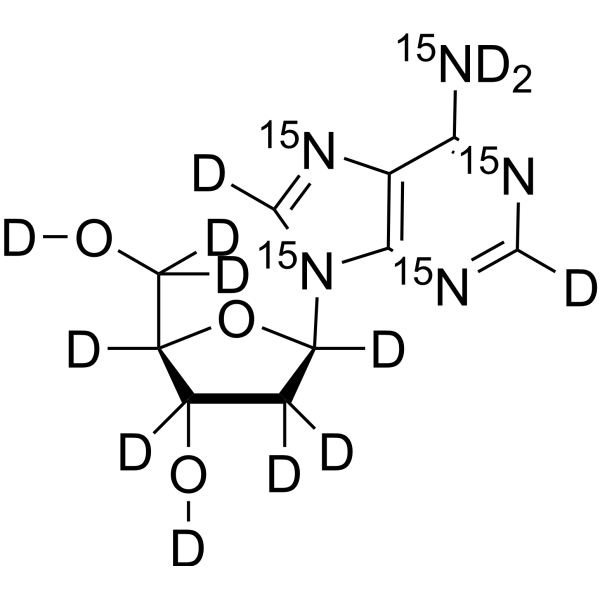
2'-Deoxyadenosine- 15N5,d13 is deuterium and 15N labeled 2'-Deoxyadenosine (HY-W040329) . 2′-Deoxyadenosine is an adenine nucleoside that inhibits glucose-stimulated insulin release. 2′-Deoxyadenosine inhibits glucose-stimulated increases seen in islet cyclic AMP (cAMP) accumulation. 2'-Deoxyadenosine activates caspase-3 and promotes apoptosis. 2'-Deoxyadenosine inhibits the activity of S-adenosyl-L-homocysteine hydrolase (SAHH). 2'-Deoxyadenosine inhibits the growth of various cells. 2'-Deoxyadenosine has an anticancer effect on colon cancer .
|
-
- HY-119247
-
|
|
CRFR
|
Neurological Disease
|
|
NBI 30545 is a blood-brain barrier permeable CRF1R antagonist with a Ki value of 3.4 nM for the human receptor. NBI 30545 inhibits CRF-stimulated intracellular cAMP accumulation and ACTH release. NBI 30545 can be used in the research of depression, anxiety disorders and stress-related diseases .
|
-

- HY-180220
-
|
|
GLP Receptor
|
Metabolic Disease
|
|
GLP-1R agonist 40 (Compound I-1) is an orally active, potent and selective GLP-1R agonist (EC50 = 26.7 pM for cAMP accumulation). GLP-1R agonist 40 shows significant decrease in blood glucose levels. GLP-1R agonist 40 can be used in the research of type 2 diabetes .
|
-

- HY-185289
-
|
|
Adrenergic Receptor
Akt
|
Cancer
|
|
Methoxyfenoterol is a β2-adrenergic receptor agonist. Methoxyfenoterol stimulates intracellular cAMP accumulation, inhibits tumor cell proliferation, induces G1 cell cycle arrest, upregulates cyclin-dependent kinase inhibitor p27, downregulates cyclin D1 and cyclin A, and inhibits Akt phosphorylation. Methoxyfenoterol crosses the blood-brain barrier and inhibits growth of astrocytoma xenografts. Methoxyfenoterol can be used for the research of astrocytoma, glioblastoma .
|
-

- HY-125646
-
|
|
GPR119
|
Metabolic Disease
|
|
YH18968 is an orally active GPR119 agonist with an EC50 of 2.8 nM for inducing cAMP accumulation. YH18968 activates GPR119, elevates intracellular cyclic adenosine monophosphate levels, stimulates glucagon-like peptide-1 secretion from intestinal L cells, and triggers glucose-dependent insulin secretion from pancreatic β cells. YH18968 improves glucose tolerance in normal mice and diet-induced obese mice. YH18968 can be used for the research of type 2 diabetes .
|
-

- HY-182640
-
|
|
Adrenergic Receptor
|
Cardiovascular Disease
Metabolic Disease
Inflammation/Immunology
|
|
SM-11044 is a β-adrenoceptor agonist with Ki values of 18.1 μM (β1), 4.1 μM (β2) and 1.3 μM (β3), showing higher binding selectivity for the β3-adrenoceptor. SM-11044 stimulates cAMP accumulation in cells expressing this receptor. SM-11044 mediates ileal relaxation, tracheal relaxation, pulmonary parenchymal relaxation, increased right atrial heart rate and adipocyte lipolysis .
|
-

- HY-120093
-
|
|
Cannabinoid Receptor
PERK
|
Neurological Disease
|
|
GAT100 is a negative allosteric modulator and covalent allosteric probe for cannabinoid receptor type 1 (CB1R). GAT100 acts as a positive allosteric modulator for orthosteric agonist CP55,940 binding to regulate the CB1R signaling pathway. GAT100 reduces the potency and efficacy of orthosteric CB1R agonists in terms of β-arrestin 1 recruitment, phosphorylation of PLCβ3 and ERK1/2, cAMP accumulation, and CB1R internalization. GAT100 is applicable to the research of psychobehavioral and somatic diseases .
|
-

- HY-180142
-
|
|
Vasopressin Receptor
|
Endocrinology
|
|
XYDC2050 (Compound 29) is a selective vasopressin V2 receptor (V2R) antagonist with an IC50 of 27 nM and a Ki of 2.8 nM. XYDC2050 shows a Ki of 420.7 nM (SI = 162 fold) for V1R. XYDC2050 can inhibit Vasopressin (HY-B1811)-induced intracellular cyclic adenosine monophosphate (cAMP) accumulation with an IC50 of 12 nM. XYDC2050 can inhibit the growth of renal cysts, reduce the ratio of kidney weight to body weight and decrease the area of cysts and the cystic index. XYDC2050 can be used for the research of autosomal dominant polycystic kidney disease (ADPKD) .
|
-

- HY-180845
-
|
|
G protein-coupled Bile Acid Receptor 1
|
Metabolic Disease
|
|
TGR5 agonist 9 is a highly selective and orally active TGR5 allosteric agonist with EC₅₀ values for hTGR5 and mTGR5 of 0.48 and 0.49 μM, respectively. TGR5 agonist 9 can recruit β-arrestin 1 (EC₅₀ = 78.8 μM) and β-arrestin 2 (EC₅₀ = 12.3 μM), and has a higher efficacy in cAMP accumulation (EC₅₀ = 0.48 μM). TGR5 agonist 9 exhibits a significant hypoglycemic effect in the ICR mouse model. TGR5 agonist 9 can be used for research on diabetes .
|
-

- HY-181102
-
|
|
G protein-coupled Bile Acid Receptor 1
|
Metabolic Disease
Inflammation/Immunology
|
|
TGR5 agonist 10 is a selective, allosteric and orally active Takeda G protein coupled receptor 5 (TGR5) agonist with EC50s of 0.8 μM and 0.6 μM for human TGR5 and mouse TGR5, respectively. TGR5 agonist 10 demonstrates selectivity for TGR5 over FXR. TGR5 agonist 10 activates hTGR5 and mTGR5 to induce cAMP accumulation, and positively modulates lithocholic acid functional activity and potency at hTGR5, with higher selectivity for cAMP formation over β-arrestin2 recruitment. TGR5 agonist 10 exerts glucose-lowering effects in Mus musculus oral glucose tolerance tests. TGR5 agonist 10 can be used for the research of diabetes .
|
-

- HY-182905
-
|
|
Somatostatin Receptor
G protein-coupled Bile Acid Receptor 1
|
Metabolic Disease
|
|
SSTR5/TGR5-modulator-1 is an orally active and dual-target small molecule, balanced in vitro activity at human TGR5 and human SSTR5. SSTR5/TGR5-modulator-1 activates human TGR5 to promote cAMP accumulation. SSTR5/TGR5-modulator-1 blocks human SSTR5 to inhibit agonist-induced calcium mobilization. SSTR5/TGR5-modulator-1 improves glucose tolerance in mice. SSTR5/TGR5-modulator-1 alleviates gallbladder filling in mice at pharmacologically relevant doses. SSTR5/TGR5-modulator-1 has suboptimal physicochemical and metabolic properties.SSTR5/TGR5-modulator-1 can be used for the research of type 2 diabetes mellitus .
|
-

| Cat. No. |
Nombre del producto |
Target |
Research Area |
-
- HY-P3419
-
|
|
Mas-related G-protein-coupled Receptor (MRGPR)
PERK
Calcium Channel
|
Cardiovascular Disease
Inflammation/Immunology
|
|
PAMP-12 (unmodified) is an endogenous peptide and is a MrgX2 agonist. PAMP-12 (unmodified) can reduce cAMP accumulation, increase Ca 2+ levels, enhance beta-arrestin recruitment, decrease IP-1, and increases phosphoERK. PAMP-12 (unmodified) can elicit hypotension through inhibiting catecholamine secretion from sympathetic nerve endings and adrenal chromaffin cells. PAMP-12 (unmodified) can be used for the research of hypotension and ulcerative colitis .
|
-
- HY-P10031
-
|
|
GLP Receptor
GCGR
|
Metabolic Disease
|
|
SAR441255 is a GLP-1R/GCGR/GIPR agonist, with human EC50 values of 1.03 pM, 1.01 pM, and 0.73 pM, respectively. SAR441255 stimulates receptor activity and drives cAMP accumulation. SAR441255 can be used for the research of type 2 diabetes, obesity .
|
-
- HY-P1298A
-
|
|
CRFR
|
Cardiovascular Disease
Neurological Disease
|
|
Sauvagine TFA is a corticotropin-releasing factor receptor (CRFR) agonist. Sauvagine TFA activates HM-CRF receptors to stimulate intracellular cAMP accumulation, activates PC-CRF receptors to trigger associated signaling pathways, and stimulates the hypothalamic-pituitary-adrenal axis. Sauvagine TFA can be used for research on central nervous system and blood diseases .
|
-
- HY-P1106A
-
|
|
CFTR
|
Cardiovascular Disease
|
|
K41498 TFA is a highly selective CRF 2 receptor antagonist, with a Ki of 0.66 nM for human CRF2α receptor and a Ki of 0.62 nM for human CRF2β receptor. K41498 TFA inhibits cAMP accumulation in cells expressing CRF2. K41498 TFA antagonizes the hypotensive response induced by systemic administration of urocortin in conscious rats. K41498 TFA undergoes radioiodination without loss of activity and serves for autoradiographic studies of native CRF2 receptors in rat brain and peripheral tissues .
|
-
- HY-P1298
-
|
|
CRFR
|
Cardiovascular Disease
Neurological Disease
|
|
Sauvagine is a corticotropin-releasing factor receptor (CRFR) agonist. Sauvagine activates HM-CRF receptors to stimulate intracellular cAMP accumulation, activates PC-CRF receptors to trigger associated signaling pathways, and stimulates the hypothalamic-pituitary-adrenal axis. Sauvagine can be used for research on central nervous system and blood diseases .
|
-
- HY-P1106
-
|
|
CRFR
|
Cardiovascular Disease
|
|
K41498 is a highly selective CRF 2 receptor antagonist, with a Ki of 0.66 nM for human CRF2α receptor and a Ki of 0.62 nM for human CRF2β receptor. K41498 inhibits cAMP accumulation in cells expressing CRF2. K41498 antagonizes the hypotensive response induced by systemic administration of urocortin in conscious rats. K41498 undergoes radioiodination without loss of activity and serves for autoradiographic studies of native CRF2 receptors in rat brain and peripheral tissues .
|
-
- HY-P10031A
-
|
|
GLP Receptor
GCGR
|
Metabolic Disease
|
|
SAR441255 TFA is a GLP-1R/GCGR/GIPR agonist, with human EC50 values of 1.03 pM, 1.01 pM, and 0.73 pM, respectively. SAR441255 TFA stimulates receptor activity and drives cAMP accumulation. SAR441255 TFA can be used for the research of type 2 diabetes, obesity .
|
-
- HY-P99004
-
|
|
Melanocortin Receptor
|
Inflammation/Immunology
|
|
hMC1R agonist 1 is a selective hMC1R agonist. hMC1R agonist 1 activates adenylate cyclase to induce intracellular cAMP accumulation. hMC1R agonist 1 can be used for the research of immune-inflammatory disorders .
|
-
- HY-P10924
-
|
|
Elastase
|
Metabolic Disease
|
|
Roseltide rT1 is a neutrophil elastase inhibitor (IC50=0.47 μM) rich in cysteine and one of the Roseltide (rT1-rT8) family members. Roseltide rT1 improves cAMP accumulation stimulated by neutrophil elastase in vitro, showing potential for inhibiting related diseases .
|
-
- HY-P5950
-
|
Adrenocorticotropic hormone (6-24)
|
Mineralocorticoid Receptor
|
Cardiovascular Disease
|
|
ACTH (6-24) (human) (Adrenocorticotropic hormone (6-24)) is an ACTH fragment. ACTH (6-24) (human) is a competitive inhibitor of steroidogenesis induced by ACTH (1-39) and ACTH (5-24) (Kd:13.4 and 3.4 nM). ACTH (6-24) (human) inhibits corticosterone production and cAMP accumulation induced by hPTH 1-34 .
|
-
- HY-P3419A
-
|
|
Mas-related G-protein-coupled Receptor (MRGPR)
PERK
Calcium Channel
|
Cardiovascular Disease
Inflammation/Immunology
|
|
PAMP-12 (unmodified) TFA is an endogenous peptide and is a MrgX2 agonist. PAMP-12 (unmodified) TFA can reduce cAMP accumulation, increase Ca 2+ levels, enhance beta-arrestin recruitment, decrease IP-1, and increases phosphoERK. PAMP-12 (unmodified) TFA can elicit hypotension through inhibiting catecholamine secretion from sympathetic nerve endings and adrenal chromaffin cells. PAMP-12 (unmodified) TFA can be used for the research of hypotension and ulcerative colitis .
|
-
- HY-P0165B
-
|
ITM077 acetate; R1583 acetate; BIM51077 acetate
|
GLP Receptor
|
Metabolic Disease
|
|
Taspoglutide (R1583) acetate is an agonist of the glucagon-like peptide 1 receptor (GLP-1R) with an Ki value of 1.1 nM. Taspoglutide acetate induces cAMP accumulation in CHO-K1 cells expressing human GLP-1R (EC50 = 0.06 nM). Taspoglutide acetate decreases blood levels of glucose and increases blood levels of insulin in a glucose tolerance test in Zucker diabetic obese rats. Taspoglutide acetate reduces blood levels of gastric inhibitory polypeptide (GIP), plasma levels of triglycerides, and body weight in the same model .
|
| Cat. No. |
Nombre del producto |
Category |
Target |
Chemical Structure |
-
- HY-W040329
-
-
-
- HY-W011683
-
-
-
- HY-W040329R
-
-
-
- HY-W011683R
-
|
|
Productos naturales
Microorganisms
Source Classification
|
Reference Standards
Endogenous Metabolite
Nucleoside Antimetabolite/Analog
Caspase
Apoptosis
|
|
2'-Deoxyadenosine monohydrate (Standard) is the analytical standard of 2'-Deoxyadenosine monohydrate ((HY-W011683). This product is intended for research and analytical applications. 2′-Deoxyadenosine monohydrate is an adenine nucleoside that inhibits glucose-stimulated insulin release. 2′-Deoxyadenosine monohydrate inhibits glucose-stimulated increases seen in islet cyclic AMP (cAMP) accumulation. 2'-Deoxyadenosine monohydrate activates caspase-3 and promotes apoptosis. 2'-Deoxyadenosine monohydrate inhibits the activity of S-adenosyl-L-homocysteine hydrolase (SAHH). 2'-Deoxyadenosine monohydrate inhibits the growth of various cells. 2'-Deoxyadenosine monohydrate has an anticancer effect on colon cancer .
|
-
-
- HY-113513
-
|
|
Microorganisms
Source Classification
|
Others
|
|
5(S)-HEPE is an active metabolite of eicosapentaenoic acid. It is formed from EPA by 5-lipoxygenase (5-LO). 5(S)-HEPE is an agonist of G protein-coupled receptor 119 (GPR119). It increases cAMP accumulation in CHO-K1 cells expressing human GPR119 when used at a concentration of 10 μM. 5(S)-HEPE increases glucose-induced insulin secretion from MING6 insulinoma pancreatic islets and glucagon-like peptide 1 (GLP-1) secretion from HuTu 80 adenocarcinoma cells when used at a concentration of 10 μM. Serum levels of 5(S)-HEPE are elevated in patients with hyperlipidemia.
|
-
| Cat. No. |
Nombre del producto |
Chemical Structure |
-
- HY-135119
-
|
|
|
Salmeterol-d3 is a deuterium labeled Salmeterol. Salmeterol is a potent and selective human β2 adrenoceptor agonist. Salmeterol shows potent stimulation of cAMP accumulation in CHO cells expressing human β2, β1 and β3 adrenoceptors with pEC50s of 9.6, 6.1, and 5.9, respectively .
|
-
-
- HY-W040329S1
-
|
|
|
2'-Deoxyadenosine- 13C10 is 13C-labeled 2'-Deoxyadenosine (HY-W040329) . 2′-Deoxyadenosine is an adenine nucleoside that inhibits glucose-stimulated insulin release. 2′-Deoxyadenosine inhibits glucose-stimulated increases seen in islet cyclic AMP (cAMP) accumulation. 2'-Deoxyadenosine activates caspase-3 and promotes apoptosis. 2'-Deoxyadenosine inhibits the activity of S-adenosyl-L-homocysteine hydrolase (SAHH). 2'-Deoxyadenosine inhibits the growth of various cells. 2'-Deoxyadenosine has an anticancer effect on colon cancer .
|
-
-
- HY-W011683S6
-
|
|
|
2'-Deoxyadenosine monohydrate- 13C10, 15N5 is the 13C and 15N labeled 2'-Deoxyadenosine monohydrate (HY-W011683) . 2′-Deoxyadenosine monohydrate is an adenine nucleoside that inhibits glucose-stimulated insulin release. 2′-Deoxyadenosine monohydrate inhibits glucose-stimulated increases seen in islet cyclic AMP (cAMP) accumulation. 2'-Deoxyadenosine monohydrate activates caspase-3 and promotes apoptosis. 2'-Deoxyadenosine monohydrate inhibits the activity of S-adenosyl-L-homocysteine hydrolase (SAHH). 2'-Deoxyadenosine monohydrate inhibits the growth of various cells. 2'-Deoxyadenosine monohydrate has an anticancer effect on colon cancer .
|
-
-
- HY-W011683S3
-
|
|
|
2'-Deoxyadenosine monohydrate-5′- 13C is the 13C labeled 2'-Deoxyadenosine monohydrate (HY-W011683) . 2′-Deoxyadenosine monohydrate is an adenine nucleoside that inhibits glucose-stimulated insulin release. 2′-Deoxyadenosine monohydrate inhibits glucose-stimulated increases seen in islet cyclic AMP (cAMP) accumulation. 2'-Deoxyadenosine monohydrate activates caspase-3 and promotes apoptosis. 2'-Deoxyadenosine monohydrate inhibits the activity of S-adenosyl-L-homocysteine hydrolase (SAHH). 2'-Deoxyadenosine monohydrate inhibits the growth of various cells. 2'-Deoxyadenosine monohydrate has an anticancer effect on colon cancer .
|
-
-
- HY-W011683S
-
|
|
|
2'-Deoxyadenosine monohydrate-1′- 13C is the 13C labeled 2'-Deoxyadenosine monohydrate (HY-W011683) . 2′-Deoxyadenosine monohydrate is an adenine nucleoside that inhibits glucose-stimulated insulin release. 2′-Deoxyadenosine monohydrate inhibits glucose-stimulated increases seen in islet cyclic AMP (cAMP) accumulation. 2'-Deoxyadenosine monohydrate activates caspase-3 and promotes apoptosis. 2'-Deoxyadenosine monohydrate inhibits the activity of S-adenosyl-L-homocysteine hydrolase (SAHH). 2'-Deoxyadenosine monohydrate inhibits the growth of various cells. 2'-Deoxyadenosine monohydrate has an anticancer effect on colon cancer .
|
-
-
- HY-14302S1
-
|
|
|
Salmeterol-d5 is a deuterated labeled Salmeterol . Salmeterol (GR33343X) is a potent and selective human β2 adrenoceptor agonist. Salmeterol shows potent stimulation of cAMP accumulation in CHO cells expressing human β2, β1 and β3 adrenoceptors with pEC50s of 9.6, 6.1, and 5.9, respectively .
|
-
-
- HY-17453S
-
|
|
|
Salmeterol-d3 (xinafoate) is the deuterium labeled Salmeterol xinafoate. Salmeterol (GR 33343X) xinafoate is a potent and selective human β2 adrenoceptor agonist. Salmeterol shows potent stimulation of cAMP accumulation in CHO cells expressing human β2, β1 and β3 adrenoceptors with pEC50s of 9.6, 6.1, and 5.9, respectively .
|
-
-
- HY-17453S1
-
|
|
|
Salmeterol- 13C6 (xinafoate) is the 13C6 labeled Salmeterol (xinafoate). Salmeterol (GR 33343X) xinafoate is a potent and selective human β2 adrenoceptor agonist. Salmeterol shows potent stimulation of cAMP accumulation in CHO cells expressing human β2, β1 and β3 adrenoceptors with pEC50s of 9.6, 6.1, and 5.9, respectively.
|
-
-
- HY-19436S
-
|
|
|
Solabegron-d8 (GW 427353-d8) is deuterium labeled Solabegron. Solabegron (GW 427353) is a selective β3-adrenergic receptor agonist, stimulating cAMP accumulation in Chinese hamster ovary cells expressing the human β3-AR, with an EC50 value of 22 nM . Solabegron (GW 427353) is being developed for the treatment of overactive bladder and irritable bowel syndrome .
|
-
-
- HY-W778207
-
|
|
|
2'-Deoxyadenosine- 13C5 monohydrate is the 13C labeled isotope of '-Deoxyadenosine monohydrate (HY-W040329). 2′-Deoxyadenosine is an adenine nucleoside that inhibits glucose-stimulated insulin release. 2′-Deoxyadenosine inhibits glucose-stimulated increases seen in islet cyclic AMP (cAMP) accumulation. 2'-Deoxyadenosine activates caspase-3 and promotes apoptosis. 2'-Deoxyadenosine inhibits the activity of S-adenosyl-L-homocysteine hydrolase (SAHH). 2'-Deoxyadenosine inhibits the growth of various cells. 2'-Deoxyadenosine has an anticancer effect on colon cancer .
|
-
-
- HY-W745905
-
|
|
|
2'-Deoxyadenosine- 15N1 is the 15N-labeled 2'-Deoxyadenosine (HY-W040329). 2′-Deoxyadenosine is an adenine nucleoside that inhibits glucose-stimulated insulin release. 2′-Deoxyadenosine inhibits glucose-stimulated increases seen in islet cyclic AMP (cAMP) accumulation. 2'-Deoxyadenosine activates caspase-3 and promotes apoptosis. 2'-Deoxyadenosine inhibits the activity of S-adenosyl-L-homocysteine hydrolase (SAHH). 2'-Deoxyadenosine inhibits the growth of various cells. 2'-Deoxyadenosine has an anticancer effect on colon cancer .
|
-
-
- HY-W011683S7
-
|
|
|
2'-Deoxyadenosine monohydrate- 15N5 is the 15N labeled 2'-Deoxyadenosine monohydrate (HY-W011683) . 2′-Deoxyadenosine monohydrate is an adenine nucleoside that inhibits glucose-stimulated insulin release. 2′-Deoxyadenosine monohydrate inhibits glucose-stimulated increases seen in islet cyclic AMP (cAMP) accumulation. 2'-Deoxyadenosine monohydrate activates caspase-3 and promotes apoptosis. 2'-Deoxyadenosine monohydrate inhibits the activity of S-adenosyl-L-homocysteine hydrolase (SAHH). 2'-Deoxyadenosine monohydrate inhibits the growth of various cells. 2'-Deoxyadenosine monohydrate has an anticancer effect on colon cancer .
|
-
-
- HY-W011683S1
-
|
|
|
2'-Deoxyadenosine monohydrate-2′- 13C is the 13C labeled 2'-Deoxyadenosine monohydrate(HY-W011683) . 2′-Deoxyadenosine monohydrate is an adenine nucleoside that inhibits glucose-stimulated insulin release. 2′-Deoxyadenosine monohydrate inhibits glucose-stimulated increases seen in islet cyclic AMP (cAMP) accumulation. 2'-Deoxyadenosine monohydrate activates caspase-3 and promotes apoptosis. 2'-Deoxyadenosine monohydrate inhibits the activity of S-adenosyl-L-homocysteine hydrolase (SAHH). 2'-Deoxyadenosine monohydrate inhibits the growth of various cells. 2'-Deoxyadenosine monohydrate has an anticancer effect on colon cancer .
|
-
-
- HY-W040329S
-
|
|
|
2'-Deoxyadenosine- 13C10, 15N5 is 13C and 15N-labeled 2'-Deoxyadenosine (HY-W040329) . 2′-Deoxyadenosine is an adenine nucleoside that inhibits glucose-stimulated insulin release. 2′-Deoxyadenosine inhibits glucose-stimulated increases seen in islet cyclic AMP (cAMP) accumulation. 2'-Deoxyadenosine activates caspase-3 and promotes apoptosis. 2'-Deoxyadenosine inhibits the activity of S-adenosyl-L-homocysteine hydrolase (SAHH). 2'-Deoxyadenosine inhibits the growth of various cells. 2'-Deoxyadenosine has an anticancer effect on colon cancer .
|
-
-
- HY-W011683S2
-
|
|
|
2'-Deoxyadenosine monohydrate-3′- 13C is the 13C labeled 2'-Deoxyadenosine monohydrate (HY-W011683) cAMP) accumulation. 2'-Deoxyadenosine monohydrate activates caspase-3 and promotes apoptosis. 2'-Deoxyadenosine monohydrate inhibits the activity of S-adenosyl-L-homocysteine hydrolase (SAHH). 2'-Deoxyadenosine monohydrate inhibits the growth of various cells. 2'-Deoxyadenosine monohydrate has an anticancer effect on colon cancer>
|
-
-
- HY-W040329S3
-
|
|
|
2'-Deoxyadenosine- 15N5,d13 is deuterium and 15N labeled 2'-Deoxyadenosine (HY-W040329) . 2′-Deoxyadenosine is an adenine nucleoside that inhibits glucose-stimulated insulin release. 2′-Deoxyadenosine inhibits glucose-stimulated increases seen in islet cyclic AMP (cAMP) accumulation. 2'-Deoxyadenosine activates caspase-3 and promotes apoptosis. 2'-Deoxyadenosine inhibits the activity of S-adenosyl-L-homocysteine hydrolase (SAHH). 2'-Deoxyadenosine inhibits the growth of various cells. 2'-Deoxyadenosine has an anticancer effect on colon cancer .
|
-
| Cat. No. |
Nombre del producto |
|
Classification |
-
- HY-W040329
-
|
|
|
Nucleoside Analogs
Adenosine
|
|
2′-Deoxyadenosine is an adenine nucleoside that inhibits glucose-stimulated insulin release. 2′-Deoxyadenosine inhibits glucose-stimulated increases seen in islet cyclic AMP (cAMP) accumulation. 2'-Deoxyadenosine activates caspase-3 and promotes apoptosis. 2'-Deoxyadenosine inhibits the activity of S-adenosyl-L-homocysteine hydrolase (SAHH). 2'-Deoxyadenosine inhibits the growth of various cells. 2'-Deoxyadenosine has an anticancer effect on colon cancer .
|
-
- HY-W011683
-
|
|
|
Nucleoside Analogs
Adenosine
|
|
2′-Deoxyadenosine monohydrate is an adenine nucleoside that inhibits glucose-stimulated insulin release. 2′-Deoxyadenosine monohydrate inhibits glucose-stimulated increases seen in islet cyclic AMP (cAMP) accumulation. 2'-Deoxyadenosine monohydrate activates caspase-3 and promotes apoptosis. 2'-Deoxyadenosine monohydrate inhibits the activity of S-adenosyl-L-homocysteine hydrolase (SAHH). 2'-Deoxyadenosine monohydrate inhibits the growth of various cells. 2'-Deoxyadenosine monohydrate has an anticancer effect on colon cancer .
|
Your information is safe with us. * Required Fields.
Inquiry Information
- Nombre del producto:
- Cat. No.:
- Cantidad:
- MCE Japan Authorized Agent:








