Search Result
Results for "
cationic proteins
" in MedChemExpress (MCE) Product Catalog:
8
Biochemical Assay Reagents
2
Isotope-Labeled Compounds
| Cat. No. |
Product Name |
Target |
Research Areas |
Chemical Structure |
-
- HY-N0455
-
-
-
- HY-15435
-
CHAPS
4 Publications Verification
|
Exosomes
Biochemical Assay Reagents
|
Others
|
|
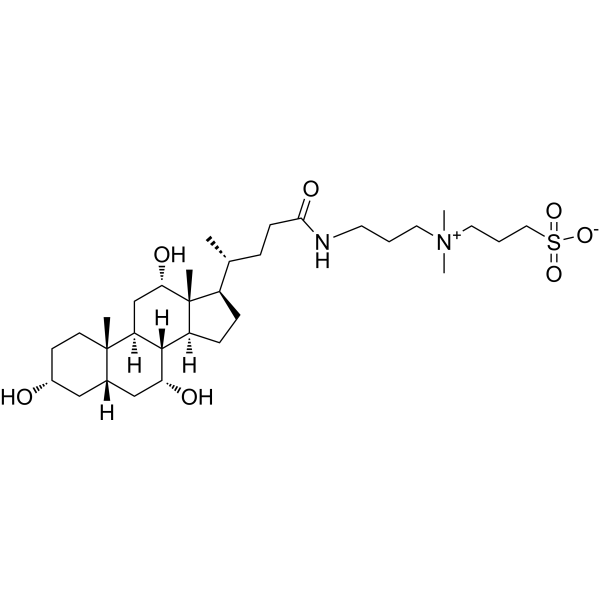
CHAPS is a cholic acid-derived, sulfobetaine-type zwitterionic detergent and micelle-forming agent. CHAPS exhibits properties of weak cationic or nonionic surfactants in different solution systems, undergoes micellization, and forms small, loose hydrophilic aggregates that are temperature-dependent. CHAPS stabilizes mononucleosomes under different ionic strengths, reduces nucleosome sequence specificity, promotes sliding of histone cores along DNA, solubilizes Tamm-Horsfall protein to reduce its interference with urinary exosome isolation, and maintains vesicle structure and the activity of related proteins at the same time. CHAPS is used to recover native folded fusion proteins, enhance the binding capacity of GST fusion proteins, and restore GST enzyme activity. However, CHAPS cannot refold proteins denatured by urea, guanidine hydrochloride or heat, nor can it construct the structure of intrinsically disordered proteins. CHAPS is commonly used in research on the separation and purification of membrane proteins .
|
-
-
- HY-N0455A
-
|
(S)-(+)-Arginine hydrochloride
|
NO Synthase
Endogenous Metabolite
|
Cardiovascular Disease
Inflammation/Immunology
|
|
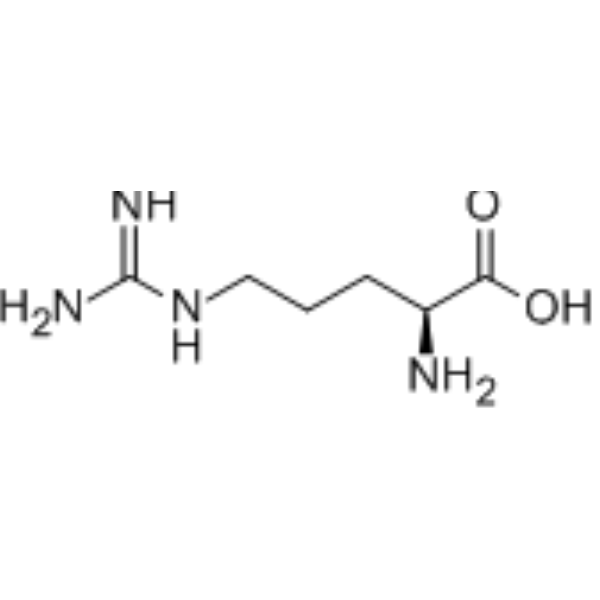
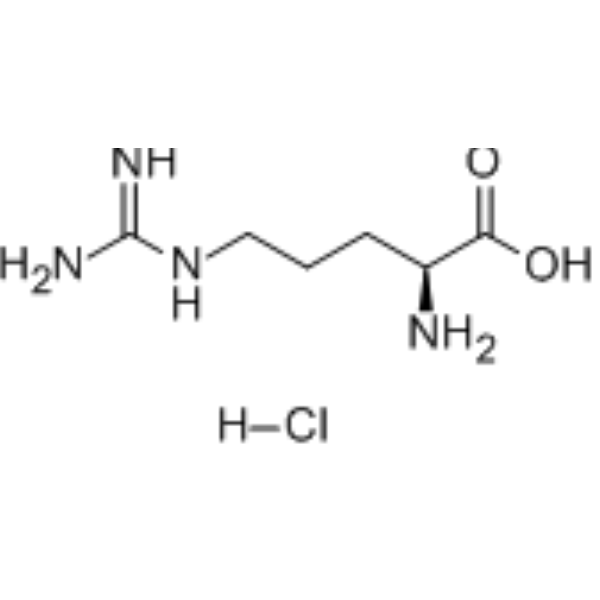
L-Arginine ((S)-(+)-Arginine) is the substrate for the endothelial nitric oxide synthase (eNOS) to generate NO. L-Arginine is transported into vascular smooth muscle cells by the cationic amino acid transporter family of proteins where it is metabolized to nitric oxide (NO), polyamines, or L-proline. L-Arginine is a potent vasodilator, and can be used to induce experimental acute pancreatitis .
|
-
-
- HY-D0971
-
|
Pyronine G; C.I. 45005
|
DNA Stain
|
Others
|
|
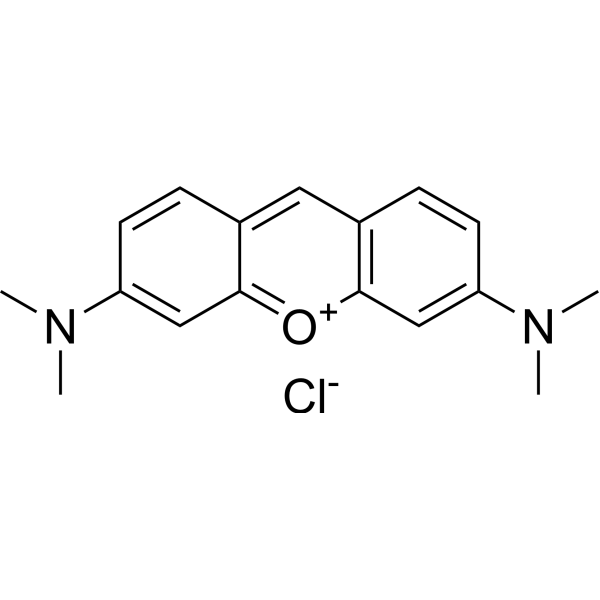
Pyronin Y (Pyronine G) is a cationic dye that intercalates RNA and has been used to target cell structures including RNA, DNA and organelles. Pyronin Y forms fluorescent complexes with double-stranded nucleic acids (especially RNA) enabling semi-quantitative analysis of cellular RNA. Pyronin Y can be used to identify specific RNA subspecies of ribonuclear proteins complexes in live cells .
|
-
-
- HY-B1248
-
|
|
Environmental Pollutants
Antibiotic
Necroptosis
Bacterial
Apoptosis
|
Infection
|
|
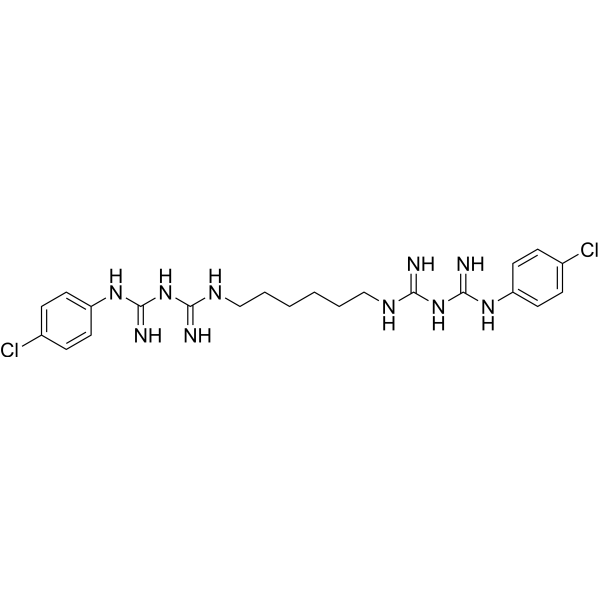
Chlorhexidine is a orally active cationic antimicrobial agent that targets microbial cell membranes. Chlorhexidine binds to cell membrane phospholipids non-specifically, destroys membrane structure and induces leakage of cell contents. Chlorhexidine has broad-spectrum bactericidal activity against both Gram-positive and Gram-negative bacteria. Chlorhexidine can interfere with membrane permeability, cause protein precipitation and energy metabolism disorders, such as rapid inhibition of microbial growth and induction of cell death (necrosis or apoptosis) .
|
-
-
- HY-B0608
-
|
|
Environmental Pollutants
Antibiotic
Bacterial
Necroptosis
Apoptosis
|
Infection
|
|
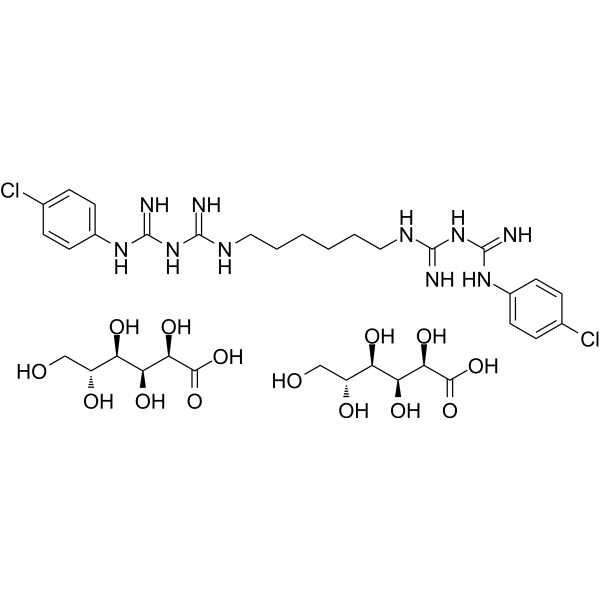
Chlorhexidine digluconate (20% in water) is a orally active cationic antimicrobial agent that targets microbial cell membranes. Chlorhexidine digluconate (20% in water) binds to cell membrane phospholipids non-specifically, destroys membrane structure and induces leakage of cell contents. Chlorhexidine digluconate (20% in water) has broad-spectrum bactericidal activity against both Gram-positive and Gram-negative bacteria. Chlorhexidine digluconate (20% in water) can interfere with membrane permeability, cause protein precipitation and energy metabolism disorders, such as rapid inhibition of microbial growth and induction of cell death (necrosis or apoptosis) .
|
-
-
- HY-D0987
-
|
|
Calmodulin
|
Others
|
|
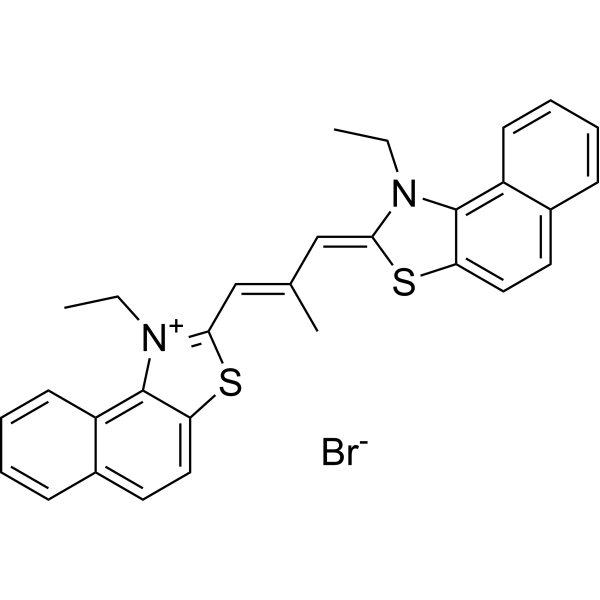
Stains-All, a cationic carbocyanine dye, is a convenient probe to study the structural features of the individual calcium-binding sites of calmodulin (CaM) and related calcium-binding proteins (CaBP) .
|
-
-
- HY-W013699
-
|
|
Environmental Pollutants
Antibiotic
Necroptosis
Bacterial
Apoptosis
|
Infection
|
|
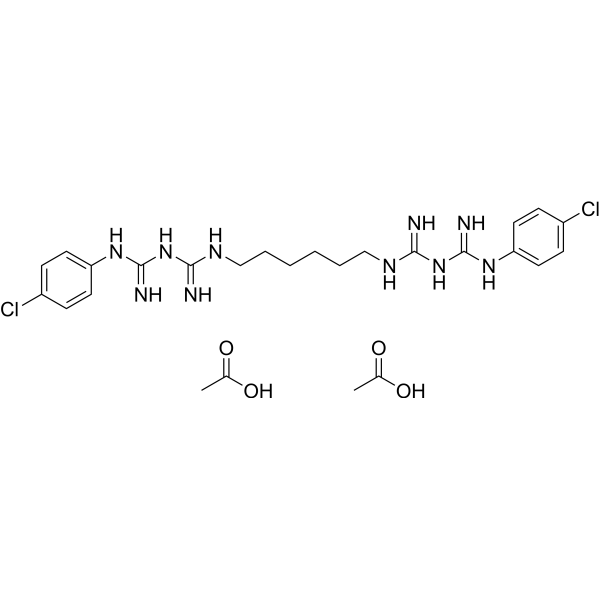
Chlorhexidine diacetate is a orally active cationic antimicrobial agent that targets microbial cell membranes. Chlorhexidine diacetate binds to cell membrane phospholipids non-specifically, destroys membrane structure and induces leakage of cell contents. Chlorhexidine diacetate has broad-spectrum bactericidal activity against both Gram-positive and Gram-negative bacteria. Chlorhexidine diacetate can interfere with membrane permeability, cause protein precipitation and energy metabolism disorders, such as rapid inhibition of microbial growth and induction of cell death (necrosis or apoptosis) .
|
-
-
- HY-15435A
-
|
|
Biochemical Assay Reagents
Exosomes
|
Others
|
|
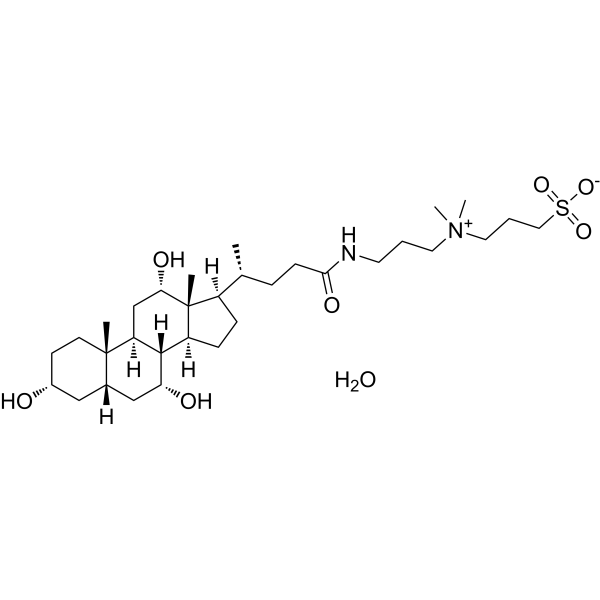
CHAPS hydrate is a cholic acid-derived, sulfobetaine-type zwitterionic detergent and micelle-forming agent. CHAPS hydrate exhibits properties of weak cationic or nonionic surfactants in different solution systems, undergoes micellization, and forms small, loose hydrophilic aggregates that are temperature-dependent. CHAPS hydrate stabilizes mononucleosomes under different ionic strengths, reduces nucleosome sequence specificity, promotes sliding of histone cores along DNA, solubilizes Tamm‑Horsfall protein to reduce its interference with urinary exosome isolation, and maintains vesicle structure and the activity of related proteins at the same time. CHAPS hydrate is used to recover native folded fusion proteins, enhance the binding capacity of GST fusion proteins, and restore GST enzyme activity. However, CHAPS hydrate cannot refold proteins denatured by urea, guanidine hydrochloride or heat, nor can it construct the structure of intrinsically disordered proteins. CHAPS hydrate is commonly used in research on the separation and purification of membrane proteins .
|
-
-
- HY-D0215
-
|
Safranine T
|
Fluorescent Dye
Bacterial
|
Infection
Metabolic Disease
|
|
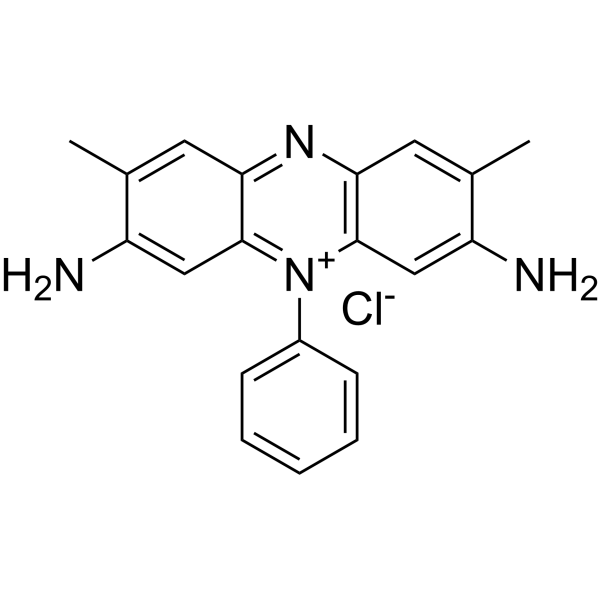
Safranin (Safranin T) is an important and classical phenazinium dye. Safranin has been extensively used in the academic field as a spectroscopic probe and indicator. Safranin possesses a planar structure and cationic charge. Safranin can readily intercalate into biological macromolecules, including DNA and proteins. Safranin has antibacterial effects against gram-positive bacteria (S. aureus). Safranin can be used as a redox indicator in the determination of metal ion concentration .
|
-
-
- HY-N0455R
-
|
|
Reference Standards
NO Synthase
Endogenous Metabolite
|
Cardiovascular Disease
Cancer
|
|
L-Arginine (Standard) is the analytical standard of L-Arginine. This product is intended for research and analytical applications. L-Arginine ((S)-(+)-Arginine) is the substrate for the endothelial nitric oxide synthase (eNOS) to generate NO. L-Arginine is transported into vascular smooth muscle cells by the cationic amino acid transporter family of proteins where it is metabolized to nitric oxide (NO), polyamines, or L-proline. L-Arginine is a potent vasodilator, and can be used to induce experimental acute pancreatitis .
|
-

-
- HY-B1145
-
|
|
Environmental Pollutants
Antibiotic
Apoptosis
Bacterial
Necroptosis
|
Infection
|
|
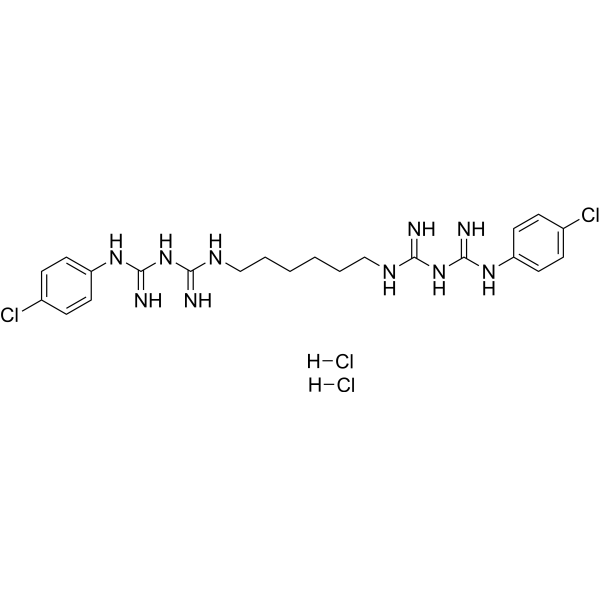
Chlorhexidine dihydrochloride is a orally active cationic antimicrobial agent that targets microbial cell membranes. Chlorhexidine dihydrochloride binds to cell membrane phospholipids non-specifically, destroys membrane structure and induces leakage of cell contents. Chlorhexidine dihydrochloride has broad-spectrum bactericidal activity against both Gram-positive and Gram-negative bacteria. Chlorhexidine dihydrochloride can interfere with membrane permeability, cause protein precipitation and energy metabolism disorders, such as rapid inhibition of microbial growth and induction of cell death (necrosis or apoptosis) .
|
-
-
- HY-P4121
-
|
|
Potassium Channel
|
Inflammation/Immunology
Cancer
|
|
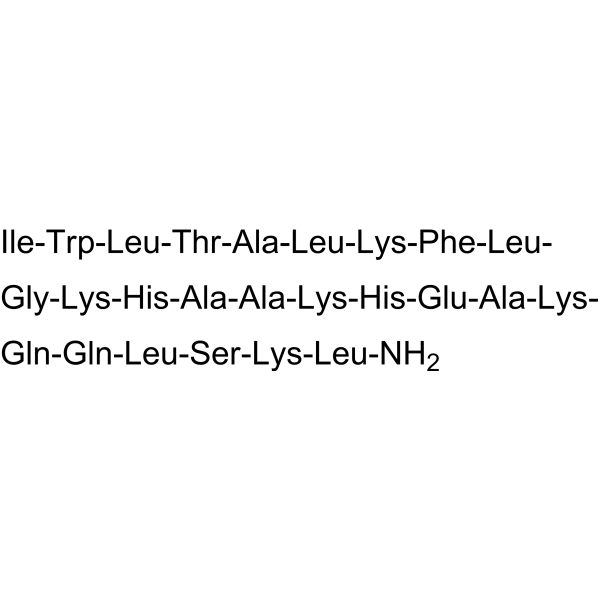
L17E is an attenuated cationic amphiphilic lytic (ACAL) peptide that can be used to deliver a variety of macromolecules, including proteins, antibodies, and DNA nanostructures. L17E inserts and cleaves the membrane structure through electrostatic interaction, enabling intracellular escape. The efficiency of L17E-mediated delivery is strongly correlated with the expression level of KCNN4 (the gene encoding the calcium-activated potassium channel KCa3.1). L17E also promotes the cellular uptake of macromolecules by inducing micropinocytosis. L17E can be further optimized and improved through dimerization strategies and in combination with other delivery systems, such as nuclear localization signal peptides and cell membrane-coated nanoparticles .
|
-
-
- HY-P5712
-
|
Gramicidin soviet
|
Antibiotic
Bacterial
Na+/K+ ATPase
|
Infection
|
|
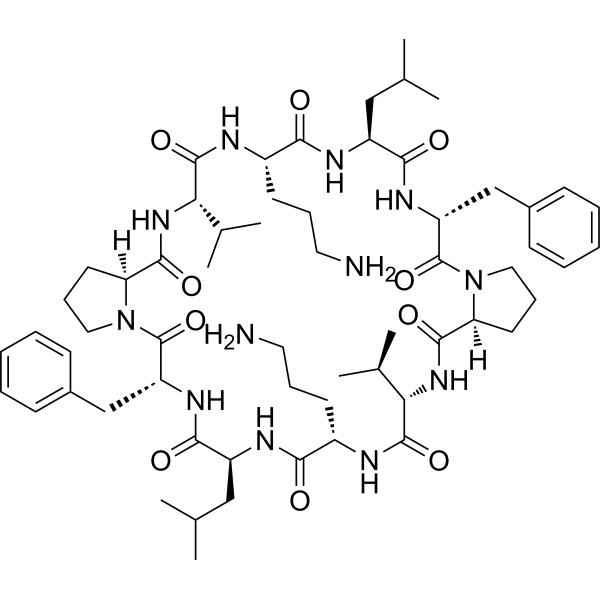
Gramicidin S (Gramicidin soviet) is a cationic cyclic peptide antibiotic that selectively targets bacterial cell membranes and has anticancer activity. Gramicidin S also exerts antibacterial activity by destroying membrane integrity and interfering with membrane protein function. Gramicidin S inserts into the phospholipid bilayer through hydrophobic amino acid residues, specifically binds to negatively charged membrane lipids and disrupts membrane structure, thereby inhibiting cell division and cell wall synthesis, and ultimately causing bacterial death. Gramicidin S also inhibits ion channels, with IC50s of 41 μM, 24 μM, and 3 μM for Na +/K +-ATPase, tobacco leaf plasma membrane Mg 2+/K +-ATPase, and rat heart plasma membrane Ca 2+-ATPase, respectively .
|
-
-
- HY-143702
-
|
NBD-DOTAP
|
Fluorescent Dye
Liposome
|
Inflammation/Immunology
Cancer
|
|
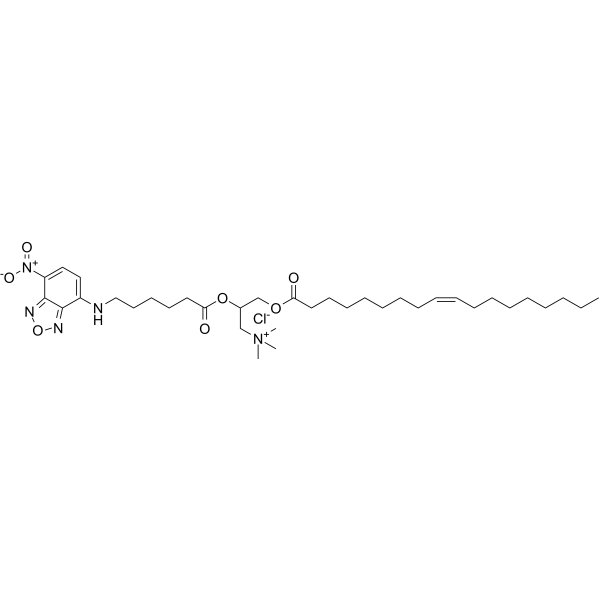
Fluorescent DOTAP (NBD-DOTAP) is a cationic lipid which can be used for nucleic acid and protein delivery. Fluorescent DOTAP is labeled with a fluorophore NBD (maximum excitation/emission wavelength ∼463/536 nm). Fluorescent DOTAP can be used for gene delivery systems, drug delivery, as well as cell imaging and nanocarrier tracking. Fluorescent DOTAP is an ideal candidate for both biological and pharmaceutical formulation (e.g. co-delivery of vaccines) research .
|
-
-
- HY-NP001
-
|
CBSA
|
Biochemical Assay Reagents
|
Neurological Disease
|
|
Cationic Bovine Serum Albumin is a bovine serum albumin (BSA) modified with excess ethylenediamine, which has enhanced immunogenicity compared to native BSA. Positively charged primary amines block all negatively charged carboxyl groups, making Cationic Bovine Serum Albumin a cationic protein. Cationic Bovine Serum Albumin has remarkable neuroprotective effects on ischemic stroke when in combination with Tanshinone IIA (HY-N0135) .
|
-
-
- HY-W416291
-
|
Poly(A)
|
Biochemical Assay Reagents
|
Cancer
|
|
Polyadenylic acid potassium, also known as Poly(A), is enzymatically added to messenger RNA (mRNA) in eukaryotic cells to stabilize mRNAs. Poly(A) is used to evaluate binding on cationic liposomes doped with non-ionic nucleolipids. Poly(A) is used in small molecule mRNA targeted drug development to evaluate the binding of potential therapeutic agents such as the Isoquinoline group of alkaloids. Small molecules that could bind to this poly(A) tail could influence and possibly inhibit mRNA function and subsequent protein production in the cell leading to the development of new type of therapeutic agents.
|
-

-
- HY-D0077
-
|
Oregon green 488
|
Fluorescent Dye
|
Others
|
|
2',7'-Difluorofluorescein (Oregon green 488) is a fluorescein derivative and a pH-sensitive fluorescent probe (pKa ~4.7). Upon excitation at 488 nm, 2',7'-Difluorofluorescein exhibits pH-sensitive fluorescence intensity through the formation of dianions, while its pH sensitivity decreases under excitation at 450 nm, allowing its use in ratiometric pH analysis. 2',7'-Difluorofluorescein can be used for the quantitative analysis of pH values in the range of 2-7 in submicron aerosol particles. 2',7'-Difluorofluorescein undergoes buffer-mediated and buffer-free excited-state proton transfer between different protonated forms, and its cationic form undergoes rapid excited-state deprotonation. 2',7'-Difluorofluorescein is resistant to photodegradation, maintains stable absorption and fluorescence properties within the physiological pH range, and serves as a fluorescent protein label, a component of Ca 2+ indicators, a fluorescent imaging agent, and an anisotropy probe .
|
-

-
- HY-D1543
-
|
|
DNA Stain
|
Infection
|
|
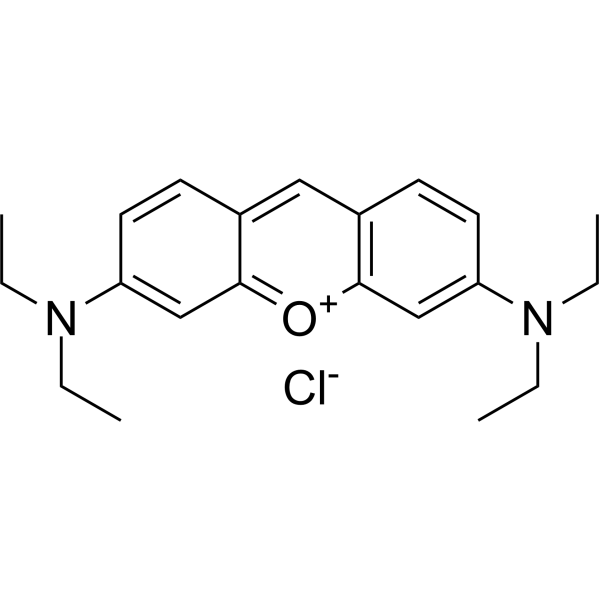
Pyronin B is an organic cationic dye used for the staining of bacteria, mycobacteria and ribonucleic acids. Pyronin B is also used as a small hydrophobic (SH) protein channel inhibitor .
|
-
-
- HY-W250147
-
|
Victoria blue B
|
Biochemical Assay Reagents
|
Others
|
|
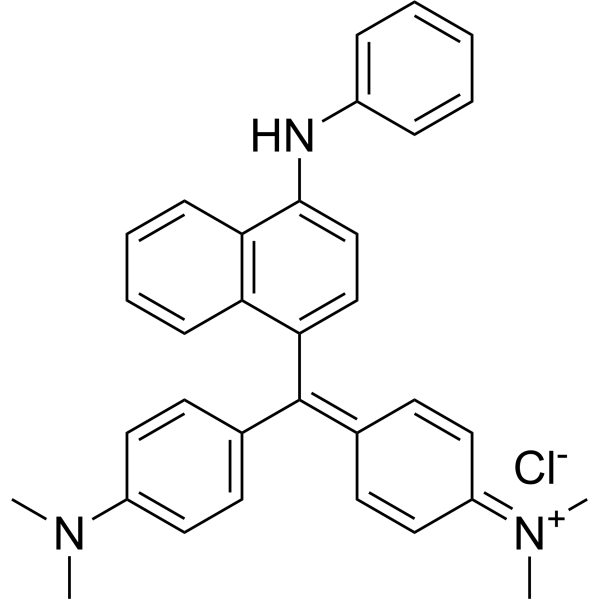
Basic blue 26 (Victoria blue B) is a synthetic cationic dye belonging to the class of triarylmethane dyes. It has a bright blue color and is commonly used as a colorant for a variety of applications, including textiles, paper and leather. Basic Blue 26 is also used as a biological stain for DNA and protein detection in laboratories. Due to its ability to bind negatively charged materials, it can be used as an indicator of the presence of specific molecules in biological samples. However, Basic blue 26 has been reported to have potentially harmful effects on human health and the environment and its use is regulated in some countries. Proper handling and disposal procedures are necessary to minimize its impact on the environment.
|
-
-
- HY-142991
-
|
POPG
|
Liposome
|
Others
|
|
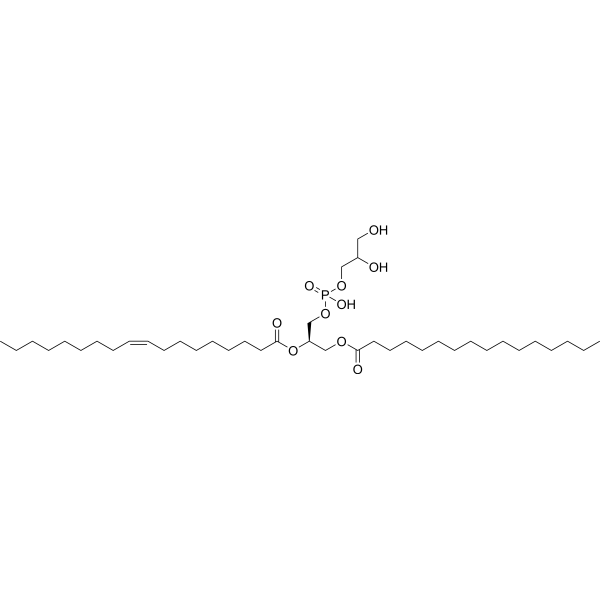
1-Palmitoyl-2-oleoyl-sn-glycero-3-phosphatidylglycerol (POPG) is an anionic phosphatidylglycerol that often serves as a key component to co-construct model phospholipid bilayers with phosphatidylcholine (e.g., at a 3:1 POPC:POPG ratio) for investigating the structure and dynamics of transmembrane proteins. 1-Palmitoyl-2-oleoyl-sn-glycero-3-phosphatidylglycerol acts as a fundamental material for mimicking the physicochemical properties of biological membranes and enables the elucidation of membrane protein interaction mechanisms .
|
-
-
- HY-P4087
-
|
|
HIV
|
Infection
Cancer
|
|
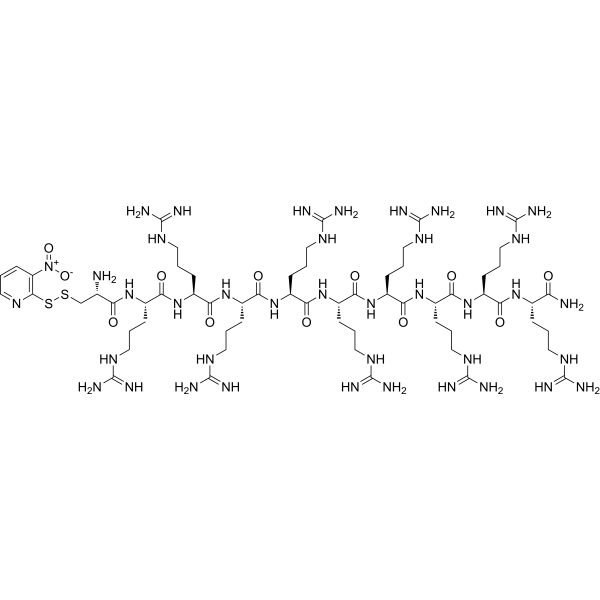
Cys(Npys)-(Arg)9 is a synthetic cationic cell-penetrating peptide with a reversible thiol-reactive nitropyridyl (Npys) group. Cys(Npys)-(Arg)9 efficiently mediates the internalization and delivery of various "cargo" such as proteins and antibodies by forming reversible disulfide bonds with surface-exposed cysteine residues. Cys(Npys)-(Arg)9 endows TALEN proteins with cell-penetrating activity, enabling gene knockout in mammalian cells and protein transduction in wheat microspores. Cys(Npys)-(Arg)9 can be conjugated with antibodies to form cationized IgG for enhancing endosomal escape of oligonucleotides, or form siRNA delivery complexes. When the molar ratio of Cys(Npys)-(Arg)9 to loaded molecules is higher than 1:1, it exerts certain cytotoxic effects on cells. Cys(Npys)-(Arg)9 can be used in studies related to oral squamous cell carcinoma and HIV infection .
|
-
-
- HY-142998
-
|
|
Liposome
Interleukin Related
IFNAR
|
Infection
Inflammation/Immunology
|
|
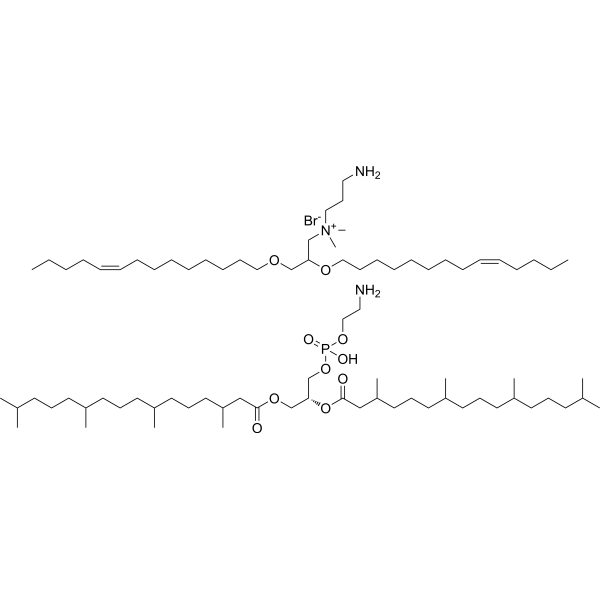
Vaxfectin is a second-generation cationic lipid-based suspension that adjuvants effectively both pDNA and protein-based vaccines. Vaxfectin can boost the immune response against a range of pDNA-expressed pathogenic antigens in vivo. Vaxfectin can increase IgG titers and give rise to an IL-6 dependent enhancement of the humoral immune response without altering the Th1 type immune response. Vaxfectin can be studied for vaccine formulation .
|
-
-
- HY-B1145S
-
|
|
Isotope-Labeled Compounds
Antibiotic
Bacterial
Necroptosis
Apoptosis
|
Infection
|
|
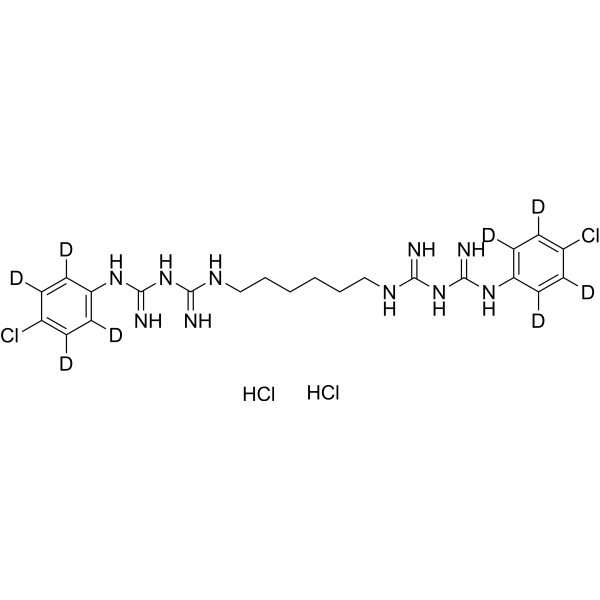
Chlorhexidine-d8 (dihydrochloride) is the deuterium labeled Chlorhexidine dihydrochloride (HY-B1145). Chlorhexidine dihydrochloride is a orally active cationic antimicrobial agent that targets microbial cell membranes. Chlorhexidine dihydrochloride binds to cell membrane phospholipids non-specifically, destroys membrane structure and induces leakage of cell contents. Chlorhexidine dihydrochloride has broad-spectrum bactericidal activity against both Gram-positive and Gram-negative bacteria. Chlorhexidine dihydrochloride can interfere with membrane permeability, cause protein precipitation and energy metabolism disorders, such as rapid inhibition of microbial growth and induction of cell death (necrosis or apoptosis) .
|
-
-
- HY-B1248R
-
|
|
Reference Standards
Antibiotic
Bacterial
Necroptosis
Apoptosis
|
Infection
|
|
Chlorhexidine (Standard) is the analytical standard of Chlorhexidine (HY-B1248). This product is intended for research and analytical applications. Chlorhexidine is a orally active cationic antimicrobial agent that targets microbial cell membranes. Chlorhexidine binds to cell membrane phospholipids non-specifically, destroys membrane structure and induces leakage of cell contents. Chlorhexidine has broad-spectrum bactericidal activity against both Gram-positive and Gram-negative bacteria. Chlorhexidine can interfere with membrane permeability, cause protein precipitation and energy metabolism disorders, such as rapid inhibition of microbial growth and induction of cell death (necrosis or apoptosis) .
|
-

-
- HY-P3911
-
|
|
Bacterial
|
Infection
|
|
CAP 37 (20-44) is a peptide based on amino acid residues 20 through 44 of CAP37. CAP37, a Cationic antimicrobial protein of 37 kDa, is a multifunctional protein .
|
-

-
- HY-P4087B
-
|
|
HIV
|
Others
|
|
Cys(Npys)-(Arg)9 acetate is a synthetic cationic cell-penetrating peptide with a reversible thiol-reactive nitropyridyl (Npys) group. Cys(Npys)-(Arg)9 acetate efficiently mediates the internalization and delivery of various "cargo" such as proteins and antibodies by forming reversible disulfide bonds with surface-exposed cysteine residues. Cys(Npys)-(Arg)9 acetate endows TALEN proteins with cell-penetrating activity, enabling gene knockout in mammalian cells and protein transduction in wheat microspores. Cys(Npys)-(Arg)9 acetate can be conjugated with antibodies to form cationized IgG for enhancing endosomal escape of oligonucleotides, or form siRNA delivery complexes. When the molar ratio of Cys(Npys)-(Arg)9 acetate to loaded molecules is higher than 1:1, it exerts certain cytotoxic effects on cells. Cys(Npys)-(Arg)9 acetate can be used in studies related to oral squamous cell carcinoma and HIV infection .
|
-

-
- HY-N0455C
-
|
|
NO Synthase
Endogenous Metabolite
|
Cardiovascular Disease
Inflammation/Immunology
|
|
L-Arginine arginine is the substrate for the endothelial nitric oxide synthase (eNOS) to generate NO. L-Arginine is transported into vascular smooth muscle cells by the cationic amino acid transporter family of proteins where it is metabolized to nitric oxide (NO), polyamines, or L-proline. L-Arginine is a potent vasodilator, and can be used to induce experimental acute pancreatitis .
|
-

-
- HY-B1248A
-
|
|
Antibiotic
Bacterial
Necroptosis
Apoptosis
|
Infection
|
|
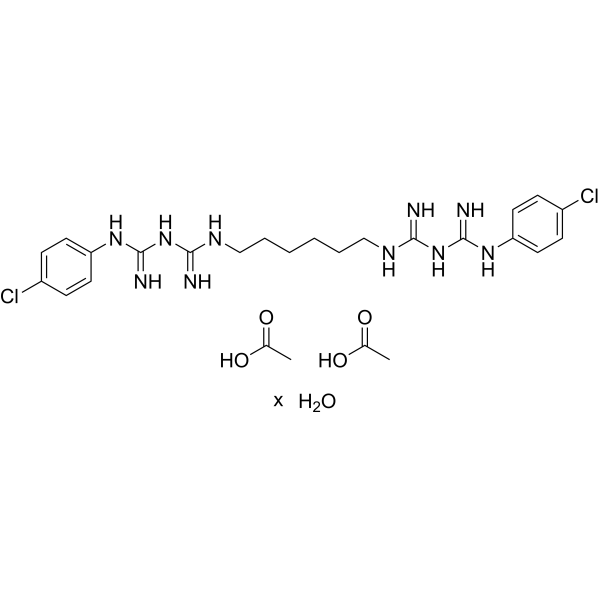
Chlorhexidine acetate hydrate is a orally active cationic antimicrobial agent that targets microbial cell membranes. Chlorhexidine acetate hydrate binds to cell membrane phospholipids non-specifically, destroys membrane structure and induces leakage of cell contents. Chlorhexidine acetate hydrate has broad-spectrum bactericidal activity against both Gram-positive and Gram-negative bacteria. Chlorhexidine acetate hydrate can interfere with membrane permeability, cause protein precipitation and energy metabolism disorders, such as rapid inhibition of microbial growth and induction of cell death (necrosis or apoptosis) .
|
-
-
- HY-W585843
-
|
|
Interleukin Related
|
Inflammation/Immunology
|
|
1,1′-Ethylidenebis[L-tryptophan] is an impurity in the synthesis of L-tryptophan. 1,1′-Ethylidenebis[L-tryptophan] promotes the proliferation of eosinophilic leukemia cells, induces the release of eosinophil cationic protein from eosinophils, and stimulates T cells to produce IL-5. 1,1′-Ethylidenebis[L-tryptophan] (40 µg/kg) can induce fascia thickening, mast cell infiltration, and fibrosis in adipose and subcutaneous muscle tissues in mice. 1,1′-Ethylidenebis[L-tryptophan] can be used in immunology and inflammation research .
|
-
![1,1′-Ethylidenebis[L-tryptophan]](//file.medchemexpress.com/product_pic/hy-w585843.gif)
-
- HY-W013699R
-
|
|
Reference Standards
Antibiotic
Bacterial
Necroptosis
Apoptosis
|
Infection
|
|
Chlorhexidine diacetate (Standard) is the analytical standard of Chlorhexidine diacetate (HY-W013699). This product is intended for research and analytical applications. Chlorhexidine diacetate is a orally active cationic antimicrobial agent that targets microbial cell membranes. Chlorhexidine diacetate binds to cell membrane phospholipids non-specifically, destroys membrane structure and induces leakage of cell contents. Chlorhexidine diacetate has broad-spectrum bactericidal activity against both Gram-positive and Gram-negative bacteria. Chlorhexidine diacetate can interfere with membrane permeability, cause protein precipitation and energy metabolism disorders, such as rapid inhibition of microbial growth and induction of cell death (necrosis or apoptosis) .
|
-

-
- HY-156616
-
|
|
Liposome
|
Inflammation/Immunology
|
|
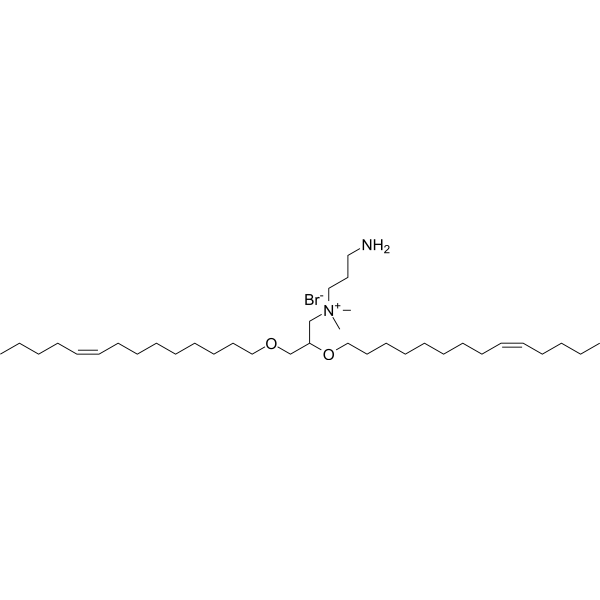
VC1052 is a dialkoxypropylammonium-based material and is the core cationic lipid component of the cationic lipid adjuvant Vaxfectin (HY-142998). Vaxfectin consists of VC1052 and lipid DPyPE (HY-112766) in a 1:1 molar ratio. Vaxfectin can be used as a vaccine adjuvant for the preparation of plasmid DNA and protein vaccines .
|
-
-
- HY-172329
-
|
|
Liposome
|
Others
|
|
Q1-ALC-0315 iodide is a cationic quaternary ammonium lipid derivative of the ionizable cationic lipid ALC-0315 (HY-138170). Q1-ALC-0315-based LNPs can be used for lung-targeted mRNA delivery, which demonstrates high-performing firefly luciferase protein expression in the lungs .
|
-

-
- HY-160726
-
|
|
Biochemical Assay Reagents
|
Others
|
|
Polymethacrylate Copolymer N−C4−52−6.9 is a polymer that consists of hydrophobic butylmethacrylate and cationic methacroylcholine chloride monomers. Polymethacrylate Copolymer N−C4−52−6.9 is able to solubilise lipid bilayers into nanodiscs. Polymethacrylate Copolymer N−C4−52−6.9 can be utilized in structure and functional studies on membrane proteins .
|
-

-
- HY-P5483
-
|
|
Bacterial
|
Others
|
|
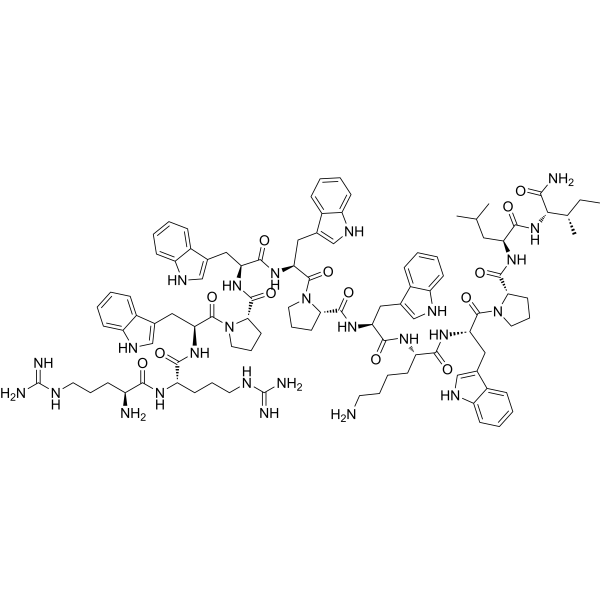
Retro-indolicidin is a biological active peptide. (Reverse peptide of indolicidin (Rev4) is a 13-amino acid residue peptide based on the sequence of indolicidin. Indolicidin, a member of the cathelicidin protein family, is a 13-amino acid residue cationic, antimicrobial peptide-amide isolated from the cytoplasmic granules of bovine neutrophils. The synthetic peptide Rev4 has been shown to possess strong antimicrobial as well as protease inhibitory activities in vitro.)
|
-
-
- HY-171904
-
|
|
Liposome
|
Others
|
|
BCP-NC2-C12 is an ionizable cationic lipid. BCP-NC2-C12 can be used to generate lipid nanoparticles (LNPs) for in vivo delivery of mRNA. BCP-NC2-C12 LNPs mediated an approximately 90% reduction in PCSK9 serum protein levels via CRISPR/Cas9 gene knockout .
|
-

-
- HY-N0455AR
-
|
(S)-(+)-Arginine hydrochloride (Standard)
|
Reference Standards
NO Synthase
Endogenous Metabolite
|
Cancer
|
|
L-Arginine (hydrochloride) (Standard) is the analytical standard of L-Arginine (hydrochloride). This product is intended for research and analytical applications. L-Arginine ((S)-(+)-Arginine) is the substrate for the endothelial nitric oxide synthase (eNOS) to generate NO. L-Arginine is transported into vascular smooth muscle cells by the cationic amino acid transporter family of proteins where it is metabolized to nitric oxide (NO), polyamines, or L-proline. L-Arginine is a potent vasodilator, and can be used to induce experimental acute pancreatitis .
|
-

-
- HY-W008974
-
|
|
Biochemical Assay Reagents
|
Others
|
|
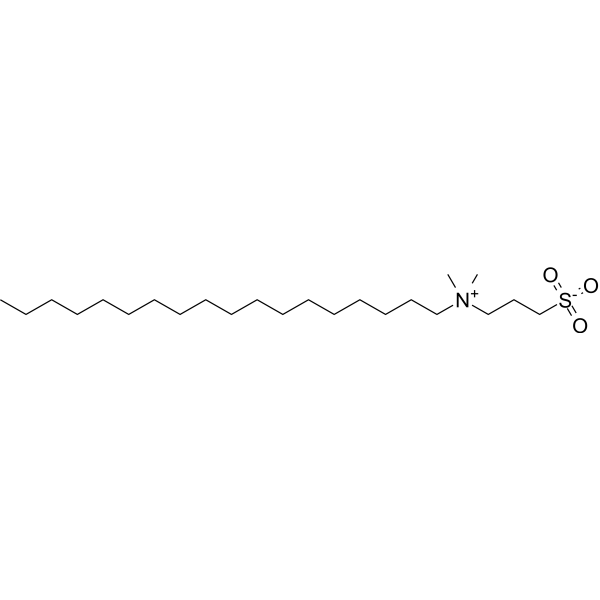
3-(Dimethyl(octadecyl)ammonio)propane-1-sulfonate is a class of quaternary ammonium compounds. It is a surfactant and cationic detergent with amphiphilic properties and therefore useful in various industrial and biomedical applications. 3-(Dimethyl(octadecyl)ammonium)propane-1-sulfonate is commonly used as an emulsifier, solubilizer and antimicrobial agent in personal care products, detergents, textiles and pharmaceutical formulations. It is also used as a reagent in analytical chemistry, especially in the analysis of proteins and DNA.
|
-
-
- HY-169480
-
|
|
Liposome
|
Infection
Cancer
|
|
Lipid C2 is an ionizable cationic lipid that has been used in the formation of lipid nanoparticles (LNP) for mRNA delivery in vivo. LNPs containing Lipid C2 and encapsulating an mRNA reporter selectively accumulate in the liver and spleen but not the heart, lungs, or kidneys in mice. LNP containing Lipid C2 and encapsulating mRNA encoding the Epstein-Barr virus (EBV) protein latent membrane protein 2 (LMP-2), in combination with an anti-programmed cell death protein 1 (PD-1) antibody, decrease tumor volume and reverse T cell exhaustion, as well as increase the percentage of CD3 +CD8 + central and CD3 +CD8 + effector memory T cells and decrease the percentage of CD3 + T cells expressing Pd-1, in the spleen in a CT26 murine EBV-infected colon cancer model .
|
-

-
- HY-B1145R
-
|
|
Reference Standards
Antibiotic
Bacterial
Necroptosis
Apoptosis
|
Infection
|
|
Chlorhexidine dihydrochloride (Standard) is the analytical standard of Chlorhexidine dihydrochloride (HY-B1145). This product is intended for research and analytical applications. Chlorhexidine dihydrochloride is a orally active cationic antimicrobial agent that targets microbial cell membranes. Chlorhexidine dihydrochloride binds to cell membrane phospholipids non-specifically, destroys membrane structure and induces leakage of cell contents. Chlorhexidine dihydrochloride has broad-spectrum bactericidal activity against both Gram-positive and Gram-negative bacteria. Chlorhexidine dihydrochloride can interfere with membrane permeability, cause protein precipitation and energy metabolism disorders, such as rapid inhibition of microbial growth and induction of cell death (necrosis or apoptosis) .
|
-

-
- HY-W738281
-
|
|
Isotope-Labeled Compounds
Antibiotic
Bacterial
Necroptosis
Apoptosis
|
Infection
|
|
Chlorhexidine-d8 is deuterium-labeled Chlorhexidine (HY-B1248) . Chlorhexidine is a orally active cationic antimicrobial agent that targets microbial cell membranes. Chlorhexidine binds to cell membrane phospholipids non-specifically, destroys membrane structure and induces leakage of cell contents. Chlorhexidine has broad-spectrum bactericidal activity against both Gram-positive and Gram-negative bacteria. Chlorhexidine can interfere with membrane permeability, cause protein precipitation and energy metabolism disorders, such as rapid inhibition of microbial growth and induction of cell death (necrosis or apoptosis) .
|
-

-
- HY-P11220
-
|
|
Bacterial
Interleukin Related
|
Infection
|
|
Hs02 is a cationic amphiphilic antibacterial peptide derived from human proteins, and it is the membrane-active module of the core chimeric peptide Chim2. Hs02 exhibits broad-spectrum and potent antibacterial activity against various human pathogenic bacteria with the MIC for Staphylococcus aureus and Escherichia coli of as low as 2 μM, and the MBC is 2-4 μM. Hs02 primarily kills bacteria by disrupting the integrity of the bacterial cell membrane, and it has a relatively low selectivity for eukaryotic cell membranes. Hs02 induces the release of IL-12 but does not induce the release of IL-6, indicating its potential for pro-inflammatory or immune activation. Hs02 can be used in antibacterial and immunomodulatory research .
|
-

-
- HY-172926
-
|
|
Others
|
Others
|
|
CP-LC-1428 is an ionizable cationic amino lipid derived from homocysteine. CP-LC-1428 can be used for efficient delivery of various RNAs and achieve high protein expression. CP-LC-1428 can specifically target the spleen and has no obvious toxicity .
|
-

| Cat. No. |
Product Name |
Type |
-
- HY-D0971
-
|
Pyronine G; C.I. 45005
|
Fluorescent Dyes
|
|
Pyronin Y (Pyronine G) is a cationic dye that intercalates RNA and has been used to target cell structures including RNA, DNA and organelles. Pyronin Y forms fluorescent complexes with double-stranded nucleic acids (especially RNA) enabling semi-quantitative analysis of cellular RNA. Pyronin Y can be used to identify specific RNA subspecies of ribonuclear proteins complexes in live cells .
|
-
- HY-D0987
-
|
|
Fluorescent Dyes
|
|
Stains-All, a cationic carbocyanine dye, is a convenient probe to study the structural features of the individual calcium-binding sites of calmodulin (CaM) and related calcium-binding proteins (CaBP) .
|
-
- HY-D0215
-
|
Safranine T
|
Fluorescent Dyes
|
|
Safranin (Safranin T) is an important and classical phenazinium dye. Safranin has been extensively used in the academic field as a spectroscopic probe and indicator. Safranin possesses a planar structure and cationic charge. Safranin can readily intercalate into biological macromolecules, including DNA and proteins. Safranin has antibacterial effects against gram-positive bacteria (S. aureus). Safranin can be used as a redox indicator in the determination of metal ion concentration .
|
-
- HY-D1543
-
|
|
Fluorescent Dyes
|
|
Pyronin B is an organic cationic dye used for the staining of bacteria, mycobacteria and ribonucleic acids. Pyronin B is also used as a small hydrophobic (SH) protein channel inhibitor .
|
-
- HY-W250147
-
|
Victoria blue B
|
Fluorescent Dyes
|
|
Basic blue 26 (Victoria blue B) is a synthetic cationic dye belonging to the class of triarylmethane dyes. It has a bright blue color and is commonly used as a colorant for a variety of applications, including textiles, paper and leather. Basic Blue 26 is also used as a biological stain for DNA and protein detection in laboratories. Due to its ability to bind negatively charged materials, it can be used as an indicator of the presence of specific molecules in biological samples. However, Basic blue 26 has been reported to have potentially harmful effects on human health and the environment and its use is regulated in some countries. Proper handling and disposal procedures are necessary to minimize its impact on the environment.
|
| Cat. No. |
Product Name |
Type |
-
- HY-15435A
-
|
|
Biochemical Assay Reagents
|
|
CHAPS hydrate is a cholic acid-derived, sulfobetaine-type zwitterionic detergent and micelle-forming agent. CHAPS hydrate exhibits properties of weak cationic or nonionic surfactants in different solution systems, undergoes micellization, and forms small, loose hydrophilic aggregates that are temperature-dependent. CHAPS hydrate stabilizes mononucleosomes under different ionic strengths, reduces nucleosome sequence specificity, promotes sliding of histone cores along DNA, solubilizes Tamm‑Horsfall protein to reduce its interference with urinary exosome isolation, and maintains vesicle structure and the activity of related proteins at the same time. CHAPS hydrate is used to recover native folded fusion proteins, enhance the binding capacity of GST fusion proteins, and restore GST enzyme activity. However, CHAPS hydrate cannot refold proteins denatured by urea, guanidine hydrochloride or heat, nor can it construct the structure of intrinsically disordered proteins. CHAPS hydrate is commonly used in research on the separation and purification of membrane proteins .
|
-
- HY-143702
-
|
NBD-DOTAP
|
Biochemical Assay Reagents
|
|
Fluorescent DOTAP (NBD-DOTAP) is a cationic lipid which can be used for nucleic acid and protein delivery. Fluorescent DOTAP is labeled with a fluorophore NBD (maximum excitation/emission wavelength ∼463/536 nm). Fluorescent DOTAP can be used for gene delivery systems, drug delivery, as well as cell imaging and nanocarrier tracking. Fluorescent DOTAP is an ideal candidate for both biological and pharmaceutical formulation (e.g. co-delivery of vaccines) research .
|
-
- HY-NP001
-
|
CBSA
|
Biochemical Assay Reagents
|
|
Cationic Bovine Serum Albumin is a bovine serum albumin (BSA) modified with excess ethylenediamine, which has enhanced immunogenicity compared to native BSA. Positively charged primary amines block all negatively charged carboxyl groups, making Cationic Bovine Serum Albumin a cationic protein. Cationic Bovine Serum Albumin has remarkable neuroprotective effects on ischemic stroke when in combination with Tanshinone IIA (HY-N0135) .
|
-
- HY-142991
-
|
POPG
|
Biochemical Assay Reagents
|
|
1-Palmitoyl-2-oleoyl-sn-glycero-3-phosphatidylglycerol (POPG) is an anionic phosphatidylglycerol that often serves as a key component to co-construct model phospholipid bilayers with phosphatidylcholine (e.g., at a 3:1 POPC:POPG ratio) for investigating the structure and dynamics of transmembrane proteins. 1-Palmitoyl-2-oleoyl-sn-glycero-3-phosphatidylglycerol acts as a fundamental material for mimicking the physicochemical properties of biological membranes and enables the elucidation of membrane protein interaction mechanisms .
|
-
- HY-142998
-
|
|
Biochemical Assay Reagents
|
|
Vaxfectin is a second-generation cationic lipid-based suspension that adjuvants effectively both pDNA and protein-based vaccines. Vaxfectin can boost the immune response against a range of pDNA-expressed pathogenic antigens in vivo. Vaxfectin can increase IgG titers and give rise to an IL-6 dependent enhancement of the humoral immune response without altering the Th1 type immune response. Vaxfectin can be studied for vaccine formulation .
|
-
- HY-156616
-
|
|
Biochemical Assay Reagents
|
|
VC1052 is a dialkoxypropylammonium-based material and is the core cationic lipid component of the cationic lipid adjuvant Vaxfectin (HY-142998). Vaxfectin consists of VC1052 and lipid DPyPE (HY-112766) in a 1:1 molar ratio. Vaxfectin can be used as a vaccine adjuvant for the preparation of plasmid DNA and protein vaccines .
|
-
- HY-160726
-
|
|
Biochemical Assay Reagents
|
|
Polymethacrylate Copolymer N−C4−52−6.9 is a polymer that consists of hydrophobic butylmethacrylate and cationic methacroylcholine chloride monomers. Polymethacrylate Copolymer N−C4−52−6.9 is able to solubilise lipid bilayers into nanodiscs. Polymethacrylate Copolymer N−C4−52−6.9 can be utilized in structure and functional studies on membrane proteins .
|
-
- HY-W008974
-
|
|
Biochemical Assay Reagents
|
|
3-(Dimethyl(octadecyl)ammonio)propane-1-sulfonate is a class of quaternary ammonium compounds. It is a surfactant and cationic detergent with amphiphilic properties and therefore useful in various industrial and biomedical applications. 3-(Dimethyl(octadecyl)ammonium)propane-1-sulfonate is commonly used as an emulsifier, solubilizer and antimicrobial agent in personal care products, detergents, textiles and pharmaceutical formulations. It is also used as a reagent in analytical chemistry, especially in the analysis of proteins and DNA.
|
| Cat. No. |
Product Name |
Target |
Research Area |
-
- HY-P4121
-
|
|
Potassium Channel
|
Inflammation/Immunology
Cancer
|
|
L17E is an attenuated cationic amphiphilic lytic (ACAL) peptide that can be used to deliver a variety of macromolecules, including proteins, antibodies, and DNA nanostructures. L17E inserts and cleaves the membrane structure through electrostatic interaction, enabling intracellular escape. The efficiency of L17E-mediated delivery is strongly correlated with the expression level of KCNN4 (the gene encoding the calcium-activated potassium channel KCa3.1). L17E also promotes the cellular uptake of macromolecules by inducing micropinocytosis. L17E can be further optimized and improved through dimerization strategies and in combination with other delivery systems, such as nuclear localization signal peptides and cell membrane-coated nanoparticles .
|
-
- HY-P5712
-
|
Gramicidin soviet
|
Antibiotic
Bacterial
Na+/K+ ATPase
|
Infection
|
|
Gramicidin S (Gramicidin soviet) is a cationic cyclic peptide antibiotic that selectively targets bacterial cell membranes and has anticancer activity. Gramicidin S also exerts antibacterial activity by destroying membrane integrity and interfering with membrane protein function. Gramicidin S inserts into the phospholipid bilayer through hydrophobic amino acid residues, specifically binds to negatively charged membrane lipids and disrupts membrane structure, thereby inhibiting cell division and cell wall synthesis, and ultimately causing bacterial death. Gramicidin S also inhibits ion channels, with IC50s of 41 μM, 24 μM, and 3 μM for Na +/K +-ATPase, tobacco leaf plasma membrane Mg 2+/K +-ATPase, and rat heart plasma membrane Ca 2+-ATPase, respectively .
|
-
- HY-P4087
-
|
|
HIV
|
Infection
Cancer
|
|
Cys(Npys)-(Arg)9 is a synthetic cationic cell-penetrating peptide with a reversible thiol-reactive nitropyridyl (Npys) group. Cys(Npys)-(Arg)9 efficiently mediates the internalization and delivery of various "cargo" such as proteins and antibodies by forming reversible disulfide bonds with surface-exposed cysteine residues. Cys(Npys)-(Arg)9 endows TALEN proteins with cell-penetrating activity, enabling gene knockout in mammalian cells and protein transduction in wheat microspores. Cys(Npys)-(Arg)9 can be conjugated with antibodies to form cationized IgG for enhancing endosomal escape of oligonucleotides, or form siRNA delivery complexes. When the molar ratio of Cys(Npys)-(Arg)9 to loaded molecules is higher than 1:1, it exerts certain cytotoxic effects on cells. Cys(Npys)-(Arg)9 can be used in studies related to oral squamous cell carcinoma and HIV infection .
|
-
- HY-P3911
-
|
|
Bacterial
|
Infection
|
|
CAP 37 (20-44) is a peptide based on amino acid residues 20 through 44 of CAP37. CAP37, a Cationic antimicrobial protein of 37 kDa, is a multifunctional protein .
|
-
- HY-P4087B
-
|
|
HIV
|
Others
|
|
Cys(Npys)-(Arg)9 acetate is a synthetic cationic cell-penetrating peptide with a reversible thiol-reactive nitropyridyl (Npys) group. Cys(Npys)-(Arg)9 acetate efficiently mediates the internalization and delivery of various "cargo" such as proteins and antibodies by forming reversible disulfide bonds with surface-exposed cysteine residues. Cys(Npys)-(Arg)9 acetate endows TALEN proteins with cell-penetrating activity, enabling gene knockout in mammalian cells and protein transduction in wheat microspores. Cys(Npys)-(Arg)9 acetate can be conjugated with antibodies to form cationized IgG for enhancing endosomal escape of oligonucleotides, or form siRNA delivery complexes. When the molar ratio of Cys(Npys)-(Arg)9 acetate to loaded molecules is higher than 1:1, it exerts certain cytotoxic effects on cells. Cys(Npys)-(Arg)9 acetate can be used in studies related to oral squamous cell carcinoma and HIV infection .
|
-
- HY-P5483
-
|
|
Bacterial
|
Others
|
|
Retro-indolicidin is a biological active peptide. (Reverse peptide of indolicidin (Rev4) is a 13-amino acid residue peptide based on the sequence of indolicidin. Indolicidin, a member of the cathelicidin protein family, is a 13-amino acid residue cationic, antimicrobial peptide-amide isolated from the cytoplasmic granules of bovine neutrophils. The synthetic peptide Rev4 has been shown to possess strong antimicrobial as well as protease inhibitory activities in vitro.)
|
-
- HY-P11220
-
|
|
Bacterial
Interleukin Related
|
Infection
|
|
Hs02 is a cationic amphiphilic antibacterial peptide derived from human proteins, and it is the membrane-active module of the core chimeric peptide Chim2. Hs02 exhibits broad-spectrum and potent antibacterial activity against various human pathogenic bacteria with the MIC for Staphylococcus aureus and Escherichia coli of as low as 2 μM, and the MBC is 2-4 μM. Hs02 primarily kills bacteria by disrupting the integrity of the bacterial cell membrane, and it has a relatively low selectivity for eukaryotic cell membranes. Hs02 induces the release of IL-12 but does not induce the release of IL-6, indicating its potential for pro-inflammatory or immune activation. Hs02 can be used in antibacterial and immunomodulatory research .
|
-
- HY-K2016
-
1 Publications Verification
|
|
MCE Protein Transfection Reagent is a cationic lipid mixture for complexation with proteins, peptides, antibodies and other biologically active molecules to allow their direct intracellular delivery.
|
| Cat. No. |
Product Name |
Category |
Target |
Chemical Structure |
| Cat. No. |
Product Name |
Chemical Structure |
-
- HY-B1145S
-
|
|
|
Chlorhexidine-d8 (dihydrochloride) is the deuterium labeled Chlorhexidine dihydrochloride (HY-B1145). Chlorhexidine dihydrochloride is a orally active cationic antimicrobial agent that targets microbial cell membranes. Chlorhexidine dihydrochloride binds to cell membrane phospholipids non-specifically, destroys membrane structure and induces leakage of cell contents. Chlorhexidine dihydrochloride has broad-spectrum bactericidal activity against both Gram-positive and Gram-negative bacteria. Chlorhexidine dihydrochloride can interfere with membrane permeability, cause protein precipitation and energy metabolism disorders, such as rapid inhibition of microbial growth and induction of cell death (necrosis or apoptosis) .
|
-
-
- HY-W738281
-
|
|
|
Chlorhexidine-d8 is deuterium-labeled Chlorhexidine (HY-B1248) . Chlorhexidine is a orally active cationic antimicrobial agent that targets microbial cell membranes. Chlorhexidine binds to cell membrane phospholipids non-specifically, destroys membrane structure and induces leakage of cell contents. Chlorhexidine has broad-spectrum bactericidal activity against both Gram-positive and Gram-negative bacteria. Chlorhexidine can interfere with membrane permeability, cause protein precipitation and energy metabolism disorders, such as rapid inhibition of microbial growth and induction of cell death (necrosis or apoptosis) .
|
-
| Cat. No. |
Product Name |
|
Classification |
-
- HY-N0455
-
|
|
|
Solubilizing Agents
|
|
L-Arginine ((S)-(+)-Arginine) is the substrate for the endothelial nitric oxide synthase (eNOS) to generate NO. L-Arginine is transported into vascular smooth muscle cells by the cationic amino acid transporter family of proteins where it is metabolized to nitric oxide (NO), polyamines, or L-proline. L-Arginine is a potent vasodilator, and can be used to induce experimental acute pancreatitis .
|
-
- HY-143702
-
|
NBD-DOTAP
|
|
Cationic Lipids
|
|
Fluorescent DOTAP (NBD-DOTAP) is a cationic lipid which can be used for nucleic acid and protein delivery. Fluorescent DOTAP is labeled with a fluorophore NBD (maximum excitation/emission wavelength ∼463/536 nm). Fluorescent DOTAP can be used for gene delivery systems, drug delivery, as well as cell imaging and nanocarrier tracking. Fluorescent DOTAP is an ideal candidate for both biological and pharmaceutical formulation (e.g. co-delivery of vaccines) research .
|
-
- HY-142991
-
|
POPG
|
|
Phospholipids
|
|
1-Palmitoyl-2-oleoyl-sn-glycero-3-phosphatidylglycerol (POPG) is an anionic phosphatidylglycerol that often serves as a key component to co-construct model phospholipid bilayers with phosphatidylcholine (e.g., at a 3:1 POPC:POPG ratio) for investigating the structure and dynamics of transmembrane proteins. 1-Palmitoyl-2-oleoyl-sn-glycero-3-phosphatidylglycerol acts as a fundamental material for mimicking the physicochemical properties of biological membranes and enables the elucidation of membrane protein interaction mechanisms .
|
-
- HY-142998
-
|
|
|
Cationic Lipids
|
|
Vaxfectin is a second-generation cationic lipid-based suspension that adjuvants effectively both pDNA and protein-based vaccines. Vaxfectin can boost the immune response against a range of pDNA-expressed pathogenic antigens in vivo. Vaxfectin can increase IgG titers and give rise to an IL-6 dependent enhancement of the humoral immune response without altering the Th1 type immune response. Vaxfectin can be studied for vaccine formulation .
|
-
- HY-156616
-
|
|
|
Cationic Lipids
|
|
VC1052 is a dialkoxypropylammonium-based material and is the core cationic lipid component of the cationic lipid adjuvant Vaxfectin (HY-142998). Vaxfectin consists of VC1052 and lipid DPyPE (HY-112766) in a 1:1 molar ratio. Vaxfectin can be used as a vaccine adjuvant for the preparation of plasmid DNA and protein vaccines .
|
-
- HY-172329
-
|
|
|
Cationic Lipids
|
|
Q1-ALC-0315 iodide is a cationic quaternary ammonium lipid derivative of the ionizable cationic lipid ALC-0315 (HY-138170). Q1-ALC-0315-based LNPs can be used for lung-targeted mRNA delivery, which demonstrates high-performing firefly luciferase protein expression in the lungs .
|
-
- HY-171904
-
|
|
|
Cationic Lipids
|
|
BCP-NC2-C12 is an ionizable cationic lipid. BCP-NC2-C12 can be used to generate lipid nanoparticles (LNPs) for in vivo delivery of mRNA. BCP-NC2-C12 LNPs mediated an approximately 90% reduction in PCSK9 serum protein levels via CRISPR/Cas9 gene knockout .
|
-
- HY-169480
-
|
|
|
Cationic Lipids
|
|
Lipid C2 is an ionizable cationic lipid that has been used in the formation of lipid nanoparticles (LNP) for mRNA delivery in vivo. LNPs containing Lipid C2 and encapsulating an mRNA reporter selectively accumulate in the liver and spleen but not the heart, lungs, or kidneys in mice. LNP containing Lipid C2 and encapsulating mRNA encoding the Epstein-Barr virus (EBV) protein latent membrane protein 2 (LMP-2), in combination with an anti-programmed cell death protein 1 (PD-1) antibody, decrease tumor volume and reverse T cell exhaustion, as well as increase the percentage of CD3 +CD8 + central and CD3 +CD8 + effector memory T cells and decrease the percentage of CD3 + T cells expressing Pd-1, in the spleen in a CT26 murine EBV-infected colon cancer model .
|
Your information is safe with us. * Required Fields.
Inquiry Information
- Product Name:
- Cat. No.:
- Quantity:
- MCE Japan Authorized Agent:





![1,1′-Ethylidenebis[L-tryptophan]](http://file.medchemexpress.com/product_pic/hy-w585843.gif)





