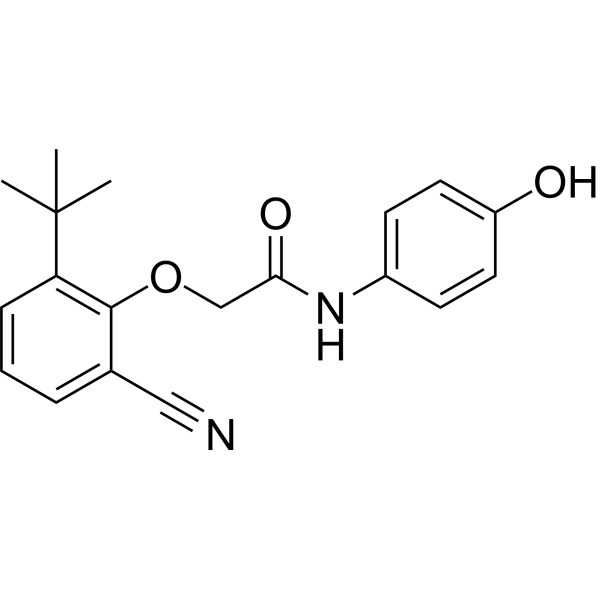

Search Result
Results for "
chemotherapy-induced
" in MedChemExpress (MCE) Product Catalog:
8
Isotope-Labeled Compounds
| Cat. No. |
Nombre del producto |
Target |
Áreas de investigación |
Chemical Structure |
-
- HY-B1829A
-
|
Dexamethasone 21-phosphate disodium
|
Glucocorticoid Receptor
TGF-β Receptor
Interleukin Related
|
Neurological Disease
Inflammation/Immunology
|
|
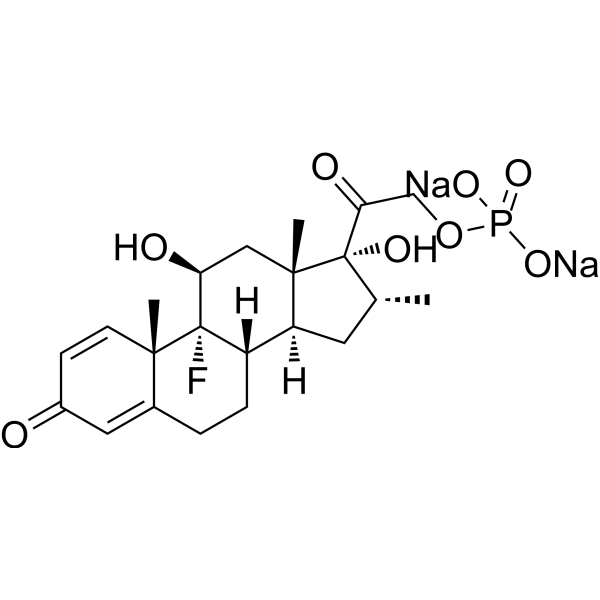
Dexamethasone phosphate (Dexamethasone 21-phosphate) disodium is a prodrug form of the glucocorticoid Dexamethasone (HY-14648). Dexamethasone phosphate disodium is produced by introducing a phosphate ester group at the 21-position of the Dexamethasone molecule, forming a salt with sodium ions, thereby significantly improving water solubility. Dexamethasone phosphate disodium inhibits LPS (HY-D1056)-induced degradation of IRAK-1 and IRAK-4, and blocks LPS-induced activation of TRAF6, p-TAK1 and p-JNK. Dexamethasone phosphate disodium inhibits the secretion of RANTES, TGF-β1 and NO, promotes the production of MIP-1α and IL-10, and blocks microglial migration. Dexamethasone phosphate disodium is almost completely converted to Dexamethasone in rat blood, and supports transdermal delivery via iontophoresis. Dexamethasone phosphate disodium can be used in research related to steroid-dependent ulcerative colitis, chemotherapy-induced vomiting, allergic asthma and acute colitis (inflammatory bowel disease) .
|
-
-
- HY-13324
-
|
RTA 402; NSC 713200; CDDO Methyl ester
|
Keap1-Nrf2
SARS-CoV
Virus Protease
|
Cardiovascular Disease
Infection
Neurological Disease
Metabolic Disease
Inflammation/Immunology
Cancer
|
|
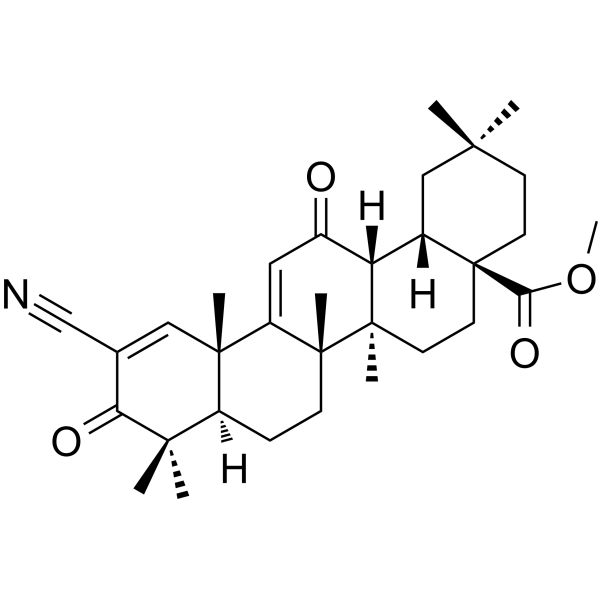
Bardoxolone (CDDO; RTA 401) methyl is an orally active and blood-brain-barrier-penetrant activator of Nrf2 and an inhibitor of SARS-CoV-2 3CL protease. Bardoxolone methyl inhibits SARS-CoV-2 replication in Vero cells with an EC50 value of 0.29 μM. Bardoxolone methyl increases levels of pNrf2 and HO-1, inhibits inflammatory mediators like pNFκB and MCP-1. Bardoxolone methyl activates the Nrf2 pathway to enhance antioxidant and anti-inflammatory responses, inhibits viral replication, and improves mitochondrial function. Bardoxolone methyl can be used in research on chemotherapy-induced neuropathic pain (CINP), COVID-19, and chronic kidney disease (CKD) .
|
-
-
- HY-B0415
-
|
|
Glucocorticoid Receptor
Wnt
|
Inflammation/Immunology
Endocrinology
|
|
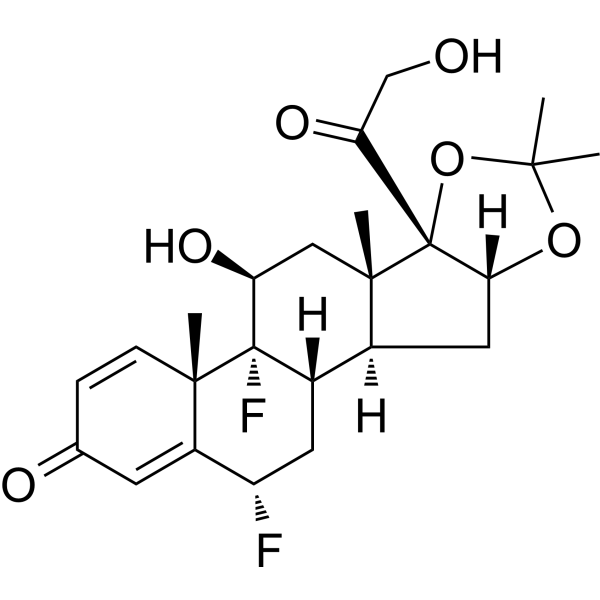
Fluocinolone is a glucocorticoid glucocorticoid receptor agonist. Fluocinolone is effective in preventing both lipid accumulation and inflammation. Fluocinolone can promote the proliferation of DPCs and has the potential role in repairing injured pulp tissues. Fluocinolone can be used to study the prevention of chemotherapy-induced peripheral neuropathy caused by Paclitaxel (HY-B0015) .
|
-
-
- HY-B0750
-
|
MDL-73147
|
5-HT Receptor
|
Cancer
|
|
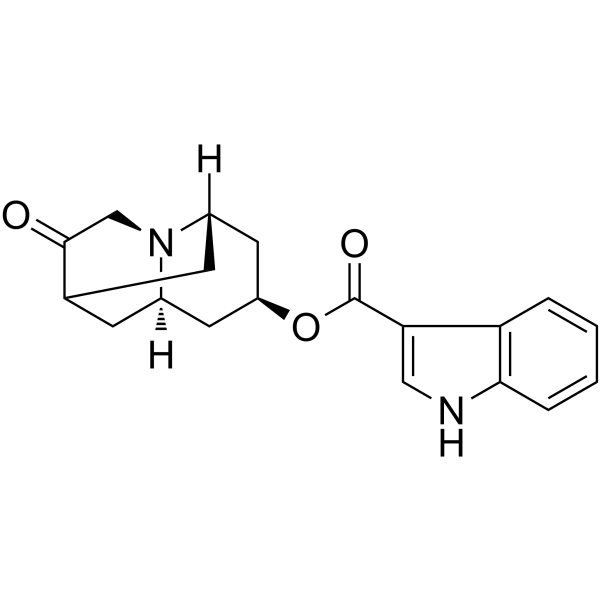
Dolasetron (MDL-73147) is a serotonin 5-HT3 receptor antagonist. Dolasetron acts as an antiemetics agent and can be used for the research of chemotherapy-induced nausea and vomiting in cancer .
|
-
-
- HY-14407A
-
|
MK-0517; L785298
|
Neurokinin Receptor
|
Neurological Disease
Endocrinology
Cancer
|
|
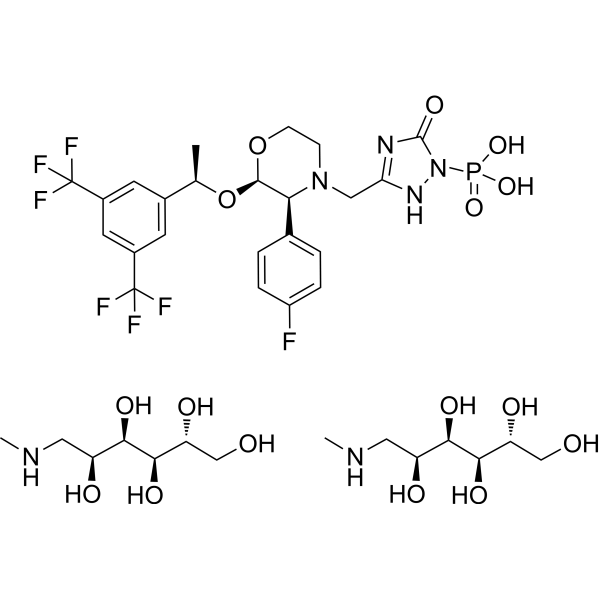
Fosaprepitant dimeglumine (MK-0517) is a proagent of Aprepitant (HY-10052). Fosaprepitant dimeglumine is a neurokinin-1 receptor antagonist, which is development for the prevention of chemotherapy-induced nausea and vomiting (CINV) .
|
-
-
- HY-A0021
-
|
|
5-HT Receptor
Flavivirus
|
Infection
Cardiovascular Disease
Neurological Disease
|
|
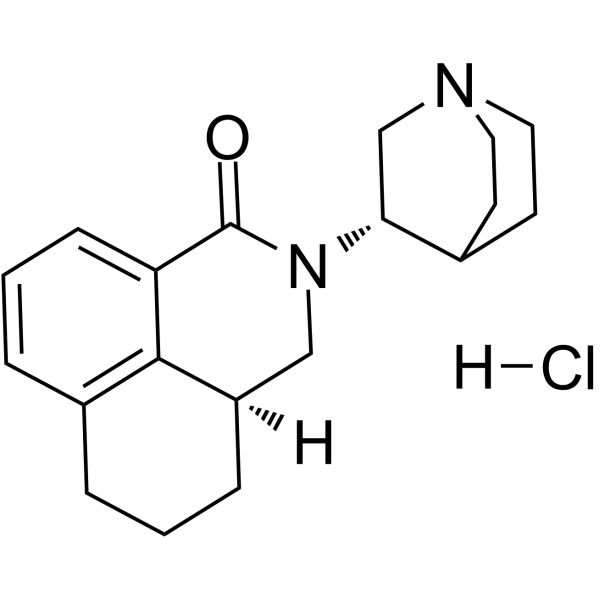
Palonosetron hydrochloride is a 5-HT3 antagonist primarily used to prevent acute, delayed, and overall chemotherapy-induced nausea and vomiting. In addition, Palonosetron hydrochloride exhibits moderate anti-flavivirus activity and potent anti-Zika virus activity in mammalian cells. Palonosetron hydrochloride also possesses antidepressant activity .
|
-
-
- HY-N4183
-
|
|
Apoptosis
Caspase
Estrogen Receptor/ERR
|
Cardiovascular Disease
Infection
|
|
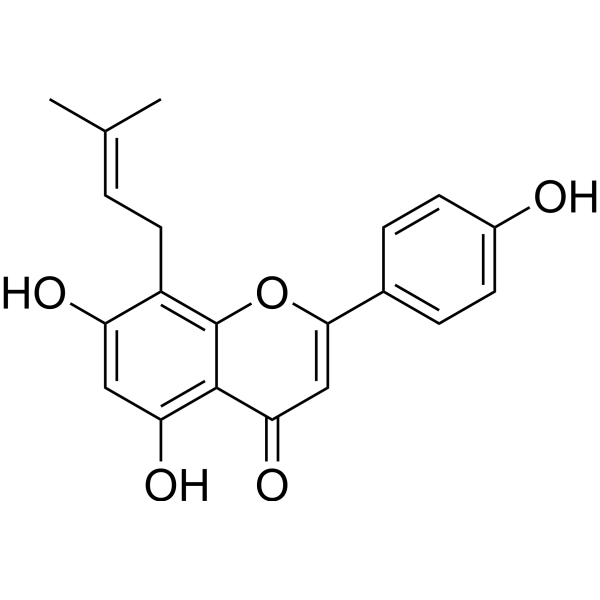
Licoflavone C is a broad-spectrum antiviral inhibitor with estrogen-like properties. Licoflavone C binds to viral endonuclease (CEN) and inhibits the replication of various bunyaviruses including severe fever with thrombocytopenia syndrome virus (SFTSV) and lymphocytic choriomeningitis virus in a non-substrate competitive manner. The IC50 values of Licoflavone C against SFTSV CEN and SFTSV CEN are 35.5 μM and 135.8 μM, respectively, and its Kd value against SFTSV CEN is 9.53 μM. After viral entry into cells, Licoflavone C reduces viral loads in mouse tissues in a dose-dependent manner, and exhibits extremely low cytotoxicity and genotoxicity. Licoflavone C induces apoptosis by increasing caspase 3/7 activity, blocks the cell cycle, and alleviates chemotherapy-induced chromosomal damage. Licoflavone C is applicable to the research on severe fever with thrombocytopenia syndrome and related viral infection mechanisms .
|
-
-
- HY-111791
-
|
|
HDAC
|
Cancer
|
|
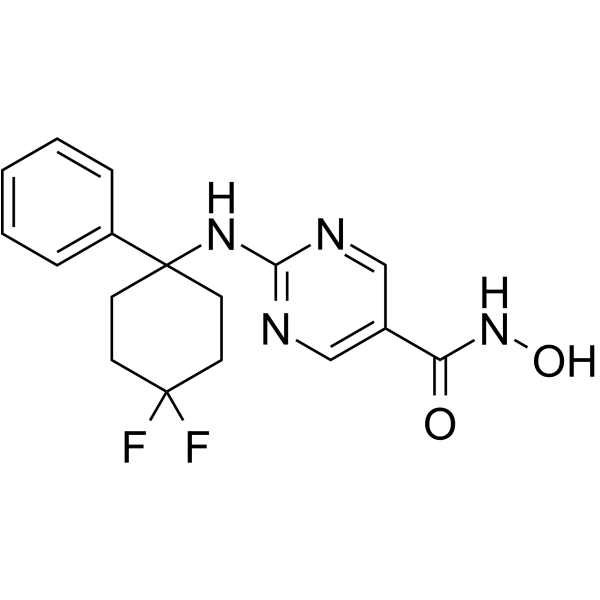
ACY-1083 is a selective and brain-penetrating HDAC6 inhibitor with an IC50 of 3 nM and is 260-fold more selective for HDAC6 than all other classes of HDAC isoforms. ACY-1083 effectively reverses chemotherapy-induced peripheral neuropathy .
|
-
-
- HY-116578
-
|
EXP999; RP9965
|
Dopamine Receptor
|
Neurological Disease
|
|
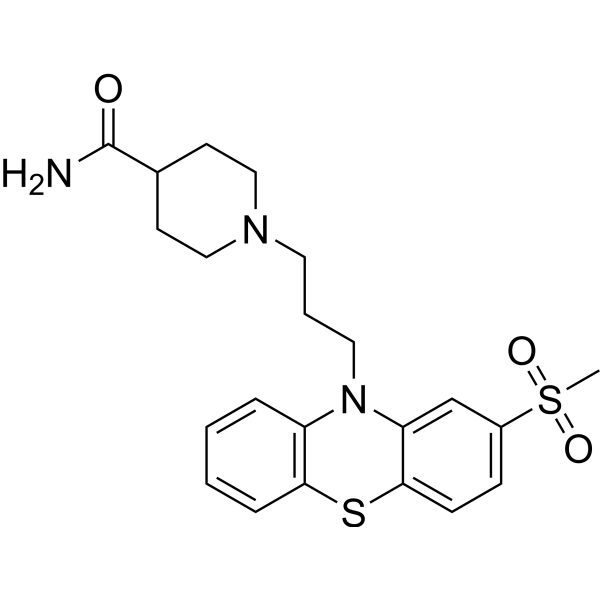
Metopimazine (EXP999; RP9965) is a phenothiazine, orally available, selective dopamine D2 receptor antagonist that does not penetrate the blood-brain barrier. Metopimazine blocks dopamine D2 receptors in the chemoreceptor trigger zone and the periphery, thereby inhibiting nausea and vomiting. Metopimazine is indicated for chemotherapy-induced nausea and vomiting, and has low central side effects due to its poor brain penetration. The use of metopimazine in acute gastroenteritis may have potential risks .
|
-
-
- HY-14604
-
|
SR57746A; SR57746 hydrochloride
|
5-HT Receptor
Dopamine Receptor
Trk Receptor
PKC
ERK
Akt
JNK
|
Neurological Disease
Metabolic Disease
|
|
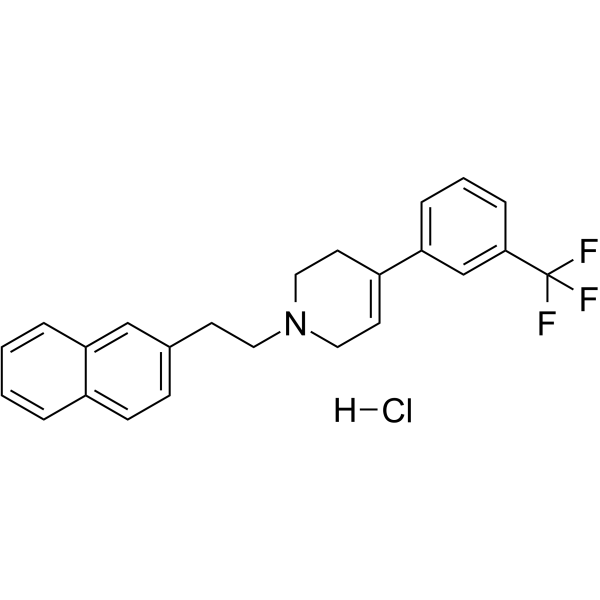
Xaliproden (SR57746) hydrochloride (SR57746A) is an orally active, highly selective 5-HT1A receptor agonist. Xaliproden hydrochloride activates pertussis toxin-sensitive G protein-coupled signaling cascades, as well as the PKC, ERK1/ERK2, Akt and p21 Ras/MEK-1 pathways. Xaliproden hydrochloride also downregulates the JNK/p66/c-Jun signaling pathway, induces phosphorylation of the shc adaptor protein, regulates extracellular dopamine and 5-HT levels, and induces [ 35S]GTPγS labeling in rat brain structures rich in 5-HT1A receptors. Xaliproden hydrochloride exerts neurotrophic, neuroprotective, renoprotective, anti-inflammatory, anti-apoptotic, anti-fibrotic and analgesic effects. Xaliproden hydrochloride also enhances NGF-induced neurite outgrowth, promotes motor neuron survival, attenuates renal tubular injury and inhibits chemotherapy-induced mechanical allodynia, without activating or altering NGF-induced TrkA receptor activation. Xaliproden hydrochloride can be used in the research of motor neuron disease, diabetic nephropathy, chemotherapy-induced peripheral neuropathy, amyotrophic lateral sclerosis, Alzheimer's disease, acute tonic nociceptive pain, inflammatory pain, depression and anxiety .
|
-
-
- HY-B0993
-
|
MnDPDP
|
Apoptosis
|
Neurological Disease
Cancer
|
|
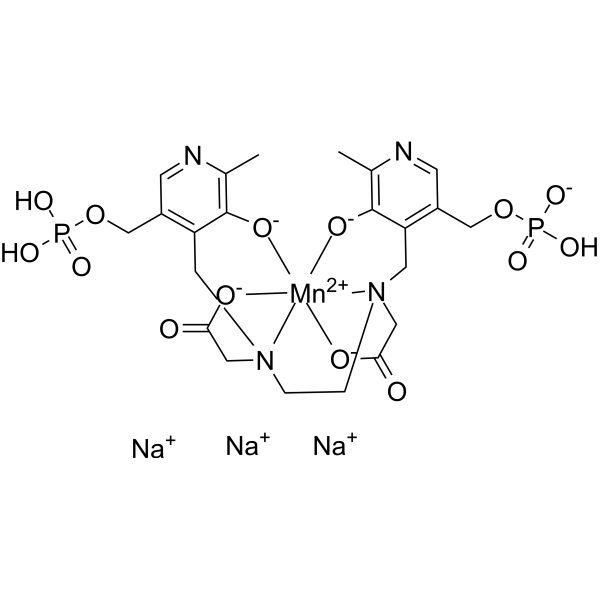
Mangafodipir trisodium (MnDPDP), hepatocellular-specific contrast agent, is an efficacious inhibitor of CIPN (chemotherapy-induced peripheral neuropath) and other conditions caused by cellular oxidative stress. Mangafodipir trisodium shows no negative interference with the tumoricidal activity of chemotherapy .
|
-
-
- HY-B0068
-
|
Y-25130 hydrochloride
|
5-HT Receptor
|
Neurological Disease
|
|
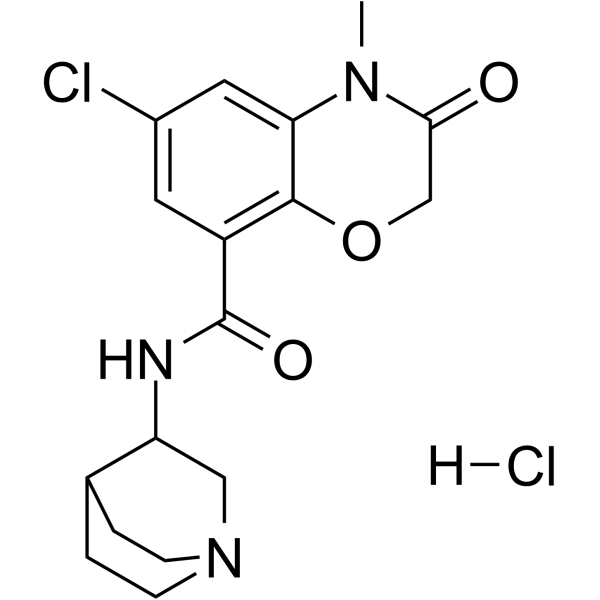
Azasetron (Y-25130) hydrochloride, a benzamide derivative, is a potent and selective 5-HT3 receptor antagonist. Azasetron is used in the study for Chemotherapy-induced nausea and vomiting (CINV) .
|
-
-
- HY-150124
-
|
|
Integrin
Apoptosis
|
Cancer
|
|
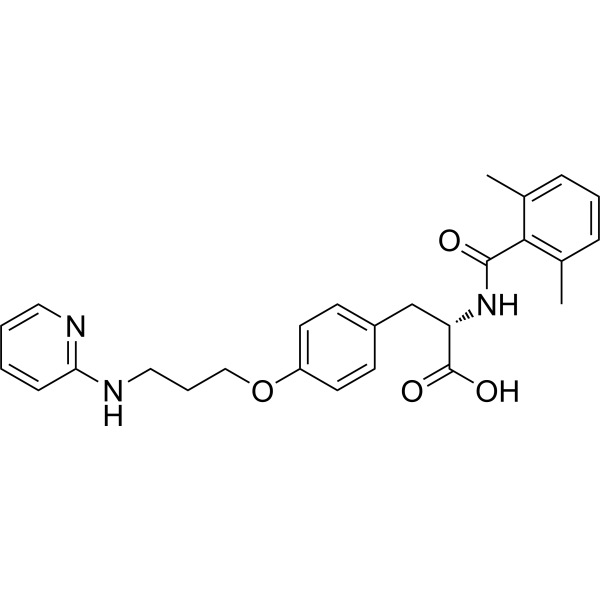
K34c is a potent and selective α5β1 integrin antagonist. By inhibiting α5β1 integrin, K34c reduces chemotherapy-induced premature senescence and promotes apoptosis. K34c can be used in glioblastoma research .
|
-
-
- HY-148948
-
|
|
NAMPT
|
Neurological Disease
|
|
NAMPT activator-3, a NAT derivative, is a NAMPT activator with an EC50 of 2.6 μM and a KD of 132 nM. NAMPT activator-3 effectively protects cultured cells from FK866 (HY-50876)-mediated toxicity. NAMPT activator-3 exhibits strong neuroprotective efficacy in a chemotherapy-induced peripheral neuropathy (CIPN) mouse model without any overt toxicity .
|
-
-
- HY-14405A
-
|
GW679769B
|
Neurokinin Receptor
Cytochrome P450
|
Neurological Disease
Cancer
|
|
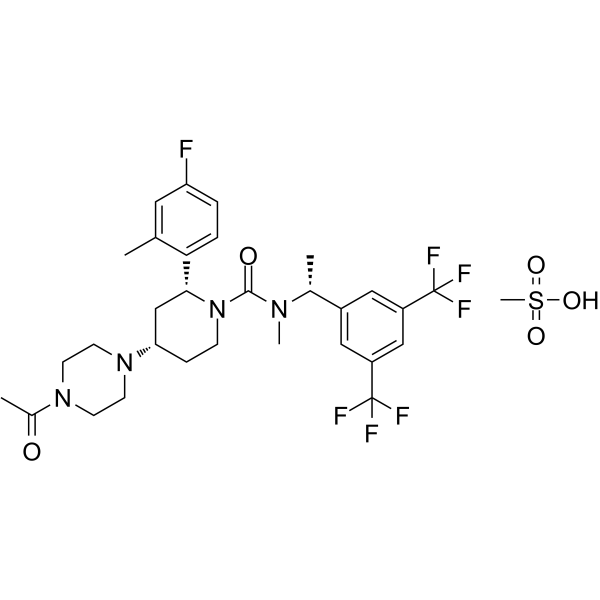
Casopitant mesylate (GW679769B) is a potent, selective, brain permeable and orally active neurokinin 1 (NK1) receptor antagonist. Casopitant mesylate is a second in the class of antiemetics that acts to antagonise the emetogenic effect of Substance P (HY-P0201). Casopitant mesylate is also a substrate and a weak-to-moderate inhibitor of CYP3A4. Casopitant mesylate can be used for chemotherapy-induced nausea and vomiting (CINV) and postoperative nausea and vomiting (PONV) .
|
-
-
- HY-P10939A
-
|
|
Caspase
Pyroptosis
|
Inflammation/Immunology
Cancer
|
|
Ac-DMLD-CMK TFA is a caspase 3 inhibitor and a GSDME inhibitor. Ac-DMLD-CMK TFA binds directly to the catalytic domain of caspase-3, blocks caspase-3-mediated cleavage of GSDME, inhibits the activation of caspase 3 and Gsdme in the caspase 3-Gsdme signaling pathway, and reduces the levels of pyroptosis and apoptosis as well as the expression of LDH, IL-6, IL-1β and IL-18. Ac-DMLD-CMK TFA alleviates renal function deterioration, renal tubular epithelial cell injury, inflammatory cytokine secretion, pulmonary structural damage, and chemotherapy-induced nephrotoxicity .
|
-
-
- HY-103347
-
|
|
Apoptosis
|
Inflammation/Immunology
|
|
M50054 is a potent inhibitor of apoptosis. M50054 inhibits Etoposide-induced caspase-3 activation of U937 cells with an IC50 of 79 μg/mL. M50054 does not directly inhibit the enzymatic activity of caspase-3. M50054 can be used for the research anti-Fas-antibody-induced hepatitis and chemotherapy-induced alopecia .
|
-
-
- HY-P10939
-
|
|
Caspase
Pyroptosis
|
Inflammation/Immunology
Cancer
|
|
Ac-DmLD-CMK is a caspase 3 inhibitor and a GSDME inhibitor. Ac-DmLD-CMK binds directly to the catalytic domain of caspase-3, blocks caspase-3-mediated cleavage of GSDME, inhibits the activation of caspase 3 and Gsdme in the caspase 3-Gsdme signaling pathway, and reduces the levels of pyroptosis and apoptosis as well as the expression of LDH, IL-6, IL-1β and IL-18. Ac-DmLD-CMK alleviates renal function deterioration, renal tubular epithelial cell injury, inflammatory cytokine secretion, pulmonary structural damage, and chemotherapy-induced nephrotoxicity .
|
-
-
- HY-B1829AR
-
|
Dexamethasone 21-phosphate disodium (Standard)
|
Glucocorticoid Receptor
Reference Standards
Interleukin Related
TGF-β Receptor
|
Neurological Disease
Metabolic Disease
Inflammation/Immunology
|
|
Dexamethasone phosphate (Dexamethasone 21-phosphate) disodium (Standard) is the analytical standard of Dexamethasone phosphate disodium (HY-B1829A). This product is intended for research and analytical applications. Dexamethasone phosphate (Dexamethasone 21-phosphate) disodium is a prodrug form of the glucocorticoid Dexamethasone (HY-14648). Dexamethasone phosphate disodium is produced by introducing a phosphate ester group at the 21-position of the Dexamethasone molecule, forming a salt with sodium ions, thereby significantly improving water solubility. Dexamethasone phosphate disodium inhibits LPS (HY-D1056)-induced degradation of IRAK-1 and IRAK-4, and blocks LPS-induced activation of TRAF6, p-TAK1 and p-JNK. Dexamethasone phosphate disodium inhibits the secretion of RANTES, TGF-β1 and NO, promotes the production of MIP-1α and IL-10, and blocks microglial migration. Dexamethasone phosphate disodium is almost completely converted to Dexamethasone in rat blood, and supports transdermal delivery via iontophoresis. Dexamethasone phosphate disodium can be used in research related to steroid-dependent ulcerative colitis, chemotherapy-induced vomiting, allergic asthma and acute colitis (inflammatory bowel disease).
|
-
-
- HY-14407
-
-
-
- HY-155089
-
|
|
MAP3K
|
Neurological Disease
|
|
IACS-52825 is a potent and selective DLK inhibitor with Kd of 1.3 nM, useful for the study of chemotherapy-induced peripheral neuropathy .
|
-
-
- HY-112471
-
|
|
CDK
|
Cancer
|
|
TrkA Inhibitor (Compound 18) is a CDK2 inhibitor with an IC50 of 0.69 μM over CDK1. TrkA Inhibitor can be used for chemotherapy-induced alopecia research .
|
-
-
- HY-161918
-
-
-
- HY-B1829
-
|
Dexamethasone 21-phosphate
|
Glucocorticoid Receptor
TGF-β Receptor
Interleukin Related
|
Neurological Disease
Inflammation/Immunology
|
|
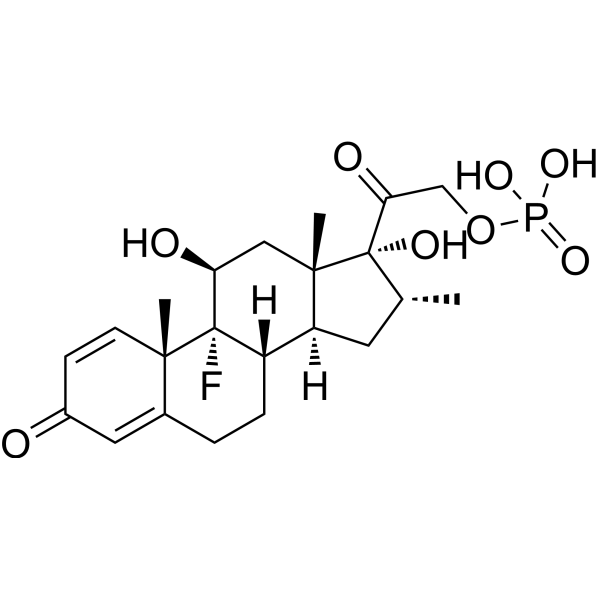
Dexamethasone phosphate (Dexamethasone 21-phosphate) is a prodrug form of the glucocorticoid Dexamethasone (HY-14648). Dexamethasone phosphate is prepared by introducing a phosphate ester group to the hydroxyl group at position 21 of the Dexamethasone molecule. Dexamethasone phosphate inhibits LPS (HY-D1056)-induced degradation of IRAK-1 and IRAK-4, and blocks LPS-induced activation of TRAF6, p-TAK1 and p-JNK. Dexamethasone phosphate inhibits the secretion of RANTES, TGF-β1 and NO, promotes the production of MIP-1α and IL-10, and blocks microglial migration. Dexamethasone phosphate is almost completely converted to Dexamethasone in rat blood, and supports transdermal delivery via iontophoresis. Dexamethasone phosphate can be used in research related to steroid-dependent ulcerative colitis, chemotherapy-induced vomiting, allergic asthma and acute colitis (inflammatory bowel disease) .
|
-
-
- HY-145491
-
|
|
ERK
NF-κB
CCR
|
Inflammation/Immunology
|
|
Resolvin D5 is an anti-inflammatory and analgesic agent produced in M2 macrophages. Resolvin D5 alleviates Paclitaxel (HY-B0015)-induced mechanical allodynia and inflammatory pain by activating the GPR32 receptor, with gender specificity (effective only in male mice) and independence from TRPV1 or TRPA1 channels. Resolvin D5 attenuates LPS-induced ERK phosphorylation and NF-κB nuclear translocation, downregulates proinflammatory mediators such as IL-6 and CCL5, inhibits Th17 cell differentiation and osteoclastogenesis, promotes regulatory T cell differentiation, and shows no cytotoxicity to human monocytes. The level of Resolvin D5 is elevated in arthritic SKG mice, but Resolvin D5 has no effect on dendritic cell differentiation or M1 macrophage polarization, nor does it prevent ZyA-induced arthritis progression. Resolvin D5 is suitable for research related to chemotherapy-induced peripheral neuropathy, inflammatory pain and rheumatoid arthritis .
|
-
-
- HY-123239
-
|
|
GPR55
|
Neurological Disease
|
|
KLS-13019 is an orally active GPR55 receptor antagonist and a structural analogue of cannabidiol (CBD). It can prevent and reverse chemotherapy-induced peripheral neuropathy (CIPN) in a dose-dependent manner in rats .
|
-
-
- HY-14405B
-
|
(R)-GW679769
|
Neurokinin Receptor
|
Cancer
|
|
(R)-Casopitant ((R)-GW679769) is the isomer of Casopitant (HY-14405). Casopitant is a NK(1)-receptor antagonist. Casopitant can be used for the research of chemotherapy-induced nausea and vomiting .
|
-
-
- HY-147306
-
|
|
NO Synthase
|
Neurological Disease
|
|
ZLc-002 is a selective inhibitor of nNOS-Capon coupling. ZLc-002 suppresses inflammatory nociception and chemotherapy-induced neuropathic pain. ZLc-002 can be used for the research of anxiety disorder and inflammation .
|
-
-
- HY-150124A
-
|
|
Integrin
Apoptosis
|
Cancer
|
|
K34c hydrochloride is a potent and selective α5β1 integrin antagonist. By inhibiting α5β1 integrin, K34c hydrochloride reduces chemotherapy-induced premature senescence and promotes apoptosis. K34c hydrochloride can be used in glioblastoma research .
|
-
-
- HY-A0021S
-
|
|
Isotope-Labeled Compounds
5-HT Receptor
Flavivirus
|
Infection
Cardiovascular Disease
Neurological Disease
|
|
Palonosetron-d3 hydrochloride is the deuterium labeled Palonosetron hydrochloride (HY-A0021). Palonosetron hydrochloride is a 5-HT3 antagonist primarily used to prevent acute, delayed, and overall chemotherapy-induced nausea and vomiting. In addition, Palonosetron hydrochloride exhibits moderate anti-flavivirus activity and potent anti-Zika virus activity in mammalian cells. Palonosetron hydrochloride also possesses antidepressant activity .
|
-
-
- HY-14407AR
-
|
MK-0517 (Standard); L785298 (Standard)
|
Reference Standards
Neurokinin Receptor
|
Neurological Disease
Endocrinology
Cancer
|
|
Fosaprepitant (dimeglumine) (Standard) is the analytical standard of Fosaprepitant (dimeglumine). This product is intended for research and analytical applications. Fosaprepitant dimeglumine (MK-0517) is a proagent of Aprepitant (HY-10052). Fosaprepitant dimeglumine is a neurokinin-1 receptor antagonist, which is development for the prevention of chemotherapy-induced nausea and vomiting (CINV) .
|
-
-
- HY-147306A
-
|
|
NO Synthase
|
Neurological Disease
|
|
(S)-ZLc002 is a S-enantiomer of ZLc-002. ZLc-002 is a selective inhibitor of nNOS-Capon coupling. ZLc-002 suppresses inflammatory nociception and chemotherapy-induced neuropathic pain .
|
-
-
- HY-14407AS
-
|
MK-0517-d4; L785298-d4
|
Isotope-Labeled Compounds
Neurokinin Receptor
|
Neurological Disease
Endocrinology
Cancer
|
|
Fosaprepitant-d4 (dimeglumine) is deuterium labeled Fosaprepitant (dimeglumine). Fosaprepitant dimeglumine (MK-0517) is a proagent of Aprepitant (HY-10052). Fosaprepitant dimeglumine is a neurokinin-1 receptor antagonist, which is development for the prevention of chemotherapy-induced nausea and vomiting (CINV) .
|
-
-
- HY-A0018
-
|
|
5-HT Receptor
Flavivirus
|
Infection
Cardiovascular Disease
Neurological Disease
|
|
Palonosetron is a 5-HT3 antagonist primarily used to prevent acute, delayed, and overall chemotherapy-induced nausea and vomiting. Palonosetron exhibits moderate anti-flavivirus activity and potent anti-Zika virus activity in mammalian cells. Palonosetron also possesses antidepressant activity .
|
-
-
- HY-P3761
-
|
|
Caspase
|
Inflammation/Immunology
|
|
Ac-Tyr-Val-Lys-Asp-aldehyde is a reversible caspase-1 inhibitor. Ac-Tyr-Val-Lys-Asp-aldehyde increases GATA1 levels by inhibiting caspase-1 and promotes erythroid differentiation. can be used for disease research including anemia-associated to chronic diseases, chemotherapy-induced anemia and Diamond-Blackfan anemia .
|
-
-
- HY-106166
-
|
16α-Bromoepiandrosterone
|
Drug Derivative
NO Synthase
|
Infection
Inflammation/Immunology
|
|
α-Epibromide (16α-Bromoepiandrosterone) is an adrenal steroid derivative. α-Epibromide decreases nitric oxide production. α-Epibromide restores T helper cell type 1 activity and accelerates chemotherapy-induced bacterial clearance in a model of progressive pulmonary tuberculosis. α-Epibromide reduces mortality related to excessive inflammation and opportunistic lung infections .
|
-
-
- HY-B0993A
-
|
|
Biochemical Assay Reagents
|
Cancer
|
|
Mangafodipir, hepatocellular-specific contrast agent, is an efficacious inhibitor of CIPN (chemotherapy-induced peripheral neuropath) and other conditions caused by cellular oxidative stress. Mangafodipir shows no negative interference with the tumoricidal activity of chemotherapy .
|
-
-
- HY-126161
-
|
BRL-4664
|
Cannabinoid Receptor
|
Neurological Disease
Cancer
|
|
Nonabine (BRL-4664) is an orally active chromenol derivative and Cannabinoid-like antiemetic. Nonabine controls nausea and vomiting induced by cancer chemotherapy regimens. Nonabine can be used in the research of lymphoma and chemotherapy-induced nausea and vomiting .
|
-
-
- HY-B0068R
-
|
|
5-HT Receptor
Reference Standards
|
Neurological Disease
|
|
Azasetron (hydrochloride) (Standard) is the analytical standard of Azasetron (hydrochloride). This product is intended for research and analytical applications. Azasetron (Y-25130) hydrochloride, a benzamide derivative, is a potent and selective 5-HT3 receptor antagonist. Azasetron is used in the study for Chemotherapy-induced nausea and vomiting (CINV) .
|
-
-
- HY-124996
-
|
|
NO Synthase
|
Neurological Disease
Inflammation/Immunology
Cancer
|
|
(Rac)-ZLc-002, an inhibitor of nNOS interaction with nitric oxide synthase 1 adaptor protein (NOS1AP), suppresses inflammatory nociception and chemotherapy-induced neuropathic pain and synergizes with Paclitaxel (HY-B0015) to reduce tumor cell viability .
|
-
-
- HY-B0750S1
-
|
MDL-73147-d5
|
5-HT Receptor
Isotope-Labeled Compounds
|
Cancer
|
|
Dolasetron (MDL-73147)-d5 is deuterated labeled Dolasetron (HY-B0750). Dolasetron is a serotonin 5-HT3 receptor antagonist. Dolasetron acts as an antiemetics agent and can be used for the research of chemotherapy-induced nausea and vomiting in cancer .
|
-
-
- HY-B0750S
-
|
MDL-73147-d4
|
Isotope-Labeled Compounds
5-HT Receptor
|
Cancer
|
|
Dolasetron (MDL-73147)-d4 is deuterium labeled Dolasetron (HY-B0750). Dolasetron is a serotonin 5-HT3 receptor antagonist. Dolasetron acts as an antiemetics agent and can be used for the research of chemotherapy-induced nausea and vomiting in cancer .
|
-
-
- HY-14405
-
|
GW679769
|
Neurokinin Receptor
Cytochrome P450
|
Neurological Disease
|
|
Casopitant (GW679769) is a potent, selective, brain-penetrant and orally active neurokinin 1 (NK1) receptor antagonist. Casopitant antagonizes the emetic effects of Substance P (HY-P0201). Casopitant is also a substrate and weak to moderate inhibitor of CYP3A4. Casopitant is indicated for chemotherapy-induced nausea and vomiting (CINV) and postoperative nausea and vomiting (PONV) .
|
-
-
- HY-B0019
-
|
(Rac)-SENS-401 free base
|
5-HT Receptor
|
Neurological Disease
|
|
Azasetron ((Rac)-SENS-401 free base) is an antiemetic drug with 5-HT3 receptor antagonist activity. Azasetron is often used as a preventive measure for postoperative nausea and vomiting or chemotherapy-induced nausea and vomiting. Azasetron does not impair neutrophil chemotaxis or phagocytosis and does not scavenge O(-)(2) or H(2)O(2) generated by cell-free systems .
|
-
-
- HY-106982
-
|
CJ-11,974
|
Neurokinin Receptor
|
Neurological Disease
Metabolic Disease
|
|
Ezlopitant (CJ-11,974) is a selective, non-peptidic neurokinin-1 (NK-1)-receptor antagonist. Ezlopitant inhibits both acute and delayed emetic reactions induced by Cisplatin (HY-17394) in ferrets via acting on NK1 receptors in the central nervous system. Ezlopitant has the potential for pain, chemotherapy-induced emesis and irritable bowel syndrome research .
|
-
-
- HY-A0021R
-
|
|
Reference Standards
5-HT Receptor
Flavivirus
|
Infection
Cardiovascular Disease
Neurological Disease
|
|
Palonosetron hydrochloride (Standard) is the analytical standard of Palonosetron hydrochloride (HY-A0021). This product is intended for research and analytical applications. Palonosetron hydrochloride is a 5-HT3 antagonist primarily used to prevent acute, delayed, and overall chemotherapy-induced nausea and vomiting. In addition, Palonosetron hydrochloride exhibits moderate anti-flavivirus activity and potent anti-Zika virus activity in mammalian cells. Palonosetron hydrochloride also possesses antidepressant activity .
|
-
-
- HY-B0415R
-
|
|
Reference Standards
Glucocorticoid Receptor
Wnt
|
Inflammation/Immunology
Endocrinology
|
|
Fluocinolone (Acetonide) (Standard) is the analytical standard of Fluocinolone (Acetonide). This product is intended for research and analytical applications. Fluocinolone is a glucocorticoid glucocorticoid receptor agonist. Fluocinolone is effective in preventing both lipid accumulation and inflammation. Fluocinolone can promote the proliferation of DPCs and has the potential role in repairing injured pulp tissues. Fluocinolone can be used to study the prevention of chemotherapy-induced peripheral neuropathy caused by Paclitaxel (HY-B0015) .
|
-
-
- HY-W777281
-
|
|
Isotope-Labeled Compounds
Glucocorticoid Receptor
Wnt
|
Endocrinology
|
|
Fluocinolone acetonide- 13C3 is the 13C-labeled Fluocinolone (Acetonide) (HY-B0415). Fluocinolone is a glucocorticoid glucocorticoid receptor agonist. Fluocinolone is effective in preventing both lipid accumulation and inflammation. Fluocinolone can promote the proliferation of DPCs and has the potential role in repairing injured pulp tissues. Fluocinolone can be used to study the prevention of chemotherapy-induced peripheral neuropathy caused by Paclitaxel (HY-B0015) .
|
-
-
- HY-103347R
-
|
|
Reference Standards
Apoptosis
|
Inflammation/Immunology
|
|
M50054 (Standard) is the analytical standard of M50054. This product is intended for research and analytical applications. M50054 is a potent inhibitor of apoptosis. M50054 inhibits Etoposide-induced caspase-3 activation of U937 cells with an IC50 of 79 μg/mL. M50054 does not directly inhibit the enzymatic activity of caspase-3. M50054 can be used for the research anti-Fas-antibody-induced hepatitis and chemotherapy-induced alopecia .
|
-
-
- HY-143994S
-
|
|
Isotope-Labeled Compounds
Dopamine Receptor
|
Neurological Disease
|
|
Metopimazine-d6 hydrochloride is the deuterium labeled Metopimazine (HY-116578). Metopimazine (EXP999; RP9965) is a phenothiazine, orally available, selective dopamine D2 receptor antagonist that does not penetrate the blood-brain barrier. Metopimazine blocks dopamine D2 receptors in the chemoreceptor trigger zone and the periphery, thereby inhibiting nausea and vomiting. Metopimazine is indicated for chemotherapy-induced nausea and vomiting, and has low central side effects due to its poor brain penetration. The use of metopimazine in acute gastroenteritis may have potential risks .
|
-
- HY-W777959
-
|
|
Isotope-Labeled Compounds
5-HT Receptor
|
Neurological Disease
|
|
Azasetron Hydrochloride- 13C,d3 is the deuterium and 13C-labeled Azasetron (HY-B0019). Azasetron ((Rac)-SENS-401 free base) is an antiemetic drug with 5-HT3 receptor antagonist activity. Azasetron is often used as a preventive measure for postoperative nausea and vomiting or chemotherapy-induced nausea and vomiting. Azasetron does not impair neutrophil chemotaxis or phagocytosis and does not scavenge O(-)(2) or H(2)O(2) generated by cell-free systems .
|
-
- HY-119820
-
|
SR57746A free base
|
Akt
Dopamine Receptor
Trk Receptor
5-HT Receptor
PKC
JNK
ERK
|
Neurological Disease
|
|
Xaliproden (SR57746) free base is an orally active, highly selective 5-HT1A receptor agonist. Xaliproden free base activates pertussis toxin-sensitive G protein-coupled signaling cascades, as well as the PKC, ERK1/ERK2, Akt and p21 Ras/MEK-1 pathways. Xaliproden free base also downregulates the JNK/p66/c-Jun signaling pathway, induces phosphorylation of the shc adaptor protein, regulates extracellular dopamine and 5-HT levels, and induces [ 35S]GTPγS labeling in rat brain structures rich in 5-HT1A receptors. Xaliproden free base exerts neurotrophic, neuroprotective, renoprotective, anti-inflammatory, anti-apoptotic, anti-fibrotic and analgesic effects. Xaliproden free base also enhances NGF-induced neurite outgrowth, promotes motor neuron survival, attenuates renal tubular injury and inhibits chemotherapy-induced mechanical allodynia, without activating or altering NGF-induced TrkA receptor activation. Xaliproden free base can be used in the research of motor neuron disease, diabetic nephropathy, chemotherapy-induced peripheral neuropathy, amyotrophic lateral sclerosis, Alzheimer's disease, acute tonic nociceptive pain, inflammatory pain, depression and anxiety .
|
-
- HY-116578S
-
|
EXP999-d6; RP9965-d6
|
Isotope-Labeled Compounds
Dopamine Receptor
|
Neurological Disease
|
|
Metopimazine-d6 (EXP999-d6; RP9965-d6) is the deuterium labeled Metopimazine (HY-116578). Metopimazine (EXP999; RP9965) is a phenothiazine, orally available, selective dopamine D2 receptor antagonist that does not penetrate the blood-brain barrier. Metopimazine blocks dopamine D2 receptors in the chemoreceptor trigger zone and the periphery, thereby inhibiting nausea and vomiting. Metopimazine is indicated for chemotherapy-induced nausea and vomiting, and has low central side effects due to its poor brain penetration. The use of metopimazine in acute gastroenteritis may have potential risks .
|
-
- HY-B1829R
-
|
Dexamethasone 21-phosphate (Standard)
|
Glucocorticoid Receptor
Reference Standards
TGF-β Receptor
Interleukin Related
|
Neurological Disease
Inflammation/Immunology
|
|
Dexamethasone phosphate (Standard) (Dexamethasone 21-phosphate (Standard)) is the analytical standard of Dexamethasone phosphate (HY-B1829). This product is intended for research and analytical applications. Dexamethasone phosphate (Dexamethasone 21-phosphate) is a prodrug form of the glucocorticoid Dexamethasone (HY-14648). Dexamethasone phosphate is prepared by introducing a phosphate ester group to the hydroxyl group at position 21 of the Dexamethasone molecule. Dexamethasone phosphate inhibits LPS (HY-D1056)-induced degradation of IRAK-1 and IRAK-4, and blocks LPS-induced activation of TRAF6, p-TAK1 and p-JNK. Dexamethasone phosphate inhibits the secretion of RANTES, TGF-β1 and NO, promotes the production of MIP-1α and IL-10, and blocks microglial migration. Dexamethasone phosphate is almost completely converted to Dexamethasone in rat blood, and supports transdermal delivery via iontophoresis. Dexamethasone phosphate can be used in research related to steroid-dependent ulcerative colitis, chemotherapy-induced vomiting, allergic asthma and acute colitis (inflammatory bowel disease).
|
-
- HY-175637
-
|
|
COX
MyD88
|
Neurological Disease
Inflammation/Immunology
|
|
COX-2-IN-57 is an orally active COX-2 inhibitor with an IC50 value of 0.02 μM. COX-2-IN-57 reduces MyD88 expression and decreases serum levels of COX-2, PGE2, and COX-1 in Cisplatin (HY-17394)/radiation-induced neuropathy rat model. COX-2-IN-57 demonstrates superior antinociceptive efficacy in hot plate, cold allodynia, and Randall-Selitto tests, along with hepato-/renal protection. COX-2-IN-57 can be used for the study of inflammation .
|
-
- HY-183136
-
|
BMY 25801
|
5-HT Receptor
|
Cancer
|
|
Batanopride (BMY 25801) is a selective 5-HT3 receptor antagonist. Batanopride inhibits chemotherapy-induced emesis, and prevents Cisplatin (HY-17394)-, Cyclophosphamide (HY-17420)-, Doxorubicin (HY-15142A)-, and total body irradiation-induced emesis .
|
-
- HY-106329
-
|
|
Others
|
Cancer
|
|
DMDC is an anti-tumor agent. DMDC induces chemotherapy-induced myelosuppression, characterized by decreases in leukocyte and neutrophil counts. DMDC can be used for the study of advanced malignancies .
|
-
- HY-182777
-
|
|
HDAC
NO Synthase
TNF Receptor
Interleukin Related
|
Neurological Disease
Inflammation/Immunology
|
|
HDAC6-IN-80 is an orally active, selective HDAC6 inhibitor with an IC50 of 8.5 nM. HDAC6-IN-80 inhibits lipopolysaccharide-induced microglial activation, reduces the levels of iNOS, COX-2, TNF-α and IL-6, and alleviates sensory hypersensitivity behaviors. HDAC6-IN-80 can be used for the research of inflammatory pain and chemotherapy-induced peripheral neuropathy .
|
-
- HY-182898
-
|
|
Apoptosis
Glycosidase
|
Inflammation/Immunology
|
|
Gal-dMor-Gem is a selective senescent cell scavenger, Apoptosis inducer, and a prodrug of Gemcitabine (HY-17026). Gal-dMor-Gem releases Gemcitabine upon activation by Esterases and β-gal. Gal-dMor-Gem reduces SA-β-gal, preferentially induces apoptosis in senescent cells, regulates apoptosis-related proteins, accumulates in senescent tissues, and ameliorates senescence-related organ phenotypes. Gal-dMor-Gem is applicable to research on chemotherapy-induced senescence .
|
-
- HY-P992345
-
|
|
Trk Receptor
|
Neurological Disease
|
|
DS002 is a human monoclonal antibody targeting NGF/bNGF, with an IC50 of 6.60 nM against human NGF, 1.98 nM against rat NGF, and 8.46 nM against mouse NGF. DS002 blocks NGF-TrkA binding, interrupts pain signal transduction, inhibits TrkA-mediated downstream signaling pathways, and alters aromatic amino acid metabolic pathways. DS002 inhibits cancer cell proliferation. DS002 exerts a preventive effect on Paclitaxel-, Cisplatin- and Vincristine-induced peripheral neuropathy in rats. DS002 can be used in studies related to chronic pain and chemotherapy-induced peripheral neuropathy .
|
-
- HY-179523
-
|
|
Drug Derivative
NAMPT
Microtubule/Tubulin
|
Neurological Disease
Cancer
|
|
Carba1 is a bifunctional Carbazole (HY-D0204) derivative that activates nicotinamide phosphoribosyltransferase (NAMPT) and enhances NAD biosynthesis. Carba1 binds to colchicine site of tubulin, enhancing the anti-tumor effect of various chemotherapy drugs, such as Paclitaxel (HY-B0015). Carba1 exerts neuroprotective effect and can regulate cell energy metabolism. Carba1 can be used for the researches of cancer and chemotherapy-induced peripheral neuropathy (CIPN) .
|
-
- HY-14604R
-
|
SR57746A (Standard); SR57746 hydrochloride (Standard)
|
Reference Standards
Akt
Dopamine Receptor
Trk Receptor
5-HT Receptor
PKC
JNK
ERK
|
Neurological Disease
Cancer
|
|
Xaliproden (hydrochloride) (Standard) is the analytical standard of Xaliproden (hydrochloride). This product is intended for research and analytical applications. Xaliproden (SR57746) hydrochloride (SR57746A) is an orally active, highly selective 5-HT1A receptor agonist. Xaliproden hydrochloride activates pertussis toxin-sensitive G protein-coupled signaling cascades, as well as the PKC, ERK1/ERK2, Akt and p21 Ras/MEK-1 pathways. Xaliproden hydrochloride also downregulates the JNK/p66/c-Jun signaling pathway, induces phosphorylation of the shc adaptor protein, regulates extracellular dopamine and 5-HT levels, and induces [ 35S]GTPγS labeling in rat brain structures rich in 5-HT1A receptors. Xaliproden hydrochloride exerts neurotrophic, neuroprotective, renoprotective, anti-inflammatory, anti-apoptotic, anti-fibrotic and analgesic effects. Xaliproden hydrochloride also enhances NGF-induced neurite outgrowth, promotes motor neuron survival, attenuates renal tubular injury and inhibits chemotherapy-induced mechanical allodynia, without activating or altering NGF-induced TrkA receptor activation. Xaliproden hydrochloride can be used in the research of motor neuron disease, diabetic nephropathy, chemotherapy-induced peripheral neuropathy, amyotrophic lateral sclerosis, Alzheimer's disease, acute tonic nociceptive pain, inflammatory pain, depression and anxiety .
|
-
- HY-182539
-
|
|
CGRP Receptor
|
Others
Neurological Disease
|
|
DD04107 is a neuronal exocytosis inhibitor with a rat Syt1-C2B domain binding Ka of 2.4 μM. DD04107 interferes with synaptobrevin-syntaxin-SNAP-25 complex formation and Syt1-SNARE complex interaction to block α-calcitonin gene-related peptide (α-CGRP) exocytotic release from primary sensory neurons. DD04107 blocks inflammatory ion channel recruitment to nociceptor plasma membranes. DD04107 can be used for the research of chronic inflammatory pain, neuropathic pain, osteosarcoma pain, chemotherapy-induced peripheral neuropathy, diabetic neuropathy, inflammatory pain .
|
-
- HY-182500A
-
|
|
Toll-like Receptor (TLR)
|
Neurological Disease
|
|
(S,S)-SARM1-IN-9 (Compound MY-13A) is a stereoselective SARM1 inhibitor with covalent binding properties. (S,S)-SARM1-IN-9 covalently modifies Cys311 in the autoregulatory ARM domain of wild-type SARM1, thereby blocking NADase activity, without inhibiting the SARM1 C311A or SARM1 C311S mutants. (S,S)-SARM1-IN-9 blocks vacor- and vincristine-induced axon degeneration in primary rodent dorsal root ganglion neurons. (S,S)-SARM1-IN-9 can be used for research on axon degeneration-dependent neurological disorders, including chemotherapy-induced peripheral neuropathy .
|
-
- HY-181482
-
|
|
DAGL
|
Neurological Disease
|
|
A1480LS is a peripherally restricted, orally active covalent and irreversible inhibitor of DAGLα and DAGLβ, with IC50 values of 6 nM and 4 nM against human targets, respectively, and IC50 values ≤15 nM across mouse, rat, dog, monkey and human systems. A1480LS reduces the levels of 2-arachidonoylglycerol, arachidonic acid, and cyclooxygenase- and lipoxygenase-derived eicosanoids. A1480LS inhibits injury-induced production of 2-arachidonoylglycerol and arachidonic acid in the peripheral sciatic nerve, and suppresses the responses of high-threshold and wide-dynamic-range-like dorsal horn neurons to mechanical stimulation. A1480LS alleviates pain behaviors in rat models of inflammatory pain, neuropathic pain and chemotherapy-induced peripheral neuropathy .
|
-
- HY-183652
-
|
|
5-HT Receptor
Sodium Channel
|
Neurological Disease
|
|
5-HT2C-agonist-14 is a 5-HT2C receptor agonist with an EC50 of 2.9 μM against human receptors. It also acts as a voltage-gated sodium channel inhibitor with blood-brain barrier permeable. 5-HT2C-agonist-14 elevates seizure threshold, suppresses seizure progression and alleviates pain-related behaviors. It can be used in the research of epilepsy and pain-related diseases .
|
-
- HY-182500
-
-
| Cat. No. |
Nombre del producto |
Target |
Research Area |
-
- HY-P10939A
-
|
|
Caspase
Pyroptosis
|
Inflammation/Immunology
Cancer
|
|
Ac-DMLD-CMK TFA is a caspase 3 inhibitor and a GSDME inhibitor. Ac-DMLD-CMK TFA binds directly to the catalytic domain of caspase-3, blocks caspase-3-mediated cleavage of GSDME, inhibits the activation of caspase 3 and Gsdme in the caspase 3-Gsdme signaling pathway, and reduces the levels of pyroptosis and apoptosis as well as the expression of LDH, IL-6, IL-1β and IL-18. Ac-DMLD-CMK TFA alleviates renal function deterioration, renal tubular epithelial cell injury, inflammatory cytokine secretion, pulmonary structural damage, and chemotherapy-induced nephrotoxicity .
|
-
- HY-P10939
-
|
|
Caspase
Pyroptosis
|
Inflammation/Immunology
Cancer
|
|
Ac-DmLD-CMK is a caspase 3 inhibitor and a GSDME inhibitor. Ac-DmLD-CMK binds directly to the catalytic domain of caspase-3, blocks caspase-3-mediated cleavage of GSDME, inhibits the activation of caspase 3 and Gsdme in the caspase 3-Gsdme signaling pathway, and reduces the levels of pyroptosis and apoptosis as well as the expression of LDH, IL-6, IL-1β and IL-18. Ac-DmLD-CMK alleviates renal function deterioration, renal tubular epithelial cell injury, inflammatory cytokine secretion, pulmonary structural damage, and chemotherapy-induced nephrotoxicity .
|
-
- HY-P3761
-
|
|
Caspase
|
Inflammation/Immunology
|
|
Ac-Tyr-Val-Lys-Asp-aldehyde is a reversible caspase-1 inhibitor. Ac-Tyr-Val-Lys-Asp-aldehyde increases GATA1 levels by inhibiting caspase-1 and promotes erythroid differentiation. can be used for disease research including anemia-associated to chronic diseases, chemotherapy-induced anemia and Diamond-Blackfan anemia .
|
-
- HY-182539
-
|
|
CGRP Receptor
|
Others
Neurological Disease
|
|
DD04107 is a neuronal exocytosis inhibitor with a rat Syt1-C2B domain binding Ka of 2.4 μM. DD04107 interferes with synaptobrevin-syntaxin-SNAP-25 complex formation and Syt1-SNARE complex interaction to block α-calcitonin gene-related peptide (α-CGRP) exocytotic release from primary sensory neurons. DD04107 blocks inflammatory ion channel recruitment to nociceptor plasma membranes. DD04107 can be used for the research of chronic inflammatory pain, neuropathic pain, osteosarcoma pain, chemotherapy-induced peripheral neuropathy, diabetic neuropathy, inflammatory pain .
|
| Cat. No. |
Nombre del producto |
Target |
Research Area |
Image |
-
- HY-P992345
-
|
|
Trk Receptor
|
Neurological Disease
|
|
DS002 is a human monoclonal antibody targeting NGF/bNGF, with an IC50 of 6.60 nM against human NGF, 1.98 nM against rat NGF, and 8.46 nM against mouse NGF. DS002 blocks NGF-TrkA binding, interrupts pain signal transduction, inhibits TrkA-mediated downstream signaling pathways, and alters aromatic amino acid metabolic pathways. DS002 inhibits cancer cell proliferation. DS002 exerts a preventive effect on Paclitaxel-, Cisplatin- and Vincristine-induced peripheral neuropathy in rats. DS002 can be used in studies related to chronic pain and chemotherapy-induced peripheral neuropathy .
|
-
(5)
| Cat. No. |
Nombre del producto |
Category |
Target |
Chemical Structure |
-
- HY-N4183
-
|
|
Structural Classification
Flavonoids
Classification of Application Fields
Flavones
Leguminosae
Phenols
Polyphenols
Plants
Glycyrrhiza uralensis Fisch.
Disease Research Fields
Source Classification
Cancer
|
Apoptosis
Caspase
Estrogen Receptor/ERR
|
|
Licoflavone C is a broad-spectrum antiviral inhibitor with estrogen-like properties. Licoflavone C binds to viral endonuclease (CEN) and inhibits the replication of various bunyaviruses including severe fever with thrombocytopenia syndrome virus (SFTSV) and lymphocytic choriomeningitis virus in a non-substrate competitive manner. The IC50 values of Licoflavone C against SFTSV CEN and SFTSV CEN are 35.5 μM and 135.8 μM, respectively, and its Kd value against SFTSV CEN is 9.53 μM. After viral entry into cells, Licoflavone C reduces viral loads in mouse tissues in a dose-dependent manner, and exhibits extremely low cytotoxicity and genotoxicity. Licoflavone C induces apoptosis by increasing caspase 3/7 activity, blocks the cell cycle, and alleviates chemotherapy-induced chromosomal damage. Licoflavone C is applicable to the research on severe fever with thrombocytopenia syndrome and related viral infection mechanisms .
|
-
-
- HY-145491
-
|
|
Structural Classification
Ketones, Aldehydes, Acids
Endogenous metabolite
Source Classification
|
ERK
NF-κB
CCR
|
|
Resolvin D5 is an anti-inflammatory and analgesic agent produced in M2 macrophages. Resolvin D5 alleviates Paclitaxel (HY-B0015)-induced mechanical allodynia and inflammatory pain by activating the GPR32 receptor, with gender specificity (effective only in male mice) and independence from TRPV1 or TRPA1 channels. Resolvin D5 attenuates LPS-induced ERK phosphorylation and NF-κB nuclear translocation, downregulates proinflammatory mediators such as IL-6 and CCL5, inhibits Th17 cell differentiation and osteoclastogenesis, promotes regulatory T cell differentiation, and shows no cytotoxicity to human monocytes. The level of Resolvin D5 is elevated in arthritic SKG mice, but Resolvin D5 has no effect on dendritic cell differentiation or M1 macrophage polarization, nor does it prevent ZyA-induced arthritis progression. Resolvin D5 is suitable for research related to chemotherapy-induced peripheral neuropathy, inflammatory pain and rheumatoid arthritis .
|
-
| Cat. No. |
Nombre del producto |
Chemical Structure |
-
- HY-A0021S
-
|
|
|
Palonosetron-d3 hydrochloride is the deuterium labeled Palonosetron hydrochloride (HY-A0021). Palonosetron hydrochloride is a 5-HT3 antagonist primarily used to prevent acute, delayed, and overall chemotherapy-induced nausea and vomiting. In addition, Palonosetron hydrochloride exhibits moderate anti-flavivirus activity and potent anti-Zika virus activity in mammalian cells. Palonosetron hydrochloride also possesses antidepressant activity .
|
-
-
- HY-14407AS
-
|
|
|
Fosaprepitant-d4 (dimeglumine) is deuterium labeled Fosaprepitant (dimeglumine). Fosaprepitant dimeglumine (MK-0517) is a proagent of Aprepitant (HY-10052). Fosaprepitant dimeglumine is a neurokinin-1 receptor antagonist, which is development for the prevention of chemotherapy-induced nausea and vomiting (CINV) .
|
-
-
- HY-B0750S1
-
|
|
|
Dolasetron (MDL-73147)-d5 is deuterated labeled Dolasetron (HY-B0750). Dolasetron is a serotonin 5-HT3 receptor antagonist. Dolasetron acts as an antiemetics agent and can be used for the research of chemotherapy-induced nausea and vomiting in cancer .
|
-
-
- HY-B0750S
-
|
|
|
Dolasetron (MDL-73147)-d4 is deuterium labeled Dolasetron (HY-B0750). Dolasetron is a serotonin 5-HT3 receptor antagonist. Dolasetron acts as an antiemetics agent and can be used for the research of chemotherapy-induced nausea and vomiting in cancer .
|
-
-
- HY-W777281
-
|
|
|
Fluocinolone acetonide- 13C3 is the 13C-labeled Fluocinolone (Acetonide) (HY-B0415). Fluocinolone is a glucocorticoid glucocorticoid receptor agonist. Fluocinolone is effective in preventing both lipid accumulation and inflammation. Fluocinolone can promote the proliferation of DPCs and has the potential role in repairing injured pulp tissues. Fluocinolone can be used to study the prevention of chemotherapy-induced peripheral neuropathy caused by Paclitaxel (HY-B0015) .
|
-
-
- HY-143994S
-
|
|
|
Metopimazine-d6 hydrochloride is the deuterium labeled Metopimazine (HY-116578). Metopimazine (EXP999; RP9965) is a phenothiazine, orally available, selective dopamine D2 receptor antagonist that does not penetrate the blood-brain barrier. Metopimazine blocks dopamine D2 receptors in the chemoreceptor trigger zone and the periphery, thereby inhibiting nausea and vomiting. Metopimazine is indicated for chemotherapy-induced nausea and vomiting, and has low central side effects due to its poor brain penetration. The use of metopimazine in acute gastroenteritis may have potential risks .
|
-
-
- HY-W777959
-
|
|
|
Azasetron Hydrochloride- 13C,d3 is the deuterium and 13C-labeled Azasetron (HY-B0019). Azasetron ((Rac)-SENS-401 free base) is an antiemetic drug with 5-HT3 receptor antagonist activity. Azasetron is often used as a preventive measure for postoperative nausea and vomiting or chemotherapy-induced nausea and vomiting. Azasetron does not impair neutrophil chemotaxis or phagocytosis and does not scavenge O(-)(2) or H(2)O(2) generated by cell-free systems .
|
-
-
- HY-116578S
-
|
|
|
Metopimazine-d6 (EXP999-d6; RP9965-d6) is the deuterium labeled Metopimazine (HY-116578). Metopimazine (EXP999; RP9965) is a phenothiazine, orally available, selective dopamine D2 receptor antagonist that does not penetrate the blood-brain barrier. Metopimazine blocks dopamine D2 receptors in the chemoreceptor trigger zone and the periphery, thereby inhibiting nausea and vomiting. Metopimazine is indicated for chemotherapy-induced nausea and vomiting, and has low central side effects due to its poor brain penetration. The use of metopimazine in acute gastroenteritis may have potential risks .
|
-
Your information is safe with us. * Required Fields.
Inquiry Information
- Nombre del producto:
- Cat. No.:
- Cantidad:
- MCE Japan Authorized Agent:

