Search Result
Results for "
colorectal cancer mouse models
" in MedChemExpress (MCE) Product Catalog:
1
Isotope-Labeled Compounds
| Cat. No. |
Product Name |
Target |
Research Areas |
Chemical Structure |
-
- HY-10201
-
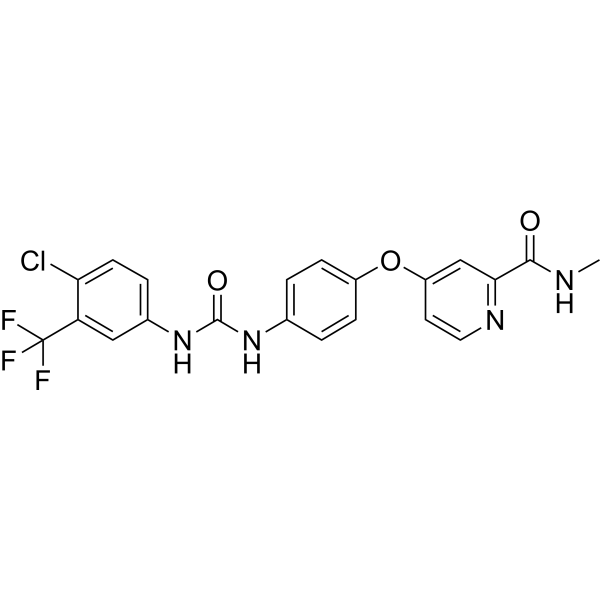
Sorafenib
Maximum Cited Publications
283 Publications Verification
Bay 43-9006
|
Raf
VEGFR
FLT3
Autophagy
Apoptosis
STAT
Akt
MMP
Cadherin
p38 MAPK
ERK
MEK
PI3K
PARP
Bcl-2 Family
|
Infection
Neurological Disease
Metabolic Disease
Inflammation/Immunology
Cancer
|
|
Sorafenib (Bay 43-9006) is a potent oral active multikinase inhibitor. Sorafenib blocks autophosphorylation and activity of receptor tyrosine kinases (VEGFR-2, VEGFR-3) and RAF family kinases, thereby suppressing the RAF/MEK/ERK and PI3K/Akt pathways, inhibiting STAT3 phosphorylation, and selectively inhibiting the MAPK pathway in cancer cells. Sorafenib induces cell cycle arrest, autophagy, apoptosis, and PARP cleavage, reduces Bcl-2, Bcl-XL, cyclin D1 levels, and activates Bak and Bax. Sorafenib inhibits tumor growth and metastasis in mouse and rat models. Sorafenib can be used for cancer research, such as colon, breast, non-small-cell lung cancer (NSCLC), ovarian, pancreatic, melanoma, colorectal and hepatocellular carcinoma .
|
-
-
- HY-10201A
-
|
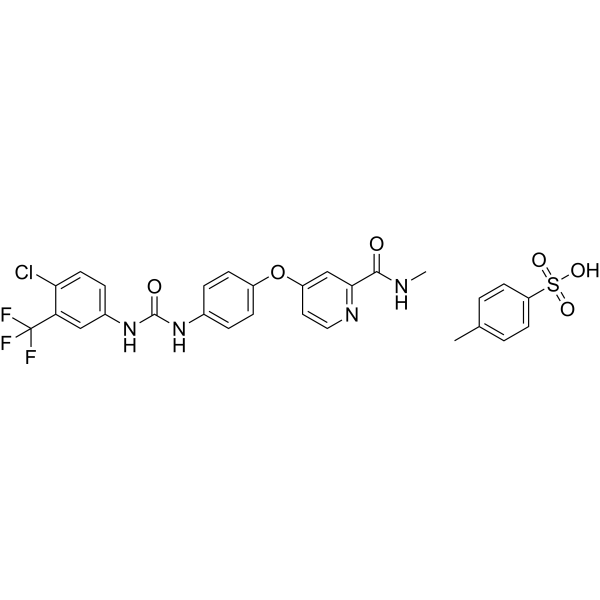
Bay 43-9006 tosylate
|
Raf
VEGFR
FLT3
Autophagy
Apoptosis
STAT
Akt
MMP
Cadherin
p38 MAPK
ERK
MEK
PI3K
PARP
Bcl-2 Family
|
Infection
Neurological Disease
Metabolic Disease
Inflammation/Immunology
Cancer
|
|
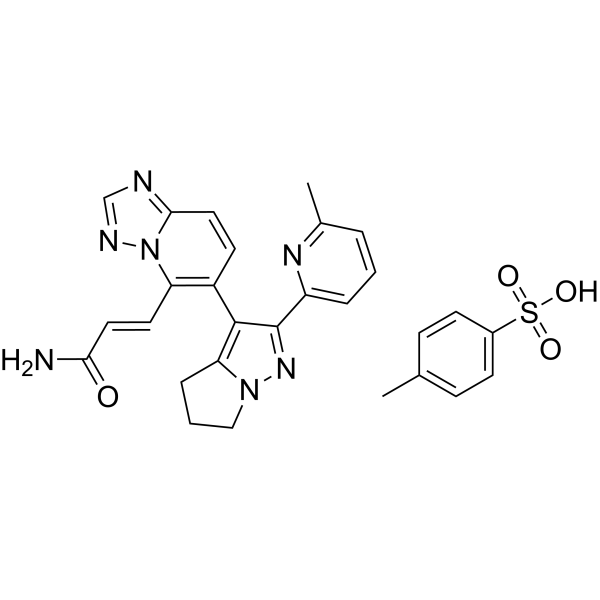
Sorafenib (Bay 43-9006) tosylate is a potent oral active multikinase inhibitor. Sorafenib blocks autophosphorylation and activity of receptor tyrosine kinases (VEGFR-2, VEGFR-3) and RAF family kinases, thereby suppressing the RAF/MEK/ERK and PI3K/Akt pathways, inhibiting STAT3 phosphorylation, and selectively inhibiting the MAPK pathway in cancer cells. Sorafenib tosylate induces cell cycle arrest, autophagy, apoptosis, and PARP cleavage, reduces Bcl-2, Bcl-XL, cyclin D1 levels, and activates Bak and Bax. Sorafenib tosylate inhibits tumor growth and metastasis in mouse and rat models. Sorafenib tosylate can be used for cancer research, such as colon, breast, non-small-cell lung cancer (NSCLC), ovarian, pancreatic, melanoma, colorectal and hepatocellular carcinoma .
|
-
-
- HY-148807
-
|
QC8222 free base; TACH 101 free base
|
Histone Demethylase
Apoptosis
|
Cancer
|
|
Zavondemstat (QC8222 free base; TACH 101 free base) is an orally active pan-KDM4 inhibitor, with a IC50 ≤ 0.08 μM against human KDM4A-D and a Kᵢ of 0.52 μM against human KDM4C. Zavondemstat induces cell apoptosis, causes S-phase cell cycle arrest, reduces the population of tumor-initiating cells and inhibits cancer cell proliferation. Zavondemstat suppresses tumor growth and induces tumor regression in mouse xenograft models. Zavondemstat can be used for the research of various cancers including colorectal cancer, esophageal squamous cell carcinoma and triple-negative breast cancer .
|
-
-
- HY-119024
-
|
|
SHP1
STAT
|
Cancer
|
|
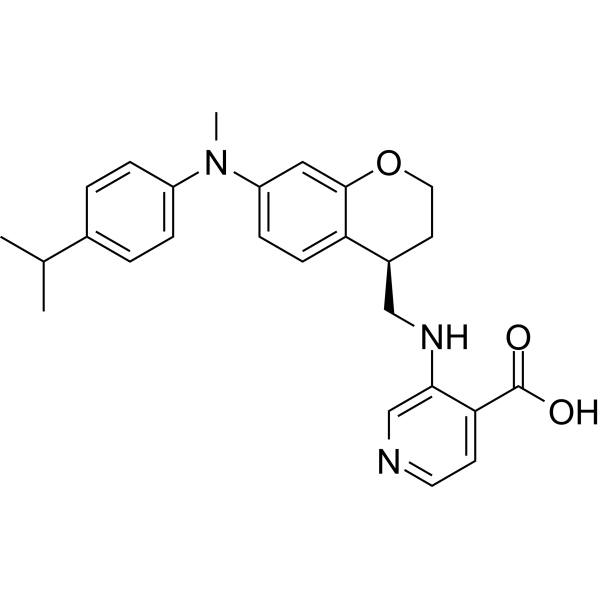
BCI-137 is a Argonaute 2 (AGO2) inhibitor. By inhibiting AGO2 function, reducing PTPN6/SHP-1 protein levels and enhancing STAT1 phosphorylation, BCI-137 restores the sensitivity of tumor cells to IFN-γ. BCI-137 effectively enhances the recruitment, activation and cytotoxicity of CD8 + T cells. BCI-137 exerts a synergistic effect with anti-PD-1 antibodies and significantly reduces tumor volume in preclinical mouse models. BCI-137 exhibits favorable safety profiles and does not cause significant weight loss or death in mice. BCI-137 can be used in research related to bladder cancer, colorectal cancer, melanoma and other related fields .
|
-
-
- HY-176763
-
|
|
Sec61
|
Cancer
|
|
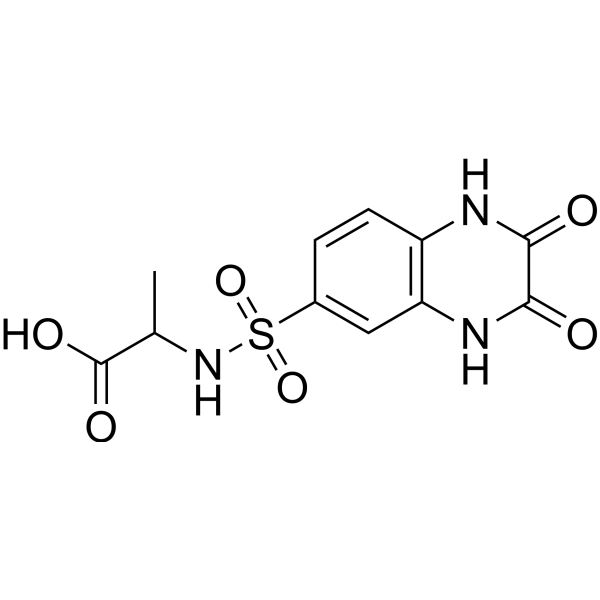
KZR-261 is a Sec61 translocase inhibitor. KZR-261 binds directly to the Sec61 channel, thereby inhibiting the biosynthesis of certain Sec61 substrate proteins, including oncogenic factors. KZR-261 activates the endoplasmic reticulum stress response. KZR-261 exhibits broad in vitro anticancer activity. KZR-261 shows antitumor efficacy in mouse models of cancer. KZR-261 can be used for the research of multiple myeloma, colorectal cancer, small cell lung cancer, pancreatic cancer, prostate cancer, non-Hodgkin's lymphoma, and mantle cell lymphoma .
|
-

-
- HY-160215
-
|
|
TGF-β Receptor
p38 MAPK
TGF-beta/Smad
Interleukin Related
|
Cancer
|
|
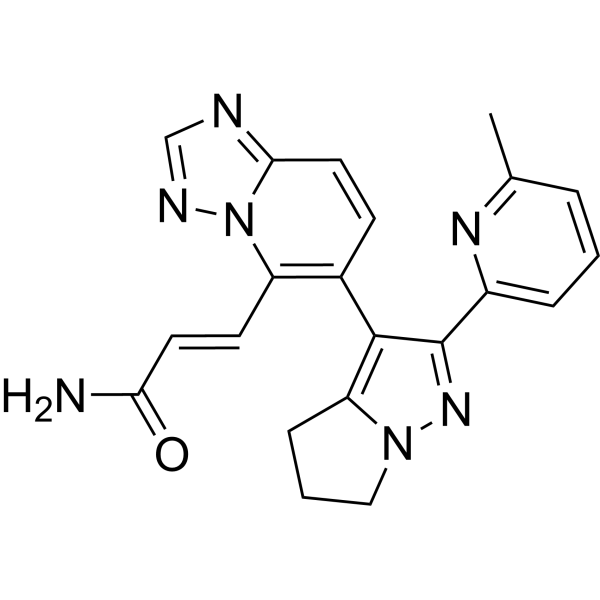
GFH018 is an orally active, selective and ATP-competitive TGF-βR1 inhibitor with an IC50 of 40 nM. GFH018 reactivates the immune system by blocking the immunosuppression mediated by regulatory T cells and M2 macrophages. GFH018 inhibits tumor angiogenesis. GFH018 suppresses tumor growth in mouse tumor models. GFH018 can be used for the research of solid tumors, hepatocellular carcinoma, colorectal cancer, breast cancer, and relapsed/metastatic nasopharyngeal carcinoma .
|
-
-
- HY-172209
-
|
|
p38 MAPK
Apoptosis
Reactive Oxygen Species (ROS)
Caspase
Bcl-2 Family
|
Cancer
|
|
PPIA-IN-1 is a PPIA inhibitor with a Kd value of 0.52 μM. PPIA-IN-1 inhibits the PPIA/MAPK signaling pathway to exert antiproliferative activity. PPIA-IN-1 induces G0/G1 cell cycle arrest in cancer cells. PPIA-IN-1 upregulates the expression of Bax and caspase-3, downregulates Bcl-2 expression, and induces apoptosis in cancer cells. PPIA-IN-1 induces increased ROS levels, DNA damage, endoplasmic reticulum stress, and mitochondrial dysfunction in cancer cells. PPIA-IN-1 exhibits antitumor activity in a mouse colon cancer xenograft model. PPIA-IN-1 can be used for the research of colorectal cancer .
|
-

-
- HY-162275
-
|
|
Histone Demethylase
Histone Methyltransferase
STAT
|
Cancer
|
|
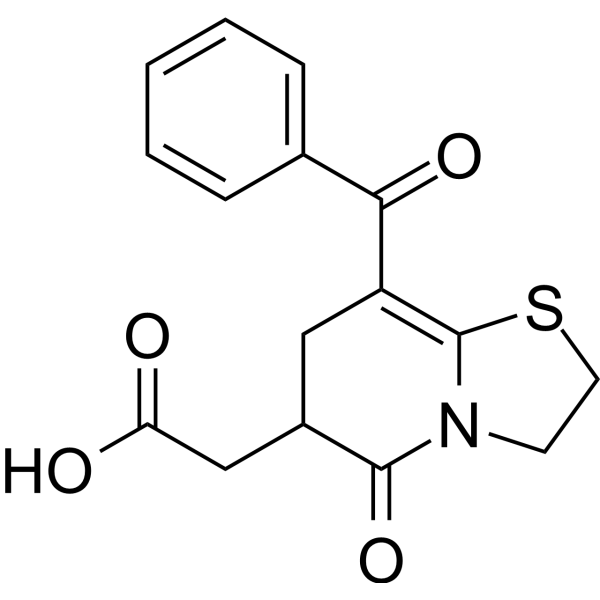
JMJD1C-IN-1 is an orally active and selective inhibitor of JMJD1C (IC50 = 0.59 μM, Kd = 1.96 μM). JMJD1C-IN-1 inhibits the binding of JMJD1C to H3K9me2 peptide substrate in the HTRF assay (IC50 = 1.47 μM). JMJD1C-IN-1 disrupts intratumoral regulatory T (Treg) cell fitness by dual mechanisms: promoting H3K9me2 accumulation to downregulate PD1 expression and reducing STAT3 demethylation to enhance STAT3 activation. JMJD1C-IN-1 demonstrates dose-dependent antitumor efficacy in multiple mouse tumor models (MCA205 fibrosarcoma, B16-F10 melanoma, LLC lung cancer, Hepa1-6 hepatocellular carcinoma, CT26 colorectal cancer). JMJD1C-IN-1 can be used for the study of tumor immunotherapy by selectively targeting intratumoral Treg cells .
|
-
-
- HY-110390
-
|
|
Carboxylesterase (CES)
Free Fatty Acid Receptor
Reactive Oxygen Species (ROS)
Mitochondrial Metabolism
Ferroptosis
Apoptosis
|
Cardiovascular Disease
Cancer
|
|
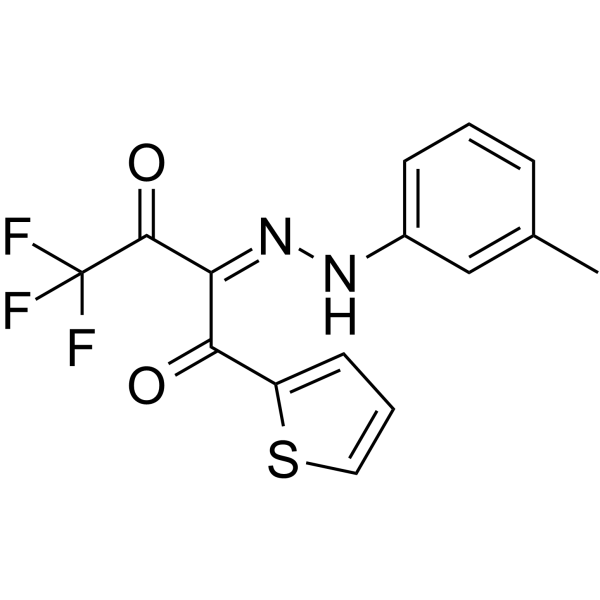
GR148672X is an inhibitor of carboxylesterase 1 (CES1) and hepatic microsomal triglyceride hydrolase (TGH). GR148672X blocks the catalytic activity of CES1, impairs the functions of triglyceride and cholesteryl ester lipase, reduces triglyceride mobilization and secretion, and decreases apolipoprotein B-100 secretion in primary rat hepatocytes. Under low-glucose conditions, GR148672X inhibits the survival of colorectal cancer cells by reducing free fatty acid availability, inducing toxic triglyceride accumulation, ROS production, mitochondrial damage, ferroptosis and apoptosis. GR148672X can be used in studies related to colorectal cancer and atherosclerosis .
|
-
-
- HY-N2445
-
|
|
Apoptosis
Akt
JNK
PERK
Caspase
PARP
MDM-2/p53
IAP
Reactive Oxygen Species (ROS)
SOD
FABP
Autophagy
AMPK
mTOR
GLUT
EGFR
PI3K
HSP
VEGFR
FAK
|
Cancer
|
|
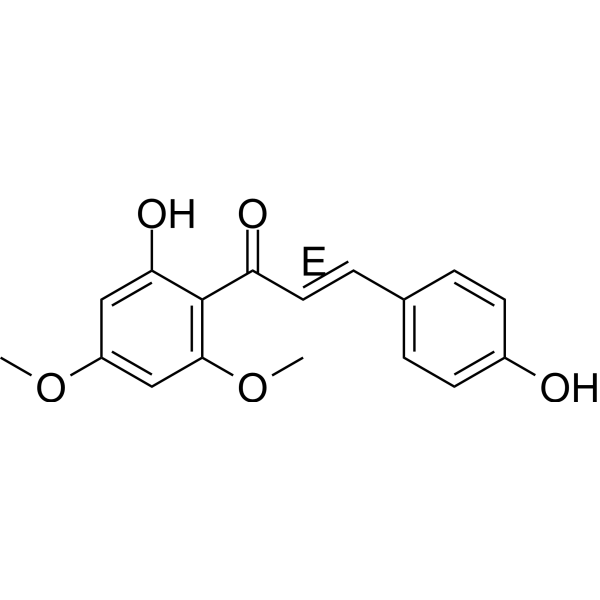
Flavokawain C is an orally active natural chalcone. Flavokawain C inhibits the proliferation of various cancer cells. Flavokawain C upregulates GADD153 in cancer cells, inhibits the phosphorylation of Akt and JNK, suppresses early ERK phosphorylation, activates late ERK phosphorylation, activates caspase related subtypes, induces PARP-1 cleavage, causes upregulation of p21 and p27, downregulation of mutant p53 and anti-apoptotic IAP proteins, elevates intracellular ROS levels, reduces SOD activity, and induces apoptosis. Flavokawain C downregulates FABP4, induces autophagy in cancer cells, and activates the AMPK/mTOR pathway . Flavokawain C decreases the expression of glycolysis-related proteins GLUT1 and HK2, and inhibits glycolysis in nasopharyngeal carcinoma cells. Flavokawain C inhibits the activation of the EGFR/PI3K/Akt/mTOR signaling pathway and reduces the expression of HSP90B1. Flavokawain C inhibits angiogenesis by decreasing the expression of angiogenic proteins Ang-1 and VEGF in human umbilical vein endothelial cells. Flavokawain C increases γ-H2AX levels in cells, inhibits the phosphorylation of FAK, PI3K and AKT in cells, and induces DNA damage in cells. Flavokawain C exerts anti-tumor activity in multiple tumor xenograft mouse models. Flavokawain C is applicable to research related to colorectal cancer, colon adenocarcinoma, nephroblastoma, nasopharyngeal carcinoma and liver cancer .
|
-
-
- HY-159838
-
|
EI‐1071
|
c-Fms
Amyloid-β
|
Neurological Disease
Cancer
|
|
Enrupatinib (EI‐1071) is a potent, orally active, CNS-penetrant and selective CSF1R inhibitor. Enrupatinib inhibits macrophage proliferation and osteoclast differentiation in vitro. Enrupatinib preserves microglia distal to Aβ plaques. Enrupatinib mitigates Alzheimer's disease (AD)-related pathologies by reducing neuroinflammation, preserving neuronal integrity, lowering disease-associated microglia gene expression, and enhancing cognitive function in 5xFAD and J20 mouse models. Enrupatinib reduces tumor-associated macrophage infiltration and enhances antitumor activity of anti-PD-1 antibody in murine colorectal cancer and breast cancer models. Enrupatinib can be used for the research of AD, colorectal cancer, and breast cancer .
|
-

-
- HY-P991336
-
|
INBRX-106; ES-102
|
Orexin Receptor (OX Receptor)
|
Inflammation/Immunology
Cancer
|
|
Ordastobart (INBRX-106; ES-102) is a hexavalent OX40 agonist antibody. Ordastobart enhances OX40 receptor clustering, signaling, and downstream activation, thereby increasing the proliferation and activation of CD4 + and CD8 + T cells in vitro and in vivo. Ordastobart exhibits anti-tumor effects and improves survival in mouse models of cancer. Ordastobart is indicated for research in cancers such as fibrosarcoma and colorectal cancer .
|
-

-
- HY-P6292
-
|
|
PACAP Receptor
PKA
ERK
PI3K
Akt
GSK-3
|
Neurological Disease
Cancer
|
|
KS-133 is a bicyclic peptide with VIPR2 antagonistic activity that can cross the blood-brain barrier. KS-133 selectively blocks VIPR2-mediated Gq/Ca, Gs/cAMP, cAMP/PKA/ERK and PI3K/AKT/GSK3β signaling pathways. KS-133 inhibits VIPR2 agonist-induced CREB phosphorylation in the prefrontal cortex of mice. KS-133 shifts the polarization direction of macrophages toward M1. KS-133 attenuates cancer cell proliferation and reduces the cell cycle distribution level at the S-M phase. KS-133 exerts antitumor effects in a mouse model of colorectal cancer. KS-133 reverses cognitive decline in mouse models of psychiatric disorders. KS-133 can be used for research related to schizophrenia, colorectal cancer and breast cancer .
|
-

-
- HY-143904
-
|
|
PROTACs
Mps1
|
Cancer
|
|
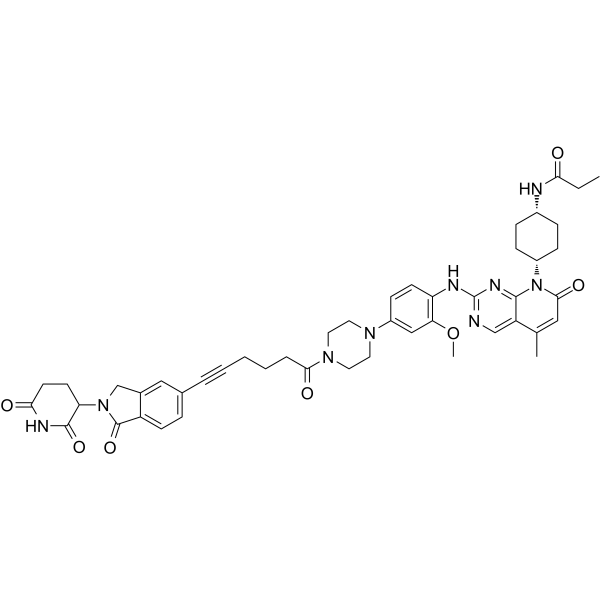
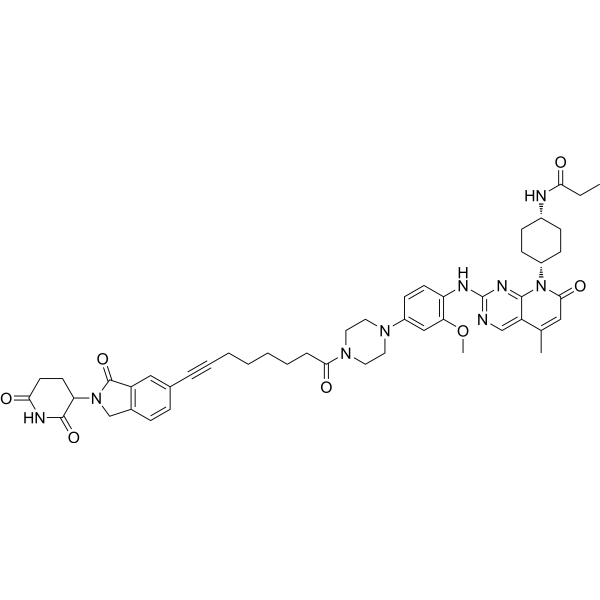
PROTAC TTK degrader-1 is a potent TTK (threonine tyrosine kinase) PROTAC degrader, with DC50 values of 1.7 and 5.8 nM in COLO-205 and HCT-116 cell, respectively. PROTAC TTK degrader-1 exhibits target degradation and anticancer efficacy in a xenograft mouse model of COLO-205 human colorectal cancer cells .
|
-
-
- HY-176798
-
|
|
Lactate Dehydrogenase
Reactive Oxygen Species (ROS)
Apoptosis
|
Cancer
|
|
NCI-006 is an orally active lactate dehydrogenase (LDH) inhibitor (LDHA IC50 = 0.06 μM; LDHB IC50 = 0.03 μM). NCI-006 inhibits intratumoral LDH activity, lactate production, and tumor growth in a mouse pancreatic cancer model. NCI-006 inhibits glycolysis and induces apoptosis in vitro. NCI-006 enhances the radiosensitivity of glycolytic tumor cell lines while sparing non-glycolytic/normal cells (1522, skin fibroblasts) in combination with ionizing radiation (IR). NCI-006 exhibits synergistic antitumor effects in combination with IACS-010759 (HY-112037) against colorectal and gastric cancers. NCI-006 targets glycolysis by inhibiting lactate dehydrogenase impairs tumor growth in an Ewing sarcoma model .
|
-

-
- HY-169779
-
|
|
p62
|
Cancer
|
|
PTX80 is an antagonist of p62 with an IC50 value of 31.18 nM. PTX80 reduces tumor volume in an HCT116 colorectal cancer mouse xenograft model .
|
-

-
- HY-N13009
-
|
|
Raf
HIF/HIF Prolyl-Hydroxylase
ERK
MEK
Reactive Oxygen Species (ROS)
Apoptosis
Caspase
|
Cancer
|
|
MO-2097 is a RAF-1/HIF-1α inhibitor. MO-2097 induces RAF-1 destabilization, leading to a reduction in
EMT-associated transcription factors and mesenchymal markers. MO-2097 inhibits HIF-1a protein expression mediated by hnRNPA2B1 under hypoxic and mimetic hypoxia. MO-2097 induces mitochondrial ROS, which leads to apoptosis in cells. MO-2097 effectively suppresses colorectal cancer metastasis by inhibiting the RAF/MEK/ERK signaling pathway. MO-2097 attenuates tumor growth in a xenograft HCT116 cell mouse model. MO-2097 can be used for the study of colorectal cancer .
|
-

-
- HY-W613220
-
-

-
- HY-148918
-
|
|
β-catenin
Wnt
Bcl-2 Family
|
Inflammation/Immunology
Cancer
|
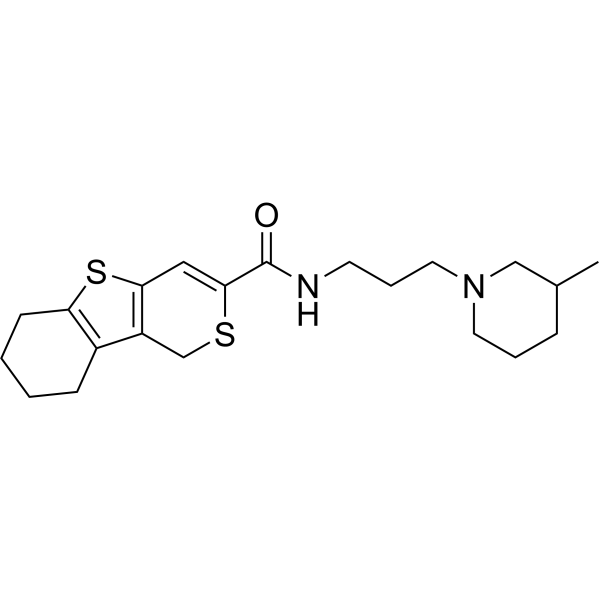
E722-2648 is an inhibitor targeting the BCL9 and β-catenin complex with antitumor activity. E722-2648 blocks complex formation by disrupting the interaction between the two proteins, thereby inhibiting β-catenin-mediated transcriptional activity and downregulating the expression of WNT target genes. E722-2648 effectively inhibits tumor growth in colon cancer xenograft models and colorectal cancer mouse models. E722-2648 can be used for the research of colon cancer and colorectal cancer .
|
-
-
- HY-176869
-
|
|
Drug Derivative
|
Cancer
|
|
EMC-AANL-DOX is a legumain-activated prodrug conjugate of Doxorubicin (DOX) (HY-15142A). EMC-AANL-DOX shows antitumor activity in mouse models of neuroblastoma (NB), breast cancer (4T1), fibrosarcoma (HT1080), and colorectal cancer liver metastases (CT26). EMC-AANL-DOX can be used for cancer research .
|
-

-
- HY-P991646
-
|
heMab
|
Transmembrane Glycoprotein
|
Cancer
|
|
ING-1 (heMab) is a high-affinity humanized monoclonal antibody against epithelial cell adhesion molecule (Ep-CAM). ING-1 is a transmembrane glycoprotein mediating Ca 2+. ING-1 binds to Ep-CAM on tumor cells and exhibits potent in vitro activity, targeting and inhibiting tumor growth and metastasis in mouse cancer models. ING-1 is useful in the research of breast, colorectal, and lung cancers, among other cancers .
|
-

-
- HY-139901
-
|
|
Checkpoint Kinase (Chk)
|
Cancer
|
|
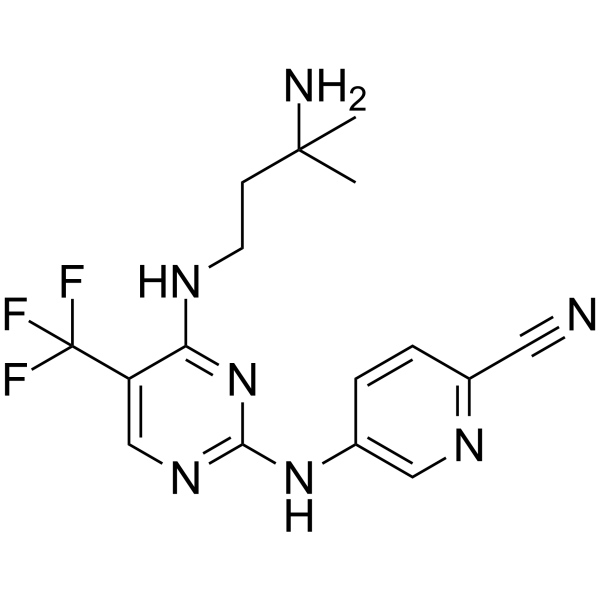
Chk1-IN-6 is a selective and orally active Chk1 inhibitor with an IC50 of 16.1 nM. Chk1-IN-6 shows antiproliferative activity of MV-4-11 cells. Chk1-IN-6 exerts effective response in the MV-4-11 xenograft mouse model. Chk1-IN-6 exhibits synergistic anticancer effect with Gemcitabine (HY-17026). Chk1-IN-6 can be used in the research of cancers such as acute myeloid leukemia and colorectal adenocarcinoma .
|
-
-
- HY-150636
-
|
|
Autophagy
Apoptosis
|
Cancer
|
|
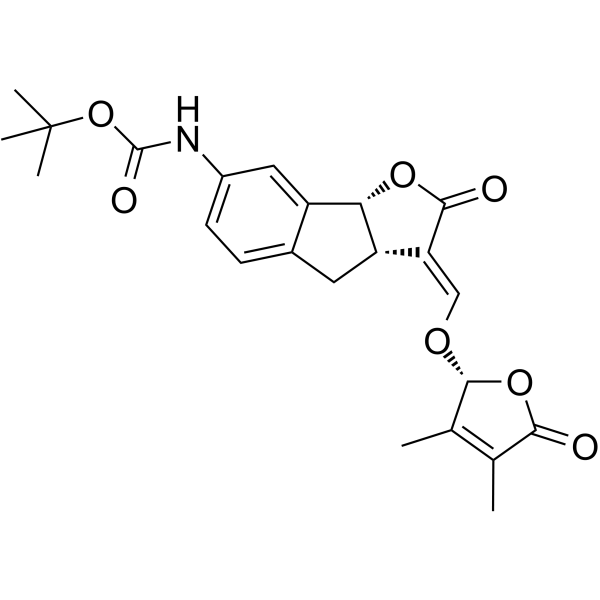
Autophagy-IN-1 is a potent autophagy/mitophagy inhibitor, acts by selectively increasing the autophagic flux while blocking the autophagosome-lysosome fusion in cancer cells. Autophagy-IN-1 can induce apoptosis and cell cycle arrest. Autophagy-IN-1 significantly inhibits tumor growth in an HCT116 xenograft mouse model and with low toxicity. Autophagy-IN-1 can be used for researching colorectal cancer .
|
-
-
- HY-148918A
-
|
|
β-catenin
Wnt
Bcl-2 Family
|
Cancer
|
E722-2648 TFA is an inhibitor targeting the BCL9 and β-catenin complex with antitumor activity. E722-2648 TFA blocks complex formation by disrupting the interaction between the two proteins, thereby inhibiting β-catenin-mediated transcriptional activity and downregulating the expression of WNT target genes. E722-2648 TFA effectively inhibits tumor growth in colon cancer xenograft models and colorectal cancer mouse models. E722-2648 TFA can be used for the research of colon cancer and colorectal cancer .
|
-

-
- HY-178960
-
|
|
Microtubule/Tubulin
Apoptosis
|
Cancer
|
|
Tubulin-IN-59 (Compound 8g) is an orally active Tubulin inhibitor. Tubulin-IN-59 exhibits potent anti-proliferative activity against HCT116 colorectal cancer, HeLa cervical cancer, and HepG2 liver cancer cell lines, with its IC₅₀ value ranging from 16 to 35 nM. Tubulin-IN-59 arrests HeLa cells in the G2/M phase and induces cell apoptosis. Tubulin-IN-59 demonstrates significant anti-tumor activity in the HT29 human colon cancer mouse xenograft model. Tubulin-IN-59 can be used for the study of colorectal cancer and cervical cancer .
|
-

-
- HY-160215A
-
|
|
TGF-β Receptor
p38 MAPK
TGF-beta/Smad
Interleukin Related
|
Cancer
|
|
GFH018 is an orally active, selective and ATP-competitive TGF-βR1 inhibitor with an IC50 of 40 nM. GFH018 reactivates the immune system by blocking the immunosuppression mediated by regulatory T cells and M2 macrophages. GFH018 inhibits tumor angiogenesis. GFH018 suppresses tumor growth in mouse tumor models. GFH018 can be used for the research of solid tumors, hepatocellular carcinoma, colorectal cancer, breast cancer, and relapsed/metastatic nasopharyngeal carcinoma .
|
-
-
- HY-143905
-
|
|
PROTACs
Mps1
|
Cancer
|
|
PROTAC TTK degrader-2 is a potent TTK (threonine tyrosine kinase) PROTAC degrader, with DC50 values of 3.1 and 12.4 nM in COLO-205 and HCT-116 cell, respectively. PROTAC TTK degrader-2 exhibits target degradation and anticancer efficacy in a xenograft mouse model of COLO-205 human colorectal cancer cells .
|
-
-
- HY-148807A
-
|
QC8222; TACH 101
|
Apoptosis
Histone Demethylase
|
Cancer
|
|
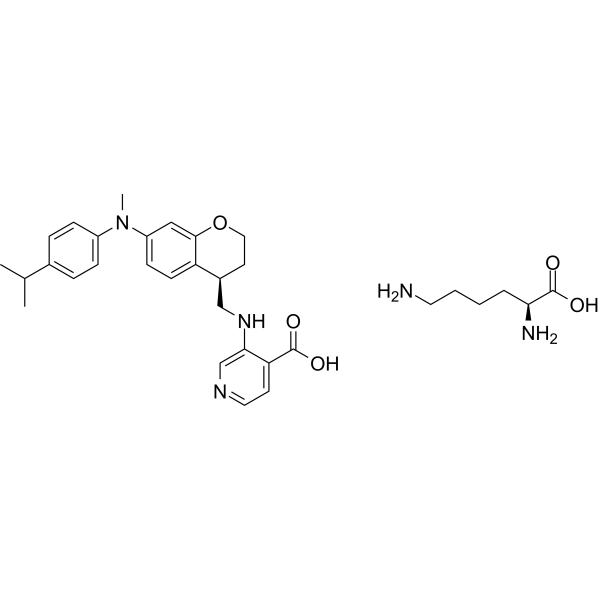
Zavondemstat (QC8222; TACH 101) L-lysine is an orally active pan-KDM4 inhibitor, with a IC50 ≤ 0.08 μM against human KDM4A-D and a Kᵢ of 0.52 μM against human KDM4C. Zavondemstat L-lysine induces cell apoptosis, causes S-phase cell cycle arrest, reduces the population of tumor-initiating cells and inhibits cancer cell proliferation. Zavondemstat L-lysine suppresses tumor growth and induces tumor regression in mouse xenograft models. Zavondemstat L-lysine can be used for the research of various cancers including colorectal cancer, esophageal squamous cell carcinoma and triple-negative breast cancer .
|
-
-
- HY-W877997
-
|
|
E3 Ligase Ligand-Linker Conjugates
Drug Derivative
|
Cancer
|
|
Pomalidomide 5'-pip-acid is an E3 ligase ligand-linker conjugate derived from the molecular glue Pomalidomide (HY-10984), which can be used to synthesize the dual-target PROTAC degrader PROTAC CBP/p300/BRD4 Degrader-1 (HY-181758) targeting CBP/p300 and BRD4. Pomalidomide 5'-pip-acid shows anti-proliferative activity against cancer cells with an IC50 of 2.73 nM. Pomalidomide 5'-pip-acid induces anti-proliferative effects in cancer cells. Pomalidomide 5'-pip-acid is applicable to research related to prostate cancer and colorectal cancer .
|
-

-
- HY-10834
-
|
|
β-catenin
|
Cancer
|
|
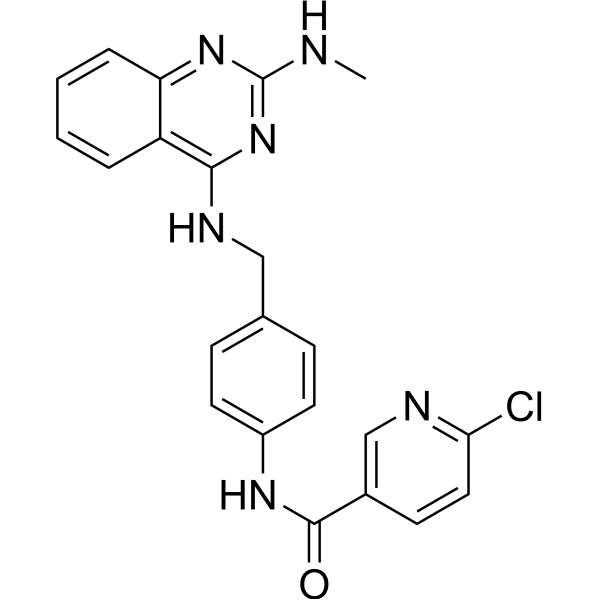
β-catenin-IN-6 is a β-catenin inhibitor, targeting to canonical Wingless-related integration site signaling pathway. β-catenin-IN-6 inhibits human colorectal cancer cells proliferation, as well as in a β-catenin/RK3E mouse model .
|
-
-
- HY-148807C
-
|
QC8222 sodium; TACH 101 sodium
|
Apoptosis
Histone Demethylase
|
Cancer
|
|
Zavondemstat (QC8222; TACH 101) sodium is an orally active pan-KDM4 inhibitor, with a IC50 ≤ 0.08 μM against human KDM4A-D and a Kᵢ of 0.52 μM against human KDM4C. Zavondemstat sodium induces cell apoptosis, causes S-phase cell cycle arrest, reduces the population of tumor-initiating cells and inhibits cancer cell proliferation. Zavondemstat sodium suppresses tumor growth and induces tumor regression in mouse xenograft models. Zavondemstat sodium can be used for the research of various cancers including colorectal cancer, esophageal squamous cell carcinoma and triple-negative breast cancer .
|
-

-
- HY-170594
-
|
|
Atg7
Autophagy
|
Cancer
|
|
Antitumor agent-192 (Compound 2f) is a β-carboline antitumor agent. Antitumor agent-192 induces autophagy in HCT116 cells via the ATG5/ATG7 pathway. Antitumor agent-192 has an IC50 of less than 5 μM for human tumor cell lines and significantly inhibits tumor development and reduces tumor weight in a mouse colorectal cancer model transplanted with allografts [1].
|
-

-
- HY-P10914
-
|
|
MDM-2/p53
Autophagy
|
Inflammation/Immunology
Cancer
|
|
D-CopA3 is the inhibitor for MDM2 and the activator for p53 signaling pathway. D-CopA3 exhibits cytotoxicity in colorectal cancer cells HCT-116, LoVo, and RKO (IC50=15-18 μM), induces JNK/Beclin-1 mediated autophagy. D-CopA3 downregulates the expression of cell cycle inhibitory protein p21Cip1/Waf1, enhances the mucosal barrier function and reduces penetration of inflammatory mediators. D-CopA3 exhibits anti-inflammtory activity in mouse C. difficile toxin A-induced acute enteritis models and DSS (HY-116282)-induced chronic colitis models. D-CopA3 exhibits antitumor efficacy in mouse HCT-116 xenograft models .
|
-

-
- HY-162873
-
|
|
MEK
Raf
|
Cancer
|
|
MEK/RAF-IN-1 (Compound 16b) is an inhibitor of both MEK and RAF. It shows potent inhibition with IC50 values of 28 nM for MEK1, and 3 nM each for BRAF and BRAFV600E. MEK/RAF-IN-1 demonstrates significant antitumor activity, effectively inhibiting cell proliferation in vitro against MIA PaCa-2 (G12C KRAS), HCT116 (G13D KRAS), and C26 (G12D KRAS) cells. Additionally, it inhibits tumor growth in xenograft mouse models of colorectal cancer .
|
-

-
- HY-169938
-
|
|
HDAC
Histone Demethylase
Apoptosis
|
Cancer
|
|
LSD1/HDAC-IN-2 (Compound 20c) is the inhibitor for LSD and HDAC, that inhibits LSD1, HDAC1, HDAC2, HDAC3, HDAC6, and HDAC8, with IC50s of 39.0, 1.4, 1.0, 1.3, 2.9 and 16.0 nM, respectively. LSD1/HDAC-IN-2 inhibits the proliferation of cancer cells, especially the colorectal cancer cells. LSD1/HDAC-IN-2 arrests the cell cycle at G2/M phase, inhibits cell migration, and induces apoptosis in HCT-116 and HT-29 cells. LSD1/HDAC-IN-2 exhibits antitumor efficacy in mouse model without significant toxicity .
|
-

-
- HY-175547
-
|
|
PROTACs
MAP4K
ERK
Interleukin Related
IFNAR
|
Inflammation/Immunology
Cancer
|
|
PROTAC HPK1 Degrader-5 is a potent and orally active HPK1 PROTAC degrader (DC50 = 5.0 nM; Dmax ≥ 99%). PROTAC HPK1 Degrader-5 significantly inhibits SLP76 phosphorylation and enhanced ERK pathway activation through degrading HPK1, thereby stimulating IL-2 and IFN-γ release. PROTAC HPK1 Degrader-5 exhibits the ability to overcome the immunosuppressive effects imposed by PGE2, NECA or TGF-β. PROTAC HPK1 Degrader-5 alone efficaciously inhibits tumor growth in an MC38 syngeneic mouse model. PROTAC HPK1 Degrader-5 can be used for the study of tumor (such as colorectal cancer) immunotherapy (Pink: Target protein ligand (HY-175549); Blue: E3 ligand (HY-W023573); Black: Linker; E3 ligand + Linker (HY-175551)) .
|
-

-
- HY-P11756
-
|
|
ASCT
|
Cancer
|
|
P-LPK is a dodecapeptide that specifically targets SLC1A5, which is highly expressed on the membrane of colorectal cancer cells, with a Kd value of 1.19 μM. P-LPK has no intrinsic cell proliferation regulatory activity. Gallium-68-labeled P-LPK selectively accumulates at colorectal cancer tumor sites in xenograft mouse models. P-LPK can serve as a targeted carrier to deliver Camptothecin (HY-16560) to colorectal cancer cells, forming the conjugate P-LPK-CPT. P-LPK can be used in the research of colorectal cancer .
|
-

-
- HY-181562
-
|
|
DNA/RNA Synthesis
|
Cancer
|
|
WRN-IN-24 is an orally active allosteric covalent Werner syndrome helicase (WRN) inhibitor with an IC50 of 201 nM. WRN-IN-24 binds to a novel allosteric cavity, forms an additional hydrogen bond with K894, and functionally inhibits WRN activity. WRN-IN-24 inhibits colorectal cancer cells proliferation and exerts dose-dependent antitumor activity in xenograft mouse models. WRN-IN-24 can be used for the research of microsatellite instability-high cancers, including colorectal cancer .
|
-

-
- HY-182567
-
|
|
NAMPT
|
Cancer
|
|
Nampt-IN-19 is an orally active and non-substrate nicotinamide phosphoribosyltransferase (NAMPT) inhibitor with a human Ki of 5.6 nM. Nampt-IN-19 blocks NAD + biosynthesis from Nicotinamide (HY-B0150). Nampt-IN-19 acts as an antiproliferative agent in cancer cells. Nampt-IN-19 has preclinical pharmacokinetic properties supporting oral antitumor activity in mouse xenograft models. Nampt-IN-19 can be used for the research of colorectal cancer .
|
-

-
- HY-182238
-
|
|
MAP4K
Interleukin Related
|
Cancer
|
|
HPK1-IN-69 is an orally active HPK1 inhibitor with an IC50 of 1.7 nM. HPK1-IN-69 inhibits the HPK1-mediated TCR signaling pathway, reduces the phosphorylation level of SLP76, and promotes the release of IL-2. HPK1-IN-69 exhibits in vivo anti-tumor activity in mouse models. HPK1-IN-69 can be used for the research of colorectal cancer and MC38 syngeneic tumors .
|
-

-
- HY-182016
-
|
|
PROTACs
ATM/ATR
Checkpoint Kinase (Chk)
Apoptosis
DNA/RNA Synthesis
Caspase
Bcl-2 Family
MDM-2/p53
|
Cancer
|
|
PROTAC ATR degrader-3 is a potent CRBN-based ATR PROTAC degrader with a DC50 of 127 nM. PROTAC ATR degrader-3 also degrades CHK1 with an DC50 of 135 nM. PROTAC ATR degrader-3 inhibits cancer cells proliferation, migration and invasion, triggers apoptosis and induces S phase arrest and DNA damage. PROTAC ATR degrader-3 achieves tumor growth inhibition in LoVo xenograft mouse model without apparent toxicity. PROTAC ATR degrader-3 can be used for the research of colorectal cancer .
|
-

-
- HY-184118
-
|
|
GSK-3
STAT
|
Cancer
|
|
ADGRL1-IN-1 is a ADGRL1 inhibitor. ADGRL1-IN-1 activates the GSK3β-STAT1 signaling axis. ADGRL1-IN-1 induces anti-tumor immunity in a CT26 colorectal cancer mouse model. ADGRL1-IN-1 can be used in studies related to colorectal cancer .
|
-

-
- HY-165503
-
|
|
Wnt
β-catenin
|
Cancer
|
|
AZ1366 is an orally active tankyrase inhibitor. AZ1366 stabilizes Axin2, reduces NuMA levels, disrupts the interaction between tankyrase and NuMA, induces G2/M phase arrest, inhibits the Wnt pathway, and downregulates the expression of β-catenin-dependent genes. AZ1366 inhibits tumor growth in colorectal cancer xenograft models. AZ1366 synergistically inhibits the proliferation of non-small cell lung cancer cells, improves tumor control and significantly prolongs survival in orthotopic non-small cell lung cancer mouse models. AZ1366 is applicable to research related to colorectal cancer and non-small cell lung cancer .
|
-

-
- HY-183937A
-
|
|
PROTACs
Phosphatase
STAT
|
Cancer
|
|
PD-305 is a selective PTPN2 PROTAC degrader, with DC50 values of 0.25 nM and 5.11 nM against PTPN2 and PTPN1, respectively. PD-305 enhances IFN-γ-induced STAT1 phosphorylation, inhibits the proliferation of IFN-γ-stimulated colorectal cancer cells, promotes CD8 + T cell activation, enhances the tumor-killing activity of T cells, and suppresses tumor growth in mouse models. PD-305 can be used for the research of colorectal cancer .
|
-

-
- HY-181668
-
|
|
ULK
|
Cancer
|
|
ULK1-IN-4 (compound 12i) is a ULK1 inhibitor with an IC50 of 4.7 μM against human ULK1, and it exhibits selectivity for Aurora A/Aurora B kinases. ULK1-IN-4 forms a covalent bond with the thiol group of the Cys182 residue of ULK1, thereby inhibiting the kinase activity of ULK1. ULK1-IN-4 inhibits the growth of colorectal cancer cells and exerts tumor-suppressive activity in a mouse model of colorectal cancer .
|
-

-
- HY-181842
-
|
|
PARP
ERK
Apoptosis
|
Cancer
|
|
PARP1/ERK IN-1 is a dual PARP1/ERK inhibitor, with a PARP1 IC50 of 0.9 nM and an ERK2 IC50 of 1.8 nM. PARP1/ERK IN-1 inhibits proliferation and migration of various cancer cell lines, and induces apoptosis and DNA damage. PARP1/ERK IN-1 suppresses tumor growth in mouse models of colorectal cancer, and reduces the expression of Ki‑67, BRCA1 and Rad51. PARP1/ERK IN-1 can be used in the research of colorectal cancer, triple-negative breast cancer and pancreatic cancer .
|
-

-
- HY-181871
-
|
|
Trk Receptor
Akt
ERK
Apoptosis
|
Cancer
|
|
DZX19 (Compound C02) is an orally active, selective TRK inhibitor with a TRKA IC50 value of 1.32 nM, a TRKB IC50 of 2.28 nM, and a TRKC IC50 of 4.05 nM. DZX19 inhibits the kinase activities of wild-type TRKA, TRKA mutants (G595R, F589L, G667C), wild-type TRKB, and wild-type TRKC, and suppresses the phosphorylation of TRKA as well as its downstream AKT and ERK signaling pathways. DZX19 induces apoptosis. DZX19 inhibits tumor growth in a colorectal cancer xenograft mouse model. DZX19 is applicable for the research of colorectal cancer .
|
-

-
- HY-183328
-
|
|
MNK
Bcl-2 Family
|
Cancer
|
|
MNK1/2-IN-11 is a potent, selective and orally active MNK1/2 inhibitor with MNK1 IC50 of 1.2 nM, MNK2 IC50 of 1.3 nM. MNK1/2-IN-11 reduces eukaryotic translation initiation factor 4E phosphorylation, decreases Mcl-1 and Cyclin D1 expression. MNK1/2-IN-11 inhibits tumor growth in mouse CT26 colorectal tumor models. MNK1/2-IN-11 can be used for the research of colorectal cancer .
|
-

-
- HY-179374
-
|
|
Aurora Kinase
HDAC
Apoptosis
|
Cancer
|
|
Aurora kinase/HDAC-IN-1 is an orally active dual Aurora kinase and HDAC inhibitor that inhibits Aurora A (IC50 = 116 nM), Aurora B (IC50 = 225 nM), HDAC1 (IC50 = 164 nM), and HDAC2 (IC50 = 346 nM).Aurora kinase/HDAC-IN-1 promotes histone H3 acetylation, inhibits Aurora A phosphorylation and downstream signaling, and induces apoptosis via G2/M cell-cycle arrest. Aurora kinase/HDAC-IN-1 exhibits potent antiproliferative activity in colorectal cancer cells, with an IC50 value of 30.2 nM in HCT-116 cells.Aurora kinase/HDAC-IN-1 significantly suppresses tumor growth in an HCT-116 colorectal cancer xenograft mouse model .
|
-

-
- HY-183866
-
|
Maleimide-KGDEVD-doxorubicin
|
Peptide-Drug Conjugates (PDCs)
HSP
IFNAR
|
Cancer
|
|
MPD-1 (Maleimide-KGDEVD-doxorubicin) is a peptide drug conjugate (PDC). MPD-1 releases Doxorubicin (HY-15142) via radiation-activated caspase-3 cleavage, triggering a cytotoxic amplification cascade at the tumor site. MPD-1 enhances CD8 + T cell tumor infiltration, and activates antigen-presenting cells. MPD-1 enables dual-trigger payload release, amplifies cytotoxicity via in situ feedback, and selectively delivers payload to tumor microenvironments via enhanced albumin metabolism and macropinocytosis. MPD-1 exhibits antitumor efficacy in mouse colorectal cancer models. MPD-1 can be used for the research of colorectal cancer .
|
-

- HY-183674
-
|
|
Molecular Glues
MEK
Raf
PERK
Ras
p38 MAPK
Apoptosis
|
Cancer
|
|
MEK-IN-10 is an orally active pan-MEK/RAF non-degrading molecular glue with an IC50 of 782 nM against human MEK1. MEK-IN-10 blocks the phosphorylation of MEK and ERK, induces and stabilizes the MEK1-RAF complex, and disrupts the RAS-MAPK signaling pathway. MEK-IN-10 induces apoptosis in cancer cells and arrests cells at the G0/G1 phase. MEK-IN-10 induces tumor growth inhibition in mouse xenograft models. MEK-IN-10 can be used in the research of RAS-driven cancers, such as colorectal cancer and pancreatic cancer .
|
-

- HY-180885S
-
|
|
Ras
ERK
|
Cancer
|
|
KRAS G12D-IN-35 (example 7) is a potent and orally active KRAS G12D inhibitor. KRAS G12D-IN-35 suppresses p-ERK in AGS cells and potently inhibits the proliferation of various KRAS G12D-mutant cancer cell lines. KRAS G12D-IN-35 inhibits tumor growth in HPAC and GP2D mouse models. KRAS G12D-IN-35 can be used for cancer research, such as pancreatic and colorectal cancer .
|
-

- HY-10834R
-
|
|
Reference Standards
β-catenin
|
Cancer
|
|
β-catenin-IN-6 (Standard) is the analytical standard of β-catenin-IN-6 (HY-10834). This product is intended for research and analytical applications. β-catenin-IN-6 is a β-catenin inhibitor, targeting to canonical Wingless-related integration site signaling pathway. β-catenin-IN-6 inhibits human colorectal cancer cells proliferation, as well as in a β-catenin/RK3E mouse model .
|
-

- HY-181484
-
|
|
STING
IKK
IFNAR
Interleukin Related
CXCR
|
Cancer
|
|
STING agonist-50 is an orally active STING agonist with an IC50 of 3.457 μM. STING agonist-50 activates the STING signaling pathway and promotes the phosphorylation of downstream TBK1 and IRF3. STING agonist-50 induces the expression of IFN-β, CXCL10 and IL-6. STING agonist-50 inhibits tumor growth in syngeneic mouse models. STING agonist-50 can be used for the research of colorectal cancer .
|
-

- HY-N1255A
-
|
(-)-Scoulerine hydrochloride; Discretamine hydrochloride
|
Apoptosis
PI3K
Akt
mTOR
Adrenergic Receptor
GABA Receptor
Beta-secretase
Bcl-2 Family
|
Cancer
|
|
Scoulerine ((-)-Scoulerine; Discretamine) hydrochloride is a multi-target inhibitor with anti-tumor and antioxidant activities. Scoulerine hydrochloride mainly targets the PI3K/Akt/mTOR signaling axis and α1D-adrenergic receptor, disrupts microtubule structure, and induces cell cycle arrest and apoptosis. Scoulerine hydrochloride effectively inhibits mitochondrial dehydrogenase activity, targets GABA receptors and BACE1, and suppresses the proliferation, migration, invasion, epithelial-mesenchymal transition and stem cell properties of cancer cells. Scoulerine hydrochloride also exhibits multiple pharmacological activities including anti-Plasmodium falciparum, antibacterial, antiemetic and antitussive effects, and regulates endoplasmic reticulum stress and mitochondrial function (modulates Bax, Bcl-2 and cytochrome c). Scoulerine hydrochloride is applicable to research related to leukemia, ovarian cancer, and colorectal cancer .
|
-

- HY-182239
-
|
|
PD-1/PD-L1
|
Cancer
|
|
PDL1 degrader-3 (compound e24) is a DUBTAC-like PD-L1 degrader. PDL1 degrader-3 inhibits CSN5 enzymatic activity, increases PD-L1 ubiquitination, and induces PD-L1 degradation via the ubiquitin-proteasome pathway, reducing PD-L1 expression on tumor cell membranes. PDL1 degrader-3 blocks PD-1/PD-L1 interaction, activates the tumor immune microenvironment, enhances tumor-infiltrating T-cell immunity, and inhibits activation of immunosuppressive MDSCs and Tregs. PDL1 degrader-3 exerts antitumor effects in mouse tumor models. PDL1 degrader-3 can be used for the research of colorectal cancer, lung cancer .
|
-

- HY-182759
-
|
|
DNA Alkylator/Crosslinker
Topoisomerase
Caspase
Bcl-2 Family
Apoptosis
|
Cancer
|
|
MN33-47 is a multi-target anti-tumor compound with broad-spectrum anti-proliferative activity. MN33-47 relieves the inhibition of the mitochondrial apoptosis pathway by downregulating the anti-apoptotic protein Bcl-2, while activating caspase-3 and inhibiting Topoisomerase I activity, thereby promoting its degradation through the ubiquitin-proteasome and autophagy-lysosome pathways. MN33-47 can also induce DNA cross-linking and G2/M cell cycle arrest, inhibit cancer cell migration and activate the mitochondrial apoptosis pathway, thus exerting potent anti-tumor effects. MN33-47 can improve the water solubility of SN-38 (HY-13704), and exhibits dose-dependent tumor growth inhibition effects in CT26 tumor-bearing mouse models without obvious toxic and side effects. MN33-47 can be used in related studies on colorectal adenocarcinoma, cervical adenocarcinoma, hepatocellular carcinoma, alveolar basal epithelial adenocarcinoma, gastric cancer and colon cancer .
|
-

- HY-180200
-
|
|
Ras
ERK
|
Cancer
|
|
RNK08954 is an orally active KRASG12D inhibitor with a Kd of 0.0395 nM. RNK08954 selectively binds the inactive GDP-bound KRASG12D form, suppresses downstream KRAS-mediated signaling pathways p-ERK1/2 experssion. RNK08954 inhibits KRASG12D-mutant cell proliferation, induces G0-G1 cell cycle arrest, and inhibits tumor growth in mouse xenograft models. RNK08954 can be used for the research of non-small cell lung cancer, pancreatic ductal adenocarcinoma .
|
-

- HY-P992005
-
|
|
Transmembrane Glycoprotein
|
Cancer
|
|
DS-1055a is an anti-human GARP antibody. DS-1055a effectively depletes GARP-positive regulatory T cells in the tumor microenvironment, and activates effector T cells. DS-1055a exhibits antitumor activity and can be used for the research of cancer, such as colon cancer .
|
-

- HY-182802
-
|
|
Ferroptosis
Glutathione Peroxidase
Reactive Oxygen Species (ROS)
Mitochondrial Metabolism
|
Cancer
|
|
Ferroptosis inducer-15 is a ferroptosis inducer. Ferroptosis inducer-15 downregulates GPX4 expression, triggers lipid peroxidation via ROS accumulation, and disrupts mitochondrial membrane potential to drive ferroptosis. Ferroptosis inducer-15 increases splenic CD4 + T cell proportion, promotes CD8 + cytotoxic T cell tumor infiltration, and activates antitumor immune responses. Ferroptosis inducer-15 exerts antiproliferative activity against colorectal cancer cells and inhibits tumor growth in xenograft mice models without significant body weight loss. Ferroptosis inducer-15 can be used for the research of cancer, such as colorectal cancer .
|
-

| Cat. No. |
Product Name |
Target |
Research Area |
-
- HY-P6292
-
|
|
PACAP Receptor
PKA
ERK
PI3K
Akt
GSK-3
|
Neurological Disease
Cancer
|
|
KS-133 is a bicyclic peptide with VIPR2 antagonistic activity that can cross the blood-brain barrier. KS-133 selectively blocks VIPR2-mediated Gq/Ca, Gs/cAMP, cAMP/PKA/ERK and PI3K/AKT/GSK3β signaling pathways. KS-133 inhibits VIPR2 agonist-induced CREB phosphorylation in the prefrontal cortex of mice. KS-133 shifts the polarization direction of macrophages toward M1. KS-133 attenuates cancer cell proliferation and reduces the cell cycle distribution level at the S-M phase. KS-133 exerts antitumor effects in a mouse model of colorectal cancer. KS-133 reverses cognitive decline in mouse models of psychiatric disorders. KS-133 can be used for research related to schizophrenia, colorectal cancer and breast cancer .
|
-
- HY-P10914
-
|
|
MDM-2/p53
Autophagy
|
Inflammation/Immunology
Cancer
|
|
D-CopA3 is the inhibitor for MDM2 and the activator for p53 signaling pathway. D-CopA3 exhibits cytotoxicity in colorectal cancer cells HCT-116, LoVo, and RKO (IC50=15-18 μM), induces JNK/Beclin-1 mediated autophagy. D-CopA3 downregulates the expression of cell cycle inhibitory protein p21Cip1/Waf1, enhances the mucosal barrier function and reduces penetration of inflammatory mediators. D-CopA3 exhibits anti-inflammtory activity in mouse C. difficile toxin A-induced acute enteritis models and DSS (HY-116282)-induced chronic colitis models. D-CopA3 exhibits antitumor efficacy in mouse HCT-116 xenograft models .
|
-
- HY-P11756
-
|
|
ASCT
|
Cancer
|
|
P-LPK is a dodecapeptide that specifically targets SLC1A5, which is highly expressed on the membrane of colorectal cancer cells, with a Kd value of 1.19 μM. P-LPK has no intrinsic cell proliferation regulatory activity. Gallium-68-labeled P-LPK selectively accumulates at colorectal cancer tumor sites in xenograft mouse models. P-LPK can serve as a targeted carrier to deliver Camptothecin (HY-16560) to colorectal cancer cells, forming the conjugate P-LPK-CPT. P-LPK can be used in the research of colorectal cancer .
|
| Cat. No. |
Product Name |
Target |
Research Area |
Image |
-
- HY-P991336
-
|
INBRX-106; ES-102
|
Orexin Receptor (OX Receptor)
|
Inflammation/Immunology
Cancer
|
|
Ordastobart (INBRX-106; ES-102) is a hexavalent OX40 agonist antibody. Ordastobart enhances OX40 receptor clustering, signaling, and downstream activation, thereby increasing the proliferation and activation of CD4 + and CD8 + T cells in vitro and in vivo. Ordastobart exhibits anti-tumor effects and improves survival in mouse models of cancer. Ordastobart is indicated for research in cancers such as fibrosarcoma and colorectal cancer .
|
-

(5)
-
- HY-P991646
-
|
heMab
|
Transmembrane Glycoprotein
|
Cancer
|
|
ING-1 (heMab) is a high-affinity humanized monoclonal antibody against epithelial cell adhesion molecule (Ep-CAM). ING-1 is a transmembrane glycoprotein mediating Ca 2+. ING-1 binds to Ep-CAM on tumor cells and exhibits potent in vitro activity, targeting and inhibiting tumor growth and metastasis in mouse cancer models. ING-1 is useful in the research of breast, colorectal, and lung cancers, among other cancers .
|
-
(5)
-
- HY-P992005
-
|
|
Transmembrane Glycoprotein
|
Cancer
|
|
DS-1055a is an anti-human GARP antibody. DS-1055a effectively depletes GARP-positive regulatory T cells in the tumor microenvironment, and activates effector T cells. DS-1055a exhibits antitumor activity and can be used for the research of cancer, such as colon cancer .
|
-
(5)
| Cat. No. |
Product Name |
Category |
Target |
Chemical Structure |
-
- HY-N2445
-
|
|
Structural Classification
Classification of Application Fields
Piperaceae
Plants
Chalcones
Flavonoids
other families
Phenols
Polyphenols
Piper methysticum G.Forst.
Disease Research Fields
Source Classification
Cancer
|
Apoptosis
Akt
JNK
PERK
Caspase
PARP
MDM-2/p53
IAP
Reactive Oxygen Species (ROS)
SOD
FABP
Autophagy
AMPK
mTOR
GLUT
EGFR
PI3K
HSP
VEGFR
FAK
|
|
Flavokawain C is an orally active natural chalcone. Flavokawain C inhibits the proliferation of various cancer cells. Flavokawain C upregulates GADD153 in cancer cells, inhibits the phosphorylation of Akt and JNK, suppresses early ERK phosphorylation, activates late ERK phosphorylation, activates caspase related subtypes, induces PARP-1 cleavage, causes upregulation of p21 and p27, downregulation of mutant p53 and anti-apoptotic IAP proteins, elevates intracellular ROS levels, reduces SOD activity, and induces apoptosis. Flavokawain C downregulates FABP4, induces autophagy in cancer cells, and activates the AMPK/mTOR pathway . Flavokawain C decreases the expression of glycolysis-related proteins GLUT1 and HK2, and inhibits glycolysis in nasopharyngeal carcinoma cells. Flavokawain C inhibits the activation of the EGFR/PI3K/Akt/mTOR signaling pathway and reduces the expression of HSP90B1. Flavokawain C inhibits angiogenesis by decreasing the expression of angiogenic proteins Ang-1 and VEGF in human umbilical vein endothelial cells. Flavokawain C increases γ-H2AX levels in cells, inhibits the phosphorylation of FAK, PI3K and AKT in cells, and induces DNA damage in cells. Flavokawain C exerts anti-tumor activity in multiple tumor xenograft mouse models. Flavokawain C is applicable to research related to colorectal cancer, colon adenocarcinoma, nephroblastoma, nasopharyngeal carcinoma and liver cancer .
|
-
-
- HY-N13009
-
|
|
Phenols
Polyphenols
Morus alba L.
Plants
Moraceae
Source Classification
|
Raf
HIF/HIF Prolyl-Hydroxylase
ERK
MEK
Reactive Oxygen Species (ROS)
Apoptosis
Caspase
|
|
MO-2097 is a RAF-1/HIF-1α inhibitor. MO-2097 induces RAF-1 destabilization, leading to a reduction in
EMT-associated transcription factors and mesenchymal markers. MO-2097 inhibits HIF-1a protein expression mediated by hnRNPA2B1 under hypoxic and mimetic hypoxia. MO-2097 induces mitochondrial ROS, which leads to apoptosis in cells. MO-2097 effectively suppresses colorectal cancer metastasis by inhibiting the RAF/MEK/ERK signaling pathway. MO-2097 attenuates tumor growth in a xenograft HCT116 cell mouse model. MO-2097 can be used for the study of colorectal cancer .
|
-
-
- HY-N1255A
-
|
(-)-Scoulerine hydrochloride; Discretamine hydrochloride
|
Structural Classification
Alkaloids
Phenols
Polyphenols
Umbelliferae
Plants
Isoquinoline Alkaloids
Carphephorus corymbosus (Nutt.) Torr. & A.Gray
Source Classification
|
Apoptosis
PI3K
Akt
mTOR
Adrenergic Receptor
GABA Receptor
Beta-secretase
Bcl-2 Family
|
|
Scoulerine ((-)-Scoulerine; Discretamine) hydrochloride is a multi-target inhibitor with anti-tumor and antioxidant activities. Scoulerine hydrochloride mainly targets the PI3K/Akt/mTOR signaling axis and α1D-adrenergic receptor, disrupts microtubule structure, and induces cell cycle arrest and apoptosis. Scoulerine hydrochloride effectively inhibits mitochondrial dehydrogenase activity, targets GABA receptors and BACE1, and suppresses the proliferation, migration, invasion, epithelial-mesenchymal transition and stem cell properties of cancer cells. Scoulerine hydrochloride also exhibits multiple pharmacological activities including anti-Plasmodium falciparum, antibacterial, antiemetic and antitussive effects, and regulates endoplasmic reticulum stress and mitochondrial function (modulates Bax, Bcl-2 and cytochrome c). Scoulerine hydrochloride is applicable to research related to leukemia, ovarian cancer, and colorectal cancer .
|
-
| Cat. No. |
Product Name |
Chemical Structure |
-
- HY-180885S
-
|
|
|
KRAS G12D-IN-35 (example 7) is a potent and orally active KRAS G12D inhibitor. KRAS G12D-IN-35 suppresses p-ERK in AGS cells and potently inhibits the proliferation of various KRAS G12D-mutant cancer cell lines. KRAS G12D-IN-35 inhibits tumor growth in HPAC and GP2D mouse models. KRAS G12D-IN-35 can be used for cancer research, such as pancreatic and colorectal cancer .
|
-
| Cat. No. |
Product Name |
|
Classification |
-
- HY-143904
-
|
|
|
PROTAC Synthesis
|
|
PROTAC TTK degrader-1 is a potent TTK (threonine tyrosine kinase) PROTAC degrader, with DC50 values of 1.7 and 5.8 nM in COLO-205 and HCT-116 cell, respectively. PROTAC TTK degrader-1 exhibits target degradation and anticancer efficacy in a xenograft mouse model of COLO-205 human colorectal cancer cells .
|
-
- HY-143905
-
|
|
|
PROTAC Synthesis
|
|
PROTAC TTK degrader-2 is a potent TTK (threonine tyrosine kinase) PROTAC degrader, with DC50 values of 3.1 and 12.4 nM in COLO-205 and HCT-116 cell, respectively. PROTAC TTK degrader-2 exhibits target degradation and anticancer efficacy in a xenograft mouse model of COLO-205 human colorectal cancer cells .
|
-
- HY-180200
-
|
|
|
Alkynes
|
|
RNK08954 is an orally active KRASG12D inhibitor with a Kd of 0.0395 nM. RNK08954 selectively binds the inactive GDP-bound KRASG12D form, suppresses downstream KRAS-mediated signaling pathways p-ERK1/2 experssion. RNK08954 inhibits KRASG12D-mutant cell proliferation, induces G0-G1 cell cycle arrest, and inhibits tumor growth in mouse xenograft models. RNK08954 can be used for the research of non-small cell lung cancer, pancreatic ductal adenocarcinoma .
|
Your information is safe with us. * Required Fields.
Inquiry Information
- Product Name:
- Cat. No.:
- Quantity:
- MCE Japan Authorized Agent:








