Search Result
Results for "
cyclic guanosine monophosphate
" in MedChemExpress (MCE) Product Catalog:
9
Isotope-Labeled Compounds
| Cat. No. |
상품명 |
Target |
연구분야 |
Chemical Structure |
-
- HY-131454
-
SR-717
Maximum Cited Publications
30 Publications Verification
|
STING
|
Inflammation/Immunology
Cancer
|
|
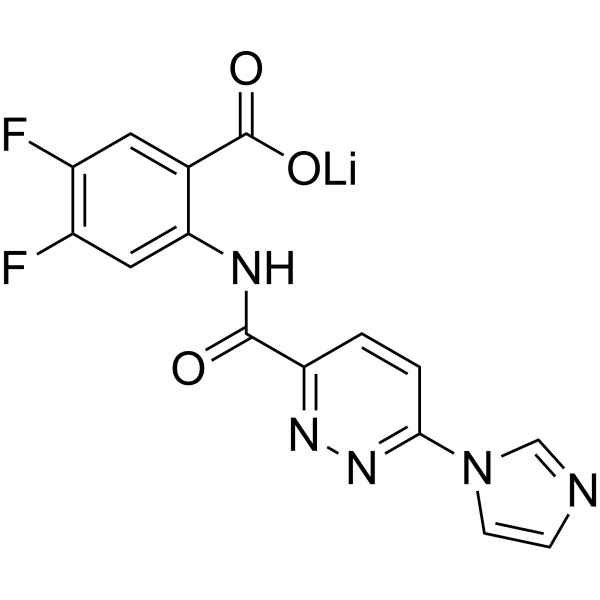
SR-717 is a non-nucleotide STING agonist with EC50s of 2.1 μM and 2.2 μM in ISG-THP1 (WT) and ISG-THP1 cGAS KO (cGAS KO) cell lines, respectively. SR-717 is a stable cyclic guanosine monophosphate-adenosine monophosphate (cGAMP) mimetic. Antitumor activity .
|
-
-
- HY-119708
-
|
RPL-554
|
Phosphodiesterase (PDE)
|
Infection
Neurological Disease
Inflammation/Immunology
Cancer
|
|
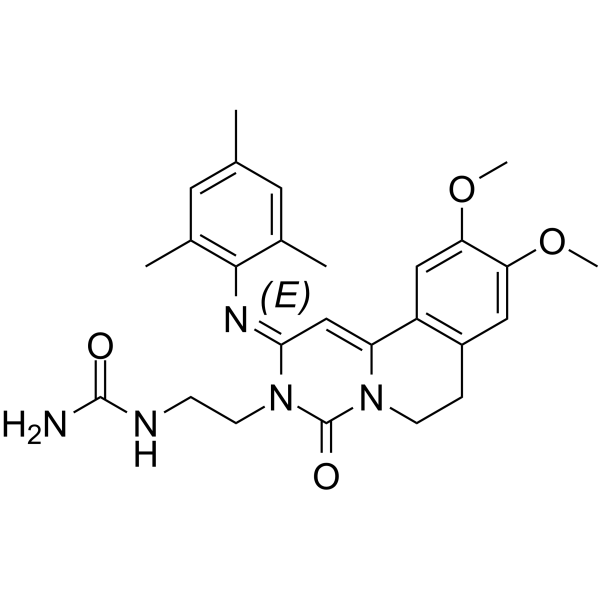
Ensifentrine (RPL-554) is an inhaled dual inhibitor of PDE3 and PDE4 with IC50s of 0.4 nM and 1479 nM, respectively. Ensifentrine blocks PDE3 and PDE4 enzymes, thereby increasing the levels of cyclic adenosine monophosphate (cAMP) and cyclic guanosine monophosphate (cGMP) in lung cells, dilating the bronchi, and inhibiting the activation and migration of inflammatory cells. Ensifentrine can be used in the research of chronic obstructive pulmonary disease (COPD) .
|
-
-
- HY-B0442
-
|
|
Phosphodiesterase (PDE)
Endogenous Metabolite
|
Metabolic Disease
Inflammation/Immunology
Endocrinology
Cancer
|
|
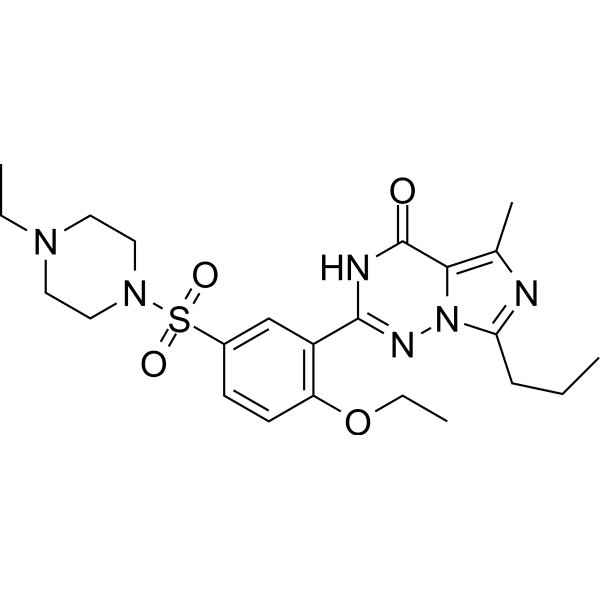
Vardenafil is a selective and orally active inhibitor of phosphodiesterase-5 (PDE5), with an IC50 of 0.7 nM. Vardenafil shows inhibitory towards PDE1, PDE6 with IC50s of 180 nM, and 11 nM, while IC50s are >1000 nM for PDE3 and PDE4 . Vardenafil competitively inhibits cyclic guanosine monophosphate (cGMP) hydrolysis and thus increases cGMP levels . Vardenafil can be used for the research of erectile dysfunction, hepatitis, diabetes [1]-[6].
|
-
-
- HY-18252
-
|
TA1790
|
Phosphodiesterase (PDE)
NO Synthase
Endogenous Metabolite
|
Cardiovascular Disease
Endocrinology
|
|
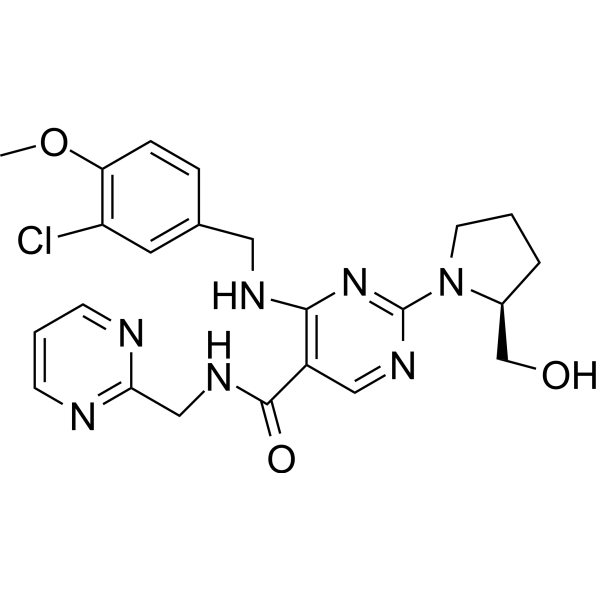
Avanafil (TA-1790) is a potent and selective phosphodiesterase-5 (PDE-5) inhibitor with IC50 values of 5.2 nM, 630 nM, 5700 nM, 6200 nM, 12000 nM, 27000 nM, 51000 nM and 53000 nM for PDE-5, PDE-6, PDE-4, PDE-10, PDE-8, PDE-7, PDE-2 and PDE-1, respectively. Avanafil activates NO/cGMP/PKG signaling-pathway to decrease loss in BMD, bone atrophy, and oxidative stress. Avanafil inhibits cyclic guanosine monophosphate (cGMP) hydrolysis and thus increases cGMP levels. Avanafil can be used for the research of erectile dysfunction and osteoporosis .
|
-
-
- HY-B0442A
-
|
|
Phosphodiesterase (PDE)
Endogenous Metabolite
|
Metabolic Disease
Inflammation/Immunology
Endocrinology
Cancer
|
|
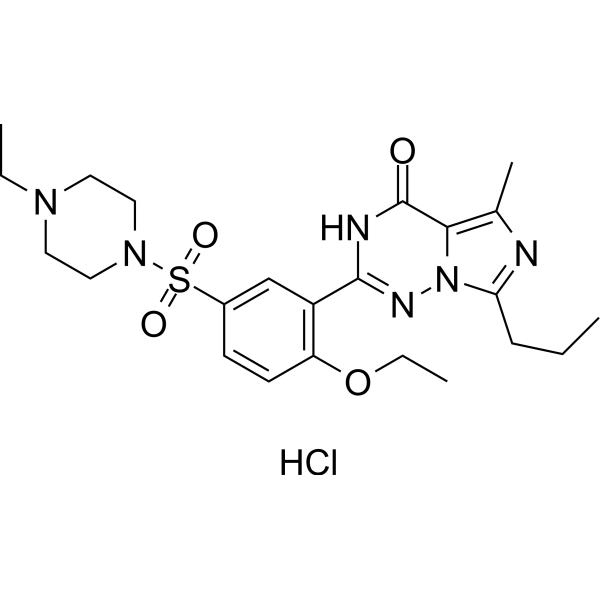
Vardenafil hydrochloride is a selective and orally active inhibitor of phosphodiesterase-5 (PDE5), with an IC50 of 0.7 nM. Vardenafil hydrochloride shows inhibitory towards PDE1, PDE6 with IC50s of 180 nM, and 11 nM, while IC50s are >1000 nM for PDE3 and PDE4 . Vardenafil hydrochloride competitively inhibits cyclic guanosine monophosphate (cGMP) hydrolysis and thus increases cGMP levels . Vardenafil hydrochloride can be used for the research of erectile dysfunction, hepatitis, diabetes [1]-[6].
|
-
-
- HY-Y0488A
-
|
Ammonium formate
|
Environmental Pollutants
Calcium Channel
NO Synthase
Bacterial
ATP Synthase
|
Metabolic Disease
|
|
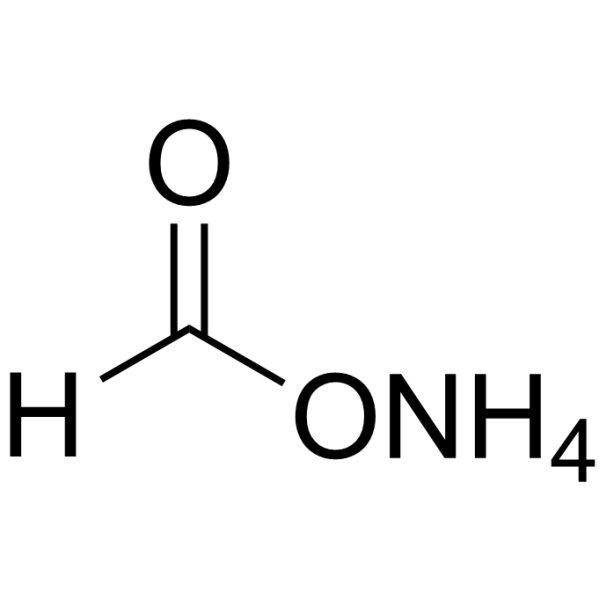
Formic acid ammonium is the ammonium salt form of formic acid, which is an endogenous metabolite. Formic acid ammonium activates the nitric oxide/cyclic guanosine monophosphate (NO/cGMP) signaling pathway in endothelial cells and inhibits calcium ion influx in vascular smooth muscle cells, resulting in vasomotor relaxation. Formic acid ammonium inhibits cytochrome C oxidase (CcO) and disrupts the electron transport chain, leading to ATP depletion. Formic acid ammonium can be used as a feed additive, which can lower the feed pH value, inhibit the growth of microorganisms (such as Escherichia coli, Salmonella), and extend the shelf life of the feed .
|
-
-
- HY-B0442B
-
|
|
Endogenous Metabolite
Phosphodiesterase (PDE)
|
Metabolic Disease
Inflammation/Immunology
Endocrinology
|
|
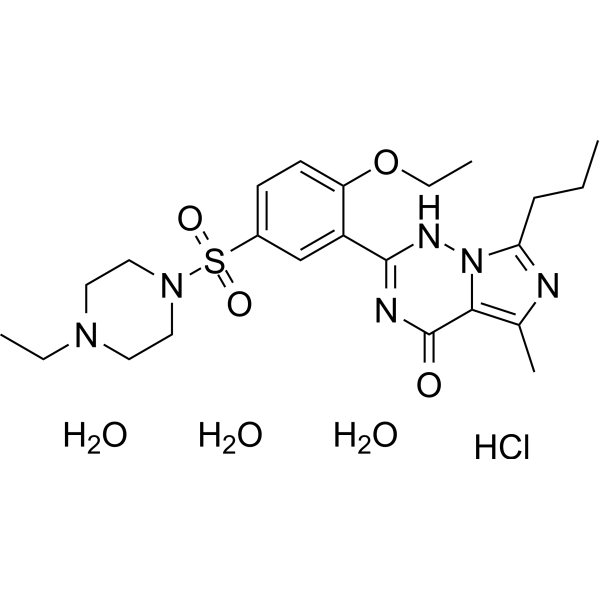
Vardenafil hydrochloride trihydrate is a selective and orally active inhibitor of phosphodiesterase-5 (PDE5), with an IC50 of 0.7 nM. Vardenafil hydrochloride trihydrate shows inhibitory towards PDE1, PDE6 with IC50s of 180 nM, and 11 nM, while IC50s are >1000 nM for PDE3 and PDE4 . Vardenafil hydrochloride trihydrate competitively inhibits cyclic guanosine monophosphate (cGMP) hydrolysis and thus increases cGMP levels . Vardenafil hydrochloride trihydrate can be used for the research of erectile dysfunction, hepatitis, diabetes [1]-[6].
|
-
-
- HY-N1393
-
|
NSC 3778; O-Methylsalicylic acid; Salicylic acid methyl ether
|
Carbonic Anhydrase
Phospholipase
|
Cardiovascular Disease
|
|
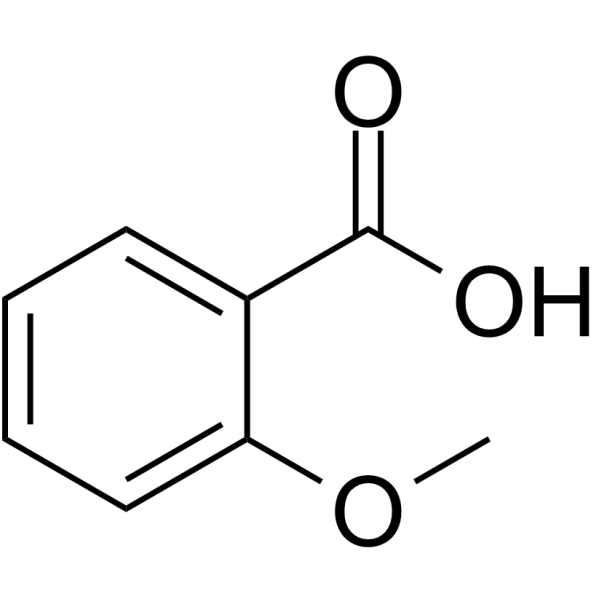
2-Methoxybenzoic acid (NSC 3778; O-Methylsalicylic acid; Salicylic acid methyl ether) is a natural compound with potential salicylate-like effect. 2-Methoxybenzoic acid inhibits carbonic anhydrase activity, elevates intraplatelet cyclic guanosine monophosphate level, and suppresses cytosolic phospholipase A2 phosphorylation. 2-Methoxybenzoic acid suppresses platelet reactivity, including decreased spreading, retraction, and aggregation in platelets. 2-Methoxybenzoic acid ameliorates arterial thrombosis in a dose-dependent manner without affecting normal hemostasis in mice. 2-Methoxybenzoic acid can be used for the research of arterial thrombosis .
|
-
-
- HY-17391
-
|
|
Adenosine Receptor
|
Endocrinology
|
|
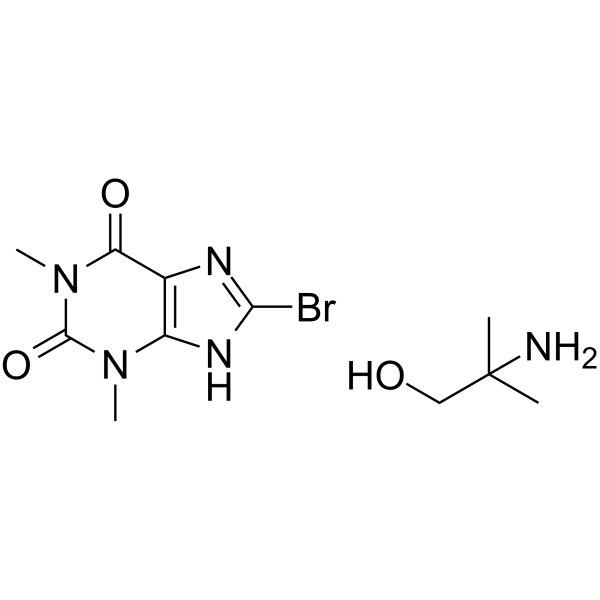
Pamabrom is a diuretic that acts on the opioid receptor-nitric oxide (NO) -cyclic guanosine monophosphate (cGMP) -K + channel pathway. Pamabrom exerts peripheral antinociceptive activity by activating this pathway. The mechanism involves activating opioid receptors, promoting the release of nitric oxide, and then influencing cyclic guanosine monophosphate and K channels to produce an analgesic effect. Pamabrom is orally active and is mainly used in the research and treatment of premenstrual syndrome and primary dysmenorrhea[1].
|
-
-
- HY-131454A
-
|
|
STING
|
Inflammation/Immunology
Cancer
|
|
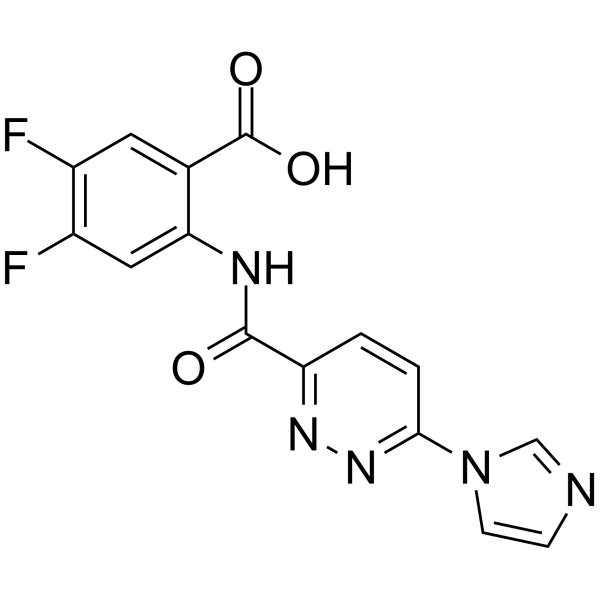
SR-717 free acid is a non-nucleotide STING agonist with EC50s of 2.1 μM and 2.2 μM in ISG-THP1 (WT) and ISG-THP1 cGAS KO (cGAS KO) cell lines, respectively. SR-717 free acid is a stable cyclic guanosine monophosphate-adenosine monophosphate (cGAMP) mimetic. Antitumor activity .
|
-
-
- HY-109136
-
|
BAY 1101042
|
Guanylate Cyclase
|
Cardiovascular Disease
Metabolic Disease
|
|
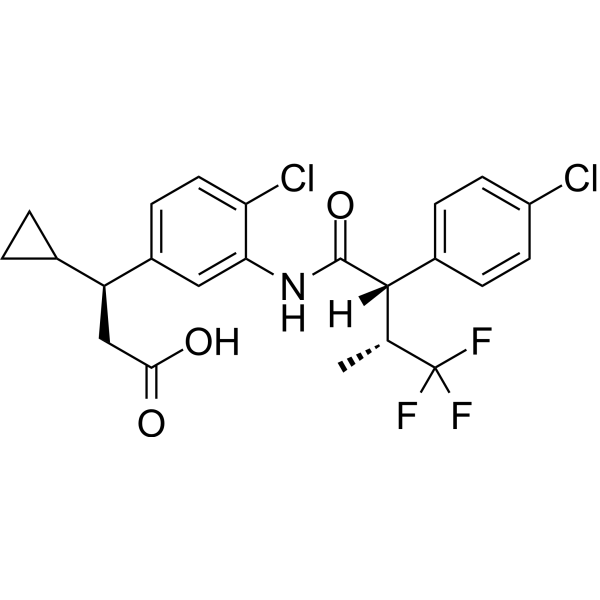
Runcaciguat (BAY 1101042) is a selective, orally active, allosteric activator of soluble guanylate cyclase (sGC) that specifically targets its oxidized and heme-free form. Runcaciguat binds to sGC in a histidine-dependent manner and restores cyclic guanosine monophosphate (cGMP) production under oxidative stress, independent of nitric oxide (NO) or heme. Runcaciguat exhibits renoprotective and cardioprotective activities, such as reduced proteinuria and improved renal function. Runcaciguat is primarily being studied in chronic kidney disease (CKD) associated with hypertension, diabetes, and metabolic disorders, as well as potential cardiovascular indications such as heart failure with preserved ejection fraction (HFpEF) .
|
-
-
- HY-114367
-
|
Delphinidin 3-O-rutinoside chloride
|
Endothelin Receptor
NO Synthase
Myosin
GLP Receptor
|
Neurological Disease
Metabolic Disease
|
|
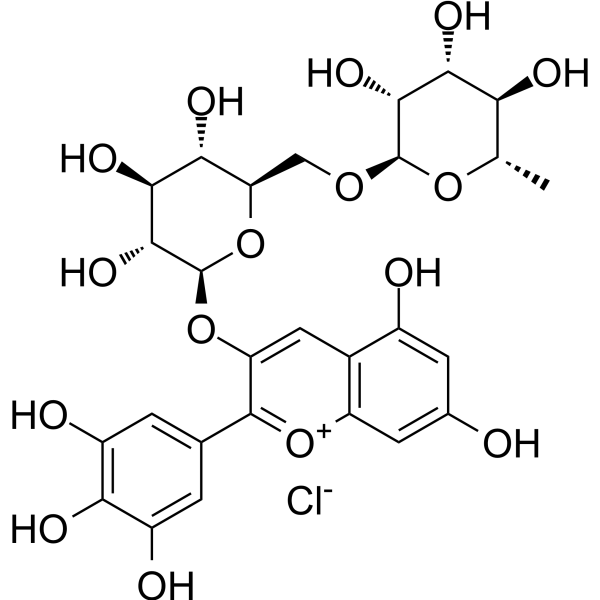
Delphinidin 3-rutinoside chloride is an anthocyanin component. Delphinidin 3-rutinoside chloride is isolable from the fruits of blackcurrant Ribes nigrum L. Delphinidin 3-rutinoside chloride activates the ETB receptor and stimulates the NO/cGMP pathway. Delphinidin 3-rutinoside chloride increases cyclic guanosine monophosphate production and reduces the phosphorylation level of Myosin regulatory light chain. Delphinidin 3-rutinoside chloride stimulates GLP-1 secretion. It significantly induces relaxation of bovine ciliary muscle strips contracted by ET-1 and inhibits ET-1-induced contraction of bovine ciliary muscle strips. Delphinidin 3-rutinoside chloride is applicable to research related to type 2 diabetes .
|
-
-
- HY-N8245
-
|
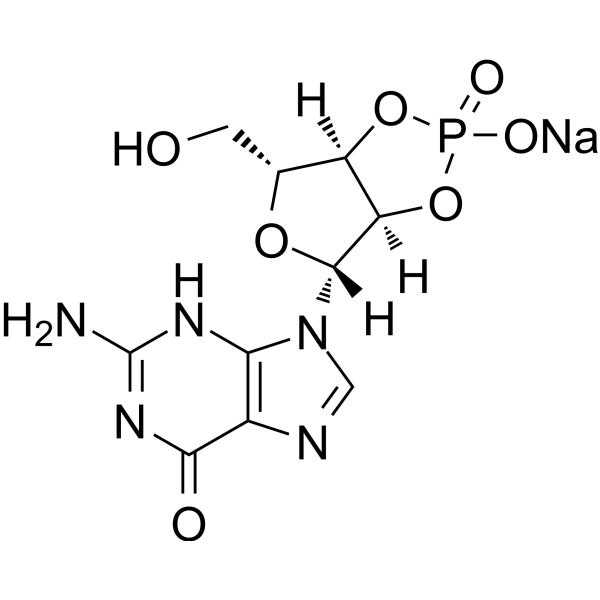
guanosine 2',3'-cyclic monophosphate sodium salt
|
Drug Intermediate
|
Others
|
|
2',3'-cGMP sodium, a cGMP analogue, is an intermediate of RNA catalytic cleavage by binase .
|
-
-
- HY-N0097R
-
|
DL-guanosine (Standard); Vernine (Standard)
|
Reference Standards
HSV
Endogenous Metabolite
|
Infection
|
|
Guanosine (Standard) is the analytical standard of Guanosine. This product is intended for research and analytical applications. Guanosine (DL-Guanosine) is a purine nucleoside comprising guanine attached to a ribose (ribofuranose) ring via a β-N9-glycosidic bond. Guanosine possesses anti-HSV activity.
In Vitro: Guanosine can be phosphorylated to become guanosine monophosphate (GMP), cyclic guanosine monophosphate (cGMP), guanosine diphosphate (GDP), and guanosine triphosphate (GTP). These forms play important roles in various biochemical processes such as synthesis of nucleic acids and proteins, photosynthesis, muscle contraction, and intracellular signal transduction (cGMP).
|
-

-
- HY-50723
-
|
|
Endogenous Metabolite
|
Others
|
|
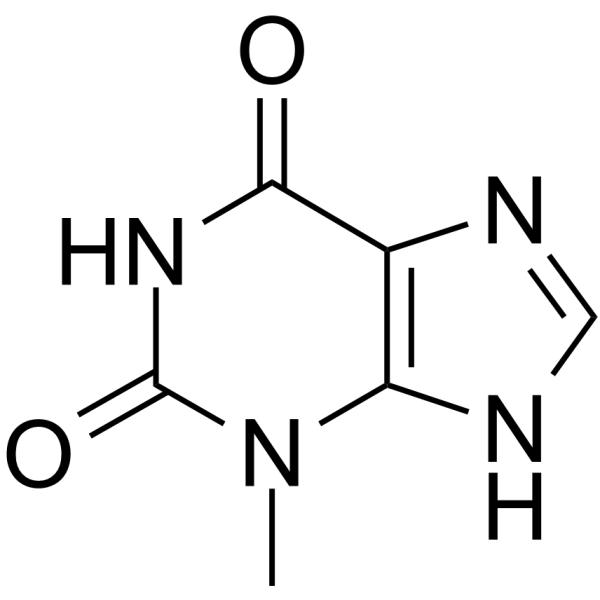
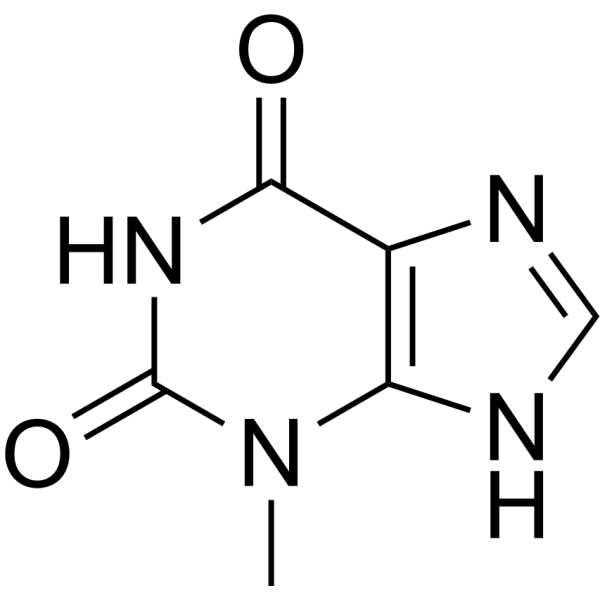
3-Methylxanthine, a xanthine derivative, is a cyclic guanosine monophosphate (GMP) inhibitor, with an IC50 of 920 μM on guinea-pig isolated trachealis muscle.
|
-
-
- HY-N8245R
-
-

-
- HY-108619
-
|
UK 369003-26
|
Phosphodiesterase (PDE)
|
Neurological Disease
|
|
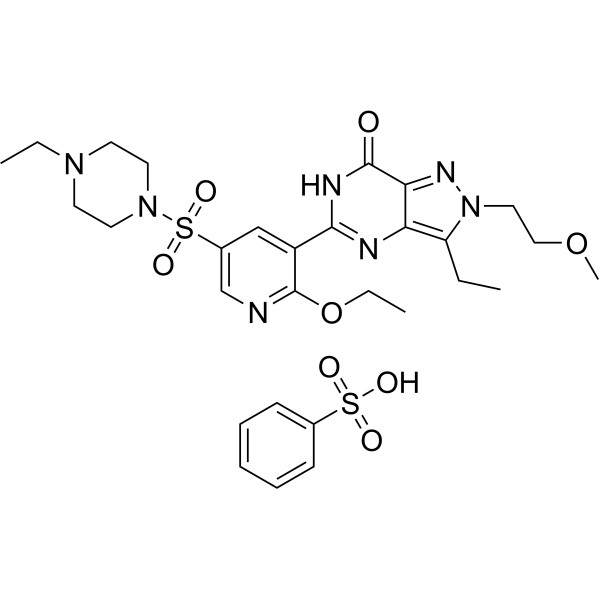
Gisadenafil besylate (UK 369003-26) is a specific, orally active phosphodiesterase 5 (PDE5) inhibitor with an IC50 of 3.6 nM and prevents degradation of cyclic guanosine monophosphate (cGMP) .
|
-
-
- HY-153092
-
|
BI-685509
|
Guanylate Cyclase
|
Cardiovascular Disease
Metabolic Disease
|
|
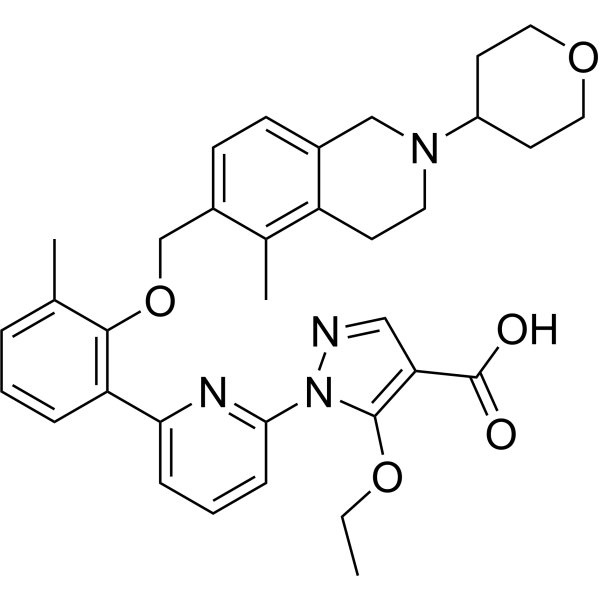
Avenciguat (BI-685509) is a potent and orally active sGC activator. Avenciguat restores cyclic guanosine monophosphate (cGMP) and improves functionality of nitric oxide (NO) pathways. Avenciguat can be used in research of chronic kidney disease (CKD) and diabetic kidney disease (DKD) .
|
-
-
- HY-P2867
-
|
3′-Exonuclease
|
Phosphodiesterase (PDE)
|
Neurological Disease
|
|
Phosphodiesterase II (EC 3.1.16.1), namely phosphodiesterase 2, is mainly involved in the hydrolysis of the important second messengers cyclic adenosine monophosphate (cAMP) and cyclic guanosine monophosphate (cGMP), and is often used in biochemical research. Phosphodiesterase II is expressed in a variety of tissues, such as the adrenal medulla, brain, heart, platelets, macrophages and endothelial cells, and is involved in the regulation of many different intracellular processes .
|
-

-
- HY-176049
-
|
|
Drug Derivative
|
Neurological Disease
|
|
Dasatinib derivative 1 (2e) effectively releases NO and increases the concentration of 3′,5′-cyclic guanosine monophosphate, as well as maintains senolytic activity. Dasatinib derivative 1 (2e) can be used in the research for chronic ocular hypertension (COHT) glaucoma .
|
-

-
- HY-50723R
-
|
|
Endogenous Metabolite
Reference Standards
|
Others
|
|
3-Methylxanthine (Standard) is the analytical standard of 3-Methylxanthine. This product is intended for research and analytical applications. 3-Methylxanthine, a xanthine derivative, is a cyclic guanosine monophosphate (GMP) inhibitor, with an IC50 of 920 μM on guinea-pig isolated trachealis muscle.
|
-
-
- HY-137665
-
|
|
PKG
|
Cardiovascular Disease
|
|
PET-cGMP is a cyclic guanosine monophosphate analog and an effective selective agonist of PKG I, the EC50 of PET-cGMP for PKG Iβ is 3.8 nM, while for PKG II, it's 193 nM .
|
-

-
- HY-133190
-
|
|
PROTAC Linkers
|
Metabolic Disease
|
|
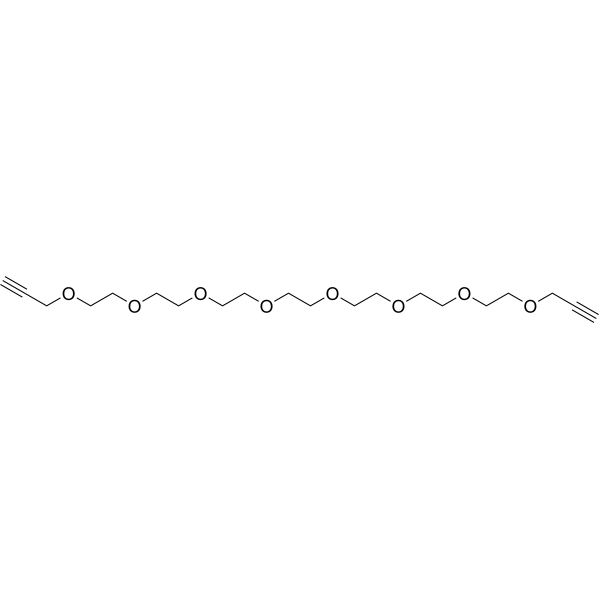
Bis-propargyl-PEG7 is a PEG-based PROTAC linker used in the synthesis of PROTACs. Bis-propargyl-PEG7 can be used to synthesize the polymer linked multimers of guanosine-3', 5'-cyclic monophosphates . Bis-propargyl-PEG7 is a click chemistry reagent, it contains an Alkyne group and can undergo copper-catalyzed azide-alkyne cycloaddition (CuAAc) with molecules containing Azide groups.
|
-
-
- HY-159857
-
|
Gp(2′-5′)Ap(3′) sodium; 2'5'-GpAp sodium; Guanylyl-(2′→5′)-3′-adenylic acid sodium
|
Nucleoside Antimetabolite/Analog
|
|
|
Gp(2′-5′)Ap sodium is a linear dinucleotide analog after hydrolysis of cyclic guanosine monophosphate- adenosine monophosphate (2’3’-cGAMP) by phosphodiesterases. Due to its linear conformation, 2’5’GpAp is intended to serve as a negative control for 2’3’-cGAMP in type I IFN induction assays.
|
-

-
- HY-137108
-
|
|
PKA
PKG
|
Neurological Disease
|
|
Sp-8-pCPT-cGMPS is a potent cyclic guanosine monophosphate-gated channel agonist and a lipophilic activator of protein kinase G (types I α, I β, and II) and protein kinase A type II with excellent cell membrane permeability and phosphodiesterase stability. Sp-8-pCPT-cGMPS can be used to study the role of cGMP in neural plasticity and synaptic transmission .
|
-

-
- HY-125153
-
|
|
Influenza Virus
|
Others
|
|
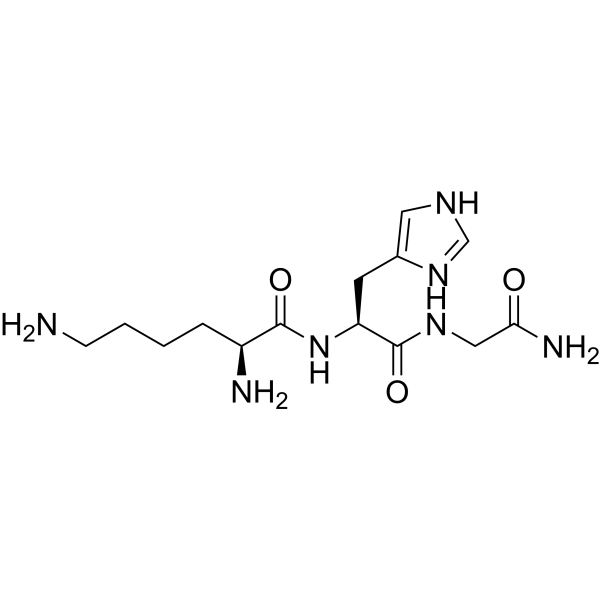
Bursin is a peptide that can be isolated from the bursa of Fabricius of chicken. Bursin induces the phenotypic differentiation of mammalian and avian B precursor cells. Bursin also increases cyclic guanosine monophosphate in cells of the human B-cell line Daudi, its derivatives are able to protect against infection by amplifying the immune response induced by H9N2 .
|
-
-
- HY-B0442AS
-
|
|
Endogenous Metabolite
Phosphodiesterase (PDE)
Isotope-Labeled Compounds
|
Metabolic Disease
Inflammation/Immunology
Endocrinology
|
|
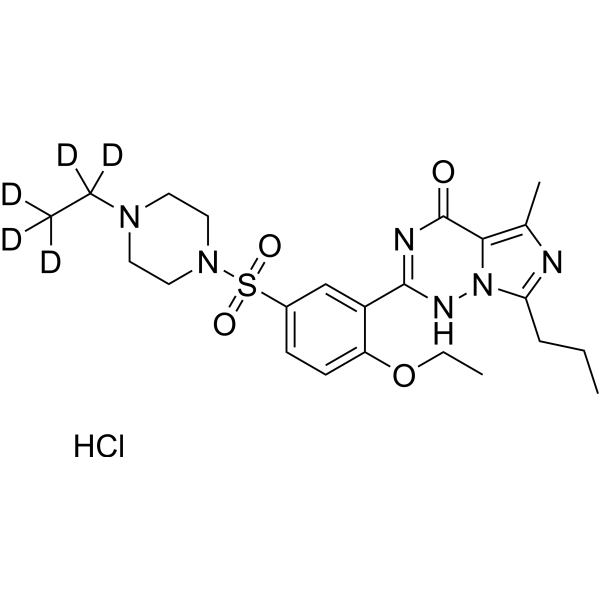
Vardenafil-d5 hydrochloride is deuterated labeled Vardenafil hydrochloride (HY-B0442A). Vardenafil hydrochloride is a selective and orally active inhibitor of phosphodiesterase-5 (PDE5), with an IC50 of 0.7 nM. Vardenafil hydrochloride shows inhibitory towards PDE1, PDE6 with IC50s of 180 nM, and 11 nM, while IC50s are >1000 nM for PDE3 and PDE4 . Vardenafil hydrochloride competitively inhibits cyclic guanosine monophosphate (cGMP) hydrolysis and thus increases cGMP levels . Vardenafil hydrochloride can be used for the research of erectile dysfunction, hepatitis, diabetes [1]-[6].
|
-
-
- HY-14841
-
|
UK-369003
|
Phosphodiesterase (PDE)
|
Neurological Disease
|
|
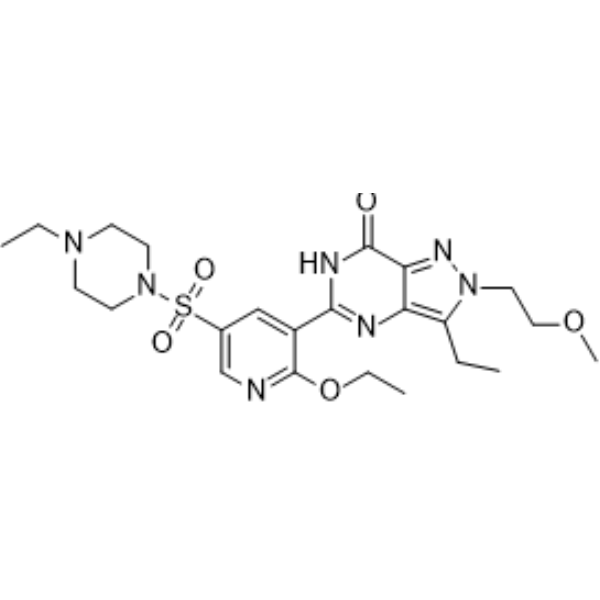
Gisadenafil (UK-369003) is a specific, orally active phosphodiesterase 5 (PDE5) inhibitor with an IC50 of 3.6 nM and prevents degradation of cyclic guanosine monophosphate (cGMP) .
|
-
-
- HY-117186
-
|
|
PROTAC Linkers
|
Metabolic Disease
|
|
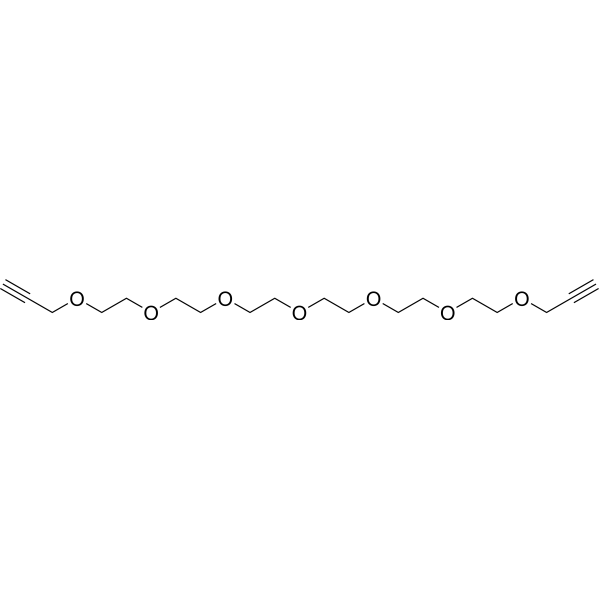
Bis-propargyl-PEG6 is a PEG-based PROTAC linker used in the synthesis of PROTACs. Bis-propargyl-PEG6 can be used to synthesize the polymer linked multimers of guanosine-3', 5'-cyclic monophosphates . Bis-propargyl-PEG6 is a click chemistry reagent, it contains an Alkyne group and can undergo copper-catalyzed azide-alkyne cycloaddition (CuAAc) with molecules containing Azide groups.
|
-
-
- HY-50723S1
-
|
|
Endogenous Metabolite
Isotope-Labeled Compounds
|
Others
|
|
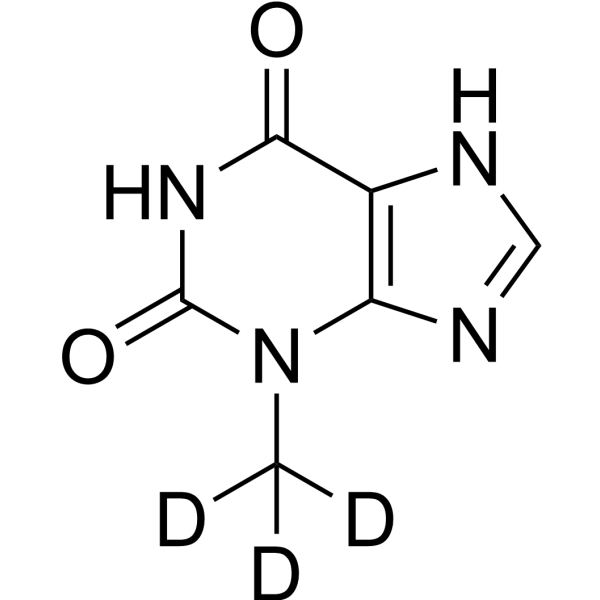
3-Methylxanthine-d3 is deuterated labeled 3-Methylxanthine (HY-50723). 3-Methylxanthine, a xanthine derivative, is a cyclic guanosine monophosphate (GMP) inhibitor, with an IC50 of 920 μM on guinea-pig isolated trachealis muscle.
|
-
-
- HY-136520A
-
|
|
Phosphodiesterase (PDE)
|
Metabolic Disease
|
|
(R)-Xanthoanthrafil is a phosphodiesterase-5 (PDE5) inhibitor. (R)-Xanthoanthrafil selectively inhibits PDE5, increasing cyclic guanosine monophosphate (cGMP) levels, leading to smooth muscle relaxation and promoting penile erection. (R)-Xanthoanthrafil can be used to study erectile dysfunction .
|
-

-
- HY-130530
-
|
|
Biochemical Assay Reagents
|
Metabolic Disease
|
|
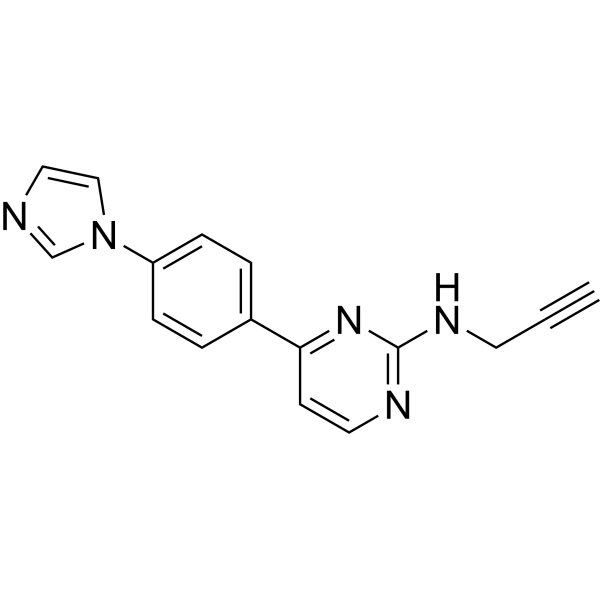
AP-C5 displays selective inhibition of guanosine 3′,5′-cyclic monophosphate (cGMP)-dependent protein kinase II (cGKII) with a pIC50 of 7.2, which can be used for the research of diarrheal disease . AP-C5 is a click chemistry reagent, it contains an Alkyne group and can undergo copper-catalyzed azide-alkyne cycloaddition (CuAAc) with molecules containing Azide groups.
|
-
-
- HY-117390
-
|
|
Phosphodiesterase (PDE)
|
Cardiovascular Disease
Metabolic Disease
|
|
FR-181074 is a selective and orally active PDE V inhibitor. FR-181074 can specifically block PDE V to inhibit the degradation of cyclic guanosine monophosphate (cGMP) in order to relax smooth muscle. FR-181074 can be used for the researches of cardiovascular disease and endocrinology, such as hypertension and erectile dysfunction .
|
-

-
- HY-107022
-
|
|
Phosphodiesterase (PDE)
|
Neurological Disease
|
|
BMS-341400 is an orally active selective phosphodiesterase 5 (PDE5) inhibitor with an IC50 value of 0.3 nM. BMS-341400 reduces the degradation of cyclic guanosine monophosphate (cGMP), thereby enhancing nitric oxide (NO)-mediated relaxation of the smooth muscle of the corpus cavernosum and promoting erection. BMS-341400 can be used to study erectile dysfunction.
|
-

-
- HY-134263
-
|
|
PKA
Ras
|
Cardiovascular Disease
|
|
8-Br-cAMP-AM is a cyclic adenosine monophosphate (cAMP) analog that activates two major signal transduction pathways in the heart by mimicking the effects of cAMP: protein kinase A (PKA) and guanosine nucleotide exchange factor (Epac), which is directly activated by cAMP. 8-Br-cAMP-AM can be used to study cardiac ischemia and reperfusion injury .
|
-

-
- HY-125153A
-
|
|
Others
|
Endocrinology
|
|
Bursin triacetate is a peptide that can be isolated from the bursa of Fabricius in chickens. It promotes the phenotypic differentiation of B precursor cells in both mammals and birds. Bursin triacetate increases cyclic guanosine monophosphate levels in the human B-cell line Daudi .
|
-

-
- HY-18252A
-
|
TA1790 dibenzenesulfonate
|
Phosphodiesterase (PDE)
NO Synthase
Endogenous Metabolite
|
Cardiovascular Disease
Endocrinology
|
|
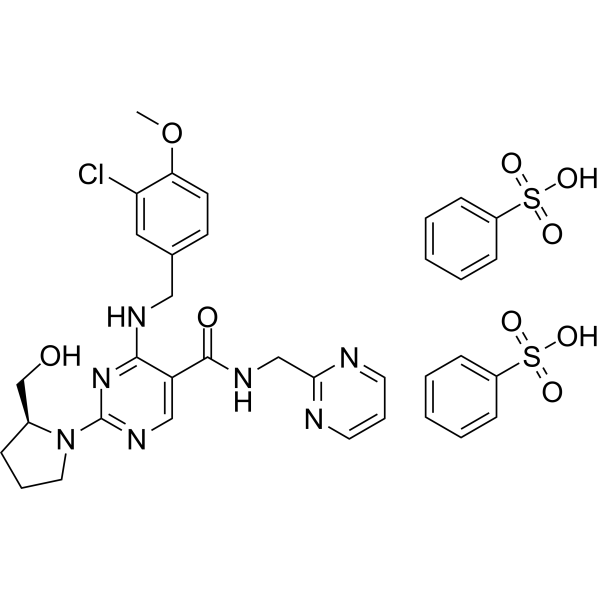
Avanafil (TA-1790) dibenzenesulfonate is a potent and selective phosphodiesterase-5 (PDE-5) inhibitor with IC50 values of 5.2 nM, 630 nM, 5700 nM, 6200 nM, 12000 nM, 27000 nM, 51000 nM and 53000 nM for PDE-5, PDE-6, PDE-4, PDE-10, PDE-8, PDE-7, PDE-2 and PDE-1, respectively. Avanafil dibenzenesulfonate activates NO/cGMP/PKG signaling-pathway to decrease loss in BMD, bone atrophy, and oxidative stress. Avanafil dibenzenesulfonate inhibits cyclic guanosine monophosphate (cGMP) hydrolysis and thus increases cGMP levels. Avanafil dibenzenesulfonate can be used for the research of erectile dysfunction and osteoporosis .
|
-
-
- HY-153538
-
-
-
- HY-114643
-
|
(Rac)-IMR-687
|
Phosphodiesterase (PDE)
|
Cardiovascular Disease
|
|
(Rac)-Tovinontrine ((Rac)-IMR-687) is a phosphodiesterase 9 (PDE9) inhibitor that increases cyclic guanosine monophosphate (cGMP) levels. (Rac)-Tovinontrine is promising for research of thalassemia .
|
-

-
- HY-129210
-
|
|
Phosphodiesterase (PDE)
Potassium Channel
|
Cardiovascular Disease
|
|
KMUP-4, as a xanthine derivative with cGMP-enhancing activity, induces aortic relaxation through endothelium-dependent and independent mechanisms. KMUP-4 increases cytoplasmic cyclic guanosine monophosphate (cGMP) and cyclic adenosine monophosphate (cAMP) levels by inhibiting phosphodiesterases (PDEs) and activating K + channels. KMUP-4 can be used in the study of cardiovascular diseases .
|
-

-
- HY-153540
-
|
|
PKG
|
Others
|
|
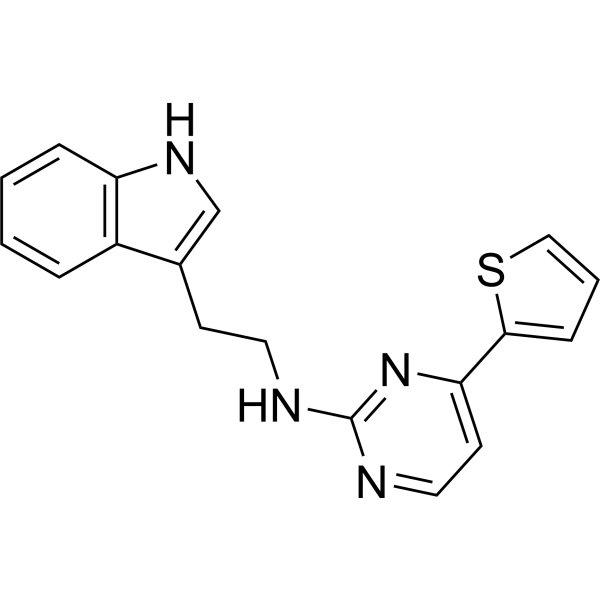
AP-C4 is an inhibitor of guanosine 3′,5′-cyclic monophosphate (cGMP)-dependent protein kinase II (cGKII) with a pIC50 of 5.2. AP-C3 does not inhibit cGKII-dependent anion secretion .
|
-
-
- HY-153541
-
|
|
PKG
|
Others
|
|
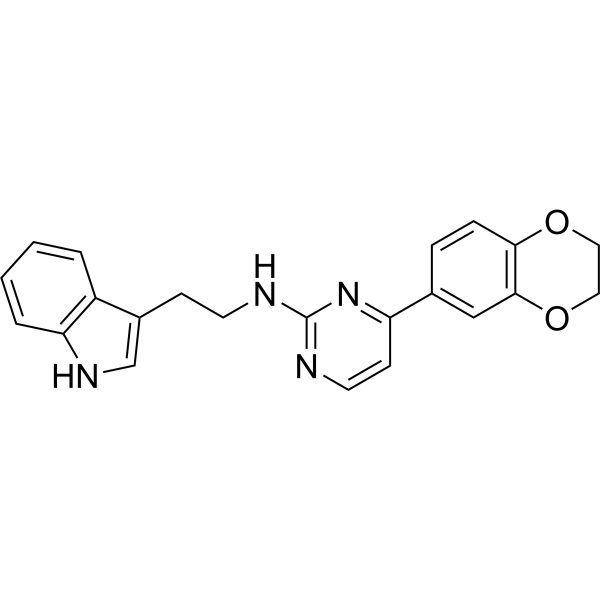
AP-C7 is an inhibitor of guanosine 3′,5′-cyclic monophosphate (cGMP)-dependent protein kinase II (cGKII) with a pIC50 of 5.0. AP-C7 only weakly inhibits cGKII-dependent anion secretion .
|
-
-
- HY-153539
-
|
|
PKG
|
Others
|
|
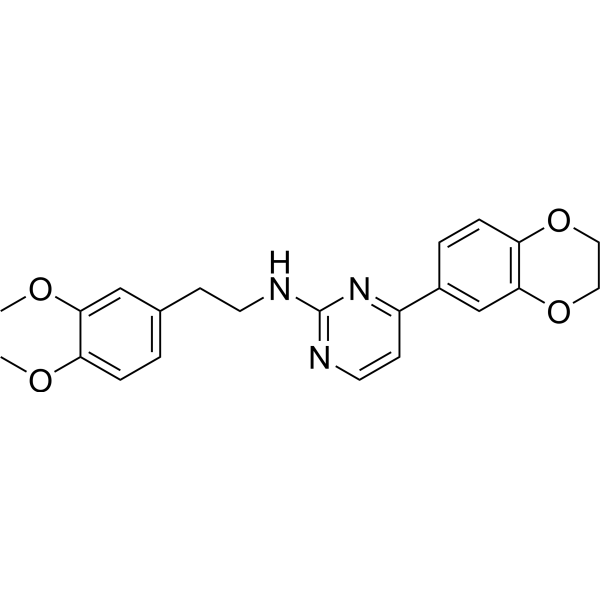
AP-C3 is a potent inhibitor of guanosine 3′,5′-cyclic monophosphate (cGMP)-dependent protein kinase II (cGKII) with a pIC50 of 6.3. AP-C3 only weakly inhibits cGKII-dependent anion secretion .
|
-
-
- HY-153537
-
|
|
PKG
|
Others
|
|
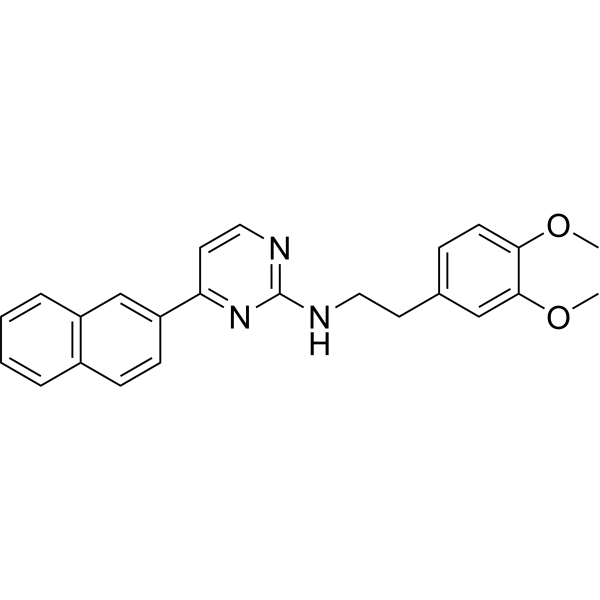
AP-C1 is a potent inhibitor of guanosine 3′,5′-cyclic monophosphate (cGMP)-dependent protein kinase II (cGKII) with a pIC50 of 6.5. AP-C1 only weakly inhibits cGKII-dependent anion secretion .
|
-
-
- HY-W654000
-
|
guanosine 3',5'-cyclic-13C,15N2 monophosphate
|
Isotope-Labeled Compounds
Endogenous Metabolite
|
Infection
Cardiovascular Disease
Inflammation/Immunology
|
|
Cyclic GMP- 13C, 15N2 is 13C and 15N labeled Cyclic GMP (HY-113469). Cyclic GMP (cGMP), an important second messenger, is a major intracellular mediator of extracellular signals such as nitric oxide (NO) and natriuretic peptides (NPs). Effects of Cyclic GMP occur through three main groups of cellular targets: cGMP-dependent protein kinases (PKGs), cGMP-gated cation channels, and PDEs. Cyclic GMP can inhibit both platelet adhesion and aggregation. cGAMP (Cyclic-GMP-AMP) (HY-12512), a conjugate of Cyclic GMP and AMP, can induce IRF3 phosphorylation and nuclear translocation, enhancing antiviral immune responses .
|
-

-
- HY-153542
-
|
|
PKG
|
Others
|
|
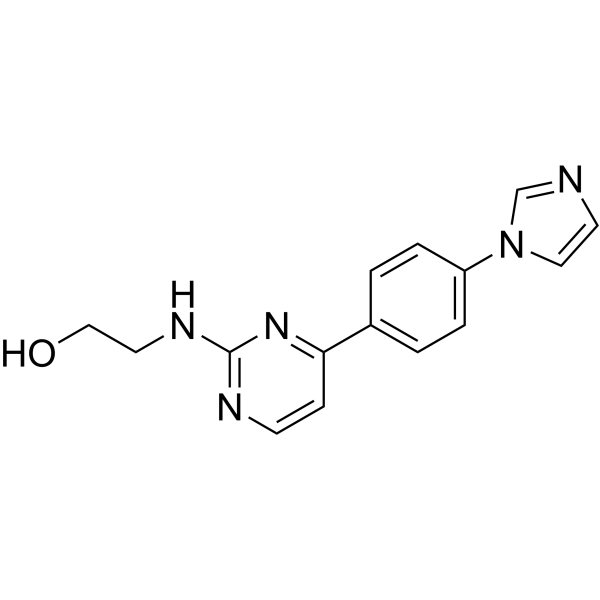
AP-C6 is a potent inhibitor of guanosine 3′,5′-cyclic monophosphate (cGMP)-dependent protein kinase II (cGKII) with a pIC50 of 6.5. AP-C6 concentration-dependently inhibits human cGKII activity in vitro. AP-C6 potentiate cAMP signaling by PDE inhibition .
|
-
-
- HY-147946
-
|
|
Phosphodiesterase (PDE)
Calcium Channel
|
Inflammation/Immunology
|
|
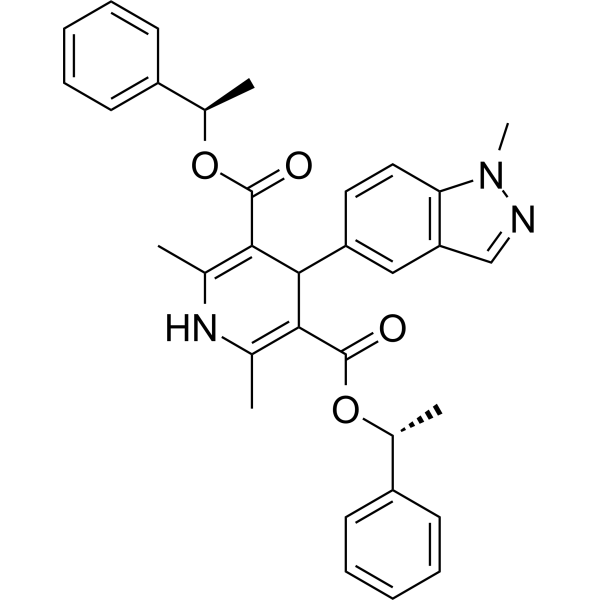
PDE1-IN-4 (compound 2g) is a potent and selective PDE1 (phosphodiesterase-1) inhibitor, with IC50 values of 10, 145, and 354 nM for PDE1C, PDE1A, and PDE1B, respectively. PDE1-IN-4 inhibits myofibroblast differentiation of human lung fibroblasts induced by TGF-β1. PDE1-IN-4 shows anti-fibrosis effects through the regulation of cAMP (3′,5′-cyclic adenosine monophosphate) and cGMP (3′,5′-cyclic guanosine monophosphate). PDE1-IN-4 can be used for idiopathic pulmonary fibrosis (IPF) research .
|
-
-
- HY-134311
-
|
|
Fluorescent Dye
|
Others
|
|
8-NBD-cGMP is a fluorescent analog of cyclic guanosine monophosphate and a potent, membrane-permeable, fluorescent activator of cGMP-dependent protein kinase isozymes I α and I β. 8-NBD-cGMP is barely fluorescent in aqueous solution but fluoresces strongly in hydrophobic environments such as hydrophobic protein binding sites
|
-

-
- HY-107022A
-
|
|
Phosphodiesterase (PDE)
|
Neurological Disease
|
|
BMS-341400 mesylate is a selective phosphodiesterase 5 (PDE5) inhibitor with an IC50 value of 0.3 nM. BMS-341400 mesylate reduces the degradation of cyclic guanosine monophosphate (cGMP), thereby enhancing nitric oxide (NO)-mediated relaxation of the smooth muscle of the corpus cavernosum and promoting erection. BMS-341400 mesylate can be used to study erectile dysfunction .
|
-

-
- HY-B0442C
-
|
|
Endogenous Metabolite
Phosphodiesterase (PDE)
|
Metabolic Disease
Inflammation/Immunology
Endocrinology
Cancer
|
|
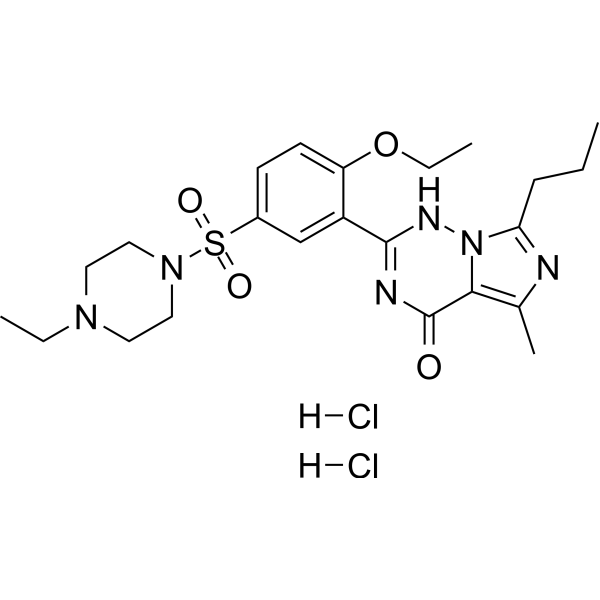
Vardenafil dihydrochloride is a selective and orally active inhibitor of phosphodiesterase-5 (PDE5), with an IC50 of 0.7 nM. Vardenafil dihydrochloride shows inhibitory towards PDE1, PDE6 with IC50s of 180 nM, and 11 nM respectively, while IC50s are >1000 nM for PDE3 and PDE4. Vardenafil dihydrochloride competitively inhibits cyclic guanosine monophosphate (cGMP) hydrolysis and thus increases cGMP levels. Vardenafil dihydrochloride can be used for the research of erectile dysfunction, hepatitis, diabetes - .
|
-
- HY-B0442S
-
|
|
Isotope-Labeled Compounds
Phosphodiesterase (PDE)
Endogenous Metabolite
|
Endocrinology
|
|
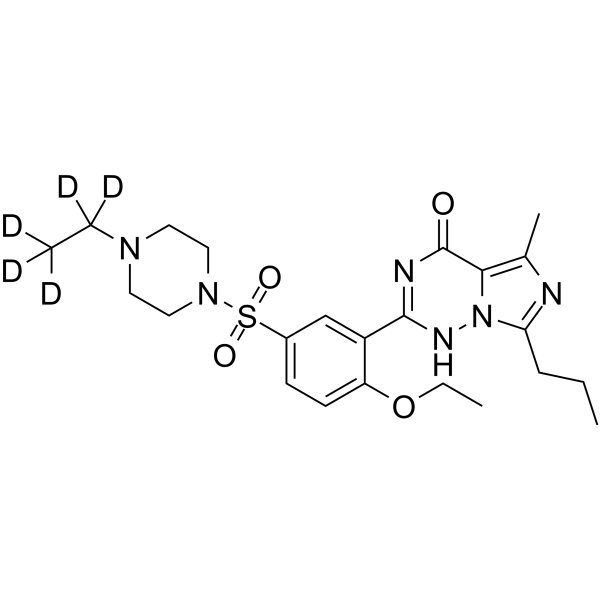
Vardenafil-d5 is deuterium labeled Vardenafil. Vardenafil is a selective, orally active, potent inhibitor of phosphodiesterase-5 (PDE5), with an IC50 of 0.7 nM. Vardenafil shows selectivity over PDE1 (180 nM), PDE6 (11 nM), PDE2, PDE3, and PDE4 (>1000 nM). Vardenafil competitively inhibits cyclic guanosine monophosphate (cGMP) hydrolysis and thus increases cGMP levels. Vardenafil can be used for the research of erectile dysfunction .
|
-
- HY-117803
-
|
OSI-461 free base
|
Apoptosis
|
Cancer
|
|
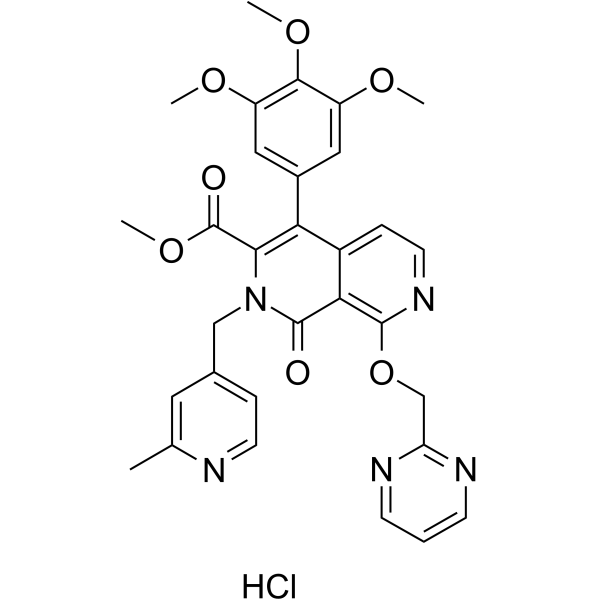
CP 461 free base (OSI-461 free base) is a novel pro-apoptotic compound with the activity of inhibiting cyclic guanosine monophosphate phosphodiesterase. CP 461 free base exhibits growth inhibitory activity against a variety of human tumor cell lines in vitro. CP 461 free base selectively induces apoptosis in cancer cell lines but has no effect on normal cells. CP 461 free base can be used in the study of renal cell carcinoma, prostate cancer and Crohn's disease .
|
-

- HY-105349
-
|
|
Phosphodiesterase (PDE)
|
Neurological Disease
|
|
T-0156 is a potent and selective phosphodiesterase type 5 (PDE5) inhibitor. T-0156 specifically inhibits the hydrolysis of cyclic guanosine monophosphate (cGMP) by PDE5 in a competitive manner (IC50=0.23 nM). T-0156 inhibits PDE6 (IC50=56 nM) and has low potencies against PDE1, PDE2, PDE3, and PDE4 (IC50>10 μM). T-0156 enhances the nitric oxide (NO)/cGMP pathway .
|
-
- HY-B0442CR
-
|
|
Reference Standards
Endogenous Metabolite
Phosphodiesterase (PDE)
|
Metabolic Disease
Inflammation/Immunology
Endocrinology
Cancer
|
|
Vardenafil (dihydrochloride) (Standard) is the analytical standard of Vardenafil (dihydrochloride). This product is intended for research and analytical applications. Vardenafil dihydrochloride is a selective and orally active inhibitor of phosphodiesterase-5 (PDE5), with an IC50 of 0.7 nM. Vardenafil dihydrochloride shows inhibitory towards PDE1, PDE6 with IC50s of 180 nM, and 11 nM respectively, while IC50s are >1000 nM for PDE3 and PDE4. Vardenafil dihydrochloride competitively inhibits cyclic guanosine monophosphate (cGMP) hydrolysis and thus increases cGMP levels. Vardenafil dihydrochloride can be used for the research of erectile dysfunction, hepatitis, diabetes - .
|
-

- HY-B0442AR
-
|
|
Phosphodiesterase (PDE)
Endogenous Metabolite
Reference Standards
|
Metabolic Disease
Inflammation/Immunology
Endocrinology
Cancer
|
|
Vardenafil (hydrochloride) (Standard) is the analytical standard of Vardenafil (hydrochloride). This product is intended for research and analytical applications. Vardenafil hydrochloride is a selective and orally active inhibitor of phosphodiesterase-5 (PDE5), with an IC50 of 0.7 nM. Vardenafil hydrochloride shows inhibitory towards PDE1, PDE6 with IC50s of 180 nM, and 11 nM, while IC50s are >1000 nM for PDE3 and PDE4 . Vardenafil hydrochloride competitively inhibits cyclic guanosine monophosphate (cGMP) hydrolysis and thus increases cGMP levels . Vardenafil hydrochloride can be used for the research of erectile dysfunction, hepatitis, diabetes - .
|
-

- HY-B0442R
-
|
|
Reference Standards
Phosphodiesterase (PDE)
Endogenous Metabolite
|
Metabolic Disease
Inflammation/Immunology
Endocrinology
|
|
Vardenafil (Standard) is the analytical standard of Vardenafil. This product is intended for research and analytical applications. Vardenafil is a selective and orally active inhibitor of phosphodiesterase-5 (PDE5), with an IC50 of 0.7 nM. Vardenafil shows inhibitory towards PDE1, PDE6 with IC50s of 180 nM, and 11 nM, while IC50s are >1000 nM for PDE3 and PDE4 . Vardenafil competitively inhibits cyclic guanosine monophosphate (cGMP) hydrolysis and thus increases cGMP levels . Vardenafil can be used for the research of erectile dysfunction, hepatitis, diabetes [1]-[6].
|
-

- HY-W049735R
-
|
|
Drug Metabolite
Reference Standards
Endogenous Metabolite
|
Metabolic Disease
|
|
Vardenafil (dihydrochloride) (Standard) is the analytical standard of Vardenafil (dihydrochloride). This product is intended for research and analytical applications. Vardenafil dihydrochloride is a selective and orally active inhibitor of phosphodiesterase-5 (PDE5), with an IC50 of 0.7 nM. Vardenafil dihydrochloride shows inhibitory towards PDE1, PDE6 with IC50s of 180 nM, and 11 nM respectively, while IC50s are >1000 nM for PDE3 and PDE4. Vardenafil dihydrochloride competitively inhibits cyclic guanosine monophosphate (cGMP) hydrolysis and thus increases cGMP levels. Vardenafil dihydrochloride can be used for the research of erectile dysfunction, hepatitis, diabetes - .
|
-

- HY-B0442BR
-
|
|
Reference Standards
Endogenous Metabolite
Phosphodiesterase (PDE)
|
Metabolic Disease
Inflammation/Immunology
Endocrinology
|
|
Vardenafil (hydrochloride trihydrate) (Standard) is the analytical standard of Vardenafil (hydrochloride trihydrate). This product is intended for research and analytical applications. Vardenafil hydrochloride trihydrate is a selective and orally active inhibitor of phosphodiesterase-5 (PDE5), with an IC50 of 0.7 nM. Vardenafil hydrochloride trihydrate shows inhibitory towards PDE1, PDE6 with IC50s of 180 nM, and 11 nM, while IC50s are >1000 nM for PDE3 and PDE4 . Vardenafil hydrochloride trihydrate competitively inhibits cyclic guanosine monophosphate (cGMP) hydrolysis and thus increases cGMP levels . Vardenafil hydrochloride trihydrate can be used for the research of erectile dysfunction, hepatitis, diabetes - .
|
-

- HY-164685
-
|
|
Phosphodiesterase (PDE)
|
Neurological Disease
|
|
T-0156 free base is a potent and selective phosphodiesterase type 5 (PDE5) inhibitor. T-0156 free base specifically inhibits the hydrolysis of cyclic guanosine monophosphate (cGMP) by PDE5 in a competitive manner (IC50=0.23 nM). T-0156 free base inhibits PDE6 (IC50=56 nM) and has low potencies against PDE1, PDE2, PDE3, and PDE4 (IC50>10 μM). T-0156 free base enhances the nitric oxide (NO)/cGMP pathway .
|
-

- HY-N1393R
-
|
NSC 3778 (Standard); O-Methylsalicylic acid (Standard); Salicylic acid methyl ether (Standard)
|
Reference Standards
Carbonic Anhydrase
Phospholipase
|
Cardiovascular Disease
|
|
2-Methoxybenzoic acid (NSC 3778; O-Methylsalicylic acid; Salicylic acid methyl ether) (Standard) is the analytical standard of 2-Methoxybenzoic acid (HY-N1393). 2-Methoxybenzoic acid is a natural compound with potential salicylate-like effect. 2-Methoxybenzoic acid inhibits carbonic anhydrase activity, elevates intraplatelet cyclic guanosine monophosphate level, and suppresses cytosolic phospholipase A2 phosphorylation. 2-Methoxybenzoic acid suppresses platelet reactivity, including decreased spreading, retraction, and aggregation in platelets. 2-Methoxybenzoic acid ameliorates arterial thrombosis in a dose-dependent manner without affecting normal hemostasis in mice. 2-Methoxybenzoic acid can be used for the research of arterial thrombosis .
|
-

- HY-Y0488AR
-
|
Ammonium formate (Standard)
|
Reference Standards
NO Synthase
Calcium Channel
Bacterial
ATP Synthase
|
Metabolic Disease
|
|
Formic acid ammonium (Standard) is the analytical standard of Formic acid ammonium. This product is intended for research and analytical applications. Formic acid ammonium is the ammonium salt form of formic acid, which is an endogenous metabolite. Formic acid ammonium activates the nitric oxide/cyclic guanosine monophosphate (NO/cGMP) signaling pathway in endothelial cells and inhibits calcium ion influx in vascular smooth muscle cells, resulting in vasomotor relaxation. Formic acid ammonium inhibits cytochrome C oxidase (CcO) and disrupts the electron transport chain, leading to ATP depletion. Formic acid ammonium can be used as a feed additive, which can lower the feed pH value, inhibit the growth of microorganisms (such as Escherichia coli, Salmonella), and extend the shelf life of the feed.
|
-

- HY-N1393S
-
|
NSC 3778-13C6; O-Methylsalicylic acid-13C6; Salicylic acid methyl ether-13C6
|
Isotope-Labeled Compounds
Carbonic Anhydrase
Phospholipase
|
Cardiovascular Disease
|
|
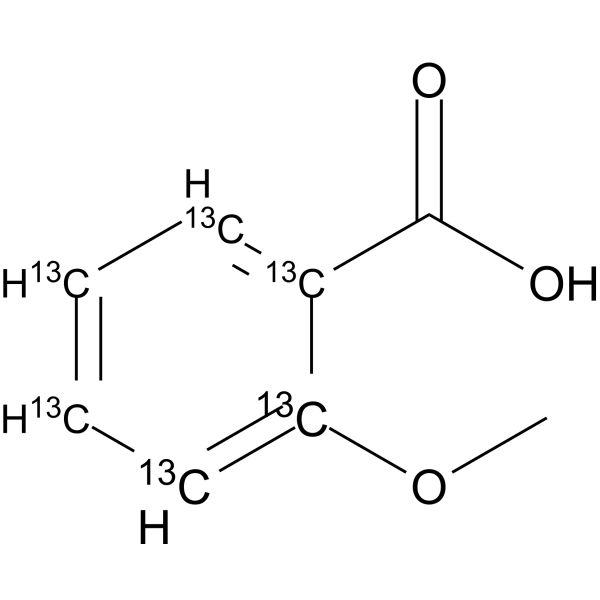
2-Methoxybenzoic acid (NSC 3778; O-Methylsalicylic acid; Salicylic acid methyl ether)- 13C6 is the 13C-labeled 2-Methoxybenzoic acid (HY-N1393). 2-Methoxybenzoic acid is a natural compound with potential salicylate-like effect. 2-Methoxybenzoic acid inhibits carbonic anhydrase activity, elevates intraplatelet cyclic guanosine monophosphate level, and suppresses cytosolic phospholipase A2 phosphorylation. 2-Methoxybenzoic acid suppresses platelet reactivity, including decreased spreading, retraction, and aggregation in platelets. 2-Methoxybenzoic acid ameliorates arterial thrombosis in a dose-dependent manner without affecting normal hemostasis in mice. 2-Methoxybenzoic acid can be used for the research of arterial thrombosis .
|
-
- HY-18252R
-
|
TA1790 (Standard)
|
Reference Standards
Phosphodiesterase (PDE)
NO Synthase
Endogenous Metabolite
|
Cardiovascular Disease
Endocrinology
|
|
Avanafil (Standard) is the analytical standard of Avanafil. This product is intended for research and analytical applications. Avanafil (TA-1790) is a potent and selective phosphodiesterase-5 (PDE-5) inhibitor with IC50 values of 5.2 nM, 630 nM, 5700 nM, 6200 nM, 12000 nM, 27000 nM, 51000 nM and 53000 nM for PDE-5, PDE-6, PDE-4, PDE-10, PDE-8, PDE-7, PDE-2 and PDE-1, respectively. Avanafil activates NO/cGMP/PKG signaling-pathway to decrease loss in BMD, bone atrophy, and oxidative stress. Avanafil inhibits cyclic guanosine monophosphate (cGMP) hydrolysis and thus increases cGMP levels. Avanafil can be used for the research of erectile dysfunction and osteoporosis .
|
-

- HY-18252S3
-
|
TA1790-13C5
|
Isotope-Labeled Compounds
Endogenous Metabolite
Phosphodiesterase (PDE)
NO Synthase
|
Cardiovascular Disease
Endocrinology
|
|
Avanafil- 13C5 (TA1790- 13C5) is 13C labeled Avanafil. Avanafil (TA-1790) is a potent and selective phosphodiesterase-5 (PDE-5) inhibitor with IC50 values of 5.2 nM, 630 nM, 5700 nM, 6200 nM, 12000 nM, 27000 nM, 51000 nM and 53000 nM for PDE-5, PDE-6, PDE-4, PDE-10, PDE-8, PDE-7, PDE-2 and PDE-1, respectively. Avanafil activates NO/cGMP/PKG signaling-pathway to decrease loss in BMD, bone atrophy, and oxidative stress. Avanafil inhibits cyclic guanosine monophosphate (cGMP) hydrolysis and thus increases cGMP levels. Avanafil can be used for the research of erectile dysfunction and osteoporosis .
|
-

- HY-18252S1
-
|
|
Endogenous Metabolite
NO Synthase
Phosphodiesterase (PDE)
Isotope-Labeled Compounds
|
Cardiovascular Disease
Endocrinology
|
|
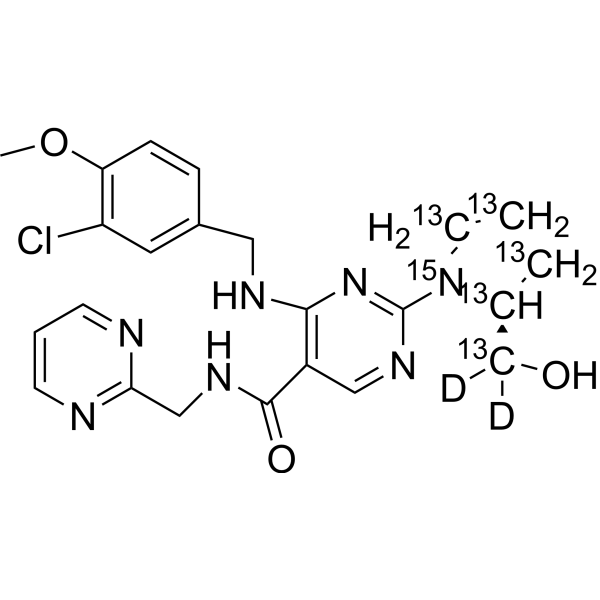
Avanafil- 13C5, 15N,d2 is 15N and deuterated labeled Avanafil (HY-18252). Avanafil (TA-1790) is a potent and selective phosphodiesterase-5 (PDE-5) inhibitor with IC50 values of 5.2 nM, 630 nM, 5700 nM, 6200 nM, 12000 nM, 27000 nM, 51000 nM and 53000 nM for PDE-5, PDE-6, PDE-4, PDE-10, PDE-8, PDE-7, PDE-2 and PDE-1, respectively. Avanafil activates NO/cGMP/PKG signaling-pathway to decrease loss in BMD, bone atrophy, and oxidative stress. Avanafil inhibits cyclic guanosine monophosphate (cGMP) hydrolysis and thus increases cGMP levels. Avanafil can be used for the research of erectile dysfunction and osteoporosis .
|
-
- HY-180473
-
-

- HY-119708A
-
|
RPL-554 tosylate
|
Phosphodiesterase (PDE)
|
Inflammation/Immunology
|
|
Ensifentrine (RPL-554) tosylate is an inhaled dual inhibitor of PDE3 and PDE4 with IC50s of 0.4 nM and 1479 nM, respectively. Ensifentrine tosylate blocks PDE3 and PDE4 enzymes, thereby increasing the levels of cyclic adenosine monophosphate (cAMP) and cyclic guanosine monophosphate (cGMP) in lung cells, dilating the bronchi, and inhibiting the activation and migration of inflammatory cells. Ensifentrine tosylate can be used in the research of chronic obstructive pulmonary disease (COPD) .
|
-

- HY-14841S
-
|
UK-369003-d5
|
Isotope-Labeled Compounds
Phosphodiesterase (PDE)
|
Neurological Disease
|
|
Gisadenafil-d5 (UK-369003-d5) is the deuterium labeled Gisadenafil (HY-14841). Gisadenafil (UK-369003) is a specific, orally active phosphodiesterase 5 (PDE5) inhibitor with an IC50 of 3.6 nM and prevents degradation of cyclic guanosine monophosphate (cGMP) .
|
-

- HY-147129
-
|
|
Guanylate Cyclase
Adenylate Cyclase
CXCR
NF-κB
|
Inflammation/Immunology
|
|
cGAS-IN-9 is a cyclic guanosine monophosphate-adenosine monophosphate synthase (cGAS) inhibitor, with IC50 values of 27.5 nM and 5.15 μM against human and murine cGAS, respectively. cGAS-IN-9 shows weak inhibitory activity against human soluble adenylate cyclase, with an IC50 of 26.4 μM. cGAS-IN-9 inhibits dsDNA-induced expression of IFNB1 and CXCL10, as well as activation of the NF-κB pathway, in human immune cells. cGAS-IN-9 can be used in research related to cGAS-dependent inflammatory diseases .
|
-

- HY-N1393S1
-
|
NSC 3778-d3; O-Methylsalicylic acid-d3; Salicylic acid methyl ether-d3
|
Isotope-Labeled Compounds
Carbonic Anhydrase
Phospholipase
|
Cardiovascular Disease
|
|
2-Methoxybenzoic acid (NSC 3778; O-Methylsalicylic acid; Salicylic acid methyl ether)-d3 is deuterium-labeled 2-Methoxybenzoic acid (HY-N1393). 2-Methoxybenzoic acid is a natural compound with potential salicylate-like effect. 2-Methoxybenzoic acid inhibits carbonic anhydrase activity, elevates intraplatelet cyclic guanosine monophosphate level, and suppresses cytosolic phospholipase A2 phosphorylation. 2-Methoxybenzoic acid suppresses platelet reactivity, including decreased spreading, retraction, and aggregation in platelets. 2-Methoxybenzoic acid ameliorates arterial thrombosis in a dose-dependent manner without affecting normal hemostasis in mice. 2-Methoxybenzoic acid can be used for the research of arterial thrombosis .
|
-

- HY-113972R
-
|
|
Reference Standards
Others
|
Inflammation/Immunology
|
|
Avanafil (Standard) is the analytical standard of Avanafil. This product is intended for research and analytical applications. Avanafil (TA-1790) is a potent and selective phosphodiesterase-5 (PDE-5) inhibitor with IC50 values of 5.2 nM, 630 nM, 5700 nM, 6200 nM, 12000 nM, 27000 nM, 51000 nM and 53000 nM for PDE-5, PDE-6, PDE-4, PDE-10, PDE-8, PDE-7, PDE-2 and PDE-1, respectively. Avanafil activates NO/cGMP/PKG signaling-pathway to decrease loss in BMD, bone atrophy, and oxidative stress. Avanafil inhibits cyclic guanosine monophosphate (cGMP) hydrolysis and thus increases cGMP levels. Avanafil can be used for the research of erectile dysfunction and osteoporosis .
|
-

| Cat. No. |
상품명 |
Target |
Research Area |
-
- HY-125153
-
|
|
Influenza Virus
|
Others
|
|
Bursin is a peptide that can be isolated from the bursa of Fabricius of chicken. Bursin induces the phenotypic differentiation of mammalian and avian B precursor cells. Bursin also increases cyclic guanosine monophosphate in cells of the human B-cell line Daudi, its derivatives are able to protect against infection by amplifying the immune response induced by H9N2 .
|
| Cat. No. |
상품명 |
Category |
Target |
Chemical Structure |
-
- HY-B0442
-
-
-
- HY-18252
-
|
TA1790
|
Cardiovascular Disease
Natural Products
Classification of Application Fields
Endogenous metabolite
Disease Research Fields
Endocrinology
Source Classification
|
Phosphodiesterase (PDE)
NO Synthase
Endogenous Metabolite
|
|
Avanafil (TA-1790) is a potent and selective phosphodiesterase-5 (PDE-5) inhibitor with IC50 values of 5.2 nM, 630 nM, 5700 nM, 6200 nM, 12000 nM, 27000 nM, 51000 nM and 53000 nM for PDE-5, PDE-6, PDE-4, PDE-10, PDE-8, PDE-7, PDE-2 and PDE-1, respectively. Avanafil activates NO/cGMP/PKG signaling-pathway to decrease loss in BMD, bone atrophy, and oxidative stress. Avanafil inhibits cyclic guanosine monophosphate (cGMP) hydrolysis and thus increases cGMP levels. Avanafil can be used for the research of erectile dysfunction and osteoporosis .
|
-
-
- HY-B0442A
-
-
-
- HY-Y0488A
-
-
-
- HY-B0442B
-
-
-
- HY-N1393
-
-
-
- HY-114367
-
-
-
- HY-N0097R
-
-
-
- HY-50723
-
-
-
- HY-50723R
-
-
-
- HY-18252A
-
|
TA1790 dibenzenesulfonate
|
Cardiovascular Disease
Natural Products
Classification of Application Fields
Endogenous metabolite
Disease Research Fields
Endocrinology
Source Classification
|
Phosphodiesterase (PDE)
NO Synthase
Endogenous Metabolite
|
|
Avanafil (TA-1790) dibenzenesulfonate is a potent and selective phosphodiesterase-5 (PDE-5) inhibitor with IC50 values of 5.2 nM, 630 nM, 5700 nM, 6200 nM, 12000 nM, 27000 nM, 51000 nM and 53000 nM for PDE-5, PDE-6, PDE-4, PDE-10, PDE-8, PDE-7, PDE-2 and PDE-1, respectively. Avanafil dibenzenesulfonate activates NO/cGMP/PKG signaling-pathway to decrease loss in BMD, bone atrophy, and oxidative stress. Avanafil dibenzenesulfonate inhibits cyclic guanosine monophosphate (cGMP) hydrolysis and thus increases cGMP levels. Avanafil dibenzenesulfonate can be used for the research of erectile dysfunction and osteoporosis .
|
-
-
- HY-B0442C
-
-
-
- HY-B0442CR
-
|
|
Structural Classification
Natural Products
Endogenous metabolite
Source Classification
|
Reference Standards
Endogenous Metabolite
Phosphodiesterase (PDE)
|
|
Vardenafil (dihydrochloride) (Standard) is the analytical standard of Vardenafil (dihydrochloride). This product is intended for research and analytical applications. Vardenafil dihydrochloride is a selective and orally active inhibitor of phosphodiesterase-5 (PDE5), with an IC50 of 0.7 nM. Vardenafil dihydrochloride shows inhibitory towards PDE1, PDE6 with IC50s of 180 nM, and 11 nM respectively, while IC50s are >1000 nM for PDE3 and PDE4. Vardenafil dihydrochloride competitively inhibits cyclic guanosine monophosphate (cGMP) hydrolysis and thus increases cGMP levels. Vardenafil dihydrochloride can be used for the research of erectile dysfunction, hepatitis, diabetes - .
|
-
-
- HY-B0442AR
-
|
|
Structural Classification
Natural Products
Endogenous metabolite
Source Classification
|
Phosphodiesterase (PDE)
Endogenous Metabolite
Reference Standards
|
|
Vardenafil (hydrochloride) (Standard) is the analytical standard of Vardenafil (hydrochloride). This product is intended for research and analytical applications. Vardenafil hydrochloride is a selective and orally active inhibitor of phosphodiesterase-5 (PDE5), with an IC50 of 0.7 nM. Vardenafil hydrochloride shows inhibitory towards PDE1, PDE6 with IC50s of 180 nM, and 11 nM, while IC50s are >1000 nM for PDE3 and PDE4 . Vardenafil hydrochloride competitively inhibits cyclic guanosine monophosphate (cGMP) hydrolysis and thus increases cGMP levels . Vardenafil hydrochloride can be used for the research of erectile dysfunction, hepatitis, diabetes - .
|
-
-
- HY-B0442R
-
-
-
- HY-W049735R
-
|
|
Monophenols
Phenols
Endogenous metabolite
Source Classification
|
Drug Metabolite
Reference Standards
Endogenous Metabolite
|
|
Vardenafil (dihydrochloride) (Standard) is the analytical standard of Vardenafil (dihydrochloride). This product is intended for research and analytical applications. Vardenafil dihydrochloride is a selective and orally active inhibitor of phosphodiesterase-5 (PDE5), with an IC50 of 0.7 nM. Vardenafil dihydrochloride shows inhibitory towards PDE1, PDE6 with IC50s of 180 nM, and 11 nM respectively, while IC50s are >1000 nM for PDE3 and PDE4. Vardenafil dihydrochloride competitively inhibits cyclic guanosine monophosphate (cGMP) hydrolysis and thus increases cGMP levels. Vardenafil dihydrochloride can be used for the research of erectile dysfunction, hepatitis, diabetes - .
|
-
-
- HY-B0442BR
-
|
|
Structural Classification
Natural Products
Endogenous metabolite
Source Classification
|
Reference Standards
Endogenous Metabolite
Phosphodiesterase (PDE)
|
|
Vardenafil (hydrochloride trihydrate) (Standard) is the analytical standard of Vardenafil (hydrochloride trihydrate). This product is intended for research and analytical applications. Vardenafil hydrochloride trihydrate is a selective and orally active inhibitor of phosphodiesterase-5 (PDE5), with an IC50 of 0.7 nM. Vardenafil hydrochloride trihydrate shows inhibitory towards PDE1, PDE6 with IC50s of 180 nM, and 11 nM, while IC50s are >1000 nM for PDE3 and PDE4 . Vardenafil hydrochloride trihydrate competitively inhibits cyclic guanosine monophosphate (cGMP) hydrolysis and thus increases cGMP levels . Vardenafil hydrochloride trihydrate can be used for the research of erectile dysfunction, hepatitis, diabetes - .
|
-
-
- HY-N1393R
-
|
NSC 3778 (Standard); O-Methylsalicylic acid (Standard); Salicylic acid methyl ether (Standard)
|
Structural Classification
Microorganisms
Ketones, Aldehydes, Acids
Endogenous metabolite
Source Classification
|
Reference Standards
Carbonic Anhydrase
Phospholipase
|
|
2-Methoxybenzoic acid (NSC 3778; O-Methylsalicylic acid; Salicylic acid methyl ether) (Standard) is the analytical standard of 2-Methoxybenzoic acid (HY-N1393). 2-Methoxybenzoic acid is a natural compound with potential salicylate-like effect. 2-Methoxybenzoic acid inhibits carbonic anhydrase activity, elevates intraplatelet cyclic guanosine monophosphate level, and suppresses cytosolic phospholipase A2 phosphorylation. 2-Methoxybenzoic acid suppresses platelet reactivity, including decreased spreading, retraction, and aggregation in platelets. 2-Methoxybenzoic acid ameliorates arterial thrombosis in a dose-dependent manner without affecting normal hemostasis in mice. 2-Methoxybenzoic acid can be used for the research of arterial thrombosis .
|
-
-
- HY-Y0488AR
-
|
Ammonium formate (Standard)
|
Structural Classification
Ketones, Aldehydes, Acids
Endogenous metabolite
Source Classification
|
Reference Standards
NO Synthase
Calcium Channel
Bacterial
ATP Synthase
|
|
Formic acid ammonium (Standard) is the analytical standard of Formic acid ammonium. This product is intended for research and analytical applications. Formic acid ammonium is the ammonium salt form of formic acid, which is an endogenous metabolite. Formic acid ammonium activates the nitric oxide/cyclic guanosine monophosphate (NO/cGMP) signaling pathway in endothelial cells and inhibits calcium ion influx in vascular smooth muscle cells, resulting in vasomotor relaxation. Formic acid ammonium inhibits cytochrome C oxidase (CcO) and disrupts the electron transport chain, leading to ATP depletion. Formic acid ammonium can be used as a feed additive, which can lower the feed pH value, inhibit the growth of microorganisms (such as Escherichia coli, Salmonella), and extend the shelf life of the feed.
|
-
-
- HY-18252R
-
|
TA1790 (Standard)
|
Structural Classification
Natural Products
Endogenous metabolite
Source Classification
|
Reference Standards
Phosphodiesterase (PDE)
NO Synthase
Endogenous Metabolite
|
|
Avanafil (Standard) is the analytical standard of Avanafil. This product is intended for research and analytical applications. Avanafil (TA-1790) is a potent and selective phosphodiesterase-5 (PDE-5) inhibitor with IC50 values of 5.2 nM, 630 nM, 5700 nM, 6200 nM, 12000 nM, 27000 nM, 51000 nM and 53000 nM for PDE-5, PDE-6, PDE-4, PDE-10, PDE-8, PDE-7, PDE-2 and PDE-1, respectively. Avanafil activates NO/cGMP/PKG signaling-pathway to decrease loss in BMD, bone atrophy, and oxidative stress. Avanafil inhibits cyclic guanosine monophosphate (cGMP) hydrolysis and thus increases cGMP levels. Avanafil can be used for the research of erectile dysfunction and osteoporosis .
|
-
-
- HY-113972R
-
|
|
Structural Classification
Monophenols
Microorganisms
Marine natural products
Phenols
Marine microorganism
|
Reference Standards
Others
|
|
Avanafil (Standard) is the analytical standard of Avanafil. This product is intended for research and analytical applications. Avanafil (TA-1790) is a potent and selective phosphodiesterase-5 (PDE-5) inhibitor with IC50 values of 5.2 nM, 630 nM, 5700 nM, 6200 nM, 12000 nM, 27000 nM, 51000 nM and 53000 nM for PDE-5, PDE-6, PDE-4, PDE-10, PDE-8, PDE-7, PDE-2 and PDE-1, respectively. Avanafil activates NO/cGMP/PKG signaling-pathway to decrease loss in BMD, bone atrophy, and oxidative stress. Avanafil inhibits cyclic guanosine monophosphate (cGMP) hydrolysis and thus increases cGMP levels. Avanafil can be used for the research of erectile dysfunction and osteoporosis .
|
-
| Cat. No. |
상품명 |
Chemical Structure |
-
- HY-B0442AS
-
|
|
|
Vardenafil-d5 hydrochloride is deuterated labeled Vardenafil hydrochloride (HY-B0442A). Vardenafil hydrochloride is a selective and orally active inhibitor of phosphodiesterase-5 (PDE5), with an IC50 of 0.7 nM. Vardenafil hydrochloride shows inhibitory towards PDE1, PDE6 with IC50s of 180 nM, and 11 nM, while IC50s are >1000 nM for PDE3 and PDE4 . Vardenafil hydrochloride competitively inhibits cyclic guanosine monophosphate (cGMP) hydrolysis and thus increases cGMP levels . Vardenafil hydrochloride can be used for the research of erectile dysfunction, hepatitis, diabetes [1]-[6].
|
-
-
- HY-50723S1
-
|
|
|
3-Methylxanthine-d3 is deuterated labeled 3-Methylxanthine (HY-50723). 3-Methylxanthine, a xanthine derivative, is a cyclic guanosine monophosphate (GMP) inhibitor, with an IC50 of 920 μM on guinea-pig isolated trachealis muscle.
|
-
-
- HY-W654000
-
|
|
|
Cyclic GMP- 13C, 15N2 is 13C and 15N labeled Cyclic GMP (HY-113469). Cyclic GMP (cGMP), an important second messenger, is a major intracellular mediator of extracellular signals such as nitric oxide (NO) and natriuretic peptides (NPs). Effects of Cyclic GMP occur through three main groups of cellular targets: cGMP-dependent protein kinases (PKGs), cGMP-gated cation channels, and PDEs. Cyclic GMP can inhibit both platelet adhesion and aggregation. cGAMP (Cyclic-GMP-AMP) (HY-12512), a conjugate of Cyclic GMP and AMP, can induce IRF3 phosphorylation and nuclear translocation, enhancing antiviral immune responses .
|
-
-
- HY-B0442S
-
|
|
|
Vardenafil-d5 is deuterium labeled Vardenafil. Vardenafil is a selective, orally active, potent inhibitor of phosphodiesterase-5 (PDE5), with an IC50 of 0.7 nM. Vardenafil shows selectivity over PDE1 (180 nM), PDE6 (11 nM), PDE2, PDE3, and PDE4 (>1000 nM). Vardenafil competitively inhibits cyclic guanosine monophosphate (cGMP) hydrolysis and thus increases cGMP levels. Vardenafil can be used for the research of erectile dysfunction .
|
-
-
- HY-N1393S
-
|
|
|
2-Methoxybenzoic acid (NSC 3778; O-Methylsalicylic acid; Salicylic acid methyl ether)- 13C6 is the 13C-labeled 2-Methoxybenzoic acid (HY-N1393). 2-Methoxybenzoic acid is a natural compound with potential salicylate-like effect. 2-Methoxybenzoic acid inhibits carbonic anhydrase activity, elevates intraplatelet cyclic guanosine monophosphate level, and suppresses cytosolic phospholipase A2 phosphorylation. 2-Methoxybenzoic acid suppresses platelet reactivity, including decreased spreading, retraction, and aggregation in platelets. 2-Methoxybenzoic acid ameliorates arterial thrombosis in a dose-dependent manner without affecting normal hemostasis in mice. 2-Methoxybenzoic acid can be used for the research of arterial thrombosis .
|
-
-
- HY-18252S3
-
|
|
|
Avanafil- 13C5 (TA1790- 13C5) is 13C labeled Avanafil. Avanafil (TA-1790) is a potent and selective phosphodiesterase-5 (PDE-5) inhibitor with IC50 values of 5.2 nM, 630 nM, 5700 nM, 6200 nM, 12000 nM, 27000 nM, 51000 nM and 53000 nM for PDE-5, PDE-6, PDE-4, PDE-10, PDE-8, PDE-7, PDE-2 and PDE-1, respectively. Avanafil activates NO/cGMP/PKG signaling-pathway to decrease loss in BMD, bone atrophy, and oxidative stress. Avanafil inhibits cyclic guanosine monophosphate (cGMP) hydrolysis and thus increases cGMP levels. Avanafil can be used for the research of erectile dysfunction and osteoporosis .
|
-
-
- HY-18252S1
-
|
|
|
Avanafil- 13C5, 15N,d2 is 15N and deuterated labeled Avanafil (HY-18252). Avanafil (TA-1790) is a potent and selective phosphodiesterase-5 (PDE-5) inhibitor with IC50 values of 5.2 nM, 630 nM, 5700 nM, 6200 nM, 12000 nM, 27000 nM, 51000 nM and 53000 nM for PDE-5, PDE-6, PDE-4, PDE-10, PDE-8, PDE-7, PDE-2 and PDE-1, respectively. Avanafil activates NO/cGMP/PKG signaling-pathway to decrease loss in BMD, bone atrophy, and oxidative stress. Avanafil inhibits cyclic guanosine monophosphate (cGMP) hydrolysis and thus increases cGMP levels. Avanafil can be used for the research of erectile dysfunction and osteoporosis .
|
-
-
- HY-14841S
-
|
|
|
Gisadenafil-d5 (UK-369003-d5) is the deuterium labeled Gisadenafil (HY-14841). Gisadenafil (UK-369003) is a specific, orally active phosphodiesterase 5 (PDE5) inhibitor with an IC50 of 3.6 nM and prevents degradation of cyclic guanosine monophosphate (cGMP) .
|
-
-
- HY-N1393S1
-
|
|
|
2-Methoxybenzoic acid (NSC 3778; O-Methylsalicylic acid; Salicylic acid methyl ether)-d3 is deuterium-labeled 2-Methoxybenzoic acid (HY-N1393). 2-Methoxybenzoic acid is a natural compound with potential salicylate-like effect. 2-Methoxybenzoic acid inhibits carbonic anhydrase activity, elevates intraplatelet cyclic guanosine monophosphate level, and suppresses cytosolic phospholipase A2 phosphorylation. 2-Methoxybenzoic acid suppresses platelet reactivity, including decreased spreading, retraction, and aggregation in platelets. 2-Methoxybenzoic acid ameliorates arterial thrombosis in a dose-dependent manner without affecting normal hemostasis in mice. 2-Methoxybenzoic acid can be used for the research of arterial thrombosis .
|
-
| Cat. No. |
상품명 |
|
Classification |
-
- HY-133190
-
|
|
|
PROTAC Synthesis
Alkynes
|
|
Bis-propargyl-PEG7 is a PEG-based PROTAC linker used in the synthesis of PROTACs. Bis-propargyl-PEG7 can be used to synthesize the polymer linked multimers of guanosine-3', 5'-cyclic monophosphates . Bis-propargyl-PEG7 is a click chemistry reagent, it contains an Alkyne group and can undergo copper-catalyzed azide-alkyne cycloaddition (CuAAc) with molecules containing Azide groups.
|
-
- HY-117186
-
|
|
|
Alkynes
PROTAC Synthesis
|
|
Bis-propargyl-PEG6 is a PEG-based PROTAC linker used in the synthesis of PROTACs. Bis-propargyl-PEG6 can be used to synthesize the polymer linked multimers of guanosine-3', 5'-cyclic monophosphates . Bis-propargyl-PEG6 is a click chemistry reagent, it contains an Alkyne group and can undergo copper-catalyzed azide-alkyne cycloaddition (CuAAc) with molecules containing Azide groups.
|
-
- HY-130530
-
|
|
|
Alkynes
|
|
AP-C5 displays selective inhibition of guanosine 3′,5′-cyclic monophosphate (cGMP)-dependent protein kinase II (cGKII) with a pIC50 of 7.2, which can be used for the research of diarrheal disease . AP-C5 is a click chemistry reagent, it contains an Alkyne group and can undergo copper-catalyzed azide-alkyne cycloaddition (CuAAc) with molecules containing Azide groups.
|
| Cat. No. |
상품명 |
|
Classification |
-
- HY-159857
-
|
Gp(2′-5′)Ap(3′) sodium; 2'5'-GpAp sodium; Guanylyl-(2′→5′)-3′-adenylic acid sodium
|
|
Nucleotide Analogs
|
|
Gp(2′-5′)Ap sodium is a linear dinucleotide analog after hydrolysis of cyclic guanosine monophosphate- adenosine monophosphate (2’3’-cGAMP) by phosphodiesterases. Due to its linear conformation, 2’5’GpAp is intended to serve as a negative control for 2’3’-cGAMP in type I IFN induction assays.
|
Your information is safe with us. * Required Fields.
Inquiry Information
- 상품명:
- Cat. No.:
- 수량:
- MCE Japan Authorized Agent:








