



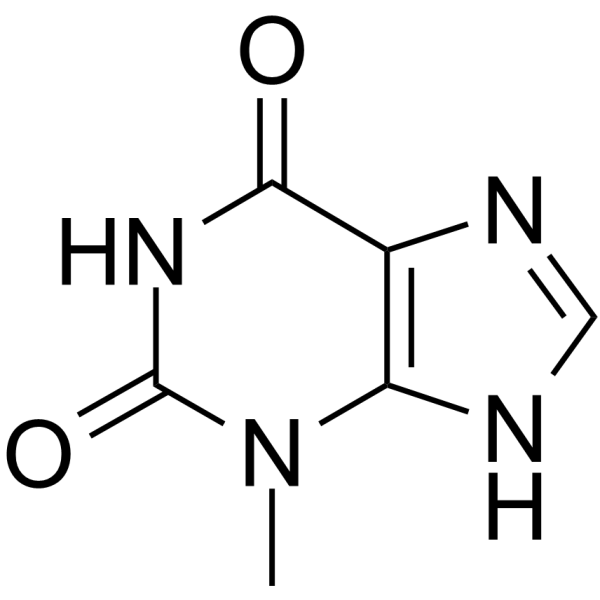
3-Methylxanthine

Based on 1 Customer Validation
3-Methylxanthine is a blood-brain barrier-permeable cyclic GMP phosphodiesterase inhibitor, with an IC50 of 920 μM against guinea pig cyclic GMP phosphodiesterase. 3-Methylxanthine relaxes the spontaneous tension of isolated guinea pig tracheal smooth muscle preparations. Through a DRD1-dependent pathway, 3-Methylxanthine upregulates the expression of γH2AX and activated caspase-3, downregulates the expression of Bcl-2, and enhances Cisplatin-induced apoptosis (apoptosis) in ovarian cancer cells both in vitro and in vivo. 3-Methylxanthine induces clonic convulsions in the central nervous system. 3-Methylxanthine is the major metabolite of Theophylline (HY-B0809). 3-Methylxanthine can be used in studies related to ovarian cancer and neurotoxic convulsions.
For research use only. We do not sell to patients.
- Purity : 99.45%
- CAS No.: 1076-22-8
- Formula: C6H6N4O2
- Molecular Weight:166.14
-
Storage:Powder -20°C, 3 years , 4°C, 2 years ; In solvent -80°C, 6 months , -20°C, 1 month

To place orders, for customer services and technical support, please contact: MedChemExpress USA
Tel: 609-228-6898 E-mail: [email protected] [email protected]


-
 Biological Activity
-
Chemical Information
-
Solvent & Solubility
- Protocols
- Purity & Documentation
- References
-
 Help & FAQs


-
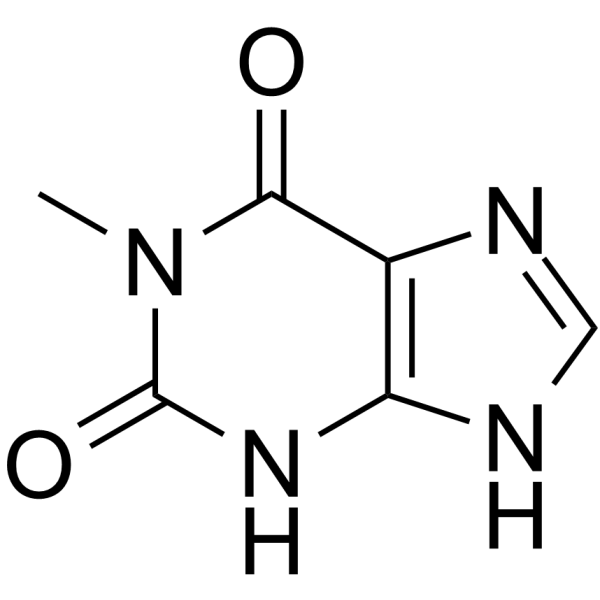
HY-W008449
1-Methylxanthine -
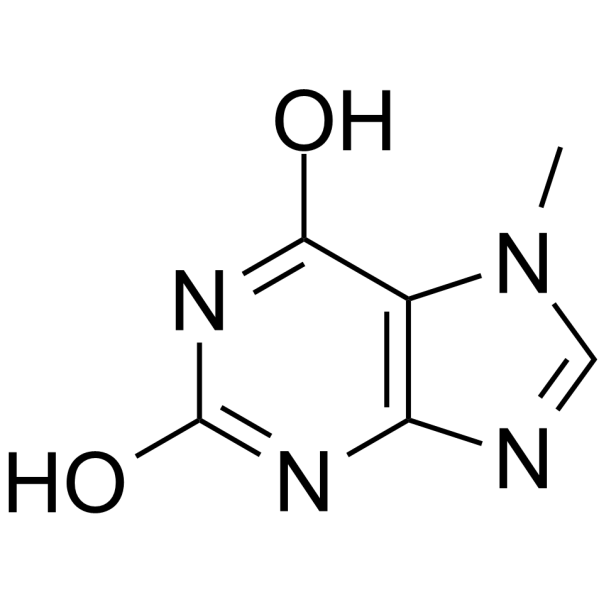
HY-W017163
7-MethylxanthineAdenosine Receptor Antagonist -
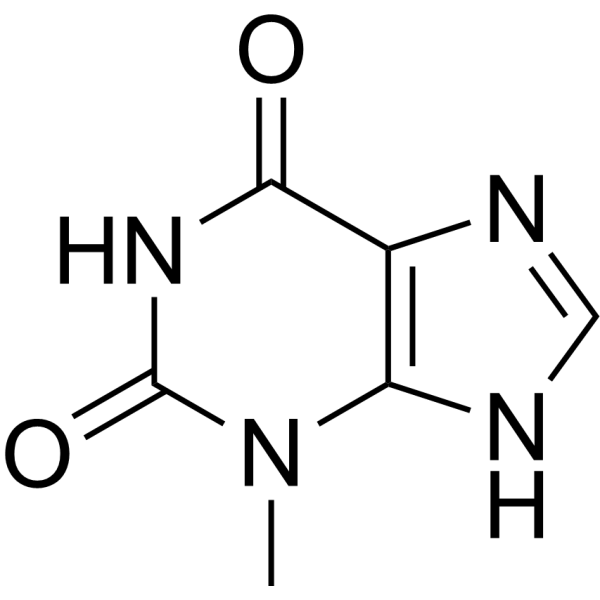
HY-50723R
3-Methylxanthine (Standard)Endogenous Metabolite -
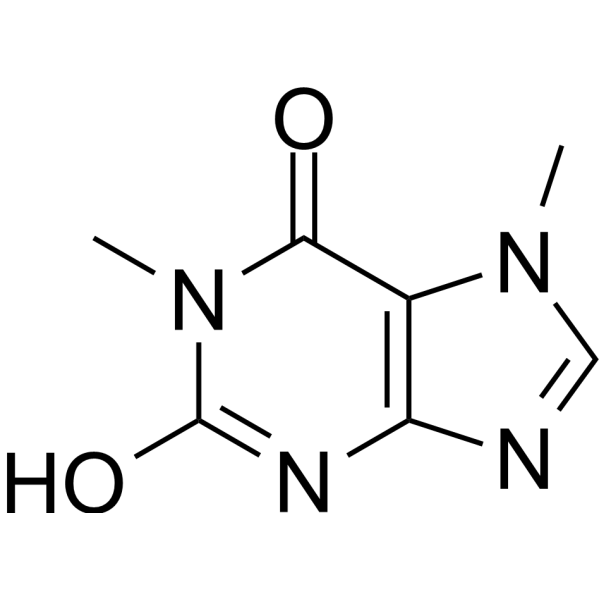
HY-W016498
Paraxanthine -
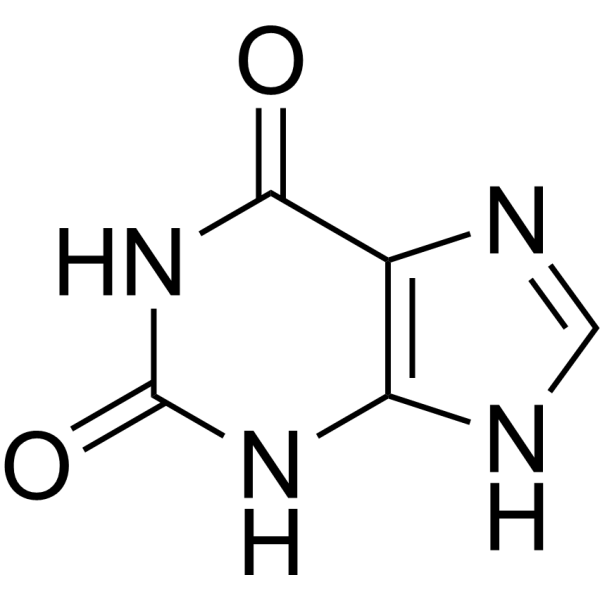
HY-W017389
Xanthine -
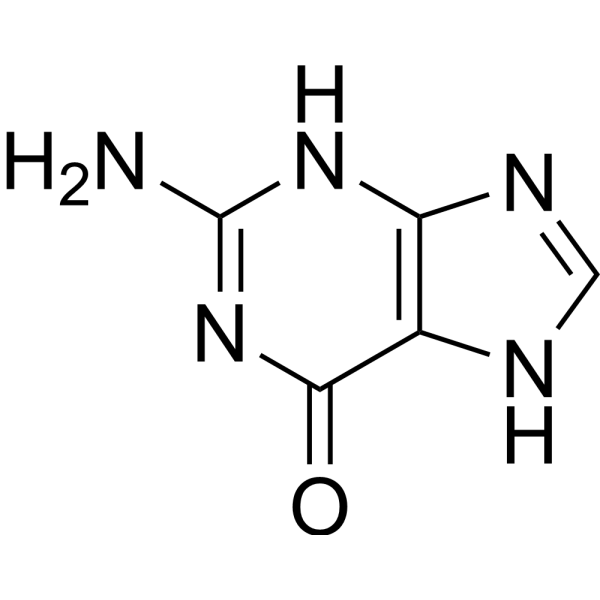
HY-Y1055
GuanineGuanine Nucleotide -
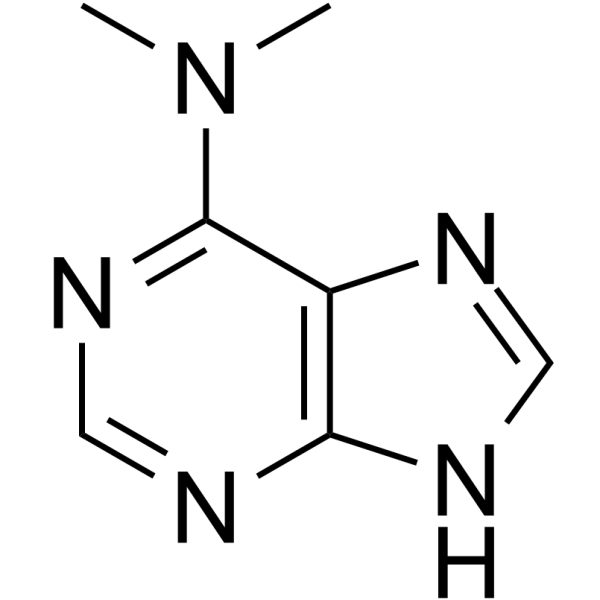
HY-W010128
6-(Dimethylamino)purineSerine Threonine Protein kinase Inhibitor -
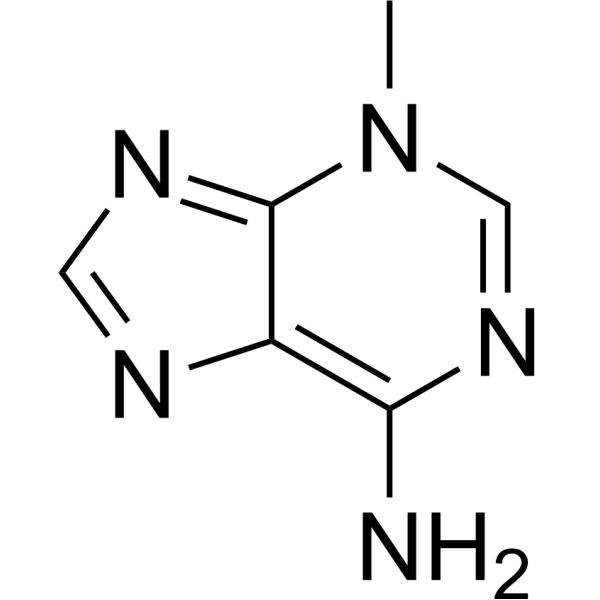
HY-19312
3-MethyladenineAutophagy/PI3K Inhibitor -
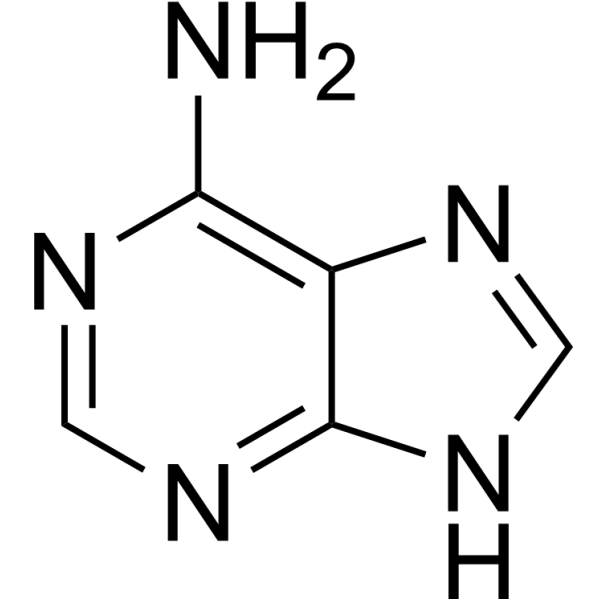
HY-B0152
AdenineNucleobase -

HY-W017389R
Xanthine (Standard) -
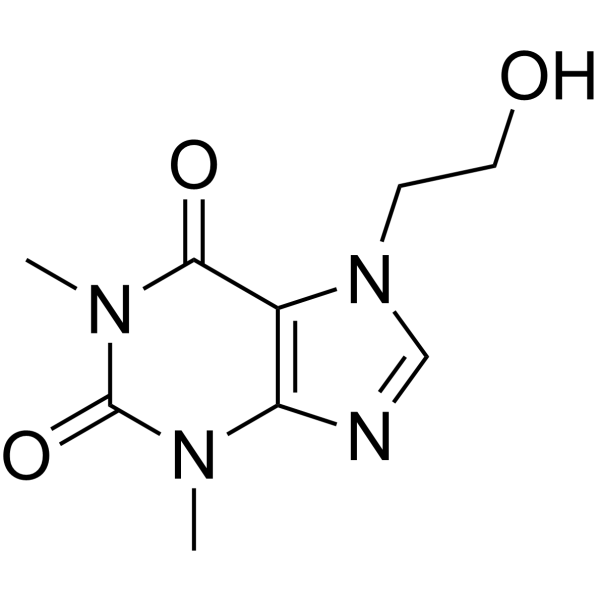
HY-B1209
EtofyllineBronchodilator -

HY-Y1055R
Guanine (Standard)Guanine Nucleotide


Biological Activity
Description
IC50 & Target
[2]|
Caspase 3 |
Bcl-2 |
In Vitro
3-Methylxanthine (15 min) inhibits purified cyclic GMP phosphodiesterase in guinea pig tracheal smooth muscle, with an IC50 of 920 μM[1].
3-Methylxanthine (2 mM; 24 h) upregulates the expression of DRD1 mRNA and protein in mouse ovarian cancer ID8 cells[2].
3-Methylxanthine (2 mM; 24 h) sensitizes ID8 and SKOV3 cells to Cisplatin (HY-17394), synergistically inhibits cell proliferation, and induces apoptosis in a DRD1-dependent manner[2].
Co-incubation with 3-Methylxanthine (2 mM; 24 h) enhances Cisplatin-induced DNA damage and apoptosis in ID8 and SKOV3 cells by upregulating the expression of γH2AX and activated caspase-3, and downregulating the expression of Bcl-2[2].
MedChemExpress (MCE) has not independently confirmed the accuracy of these methods. They are for reference only. Further protocols information, click here.
-
Cell Line:ID8 cells, SKOV3 cells
-
Concentration:2 mM (co-incubated with 20 µM cisplatin)
-
Incubation Time:24 h
-
Result:Sensitized ID8 and SKOV3 cells to Cisplatin's growth inhibitory effects.
Reduced Cisplatin's IC50 from 21.21 µM to 12.72 µM in ID8 cells.
Reduced Cisplatin's IC50 from 37.5 µM to 25.42 µM in SKOV3 cells.
Synergistically reduced the percentage of EdU-positive cells in both ID8 and SKOV3 cells compared to Cisplatin alone.
-
Cell Line:ID8 cells, SKOV3 cells
-
Concentration:2 mM (co-incubated with 20 µM Cisplatin)
-
Incubation Time:24 h
-
Result:Did not induce apoptosis when used alone.
Synergistically increased the apoptosis rate in both ID8 and SKOV3 cells compared to Cisplatin alone.
-
Cell Line:ID8 cells, SKOV3 cells
-
Concentration:2 mM
-
Incubation Time:24 h
-
Result:Significantly increased γH2AX and cleaved caspase-3 protein expression compared to Cisplatin alone in both cell lines.
Decreased Bcl-2 protein expression compared to Cisplatin alone in both cell lines.
Left Bax protein expression unchanged compared to Cisplatin alone in both cell lines.
-
Cell Line:ID8 cells
-
Concentration:2 mM
-
Incubation Time:24 h
-
Result:Significantly upregulated DRD1 mRNA expression in ID8 cells compared to untreated controls.
Significantly upregulated DRD1 protein expression in ID8 cells compared to untreated controls.
-
Cell Line:DRD1-silenced murine ovarian cancer ID8 cells
-
Concentration:2 mM
-
Incubation Time:24 h (after 24 h siRNA transfection)
-
Result:Significantly reduced the apoptosis rate in ID8 cells treated with the combination of 3-methylxanthine and cisplatin, compared to si-NC-transfected cells receiving the same treatment.
-
Cell Line:murine ovarian cancer ID8 cells treated with DRD1 antagonist SCH23390 (HY-19545)
-
Concentration:2 mM (co-incubated with 100 µM SCH23390 and cisplatin)
-
Incubation Time:24 h
-
Result:Substantially attenuated the apoptosis induced by the combination of 3-methylxanthine and cisplatin in ID8 cells.
-
Cell Line:DRD1-silenced murine ovarian cancer ID8 cells
-
Concentration:2 mM
-
Incubation Time:24 h (after 24 h siRNA transfection)
-
Result:Significantly reduced γH2AX and cleaved caspase-3 expression in ID8 cells treated with the combination of 3-methylxanthine and cisplatin, compared to si-NC-transfected cells receiving the same treatment.
Increased Bcl-2 expression in ID8 cells treated with the combination of 3-methylxanthine and cisplatin, compared to si-NC-transfected cells receiving the same treatment.
In Vivo
3-Methylxanthine (10 mg/kg; i.p.; daily) significantly enhances Cisplatin-induced tumor regression and apoptosis in immunocompromised BALB/c-nu mice bearing ovarian cancer, and this effect is independent of an intact immune system[2].
3-Methylxanthine (1107 nM/body; intracerebral administration; single injection) exhibits intrinsic convulsive activity in male ddY mice, with an ED50 of 1107 nM/body[3].
3-Methylxanthine (7.48 mM/kg; intravenous injection; constant-rate infusion until seizure onset or for 60 min) induces clonic seizures in male ddY mice[3].
MedChemExpress (MCE) has not independently confirmed the accuracy of these methods. They are for reference only.
-
Animal Model:C57BL/6 (female, 6-8 weeks old, intraperitoneal implantation of luciferase-tagged ID8 murine ovarian cancer cells)[2]
-
Dosage:10 mg/kg
-
Administration:i.p.; daily
-
Result:Led to a significant reduction in tumor burden (measured by BLI total flux) at day 28 after tumor implantation when administered in combination with Cisplatin compared to Cisplatin alone.
Showed no significant tumor regression when used alone.
-
Animal Model:BALB/c-nu (female, 6-8 weeks old, immunocompromised, subcutaneous implantation of luciferase-tagged ID8 murine ovarian cancer cells)[2]
-
Dosage:10 mg/kg
-
Administration:i.p.; daily
-
Result:Induced significant tumor regression (measured by tumor volume) when administered in combination with Cisplatin compared to cisplatin alone.
Increased apoptotic (TUNEL-positive) cells in tumor tissue from the combination group relative to the Cisplatin-only group.
-
Animal Model:ddY (male, 5 weeks old, 20-30 g)[3]
-
Dosage:1107 nM/body
-
Administration:intracerebral; single injection
-
Result:Induced clonic convulsions in a dose-dependent manner.
Exhibited an ED50 of 1107 nM/body with a slope factor of 1.41.
Showed smaller convulsive potency than theophylline.
-
Animal Model:ddY (male, 20-30 g)[3]
-
Dosage:7.48 mM/kg
-
Administration:i.v.; constant rate infusion until convulsion onset or 60 minutes
-
Result:Induced clonic convulsions with an onset time of 24.5 minutes.
Reached a plasma concentration of 5.21 mM, brain concentration of 0.81 μM/g, and brain-to-plasma concentration ratio of 0.16 mL/g at convulsion onset.
Had no detectable metabolites in plasma or brain samples at convulsion onset.


Chemical Information
-
CAS No. 1076-22-8
-
Appearance Solid
-
Molecular Weight 166.14
-
Formula C6H6N4O2
-
Color White to khaki
-
SMILES
O=C1N(C)C2=C(N=CN2)C(N1)=O
-
Structure Classification
-
Initial Source
-
Shipping
Room temperature in continental US; may vary elsewhere.
-
Storage
Powder -20°C 3 years 4°C 2 years In solvent -80°C 6 months -20°C 1 month


Solvent & Solubility
In Vitro:
1M NaOH : 50 mg/mL (300.95 mM; ultrasonic and adjust pH to 11 with 1M NaOH)
DMSO : 2 mg/mL (12.04 mM; ultrasonic and warming and heat to 60°C; Hygroscopic DMSO has a significant impact on the solubility of product, please use newly opened DMSO)
H2O : < 0.1 mg/mL (insoluble)
Please refer to the solubility information to select the appropriate solvent. Once prepared, please aliquot and store the solution to prevent product inactivation from repeated freeze-thaw cycles.
Storage method and period of stock solution: -80°C, 6 months; -20°C, 1 month. When stored at -80°C, please use it within 6 months. When stored at -20°C, please use it within 1 month.
Please refer to the solubility information to select the appropriate solvent. Once prepared, please aliquot and store the solution to prevent product inactivation from repeated freeze-thaw cycles.
Storage method and period of stock solution: -80°C, 6 months; -20°C, 1 month. When stored at -80°C, please use it within 6 months. When stored at -20°C, please use it within 1 month.
Concentration (start) × Volume (start) = Concentration (final) × Volume (final)

Protocols
-
RNA extraction experimental
By lysing cells, releasing RNA, and removing impurities such as proteins and DNA, high-purity RNA products are finally obtained. The commonly used traditional method is the guanidine isothiocyanate/phenol/chloroform method (Trizol), which is suitable for a variety of animal materials including animal tissues, microorganisms, cultured cells, etc., and most plant materials.
-
Neurotoxicity Study
This protocol assesses in vitro neurotoxicity by combining neuronal viability, mitochondrial/metabolic activity, neurite outgrowth, and optional neuronal network function readouts. Calcein-AM or resazurin/PrestoBlue readouts estimate viable or metabolically active cells; βIII-tubulin immunofluorescence detects neuronal morphology and neurite networks; TMRE detects mitochondrial membrane potential; and MEA recordings detect functional changes in neuronal network activity.
-
Apoptosis
Apoptosis, also called programmed cell death, is generally characterized by distinct morphological characteristics.
-
TUNEL staining for apoptotic DNA fragmentation
TUNEL staining detects DNA strand breaks by using terminal deoxynucleotidyl transferase to add labeled nucleotides to exposed 3′-OH DNA termini, generating either microscopic staining in fixed cells or tissue sections, or fluorescence/cytometric signal in cell suspensions. TUNEL positivity reflects DNA fragmentation but should not be interpreted alone as definitive apoptosis, because TUNEL can also label necrotic, autolytic, mechanically damaged, or DNA-repair-associated DNA breaks.
-
Cell Cytotoxicity Assay
Cytotoxicity assays are usually based on the assessment of cell membrane damage, which can also be indirectly detected by measuring cell viability. Detection methods include MTT assay, CKK-8 assay, LDH assay and ATP assay, etc.
-
Annexin V plus membrane-impermeant dye apoptosis staining
Annexin V-based apoptosis assays rely on the detection of phosphatidylserine (PS) externalization from the inner leaflet of the plasma membrane to the outer leaflet, an early biochemical hallmark of apoptosis. Fluorescently labeled Annexin V binds PS in a calcium-dependent manner, enabling identification of early apoptotic cells by flow cytometry or fluorescence microscopy. When combined with a membrane-impermeant DNA-binding dye (e. g. , propidium iodide), this approach allows discrimination between viable (Annexin V−/dye−), early apoptotic (Annexin V+/dye−), and late apoptotic or necrotic (Annexin V+/dye+) cell populations by assessing membrane integrity and PS exposure.
-
Apoptosis Solutions
Apoptosis is a regulated, generally non-lytic cell-death pathway that removes unwanted, damaged, infected, or abnormal cells through coordinated morphological changes, caspase activation, DNA fragmentation, and membrane remodeling. The intrinsic apoptosis pathway is controlled mainly by mitochondrial outer membrane permeabilization, BCL-2 family proteins, cytochrome c release, apoptosome formation, caspase-9 activation, and downstream executioner caspase-3/7 activation. The extrinsic apoptosis pathway is initiated by death receptors such as Fas, TNFR, and TRAIL receptors, which recruit adaptor proteins and activate caspase-8 before engaging executioner caspases or mitochondrial amplification through BID cleavage. Apoptosis is linked to many phenotypes, including cancer cell killing, tissue homeostasis, immune regulation, neurodegeneration, infection response, and treatment-induced cytotoxicity; unresolved questions include how apoptosis interacts with necroptosis, pyroptosis, ferroptos


Purity & Documentation
-
Data Sheet (300 KB)
-
SDS (393 KB)
- English - EN (393 KB)
- Français - FR (393 KB)
- Deutsch - DE (393 KB)
- Norwegian - NO (393 KB)
- Español - ES (393 KB)
- Swedish - SV (393 KB)
- Italian - IT (393 KB)
- Korean - KR (393 KB)
- Portuguese - PT (393 KB)
-
Handling Instructions (2659 KB)
References
[1]. Tanaka H, et al. Inhibition of cyclic GMP phosphodiesterase by xanthine derivatives relaxes guinea-pig trachealis smooth muscle. Clinical and experimental pharmacology & physiology. 1991 Mar;18(3):163-8. [Content Brief]
[2]. Mai Z, et al. Gut-derived metabolite 3-methylxanthine enhances cisplatin-induced apoptosis via dopamine receptor D1 in a mouse model of ovarian cancer. mSystems. 2024 Jul 23;9(7):e0130123. [Content Brief]
[3]. Yamamoto K, et al. Neurotoxic convulsions induced by theophylline and its metabolites in mice. Biological & pharmaceutical bulletin. 1996 Jun;19(6):869-72. [Content Brief]


Complete Stock Solution Preparation Table
Please refer to the solubility information to select the appropriate solvent. Once prepared, please aliquot and store the solution to prevent product inactivation from repeated freeze-thaw cycles.
Storage method and period of stock solution: -80°C, 6 months; -20°C, 1 month. When stored at -80°C, please use it within 6 months. When stored at -20°C, please use it within 1 month.
| Optional Solvent | Concentration Solvent Mass | 1 mg | 5 mg | 10 mg | 25 mg |
|---|---|---|---|---|---|
| DMSO / 1M NaOH | 1 mM | 6.0190 mL | 30.0951 mL | 60.1902 mL | 150.4755 mL |
| 5 mM | 1.2038 mL | 6.0190 mL | 12.0380 mL | 30.0951 mL | |
| 10 mM | 0.6019 mL | 3.0095 mL | 6.0190 mL | 15.0476 mL | |
| 1M NaOH | 15 mM | 0.4013 mL | 2.0063 mL | 4.0127 mL | 10.0317 mL |
| 20 mM | 0.3010 mL | 1.5048 mL | 3.0095 mL | 7.5238 mL | |
| 25 mM | 0.2408 mL | 1.2038 mL | 2.4076 mL | 6.0190 mL | |
| 30 mM | 0.2006 mL | 1.0032 mL | 2.0063 mL | 5.0159 mL | |
| 40 mM | 0.1505 mL | 0.7524 mL | 1.5048 mL | 3.7619 mL | |
| 50 mM | 0.1204 mL | 0.6019 mL | 1.2038 mL | 3.0095 mL | |
| 60 mM | 0.1003 mL | 0.5016 mL | 1.0032 mL | 2.5079 mL | |
| 80 mM | 0.0752 mL | 0.3762 mL | 0.7524 mL | 1.8809 mL | |
| 100 mM | 0.0602 mL | 0.3010 mL | 0.6019 mL | 1.5048 mL |


3-Methylxanthine Related Classifications
HY-50723 Related Classifications
 Powered by Bioz