1. Search Result
Search Result
Pathways Recommended: Cell Cycle/DNA Damage
Results for "

cyclization reaction

" in MedChemExpress (MCE) Product Catalog:

59

Inhibitors & Agonists

5

Screening Libraries

1

Fluorescent Dyes

7

Biochemical Assay Reagents

3

Peptides

21

Natural
Products

7

Isotope-Labeled Compounds

1

Oligonucleotides

1

GMP Molecules

Cat. No. Product Name Target Research Areas Chemical Structure
  • HY-W013636
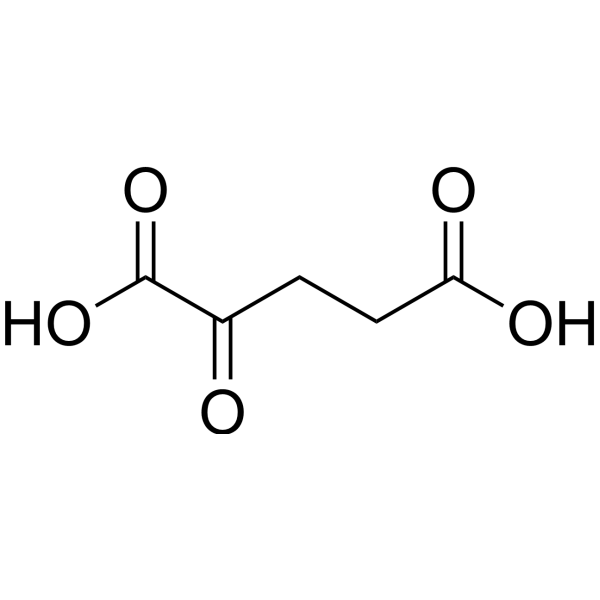
    2-Ketoglutaric acid
    5+ Cited Publications

    Alpha-Ketoglutaric acid; 2-Oxoglutaric acid

    Tyrosinase Endogenous Metabolite Neurological Disease Metabolic Disease
    2-Ketoglutaric acid (Alpha-Ketoglutaric acid) is an intermediate in the production of ATP or GTP in the Krebs cycle. 2-Ketoglutaric acid also acts as the major carbon skeleton for nitrogen-assimilatory reactions. 2-Ketoglutaric acid is a reversible inhibitor of tyrosinase (IC50=15 mM) .
    2-Ketoglutaric acid
  • HY-F0001
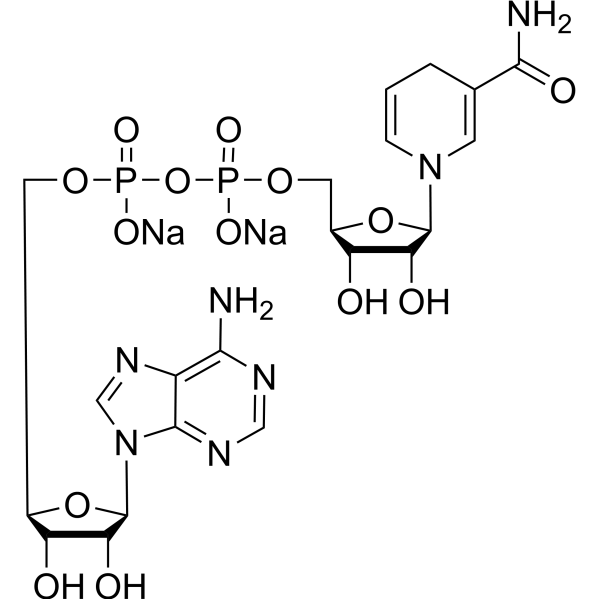
    NADH disodium salt
    Maximum Cited Publications
    8 Publications Verification

    Disodium NADH

    Endogenous Metabolite Metabolic Disease
    NADH disodium salt (Disodium NADH) is an orally active reduced coenzyme. NADH disodium salt is a donor of ADP-ribose units in ADP-ribosylaton reactions and a precursor of cyclic ADP-ribose. NADH disodium salt plays a role as a regenerative electron donor in cellular energy metabolism, including glycolysis, β-oxidation and the tricarboxylic acid (TCA) cycle .
    NADH disodium salt
  • HY-113596
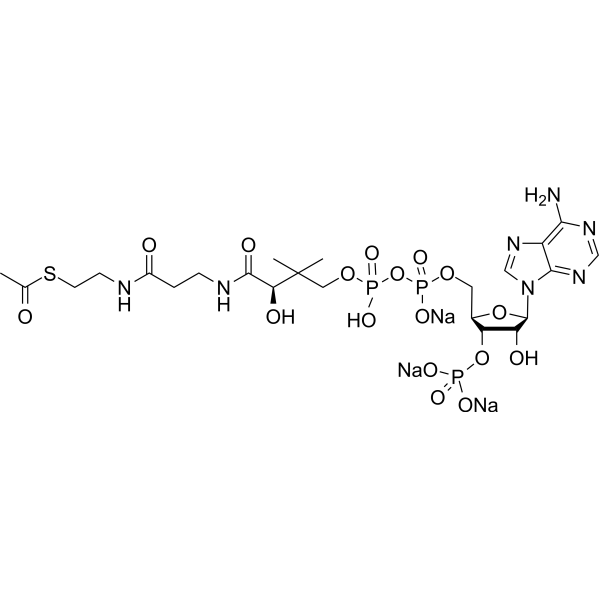
    Acetyl Coenzyme A trisodium
    4 Publications Verification

    Acetyl-CoA trisodium

    Oxidative Phosphorylation Endogenous Metabolite Autophagy Metabolic Disease
    Acetyl-coenzyme A (Acetyl-CoA) trisodium is a membrane-impermeant central metabolic intermediate, participates in the TCA cycle and oxidative phosphorylation metabolism. Acetyl-coenzyme A trisodium, regulates various cellular mechanisms by providing (sole donor) acetyl groups to target amino acid residues for post-translational acetylation reactions of proteins. Acetyl Coenzyme A trisodium is also a key precursor of lipid synthesis .
    Acetyl Coenzyme A trisodium
  • HY-Y1703

    Biochemical Assay Reagents Others
    HATU is a third-generation uronium salt peptide coupling reagent. HATU increases the rate of peptide coupling reactions, activates amino acids, promotes peptide bond formation in both solution-phase and solid-phase synthesis, and also facilitates peptide assembly, fragment coupling, and linear peptide cyclization. HATU can promote the N-acylation of chitosan to generate amide-linked cationic derivatives with a controllable degree of substitution. HATU is commonly used in amine acylation reactions .
    HATU
  • HY-20556

    1,8-Diazabicyclo[5.4.0]undec-7-ene

    Biochemical Assay Reagents Drug Intermediate Others
    DBU (1,8-diazabicyclo[5.4.0]undec-7-ene) is a bicyclic sterically hindered amidine with strong basicity, which possesses multiple properties such as nucleophilicity and coordination ability. DBU is prone to hydrolysis and can undergo addition, substitution, cyclization and other reactions with various substrates to form derivatives containing its scaffold. DBU can also be used as a catalyst .
    DBU
  • HY-W013636S

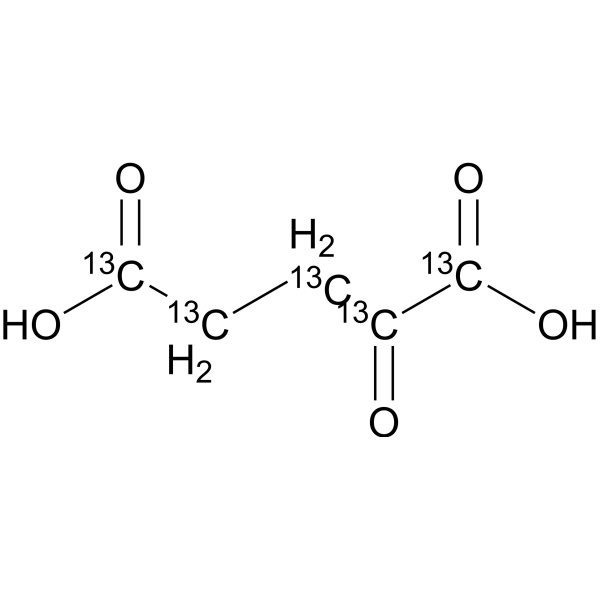
    Alpha-Ketoglutaric acid-13C5

    Isotope-Labeled Compounds Tyrosinase Endogenous Metabolite Neurological Disease Metabolic Disease
    2-Ketoglutaric acid- 13C5 (Alpha-Ketoglutaric acid- 13C5) is a 13C labeled 2-Ketoglutaric acid (HY-W013636) . 2-Ketoglutaric acid (Alpha-Ketoglutaric acid) is an intermediate in the production of ATP or GTP in the Krebs cycle. 2-Ketoglutaric acid also acts as the major carbon skeleton for nitrogen-assimilatory reactions. 2-Ketoglutaric acid is a reversible inhibitor of tyrosinase (IC50=15 mM) .
    2-Ketoglutaric acid-13C5
  • HY-113110

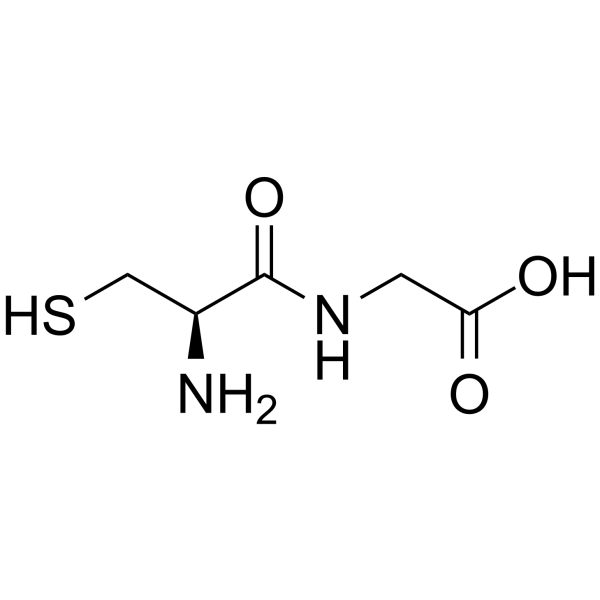
    L-Cysteinylglycine; Cys-Gly; H-Cys-Gly-OH

    Endogenous Metabolite Reactive Oxygen Species (ROS) DNA/RNA Synthesis Cardiovascular Disease Cancer
    Cysteinylglycine (L-Cysteinylglycine; Cys-Gly) is a dipeptide formed by the peptide bond linkage between cysteine (Cysteine) and glycine (Glycine). Cysteinylglycine is an important metabolic intermediate in the human body, mainly derived from the degradation of glutathione (GSH). Cysteinylglycine reduces ferric iron to ferrous iron, drives the redox cycle of iron, generates reactive oxygen species (ROS), stimulates oxidative reactions, induces lipid peroxidation of human plasma LDL lipoproteins, and causes oxidative damage to DNA bases. Cysteinylglycine can be used as a biomarker to evaluate ischemic heart disease, breast cancer and other conditions .
    Cysteinylglycine
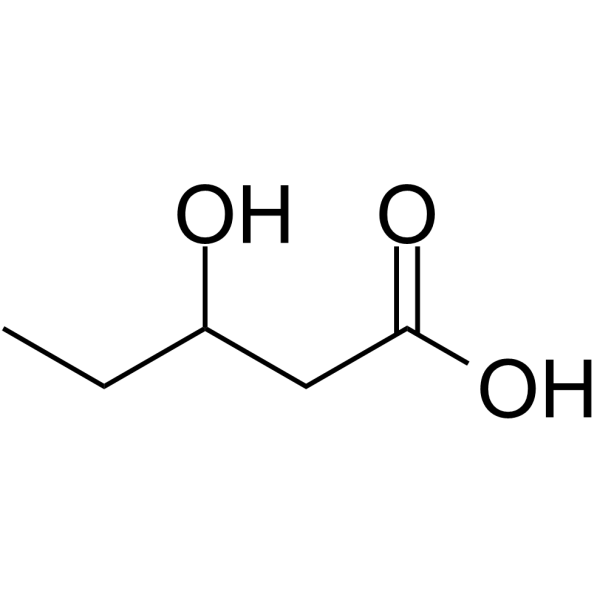
  • HY-113004

    Endogenous Metabolite Metabolic Disease
    3-Hydroxyvaleric acid is a five-carbon ketone body byproduct that can undergo an anaplerotic reaction to replenish the intermediates of the tricarboxylic acid cycle. 3-Hydroxyvaleric acid is one of the important monomers for the synthesis of polyhydroxyalkanoates (PHA). PHA is a type of biodegradable plastic that is widely used in environmentally friendly packaging, disposable products, and medical materials .
    3-Hydroxyvaleric acid
  • HY-P2832

    ACS

    Endogenous Metabolite Metabolic Disease Cancer
    Acyl coenzyme A synthetase (ACS), namely acetyl coenzyme A synthetase, is often used in biochemical research. Acyl coenzyme A synthetase can catalyze the activation of fatty acids by coenzyme A through a two-step thioesterification reaction to produce acyl coenzyme A, and then participate in a variety of anabolic and catabolic lipid metabolism pathways, and participate in the TCA cycle in aerobic respiration .
    Acyl coenzyme A synthetase
  • HY-114293A

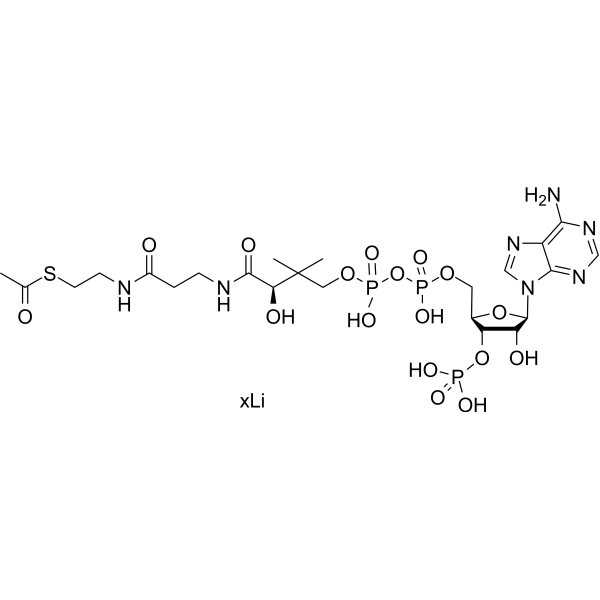
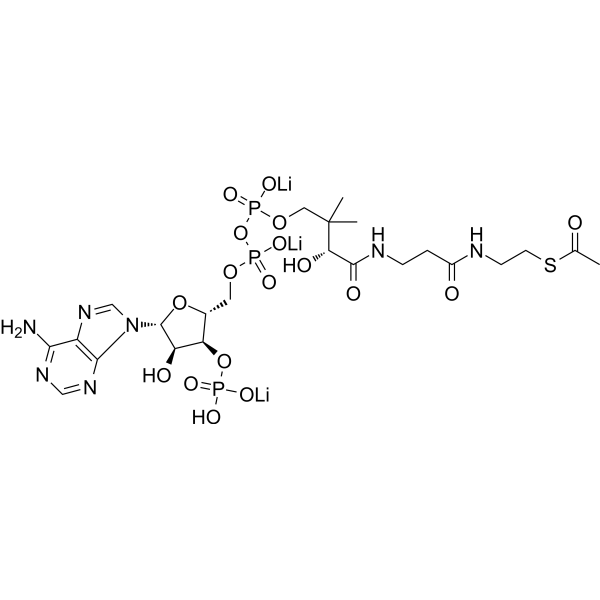
    Acetyl-CoA trilithium

    Oxidative Phosphorylation Endogenous Metabolite Autophagy Cardiovascular Disease Metabolic Disease
    Acetyl-coenzyme A (Acetyl-CoA) trilithium is a membrane-impermeant central metabolic intermediate, participates in the TCA cycle and oxidative phosphorylation metabolism. Acetyl-coenzyme A trilithium regulates various cellular mechanisms by providing (sole donor) acetyl groups to target amino acid residues for post-translational acetylation reactions of proteins. Acetyl Coenzyme A trilithium is also a key precursor of lipid synthesis .
    Acetyl coenzyme A trilithium
  • HY-W105310A

    Nacr

    HDAC Sirtuin CDK Bcl-2 Family Apoptosis Others
    Croconic acid disodium (Nacr) is a lysine crotonylation (Kcr) activator and electroactive material. Croconic acid disodium reduces the expression of HDAC2, HDAC3, SIRT1, and SIRT3, and increases the expression of EP300, CITED1, ACSS2, DPF2, CDYL, MLLT3, and YEATS2. Croconic acid disodium elevates intracellular crotonyl-CoA content and global histone lysine crotonylation levels. Croconic acid disodium promotes the growth of bovine fibroblasts, regulates cell cycle progression, and inhibits bovine fibroblast apoptosis (apoptosis). Croconic acid disodium improves the blastocyst development efficiency of bovine somatic cell nuclear transfer embryos. Croconic acid disodium undergoes reversible lithium intercalation/deintercalation reactions via sodium-lithium ion exchange. Croconic acid disodium is applicable to research related to cell growth promotion .
    Croconic acid disodium
  • HY-P2739

    Endogenous Metabolite Others
    Citrate synthase is responsible for catalyzing the first reaction of the citric acid cycle: the condensation of acetyl-CoA and oxaloacetate to form citrate. Citrate synthase is localized within eukaryotic cells in the mitochondrial matrix .
    Citrate synthase
  • HY-34717

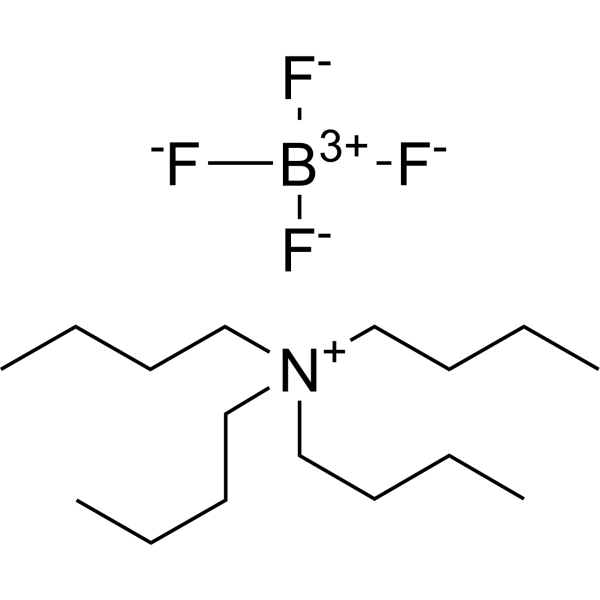
    Tetra-n-butylammonium tetrafluoroborate

    Biochemical Assay Reagents Others
    Tetrabutylammonium tetrafluoroborate is an inorganic salt commonly used in organic synthesis reactions and electrochemical applications. It is usually used as a catalyst or reagent, and is widely used in the field of organic synthesis, such as fluorination reaction, olefin addition and cyclization reaction, etc. In addition, it can also be used in electrochemical deposition and electroplating, and plays an important role in some electronic devices. Although it has no direct application in the medical field, it plays an important role in chemical research and industrial production.
    Tetrabutylammonium tetrafluoroborate
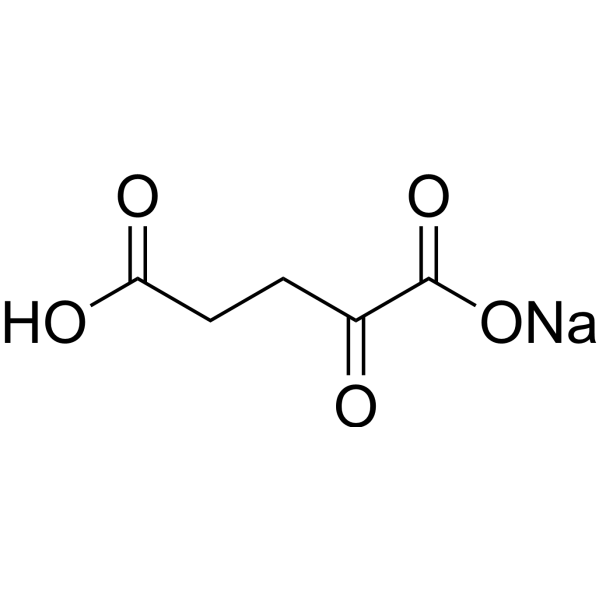
  • HY-W013636A
    2-Ketoglutaric acid Sodium
    5+ Cited Publications

    Alpha-Ketoglutaric acid Sodium

    Tyrosinase Endogenous Metabolite Neurological Disease Metabolic Disease
    2-Ketoglutaric acid Sodium (Alpha-Ketoglutaric acid Sodium) is an intermediate in the production of ATP or GTP in the Krebs cycle. 2-Ketoglutaric acid Sodium also acts as the major carbon skeleton for nitrogen-assimilatory reactions. 2-Ketoglutaric acid Sodium is a reversible inhibitor of tyrosinase (IC50=15 mM) .
    2-Ketoglutaric acid Sodium
  • HY-114293

    Acetyl-CoA

    Oxidative Phosphorylation Endogenous Metabolite Autophagy Cardiovascular Disease Metabolic Disease
    Acetyl-coenzyme A (Acetyl-CoA) is a membrane-impermeant central metabolic intermediate, participates in the TCA cycle and oxidative phosphorylation metabolism. Acetyl-coenzyme A, regulates various cellular mechanisms by providing (sole donor) acetyl groups to target amino acid residues for post-translational acetylation reactions of proteins. Acetyl Coenzyme A is also a key precursor of lipid synthesis .
    Acetyl coenzyme A
  • HY-P3016A

    EC 2.6.1.1, porcine heart; GOT, porcine heart; AST, porcine heart

    Aminotransferases (Transaminases) Cardiovascular Disease
    Aspartate aminotransferase (EC 2.6.1.1), porcine heart is a metabolic regulator with the highest activity in the heart, liver and skeletal muscle. Aspartate aminotransferase, porcine heart comprises two isozymes: the cytoplasmic form (AST1) and the mitochondrial form (AST2). By catalyzing reversible transamination reactions between oxaloacetate, L-glutamate and other substances, it is deeply involved in key physiological processes such as amino acid metabolism, the tricarboxylic acid cycle and neurotransmitter synthesis. Aspartate aminotransferase, porcine heart also provides substrate support for the synthesis of urea and purines/pyrimidines. Aspartate aminotransferase, porcine heart is a serum marker reflecting cardiac and hepatic injury, and its abnormal levels are also closely associated with myocardial infarction, cardiovascular diseases and various cancers .
    Aspartate aminotransferase, porcine heart
  • HY-113596A
    Acetyl coenzyme A lithium
    4 Publications Verification

    Acetyl-CoA lithium

    Oxidative Phosphorylation Endogenous Metabolite Autophagy Cardiovascular Disease Metabolic Disease
    Acetyl-coenzyme A (Acetyl-CoA) lithium is a membrane-impermeant central metabolic intermediate, participates in the TCA cycle and oxidative phosphorylation metabolism. Acetyl-coenzyme A lithium, regulates various cellular mechanisms by providing (sole donor) acetyl groups to target amino acid residues for post-translational acetylation reactions of proteins. Acetyl Coenzyme A lithium is also a key precursor of lipid synthesis .
    Acetyl coenzyme A lithium
  • HY-114293S

    Acetyl-CoA-13C2 lithium

    Isotope-Labeled Compounds Endogenous Metabolite Autophagy Oxidative Phosphorylation Metabolic Disease
    Acetyl coenzyme A- 13C2 lithium is the 13C-labeled Acetyl coenzyme A (HY-114293). Acetyl-coenzyme A (Acetyl-CoA) is a membrane-impermeant central metabolic intermediate, participates in the TCA cycle and oxidative phosphorylation metabolism. Acetyl-coenzyme A, regulates various cellular mechanisms by providing (sole donor) acetyl groups to target amino acid residues for post-translational acetylation reactions of proteins. Acetyl Coenzyme A is also a key precursor of lipid synthesis .
    Acetyl coenzyme A-13C2 lithium
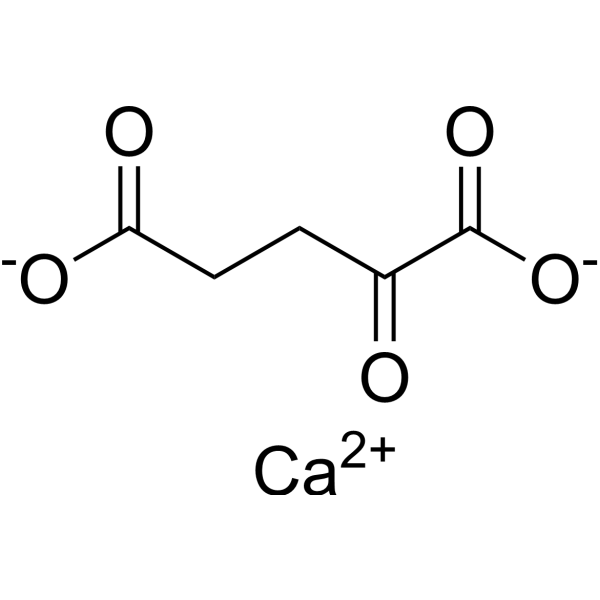
  • HY-W013636B
    Calcium 2-oxoglutarate
    5+ Cited Publications

    Tyrosinase Endogenous Metabolite Metabolic Disease
    Calcium 2-oxoglutarate is an intermediate in the production of ATP or GTP in the Krebs cycle. Calcium 2-oxoglutarate also acts as the major carbon skeleton for nitrogen-assimilatory reactions. Calcium 2-oxoglutarate is a reversible inhibitor of tyrosinase (IC50=15 mM) .
    Calcium 2-oxoglutarate
  • HY-N10374

    Fructose-1,6-bisphosphate aldolase Others Others
    Perseitol is a heptoses produced by mature avocado plants. Perseitol can be converted to D-mannoheptulose as an energy-providing compound as well as a transport carbohydrate. Perseitol may act as a ripening inhibitor during the fruit ripening process. Perseitol’s synthesis may be related to the aldolase reaction in the Calvin cycle .
    Perseitol
  • HY-F0001R
    NADH disodium salt (Standard)
    1 Publications Verification

    Disodium NADH (Standard)

    Reference Standards Endogenous Metabolite Metabolic Disease
    NADH (disodium salt) (Standard) is the analytical standard of NADH (disodium salt). This product is intended for research and analytical applications. NADH disodium salt (Disodium NADH) is an orally active reduced coenzyme. NADH disodium salt is a donor of ADP-ribose units in ADP-ribosylaton reactions and a precursor of cyclic ADP-ribose. NADH disodium salt plays a role as a regenerative electron donor in cellular energy metabolism, including glycolysis, β-oxidation and the tricarboxylic acid (TCA) cycle .
    NADH disodium salt (Standard)
  • HY-W013636S1

    Alpha-Ketoglutaric acid-d4

    Isotope-Labeled Compounds Tyrosinase Endogenous Metabolite Neurological Disease Metabolic Disease
    2-Ketoglutaric acid-d4 (Alpha-Ketoglutaric acid-d4) is the deuterium labeled 2-Ketoglutaric acid (HY-W013636) . 2-Ketoglutaric acid Sodium is an intermediate in the production of ATP or GTP in the Krebs cycle. 2-Ketoglutaric acid Sodium also acts as the major carbon skeleton for nitrogen-assimilatory reactions. 2-Ketoglutaric acid Sodium is a reversible inhibitor of tyrosinase (IC50=15 mM) .
    2-Ketoglutaric acid-d4
  • HY-W013636C
    2-Ketoglutaric acid potassium
    5+ Cited Publications

    Alpha-Ketoglutaric acid potassium

    Tyrosinase Endogenous Metabolite TNF Receptor Neurological Disease Metabolic Disease
    2-Ketoglutaric acid (Alpha-Ketoglutaric acid) (potassium) is an intermediate in the production of ATP or GTP in the Krebs cycle. 2-Ketoglutaric acid potassium is a reversible and orally active inhibitor of tyrosinase with an IC50 value of 15 mM. 2-Ketoglutaric acid potassium also acts as the major carbon skeleton for nitrogen-assimilatory reactions. 2-Ketoglutaric acid potassium significantly suppresses abnormal intestinal permeability, delocalization of tight junction proteins from the intestinal cells, expression of TNFα in vitro and in vivo. 2-Ketoglutaric acid potassium directly binds to TAK1, and inhibits the TRAF6-TAK1 interaction. 2-Ketoglutaric acid potassium also alleviates inflammatory bowel disease (IBD) symptoms and gut microbiota dysbiosis, evident by the improvements in the intestine length .
    2-Ketoglutaric acid potassium
  • HY-P3016

    EC 2.6.1.1; GOT; AST

    Aminotransferases (Transaminases) Cardiovascular Disease
    Aspartate aminotransferase (EC 2.6.1.1), Genetically engineered bacteria is a metabolic regulator with the highest activity in the heart, liver and skeletal muscle. Aspartate aminotransferase, Genetically engineered bacteria comprises two isozymes: the cytoplasmic form (AST1) and the mitochondrial form (AST2). By catalyzing reversible transamination reactions between oxaloacetate, L-glutamate and other substances, it is deeply involved in key physiological processes such as amino acid metabolism, the tricarboxylic acid cycle and neurotransmitter synthesis. Aspartate aminotransferase, Genetically engineered bacteria also provides substrate support for the synthesis of urea and purines/pyrimidines. Aspartate aminotransferase, Genetically engineered bacteria is a serum marker reflecting cardiac and hepatic injury, and its abnormal levels are also closely associated with myocardial infarction, cardiovascular diseases and various cancers .
    Aspartate aminotransferase, Genetically engineered bacteria
  • HY-114293S5

    Acetyl-CoA-d3

    Isotope-Labeled Compounds Oxidative Phosphorylation Endogenous Metabolite Autophagy Cardiovascular Disease Metabolic Disease
    Acetyl coenzyme A-d3 (Acetyl-CoA-d3) is the deuterium labeled Acetyl coenzyme A (HY-114293). Acetyl-coenzyme A (Acetyl-CoA) is a membrane-impermeant central metabolic intermediate, participates in the TCA cycle and oxidative phosphorylation metabolism. Acetyl-coenzyme A, regulates various cellular mechanisms by providing (sole donor) acetyl groups to target amino acid residues for post-translational acetylation reactions of proteins. Acetyl Coenzyme A is also a key precursor of lipid synthesis .
    Acetyl coenzyme A-d3
  • HY-W013636S2

    Alpha-Ketoglutaric acid-d6

    Tyrosinase Endogenous Metabolite Isotope-Labeled Compounds Neurological Disease Metabolic Disease
    2-Ketoglutaric acid-d6 (Alpha-Ketoglutaric acid-d6) is the deuterium labeled 2-Ketoglutaric acid (HY-W013636) . 2-Ketoglutaric acid is an intermediate in the production of ATP or GTP in the Krebs cycle. 2-Ketoglutaric acid also acts as the major carbon skeleton for nitrogen-assimilatory reactions. 2-Ketoglutaric acid is a reversible inhibitor of tyrosinase (IC50=15 mM) .
    2-Ketoglutaric acid-d6
  • HY-W013636R
    2-Ketoglutaric acid (Standard)
    5+ Cited Publications

    Alpha-Ketoglutaric acid (Standard); 2-Oxoglutaric acid (Standard)

    Reference Standards Tyrosinase Endogenous Metabolite Neurological Disease Metabolic Disease
    2-Ketoglutaric acid (Standard) (Alpha-Ketoglutaric acid (Standard)) is the analytical standard of 2-Ketoglutaric acid (HY-W013636). This product is intended for research and analytical applications. 2-Ketoglutaric acid (Alpha-Ketoglutaric acid) is an intermediate in the production of ATP or GTP in the Krebs cycle. 2-Ketoglutaric acid also acts as the major carbon skeleton for nitrogen-assimilatory reactions. 2-Ketoglutaric acid is a reversible inhibitor of tyrosinase (IC50=15 mM) .
    2-Ketoglutaric acid (Standard)
  • HY-W013636S3

    Alpha-Ketoglutaric acid-13C

    Isotope-Labeled Compounds Endogenous Metabolite Tyrosinase Neurological Disease Metabolic Disease
    2-Ketoglutaric acid- 13C (Alpha-Ketoglutaric acid- 13C) is a 13C labeled 2-Ketoglutaric acid (HY-W013636) . 2-Ketoglutaric acid (Alpha-Ketoglutaric acid) is an intermediate in the production of ATP or GTP in the Krebs cycle. 2-Ketoglutaric acid also acts as the major carbon skeleton for nitrogen-assimilatory reactions. 2-Ketoglutaric acid is a reversible inhibitor of tyrosinase (IC50=15 mM) .
    2-Ketoglutaric acid-13C
  • HY-W008388

    N6-Benzoyladenosine

    Nucleoside Antimetabolite/Analog Others
    Bz-rA (N6-Benzoyladenosine) is a nucleoside derivative with an N6 protecting group. Bz-rA is mainly used as a synthetic intermediate to participate in photocatalytic oxidative cyclization reactions and synthesize oligoribonucleotides. Bz-rA can be used to efficiently construct heterocyclic skeletons in photochemical conversions and protect the ribose moiety to regulate the cyclization pathway .
    Bz-rA
  • HY-128606

    Endogenous Metabolite Transketolase Neurological Disease Metabolic Disease
    Thiamine diphosphate analog 1 is an analog of thiamine diphosphate. Thiamine diphosphate is the active metabolite of vitamin B1 in organisms. Thiamine diphosphate targets ThDP-dependent enzymes such as transketolase and pyruvate dehydrogenase complex, acting as an essential coenzyme to exert an activating effect. Thiamine diphosphate assists in catalytic reactions in free form and initiates the catalytic cycles of various glucose-metabolizing enzymes. Thiamine diphosphate serves as a diagnostic biomarker and protective factor for Alzheimer's disease. Thiamine diphosphate can be used in research related to metabolism and Alzheimer's disease .
    Thiamine diphosphate analog 1
  • HY-160841

    DNA Stain DNA/RNA Synthesis Others
    Biotin-16-dCTP is a biotinylated deoxycytidine triphosphate that serves as an important DNA labeling substrate. Biotin-16-dCTP can be enzymatically incorporated into the 3' end of DNA probes via terminal deoxynucleotidyl transferase, forming a 1-3 nucleotide-long tail to achieve biotinylation of the probes. Biotin-16-dCTP enhances chemiluminescent detection of low-abundance targets such as specific tRNA isoacceptors through Northern blotting. Biotin-16-dCTP can also replace conventional dCTP to be integrated into single-stranded DNA generated by asymmetric polymerase chain reaction, which is applicable for bioconjugation or pull-down assays. Repeated freeze-thaw cycles of Biotin-16-dCTP should be avoided to prevent degradation of its function for probe biotinylation .
    Biotin-16-dCTP
  • HY-Y0850U2

    Polyvinyl alcohol (Mw 130000, 87-89% hydrolyzed, ~2700 polymerization); Poly(Ethenol) (Mw 130000, 87-89% hydrolyzed, ~2700 polymerization)

    Biochemical Assay Reagents Others
    PVA (Polyvinyl alcohol; Poly(Ethenol)) (Mw 130000, 87-89% hydrolyzed, ~2700 polymerization) is a non-toxic, biodegradable, and highly biocompatible semicrystalline synthetic polymer. PVA (Mw 130000, 87-89% hydrolyzed, ~2700 polymerization) acts as a coating agent to improve tableting performance, and can be cross-linked with sodium trimetaphosphate to prepare tubular vascular grafts or form hydrogels for use as artificial articular cartilage and sustained-release matrices for growth factors. PVA (Mw 130000, 87-89% hydrolyzed, ~2700 polymerization) enhances the redox cycle of iron species in photo-assisted Fenton reactions to simultaneously generate hydrogen peroxide and degrade pollutants, enabling integrated sustainable waste management and water treatment. PVA (Mw 130000, 87-89% hydrolyzed, ~2700 polymerization) is used in the manufacture of biodegradable films and in studies of dry or minimally invasive ex vivo wounds, but cannot form freeze-thaw cross-linked solid sheets for wound dressings .
    PVA (Mw 130000, 87-89% hydrolyzed, ~2700 polymerization)
  • HY-W250154

    Endogenous Metabolite Metabolic Disease
    β-Nicotinamide adenine dinucleotide reduced dipotassium is an orally active reduced coenzyme. β-Nicotinamide adenine dinucleotide reduced dipotassium is a donor of ADP-ribose units in ADP-ribosylaton reactions and a precursor of cyclic ADP-ribose. β-Nicotinamide adenine dinucleotide reduced dipotassium plays a role as a regenerative electron donor in cellular energy metabolism, including glycolysis, β-oxidation and the tricarboxylic acid (TCA) cycle .
    β-Nicotinamide adenine dinucleotide reduced dipotassium
  • HY-W013636S4

    Alpha-Ketoglutaric acid-13C2

    Isotope-Labeled Compounds Tyrosinase Endogenous Metabolite Neurological Disease Metabolic Disease
    2-Ketoglutaric acid- 13C2 (Alpha-Ketoglutaric acid- 13C2) is a 13C labeled 2-Ketoglutaric acid (HY-W013636) . 2-Ketoglutaric acid (Alpha-Ketoglutaric acid) is an intermediate in the production of ATP or GTP in the Krebs cycle. 2-Ketoglutaric acid also acts as the major carbon skeleton for nitrogen-assimilatory reactions. 2-Ketoglutaric acid is a reversible inhibitor of tyrosinase (IC50=15 mM) .
    2-Ketoglutaric acid-13C2
  • HY-113110A

    L-Cysteinylglycine TFA; Cys-Gly TFA; H-Cys-Gly-OH TFA

    Endogenous Metabolite Reactive Oxygen Species (ROS) DNA/RNA Synthesis Cardiovascular Disease Cancer
    Cysteinylglycine (L-Cysteinylglycine; Cys-Gly) TFA is a dipeptide formed by the peptide bond connection of cysteine and glycine. Cysteinylglycine TFA is an important metabolic intermediate in the human body, mainly derived from the degradation of glutathione (GSH). Cysteinylglycine TFA can reduce trivalent iron to divalent iron, driving the redox cycle of iron, generating reactive oxygen species (ROS), stimulating oxidative reactions, inducing lipid peroxidation in human plasma LDL lipoproteins, and causing oxidative damage to DNA base. Cysteinylglycine TFA can be used as a biomarker to assess ischemic heart disease and breast cancer, etc [1][2][3][4].
    Cysteinylglycine TFA
  • HY-P3016B

    EC 2.6.1.1, Human liver; GOT, Human liver; AST, Human liver

    Aminotransferases (Transaminases) Cardiovascular Disease
    Aspartate aminotransferase (EC 2.6.1.1), Human liver is a metabolic regulator with the highest activity in the heart, liver and skeletal muscle. Aspartate aminotransferase, Human liver comprises two isozymes: the cytoplasmic form (AST1) and the mitochondrial form (AST2). By catalyzing reversible transamination reactions between oxaloacetate, L-glutamate and other substances, it is deeply involved in key physiological processes such as amino acid metabolism, the tricarboxylic acid cycle and neurotransmitter synthesis. Aspartate aminotransferase, Human liver also provides substrate support for the synthesis of urea and purines/pyrimidines. Aspartate aminotransferase, Human liver is a serum marker reflecting cardiac and hepatic injury, and its abnormal levels are also closely associated with myocardial infarction, cardiovascular diseases and various cancers .
    Aspartate aminotransferase, Human liver
  • HY-N10374R

    Reference Standards Fructose-1,6-bisphosphate aldolase Others Others
    Perseitol is a heptoses produced by mature avocado plants. Perseitol can be converted to D-mannoheptulose as an energy-providing compound as well as a transport carbohydrate. Perseitol may act as a ripening inhibitor during the fruit ripening process. Perseitol’s synthesis may be related to the aldolase reaction in the Calvin cycle .
    Perseitol (Standard)
  • HY-W018454

    Biochemical Assay Reagents Others
    Benzyl trimethyl ammonium tribromide is an organic ammonium tribromide. Benzyl trimethyl ammonium tribromide provides controlled bromide ions, enabling efficient cyclization and oxidation while minimizing side reactions caused by excess bromine. Benzyl trimethyl ammonium tribromide can be used in the synthesis of 2-aminobenzothiazole compounds .
    Benzyltrimethylammonium tribromide
  • HY-113110R

    L-Cysteinylglycine (Standard); Cys-Gly (Standard); H-Cys-Gly-OH (Standard)

    Reference Standards Endogenous Metabolite Reactive Oxygen Species (ROS) DNA/RNA Synthesis Cardiovascular Disease Cancer
    Cysteinylglycine (Standard) is the analytical standard of Cysteinylglycine. This product is intended for research and analytical applications. Cysteinylglycine is a dipeptide formed by the peptide bond linkage between cysteine (Cysteine) and glycine (Glycine). Cysteinylglycine is an important metabolic intermediate in the human body, mainly derived from the degradation of glutathione (GSH). Cysteinylglycine reduces ferric iron to ferrous iron, drives the redox cycle of iron, generates reactive oxygen species (ROS), stimulates oxidative reactions, induces lipid peroxidation of human plasma LDL lipoproteins, and causes oxidative damage to DNA bases. Cysteinylglycine can be used as a biomarker to evaluate ischemic heart disease, breast cancer and other conditions .
    Cysteinylglycine (Standard)
  • HY-121564

    Fluorescent Dye Others
    Radermachol is a red pigment that can be synthesized in four steps via a key ytterbium triflate-catalyzed furan cyclization and intramolecular nucleophilic acylation reaction .
    Radermachol
  • HY-W012890

    Valeric acid hydrazide

    Biochemical Assay Reagents Others
    Pentanehydrazide (Valeric acid hydrazide) is a biochemical reagent that can act as an effective alkylating agent in the copper-catalyzed oxidative cyclization of N-arylacrylamides and participate in the tandem acylation reaction .
    Pentanehydrazide
  • HY-117659

    Prostaglandin D Metabolite

    Prostaglandin Receptor Inflammation/Immunology
    PGDM (Prostaglandin D Metabolite) is the main urinary metabolite of Prostaglandin D2 and is prone to reversible cyclization. PGDM may serve as a biomarker for the endogenous production of PGD2 or be used to evaluate the severity of acute allergic reactions .
    PGDM
  • HY-F0001A

    Disodium NADH hydrate

    Endogenous Metabolite Metabolic Disease
    NADH disodium salt (Disodium NADH) hydrate is an orally active reduced coenzyme. NADH disodium salt hydrate is a donor of ADP-ribose units in ADP-ribosylaton reactions and a precursor of cyclic ADP-ribose. NADH disodium salt hydrate plays a role as a regenerative electron donor in cellular energy metabolism, including glycolysis, β-oxidation and the tricarboxylic acid (TCA) cycle .
    NADH disodium hydrate
  • HY-E70262

    Oxidative Phosphorylation Endogenous Metabolite Metabolic Disease
    Acetoyl-CoA (triammonium) is a triammonium derivative of Acetoyl-CoA (HY-114293), Acetyl-CoA is a membrane-impermeant central metabolic intermediate, participates in the TCA cycle and oxidative phosphorylation metabolism. Acetyl-coenzyme A, regulates various cellular mechanisms by providing (sole donor) acetyl groups to target amino acid residues for post-translational acetylation reactions of proteins. Acetyl Coenzyme A is also a key precursor of lipid synthesis .
    Acetoyl-CoA triammonium
  • HY-113004R

    Endogenous Metabolite Reference Standards Metabolic Disease
    3-Hydroxyvaleric acid (Standard) is the analytical standard of 3-Hydroxyvaleric acid. This product is intended for research and analytical applications. 3-Hydroxyvaleric acid is a five-carbon ketone body byproduct that can undergo an anaplerotic reaction to replenish the intermediates of the tricarboxylic acid cycle. 3-Hydroxyvaleric acid is one of the important monomers for the synthesis of polyhydroxyalkanoates (PHA). PHA is a type of biodegradable plastic that is widely used in environmentally friendly packaging, disposable products, and medical materials .
    3-Hydroxyvaleric acid (Standard)
  • HY-W013636AR

    Alpha-Ketoglutaric acid Sodium (Standard)

    Reference Standards Tyrosinase Endogenous Metabolite Neurological Disease Metabolic Disease
    2-Ketoglutaric acid (Sodium) (Standard) is the analytical standard of 2-Ketoglutaric acid Sodium (HY-W013636A). This product is intended for research and analytical applications. 2-Ketoglutaric acid (Alpha-Ketoglutaric acid) Sodium (Standard) is an intermediate in the production of ATP or GTP in the Krebs cycle. 2-Ketoglutaric acid Sodium also acts as the major carbon skeleton for nitrogen-assimilatory reactions. 2-Ketoglutaric acid Sodium is a reversible inhibitor of tyrosinase (IC50=15 mM) .
    2-Ketoglutaric acid Sodium (Standard)
  • HY-10180A

    Aurora Kinase Cancer
    MLN8054 sodium is an Aurora A inhibitor with radiosensitivity-enhancing activity. MLN8054 sodium can activate the DNA double-strand break reaction of prostate cancer cells in in vitro experiments. The application of MLN8054 sodium is closely related to accumulation in the G2/M phase of the cell cycle and polyploid formation. In vivo experiments show that MLN8054 sodium can significantly delay the growth of prostate cancer tumors and promote tumor cell apoptosis when used in combination with radiotherapy .
    MLN8054 sodium
  • HY-W013636AG

    Alpha-Ketoglutaric acid Sodium

    Tyrosinase Endogenous Metabolite Neurological Disease Metabolic Disease
    2-Ketoglutaric acid (Alpha-Ketoglutaric acid) Sodium (GMP) is 2-Ketoglutaric acid Sodium (HY-W013636A) produced by using GMP guidelines. GMP small molecules work appropriately as an auxiliary reagent for cell therapy manufacture. 2-Ketoglutaric acid Sodium is an intermediate in the production of ATP or GTP in the Krebs cycle. 2-Ketoglutaric acid Sodium also acts as the major carbon skeleton for nitrogen-assimilatory reactions. 2-Ketoglutaric acid Sodium is a reversible inhibitor of tyrosinase (IC50=15 mM) .
    2-Ketoglutaric acid Sodium
  • HY-167680

    GSK823093

    Endogenous Metabolite Metabolic Disease
    Denagliptin (GSK823093) is a small molecule dipeptidyl peptidase IV (DPP-4) inhibitor with activity for the suppression of endocrine and metabolic diseases. Denagliptin can be used to study type 2 diabetes. Denagliptin is stable in the solid state but degrades in solution and in mixtures with various excipients. Denagliptin also exhibits degradation in capsules, mainly through cyclization reactions to form (3S,7S,8aS) aminoamines to provide further synthetic materials. The degradation pathway of Denagliptin was elucidated, providing data to support its formulation development and regulatory filings .
    Denagliptin
  • HY-P0037

    Org 30850ANT

    GnRH Receptor Endocrinology
    Org-30850 is a potent LHRH antagonist designed for treating hormone-dependent disorders. In animal studies, a single subcutaneous dose effectively inhibited ovulation in rats and significantly reduced testosterone levels in male rats for up to 48 hours post-administration. Daily doses of Org-30850 in female rats suppressed estrous cycles, decreased uterine and ovarian weights, and lowered estradiol and FSH serum levels. In male rats, prolonged treatment resulted in reversible reductions in gonadal function and testosterone levels, with almost complete recovery observed after cessation of treatment. Unlike comparable LHRH antagonists, Org-30850 exhibited minimal injection site irritation and no edematous reactions, suggesting a more favorable therapeutic profile .
    Org-30850

Inquiry Online

Your information is safe with us. * Required Fields.

Salutation


Country or Region *

Applicant Name *


Organization Name *

Department *


Email Address *


Product Name *

Cat. No.


Requested quantity *

Phone Number *


Remarks

Inquiry Online

Inquiry Information

Product Name:
Cat. No.:
Quantity:
MCE Japan Authorized Agent:

