Search Result
Results for "
fungal pathogen
" in MedChemExpress (MCE) Product Catalog:
1
Biochemical Assay Reagents
4
Isotope-Labeled Compounds
| Cat. No. |
Product Name |
Target |
Research Areas |
Chemical Structure |
-
- HY-B0221
-
|
|
Fungal
Antibiotic
Bacterial
Parasite
|
Infection
Cancer
|
|
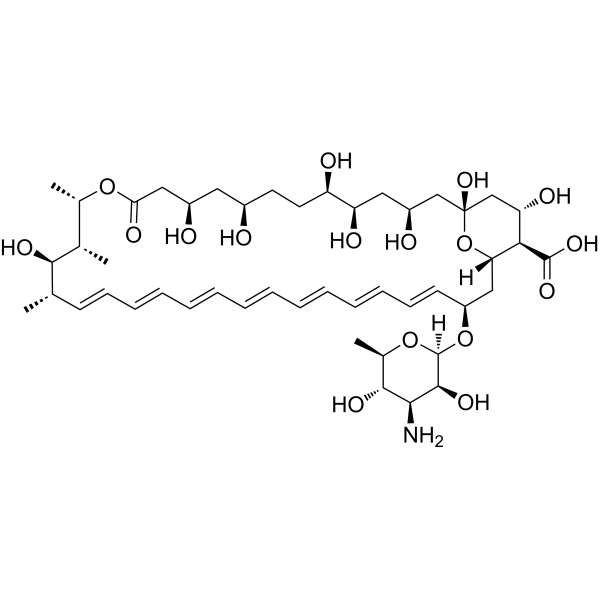
Amphotericin B is a polyene antifungal agent against a wide variety of fungal pathogens. It binds irreversibly to ergosterol, resulting in disruption of membrane integrity and ultimately cell death.
|
-
-
- HY-108547
-
|
|
Fungal
Apoptosis
|
Infection
Cancer
|
|
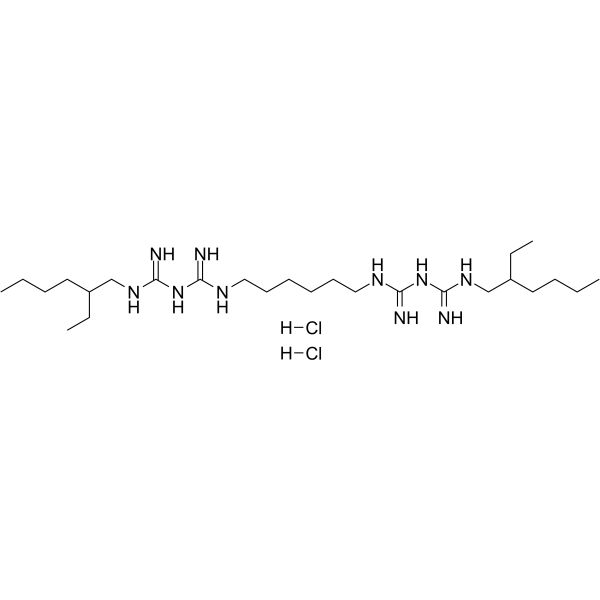
Alexidine dihydrochloride is an anticancer agent that targets a mitochondrial tyrosine phosphatase, PTPMT1, in mammalian cells and causes mitochondrial apoptosis. Alexidine dihydrochloride has antifungal and antibiofilm activity against a diverse range of fungal pathogens .
|
-
-
- HY-15660
-
|
KP-103
|
Fungal
|
Infection
|
|
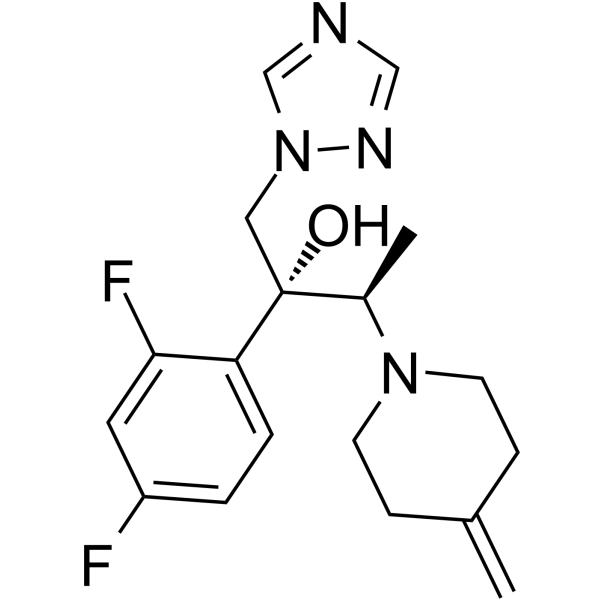
Efinaconazole (KP-103) is a triazole antifungal agent and againsts T. mentagrophytes SM-110 and C. albicans ATCC 10231 with MICs of 0.0039 μg/mL and 0.00098 μg/mL, respectively . Efinaconazole has a potent in vitro activity against fungal pathogens including dermatophytes, Candida and Malassezia species .
|
-
-
- HY-N9497
-
|
|
Galectin
Fungal
|
Infection
|
|
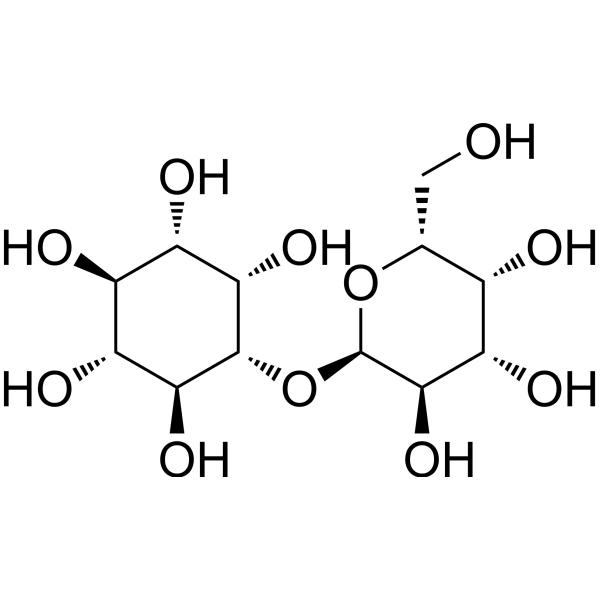
Galactinol is a disaccharide carbohydrate serving as a galactosyl donor, which belongs to the raffinose family oligosaccharide pathway and acts as an important osmoprotectant. Galactinol not only induces disease resistance in plants against fungal and bacterial pathogens, but also significantly enhances plant tolerance to abiotic stresses such as drought, high salinity, low temperature and oxidative damage. In addition, Galactinol has the ability to scavenge hydroxyl radicals, can act as a signaling component for root colonization-induced systemic resistance, and is positively correlated with seed longevity in various crops, making it a potential biomarker for evaluating seed vigor. Therefore, Galactinol can be used in the research of various plant diseases including fungal leaf spot, bacterial angular leaf spot, gray mold and soft rot .
|
-
-
- HY-B2004
-
|
|
Environmental Pollutants
Fungal
Mitochondrial Metabolism
|
Infection
|
|
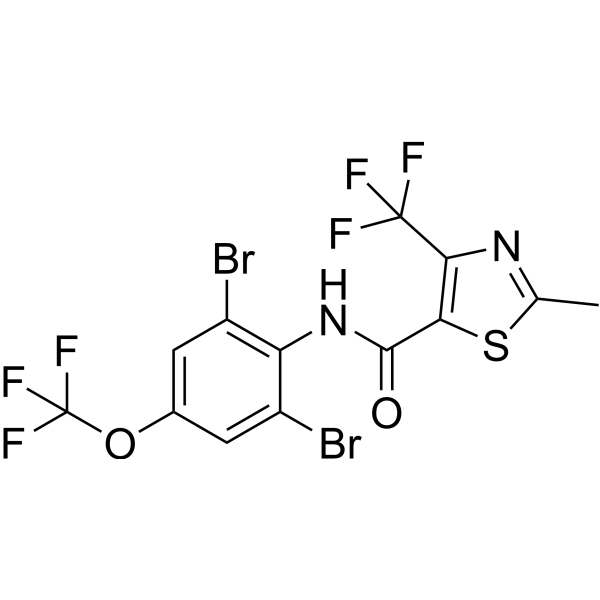
Thifluzamide is a fungicide that inhibits fungal respiration by blocking the ubiquinone-binding site in mitochondrial complex II. Thifluzamide exhibits significant activity against Basidiomycota pathogens (such as Rhizoctonia cerealis, Ustilago and Puccinia genera) and is commonly used in studies on wheat sharp eyespot. Thifluzamide displays a dual mechanism in regulating lipid metabolism: it reduces fatty acid synthase activity to inhibit endogenous fatty acid synthesis, and increases carnitine palmitoyltransferase-I activity to accelerate fatty acid β-oxidation, thereby reducing total cholesterol and triglyceride levels in the liver. Thifluzamide also induces hepatotoxicity in zebrafish models and carries a risk of developmental toxicity. Thifluzamide inhibition of Rhizoctonia cerealis may result in low to moderate levels of drug resistance, leading to the generation of stable drug-resistant mutants .
|
-
-
- HY-B0850
-
|
|
Environmental Pollutants
Fungal
|
Infection
|
|
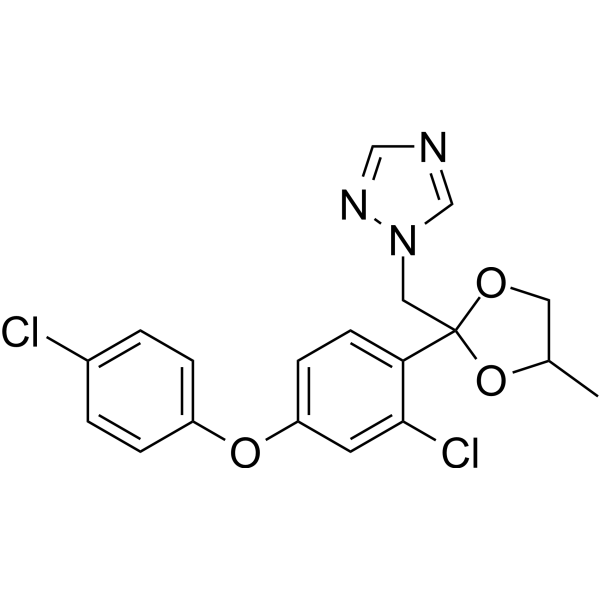
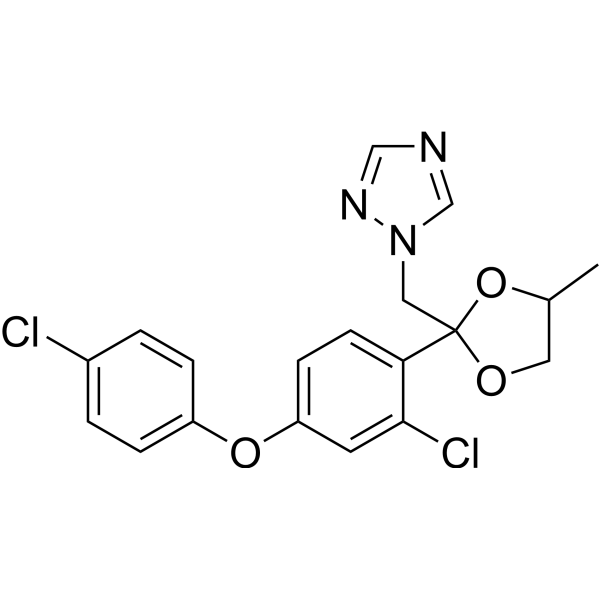
Difenoconazole is a sterol demethylation inhibitor, as a fungicide. Difenoconazole binds the heme portion of the fungal cytochrome P450 51, interferes the mycelial growth and inhibits the spore germination of pathogens, suppressing fungal growth .
|
-
-
- HY-A0277
-
|
|
Environmental Pollutants
Fungal
|
Others
|
|
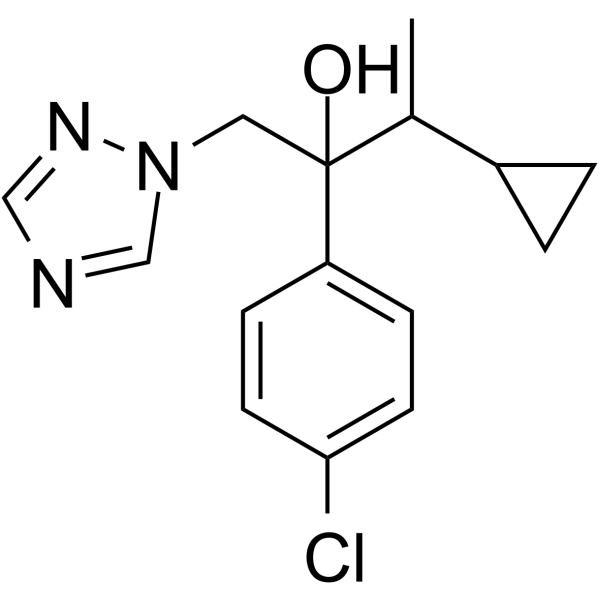
Cyproconazole is a triazole fungicide used to protect crops, fruits and vegetables against a wide range of fungal pathogens. Cyproconazole can cause hepatocellular adenomas and carcinomas in CD-1 mice. Cyproconazole also exhibits low toxicity to zebrafish embryos and affects locomotor activity .
|
-
-
- HY-N6051
-
|
|
Fungal
NOD-like Receptor (NLR)
NF-κB
|
Infection
Inflammation/Immunology
|
|
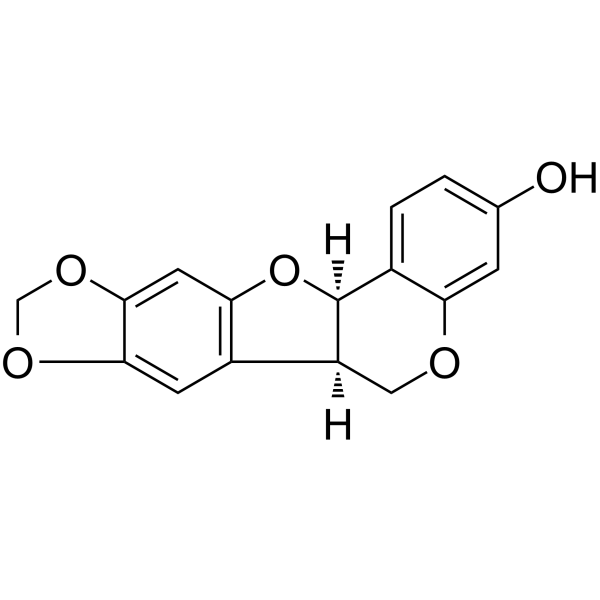
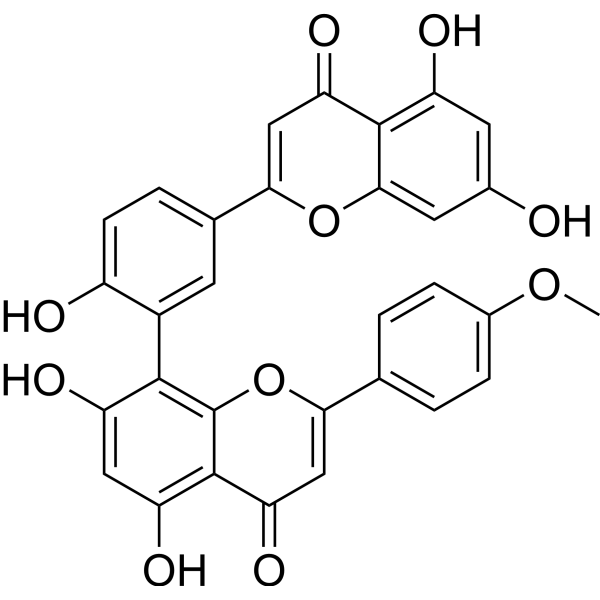
(-)-Maackiain is a pterocarpan phytoalexin produced from Sophora flavescens. (-)-Maackiain is toxic to several genera of fungal pathogens of legume and non legume hosts. (-)-Maackiain enhances the activation of NLRP3 inflammasome, inhibits the activation of NF-κB pathway, exhibiting thereby immunostimulatory and anti-inflammatory activities. (-)-Maackiain is orally active .
|
-
-
- HY-125776
-
|
BAS 490 F
|
Environmental Pollutants
Mitochondrial Metabolism
Fungal
|
Infection
|
|
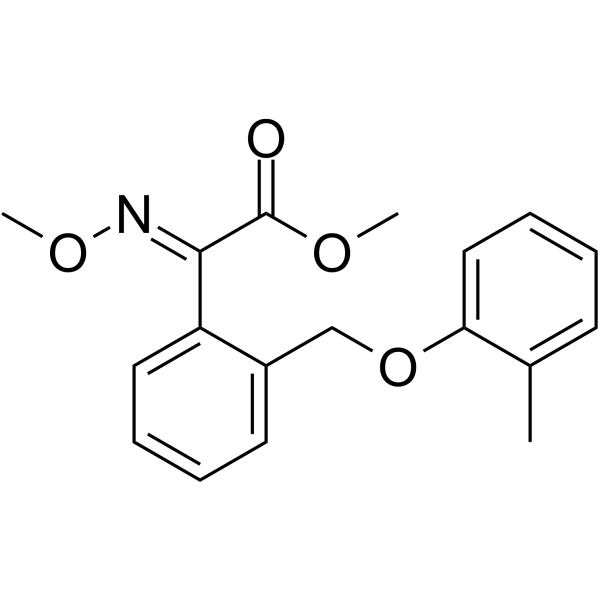
Kresoxim-methyl (BAS 490 F), a Strobilurin-based fungicide, inhibits the respiration at the complex III (cytochrome bc1 complex). Kresoxim-methyl binds to complex III from yeast with an apparent Kd of 0.07 μM proving a high affinity for this enzyme .
|
-
-
- HY-W115529
-
|
Geranate; NSC 229335; GAGE
|
Environmental Pollutants
Fungal
Tyrosinase
|
Infection
Cancer
|
|
Geranic acid (Geranate) acts as a tyrosinase inhibitor and antifungal agent, with an IC50 value of 0.14-2.3 mM against mushroom tyrosinase. Geranic acid reduces the viability of human pancreatic cancer cells and B-lymphoma cells. Geranic acid inhibits mycelial growth of the maize pathogens Colletotrichum graminicola and Fusarium graminearum. Geranic acid is applicable to research related to fungal infections, pancreatic cancer and B-lymphoma .
|
-
-
- HY-117089
-
|
|
Environmental Pollutants
Fungal
|
Infection
|
|
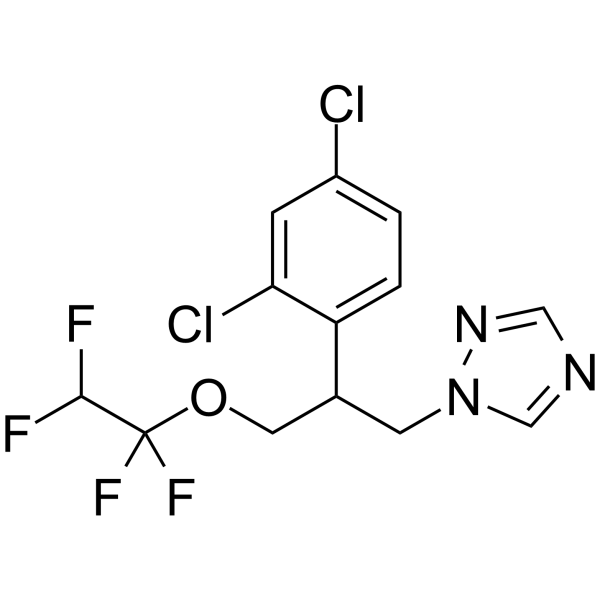
Tetraconazole is a selective irreversible inhibitor of 14-α-sterol demethylase (CYP51) with antifungal activity. Tetraconazole competitively binds to the enzyme to block fungal ergosterol synthesis, resulting in cell membrane damage. The EC50 of tetraconazole against wheat pathogens is 0.382-0.802 mg/L, and the EC50 against onion root tip meristem cell growth is 6.7 mg/L, and (R)-(+)-Tetraconazole is 1.49-1.98 times more active than (S)-(-)-Tetraconazole. Tetraconazole can also induce oxidative stress and chromosomal aberrations in plant cells .
|
-
-
- HY-W031471A
-
|
|
Bacterial
Fungal
|
Infection
|
|
Pyrazine-2-amidoxime is a structural analogue of pyrazine-2-carboxamide with antimicrobial activity. Pyrazine-2-amidoxime shows killing and inhibiting properties against Candida albicans, fungal pathogen and Gram-positive bacteria .
|
-
-
- HY-118149A
-
|
|
Bacterial
Fungal
Parasite
|
Infection
|
|
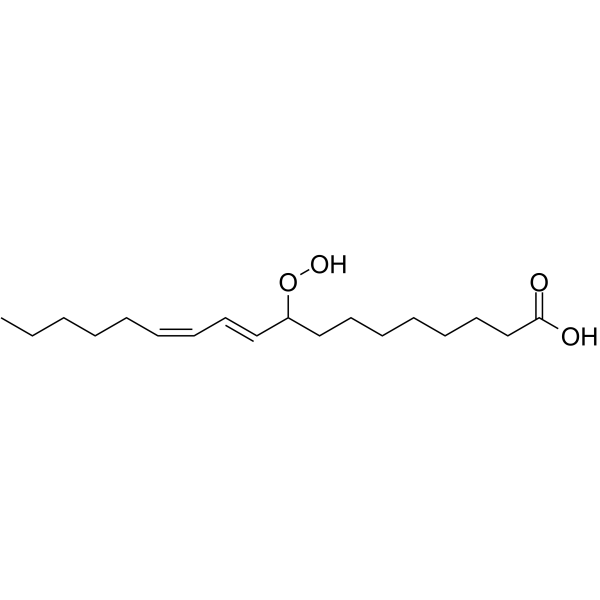
(±)9-HpODE is a long chain lipid hydroperoxide, is a product of linoleic acid peroxidation. (±)9-HpODE can induce oxidation of intracellular glutathione (GSH). (±)9-HpODE also exhibits antimicrobial activity against various fungal and bacterial pathogens .
|
-
-
- HY-B0850R
-
|
|
Reference Standards
Fungal
|
Infection
|
|
Difenoconazole (Standard) is the analytical standard of Difenoconazole. This product is intended for research and analytical applications. Difenoconazole is a sterol demethylation inhibitor, as a fungicide. Difenoconazole binds the heme portion of the fungal cytochrome P450 51, interferes the mycelial growth and inhibits the spore germination of pathogens, suppressing fungal growth .
|
-
-
- HY-B2053
-
|
|
Environmental Pollutants
Bacterial
|
Infection
|
|
Tolclofos-methyl is a broad-spectrum aromatic hydrocarbon fungicide that is used as a see treatment for protection against soil-borne and seed borne fungal pathogens that caused seed decay and seedling blights.
|
-
-
- HY-N0363A
-
|
(S)-Columbianetin acetate
|
Fungal
|
Infection
Inflammation/Immunology
|
|
(S)-Columbianetin acetate is an isomer of Columbianetin. Columbianetin is a phytoalexin associated with celery (Apium graveolens) resistance to pathogens during storage. Columbianetin exhibits excellent anti-fungal and anti-inflammatory activity .
|
-
-
- HY-N6243
-
|
|
Fungal
|
Cardiovascular Disease
Others
|
|
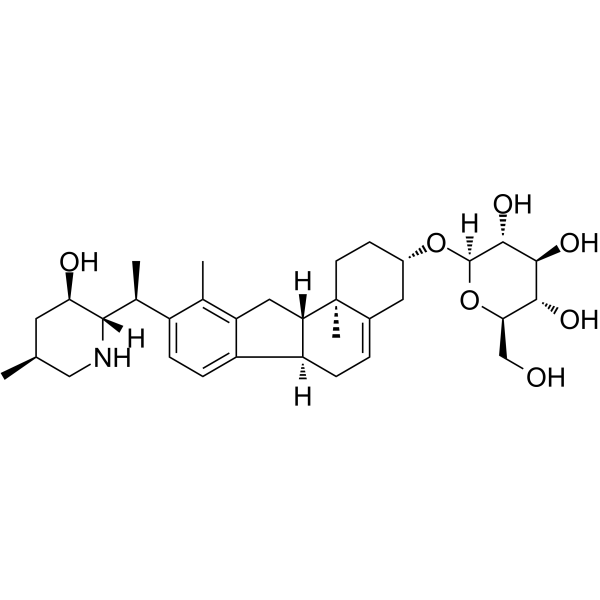
Veratrosine is a Trihydroxynapthalene reductase (THR) inhibitor and fungal plant pathogen inhibitor with activity against Curvularia lunata THR. Veratrosine interacts with THR, an enzyme in the DHN melanin biosynthesis pathway of Curvularia lunata. Veratrosine can be used for the research of leaf blight of rice, brown spot of rice, and blast disease of foxtail millet .
|
-
-
- HY-N3968
-
|
GTN; (R)-(+)-Goniothalamin
|
Apoptosis
Insecticide
Bacterial
Fungal
Reactive Oxygen Species (ROS)
|
Infection
Inflammation/Immunology
Cancer
|
|
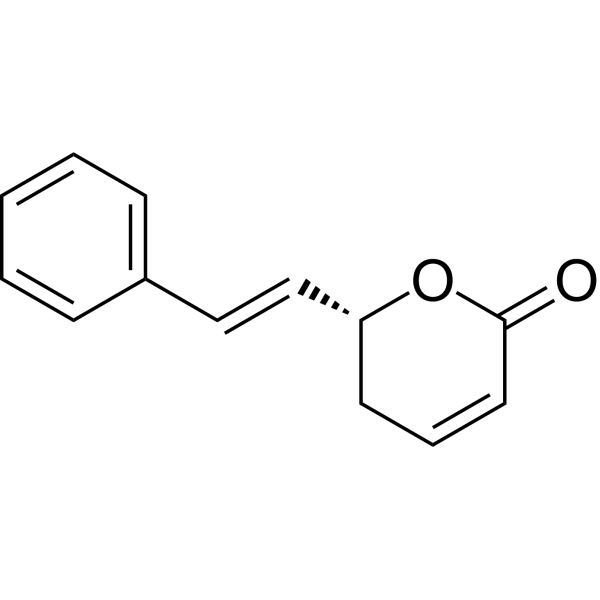
Goniothalamin (GTN) is a styryl lactone. Goniothalamin exhibits insecticidal, anti-tumor and antibacterial activities. Goniothalamin induces cell cycle arrest and apoptosis in tumor cells. Goniothalamin acts as a larvicide against Culex quinquefasciatus larvae and as a cytotoxin against brine shrimp larvae. Goniothalamin functions as an antibacterial agent against Gram-positive and Gram-negative bacteria, and also acts as an antifungal agent against pathogens including Candida albicans, Trichophyton rubrum and Trichophyton mentagrophytes. Goniothalamin is applicable to research related to breast cancer, lymphatic filariasis, bacterial infections and fungal infections .
|
-
-
- HY-134215
-
|
|
Bacterial
Fungal
|
Infection
|
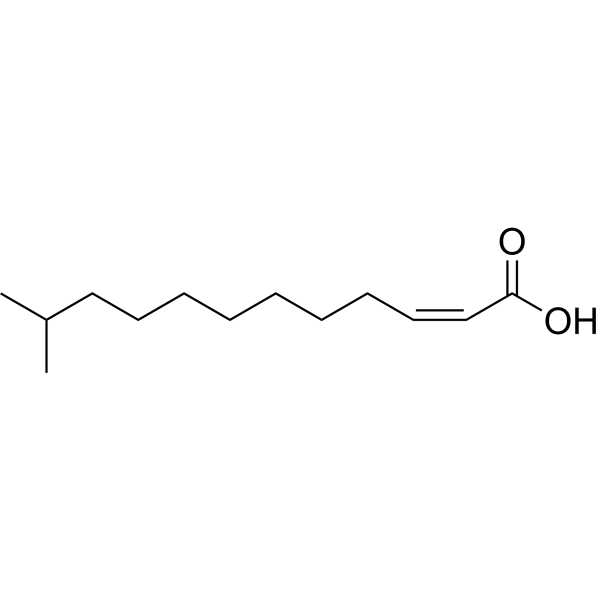
cis-11-Methyl-2-dodecenoic acid is a quorum sensing (QS) signal that acts as a diffusion signaling factor (DSF) in extracellular microbial and fungal communication systems. DSF is involved in the regulation of virulence and biofilm formation of a variety of bacterial pathogens .
|
-
-
- HY-15660S
-
|
KP-103-d4
|
Isotope-Labeled Compounds
Fungal
|
Infection
|
|
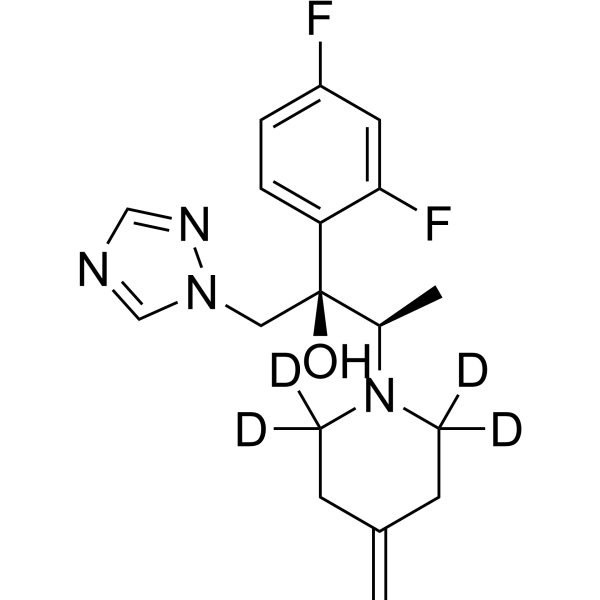
Efinaconazole-d4 is the deuterium labeled Efinaconazole. Efinaconazole (KP-103) is a triazole antifungal agent and againsts T. mentagrophytes SM-110 and C. albicans ATCC 10231 with MICs of 0.0039 μg/mL and 0.00098 μg/mL, respectively . Efinaconazole has a potent in vitro activity against fungal pathogens including dermatophytes, Candida and Malassezia species .
|
-
-
- HY-135258
-
|
|
Galectin
Fungal
|
Others
|
|
Galactinol dihydrate is a disaccharide carbohydrate serving as a galactosyl donor, which belongs to the raffinose family oligosaccharide pathway and acts as an important osmoprotectant. Galactinol dihydrate not only induces disease resistance in plants against fungal and bacterial pathogens, but also significantly enhances plant tolerance to abiotic stresses such as drought, high salinity, low temperature and oxidative damage. In addition, Galactinol dihydrate has the ability to scavenge hydroxyl radicals, can act as a signaling component for root colonization-induced systemic resistance, and is positively correlated with seed longevity in various crops, making it a potential biomarker for evaluating seed vigor. Therefore, Galactinol dihydrate can be used in the research of various plant diseases including fungal leaf spot, bacterial angular leaf spot, gray mold and soft rot .
|
-
-
- HY-A0277R
-
|
|
Reference Standards
Fungal
|
Others
|
|
Cyproconazole (Standard) is the analytical standard of Cyproconazole. This product is intended for research and analytical applications. Cyproconazole is a triazole fungicide used to protect crops, fruits and vegetables against a wide range of fungal pathogens. Cyproconazole can cause hepatocellular adenomas and carcinomas in CD-1 mice. Cyproconazole also exhibits low toxicity to zebrafish embryos and affects locomotor activity .
|
-
-
- HY-N6051R
-
|
|
Reference Standards
Fungal
NOD-like Receptor (NLR)
NF-κB
|
Infection
Inflammation/Immunology
|
|
(-)-Maackiain (Standard) is the analytical standard of (-)-Maackiain. This product is intended for research and analytical applications. (-)-Maackiain is a pterocarpan phytoalexin produced from Sophora flavescens. (-)-Maackiain is toxic to several genera of fungal pathogens of legume and non legume hosts. (-)-Maackiain enhances the activation of NLRP3 inflammasome, inhibits the activation of NF-κB pathway, exhibiting thereby immunostimulatory and anti-inflammatory activities. (-)-Maackiain is orally active .
|
-
-
- HY-B2058
-
|
|
Fungal
Androgen Receptor
|
Infection
|
|
Triticonazole is an orally active triazole fungicide and androgen receptor antagonist. Triticonazole inhibits testosterone-induced androgen receptor activation and reduces basal testosterone secretion. Prenatal exposure to Triticonazole causes shortened anogenital distance in male rat fetuses and induces organ-specific histopathological changes in pigs. Triticonazole can be used for detoxification of seeds contaminated with fungal pathogens, but there is a risk of animal poisoning if the treated seeds are used as animal feed .
|
-
-
- HY-P2763
-
|
|
Glycosidase
Fungal
|
Infection
Cardiovascular Disease
|
|
beta-Glucanase belongs to glycosyl hydrolase family that hydrolyzes β-glucan polysaccharide, producing 3-O-cellotriosyl-d-glucose and 3-O-cellobiosyl-d-glucose. beta-Glucanase is capable of protecting plants against different fungal pathogens .
|
-
-
- HY-B1474
-
|
|
Fungal
|
Infection
Cancer
|
|
Alexidine, a bis-biguanide, exhibits antifungal and antibiofilm activity against a diverse range of fungal pathogens. Alexidine is an anticancer agent that targets a mitochondrial tyrosine phosphatase, PTPMT1, in mammalian cells and causes mitochondrial apoptosis .
|
-
-
- HY-139903
-
|
|
Fungal
Calcineurin
p38 MAPK
|
Infection
|
|
Antifungal agent 18 is an antifungal agent. Antifungal agent 18 shows a broad-spectrum antifungal activity against major human fungal pathogens. Antifungal agent 18 compromises fungal cell wall integrity by targeting the unfolded protein response (UPR), calcineurin, and MAPK pathways. Antifungal agent 18 shows antifungal activity in virto and vivo. Antifungal agent 18 can be used for the research of invasive fungal pathogens and cutaneous dermatophytes .
|
-
-
- HY-B0221R
-
|
|
Reference Standards
Fungal
Antibiotic
Bacterial
Parasite
|
Infection
Cancer
|
|
Amphotericin B (Standard) is the analytical standard of Amphotericin B. This product is intended for research and analytical applications. Amphotericin B is a polyene antifungal agent against a wide variety of fungal pathogens. It binds irreversibly to ergosterol, resulting in disruption of membrane integrity and ultimately cell death.
|
-
-
- HY-177849
-
|
Amphotericin B liposome
|
Liposome
Fungal
Antibiotic
|
Infection
|
|
Liposomal Amphotericin B is a liposome-encapsulated form of Amphotericin B (HY-B0221). Amphotericin B is a polyene antifungal agent against a wide variety of fungal pathogens. Amphotericin B binds irreversibly to ergosterol, resulting in disruption of membrane integrity and ultimately cell death. Liposomal Amphotericin B can significantly reduce the toxicity of Amphotericin B.
|
-
-
- HY-149492
-
|
|
Phosphatase
Fungal
|
Infection
|
|
Phosphatase-IN-1 (compound II-8), a propranolol (HY-B0573B) derivative, is a phosphatidate phosphatase (Pah) inhibitor. Phosphatase-IN-1 can binds to MoPah1, with an affinity constant of 19.8 μM. Phosphatase-IN-1 inhibits growth of plant pathogens and shows anti-fungal ability. Phosphatase-IN-1 is not toxic to rice seedlings and wheat heads .
|
-
-
- HY-N14856
-
|
|
Antibiotic
Fungal
|
Infection
|
|
Verlamelin is a depsipeptide antibiotic. Verlamelin has anti-fungal activity against plant pathogens .
|
-
-
- HY-129493
-
-
-
- HY-P2318
-
|
|
Fungal
|
Infection
|
|
Bac2A TFA is an antimicrobial and immunomodulatory peptide. Bac2A TFA is a linear variant of bactenecin and is very effective against fungal pathogens.
|
-
-
- HY-126117
-
|
|
Fungal
Carbonic Anhydrase
|
Infection
|
|
(+)-Xylariamide A (compound 6b) is a mycobacterial and fungal carbonic anhydrase probe with inhibitory activity against pathogen β-carbonic anhydrases .
|
-
-
- HY-P4327
-
|
|
Bacterial
|
Infection
|
|
Hispidalin is a novel antimicrobial peptide with broad and efficient antibacterial activity against various bacterial and fungal pathogens, and can be used as an antibacterial agent and food preservative .
|
-
-
- HY-B0850S
-
|
|
Isotope-Labeled Compounds
Fungal
|
Infection
|
|
Difenoconazole-d6 (hydrochloride) is deuterium labeled Difenoconazole. Difenoconazole is a sterol demethylation inhibitor, as a fungicide. Difenoconazole binds the heme portion of the fungal cytochrome P450 51, interferes the mycelial growth and inhibits the spore germination of pathogens, suppressing fungal growth .
|
-
-
- HY-W743674
-
|
|
Isotope-Labeled Compounds
Fungal
|
Infection
|
|
Difenoconazole-d6 is the deuterium labeled Difenoconazole (HY-B0850). Difenoconazole is a sterol demethylation inhibitor, as a fungicide. Difenoconazole binds the heme portion of the fungal cytochrome P450 51, interferes the mycelial growth and inhibits the spore germination of pathogens, suppressing fungal growth .
|
-
-
- HY-P11343
-
|
|
Fungal
|
Infection
|
|
Verlamelin B (Compound 147) is effective against plant pathogenic fungal and is a derivative of Verlamelin (HY-N14856).Verlamelin B exhibits potent plant protective activity in vivo, particularly against rice blast and barley powdery mildew. Verlamelin B causes morphological changes in fungal cells, such as swelling or expansion. Verlamelin B exhibits weaker antifungal activity in vitro against plant pathogens such as rice blast, Dipolaris zeae, and Botrytis cinerea. Verlamelin B is useful for research on antifungal activities against plant pathogens .
|
-
-
- HY-125776R
-
|
BAS 490 F (Standard)
|
Reference Standards
Fungal
Mitochondrial Metabolism
|
Infection
|
|
Kresoxim-methyl (Standard) is the analytical standard of Kresoxim-methyl. This product is intended for research and analytical applications. Kresoxim-methyl (BAS 490 F), a Strobilurin-based fungicide, inhibits the respiration at the complex III (cytochrome bc1 complex). Kresoxim-methyl binds to complex III from yeast with an apparent Kd of 0.07 μM proving a high affinity for this enzyme .
|
-
-
- HY-N0363R
-
|
(S)-Columbianetin (Standard)
|
Reference Standards
Fungal
|
Infection
Inflammation/Immunology
|
|
(+)-Columbianetin (Standard) is the analytical standard of (+)-Columbianetin. This product is intended for research and analytical applications. (+)-Columbianetin is an isomer of Columbianetin. Columbianetin is a phytoalexin associated with celery (Apium graveolens) resistance to pathogens during storage. Columbianetin exhibits excellent anti-fungal and anti-inflammatory activity .
|
-
-
- HY-N0363AR
-
|
(S)-Columbianetin acetate (Standard)
|
Reference Standards
Fungal
|
Infection
Inflammation/Immunology
|
|
(+)-Columbianetin acetate (Standard) is the analytical standard of (+)-Columbianetin acetate. This product is intended for research and analytical applications. (S)-Columbianetin acetate is an isomer of Columbianetin. Columbianetin is a phytoalexin associated with celery (Apium graveolens) resistance to pathogens during storage. Columbianetin exhibits excellent anti-fungal and anti-inflammatory activity .
|
-
-
- HY-108547R
-
|
|
Fungal
Apoptosis
|
Infection
Cancer
|
|
Alexidine (dihydrochloride) (Standard) is the analytical standard of Alexidine (dihydrochloride). This product is intended for research and analytical applications. Alexidine dihydrochloride is an anticancer agent that targets a mitochondrial tyrosine phosphatase, PTPMT1, in mammalian cells and causes mitochondrial apoptosis. Alexidine dihydrochloride has antifungal and antibiofilm activity against a diverse range of fungal pathogens .
|
-
-
- HY-N13196
-
|
|
Bacterial
|
Infection
|
|
Arcopilin A (compound Arcopilin A(1))is an antibacterial agent. Arcopilin A has weak inhibitory effects on fungal pathogens and Gram-positive bacteria, with IC50 values of 8.9 μg/mL and 14 μg/mL for cells KB-3-1 and L929, but it can effectively destroy preformed biofilms of Staphylococcus aureus. Arcopilin A can enhance the activities of gentamicin (GM; HY-K1050) and vancomycin (Vac; HY-B0671) by 115 and 31 times, respectively .
|
-
-
- HY-N1836
-
|
3-Hydroxy-3-acetonyloxindole
|
TMV
|
Infection
|
|
3-Acetonyl-3-hydroxyoxindole (AHO) is a potent systemic acquired resistance (SAR) inducer in plants. 3-Acetonyl-3-hydroxyoxindole induces resistance in tobacco plants against infection with tobacco mosaic virus (TMV) and the fungal pathogen Erysiphe cichoracearum. 3-Acetonyl-3-hydroxyoxindole increases the level of pathogenesis-related gene 1 (PR-1) expression, salicylic acid (SA) accumulation and phenylalanine ammonia-lyase activity .
|
-
-
- HY-B2004R
-
|
|
Reference Standards
Fungal
Mitochondrial Metabolism
|
Infection
|
|
Thifluzamide (Standard) is the analytical standard of Thifluzamide. This product is intended for research and analytical applications. Thifluzamide is a fungicide that inhibits fungal respiration by blocking the ubiquinone-binding site in mitochondrial complex II. Thifluzamide exhibits significant activity against Basidiomycota pathogens (such as Rhizoctonia cerealis, Ustilago and Puccinia genera) and is commonly used in studies on wheat sharp eyespot. Thifluzamide displays a dual mechanism in regulating lipid metabolism: it reduces fatty acid synthase activity to inhibit endogenous fatty acid synthesis, and increases carnitine palmitoyltransferase-I activity to accelerate fatty acid β-oxidation, thereby reducing total cholesterol and triglyceride levels in the liver. Thifluzamide also induces hepatotoxicity in zebrafish models and carries a risk of developmental toxicity. Thifluzamide inhibition of Rhizoctonia cerealis may result in low to moderate levels of drug resistance, leading to the generation of stable drug-resistant mutants .
|
-
-
- HY-P11177
-
|
|
Fungal
Bacterial
|
Infection
Cancer
|
|
Cn-AMP1 is a disulfide-free plant peptide that can be isolated from green coconut water. Cn-AMP1 shows activity against multiple pathogenic bacteria, fungal pathogens and cancer cells. Cn-AMP1 is capable of up-regulating inflammatory-cytokine secretion by monocytes. Cn-AMP1 can be used for research on control bacterial infections and cancers .
|
-
-
- HY-N19907
-
|
|
Endogenous Metabolite
Fungal
Antibiotic
|
Infection
|
|
Phomopsinone A is an Antifungal agent. Phomopsinone A is isolated from Phomopsis sp. Phomopsinone A exhibits activity against plant and crop pathogens Pyricularia oryzae, Septoria tritici and Botrytis cinerea. Phomopsinone A can be used in the research of plant/crop fungal diseases .
|
-
-
- HY-134339
-
|
|
Fungal
|
Infection
|
|
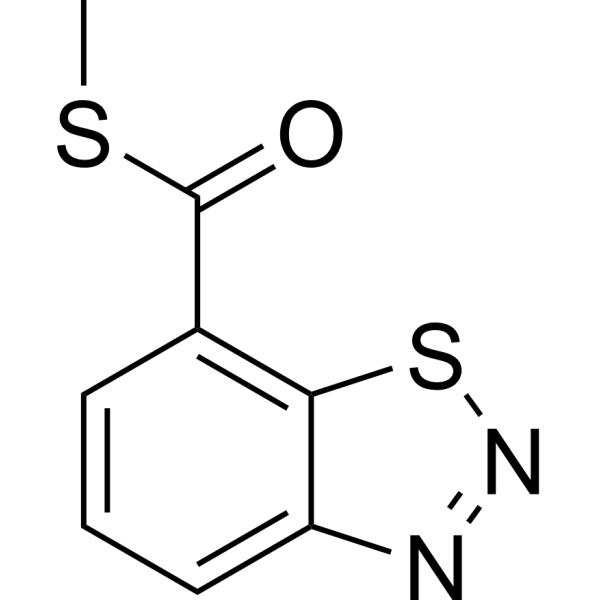
Dichlobentiazox (Compound B14) is a component of Fungicidal compositions. Dichlobentiazox is used in studies on plant diseases caused by phytopathogenic fungi .
|
-
-
- HY-B1474S1
-
|
|
Isotope-Labeled Compounds
Fungal
|
Infection
Cancer
|
|
Alexidine-d10 is the deuterium labeled Alexidine (HY-B1474). Alexidine, a bis-biguanide, exhibits antifungal and antibiofilm activity against a diverse range of fungal pathogens. Alexidine is an anticancer agent that targets a mitochondrial tyrosine phosphatase, PTPMT1, in mammalian cells and causes mitochondrial apoptosis .
|
-
-
- HY-N19663
-
|
|
Fungal
|
Infection
Others
|
|
12-O-Methyl chebulic acid is an antifungal agent, methylated chebulic acid derivative and probable isolation artifact from Terminalia dhofarica leaves. 12-O-Methyl chebulic acid inhibits growth of several plant pathogens. 12-O-Methyl chebulic acid can be used for the research of phytopathogenic fungal infection and phytopathogenic oomycete infection .
|
-
- HY-182278
-
|
|
Fungal
Succinate Dehydrogenase
|
Infection
|
|
Flubeneteram is a succinate dehydrogenase inhibitor with an IC50 of 0.0484 μM. Flubeneteram disrupts succinate dehydrogenase activity. Flubeneteram demonstrates protective effects against Rhizoctonia solani and Sphaerotheca fuliginea in preclinical models. Flubeneteram can be used for research related to fungal infections .
|
-
-
-
HY-L059
-
|
|
1,885 compounds
|
|
Programmed cell death pathways, including apoptosis, pyroptosis and necroptosis, are regulated by unique sets of host proteins that coordinate a variety of biological outcomes. Pyroptosis is a highly inflammatory form of programmed cell death that occurs most frequently upon infection with intracellular pathogens and is likely to form part of the antimicrobial response. This process promotes the rapid clearance of various bacterial, viral, fungal and protozoan infections by removing intracellular replication niches and enhancing the host's defensive responses. Pyroptosis has been widely studied in inflammatory and infection disease models. Recently, there are growing evidences that pyroptosis also plays an important role in the development of cancer, cardiovascular diseases and Metabolic disorder, etc.
MCE designs a unique collection of 1,885 pyroptosis-related compounds mainly focusing on the key targets in the pyroptosis signaling pathway and can be used in the research of pyroptosis signal pathway and related diseases.
|
| Cat. No. |
Product Name |
Type |
-
- HY-N9497
-
|
|
Biochemical Assay Reagents
|
|
Galactinol is a disaccharide carbohydrate serving as a galactosyl donor, which belongs to the raffinose family oligosaccharide pathway and acts as an important osmoprotectant. Galactinol not only induces disease resistance in plants against fungal and bacterial pathogens, but also significantly enhances plant tolerance to abiotic stresses such as drought, high salinity, low temperature and oxidative damage. In addition, Galactinol has the ability to scavenge hydroxyl radicals, can act as a signaling component for root colonization-induced systemic resistance, and is positively correlated with seed longevity in various crops, making it a potential biomarker for evaluating seed vigor. Therefore, Galactinol can be used in the research of various plant diseases including fungal leaf spot, bacterial angular leaf spot, gray mold and soft rot .
|
| Cat. No. |
Product Name |
Target |
Research Area |
-
- HY-P2318
-
|
|
Fungal
|
Infection
|
|
Bac2A TFA is an antimicrobial and immunomodulatory peptide. Bac2A TFA is a linear variant of bactenecin and is very effective against fungal pathogens.
|
-
- HY-P4327
-
|
|
Bacterial
|
Infection
|
|
Hispidalin is a novel antimicrobial peptide with broad and efficient antibacterial activity against various bacterial and fungal pathogens, and can be used as an antibacterial agent and food preservative .
|
-
- HY-P11343
-
|
|
Fungal
|
Infection
|
|
Verlamelin B (Compound 147) is effective against plant pathogenic fungal and is a derivative of Verlamelin (HY-N14856).Verlamelin B exhibits potent plant protective activity in vivo, particularly against rice blast and barley powdery mildew. Verlamelin B causes morphological changes in fungal cells, such as swelling or expansion. Verlamelin B exhibits weaker antifungal activity in vitro against plant pathogens such as rice blast, Dipolaris zeae, and Botrytis cinerea. Verlamelin B is useful for research on antifungal activities against plant pathogens .
|
-
- HY-P11177
-
|
|
Fungal
Bacterial
|
Infection
Cancer
|
|
Cn-AMP1 is a disulfide-free plant peptide that can be isolated from green coconut water. Cn-AMP1 shows activity against multiple pathogenic bacteria, fungal pathogens and cancer cells. Cn-AMP1 is capable of up-regulating inflammatory-cytokine secretion by monocytes. Cn-AMP1 can be used for research on control bacterial infections and cancers .
|
| Cat. No. |
Product Name |
Category |
Target |
Chemical Structure |
-
- HY-B0221
-
-
-
- HY-N9497
-
|
|
Source Classification
|
Galectin
Fungal
|
|
Galactinol is a disaccharide carbohydrate serving as a galactosyl donor, which belongs to the raffinose family oligosaccharide pathway and acts as an important osmoprotectant. Galactinol not only induces disease resistance in plants against fungal and bacterial pathogens, but also significantly enhances plant tolerance to abiotic stresses such as drought, high salinity, low temperature and oxidative damage. In addition, Galactinol has the ability to scavenge hydroxyl radicals, can act as a signaling component for root colonization-induced systemic resistance, and is positively correlated with seed longevity in various crops, making it a potential biomarker for evaluating seed vigor. Therefore, Galactinol can be used in the research of various plant diseases including fungal leaf spot, bacterial angular leaf spot, gray mold and soft rot .
|
-
-
- HY-N6051
-
-
-
- HY-W115529
-
-
-
- HY-118149A
-
-
-
- HY-N0363A
-
-
-
- HY-N6243
-
-
-
- HY-N3968
-
|
GTN; (R)-(+)-Goniothalamin
|
Structural Classification
Natural Products
Lythraceae
Plants
Lythrum salicaria L.
Source Classification
|
Apoptosis
Insecticide
Bacterial
Fungal
Reactive Oxygen Species (ROS)
|
|
Goniothalamin (GTN) is a styryl lactone. Goniothalamin exhibits insecticidal, anti-tumor and antibacterial activities. Goniothalamin induces cell cycle arrest and apoptosis in tumor cells. Goniothalamin acts as a larvicide against Culex quinquefasciatus larvae and as a cytotoxin against brine shrimp larvae. Goniothalamin functions as an antibacterial agent against Gram-positive and Gram-negative bacteria, and also acts as an antifungal agent against pathogens including Candida albicans, Trichophyton rubrum and Trichophyton mentagrophytes. Goniothalamin is applicable to research related to breast cancer, lymphatic filariasis, bacterial infections and fungal infections .
|
-
-
- HY-N6051R
-
-
-
- HY-B0221R
-
-
-
- HY-N14856
-
-
-
- HY-129493
-
-
-
- HY-P11343
-
|
|
Structural Classification
Natural Products
Microorganisms
Source Classification
|
Fungal
|
|
Verlamelin B (Compound 147) is effective against plant pathogenic fungal and is a derivative of Verlamelin (HY-N14856).Verlamelin B exhibits potent plant protective activity in vivo, particularly against rice blast and barley powdery mildew. Verlamelin B causes morphological changes in fungal cells, such as swelling or expansion. Verlamelin B exhibits weaker antifungal activity in vitro against plant pathogens such as rice blast, Dipolaris zeae, and Botrytis cinerea. Verlamelin B is useful for research on antifungal activities against plant pathogens .
|
-
-
- HY-N0363R
-
-
-
- HY-N0363AR
-
-
-
- HY-N13196
-
|
|
Microorganisms
Antibiotics
Source Classification
|
Bacterial
|
|
Arcopilin A (compound Arcopilin A(1))is an antibacterial agent. Arcopilin A has weak inhibitory effects on fungal pathogens and Gram-positive bacteria, with IC50 values of 8.9 μg/mL and 14 μg/mL for cells KB-3-1 and L929, but it can effectively destroy preformed biofilms of Staphylococcus aureus. Arcopilin A can enhance the activities of gentamicin (GM; HY-K1050) and vancomycin (Vac; HY-B0671) by 115 and 31 times, respectively .
|
-
-
- HY-N1836
-
-
-
- HY-N19907
-
-
-
- HY-N19663
-
-
| Cat. No. |
Product Name |
Chemical Structure |
-
- HY-15660S
-
|
|
|
Efinaconazole-d4 is the deuterium labeled Efinaconazole. Efinaconazole (KP-103) is a triazole antifungal agent and againsts T. mentagrophytes SM-110 and C. albicans ATCC 10231 with MICs of 0.0039 μg/mL and 0.00098 μg/mL, respectively . Efinaconazole has a potent in vitro activity against fungal pathogens including dermatophytes, Candida and Malassezia species .
|
-
-
- HY-B0850S
-
|
|
|
Difenoconazole-d6 (hydrochloride) is deuterium labeled Difenoconazole. Difenoconazole is a sterol demethylation inhibitor, as a fungicide. Difenoconazole binds the heme portion of the fungal cytochrome P450 51, interferes the mycelial growth and inhibits the spore germination of pathogens, suppressing fungal growth .
|
-
-
- HY-W743674
-
|
|
|
Difenoconazole-d6 is the deuterium labeled Difenoconazole (HY-B0850). Difenoconazole is a sterol demethylation inhibitor, as a fungicide. Difenoconazole binds the heme portion of the fungal cytochrome P450 51, interferes the mycelial growth and inhibits the spore germination of pathogens, suppressing fungal growth .
|
-
-
- HY-B1474S1
-
|
|
|
Alexidine-d10 is the deuterium labeled Alexidine (HY-B1474). Alexidine, a bis-biguanide, exhibits antifungal and antibiofilm activity against a diverse range of fungal pathogens. Alexidine is an anticancer agent that targets a mitochondrial tyrosine phosphatase, PTPMT1, in mammalian cells and causes mitochondrial apoptosis .
|
-
| Cat. No. |
Product Name |
|
Classification |
-
- HY-177849
-
|
Amphotericin B liposome
|
|
Liposome
|
|
Liposomal Amphotericin B is a liposome-encapsulated form of Amphotericin B (HY-B0221). Amphotericin B is a polyene antifungal agent against a wide variety of fungal pathogens. Amphotericin B binds irreversibly to ergosterol, resulting in disruption of membrane integrity and ultimately cell death. Liposomal Amphotericin B can significantly reduce the toxicity of Amphotericin B.
|
Your information is safe with us. * Required Fields.
Inquiry Information
- Product Name:
- Cat. No.:
- Quantity:
- MCE Japan Authorized Agent:

