



(±)9-HpODE

Based on 1 Customer Validation
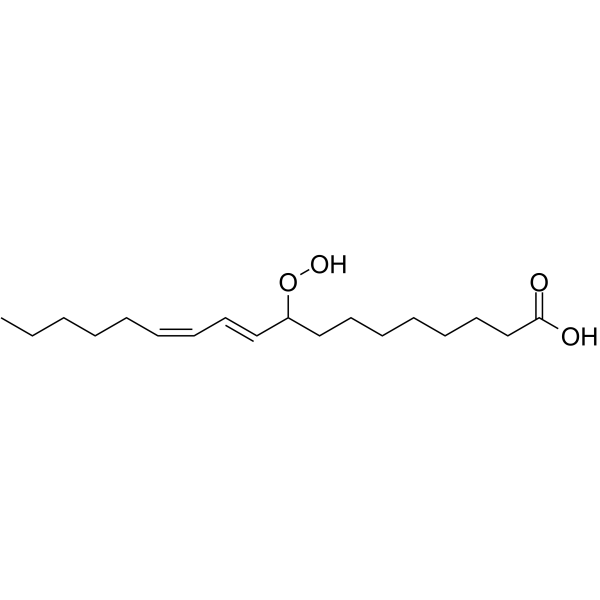
(±)9-HpODE is a long chain lipid hydroperoxide, is a product of linoleic acid peroxidation. (±)9-HpODE can induce oxidation of intracellular glutathione (GSH). (±)9-HpODE also exhibits antimicrobial activity against various fungal and bacterial pathogens.
For research use only. We do not sell to patients.
- Purity : 98.9%
- CAS No.: 5502-91-0
- Formula: C18H32O4
- Molecular Weight:312.44
-
Storage:
Solution, -20°C, 2 years

To place orders, for customer services and technical support, please contact: MedChemExpress USA
Tel: 609-228-6898 E-mail: [email protected] [email protected]


-
 Biological Activity
-
Chemical Information
- Protocols
- Purity & Documentation
- References
-
 Help & FAQs


-
HY-110406A
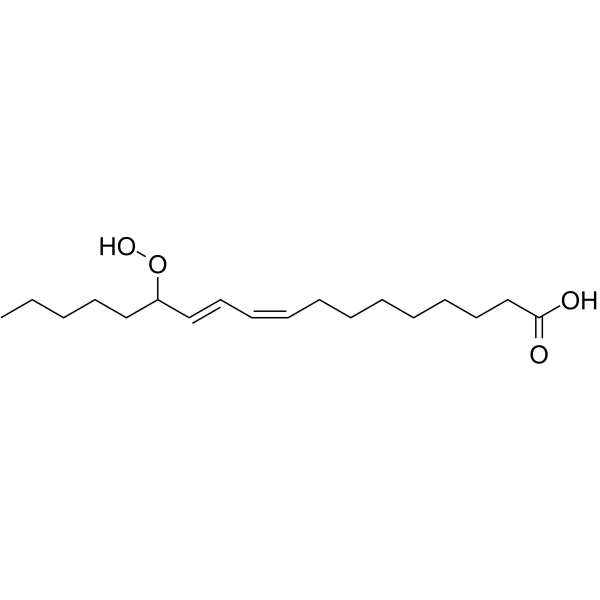
(±)13-HpODEHydroperoxides Racemic -

HY-110406
13(S)-HPODE -
HY-N7781
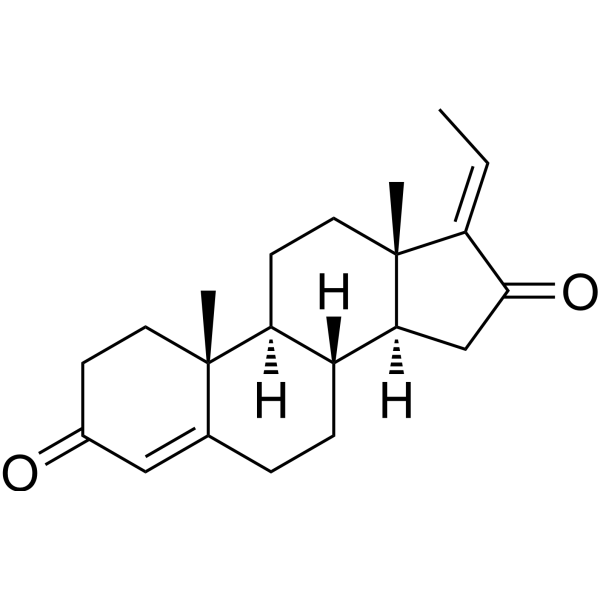
(-)-(E)-GuggulsteroneFXR Antagonist -
HY-138166
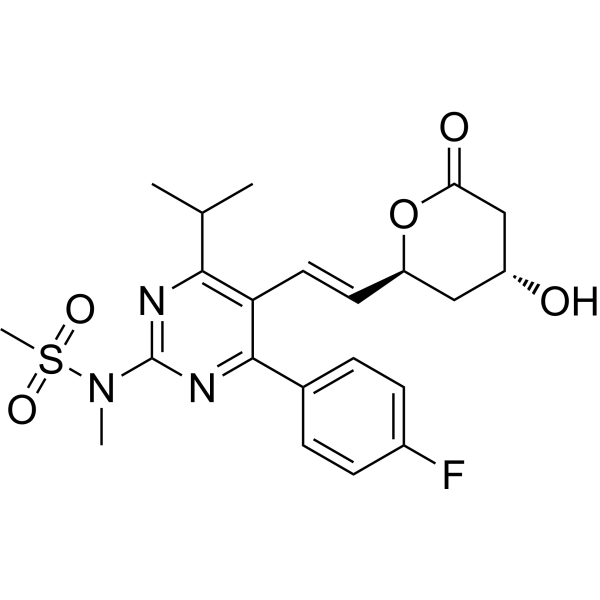
Rosuvastatin lactoneRosuvastatin Metabolite -
HY-N7848
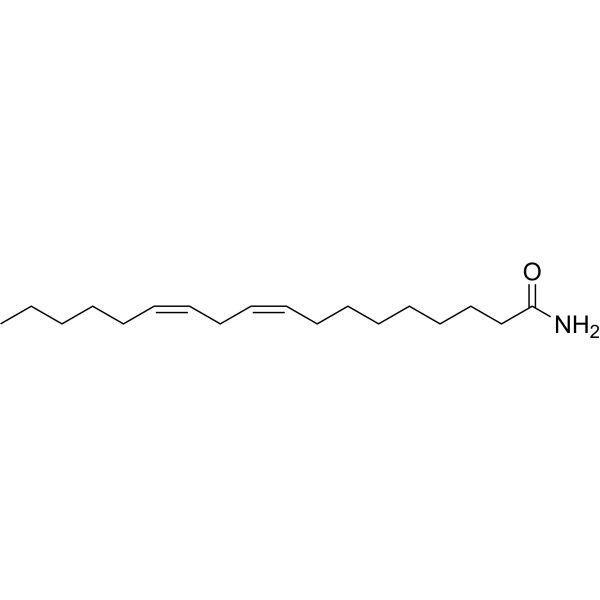
LinoleamideLinoleamide -

HY-131310
9(S)-HpOTrEUnsaturated Fatty Acid -
HY-118828A
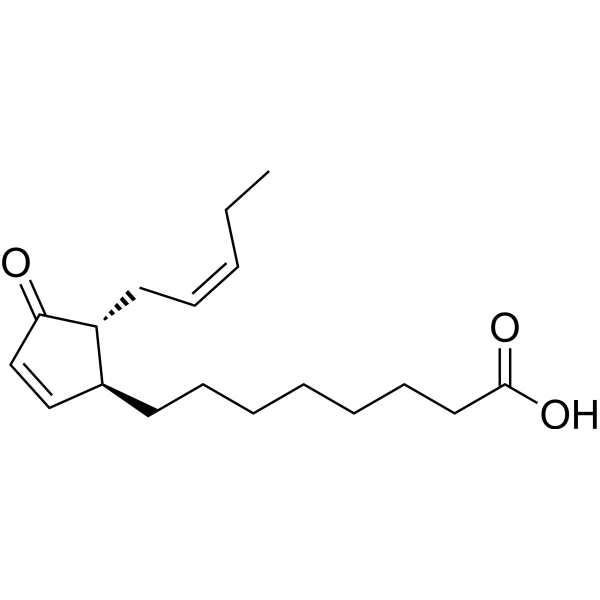
(9S,13R)-12-Oxo phytodienoic acidmPGES-1 Inhibitor -
HY-120891
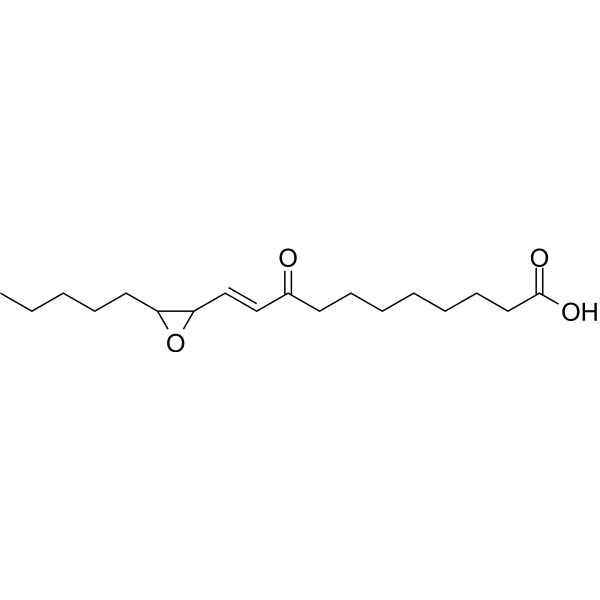
trans-EKODE-(E)-IbPeroxide -

HY-113545A
(±)9-HODERacemate -

HY-118149
9(S)-HpODE -
HY-113978
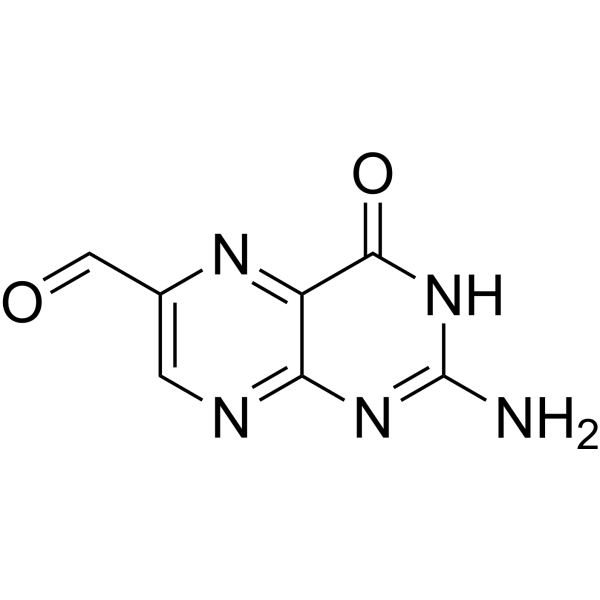
6-FormylpterinXanthine Oxidase Inhibitor -
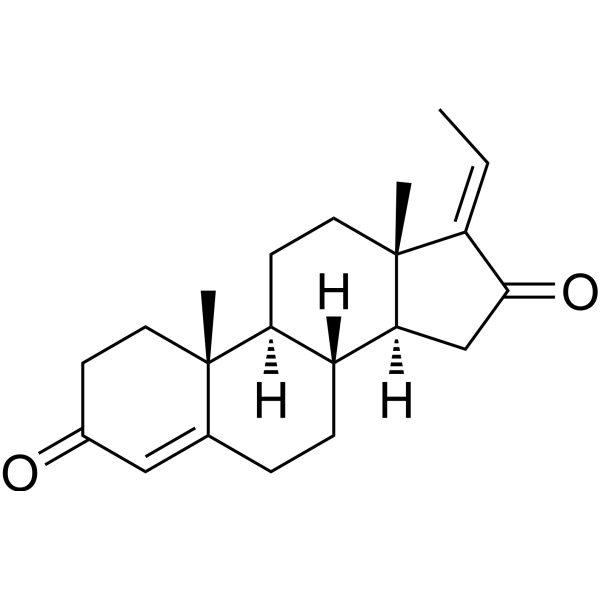
HY-N7781R
(-)-(E)-Guggulsterone (Standard)Analytical Standard
All Parasite Isoforms
More

Biological Activity
Description
In Vitro
(±)9-HpODE (1-25 μM; 0-30 min) induces oxidation of intracellular glutathione (GSH) and with no cytotoxicity in BEAS-2B cells[1].
(±)9-HpODE (25 μM; 0-20 min) induces GSH oxidation is independent of secondary products or H2O2[1].
MedChemExpress (MCE) has not independently confirmed the accuracy of these methods. They are for reference only.


Chemical Information
-
CAS No. 5502-91-0
-
Appearance Liquid
-
Molecular Weight 312.44
-
Formula C18H32O4
-
Color Colorless to light yellow
-
SMILES
OC(CCCCCCCC(OO)/C=C/C=C\CCCCC)=O
-
Structure Classification
-
Initial Source
-
Shipping
Room temperature in continental US; may vary elsewhere.
-
Storage
Solution, -20°C, 2 years


Purity & Documentation
-
Data Sheet (262 KB)
-
SDS (251 KB)
- English - EN (251 KB)
- Français - FR (251 KB)
- Deutsch - DE (251 KB)
- Norwegian - NO (251 KB)
- Español - ES (251 KB)
- Swedish - SV (251 KB)
- Italian - IT (251 KB)
- Korean - KR (251 KB)
- Portuguese - PT (251 KB)
-
Handling Instructions (2659 KB)
References

Calculators
Concentration (start) × Volume (start) = Concentration (final) × Volume (final)


(±)9-HpODE Related Classifications
HY-118149A Related Classifications
 Powered by Bioz