Search Result
Results for "
gastric adenocarcinoma
" in MedChemExpress (MCE) Product Catalog:
1
Isotope-Labeled Compounds
| Cat. No. |
상품명 |
Target |
연구분야 |
Chemical Structure |
-
- HY-P2671
-
|
|
Cholecystokinin Receptor
|
Cancer
|
|
[Leu15]-Gastrin I (human) is a Gastrin I, human (HY-P1097) peptide hormone derivative, which is trophic for normal gastrointestinal epithelium. Gastrin stimulates growth of gastric adenocarcinoma (gastric cancer) through G-protein-coupled receptor called the cholecystokinin (CCK) or cholecystokinin-B receptors (CCK-BR) that are overexpressed in this malignancy. [Leu15]-Gastrin I (human) is promising for research of gastric cancer .
|
-
![[Leu15]-Gastrin I (human)](//file.medchemexpress.com/product_pic/hy-p2671.gif)
-
- HY-P99117
-
|
AK104
|
PD-1/PD-L1
CTLA-4
|
Inflammation/Immunology
Cancer
|
|
Cadonilimab (AK104) is a humanized tetravalent IgG1 bispecific antibody targeting PD1/CTLA4. Cadonilimab blocks both PD-1 and CTLA-4 pathways, thereby relieving their corresponding immunosuppressive effects and reversing tumor specific T cell exhaustion. Cadonilimab significantly downregulates Fc-mediated effector functions, including antibody-dependent cell-mediated cytotoxicity (ADCC), antibody-dependent cellular phagocytosis (ADCP), complement dependent cytotoxicity (CDC). Cadonilimab can be used for research of metastatic cervical cancer, as well as other malignancies such as gastric cancer, GEJ adenocarcinoma and non-small cell lung cancer (NSCLC) .
|
-

-
- HY-P99351
-
|
Anti-MMP9 Reference Antibody (andecaliximab)
|
MMP
|
Cancer
|
|
Andecaliximab is a recombinant chimeric IgG4 monoclonal antibody (mAb) targets matrix metalloproteinase 9 (MMP9). Andecaliximab shows the antifibrotic efficacy in idiopathic pulmonary fibrosis mouse models. Andecaliximab can be used for the research of gastric adenocarcinoma and idiopathic pulmonary fibrosis (IPF) .
|
-

-
- HY-13631J
-
|
(1R,9R)-DX8951f
|
Drug Derivative
Topoisomerase
Apoptosis
|
Cancer
|
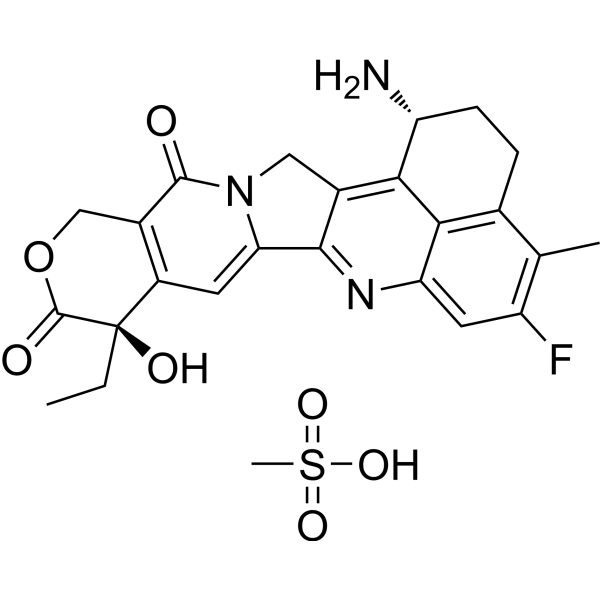
(1R,9R)-Exatecan mesylate ((1R,9R)-DX8951f) is a non-prodrug camptothecin derivative and a potent topoisomerase I inhibitor (IC50=0.975 μg/mL in mice and 0.82 μg/mL in humans). (1R,9R)-Exatecan mesylate blocks enzyme activity and induces apoptosis by stabilizing the enzyme-DNA cleavable complex. (1R,9R)-Exatecan mesylate not only effectively inhibits the proliferation of various malignant tumor cells and tumor growth, but also circumvents P-glycoprotein-mediated multidrug resistance. (1R,9R)-Exatecan mesylate is widely used in preclinical studies of multiple cancers including pancreatic cancer, lung cancer, breast cancer, and leukemia . The low-activity isomer of (1R,9R)-Exatecan mesylate is (1S,9R)-Exatecan mesylate (HY-13631I).
|
-
-
- HY-W015084
-
-
-
- HY-P991564
-
|
IBI-343 antibody; HB37A6; TAK-921 Antibody
|
ADC Antibody
Claudin
|
Cancer
|
|
Arcotatug (IBI-343 antibody) is a CLDN18.2 targeting humanized monoclonal antibody. Arcotatug can be used for synthesis of ADCs .
|
-

-
- HY-13631I
-
|
(1S,9R)-DX8951f
|
Drug Derivative
Topoisomerase
Apoptosis
|
Cancer
|
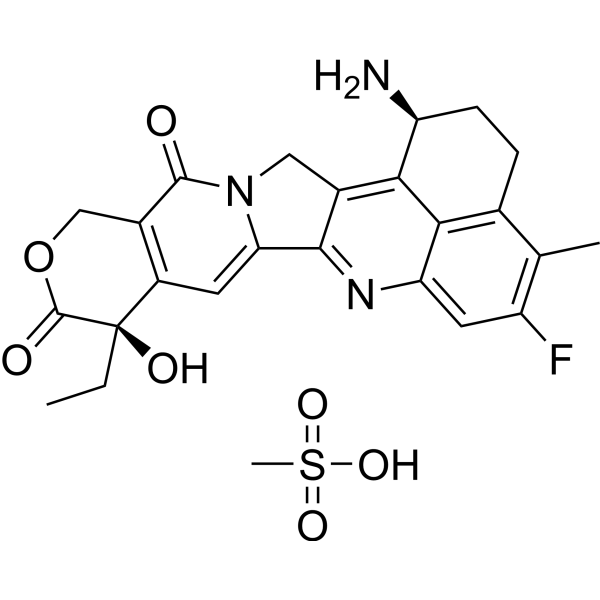
(1S,9R)-Exatecan mesylate ((1S,9R)-DX8951f) is a non-prodrug camptothecin derivative and a topoisomerase I inhibitor (IC50=0.975 μg/mL in mice and 0.82 μg/mL in humans). (1S,9R)-Exatecan mesylate blocks enzyme activity and induces apoptosis by stabilizing the enzyme-DNA cleavable complex. (1S,9R)-Exatecan mesylate not only effectively inhibits the proliferation of various malignant tumor cells and tumor growth, but also circumvents P-glycoprotein-mediated multidrug resistance. (1S,9R)-Exatecan mesylate is widely used in preclinical studies of various cancers such as pancreatic cancer, lung cancer, breast cancer, and leukemia .
The chiral isomer of (1S,9R)-Exatecan mesylate is (1R,9R)-Exatecan mesylate (HY-13631J).
|
-
-
- HY-148819A
-
|
|
ADC Payload
Topoisomerase
|
Cancer
|
|
NH2-bicyclopentane-7-MAD-MDCPT hydrochloride (Formula I) is a topoisomerase I (TOP1) inhibitor. NH2-bicyclopentane-7-MAD-MDCPT hydrochloride is applicable to the synthesis of the ADC ABBV-969. NH2-bicyclopentane-7-MAD-MDCPT hydrochloride is used in research on lung adenocarcinoma and melanoma .
|
-
![NH2-bicyclo[1.1.1]pentane-7-MAD-MDCPT hydrochloride](//file.medchemexpress.com/product_pic/hy-148819a.gif)
-
- HY-W015084A
-
|
β-Lonone
|
Environmental Pollutants
Apoptosis
|
Cancer
|
|
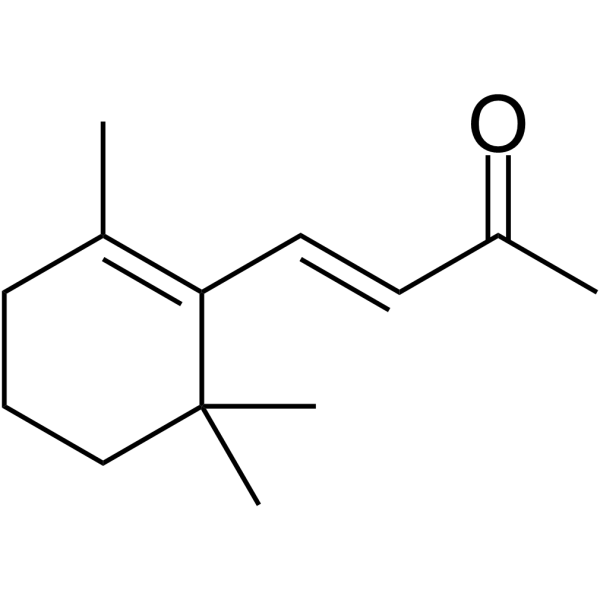
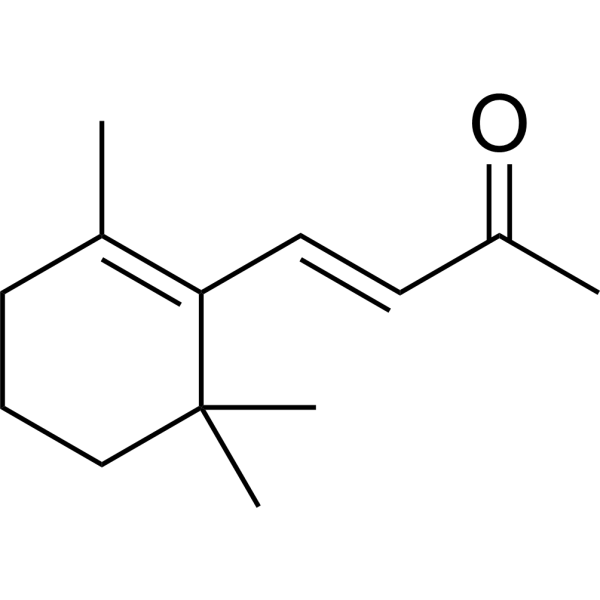
(E)-β-Ionone is the isomer of β-Ionone (HY-W015084). β-Ionone is effective in the induction of apoptosis in gastric adenocarcinoma SGC7901 cells. β-Ionone has anti-cancer activity .
|
-
-
- HY-N12717
-
|
|
PAK
FASTK
HSP
p38 MAPK
NF-κB
NO Synthase
COX
HSV
Caspase
TNF Receptor
Fungal
Apoptosis
|
Infection
Inflammation/Immunology
Cancer
|
|
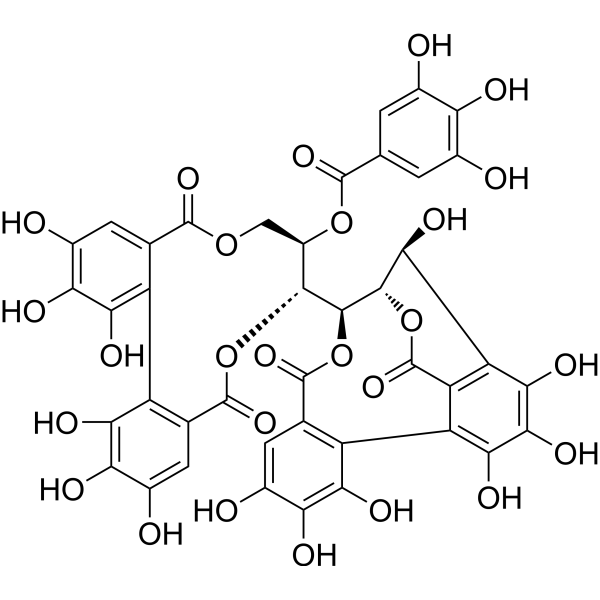
Casuarinin is an orally active antiproliferative, anti-inflammatory, antifungal, virucidal and gastroprotective agent. Casuarinin upregulates the expression of p21/WAF1, Fas/APO‑1, mFasL, sFasL and HSP‑70, arrests cell cycle, induces apoptosis and inhibits cancer cell proliferation. Casuarinin inhibits TNF‑α-induced phosphorylation of MAPK and activation of NF‑κB, downregulates the expression of iNOS, NF‑κB, COX‑2 and ICAM‑1, and reduces the production of proinflammatory mediators. Casuarinin attenuates ethanol-induced activation of caspase‑3 and elevation of TNF‑α, inhibits the growth of Candida albicans, and inhibits HSV‑2. Casuarinin can be used in research related to mammary adenocarcinoma, inflammatory skin diseases, gastric ulcers, candidiasis and herpes simplex virus infections .
|
-
-
- HY-169474
-
|
PAMAM G1.0
|
Biochemical Assay Reagents
|
Cancer
|
|
Starburst 1st Generation (PAMAM G1.0) is a Polyamidoamine (HY-164657; PAMAM) dendrimer with amine termini that has been used as a drug delivery system in vitro. Starburst 1st Generation conjugated to di-n-dodecylamine and encapsulating 5-Fluorouracil (HY-90006) increase the solubility of 5-Fluorouracil and are cytotoxic to AGS gastric adenocarcinoma cells .
|
-

-
- HY-P991739
-
|
|
VEGFR
PD-1/PD-L1
|
Cancer
|
|
RC148 is a humanized IgG1 bispecific antibody targeting VEGF and PD-1. RC148 blocks PD-1-PD-L1 and VEGF-VEGFR interactions, triggers VEGF-dependent enhanced PD-1 binding, enables VEGF crosslinking, and inhibits PD-1-mediated immunosuppression. RC148 can be used for the research of metastatic gastric/gastroesophageal junction adenocarcinoma, non-small cell lung cancer, and metastatic breast cancer .
|
-

-
- HY-106588
-
|
SKI 2053R
|
DNA Alkylator/Crosslinker
|
Cancer
|
|
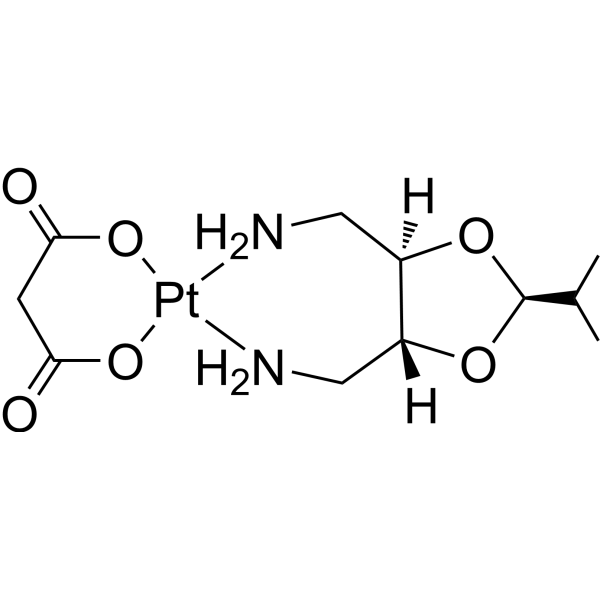
Heptaplatin (SKI 2053R) is a platinum derivative with anticancer activity against various cancer cell lines, including cisplatin-resistant tumor cell lines. SKI-2053R is active in the research of gastric adenocarcinoma and has favorable toxicity profiles .
|
-
-
- HY-164296
-
-

-
- HY-168428
-
|
|
Histone Acetyltransferase
Apoptosis
|
Cancer
|
|
CHI-KAT8i5 is a selective and orally active KAT8 inhibitor with a KD value of 19.72 μM. CHI-KAT8i5 does not bind to other proteins in HAT family (KAT2A, KAT2B, KAT5, and KAT7). CHI-KAT8i5 induces cancer cell apoptosis. CHI-KAT8i5 suppresses esophageal squamous cell carcinoma (ESCC) growth through targeting KAT8/c-Myc signaling pathway .
|
-

-
- HY-W854385A
-
|
SLeA sodium
|
Biochemical Assay Reagents
|
Cancer
|
|
Sialyl Lewis A (SLeA) sodium is a tumor-associated carbohydrate antigen, also known as carbohydrate antigen 19-9 (CA19-9), that binds to E-selectin (ELAM-1) and selectins to mediate cell-endothelium adhesion. Sialyl Lewis A sodium promotes cancer cell-vascular endothelium adhesion, and its surface presence correlates with increased tumorigenicity and invasiveness in cancer cells. Sialyl Lewis A sodium shows elevated expression in human adenocarcinomas of the colon, pancreas, and stomach, with expression levels linked to tumor progression and poor prognosis in colorectal and gastric carcinomas. Sialyl Lewis A sodium can be used for the research of cancers, such as colon, pancreas, stomach, and squamous lung cancer .
|
-

-
- HY-W854385
-
|
SLeA
|
Biochemical Assay Reagents
E-Selectin
|
Cancer
|
|
Sialyl Lewis A (SLeA) is a tumor-associated carbohydrate antigen, also known as carbohydrate antigen 19-9 (CA19-9), that binds to E-selectin (ELAM-1) and selectins to mediate cell-endothelium adhesion. Sialyl Lewis A promotes cancer cell-vascular endothelium adhesion, and its surface presence correlates with increased tumorigenicity and invasiveness in cancer cells. Sialyl Lewis A shows elevated expression in human adenocarcinomas of the colon, pancreas, and stomach, with expression levels linked to tumor progression and poor prognosis in colorectal and gastric carcinomas. Sialyl Lewis A can be used for the research of cancers, such as colon, pancreas, stomach, and squamous lung cancer .
|
-

-
- HY-W015084S
-
|
|
Isotope-Labeled Compounds
Apoptosis
|
Cancer
|
|
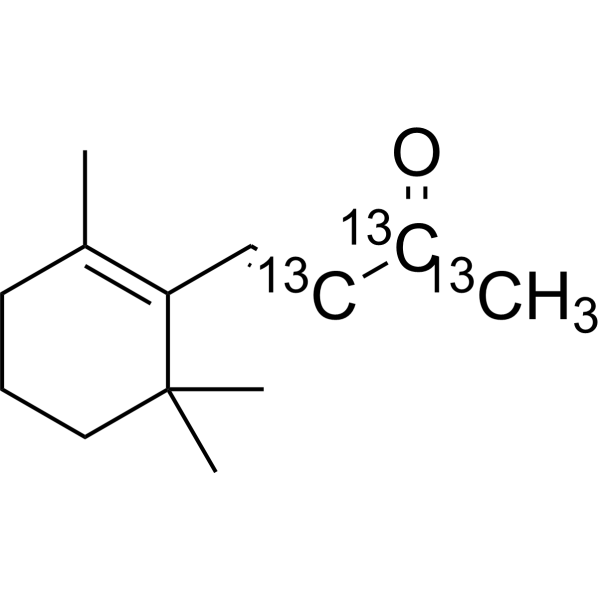
β-Ionone- 13C3 is the 13C-labeled β-Ionone. β-Ionone is effective in the induction of apoptosis in gastric adenocarcinoma SGC7901 cells. Anti-cancer activity .
|
-
-
- HY-W015084R
-
|
|
Reference Standards
Apoptosis
|
Cancer
|
|
β-Ionone (Standard) is the analytical standard of β-Ionone. This product is intended for research and analytical applications. β-Ionone is effective in the induction of apoptosis in gastric adenocarcinoma SGC7901 cells. Anti-cancer activity .
|
-

-
- HY-W015084AR
-
|
β-Lonone (Standard)
|
Apoptosis
Reference Standards
|
Cancer
|
|
(E)-β-Ionone (Standard) is the analytical standard of (E)-β-Ionone. This product is intended for research and analytical applications. (E)-β-Ionone is the isomer of β-Ionone (HY-W015084). β-Ionone is effective in the induction of apoptosis in gastric adenocarcinoma SGC7901 cells. β-Ionone has anti-cancer activity .
|
-

-
- HY-N19640
-
|
|
TNF Receptor
|
Cancer
|
|
(20S)-18,20-Epoxydigitoxigenin α-L-thvetoside is a cardenolide glycoside found in the bark of Thevetia peruviana. (20S)-18,20-Epoxydigitoxigenin α-L-thvetoside is a tumor necrosis factor (TNF)-related apoptosis-inducing ligand (TRAIL) resistance-overcoming agent. (20S)-18,20-Epoxydigitoxigenin α-L-thvetoside synergistically sensitizes TRAIL-resistant gastric adenocarcinoma cells to TRAIL, reducing cell viability when combined with TRAIL. (20S)-18,20-Epoxydigitoxigenin α-L-thvetoside can be used for the research of human gastric adenocarcinoma .
|
-

-
- HY-P992167
-
|
|
Claudin
|
Cancer
|
|
AB011 is a recombinant humanized anti-CLDN18.2 IgG1 monoclonal antibody. AB011 exhibits synergistic effects with cytotoxic compounds in preclinical studies. AB011 can be used for research on advanced gastric/gastroesophageal junction adenocarcinoma and advanced pancreatic cancer .
|
-

-
- HY-179501
-
|
|
PDK-1
Reactive Oxygen Species (ROS)
Apoptosis
Oxidative Phosphorylation
|
Cancer
|
|
PDK1-IN-5 is a selective PDK1 inhibitor. PDK1-IN-5 activaties PDH by diminishing phosphorylation level via PDK1 inhibition. PDK1-IN-5 effectively reverses the Warburg effect and shifts cellular energy metabolism from glycolysis toward oxidative phosphorylation by increased acetyl-CoA, reduced lactate, elevated mitochondrial ROS, and subsequent induction of apoptosis. PDK1-IN-5 robustly inhibits tumor growth in vivo without inducing systemic toxicity. PDK1-IN-5 can be used for lung adenocarcinoma, human non-small cell lung adenocarcinoma and gastric colorectal .
|
-

-
- HY-181113
-
|
|
Anaplastic lymphoma kinase (ALK)
|
Cancer
|
|
ALK-IN-34 is an Anaplastic Lymphoma Kinase (ALK) inhibitor with an IC50 of 0.26 μM. ALK-IN-34 demonstrates antiproliferative activity against lung cancer cells and gastric adenocarcinoma cells .
|
-

-
- HY-164346
-
|
|
Microtubule/Tubulin
Drug-Linker Conjugates for ADC
|
Cancer
|
|
Amine-PEG8-Val-Cit-PAB-MMAE is a potent drug-linker conjugate for antibody-drug conjugates (ADCs).Amine-PEG8-Val-Cit-PAB-MMAE consists of the linker amine-PEG8-Vali-Cit-PAB and the payload MMAE (HY-15162), and can be used to synthesize ADCs. Amine-PEG8-Val-Cit-PAB-MMAE can be used for the research of gastric cancer, colon cancer, lung adenocarcinoma .
|
-

-
- HY-183355
-
|
|
Ras
ERK
Akt
Reactive Oxygen Species (ROS)
Apoptosis
Bcl-2 Family
Caspase
|
Cancer
|
|
KRAS G12D-IN-37 is a KRAS G12D inhibitor. KRAS G12D-IN-37 shows antiproliferative activity against KRAS G12D mutant tumor cells and minimal cytotoxicity toward normal cells. KRAS G12D-IN-37 binds stably to KRAS G12D via hydrogen bond interactions with residues His 95, Arg 68, and Asp 12, and inhibits downstream ERK/AKT signaling pathways. KRAS G12D-IN-37 elevates ROS levels, induces apoptosis, disrupts mitochondrial membrane potential. KRAS G12D-IN-37 downregulates the level of anti-apoptotic protein Bcl-2, and upregulates the levels of pro-apoptotic proteins Bax and caspase 3. KRAS G12D-IN-37 can be used for the research of cancer, such as gastric adenocarcinoma and colorectal cancer .
|
-

-
- HY-174271
-
|
|
Apoptosis
|
Cancer
|
|
Antioxidant agent-21 (Compound 9) is a phenolic heterocyclic compound with antioxidant and anticancer activities. Antioxidant agent-21 shows significant cytotoxicity toward human gastric adenocarcinoma (AGS) and lung cancer (A549) cells. Antioxidant agent-21 induces caspase-dependent apoptosis in cancer cells .
|
-

-
- HY-182377
-
|
|
Interleukin Related
TNF Receptor
|
Inflammation/Immunology
Cancer
|
|
DT-5461 is an IL-1 and TNF-α antagonist. DT-5461 competitively binds lipid A-binding sites on macrophage receptors, blocks LPS (HY-D1056)-initiated signaling, inhibits LPS-induced cytokine release, prevents LPS-induced serum cytokine production in mice, and protects against LPS-induced lethal endotoxemia. DT-5461 can be used for the research of lethal endotoxemia, medullary tubular mammary carcinoma, poorly differentiated colon adenocarcinoma, squamous-cell lung carcinoma, and gelatinous gastric adenocarcinoma .
|
-

-
- HY-P992347
-
|
|
CD276/B7-H3
|
Cancer
|
|
DS-5573a is a human monoclonal antibody targeting B7-H3, with a Kd of 1.8 nM for the 4Ig isoform and 11 nM for the 2Ig isoform. DS-5573a induces antibody-dependent cellular cytotoxicity and antibody-dependent cellular phagocytosis against B7-H3-expressing cancer cells. DS-5573a exerts dose-dependent anti-tumor activity via effector cells. DS-5573a can be used in the research of cancers including breast adenocarcinoma, non-small cell lung cancer, renal cell adenocarcinoma, gastric cancer and prostate cancer .
|
-

-
- HY-N13800
-
|
|
Phytohormone
|
Infection
Cancer
|
|
3-O-Debenzoylzeylenone is a polyoxygenated cyclohexene plant growth hormone that exists in the leaves of Uvaria purpurea and the aerial parts of Uvaria grandiflora. 3-O-Debenzoylzeylenone is an auxin analog that inhibits root growth and promotes shoot growth of Lactuca sativa seedlings. 3-O-Debenzoylzeylenone exhibits cytotoxicity against various cancer cells and can be used in studies related to lung cancer, melanoma, epidermoid carcinoma, liver cancer, gastric cancer, colon adenocarcinoma, acute leukemia, breast cancer, and prostate cancer .
|
-

-
- HY-182759
-
|
|
DNA Alkylator/Crosslinker
Topoisomerase
Caspase
Bcl-2 Family
Apoptosis
|
Cancer
|
|
MN33-47 is a multi-target anti-tumor compound with broad-spectrum anti-proliferative activity. MN33-47 relieves the inhibition of the mitochondrial apoptosis pathway by downregulating the anti-apoptotic protein Bcl-2, while activating caspase-3 and inhibiting Topoisomerase I activity, thereby promoting its degradation through the ubiquitin-proteasome and autophagy-lysosome pathways. MN33-47 can also induce DNA cross-linking and G2/M cell cycle arrest, inhibit cancer cell migration and activate the mitochondrial apoptosis pathway, thus exerting potent anti-tumor effects. MN33-47 can improve the water solubility of SN-38 (HY-13704), and exhibits dose-dependent tumor growth inhibition effects in CT26 tumor-bearing mouse models without obvious toxic and side effects. MN33-47 can be used in related studies on colorectal adenocarcinoma, cervical adenocarcinoma, hepatocellular carcinoma, alveolar basal epithelial adenocarcinoma, gastric cancer and colon cancer .
|
-

-
- HY-181285
-
|
|
Methionine Adenosyltransferase (MAT)
|
Cancer
|
|
MAT2A ligand 1 is a MAT2A ligand inhibitor (IC50=29.5 nM) and PET tracer that crosses the blood-brain barrier. MAT2A ligand 1 enables non-invasive imaging of MAT2A-expressing tumors, with rapid tumor uptake equilibrium, a high tumor-to-muscle ratio, and specific tumor-binding properties. MAT2A ligand 1 is applicable to research related to non-small cell lung cancer, hepatocellular carcinoma, colorectal cancer, gastric cancer, glioblastoma, pancreatic adenocarcinoma, urothelial carcinoma, breast cancer, and prostate cancer .
|
-

-
- HY-159803
-
|
6-O-(3-Ethoxypropionyl)-3',4'-O-exo-benzylidenechartreusin
|
Endogenous Metabolite
|
Cancer
|
|
IST-622 (6-O-(3-Ethoxypropionyl)-3',4'-O-exo-benzylidenechartreusin) is an anti-tumor agent with significant growth inhibitory activity. IST-622 exhibits significant anti-tumor effects against a variety of mouse tumors such as P388 and L1210 leukemias, B16 melanoma, Lewis lung carcinoma, Colon 26 and Colon 38 adenocarcinomas, and M5076 reticulum cell sarcoma. IST-622 was orally administered and the results showed efficacy in different tumor types. In addition, IST-622 provided significant inhibitory effects against two human tumor xenograft models: large cell lung carcinoma (Lu-116) and gastric adenocarcinoma (St-4). IST-622 also exhibited significant growth inhibitory activity against P388 leukemia in vitro, with a half inhibitory concentration (IC50) more than 20 times lower than CT .
|
-

-
- HY-183575
-
|
|
PROTACs
Epigenetic Reader Domain
|
Cancer
|
|
JQ1-JX5 is a DCAF16-based BRD4 PROTAC degrader. JQ1-JX5 covalently modifies Cys58 of DCAF16, promotes ternary complex formation with BRD4, enables BRD4 ubiquitination and proteasomal degradation. JQ1-JX5 induces time-dependent degradation of BRD4 long and short isoforms in AGS cells with DC50 of 43.97 and 16.77 nM. JQ1-JX5 can be used for the research of cancer, such as acute myeloid leukemia .
|
-

-
- HY-N13001
-
|
|
Others
|
Cancer
|
|
7-O-Galloylcatechin is a polyphenol compound found in the seeds of Rhynchosia volubilis. 7-O-Galloylcatechin shows antiproliferative activity against cancer cells. 7-O-Galloylcatechin can be used for the research of cancer, such as melanoma .
|
-

-
- HY-182760
-
|
|
DNA Alkylator/Crosslinker
Bcl-2 Family
Caspase
Apoptosis
Topoisomerase
|
Cancer
|
|
MN33-63 is a Bcl-2 inhibitor, caspase-3 activator and DNA crosslinker with broad-spectrum anticancer activity. MN33-63 improves the water solubility of SN-38 (HY-13704), inhibits tumor growth and proliferation in a dose-dependent manner, and causes no obvious toxicity. MN33-63 relieves the inhibition of the mitochondrial apoptotic pathway, initiates the apoptosis program, inhibits Topo I activity, and promotes its degradation via the ubiquitin-proteasome and autophagy-lysosome pathways. MN33-63 induces DNA crosslinking, G2/M cell cycle arrest, inhibition of cancer cell migration, and cancer cell apoptosis through the mitochondrial pathway. MN33-63 can be used in the research of colorectal cancer, cervical cancer, hepatocellular carcinoma, lung adenocarcinoma and gastric cancer .
|
-

-
- HY-181863
-
|
|
NAMPT
DNA/RNA Synthesis
Apoptosis
|
Cancer
|
|
Nampt-IN-18 (Compound Q24) is an orally active NAMPT inhibitor with an IC50 of 8.0 nM against hNAMPT. Nampt-IN-18 inhibits NAMPT enzymatic activity. Nampt-IN-18 inhibits DNA synthesis and induces Apoptosis. Nampt-IN-18 exhibits anticancer activity against gastric cancer and colorectal cancer. Nampt-IN-18 can be used for the research of gastrointestinal cancers .
|
-

| Cat. No. |
상품명 |
Target |
Research Area |
-
- HY-P2671
-
|
|
Cholecystokinin Receptor
|
Cancer
|
|
[Leu15]-Gastrin I (human) is a Gastrin I, human (HY-P1097) peptide hormone derivative, which is trophic for normal gastrointestinal epithelium. Gastrin stimulates growth of gastric adenocarcinoma (gastric cancer) through G-protein-coupled receptor called the cholecystokinin (CCK) or cholecystokinin-B receptors (CCK-BR) that are overexpressed in this malignancy. [Leu15]-Gastrin I (human) is promising for research of gastric cancer .
|
| Cat. No. |
상품명 |
Target |
Research Area |
Image |
-
- HY-P99117
-
|
AK104
|
PD-1/PD-L1
CTLA-4
|
Inflammation/Immunology
Cancer
|
|
Cadonilimab (AK104) is a humanized tetravalent IgG1 bispecific antibody targeting PD1/CTLA4. Cadonilimab blocks both PD-1 and CTLA-4 pathways, thereby relieving their corresponding immunosuppressive effects and reversing tumor specific T cell exhaustion. Cadonilimab significantly downregulates Fc-mediated effector functions, including antibody-dependent cell-mediated cytotoxicity (ADCC), antibody-dependent cellular phagocytosis (ADCP), complement dependent cytotoxicity (CDC). Cadonilimab can be used for research of metastatic cervical cancer, as well as other malignancies such as gastric cancer, GEJ adenocarcinoma and non-small cell lung cancer (NSCLC) .
|
-

(5)
-
- HY-P99351
-
|
Anti-MMP9 Reference Antibody (andecaliximab)
|
MMP
|
Cancer
|
|
Andecaliximab is a recombinant chimeric IgG4 monoclonal antibody (mAb) targets matrix metalloproteinase 9 (MMP9). Andecaliximab shows the antifibrotic efficacy in idiopathic pulmonary fibrosis mouse models. Andecaliximab can be used for the research of gastric adenocarcinoma and idiopathic pulmonary fibrosis (IPF) .
|
-
(5)
-
- HY-P991564
-
|
IBI-343 antibody; HB37A6; TAK-921 Antibody
|
ADC Antibody
Claudin
|
Cancer
|
|
Arcotatug (IBI-343 antibody) is a CLDN18.2 targeting humanized monoclonal antibody. Arcotatug can be used for synthesis of ADCs .
|
-
(5)
-
- HY-P991739
-
|
|
VEGFR
PD-1/PD-L1
|
Cancer
|
|
RC148 is a humanized IgG1 bispecific antibody targeting VEGF and PD-1. RC148 blocks PD-1-PD-L1 and VEGF-VEGFR interactions, triggers VEGF-dependent enhanced PD-1 binding, enables VEGF crosslinking, and inhibits PD-1-mediated immunosuppression. RC148 can be used for the research of metastatic gastric/gastroesophageal junction adenocarcinoma, non-small cell lung cancer, and metastatic breast cancer .
|
-
(5)
-
- HY-P992167
-
|
|
Claudin
|
Cancer
|
|
AB011 is a recombinant humanized anti-CLDN18.2 IgG1 monoclonal antibody. AB011 exhibits synergistic effects with cytotoxic compounds in preclinical studies. AB011 can be used for research on advanced gastric/gastroesophageal junction adenocarcinoma and advanced pancreatic cancer .
|
-
(5)
-
- HY-P992347
-
|
|
CD276/B7-H3
|
Cancer
|
|
DS-5573a is a human monoclonal antibody targeting B7-H3, with a Kd of 1.8 nM for the 4Ig isoform and 11 nM for the 2Ig isoform. DS-5573a induces antibody-dependent cellular cytotoxicity and antibody-dependent cellular phagocytosis against B7-H3-expressing cancer cells. DS-5573a exerts dose-dependent anti-tumor activity via effector cells. DS-5573a can be used in the research of cancers including breast adenocarcinoma, non-small cell lung cancer, renal cell adenocarcinoma, gastric cancer and prostate cancer .
|
-
(5)
| Cat. No. |
상품명 |
Category |
Target |
Chemical Structure |
-
- HY-W015084
-
-
-
- HY-W015084A
-
-
-
- HY-N12717
-
|
|
Terminalia arjuna (Roxb. ex DC.) Wight & Arn.
Structural Classification
Combretaceae
Phenols
Polyphenols
Plants
Source Classification
|
PAK
FASTK
HSP
p38 MAPK
NF-κB
NO Synthase
COX
HSV
Caspase
TNF Receptor
Fungal
Apoptosis
|
|
Casuarinin is an orally active antiproliferative, anti-inflammatory, antifungal, virucidal and gastroprotective agent. Casuarinin upregulates the expression of p21/WAF1, Fas/APO‑1, mFasL, sFasL and HSP‑70, arrests cell cycle, induces apoptosis and inhibits cancer cell proliferation. Casuarinin inhibits TNF‑α-induced phosphorylation of MAPK and activation of NF‑κB, downregulates the expression of iNOS, NF‑κB, COX‑2 and ICAM‑1, and reduces the production of proinflammatory mediators. Casuarinin attenuates ethanol-induced activation of caspase‑3 and elevation of TNF‑α, inhibits the growth of Candida albicans, and inhibits HSV‑2. Casuarinin can be used in research related to mammary adenocarcinoma, inflammatory skin diseases, gastric ulcers, candidiasis and herpes simplex virus infections .
|
-
-
- HY-W015084R
-
-
-
- HY-W015084AR
-
-
-
- HY-N19640
-
|
|
Apocynaceae
Triterpenes
Structural Classification
Terpenoids
Thevetia peruviana (Pers.) K. Schum.
Plants
Source Classification
|
TNF Receptor
|
|
(20S)-18,20-Epoxydigitoxigenin α-L-thvetoside is a cardenolide glycoside found in the bark of Thevetia peruviana. (20S)-18,20-Epoxydigitoxigenin α-L-thvetoside is a tumor necrosis factor (TNF)-related apoptosis-inducing ligand (TRAIL) resistance-overcoming agent. (20S)-18,20-Epoxydigitoxigenin α-L-thvetoside synergistically sensitizes TRAIL-resistant gastric adenocarcinoma cells to TRAIL, reducing cell viability when combined with TRAIL. (20S)-18,20-Epoxydigitoxigenin α-L-thvetoside can be used for the research of human gastric adenocarcinoma .
|
-
-
- HY-N13800
-
|
|
Structural Classification
Uvaria grandiflora Roxb.
Other Phenylpropanoids
Phenylpropanoids
Plants
Annonaceae
Source Classification
|
Phytohormone
|
|
3-O-Debenzoylzeylenone is a polyoxygenated cyclohexene plant growth hormone that exists in the leaves of Uvaria purpurea and the aerial parts of Uvaria grandiflora. 3-O-Debenzoylzeylenone is an auxin analog that inhibits root growth and promotes shoot growth of Lactuca sativa seedlings. 3-O-Debenzoylzeylenone exhibits cytotoxicity against various cancer cells and can be used in studies related to lung cancer, melanoma, epidermoid carcinoma, liver cancer, gastric cancer, colon adenocarcinoma, acute leukemia, breast cancer, and prostate cancer .
|
-
-
- HY-N13001
-
-
| Cat. No. |
상품명 |
Chemical Structure |
-
- HY-W015084S
-
|
|
|
β-Ionone- 13C3 is the 13C-labeled β-Ionone. β-Ionone is effective in the induction of apoptosis in gastric adenocarcinoma SGC7901 cells. Anti-cancer activity .
|
-
Your information is safe with us. * Required Fields.
Inquiry Information
- 상품명:
- Cat. No.:
- 수량:
- MCE Japan Authorized Agent:





![[Leu15]-Gastrin I (human)](http://file.medchemexpress.com/product_pic/hy-p2671.gif)

![NH2-bicyclo[1.1.1]pentane-7-MAD-MDCPT hydrochloride](http://file.medchemexpress.com/product_pic/hy-148819a.gif)





