

1. Search Result
Search Result
Results for "

gemcitabine

" in MedChemExpress (MCE) Product Catalog:

72

Inhibitors & Agonists

1

Peptides

3

Inhibitory Antibodies

4

Natural
Products

6

Isotope-Labeled Compounds

Cat. No. Product Name Target Research Areas Chemical Structure
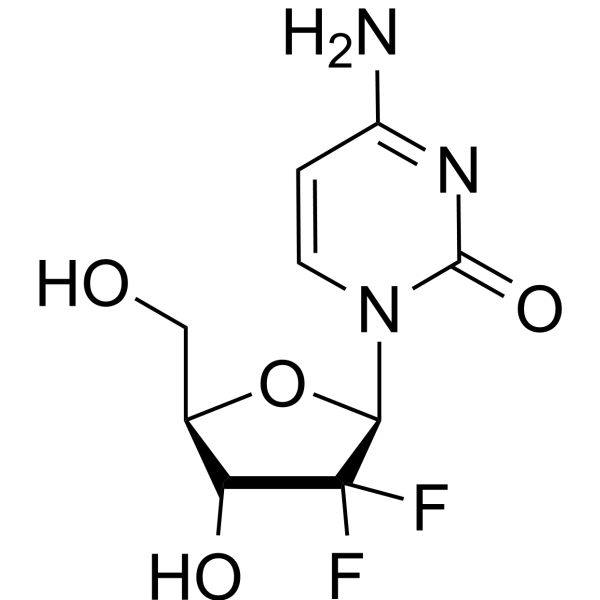
  • HY-17026
    Gemcitabine
    Maximum Cited Publications
    266 Publications Verification

    LY 188011

    Nucleoside Antimetabolite/Analog DNA/RNA Synthesis Autophagy Apoptosis p38 MAPK Infection Inflammation/Immunology Cancer
    Gemcitabine (LY 188011) is a pyrimidine nucleoside analog antimetabolite and an antineoplastic agent. Gemcitabine inhibits DNA synthesis and repair, and can modulate autophagy. Gemcitabine induces apoptosis through the activation of p38 MAPK. Gemcitabine demonstrates efficacy in mouse models of pancreatic and breast cancer. Gemcitabine can be used for cancer research, such as pancreatic cancer, non-small cell lung cancer, and breast cancer .
    Gemcitabine
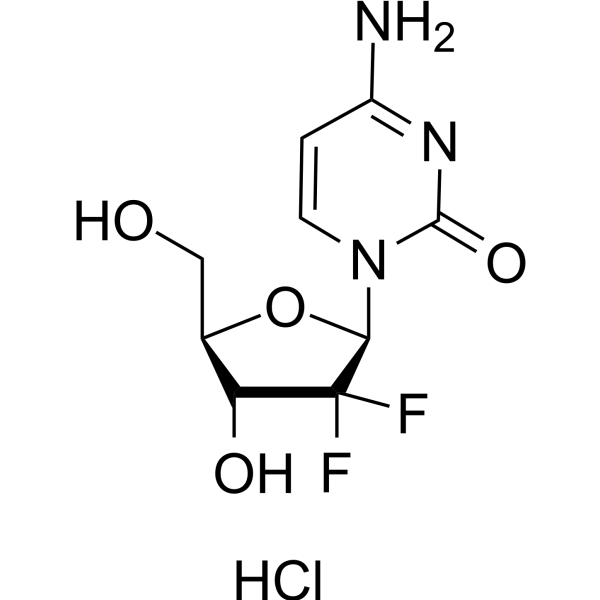
  • HY-B0003
    Gemcitabine hydrochloride
    Maximum Cited Publications
    266 Publications Verification

    LY 188011 hydrochloride

    DNA/RNA Synthesis Nucleoside Antimetabolite/Analog Autophagy Apoptosis Cancer
    Gemcitabine Hydrochloride (LY 188011 Hydrochloride) is a pyrimidine nucleoside analog antimetabolite and an antineoplastic agent. Gemcitabine Hydrochloride inhibits DNA synthesis and repair, resulting in autophagyand apoptosis .
    Gemcitabine hydrochloride
  • HY-160818
    MC3138
    2 Publications Verification

    Sirtuin Cancer
    MC3138 is a selective SIRT5 activator. MC3138 has antitumor activity on human PDAC cells, with IC50 values of 25.4-236.9 μM. MC3138 combined with Gemcitabine (HY-17026) significantly inhibits tumor growth in mice .
    MC3138
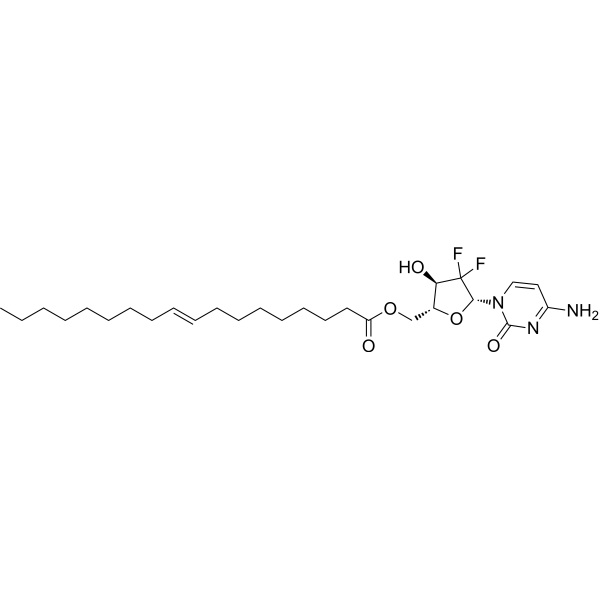
  • HY-13538
    Gemcitabine elaidate
    5 Publications Verification

    CP-4126; CO-101; gemcitabine 5'-elaidate

    Nucleoside Antimetabolite/Analog Autophagy Apoptosis Inflammation/Immunology Cancer
    Gemcitabine elaidate (CP-4126) is lipophilic pro-agent of Gemcitabine. Gemcitabine elaidate is converted to Gemcitabine by esterases in order to be phosphorylated. Gemcitabine elaidate exhibits anti-tumor activity .
    Gemcitabine elaidate
  • HY-138253

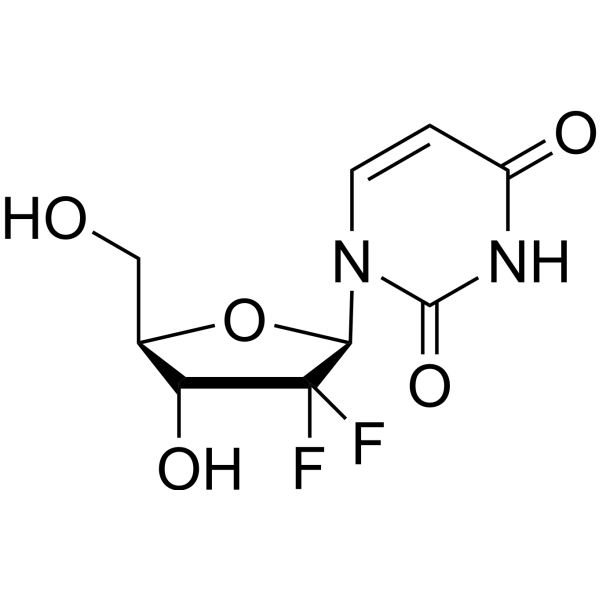
    dFdU; 2',2'-Difluoro-2'-deoxyuridine

    Drug Metabolite Apoptosis Cancer
    2’,2’-Difluorodeoxyuridine (dFdU) is the main metabolite of Gemcitabine (HY-17026). 2’,2’-Difluorodeoxyuridine causes a concentration- and schedule- dependent radiosensitising effect in vitro. 2’,2’-Difluorodeoxyuridine arrests cell cycle at the early S phase and induces apoptosis in cancer cells .
    2′,2′-Difluorodeoxyuridine
  • HY-100885
    Acelarin
    1 Publications Verification

    NUC-1031

    DNA/RNA Synthesis Cancer
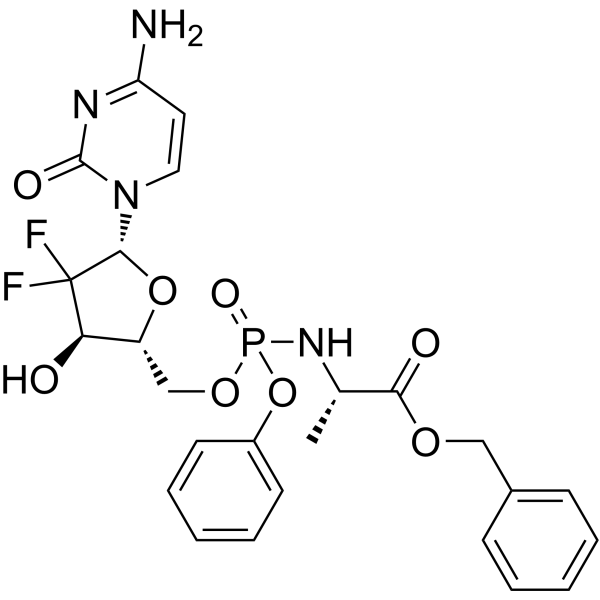
    Acelarin (NUC-1031) is a ProTide transformation and enhancement of the widely-used nucleoside analogue, gemcitabine.
    Acelarin
  • HY-10032
    PF 477736
    4 Publications Verification

    PF 00477736

    Checkpoint Kinase (Chk) VEGFR Src c-Fms Aurora Kinase FGFR FLT3 RET CDK Cancer
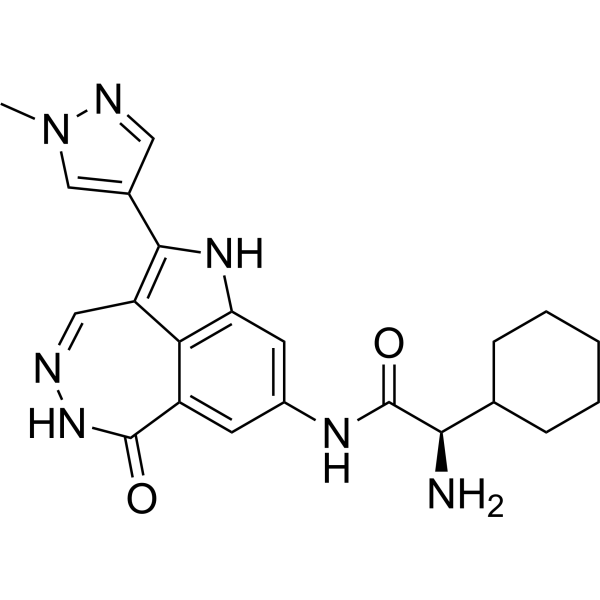
    PF 477736 (PF 00477736) is a potent, selective and ATP-competitive inhibitor of Chk1, with a Ki of 0.49 nM, it is also a Chk2 inhibitor, with a Ki of 47 nM. PF 477736 shows <100-fold selectivity for Chk1 over VEGFR2, Fms, Yes, Aurora-A, FGFR3, Flt3, and Ret (IC50=8 (Ki), 10, 14, 23, 23, 25, and 39 nM, respectively). PF 477736 can enhance Gemcitabine antitumor activity in vitro and in vivo .
    PF 477736
  • HY-P9964

    11F8; IMC-11F8; LY3012211

    EGFR Cancer
    Necitumumab (11F8; IMC-11F8; LY3012211) is a human IgG monoclonal antibody directed against EGFR. Necitumumab binds to the EGF binding site of EGFR, blocks ligand binding, neutralizes ligand-induced EGFR phosphorylation and downstream signaling, induces EGFR internalization and degradation, and mediates antibody-dependent cellular cytotoxicity (ADCC) in EGFR-expressing cells. Necitumumab enhances antitumour activity in combination with Gemcitabine (HY-17026) and Cisplatin (HY-17394) in murine non-small-cell lung cancer xenograft models. Necitumumab can be used in research on cancers such as non-small cell lung cancer and colorectal cancer .
    Necitumumab
  • HY-17026R

    LY 188011 (Standard)

    Reference Standards Nucleoside Antimetabolite/Analog DNA/RNA Synthesis Autophagy Apoptosis Cancer
    Gemcitabine (Standard) is the analytical standard of Gemcitabine. This product is intended for research and analytical applications. Gemcitabine (LY 188011) is a pyrimidine nucleoside analog antimetabolite and an antineoplastic agent. Gemcitabine inhibits DNA synthesis and repair, resulting in autophagyand apoptosis .
    Gemcitabine (Standard)
  • HY-17026E

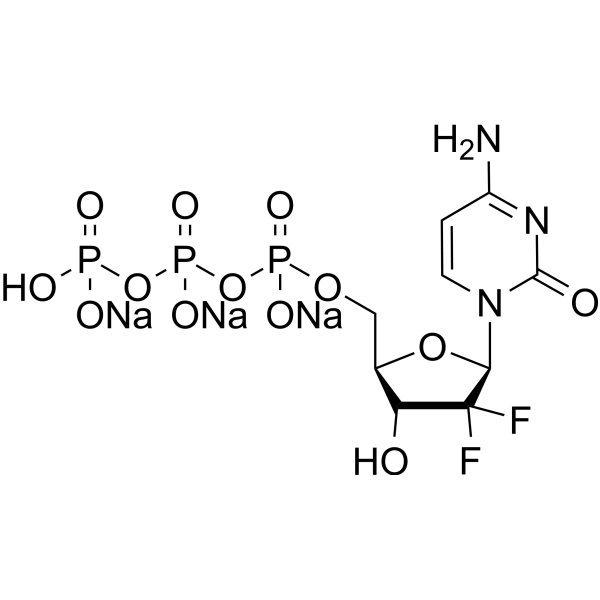
    dFdCTP trisodium

    Drug Metabolite DNA/RNA Synthesis Apoptosis Cancer
    Gemcitabine triphosphate (dFdCTP) trisodium is the active metabolite of Gemcitabine (HY-17026). The mechanism of Gemcitabine triphosphate trisodium cell-killing is its competition with cytidine triphosphate during DNA replication, which results in the inhibition of chain elongation. Gemcitabine triphosphate trisodium shows a Ki of 11.2 μM against DNA polymerase α and 14.4 μM against DNA polymerase ε. Gemcitabine triphosphate trisodium partially inhibits dCMP deaminase and acts as a substrate for DNA synthesis to incorporate into cellular DNA and RNA. Gemcitabine triphosphate trisodium disrupts DNA and RNA synthesis, arrests cell cycle in G0/G1 and S phases, triggers apoptosis, reduces tumor cell proliferation. Gemcitabine triphosphate trisodium can be used for the research of pancreatic cancer and non-small cell lung cancer .
    Gemcitabine triphosphate trisodium
  • HY-13672
    LY2334737
    2 Publications Verification

    Nucleoside Antimetabolite/Analog Enterovirus Infection Cancer
    LY2334737 is an nucleoside analog and is an orally active proagent of Gemcitabine. LY2334737 exhibits inhibitory activity against enterovirus A71 (EV-A71) infection. LY2334737 has antiviral and anticancer effects .
    LY2334737
  • HY-108932

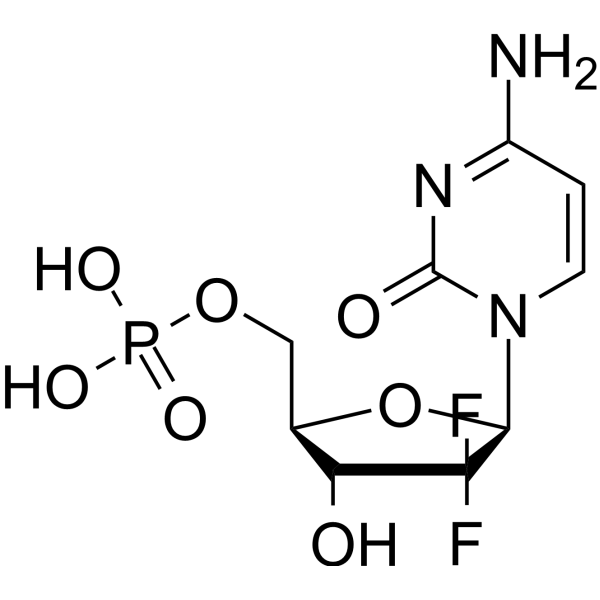
    gemcitabine 5′-phosphate

    Apoptosis Cancer
    Gemcitabine monophosphate (Gemcitabine 5′-phosphate) is one of the active intermediates of Gemcitabine (HY-17026). Gemcitabine monophosphate has a synergistic anti-cancer effect and can be delivered by formulating it into nanoparticles .
    Gemcitabine monophosphate
  • HY-13561

    M475271

    Src Apoptosis Cancer
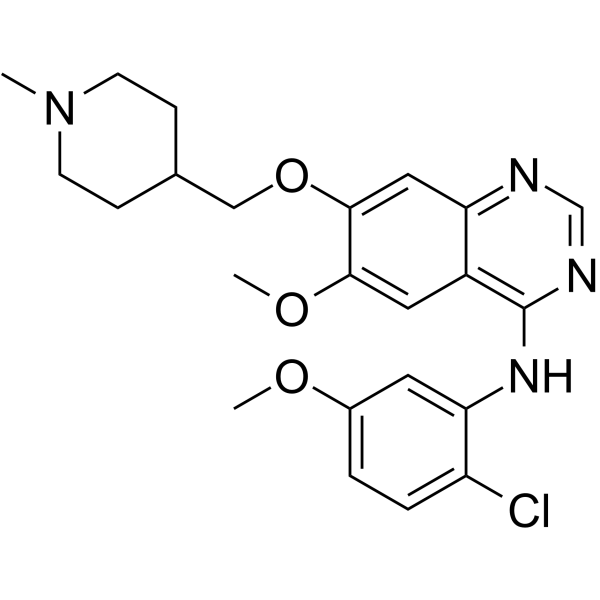
    AZM475271 (M475271) is an orally active and selective Src kinase inhibitor. AZM475271 inhibits phosphorylation of c-Src kinase, Lck, c-yes (IC50s = 0.01, 0.03, 0.08 μM, respectively). AZM475271 induces apoptosis. AZM475271 reduces tumor cell proliferation and migration in vitro and in vivo, and reduces microvessel density (MVD). AZM475271 inhibits tumor growth and metastasis. AZM475271 sensitizes tumor cells to the cytotoxic effects of Gemcitabine (HY-17026) .
    AZM475271
  • HY-B0003S

    LY 188011-13C,15N2 hydrochloride

    Apoptosis Nucleoside Antimetabolite/Analog DNA/RNA Synthesis Autophagy Cancer
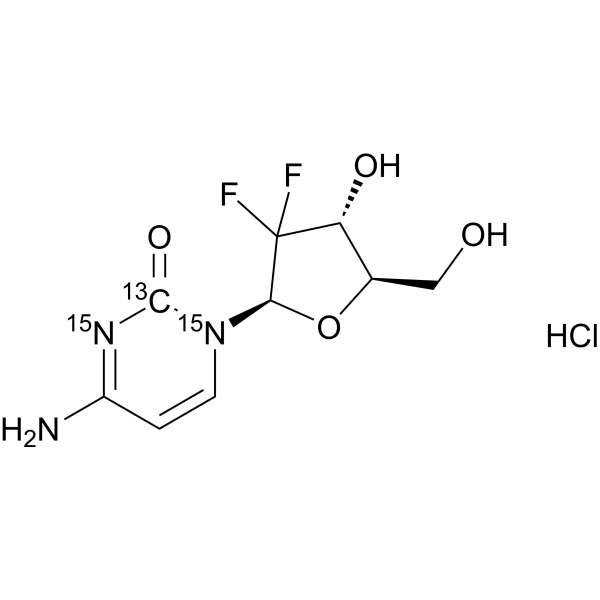
    Gemcitabine- 13C, 15N2 (hydrochloride) is the 13C and 15N labeled Gemcitabine hydrochloride . Gemcitabine Hydrochloride (LY 188011 Hydrochloride) is a pyrimidine nucleoside analog antimetabolite and an antineoplastic agent. Gemcitabine Hydrochloride inhibits DNA synthesis and repair, resulting in autophagyand apoptosis .
    Gemcitabine-13C,15N2 hydrochloride
  • HY-16511
    Upamostat
    1 Publications Verification

    WX-671

    PAI-1 Ser/Thr Protease Infection Cancer
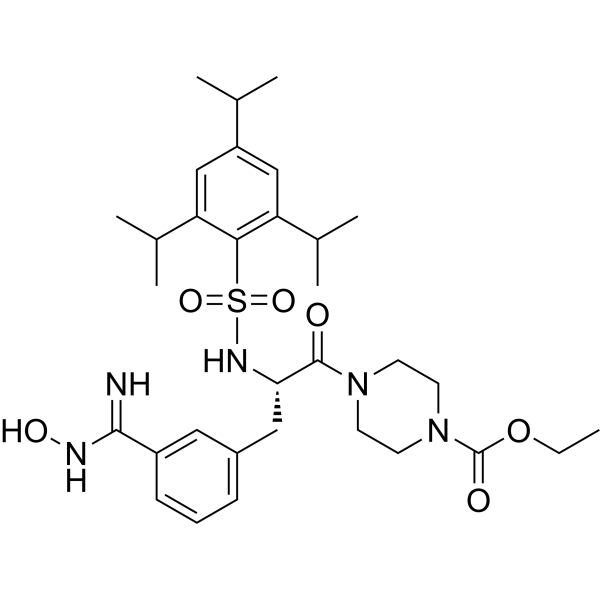
    Upamostat (WX-671), a prodrug of WX-UK1, is an orally active serine protease inhibitor. Upamostat inhibits the urokinase-type plasminogen activator (uPA) system, blocking the plasminogen activation process mediated by it, thereby suppressing the invasion, migration and metastasis of tumor cells. Upamostat can be used in the research of metastatic breast cancer and locally advanced pancreatic cancer .
    Upamostat
  • HY-N3387

    Apoptosis NF-κB Akt MMP Inflammation/Immunology Cancer
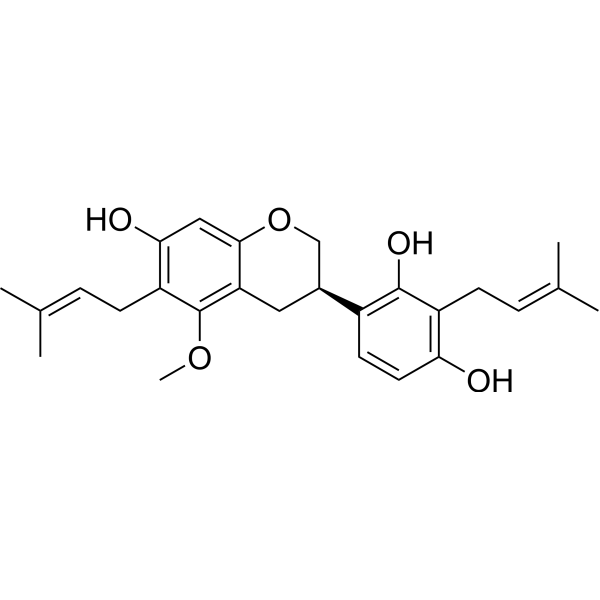
    Licoricidin (LCD) is isolated from Glycyrrhiza uralensis Fisch, possesses anti-cancer activities. Licoricidin (LCD) inhibit SW480 cells (IC50=7.2 μM) by inducing cycle arrest, apoptosis and autophagy, and is a potential chemopreventive or chemotherapeutic agent against colorectal cancer . Licoricidin (LCD) inhibits Lung Metastasis by inhibition of tumor angiogenesis and lymphangiogenesis as well as changes in the local microenvironment of tumor tissues the anticarcinogenic effect . Licoricidin enhanced gemcitabine-induced cytotoxicity in Osteosarcoma (OS) cells by inactivation of the Akt and NF-κB pathways in vitro and in vivo . Licoricidin blocks UVA-induced photoaging via ROS scavenging, limits the activity of MMP-1, it can be considered as an active ingredient in new topically applied anti-ageing formulations .
    Licoricidin
  • HY-17026A

    dFdCTP

    Drug Metabolite DNA/RNA Synthesis Apoptosis Cancer
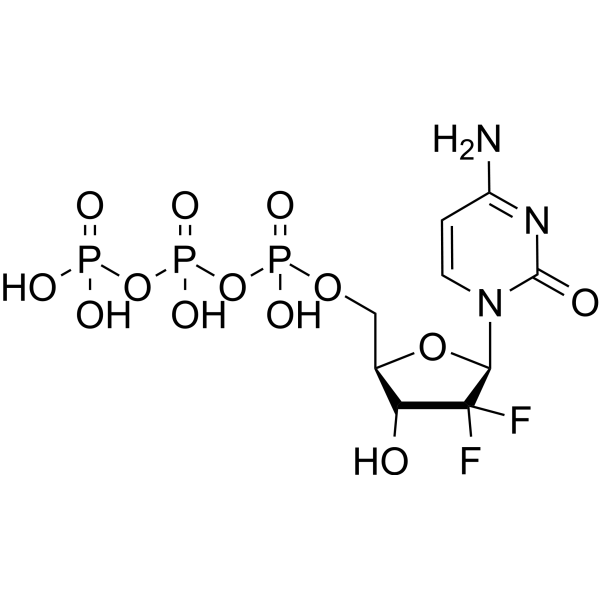
    Gemcitabine triphosphate (dFdCTP) is the active metabolite of Gemcitabine (HY-17026). The mechanism of Gemcitabine triphosphate cell-killing is its competition with cytidine triphosphate during DNA replication, which results in the inhibition of chain elongation. Gemcitabine triphosphate shows a Ki of 11.2 μM against DNA polymerase α and 14.4 μM against DNA polymerase ε. Gemcitabine triphosphate partially inhibits dCMP deaminase and acts as a substrate for DNA synthesis to incorporate into cellular DNA and RNA. Gemcitabine triphosphate disrupts DNA and RNA synthesis, arrests cell cycle in G0/G1 and S phases, triggers apoptosis, reduces tumor cell proliferation. Gemcitabine triphosphate can be used for the research of pancreatic cancer and non-small cell lung cancer .
    Gemcitabine triphosphate
  • HY-130812

    Drug-Linker Conjugates for ADC Cancer
    Gemcitabine-O-Si(di-iso)-O-Mc is a agent-linker conjugate for ADC with potent antitumor activity by using Gemcitabine (a pyrimidine nucleoside analog antimetabolite and an antineoplastic agent; HY-17026), linked via the ADC linker .
    Gemcitabine-O-Si(di-iso)-O-Mc
  • HY-P99667
    Ipafricept
    4 Publications Verification

    OMP-54F28; FZD8-Fc

    Wnt Cancer
    Ipafricept (OMP-54F28; FZD8-Fc) is a first class recombinant fusion protein with the extracellular part of the human frizzled-8 receptor fused to a human IgG1 Fc fragment that binds Wnt ligands, which blocks Wnt signaling. Ipafricept reduces tumor growth and results in a decrease in both liver and lung metastases combined with Gemcitabine (HY-17026) in pancreatic cancer mouse models. Ipafricept shows solid tumor inhibition activity with well tolerance, such as desmoid tumor, germ cell cancer, ovarian cancer .
    Ipafricept
  • HY-138253R

    dFdU (Standard); 2',2'-Difluoro-2'-deoxyuridine (Standard)

    Drug Metabolite Reference Standards Apoptosis Cancer
    2′,2′-Difluorodeoxyuridine (Standard) is the analytical standard of 2′,2′-Difluorodeoxyuridine. This product is intended for research and analytical applications. 2’,2’-Difluorodeoxyuridine (dFdU) is the main metabolite of Gemcitabine (HY-17026). 2’,2’-Difluorodeoxyuridine causes a concentration- and schedule- dependent radiosensitising effect in vitro. 2’,2’-Difluorodeoxyuridine arrests cell cycle at the early S phase and induces apoptosis in cancer cells.
    2′,2′-Difluorodeoxyuridine (Standard)
  • HY-138253S

    dFdU-13C,15N2; 2',2'-Difluoro-2'-deoxyuridine-13C,15N2

    Isotope-Labeled Compounds Drug Metabolite Apoptosis Others
    2′,2′-Difluorodeoxyuridine- 13C, 15N2 (dFdU- 13C, 15N2) is a 13C- and 15N-labeled compound. 2’,2’-Difluorodeoxyuridine (dFdU) is the main metabolite of Gemcitabine (HY-17026). 2’,2’-Difluorodeoxyuridine causes a concentration- and schedule- dependent radiosensitising effect in vitro. 2’,2’-Difluorodeoxyuridine arrests cell cycle at the early S phase and induces apoptosis in cancer cells .
    2′,2′-Difluorodeoxyuridine-13C,15N2
  • HY-113314

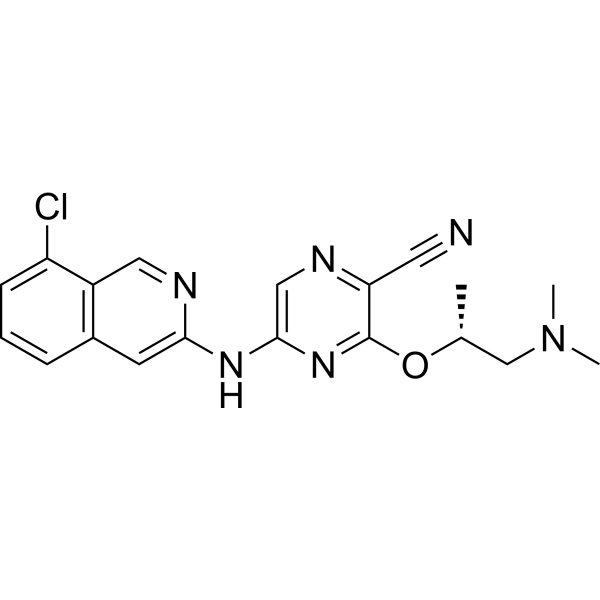
    Endogenous Metabolite Cancer
    AFMK, antioxidant metabolite of Melatonin, attenuates X-ray-induced oxidative damage to DNA, proteins and lipids in mice. AFMK is a poorer scavenger. The pKa of AFMK at physiological pH is 8.7. Antioxidant capacity . AFMK improves the anti-tumor effect of Gemcitabine in PANC-1 cells through the modulation of apoptotic pathway .
    AFMK
  • HY-130818

    ADC Linker Cancer
    N-(5-Hydroxypentyl)maleimide is a non-cleavable ADC linker used in the synthesis of antibody-drug conjugates (ADCs), such as Gemcitabine-O-Si(di-iso)-O-Mc (HY-130812) ) .
    N-(5-Hydroxypentyl)maleimide
  • HY-100195
    SAR-020106
    1 Publications Verification

    Checkpoint Kinase (Chk) Cancer
    SAR-020106 is an ATP-competitive, potent, and selective CHK1 inhibitor with an IC50 of 13.3 nM for human CHK1. SAR-020106 shows excellent selectivity over CHK2. SAR-020106 significantly enhances the cell killing of Gemcitabine and SN38 by 3- to 29-fold in several colon tumor lines and in a p53-dependent fashion. SAR-020106 can enhance antitumor activity with selected anticancer agents .
    SAR-020106
  • HY-171414

    Antibiotic Bacterial Infection
    MC-VC-PAB-O-Gemcitabine is a linker-antibiotic intermediate, which is part of the antibody-antibiotic conjugate (AAC) molecule. MC-VC-PAB-O-Gemcitabine is conjugated with the linker and the antibiotic Gemcitabine (HY-17026). MC-VC-PAB-O-Gemcitabine can be used to study the immunotherapy of bacterial infections and the development of new antibacterial drugs .
    MC-VC-PAB-O-Gemcitabine
  • HY-15883

    Checkpoint Kinase (Chk) Apoptosis Cancer
    GNE-900 is a an ATP-competitive, selective, and orally active ChK1 inhibitor with IC50s of 0.0011, 1.5 μM for ChKl, ChK2, respectively. GNE-900 abrogates the G2-M checkpoint, enhances DNA damage, and induces Apoptosis. Gemcitabine (HY-17026) and GNE-900 administration shows anti-tumor activity .
    GNE-900
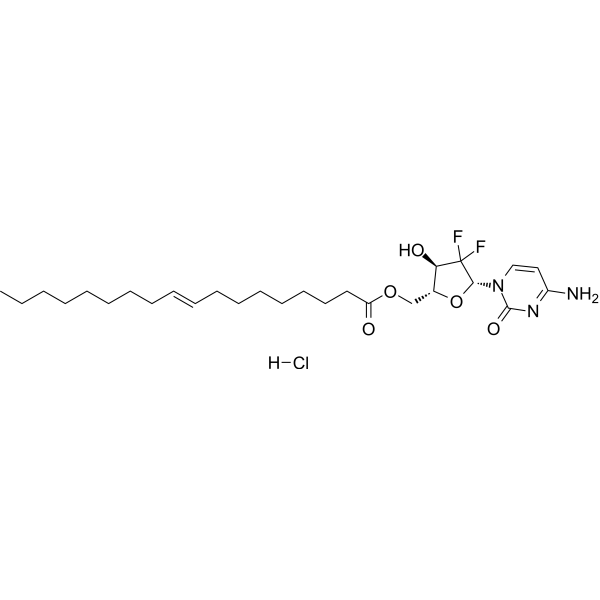
  • HY-13538A
    Gemcitabine elaidate hydrochloride
    5 Publications Verification

    CP-4126 hydrochloride; CO-101 hydrochloride; gemcitabine 5'-elaidate hydrochloride

    Nucleoside Antimetabolite/Analog Autophagy Apoptosis Cancer
    Gemcitabine elaidate (CP-4126) hydrochloride is lipophilic pro-agent of Gemcitabine. Gemcitabine elaidate hydrochloride is converted to Gemcitabine by esterases in order to be phosphorylated. Gemcitabine elaidate hydrochloride exhibits anti-tumor activity .
    Gemcitabine elaidate hydrochloride
  • HY-156027

    Sirtuin HDAC Akt mTOR Ribosomal S6 Kinase (RSK) ERK Neurological Disease Inflammation/Immunology Endocrinology Cancer
    SIRT6-IN-3 (compound 8a) is a selective inhibitor of SIRT6 (IC50=7.49 μM). SIRT6-IN-3 inhibits pancreatic ductal adenocarcinoma (PDAC) cells proliferation and induces apoptosis. SIRT6-IN-3 increases the sensitivity of cancer cells to gemcitabine (HY-17026) via blocking the DNA damage repair pathway. SIRT6-IN-3 is used in pancreatic cancer research .
    SIRT6-IN-3
  • HY-B0003R

    LY 188011 hydrochloride (Standard)

    Reference Standards DNA/RNA Synthesis Nucleoside Antimetabolite/Analog Autophagy Apoptosis Cancer
    Gemcitabine (hydrochloride) (Standard) is the analytical standard of Gemcitabine (hydrochloride). This product is intended for research and analytical applications. Gemcitabine Hydrochloride (LY 188011 Hydrochloride) is a pyrimidine nucleoside analog antimetabolite and an antineoplastic agent. Gemcitabine Hydrochloride inhibits DNA synthesis and repair, resulting in autophagyand apoptosis .
    Gemcitabine hydrochloride (Standard)
  • HY-B0003AS

    Isotope-Labeled Compounds Others
    (2S)-Gemcitabine- 13C, 15N2 (hydrochloride) is the 13C and 15N labeled (2S)-Gemcitabine hydrochloride .
    (2S)-Gemcitabine-13C,15N2 hydrochloride
  • HY-100709

    SL-01

    Nucleoside Antimetabolite/Analog DNA/RNA Synthesis Autophagy Apoptosis Cancer
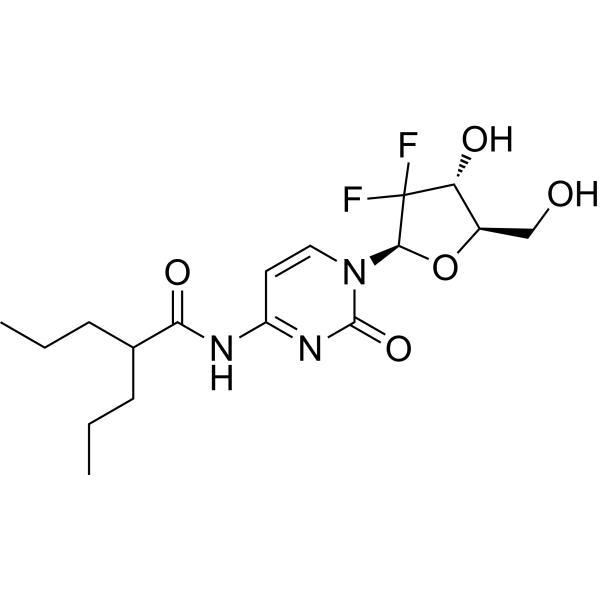
    ZPCK is an oral active proagent of gemcitabine that was designed for improved oral bioavailability .
    ZPCK
  • HY-16138

    CG-200745

    HDAC MDM-2/p53 Apoptosis Cancer
    Ivaltinostat (CG-200745) is an orally active, potent pan-HDAC inhibitor which has the hydroxamic acid moiety to bind zinc at the bottom of catalytic pocket. Ivaltinostat inhibits deacetylation of histone H3 and tubulin. Ivaltinostat induces the accumulation of p53, promotes p53-dependent transactivation, and enhances the expression of MDM2 and p21 (Waf1/Cip1) proteins. Ivaltinostat enhances the sensitivity of Gemcitabine-resistant cells to Gemcitabine (HY-16138) and 5-Fluorouracil (5-FU; HY-90006). Ivaltinostat induces apoptosis and has anti-tumour effects .
    Ivaltinostat
  • HY-16138A

    CG-200745 formic

    HDAC MDM-2/p53 Apoptosis Inflammation/Immunology Endocrinology Cancer
    Ivaltinostat (CG-200745) formic is an orally active, potent pan-HDAC inhibitor which has the hydroxamic acid moiety to bind zinc at the bottom of catalytic pocket. Ivaltinostat formic inhibits deacetylation of histone H3 and tubulin. Ivaltinostat formic induces the accumulation of p53, promotes p53-dependent transactivation, and enhances the expression of MDM2 and p21 (Waf1/Cip1) proteins. Ivaltinostat formic enhances the sensitivity of Gemcitabine-resistant cells to Gemcitabine (HY-16138) and 5-Fluorouracil (5-FU; HY-90006). Ivaltinostat formic induces apoptosis and has anti-tumour effects .
    Ivaltinostat formic
  • HY-115528

    Nucleoside Antimetabolite/Analog DNA/RNA Synthesis Cancer
    FF-10502, a structural analog of Gemcitabine, is a pyrimidine nucleoside antimetabolite. FF-10502 inhibits DNA polymerase α and β. FF-10502 shows beneficial anticancer activity via a mechanism of action on dormant cells .
    FF-10502
  • HY-108932A

    gemcitabine 5′-phosphate disodium

    Apoptosis Cancer
    Gemcitabine monophosphate (Gemcitabine 5′-phosphate) is one of the active intermediates of Gemcitabine (HY-17026). Gemcitabine monophosphate has a synergistic anti-cancer effect and can be delivered by formulating it into nanoparticles .
    Gemcitabine monophosphate disodium
  • HY-106777
    Cyclopentenylcytosine
    1 Publications Verification

    CPEC; NSC 375575

    DNA/RNA Synthesis Nucleoside Antimetabolite/Analog Apoptosis Necroptosis Influenza Virus HSV Infection Cancer
    Cyclopentenylcytosine (CPEC), a carbocyclic nucleoside analog of cytosine, is a potent inhibitor of CTP synthetase and causes depletion of CTP and dCTP pools. Cyclopentenylcytosine shows broad-spectrum (both DNA and RNA viruses) antiviral activity. Cyclopentenyl cytosine increases Gemcitabine (HY-17026) radiosensitisation in human pancreatic cancer cells. Cyclopentenylcytosine shows effective antiviral activity in the Ad5/NZW rabbit ocular replication model and shows anti-tumor activity in various tumor xenografts model. Cyclopentenylcytosine can be used for the study of infection and cancer .
    Cyclopentenylcytosine
  • HY-139901

    Checkpoint Kinase (Chk) Cancer
    Chk1-IN-6 is a selective and orally active Chk1 inhibitor with an IC50 of 16.1 nM. Chk1-IN-6 shows antiproliferative activity of MV-4-11 cells. Chk1-IN-6 exerts effective response in the MV-4-11 xenograft mouse model. Chk1-IN-6 exhibits synergistic anticancer effect with Gemcitabine (HY-17026). Chk1-IN-6 can be used in the research of cancers such as acute myeloid leukemia and colorectal adenocarcinoma .
    Chk1-IN-6
  • HY-103367

    Checkpoint Kinase (Chk) Cancer
    CHK1-IN-7 (Compound 10c) is a potent human CHK1 inhibitor. CHK1-IN-7 shows no single agent effect, potentiates the antiproliferative effect of Gemcitabine HY-17026 in both prostate and breast cancer cell lines. CHK1-IN-7 can be used for the research of cancer .
    CHK1-IN-7
  • HY-174448

    Wee1 Cancer
    WEE1-IN-12 (Compound 87) is a Wee1 kinase inhibitor with an IC50 of 2.0 nM. WEE1-IN-12 can inhibit the proliferation of HT29 cells (IC50: 1.07 μM), and when used in combination with Gemcitabine (HY-17026), the effect is better (IC50: 0.34 μM). WEE1-IN-12 can be used in the research of tumors such as colon cancer .
    WEE1-IN-12
  • HY-B0003A

    1'-epi LY 188011 hydrochloride

    Nucleoside Antimetabolite/Analog Apoptosis DNA/RNA Synthesis Cancer
    1'-epi Gemcitabine hydrochloride is the isomer of Gemcitabine hydrochloride (HY-B0003), and can be used as an experimental control. Gemcitabine Hydrochloride (LY 188011 Hydrochloride) is a pyrimidine nucleoside analog antimetabolite and an antineoplastic agent. Gemcitabine Hydrochloride inhibits DNA synthesis and repair, resulting in autophagyand apoptosis .
    1'-epi Gemcitabine hydrochloride
  • HY-17026S

    LY 188011-13C,15N2

    Isotope-Labeled Compounds Nucleoside Antimetabolite/Analog DNA/RNA Synthesis Autophagy Apoptosis Cancer
    antimetabolite and an antineoplastic agent. Gemcitabine inhibits DNA synthesis and repair, resulting in autophagyand apoptosis .
    Gemcitabine-13C,15N2
  • HY-178021

    HDAC DNA/RNA Synthesis Apoptosis RAD51 Caspase Cancer
    HDAC1-IN-11 (Compound 6) is a HDAC1 inhibitor with an IC50 of 106.6  nM. HDAC1-IN-11 inhibits the expression of Sp1 and RAD51, thereby inducing Caspase-dependent apoptosis. HDAC1-IN-11 has antitumor activity and sensitizes Etoposide (HY-13629) and Gemcitabine (HY-17026), promoting synergistic death of NSCLC cells through the inhibition of homologous recombination and non-homologous end joining (NHEJ) pathways involved in DNA DSB repair. HDAC1-IN-11 can be used for chemotherapy of cancers like NSCLC research .
    HDAC1-IN-11
  • HY-178022

    HDAC Apoptosis Caspase RAD51 DNA/RNA Synthesis Cancer
    HDAC6-IN-63 (Compound 7) is an orally active HDAC6 inhibitor with an IC50 of 145  nM. HDAC6-IN-63 inhibits the expression of Sp1 and RAD51, thereby inducing Caspase-dependent apoptosis. HDAC6-IN-63 has antitumor activity and sensitizes Etoposide (HY-13629) and Gemcitabine (HY-17026), promoting synergistic death of NSCLC cells through the inhibition of homologous recombination and non-homologous end joining (NHEJ) pathways involved in DNA DSB repair. HDAC6-IN-63 can be used for chemotherapy of cancers like NSCLC research .
    HDAC6-IN-63
  • HY-178293

    Drug-Linker Conjugates for ADC Cancer
    N-Succinimidyl 3-maleimidopropionate (Compound MC1) is a Glucuronide-Gemcitabine conjugate. N-Succinimidyl 3-maleimidopropionate can be used to synthesize ADCs (such as cAc10ec-MC1). N-Succinimidyl 3-maleimidopropionate can be used in Hodgkin's lymphoma research .
    N-Succinimidyl 3-maleimidopropionate
  • HY-161383

    Checkpoint Kinase (Chk) Cancer
    CHK1-IN-9 (compound 11) is an orally active CHK1 inhibitor with an IC50 value of 0.55 nM. CHK1-IN-9 can enhance the effect of DNA-damaging drugs on tumor cells. CHK1-IN-9 has synergistic anticancer effects with Gemcitabine (HY-17026) .
    CHK1-IN-9
  • HY-15882

    Endogenous Metabolite Cancer
    GNE-783 is a selective CHK1 inhibitor that enhances the activity of gemcitabine. GNE-783 improves the efficacy of anti-metabolite DNA damage drugs by inactivating S-phase and G2-phase cell cycle checkpoints following DNA damage. GNE-783 selectively enhances the chemical synergy of certain drugs in different tumor types, for example, enhancing the activity of temozolomide only in melanoma cell lines .
    GNE-783
  • HY-155222

    Epigenetic Reader Domain HDAC Cancer
    TW9 is a potent dual inhibitor simultaneously targeting BET and HDAC proteins with KDs of 0.069 μM, 0.231 μM for BRD4(1), BRD4(2), and an IC50 of 0.29 μM for HDAC1, respectively. TW9 is a newly generated adduct of the BET inhibitor (+)-JQ1 (HY-13030) and class I HDAC inhibitor CI994 (HY-50934). TW9 shows high potency in suppressing tumor growth in pancreatic ductal adenocarcinoma (PDAC). TW9 improves the efficacy of the chemotherapeutic agent Gemcitabine (HY-17026) .
    TW9
  • HY-W766239

    Isotope-Labeled Compounds Others
    1'-Epi Gemcitabine-3',5'-Dibenzoate- 13C, 15N2 is the 13C- and 15N-labeled 1'-Epi Gemcitabine-3',5'-Dibenzoate.
    1'-Epi Gemcitabine-3',5'-Dibenzoate-13C,15N2
  • HY-167855S

    Isotope-Labeled Compounds P2Y Receptor Inflammation/Immunology
    1’-Epi Gemcitabine hydrochloride- 13C, 15N2 is the 13C- and 15N-labeled MRS4833 (HY-167855). MRS4833 (compound 15) is an orally active, potent, competitive P2Y14R antagonist with an of IC50 of 5.92 nM for hP2Y14R and an IC50 of 4.8 nM for mP2Y14R. MRS4833 reduces airway eosinophilia in a protease-mediated asthma model and reverses chronic neuropathic pain in a mouse CCI model .
    1’-Epi Gemcitabine hydrochloride-13C,15N2
  • HY-178451

    Apoptosis Cancer
    NQO1-responsive prodrug is a prodrug of Gemcitabine (dFdC) (HY-17026) with anti-cancer effect. NQO1-responsive prodrug remains stable in plasma and liver/intestinal S9 fractions, releasing dFdC in an NQO1-dependent manner. NQO1-responsive prodrug induces S-phase arrest and apoptosis. NQO1-responsive prodrug inhibits tumor growth in an A549 xenograft mouse model. NQO1-responsive prodrug can be used for breast and non-small cell lung cancer (NSCLC) research .
    NQO1-responsive prodrug

Inquiry Online

Your information is safe with us. * Required Fields.

Salutation


Country or Region *

Applicant Name *


Organization Name *

Department *


Email Address *


Product Name *

Cat. No.


Requested quantity *

Phone Number *


Remarks

Inquiry Online

Inquiry Information

Product Name:
Cat. No.:
Quantity:
MCE Japan Authorized Agent:

