1. Search Result
Search Result
Results for "

human liver carcinoma

" in MedChemExpress (MCE) Product Catalog:

26

Inhibitors & Agonists

1

Screening Libraries

1

Peptides

2

Inhibitory Antibodies

12

Natural
Products

1

Recombinant Proteins

Targets Recommended:
Cat. No. Product Name Target Research Areas Chemical Structure
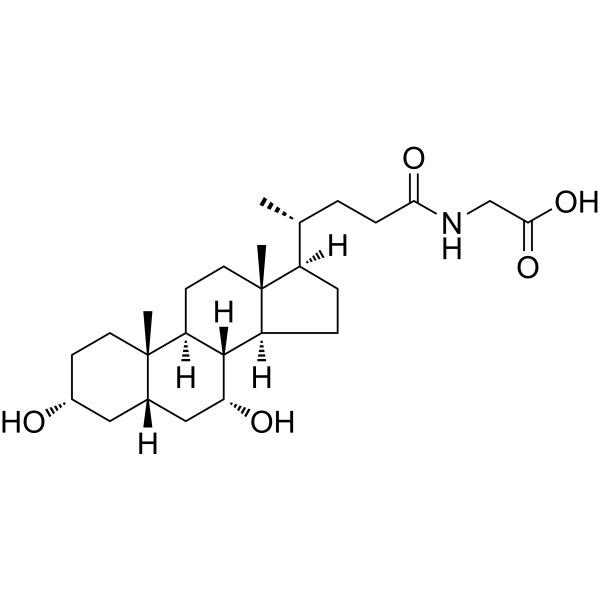
  • HY-N2334
    Glycochenodeoxycholic acid
    5 Publications Verification

    Chenodeoxycholylglycine

    Endogenous Metabolite Apoptosis STAT BCL6 Interleukin Related Caspase Metabolic Disease Cancer
    Glycochenodeoxycholic acid (Chenodeoxycholylglycine) is a relatively toxic bile salt generated in the liver from chenodeoxycholic acid and glycine. Glycochenodeoxycholic acid inhibits Autophagosome formation and impairs lysosomal function by inhibiting lysosomal proteolysis and increasing lysosomal pH in human normal liver cells, leading to the Apoptosis of human hepatocyte cells. Glycochenodeoxycholic acid induces stemness and chemoresistance via activating STAT3 signaling pathway in hepatocellular carcinoma cells (HCC). Glycochenodeoxycholic acid is promising for research in the field of cholestasis desease, hepatocellular carcinoma and primary sclerosing cholangitis (PSC) .
    Glycochenodeoxycholic acid
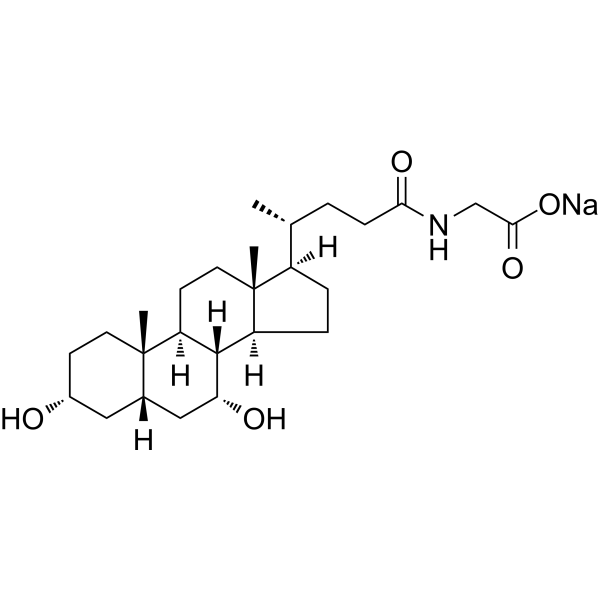
  • HY-N2334A
    Glycochenodeoxycholic acid sodium salt
    5 Publications Verification

    Chenodeoxycholylglycine sodium salt; Sodium glycochenodeoxycholate

    Endogenous Metabolite Apoptosis STAT BCL6 Interleukin Related Caspase Metabolic Disease Cancer
    Glycochenodeoxycholic acid sodium salt (Sodium glycochenodeoxycholate) is a relatively toxic bile salt generated in the liver from chenodeoxycholic acid and glycine. Glycochenodeoxycholic acid sodium salt inhibits Autophagosome formation and impairs lysosomal function by inhibiting lysosomal proteolysis and increasing lysosomal pH in human normal liver cells, leading to the Apoptosis of human hepatocyte cells. Glycochenodeoxycholic acid sodium salt induces stemness and chemoresistance via activating STAT3 signaling pathway in hepatocellular carcinoma cells (HCC). Glycochenodeoxycholic acid sodium salt is promising for research in the field of cholestasis desease, hepatocellular carcinoma and primary sclerosing cholangitis (PSC) .
    Glycochenodeoxycholic acid sodium salt
  • HY-B0766

    SY801

    Autophagy Apoptosis HBV HCV HSP Reactive Oxygen Species (ROS) Bcl-2 Family Glutathione S-transferase p38 MAPK NF-κB Microtubule/Tubulin ERK JNK TNF Receptor Interleukin Related CDK Cyclin G-associated Kinase (GAK) mTOR P-glycoprotein Ferroptosis Infection Inflammation/Immunology Cancer
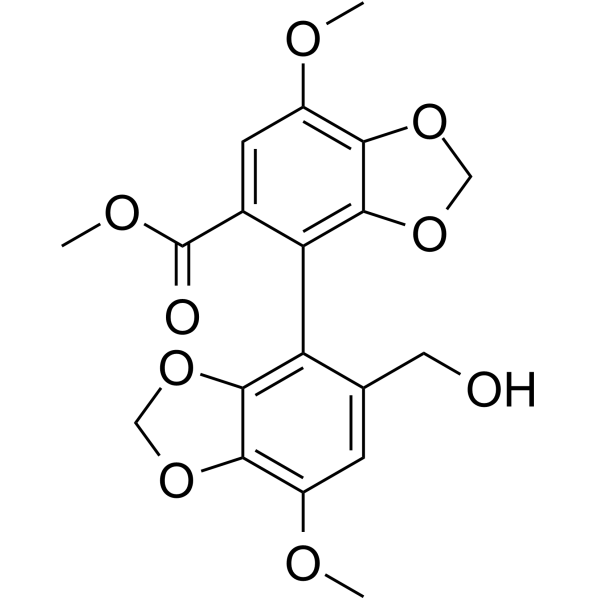
    Bicyclol (SY801) is an orally active derivative of the traditional Chinese medicine Schisandra chinensis, which has antiviral, anti-inflammatory, immunomodulatory, antioxidant, anti-steatosis, anti-fibrotic and anti-tumor activities. Bicyclol regulates the expression of heat shock proteins and plays an anti-apoptosis role in hepatocytes. Bicyclol reduces the activation of NF-κB and the levels of inflammatory factors in hepatocytes infected with hepatitis C virus (HCV) by inhibiting the activation of the ROS-MAPK-NF-κB pathway, and prevents ferroptosis in acute liver injury. Bicyclol can change the expression of Mdr-1, GSH/GST and Bcl-2, increase the intracellular concentration of anticancer drugs, and sensitize drug-resistant cells to anticancer drugs. Bicyclol inhibits the proliferation of human malignant hepatoma cells by regulating the PI3K/AKT pathway and the Ras/Raf/MEK/ERK pathway. Bicyclol can be used in the study of chronic hepatitis, acute liver injury, nonalcoholic fatty liver disease, liver fibrosis and hepatocellular carcinoma .
    Bicyclol
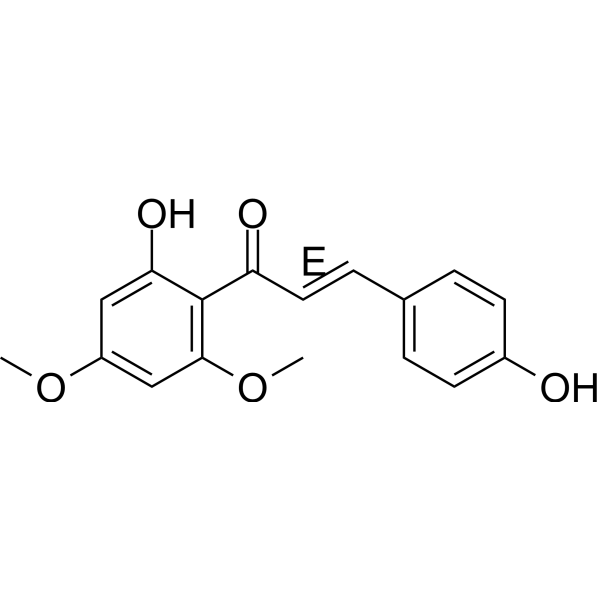
  • HY-N2445
    Flavokawain C
    4 Publications Verification

    Apoptosis Akt JNK PERK Caspase PARP MDM-2/p53 IAP Reactive Oxygen Species (ROS) SOD FABP Autophagy AMPK mTOR GLUT EGFR PI3K HSP VEGFR FAK Cancer
    Flavokawain C is an orally active natural chalcone. Flavokawain C inhibits the proliferation of various cancer cells. Flavokawain C upregulates GADD153 in cancer cells, inhibits the phosphorylation of Akt and JNK, suppresses early ERK phosphorylation, activates late ERK phosphorylation, activates caspase related subtypes, induces PARP-1 cleavage, causes upregulation of p21 and p27, downregulation of mutant p53 and anti-apoptotic IAP proteins, elevates intracellular ROS levels, reduces SOD activity, and induces apoptosis. Flavokawain C downregulates FABP4, induces autophagy in cancer cells, and activates the AMPK/mTOR pathway . Flavokawain C decreases the expression of glycolysis-related proteins GLUT1 and HK2, and inhibits glycolysis in nasopharyngeal carcinoma cells. Flavokawain C inhibits the activation of the EGFR/PI3K/Akt/mTOR signaling pathway and reduces the expression of HSP90B1. Flavokawain C inhibits angiogenesis by decreasing the expression of angiogenic proteins Ang-1 and VEGF in human umbilical vein endothelial cells. Flavokawain C increases γ-H2AX levels in cells, inhibits the phosphorylation of FAK, PI3K and AKT in cells, and induces DNA damage in cells. Flavokawain C exerts anti-tumor activity in multiple tumor xenograft mouse models. Flavokawain C is applicable to research related to colorectal cancer, colon adenocarcinoma, nephroblastoma, nasopharyngeal carcinoma and liver cancer .
    Flavokawain C
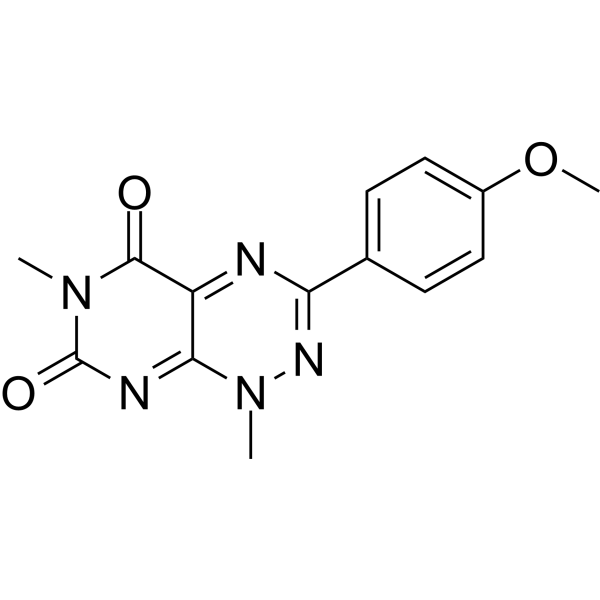
  • HY-163959

    PNPLA3 Metabolic Disease Cancer
    PF-07853578 is an orally active PNPLA3 modulator. PF-07853578 significantly reduces human PNPLA3-I148M protein levels and effectively decreases hepatic triglyceride content by reducing this mutant protein. PNPLA3 degrader-1 can be used in the research of liver cirrhosis and hepatocellular carcinoma .
    PF-07853578
  • HY-N2334R

    Chenodeoxycholylglycine (Standard)

    Reference Standards Endogenous Metabolite Apoptosis STAT BCL6 Interleukin Related Caspase Metabolic Disease Cancer
    Glycochenodeoxycholic acid (Standard) is the analytical standard of Glycochenodeoxycholic acid. This product is intended for research and analytical applications. Glycochenodeoxycholic acid (Chenodeoxycholylglycine) is a relatively toxic bile salt generated in the liver from chenodeoxycholic acid and glycine. Glycochenodeoxycholic acid inhibits Autophagosome formation and impairs lysosomal function by inhibiting lysosomal proteolysis and increasing lysosomal pH in human normal liver cells, leading to the Apoptosis of human hepatocyte cells. Glycochenodeoxycholic acid induces stemness and chemoresistance via activating STAT3 signaling pathway in hepatocellular carcinoma cells (HCC). Glycochenodeoxycholic acid is promising for research in the field of cholestasis desease, hepatocellular carcinoma and primary sclerosing cholangitis (PSC)[1][2][3][4].
    Glycochenodeoxycholic acid (Standard)
  • HY-N2334AR

    Chenodeoxycholylglycine sodium salt (Standard); Sodium glycochenodeoxycholate (Standard)

    Reference Standards Endogenous Metabolite Apoptosis STAT BCL6 Interleukin Related Caspase Metabolic Disease Cancer
    Glycochenodeoxycholic acid sodium salt (Standard) is the analytical standard of Glycochenodeoxycholic acid sodium salt. This product is intended for research and analytical applications. Glycochenodeoxycholic acid sodium salt (Sodium glycochenodeoxycholate) is a relatively toxic bile salt generated in the liver from chenodeoxycholic acid and glycine. Glycochenodeoxycholic acid sodium salt inhibits Autophagosome formation and impairs lysosomal function by inhibiting lysosomal proteolysis and increasing lysosomal pH in human normal liver cells, leading to the Apoptosis of human hepatocyte cells. Glycochenodeoxycholic acid sodium salt induces stemness and chemoresistance via activating STAT3 signaling pathway in hepatocellular carcinoma cells (HCC). Glycochenodeoxycholic acid sodium salt is promising for research in the field of cholestasis desease, hepatocellular carcinoma and primary sclerosing cholangitis (PSC) .
    Glycochenodeoxycholic acid sodium salt (Standard)
  • HY-N11546

    Cytochrome P450 Bacterial Fungal Infection Cancer
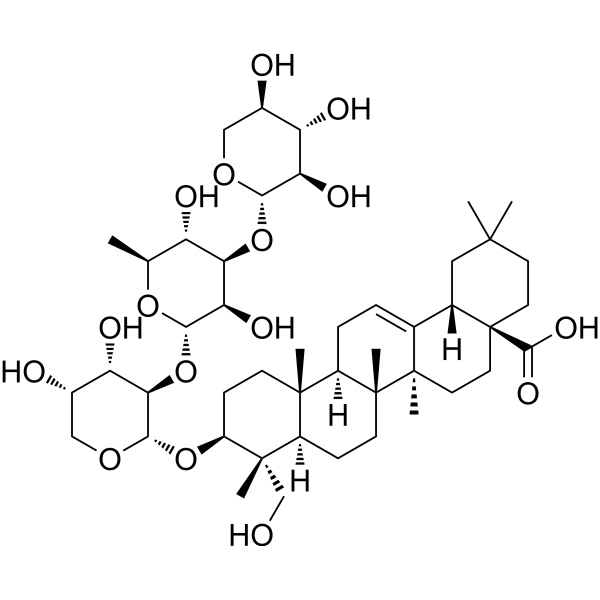
    Sapindoside B is a substance with hepatoprotective activity, and also acts as a cytochrome P-450 (cytochrome P-450) inhibitor, antibacterial agent and membrane-disrupting agent. Sapindoside B reversibly inhibits the content of cytochrome P-450 in liver microsomes, suppresses the phenobarbital-induced increase in enzyme content, reduces the production of active metabolites mediated by cytochrome P-450, and alleviates hepatotoxic injury. Sapindoside B binds to Cutibacterium acnes lipase, reduces lipase activity, inhibits biofilm formation, and decreases bacterial adhesion. Sapindoside B exhibits cytotoxicity against human cancer, liver cancer, leukemia and glioblastoma cells. Sapindoside B inhibits mycelial growth of phytopathogenic fungal strains, possesses antibacterial activity against dermatophytes, and also has hemolytic/membrane-lytic activity. Sapindoside B can be used in research related to liver injury, Cutibacterium acnes biofilm-associated infections, gastric cancer, carcinoma, promyelocytic leukemia, glioblastoma, apple scab and grape gray mold .
    Sapindoside B
  • HY-129247

    MDM-2/p53 Aryl Hydrocarbon Receptor Cytochrome P450 Cancer
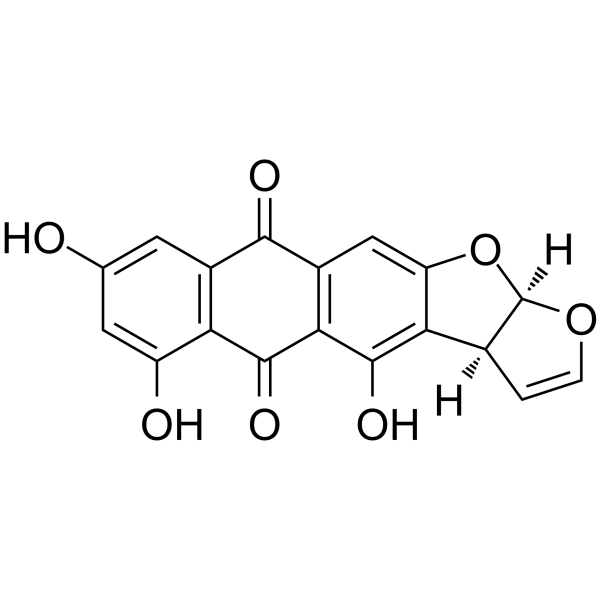
    Versicolorin A is a biosynthetic precursor of Aflatoxin B1 (HY-N6615). Versicolorin A induces phosphorylation of p53. Versicolorin A activates the aryl hydrocarbon receptor AhR and significantly induces the expression of CYP1A1. Versicolorin A exerts genotoxic and cytotoxic effects. Versicolorin A enhances the genotoxicity of aflatoxin B1 in cells by promoting CYP450-mediated bioactivation of aflatoxin B1. Versicolorin A can be used in research related to colorectal cancer and hepatocellular carcinoma .
    Versicolorin A
  • HY-N15577

    Drug Derivative Cancer
    Antiproliferative agent-69 (Compound 1) is a prenylated kaempferol derivative found in the fresh bud’s fur of Platanus acerifolia. Antiproliferative agent-69 shows significant antiproliferative effects against human breast cancer cells (MCF-7) and human hepatocellular carcinoma cells (Hep-G2) with IC50 values of 38.2 μM and 39.5 μM, respectively. Antiproliferative agent-69 is promising for research of breast cancer and liver cancer .
    Antiproliferative agent-69
  • HY-P991566

    CTLA-4 Cancer
    KD6001 is a humanized IgG1κ monoclonal antibody, targeting CTLA4. KD6001 significantly disrupts CTLA-4 interactions with CD80 (IC50: 16 ng/mL) and CD86. KD6001 enhances IL-2 and IFNγ expression in PHA-activated human lymphocytes and exhibits potent antitumor effects. KD6001 effectively inhibits tumor growth in MC38, B16, and Hepa1-6 tumor mice model. KD6001 can be used for cancers research, such as advanced melanoma, hepatocellular carcinoma and liver cancer .
    KD6001
  • HY-175857

    HDAC Apoptosis Cancer
    HDAC-IN-92 is a pan-HDAC inhibitor with an IC50 of 12.58 µM in A2780 cells. HDAC-IN-92 demonstrates broad-spectrum, notable cytotoxic activity against a range of human cancer cell lines, including ovarian, liver, and breast carcinomas. HDAC-IN-92 causes apoptosis and demonstrates a notable decrease in tumor cell colony formation. HDAC-IN-92 inhibits the formation of blood vessels in the chick chorioallantoic membrane (CAM). HDAC-IN-92 exhibits anti-tumor effect in a 4T1 tumor-bearing mouse model. HDAC-IN-92 can be used for research targeting solid tumor .
    HDAC-IN-92
  • HY-N10207

    Endogenous Metabolite Infection Cancer
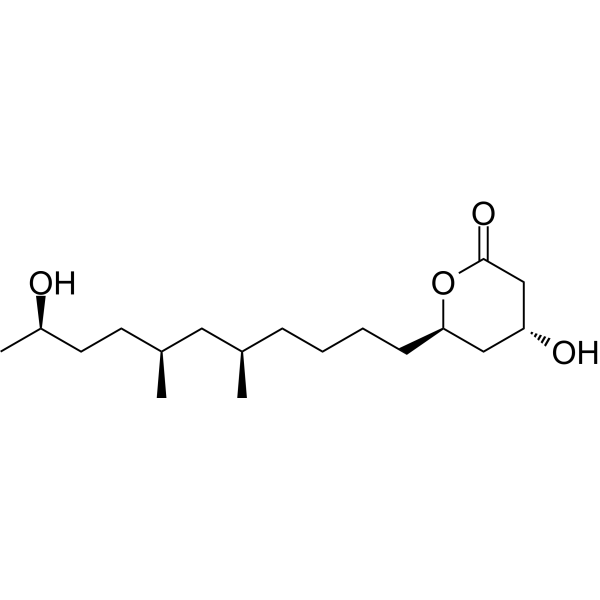
    Penicitide A is a marine secondary metabolite. Penicitide A shows moderate cytotoxicity against pathogen A. brassicae and the human hepatocellular liver carcinoma (HepG2) cell line .
    Penicitide A
  • HY-138813R

    SU-12662 hydrochloride (Standard)

    Reference Standards Drug Metabolite Cancer
    Glycochenodeoxycholic acid sodium salt (Standard) is the analytical standard of Glycochenodeoxycholic acid sodium salt. This product is intended for research and analytical applications. Glycochenodeoxycholic acid sodium salt (Sodium glycochenodeoxycholate) is a relatively toxic bile salt generated in the liver from chenodeoxycholic acid and glycine. Glycochenodeoxycholic acid sodium salt inhibits Autophagosome formation and impairs lysosomal function by inhibiting lysosomal proteolysis and increasing lysosomal pH in human normal liver cells, leading to the Apoptosis of human hepatocyte cells. Glycochenodeoxycholic acid sodium salt induces stemness and chemoresistance via activating STAT3 signaling pathway in hepatocellular carcinoma cells (HCC). Glycochenodeoxycholic acid sodium salt is promising for research in the field of cholestasis desease, hepatocellular carcinoma and primary sclerosing cholangitis (PSC) .
    N-Desethyl Sunitinib hydrochloride (Standard)
  • HY-N15535

    Others Cancer
    Cuneataside E is a phenylpropanoid glycoside compound found in Lespedeza cuneata. Cuneataside E exhibits hepatoprotective activity against the toxicity induced by N-acetyl-p-aminophenol (APAP) in the human hepatocellular carcinoma cell line HepG2. Cuneataside E is promising for research of liver diseases .
    Cuneataside E
  • HY-153547

    Parasite Infection Inflammation/Immunology
    HSP90-IN-21 (5e) is an antiplasmodial agent, with IC50 values of 0.04, 0.17 and 2.91 μM against erythrocytic stage of P. falciparum (Pf3D7 and PfDd2 strains), cytotoxicity of human liver hepatocellular carcinoma cell line (HepG2), respectively .
    HSP90-IN-21
  • HY-W727102

    Others Others
    (Z)-8-β-D-Glucopyranosyloxycinnamic acid is a phenolic glycoside present in the roots of Codonopsis javanica. (Z)-8-β-D-Glucopyranosyloxycinnamic acid exhibits no toxicity against lung cancer, liver cancer and breast cancer cell lines .
    (Z)-8-β-D-Glucopyranosyloxycinnamic acid
  • HY-N16857

    Drug Derivative Others
    Didendronbiline A is a natural phenolic compound.
    Didendronbiline A
  • HY-183716

    Drug Derivative Cancer
    Mito-TP-2 is a triptolide (HY-32735) derivative. Mito-TP-2 exhibits concentration-dependent cytotoxicity in cancer cells. Mito-TP-2 is selectively driven and accumulated into the mitochondria of tumor cells by mitochondrial transmembrane potential and exerts specific mitochondrial toxicity. Mito-TP-2 can be used for the research of liver cancer, breast cancer, and non-small cell lung cancer .
    Mito-TP-2
  • HY-P992457

    Glycoprotein VI Interleukin Related Cancer
    SAR444200 is a nanobody T-cell engager targeting GPC3 (glypican-3) and TCRαβ (T-cell receptor αβ). SAR444200 has a KD of 0.023 nM for human GPC3 and a KD of 5.2 nM for human TCRαβ. SAR444200 mediates T-cell-dependent cytotoxicity, with high selectivity and killing activity against GPC3-positive tumor cells. SAR444200 binds to GPC3 in a dual-epitope manner, and binds to TCRαβ via its N-terminal nanobody, forming an artificial immunological synapse between T cells and tumor cells. SAR444200 can be used for the research of GPC3 + solid tumors, including liver cancer, lung squamous cell carcinoma and melanoma .
    SAR444200
  • HY-181644

    MetAP Infection
    NS-181 is an orally active MetAP2 inhibitor and antiamebic agent with oral effectiveness.NS-181 functionally inhibits methionine aminopeptidase 2, a protein critical for Entamoeba histolytica proliferation. NS-181 exerts antiamebic activity against Entamoeba histolytica, leading to resolution of amebic liver abscess. NS-181 can be used for the research of amebiasis .
    NS-181
  • HY-118720A

    U-23 TFA

    Reactive Oxygen Species (ROS) Others
    Ovothiol A TFA (U-23 TFA) is an antioxidant. Ovothiol A TFA can be isolated from the tissues of marine invertebrates, algae and fish. Ovothiol A acts synergistically with glutathione to actively scavenge ROS and free radicals, and quench the triplet state of Kynurenic acid (HY-100806), thereby inhibiting oxidative stress and photodamage. OSH is expected to serve as an excellent photoprotective agent to inhibit the harmful effects caused by solar ultraviolet radiation .
    Ovothiol A TFA
  • HY-181932

    MAP4K Cancer
    HDM2004 is a selective, orally active, blood-brain barrier-penetrant HPK1 inhibitor with an IC50 of 1.89 nM. HDM2004 exhibits anticancer activity against colon cancer. HDM2004 shows synergistic activity when combined with anti-PD-L1 in syngeneic mouse models. HDM2004 can be used for the research of colon cancer .
    HDM2004
  • HY-181643

    MetAP Infection
    YOK24 is an orally active MetAP2 inhibitor and anti-amoebic agent. YOK24 binds covalently to MetAP2 and inhibits its peptidase activity, where MetAP2 is a protein essential for the proliferation of *Entamoeba histolytica*. YOK24 can be used in the research of amoebiasis .
    YOK24
  • HY-118606

    PAK Parasite Infection Cancer
    LDN-0044878 is a PAK3 inhibitor. LDN-0044878 inhibits the proliferation or induces the death of p53-deficient cells. LDN-0044878 exhibits moderate trypanocidal activity against Trypanosoma brucei, but does not directly inhibit the core target Rhodesain. LDN-0044878 can be used in studies related to cervical adenocarcinoma and Trypanosoma brucei infection.
    LDN-0044878
  • HY-P11618

    Glycoprotein VI Cancer
    10P3Me is a Glypican-3 (GPC3)-targeting probe with a Ka of 93.8 nM for the human target. 10P3Me exhibits high binding affinity to GPC3, targets GPC3-positive cells, and serves as an agent for PET imaging. 10P3Me selectively accumulates in GPC3-positive tumor tissues, including subcutaneous xenograft models and orthotopic HepG2-LUC liver cancer models, to achieve precise localization of lesions .
    10P3Me

Inquiry Online

Your information is safe with us. * Required Fields.

Salutation


Country or Region *

Applicant Name *


Organization Name *

Department *


Email Address *


Product Name *

Cat. No.


Requested quantity *

Phone Number *


Remarks

Inquiry Online

Inquiry Information

Product Name:
Cat. No.:
Quantity:
MCE Japan Authorized Agent:

