



45 Results for "

hydrophobic residues

" in MedChemExpress (MCE) Product Catalog:
Products (45)

45 Results for "hydrophobic residues" in MCE Product Catalog:

3
3 Cited Publications
Cat. No.: HY-P1748
CAS No.: 9073-78-3
Synonyms: EC 3.4.24.27; TML
Research Areas:  

Others

Thermolysin, Bacillus thermoproteolyticus rokko (EC 3.4.24.27) (TML) is a thermostable neutral metalloproteinase enzyme secreted by the Gram-positive bacteria Bacillus thermoproteolyticus. Thermolysin catalyzes the hydrolysis of peptide bonds containing hydrophobic residues .

Optimal pH: 8.0. Considerably stable from pH 5 to 9.5.
Optimal temperature : 70 °C
loading...
    loading...
2
2 Cited Publications
Cat. No.: HY-P5712
CAS No.: 113-73-5
Synonyms: Gramicidin soviet
Research Areas:  

Infection

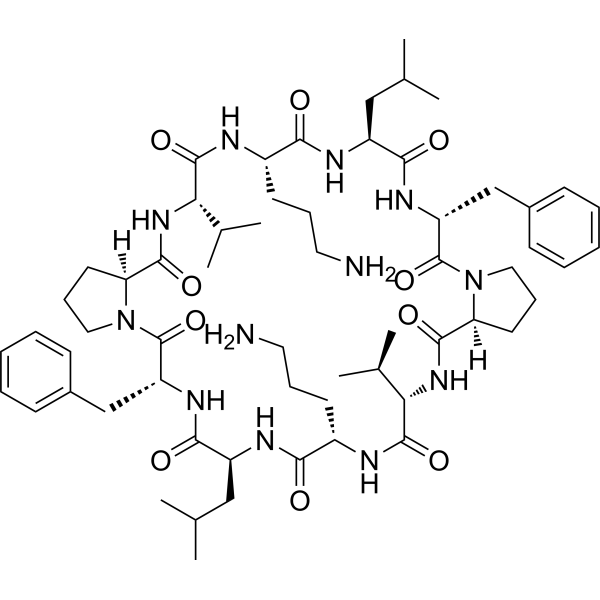
Gramicidin S (Gramicidin soviet) is a cationic cyclic peptide antibiotic that selectively targets bacterial cell membranes and has anticancer activity. Gramicidin S also exerts antibacterial activity by destroying membrane integrity and interfering with membrane protein function. Gramicidin S inserts into the phospholipid bilayer through hydrophobic amino acid residues, specifically binds to negatively charged membrane lipids and disrupts membrane structure, thereby inhibiting cell division and cell wall synthesis, and ultimately causing bacterial death. Gramicidin S also inhibits ion channels, with IC50s of 41 μM, 24 μM, and 3 μM for Na +/K +-ATPase, tobacco leaf plasma membrane Mg 2+/K +-ATPase, and rat heart plasma membrane Ca 2+-ATPase, respectively .
loading...
    loading...
Cat. No.: HY-132180A
CAS No.: 1227961-59-2
Purity:  98.08%
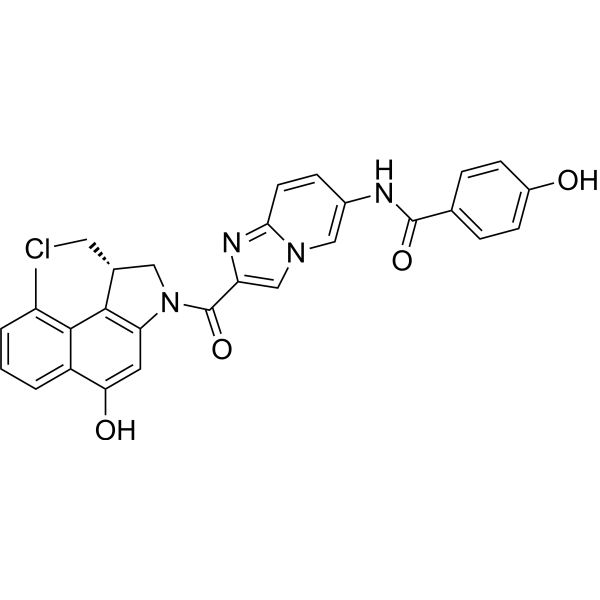
Seco-DUBA hydrochloride is a DNA-targeting cytotoxic agent. Seco-DUBA hydrochloride binds to the minor groove of A-T-rich DNA regions, alkylates the adenine N3 residue, and undergoes spontaneous spirocyclization to generate active DUBA (HY-160969). Seco-DUBA hydrochloride exerts cytotoxic activity against human cancer cells. The reduced hydrophobicity of Seco-DUBA hydrochloride supports the development of antibody-drug conjugates .
loading...
    loading...
Cat. No.: HY-154970A
Purity:  99.40%
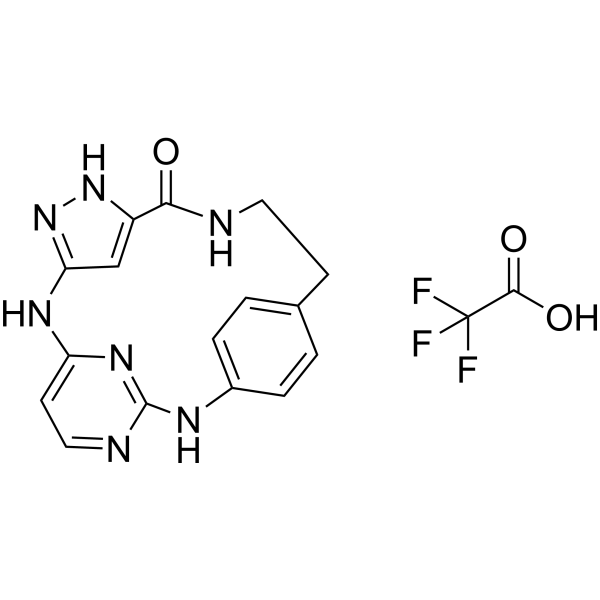
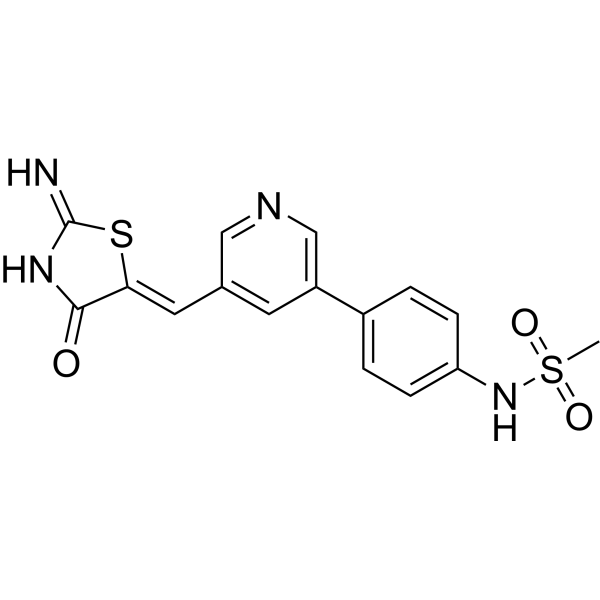
BMPR2-IN-1 TFA is a selective BMPR2 inhibitor with a human BMPR2 IC50 of 506 nM and a Kd of 83.5 nM. BMPR2-IN-1 TFA functions as an ATP mimetic, forming hydrogen bonds with the BMPR2 kinase domain backbone and hydrophobic interactions with specific residues, and demonstrates high selectivity for BMPR2 over other kinases.BMPR2-IN-1 TFA can be used for the researches of cancer, pulmonary arterial hypertension and Alzheimer’s disease .
loading...
    loading...
Cat. No.: HY-157521
CAS No.: 3055162-52-9
Target:  

Acyltransferase

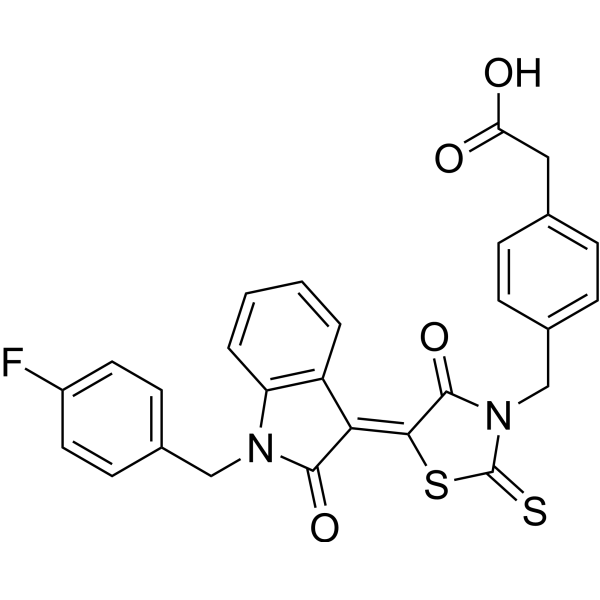
AANAT-IN-1 is an arylalkylamine N-acetyltransferase (AANAT) inhibitor with a sheep AANAT IC50 of 9.9 μM. AANAT-IN-1 binds to the active site of sheep AANAT, interacting with amino acid residues via hydrogen bonds, hydrophobic interactions, ionic interactions, and water bridges, inhibiting the enzyme's catalytic activity. AANAT-IN-1 can be used for the researches of circadian rhythm-associated neuropsychiatric conditions, seasonal affective disorder, and other diseases associated with abnormally elevated melatonin levels .
loading...
    loading...
Cat. No.: HY-P1271
CAS No.: 142211-96-9
Synonyms: Catestatin (cattle)
Target:  

nAChR

Research Areas:  

Cardiovascular Disease

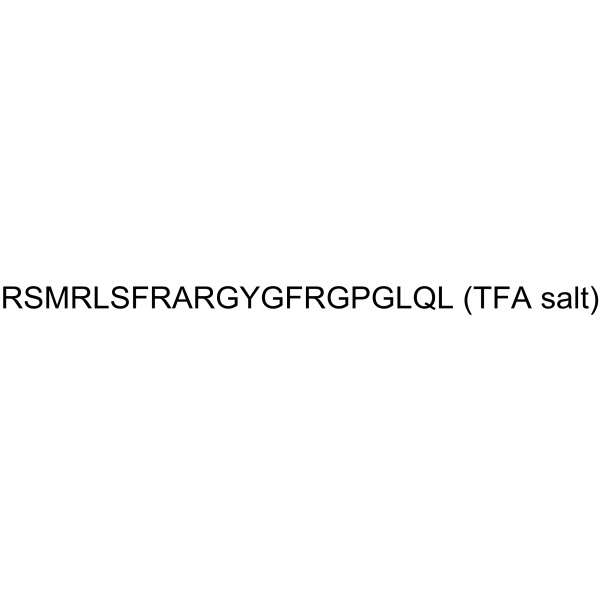
Catestatin is a 21-amino acid residue, cationic and hydrophobic peptide. Catestatin is an endogenous peptide that regulates cardiac function and blood pressure . Catestatin is a non-competitive nicotinic antagonist acting through nicotinic acetylcholine receptors (nAChRs) to inhibit catecholamine release .
loading...
    loading...
Cat. No.: HY-N10423
CAS No.: 18423-69-3
Synonyms: (-)-Cubebin
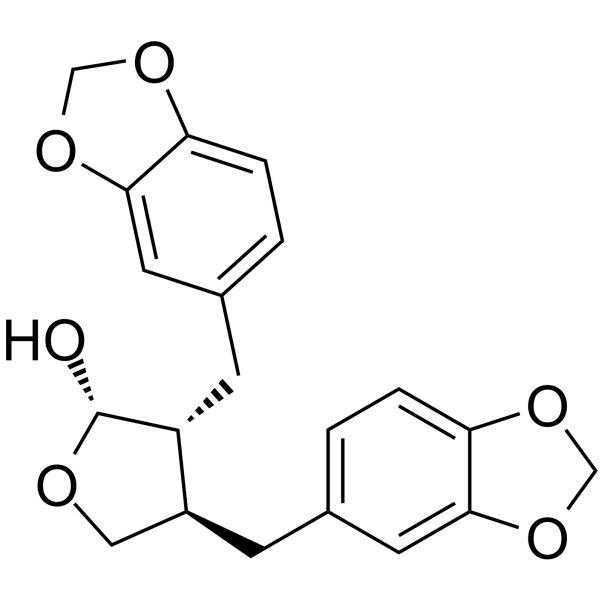
Cubebin ((-)-Cubebin), a dibenzyl butyrolactone lignan, is an orally active AChE inhibitor. Cubebin binds to active sites of NF-κB, TNF-α, and TGF-β1 via hydrogen and hydrophobic interactions, obstructing critical residues to inhibit pro-inflammatory or renal fibrosis-related activity. Cubebin enhances p38 MAPK phosphorylation to increase tyrosinase gene expression, stimulating melanogenesis via elevated tyrosinase activity, expression, and mRNA levels. Cubebin reduces oxidative stress via enhanced endogenous antioxidant enzyme activity and inhibited lipid peroxidation, regulates lipid metabolism, improves glycemic control, and exerts renoprotective effects via reduced renal dysfunction markers and improved renal architecture. Cubebin shows antimicrobial activity. Cubebin exerts larvicidal activity against Angiostrongylus cantonensis larvae, with no cytotoxicity toward monkey or human cell lines or Caenorhabditis elegans. Cubebin can be used for the research of diabetic nephropathy, melanoma, colon adenocarcinoma, neuroangiostrongyliasis, Alzheimer’s disease (AD) and depression .
loading...
    loading...
Cat. No.: HY-N3057
CAS No.: 18956-15-5
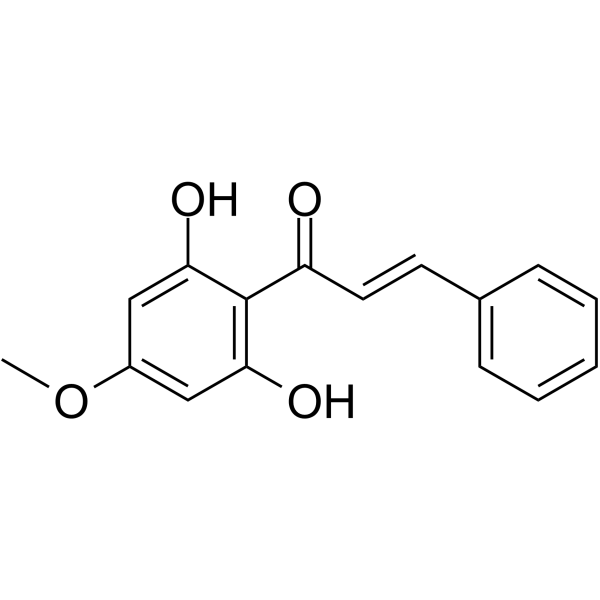
Pinostrobin chalcone is a chalcone found in Boesenbergia rotunda and Alpinia mutica. Pinostrobin chalcone exhibits cytotoxicity against various cancer cells. Pinostrobin chalcone is predicted to bind to the JAK active site, forming a hydrogen bond with Asn859 and hydrophobic interactions with aromatic residues. Pinostrobin chalcone can be used in research related to breast cancer, colon cancer, cervical cancer, and epidermoid carcinoma .
loading...
    loading...
Cat. No.: HY-P1576A
Target:  

AMPK SnRK

Research Areas:  

Others

AMARA peptide TFA is a synthetic peptide substrate of sucrose non-fermenting-1-related protein kinase 1 (SnRK1). AMARA peptide TFA contains residues required for SnRK1 phosphorylation, retains the minimal motif recognized by SnRK1, and when this substrate is recognized by cauliflower SnRK1 HRK-A, the hydrophobic residues at the relative positions P-5 and P+4 of the phosphorylated serine require a critical spacing. AMARA peptide TFA can serve as a control substrate in peptide phosphorylation assays for the detection of SnRK1 activity in Arabidopsis thaliana, potato tuber tissues, and during SnRK1 purification .
loading...
    loading...
Cat. No.: HY-170655
CAS No.: 3104129-77-0
Target:  

PDI Integrin

Research Areas:  

Cardiovascular Disease

PDI-IN-4 is a highly selective inhibitor of human PDI (IC50=0.48 μM) with no significant cytotoxicity. PDI-IN-4 binds to PDI in a reversible manner, not only forming a covalent bond with the Cys400 residue but also engaging in hydrophobic interactions with other residues. By inhibiting the activation of GPIIb/IIIa, PDI-IN-4 effectively blocks platelet aggregation and thrombus formation. PDI-IN-4 can serve as an important tool reagent for thrombosis-related research .
loading...
    loading...
Cat. No.: HY-P4371A
Target:  

Inhibitory Antibodies

Research Areas:  

Others

Hel 13-5 TFA is a monomeric synthetic peptide based on the N-terminal fragment of human SP-B. Hel 13-5 TFA is mainly α-helical and consists of 13 hydrophobic amino acid residues and 5 hydrophilic amino acid residues. Hel 13-5 TFA can be combined with phospholipids for the development of a model system for pulmonary surfactant .
loading...
    loading...
Cat. No.: HY-P1271A
Target:  

nAChR

Research Areas:  

Cardiovascular Disease

Catestatin TFA is a 21-amino acid residue, cationic and hydrophobic peptide. Catestatin TFA is an endogenous peptide that regulates cardiac function and blood pressure . Catestatin TFA is a non-competitive nicotinic antagonist acting through nicotinic acetylcholine receptors (nAChRs) to inhibit catecholamine release .
loading...
    loading...
Cat. No.: HY-D1470
CAS No.: 210832-86-3
Target:  

Fluorescent Dye

Research Areas:  

Others

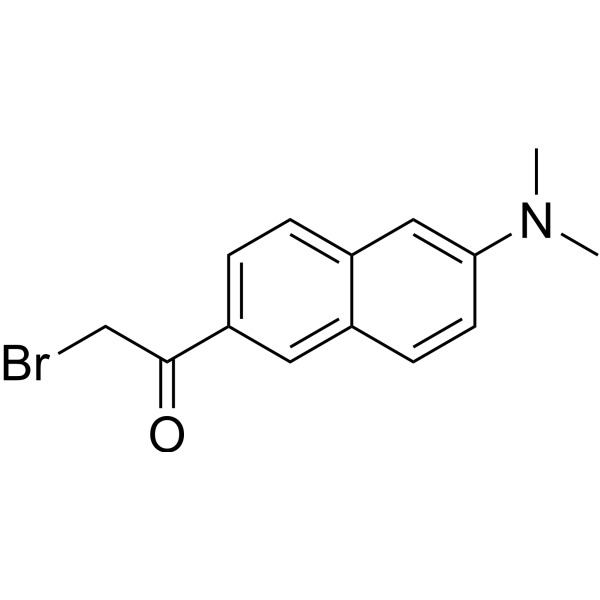
BADAN is a thiol-reactive, environment-sensitive fluorescent probe used for site-specific labeling of protein cysteine residues to detect protein topology, local polarity, protein-lipid interactions, and conformational changes. The bromoacetyl group of BADAN covalently binds to cysteine thiols, and its fluorescence originates from the intramolecular charge transfer (ICT) excited state. The emission peak position varies with the polarity of the surrounding medium: it blue-shifts to approximately 488 nm in nonpolar environments (such as the hydrophobic core of lipid bilayers) and red-shifts to approximately 496-507 nm in polar environments (such as aqueous phases), independent of enzymes, pH, or membrane potential. Ex = 380-402 nm; Em = 400-600 nm .
loading...
    loading...
Cat. No.: HY-130908
CAS No.: 57079-01-3
Purity:  99.92%
Research Areas:  

Cancer

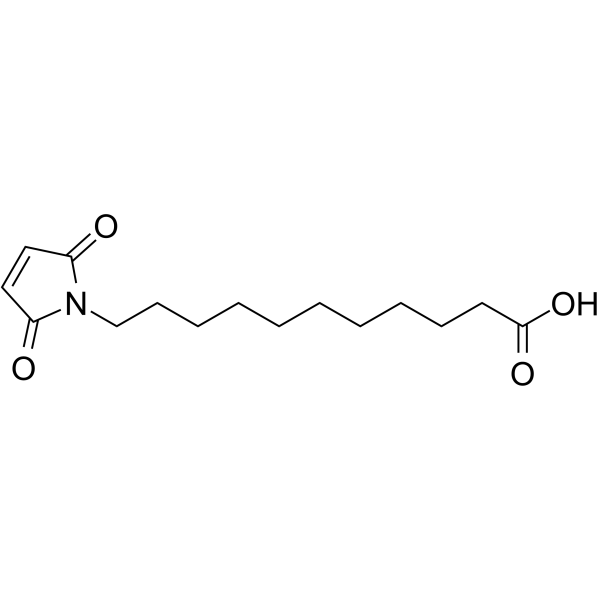
11-Maleimidoundecanoic acid is a maleimide-containing hydrophobic core former. 11-Maleimidoundecanoic acid forms a hydrophobic core via maleimide-thiol coupling with cysteine residues on polypeptides, enabling stable loading and controllable release of Doxorubicin (HY-15142A). 11-Maleimidoundecanoic acid can be used for the research of breast cancer .
loading...
    loading...
Cat. No.: HY-P1576
CAS No.: 163560-19-8
Target:  

AMPK SnRK

Research Areas:  

Others

AMARA peptide is a synthetic peptide substrate of sucrose non-fermenting-1-related protein kinase 1 (SnRK1). AMARA peptide contains residues required for SnRK1 phosphorylation, retains the minimal motif recognized by SnRK1, and when this substrate is recognized by cauliflower SnRK1 HRK-A, the hydrophobic residues at the relative positions P-5 and P+4 of the phosphorylated serine require a critical spacing. AMARA peptide can serve as a control substrate in peptide phosphorylation assays for the detection of SnRK1 activity in Arabidopsis thaliana, potato tuber tissues, and during SnRK1 purification .
loading...
    loading...
Cat. No.: HY-153532
CAS No.: 2428738-43-4
Target:  

PI5P4K

Research Areas:  

Cancer

CVM-05-002 is a selective pan-phosphatidylinositol 5-phosphate 4-kinase (PI5P4K) inhibitor, with IC50 values of 0.27 μM and 1.69 μM against PI5P4Kα and PI5P4Kβ, respectively. CVM-05-002 binds non-covalently to the ATP-binding pocket of PI5P4Kα, forming hydrophobic interactions and hydrogen bonds with pocket residues. CVM-05-002 can be used in tumor-related research .
loading...
    loading...
Cat. No.: HY-160478
CAS No.: 839708-29-1
Target:  

Bcr-Abl

Research Areas:  

Cancer

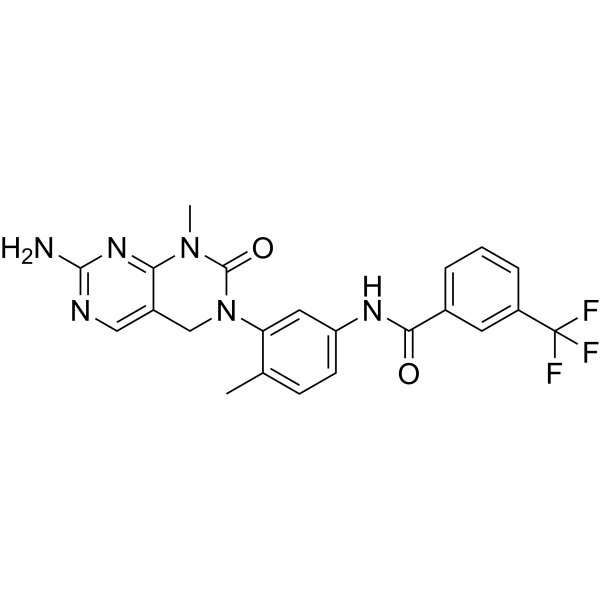
GNF-6 (Compound 14) inhibits the gatekeeper threonine residue mutation of BCR-ABL-T315I with IC50s of 0.25 μM, 0.09 μM and 0.590 μM for c-ABL-T334I, BCR-ABL and BCR-ABL-T315I variants, respectively. GNF-6, an ATP competitive inhibitor, disrupts the assembly of the hydrophobic spine (a network of hydrophobic interactions), thereby locking the kinase in an inactive ‘DFG-out’ conformation .
loading...
    loading...
Cat. No.: HY-159920
PSB-22269 is a GPR17 antagonist with a Ki value of 8.91 nM. PSB-22269 further demonstrated significant inhibitory effects in cAMP and G protein activation assays. Molecular docking studies revealed that the binding site of PSB-22269 contains positively charged arginine residues and a hydrophobic pocket. PSB-22269 provides a strategy to promote remyelination and holds promise for research in the field of multiple sclerosis .
loading...
    loading...
Cat. No.: HY-N3057R
CAS No.: 18956-15-5
Pinostrobin chalcone (Standard) is the analytical standard of Pinostrobin chalcone (HY-N3057). This product is intended for research and analytical applications. Pinostrobin chalcone is a chalcone found in Boesenbergia rotunda and Alpinia mutica. Pinostrobin chalcone exhibits cytotoxicity against various cancer cells. Pinostrobin chalcone is predicted to bind to the JAK active site, forming a hydrogen bond with Asn859 and hydrophobic interactions with aromatic residues. Pinostrobin chalcone can be used in research related to breast cancer, colon cancer, cervical cancer, and epidermoid carcinoma .
loading...
    loading...
Cat. No.: HY-13325
CAS No.: 71939-12-3
Research Areas:  

Neurological Disease

Aβ aggregation modulator-1 is a stimulator of amyloid-β (Aβ) fibrillogenesis. Aβ aggregation modulator-1 binds hydrophobic residues in Aβ peptides and stabilizes β-sheet-rich protofibrils and fibrils. Aβ aggregation modulator-1 accelerates Aβ polymerization and reduces concentrations of small, toxic Aβ oligomers in heterogeneous aggregation reactions. Aβ aggregation modulator-1 suppresses long-term potentiation (LTP) inhibition by Aβ oligomers in hippocampal brain slices. Aβ aggregation modulator-1 can be used for the study of Alzheimer's disease (AD) .
loading...
    loading...

