1. Search Result
Search Result
Results for "

mitochondrial ATP production

" in MedChemExpress (MCE) Product Catalog:

37

Inhibitors & Agonists

1

Screening Libraries

2

Biochemical Assay Reagents

4

Natural
Products

2

Isotope-Labeled Compounds

Cat. No. Product Name Target Research Areas Chemical Structure
  • HY-119976
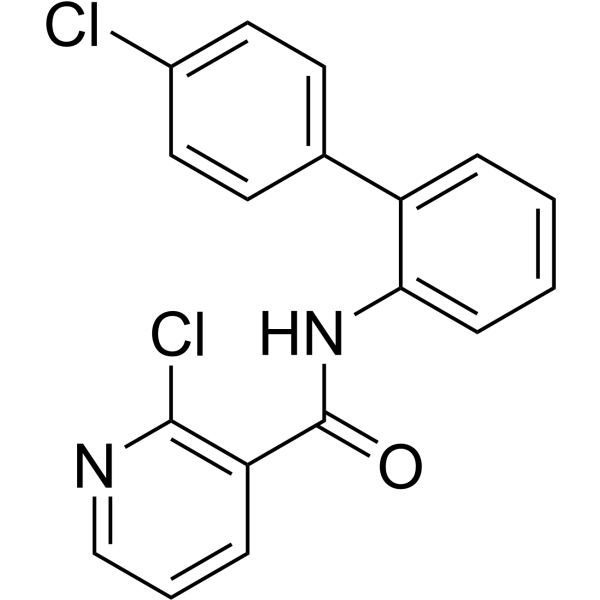
    Boscalid
    1 Publications Verification

    Environmental Pollutants Apoptosis Fungal Mitochondrial Metabolism Succinate Dehydrogenase Infection
    Boscalid is a succinate dehydrogenase (SDHI) inhibitor with antifungal activity. Boscalid binds to the ubiquinone-binding site of fungal mitochondrial complex II, blocks ATP production and aerobic respiration, exhibits good control efficacy against a variety of plant fungal diseases including gray mold, sclerotinia rot and powdery mildew, and is widely used for disease control in agriculture. Boscalid induces apoptosis, altered lipid metabolism, mitochondrial dysfunction, respiratory impairment, oxidative stress, ROS accumulation and neurodevelopmental disorders in zebrafish. Boscalid reduces foraging ability, shortens median death time and causes chronic toxicity in exposed honeybees. Boscalid also possesses genotoxicity, cytotoxicity, elevated mitochondrial superoxide levels and early-stage apoptosis .
    Boscalid
  • HY-N1502
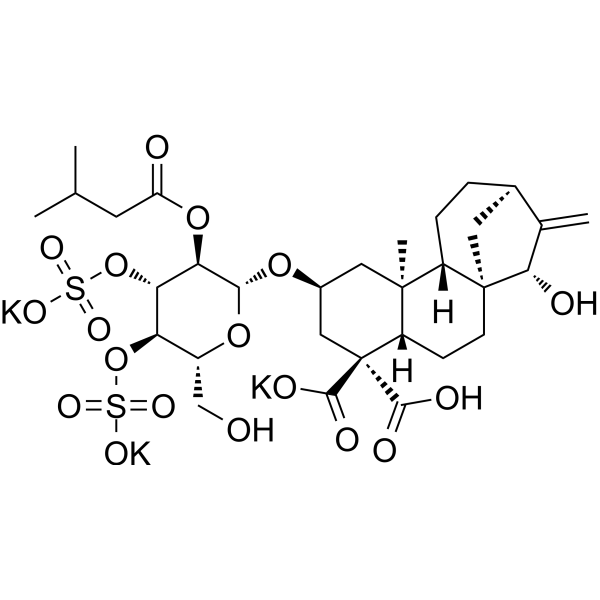
    Carboxyatractyloside tripotassium
    2 Publications Verification

    Gummiferin tripotassium

    Mitochondrial Metabolism Reactive Oxygen Species (ROS) Calcium Channel Neurological Disease
    Carboxyatractyloside tripotassium is a diterpenoid. Carboxyatractyloside tripotassium can be isolated from plants of the genus Xanthium. Carboxyatractyloside tripotassium is an ADP/ATP carrier inhibitor, inhibiting mitochondrial ADP/ATP transport. Carboxyatractyloside tripotassium promotes ROS production, induces Ca 2+ release, and leads to mitochondrial dysfunction. Carboxyatractyloside tripotassium induces lethargy, weakness, and epileptic seizures in rats .
    Carboxyatractyloside tripotassium
  • HY-N2522
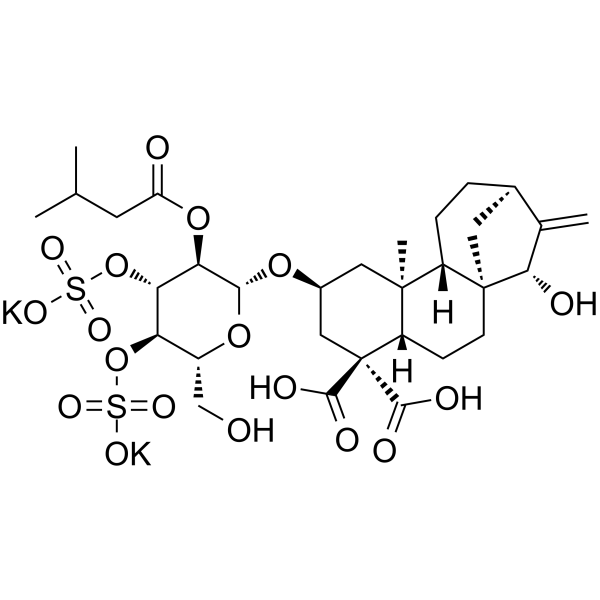
    Carboxyatractyloside dipotassium
    2 Publications Verification

    Gummiferin dipotassium

    Mitochondrial Metabolism Calcium Channel Reactive Oxygen Species (ROS) Neurological Disease
    Carboxyatractyloside dipotassium is a diterpenoid. Carboxyatractyloside dipotassium can be isolated from plants of the genus Xanthium. Carboxyatractyloside dipotassium is an ADP/ATP carrier inhibitor, inhibiting mitochondrial ADP/ATP transport. Carboxyatractyloside dipotassium promotes ROS production, induces Ca 2+ release, and leads to mitochondrial dysfunction. Carboxyatractyloside dipotassium induces lethargy, weakness, and epileptic seizures in rats .
    Carboxyatractyloside dipotassium
  • HY-17355A
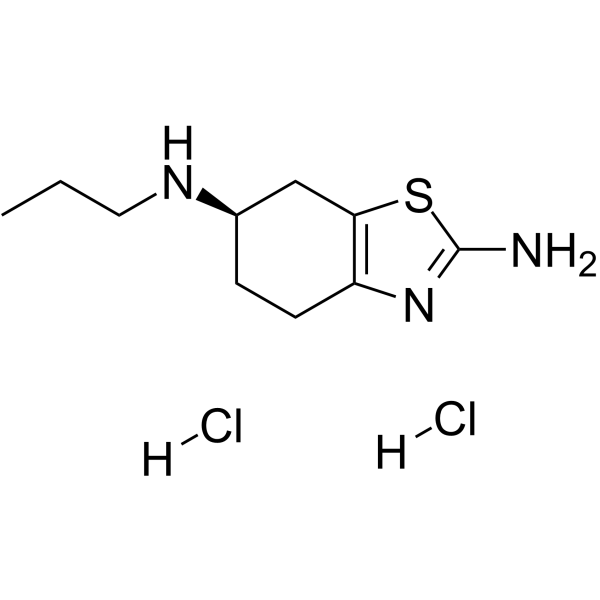
    Dexpramipexole dihydrochloride
    2 Publications Verification

    (R)-Pramipexole dihydrochloride; R-(+)-Pramipexole dihydrochloride; KNS-760704 dihydrochloride

    ATP Synthase Sodium Channel Glutathione Peroxidase NOD-like Receptor (NLR) Mitophagy Ferroptosis PINK1/Parkin Autophagy Apoptosis Reactive Oxygen Species (ROS) Cardiovascular Disease Neurological Disease Inflammation/Immunology
    Dexpramipexole ((R)-Pramipexole) dihydrochloride is an orally active, blood-brain barrier permeable mitochondrial protective agent. Dexpramipexole dihydrochloride upregulates the expression of Parkin, PINK1, GPX4 and FSP1; binds to mitochondrial F1/Fo-ATP synthase; blocks the Nav1.8 sodium channel; and inhibits the activation of the NLRP3 inflammasome. Dexpramipexole dihydrochloride induces mitophagy, inhibits ferroptosis, pyroptosis, apoptosis, neuroinflammation and eosinophilopoiesis; maintains mitochondrial function and redox homeostasis; reduces reactive oxygen species production; and decreases myocardial infarct size. Dexpramipexole dihydrochloride is applicable to studies on eosinophilic asthma, myocardial ischemia/reperfusion injury, sepsis-associated encephalopathy, analgesia, and more .
    Dexpramipexole dihydrochloride
  • HY-121006

    Mitochondrial Metabolism AMPK Insulin Receptor Metabolic Disease Cancer
    Biguanide is an orally active antihyperglycemic agent. Biguanide inhibits mitochondrial ATP production, activates the LKB1-AMPK signaling pathway, and damages the energy homeostasis. Biguanide enhances insulin-receptor activation and downstream signaling. Biguanide exhibits potential in ameliorating the type 2 diabetes and the insulin-associated cancers.
    Biguanide
  • HY-171616

    HSP β-catenin Cancer
    DCEM1 binds to heat shock protein 60 (HSP60) and inhibits the interaction of HSP60 with ClpP, thereby blocking the mitochondrial unfolded protein response. DCEM1 inhibits β-catenin expression and ATP production in PC-3 and TKO cells. DCEM1 can be used in prostate cancer research .
    DCEM1
  • HY-17355B
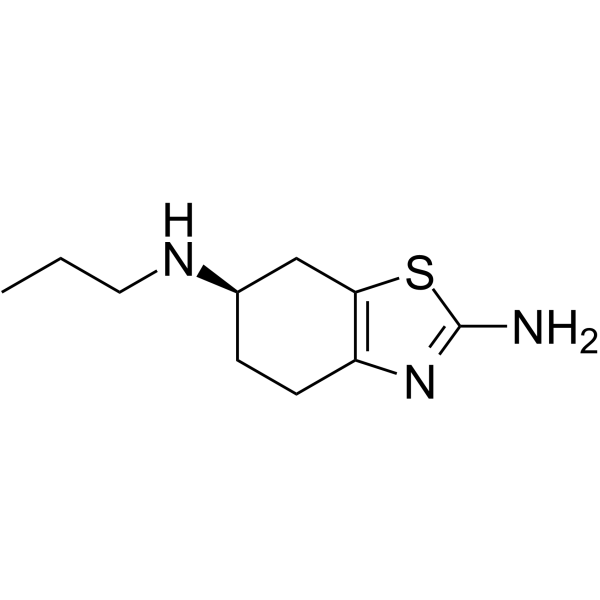
    Dexpramipexole
    2 Publications Verification

    (R)-Pramipexole; R-(+)-Pramipexole; KNS-760704

    PINK1/Parkin Glutathione Peroxidase Sodium Channel ATP Synthase NOD-like Receptor (NLR) Mitophagy Ferroptosis Autophagy Apoptosis Reactive Oxygen Species (ROS) Cardiovascular Disease Neurological Disease Inflammation/Immunology
    Dexpramipexole ((R)-Pramipexole) is an orally active, blood-brain barrier permeable mitochondrial protective agent. Dexpramipexole upregulates the expression of Parkin, PINK1, GPX4 and FSP1; binds to mitochondrial F1/Fo-ATP synthase; blocks the Nav1.8 sodium channel; and inhibits the activation of the NLRP3 inflammasome. Dexpramipexole induces mitophagy, inhibits ferroptosis, pyroptosis, apoptosis, neuroinflammation and eosinophilopoiesis; maintains mitochondrial function and redox homeostasis; reduces reactive oxygen species production; and decreases myocardial infarct size. Dexpramipexole is applicable to studies on eosinophilic asthma, myocardial ischemia/reperfusion injury, sepsis-associated encephalopathy, analgesia, and more .
    Dexpramipexole
  • HY-156622

    HMC-C-01-A; MBS2320

    Mitochondrial Metabolism Cancer
    Leramistat (HMC-C-01-A; MBS2320) is a mitochondrial complex 1 inhibitor, involving in cell metabolism immune metabolism regulation. Leramistat also inhibits ATP production in Thp1 human monocytes (IC50: 0.63 μM). Leramistat inhibits atopic dermatitis and other skin diseases autoimmune diseases, inflammatory diseases, cancer; and also inhibits osteoclast mediated disease .
    Leramistat
  • HY-W012985

    ATP Synthase Apoptosis Metabolic Disease Cancer
    Methyl pyruvate is a methyl ester derivative of pyruvic acid. Methyl pyruvate induces insulin release and membrane depolarization. Methyl pyruvate rescues proteasome damage and nuclear localization of TdP-43 caused by overexpression of σ1RE102Q by enhancing ATP synthesis. Methyl pyruvate selectively protects normal lung fibroblasts from cell death induced by Irinotecan (HY-16562). Methyl pyruvate promotes apoptosis and necrosis in cancer cells and downregulates angiogenesis and cell cycle pathways. Methyl pyruvate is an effective substrate for dihydrodihydrogen dehydrogenase.
    Methyl pyruvate
  • HY-153715

    Mitochondria modulator-1

    Biochemical Assay Reagents Metabolic Disease
    NV-354 (Mitochondria modulator-1) (compound 1) is a mitochondrial regulator that stimulates mitochondrial ATP production. NV-354 has good oral bioavailability, blood-brain barrier permeability, and good plasma stability. NV-354 has the potential to study mitochondrial diseases .
    NV-354
  • HY-N8540

    Phosphoglycerate Kinase (PGK) Fungal Apoptosis Infection Cancer
    Ilicicolin H is a selective and non-ATP-competitive phosphoglycerate kinase 1 (PGK1) (IC50 = 9.02 μM) and mitochondrial cytochrome bc1 reductase (IC50 = 2-3 ng/mL) inhibitor. Ilicicolin H directly binds to PGK1 with KD of 60 μM .Ilicicolin H can inhibit cell proliferation and induce apoptosis. Ilicicolin H can inhibit the lactate production and glucose uptake of hepatocellular carcinoma (HCC) cells. Ilicicolin H has a broad antifungal spectrum including C. albicans, Cryptococcus and A. fumigatus. Ilicicolin H can be used for the researches of cancer and infection, such as hepatocellular carcinoma (HCC) and C. albicans infection .
    Ilicicolin H
  • HY-170027

    HIF/HIF Prolyl-Hydroxylase AMPK Cancer
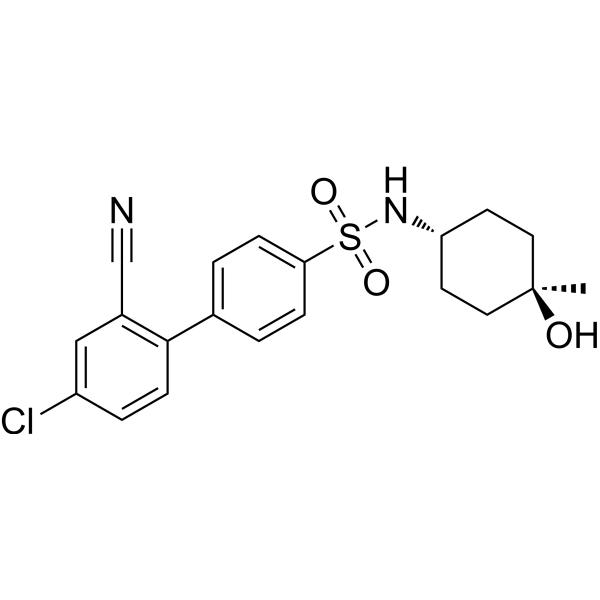
    LW1564 is an inhibitor for HIF-1α with an IC50 of 1.2 µM in HepG2. LW1564 inhibits mitochondrial respiration, reduces ATP production, stimulates HIF-1α degradation, and inhibits proliferation of various cancer cells with GI50 of 0.4-4.6 μM. LW1564 activates AMPK signaling pathway and inhibits lipid synthesis. LW1564 exhibits antitumor in HepG2 xenograft mouse model .
    LW1564
  • HY-175673

    Carnitine Palmitoyltransferase (CPT) Apoptosis Oxidative Phosphorylation Mitochondrial Metabolism Reactive Oxygen Species (ROS) Cancer
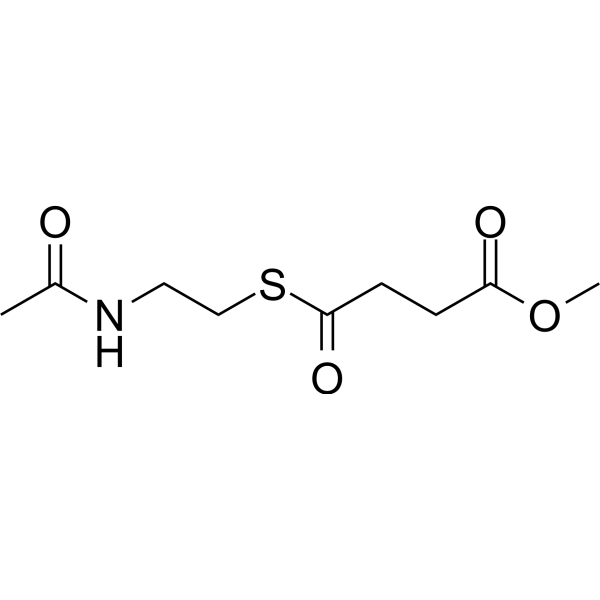
    LCB-2151 (Compound 2), a nucleoside analogue, is an anticancer agent. LCB-2151 disrupts the two primary sources of ATP production (glycolysis and mitochondrial oxidative phosphorylation), reducing the bioenergetic capacity of KRAS-mutated pancreatic cancer cells and inducing ROS formation. LCB-2151 effectively inhibits key enzymes (such as CACT and CPT2) in glycolysis, the TCA cycle and fatty acid β-oxidation. LCB-2151 has significant cytotoxicity and induces cells apoptosis. LCB-2151 can be used for radiation therapy of cancers research .
    LCB-2151
  • HY-16461

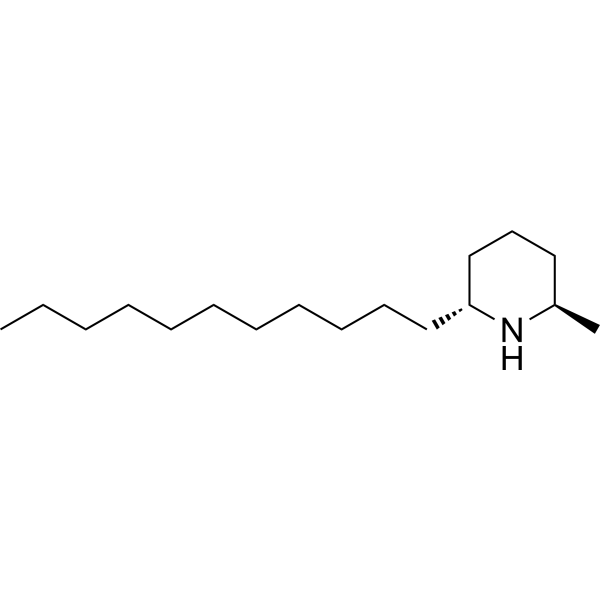
    (-)-Solenopsin A

    Akt Ribosomal S6 Kinase (RSK) PI3K PDK-1 FOXO Mitophagy Reactive Oxygen Species (ROS) Mitochondrial Metabolism Cardiovascular Disease
    Solenopsin ((-)-Solenopsin A) is an ATP-competitive and selective Akt-1 inhibitor with an IC50 of 5-10 μM, and also acts as an RSK1 inhibitor. Solenopsin inhibits the activities of PDK1 in lipid rafts, downregulates PI3K, blocks PI3K-dependent generation of 3-phosphoinositides, and suppresses the phosphorylation of FOXO1a. Solenopsin induces Mitophagy and ROS production, reduces mitochondrial oxygen consumption, and exhibits antiproliferative and antiangiogenic activities. Solenopsin can be used in research related to hyperproliferative skin diseases and malignant diseases .
    Solenopsin
  • HY-117843

    Mitochondrial Metabolism Interleukin Related Bacterial Infection Metabolic Disease Inflammation/Immunology
    Ppc-1 is a mitochondrial uncoupler. Ppc-1 enhances mitochondrial oxygen consumption without adverse effects on ATP production. Ppc-1 is a cell-permeate interleukin-2 (IL-2) inhibitor. Ppc-1 inhibits the Gram-negative periodontopathogen Porphyromonas gingivalis. Ppc-1 has anti-obesity, antibacterial and anti-inflammatory activities .
    Ppc-1
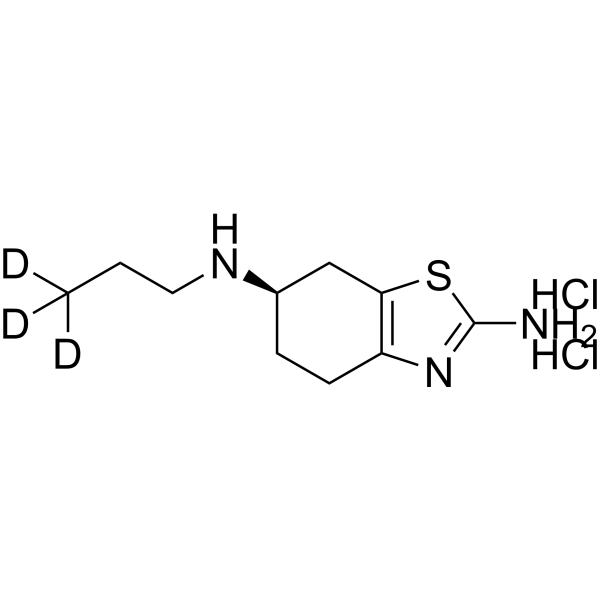
  • HY-17355BS

    (R)-Pramipexole-d3 dihydrochloride; R-(+)-Pramipexole-d3 dihydrochloride; KNS-760704-d3 dihydrochloride

    Isotope-Labeled Compounds ATP Synthase Sodium Channel Glutathione Peroxidase NOD-like Receptor (NLR) Mitophagy Ferroptosis PINK1/Parkin Autophagy Apoptosis Reactive Oxygen Species (ROS) Cardiovascular Disease Neurological Disease Inflammation/Immunology
    Dexpramipexole-d3 ((R)-Pramipexole-d3) dihydrochloride is the deuterium labeled Dexpramipexole. Dexpramipexole ((R)-Pramipexole) dihydrochloride is an orally active, blood-brain barrier permeable mitochondrial protective agent. Dexpramipexole dihydrochloride upregulates the expression of Parkin, PINK1, GPX4 and FSP1; binds to mitochondrial F1/Fo-ATP synthase; blocks the Nav1.8 sodium channel; and inhibits the activation of the NLRP3 inflammasome. Dexpramipexole dihydrochloride induces mitophagy, inhibits ferroptosis, pyroptosis, apoptosis, neuroinflammation and eosinophilopoiesis; maintains mitochondrial function and redox homeostasis; reduces reactive oxygen species production; and decreases myocardial infarct size. Dexpramipexole dihydrochloride is applicable to studies on eosinophilic asthma, myocardial ischemia/reperfusion injury, sepsis-associated encephalopathy, analgesia, and more.
    Dexpramipexole-d3 dihydrochloride
  • HY-145303

    Oxidative Phosphorylation Mitochondrial Metabolism Cancer
    DX2-201 is a potent and selective oxidative phosphorylation (OXPHOS) complex I inhibitor with an IC50 of 312 nM. DX2-201 has anticancer effects .
    DX2-201
  • HY-136855

    Sirtuin AMPK PGC-1α Apoptosis Reactive Oxygen Species (ROS) Metabolic Disease
    MitoPBN is a AMPK/SIRT3/PGC-1α axis modulator, reactive oxygen species scavenger and mitochondrial function enhancer. MitoPBN increases the phosphorylation level of AMPK, restores SIRT3 expression and reverses the down-regulation of PGC-1α, thereby promoting mitochondrial biogenesis. MitoPBN regulates glucose metabolism, reduces blood glucose by inhibiting hepatic gluconeogenesis and increasing hepatic glucose uptake, while scavenging mitochondrial superoxide anion/hydrogen peroxide, maintaining membrane potential and increasing ATP production. MitoPBN also reduces cell apoptosis, improves sperm motility, survival rate and membrane integrity, but may induce reductive stress in cryopreserved sperm at high concentrations. MitoPBN is widely applicable to research related to diabetes and type 2 diabetes .
    MitoPBN
  • HY-N2522R

    Gummiferin dipotassium (Standard)

    Reference Standards Mitochondrial Metabolism Calcium Channel Reactive Oxygen Species (ROS) Neurological Disease
    Carboxyatractyloside (dipotassium) (Standard) is the analytical standard of Carboxyatractyloside dipotassium (HY-N2522). This product is intended for research and analytical applications. Carboxyatractyloside dipotassium is a diterpenoid. Carboxyatractyloside dipotassium can be isolated from plants of the genus Xanthium. Carboxyatractyloside dipotassium is an ADP/ATP carrier inhibitor, inhibiting mitochondrial ADP/ATP transport. Carboxyatractyloside dipotassium promotes ROS production, induces Ca 2+ release, and leads to mitochondrial dysfunction. Carboxyatractyloside dipotassium induces lethargy, weakness, and epileptic seizures in rats .
    Carboxyatractyloside dipotassium (Standard)
  • HY-178033

    Parasite Mitochondrial Metabolism Reactive Oxygen Species (ROS) Infection
    Antileishmanial agent-35 (Compound 6) is an antileishmanial agent with an IC50 of 0.29μM for promastigotes of Leishmania amazonensis. Antileishmanial agent-35 significantly decreases the mitochondrial membrane potential and ATP levels, and further increases the production of ROS by a blockage in the electron transport chain, where ubiquinone intervenes. Antileishmanial agent-35 can be used for cutaneous leishmaniases research .
    Antileishmanial agent-35
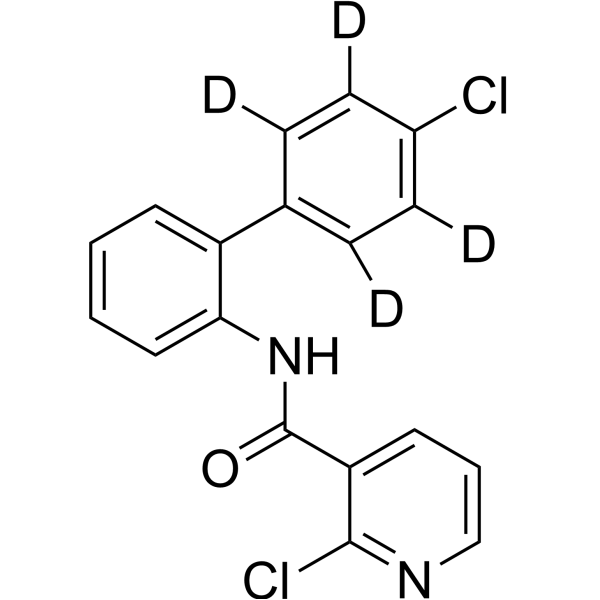
  • HY-119976S

    Isotope-Labeled Compounds Apoptosis Fungal Mitochondrial Metabolism Succinate Dehydrogenase Others
    Boscalid-d4 is the deuterium labeled Boscalid. Boscalid is a succinate dehydrogenase (SDHI) inhibitor with antifungal activity. Boscalid binds to the ubiquinone-binding site of fungal mitochondrial complex II, blocks ATP production and aerobic respiration, exhibits good control efficacy against a variety of plant fungal diseases including gray mold, sclerotinia rot and powdery mildew, and is widely used for disease control in agriculture. Boscalid induces apoptosis, altered lipid metabolism, mitochondrial dysfunction, respiratory impairment, oxidative stress, ROS accumulation and neurodevelopmental disorders in zebrafish. Boscalid reduces foraging ability, shortens median death time and causes chronic toxicity in exposed honeybees. Boscalid also possesses genotoxicity, cytotoxicity, elevated mitochondrial superoxide levels and early-stage apoptosis .
    Boscalid-d4
  • HY-112749B

    Heme Oxygenase (HO) Reactive Oxygen Species (ROS) Mitochondrial Metabolism Cancer
    (3S,4R)-ME-344 is the (3S,4R)-enantiomer of ME-344 (HY-112749). ME-344 is a mitochondrial Heme oxygenase 1 (HO-1) inhibitor. ME-344 specifically binds and alters HO-1 structure, and increases HO-1 translocation from the rough endoplasmic reticulum to mitochondria, but only in drug-sensitive cells (such as H460 and SHP-77 cells). ME-344 decreases mitochondrial ATP production and induces ROS, with subsequent disruption of redox homeostasis and mitochondrial function. ME-344 has significant antitumor activity, and can be used for cancers like breast cancer research .
    (3S,4R)-ME-344
  • HY-17355AR

    (R)-Pramipexole dihydrochloride (Standard); R-(+)-Pramipexole dihydrochloride (Standard); KNS-760704 dihydrochloride (Standard)

    Reference Standards ATP Synthase Sodium Channel Glutathione Peroxidase NOD-like Receptor (NLR) Mitophagy Ferroptosis PINK1/Parkin Autophagy Apoptosis Cardiovascular Disease Neurological Disease Inflammation/Immunology
    Dexpramipexole ((R)-Pramipexole) dihydrochloride (Standard) is the analytical standard of Dexpramipexole (dihydrochloride). This product is intended for research and analytical applications. Dexpramipexole dihydrochloride is an orally active, blood-brain barrier permeable mitochondrial protective agent. Dexpramipexole dihydrochloride upregulates the expression of Parkin, PINK1, GPX4 and FSP1; binds to mitochondrial F1/Fo-ATP synthase; blocks the Nav1.8 sodium channel; and inhibits the activation of the NLRP3 inflammasome. Dexpramipexole dihydrochloride induces mitophagy, inhibits ferroptosis, pyroptosis, apoptosis, neuroinflammation and eosinophilopoiesis; maintains mitochondrial function and redox homeostasis; reduces reactive oxygen species production; and decreases myocardial infarct size. Dexpramipexole dihydrochloride is applicable to studies on eosinophilic asthma, myocardial ischemia/reperfusion injury, sepsis-associated encephalopathy, analgesia, and more.
    Dexpramipexole dihydrochloride (Standard)
  • HY-119976R

    Reference Standards Apoptosis Fungal Mitochondrial Metabolism Succinate Dehydrogenase Infection
    Boscalid (Standard) is the analytical standard of Boscalid. This product is intended for research and analytical applications. Boscalid is a succinate dehydrogenase (SDHI) inhibitor with antifungal activity. Boscalid binds to the ubiquinone-binding site of fungal mitochondrial complex II, blocks ATP production and aerobic respiration, exhibits good control efficacy against a variety of plant fungal diseases including gray mold, sclerotinia rot and powdery mildew, and is widely used for disease control in agriculture. Boscalid induces apoptosis, altered lipid metabolism, mitochondrial dysfunction, respiratory impairment, oxidative stress, ROS accumulation and neurodevelopmental disorders in zebrafish. Boscalid reduces foraging ability, shortens median death time and causes chronic toxicity in exposed honeybees. Boscalid also possesses genotoxicity, cytotoxicity, elevated mitochondrial superoxide levels and early-stage apoptosis .
    Boscalid (Standard)
  • HY-175221

    Apoptosis Autophagy Cancer
    WHN-11 is an amino-Artemisinin (HY-B0094) derivative with anti-cancer activity against various cancer cell lines. WHN-11 deprives the cell of ATP, activates autophagy, and causes subsequent cell death by apoptosis. WHN-11 alters cellular protein homeostasis pathways to induce mitochondrial fission and dysfunction. WHN-11's anti-cancer activity is independent of substantive ROS production. WHN-11 can be used for the study of triple-negative breast cancer (TNBC) .
    WHN-11
  • HY-155718

    Apoptosis Cancer
    fac-[Re(CO)3(L6)(H2O)][NO3] (compound 6), the rhenium(I) tricarbonyl aqua complex, is an anticancer agent associated with mitochondrial dysfunction. fac-[Re(CO)3(L6)(H2O)][NO3] is cytotoxic to prostate cancer cells, IC50=50 nM (PC-3 cells). fac-[Re(CO)3(L6)(H2O)][NO3] mainly accumulates in the nucleus, down-regulates ATP production in PC3 cells, and promotes apoptosis. However, fac-[Re(CO)3(L6)(H2O)][NO3] did not induce necrosis, pyrodeath and autophagy .
    fac-[Re(CO)3(L6)(H2O)][NO3]
  • HY-155719

    Paraptosis Cancer
    fac-[Re(CO)3(L3)(H2O)][NO3] (compound 3), the rhenium(I) tricarbonyl aqua complex, is an anticancer agent associated with mitochondrial dysfunction. fac-[Re(CO)3(L3)(H2O)][NO3] is cytotoxic to prostate cancer cells with IC50=0.32 μM (PC-3 cells). fac-[Re(CO)3(L3)(H2O)][NO3] mainly accumulates in mitochondria, down-regulates ATP production in PC3 cells, and promotes paraptosis. However, fac-[Re(CO)3(L3)(H2O)][NO3] did not induce necrosis, apoptosis and autophagy .
    fac-[Re(CO)3(L3)(H2O)][NO3]
  • HY-131453

    Mitochondrial Metabolism Cardiovascular Disease Inflammation/Immunology
    Mitochondrial respiration-IN-1 is a mitochondrial respiratory inhibitor. Mitochondrial respiration-IN-1 reduces platelet aggregation, adhesion, and platelet-induced coagulation responses. Mitochondrial respiration-IN-1 induces adaptive glycolysis, decreases mitochondrial membrane potential, selectively reduces ATP production derived from oxidative phosphorylation, and exerts bidirectional regulatory effects on cell proliferation. Mitochondrial respiration-IN-1 activates UPRmt and upregulates the expression of SDHA-1 and MT-CO1. Mitochondrial respiration-IN-1 restores metabolic homeostasis in type 2 diabetic mice. Mitochondrial respiration-IN-1 can be used to investigate diseases mediated by inappropriate platelet activation/aggregation and type 2 diabetes .
    Mitochondrial respiration-IN-1
  • HY-183265

    Creatine Kinase ATP Synthase Mitochondrial Metabolism Reactive Oxygen Species (ROS) Cancer
    GO847 is an orally active casein kinase 2 (CK2) inhibitor with an IC50 of 40.2 nM. GO847 increases intracellular ATP levels, impairs Mitochondrial metabolic flexibility, and promotes excessive mitochondrial ROS production. GO847 alters the period length of cellular circadian rhythms. GO847 inhibits the growth of acute myeloid leukemia cells. GO847 can be used for the research of acute myeloid leukemia .
    GO847
  • HY-122480

    SYP-1620

    Fungal ATP Synthase Cytochrome P450 Infection
    Fenaminstrobin (SYP-1620) is a strobilurin Fungicide. Fenaminstrobin binds to cytochrome bc1 in the mitochondrial respiratory chain, thereby inhibiting ATP production. Fenaminstrobin exhibits acute toxicity to Daphnia magna. Fenaminstrobin effectively controls diseases such as Fusarium ear rot, downy mildew, rice blast and pear scab .
    Fenaminstrobin
  • HY-183312

    ATP Synthase Reactive Oxygen Species (ROS) Bcl-2 Family Apoptosis Ferroptosis Cancer
    Antitumor agent-217 is a dual mitochondria-targeted anticancer agent. Antitumor agent-217 exhibits potent and selective antiproliferative activity against bladder cancer cell line J82 (IC50 = 6.3 μM), and inhibits colony formation and migration of J82 cells. Antitumor agent-217 accumulates in mitochondria, alters mitochondrial morphology, reduces ATP production, increases ROS generation and decreases mitochondrial membrane potential. Antitumor agent-217 induces apoptosis (Apoptosis) and ferroptosis (Ferroptosis) in bladder cancer cells. Antitumor agent-217 can be used for the research of bladder cancer .
    Antitumor agent-217
  • HY-181124

    Idebenone-2S-FrFK-NH2

    Drug Derivative Reactive Oxygen Species (ROS) Mitochondrial Metabolism Cardiovascular Disease Neurological Disease Inflammation/Immunology
    Idebenone-SS-20 (Idebenone-2S-FrFK-NH2) is a Idebenone (HY-N0303) derivative conjugated to the mitochondria-targeting peptide SS-20. Idebenone-SS-20 shows neuroprotective and anti-inflammatory effects. Idebenone-SS-20 can preserve mitochondrial membrane potential, enhance ATP production, reduce ROS accumulation, maintain mitochondrial morphology and elevate NAD+/NADH ratio. Idebenone-SS-20 confers robust neuroprotection in a murine model of transient middle cerebral artery occlusion. Idebenone-SS-20 can be used for the research of cerebral .
    Idebenone-SS-20
  • HY-173211

    Photosensitizer Cancer
    anti-TNBC agent-8 (Compound TP2) is a photodynamic therapeutic agent targeting mitochondrial DNA G4 (mtG4). Under white light irradiation, its IC50 against 4T1 cells is 0.42 μM. anti-TNBC agent-8 binds tightly to mtG4 and generates a large amount of reactive oxygen species (ROS) under white light irradiation, leading to the loss of mitochondrial membrane potential (MMP), a decrease in ATP production, and an increase in the ROS level. This, in turn, induces significant apoptosis in triple-negative breast cancer (TNBC) cells, exerting the activity of inhibiting tumor cell growth. anti-TNBC agent-8 can be used in the research of triple-negative breast cancer.
    anti-TNBC agent-8
  • HY-W283930

    Tau Protein ATP Synthase Mitophagy Reactive Oxygen Species (ROS) Mitochondrial Metabolism Neurological Disease Inflammation/Immunology
    YHV98-4 is a selective, blood-brain barrier permeable Hv1 channel inhibitor. YHV98-4 specifically inhibits Hv1 with a half-maximal inhibitory concentration of 1 µM without inhibiting other ion channels. YHV98-4 reduces the propagation of p-tau. YHV98-4 increases ATP production, and enhances microglial mitophagy. YHV98-4 attenuates inflammatory pain via inhibition of Hv1 and ROS production. YHV98-4 enhances microglia-to-neuron mitochondrial transfer, promoting the delivery of functional mitochondria to rescue neuronal damage and improve cognitive function. YHV98-4 reduces inflammation. YHV98-4 can be used in the research of Alzheimer's disease .
    YHV98-4
  • HY-182360

    PERK Eukaryotic Initiation Factor (eIF) Bcl-2 Family Apoptosis Reactive Oxygen Species (ROS) STING DNA/RNA Synthesis PD-1/PD-L1 Cancer
    Cytisine-Platinum(IV) Prodrug-1 is a Pt(IV) prodrug incorporating the natural compound Cytisine (HY-N0175) with antiproliferative activity against tumor cells. Cytisine-Platinum(IV) Prodrug-1 promotes calcium transfer across the IP3R1-GRP75-VDAC1 axis to drive mitochondrial calcium overload. Cytisine-Platinum(IV) Prodrug-1 initiates unfolded protein response via PERK, eIF2α, ATF4, and CHOP to modulate Bcl-2 and Bax, triggering apoptosis. Cytisine-Platinum(IV) Prodrug-1 induces mitochondrial dysfunction, ROS production, reduced ATP synthesis, DNA damage, and S-phase cell cycle arrest. Cytisine-Platinum(IV) Prodrug-1 activates the cGAS-STING pathway, reduces PD-L1 expression, drives immunogenic cell death. Cytisine-Platinum(IV) Prodrug-1 exhibits high physiological stability, efficient cellular accumulation, and enhanced platinum-DNA binding, and inhibits tumor growth in mouse models with reduced systemic toxicity. Cytisine-Platinum(IV) Prodrug-1 can be used for the research of lung cancer .
    Cytisine-platinum(IV) prodrug-1
  • HY-182028

    17β-HSD Reactive Oxygen Species (ROS) Tau Protein Amyloid-β CDK Mitochondrial Metabolism Neurological Disease
    17β-HSD10-IN-4 is a selective brain-penetrant 17β-HSD10 inhibitor with an IC50 of 6.33 μM. 17β-HSD10-IN-4 forms key interactions with the 17β-HSD10 catalytic triad to functionally inhibit the enzyme, without altering its protein levels. 17β-HSD10-IN-4 restores mitochondrial function, reduces ROS levels, increases ATP production, and suppresses cytochrome c release. 17β-HSD10-IN-4 attenuates CDK5/p25 activation, reduces Tau hyperphosphorylation, plaque load and restores brain-derived neurotrophic factor levels. 17β-HSD10-IN-4 improves cognitive function.17β-HSD10-IN-4 can be used for the research of Alzheimer's disease .
    17β-HSD10-IN-4
  • HY-179631

    Apoptosis Cancer
    2DG-ODDA is a 2-deoxyglucose (2-DG) (HY-13966) derivative with potent antitumor activity. 2DG-ODDA induces apoptosis, and reduces ATP production. 2DG-ODDA is taken up through both fatty acid and glucose transporters and is cleaved by α-Mannosidase (HY-P2950), releases 2DG to inhibit N-glycosylation and disrupt cellular metabolism. 2DG-ODDA inhibits tumor growth in a 4T1 mouse model. 2DG-ODDA can be used for the research of triple-negative breast cancer (TNBC) .
    2DG-ODDA

Inquiry Online

Your information is safe with us. * Required Fields.

Salutation


Country or Region *

Applicant Name *


Organization Name *

Department *


Email Address *


Product Name *

Cat. No.


Requested quantity *

Phone Number *


Remarks

Inquiry Online

Inquiry Information

Product Name:
Cat. No.:
Quantity:
MCE Japan Authorized Agent: