1. Search Result
Search Result
Results for "

purine nucleotide

" in MedChemExpress (MCE) Product Catalog:

46

Inhibitors & Agonists

1

Screening Libraries

4

Biochemical Assay Reagents

1

MCE Kits

12

Natural
Products

4

Isotope-Labeled Compounds

1

Click Chemistry

9

Oligonucleotides

Targets Recommended:
Cat. No. Product Name Target Research Areas Chemical Structure
  • HY-W013046

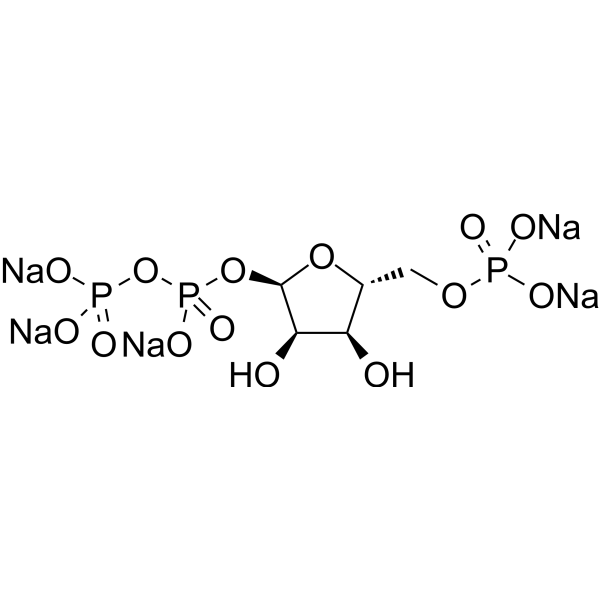
    PRPP pentasodium

    Endogenous Metabolite Others
    Phosphoribosyl pyrophosphate (PRPP) pentasodium is an important metabolite required in the biosynthesis of purine and pyrimidine nucleotides, the amino acids histidine and tryptophan, and the cofactors NAD and NADP .
    Phosphoribosyl pyrophosphate pentasodium
  • HY-N5134
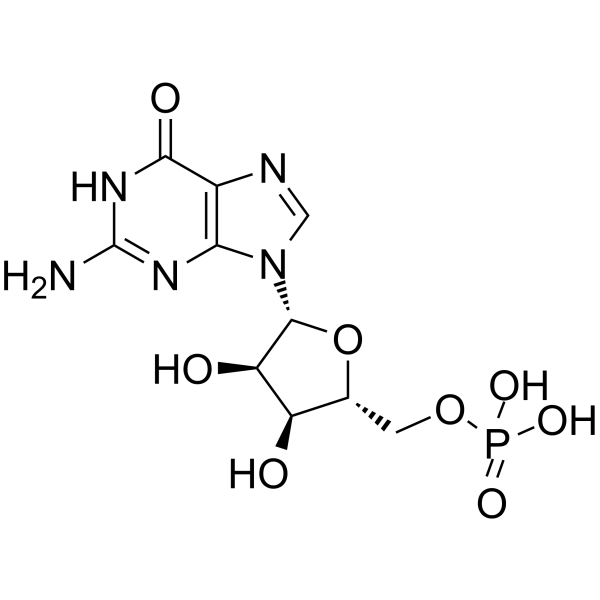
    5'-Guanylic acid
    2 Publications Verification

    5'-GMP; 5'-guanosine monophosphate

    Endogenous Metabolite iGluR Neurological Disease Metabolic Disease
    5'-Guanylic acid is a purine nucleotide that participates in physiological processes such as energy metabolism, signal transduction, and gene expression regulation. 5'-Guanylic acid regulates the expression of genes related to fatty acid metabolism. 5'-Guanylic acid is the weak agonist for ionotropic glutamate receptors (iGluR), reduces the activity of the glutamatergic system and exhibits neuroprotective effect. 5'-Guanylic acid also causes neuronal cell death at high concentrations .
    5'-Guanylic acid
  • HY-126585
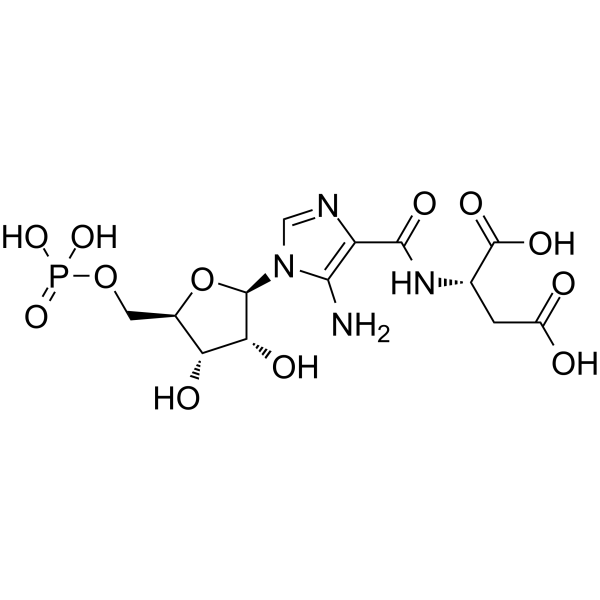
    SAICAR
    4 Publications Verification

    Endogenous Metabolite Cancer
    SAICAR is an intermediate of de novo purine nucleotide biosynthesis, activates pyruvate kinase isoform M2 (PKM2) in an isozyme-selective manner, with an EC50 of 0.3 mM. SAICAR stimulates PKM2 and promotes cancer cell survival in glucose-limited conditions .
    SAICAR
  • HY-W011256

    Endogenous Metabolite Adenosine Deaminase Metabolic Disease
    Adenosine 2',3'-cyclic phosphate sodium is a 2',3'-cyclic purine nucleotide. Adenosine 2',3'-cyclic phosphate sodium is deaminated by the adenosine deaminase. Adenosine 2',3'-cyclic phosphate sodium can be degrade to 2'-AMP and 3'-AMP .
    Adenosine 2',3'-cyclic phosphate sodium
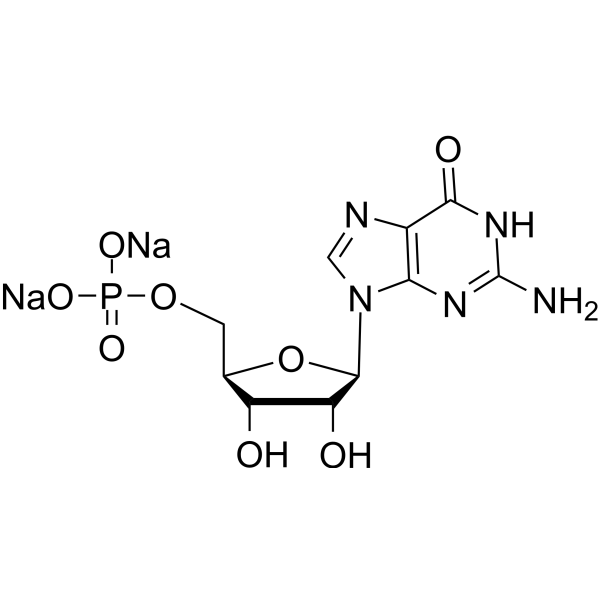
  • HY-W010970
    5'-Guanylic acid disodium salt
    2 Publications Verification

    5'-GMP disodium salt; 5'-guanosine monophosphate disodium salt

    Endogenous Metabolite iGluR Neurological Disease Metabolic Disease
    5'-Guanylic acid disodium salt is the disodium salt form of 5'-Guanylic acid (HY-N5134). 5'-Guanylic acid disodium salt is a purine nucleotide that participates in physiological processes such as energy metabolism, signal transduction, and gene expression regulation. 5'-Guanylic acid disodium salt regulates the expression of genes related to fatty acid metabolism. 5'-Guanylic acid disodium salt is the weak agonist for ionotropic glutamate receptors (iGluR), reduces the activity of the glutamatergic system and exhibits neuroprotective effect. 5'-Guanylic acid disodium salt also causes neuronal cell death at high concentrations .
    5'-Guanylic acid disodium salt
  • HY-127137

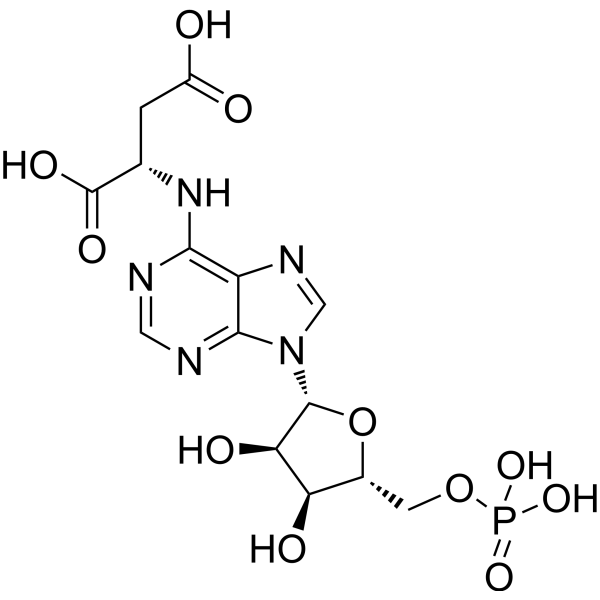
    Adenylosuccinate; Aspartyl adenylate

    Endogenous Metabolite Metabolic Disease
    Adenylosuccinic acid (Adenylosuccinate; Aspartyl adenylate) is a purine ribonucleoside monophosphate and plays a role in nucleotide cycle metabolite. Adenylosuccinic acid can be converted into fumaric acid through adenylosuccinate lyase. Adenylosuccinic acid has the potential for the study of duchenne muscular dystrophy(DMD) .
    Adenylosuccinic acid
  • HY-136648A

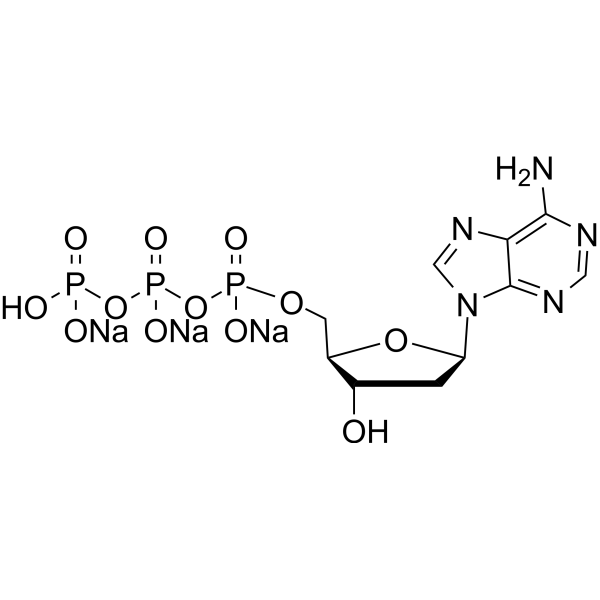
    dATP trisodium

    Endogenous Metabolite DNA/RNA Synthesis Cancer
    2'-Deoxyadenosine-5'-triphosphate (dATP) trisodium is a nucleotide used in cells for DNA synthesis (or replication), as a substrate of DNA polymerase. 2'-Deoxyadenosine-5'-triphosphate is promising for research of genetic immunodeficiency diseases adenosine deaminase deficiency and purine nucleotide phosphorylase deficiency .
    2'-Deoxyadenosine-5'-triphosphate trisodium
  • HY-138354A

    Drug Intermediate Infection
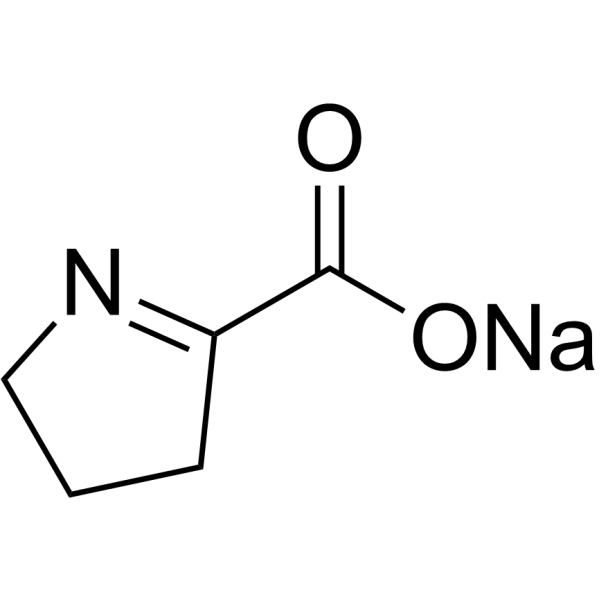
    Pyrroline-5-carboxylate sodium is a key intermediate in proline anabolism and catabolism. Pyrroline-5-carboxylate sodium plays important roles in plant defense against pathogen invasion, as well as in redox regulation, nucleotide synthesis and other processes in animal cells .
    Pyrroline-5-carboxylate sodium
  • HY-137243

    Endogenous Metabolite Nucleoside Antimetabolite/Analog Others
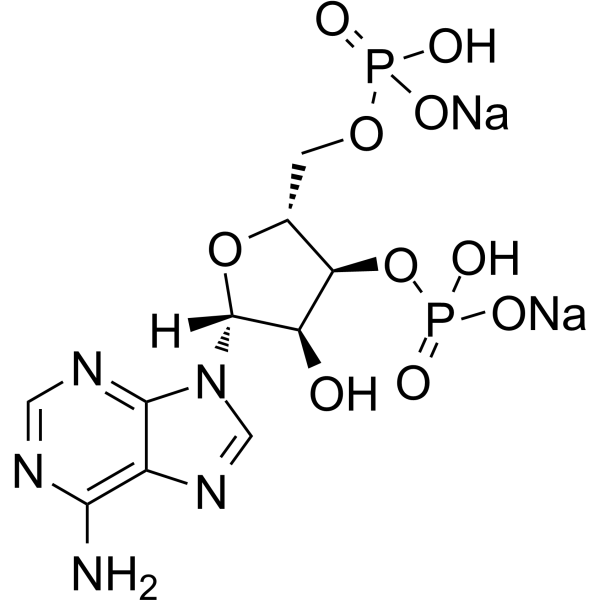
    Adenosine 3',5'-diphosphate disodium is an endogenous purine nucleotide. Adenosine 3',5'-diphosphate disodium acts as an inhibitor of bovine adrenal estrogen sulfotransferase (EST) with a Ki value of 7.0 μM. It also serves as an indispensable specific cofactor for the pregnenolone-binding protein (PBP) steroid-binding complex, with an EC50 value of 1.5 μM in guinea pigs .
    Adenosine 3',5'-diphosphate disodium
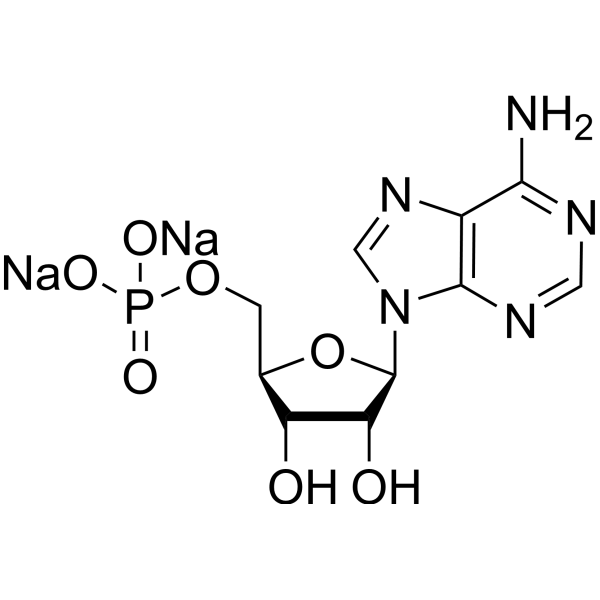
  • HY-W011012

    Adenosine Receptor Metabolic Disease
    Adenosine 5'-monophosphate disodium is an orally active purine nucleotide, and participates in ATP metabolism. Adenosine 5'-monophosphate disodium is also a ligand for adenosine 2B receptor. Adenosine 5'-monophosphate disodium can activate AMPK in skeletal muscle, and ameliorates insulin resistance and impaired glucose metabolism. Adenosine 5'-monophosphate disodium can be used for research of diabetes .
    Adenosine 5'-monophosphate disodium
  • HY-W010759

    Endogenous Metabolite Metabolic Disease
    Inosine-5'-monophosphate disodium salt octahydrate is a purine nucleotide that can be used as an umami tastant as well as a precursor of GMP and AMP .
    Inosine-5′-monophosphate disodium salt octahydrate
  • HY-N5134R

    5'-GMP (Standard); 5'-guanosine monophosphate (Standard)

    Reference Standards Endogenous Metabolite
    5'-Guanylic acid is a purine nucleotide that participates in physiological processes such as energy metabolism, signal transduction, and gene expression regulation. 5'-Guanylic acid regulates the expression of genes related to fatty acid metabolism. 5'-Guanylic acid is the weak agonist for ionotropic glutamate receptors (iGluR), reduces the activity of the glutamatergic system and exhibits neuroprotective effect. 5'-Guanylic acid also causes neuronal cell death at high concentrations .
    5'-Guanylic acid (Standard)
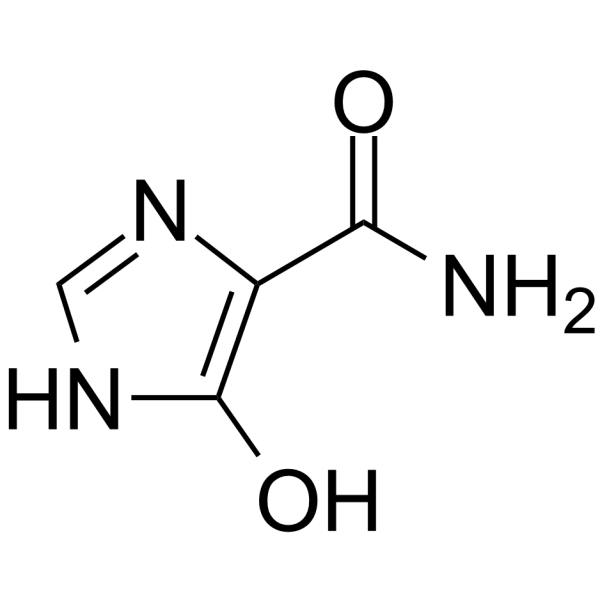
  • HY-106048
    Bredinin aglycone
    1 Publications Verification

    5-Hydroxy-1H-imidazole-4-carboxamide; FF-10501

    Nucleoside Antimetabolite/Analog Others
    Bredinin aglycone (5-Hydroxy-1H-imidazole-4-carboxamide) is a purine nucleotide analogue. Bredinin aglycone can be used to examine the efficiency of catalysts for the preparation of purine nucleotide analogues .
    Bredinin aglycone
  • HY-133157

    5-Formamidoimidazole-4-carboxamide ribotide

    DNA/RNA Synthesis Infection
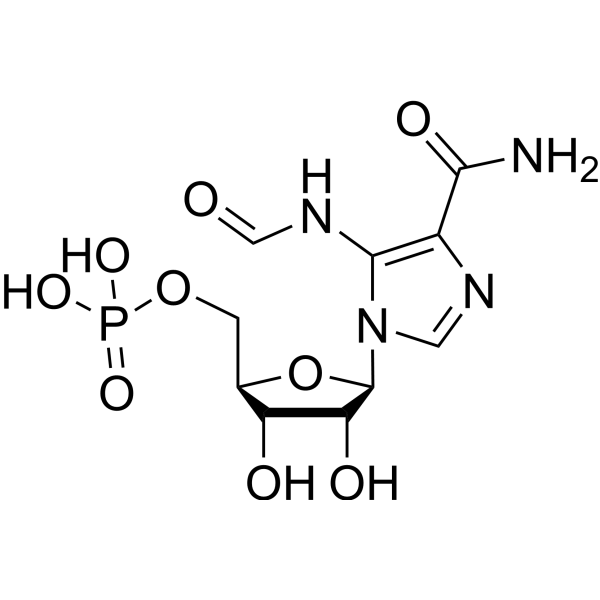
    FAICAR (5-Formamidoimidazole-4-carboxamide ribotide) is a purine nucleotide and the IMP cyclohydrolase substrate of Cryptococcus neoformans ATIC. It is a key intermediate in the de novo purine synthesis pathway. FAICAR can be used in studies related to Cryptococcus neoformans infection .
    FAICAR
  • HY-115736A

    5'-XTP trisodium

    DNA/RNA Synthesis Nucleoside Antimetabolite/Analog Phosphatase Others
    Xanthosine-5'-Triphosphate (5'-XTP) trisodium, a nucleotide, is produced by deamination of purine bases. Xanthosine-5'-Triphosphate trisodium is a substrate of inosine triphosphate pyrophosphatase (ITPase) .
    Xanthosine-5'-Triphosphate trisodium solution (100 mM)
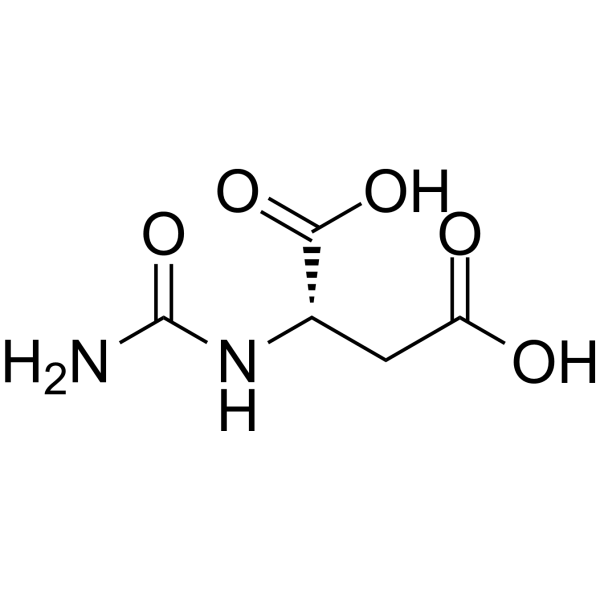
  • HY-128425A
    N-Carbamoyl-L-aspartic acid
    1 Publications Verification

    L-Ureidosuccinic acid

    Fungal Infection
    N-Carbamoyl-L-aspartic acid (L-Ureidosuccinic acid) is an important pyrimidine metabolic precursor and intermediate metabolite. N-Carbamoyl-L-aspartic acid reverses the growth inhibition of Ura + strains induced by 2-thiouracil (with growth rate increasing linearly with its concentration), but fails to support the growth of uracil-requiring Ura - strains. N-Carbamoyl-L-aspartic acid inhibits the cell growth of *Saccharomyces cerevisiae* by suppressing the purine biosynthetic pathway at a pre-step of 5-aminoimidazole nucleotide synthesis. The growth inhibitory effect of N-Carbamoyl-L-aspartic acid on yeast can be alleviated by purines, and the sensitivity of strains is closely related to the activity level of dihydroorotase .
    N-Carbamoyl-L-aspartic acid
  • HY-103396
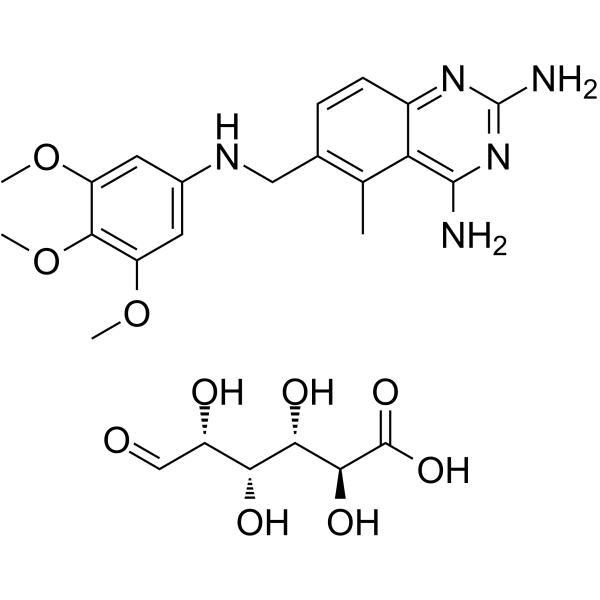
    Trimetrexate glucuronate
    2 Publications Verification

    CI-898 glucuronate

    Antifolate Bacterial Infection Cancer
    Trimetrexate glucuronate (NSC 352122) is a folic acid antagonist. Trimetrexate glucuronate affects DNA and RNA synthesis by inhibiting dihydrofolate reductase and preventing the synthesis of purine nucleotides and thymidylate. Trimetrexate glucuronate has potential antitumour activity and can also be used to inhibit Pneumocystis carinii pneumonia .
    Trimetrexate glucuronate
  • HY-113401

    Endogenous Metabolite Metabolic Disease
    Adenosine 2',3'-cyclic phosphate is a 2',3'-cyclic purine nucleotide. Adenosine 2',3'-cyclic phosphate can be degrade to 2'-AMP and 3'-AMP .
    Adenosine 2',3'-cyclic phosphate
  • HY-127137A

    Adenylosuccinate tetraammonium; Aspartyl adenylate tetraammonium

    Endogenous Metabolite Metabolic Disease
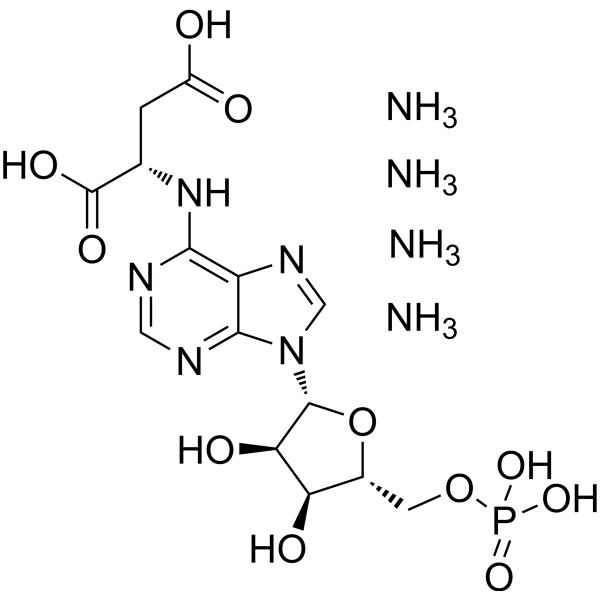
    Adenylosuccinic acid tetraammonium (Adenylosuccinate; Aspartyl adenylate) is an orally active purine ribonucleoside monophosphate and plays a role in nucleotide cycle metabolite. Adenylosuccinic acid tetraammonium can be converted into fumaric acid through adenylosuccinate lyase. Adenylosuccinic acid tetraammonium has the potential for the study of duchenne muscular dystrophy(DMD) .
    Adenylosuccinic acid tetraammonium
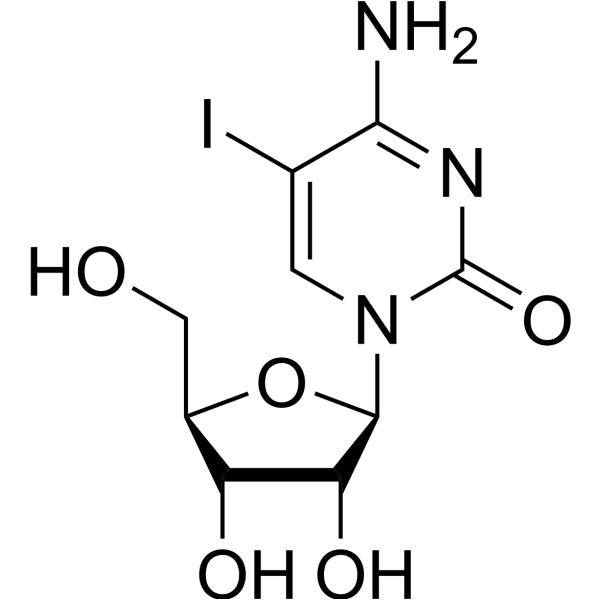
  • HY-152448

    Nucleoside Antimetabolite/Analog Others
    2’-Azido-2’-deoxycytidine is a purine nucleoside analogue. Purine nucleoside analogs have broad antitumor activity targeting indolent lymphoid malignancies. Anticancer mechanisms in this process rely on inhibition of DNA synthesis, induction of apoptosis, etc . 2’-Azido-2’-deoxycytidine is a click chemistry reagent, it contains an Azide group and can undergo copper-catalyzed azide-alkyne cycloaddition reaction (CuAAc) with molecules containing Alkyne groups. It can also undergo strain-promoted alkyne-azide cycloaddition (SPAAC) reactions with molecules containing DBCO or BCN groups. 2’-Azido-2’-deoxycytidine is an azidonucleoside,and it should be phosphorylated twice to become an inhibitor of the nucleotide reductase.
    2’-Azido-2’-deoxycytidine
  • HY-115736

    5'-XTP

    DNA/RNA Synthesis Nucleoside Antimetabolite/Analog Phosphatase Others
    Xanthosine-5'-Triphosphate (5'-XTP), a nucleotide, is produced by deamination of purine bases. Xanthosine-5'-Triphosphate is a substrate of inosine triphosphate pyrophosphatase (ITPase) .
    Xanthosine-5'-Triphosphate
  • HY-119691

    LY582563; MCC-478

    HBV Infection
    Alamifovir (LY582563; MCC-478), a purine nucleotide analogue proagent, shows potent activity against wild type and lamivudine resistant hepatitis B virus (HBV). Alamifovir has high activity against HBV replication and sustained antiviral effect .
    Alamifovir
  • HY-138354

    Drug Intermediate Infection
    Pyrroline-5-carboxylate is a key intermediate in proline anabolism and catabolism. Pyrroline-5-carboxylate plays important roles in plant defense against pathogen invasion, as well as in redox regulation, nucleotide synthesis and other processes in animal cells .
    Pyrroline-5-carboxylate
  • HY-126585S

    Endogenous Metabolite Metabolic Disease
    SAICAR-d3 is the deuterium labeled SAICAR. SAICAR is an intermediate of de novo purine nucleotide biosynthesis, activates pyruvate kinase isoform M2 (PKM2) in an isozyme-selective manner, with an EC50 of 0.3 mM. SAICAR stimulates PKM2 and promotes cancer cell survival in glucose-limited conditions .
    SAICAR-d3
  • HY-14391

    GS-558093

    HCV Infection
    PSI-353661 (GS-558093) is a purine nucleotide NS5B polymerase inhibitor against HCV infection. PSI-353661 shows EC90s of 8 nM and 11 nM for wild type and S282T resistant replicons of HCV. PSI-353661 can produce high concentrations of the active triphosphate in primary human hepatocytes .
    PSI-353661
  • HY-W011012S

    Isotope-Labeled Compounds Others
    Adenosine 5'-monophosphate- 13C (disodium) is a 13C-labeled Adenosine 5'-monophosphate (HY-W011012). Adenosine 5'-monophosphate disodium is an orally active purine nucleotide, and participates in ATP metabolism. Adenosine 5'-monophosphate disodium is also a ligand for adenosine 2B receptor. Adenosine 5'-monophosphate disodium can activate AMPK in skeletal muscle, and ameliorates insulin resistance and impaired glucose metabolism. Adenosine 5'-monophosphate disodium can be used for research of diabetes .
    Adenosine 5'-monophosphate-13C disodium
  • HY-134529

    Ribose 1-phosphate

    Endogenous Metabolite Others
    D-Ribofuranose 1-dihydrogenphosphate (Ribose 1-phosphate) dicyclohexanamine is a pentose phosphate and serves as a key intermediate metabolite in the salvage synthesis pathway of purine and pyrimidine nucleotides. In nucleotide salvage synthesis, D-Ribofuranose 1-dihydrogenphosphate dicyclohexanamine directly "transfers" the ribosyl group from purine nucleosides to pyrimidine bases, acting as a hub molecule linking nucleoside/base metabolism with pentose phosphate metabolism .
    D-Ribofuranose1-dihydrogenphosphate
  • HY-10250

    TCN-P

    ATP Synthase Metabolic Disease Cancer
    Triciribine phosphate (TCN-P) inhibits amidophosphoribosyltransferase by an allosteric mechanism which affects the first committed step of de novo purine biosynthesis. Triciribine phosphate also inhibits  IMP dehydrogenase which is the first committed step of guanosine nucleotide synthesis. Tricilibine phosphate does not affect ligase activity .
    Triciribine phosphate
  • HY-103396R

    CI-898 glucuronate (Standard)

    Reference Standards Antifolate Bacterial Infection Cancer
    Trimetrexate (glucuronate) (Standard) is the analytical standard of Trimetrexate (glucuronate). This product is intended for research and analytical applications. Trimetrexate glucuronate (NSC 352122) is a folic acid antagonist. Trimetrexate glucuronate affects DNA and RNA synthesis by inhibiting dihydrofolate reductase and preventing the synthesis of purine nucleotides and thymidylate. Trimetrexate glucuronate has potential antitumour activity and can also be used to inhibit Pneumocystis carinii pneumonia .
    Trimetrexate glucuronate (Standard)
  • HY-106048R

    5-Hydroxy-1H-imidazole-4-carboxamide (Standard); FF-10501 (Standard)

    Reference Standards Nucleoside Antimetabolite/Analog Others
    Bredinin aglycone (Standard) is the analytical standard of Bredinin aglycone. This product is intended for research and analytical applications. Bredinin aglycone (5-Hydroxy-1H-imidazole-4-carboxamide) is a purine nucleotide analogue. Bredinin aglycone can be used to examine the efficiency of catalysts for the preparation of purine nucleotide analogues[1].
    Bredinin aglycone (Standard)
  • HY-131759A

    2'-NH2-ADP sodium

    Drug Derivative Nucleoside Antimetabolite/Analog Others
    2'-Amino-2'deoxyadenosine-5'-O-diphosphate (2'-NH2-ADP) sodium is an amine-modified nucleotide and a structural analog of the purine nucleotide ADP .
    2'-Amino-2'deoxyadenosine-5'-O-diphosphate sodium
  • HY-10250A

    TCN-P sodium

    ATP Synthase Metabolic Disease Cancer
    Triciribine phosphate sodium inhibits amidophosphoribosyltransferase by an allosteric mechanism which affects the first committed step of de novo purine biosynthesis. Triciribine phosphate sodium also inhibits IMP dehydrogenase which is the first committed step of guanosine nucleotide synthesis. Tricilibine phosphate does not affect ligase activity .
    Triciribine phosphate sodium
  • HY-155995

    MK-905

    Biochemical Assay Reagents Cancer
    Pro-905 is a phosphite peptide with antitumor activity. Pro-905 delivers the active nucleotide antimetabolite thioguanosine monophosphate (TGMP) to the tumor. Pro-905 effectively prevents incorporation of purine salvage substrates into nucleic acids and inhibits colony formation in human malignant peripheral nerve sheath tumors (MPNST) cells. Pro-905 inhibits purine salvage incorporation to nucleic acids and prevents cell growth. Pro-905 inhibits the growth of MPNST and enhances the anti-tumor efficacy of JHU395 (HY-124778) .
    PRO-905
  • HY-105916

    mGluR Cancer
    NSC 303861 is an L-glutamine receptor antagonist. NSC 303861 selectively inhibits glutamine dependent enzymes in purine nucleotide synthesis without affecting pyrimidine synthase. NSC 303861 has significant cytotoxicity against liver cancer 3924A cells (LC50 = 6 µM). NSC 303861 can be used for cancer research .
    NSC 303861
  • HY-10250S1

    TCN-P-d3

    Isotope-Labeled Compounds ATP Synthase Metabolic Disease
    Triciribine phosphate-d3 (TCN-P-d3) is a deuterated compound of Triciribine phosphate (TCN-P). TCN-P inhibits adenosine monophosphate (AMP)-activated protein kinase through an allosteric mechanism, affecting the first key step in de novo purine biosynthesis. Triciribine phosphate also inhibits inosine monophosphate dehydrogenase, which is the first key step in guanosine nucleotide synthesis. Triciribine phosphate does not affect ligase activity .
    Triciribine phosphate-d3
  • HY-W784572A

    3'-O-Acetyl-2'-deoxyadenosine-5'-O-triphosphate sodium

    DNA/RNA Synthesis Others
    3'-O-Acetyl-2'-deoxyadenosine-5'-O-triphosphate (sodium) (3'-O-Acetyl-dATP (sodium)) is an acetylated derivative of the purine nucleotide 2'-deoxyadenosine-5'-triphosphate (HY-136648). 3'-O-Acetyl-2'-deoxyadenosine-5'-O-triphosphate (sodium) can been used as a DNA synthesis chain termination reagent in Sanger sequencing.
    3’-O-Acetyl-dATP sodium
  • HY-W011012S1

    Isotope-Labeled Compounds Others
    Adenosine 5'-monophosphate-d2 disodium is the deuterium labeled Adenosine 5'-monophosphate (HY-W011012). Adenosine 5'-monophosphate disodium is an orally active purine nucleotide, and participates in ATP metabolism. Adenosine 5'-monophosphate disodium is also a ligand for adenosine 2B receptor. Adenosine 5'-monophosphate disodium can activate AMPK in skeletal muscle, and ameliorates insulin resistance and impaired glucose metabolism. Adenosine 5'-monophosphate disodium can be used for research of diabetes .
    Adenosine 5'-monophosphate-d2 disodium
  • HY-135359R

    Drug Metabolite Reference Standards Neurological Disease
    Adenosine 5'-monophosphate (disodium) (Standard) is the analytical standard of Adenosine 5'-monophosphate (disodium). This product is intended for research and analytical applications. Adenosine 5'-monophosphate disodium is an orally active purine nucleotide, and participates in ATP metabolism. Adenosine 5'-monophosphate disodium is also a ligand for adenosine 2B receptor. Adenosine 5'-monophosphate disodium can activate AMPK in skeletal muscle, and ameliorates insulin resistance and impaired glucose metabolism. Adenosine 5'-monophosphate disodium can be used for research of diabetes .
    RP 48497 (Standard)
  • HY-W011012R

    Reference Standards Adenosine Receptor Metabolic Disease
    Adenosine 5'-monophosphate (disodium) (Standard) is the analytical standard of Adenosine 5'-monophosphate (disodium). This product is intended for research and analytical applications. Adenosine 5'-monophosphate disodium is an orally active purine nucleotide, and participates in ATP metabolism. Adenosine 5'-monophosphate disodium is also a ligand for adenosine 2B receptor. Adenosine 5'-monophosphate disodium can activate AMPK in skeletal muscle, and ameliorates insulin resistance and impaired glucose metabolism. Adenosine 5'-monophosphate disodium can be used for research of diabetes .
    Adenosine 5'-monophosphate disodium (Standard)
  • HY-145538

    5'-Deoxyguanylic acid disodium hydrate

    DNA/RNA Synthesis Others
    2'-Deoxyguanosine 5'-monophosphate (5'-Deoxyguanylic acid; dGMP) disodium hydrate is an oxidizable target of the photosensitizer pterin (PT) and can be used to evaluate the photosensitizing properties of biopterins (such as Bip, Fop and Cap) . Pterin causes a photosensitive reaction of dGMP under UV-A radiation, causing damage to DNA molecules. There are two main mechanisms for the photosensitive oxidation of purine nucleotides by pterin in vitro: one is the hydrogen abstraction reaction of electron transfer from dGMP to the triplet excited state of pterin (type I mechanism), and the other is the interaction between dGMP and pterin. The reaction produces singlet molecular oxygen (1O2) (Type II mechanism) .
    2'-Deoxyguanosine 5'-monophosphate disodium hydrate
  • HY-115736B

    5'-XTP lithium

    DNA/RNA Synthesis Nucleoside Antimetabolite/Analog Phosphatase Others
    Xanthosine-5'-Triphosphate (5'-XTP) lithium, a nucleotide, is produced by deamination of purine bases. Xanthosine-5'-Triphosphate lithium is a substrate of inosine triphosphate pyrophosphatase (ITPase) .
    Xanthosine-5'-triphosphate lithium
  • HY-176023

    3'-O-Monosuccinyl dATP triethylammonium

    Drug Derivative Others
    2'-Deoxy-3'-O-monosuccinyladenosine-5'-O-triphosphate (3'-O-monosuccinyl dATP) triethylammonium is a derivative of the purine nucleotide 2'-deoxyadenosine-5'-O-triphosphate .
    2'-Deoxy-3'-O-monosuccinyladenosine-5'-O-triphosphate triethylammonium
  • HY-176024

    2'-Deoxy-3'-IVal-dATP triethylammonium

    Drug Derivative Others
    2'-Deoxy-3'-O-isovaleryladenosine-5'-O-triphosphate (2'-Deoxy-3'-IVal-dATP) triethylammonium is a derivative of the purine nucleotide 2'-deoxyadenosine-5'-O-triphosphate (dATP; HY-136648) .
    2'-Deoxy-3'-O-isovaleryladenosine-5'-O-triphosphate triethylammonium
  • HY-175119

    Nucleoside Antimetabolite/Analog Others
    3'-Bromo ANT-dATP sodium is a fluorescent ribosyl-modified analogue of the purine nucleotide dATP. The maximum excitation/emission wavelengths of 3'-Bromo ANT-dATP sodium in water are approximately 345/425 nm. 3'-Bromo ANT-dATP sodium can be used as a substrate for various enzymes in molecular biology research.
    3'-Bromo ANT-dATP sodium
  • HY-134273A

    8-Bromo-dGTP sodium

    Nucleoside Antimetabolite/Analog Others
    8-Br-dGTP (8-Bromo-dGTP) sodium (Compound 5), an 8-brominated purine nucleotide, is a syn-oriented analog of dGTP. 8-Br-dGTP sodium can be hydrolyzed by the enzyme hMTH1 protein (HY-P74740). 8-Br-dGTP sodium inhibits dGTP-activated ADP reduction with a Ki of 56  μM. 8-Br-dGTP sodium has no significant genotoxicity and mutagenic potentials during DNA synthesis .
    8-Br-dGTP sodium
  • HY-123599

    DNA/RNA Synthesis Cancer
    IACS-4619 (compound 4) is a highly selective 2-aminopyrimidine-based MTH1 (MutT homolog 1) inhibitor (IC50=0.2 nM). IACS-4619 inhibits MTH1 by blocking its hydrolysis of oxidized purine nucleotides such as 8-oxo-dGTP, thereby preventing MTH1 from inhibiting the incorporation of oxidized nucleotides into DNA. IACS-4619 significantly inhibits endogenous MTH1 activity in MTH1-overexpressing U2OS cells, but without antiproliferative or cytotoxic effects on various human cancer and normal cell lines. IACS-4619 can be used in oncology research related to the MTH1 target .
    IACS-4619

Inquiry Online

Your information is safe with us. * Required Fields.

Salutation


Country or Region *

Applicant Name *


Organization Name *

Department *


Email Address *


Product Name *

Cat. No.


Requested quantity *

Phone Number *


Remarks

Inquiry Online

Inquiry Information

Product Name:
Cat. No.:
Quantity:
MCE Japan Authorized Agent:

