Search Result
Results for "
rapamycin
" in MedChemExpress (MCE) Product Catalog:
2
Biochemical Assay Reagents
6
Isotope-Labeled Compounds
| Cat. No. |
Product Name |
Target |
Research Areas |
Chemical Structure |
-
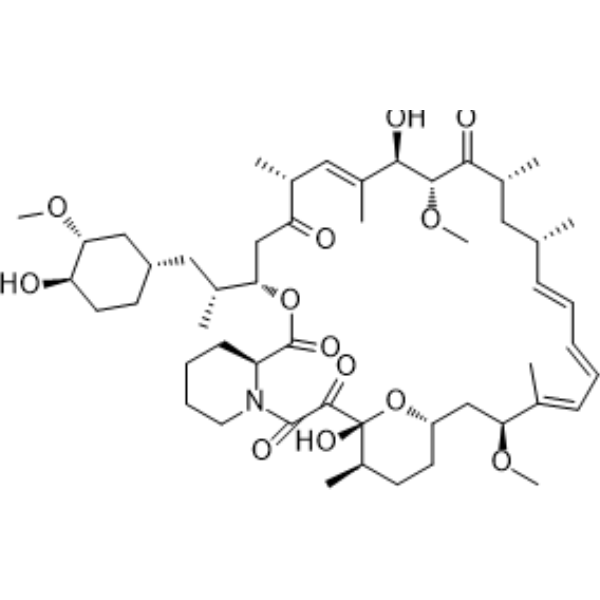
- HY-10219
-
-
-
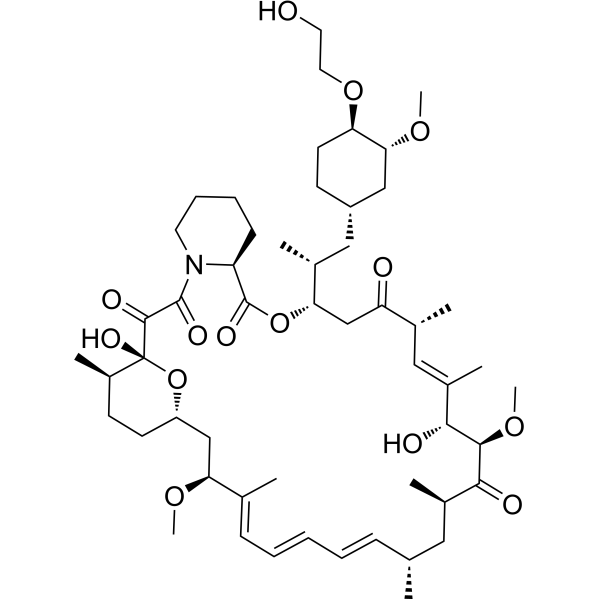
- HY-10218
-
-
-
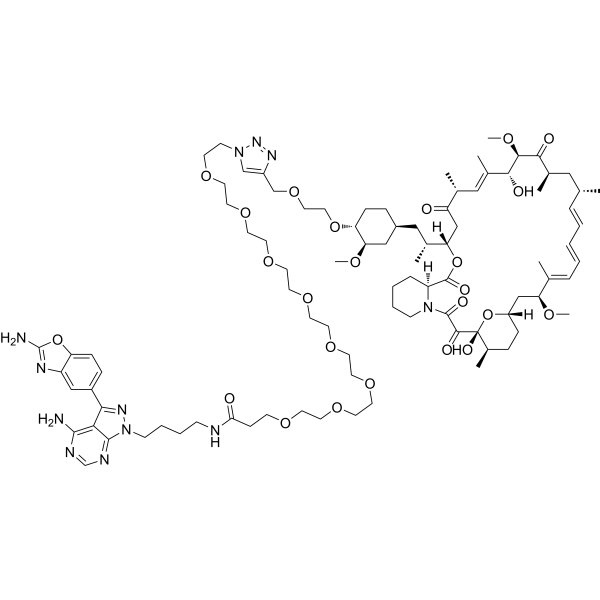
- HY-111373
-
|
|
mTOR
Autophagy
|
Cancer
|
|
RapaLink-1, the third-generation bivalent mTOR inhibitor, combines Rapamycin (HY-10219) with MLN0128 (HY-13328, a second-generation mTOR kinase inhibitor) by an inert chemical linker. RapaLink-1 shows better efficacy than Rapamycin or mTOR kinase inhibitors (TORKi), potently blocking cancer-derived, activating mutants of mTOR. RapaLink-1 can cross the blood-brain barrier. RapaLink-1 binding to FKBP12 results in targeted and durable inhibition of mTORC1. RapaLink-1 plays an antithrombotic role in antiphospholipid syndrome by improving autophagy. Anticancer activity .
|
-
-
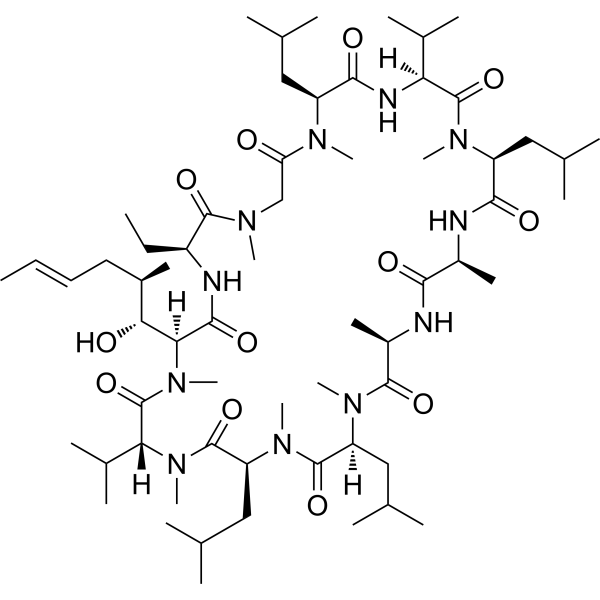
- HY-P1122
-
|
|
Formyl Peptide Receptor (FPR)
|
Infection
Inflammation/Immunology
|
|
Cyclosporin H is a selective and potent inhibitor of FPR-1 (formyl peptide receptor 1). Cyclosporin H, a viral transduction enhancer, increases lentiviral transduction up to 10-fold in human cord blood-derived hematopoietic stem and progenitor cells (HSPCs). Cyclosporin H displays an additive effect when combined with Rapamycin (HY-10219) or Prostaglandin E2 (HY-101952). Cyclosporin H lacks immunosuppressant activity of Cyclosporin A.
|
-
-
- HY-153806
-
|
ZZY05-092
|
FKBP
|
Cancer
|
|
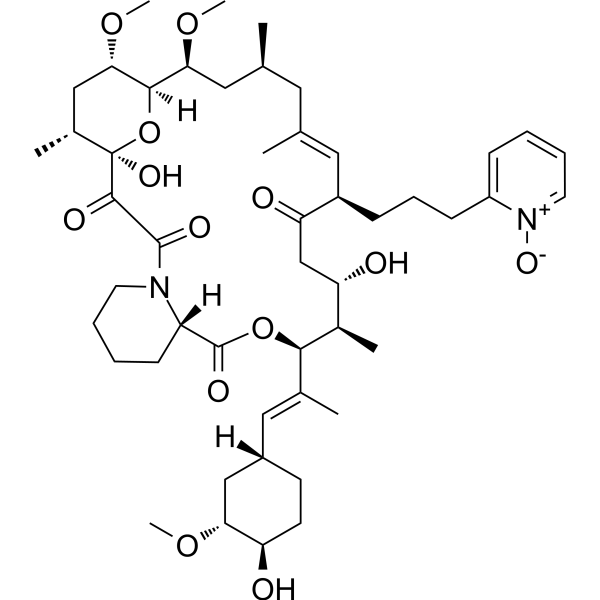
RapaBlock is a potent, non-immunosuppressive and brain-impermeable FKBP12 ligand .
|
-
-
- HY-124798
-
|
|
mTOR
|
Neurological Disease
Inflammation/Immunology
Cancer
|
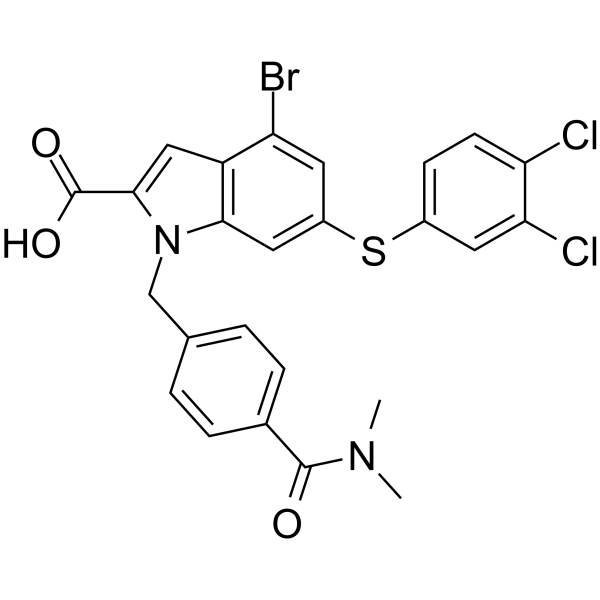
Rheb inhibitor NR1 is a Rheb inhibitor with an IC50 of 2.1 µM in the Rheb-IVK assay. Rheb inhibitor NR1 can directly bind Rheb in the switch II domain and selectively inhibit the activation of mechanistic target of rapamycin complex 1 (mTORC1). Rheb inhibitor NR1 inhibits the phosphorylation of mTORC1 driven T389pS6K1 and increases the phosphorylation of S473pAKT in a dose-dependent manner. Rheb inhibitor NR1 does not influence mTORC2 activity .
(Rheb-IVK: Rheb-dependent mTORC1 kinase activity)
|
-
-
- HY-101920
-
|
|
Autophagy
PI3K
|
Neurological Disease
Cancer
|
|
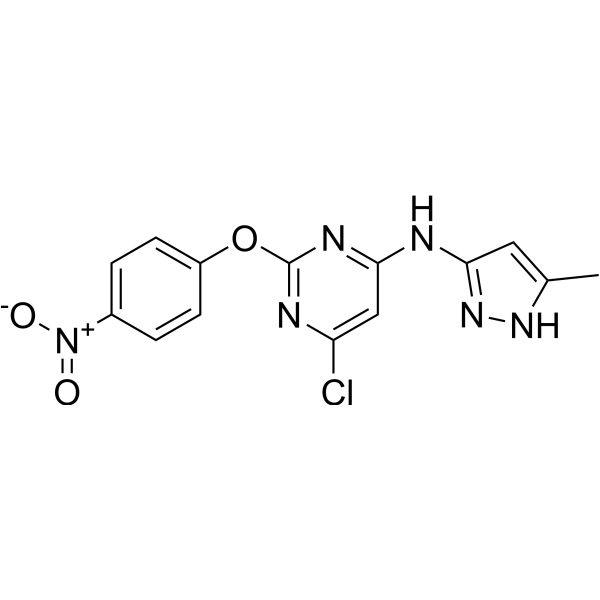
Autophinib is a potent, selective autophagy inhibitor with IC50s of 90 nM and 40 nM for starvation- and Rapamycin-induced autophagy, respectively. Autophinib is also an ATP competitive Vacuolar Protein Sorting 34 (VPS34) inhibitor with an IC50 of 19 nM. Autophinib inhibits autophagy induced by starvation or Rapamycin by targeting VPS34 .
|
-
-
- HY-134904
-
|
RM-006
|
mTOR
|
Cancer
|
|
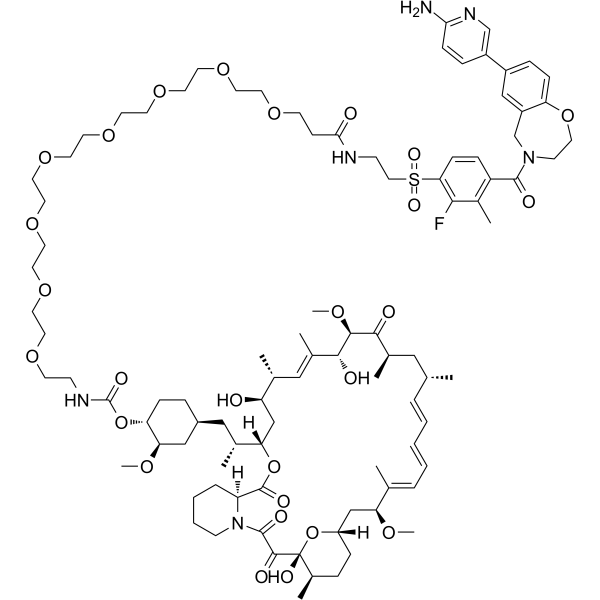
RMC-6272 (RM-006) is a bi-steric mTORC1-selective inhibitor. RMC-6272 exhibits potent and selective (> 10-fold) inhibition of mTORC1 over mTORC2. RMC-6272 shows improved inhibition of mTORC1 in comparison to Rapamycin, and induces more cell death in TSC2 null tumors .
|
-
-
- HY-130835
-
|
RC32
|
PROTACs
FKBP
|
Cancer
|
|
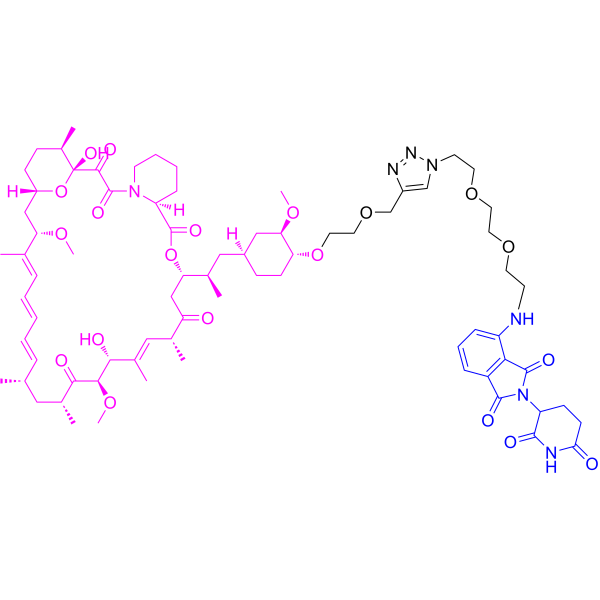
FKBP12 PROTAC RC32 (RC32) is a potent FKBP12 degrader based on PROTAC technology. FKBP12 PROTAC RC32 contains conjugation of Rapamycin (HY-10219) and a ligand for an Cereblon E3 ubiquitin ligase (Pomalidomide; HY-10984) .
|
-
-
- HY-12424
-
|
ABT-578; A 179578
|
Drug Derivative
|
Cardiovascular Disease
Inflammation/Immunology
Cancer
|
|
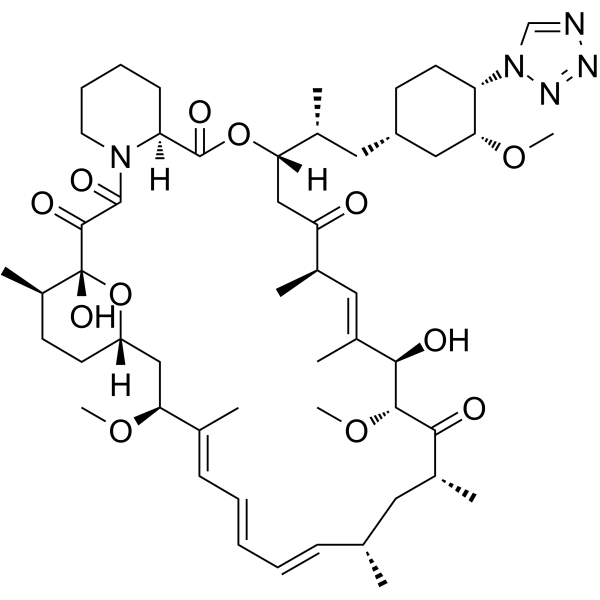
Zotarolimus (ABT-578) is a derivative of Rapamycin (HY-10219), with anti-proliferative activity. Zotarolimus is an immunosuppressant. Zotarolimus is developed specifically for local delivery from stents for the prevention of coronary artery restenosis .
|
-
-
- HY-136660
-
|
|
mTOR
|
Neurological Disease
|
|
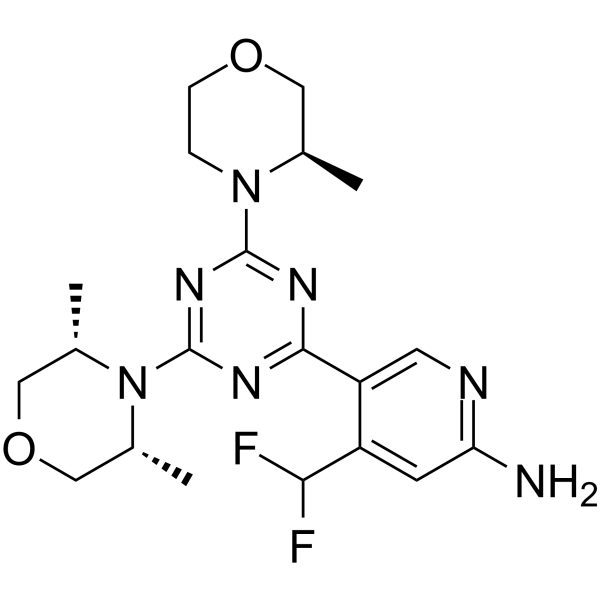
PQR626, a rapamycin derivative, is a potent, selective, orally active, and brain-penetrant mTOR inhibitor, with an IC50 and Ki of 5 nM and 3.6 nM, respectively. PQR626 can be can be used for the research of neurological disorders .
|
-
-
- HY-10219R
-
|
Sirolimus (Standard); AY-22989 (Standard); NSC 226080 (Standard)
|
Reference Standards
mTOR
FKBP
Fungal
Autophagy
Endogenous Metabolite
Antibiotic
Bacterial
|
Cancer
|
|
Rapamycin (Standard) is the analytical standard of Rapamycin (HY-10219). This product is intended for research and analytical applications. Rapamycin (Sirolimus; AY 22989) is a potent and specific mTOR inhibitor with an IC50 of 0.1 nM in HEK293 cells. Rapamycin binds to FKBP12 and specifically acts as an allosteric inhibitor of mTORC1 . Rapamycin is an autophagy activator, an immunosuppressant .
|
-

-
- HY-10219S
-
|
Sirolimus-d3; AY-22989-d3; NSC 226080-d3
|
Isotope-Labeled Compounds
mTOR
FKBP
Autophagy
|
Cancer
|
|
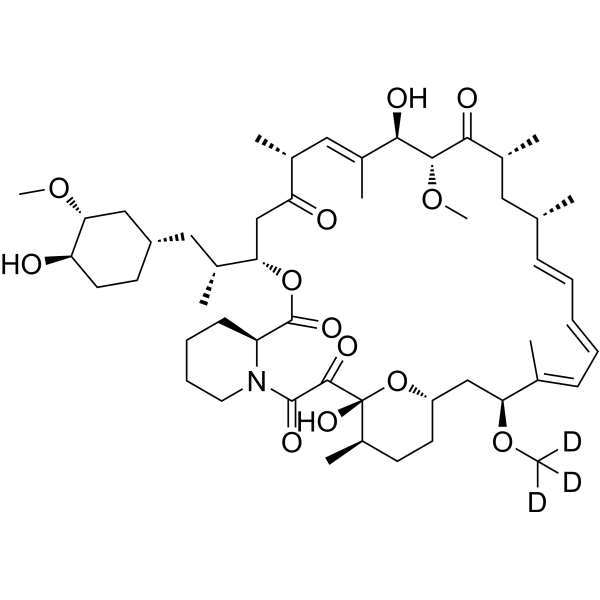
Rapamycin-d3 is the deuterium labeled Rapamycin. Rapamycin is a potent and specific mTOR inhibitor with an IC50 of 0.1 nM in HEK293 cells. Rapamycin binds to FKBP12 and specifically acts as an allosteric inhibitor of mTORC1. Rapamycin is an autophagy activator, an immunosuppressant .
|
-
-
- HY-10218S
-
|
RAD001-d4; SDZ-RAD-d4
|
mTOR
FKBP
Autophagy
Apoptosis
|
Cancer
|
|
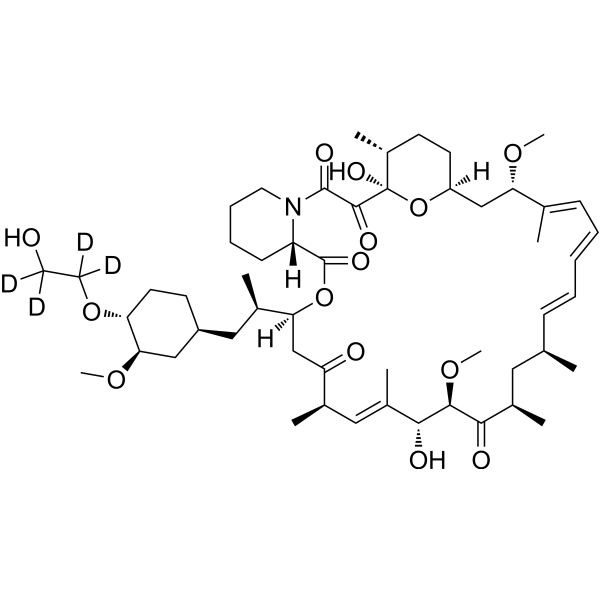
Everolimus-d4 is the deuterium labeled Everolimus. Everolimus (RAD001) is a Rapamycin derivative and a potent, selective and orally active mTOR1 inhibitor. Everolimus binds to FKBP-12 to generate an immunosuppressive complex. Everolimus inhibits tumor cells proliferation and induces cell apoptosis and autophagy. Everolimus has potent immunosuppressive and anticancer activities .
|
-
-
- HY-136265
-
|
|
Aminoacyl-tRNA Synthetase
|
Cancer
|
|
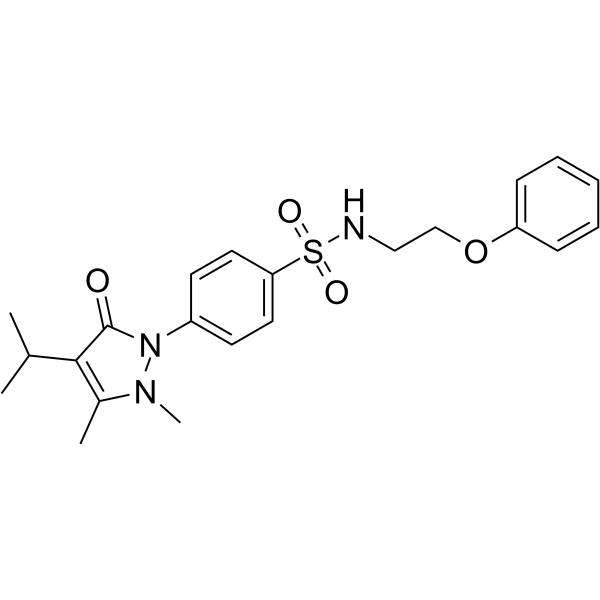
BC-LI-0186 is a potent and selective inhibitor of Leucyl-tRNA synthetase (LRS; LeuRS) and Ras-related GTP-binding protein D (RagD) interaction (IC50=46.11 nM). BC-LI-0186 competitively binds to the RagD interacting site of LRS (Kd=42.1 nM) and has on effects on LRS-Vps34, LRS-EPRS, RagB-RagD association, mTORC1 complex formation or the activities of 12 kinases. BC-LI-0186 can effectively suppress the activity of cancer-associated?MTOR?mutants and the growth of rapamycin-resistant cancer cells.?BC-LI-0186 is a promising agent for lung cancer research .
|
-
-
- HY-19555A
-
|
Secorapamycin A monosodium
|
Drug Metabolite
|
Others
|
|
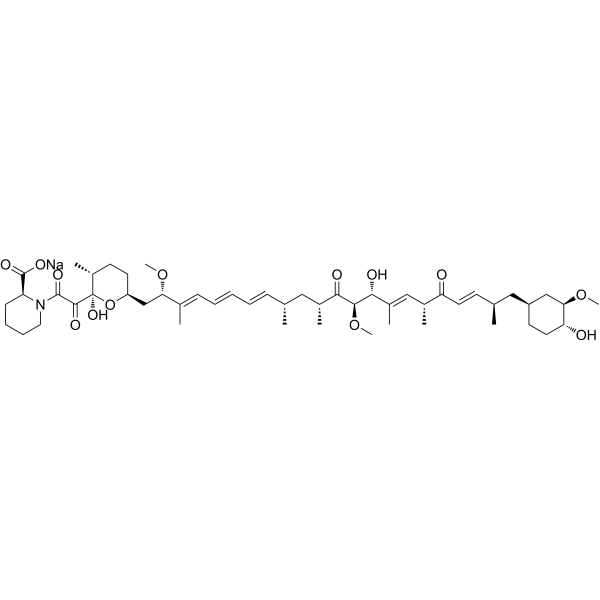
Seco Rapamycin sodium salt is the ring-opened product of Rapamycin. Seco-rapamycin is reported not to affect the mTOR function.
|
-
-
- HY-12424A
-
|
|
Drug Intermediate
|
Cancer
|
|
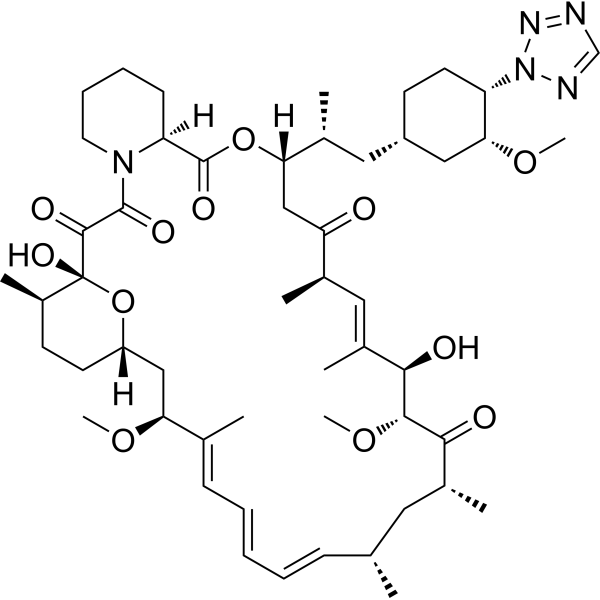
42-(2-Tetrazolyl)rapamycin is a proagent compound of a rapamycin analog extracted from patent US 20080171763 A1, Example 1. Rapamycin is a specific mTOR inhibitor.
|
-
-
- HY-N0381
-
|
DL-Maackiain
|
Keap1-Nrf2
p38 MAPK
NOD-like Receptor (NLR)
NF-κB
mTOR
Monoamine Oxidase
Nuclear Factor of activated T Cells (NFAT)
PKC
Apoptosis
Pyroptosis
Autophagy
Dengue Virus
|
Infection
Neurological Disease
Metabolic Disease
|
|
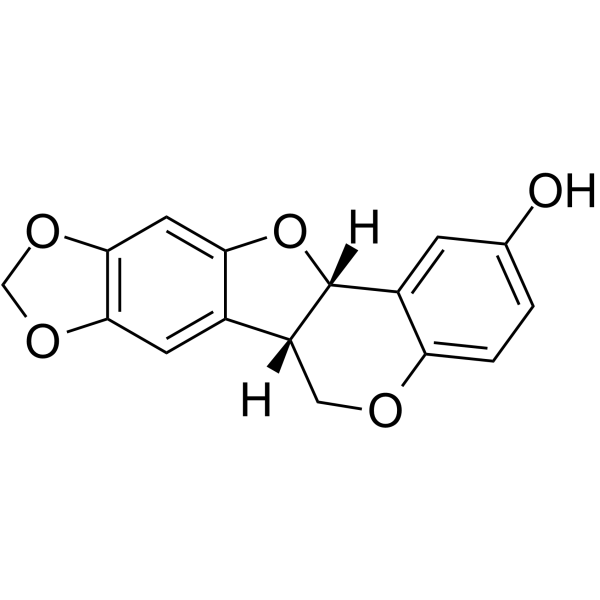
Maackiain (DL-Maackiain) is an orally active multi-target inhibitor with anti-tumor activity and neuroprotective effects. Maackiain activates the AMPK, NLRP3 and Nrf2/HO-1 pathways, and inhibits key targets such as NF-κB, mTOR, MAO-B, NFATc1 and PKCδ, thereby precisely regulating processes including apoptosis, autophagy and pyroptosis. Maackiain also effectively inhibits microglial activation, osteoclast formation, and proliferation and invasion of tumor cells, and protects dopaminergic neurons from damage. Maackiain is applicable to the research of various diseases such as Alzheimer's disease, osteoporosis, sepsis and dengue fever 。
|
-
-
- HY-10219G
-
|
Sirolimus; AY-22989; NSC 226080
|
mTOR
FKBP
Fungal
Autophagy
Endogenous Metabolite
Antibiotic
Bacterial
|
Infection
Cancer
|
|
Rapamycin (Sirolimus) (GMP) is Rapamycin (HY-10219) produced by using GMP guidelines. GMP small molecules works appropriately as an auxiliary reagent for cell therapy manufacture. Rapamycin (Sirolimus; AY 22989) is a potent and specific mTOR inhibitor with an IC50 of 0.1 nM in HEK293 cells. Rapamycin binds to FKBP12 and specifically acts as an allosteric inhibitor of mTORC1 . Rapamycin is an autophagy activator, an immunosuppressant .
|
-

-
- HY-10219GL
-
|
Sirolimus (GMP Like); AY-22989 (GMP Like); NSC 226080 (GMP Like)
|
mTOR
FKBP
Fungal
Autophagy
Endogenous Metabolite
Antibiotic
Bacterial
|
Cancer
|
|
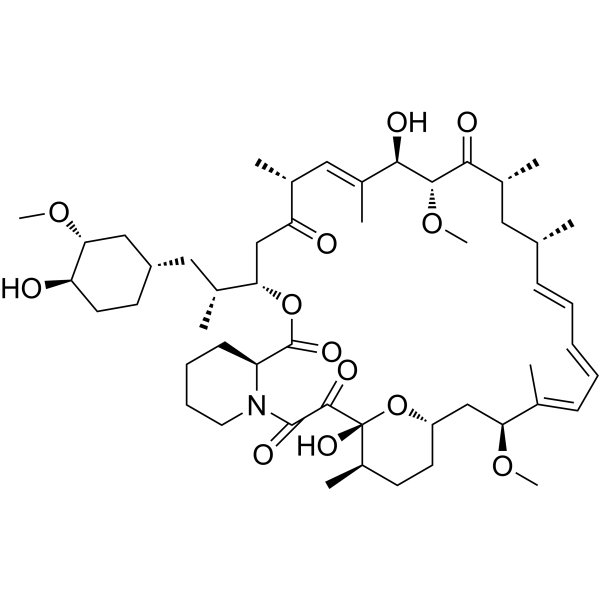
Rapamycin (Sirolimus) GMP Like is Rapamycin (HY-10219) produced by using GMP like guidelines. GMP Like small molecules works appropriately as an auxiliary reagent for cell therapy manufacture. Rapamycin (Sirolimus; AY 22989) is a potent and specific mTOR inhibitor with an IC50 of 0.1 nM in HEK293 cells. Rapamycin binds to FKBP12 and specifically acts as an allosteric inhibitor of mTORC1 . Rapamycin is an autophagy activator, an immunosuppressant .
|
-
-
- HY-10219S1
-
|
Sirolimus-13C,d3; AY-22989-13C,d3 NSC 226080-13C,d3
|
Isotope-Labeled Compounds
mTOR
FKBP
Fungal
Autophagy
Endogenous Metabolite
Antibiotic
Bacterial
|
Cancer
|
|
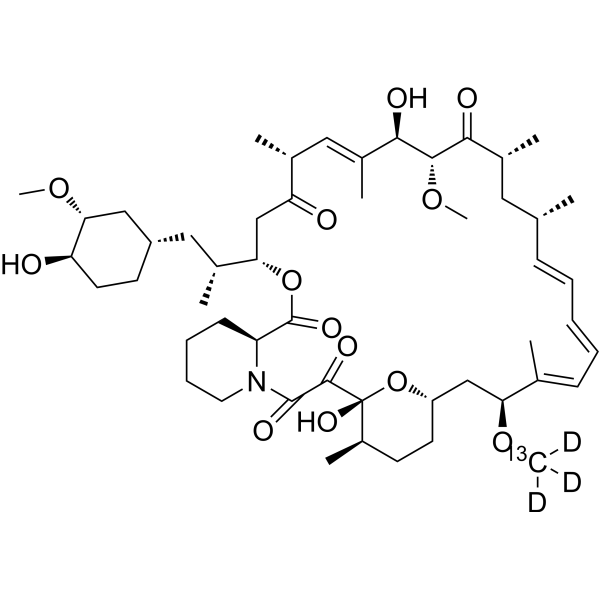
Rapamycin- 13C,d3 (Sirolimus- 13C,d3) is the 13C and deuterium labeled Rapamycin (HY-10219) . Rapamycin is a potent and specific mTOR inhibitor with an IC50 of 0.1 nM in HEK293 cells. Rapamycin binds to FKBP12 and specifically acts as an allosteric inhibitor of mTORC1. Rapamycin is an autophagy activator, an immunosuppressant .
|
-
-
- HY-123691
-
|
|
Fungal
|
Infection
Inflammation/Immunology
Cancer
|
|
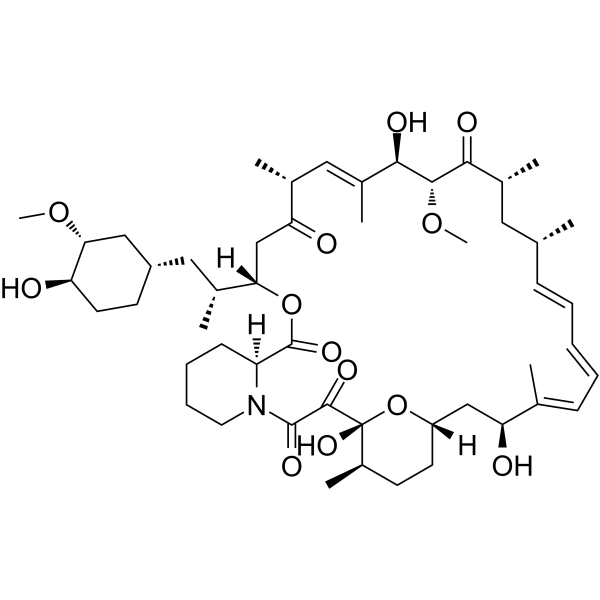
7-O-Demethyl rapamycin, a derivative of Rapamycin (HY-10219), has antifungal activity and immunosuppressant properties. 7-O-Demethyl rapamycin has useful tumor cell growth-inhibiting activity .
|
-
-
- HY-10949
-
|
|
E1/E2/E3 Enzyme
|
Cancer
|
|
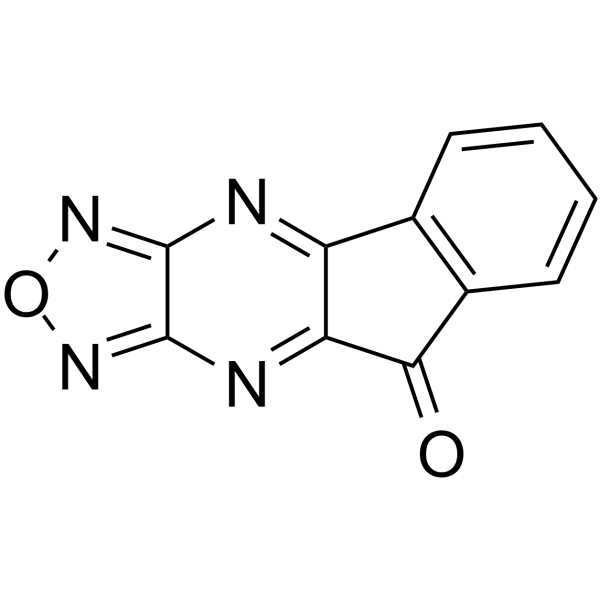
SMER3, a Rapamycin enhancer, is a selective Skp1-Cullin-F-box (SCF) Met30 ubiquitin ligase inhibitor. SMER3 enhances Rapamycin's growth inhibitory effect by inhibition of SCF Met30 .
|
-
-
- HY-10218R
-
|
RAD001 (Standard); SDZ-RAD (Standard)
|
Reference Standards
mTOR
FKBP
Autophagy
Apoptosis
Bacterial
|
Cancer
|
|
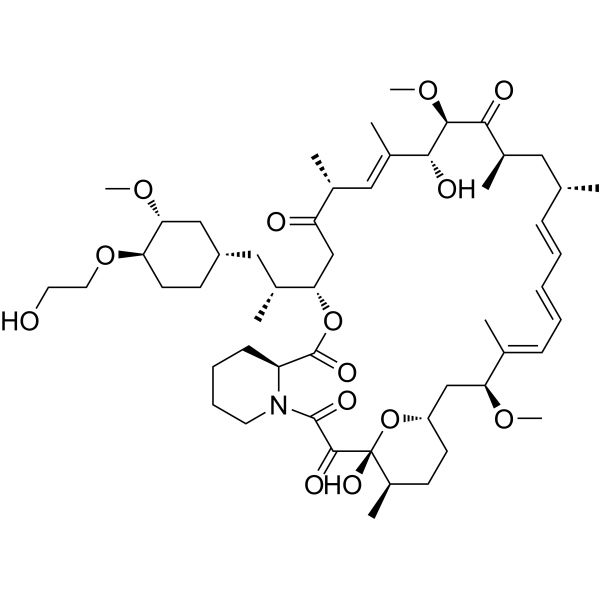
Everolimus (Standard) is the analytical standard of Everolimus. This product is intended for research and analytical applications. Everolimus (RAD001) is a Rapamycin (HY-10219) derivative and a potent, selective and orally active mTOR1 inhibitor. Everolimus binds to FKBP-12 to generate an immunosuppressive complex. Everolimus inhibits tumor cells proliferation and induces cell apoptosis and autophagy. Everolimus has potent immunosuppressive and anticancer activities .
|
-
-
- HY-137978
-
|
GNS561
|
SARS-CoV
IFNAR
Autophagy
Apoptosis
|
Infection
Metabolic Disease
Inflammation/Immunology
Cancer
|
|
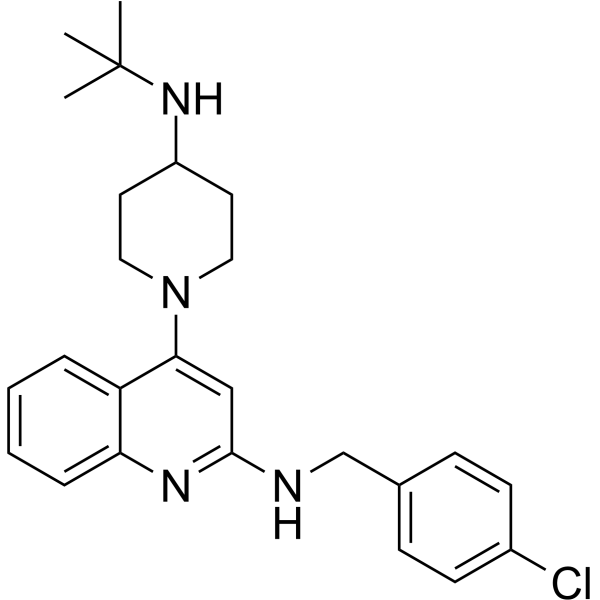
Ezurpimtrostat (GNS561) is an orally active PPT1 inhibitor, autophagy inhibitor, immunomodulator, anti-inflammatory agent, and anticancer agent. Ezurpimtrostat inhibits PPT1, dysregulates lysosomal function, redistributes mTOR, and induces apoptosis. Ezurpimtrostat reduces IFN‑α, CRP, immune complex deposition, and SARS‑CoV‑2 viral load. Ezurpimtrostat can be used for the study of systemic lupus erythematosus, SARS‑CoV‑2, hepatocellular carcinoma, fibrosis, and related disorders .
|
-
-
- HY-122402
-
|
|
Bacterial
|
Inflammation/Immunology
|
|
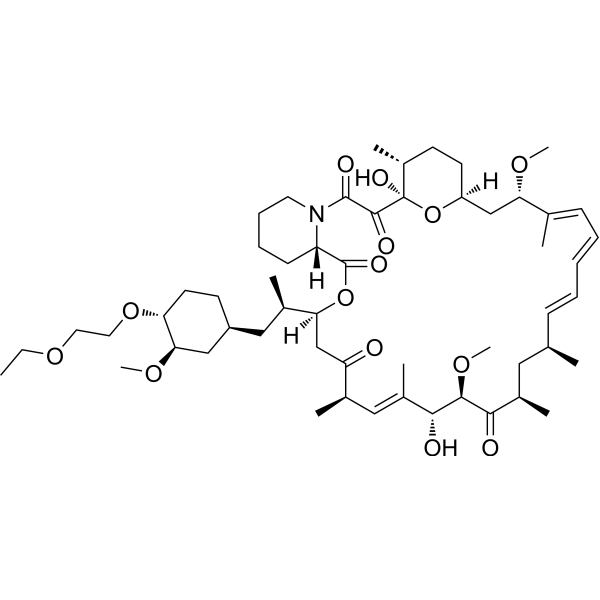
Umirolimus, a macrocyclic triene lactone Rapamycin derivative, is powerful immunosuppressant and anti-inflammatory agent. Umirolimus has highly lipophilicity and can be used agent-eluting stent (DES) applications .
|
-
-
- HY-128340
-
|
|
Autophagy
|
Cancer
|
|
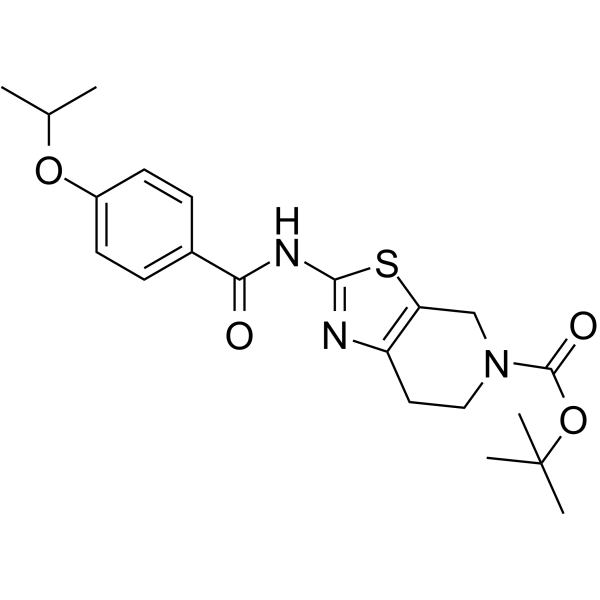
Autogramin-2 potently inhibits autophagy induced by either starvation (IC50=0.27 μM) or mTORC1 inhibition (Rapamycin; IC50=0.14 μM) .
|
-
-
- HY-128339
-
|
|
Autophagy
|
Cancer
|
|
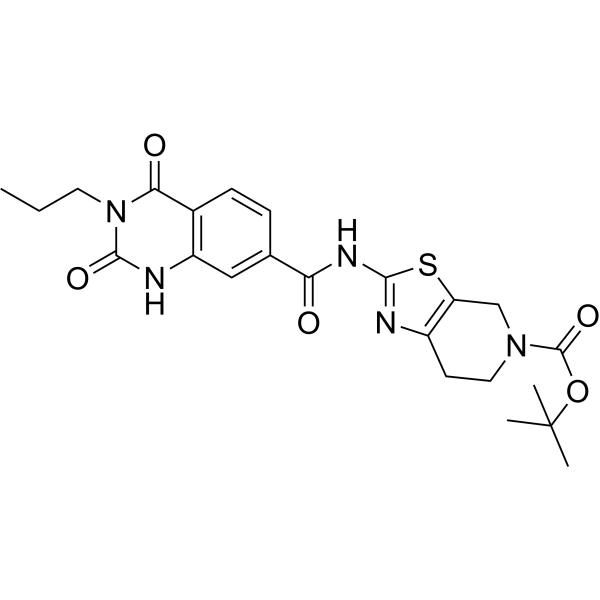
Autogramin-1 potently inhibits autophagy induced by either starvation (IC50=0.17 μM) or mTORC1 inhibition (Rapamycin; IC50=0.44 μM) .
|
-
-
- HY-106345
-
|
|
FKBP
Calcium Channel
|
Neurological Disease
Inflammation/Immunology
|
|
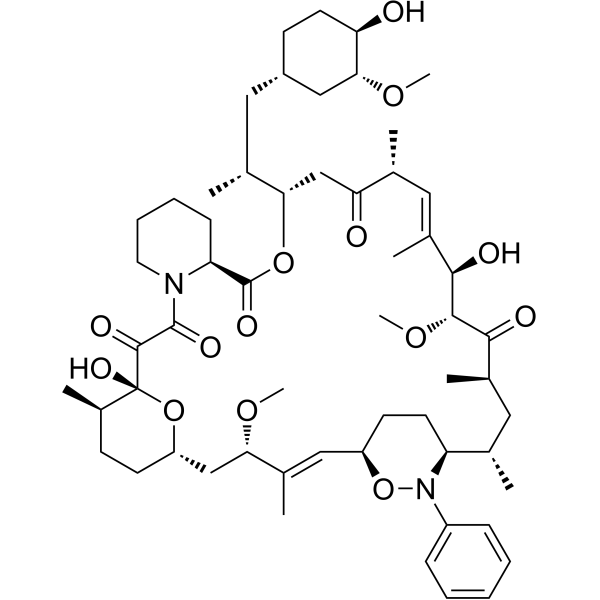
ILS-920 is a nonimmunosuppressive Rapamycin analog with reduced immunosuppressive activity and potent neuroprotective activity. ILS-920 binds selectively to the immunophilin FKBP52 and to the β1-subunit of L-type voltage-gated calcium channels (VGCC). ILS-920 shows 200-fold selectivity for FKBP52 versus FKBP12 .
|
-
-
- HY-136583
-
|
|
Drug Metabolite
|
Others
|
|
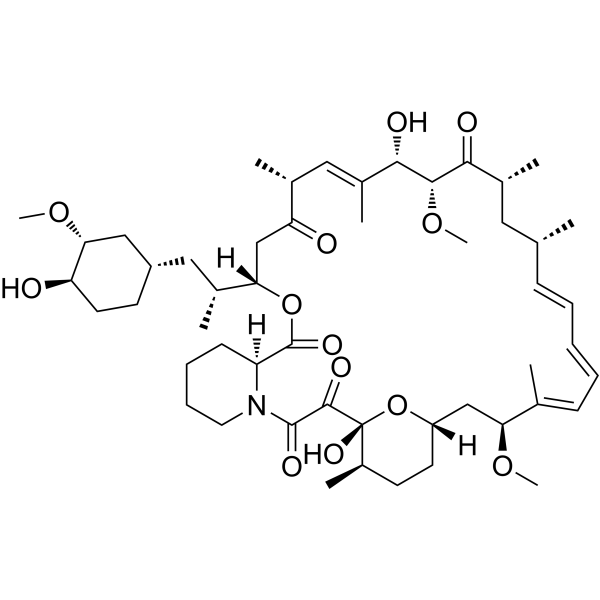
28-Epirapamycin is an impurity of Rapamycin. Rapamycin is a potent and specific mTOR inhibitor with an IC50 of 0.1 nM in HEK293 cells .
|
-
-
- HY-124726
-
|
|
Autophagy
|
Neurological Disease
Cancer
|
|
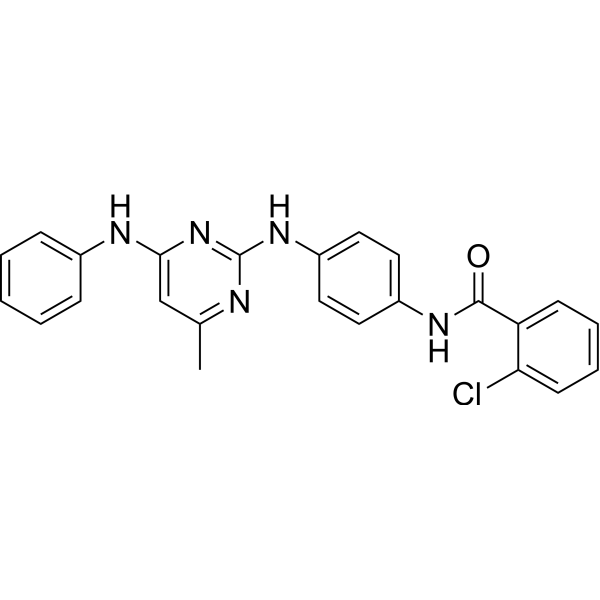
Aumitin is a diaminopyrimidine-based autophagy inhibitor which inhibits mitochondrial respiration by targeting complex I. Aumitin inhibits starvation- and rapamycin induced autophagy dose dependently with IC50s of 0.12 μM and 0.24 μM, respectively .
|
-
-
- HY-19555
-
|
Secorapamycin A
|
Drug Metabolite
|
Others
|
|
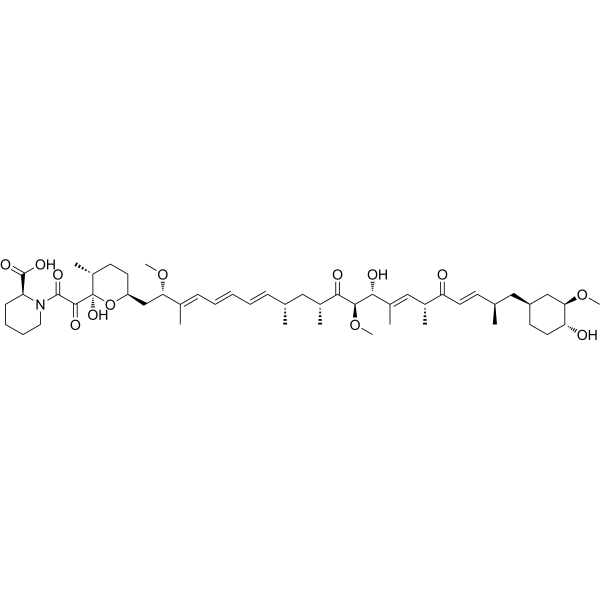
Seco Rapamycin (Secorapamycin A) is the ring-opened product of Rapamycin. Seco-rapamycin is reported not to affect the mTOR function .
|
-
-
- HY-141805
-
|
|
mTOR
|
Cancer
|
|
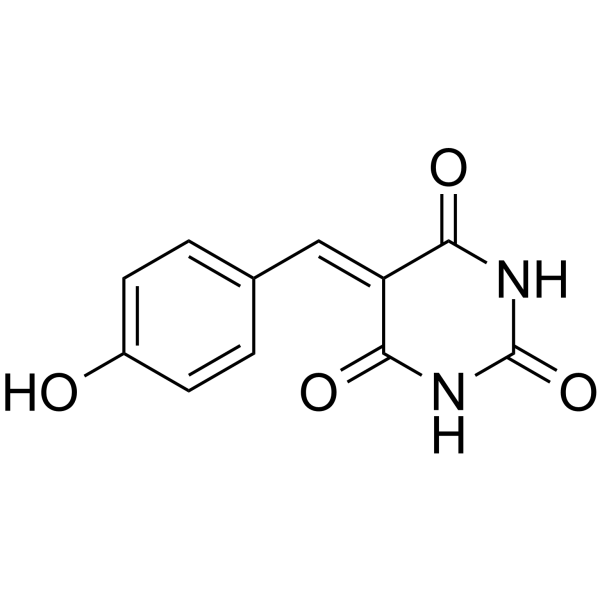
MHY-1685, a novel mammalian target of rapamycin (mTOR) inhibitor, provides opportunities to improve hCSC-based myocardial regeneration.
|
-
-
- HY-12652
-
AZD3147
1 Publications Verification
|
mTOR
|
Cancer
|
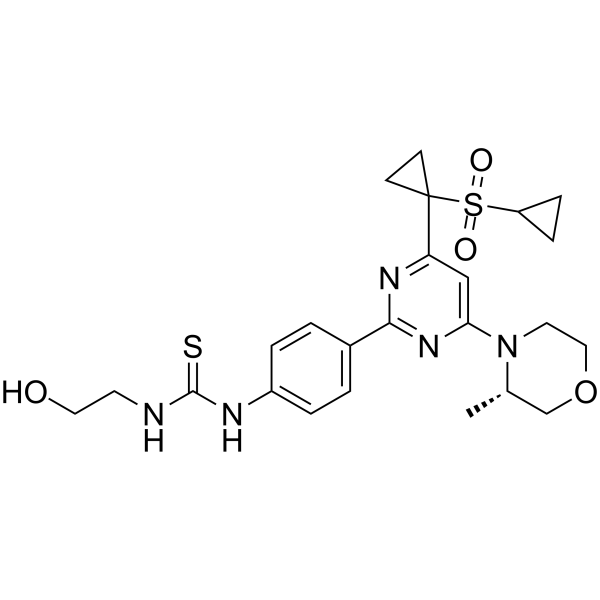
AZD3147 is a potent, orally active, selective dual inhibitor of mTORC1 and mTORC2 with an IC50 value of 1.5 nM. AZD3147 also has a selective effect on PI3K .
|
-
-
- HY-161509
-
|
|
mTOR
|
Cancer
|
|
PT-88 is a highly selective inhibitor of mTOR (Mammalian target of rapamycin) (IC50=1.2 nM). PT-88 inhibits both mTORC1 and mTORC2 complexes, both of which are active forms of mTOR protein kinases and are closely associated with cell growth, proliferation, and survival. PT-88 can be used to study the role of mTOR in tumorigenesis and development, especially in the study of breast cancer .
|
-

-
- HY-153511
-
-
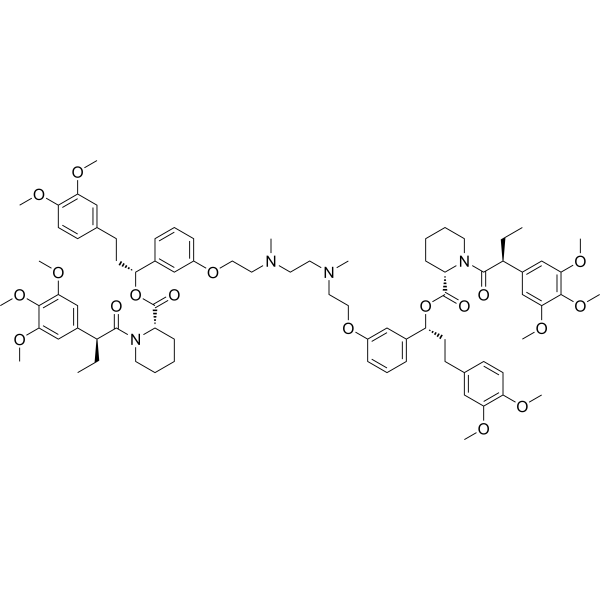
-
- HY-180482
-
|
|
Drug Metabolite
|
Others
|
|
41-O-Demethylrapamycin is a metabolite of Rapamycin (HY-10219) produced by Bacillus megaterium .
|
-

-
- HY-142003
-
|
|
Fungal
|
Infection
|
|
27-O-Demethylrapamycin, a Rapamycin (HY-10219) derivative, is an antifungal agent. 27-O-Demethylrapamycin inhibits Candida albicans, Saccharomyces cerevisiae, and Fusarium oxysporum .
|
-

-
- HY-135445
-
|
21-Norrapamycin
|
Fungal
|
Infection
|
|
Prolylrapamycin (21-Norrapamycin) is the derivative of Rapamycin (HY-10219). Prolylrapamycin exhibits antifungal activity, that inhibits Candida albicans, Saccharomyces cerevisiae, and Fusarium oxysporum with MIC of 0.125-2 μg/mL .
|
-

-
- HY-122402S
-
|
|
Isotope-Labeled Compounds
Bacterial
|
Inflammation/Immunology
|
|
Umirolimus-d5 is the deuterium labeled Umirolimus (HY-122402). Umirolimus, a macrocyclic triene lactone Rapamycin derivative, is powerful immunosuppressant and anti-inflammatory agent. Umirolimus has highly lipophilicity and can be used agent-eluting stent (DES) applications .
|
-

-
- HY-106979
-
|
SAR-943
|
Drug Derivative
Interleukin Related
|
Inflammation/Immunology
|
|
Olcorolimus (SAR-943) is a Rapamycin (HY-10219) derivative. Olcorolimus can reduce IL-4, IL-5, eosinophil, neutrophil, lymphocyte, cellular fibronectin; lung epithelial cell proliferation and mucus hypersecretory phenotype in Ovalbumin (HY-W250978)-sensitized BALB/c mice. Olcorolimus can be used for the researches of inflammation and immunology, such as asthma .
|
-

-
- HY-10218S1
-
|
RAD001-13C2,d4; SDZ-RAD-13C2,d4
|
Isotope-Labeled Compounds
Bacterial
Autophagy
FKBP
mTOR
Apoptosis
|
Cancer
|
|
Everolimus- 13C2,d4 (RAD001- 13C2,d4) is 13C labeled Everolimus. Everolimus (RAD001) is a Rapamycin (HY-10219) derivative and a potent, selective and orally active mTOR1 inhibitor. Everolimus binds to FKBP-12 to generate an immunosuppressive complex. Everolimus inhibits tumor cells proliferation and induces cell apoptosis and autophagy. Everolimus has potent immunosuppressive and anticancer activities .
|
-

-
- HY-145931
-
|
|
mTOR
Autophagy
|
Cancer
|
|
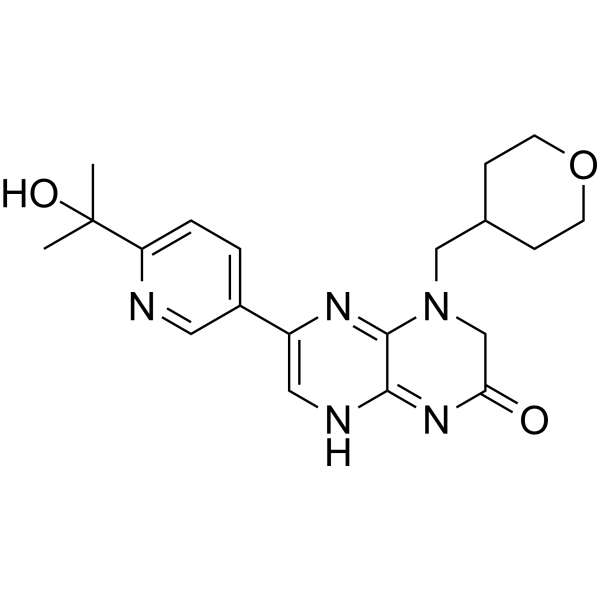
CC214-2 is an oral active and selective mTOR kinase inhibitor. CC214-2 targets to both of mTORC1 (pS6) and mTORC2 (pAktS473). CC214-2 induces autophagy, which is a potential target for host-directed therapy (HDT) in tuberculosis. CC214-2 exhibits synergistic bactericidal and sterilizing activity agasinst tuberculosis (TB), and shortens the treatment duration. CC214-2 also inhibits Rapamycin (HY-10219)-resistant signaling and the growth of glioblastomas in vitro and in vivo .
|
-
-
- HY-N15267
-
|
|
FAK
Akt
mTOR
|
Cancer
|
|
Ovalitenone is a flavonoid compound that can be isolated from the plant Millettia peguensis. It shows no cytotoxic effects on lung cancer H460 and A549 cells, but it significantly inhibits anchorage-independent growth, CSC-like phenotypes, colony formation, and the migration and invasion capabilities of cancer cells. Ovalitenone can significantly reduce the levels of N-cadherin, snail, and slug, while increasing E-cadherin, thus inhibiting the EMT pathway. Additionally, Ovalitenone suppresses the signaling pathways regulated by focal adhesion kinase (FAK), ATP-dependent tyrosine kinase (AKT), mammalian target of rapamycin (mTOR), and cell division cycle 42 (Cdc42) .
|
-

-
- HY-133770
-
|
|
Drug Metabolite
|
Others
|
|
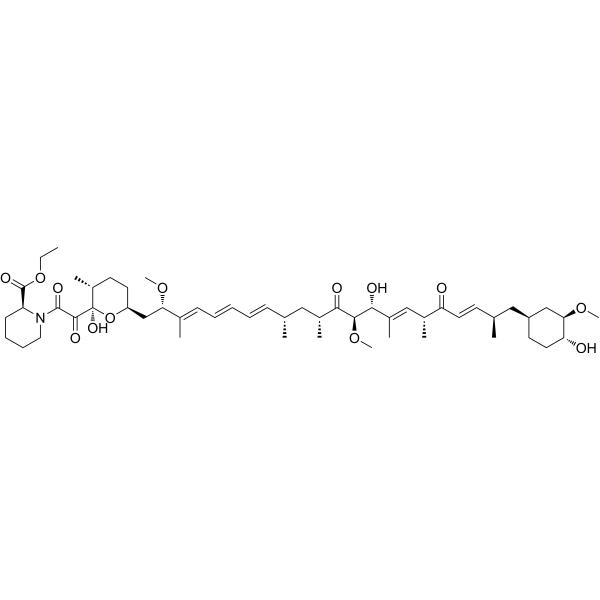
Seco Rapamycin ethyl ester is an open-ring metabolite of Rapamycin derivative. Seco-rapamycin is reported not to affect the mTOR function .
|
-
-
- HY-132003
-
|
|
Akt
|
Cancer
|
|
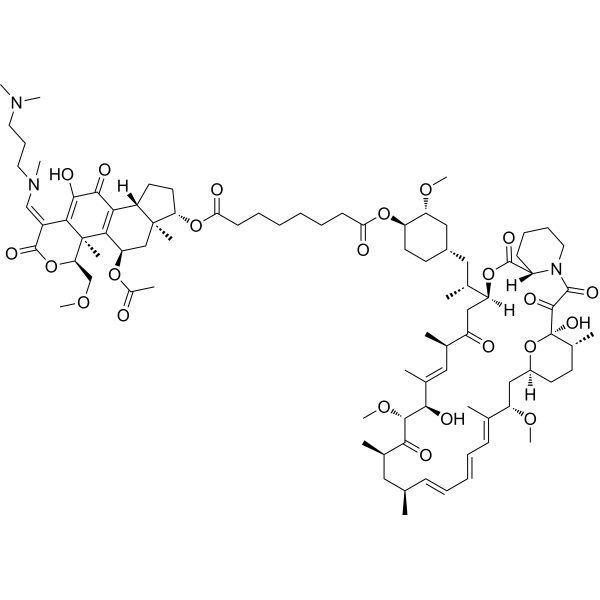
Wortmannin-Rapamycin Conjugate 1 (compound 7c) is a furan ring-opened derivative of wortmannin-rapamycin conjugate with potent antitumor activities and a fine water solubility. Wortmannin-Rapamycin Conjugate 1 can inhibit the AKT phosphorylation in the tumor and can be used for cancer research .
|
-
-
- HY-W765245
-
|
Sirolimus-13C,d3-1; AY-22989-13C,d3-1
|
Isotope-Labeled Compounds
Fungal
mTOR
Bacterial
Autophagy
Endogenous Metabolite
FKBP
Antibiotic
|
Cancer
|
|
Rapamycin- 13C,d3-1 (Sirolimus- 13C,d3-1) is the deuterium labeled and 13C-labeled Rapamycin (HY-10219). Rapamycin (Sirolimus; AY 22989) is a potent and specific mTOR inhibitor with an IC50 of 0.1 nM in HEK293 cells. Rapamycin binds to FKBP12 and specifically acts as an allosteric inhibitor of mTORC1 . Rapamycin is an autophagy activator, an immunosuppressant .
|
-

-
- HY-139085A
-
|
|
Drug Intermediate
|
Cancer
|
|
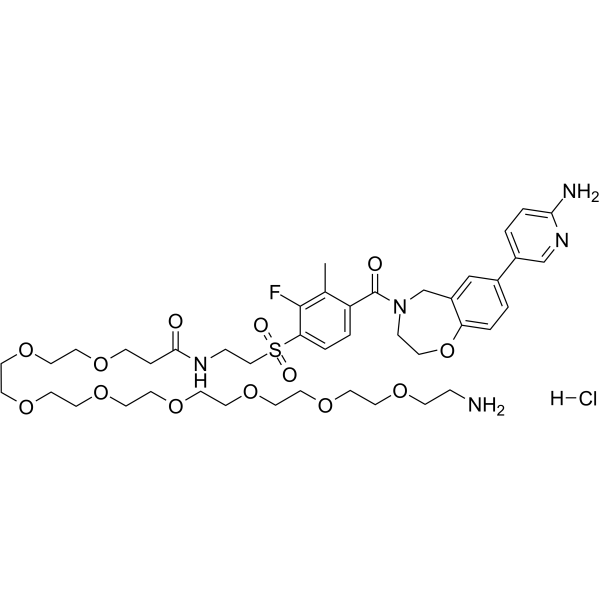
XL388-C2-amide-PEG9-NH2 hydrochloride is an intermediate used in the synthesis of C26-linked Rapamycin analog .
|
-
-
- HY-139085B
-
|
|
Drug Intermediate
|
Cancer
|
|
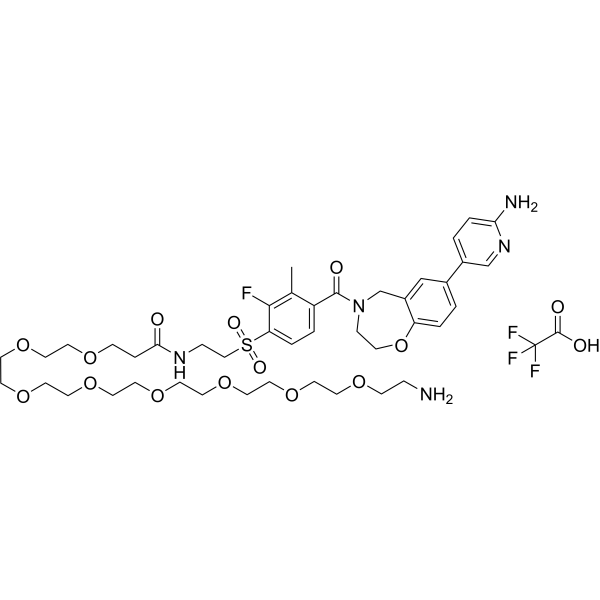
XL388-C2-amide-PEG9-NH2 TFA is an intermediate used in the synthesis of C26-linked Rapamycin analog .
|
-
-
- HY-185200
-
|
|
Drug Derivative
|
Others
|
|
Rapamycin 42-hemisuccinate is a Rapamycin (HY-10219) derivative used in the synthesis of sterolated Rapamycin liposomes .
|
-

- HY-W781875
-
|
|
mTOR
|
Cancer
|
|
Sirolimus isomer C is an impurity of Rapamycin (Sirolimus) (HY-10219) .
|
-

- HY-19555AR
-
|
Secorapamycin A monosodium (Standard)
|
Reference Standards
Drug Metabolite
|
Others
|
|
Phenglutarimid (hydrochloride) (Standard) is the analytical standard of Phenglutarimid (hydrochloride). This product is intended for research and analytical applications. Phenglutarimid hydrochloride is an anticholinergic used as an antiparkinsonian agent.
|
-

- HY-18672
-
|
|
Autophagy
|
Cancer
|
|
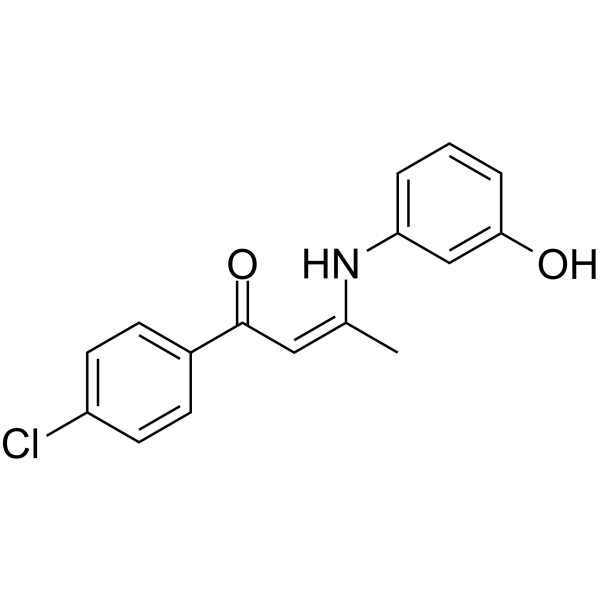
SMER18 is a small molecule enhancer of rapamycin which act as a mTOR-independent autophagy inducer.
|
-
- HY-13766
-
|
VX-853
|
PPAR
|
Others
|
|
Timcodar is a macrolide agent, and studies have shown that during adipogenesis, timcodar can significantly inhibit fat accumulation, with an effect similar to that of rapamycin. However, unlike rapamycin, timcodar does not cause immunosuppression and glucose resistance. In addition, timcodar can effectively inhibit the adipogenic transcriptional regulators PPAR?? and C/EBP??, thereby inhibiting genes involved in fat accumulation. These studies lay the foundation for timcodar as a potential anti-obesity therapy, as obesity is becoming a global epidemic.
|
-

- HY-181873
-
|
Sirolimus-butyl ester
|
Drug Derivative
|
Cancer
|
|
Rapamycin-butyl ester (Sirolimus-butyl ester) (Compound 9) is a derivative of Rapamycin (HY-10219). Rapamycin-butyl ester exhibits antiproliferative effects against liver cancer cells and renal cancer cells. Rapamycin-butyl ester can be used in research related to liver cancer and renal cancer .
|
-

- HY-111065
-
|
|
mTOR
|
Cancer
|
|
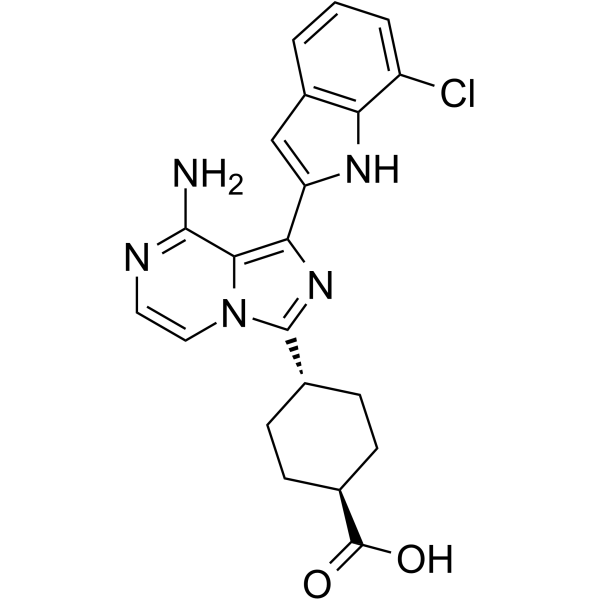
OXA-01 is a potent mTORC1 and mTORC2 inhibitor, with IC50 values of 29 nM and 7 nM, respectively .
|
-
- HY-W339757
-
|
|
mTOR
Endogenous Metabolite
|
Cancer
|
|
Dioctanoylphosphatidic acid sodium functions as a modulator of phagocyte respiratory burst, acts as a precursor to diacylglycerol and lysophosphatidic acid, and influences the phosphorylation of the mammalian target of rapamycin (mTOR) while enhancing the viability of gallbladder carcinoma cells treated with histone deacetylase inhibitors (HDACIs); it is derived from glycerophospholipid through the action of phospholipase D.
|
-

- HY-149861
-
|
|
Bacterial
|
Infection
|
|
Mip-IN-1(S,S-28i)is a new rapamycin-derived macrophage infectivity potentiator (Mip) inhibitor. Mip-IN-1 displays strong anti-enzymatic activity against the Mip proteins of Neisseria meningitidis and Neisseria gonorrhoeae and substantially improved the ability of macrophages to kill the bacteria .
|
-
- HY-172789
-
|
|
mTOR
Apoptosis
|
Cancer
|
|
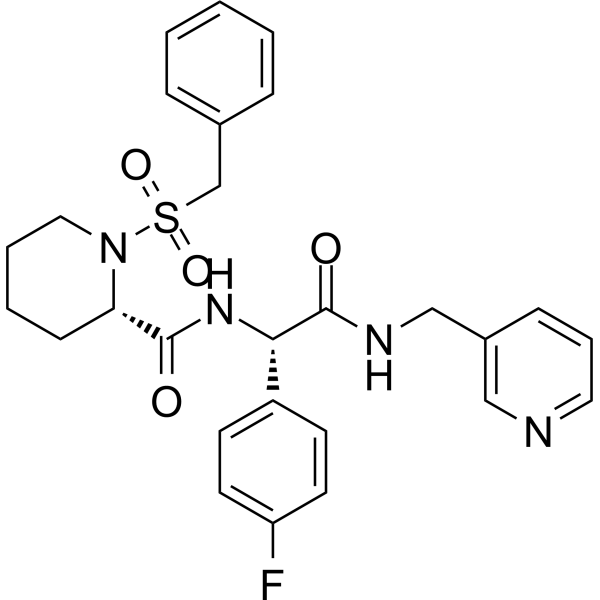
mTOR inhibitor-27 (Compound 7e) is a mammalian target of rapamycin (mTOR) inhibitor with an IC50 value of 5.47 μM. mTOR inhibitor-27 can induce tumor cell apoptosis and arrest the cell cycle in the S-phase, thereby inhibiting cancer cell growth. mTOR inhibitor-27 is promising for research of cancers, such as skin cancer .
|
-

- HY-W003943
-
|
|
Biochemical Assay Reagents
|
Infection
|
|
6-Hydroxypyridin-3-ylboronic acid is a heterocyclic building block, which can be used in the synthesis of non-nucleoside inhibitors of hepatitis C virus (HCV) RNA-dependent RNA polymerase nonstructural protein 5B (NS5B). 6-Hydroxypyridin-3-ylboronic acid has also been used in the synthesis of mammalian target of rapamycin (mTOR) inhibitors .
|
-

- HY-116191
-
|
|
PI3K
mTOR
|
Cancer
|
|
WJD008 is a potent dual phosphatidylinositol 3-kinase (PI3K)/mammalian target of rapamycin (mTOR) inhibitor with antiproliferative and anticlonogenic activity in tumor cells and transformed cells with PIK3CA mutant. WJD008 inhibits kinase activity of PI3K α and mTOR and abrogates insulin-like growth factor-I-activated PI3K-Akt-mTOR signaling cascade. WJD008 is promising for research of cancers .
|
-

- HY-12031B
-
|
|
MEK
|
Inflammation/Immunology
|
|
(2Z,3Z)-U0126 is a selective inhibitor of MEK1 and MEK2, demonstrating potent antiinflammatory effects by noncompetitively inhibiting AP-1 transcriptional activity with IC50 values of 72 nM for MEK1 and 58 nM for MEK2. (2Z,3Z)-U0126 also inhibits anchorage-independent growth of Ki-ras-transformed rat fibroblasts by blocking both the extracellular signal-regulated kinase and mammalian target of rapamycin pathways. Additionally, (2Z,3Z)-U0126 can undergo isomerization and cyclization, resulting in various products that show reduced affinity for MEK and diminished AP-1 inhibition compared to the parent compound.
|
-

- HY-162268
-
|
|
MALT1
Apoptosis
|
Inflammation/Immunology
Cancer
|
|
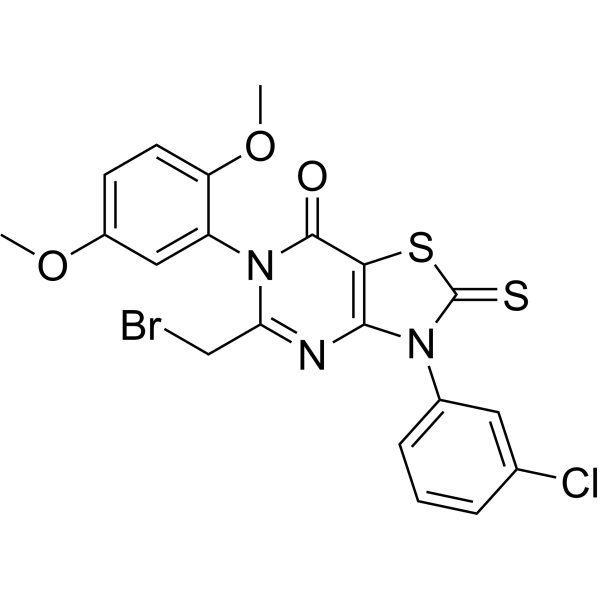
MALT1-IN-13 (compound 10m) is inhibitor for mucosa-associated lymphoid tissue lymphoma translocation protein 1 (MALT1), which to binds MALT1 protease covalently and irreversibly, inhibits MALT1 with the IC50 of 1.7 μM. MALT1-IN-13 inhibits proliferation against ABC-DLBCL and induces apoptosis in ABC-DLBCL HBL1. MALT1-IN-13 regulates mTOR and PI3K-Akt pathways .
|
-
- HY-204504
-
|
|
Drug Derivative
|
Others
|
|
42-O-(2-Aminoethyl)-rapamycin (compound 2.3) is a derivative of the mTOR inhibitor rapamycin. 42-O-(2-Aminoethyl)-rapamycin can be used in pharmaceutical research for developing conjugates .
|
-

- HY-180123
-
|
|
Drug Intermediate
|
Infection
|
|
42-O-(2-Azidoethyl)-Rapamycin (Compound 4) is an azide compound that can be used as a drug intermediate to synthesize the derivative of Rapamycin (HY-10219) .
|
-

- HY-176948
-
|
|
mTOR
|
Cancer
|
|
M-1111 is a Rapa-Link inhibitor. M-1111 is covalently linked by Rapamycin (HY-10219) and an inhibitor of the active site mTOR. M-1111 has strong inhibitory activity on the mTORC1 signaling pathway (pS6 and p4E-BP1). M-1111 has nanomolar-level inhibitory activity against various cancer cells. M-1111 completely inhibits p4E-BP1 without inhibiting pAkt S473. M-1111 can be used for research on liver cancer, kidney cancer, and colorectal cancer .
|
-

- HY-101920R
-
|
|
Reference Standards
Autophagy
PI3K
|
Neurological Disease
Cancer
|
|
Autophinib (Standard) is the analytical standard of Autophinib (HY-101920). This product is intended for research and analytical applications. Autophinib is a potent, selective autophagy inhibitor with IC50s of 90 nM and 40 nM for starvation- and Rapamycin-induced autophagy, respectively. Autophinib is also an ATP competitive Vacuolar Protein Sorting 34 (VPS34) inhibitor with an IC50 of 19 nM. Autophinib inhibits autophagy induced by starvation or Rapamycin by targeting VPS34 .
|
-

- HY-176947
-
|
|
Drug Intermediate
|
Cancer
|
|
Demethyl-sapanisertib-C2-amide-PEG7-C2-N3 (Compound 10c) is an azide group linker used for coupling, which can be employed in the synthesis of "Rapa-Link" compounds, such as M-1111 (HY-176948), an mTOR inhibitor .
|
-

- HY-P10739C
-
|
|
Collagen
Apoptosis
|
Inflammation/Immunology
|
|
WYRGRLC is a type II collagen-targeting peptide. WYRGRLC specifically binds to type II collagen α1 in articular cartilage in a sequence-dependent manner. WYRGRLC inhibits the binding of WYRGRL-displaying phage (C1-3) to articular cartilage in a sequence-specific manner. WYRGRLC can act as a retention enhancer to improve the cartilage-targeting ability of polymeric nanoparticles and liposomal nanoplatforms, facilitating the delivery of Rapamycin (HY-10219) to chondrocytes. WYRGRLC can be used in studies related to osteoarthritis .
|
-

- HY-183250
-
|
|
mTOR
Ribosomal S6 Kinase (RSK)
Akt
DNA-PK
|
Neurological Disease
Cancer
|
|
eALM1137 is a mTOR inhibitor with an IC50 of 4.8 nM. eALM1137 mediates dual inhibition of the mTORC1 and mTORC2 signaling pathways, and inhibits DNA-PK (IC50=77 nM). eALM1137 exhibits antiproliferative and cytostatic activities, and induces G1 cell cycle arrest. eALM1137 is applicable to the research of glioblastoma multiforme .
|
-

| Cat. No. |
Product Name |
Type |
-
- HY-10219G
-
|
Sirolimus; AY-22989; NSC 226080
|
Fluorescent Dyes
|
|
Rapamycin (Sirolimus) (GMP) is Rapamycin (HY-10219) produced by using GMP guidelines. GMP small molecules works appropriately as an auxiliary reagent for cell therapy manufacture. Rapamycin (Sirolimus; AY 22989) is a potent and specific mTOR inhibitor with an IC50 of 0.1 nM in HEK293 cells. Rapamycin binds to FKBP12 and specifically acts as an allosteric inhibitor of mTORC1 . Rapamycin is an autophagy activator, an immunosuppressant .
|
-
- HY-10219GL
-
|
Sirolimus (GMP Like); AY-22989 (GMP Like); NSC 226080 (GMP Like)
|
Fluorescent Dyes
|
|
Rapamycin (Sirolimus) GMP Like is Rapamycin (HY-10219) produced by using GMP like guidelines. GMP Like small molecules works appropriately as an auxiliary reagent for cell therapy manufacture. Rapamycin (Sirolimus; AY 22989) is a potent and specific mTOR inhibitor with an IC50 of 0.1 nM in HEK293 cells. Rapamycin binds to FKBP12 and specifically acts as an allosteric inhibitor of mTORC1 . Rapamycin is an autophagy activator, an immunosuppressant .
|
| Cat. No. |
Product Name |
Type |
-
- HY-10219G
-
|
Sirolimus; AY-22989; NSC 226080
|
Biochemical Assay Reagents
|
|
Rapamycin (Sirolimus) (GMP) is Rapamycin (HY-10219) produced by using GMP guidelines. GMP small molecules works appropriately as an auxiliary reagent for cell therapy manufacture. Rapamycin (Sirolimus; AY 22989) is a potent and specific mTOR inhibitor with an IC50 of 0.1 nM in HEK293 cells. Rapamycin binds to FKBP12 and specifically acts as an allosteric inhibitor of mTORC1 . Rapamycin is an autophagy activator, an immunosuppressant .
|
-
- HY-10219GL
-
|
Sirolimus (GMP Like); AY-22989 (GMP Like); NSC 226080 (GMP Like)
|
Biochemical Assay Reagents
|
|
Rapamycin (Sirolimus) GMP Like is Rapamycin (HY-10219) produced by using GMP like guidelines. GMP Like small molecules works appropriately as an auxiliary reagent for cell therapy manufacture. Rapamycin (Sirolimus; AY 22989) is a potent and specific mTOR inhibitor with an IC50 of 0.1 nM in HEK293 cells. Rapamycin binds to FKBP12 and specifically acts as an allosteric inhibitor of mTORC1 . Rapamycin is an autophagy activator, an immunosuppressant .
|
| Cat. No. |
Product Name |
Target |
Research Area |
-
- HY-P1122
-
|
|
Formyl Peptide Receptor (FPR)
|
Infection
Inflammation/Immunology
|
|
Cyclosporin H is a selective and potent inhibitor of FPR-1 (formyl peptide receptor 1). Cyclosporin H, a viral transduction enhancer, increases lentiviral transduction up to 10-fold in human cord blood-derived hematopoietic stem and progenitor cells (HSPCs). Cyclosporin H displays an additive effect when combined with Rapamycin (HY-10219) or Prostaglandin E2 (HY-101952). Cyclosporin H lacks immunosuppressant activity of Cyclosporin A.
|
-
- HY-P10739C
-
|
|
Collagen
Apoptosis
|
Inflammation/Immunology
|
|
WYRGRLC is a type II collagen-targeting peptide. WYRGRLC specifically binds to type II collagen α1 in articular cartilage in a sequence-dependent manner. WYRGRLC inhibits the binding of WYRGRL-displaying phage (C1-3) to articular cartilage in a sequence-specific manner. WYRGRLC can act as a retention enhancer to improve the cartilage-targeting ability of polymeric nanoparticles and liposomal nanoplatforms, facilitating the delivery of Rapamycin (HY-10219) to chondrocytes. WYRGRLC can be used in studies related to osteoarthritis .
|
| Cat. No. |
Product Name |
Category |
Target |
Chemical Structure |
-
- HY-10219
-
-
-
- HY-10219R
-
-
-
- HY-N0381
-
|
DL-Maackiain
|
Infection
Structural Classification
Natural Products
Monophenols
other families
Classification of Application Fields
Phenols
Plants
Disease Research Fields
Source Classification
|
Keap1-Nrf2
p38 MAPK
NOD-like Receptor (NLR)
NF-κB
mTOR
Monoamine Oxidase
Nuclear Factor of activated T Cells (NFAT)
PKC
Apoptosis
Pyroptosis
Autophagy
Dengue Virus
|
|
Maackiain (DL-Maackiain) is an orally active multi-target inhibitor with anti-tumor activity and neuroprotective effects. Maackiain activates the AMPK, NLRP3 and Nrf2/HO-1 pathways, and inhibits key targets such as NF-κB, mTOR, MAO-B, NFATc1 and PKCδ, thereby precisely regulating processes including apoptosis, autophagy and pyroptosis. Maackiain also effectively inhibits microglial activation, osteoclast formation, and proliferation and invasion of tumor cells, and protects dopaminergic neurons from damage. Maackiain is applicable to the research of various diseases such as Alzheimer's disease, osteoporosis, sepsis and dengue fever 。
|
-
-
- HY-142003
-
-
-
- HY-135445
-
|
21-Norrapamycin
|
Natural Products
Microorganisms
Source Classification
|
Fungal
|
|
Prolylrapamycin (21-Norrapamycin) is the derivative of Rapamycin (HY-10219). Prolylrapamycin exhibits antifungal activity, that inhibits Candida albicans, Saccharomyces cerevisiae, and Fusarium oxysporum with MIC of 0.125-2 μg/mL .
|
-
-
- HY-N15267
-
|
|
Natural Products
Millettia peguensis Ali
Leguminosae
Plants
Source Classification
|
FAK
Akt
mTOR
|
|
Ovalitenone is a flavonoid compound that can be isolated from the plant Millettia peguensis. It shows no cytotoxic effects on lung cancer H460 and A549 cells, but it significantly inhibits anchorage-independent growth, CSC-like phenotypes, colony formation, and the migration and invasion capabilities of cancer cells. Ovalitenone can significantly reduce the levels of N-cadherin, snail, and slug, while increasing E-cadherin, thus inhibiting the EMT pathway. Additionally, Ovalitenone suppresses the signaling pathways regulated by focal adhesion kinase (FAK), ATP-dependent tyrosine kinase (AKT), mammalian target of rapamycin (mTOR), and cell division cycle 42 (Cdc42) .
|
-
| Cat. No. |
Compare |
Product Name |
Species |
Source |
Image |
Compare Products
|
| Products |
|
| Cat. No. |
|
| Species |
|
| Source |
|
| Tag |
|
| Accession |
|
| Gene ID |
|
| Molecular Weight |
|
| Purity |
|
| Endotoxin Level |
|
| Biological Activity |
|
| Appearance |
|
| Formulation |
|
| Storage & Stability |
|
| Shipping |
|
| Free Sample |
Yes
No
|
| Size |
* This product has been "discontinued".
Optimized version of product available:
|
| Cat. No. |
Product Name |
Chemical Structure |
-
- HY-10219S
-
1 Publications Verification
|
|
Rapamycin-d3 is the deuterium labeled Rapamycin. Rapamycin is a potent and specific mTOR inhibitor with an IC50 of 0.1 nM in HEK293 cells. Rapamycin binds to FKBP12 and specifically acts as an allosteric inhibitor of mTORC1. Rapamycin is an autophagy activator, an immunosuppressant .
|
-
-
- HY-10218S
-
|
|
|
Everolimus-d4 is the deuterium labeled Everolimus. Everolimus (RAD001) is a Rapamycin derivative and a potent, selective and orally active mTOR1 inhibitor. Everolimus binds to FKBP-12 to generate an immunosuppressive complex. Everolimus inhibits tumor cells proliferation and induces cell apoptosis and autophagy. Everolimus has potent immunosuppressive and anticancer activities .
|
-
-
- HY-10219S1
-
|
|
|
Rapamycin- 13C,d3 (Sirolimus- 13C,d3) is the 13C and deuterium labeled Rapamycin (HY-10219) . Rapamycin is a potent and specific mTOR inhibitor with an IC50 of 0.1 nM in HEK293 cells. Rapamycin binds to FKBP12 and specifically acts as an allosteric inhibitor of mTORC1. Rapamycin is an autophagy activator, an immunosuppressant .
|
-
-
- HY-122402S
-
|
|
|
Umirolimus-d5 is the deuterium labeled Umirolimus (HY-122402). Umirolimus, a macrocyclic triene lactone Rapamycin derivative, is powerful immunosuppressant and anti-inflammatory agent. Umirolimus has highly lipophilicity and can be used agent-eluting stent (DES) applications .
|
-
-
- HY-10218S1
-
|
|
|
Everolimus- 13C2,d4 (RAD001- 13C2,d4) is 13C labeled Everolimus. Everolimus (RAD001) is a Rapamycin (HY-10219) derivative and a potent, selective and orally active mTOR1 inhibitor. Everolimus binds to FKBP-12 to generate an immunosuppressive complex. Everolimus inhibits tumor cells proliferation and induces cell apoptosis and autophagy. Everolimus has potent immunosuppressive and anticancer activities .
|
-
-
- HY-W765245
-
|
|
|
Rapamycin- 13C,d3-1 (Sirolimus- 13C,d3-1) is the deuterium labeled and 13C-labeled Rapamycin (HY-10219). Rapamycin (Sirolimus; AY 22989) is a potent and specific mTOR inhibitor with an IC50 of 0.1 nM in HEK293 cells. Rapamycin binds to FKBP12 and specifically acts as an allosteric inhibitor of mTORC1 . Rapamycin is an autophagy activator, an immunosuppressant .
|
-
| Cat. No. |
Product Name |
|
Classification |
-
- HY-180123
-
|
|
|
Azide
|
|
42-O-(2-Azidoethyl)-Rapamycin (Compound 4) is an azide compound that can be used as a drug intermediate to synthesize the derivative of Rapamycin (HY-10219) .
|
-
- HY-176947
-
|
|
|
Azide
|
|
Demethyl-sapanisertib-C2-amide-PEG7-C2-N3 (Compound 10c) is an azide group linker used for coupling, which can be employed in the synthesis of "Rapa-Link" compounds, such as M-1111 (HY-176948), an mTOR inhibitor .
|
| Cat. No. |
Product Name |
Target |
Research Areas |
Chemical Structure |
-
- HY-10219G
-
|
Sirolimus; AY-22989; NSC 226080
|
mTOR
FKBP
Fungal
Autophagy
Endogenous Metabolite
Antibiotic
Bacterial
|
Infection
Cancer
|
|
Rapamycin (Sirolimus) (GMP) is Rapamycin (HY-10219) produced by using GMP guidelines. GMP small molecules works appropriately as an auxiliary reagent for cell therapy manufacture. Rapamycin (Sirolimus; AY 22989) is a potent and specific mTOR inhibitor with an IC50 of 0.1 nM in HEK293 cells. Rapamycin binds to FKBP12 and specifically acts as an allosteric inhibitor of mTORC1 . Rapamycin is an autophagy activator, an immunosuppressant .
|
-
Your information is safe with us. * Required Fields.
Inquiry Information
- Product Name:
- Cat. No.:
- Quantity:
- MCE Japan Authorized Agent:











