1. Search Result
Search Result
Results for "

tricyclic antidepressant

" in MedChemExpress (MCE) Product Catalog:

82

Inhibitors & Agonists

2

Natural
Products

19

Isotope-Labeled Compounds

Cat. No. Product Name Target Research Areas Chemical Structure
  • HY-B1272
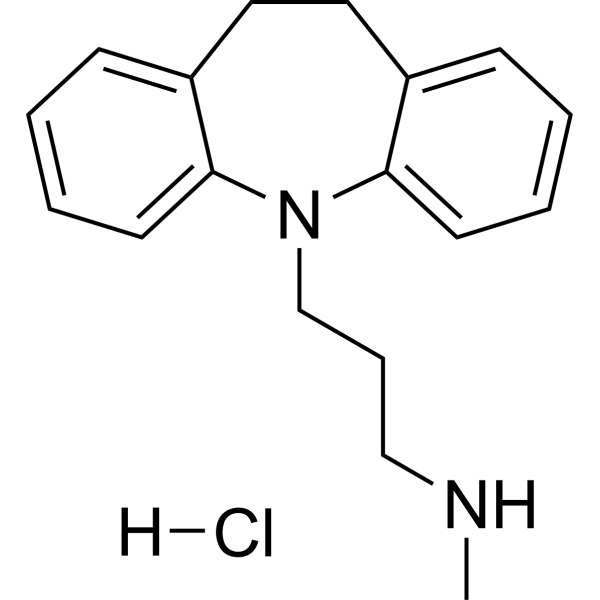
    Desipramine hydrochloride
    Maximum Cited Publications
    15 Publications Verification

    Adrenergic Receptor ERK JNK p38 MAPK NF-κB AP-1 Apoptosis Reactive Oxygen Species (ROS) Mitochondrial Metabolism TNF Receptor Neurological Disease Inflammation/Immunology Cancer
    Desipramine hydrochloride is a first-generation tricyclic antidepressant. Desipramine hydrochloride selectively binds to norepinephrine transporter and blocks neuronal norepinephrine reuptake. Desipramine hydrochloride activates MAPK signaling via ERK1/2, JNK, and p38, represses NF-κB and AP-1 activity, and induces apoptosis via ROS elevation, mitochondrial membrane potential reduction, and intracellular calcium increase. Desipramine hydrochloride also shows anyi-inflammatory activity, inhibiting TNF-α production. Desipramine hydrochloride can be used for the research of hepatocellular cancer, inflammation, and neurological diseases .
    Desipramine hydrochloride
  • HY-B1490
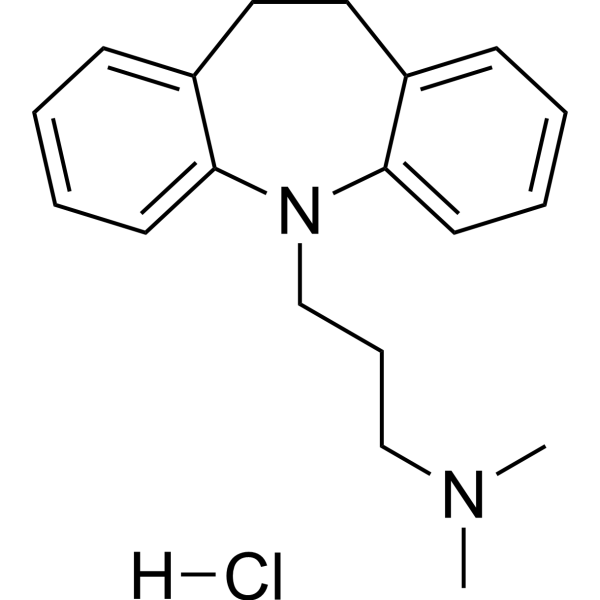
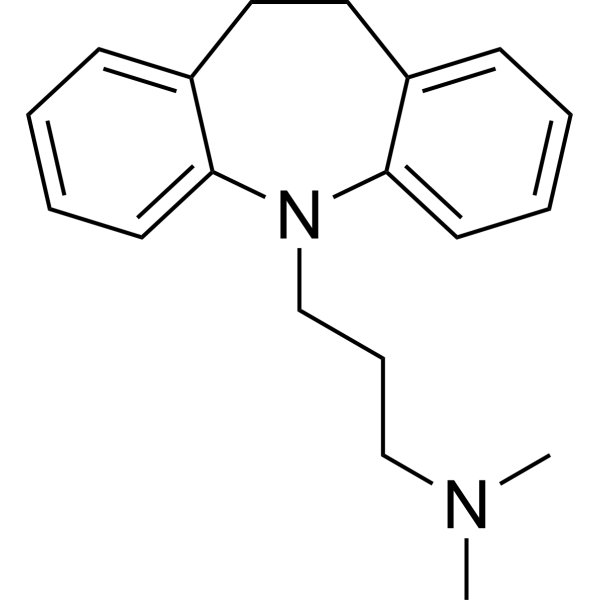
    Imipramine hydrochloride
    5+ Cited Publications

    Serotonin Transporter Apoptosis Autophagy Neurological Disease Inflammation/Immunology Cancer
    Imipramine hydrochloride is an orally active tertiary amine tricyclic antidepressant. Imipramine hydrochloride is a Fascin1 inhibitor with antitumor activities. Imipramine hydrochloride also inhibits serotonin transporter with an IC50 value of 32 nM. Imipramine hydrochloride stimulates U-87MG glioma cells autophagy and induces HL-60 cell apoptosis. Imipramine hydrochloride shows neuroprotective and immunomodulatory effects .
    Imipramine hydrochloride
  • HY-B1490A
    Imipramine
    5+ Cited Publications

    Serotonin Transporter Autophagy Apoptosis Neurological Disease Inflammation/Immunology Cancer
    Imipramine is an orally active tertiary amine tricyclic antidepressant. Imipramine is a Fascin1 inhibitor with antitumor activities. Imipramine also inhibits serotonin transporter with an IC50 value of 32 nM. Imipramine stimulates U-87MG glioma cells autophagy and induces HL-60 cell apoptosis. Imipramine shows neuroprotective and immunomodulatory effects .
    Imipramine
  • HY-B0527A
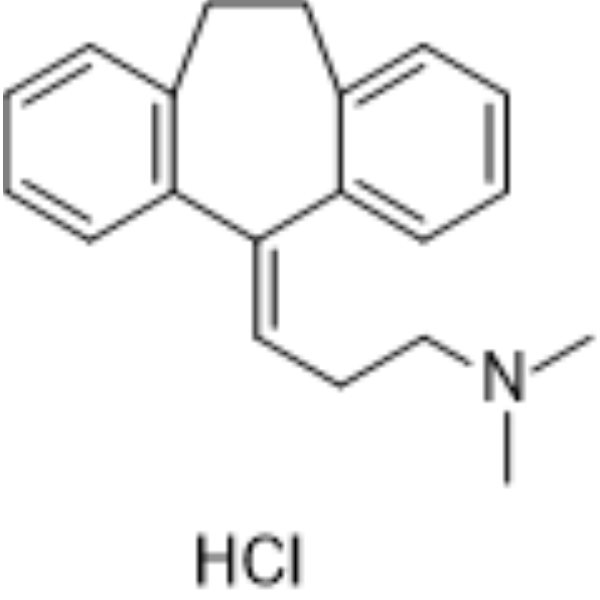
    Amitriptyline hydrochloride
    5+ Cited Publications

    Serotonin Transporter 5-HT Receptor mAChR Histamine Receptor Adrenergic Receptor Trk Receptor Sodium Channel Potassium Channel Dopamine Transporter Apoptosis Neurological Disease Inflammation/Immunology Endocrinology
    Amitriptyline hydrochloride is an orally active tricyclic antidepressant (TCA). Amitriptyline hydrochloride mainly exerts its antidepressant effect by blocking SERT (Ki = 3.45 nM) and NET (Ki = 13.3 nM), thereby increasing the concentrations of 5-hydroxytryptamine (5-HT) and norepinephrine (NE) in the synaptic cleft. Amitriptyline hydrochloride is also an agonist at α2A and TrkA/TrkB receptors, thereby exerting analgesic and neurotrophic activities (inhibiting cell apoptosis). Amitriptyline hydrochloride can reduce inflammation, angiogenesis and fibrosis. Amitriptyline hydrochloride binds to DAT (with Ki = 2.58 μM). Amitriptyline hydrochloride has high affinity for a series of receptors and can antagonize muscarinic cholinergic receptors (M1/M2/M3/M4/M5 receptors) (Ki = 11-24 nM), H1 receptors (Ki = 0.5-1.1 nM), adrenergic α1 receptors (Ki = 4.4 nM), etc., resulting in a series of side effects. Amitriptyline hydrochloride can block sodium channels and hERG potassium channel (IC50 = 4.78 μM) and it has cardiotoxicity .
    Amitriptyline hydrochloride
  • HY-B0457A
    Clomipramine
    2 Publications Verification

    Chlorimipramine; G-34586; NSC-169865

    Serotonin Transporter Neurological Disease
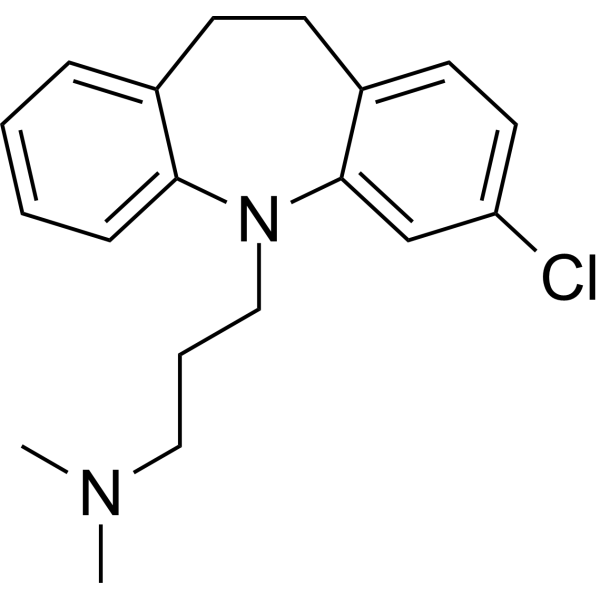
    Clomipramine (Chlorimipramine) is a potent 5-HT reuptake blocker with the IC50 value of 1.5 nM. Clomipramine is a tricyclic antidepressant that can be used for the research of depression and obsessive compulsive disorder (OCD) .
    Clomipramine
  • HY-B0527
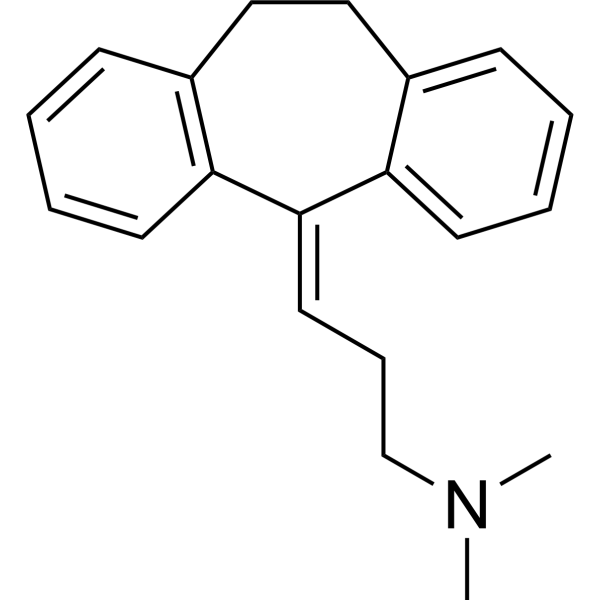
    Amitriptyline
    5+ Cited Publications

    Serotonin Transporter Trk Receptor Sodium Channel 5-HT Receptor Histamine Receptor Adrenergic Receptor mAChR Potassium Channel Dopamine Transporter Apoptosis Neurological Disease Inflammation/Immunology Endocrinology
    Amitriptyline is an orally active tricyclic antidepressant (TCA). Amitriptyline mainly exerts its antidepressant effect by blocking SERT (Ki = 3.45 nM) and NET (Ki = 13.3 nM), thereby increasing the concentrations of 5-hydroxytryptamine (5-HT) and norepinephrine (NE) in the synaptic cleft. Amitriptyline is also an agonist at α2A and TrkA/TrkB receptors, thereby exerting analgesic and neurotrophic activities (inhibiting cell apoptosis). Amitriptyline can reduce inflammation, angiogenesis and fibrosis. Amitriptyline binds to DAT (with Ki = 2.58 μM). Amitriptyline has high affinity for a series of receptors and can antagonize muscarinic cholinergic receptors (M1/M2/M3/M4/M5 receptors) (Ki = 11-24 nM), H1 receptors (Ki = 0.5-1.1 nM), adrenergic α1 receptors (Ki = 4.4 nM), etc., resulting in a series of side effects. Amitriptyline can block sodium channels and hERG potassium channel (IC50 = 4.78 μM) and it has cardiotoxicity .
    Amitriptyline
  • HY-B0457
    Clomipramine hydrochloride
    2 Publications Verification

    Chlorimipramine hydrochloride; G-34586 hydrochloride; NSC-169865 hydrochloride

    Serotonin Transporter Neurological Disease
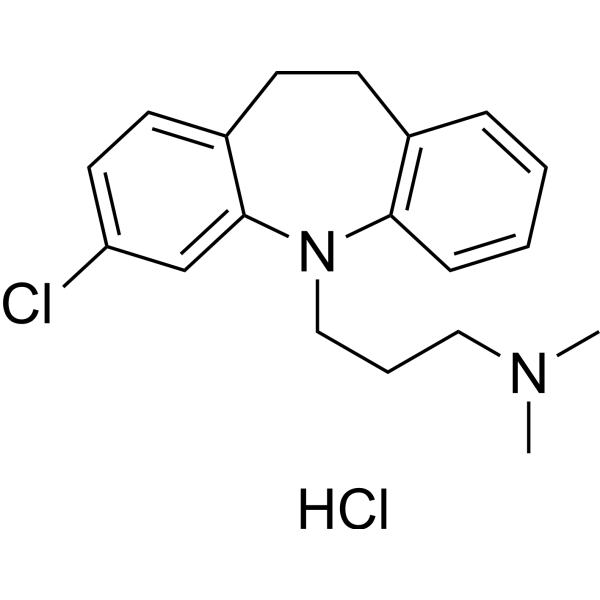
    Clomipramine (Chlorimipramine) hydrochloride is a potent 5-HT reuptake blocker with the IC50 value of 1.5 nM. Clomipramine hydrochloride is a tricyclic antidepressant that can be used for the research of depression and obsessive compulsive disorder (OCD) .
    Clomipramine hydrochloride
  • HY-B0725
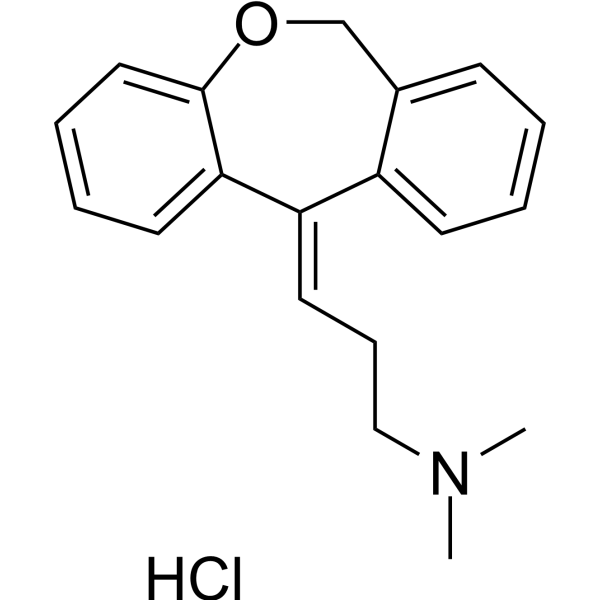
    Doxepin Hydrochloride
    5+ Cited Publications

    Histamine Receptor Cytochrome P450 Neurological Disease Cancer
    Doxepin hydrochloride is an orally active tricyclic antidepressant agent. Doxepin hydrochloride is a potent and selective histamine receptor H1 antagonist. Doxepin hydrochloride is also a potent CYP450 inhibitor and significantly inhibits CYP450 2C19 and 1A2 . Doxepin inhibits reuptake of serotonin and norepinephrine as a tricyclic antidepressant .
    . Doxepin has therapeutic effects in atopic dermatitis,chronic urticarial,can improve cognitive processes, protect central nervous system .
    . Doxepin has also been proposed as a protective factor against oxidative stress .
    .
    Doxepin Hydrochloride
  • HY-118620
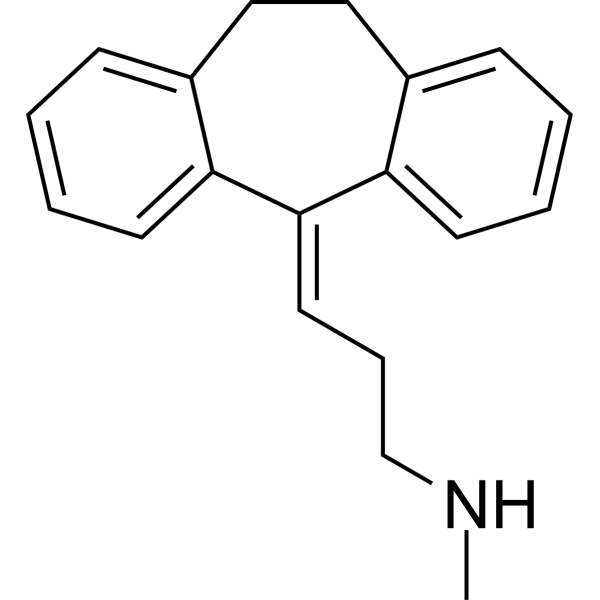
    Nortriptyline
    3 Publications Verification

    Desmethylamitriptyline; Desitriptilina

    Autophagy Drug Metabolite Apoptosis Neurological Disease Cancer
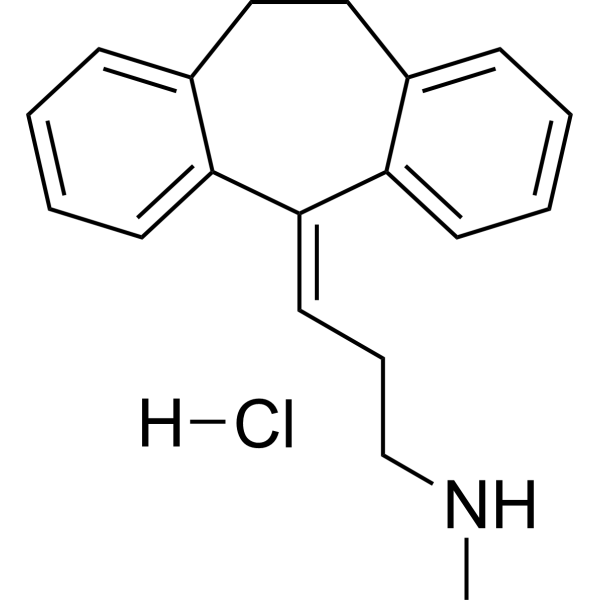
    Nortriptyline (Desmethylamitriptyline), the main active metabolite of Amitriptyline, is a tricyclic antidepressant. Nortriptyline is a potent autophagy inhibitor and has anticancer effects . N
    Nortriptyline
  • HY-B1417
    Nortriptyline hydrochloride
    3 Publications Verification

    Desmethylamitriptyline hydrochloride; Desitriptilina hydrochloride

    Autophagy Drug Metabolite Apoptosis Neurological Disease Cancer
    Nortriptyline (Desmethylamitriptyline) hydrochloride, the main active metabolite of Amitriptyline, is a tricyclic antidepressant. Nortriptyline hydrochloride is a potent autophagy inhibitor and has anticancer effects .
    Nortriptyline hydrochloride
  • HY-118901

    Ensidon; G-33040

    Sigma Receptor Neurological Disease
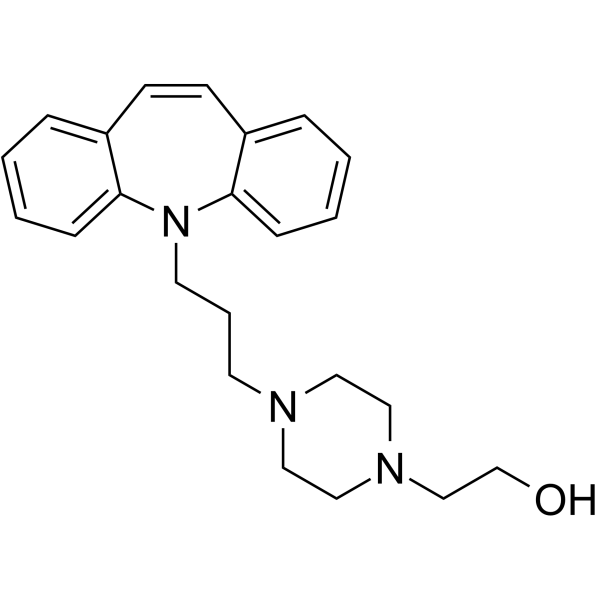
    Opipramol (Ensidon) is an atypical tricyclic antidepressant (TCA). Opipramol acts primarily as a sigma (σ) receptor agonist and can potently interact with sigma recognition sites with a Ki value of 50 nM. Opipramol can be used for the research of generalized anxiety disorder (GAD) .
    Opipramol
  • HY-B0949
    Protriptyline hydrochloride
    2 Publications Verification

    Cholinesterase (ChE) Amyloid-β Neurological Disease
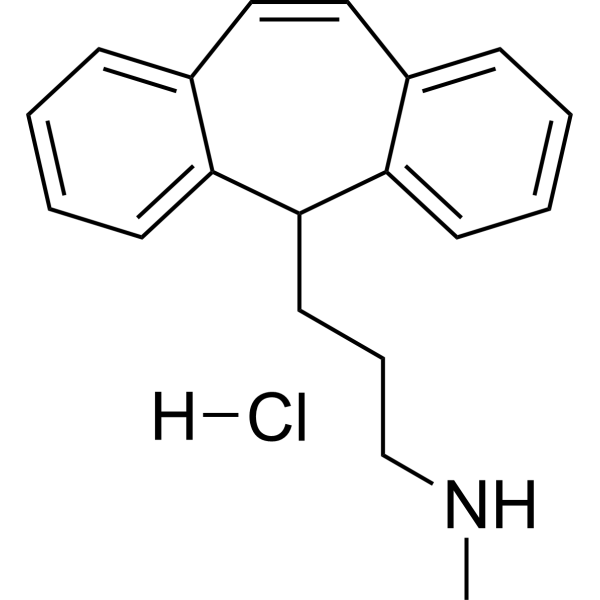
    Protriptyline hydrochloride is a potent tricyclic antidepressant (TCA). Protriptyline hydrochloride inhibits AChE activity with an IC50 value of 0.06 mM and inhibits Aβ self-assembly. Protriptyline hydrochloride can be used for the study of depression and Alzheimers disease .
    Protriptyline hydrochloride
  • HY-12390

    Lopramine

    5-HT Receptor Adrenergic Receptor Neurological Disease
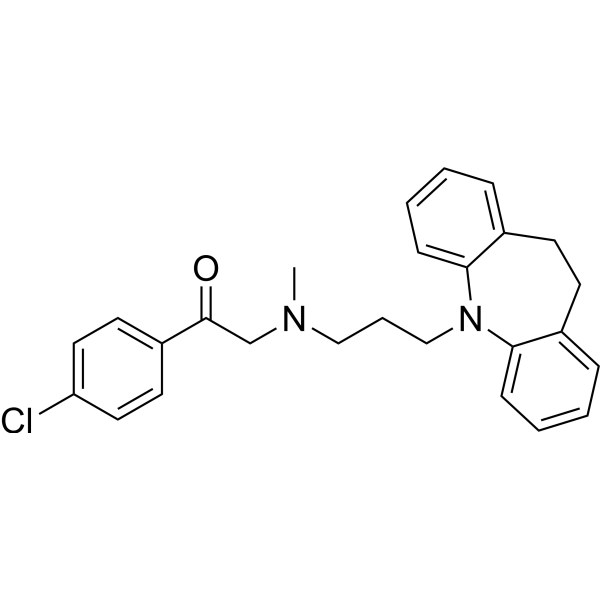
    Lofepramine (Lopramine) is a modified tricyclic and orally active antidepressant. Lofepramine inhibits the uptake of Noradrenaline (NA) (HY-13715) and 5-hydroxytryptamine (5-HT) with IC50s of 2.7 μM and 11 μM, respectively. Lofepramine exerts its antidepressant activity by promoting noradrenergic neurotransmission. Lofepramine also enhances serotonergic neurotransmission by inhibiting neuronal uptake of 5-HT and tryptophan pyrrolase. Lofepramine exhibits significant anxiolytic properties. .
    Lofepramine
  • HY-108256

    5-HT Receptor Neurological Disease
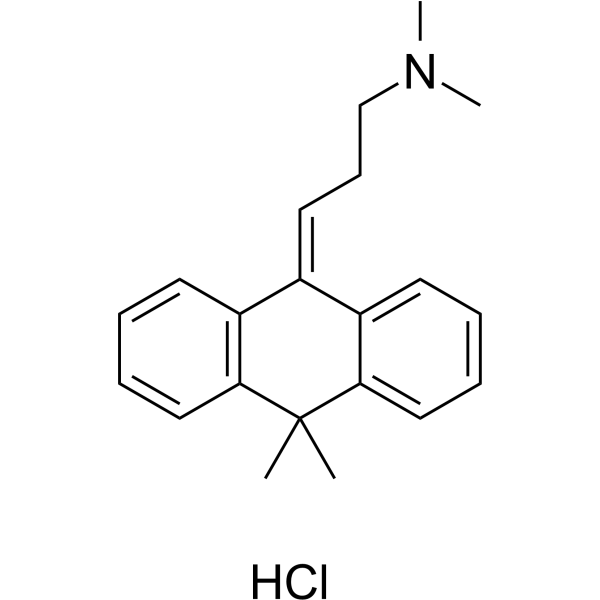
    Melitracen hydrochloride is an orally active biphasic antidepressant and antianxiety agent. Melitracen hydrochloride can inhibit the uptake of Norepinephrine and 5-HT (serotonin) through the presynaptic membrane inducing the increase of monoamine transmitters in synaptic space .
    Melitracen hydrochloride
  • HY-B1482A

    TPS-23

    Potassium Channel Neurological Disease
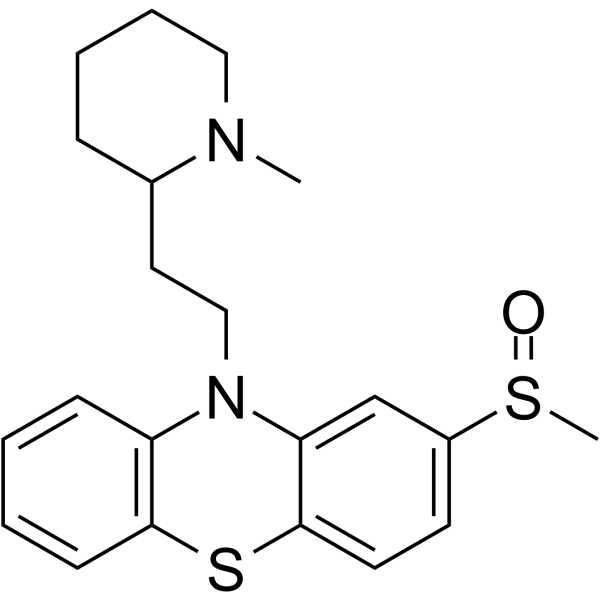
    Mesoridazine (TPS-23) , a metabolite of Thioridazine (HY-B0965A), acts as an orally active phenothiazine antipsychotic agent. Mesoridazine is a potent and rapid open-channel blocker of human ether-a-go-go related gene (hERG) channels and blocks hERG currents with an IC50 of 550 nM (at 0 mV) in human embryonic kidney 293 cells .Mesoridazine can be used for the research of schizophrenia, as well as certain other psychiatric disorders .
    Mesoridazine
  • HY-12388A

    Desmethylclomipramine hydrochloride; Norclomipramine hydrochloride

    Drug Metabolite Neurological Disease
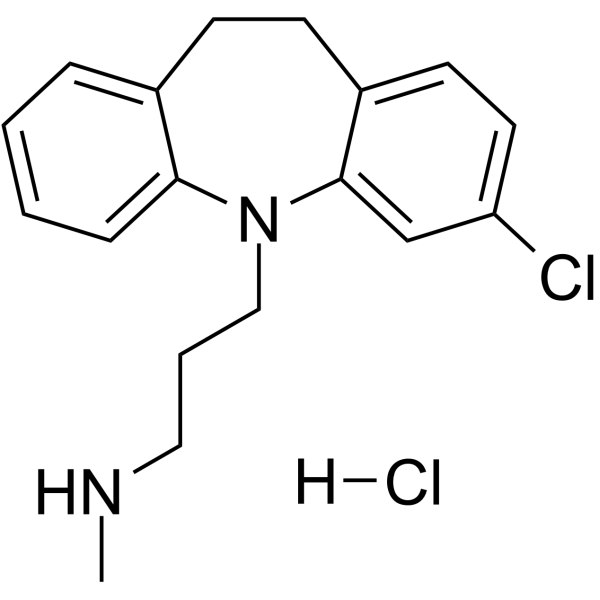
    N-Desmethyl Clomipramine hydrochloride (Desmethylclomipramine hydrochloride) is a primary plasma N-desmethyl metabolite of Clomipramine. Clomipramine is a tricyclic antidepressant .
    N-Desmethyl clomipramine hydrochloride
  • HY-100646A

    Drug Metabolite Neurological Disease
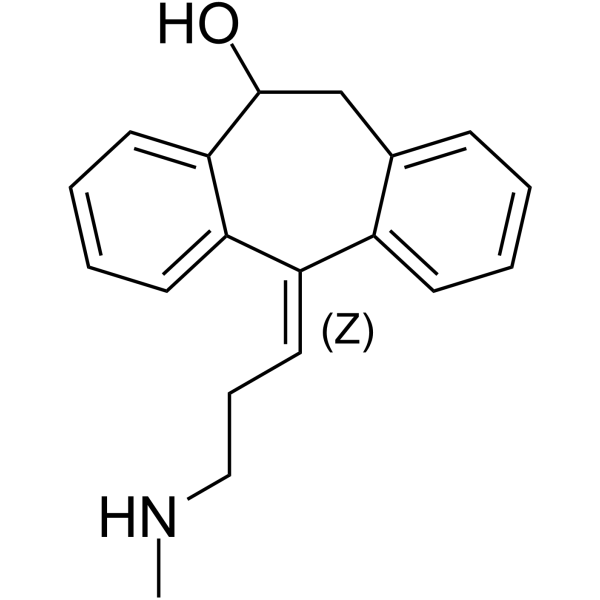
    (Z)-10-Hydroxynortriptyline is a metabolite of Nortriptyline. Nortriptyline is a tricyclic antidepressant and the main active metabolite of Amitriptyline, and is used to relieve the symptoms of depression .
    (Z)-10-Hydroxynortriptyline
  • HY-B1417S

    Desmethylamitriptyline-d3 hydrochloride; Desitriptilina-d3 hydrochloride

    Isotope-Labeled Compounds Autophagy Apoptosis Drug Metabolite Neurological Disease Cancer
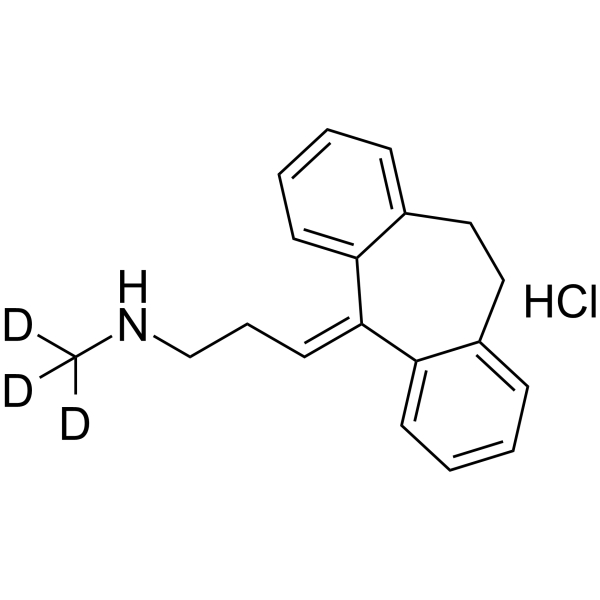
    Nortriptyline-d3 (hydrochloride) is the deuterium labeled Nortriptyline hydrochloride. Nortriptyline hydrochloride (Desmethylamitriptyline hydrochloride) is a tricyclic antidepressant and the main active metabolite of Amitriptyline, and used to relieve the symptoms of depression .
    Nortriptyline-d3 hydrochloride
  • HY-B0725A
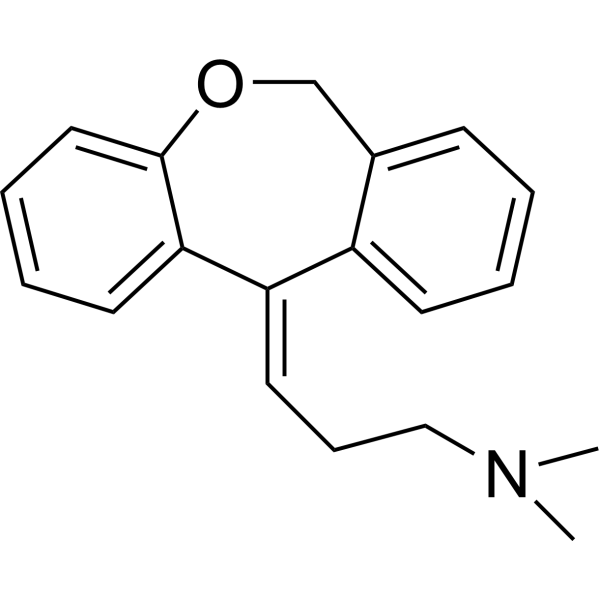
    Doxepin
    5+ Cited Publications

    mTOR PI3K Akt Neurological Disease Cancer
    Doxepin inhibits reuptake of serotonin and norepinephrine as a tricyclic antidepressant. Doxepin has therapeutic effects in atopic dermatitis,chronic urticarial,can improve cognitive processes, protect central nervous system. Doxepin has also been proposed as a protective factor against oxidative stress .
    Doxepin
  • HY-100046

    Desmethyldoxepin hydrochloride

    Drug Metabolite Neurological Disease
    Nordoxepin hydrochloride is the major metabolite of Doxepin. Doxepin is a tricyclic antidepressant that is widely prescribed for the research of mild depression .
    Nordoxepin hydrochloride
  • HY-78509

    Biochemical Assay Reagents Drug Intermediate Neurological Disease
    Dibenzosuberone belongs to the family of tricyclic antidepressant drugs, commonly referred to as Tricyclic antidepressants (TCAs), and is widely used in research on migraine, tension headaches, anxiety disorders, and schizophrenia. Dibenzosuberone is also a key intermediate in the synthesis of various active pharmaceutical ingredients (APIs), such as Amitriptyline (HY-B0527), Nortriptyline (HY-118620), Noxiptiline or Cyproheptadine (HY-B1622) .
    Dibenzosuberone
  • HY-B0457R

    Chlorimipramine hydrochloride (Standard); G-34586 hydrochloride (Standard); NSC-169865 hydrochloride (Standard)

    Reference Standards Serotonin Transporter Neurological Disease
    Clomipramine (hydrochloride) (Standard) is the analytical standard of Clomipramine (hydrochloride). This product is intended for research and analytical applications. Clomipramine (Chlorimipramine) hydrochloride is a potent 5-HT reuptake blocker with the IC50 value of 1.5 nM. Clomipramine hydrochloride is a tricyclic antidepressant that can be used for the research of depression and obsessive compulsive disorder (OCD) .
    Clomipramine hydrochloride (Standard)
  • HY-12392

    Opioid Receptor Neurological Disease
    Iprindole, an opioid receptor agonist, is a tricyclic antidepressant. Iprindole shortens the immobility time in mice forced swimming test, which can be reversed by the opiate antagonist Naloxone (HY-17417A). Iprindole induces lamellar body formation but devoid of lamellar bodies. Iprindole can be used for the research of depression .
    Iprindole
  • HY-B1272A

    Adrenergic Receptor ERK JNK p38 MAPK NF-κB AP-1 Apoptosis Reactive Oxygen Species (ROS) Mitochondrial Metabolism TNF Receptor Neurological Disease Inflammation/Immunology Cancer
    Desipramine is a first-generation tricyclic antidepressant. Desipramine selectively binds to norepinephrine transporter and blocks neuronal norepinephrine reuptake. Desipramine activates MAPK signaling via ERK1/2, JNK, and p38, represses NF-κB and AP-1 activity, and induces apoptosis via ROS elevation, mitochondrial membrane potential reduction, and intracellular calcium increase. Desipramine also shows anyi-inflammatory activity, inhibiting TNF-α production. Desipramine can be used for the research of hepatocellular cancer, inflammation, and neurological diseases .
    Desipramine
  • HY-B0527AR
    Amitriptyline hydrochloride (Standard)
    4 Publications Verification

    Reference Standards Serotonin Transporter 5-HT Receptor Histamine Receptor mAChR Adrenergic Receptor Trk Receptor Sodium Channel Potassium Channel Dopamine Transporter Apoptosis Neurological Disease Inflammation/Immunology Endocrinology
    Amitriptyline hydrochloride (Standard) is the analytical standard of Amitriptyline hydrochloride (HY-B0527A). This product is intended for research and analytical applications. Amitriptyline hydrochloride is an orally active tricyclic antidepressant (TCA). Amitriptyline hydrochloride mainly exerts its antidepressant effect by blocking SERT (Ki = 3.45 nM) and NET (Ki = 13.3 nM), thereby increasing the concentrations of 5-hydroxytryptamine (5-HT) and norepinephrine (NE) in the synaptic cleft. Amitriptyline hydrochloride is also an agonist at α2A and TrkA/TrkB receptors, thereby exerting analgesic and neurotrophic activities (inhibiting cell apoptosis). Amitriptyline hydrochloride can reduce inflammation, angiogenesis and fibrosis. Amitriptyline hydrochloride binds to DAT (with Ki = 2.58 μM). Amitriptyline hydrochloride has high affinity for a series of receptors and can antagonize muscarinic cholinergic receptors (M1/M2/M3/M4/M5 receptors) (Ki = 11-24 nM), H1 receptors (Ki = 0.5-1.1 nM), adrenergic α1 receptors (Ki = 4.4 nM), etc., resulting in a series of side effects. Amitriptyline hydrochloride can block sodium channels and hERG potassium channel (IC50 = 4.78 μM) and it has cardiotoxicity.
    Amitriptyline hydrochloride (Standard)
  • HY-B1490R

    Reference Standards Serotonin Transporter Apoptosis Autophagy Neurological Disease Inflammation/Immunology Cancer
    Imipramine (hydrochloride) (Standard) is the analytical standard of Imipramine (hydrochloride). This product is intended for research and analytical applications. Imipramine hydrochloride is an orally active tertiary amine tricyclic antidepressant. Imipramine hydrochloride is a Fascin1 inhibitor with antitumor activities. Imipramine hydrochloride also inhibits serotonin transporter with an IC50 value of 32 nM. Imipramine hydrochloride stimulates U-87MG glioma cells autophagy and induces HL-60 cell apoptosis. Imipramine hydrochloride shows neuroprotective and immunomodulatory effects .
    Imipramine hydrochloride (Standard)
  • HY-B0527AS

    Isotope-Labeled Compounds Serotonin Transporter 5-HT Receptor Histamine Receptor mAChR Adrenergic Receptor Trk Receptor Sodium Channel Potassium Channel Dopamine Transporter Apoptosis Neurological Disease Inflammation/Immunology Endocrinology
    Amitriptyline-d6 hydrochloride is the deuterium labeled Amitriptyline hydrochloride (HY-B0527A). Amitriptyline hydrochloride is an orally active tricyclic antidepressant (TCA). Amitriptyline hydrochloride mainly exerts its antidepressant effect by blocking SERT (Ki = 3.45 nM) and NET (Ki = 13.3 nM), thereby increasing the concentrations of 5-hydroxytryptamine (5-HT) and norepinephrine (NE) in the synaptic cleft. Amitriptyline hydrochloride is also an agonist at α2A and TrkA/TrkB receptors, thereby exerting analgesic and neurotrophic activities (inhibiting cell apoptosis). Amitriptyline hydrochloride can reduce inflammation, angiogenesis and fibrosis. Amitriptyline hydrochloride binds to DAT (with Ki = 2.58 μM). Amitriptyline hydrochloride has high affinity for a series of receptors and can antagonize muscarinic cholinergic receptors (M1/M2/M3/M4/M5 receptors) (Ki = 11-24 nM), H1 receptors (Ki = 0.5-1.1 nM), adrenergic α1 receptors (Ki = 4.4 nM), etc., resulting in a series of side effects. Amitriptyline hydrochloride can block sodium channels and hERG potassium channel (IC50 = 4.78 μM) and it has cardiotoxicity.
    Amitriptyline-d6 hydrochloride
  • HY-B1417R

    Desmethylamitriptyline hydrochloride (Standard); Desitriptilina hydrochloride (Standard)

    Reference Standards Autophagy Drug Metabolite Apoptosis Neurological Disease Cancer
    Nortriptyline (hydrochloride) (Standard) is the analytical standard of Nortriptyline (hydrochloride). This product is intended for research and analytical applications. Nortriptyline (Desmethylamitriptyline) hydrochloride, the main active metabolite of Amitriptyline, is a tricyclic antidepressant. Nortriptyline hydrochloride is a potent autophagy inhibitor and has anticancer effects .
    Nortriptyline hydrochloride (Standard)
  • HY-B0725S

    Histamine Receptor Cytochrome P450 Neurological Disease
    Doxepin-d3 (hydrochloride) is a deuterium labeled Doxepin Hydrochloride. Doxepin hydrochloride is an orally active tricyclic antidepressant. Doxepin hydrochloride is a potent and selective histamine receptor H1 antagonist. Doxepin hydrochloride is also a potent CYP450 inhibitor and significantly inhibits CYP450 2C19 and 1A2 .
    Doxepin-d3 hydrochloride
  • HY-133771AS

    Desmethyldoxepin-d3 hydrochloride

    Drug Metabolite Neurological Disease
    Nordoxepin-d3 (hydrochloride) is the deuterium labeled Nordoxepin hydrochloride. Nordoxepin hydrochloride is an active metabolite of Doxepin hydrochloride (HY-B0725), which is an orally active tricyclic antidepressant .
    Nordoxepin-d3 hydrochloride
  • HY-100651

    Drug Metabolite Neurological Disease
    Desmethylnortriptyline is a metabolite of Nortriptyline (HY-118620). Nortriptyline is a tricyclic antidepressant and the main active metabolite of Amitriptyline (HY-B0527) , and is used to relieve the symptoms of depression .
    Desmethylnortriptyline
  • HY-A0175

    Butriptylene

    5-HT Receptor Neurological Disease
    Butriptyline (Butriptylene) is an orally active tricyclic antidepressant that slightly enhances central 5-HT effects. Butriptyline does not inhibit brain norepinephrine uptake. Butriptyline can be used for depression research .
    Butriptyline
  • HY-B1272R

    Reference Standards Adrenergic Receptor ERK JNK p38 MAPK NF-κB AP-1 Apoptosis Reactive Oxygen Species (ROS) Mitochondrial Metabolism TNF Receptor Neurological Disease Inflammation/Immunology Cancer
    Desipramine hydrochloride (Standard) is the analytical standard of Desipramine hydrochloride (HY-B1272). This product is intended for research and analytical applications. Desipramine hydrochloride is a first-generation tricyclic antidepressant. Desipramine hydrochloride selectively binds to norepinephrine transporter and blocks neuronal norepinephrine reuptake. Desipramine hydrochloride activates MAPK signaling via ERK1/2, JNK, and p38, represses NF-κB and AP-1 activity, and induces apoptosis via ROS elevation, mitochondrial membrane potential reduction, and intracellular calcium increase. Desipramine hydrochloride also shows anyi-inflammatory activity, inhibiting TNF-α production. Desipramine hydrochloride can be used for the research of hepatocellular cancer, inflammation, and neurological diseases .
    Desipramine hydrochloride (Standard)
  • HY-121778

    Melitracene; N 7001; Trausabun

    5-HT Receptor Neurological Disease
    Melitracen (Melitracene) is an orally active tricyclic antidepressant and it is also a bipolar thymoleptic with activating properties. Melitracen inhibits 3H-5-HT and 14H-5-HT with IC50s of 670 nM and 5500 nM, respectively. Melitracen can be used for the research of depression and anxiety .
    Melitracen
  • HY-B0949A

    Cholinesterase (ChE) Amyloid-β Neurological Disease
    Protriptyline is a potent tricyclic antidepressant (TCA). Protriptyline inhibits AChE activity with an IC50 value of 0.06 mM and inhibits Aβ self-assembly. Protriptyline can be used for the study of depression and Alzheimers disease .
    Protriptyline
  • HY-B0457S1

    Chlorimipramine-d6 hydrochloride; G-34586-d6 hydrochloride; NSC-169865-d6 hydrochloride

    Isotope-Labeled Compounds Serotonin Transporter Neurological Disease
    Clomipramine-d6 (hydrochloride) is the deuterium labeled Clomipramine hydrochloride. Clomipramine (Chlorimipramine) hydrochloride is a potent 5-HT reuptake blocker with the IC50 value of 1.5 nM. Clomipramine hydrochloride is a tricyclic antidepressant that can be used for the research of depression and obsessive compulsive disorder (OCD) .
    Clomipramine-d6 hydrochloride
  • HY-B2074

    SARS-CoV Neurological Disease
    Demexiptiline is a tricyclic antidepressant. Demexiptiline is a norepinephrine reuptake inhibitor. Demexiptiline has a binding affinity with SARS-CoV-2 3CL protease of 8.14 kcal/mol. Demexiptiline can also be studied in research on melancholic states .
    Demexiptiline
  • HY-12388AS

    Desmethylclomipramine-d3 hydrochloride; Norclomipramine-d3 hydrochloride

    Drug Metabolite Neurological Disease
    N-Desmethyl Clomipramine-d3 (hydrochloride) is the deuterium labeled N-Desmethyl Clomipramine. N-Desmethyl Clomipramine hydrochloride (Desmethylclomipramine hydrochloride) is a primary plasma N-desmethyl metabolite of Clomipramine
    N-Desmethyl clomipramine-d3 hydrochloride
  • HY-B1482

    TPS-23 benzenesulfonate

    Potassium Channel Neurological Disease
    Mesoridazine (TPS-23) benzenesulfonate, a metabolite of Thioridazine (HY-B0965A), acts as an orally active phenothiazine antipsychotic agent. Mesoridazine benzenesulfonate is a potent and rapid open-channel blocker of human ether-a-go-go related gene (hERG) channels and blocks hERG currents with an IC50 of 550 nM (at 0 mV) in human embryonic kidney 293 cells .Mesoridazine benzenesulfonate can be used for the research of schizophrenia, as well as certain other psychiatric disorders .
    Mesoridazine benzenesulfonate
  • HY-12390A

    Lopramine hydrochloride

    5-HT Receptor Adrenergic Receptor Neurological Disease
    Lofepramine (Lopramine) is a modified tricyclic and orally active antidepressant. Lofepramine inhibits the uptake of Noradrenaline (NA) (HY-13715) and 5-hydroxytryptamine (5-HT) with IC50s of 2.7 μM and 11 μM, respectively. Lofepramine exerts its antidepressant activity by promoting noradrenergic neurotransmission. Lofepramine also enhances serotonergic neurotransmission by inhibiting neuronal uptake of 5-HT and tryptophan pyrrolase. Lofepramine exhibits significant anxiolytic properties. .
    Lofepramine hydrochloride
  • HY-B1490AS

    Isotope-Labeled Compounds Serotonin Transporter Neurological Disease Inflammation/Immunology Cancer
    Imipramine-d6 is the deuterium labeled Imipramine hydrochloride. Imipramine is an orally active tertiary amine tricyclic antidepressant. Imipramine is a Fascin1 inhibitor with antitumor activities. Imipramine also inhibits serotonin transporter with an IC50 value of 32 nM. Imipramine stimulates U-87MG glioma cells autophagy and induces HL-60 cell apoptosis. Imipramine shows neuroprotective and immunomodulatory effects .
    Imipramine-d6
  • HY-B1490S1

    Isotope-Labeled Compounds Serotonin Transporter Autophagy Apoptosis Neurological Disease Inflammation/Immunology Cancer
    Imipramine-d3 (hydrochloride) is deuterium labeled Imipramine (hydrochloride). Imipramine is an orally active tertiary amine tricyclic antidepressant. Imipramine is a Fascin1 inhibitor with antitumor activities. Imipramine also inhibits serotonin transporter with an IC50 value of 32 nM. Imipramine stimulates U-87MG glioma cells autophagy and induces HL-60 cell apoptosis. Imipramine shows neuroprotective and immunomodulatory effects .
    Imipramine-d3 hydrochloride
  • HY-B1490AR

    Serotonin Transporter Autophagy Apoptosis Reference Standards Neurological Disease Inflammation/Immunology Cancer
    Imipramine (Standard) is the analytical standard of Imipramine. This product is intended for research and analytical applications. Imipramine is an orally active tertiary amine tricyclic antidepressant. Imipramine is a Fascin1 inhibitor with antitumor activities. Imipramine also inhibits serotonin transporter with an IC50 value of 32 nM. Imipramine stimulates U-87MG glioma cells autophagy and induces HL-60 cell apoptosis. Imipramine shows neuroprotective and immunomodulatory effects .
    Imipramine (Standard)
  • HY-100046R

    Desmethyldoxepin hydrochloride (Standard)

    Reference Standards Drug Metabolite Neurological Disease
    Nordoxepin (hydrochloride) (Standard) is the analytical standard of Nordoxepin (hydrochloride). This product is intended for research and analytical applications. Nordoxepin hydrochloride is the major metabolite of Doxepin. Doxepin is a tricyclic antidepressant that is widely prescribed for the research of mild depression .
    Nordoxepin hydrochloride (Standard)
  • HY-118620R

    Desmethylamitriptyline (Standard); Desitriptilina (Standard)

    Reference Standards Autophagy Drug Metabolite Apoptosis Neurological Disease Cancer
    Nortriptyline (Standard) is the analytical standard of Nortriptyline. This product is intended for research and analytical applications. Nortriptyline (Desmethylamitriptyline), the main active metabolite of Amitriptyline, is a tricyclic antidepressant. Nortriptyline is a potent autophagy inhibitor and has anticancer effects . N
    Nortriptyline (Standard)
  • HY-12392R

    Reference Standards Opioid Receptor Neurological Disease
    Iprindole (Standard) is the analytical standard of Iprindole. This product is intended for research and analytical applications. Iprindole, an opioid receptor agonist, is a tricyclic antidepressant. Iprindole shortens the immobility time in mice forced swimming test, which can be reversed by the opiate antagonist Naloxone (HY-17417A). Iprindole induces lamellar body formation but devoid of lamellar bodies. Iprindole hydrochloride can be used for the research of depression .
    Iprindole (Standard)
  • HY-106079

    5-HT Receptor Adrenergic Receptor Dopamine Receptor Neurological Disease
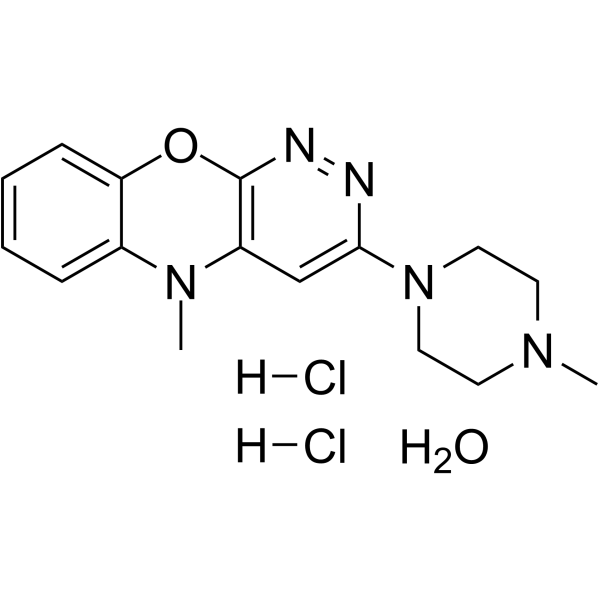
    Fezolamine is an orally active non-tricyclic compound , and shows antidepressant activity .
    Fezolamine
  • HY-101684A

    CIBA 2330Go hydrochloride

    Serotonin Transporter Neurological Disease
    Nitroxazepine hydrochloride is a tricyclic antidepressant (TCA) for the study of depression. Nitroxazepine acts as a serotonin-norepinephrine reuptake inhibitor.
    Nitroxazepine hydrochloride
  • HY-101684

    CIBA 2330Go

    Serotonin Transporter Neurological Disease
    Nitroxazepine is a tricyclic antidepressant (TCA) for the research of depression. Nitroxazepine acts as a serotonin-norepinephrine reuptake inhibitor.
    Nitroxazepine
  • HY-121203A

    Serotonin Transporter Neurological Disease
    Citalopram oxalate is a serotonin uptake inhibitor that serves as an antidepressant, effectively reducing ethanol uptake in alcoholics and offering a preferable option for depressed patients experiencing tardive dyskinesia compared to tricyclic antidepressants, which may worsen this condition.
    Citalopram oxalate

Inquiry Online

Your information is safe with us. * Required Fields.

Salutation


Country or Region *

Applicant Name *


Organization Name *

Department *


Email Address *


Product Name *

Cat. No.


Requested quantity *

Phone Number *


Remarks

Inquiry Online

Inquiry Information

Product Name:
Cat. No.:
Quantity:
MCE Japan Authorized Agent:

