1. Search Result
Search Result
Results for "

urinary protein

" in MedChemExpress (MCE) Product Catalog:

44

Inhibitors & Agonists

2

Biochemical Assay Reagents

1

Peptides

1

Inhibitory Antibodies

4

Natural
Products

9

Recombinant Proteins

2

Isotope-Labeled Compounds

4

Antibodies

Cat. No. Product Name Target Research Areas Chemical Structure
  • HY-15435
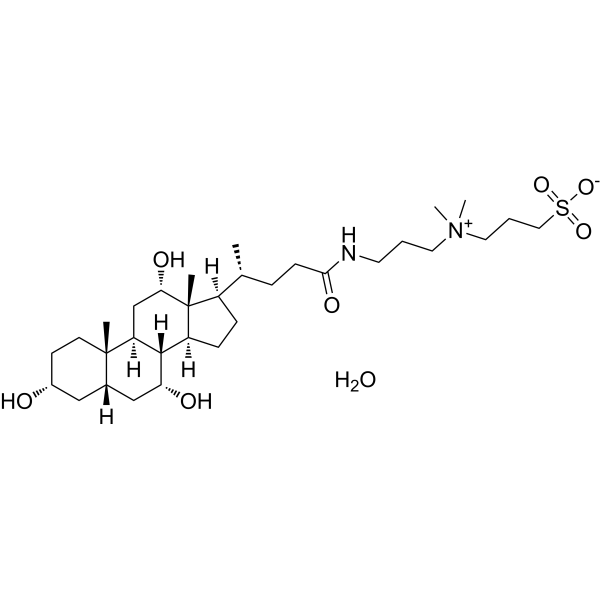
    CHAPS
    4 Publications Verification

    Exosomes Biochemical Assay Reagents Others
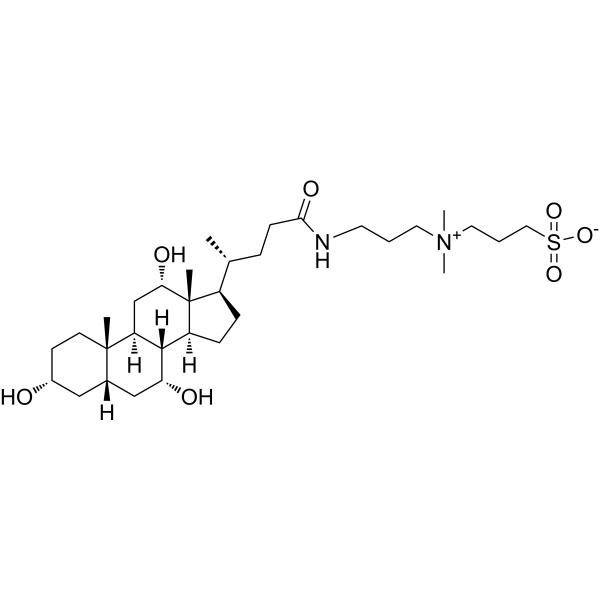
    CHAPS is a cholic acid-derived, sulfobetaine-type zwitterionic detergent and micelle-forming agent. CHAPS exhibits properties of weak cationic or nonionic surfactants in different solution systems, undergoes micellization, and forms small, loose hydrophilic aggregates that are temperature-dependent. CHAPS stabilizes mononucleosomes under different ionic strengths, reduces nucleosome sequence specificity, promotes sliding of histone cores along DNA, solubilizes Tamm-Horsfall protein to reduce its interference with urinary exosome isolation, and maintains vesicle structure and the activity of related proteins at the same time. CHAPS is used to recover native folded fusion proteins, enhance the binding capacity of GST fusion proteins, and restore GST enzyme activity. However, CHAPS cannot refold proteins denatured by urea, guanidine hydrochloride or heat, nor can it construct the structure of intrinsically disordered proteins. CHAPS is commonly used in research on the separation and purification of membrane proteins .
    CHAPS
  • HY-B0510
    Trimethoprim
    10+ Cited Publications

    Antifolate Bacterial Antibiotic Influenza Virus Infection Cancer
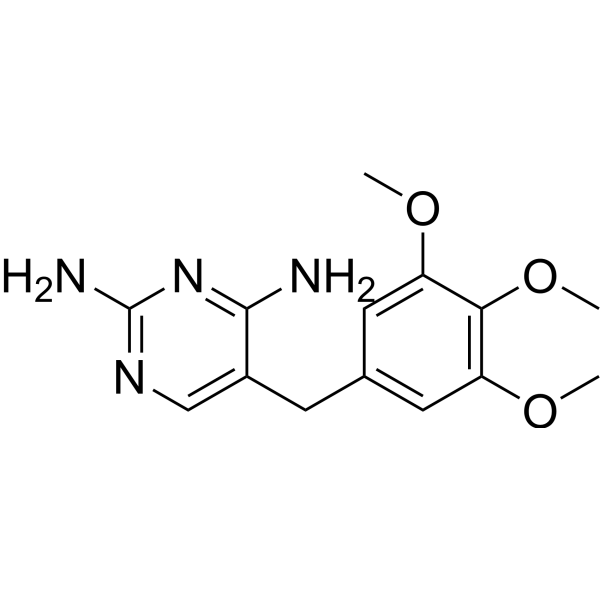
    Trimethoprim is a bacteriostatic antibiotic and an orally active dihydrofolate reductase inhibitor. Trimethoprim is active against a wide range of Gram-positive and Gram-negative aerobic bacteria. Trimethoprim has the potential for the research of urinary tract infections, Shigellosis and Pneumocystis pneumonia. Trimethoprim can inhibit infection of Influenza A virus in chick embryo when combinated with zinc .
    Trimethoprim
  • HY-P99901

    VIS649

    SARS-CoV Inflammation/Immunology Cancer
    Sibeprenlimab (VIS649) is a humanized IgG2 monoclonal antibody which inhibits a proliferation-inducing ligand (APRIL). Sibeprenlimab suppresses pathogenic immunoglobulins (IgA and IgM), while preserving antibody responses to mRNA-based vaccines against SARS-COV-2. Sibeprenlimab reduces urinary protein-to-creatinine ratio (UPCR) and glomerular filtration rate (GFR). Sibeprenlimab is promising for the research of IgA nephropathy (IgAN) .
    Sibeprenlimab
  • HY-N0702

    Beta-secretase Cholinesterase (ChE) Neurological Disease
    Tenuifolin is effective and has a protective action. Tenuifolin inhibits β-secretase decreases Aβ protein secretion, suppresses Aβ25-35 secretion, and subsequently caspase-3 and caspase-9 become active. Tenuifolin's ability to lower AChE activity, increase at the same time, increase the ability of the upper glands, and improve the ability to read and remember. Research on tenuifolin's potential for use in urinary disease (AD).
    Tenuifolin
  • HY-14865
    Omadacycline
    Maximum Cited Publications
    32 Publications Verification

    PTK 0796; Amadacycline

    Bacterial Antibiotic Infection
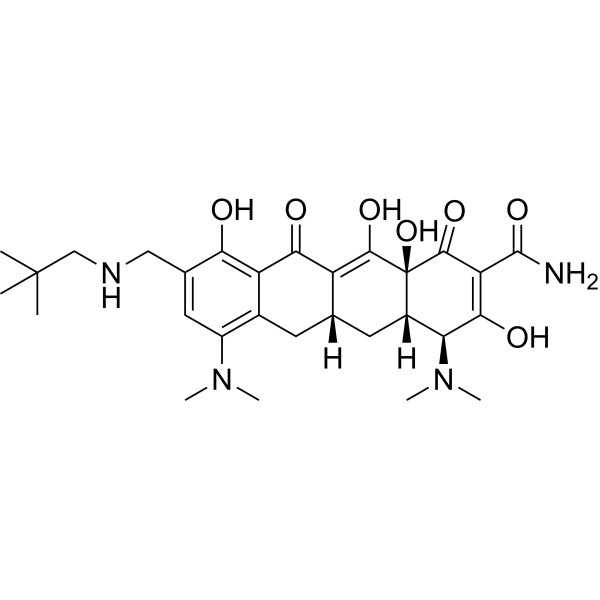
    Omadacycline (PTK 0796), a first-in-class orally active aminomethylcycline antibacterial, is a member of the tetracycline class of antibiotics. Omadacycline acts through the inhibition of bacterial protein synthesis by binding to the 30S ribosomal subunit. Omadacycline possesses broad-spectrum antibacterial activity against aerobic and anaerobic Gram-positive and Gram-negative bacteria, as well as atypical bacteria. Omadacycline can be used for the research of acute bacterial skin and skin-structure infections, community-acquired pneumonia, and urinary tract infections .
    Omadacycline
  • HY-N6670

    Antibiotic Raf ERK Ras MEK Bacterial Infection
    Cefotetan is a binding agent that targets human Raf1 kinase inhibitor protein (hRKIP). Cefotetan binds to hRKIP, reduces the binding space between hRKIP and Raf1 kinase, relieves hRKIP's inhibition of the Ras/Raf1/MEK/ERK signaling pathway, and enhances ERK phosphorylation. Cefotetan can be used to study diseases associated with dysregulated Ras/Raf1/MEK/ERK signaling pathways. Cefotetan is also a broad-spectrum antibacterial agent that disrupts cell wall synthesis by binding to bacterial penicillin-binding proteins (PBPs). It is used to study bacterial infections such as bone, skin, urinary tract, and lower respiratory tract .
    Cefotetan
  • HY-111521

    Carbavance

    Antibiotic Bacterial Beta-lactamase Infection
    Meropenem-vaborbactam (Carbavance) is a Carbapenem Antibiotic and Boronic acid-based beta-lactamase inhibitor, is a fixed-dose combination product with potent in vitro activity against Enterobacteriaceae that are Klebsiella pneumoniae carbapenemase producers. Meropenem-vaborbactam exhibits activity against Pseudomonas aeruginosa isolates , with an MIC50 of 0.5 μg/mL and an MIC90 of 8 μg/mL .
    Meropenem-vaborbactam
  • HY-B0549A

    Rec-7-0040; DW61

    Calcium Channel Adenosine Receptor mAChR Dopamine Receptor Adrenergic Receptor Cardiovascular Disease Infection Neurological Disease Cancer
    Flavoxate hydrochloride (Rec-7-0040; DW61) is an orally active L-type Ca 2+ channel inhibitor and antispasmodic. Flavoxate hydrochloride inhibits cyclic adenosine monophosphate production by blocking voltage-dependent inward Ba 2+ currents, regulating the brainstem micturition center, and stimulating G protein-coupled receptors. Consequently, Flavoxate hydrochloride induces relaxation of bladder smooth muscle and inhibits isovolumetric rhythmic contractions. Flavoxate hydrochloride effectively increases bladder capacity and alleviates symptoms of urgent urination frequency and pollakiuria caused by overactive bladder. Flavoxate hydrochloride can be used in research on overactive bladder and related voiding dysfunctions .
    Flavoxate hydrochloride
  • HY-14865B
    Omadacycline tosylate
    Maximum Cited Publications
    32 Publications Verification

    PTK 0796 tosylate; Amadacycline tosylate

    Bacterial Antibiotic Infection
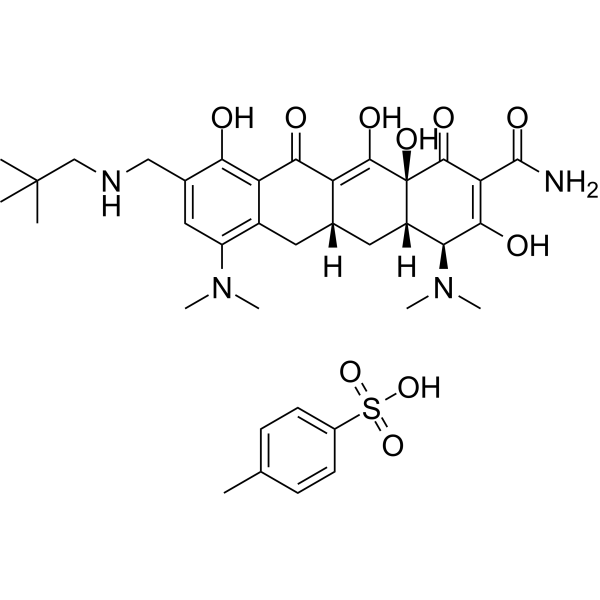
    Omadacycline (PTK 0796) tosylate, a first-in-class orally active aminomethylcycline antibacterial, is a member of the tetracycline class of antibiotics. Omadacycline tosylate acts through the inhibition of bacterial protein synthesis by binding to the 30S ribosomal subunit. Omadacycline tosylate possesses broad-spectrum antibacterial activity against aerobic and anaerobic Gram-positive and Gram-negative bacteria, as well as atypical bacteria. Omadacycline tosylate can be used for the research of acute bacterial skin and skin-structure infections, community-acquired pneumonia, and urinary tract infections .
    Omadacycline tosylate
  • HY-15435A
    CHAPS hydrate
    4 Publications Verification

    Biochemical Assay Reagents Exosomes Others
    CHAPS hydrate is a cholic acid-derived, sulfobetaine-type zwitterionic detergent and micelle-forming agent. CHAPS hydrate exhibits properties of weak cationic or nonionic surfactants in different solution systems, undergoes micellization, and forms small, loose hydrophilic aggregates that are temperature-dependent. CHAPS hydrate stabilizes mononucleosomes under different ionic strengths, reduces nucleosome sequence specificity, promotes sliding of histone cores along DNA, solubilizes Tamm‑Horsfall protein to reduce its interference with urinary exosome isolation, and maintains vesicle structure and the activity of related proteins at the same time. CHAPS hydrate is used to recover native folded fusion proteins, enhance the binding capacity of GST fusion proteins, and restore GST enzyme activity. However, CHAPS hydrate cannot refold proteins denatured by urea, guanidine hydrochloride or heat, nor can it construct the structure of intrinsically disordered proteins. CHAPS hydrate is commonly used in research on the separation and purification of membrane proteins .
    CHAPS hydrate
  • HY-A0111
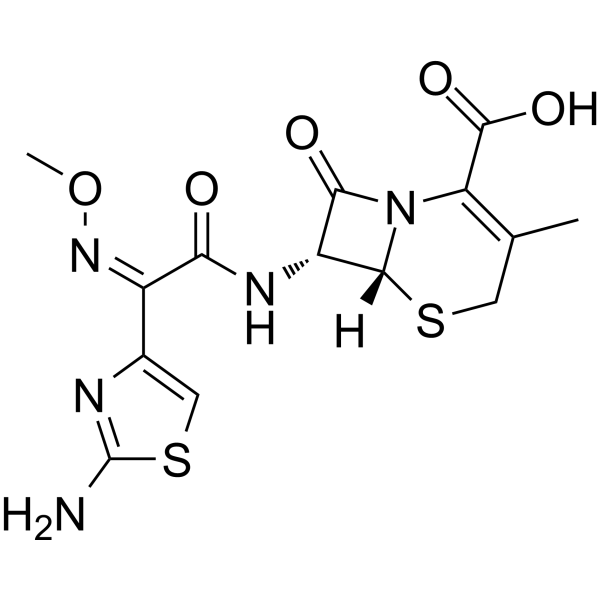
    Cefetamet
    1 Publications Verification

    Ro 15-8074; Deacetoxycefotaxime

    Antibiotic Bacterial Penicillin-binding protein (PBP) Drug Metabolite Infection
    Cefetamet (Ro 15-8074) is a cephalosporin antibiotic and the active metabolite of Cefetamet pivoxil (HY-B1894A). Cefetamet binds to bacterial penicillin-binding protein (PBP) (IC50 for PBP3 in Escherichia coli W3110 is 2.5 μg/mL). Cefetamet has significant activity against Gram-negative bacteria such as Enterobacteriaceae, Neisseria species, and Haemophilus influenzae, as well as Gram-positive bacteria such as Streptococcus. Cefetamet kills and lyses Treponema pallidum. Cefetamet can be used in the research of respiratory tract, urinary tract, ear, nose and throat infections, and syphilis .
    Cefetamet
  • HY-B0512
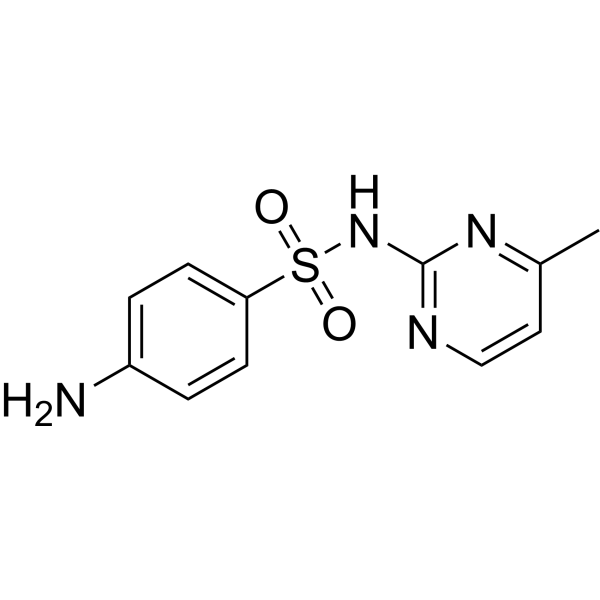
    Sulfamerazine
    4 Publications Verification

    RP2632

    Antibiotic Bacterial α-synuclein Infection Neurological Disease
    Sulfamerazine (RP2632) is a brain-penetrant and orally active sulfonamide antibiotic and α-synuclein inhibitor with human α-synuclein KD of 352 μM. Sulfamerazine inhibits the synthesis of dihydrofolate by bacteria, thereby inhibiting bacterial growth. Sulfamerazine inhibits α-synuclein fibrillation, reduces α-synuclein aggregation-associated toxicity and α-synuclein aggregate accumulation. Sulfamerazine can be used for the research of Parkinson’s disease and bacterial infection .
    Sulfamerazine
  • HY-14865C
    Omadacycline hydrochloride
    Maximum Cited Publications
    32 Publications Verification

    PTK0796 hydrochloride; Amadacycline hydrochloride

    Bacterial Antibiotic Infection
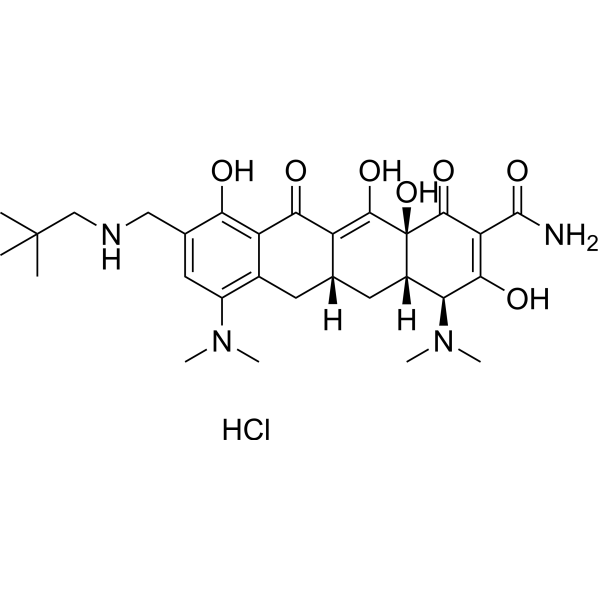
    Omadacycline (PTK 0796) hydrochloride, a first-in-class orally active aminomethylcycline antibacterial, is a member of the tetracycline class of antibiotics. Omadacycline hydrochloride acts through the inhibition of bacterial protein synthesis by binding to the 30S ribosomal subunit. Omadacycline hydrochloride possesses broad-spectrum antibacterial activity against aerobic and anaerobic Gram-positive and Gram-negative bacteria, as well as atypical bacteria. Omadacycline hydrochloride can be used for the research of acute bacterial skin and skin-structure infections, community-acquired pneumonia, and urinary tract infections .
    Omadacycline hydrochloride
  • HY-B1257

    Sodium cefmetazole

    Bacterial Antibiotic Infection Cancer
    Cefmetazole sodium (Sodium cefmetazole) is a semisynthetic cephamycin antibiotic with broad-spectrum antibacterial activity, covering gram-positive, gram-negative, and anaerobic bacteria. Cefmetazole sodium binds to penicillin binding proteins (PBPs), resulting in interfering bacterial cell wall biosynthesis. Cefmetazole sodium is used for the research of gynecologic, intraabdominal, urinary tract, respiratory tract and skin and soft tissue infections .
    Cefmetazole sodium
  • HY-N7101

    U-76,252; CS-807

    Bacterial Antibiotic Penicillin-binding protein (PBP) Infection
    Cefpodoxime Proxetil is an orally active broad spectrum third-generation cephalosporin with potent antibacterial activity against both Gram-positive and Gram-negative bacteria including staphylococci, streptococci, Haemophilus influenzae, Neisseria gonorrhoeae, Escherichia coli, Klebsiella pnuemoniae, Citrobacter spp, and Proteus spp. Cefpodoxime Proxetil binds to penicillin binding proteins (PBPs), which inhibits peptidoglycan synthesis, finally results in interfering bacterial cell wall biosynthesis. Cefpodoxime Proxetil can be used against skin structure infections, acute otitis media, pharyngitis, tonsillitis, upper respiratory tract infection, urinary tract infections and sexually transmitted diseases .
    Cefpodoxime Proxetil
  • HY-114557

    3,5-Diiodo-L-thyronine

    JNK NF-κB Sirtuin PGC-1α COX TGF-β Receptor Collagen Metabolic Disease Inflammation/Immunology Endocrinology
    NSC 90469 (3,5-Diiodo-L-thyronine) is an orally active thyroid hormone derivative. NSC 90469 inhibits JNK phosphorylation and NF-κB acetylation, blocks SIRT1 protein expression, induces elevated PGC-1α levels, and stimulates COX activity. NSC 90469 enhances UCP1-mediated thermogenesis, increases hepatic Dio1 activity, inhibits TSH levels and hypothalamic-pituitary-thyroid axis function, enhances lipid metabolism, and regulates energy metabolism via the mitochondrial pathway. NSC 90469 prevents blood glucose reduction, reduces urinary albumin excretion, inhibits renal matrix expansion, decreases TGF-β1 expression, and reduces renal fibronectin and type Ⅳ collagen deposition. NSC 90469 also increases energy expenditure and prevents diet-induced overweight. NSC 90469 can be used in studies related to diabetic nephropathy, hypothyroidism, non-alcoholic fatty liver disease, and diet-induced obesity .
    NSC 90469
  • HY-D0862

    Biochemical Assay Reagents Others
    DIDNTB is a dye. DIDNTB exhibits chemical sensitivity and specificity toward albumin. DIDNTB is much less affected by other proteins. DIDNTB enables the detection of urinary albumin at concentrations ≥10 mg/L .\n
    DIDNTB
  • HY-B0337A
    Sulfadimethoxine sodium
    3 Publications Verification

    Sulphadimethoxine sodium

    Bacterial Antibiotic Infection
    Sulfadimethoxine sodium (Sulphadimethoxine sodium) is a sulfonamide antibiotic. Sulfadimethoxine sodium causes a displacement of Thiopental in plasma protein binding in rats. Sulfadimethoxine sodium is used in a variety of infection studies including urinary tract infections .
    Sulfadimethoxine sodium
  • HY-135115

    3,4-DHPEA-EA

    α-synuclein HDAC Adrenergic Receptor Inflammation/Immunology
    Oleuropein Aglycone (3,4-DHPEA-EA) is a polyphenol and the aglycone form of oleuropein (HY-N0292), formed by enzymatic, acidic or acetylated hydrolysis of oleuropein. Dietary intake of oleuropein Aglycone (50 mg/kg diet) increases the number of neuronal autophagic vesicles, reverses cognitive deficits in the TgCRND8 transgenic mouse model of Alzheimer's disease, and reduces the levels of histone deacetylase 2 (HDAC2) in the cortex and hippocampus. Oleuropein Aglycone increases urinary norepinephrine, interscapular brown adipose tissue epinephrine, and UCP1 protein levels, and reduced plasma leptin levels and total abdominal adipose tissue weight in a rat model of high-fat diet-induced obesity. Oleuropein Aglycone also reduced lung neutrophil infiltration, lipid peroxidation, and IL-1β levels in a mouse model of carrageenan-induced pleurisy.
    Oleuropein Aglycone
  • HY-B0510R

    Reference Standards Antifolate Bacterial Antibiotic Influenza Virus Infection
    Trimethoprim (Standard) is the analytical standard of Trimethoprim. This product is intended for research and analytical applications. Trimethoprim is a bacteriostatic antibiotic and an orally active dihydrofolate reductase inhibitor. Trimethoprim is active against a wide range of Gram-positive and Gram-negative aerobic bacteria. Trimethoprim has the potential for the research of urinary tract infections, Shigellosis and Pneumocystis pneumonia. Trimethoprim can inhibit infection of Influenza A virus in chick embryo when combinated with zinc .
    Trimethoprim (Standard)
  • HY-B1595

    CS 1170

    Antibiotic Bacterial Infection Cancer
    Cefmetazole (CS 1170) is a semisynthetic cephamycin antibiotic with broad-spectrum antibacterial activity, covering gram-positive, gram-negative and anaerobic bacteria. Cefmetazole binds to penicillin binding proteins (PBPs), resulting in interfering bacterial cell wall biosynthesis. Cefmetazole is used for the research of gynecologic, intraabdominal, urinary tract, respiratory tract and skin and soft tissue infections .
    Cefmetazole
  • HY-B0510B
    Trimethoprim hydrochloride
    10+ Cited Publications

    Antifolate Bacterial Antibiotic Influenza Virus Infection Cancer
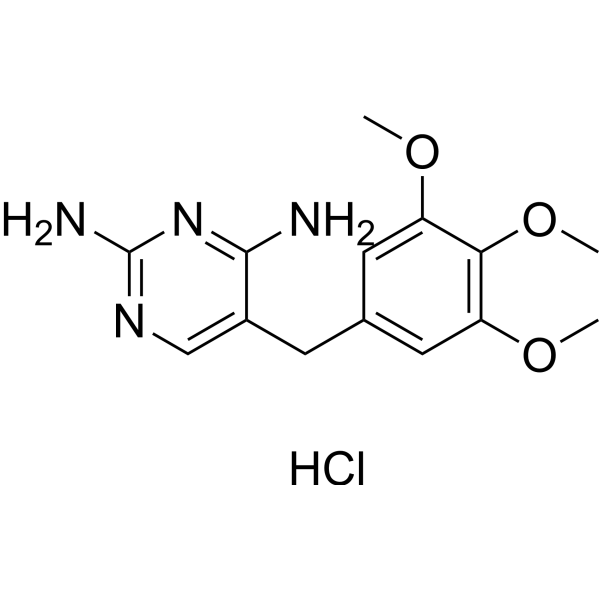
    Trimethoprim hydrochloride is a bacteriostatic antibiotic and an orally active dihydrofolate reductase inhibitor. Trimethoprim hydrochloride is active against a wide range of Gram-positive and Gram-negative aerobic bacteria. Trimethoprim hydrochloride has the potential for the research of urinary tract infections, Shigellosis and Pneumocystis pneumonia. Trimethoprim hydrochloride can inhibit infection of Influenza A virus in chick embryo when combinated with zinc .
    Trimethoprim hydrochloride
  • HY-107989

    Antibiotic Endocrinology
    Urofollitropin is a protein extract of human menopausal urine. Urofollitropin has the function of promoting follicle development and maturation, but contains very small amounts of urinary proteins .
    Urofollitropin
  • HY-177388

    Complement System Inflammation/Immunology
    Factor B-IN-6 is an orally active Factor B inhibitor. Factor B-IN-6 exhibits significant inhibitory activity against activation of the human serum serotonin pathway. Factor B-IN-6 can improve the severity of renal lesions and renal function, and reduce urinary protein in animal models. Factor B-IN-6 is useful for kidney disease research .
    Factor B-IN-6
  • HY-114865

    RGS Protein Calcium Channel Neurological Disease
    BMS-192364 is targeting the Gα-RGS interaction to produce an inactive Gα-RGS complex. BMS-192364 reduces urinary bladder contraction and exert RGS-agonist properties by increasing the action of GAPs on Gq proteins. BMS-192364 inhibits calcium flux .
    BMS-192364
  • HY-101829

    Sulfaproxylin; Sulfaproxyline

    Antibiotic Bacterial Infection
    Sulfaproxyline (Sulfaproxylin; Sulfaproxyline) is a sulfonamide antibiotic that inhibits bacterial dihydropteroate synthase, thereby blocking folate biosynthesis required for nucleic acid production. Sulfaproxyline shows antimicrobial activity primarily against Staphylococcus species and common uropathogens. Sulfaproxyline reduces bacterial growth by impairing DNA and protein synthesis. Sulfaproxyline can be used for research of staphylococcal and urinary tract infections .
    Sulfaproxiline
  • HY-14865BR

    PTK 0796 tosylate (Standard); Amadacycline tosylate (Standard)

    Reference Standards Bacterial Antibiotic Infection
    Omadacycline (tosylate) (Standard) is the analytical standard of Omadacycline (tosylate). This product is intended for research and analytical applications. Omadacycline (PTK 0796) tosylate, a first-in-class orally active aminomethylcycline antibacterial, is a member of the tetracycline class of antibiotics. Omadacycline tosylate acts through the inhibition of bacterial protein synthesis by binding to the 30S ribosomal subunit. Omadacycline tosylate possesses broad-spectrum antibacterial activity against aerobic and anaerobic Gram-positive and Gram-negative bacteria, as well as atypical bacteria. Omadacycline tosylate can be used for the research of acute bacterial skin and skin-structure infections, community-acquired pneumonia, and urinary tract infections .
    Omadacycline tosylate (Standard)
  • HY-W743473

    Ro 15-8074-d3; Deacetoxycefotaxime-d3

    Isotope-Labeled Compounds Bacterial Antibiotic Penicillin-binding protein (PBP) Drug Metabolite Infection
    Cefetamet-d3 (Ro 15-8074-d3; Deacetoxycefotaxime-d3) is the deuterium labeled Cefetamet (HY-A0111). Cefetamet (Ro 15-8074) is a cephalosporin antibiotic and the active metabolite of Cefetamet pivoxil (HY-B1894A). Cefetamet binds to bacterial penicillin-binding protein (PBP) (IC50 for PBP3 in Escherichia coli W3110 is 2.5 μg/mL). Cefetamet has significant activity against Gram-negative bacteria such as Enterobacteriaceae, Neisseria species, and Haemophilus influenzae, as well as Gram-positive bacteria such as Streptococcus. Cefetamet kills and lyses Treponema pallidum. Cefetamet can be used in the research of respiratory tract, urinary tract, ear, nose and throat infections, and syphilis .
    Cefetamet-d3
  • HY-14865A

    PTK 0796 mesylate; Amadacycline mesylate

    Bacterial Antibiotic Infection
    Omadacycline (PTK 0796) mesylate, a first-in-class orally active aminomethylcycline antibacterial, is a member of the tetracycline class of antibiotics. Omadacycline mesylate acts through the inhibition of bacterial protein synthesis by binding to the 30S ribosomal subunit. Omadacycline mesylate possesses broad-spectrum antibacterial activity against aerobic and anaerobic Gram-positive and Gram-negative bacteria, as well as atypical bacteria. Omadacycline mesylate can be used for the research of acute bacterial skin and skin-structure infections, community-acquired pneumonia, and urinary tract infections .
    Omadacycline mesylate
  • HY-14865CR

    PTK0796 hydrochloride (Standard); Amadacycline hydrochloride (Standard)

    Reference Standards Bacterial Antibiotic Infection
    Omadacycline (hydrochloride) (Standard) is the analytical standard of Omadacycline (hydrochloride). This product is intended for research and analytical applications. Omadacycline (PTK 0796) hydrochloride, a first-in-class orally active aminomethylcycline antibacterial, is a member of the tetracycline class of antibiotics. Omadacycline hydrochloride acts through the inhibition of bacterial protein synthesis by binding to the 30S ribosomal subunit. Omadacycline hydrochloride possesses broad-spectrum antibacterial activity against aerobic and anaerobic Gram-positive and Gram-negative bacteria, as well as atypical bacteria. Omadacycline hydrochloride can be used for the research of acute bacterial skin and skin-structure infections, community-acquired pneumonia, and urinary tract infections[1][2][3][4].
    Omadacycline hydrochloride (Standard)
  • HY-14865R

    PTK 0796 (Standard); Amadacycline (Standard)

    Reference Standards Bacterial Antibiotic Infection
    Omadacycline (Standard) is the analytical standard of Omadacycline. This product is intended for research and analytical applications. Omadacycline (PTK 0796), a first-in-class orally active aminomethylcycline antibacterial, is a member of the tetracycline class of antibiotics. Omadacycline acts through the inhibition of bacterial protein synthesis by binding to the 30S ribosomal subunit. Omadacycline possesses broad-spectrum antibacterial activity against aerobic and anaerobic Gram-positive and Gram-negative bacteria, as well as atypical bacteria. Omadacycline can be used for the research of acute bacterial skin and skin-structure infections, community-acquired pneumonia, and urinary tract infections .
    Omadacycline (Standard)
  • HY-B0337AR

    Sulphadimethoxine sodium (Standard)

    Reference Standards Bacterial Antibiotic Infection
    Sulfadimethoxine (sodium) (Standard) is the analytical standard of Sulfadimethoxine sodium (HY-B0337A). This product is intended for research and analytical applications. Sulfadimethoxine sodium (Sulphadimethoxine sodium) is a sulfonamide antibiotic. Sulfadimethoxine sodium causes a displacement of Thiopental in plasma protein binding in rats. Sulfadimethoxine sodium is used in a variety of infection studies including urinary tract infections .
    Sulfadimethoxine sodium (Standard)
  • HY-159910

    Mitochondrial Metabolism Cancer
    LH1513 is a dioxalate derivative of l-lysine (HY-N0469) that inhibits CaOx crystallization with better activity than citrate and pyruvate. LH1513 has potential preventive activity in hyperoxaluria models and effectively prevents urinary CaOx crystal formation in Agxt knockout mice. AGXT-1 is a mitochondrial protein involved in metabolism .
    LH1513
  • HY-B1257R

    Sodium cefmetazole (Standard)

    Reference Standards Bacterial Antibiotic Infection Cancer
    Cefmetazole (sodium) (Standard) is the analytical standard of Cefmetazole (sodium). This product is intended for research and analytical applications. Cefmetazole sodium (Sodium cefmetazole) is a semisynthetic cephamycin antibiotic with broad-spectrum antibacterial activity, covering gram-positive, gram-negative, and anaerobic bacteria. Cefmetazole sodium binds to penicillin binding proteins (PBPs), resulting in interfering bacterial cell wall biosynthesis. Cefmetazole sodium is used for the research of gynecologic, intraabdominal, urinary tract, respiratory tract and skin and soft tissue infections .
    Cefmetazole sodium (Standard)
  • HY-119805

    Others Inflammation/Immunology
    YM 13650 is an orally active anti-nephritic agent. YM 13650 exhibits dose-dependent preventive and therapeutic effects in both the rat immune complex nephritis model and the mouse spontaneous lupus nephritis model. YM 13650 can inhibit the increase in urinary protein, improve serum cholesterol and urea nitrogen levels, alleviate renal pathological damage, and prolong the survival time of mice. YM 13650 can be used in the research of nephritic diseases .
    YM 13650
  • HY-N0702R

    Reference Standards Beta-secretase Cholinesterase (ChE) Neurological Disease
    Tenuifolin (Standard) is the analytical standard of Tenuifolin. This product is intended for research and analytical applications. Tenuifolin is effective and has a protective action. Tenuifolin inhibits β-secretase decreases Aβ protein secretion, suppresses Aβ25-35 secretion, and subsequently caspase-3 and caspase-9 become active. Tenuifolin's ability to lower AChE activity, increase at the same time, increase the ability of the upper glands, and improve the ability to read and remember. Research on tenuifolin's potential for use in urinary disease (AD) .
    Tenuifolin (Standard)
  • HY-A0111A

    Ro15-8074/001; Deacetoxycefotaxime sodium

    Antibiotic Bacterial Penicillin-binding protein (PBP) Drug Metabolite Infection
    Cefetamet (Ro 15-8074) sodium is a cephalosporin antibiotic and the active metabolite of Cefetamet pivoxil (HY-B1894A). Cefetamet sodium binds to bacterial penicillin-binding protein (PBP) (IC50 for PBP3 in Escherichia coli W3110 is 2.5 μg/mL). Cefetamet sodium has significant activity against Gram-negative bacteria such as Enterobacteriaceae, Neisseria species, and Haemophilus influenzae, as well as Gram-positive bacteria such as Streptococcus. Cefetamet sodium kills and lyses Treponema pallidum. Cefetamet sodium can be used in the research of respiratory tract, urinary tract, ear, nose and throat infections, and syphilis .
    Cefetamet sodium
  • HY-A0111B

    Ro 15-8074 hydrochloride; Deacetoxycefotaxime hydrochloride

    Antibiotic Bacterial Penicillin-binding protein (PBP) Drug Metabolite Infection
    Cefetamet (Ro 15-8074) hydrochloride is a cephalosporin antibiotic and the active metabolite of Cefetamet pivoxil (HY-B1894A). Cefetamet hydrochloride binds to bacterial penicillin-binding protein (PBP) (IC50 for PBP3 in Escherichia coli W3110 is 2.5 μg/mL). Cefetamet hydrochloride has significant activity against Gram-negative bacteria such as Enterobacteriaceae, Neisseria species, and Haemophilus influenzae, as well as Gram-positive bacteria such as Streptococcus. Cefetamet hydrochloride kills and lyses Treponema pallidum. Cefetamet hydrochloride can be used in the research of respiratory tract, urinary tract, ear, nose and throat infections, and syphilis .
    Cefetamet hydrochloride
  • HY-A0111R

    Ro 15-8074 (Standard); Deacetoxycefotaxime (Standard)

    Reference Standards Antibiotic Bacterial Penicillin-binding protein (PBP) Drug Metabolite Infection
    Cefetamet (Standard) is the analytical standard of Cefetamet (HY-A0111). This product is intended for research and analytical applications. Cefetamet (Ro 15-8074) is a cephalosporin antibiotic and the active metabolite of Cefetamet pivoxil (HY-B1894A). Cefetamet binds to bacterial penicillin-binding protein (PBP) (IC50 for PBP3 in Escherichia coli W3110 is 2.5 μg/mL). Cefetamet has significant activity against Gram-negative bacteria such as Enterobacteriaceae, Neisseria species, and Haemophilus influenzae, as well as Gram-positive bacteria such as Streptococcus. Cefetamet kills and lyses Treponema pallidum. Cefetamet can be used in the research of respiratory tract, urinary tract, ear, nose and throat infections, and syphilis .
    Cefetamet (Standard)
  • HY-N7101R

    U-76,252 (Standard); CS-807 (Standard)

    Reference Standards Bacterial Antibiotic Penicillin-binding protein (PBP) Infection
    Cefpodoxime Proxetil (Standard) is the analytical standard of Cefpodoxime Proxetil. This product is intended for research and analytical applications. Cefpodoxime Proxetil is an orally active broad spectrum third-generation cephalosporin with potent antibacterial activity against both Gram-positive and Gram-negative bacteria including staphylococci, streptococci, Haemophilus influenzae, Neisseria gonorrhoeae, Escherichia coli, Klebsiella pnuemoniae, Citrobacter spp, and Proteus spp. Cefpodoxime Proxetil binds to penicillin binding proteins (PBPs), which inhibits peptidoglycan synthesis, finally results in interfering bacterial cell wall biosynthesis. Cefpodoxime Proxetil can be used against skin structure infections, acute otitis media, pharyngitis, tonsillitis, upper respiratory tract infection, urinary tract infections and sexually transmitted diseases .
    Cefpodoxime Proxetil (Standard)
  • HY-N7101S

    U-76-d7,252-d7; CS-807-d7

    Isotope-Labeled Compounds Bacterial Antibiotic Penicillin-binding protein (PBP) Infection
    Cefpodoxime proxetil-d7 (U-76-d7,252-d7; CS-807-d7) is the deuterium labeled Cefpodoxime Proxetil (HY-N7101). Cefpodoxime Proxetil is an orally active broad spectrum third-generation cephalosporin with potent antibacterial activity against both Gram-positive and Gram-negative bacteria including staphylococci, streptococci, Haemophilus influenzae, Neisseria gonorrhoeae, Escherichia coli, Klebsiella pnuemoniae, Citrobacter spp, and Proteus spp. Cefpodoxime Proxetil binds to penicillin binding proteins (PBPs), which inhibits peptidoglycan synthesis, finally results in interfering bacterial cell wall biosynthesis. Cefpodoxime Proxetil can be used against skin structure infections, acute otitis media, pharyngitis, tonsillitis, upper respiratory tract infection, urinary tract infections and sexually transmitted diseases .
    Cefpodoxime proxetil-d7
  • HY-114557R

    3,5-Diiodo-L-thyronine (Standard)

    Reference Standards Endogenous Metabolite Metabolic Disease
    NSC 90469 (Standard) is the analytical standard of NSC 90469. This product is intended for research and analytical applications. NSC 90469 (3,5-Diiodo-L-thyronine) is an orally active thyroid hormone derivative. NSC 90469 inhibits JNK phosphorylation and NF-κB acetylation, blocks SIRT1 protein expression, induces elevated PGC-1α levels, and stimulates COX activity. NSC 90469 enhances UCP1-mediated thermogenesis, increases hepatic Dio1 activity, inhibits TSH levels and hypothalamic-pituitary-thyroid axis function, enhances lipid metabolism, and regulates energy metabolism via the mitochondrial pathway. NSC 90469 prevents blood glucose reduction, reduces urinary albumin excretion, inhibits renal matrix expansion, decreases TGF-β1 expression, and reduces renal fibronectin and type Ⅳ collagen deposition. NSC 90469 also increases energy expenditure and prevents diet-induced overweight. NSC 90469 can be used in studies related to diabetic nephropathy, hypothyroidism, non-alcoholic fatty liver disease, and diet-induced obesity .
    NSC 90469 (Standard)
  • HY-106622

    TFC 612

    Drug Derivative Inflammation/Immunology
    TEI-6122 is a 7-thiaprostaglandin E1 derivative. TEI-6122 can reduce urinary protein and suppressthe increase of blood urea nitrogen. TEI-6122 can inhibit monocyte chemoattractant protein-1 induced chemotaxis. TEI-6122 can be used for the research of inflammation, such as nephritis .
    TEI-6122
  • HY-153506

    VAP-1 Inflammation/Immunology
    VAP-1-IN-2 is an orally active VAP-1 inhibitor with an IC50 value of 0.025 μM against human VAP-1 and 0.015 μM against rat VAP-1. VAP-1-IN-2 inhibits urinary protein excretion and the progression of proteinuria in diabetic rats. VAP-1-IN-2 inhibits VAP-1 activity in rats . VAP-1-IN-2 can be used in research related to diabetes and nephropathy .
    VAP-1-IN-2

Inquiry Online

Your information is safe with us. * Required Fields.

Salutation


Country or Region *

Applicant Name *


Organization Name *

Department *


Email Address *


Product Name *

Cat. No.


Requested quantity *

Phone Number *


Remarks

Inquiry Online

Inquiry Information

Product Name:
Cat. No.:
Quantity:
MCE Japan Authorized Agent:

