1. Search Result
Search Result
Results for "

γ-secretase inhibitor

" in MedChemExpress (MCE) Product Catalog:

76

Inhibitors & Agonists

2

Screening Libraries

3

Fluorescent Dyes

4

Biochemical Assay Reagents

1

Peptides

1

Inhibitory Antibodies

2

Natural
Products

1

Isotope-Labeled Compounds

3

GMP Molecules

Targets Recommended:
Cat. No. Product Name Target Research Areas Chemical Structure
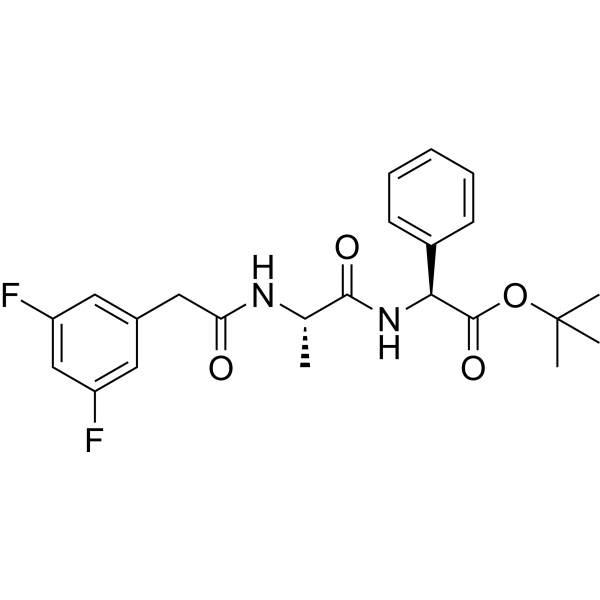
  • HY-13027
    DAPT
    Maximum Cited Publications
    158 Publications Verification

    GSI-IX

    Organoid γ-secretase Amyloid-β Autophagy Notch Apoptosis Neurological Disease Inflammation/Immunology Cancer
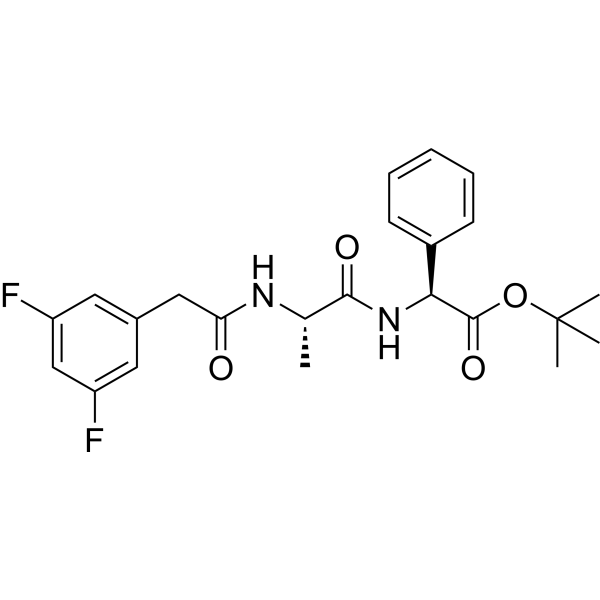
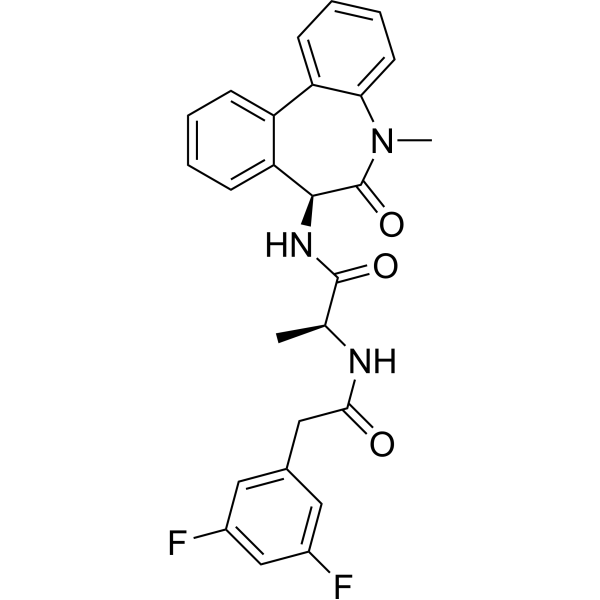
    DAPT (GSI-IX) is a potent and orally active γ-secretase inhibitor with IC50s of 115 nM and 200 nM for total amyloid-β (Aβ) and 42, respectively. DAPT inhibits the activation of Notch 1 signaling and induces cell differentiation. DAPT also induces autophagy and apoptosis. DAPT has neuroprotection activity and has the potential for autoimmune and lymphoproliferative diseases, degenerative disease and cancers treatment .
    DAPT
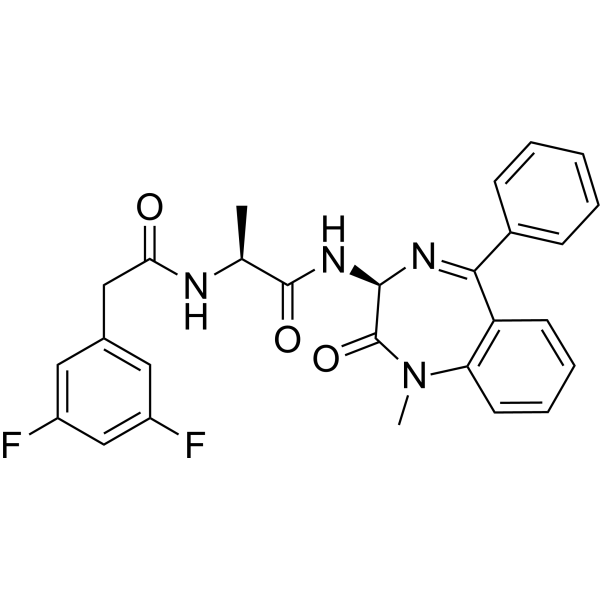
  • HY-14176
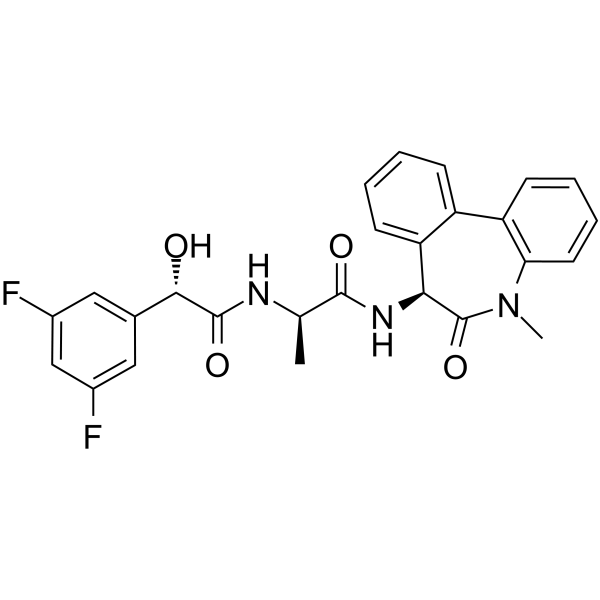
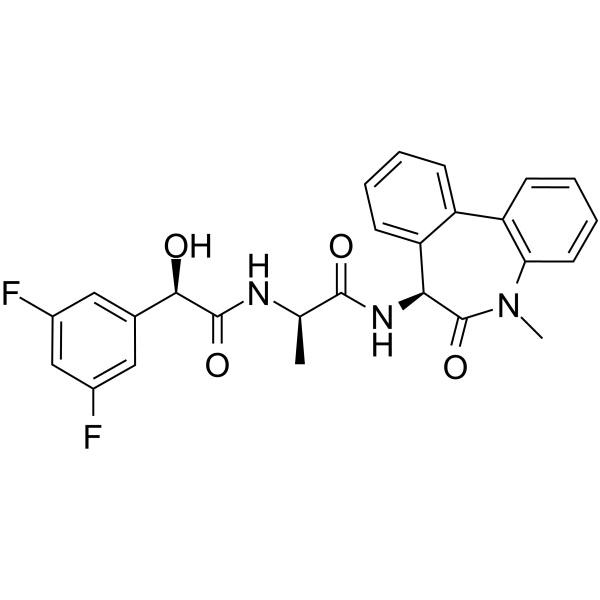
    Compound E
    15+ Cited Publications

    γ-secretase-IN-1

    γ-secretase Cancer
    Compound E is a γ-secretase inhibitor. Compound E blocks β-amyloid(40), β-amyloid(42), and Notch γ-secretase cleavage with IC50s of 0.24, 0.37, 0.32 nM, respectively.
    Compound E
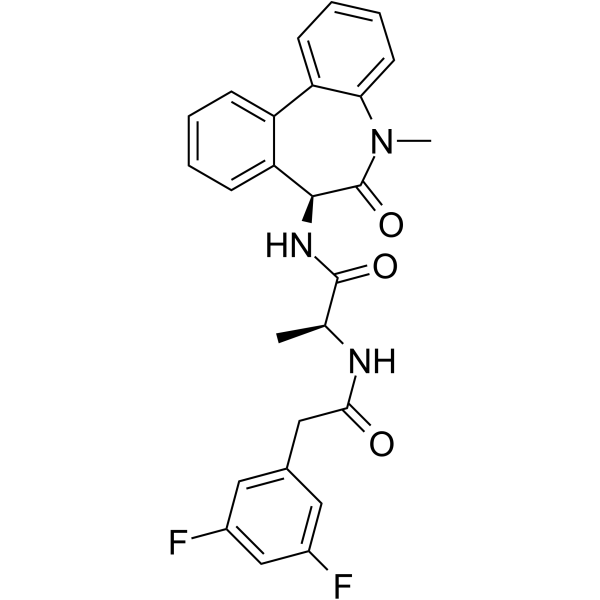
  • HY-13526
    YO-01027
    5+ Cited Publications

    Dibenzazepine; DBZ

    Notch γ-secretase Cancer
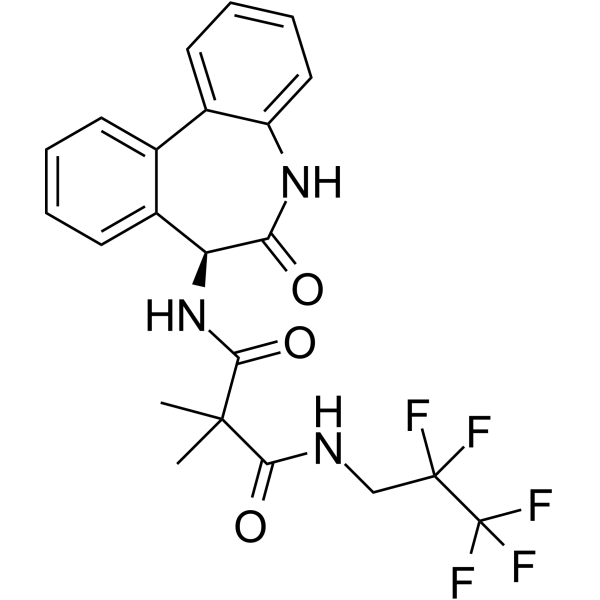
    YO-01027 (Dibenzazepine;DBZ) is a potent γ-secretase inhibitor with IC50 values of 2.92 and 2.64 nM for Notch and APPL cleavage, respectively.
    YO-01027
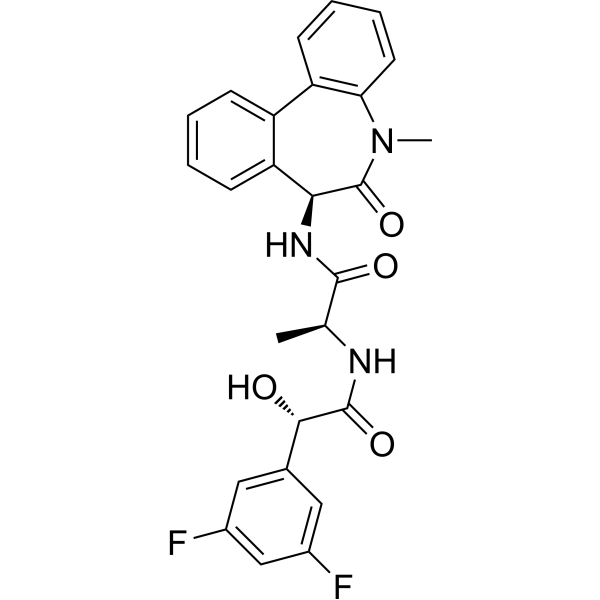
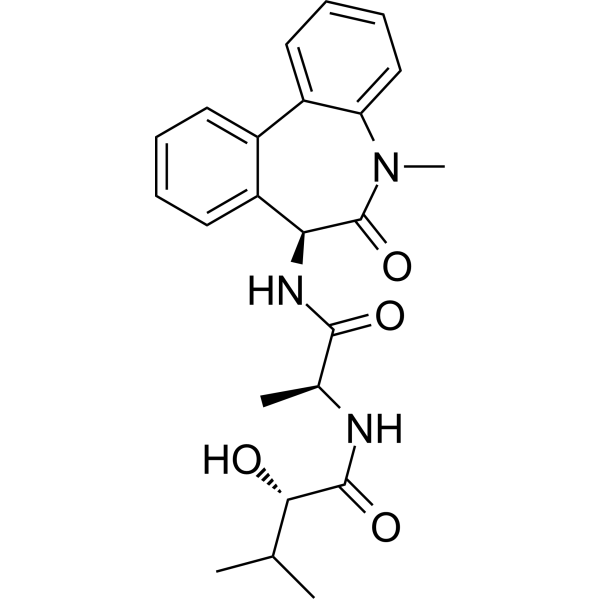
  • HY-50752
    LY-411575
    25+ Cited Publications

    Organoid γ-secretase Notch Apoptosis Neurological Disease
    LY-411575 is a potent γ-secretase inhibitor with IC50 of 0.078 nM/0.082 nM (membrane/cell-based), and also inhibits Notch S3 cleavage with an IC50 of 0.39 nM.
    LY-411575
  • HY-15185
    Nirogacestat
    10+ Cited Publications

    PF-3084014

    γ-secretase Apoptosis Neurological Disease Cancer
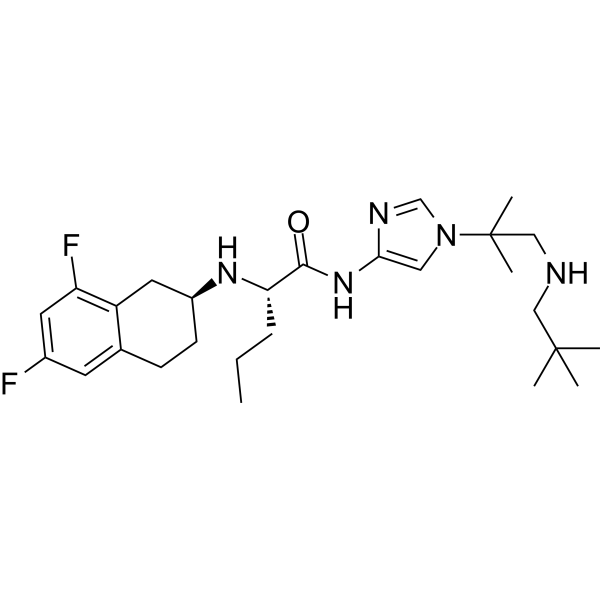
    Nirogacestat (PF-3084014) is a reversible, orally bioavailable, noncompetitive, and selective γ-secretase inhibitor with an IC50 of 6.2 nM. Inhibition of Notch signaling by Nirogacestat while minimizing gastrointestinal toxicity presents a promising approach for research of Notch receptor-dependent cancers .
    Nirogacestat
  • HY-10974
    MK-0752
    10+ Cited Publications

    γ-secretase Neurological Disease Cancer
    MK-0752 is a potent, orally active and specific γ-secretase inhibitor, showing dose-dependent reduction of Aβ40 with an IC50 of 5 nM in human SH-SY5Y cells. MK-0752 crosses the blood-brain barrier. MK-0752 reduces newly generated CNS Aβ in vivo .
    MK-0752
  • HY-11102
    RO4929097
    15+ Cited Publications

    γ-secretase Notch Neurological Disease Cancer
    RO4929097 is an orally active γ secretase inhibitor with an IC50 of 4 nM, inhibiting cellular processing of Aβ40 and Notch with EC50 of 14 nM and 5 nM, respectively .
    RO4929097
  • HY-18236
    MDL-28170
    15+ Cited Publications

    Calpain inhibitor III

    Proteasome Neurological Disease Inflammation/Immunology
    MDL-28170 (Calpain Inhibitor III) is a potent, selective and membrane-permeable cysteine protease inhibitor of calpain that rapidly penetrates the blood-brain barrier following systemic administration . MDL-28170 also block γ-secretase .
    MDL-28170
  • HY-50845
    Avagacestat
    2 Publications Verification

    BMS-708163

    γ-secretase Notch Cancer
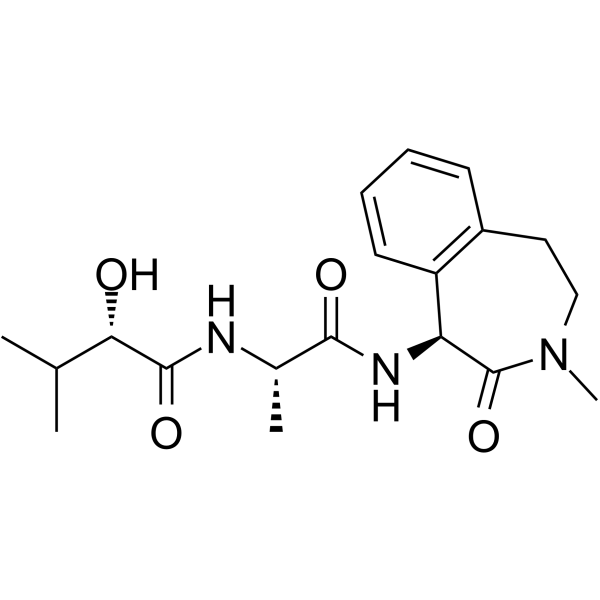
    Avagacestat (BMS-708163) is a potent inhibitor of γ-secretase, with IC50s of 0.27 nM and 0.30 nM for Aβ42 and Aβ40 inhibition; Avagacestat (BMS-708163) also inhibits NICD (Notch IntraCellular Domain) with IC50 of 0.84 nM and shows weak inhibition of CYP2C19, with IC50 of 20 μM. Avagacestat can be used for Alzheimer disease research.
    Avagacestat
  • HY-12449
    Crenigacestat
    5+ Cited Publications

    LY3039478

    Notch γ-secretase Cancer
    Crenigacestat (LY3039478) is an orally active Notch and γ-secretase inhibitor, with an IC50 of 1 nM in most of the tumor cell lines tested .
    Crenigacestat
  • HY-10009
    Semagacestat
    10+ Cited Publications

    LY450139

    γ-secretase Amyloid-β Notch Neurological Disease
    Semagacestat is a γ-secretase inhibitor, inhibits β-amyloid (Aβ42), Aβ38 and Aβ40 with IC50s of 10.9, 12 and 12.1 nM, respectively; also inhibits Notch signaling with IC50 of 14.1 nM. Semagacestat can be used for the research of alzheimer's disease .
    Semagacestat
  • HY-19369
    L-685458
    5+ Cited Publications

    L-685,458

    γ-secretase Apoptosis Neurological Disease Cancer
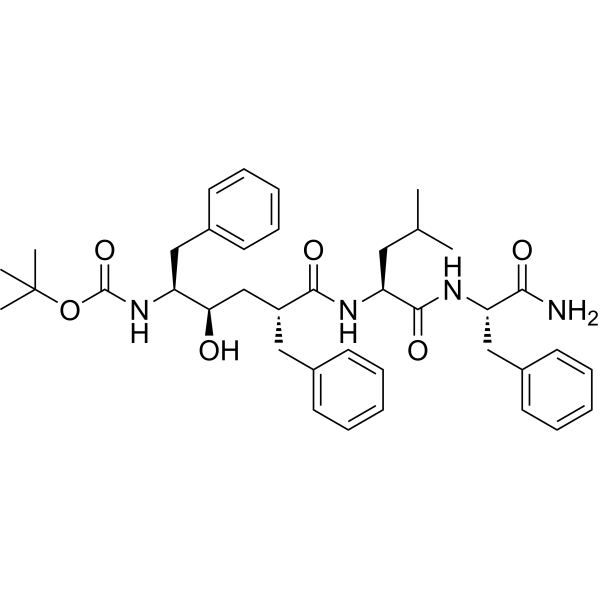
    L-685458 is a potent transition state analog (TSA) γ-secretase inhibitor (GSI). L-685458 inhibits amyloid β-protein precursor γ-secretase activity with IC50 of 17 nM, shows greater than 50-100-fold selectivity over other aspartyl proteases tested. L685458 inhibits γ-secretase-mediated cleavage of APP-C99 and Notch-100 with IC50s of 301.3 nM and 351.3 nM, respectively. L-685458 can be used for the research of alzheimer’s disease (AD) and cancers .
    L-685458
  • HY-12465
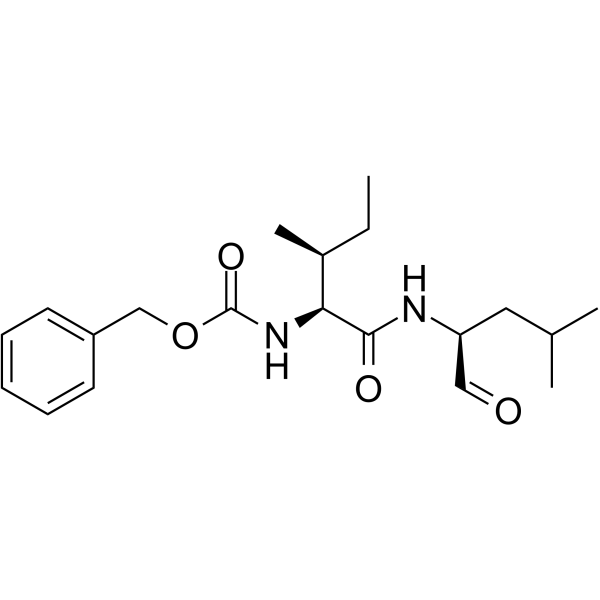
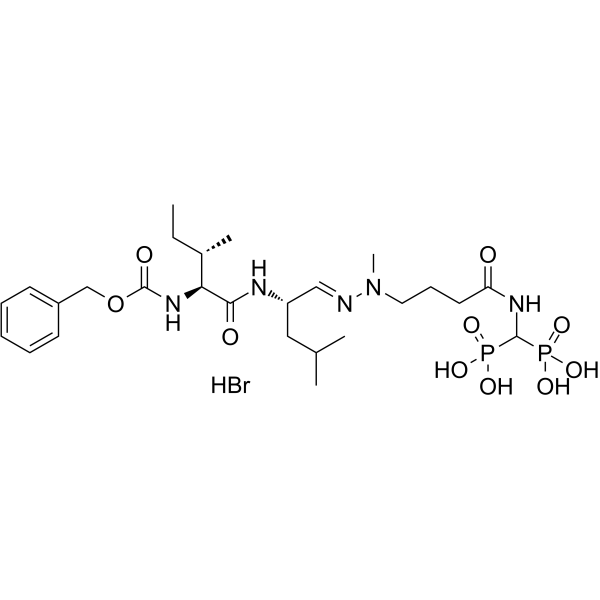
    Z-Ile-Leu-aldehyde
    2 Publications Verification

    Z-IL-CHO; GSI-XII; γ-secretase inhibitor XII

    Notch γ-secretase Apoptosis Cancer
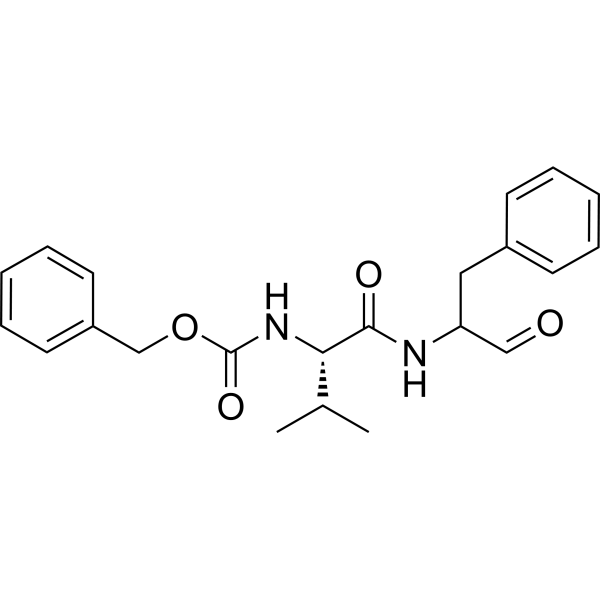
    Z-Ile-Leu-aldehyde (Z-IL-CHO) is a potent and competitive peptide aldehyde inhibitor of γ-secretase and notch .
    Z-Ile-Leu-aldehyde
  • HY-14399
    Itanapraced
    1 Publications Verification

    CHF5074; CSP-1103

    γ-secretase Apoptosis Neurological Disease
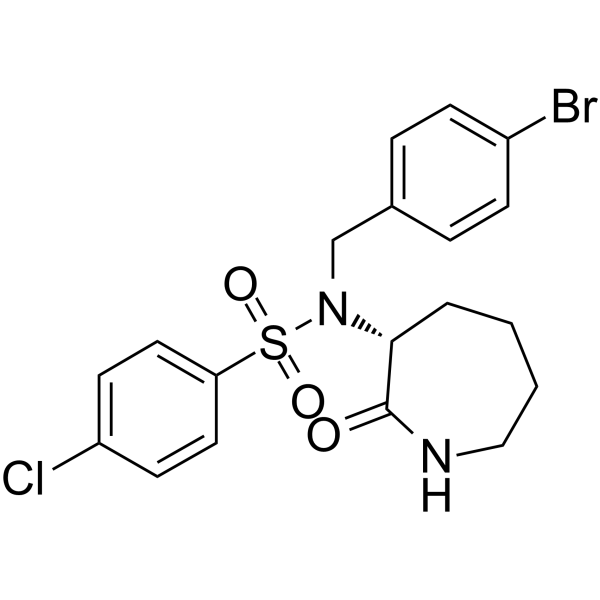
    Itanapraced (CHF5074) is an orally active γ-secretase modulator and a non-steroidal anti-inflammatory derivative. Itanapraced reduces Aβ42 and Aβ40 secretion with IC50 values of 3.6 and 18.4 μM, respectively. Itanapraced inhibits cell apoptosis of hippocampal neurons induced by oxygen and glucose deprivation (OGD). Itanapraced can be used for the research of Alzheimer's disease .
    Itanapraced
  • HY-13438
    AZD3839 free base
    2 Publications Verification

    Beta-secretase Neurological Disease
    AZD3839 is an orally available, selective, reversible inhibitor of the β-site amyloid precursor protein cleaving enzyme BACE1 that can cross the blood-brain barrier. AZD3839 inhibits recombinant human BACE1 with a Ki=26.1 nM. AZD3839 inhibits A40 production in SH-SY5Y cells with an IC50 of 4.8 nM. AZD3839 binds to BACE1 and reduces the Aβ amyloid produced by the cleavage of amyloid precursor protein (APP) by BACE1 and γ-secretase. AZD3839 can be used in the field of Alzheimer's disease research .
    AZD3839 free base
  • HY-13027G

    GSI-IX

    γ-secretase Neurological Disease Inflammation/Immunology Cancer
    DAPT (GSI-IX) (GMP) is DAPT (HY-13027) produced by using GMP guidelines. GMP small molecules works appropriately as an auxiliary reagent for cell therapy manufacture. DAPT is a potent and orally active γ-secretase inhibitor .
    DAPT
  • HY-15185B
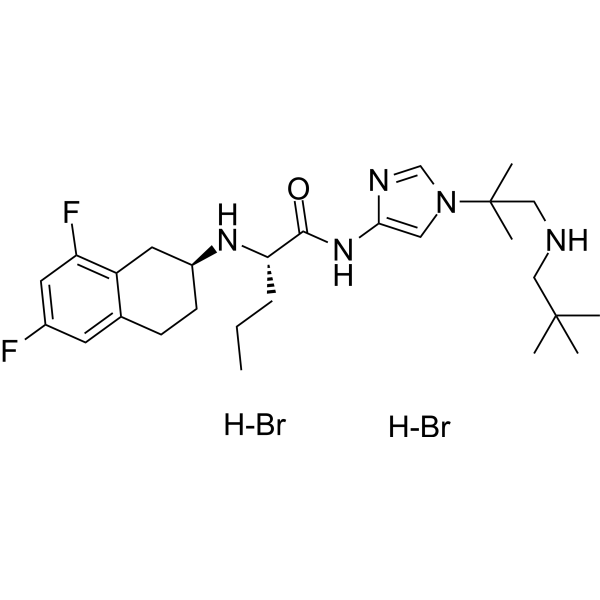
    Nirogacestat dihydrobromide
    10+ Cited Publications

    PF-3084014 dihydrobromide; PF-03084014 dihydrobromide

    γ-secretase Apoptosis Cancer
    Nirogacestat dihydrobromide (PF-3084014 dihydrobromide) is a reversible, orally bioavailable, noncompetitive, and selective γ-secretase inhibitor with an IC50 of 6.2 nM. Inhibition of Notch signaling by Nirogacestat dihydrobromide while minimizing gastrointestinal toxicity presents a promising approach for research of Notch receptor-dependent cancers .
    Nirogacestat dihydrobromide
  • HY-10016
    E 2012
    5+ Cited Publications

    γ-secretase Neurological Disease
    E 2012 is a potent gamma (γ) secretase modulator without affecting Notch processing. E 2012 inhibits 3β-hydroxysterol Δ24-reductase (DHCR24) at the final step in the cholesterol biosynthesis. E 2012 aims at Alzheimer's disease by reduction of amyloid β-42, and induces cataract following repeated doses in the rat .
    E 2012
  • HY-B1786
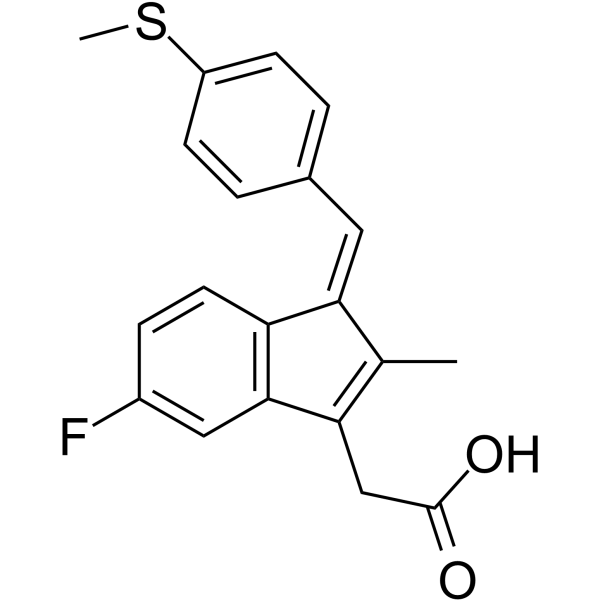
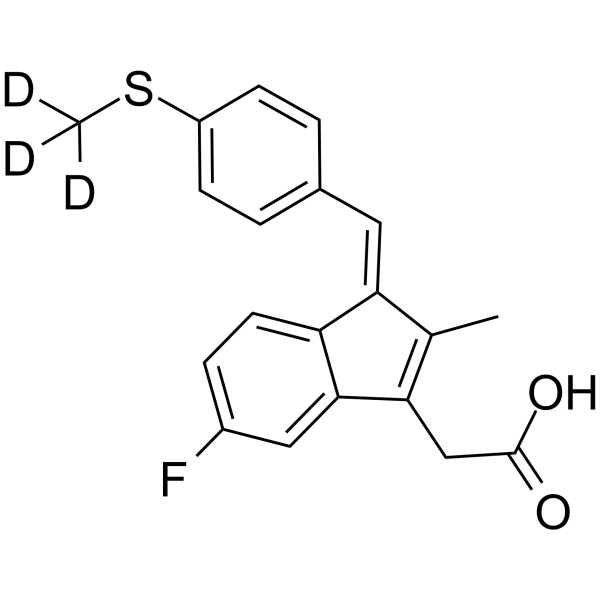
    Sulindac sulfide
    1 Publications Verification

    cis-Sulindac sulfide

    Drug Metabolite γ-secretase Neurological Disease
    Sulindac sulfide is a noncompetitive γ-secretase inhibitor, with an IC50 of 20.2 μM for γ42-secretase activity.
    Sulindac sulfide
  • HY-50883

    γ-secretase Neurological Disease
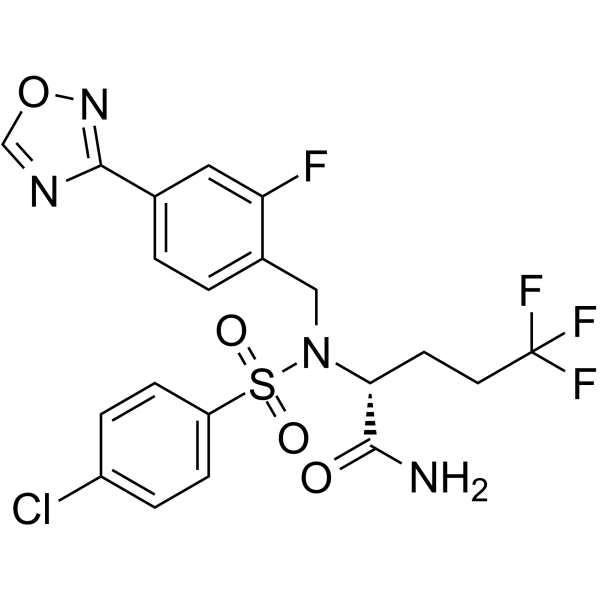
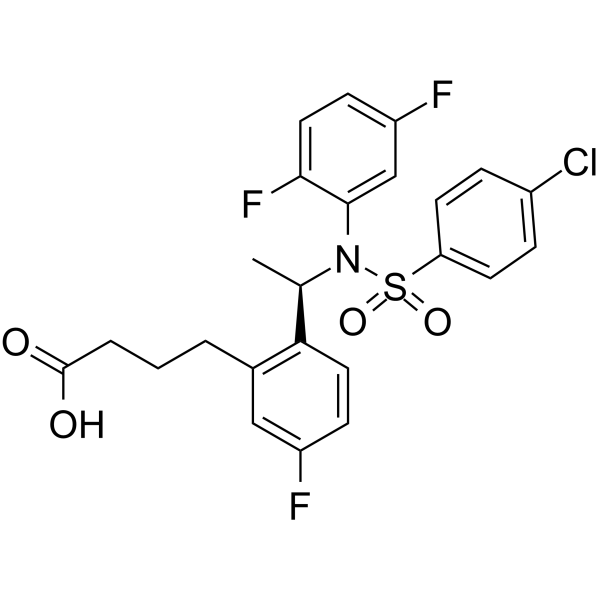
    BMS 299897 is a sulfonamide γ-secretase inhibitor with an IC50 of 7 nM for Aβ production inhibition in HEK293 cells stably overexpressing amyloid precursor protein (APP).
    BMS 299897
  • HY-15670
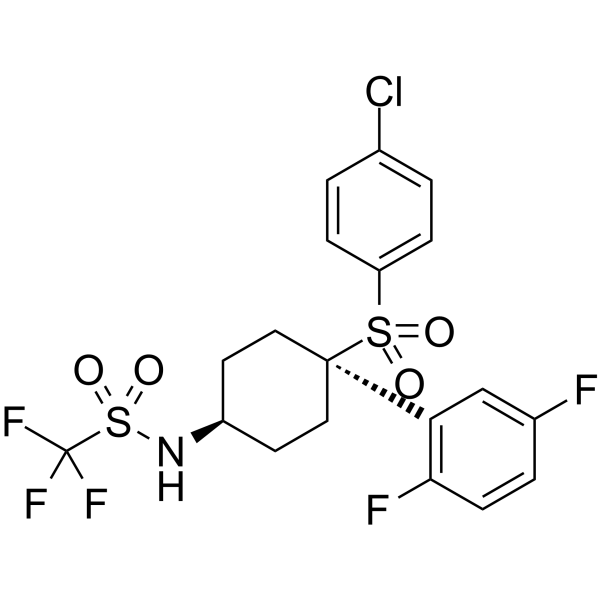
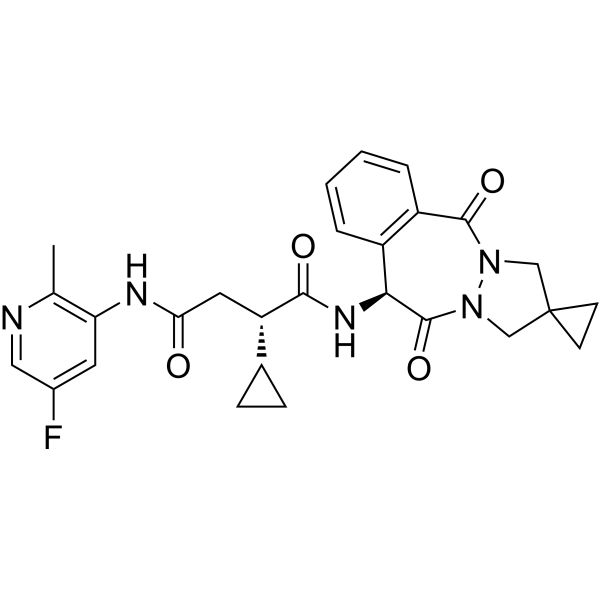
    BMS-906024
    3 Publications Verification

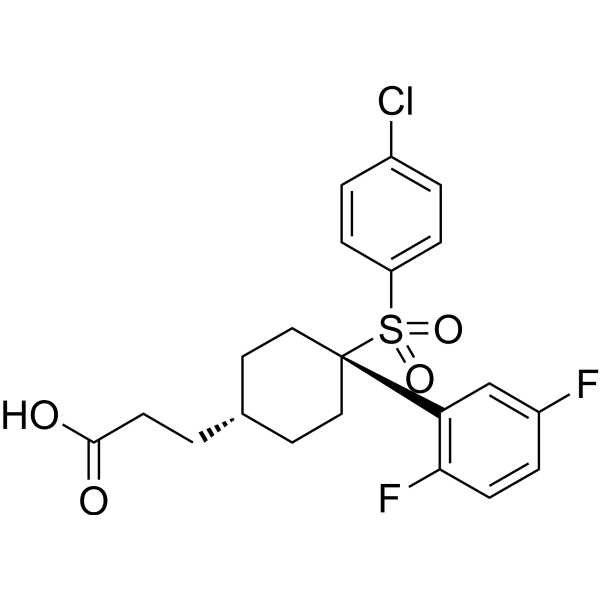
    γ-secretase Notch Cancer
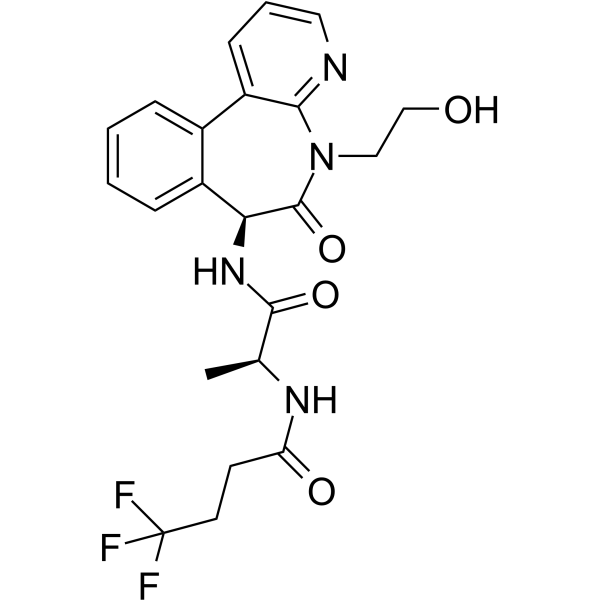
    BMS-906024 is an orally active and selective γ-secretase (gamma secretase) inhibitor. BMS-906024 is a potent pan-Notch receptors inhibitor with IC50s of 1.6 nM, 0.7 nM, 3.4 nM, and 2.9 nM for Notch1, -2, -3, and -4 receptors, respectively. BMS-906024 demonstrates broad-spectrum antineoplastic activity .
    BMS-906024
  • HY-14174
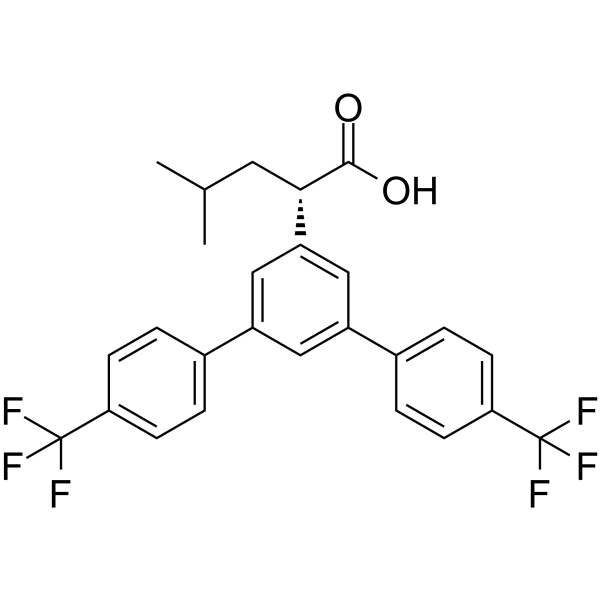
    MRK-560
    4 Publications Verification

    γ-secretase Neurological Disease Cancer
    MRK-560, a chemical probe, is an orally active, brain barrier-penetrated γ-Secretase inhibitor, reducing Aβ peptide in rat brain and cerebrospinal fluid. MRK-560 decreases mutant NOTCH1 processing by selectively inhibiting PSEN1. MRK-560 can be used in studies of Alzheimer's disease and T-cell acute lymphoblastic leukaemia (T-ALL) .
    MRK-560
  • HY-100604

    γ-secretase Amyloid-β Neurological Disease
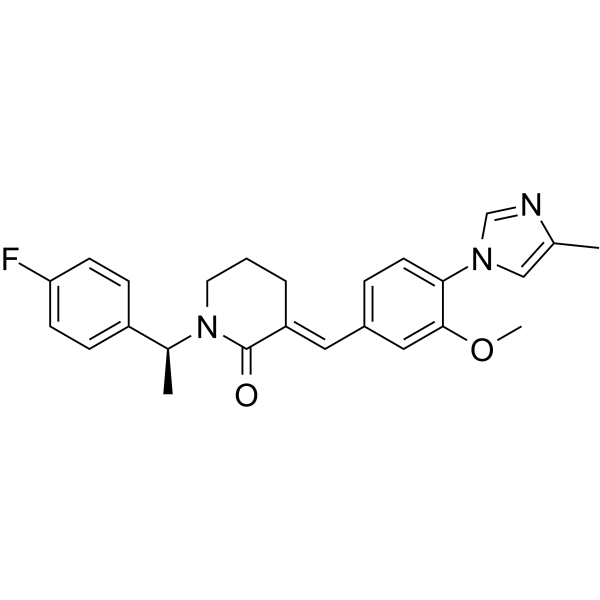
    JNJ-40418677 is an orally active modulator of γ-secretase, can cross the blood-brain barrier. JNJ-40418677 inhibits Aβ42 and NS2B-NS3 protease, with IC50s of 200 nM and 3.9 μM, respectively. JNJ-40418677 displays good biological tolerance, can be use for Alzheimer’s disease research .
    JNJ-40418677
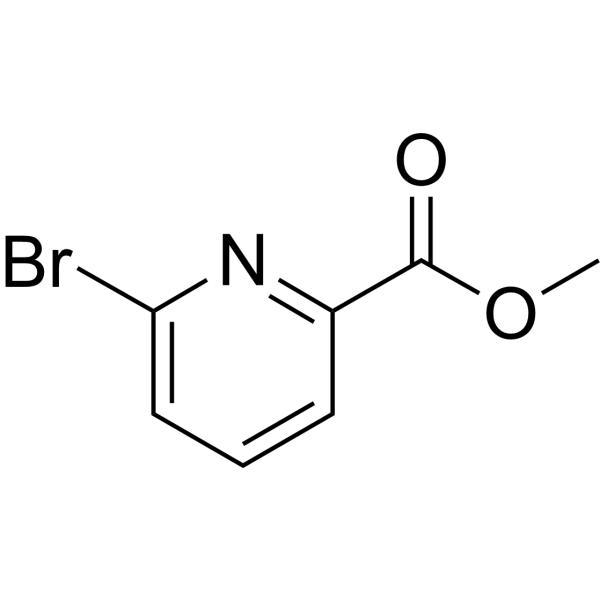
  • HY-76562

    Biochemical Assay Reagents Others
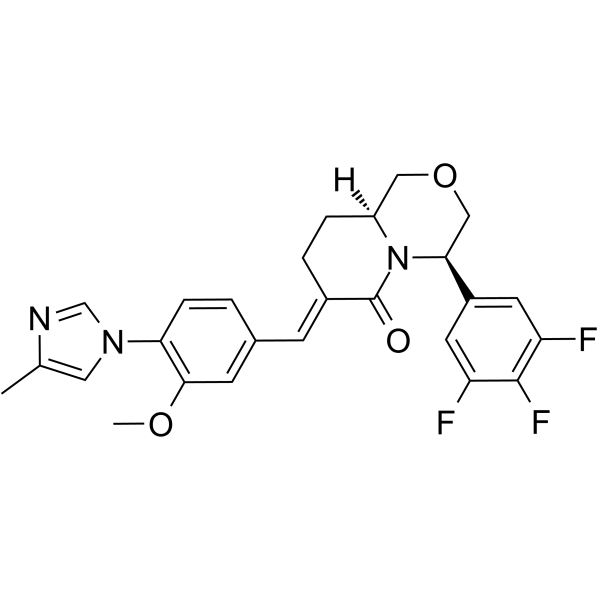
    Methyl 6-bromopicolinate is a synthetic intermediate used in the preparation of γ-secretase inhibitor library scaffolds .
    Methyl 6-bromopicolinate
  • HY-N2319
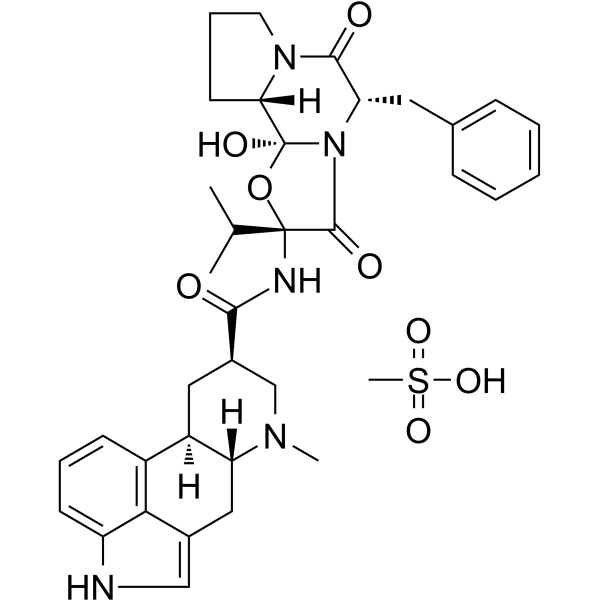
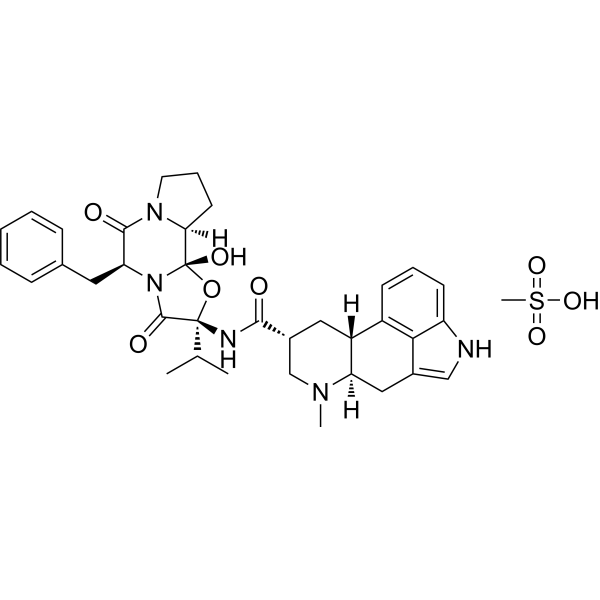
    Dihydroergocristine mesylate
    1 Publications Verification

    DHEC mesylate

    Amyloid-β Neurological Disease
    Dihydroergocristine mesylate (DHEC mesylate) is a inhibitor of γ-secretase (GSI), reduces the production of the Alzheimer's disease amyloid-β peptides, binds directly to γ-secretase and Nicastrin with equilibrium dissociation constants (Kd) of 25.7 nM and 9.8 μM, respectively .
    Dihydroergocristine mesylate
  • HY-18614

    Notch γ-secretase Cancer
    LY900009 is a potent and orally active, First-in-class inhibitor of Notch signaling via selective inhibition of the γ-secretase protein (GSI). LY900009 inhibits Notch signalling in tumor cell lines and endothelial cells (IC50=0.005-20 nM). LY900009 can be used for advanced cancer research .
    LY900009
  • HY-14175

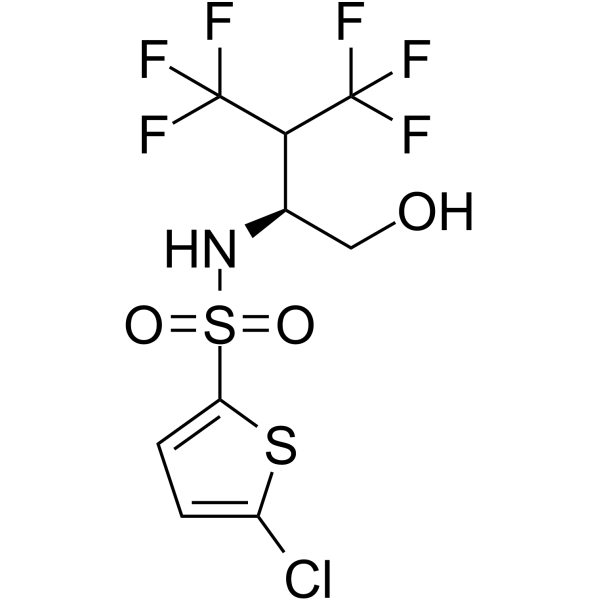
    GSI-953

    γ-secretase Neurological Disease
    Begacestat (GSI-953) is a selective thiophene sulfonamide inhibitor of amyloid precursor protein gamma-secretase (IC5040=15 nM) for the treatment of Alzheimer's disease .
    Begacestat
  • HY-111360
    SPL-707
    1 Publications Verification

    γ-secretase Inflammation/Immunology
    SPL-707 is an orally active, selective signal peptide peptidase-like 2a (SPPL2a) inhibitor with an IC50 of 77 nM for hSPPL2a. SPL-707 inhibits γ-secretase (IC50=6.1 μM) and SPP (IC50=3.7 μM). SPL-707 has the potential for autoimmune diseases research by targeting B cells and dendritic cells .
    SPL-707
  • HY-16632

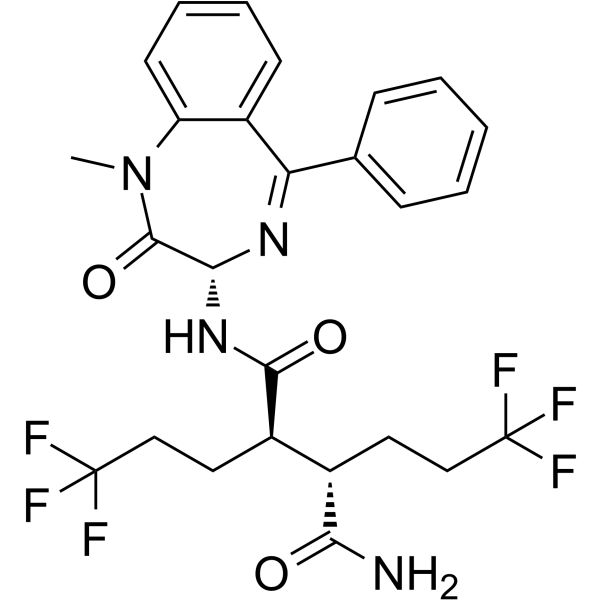
    γ-secretase Amyloid-β Metabolic Disease
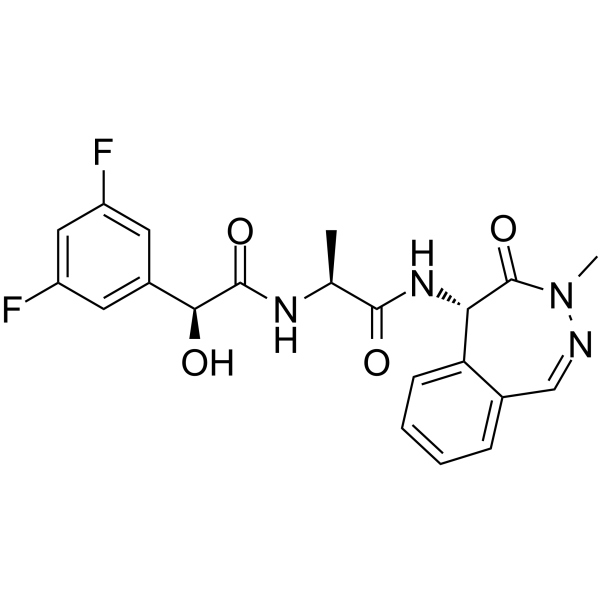
    ELND 006 (Compound 30) is a metabolically stable γ-secretase inhibitor designed to selectively inhibit amyloid beta (Aβ) generation while sparing Notch signaling. It was developed through a synthetic strategy emphasizing diversity and chirality. ELND 006, along with its analog ELND007 (Compound 34), progressed into human clinical trials. In preclinical studies, both compounds demonstrated effective reduction of Aβ levels in vitro and in vivo. Comparisons with other γ-secretase inhibitors like Semagacestat, Begacestat, and Avagacestat underscored their potency and specificity in lowering Aβ levels in cerebrospinal fluid (CSF) of healthy human volunteers, suggesting potential therapeutic efficacy in Alzheimer's disease .
    ELND 006
  • HY-120234

    Z-Leu-Leu-Nle-CHO; GSII

    γ-secretase Proteasome Apoptosis Cancer
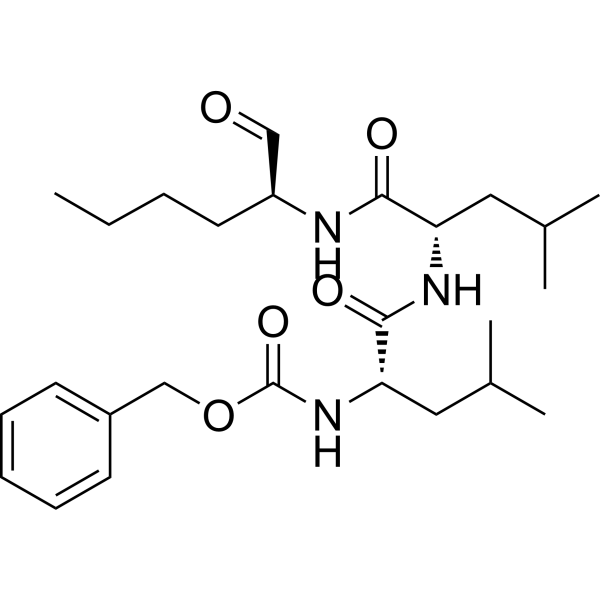
    Z-LLNle-CHO (Z-Leu-Leu-Nle-CHO) is a γ-secretase inhibitor I. Z-LLNle-CHO induces caspase and ROS-dependent apoptosis by blocking the Akt-mediated pro-survival pathway. Z-LLNle-CHO can be used in cancer research, such as breast cancer and leukaemia .
    Z-LLNle-CHO
  • HY-171347

    γ-secretase Amyloid-β Neurological Disease
    gamma-secretase modulator 6 (Example 50) is a gamma-secretase modulator. gamma-secretase modulator 6 inhibits Aβ42 secretion in HEK cell line stably expressing APP (Aβ amyloid precursor protein) (pIC50: 8.1). gamma-secretase modulator 6 can be used for research of Alzheimer's disease .


    gamma-secretase modulator 6
  • HY-N11709

    Apoptosis VEGFR ATM/ATR PTEN Akt mTOR HIF/HIF Prolyl-Hydroxylase NF-κB Notch Cholinesterase (ChE) Amyloid-β γ-secretase Ferroptosis Fungal Infection Neurological Disease Metabolic Disease Cancer
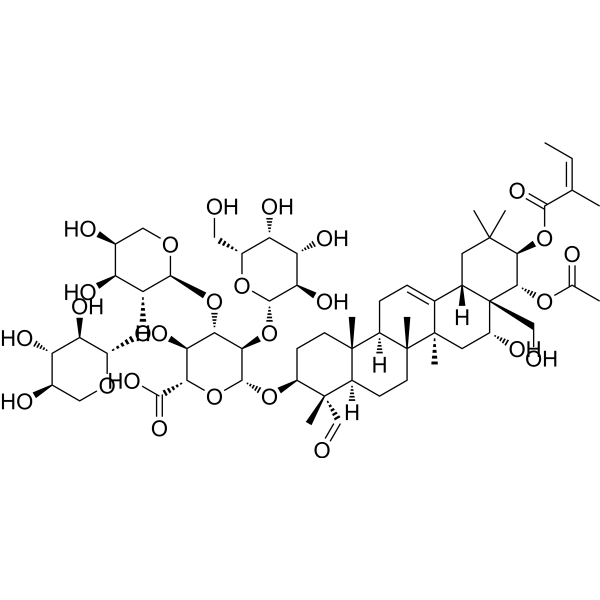
    Theasaponin E1 is an orally effective tea saponin. Theasaponin E1 inhibits the proliferation of cancer cells by activating apoptosis. Theasaponin E1 inhibits angiogenesis in ovarian cancer cells and HUVECs by reducing the expression of VEGF. Theasaponin E1 upregulates the phosphorylation level of ATM protein and the expression level of PTEN protein in cancer cells, decreases the phosphorylation levels of Akt, mTOR, p70S6K and 4E-BP1 proteins, downregulates the expression of HIF-1α and NF-κB, and reduces the protein expression of Notch ligands Dll4 and Jagged1. Theasaponin E1 exerts neuroprotective effects by inhibiting the activity of acetylcholinesterase, activating α-secretase and neprilysin, reducing the concentration of , and inhibiting the activities of β-secretase and γ-secretase. Theasaponin E1 exhibits toxic effects on cancer cells and quinone reductase-inducing activity, and inhibits tumor growth in vivo. Theasaponin E1 induces ferroptosis in Pomacea canaliculata by synergistically disrupting cholesterol homeostasis and sphingolipid metabolism. Theasaponin E1 possesses anti-biofilm activity against Candida albicans. Theasaponin E1 can be used in the research of ovarian cancer, obesity, Alzheimer's disease and fungal infections .
    Theasaponin E1
  • HY-150049

    Amyloid-β Neurological Disease
    γ-Secretase modulator 13 (compound 4) is a gamma-secretase modulator (GSMs) that inhibits the production of the aggregated amyloid β-peptide Aβ42 with an IC50 value of 163 nM. γ-Secretase modulator 13 can be used in the study of Alzheimer's disease .
    γ-Secretase modulator 13
  • HY-50882

    γ-secretase Neurological Disease
    ELN318463 is an amyloid precursor protein (APP) selective γ-secretase inhibitor. ELN318463 shows differential inhibition of presenilin (PS1)- and PS2-comprised γ-secretase with EC50s of 12 nM and 656 nM for PS1 and PS2, respectively. ELN318463 is 51-fold more selective for PS1 .
    ELN318463
  • HY-15211

    γ-secretase Apoptosis Neurological Disease Cancer
    MRK 003 is a potent, selective and orally active γ-secretase inhibitor. MRK 003 reduce brain Aβ production in vivo. MRK 003 induces caspase-dependent apoptosis and inhibits tumor cell proliferation in vivo and in vitro .
    MRK 003
  • HY-171348

    Amyloid-β γ-secretase Neurological Disease
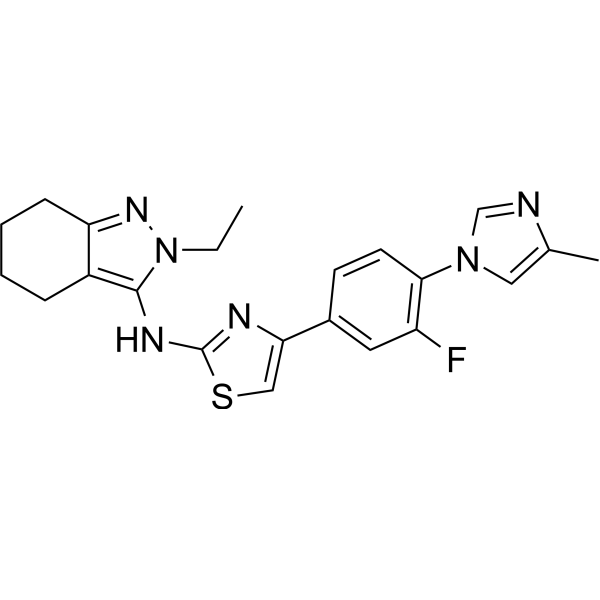
    Amyloid-β-IN-2 (Compound EX.112) is a selective γ-secretase inhibitor. Amyloid-β-IN-2 inhibits Aβ42 secretion in H4 cells with an EC50 value of 226 nM. Amyloid-β-IN-2 is promising for research of Alzheimer's disease (AD) and other diseases related to Aβ deposition .
    Amyloid-β-IN-2
  • HY-50900

    Amyloid-β production inhibitor; γ-secretase Modulators

    Amyloid-β Neurological Disease
    gamma-Secretase Modulators (Amyloid-β production inhibitor) is a Amyloid-β production inhibitor.
    gamma-Secretase Modulators
  • HY-158012

    γ-secretase Others
    LY3056480 is a gamma-secretase inhibitor (GSI) that inhibits Notch signaling. LY3056480 improves mild to moderate sensorineural hearing loss and is safe and tolerable. Intratympanic administration of LY3056480 induces hair cell regeneration and partial hearing recovery in mammals .
    LY3056480
  • HY-14176G

    γ-secretase-IN-1

    γ-secretase Cancer
    Compound E (GMP) is a GMP-grade Compound E (HY-14176). GMP-grade small molecules can be used as adjuvant reagents in cell therapy. Compound E is a γ-secretase inhibitor. Compound E inhibits β-amyloid(40), β-amyloid(42), and Notch γ-secretase cleavage with IC50 values ​​of 0.24, 0.37, and 0.32 nM, respectively .
    Compound E
  • HY-14176A

    γ-secretase Cancer
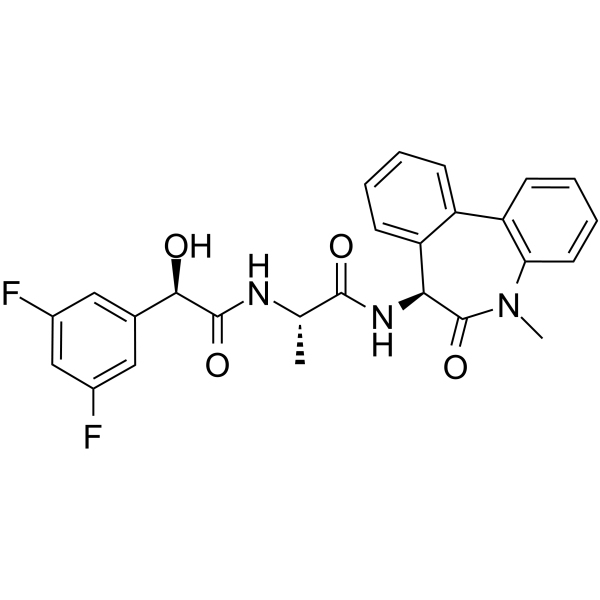
    (1R,3S)-Compound E is the isomer of Compound E (HY-14176), and can be used as an experimental control. Compound E is a γ-secretase inhibitor. Compound E bloks β-amyloid(40), β-amyloid(42), and Notch γ-secretase cleavage with IC50s of 0.24, 0.37, 0.32 nM, respectively.
    (1R,3S)-Compound E
  • HY-171349

    γ-secretase Amyloid-β Neurological Disease
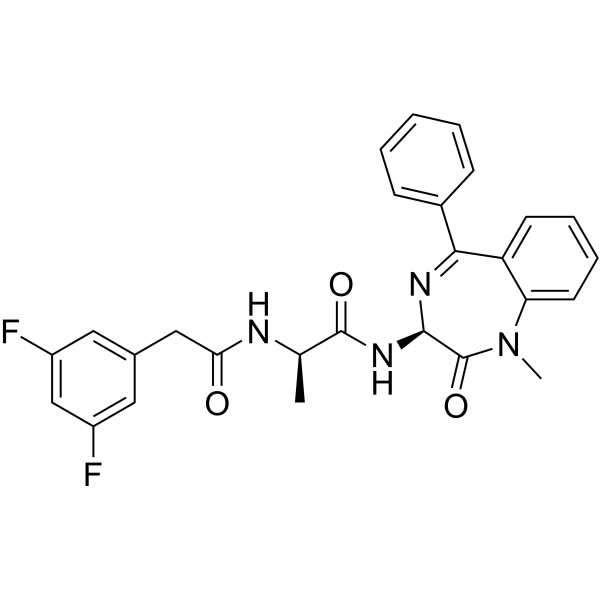
    Amyloid-β-IN-3 (EX.113) is a selective γ-secretase inhibitor. Amyloid-β-IN-3 inhibits Aβ42 secretion in H4 cells with an EC50 value of 148 nM. Amyloid-β-IN-3 regulates the γ-secretase catalytic activity to decrease Aβ42 production, thereby alleviating neurotoxicity caused by Aβ deposition. Amyloid-β-IN-3 is promising for research of Alzheimer's disease (AD) .
    Amyloid-β-IN-3
  • HY-13526G

    Dibenzazepine; DBZ

    Notch γ-secretase Cancer
    YO-01027 (Dibenzazepine) (GMP) is YO-01027 (HY-13526) produced by using GMP guidelines. GMP small molecules work appropriately as an auxiliary reagent for cell therapy manufacture. YO-01027 is a potent γ-secretase inhibitor .
    YO-01027
  • HY-103539

    γ-secretase Metabolic Disease
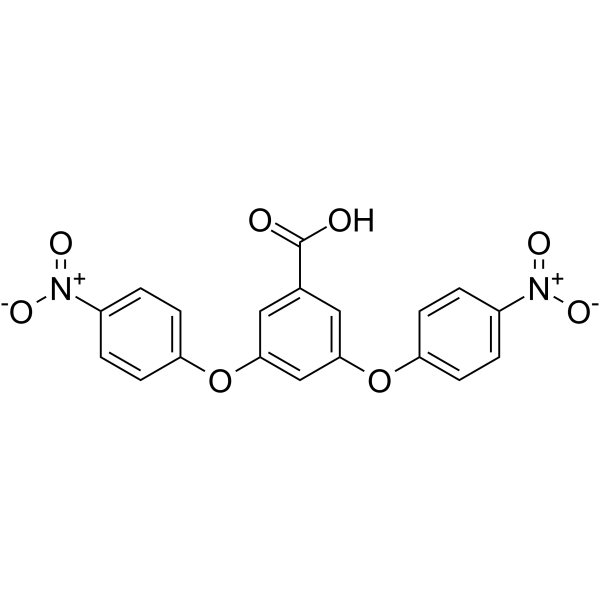
    3,5-Bis(4-nitrophenoxy)benzoic acid is an inhibitor of γ-secretase. 3,5-Bis(4-nitrophenoxy)benzoic acid causes a decrease in the released levels of Aβ42 and notch-1 Aβ-like peptide 25 (Nβ25). 3,5-Bis(4-nitrophenoxy)benzoic acid, as a marker for fetal hypothyroidism, is a 3,3’-diiodothyronine sulfate (T2S) cross-reactive material in maternal serum .
    3,5-Bis(4-nitrophenoxy)benzoic acid
  • HY-N8890

    Beta-secretase γ-secretase Others
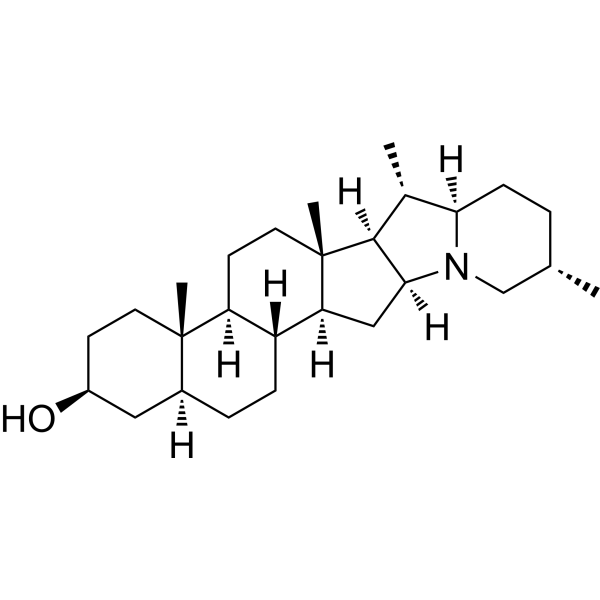
    Demissidine is an alkaloid that can be isolated from potato . Demissidine is a promising dual inhibitors against β- and γ-secretase proteins in silico .
    Demissidine
  • HY-50882A

    γ-secretase Neurological Disease
    ELN318463 racemate is the racemate of ELN318463. ELN318463 is an amyloid precursor protein (APP) selective γ-secretase inhibitor. ELN318463 shows differential inhibition of presenilin (PS1)- and PS2-comprised γ-secretase with EC50s of 12nM and 656 nM for PS1and PS2, respectively. ELN318463 is 51-fold more selective for PS1 .
    ELN318463 racemate
  • HY-164451

    γ-secretase Notch Cancer
    GSI-18 is a γ-secretase inhibitor with anticancer activity. GSI-18 inhibits the attachment-free growth of pancreatic cancer cells by inhibiting Notch signaling .
    GSI-18
  • HY-15185R

    PF-3084014 (Standard)

    γ-secretase Apoptosis Reference Standards Cancer
    Nirogacestat (Standard) is the analytical standard of Nirogacestat. This product is intended for research and analytical applications. Nirogacestat (PF-3084014) is a reversible, orally bioavailable, noncompetitive, and selective γ-secretase inhibitor with an IC50 of 6.2 nM. Inhibition of Notch signaling by Nirogacestat while minimizing gastrointestinal toxicity presents a promising approach for research of Notch receptor-dependent cancers .
    Nirogacestat (Standard)
  • HY-117236

    γ-secretase Neurological Disease
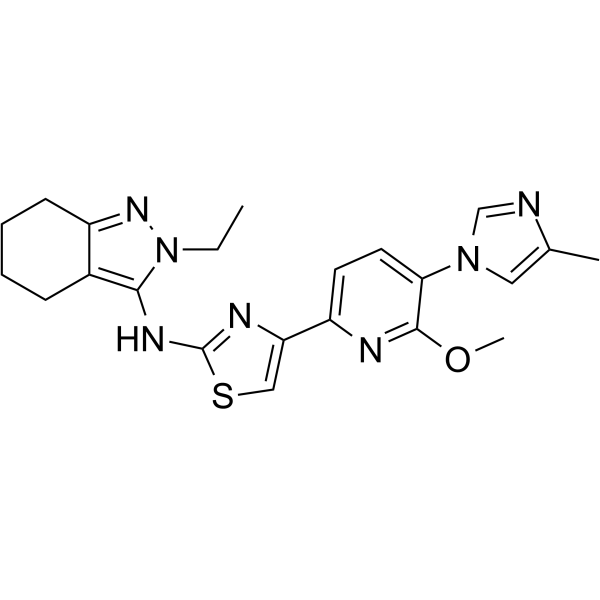
    GSI-136 is an inhibitor of γ-secretase with an IC50 of 3 nM. GSI-136 can lead to a dose-dependent reduction of Aβ40 levels in diethylamine-extracted brain homogenates of C57BL/6 mice. GSI-136 can be studied in medicinal chemistry and Alzheimer's disease research .
    GSI-136
  • HY-13438A

    Beta-secretase Cancer
    AZD3839 fumarate is an orally available, selective, reversible inhibitor of the β-site amyloid precursor protein cleaving enzyme BACE1 that can cross the blood-brain barrier. AZD3839 fumarate inhibits recombinant human BACE1 with a Ki=26.1 nM. AZD3839 fumarate inhibits A40 production in SH-SY5Y cells with an IC50 of 4.8 nM. AZD3839 fumarate binds to BACE1 and reduces the Aβ amyloid produced by the cleavage of amyloid precursor protein (APP) by BACE1 and γ-secretase. AZD3839 fumarate can be used in the field of Alzheimer's disease research .
    AZD3839 fumarate
  • HY-117381

    γ-secretase Neurological Disease
    γ-secretase-IN-2 (Compound 34) is an inhibitor for γ-secretase, with an IC50 of 0.06 nM. γ-secretase-IN-2 can be used for the study of Alzheimer's disease .
    γ-secretase-IN-2

Inquiry Online

Your information is safe with us. * Required Fields.

Salutation


Country or Region *

Applicant Name *


Organization Name *

Department *


Email Address *


Product Name *

Cat. No.


Requested quantity *

Phone Number *


Remarks

Inquiry Online

Inquiry Information

Product Name:
Cat. No.:
Quantity:
MCE Japan Authorized Agent: