



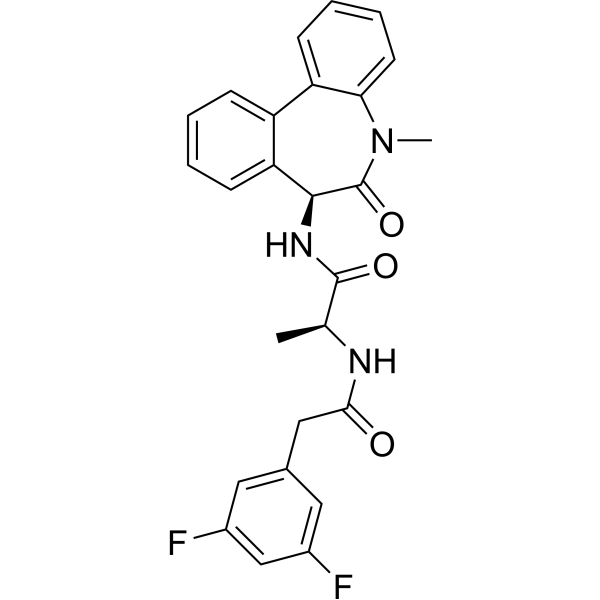
YO-01027 (Dibenzazepine) (GMP) is YO-01027 (HY-13526) produced by using GMP guidelines. GMP small molecules work appropriately as an auxiliary reagent for cell therapy manufacture. YO-01027 is a potent γ-secretase inhibitor.
For research use only. We do not sell to patients.
- CAS No.: 209984-56-5
- Formula: C26H23F2N3O3
- Molecular Weight:463.48
-
Storage:
Please store the product under the recommended conditions in the Certificate of Analysis.

To place orders, for customer services and technical support, please contact: MedChemExpress USA
Tel: 609-228-6898 E-mail: [email protected] [email protected]


-
 Biological Activity
-
Chemical Information
- Protocols
- Purity & Documentation
- References
-
 Help & FAQs


-
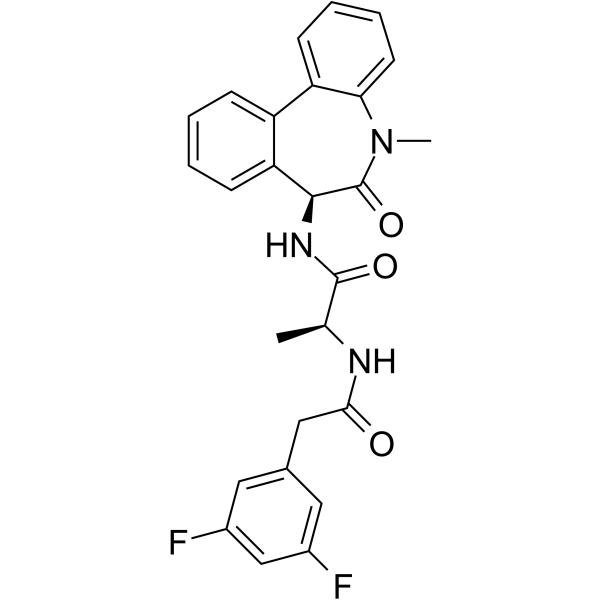
HY-13526
YO-01027γ-secretase Inhibitor -
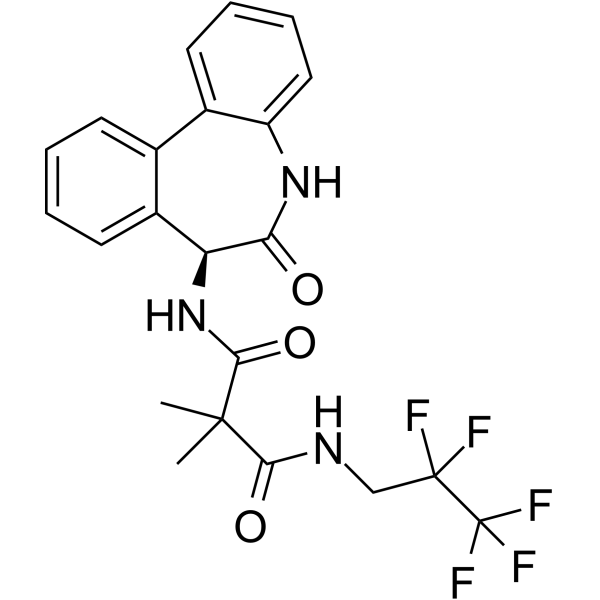
HY-11102
RO4929097γ-secretase Inhibitor -
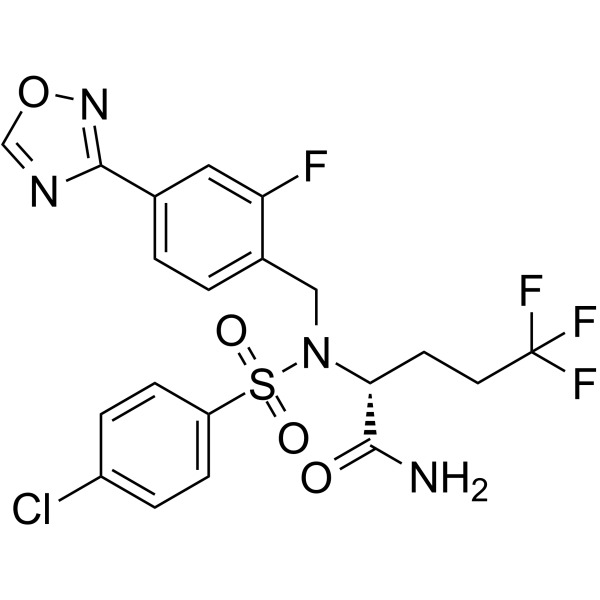
HY-50845
Avagacestatγ-secretase Inhibitor -
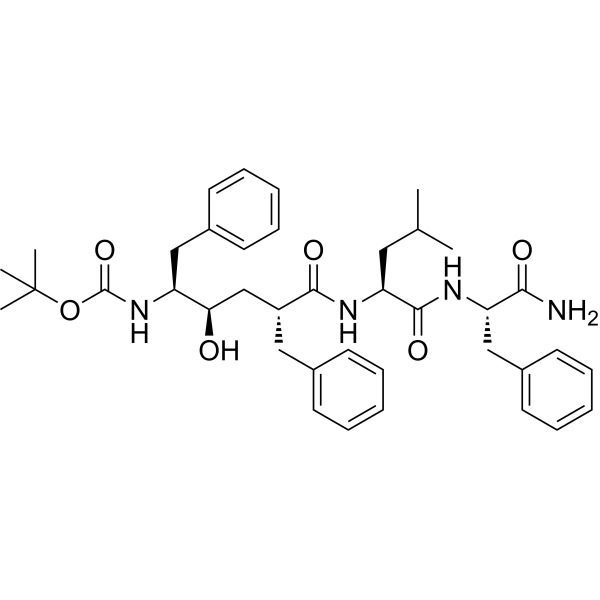
HY-19369
L-685458γ-Secretase Inhibitor -
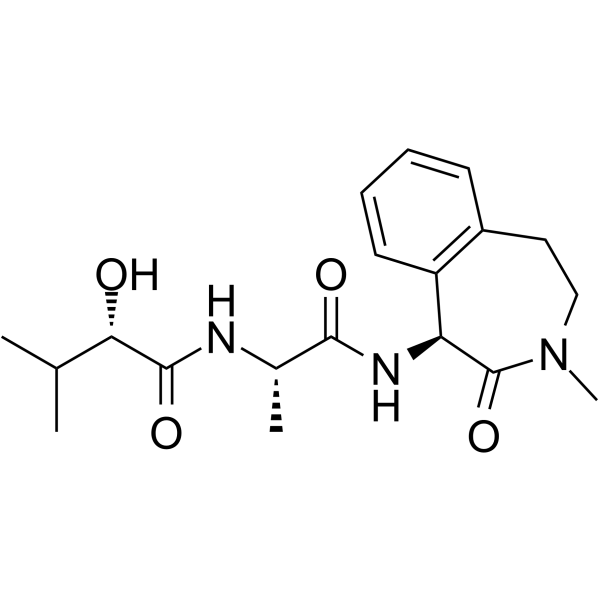
HY-10009
Semagacestatγ-secretase Inhibitor -
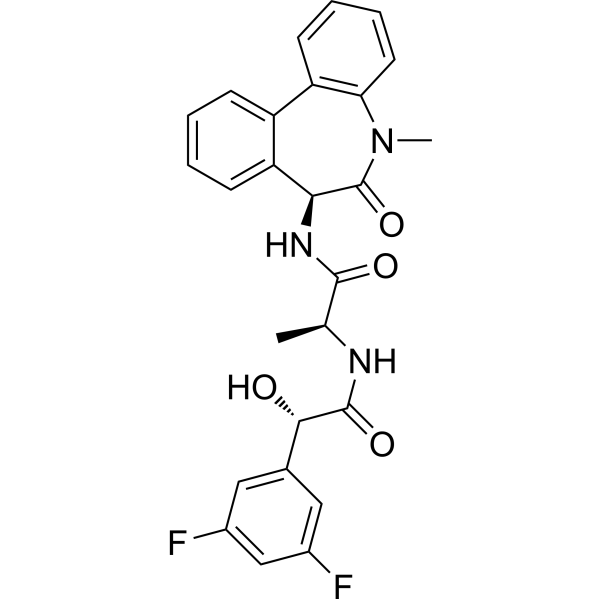
HY-50752
LY-411575γ-secretase Inhibitor -
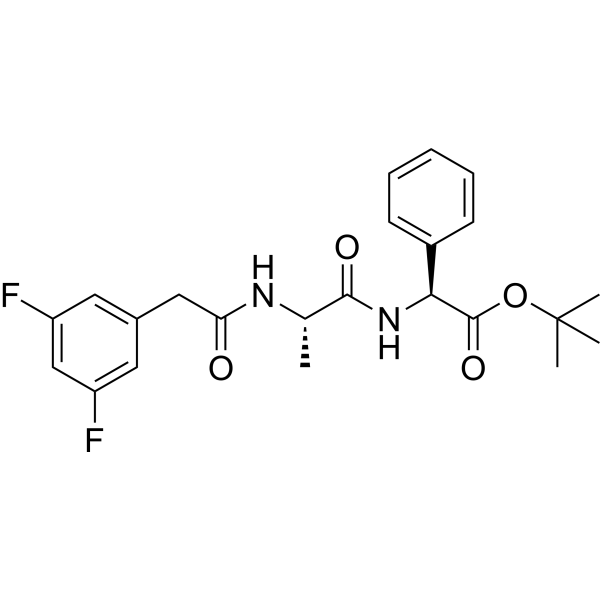
HY-13027
DAPTγ-secretase Inhibitor -
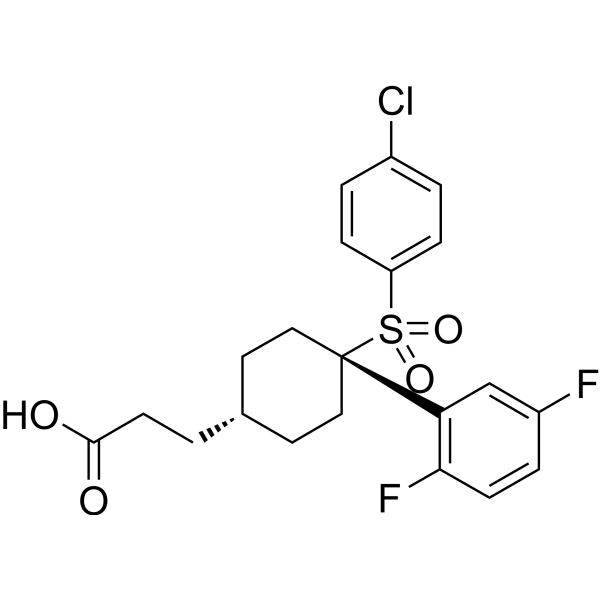
HY-10974
MK-0752 -
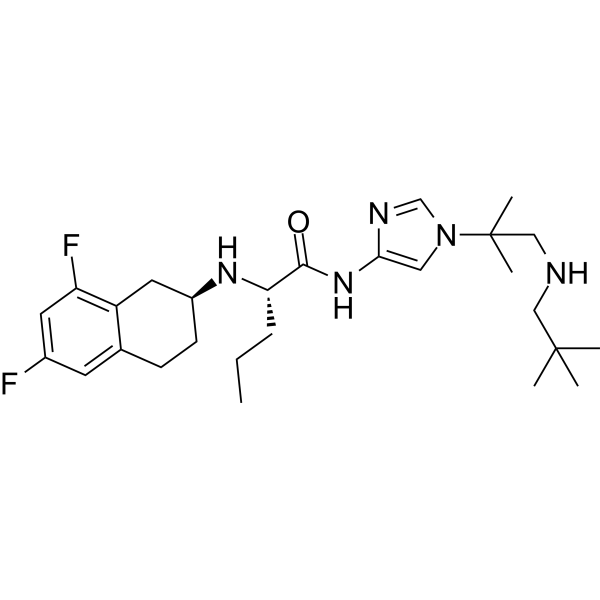
HY-15185
Nirogacestatγ-Secretase Inhibitor -
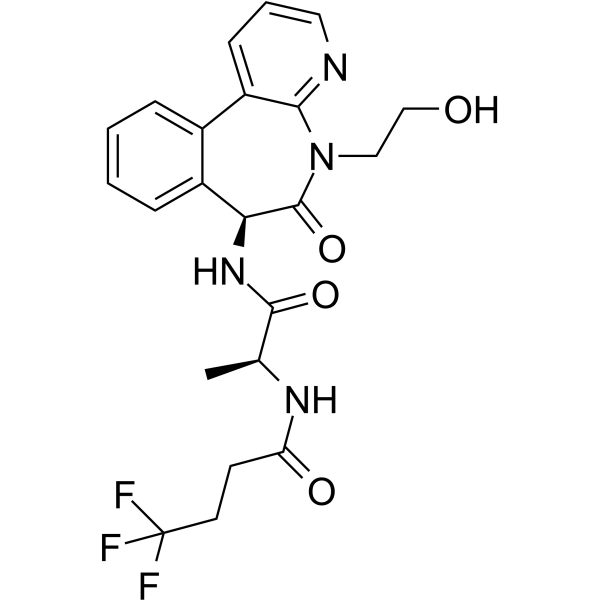
HY-12449
CrenigacestatNotch/γ-secretase Inhibitor -
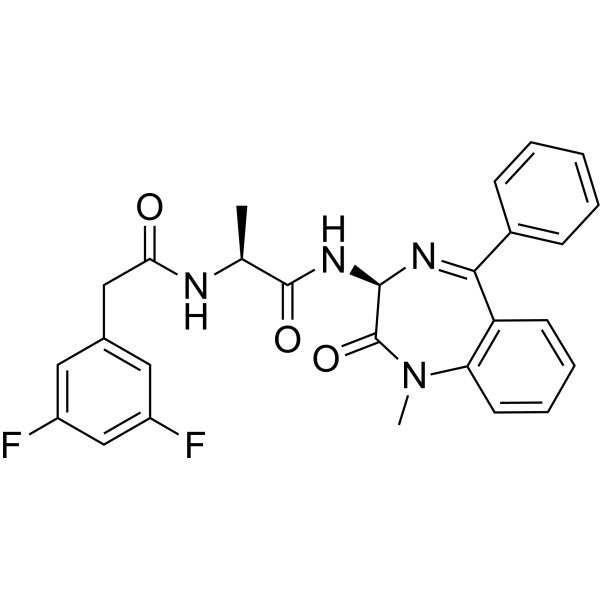
HY-14176
Compound Eγ-secretase Inhibitor -
HY-13027G
DAPT (GMP)γ-Secretase Inhibitor


Biological Activity
Description
IC50 & Target
IC50: 2.92±0.22 (Notch), 2.64±0.30 (APPL) nM[1]
In Vitro
YO-01027 (0.25-10 μM, during 1-18 days) promotes iPSC generation from human neonatal keratinocytes[2].
YO-01027 (2 μM, 3 days) does not affect p53 activity in OCT4, SOX2-transduced human keratinocytes[2].
YO-01027 (10 μM, 3 days) promotes the proliferation of supporting cells (SCs) in cultured mouse cochleae[3].
YO-01027 (10 μM, 3 days) generates new hair cell (HCs) and increases the HCs number in neonatal mouse cochleae[3].
MedChemExpress (MCE) has not independently confirmed the accuracy of these methods. They are for reference only.


Chemical Information
-
CAS No. 209984-56-5
-
Molecular Weight 463.48
-
Formula C26H23F2N3O3
-
SMILES
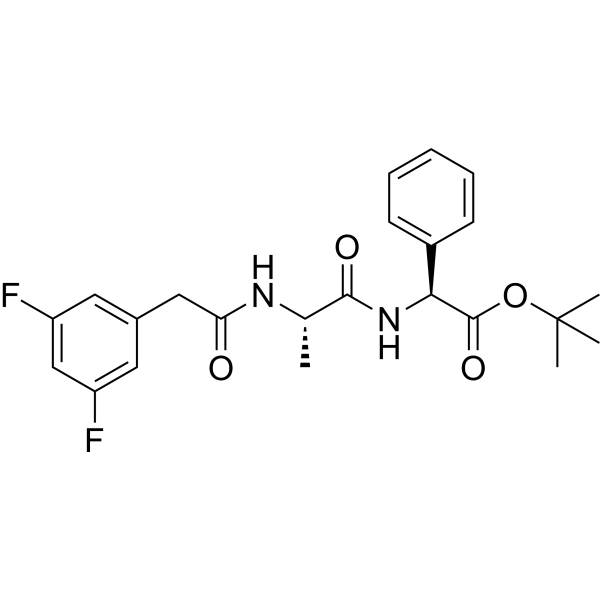
O=C(N[C@@H](C)C(N[C@H]1C2=CC=CC=C2C3=CC=CC=C3N(C)C1=O)=O)CC4=CC(F)=CC(F)=C4
-
Synonyms
Dibenzazepine (GMP); DBZ (GMP)
-
Shipping
Room temperature in continental US; may vary elsewhere.
-
Storage
Please store the product under the recommended conditions in the Certificate of Analysis.


Purity & Documentation
References
[1]. Groth C, et al. Pharmacological analysis of Drosophila melanogaster gamma-secretase with respect to differential proteolysis of Notch and APP. Mol Pharmacol. 2010 Apr;77(4):567-74. [Content Brief]
[2]. Ichida JK, et al. Notch inhibition allows oncogene-independent generation of iPS cells. Nat Chem Biol. 2014 Aug;10(8):632-639. [Content Brief]
[3]. Wu J, et al. Dibenzazepine promotes cochlear supporting cell proliferation and hair cell regeneration in neonatal mice. Cell Prolif. 2020 Sep;53(9):e12872. [Content Brief]

Calculators
Concentration (start) × Volume (start) = Concentration (final) × Volume (final)


YO-01027 (GMP) Related Classifications
HY-13526G Related Classifications
 Powered by Bioz