Search Result
Results for "
Ac-Lys(Ac)-D-Ala-D-Ala-OH
" in MedChemExpress (MCE) Product Catalog:
| Cat. No. |
Product Name |
Target |
Research Areas |
Chemical Structure |
-
- HY-P4931
-
|
|
MMP
|
Cancer
|
|
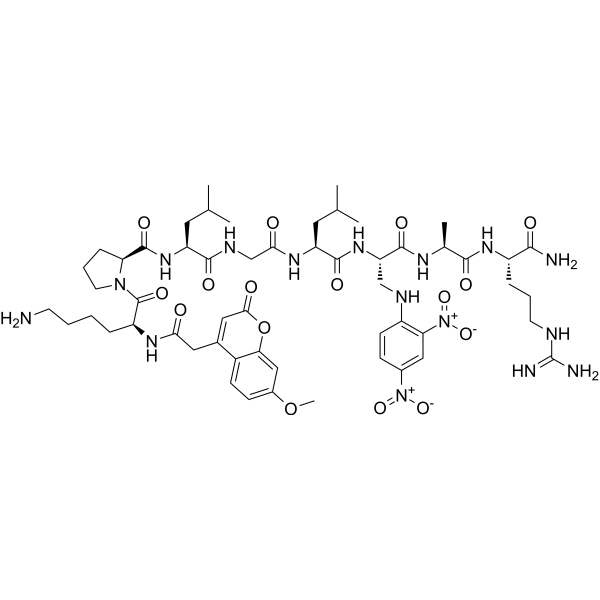
Mca-Lys-Pro-Leu-Gly-Leu-Dap(Dnp)-Ala-Arg-NH2 (FS-6) is a fluorescent peptide that is a quenched MMP peptide substrate. Mca-Lys-Pro-Leu-Gly-Leu-Dap(Dnp)-Ala-Arg-NH2 can be used for real-time quantification of MMP enzymatic activity. Mca-Lys-Pro-Leu-Gly-Leu-Dap(Dnp)-Ala-Arg-NH2 is an elongated peptide of MMP substrate (FS-1) and is active against collagenases (MMP-1, MMP-8, MMP-13 ) and MT1-MMP with higher specificity constants than FS-1 . (Ex/Em=325 nm/400 nm)
|
-
-
- HY-P1539
-
-

-
- HY-P4322
-
|
|
ERK
Akt
|
Neurological Disease
Cancer
|
|
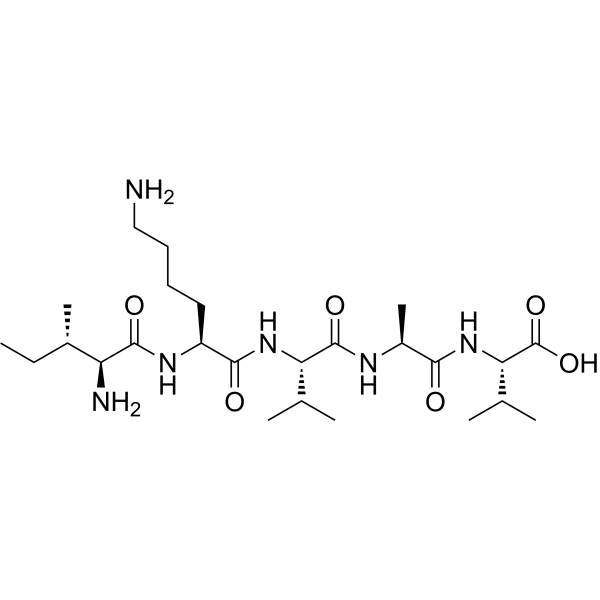
H-Ile-Lys-Val-Ala-Val-OH is one of the most potent active sites of laminin-1. H-Ile-Lys-Val-Ala-Val-OH promotes cell adhesion, neurite outgrowth, and tumor growth. H-Ile-Lys-Val-Ala-Val-OH stimulates BMMSC population growth and proliferation by activating MAPK/ERK1/2 and PI3K/Akt signalling pathways .
|
-
-
- HY-P10925A
-
|
(Z)-FOG-001; I-67
|
β-catenin
|
Cancer
|
|
(Z)-Zolucatetide (I-67) is a β-catenin inhibitor with IC50 ≤50 nM. (Z)-Zolucatetide's sequence is Ac-PL3-Asp-Npg-B5-Asp-3COOHF-Aib-Ala-Phe-Lys3-PyrS2-3Thi-BztA-GlnR3-Ala-NH2. (Z)-Zolucatetide can be used for cancer research .
|
-

-
- HY-P0311
-
|
|
Bacterial
|
Infection
|
|
LAH4, an alpha-helix of the designed amphipathic peptide antibiotic, exhibits potent antimicrobial, nucleic acid transfection and cell penetration activities. LAH4 possesses high plasmid DNA delivery capacities. LAH4 has a strong affinity for anionic lipids found in the outer membrane of bacterial membranes .
|
-

-
- HY-132828
-
|
LT3001; DHDMIQK(KAP)
|
P-selectin
|
Cardiovascular Disease
Metabolic Disease
Inflammation/Immunology
|
|
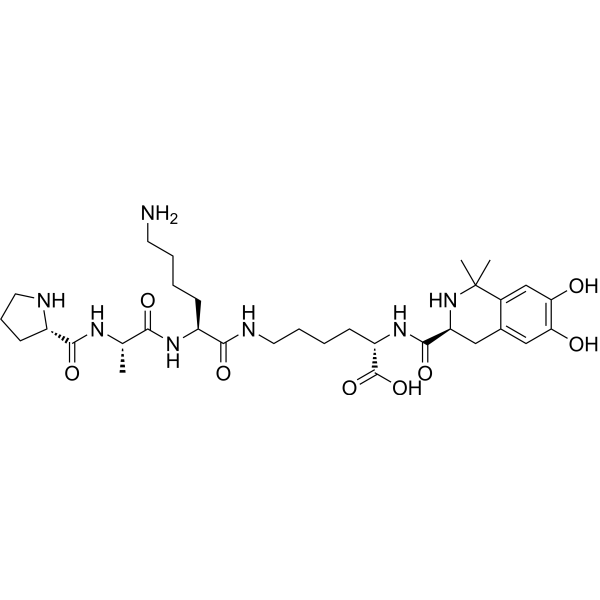
Odatroltide (LT3001; DHDMIQK(KAP)) is a P-selectin inhibitor. Odatroltide is a peptide molecule comprising a tripeptide Pro-Ala-Lys (PAK) and an (S)-6,7-dihydroxy-1,1-dimethyl-1,2,3,4-tetrahydro-isoquinoline-3-carboxylic acid domain. Odatroltide can restore cerebral blood flow, scavenge free radicals, and inhibit leukocyte migration. Odatroltide possesses thrombolytic and anti-thrombotic activities .
|
-
-
- HY-114174
-
|
|
Amyloid-β
|
Neurological Disease
|
|
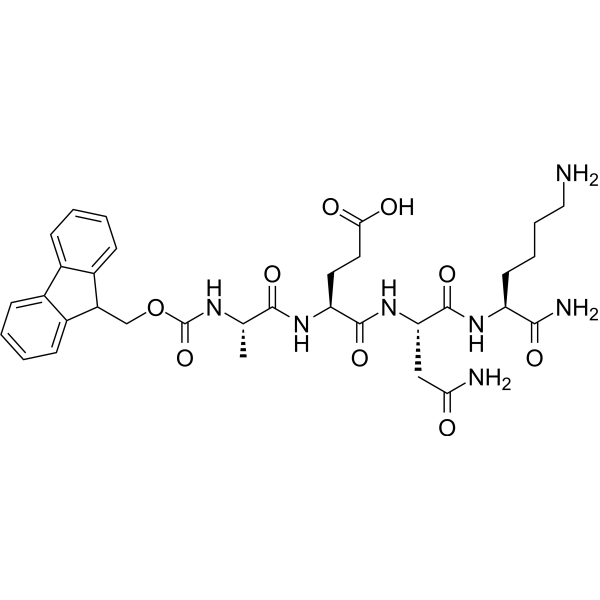
Fmoc-Ala-Glu-Asn-Lys-NH2 is a selective asparagine endopeptidase (AEP) inhibitor peptide and suppresses amyloid precursor protein (APP) cleavage. AEP, a pH-controlled cysteine proteinase, is activated during ageing and mediates APP proteolytic processing .
|
-
-
- HY-P3749
-
|
|
Fluorescent Dye
|
Others
|
|
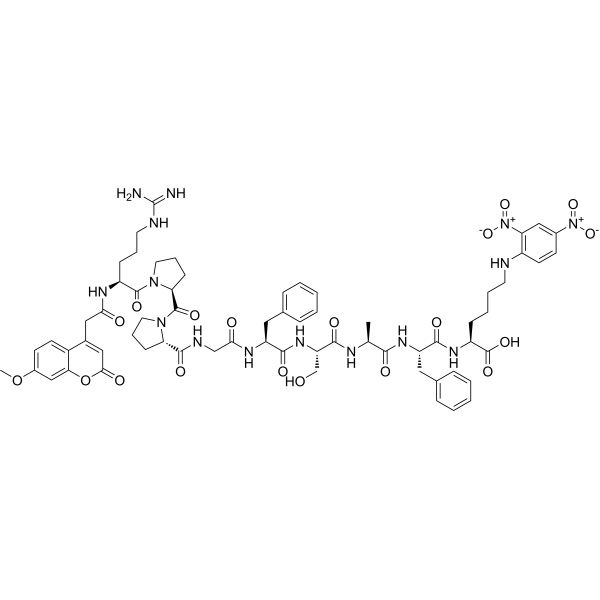
Mca-(ala7,lys(dnp)9)-bradykinin is a sensitive fluorogenic substrate for ECE-1 (endothelin-converting enzyme-1). The incorporation of a (7-methoxycoumarin-4-yl)acetyl (Mca) fluorescent group and a 2,4-dinitrophenyl (Dnp) quenching group has resulted in a large fluorescence increase upon substrate cleavage .
|
-
-
- HY-P2221
-
|
ZP1848
|
GCGR
|
Inflammation/Immunology
|
|
Glepaglutide (ZP1848), a long-acting GLP-2 analogue, is a potent GLP-2R agonist. Glepaglutide reduces faecal output and increases intestinal absorption. Glepaglutide alleviates small intestinal inflammation. Glepaglutide can be used in the research of inflammatory bowel disease (IBD) and Crohn’s disease .
|
-

-
- HY-P0092
-
-

-
- HY-111956B
-
|
|
Fluorescent Dye
|
Cancer
|
|
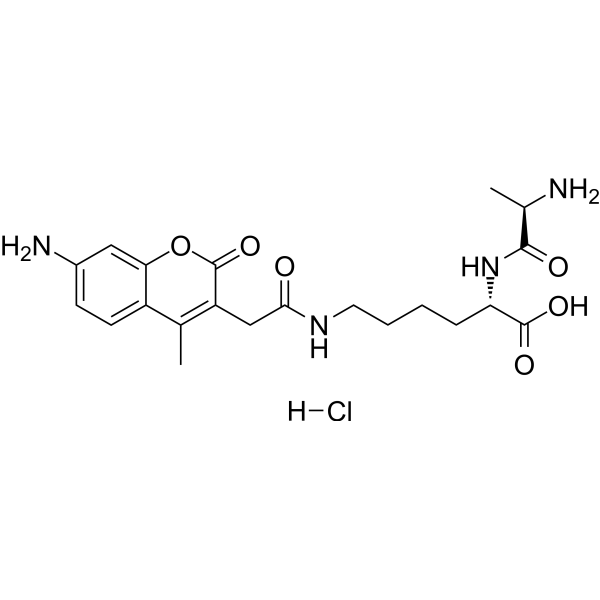
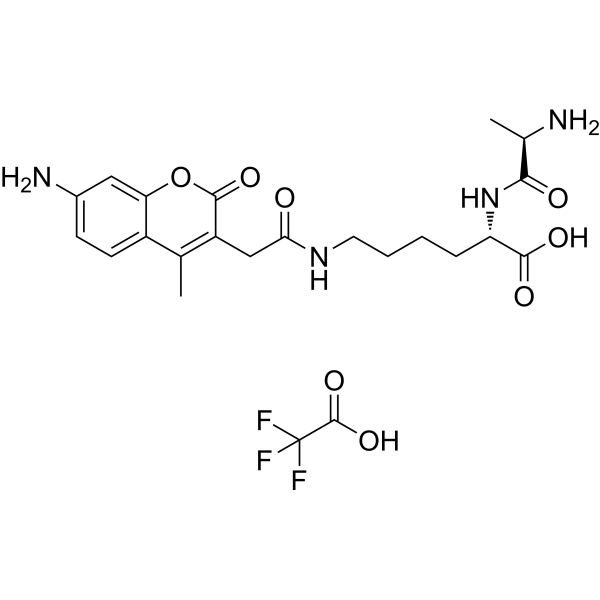
D-Ala-Lys-AMCA hydrochloride is a known proton-coupled oligopeptide transporter 1 (PEPT1) substrate that emits blue fluorescence. D-Ala-Lys-AMCA hydrochloride may be transported into liver cancer cells and Caco-2 cells based on fluorescence analysis. D-Ala-Lys-AMCA hydrochloride can be used for characterizing PEPT1-specific substrates or inhibitors (Ex/Em = 390/480 nm) .
|
-
-
- HY-D1154
-
|
|
Fluorescent Dye
|
Others
|
|
β-Ala-Lys (AMCA) is a fluorescently labeled substrate of oligopeptide transporters . β-Ala-Lys (AMCA) acts as a substrate for a variety of bacterial proton-coupled oligopeptide transporters, and is used to label the activity of oligopeptide transporters. Excitation/emission wavelength: 340 nM/460 nM .
|
-

-
- HY-P2536
-
-
-
- HY-P5189A
-
|
|
Endogenous Metabolite
Cholinesterase (ChE)
|
Others
|
|
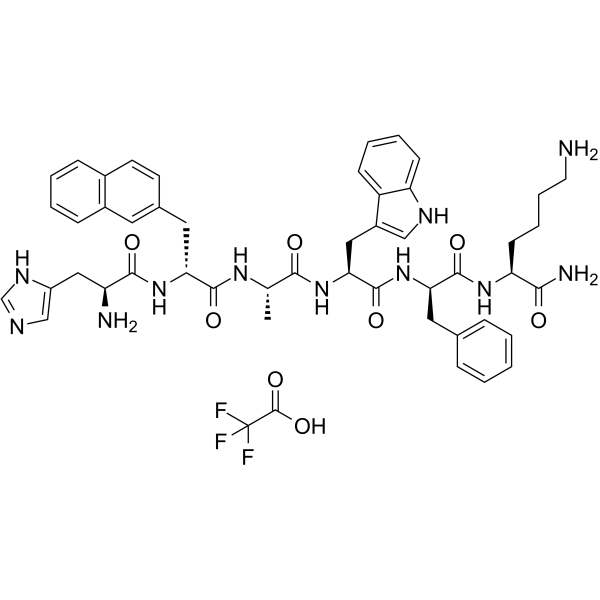
His-D-beta-Nal-Ala-Trp-D-Phe-Lys-NH2 TFA, is a growth hormone releasing peptide, as well as a metabolite of GHRP-1. GHRP-1, or Ala-His-D-beta Nal-Ala-Trp-D-Phe-Lys-NH2, has the effect of promoting the release of growth hormone (GH). GHRP-1 increases GH release and increases [Ca2+]i levels in static monolayer cells of rat pituitary gland, but does not affect cAMP levels .
|
-
-
- HY-P10551
-
|
|
Transmembrane Glycoprotein
NF-κB
TNF Receptor
|
Cardiovascular Disease
|
|
ApoA-I mimetic peptide 5A is a synthetic peptide molecule designed based on the structure and function of naturally occurring apolipoprotein A-I (Apo A-I). ApoA-I mimetic peptide 5A can promote the efflux of cholesterol from cells and help reduce the accumulation of cholesterol in cells. ApoA-I mimetic peptide 5A also shows anti-inflammatory activity and can reduce inflammatory markers in blood and tissues. ApoA-I mimetic peptide 5A can be used in the study of cardiovascular diseases .
|
-

-
- HY-P2221B
-
|
ZP1848 acetate
|
GCGR
|
Inflammation/Immunology
|
|
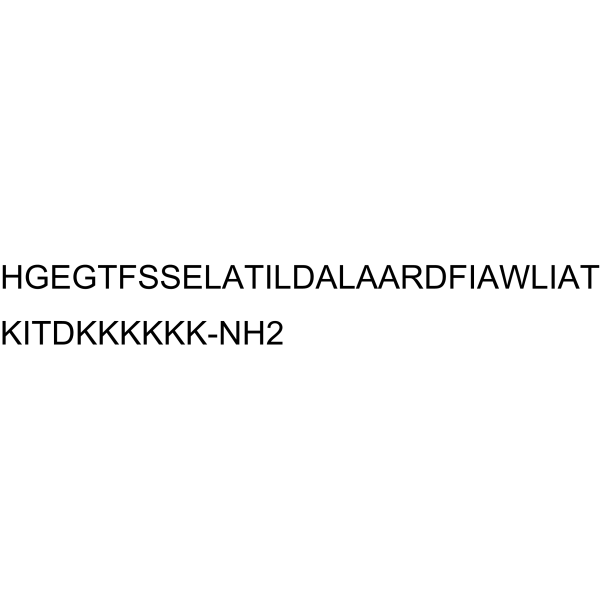
Glepaglutide (ZP1848) acetate, a long-acting GLP-2 analogue, is a potent GLP-2R agonist. Glepaglutide acetate reduces faecal output and increases intestinal absorption. Glepaglutide acetate alleviates small intestinal inflammation. Glepaglutide acetate can be used in the research of inflammatory bowel disease (IBD) and Crohn’s disease .
|
-
-
- HY-P11460
-
|
|
Drug Derivative
|
Infection
|
|
Vectofusin-1 is a histidine-rich cationic amphipathic peptide derived from the LAH4 (HY-P0311) peptide family, and also acts as a Viral entry enhancer. Vectofusin-1 promotes the adhesion and fusion of retroviral/lentiviral vectors with cell membranes during viral entry, thereby improving transduction efficiency. Vectofusin-1 potently enhances lentiviral transduction of cells .
|
-

-
- HY-P3726
-
|
|
Integrin
|
Inflammation/Immunology
Cancer
|
|
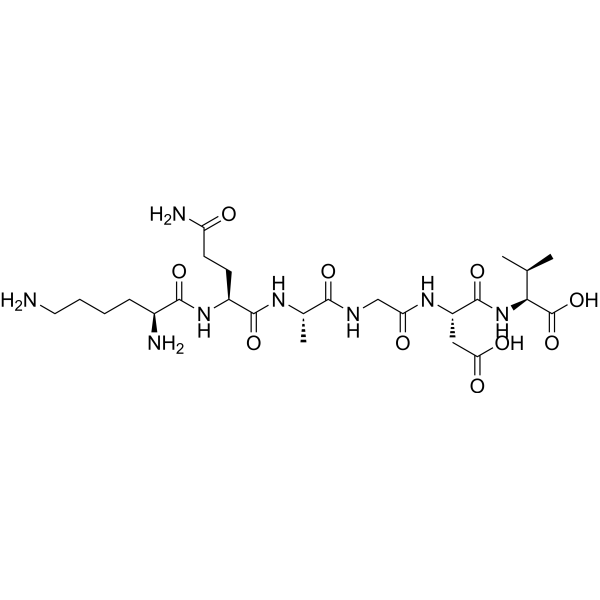
Lys-Gln-Ala-Gly-Asp-Val (KQAGDV) is the six most carboxyl-terminal amino acids in the fibrinogen γ-chain sequence. Lys-Gln-Ala-Gly-Asp-Val is a cell adhesion peptide which is mediated through the α2bβ3 integrin. Lys-Gln-Ala-Gly-Asp-Val is a potent adhesion ligand for smooth muscle cells (SMCs) .
|
-
-
- HY-P4360
-
|
|
Fluorescent Dye
|
Others
|
|
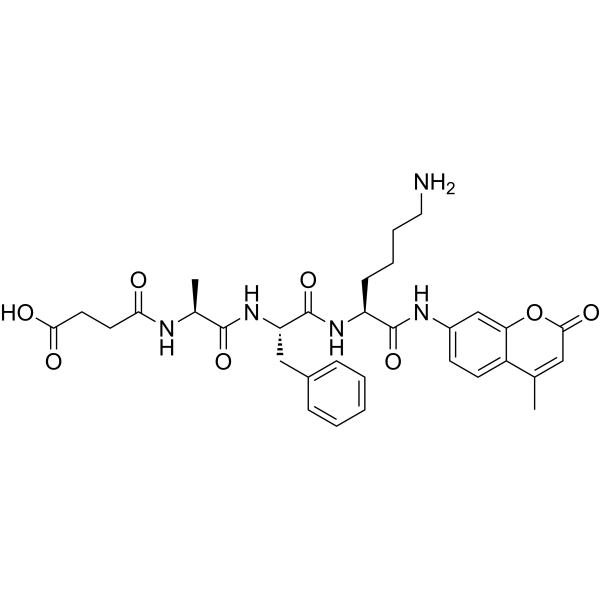
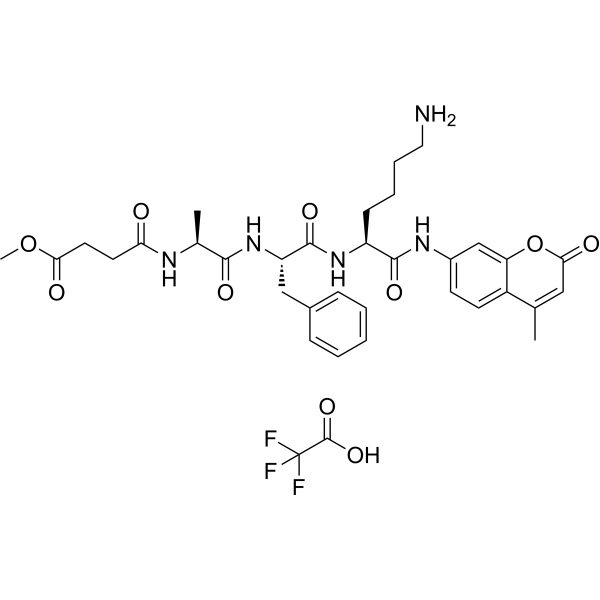
Suc-Ala-Phe-Lys-AMC is a highly sensitive fluorogenic substrate for plasmin. Suc-Ala-Phe-Lys-AMC is also used for assaying gingipain K .
|
-
-
- HY-P5345
-
|
|
Apoptosis
Antibiotic
Caspase
Mitochondrial Metabolism
|
Cardiovascular Disease
Infection
Neurological Disease
Metabolic Disease
|
|
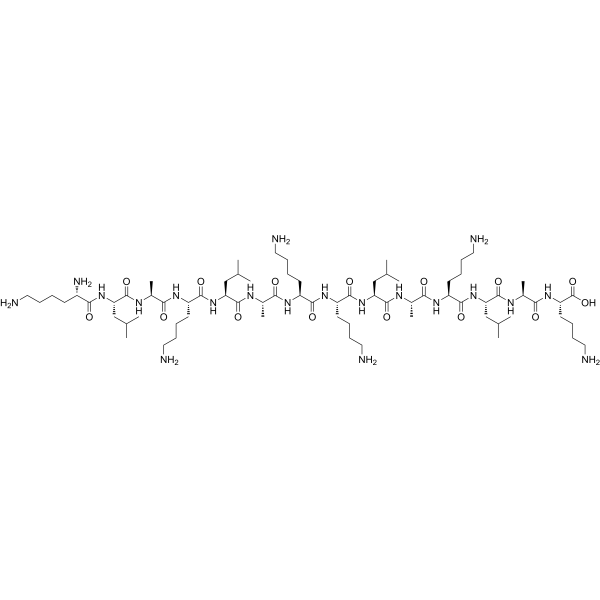
KLA peptide is a naturally occurring Antibiotic peptide that is nontoxic outside of cells but is toxic when it enters into the interior of targeted cells. KLA peptide can induce cell Apoptosis by disrupting mitochondrial membranes and activating Caspase. MG1-KLA, formed by the coupling of KLA peptide with MG1, can selectively induce apoptosis in pro-inflammatory microglia. KLA peptide can be used for the research of liver fibrosis. KLA peptide can be used for the research of neonatal hypoxic-ischemic encephalopathy.
|
-
-
- HY-P4468
-
-
-
- HY-111956
-
|
|
Fluorescent Dye
|
Cancer
|
|
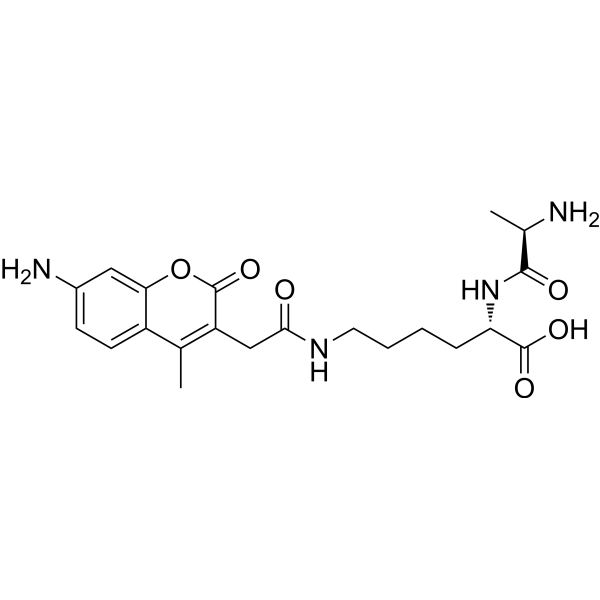
D-Ala-Lys-AMCA is a known proton-coupled oligopeptide transporter 1 (PEPT1) substrate that emits blue fluorescence. D-Ala-Lys-AMCA may be transported into liver cancer cells and Caco-2 cells based on fluorescence analysis. D-Ala-Lys-AMCA can be used for characterizing PEPT1-specific substrates or inhibitors (Ex/Em = 390/480 nm) .
|
-
-
- HY-P5380
-
|
Dabcyl-GABA-Pro-Gln-Gly-Leu-Glu(EDANS)-Ala-Lys-NH2
|
MMP
Fluorescent Dye
|
Others
|
|
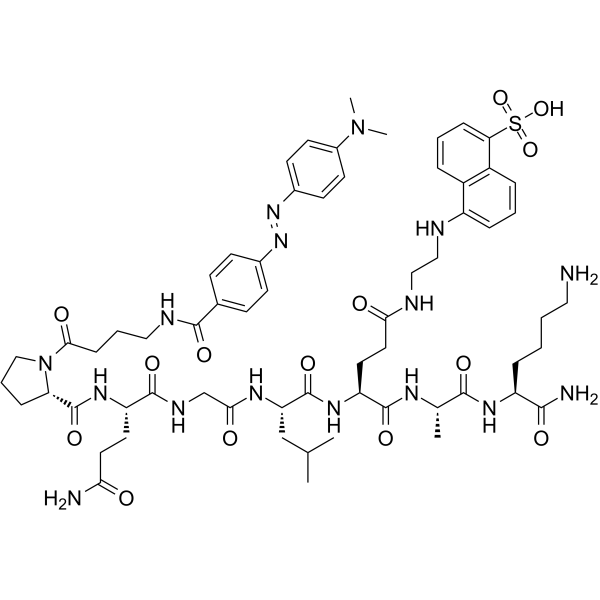
TNO211 (Dabcyl-GABA-Pro-Gln-Gly-Leu-Glu(EDANS)-Ala-Lys-NH2) is a fluorogenic substrate, containing the MMP cleavable Gly-Leu bond and EDANS/Dabcyl as fluorophore/quencer combination. TNO211 can specifically detect MMP activity (Ex/Em = 340/485 nm) .
|
-
-
- HY-P11211A
-
|
|
Bacterial
|
Infection
Cancer
|
|
D2A21 TFA is an antimicrobial peptide with significant antimicrobial activity against Pseudomonas and bactericidal effect on burn scabs. D2A21 TFA has antitumor activity and can be used in prostate cancer research .
|
-

-
- HY-P2258
-
|
|
Histone Methyltransferase
|
Others
|
|
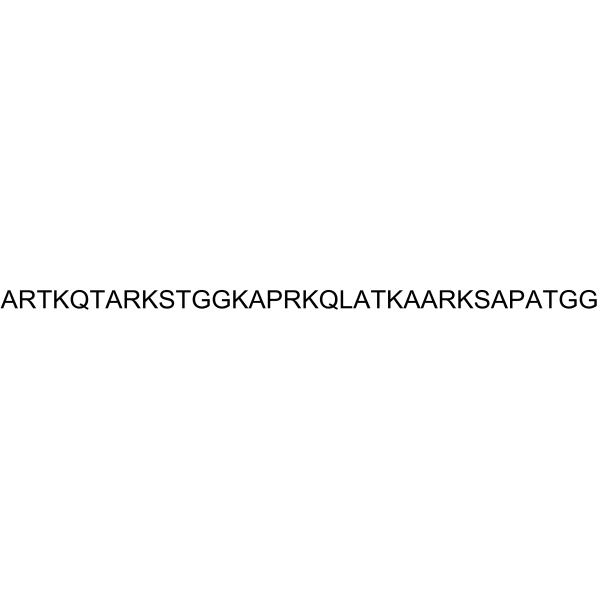
Histone H3 (1-34) is a peptide derived from human histone isotype 3.1. Histones are the main protein components of eukaryotic chromatin. Histone variants and histone modifications modulate chromatin structure, ensuring the precise operation of cellular processes associated with genomic DNA .
|
-
-
- HY-P3586
-
|
Hunter-killer peptide ao; Prohibitin-targeting peptide 1; prohibitin-TP01; Adipotide
|
Apoptosis
|
Cancer
|
|
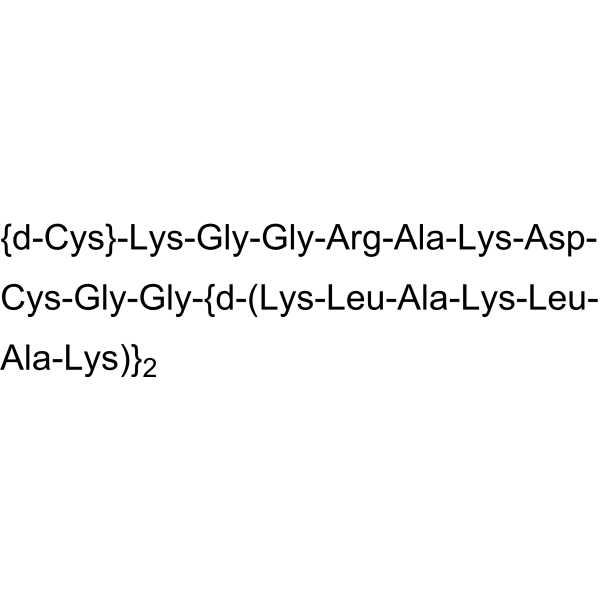
HKPao (Hunter-killer peptide ao) is a biologically active peptide. HKPao (Hunter-killer peptide ao) has anti-obesity and anti-tumor pro-apoptotic activity to cause release of cytochrome c from vesicles .
|
-
-
- HY-P3498
-
|
ZP1846
|
GCGR
|
Others
|
|
Elsiglutide (ZP1846) is a GLP-2 analogue, an orally active and selective GLP-2 receptor agonist, increases cell proliferation and reduces apoptosis in the intestine. Elsiglutide improves Lapatinib (HY-50898)-induced diarrhoea in rat model .
|
-

-
- HY-178145
-
|
|
Drug-Linker Conjugates for ADC
Topoisomerase
|
Cancer
|
|
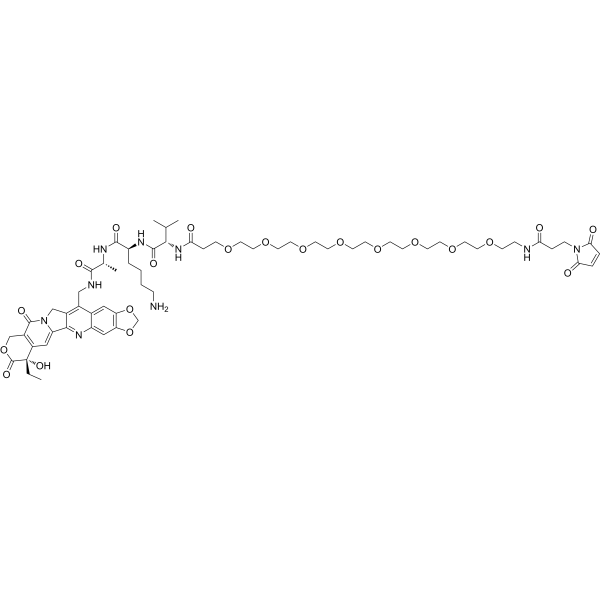
Mc-Lys(PEG12)-Cap-Ala-Ala-PABC-exatecan (compound 12) is a Drug-Linker Conjugate for ADC. Mc-Lys(PEG12)-Cap-Ala-Ala-PABC-exatecan contains the ADC linker (Mc-Lys(PEG12)-Cap-Ala-Ala-PABC) (HY-178146) and a DNA topoisomerase I inhibitor Exatecan (HY-13631). Mc-Lys(PEG12)-Cap-Ala-Ala-PABC-exatecan can be used for the development of ADC targeting HER2-positive breast cancer .
|
-

-
- HY-P3741
-
|
|
PKC
|
Neurological Disease
|
|
[Ala9,10, Lys11,12] Glycogen Synthase (1-12) is a selective substrate for phosphorylation by protein kinase C (PKC). [Ala9,10, Lys11,12] Glycogen Synthase (1-12) can be used to determine the activity of protein kinase C .
|
-
![[Ala9,10, Lys11,12] Glycogen Synthase (1-12)](//file.medchemexpress.com/product_pic/hy-p3741.gif)
-
- HY-P5023A
-
-
-
- HY-145943
-
-
-
- HY-P11211
-
|
|
Antibiotic
Bacterial
|
Infection
|
|
D2A21, a cecropin peptide, demonstrates a minimum cidal concentration of 21.69 μg/mL against Chlamydia trachomatis .
|
-

-
- HY-P11208C
-
|
|
GABA Receptor
|
Inflammation/Immunology
|
|
mNLS-CPP-WSTF TFA is the trifluoroacetate salt of mNLS-CPP-WSTF (HY-P11208). mNLS-CPP-WSTF is a nuclear localization signal (NLS)-cell-penetrating peptide based on the mouse WSTF sequence. mNLS-CPP-WSTF significantly inhibits the GABARAP-WSTF interaction, WSTF degradation and inflammatory gene expression. mNLS-CPP-WSTF effectively attenuates chronic inflammation, liver fibrosis and cartilage damage in metabolic-dysfunction-associated steatohepatitis (MASH) and osteoarthritis (OA) mice model. mNLS-CPP-WSTF is promising for research of chronic inflammatory diseases such as MASH and OA .
|
-

-
- HY-P0274
-
|
|
Bacterial
Antibiotic
|
Infection
|
|
PGLa, a 21-residue peptide, is an antimicrobial peptide. PGLa is a member of the magainin family of antibiotic peptides found in frog skin and its secretions .
|
-

-
- HY-P11455A
-
|
|
Liposome
|
Others
|
|
Lipopeptide CPE4 TFA is a PEG-modified peptide E4 [(EIAALEK) 4]. Lipopeptide CPE4 TFA is capable of coiled-coil formation when attached to liposomes. Lipopeptide CPE4 TFA triggers membrane fusion between liposomes and living cells with concomitant efficient cytosolic delivery of a variety of compounds such as fluorescent dyes Propidium Iodide (PI) (HY-D0815) and TO-PRO-3 iodide (HY-117070), and Doxorubicin (DOX) (HY-15142A). Lipopeptide CPE4 TFA can be used for drug delivery research .
|
-

-
- HY-P10078
-
-
-
- HY-178146
-
|
|
ADC Linker
|
Cancer
|
|
Mc-Lys(PEG12)-Cap-Ala-Ala-PABC is a linker of MC-Gly-Gly-Phe-Gly-(R)-Cyclopropane-Exatecan (HY-178146) .
|
-

-
- HY-158348
-
-

-
- HY-P5380A
-
|
Dabcyl-GABA-Pro-Gln-Gly-Leu-Glu(EDANS)-Ala-Lys-NH2 TFA
|
MMP
Fluorescent Dye
|
Cancer
|
|
TNO211 (Dabcyl-GABA-Pro-Gln-Gly-Leu-Glu(EDANS)-Ala-Lys-NH2) TFA is a fluorogenic substrate, containing the MMP cleavable Gly-Leu bond and EDANS/Dabcyl as fluorophore/quencer combination. TNO211 TFA can specifically detect MMP activity (Ex/Em = 340/485 nm) .
|
-

-
- HY-P4144
-
|
Phor18-LHRH (338613); EP-100
|
GnRH Receptor
|
Endocrinology
Cancer
|
|
Onvitrelin ucalontide ([Phor18-LHRH (338613)]) is an analogue of luteinizing hormone releasing hormone (LHRH) with antineoplastic activity. Onvitrelin ucalontide is a peptide with sequences of KFAKFAKKFAKFAKKFAKQHWSYGLRPG. Onvitrelin ucalontide effectively inhibits breast cancer, ovarian cancer and prostate cancer xenografts in mouse model .
|
-

-
- HY-P10997
-
|
|
DNA/RNA Synthesis
|
Cancer
|
|
F3 peptide is a fragment of the human high mobility group protein 2 (HMGB2), and can specifically bind to nucleolin expressed on the membrane of cancer cells, neovasculature, and endothelium. F3 peptide can be used as an effective ligand to improve their druggability of macromolecular drugs or nanoparticles, and so on .
|
-

-
- HY-P11208B
-
|
|
GABA Receptor
|
Inflammation/Immunology
|
|
mNLS-CPP-scramble (TFA) is the trifluoroacetate salt of mNLS-CPP-scramble (HY-P11208A). mNLS-CPP-scramble is a negative control peptide of mNLS-CPP-WSTF. mNLS-CPP-scramble is promising for research of chronic inflammatory diseases (e.g., MASH, osteoarthritis) .
|
-

-
- HY-P11208A
-
|
|
GABA Receptor
|
Inflammation/Immunology
|
|
mNLS-CPP-scramble is a negative control peptide of mNLS-CPP-WSTF. mNLS-CPP-scramble is promising for research of chronic inflammatory diseases (e.g., MASH, osteoarthritis) .
|
-

-
- HY-P11208
-
|
|
GABA Receptor
|
Inflammation/Immunology
|
|
mNLS-CPP-WSTF is a nuclear localization signal (NLS)-cell-penetrating peptide based on the mouse WSTF sequence. mNLS-CPP-WSTF significantly inhibits the GABARAP-WSTF interaction, WSTF degradation and inflammatory gene expression. mNLS-CPP-WSTF effectively attenuates chronic inflammation, liver fibrosis and cartilage damage in metabolic-dysfunction-associated steatohepatitis (MASH) and osteoarthritis (OA) mice model. mNLS-CPP-WSTF is promising for research of chronic inflammatory diseases such as MASH and OA .
|
-

-
- HY-P1444
-
|
|
Dopamine Receptor
|
Neurological Disease
|
|
Acein is a novel nonapeptide, H-Pro-Pro-Thr-Thr-Thr-Lys-Phe-Ala-Ala-OH. Acein can promote the release of dopamine. Acein targets angiotensin converting enzyme (ACE I). Angiotensin converting enzyme (ACE I) can be used in nervous system related research .
|
-

-
- HY-P3729
-
-
-
- HY-P4339
-
|
|
Fluorescent Dye
|
Others
|
|
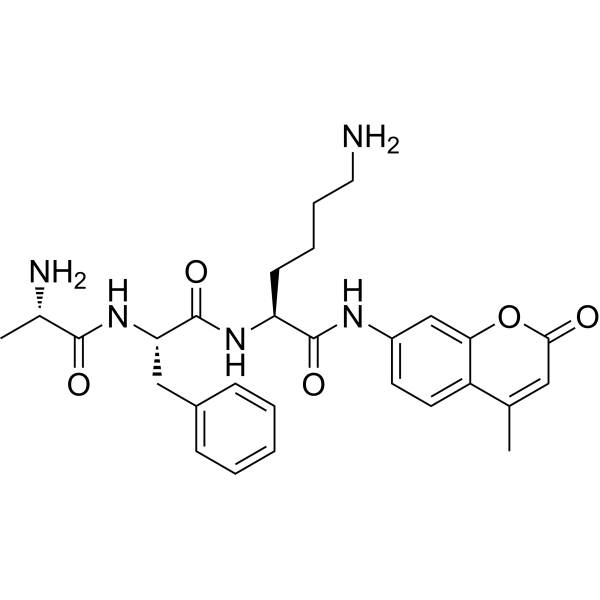
Ala-Phe-Lys-AMC is a fluorogenic substrate, which can be used for residual plasmin activity assay .
|
-
-
- HY-P4347
-
-
-
- HY-P3882
-
|
|
Amino Acid Derivatives
|
Neurological Disease
|
|
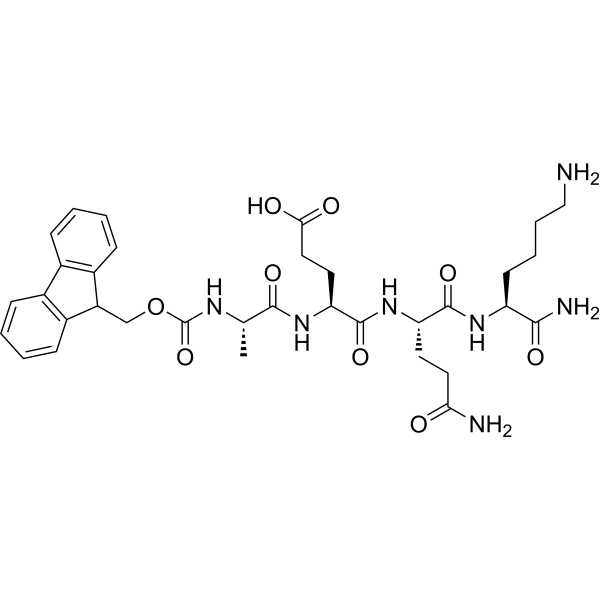
Fmoc-Ala-Glu-Gln-Lys-NH2 (AEQK) is a tetrapeptide. Fmoc-Ala-Glu-Gln-Lys-NH2 is the inactive control for Fmoc-Ala-Glu-Asn-Lys-NH2 (AENK) peptide inhibitor. AENK blocks proteolysis of UNC5C protein .
|
-
-
- HY-111956A
-
|
|
Fluorescent Dye
|
Cancer
|
|
D-Ala-Lys-AMCA TFA is a known proton-coupled oligopeptide transporter 1 (PEPT1) substrate that emits blue fluorescence. D-Ala-Lys-AMCA TFA may be transported into liver cancer cells and Caco-2 cells based on fluorescence analysis. D-Ala-Lys-AMCA TFA can be used for characterizing PEPT1-specific substrates or inhibitors (Ex/Em = 390/480 nm) .
|
-
- HY-P2716
-
|
|
MMP
|
Others
|
|
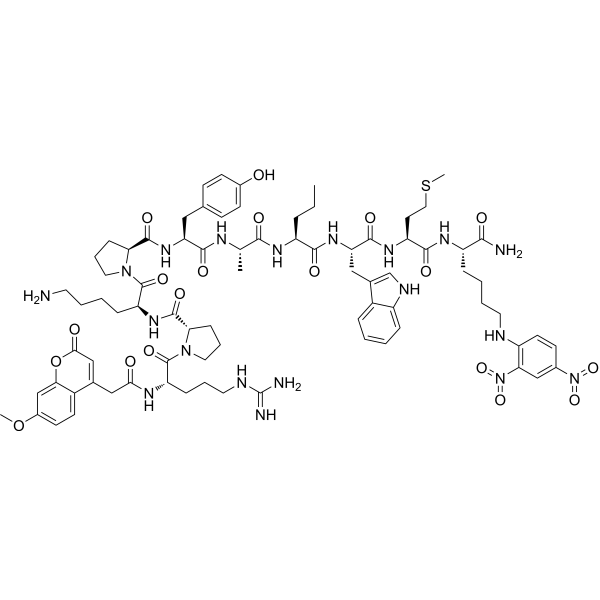
Mca-Arg-Pro-Lys-Pro-Tyr-Ala-Nva-Trp-Met-Lys(Dnp)-NH2 is a biological active peptide. (MMP substrate)
|
-
- HY-125103
-
-

- HY-P5996
-
|
|
Fluorescent Dye
|
Others
|
|
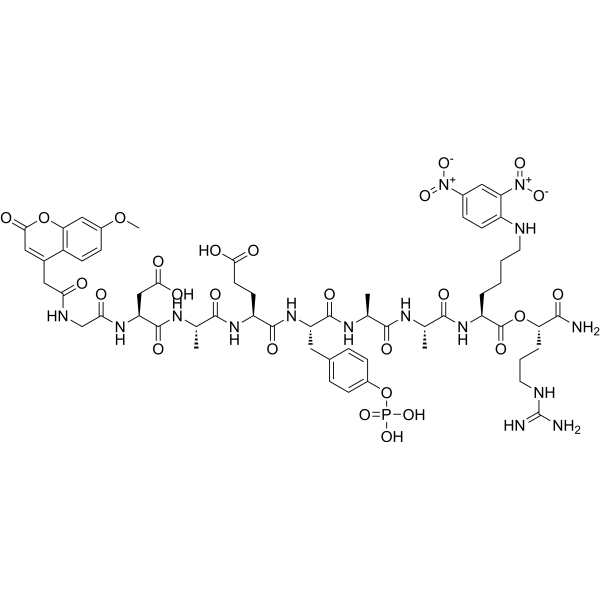
MCA-Gly-Asp-Ala-Glu-pTyr-Ala-Ala-Lys(DNP)-Arg-NH2 is a protein tyrosine phosphatase fluorogenic substrate that can be detected at 393 nm (with excitation at 325 nm) .
|
-
- HY-P5023
-
-
- HY-P4937
-
|
|
MMP
|
Cancer
|
|
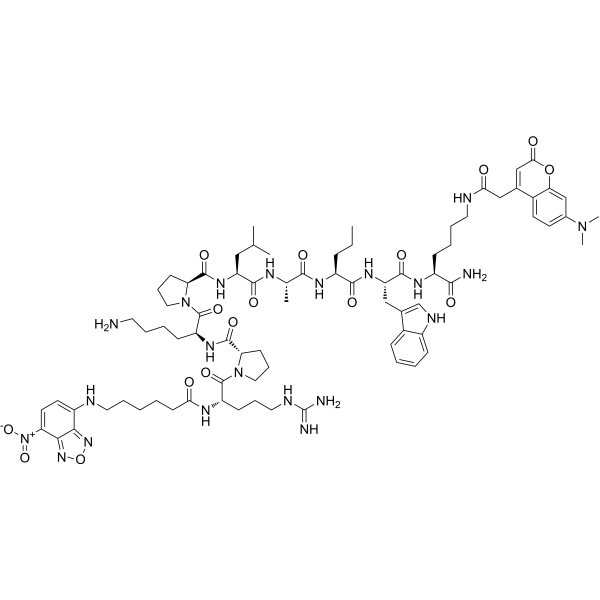
NBD-Arg-Pro-Lys-Pro-Leu-Ala-Nva-Trp-Lys-(DMC)-NH2 is an substrate for hydrolysis of the matrix metalloproteinase stromelysin (MMP-3) and can be easily detected at Abs/Em=350/465 nm .
|
-
- HY-P4416
-
|
|
Fluorescent Dye
|
Others
|
|
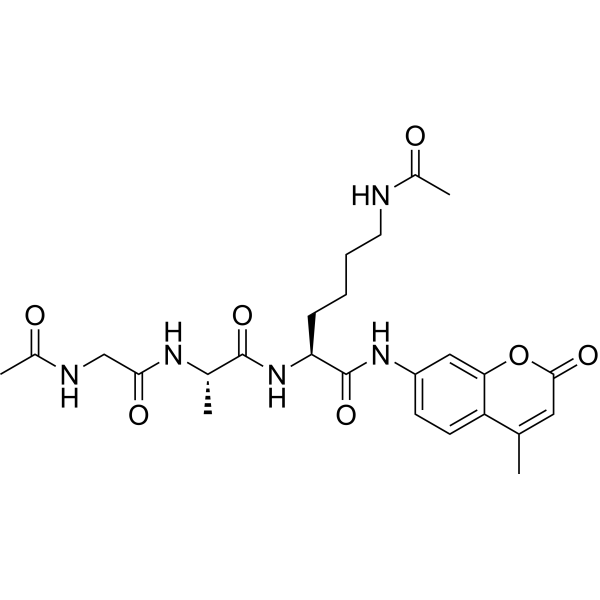
Ac-Gly-Ala-Lys(Ac)-AMC is a fluorogenic substrate for the determination of protease activity. Ac-Gly-Ala-Lys(Ac)-AMC undergoes hydrolysis and releases the fluorescent product 7-amino-4-methylcoumarin (AMC). AMC is fluorescent under UV light and can emit a fluorescent signal .
|
-
- HY-P4519
-
|
|
Carboxypeptidase
|
Others
|
|
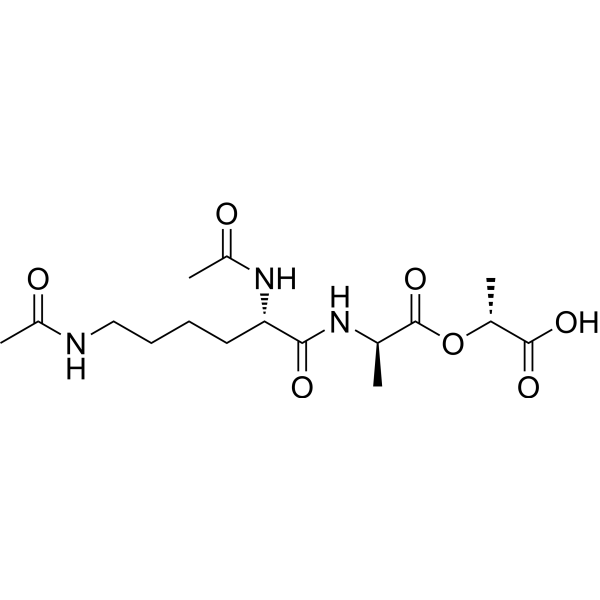
Ac-Lys(Ac)-D-Ala-D-Lactic acid is a depsipeptide substrate for penicillin-sensitive D-alanine carboxypeptidases (DD-carboxypeptidases) .
|
-
- HY-129351
-
|
|
ADC Linker
|
Cancer
|
|
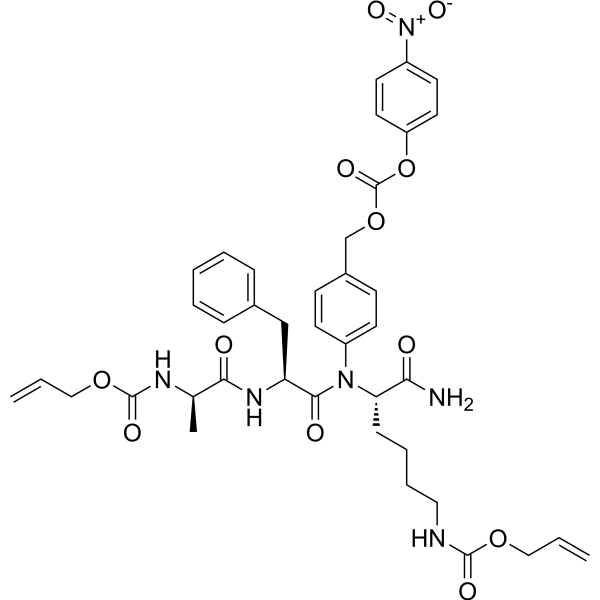
Aloc-D-Ala-Phe-Lys(Aloc)-PAB-PNP is a cleavable ADC linker used in the synthesis of antibody-drug conjugates (ADCs).
|
-
- HY-P11456A
-
|
|
Liposome
|
Others
|
|
Lipopeptide CPK4 TFA is a Cholesterol (HY-N0322)-modified peptide K4 [(KIAALKE) 3]. Lipopeptide CPK4 TFA is capable of coiled-coil formation when attached to liposomes. Lipopeptide CPK4 TFA triggers membrane fusion between liposomes and living cells with concomitant efficient cytosolic delivery of a variety of compounds such as fluorescent dyes Propidium Iodide (PI) (HY-D0815) and TO-PRO-3 iodide (HY-117070), and Doxorubicin (DOX) (HY-15142A). Lipopeptide CPK4 TFA can be used for drug delivery research .
|
-

- HY-P5708
-
|
Dermaseptin b2
|
Antibiotic
Fungal
Bacterial
|
Infection
|
|
Adenoregulin (Dermaseptin b2) is an antimicrobial peptide antibiotic. Adenoregulin is active against Gram-negative and Gram-positive bacteria, yeast and fungi. Adenoregulin also enhances the binding of agonists to the A1 adenosine receptor .
|
-

- HY-P10618
-
|
|
Bacterial
|
Infection
|
|
BTM-P1 is a polycationic peptide that exhibits antibacterial activity against both Gram-positive and Gram-negative bacteria. BTM-P1 can form ion-permeable channels in the inner mitochondrial membrane to interfere with mitochondrial energy processes .
|
-

- HY-P4971
-
|
|
Complement System
|
Inflammation/Immunology
|
|
C5a Anaphylatoxin (human) is a pro-inflammatory peptide and a leukocyte chemoattractant. C5a Anaphylatoxin (human) can be used to study inflammation and immunity, such as allergic asthma .
|
-
- HY-165153
-
|
A0910 TFA; Ala-D-isoGlu-Lys-D-Ala-D-Ala TFA
|
Endogenous Metabolite
|
Others
|
|
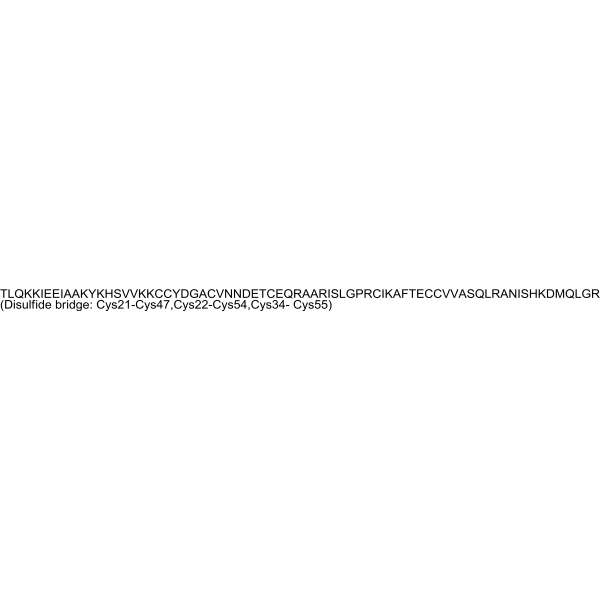
Ala-D-γ-Glu-Lys-D-Ala-D-Ala TFA is the pentapeptide tail of the peptidoglycan precursor UDPMurNAc-l-Ala-γ-d-Glu-l-Lys(Gly)(5)-d-Ala-d-Ala .
|
-

- HY-137527
-
|
|
Bacterial
|
Infection
|
|
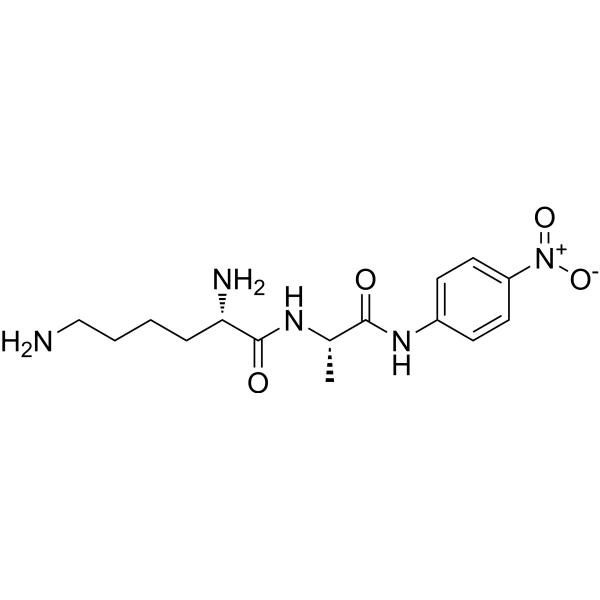
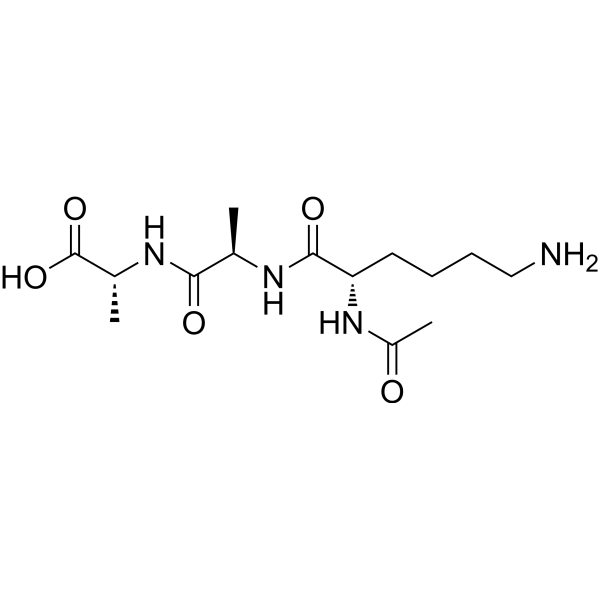
Ac-Lys (Ac)-D-Ala-D-Ala-OH is a synthetic dipeptide analog that mimics the terminal structure of bacterial peptidoglycan chains. Ac-Lys (Ac)-D-Ala-D-Ala-OH serves as a molecular decoy to investigate the mechanism of action of Vancomycin-class antibiotics, and also acts as an affinity chromatography ligand for purifying proteins that bind to Vancomycin. Ac-Lys (Ac)-D-Ala-D-Ala-OH reduces the activity of Vancomycin against susceptible enterococci. Ac-Lys (Ac)-D-Ala-D-Ala-OH is applicable to the research of Vancomycin-resistant enterococcal infections .
|
-

- HY-P11456
-
|
|
Liposome
|
Others
|
|
Lipopeptide CPK4 is a Cholesterol (HY-N0322)-modified peptide K4 [(KIAALKE) 3]. Lipopeptide CPK4 is capable of coiled-coil formation when attached to liposomes. Lipopeptide CPK4 triggers membrane fusion between liposomes and living cells with concomitant efficient cytosolic delivery of a variety of compounds such as fluorescent dyes Propidium Iodide (PI) (HY-D0815) and TO-PRO-3 iodide (HY-117070), and Doxorubicin (DOX) (HY-15142A). Lipopeptide CPK4 can be used for drug delivery research .
|
-

- HY-P5587
-
|
|
Fungal
|
Infection
|
|
Dermaseptin-S5 is an antimicrobial peptide derived from frog skin against filamentous fungi .
|
-

- HY-P1751
-
|
|
Bacterial
|
Infection
|
|
Ceratotoxins B is antibacterial peptide produced by the sexually mature females of Ceratitis capitata. Lytic and antibacterial activity .
|
-

- HY-P1581
-
|
|
Bacterial
|
Infection
|
|
Ceratotoxin A, a 29-residue peptide isolated from the accessory gland secretion fluid, with strong anti-bacterial activity.
|
-

- HY-P11198
-
|
|
Apoptosis
VEGFR
ERK
Akt
Caspase
Bcl-2 Family
|
Cancer
|
|
AC-P19M is an anticancer peptide. AC-P19M induces apoptosis by disrupting the cell membrane of cancer cells. AC-P19M reverses epithelial-mesenchymal transition (EMT). AC-P19M shows anti-angiogenic activity through the inhibition of VEGF-VEGFR2/ERK/Akt signaling. AC-P19M can be used for lung cancer research .
|
-

- HY-P10471B
-
|
|
MARCKS
PKC
|
Others
|
|
Ala-MPSD is a control peptide for MPSD (HY-P10471). In Ala-MPSD, the four serine residues of MPSD are substituted by alanines .
|
-

- HY-P5680
-
|
|
Bacterial
|
Inflammation/Immunology
|
|
SpHistin is an antimicrobial peptide (AMP). SpHistin can bind to LPS (HY-D1056) and permeabilize the bacterial membrane. SpHistin combined with Rifampicin (HY-B0272) and Azithromycin (HY-17506) promotes the intracellular uptake of the antibiotics and subsequently enhances the bactericidal activity of both agents against P. aeruginosa .
|
-

- HY-P5590
-
|
|
Fungal
|
Infection
|
|
Dermaseptin-S3 is an antimicrobial peptide derived from frog skin against filamentous fungi .
|
-

- HY-P5588
-
|
|
Fungal
|
Infection
|
|
Dermaseptin-S4 is an antimicrobial peptide derived from frog skin against filamentous fungi .
|
-

- HY-P0274A
-
|
|
Bacterial
Antibiotic
|
Infection
|
|
PGLa TFA, a 21-residue peptide, is an antimicrobial peptide. PGLa TFA is a member of the magainin family of antibiotic peptides found in frog skin and its secretions .
|
-

- HY-P1539A
-
-
- HY-P11455
-
|
|
Liposome
|
Others
|
|
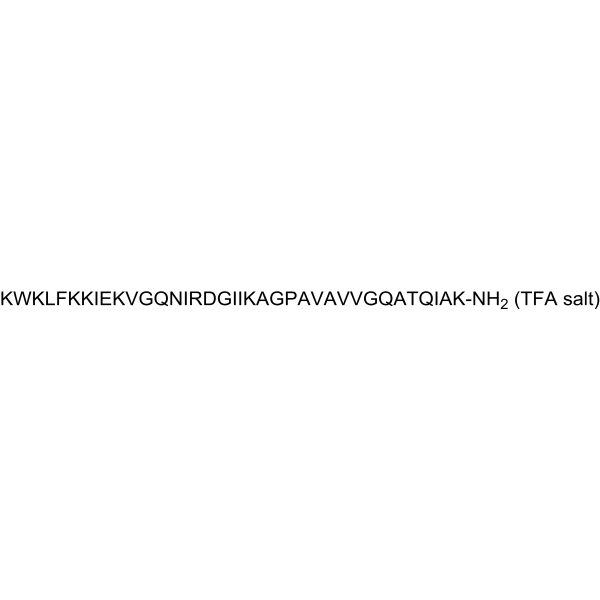
Lipopeptide CPE4 is a PEG-modified peptide E4 [(EIAALEK) 4]. Lipopeptide CPE4 is capable of coiled-coil formation when attached to liposomes. Lipopeptide CPE4 triggers membrane fusion between liposomes and living cells with concomitant efficient cytosolic delivery of a variety of compounds such as fluorescent dyes Propidium Iodide (PI) (HY-D0815) and TO-PRO-3 iodide (HY-117070), and Doxorubicin (DOX) (HY-15142A). Lipopeptide CPE4 can be used for drug delivery research .
|
-

- HY-183108
-
|
|
Thymidylate Synthase
|
Cancer
|
|
Anticancer agent 315 is an antitumor agent. Anticancer agent 315 binds to the active pocket of thymidylate synthase via forming strong hydrogen bonds with Lys487 and Ala498, stabilizing the arrangement of the ligand within the pocket. Anticancer agent 315 inhibits the proliferation of tumor cells. Anticancer agent 315 can be used for the research of liver cancer and breast cancer .
|
-

- HY-P11750
-
-

- HY-P0311B
-
-

- HY-P5345A
-
|
|
Apoptosis
Antibiotic
Caspase
Mitochondrial Metabolism
|
Cardiovascular Disease
Infection
Neurological Disease
Metabolic Disease
|
|
KLA peptide acetate is a naturally occurring Antibiotic peptide that is nontoxic outside of cells but is toxic when it enters into the interior of targeted cells. KLA peptide acetate can induce cell Apoptosis by disrupting mitochondrial membranes and activating Caspase. MG1-KLA acetate, formed by the coupling of KLA peptide acetate with MG1, can selectively induce apoptosis in pro-inflammatory microglia. KLA peptide acetate can be used for the research of liver fibrosis. KLA peptide acetate can be used for the research of neonatal hypoxic-ischemic encephalopathy .
|
-

| Cat. No. |
Product Name |
Type |
-
- HY-P3749
-
|
|
Fluorescent Dyes
|
|
Mca-(ala7,lys(dnp)9)-bradykinin is a sensitive fluorogenic substrate for ECE-1 (endothelin-converting enzyme-1). The incorporation of a (7-methoxycoumarin-4-yl)acetyl (Mca) fluorescent group and a 2,4-dinitrophenyl (Dnp) quenching group has resulted in a large fluorescence increase upon substrate cleavage .
|
-
- HY-111956B
-
|
|
Fluorescent Dyes
|
|
D-Ala-Lys-AMCA hydrochloride is a known proton-coupled oligopeptide transporter 1 (PEPT1) substrate that emits blue fluorescence. D-Ala-Lys-AMCA hydrochloride may be transported into liver cancer cells and Caco-2 cells based on fluorescence analysis. D-Ala-Lys-AMCA hydrochloride can be used for characterizing PEPT1-specific substrates or inhibitors (Ex/Em = 390/480 nm) .
|
-
- HY-D1154
-
|
|
Fluorescent Dyes
|
|
β-Ala-Lys (AMCA) is a fluorescently labeled substrate of oligopeptide transporters . β-Ala-Lys (AMCA) acts as a substrate for a variety of bacterial proton-coupled oligopeptide transporters, and is used to label the activity of oligopeptide transporters. Excitation/emission wavelength: 340 nM/460 nM .
|
-
- HY-P2536
-
|
|
Fluorescent Dyes
|
|
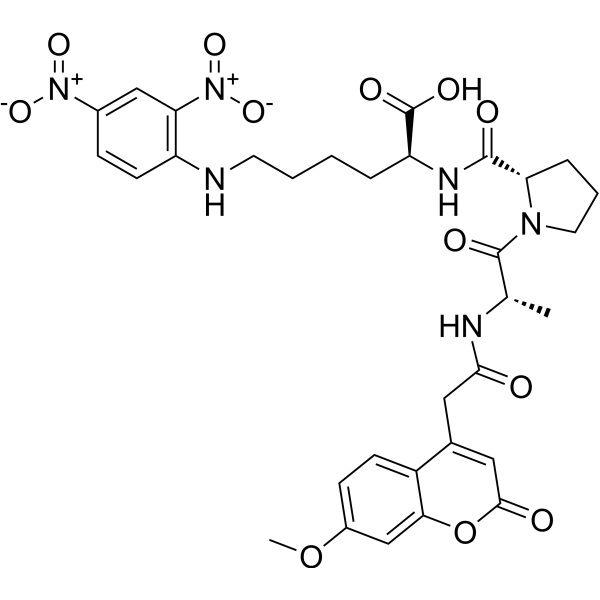
Mca-Ala-Pro-Lys(Dnp)-OH, a specific ACE2 quenched fluorogenic substrate, can be used to detect ACE2 activity, such as urinary, heart and lung .
|
-
- HY-111956
-
|
|
Fluorescent Dyes
|
|
D-Ala-Lys-AMCA is a known proton-coupled oligopeptide transporter 1 (PEPT1) substrate that emits blue fluorescence. D-Ala-Lys-AMCA may be transported into liver cancer cells and Caco-2 cells based on fluorescence analysis. D-Ala-Lys-AMCA can be used for characterizing PEPT1-specific substrates or inhibitors (Ex/Em = 390/480 nm) .
|
-
- HY-111956A
-
|
|
Fluorescent Dyes
|
|
D-Ala-Lys-AMCA TFA is a known proton-coupled oligopeptide transporter 1 (PEPT1) substrate that emits blue fluorescence. D-Ala-Lys-AMCA TFA may be transported into liver cancer cells and Caco-2 cells based on fluorescence analysis. D-Ala-Lys-AMCA TFA can be used for characterizing PEPT1-specific substrates or inhibitors (Ex/Em = 390/480 nm) .
|
| Cat. No. |
Product Name |
Target |
Research Area |
-
- HY-P4931
-
|
|
MMP
|
Cancer
|
|
Mca-Lys-Pro-Leu-Gly-Leu-Dap(Dnp)-Ala-Arg-NH2 (FS-6) is a fluorescent peptide that is a quenched MMP peptide substrate. Mca-Lys-Pro-Leu-Gly-Leu-Dap(Dnp)-Ala-Arg-NH2 can be used for real-time quantification of MMP enzymatic activity. Mca-Lys-Pro-Leu-Gly-Leu-Dap(Dnp)-Ala-Arg-NH2 is an elongated peptide of MMP substrate (FS-1) and is active against collagenases (MMP-1, MMP-8, MMP-13 ) and MT1-MMP with higher specificity constants than FS-1 . (Ex/Em=325 nm/400 nm)
|
-
- HY-P1539
-
-
- HY-P4322
-
|
|
ERK
Akt
|
Neurological Disease
Cancer
|
|
H-Ile-Lys-Val-Ala-Val-OH is one of the most potent active sites of laminin-1. H-Ile-Lys-Val-Ala-Val-OH promotes cell adhesion, neurite outgrowth, and tumor growth. H-Ile-Lys-Val-Ala-Val-OH stimulates BMMSC population growth and proliferation by activating MAPK/ERK1/2 and PI3K/Akt signalling pathways .
|
-
- HY-P10925A
-
|
(Z)-FOG-001; I-67
|
β-catenin
|
Cancer
|
|
(Z)-Zolucatetide (I-67) is a β-catenin inhibitor with IC50 ≤50 nM. (Z)-Zolucatetide's sequence is Ac-PL3-Asp-Npg-B5-Asp-3COOHF-Aib-Ala-Phe-Lys3-PyrS2-3Thi-BztA-GlnR3-Ala-NH2. (Z)-Zolucatetide can be used for cancer research .
|
-
- HY-P0311
-
|
|
Bacterial
|
Infection
|
|
LAH4, an alpha-helix of the designed amphipathic peptide antibiotic, exhibits potent antimicrobial, nucleic acid transfection and cell penetration activities. LAH4 possesses high plasmid DNA delivery capacities. LAH4 has a strong affinity for anionic lipids found in the outer membrane of bacterial membranes .
|
-
- HY-132828
-
|
LT3001; DHDMIQK(KAP)
|
P-selectin
|
Cardiovascular Disease
Metabolic Disease
Inflammation/Immunology
|
|
Odatroltide (LT3001; DHDMIQK(KAP)) is a P-selectin inhibitor. Odatroltide is a peptide molecule comprising a tripeptide Pro-Ala-Lys (PAK) and an (S)-6,7-dihydroxy-1,1-dimethyl-1,2,3,4-tetrahydro-isoquinoline-3-carboxylic acid domain. Odatroltide can restore cerebral blood flow, scavenge free radicals, and inhibit leukocyte migration. Odatroltide possesses thrombolytic and anti-thrombotic activities .
|
-
- HY-114174
-
|
|
Amyloid-β
|
Neurological Disease
|
|
Fmoc-Ala-Glu-Asn-Lys-NH2 is a selective asparagine endopeptidase (AEP) inhibitor peptide and suppresses amyloid precursor protein (APP) cleavage. AEP, a pH-controlled cysteine proteinase, is activated during ageing and mediates APP proteolytic processing .
|
-
- HY-P3749
-
|
|
Fluorescent Dye
|
Others
|
|
Mca-(ala7,lys(dnp)9)-bradykinin is a sensitive fluorogenic substrate for ECE-1 (endothelin-converting enzyme-1). The incorporation of a (7-methoxycoumarin-4-yl)acetyl (Mca) fluorescent group and a 2,4-dinitrophenyl (Dnp) quenching group has resulted in a large fluorescence increase upon substrate cleavage .
|
-
- HY-P2221
-
|
ZP1848
|
GCGR
|
Inflammation/Immunology
|
|
Glepaglutide (ZP1848), a long-acting GLP-2 analogue, is a potent GLP-2R agonist. Glepaglutide reduces faecal output and increases intestinal absorption. Glepaglutide alleviates small intestinal inflammation. Glepaglutide can be used in the research of inflammatory bowel disease (IBD) and Crohn’s disease .
|
-
- HY-P0092
-
-
- HY-111956B
-
|
|
Fluorescent Dye
|
Cancer
|
|
D-Ala-Lys-AMCA hydrochloride is a known proton-coupled oligopeptide transporter 1 (PEPT1) substrate that emits blue fluorescence. D-Ala-Lys-AMCA hydrochloride may be transported into liver cancer cells and Caco-2 cells based on fluorescence analysis. D-Ala-Lys-AMCA hydrochloride can be used for characterizing PEPT1-specific substrates or inhibitors (Ex/Em = 390/480 nm) .
|
-
- HY-P2536
-
-
- HY-P5189A
-
|
|
Endogenous Metabolite
Cholinesterase (ChE)
|
Others
|
|
His-D-beta-Nal-Ala-Trp-D-Phe-Lys-NH2 TFA, is a growth hormone releasing peptide, as well as a metabolite of GHRP-1. GHRP-1, or Ala-His-D-beta Nal-Ala-Trp-D-Phe-Lys-NH2, has the effect of promoting the release of growth hormone (GH). GHRP-1 increases GH release and increases [Ca2+]i levels in static monolayer cells of rat pituitary gland, but does not affect cAMP levels .
|
-
- HY-P10551
-
|
|
Transmembrane Glycoprotein
NF-κB
TNF Receptor
|
Cardiovascular Disease
|
|
ApoA-I mimetic peptide 5A is a synthetic peptide molecule designed based on the structure and function of naturally occurring apolipoprotein A-I (Apo A-I). ApoA-I mimetic peptide 5A can promote the efflux of cholesterol from cells and help reduce the accumulation of cholesterol in cells. ApoA-I mimetic peptide 5A also shows anti-inflammatory activity and can reduce inflammatory markers in blood and tissues. ApoA-I mimetic peptide 5A can be used in the study of cardiovascular diseases .
|
-
- HY-P10626
-
|
NSPr
|
Peptides
|
Others
|
|
Nanodisc scaffold peptide (NSPr) is an amphipathic double-helical peptide that stabilizes membrane proteins by mimicking their natural environment, allowing them to remain stable and active in detergent-free aqueous solutions. Nanodisc scaffold peptide can be used to construct a universal tool for high-throughput stabilization of membrane proteins, facilitating modern biological research .
|
-
- HY-P2221B
-
|
ZP1848 acetate
|
GCGR
|
Inflammation/Immunology
|
|
Glepaglutide (ZP1848) acetate, a long-acting GLP-2 analogue, is a potent GLP-2R agonist. Glepaglutide acetate reduces faecal output and increases intestinal absorption. Glepaglutide acetate alleviates small intestinal inflammation. Glepaglutide acetate can be used in the research of inflammatory bowel disease (IBD) and Crohn’s disease .
|
-
- HY-P10068
-
|
|
Peptides
|
Others
|
|
LAH5 is an amphipathic cell-penetrating peptide. LAH5 forms nanocomplexes with both RNP and RNP/HDR cargo .
|
-
- HY-P11460
-
|
|
Drug Derivative
|
Infection
|
|
Vectofusin-1 is a histidine-rich cationic amphipathic peptide derived from the LAH4 (HY-P0311) peptide family, and also acts as a Viral entry enhancer. Vectofusin-1 promotes the adhesion and fusion of retroviral/lentiviral vectors with cell membranes during viral entry, thereby improving transduction efficiency. Vectofusin-1 potently enhances lentiviral transduction of cells .
|
-
- HY-P5919
-
|
|
Peptides
|
Others
|
|
Ala-D-γ-Glu-Lys-D-Ala-D-Ala is the pentapeptide tail of the peptidoglycan precursor UDPMurNAc-l-Ala-γ-d-Glu-l-Lys(Gly)(5)-d-Ala-d-Ala .
|
-
- HY-P3726
-
|
|
Integrin
|
Inflammation/Immunology
Cancer
|
|
Lys-Gln-Ala-Gly-Asp-Val (KQAGDV) is the six most carboxyl-terminal amino acids in the fibrinogen γ-chain sequence. Lys-Gln-Ala-Gly-Asp-Val is a cell adhesion peptide which is mediated through the α2bβ3 integrin. Lys-Gln-Ala-Gly-Asp-Val is a potent adhesion ligand for smooth muscle cells (SMCs) .
|
-
- HY-P4360
-
|
|
Fluorescent Dye
|
Others
|
|
Suc-Ala-Phe-Lys-AMC is a highly sensitive fluorogenic substrate for plasmin. Suc-Ala-Phe-Lys-AMC is also used for assaying gingipain K .
|
-
- HY-P2530
-
|
|
Peptides
|
Others
|
|
KALA is an amphiphilic peptide that forms an α-helical structure at physiological pH. KALA modifies a plasmid DNA-encapsulating liposomal membrane and is used as a fusogenic peptide in order to achieve effective liver targeting and transfection of DNA via galactose receptors .
|
-
- HY-P5345
-
|
|
Apoptosis
Antibiotic
Caspase
Mitochondrial Metabolism
|
Cardiovascular Disease
Infection
Neurological Disease
Metabolic Disease
|
|
KLA peptide is a naturally occurring Antibiotic peptide that is nontoxic outside of cells but is toxic when it enters into the interior of targeted cells. KLA peptide can induce cell Apoptosis by disrupting mitochondrial membranes and activating Caspase. MG1-KLA, formed by the coupling of KLA peptide with MG1, can selectively induce apoptosis in pro-inflammatory microglia. KLA peptide can be used for the research of liver fibrosis. KLA peptide can be used for the research of neonatal hypoxic-ischemic encephalopathy.
|
-
- HY-P4468
-
-
- HY-111956
-
|
|
Fluorescent Dye
|
Cancer
|
|
D-Ala-Lys-AMCA is a known proton-coupled oligopeptide transporter 1 (PEPT1) substrate that emits blue fluorescence. D-Ala-Lys-AMCA may be transported into liver cancer cells and Caco-2 cells based on fluorescence analysis. D-Ala-Lys-AMCA can be used for characterizing PEPT1-specific substrates or inhibitors (Ex/Em = 390/480 nm) .
|
-
- HY-P5380
-
|
Dabcyl-GABA-Pro-Gln-Gly-Leu-Glu(EDANS)-Ala-Lys-NH2
|
MMP
Fluorescent Dye
|
Others
|
|
TNO211 (Dabcyl-GABA-Pro-Gln-Gly-Leu-Glu(EDANS)-Ala-Lys-NH2) is a fluorogenic substrate, containing the MMP cleavable Gly-Leu bond and EDANS/Dabcyl as fluorophore/quencer combination. TNO211 can specifically detect MMP activity (Ex/Em = 340/485 nm) .
|
-
- HY-P11211A
-
|
|
Bacterial
|
Infection
Cancer
|
|
D2A21 TFA is an antimicrobial peptide with significant antimicrobial activity against Pseudomonas and bactericidal effect on burn scabs. D2A21 TFA has antitumor activity and can be used in prostate cancer research .
|
-
- HY-P2258
-
|
|
Histone Methyltransferase
|
Others
|
|
Histone H3 (1-34) is a peptide derived from human histone isotype 3.1. Histones are the main protein components of eukaryotic chromatin. Histone variants and histone modifications modulate chromatin structure, ensuring the precise operation of cellular processes associated with genomic DNA .
|
-
- HY-P3586
-
|
Hunter-killer peptide ao; Prohibitin-targeting peptide 1; prohibitin-TP01; Adipotide
|
Apoptosis
|
Cancer
|
|
HKPao (Hunter-killer peptide ao) is a biologically active peptide. HKPao (Hunter-killer peptide ao) has anti-obesity and anti-tumor pro-apoptotic activity to cause release of cytochrome c from vesicles .
|
-
- HY-P10733
-
|
|
Peptides
|
Others
|
|
LAH4-L1 Is a histidine-rich cell penetrating peptide. LAH4-L1 can form complexes with DNA or siRNA and help their transport .
|
-
- HY-P3498
-
|
ZP1846
|
GCGR
|
Others
|
|
Elsiglutide (ZP1846) is a GLP-2 analogue, an orally active and selective GLP-2 receptor agonist, increases cell proliferation and reduces apoptosis in the intestine. Elsiglutide improves Lapatinib (HY-50898)-induced diarrhoea in rat model .
|
-
- HY-P3422
-
|
Ala-Lys-Ala; H-Ala-Lys-Ala-OH
|
Peptides
|
Cancer
|
|
NH2-AKA-COOH is a oligopeptide compoused of Ala-Lys-Ala.
|
-
- HY-P3741
-
|
|
PKC
|
Neurological Disease
|
|
[Ala9,10, Lys11,12] Glycogen Synthase (1-12) is a selective substrate for phosphorylation by protein kinase C (PKC). [Ala9,10, Lys11,12] Glycogen Synthase (1-12) can be used to determine the activity of protein kinase C .
|
-
- HY-P5023A
-
-
- HY-P11211
-
|
|
Antibiotic
Bacterial
|
Infection
|
|
D2A21, a cecropin peptide, demonstrates a minimum cidal concentration of 21.69 μg/mL against Chlamydia trachomatis .
|
-
- HY-P11208C
-
|
|
GABA Receptor
|
Inflammation/Immunology
|
|
mNLS-CPP-WSTF TFA is the trifluoroacetate salt of mNLS-CPP-WSTF (HY-P11208). mNLS-CPP-WSTF is a nuclear localization signal (NLS)-cell-penetrating peptide based on the mouse WSTF sequence. mNLS-CPP-WSTF significantly inhibits the GABARAP-WSTF interaction, WSTF degradation and inflammatory gene expression. mNLS-CPP-WSTF effectively attenuates chronic inflammation, liver fibrosis and cartilage damage in metabolic-dysfunction-associated steatohepatitis (MASH) and osteoarthritis (OA) mice model. mNLS-CPP-WSTF is promising for research of chronic inflammatory diseases such as MASH and OA .
|
-
- HY-P0274
-
|
|
Bacterial
Antibiotic
|
Infection
|
|
PGLa, a 21-residue peptide, is an antimicrobial peptide. PGLa is a member of the magainin family of antibiotic peptides found in frog skin and its secretions .
|
-
- HY-P11455A
-
|
|
Liposome
|
Others
|
|
Lipopeptide CPE4 TFA is a PEG-modified peptide E4 [(EIAALEK) 4]. Lipopeptide CPE4 TFA is capable of coiled-coil formation when attached to liposomes. Lipopeptide CPE4 TFA triggers membrane fusion between liposomes and living cells with concomitant efficient cytosolic delivery of a variety of compounds such as fluorescent dyes Propidium Iodide (PI) (HY-D0815) and TO-PRO-3 iodide (HY-117070), and Doxorubicin (DOX) (HY-15142A). Lipopeptide CPE4 TFA can be used for drug delivery research .
|
-
- HY-P10078
-
-
- HY-P4607
-
-
- HY-P5380A
-
|
Dabcyl-GABA-Pro-Gln-Gly-Leu-Glu(EDANS)-Ala-Lys-NH2 TFA
|
MMP
Fluorescent Dye
|
Cancer
|
|
TNO211 (Dabcyl-GABA-Pro-Gln-Gly-Leu-Glu(EDANS)-Ala-Lys-NH2) TFA is a fluorogenic substrate, containing the MMP cleavable Gly-Leu bond and EDANS/Dabcyl as fluorophore/quencer combination. TNO211 TFA can specifically detect MMP activity (Ex/Em = 340/485 nm) .
|
-
- HY-P4144
-
|
Phor18-LHRH (338613); EP-100
|
GnRH Receptor
|
Endocrinology
Cancer
|
|
Onvitrelin ucalontide ([Phor18-LHRH (338613)]) is an analogue of luteinizing hormone releasing hormone (LHRH) with antineoplastic activity. Onvitrelin ucalontide is a peptide with sequences of KFAKFAKKFAKFAKKFAKQHWSYGLRPG. Onvitrelin ucalontide effectively inhibits breast cancer, ovarian cancer and prostate cancer xenografts in mouse model .
|
-
- HY-P10471C
-
|
|
Peptides
|
Others
|
|
Ala-MPSD TFA is a control peptide for MPSD (HY-P10471). In Ala-MPSD TFA, the four serine residues of MPSD are substituted by alanines .
|
-
- HY-P10997
-
|
|
DNA/RNA Synthesis
|
Cancer
|
|
F3 peptide is a fragment of the human high mobility group protein 2 (HMGB2), and can specifically bind to nucleolin expressed on the membrane of cancer cells, neovasculature, and endothelium. F3 peptide can be used as an effective ligand to improve their druggability of macromolecular drugs or nanoparticles, and so on .
|
-
- HY-P11208B
-
|
|
GABA Receptor
|
Inflammation/Immunology
|
|
mNLS-CPP-scramble (TFA) is the trifluoroacetate salt of mNLS-CPP-scramble (HY-P11208A). mNLS-CPP-scramble is a negative control peptide of mNLS-CPP-WSTF. mNLS-CPP-scramble is promising for research of chronic inflammatory diseases (e.g., MASH, osteoarthritis) .
|
-
- HY-P11208A
-
|
|
GABA Receptor
|
Inflammation/Immunology
|
|
mNLS-CPP-scramble is a negative control peptide of mNLS-CPP-WSTF. mNLS-CPP-scramble is promising for research of chronic inflammatory diseases (e.g., MASH, osteoarthritis) .
|
-
- HY-P11208
-
|
|
GABA Receptor
|
Inflammation/Immunology
|
|
mNLS-CPP-WSTF is a nuclear localization signal (NLS)-cell-penetrating peptide based on the mouse WSTF sequence. mNLS-CPP-WSTF significantly inhibits the GABARAP-WSTF interaction, WSTF degradation and inflammatory gene expression. mNLS-CPP-WSTF effectively attenuates chronic inflammation, liver fibrosis and cartilage damage in metabolic-dysfunction-associated steatohepatitis (MASH) and osteoarthritis (OA) mice model. mNLS-CPP-WSTF is promising for research of chronic inflammatory diseases such as MASH and OA .
|
-
- HY-P4084A
-
|
|
Peptides
|
Others
|
|
KLA seq acetate is a cell membrane-penetrating α-helical amphipathic model peptide. KLA seq acetate conjugates peptide nucleic acids (PNAs) for delivery to mammalian cells. KLA seq acetate covalently links targeted mRNA and fluorescein to form a delivery system that has low re-export and is less resistant to serum effects .
|
-
- HY-P4084
-
|
|
Peptides
|
Others
|
|
KLA seq is a cell-penetrating α-helical amphipathic model peptide .
|
-
- HY-P1444
-
|
|
Dopamine Receptor
|
Neurological Disease
|
|
Acein is a novel nonapeptide, H-Pro-Pro-Thr-Thr-Thr-Lys-Phe-Ala-Ala-OH. Acein can promote the release of dopamine. Acein targets angiotensin converting enzyme (ACE I). Angiotensin converting enzyme (ACE I) can be used in nervous system related research .
|
- HY-P3729
-
- HY-P4339
-
|
|
Fluorescent Dye
|
Others
|
|
Ala-Phe-Lys-AMC is a fluorogenic substrate, which can be used for residual plasmin activity assay .
|
- HY-P4347
-
- HY-P3882
-
|
|
Amino Acid Derivatives
|
Neurological Disease
|
|
Fmoc-Ala-Glu-Gln-Lys-NH2 (AEQK) is a tetrapeptide. Fmoc-Ala-Glu-Gln-Lys-NH2 is the inactive control for Fmoc-Ala-Glu-Asn-Lys-NH2 (AENK) peptide inhibitor. AENK blocks proteolysis of UNC5C protein .
|
- HY-111956A
-
|
|
Fluorescent Dye
|
Cancer
|
|
D-Ala-Lys-AMCA TFA is a known proton-coupled oligopeptide transporter 1 (PEPT1) substrate that emits blue fluorescence. D-Ala-Lys-AMCA TFA may be transported into liver cancer cells and Caco-2 cells based on fluorescence analysis. D-Ala-Lys-AMCA TFA can be used for characterizing PEPT1-specific substrates or inhibitors (Ex/Em = 390/480 nm) .
|
- HY-P2716
-
|
|
MMP
|
Others
|
|
Mca-Arg-Pro-Lys-Pro-Tyr-Ala-Nva-Trp-Met-Lys(Dnp)-NH2 is a biological active peptide. (MMP substrate)
|
- HY-P5996
-
|
|
Fluorescent Dye
|
Others
|
|
MCA-Gly-Asp-Ala-Glu-pTyr-Ala-Ala-Lys(DNP)-Arg-NH2 is a protein tyrosine phosphatase fluorogenic substrate that can be detected at 393 nm (with excitation at 325 nm) .
|
- HY-P5023
-
- HY-P4937
-
|
|
MMP
|
Cancer
|
|
NBD-Arg-Pro-Lys-Pro-Leu-Ala-Nva-Trp-Lys-(DMC)-NH2 is an substrate for hydrolysis of the matrix metalloproteinase stromelysin (MMP-3) and can be easily detected at Abs/Em=350/465 nm .
|
- HY-P4416
-
|
|
Fluorescent Dye
|
Others
|
|
Ac-Gly-Ala-Lys(Ac)-AMC is a fluorogenic substrate for the determination of protease activity. Ac-Gly-Ala-Lys(Ac)-AMC undergoes hydrolysis and releases the fluorescent product 7-amino-4-methylcoumarin (AMC). AMC is fluorescent under UV light and can emit a fluorescent signal .
|
- HY-P4780
-
|
|
Peptides
|
Others
|
|
Glu(EDANS)-Pro-Leu-Phe-Ala-Glu-Arg-Lys(DABCYL) is a calpain substrate. The excitation wavelength is 380 nm and the emission wavelength is 500 nm for Glu(Edans)-Pro-Leu-Phe-Ala-Glu-Arg-Lys(Dabcyl) .
|
- HY-P4519
-
|
|
Carboxypeptidase
|
Others
|
|
Ac-Lys(Ac)-D-Ala-D-Lactic acid is a depsipeptide substrate for penicillin-sensitive D-alanine carboxypeptidases (DD-carboxypeptidases) .
|
- HY-P4837
-
|
|
Peptides
|
Others
|
|
Ac-Lys-D-Ala-D-lactic acid is a polypeptide that can be found by peptide screening. Peptide screening is a research tool that pools active peptides primarily by immunoassay. Peptide screening can be used for protein interaction, functional analysis, epitope screening, especially in the field of agent research and development .
|
- HY-P11456A
-
|
|
Liposome
|
Others
|
|
Lipopeptide CPK4 TFA is a Cholesterol (HY-N0322)-modified peptide K4 [(KIAALKE) 3]. Lipopeptide CPK4 TFA is capable of coiled-coil formation when attached to liposomes. Lipopeptide CPK4 TFA triggers membrane fusion between liposomes and living cells with concomitant efficient cytosolic delivery of a variety of compounds such as fluorescent dyes Propidium Iodide (PI) (HY-D0815) and TO-PRO-3 iodide (HY-117070), and Doxorubicin (DOX) (HY-15142A). Lipopeptide CPK4 TFA can be used for drug delivery research .
|
- HY-P5708
-
|
Dermaseptin b2
|
Antibiotic
Fungal
Bacterial
|
Infection
|
|
Adenoregulin (Dermaseptin b2) is an antimicrobial peptide antibiotic. Adenoregulin is active against Gram-negative and Gram-positive bacteria, yeast and fungi. Adenoregulin also enhances the binding of agonists to the A1 adenosine receptor .
|
- HY-P10618
-
|
|
Bacterial
|
Infection
|
|
BTM-P1 is a polycationic peptide that exhibits antibacterial activity against both Gram-positive and Gram-negative bacteria. BTM-P1 can form ion-permeable channels in the inner mitochondrial membrane to interfere with mitochondrial energy processes .
|
- HY-P4971
-
|
|
Complement System
|
Inflammation/Immunology
|
|
C5a Anaphylatoxin (human) is a pro-inflammatory peptide and a leukocyte chemoattractant. C5a Anaphylatoxin (human) can be used to study inflammation and immunity, such as allergic asthma .
|
- HY-P5510
-
|
HCV NS3 protease substrate
|
Peptides
|
Others
|
|
Ac-Asp-Glu-Asp(EDANS)-Glu-Glu-Abu-ψ-(COO)Ala-Ser-Lys(DABCYL)-NH2 (HCV NS3 protease substrate) is a biological active peptide. (This peptide is a HCV protease substrate incorporating an ester bond between residues P1 and P1. Due to ready transesterification of the scissile bond to the acyl-enzyme intermediate, this substrate shows very high kcat/Km values, enabling detection of activity with subnanomolar nonstructural protein 3 (NS3 protease) concentrations. It is widely used for the continuous assay of NS3 protease activity. Substrate cleavage is proportional to the enzyme concentration with a detection limit for NS3 between 1 nM and 250 pM.
|
- HY-137527
-
|
|
Bacterial
|
Infection
|
|
Ac-Lys (Ac)-D-Ala-D-Ala-OH is a synthetic dipeptide analog that mimics the terminal structure of bacterial peptidoglycan chains. Ac-Lys (Ac)-D-Ala-D-Ala-OH serves as a molecular decoy to investigate the mechanism of action of Vancomycin-class antibiotics, and also acts as an affinity chromatography ligand for purifying proteins that bind to Vancomycin. Ac-Lys (Ac)-D-Ala-D-Ala-OH reduces the activity of Vancomycin against susceptible enterococci. Ac-Lys (Ac)-D-Ala-D-Ala-OH is applicable to the research of Vancomycin-resistant enterococcal infections .
|
- HY-P11456
-
|
|
Liposome
|
Others
|
|
Lipopeptide CPK4 is a Cholesterol (HY-N0322)-modified peptide K4 [(KIAALKE) 3]. Lipopeptide CPK4 is capable of coiled-coil formation when attached to liposomes. Lipopeptide CPK4 triggers membrane fusion between liposomes and living cells with concomitant efficient cytosolic delivery of a variety of compounds such as fluorescent dyes Propidium Iodide (PI) (HY-D0815) and TO-PRO-3 iodide (HY-117070), and Doxorubicin (DOX) (HY-15142A). Lipopeptide CPK4 can be used for drug delivery research .
|
- HY-P5587
-
|
|
Fungal
|
Infection
|
|
Dermaseptin-S5 is an antimicrobial peptide derived from frog skin against filamentous fungi .
|
- HY-P1751
-
|
|
Bacterial
|
Infection
|
|
Ceratotoxins B is antibacterial peptide produced by the sexually mature females of Ceratitis capitata. Lytic and antibacterial activity .
|
- HY-P1581
-
|
|
Bacterial
|
Infection
|
|
Ceratotoxin A, a 29-residue peptide isolated from the accessory gland secretion fluid, with strong anti-bacterial activity.
|
- HY-P11198
-
|
|
Apoptosis
VEGFR
ERK
Akt
Caspase
Bcl-2 Family
|
Cancer
|
|
AC-P19M is an anticancer peptide. AC-P19M induces apoptosis by disrupting the cell membrane of cancer cells. AC-P19M reverses epithelial-mesenchymal transition (EMT). AC-P19M shows anti-angiogenic activity through the inhibition of VEGF-VEGFR2/ERK/Akt signaling. AC-P19M can be used for lung cancer research .
|
- HY-P10471B
-
|
|
MARCKS
PKC
|
Others
|
|
Ala-MPSD is a control peptide for MPSD (HY-P10471). In Ala-MPSD, the four serine residues of MPSD are substituted by alanines .
|
- HY-P5680
-
|
|
Bacterial
|
Inflammation/Immunology
|
|
SpHistin is an antimicrobial peptide (AMP). SpHistin can bind to LPS (HY-D1056) and permeabilize the bacterial membrane. SpHistin combined with Rifampicin (HY-B0272) and Azithromycin (HY-17506) promotes the intracellular uptake of the antibiotics and subsequently enhances the bactericidal activity of both agents against P. aeruginosa .
|
- HY-P5067
-
|
|
Peptides
|
Others
|
|
EAK16-II is an amphipathic peptide that inhibits the self-sorting of EAKIIH6 in a concentration-dependent manner .
|
- HY-P5590
-
|
|
Fungal
|
Infection
|
|
Dermaseptin-S3 is an antimicrobial peptide derived from frog skin against filamentous fungi .
|
- HY-P4845
-
|
|
Peptides
|
Others
|
|
pTH (7-84) (human) is a polypeptide that can be found by peptide screening. Peptide screening is a research tool that pools active peptides primarily by immunoassay. Peptide screening can be used for protein interaction, functional analysis, epitope screening, especially in the field of agent research and development .
|
- HY-P5588
-
|
|
Fungal
|
Infection
|
|
Dermaseptin-S4 is an antimicrobial peptide derived from frog skin against filamentous fungi .
|
- HY-P10068A
-
|
|
Peptides
|
Others
|
|
LAH5 TFA is an amphipathic cell-penetrating peptide. LAH5 THA forms nanocomplexes with both RNP and RNP/HDR cargo .
|
- HY-P5093
-
|
|
Peptides
|
Others
|
|
Cecropin B (free acid) is a polypeptide that can be found by peptide screening. Peptide screening is a research tool that pools active peptides primarily by immunoassay. Peptide screening can be used for protein interaction, functional analysis, epitope screening, especially in the field of agent research and development .
|
- HY-P0274A
-
|
|
Bacterial
Antibiotic
|
Infection
|
|
PGLa TFA, a 21-residue peptide, is an antimicrobial peptide. PGLa TFA is a member of the magainin family of antibiotic peptides found in frog skin and its secretions .
|
- HY-P1539A
-
- HY-P11455
-
|
|
Liposome
|
Others
|
|
Lipopeptide CPE4 is a PEG-modified peptide E4 [(EIAALEK) 4]. Lipopeptide CPE4 is capable of coiled-coil formation when attached to liposomes. Lipopeptide CPE4 triggers membrane fusion between liposomes and living cells with concomitant efficient cytosolic delivery of a variety of compounds such as fluorescent dyes Propidium Iodide (PI) (HY-D0815) and TO-PRO-3 iodide (HY-117070), and Doxorubicin (DOX) (HY-15142A). Lipopeptide CPE4 can be used for drug delivery research .
|
- HY-P4395
-
|
|
Peptides
|
Others
|
|
(Asp76)-pTH (39-84) (human) is a polypeptide that can be found by peptide screening. Peptide screening is a research tool that pools active peptides primarily by immunoassay. Peptide screening can be used for protein interaction, functional analysis, epitope screening, especially in the field of agent research and development .
|
- HY-P3423
-
|
|
Peptides
|
Cancer
|
|
NH2-KAA-COOH is a oligopeptide compoused of Lys-Ala-Ala.
|
- HY-P3420
-
|
|
Peptides
|
Cancer
|
|
NH2-ASK-COOH is a oligopeptide compoused of Ala-Ser-Lys.
|
- HY-P11750
-
- HY-P0311B
-
- HY-P5345A
-
|
|
Apoptosis
Antibiotic
Caspase
Mitochondrial Metabolism
|
Cardiovascular Disease
Infection
Neurological Disease
Metabolic Disease
|
|
KLA peptide acetate is a naturally occurring Antibiotic peptide that is nontoxic outside of cells but is toxic when it enters into the interior of targeted cells. KLA peptide acetate can induce cell Apoptosis by disrupting mitochondrial membranes and activating Caspase. MG1-KLA acetate, formed by the coupling of KLA peptide acetate with MG1, can selectively induce apoptosis in pro-inflammatory microglia. KLA peptide acetate can be used for the research of liver fibrosis. KLA peptide acetate can be used for the research of neonatal hypoxic-ischemic encephalopathy .
|
| Cat. No. |
Product Name |
Category |
Target |
Chemical Structure |
Your information is safe with us. * Required Fields.
Inquiry Information
- Product Name:
- Cat. No.:
- Quantity:
- MCE Japan Authorized Agent:





![[Ala9,10, Lys11,12] Glycogen Synthase (1-12)](http://file.medchemexpress.com/product_pic/hy-p3741.gif)





