Search Result
Results for "
Alpha3 Inhibitors
" in MedChemExpress (MCE) Product Catalog:
2
Biochemical Assay Reagents
4
Isotope-Labeled Compounds
| Cat. No. |
Product Name |
Target |
Research Areas |
Chemical Structure |
-
- HY-12040
-
Elesclomol
Maximum Cited Publications
115 Publications Verification
STA-4783
|
Reactive Oxygen Species (ROS)
Apoptosis
Cuproptosis
|
Cancer
|
|
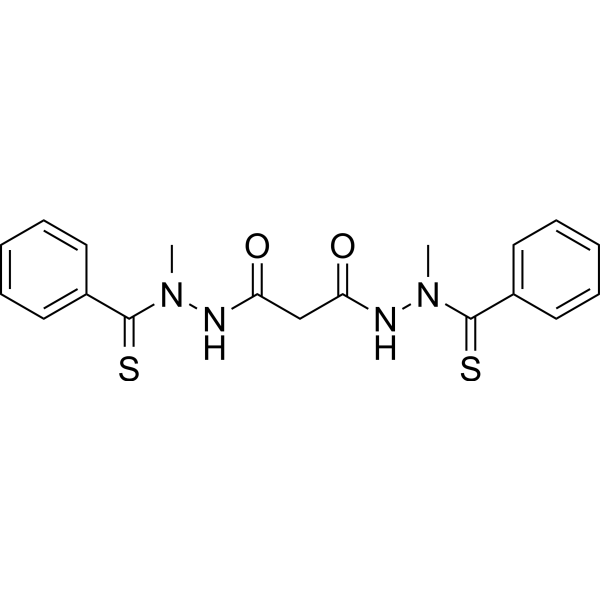
Elesclomol (STA-4783) is a potent copper ionophore and promotes copper-dependent cell death (cuproptosis). Elesclomol specifically binds ferredoxin 1 (FDX1) α2/α3 helices and β5 strand. Elesclomol inhibits FDX1-mediated Fe-S cluster biosynthesis. Elesclomol is an oxidative stress inducer that induces cancer cell apoptosis. Elesclomol is a reactive oxygen species (ROS) inducer. Elesclomol can be used for Menkes and associated disorders of hereditary copper deficiency research .
|
-
-
- HY-16569
-
Colchicine
Maximum Cited Publications
62 Publications Verification
|
Environmental Pollutants
Apoptosis
Autophagy
Microtubule/Tubulin
NOD-like Receptor (NLR)
|
Cancer
|
|
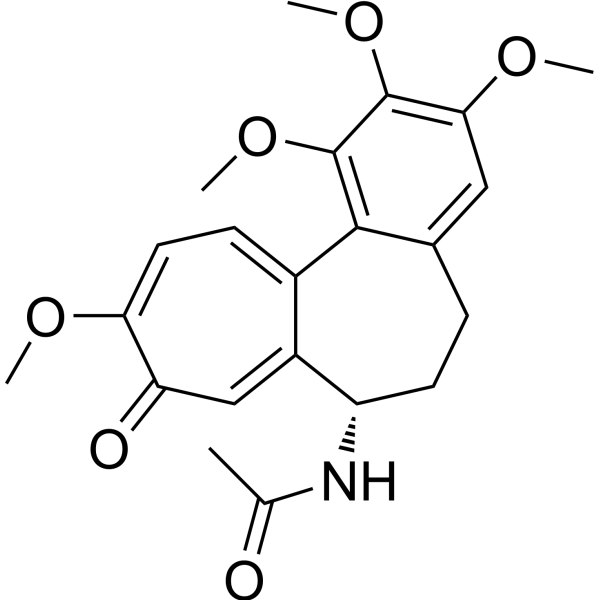
Colchicine, an orally active alkaloid, is a potent tubulin inhibitor and a microtubule disrupting agent. Colchicine inhibits microtubule polymerization with an IC50 of 3 nM. Colchicine is also a competitive antagonist of the α3 glycine receptors (GlyRs). Colchicine prevents non-steroidal anti-inflammatory drug (NSAID)-induced small intestinal injury by inhibiting activation of the NLRP3 inflammasome. Colchicine has extensive anti-inflammatory, immunosuppressive and strong anti-fibrosis effects and has the potential for gouty arthritis research .
|
-
-
- HY-16294
-
|
|
GSK-3
|
Cancer
|
|
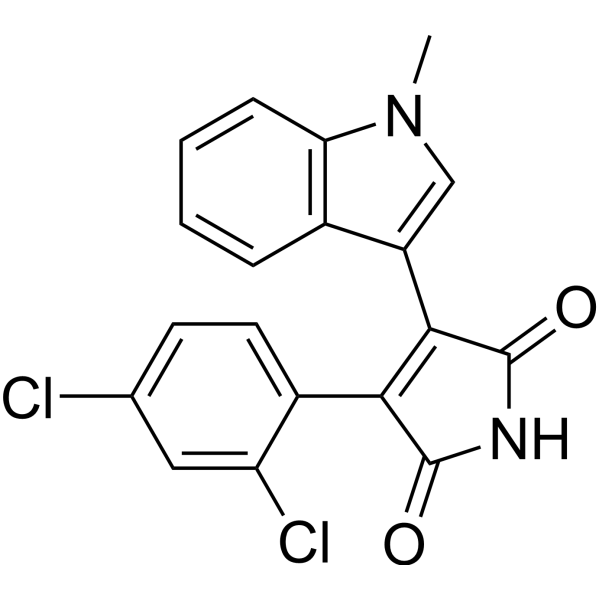
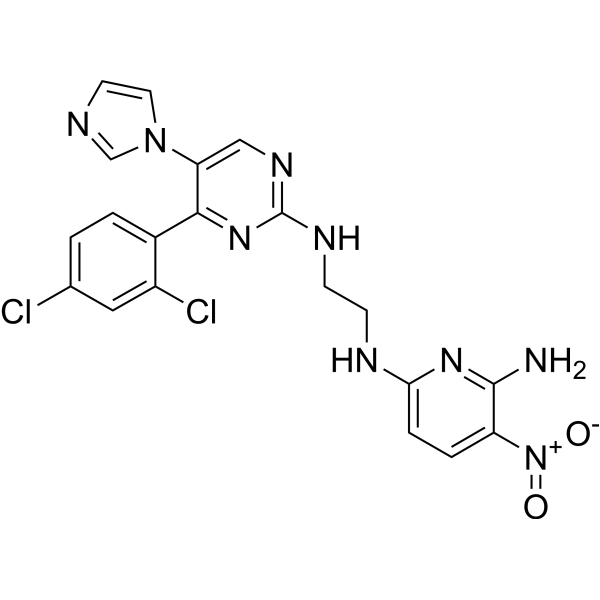
LY2090314 is a potent inhibitor of glycogen synthase kinase-3 (GSK-3) with IC50 values of 1.5 nM and 0.9 nM for GSK-3α and GSK-3β, respectively.
|
-
-
- HY-N0877
-
|
|
Na+/K+ ATPase
|
Cancer
|
|
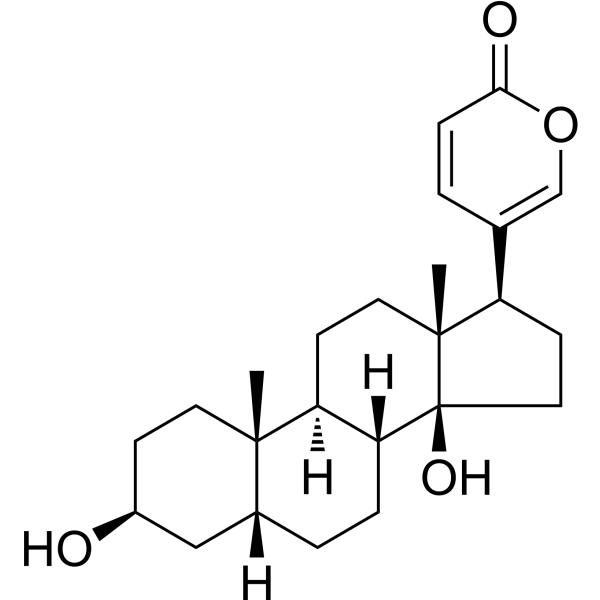
Bufalin is an active component isolated from Chan Su, acts as a potent Na +/K +-ATPase inhibitor, binds to the subunit α1, α2 and α3, with Kd of 42.5, 45 and 40 nM, respectively . Anti-cancer activity .
|
-
-
- HY-12012
-
-
-
- HY-14571
-
E7820
5 Publications Verification
ER68203-00
|
Molecular Glues
Integrin
|
Infection
Metabolic Disease
Cancer
|
|
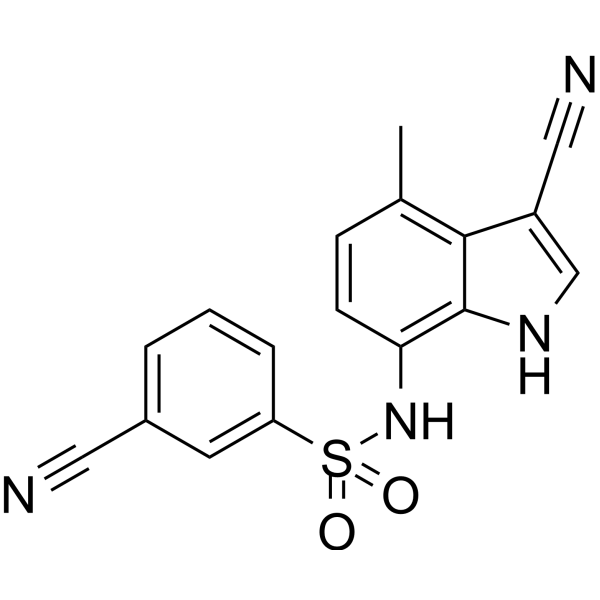
E7820 (ER68203-00), an orally active aromatic sulfonamide derivative, is a molecular glue that induces the targeted degradation of splicing factor RBM39 by recruiting the E3 ubiquitin ligase CUL4-RBX1-DDB1-DCAF15 (CRL4 DCAF15). E7820 is an angiogenesis inhibitor suppressing an expression of integrin alpha2 subunit on endothelium. E7820 inhibits rat aorta angiogenesis with an IC50 of 0.11 μg/ml. E7820 modulates α-1, α-2, α-3, and α-5 integrin mRNA expression. E7820 can be used for the study of acute myeloid leukemia (AML) .
|
-
-
- HY-15761
-
|
|
GSK-3
|
Neurological Disease
|
|
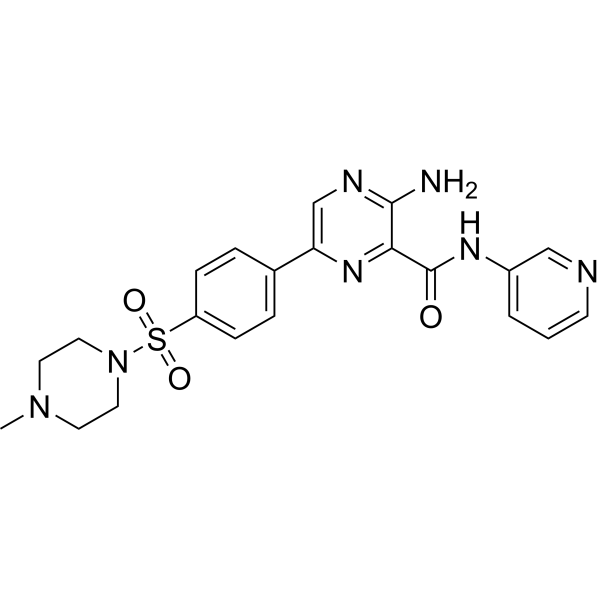
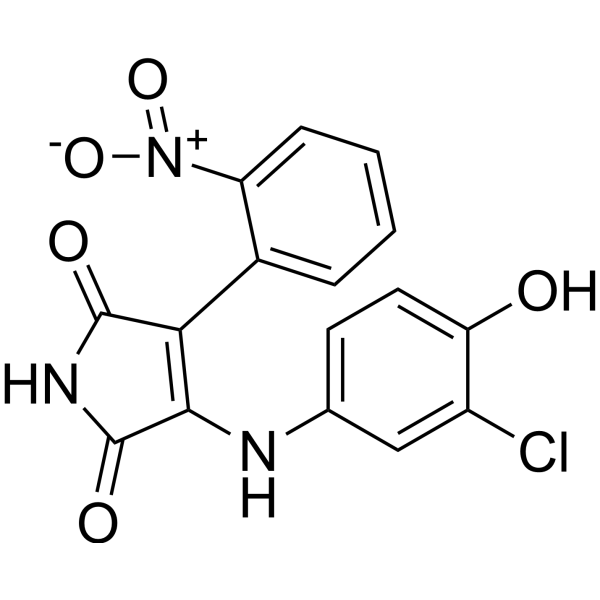
AZD2858 is a potent, orally active GSK-3 inhibitor, with IC50s of 0.9 and 5 nM for GSK-3α and GSK-3β, respectively, used in the research of fracture healing.
|
-
-
- HY-P2358
-
|
|
NF-κB
p38 MAPK
|
Infection
Inflammation/Immunology
|
|
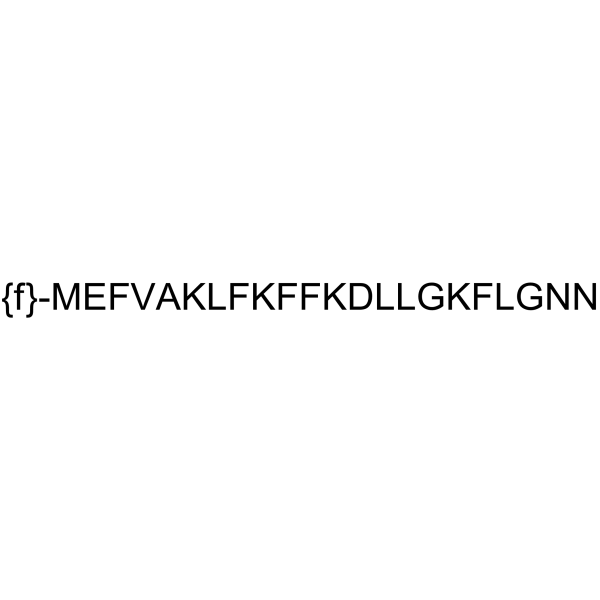
PSMα3 is an inhibitor of NF-κB p65 and p38 MAPK. PSMα3 forms membrane pores and binds to residues of human insulin B chain to inhibit insulin aggregation. PSMα3 forms α-type amyloid-like fibrils to exert cytotoxic effects, and acts as a functional amyloid virulence determinant of Staphylococcus aureus. PSMα3 is applicable to research related to spondyloarthritis, rheumatoid arthritis, insulin-derived amyloidosis, and Staphylococcus aureus infection .
|
-
-
- HY-13076
-
|
|
GSK-3
|
Metabolic Disease
|
|
CHIR-98014 is a potent, cell-permeable GSK-3 inhibitor with IC50s of 0.65 and 0.58 nM for GSK-3α and GSK-3β, respectively; it shows less potent activities against cdc2 and erk2.
|
-
-
- HY-A0009
-
|
Galantamine hydrobromide
|
Cholinesterase (ChE)
nAChR
|
Neurological Disease
|
|
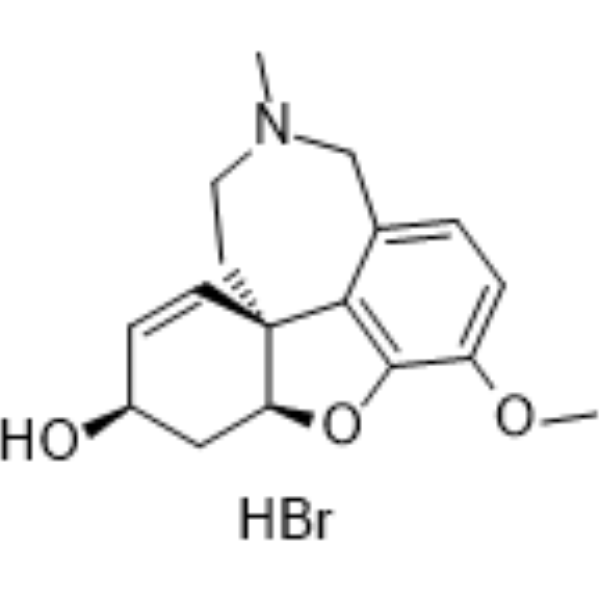
Galanthamine hydrobromide (Galantamine hydrobromide) is a selective, reversible, competitive, alkaloid AChE inhibitor, with an IC50 of 0.35 µM. Galanthamine hydrobromide is a potent allosteric potentiating ligand (APL) of human α3β4, α4β2, α6β4 nicotinic receptors ( nAChRs). Galanthamine hydrobromide is developed for the research of Alzheimer's disease (AD) .
|
-
-
- HY-B0379A
-
|
|
nAChR
|
Neurological Disease
|
|
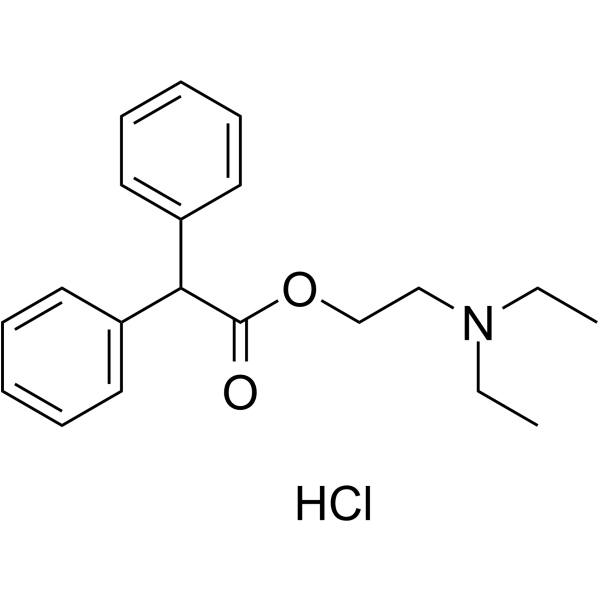
Adiphenine hydrochloride is a non-competitive inhibitor of nicotinic acetylcholine receptor (nAChR), with an IC50s of 1.9, 1.8, 3.7, and 6.3 μM for α1, α3β4, α4β2, and α4β4, respectively. Adiphenine hydrochloride has anticonvulsant effects .
|
-
-
- HY-107531
-
|
|
GSK-3
|
Neurological Disease
Cancer
|
|
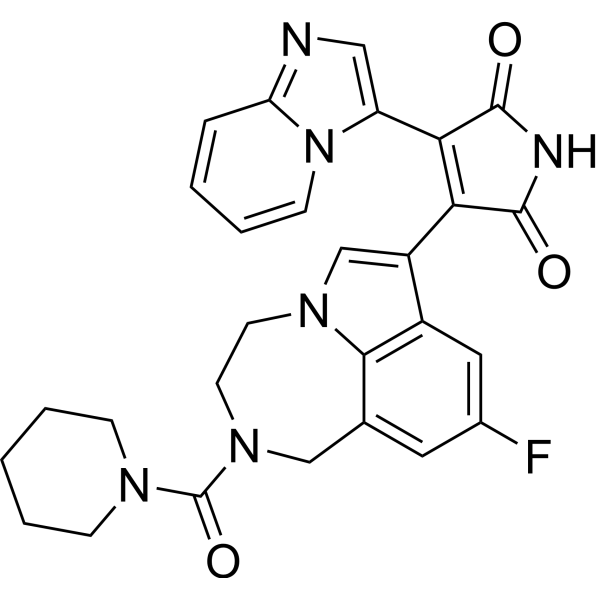
A 1070722 is a potent and selective glycogen synthase kinase 3 (GSK-3) inhibitor, with a Ki of 0.6 nM for both GSK-3α and GSK-3β. A 1070722 can penetrate the blood-brain barrier (BBB) and accumulates in brain regions, thus potential for PET radiotracer for the quantification of GSK-3 in brain. A 1070722 decreases spontaneous locomotion .
|
-
-
- HY-N7110
-
|
|
Akt
ERK
JNK
GABA Receptor
|
Neurological Disease
Metabolic Disease
Inflammation/Immunology
|
|
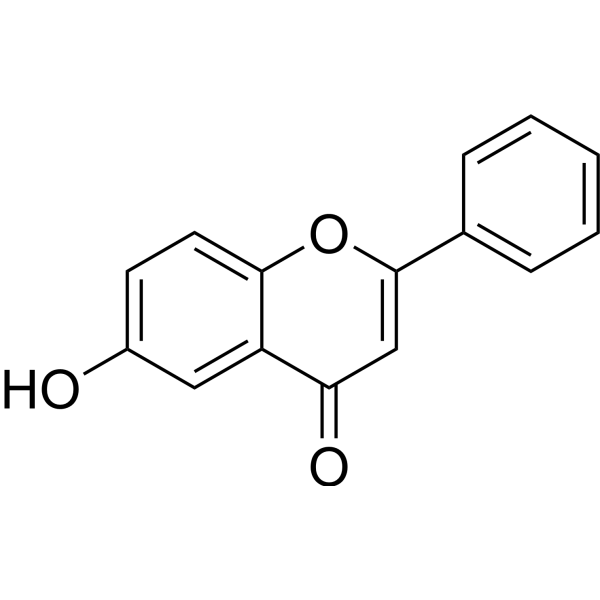
6-Hydroxyflavone is an orally effective flavonoid compound. 6-Hydroxyflavone can inhibit LPS (HY-D1056) -induced NO production and has anti-inflammatory effects. 6-Hydroxyflavone promotes osteoblast differentiation by activating AKT, ERK 1/2 and JNK signaling pathways. 6-Hydroxyflavone has an inhibitory effect on bovine hemoglobin (BHb) glycosylation. 6-Hydroxyflavone has a kidney protective effect. In addition, 6-Hydroxyflavone enhances GABA-induced current through the Benzodiazepine sites of γ-aminobutyric acid (GABAA) receptors. 6-Hydroxyflavone shows a clear preference for α2 - and α3 - subtypes, which play an anti-anxiety role .
|
-
-
- HY-15438
-
|
|
GSK-3
Apoptosis
|
Metabolic Disease
|
|
SB 415286 is a potent and selective cell permeable inhibitor of GSK-3α, with an IC50 of 77.5 nM, and a Ki of 30.75 nM; SB 415286 is equally effective at inhibiting human GSK-3α and GSK-3β.
|
-
-
- HY-P5960
-
|
PTBP1 α3-helix derived peptide P6 TFA
|
DNA/RNA Synthesis
|
Others
|
|
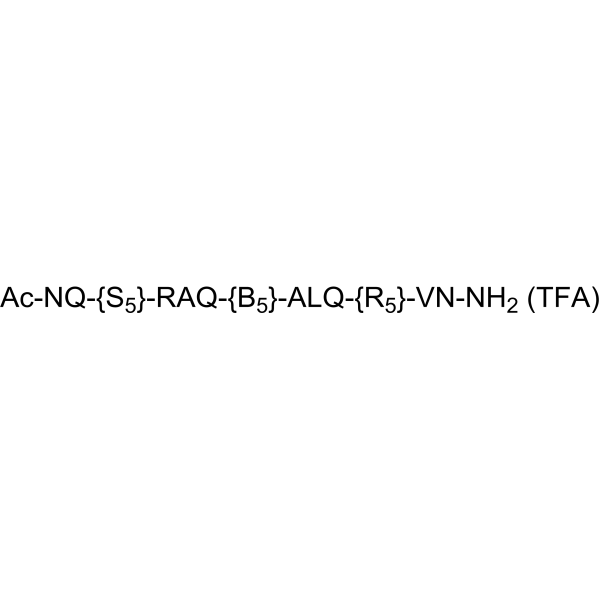
PTBP1-RNA-binding inhibitor P6 (PTBP1 α3-helix derived peptide P6) TFA is a stapled peptide inhibitor of the splicing factor PTBP1, which inhibits alternative splicing events regulated by PTBP1. PTBP1 binds RNA through its RNA recognition motif .
|
-
-
- HY-119940
-
|
(rel)-MC180295
|
CDK
|
Cancer
|
|
MC180295 ((rel)-MC180295) is a potent and selective CDK9-Cyclin T1 inhibitor, with an IC50 of 5 nM, at least 22-fold more selective for CDK9 over other CDKs. MC180295 also inhibits GSK-3α and GSK-3β. MC180295 ((rel)-MC180295) has potent anti-tumor effect .
|
-
-
- HY-154851
-
|
|
GSK-3
CDK
Tau Protein
|
Neurological Disease
|
|
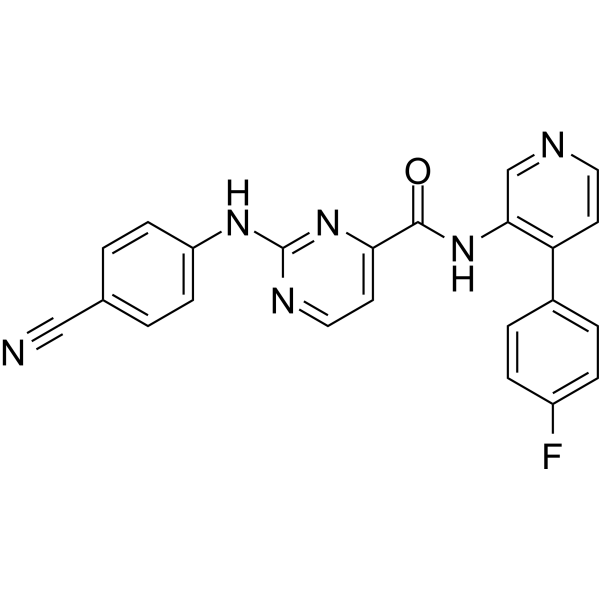
GSK-3 inhibitor 3 is a selective, orally active and brain-penetrant inhibitor of GSK-3, with IC50s of 0.35 nM and 0.25 nM for GSK-3α and GSK-3β, respectively. GSK-3 inhibitor 3 lowers levels of tau protein phosphorylation at S396 in a triple-transgenic mouse Alzheimer’s disease model, with IC50 of 10 nM. GSK-3 inhibitor 3 can be used for neurological disease research .
|
-
-
- HY-147428
-
|
MM-110; (±)-18-Methoxycoronaridine
|
nAChR
Parasite
|
Infection
Neurological Disease
|
|
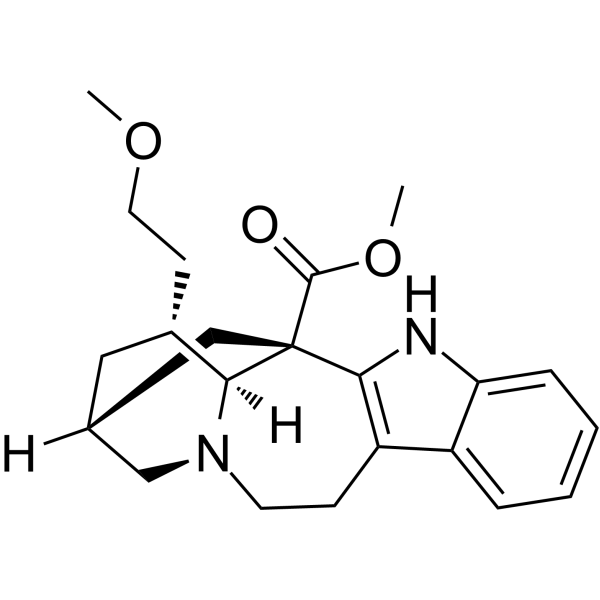
Zolunicant (MM-110) is a potent inhibitor against nicotinic α3β4 receptors with an IC50 of 0.90 μM to combat addiction. Zolunicant can decrease the self-administration of several addictive agents including morphine, methamphetamine, nicotine, and ethanol in rat model. Zolunicant can be studied as a potential research for multiple forms of agent abuse . Zolunicant also reveals a potent leishmanicide effect against Leishmania amazonensis .
|
-
-
- HY-148561
-
|
|
CDK
GSK-3
PKC
|
Cancer
|
|
CDK8-IN-12 is an orally active, potent CDK8 inhibitor with a Ki of 14 nM. CDK8-IN-12 has off-target kinase inhibition on GSK-3α, GSK-3β, PCK-θ with Kis of 13 nM, 4 nM, 109 nM, respectively. CDK8-IN-12 shows potent anti-proliferative effects selectively on MV4-11 cell. CDK8-IN-12 is an anti-cancer agent .
|
-
-
- HY-122026
-
|
PF-367
|
GSK-3
|
Neurological Disease
|
|
PF-04802367 (PF-367) is a highly selective GSK-3 inhibitor with an IC50 of 2.1 nM based on a recombinant human GSK-3β enzyme assay and 1.1 nM based on ADP-Glo assay. PF-04802367 shows desirable central nervous system (CNS) properties and potency. PF-04802367 is equally effective at inhibition of the two known GSK-3 isoforms (GSK-3α and GSK-3β) with IC50 values of 10.0 and 9.0 nM in mobility shift assays, respectively .
|
-
-
- HY-177590
-
|
|
MMP
|
Others
|
|
14-3-3-IN-2 is a 14-3-3 protein inhibitor with an IC50 of 15 nM. 14-3-3-IN-2 can disrupt the interaction of 14-3-3α with aminopeptidase N and down-regulate 14-3-3α increased MMP-1 mRNA levels .
|
-
-
- HY-154852
-
|
|
GSK-3
CDK
|
Neurological Disease
|
|
GSK-3 inhibitor 4 is an orally active and brain-penetrant inhibitor of GSK-3, CDK2, and CDK5, with IC50 values of 0.56 nM (GSK-3β), 0.45 nM (GSK-3α), 0.47 μM, and 0.68 μM, respectively. GSK-3 inhibitor 4 effectively reduces the phosphorylation level of Tau protein. GSK-3 inhibitor 4 can be used in Alzheimer's disease (AD) studies .
|
-
-
- HY-149054
-
|
|
GSK-3
Tau Protein
AAK1
Pim
PKC
|
Neurological Disease
|
|
GSK-3β inhibitor 13 (compound 47) is an orally active and potent GSK-3β inhibitor with blood-brain permeability. GSK-3β inhibitor 13 inhibits GSK-3β and GSK-3α with IC50s of 0.73 nM and 0.35 nM, respectively. GSK-3β inhibitor 13 significantly decreases the phosphorylation of tau (IC50=58 nM), which leads the formation of the neurofibrillary tangles associated with Alzheimer's disease .
|
-
-
- HY-111379
-
|
|
DYRK
CDK
GSK-3
|
Neurological Disease
Metabolic Disease
Cancer
|
|
EHT 5372 is a highly potent and selective inhibitor of DYRK's family kinases with IC50s of 0.22, 0.28, 10.8, 93.2, 22.8, 88.8, 59.0, 7.44, and 221 nM for DYRK1A, DYRK1B, DYRK2, DYRK3, CLK1, CLK2, CLK4, GSK-3α, and GSK-3β, respectively .
|
-
-
- HY-111055
-
|
|
GSK-3
|
Neurological Disease
|
|
BIP-135 is a potent and selective ATP-competitive GSK-3 inhibitor, with IC50s of 16 nM and 21 nM for GSK-3α and GSK-3β, respectively. BIP 135 exhibits neuroprotective effect .
|
-
-
- HY-16569B
-
|
|
Biochemical Assay Reagents
Microtubule/Tubulin
|
Inflammation/Immunology
Cancer
|
|
Colchicine,suitable for plant cell culture, an orally active alkaloid, is a potent tubulin inhibitor and a microtubule disrupting agent. Colchicine inhibits microtubule polymerization with an IC50 of 3 nM. Colchicine is also a competitive antagonist of the α3 glycine receptors (GlyRs). Colchicine prevents non-steroidal anti-inflammatory drug (NSAID)-induced small intestinal injury by inhibiting activation of the NLRP3 inflammasome. Colchicine,suitable for plant cell culture can be used for plant cell culture .
|
-
-
- HY-16569R
-
|
|
Reference Standards
Microtubule/Tubulin
NOD-like Receptor (NLR)
Autophagy
Apoptosis
|
Cancer
|
|
Colchicine (Standard) is the analytical standard of Colchicine. This product is intended for research and analytical applications. Colchicine, an orally active alkaloid, is a potent tubulin inhibitor and a microtubule disrupting agent. Colchicine inhibits microtubule polymerization with an IC50 of 3 nM. Colchicine is also a competitive antagonist of the α3 glycine receptors (GlyRs). Colchicine prevents non-steroidal anti-inflammatory drug (NSAID)-induced small intestinal injury by inhibiting activation of the NLRP3 inflammasome. Colchicine has extensive anti-inflammatory, immunosuppressive and strong anti-fibrosis effects and has the potential for gouty arthritis research .
|
-
-
- HY-P10934
-
|
LXY2
|
Integrin
|
Cancer
|
|
LXY3 (LXY2) is a VLA-3-blocking peptide that inhibits the interaction between integrin α3β1 (VLA-3) on neutrophil surfaces and laminin in the basement membrane, thereby preventing neutrophil migration across the tumor vascular basement membrane barrier. LXY3 is used to block neutrophil-mediated nanoparticle release from perivascular pools into the tumor interstitium. LXY3 is commonly employed for targeted imaging of breast cancer .
|
-
-
- HY-149483
-
|
|
nAChR
|
Neurological Disease
|
|
CVN417 is an orally active α6 subunit-containing nAChR antagonist, modulating phasic dopaminergic neurotransmission in an impulse-dependent manner. CVN417 inhibits Ca(2+) effluents mediated by nAChR subunits with IC50s of 0.086 μM (α6), 2.56 μM (α3) and 0.657 μM (α4), respectively. CVN417 attenuates resting tremor in Rodent models, displays the potential to improve movement dysfunction, in conditions such as Parkinson's disease .
|
-
-
- HY-112363
-
|
RP107
|
CDK
GSK-3
ERK
JNK
CFTR
|
Inflammation/Immunology
Cancer
|
|
Aloisine A (RP107) is a a potent cyclin-dependent kinase (CDK) inhibitor with IC50s of 0.15 μM, 0.12 μM, 0.4 μM, 0.16 μM for CDK1/cyclin B, CDK2/cyclin A, CDK2/cyclin E, CDK5/p35, respectively. Aloisine A ininhibits GSK-3α (IC50=0.5 μM) and GSK-3β (IC50=1.5 μM). Aloisine A stimulates wild-type CFTR and mutated CFTR, with submicromolar affinity by a cAMP-independent mechanism. Aloisine A has the potential for CFTR-related diseases, including cystic fibrosis research .
|
-
-
- HY-114791
-
|
|
nAChR
|
Neurological Disease
|
|
Lobelanidine is an antagonist for nicotinic acetylcholine receptor (nAChR), which inhibits α7 nAChR response and α3β2/α3β4 nAChR responses, with IC50 of 2.8 and 8.2 μM .
|
-
-
- HY-16569S
-
-
-
- HY-16569S1
-
-
-
- HY-161751
-
|
|
GSK-3
|
Cancer
|
|
MJ34 is a potent inhibitor of GSK-3β and GSK-3α, with the IC50s of 15.4 nM and 31.5 nM, respectively. MJ34 plays an important role in cancer research
|
-
-
- HY-170491
-
|
|
GSK-3
|
Infection
Neurological Disease
|
|
GSK-3β inhibitor 23 (Compound 11726169) is the inhibitor for glycogen synthase kinase-3, that inhibits GSK-3β and GSK-3α with IC50 of 12.1 nM and 18.8 nM. GSK-3β inhibitor 23 exhibits antiviral activity against HIV 1. GSK-3β inhibitor 23 exhibits good metabolic stablility in mouse/human liver microsomes and plasma, but poor Caco-2 permeability (which predicts low oral bioavailability) .
|
-
-
- HY-12040S
-
|
STA-4783-d2
|
Isotope-Labeled Compounds
Reactive Oxygen Species (ROS)
Apoptosis
Cuproptosis
|
Cancer
|
|
Elesclomol-d2 (STA-4783-d2) is a deuterium labeled Elesclomol (HY-12040). Elesclomol (STA-4783) is a potent copper ionophore and promotes copper-dependent cell death (cuproptosis). Elesclomol specifically binds ferredoxin 1 (FDX1) α2/α3 helices and β5 strand. Elesclomol inhibits FDX1-mediated Fe-S cluster biosynthesis. Elesclomol is an oxidative stress inducer that induces cancer cell apoptosis. Elesclomol is a reactive oxygen species (ROS) inducer. Elesclomol can be used for Menkes and associated disorders of hereditary copper deficiency research .
|
-
-
- HY-161595
-
|
|
CDK
GSK-3
|
Cancer
|
|
CDK5-IN-4 (compound 4) is a potent multikinase type-II inhibitor targeting CDK5, with an IC50 of 9.8 μM. CDK5-IN-4 also inhibits GSK-3α, GSK-3β, CDK9, and CDK2, with IC50 values of 0.98, 4.00, 1.76, and 6.24 μM, respectively. CDK5-IN-4 can be used for glioblastoma research .
|
-
-
- HY-A0009R
-
|
Galantamine hydrobromide (Standard)
|
nAChR
Cholinesterase (ChE)
Reference Standards
|
Neurological Disease
|
|
Galanthamine (hydrobromide) (Standard) is the analytical standard of Galanthamine (hydrobromide). This product is intended for research and analytical applications. Galanthamine hydrobromide (Galantamine hydrobromide) is a selective, reversible, competitive, alkaloid AChE inhibitor, with an IC50 of 0.35 µM. Galanthamine hydrobromide is a potent allosteric potentiating ligand (APL) of human α3β4, α4β2, α6β4 nicotinic receptors ( nAChRs). Galanthamine hydrobromide is developed for the research of Alzheimer's disease (AD) .
|
-
-
- HY-163840
-
|
|
GDNF Receptor
|
Neurological Disease
|
|
GFRα2/3-IN-1 (Compound 16) is a selective GFRα2/3 inhibitor with IC50 values of 0.1 and 0.2 μM for GFRα2 and GFRα3, respectively. GFRα2 is a glial cell line-derived neurotrophic factor (GDNF) receptor related to GFRα1, GFRα2/3-IN-1 can be used for pain and itch research .
|
-
-
- HY-171807
-
|
|
nAChR
STAT
|
Neurological Disease
Inflammation/Immunology
|
|
TC-2559 free base is a α4β2 nicotinic acetylcholine receptor (nAChR) agonists with an EC50 of 0.18 μM. TC-2559 free base shows much weaker potencies on the group of b4-containing nAChR subtypes, α2β4, α4β4 and α3β4 receptors, with EC50s in the range of 10-30 µM. TC-2559 free base can increase the discharge of dopamine cells in the ventral tegmental area (VTA) of rats in vitro, enhancing the excitability and aggressive behavior of VTA dopamine neurons. TC-2559 free base inhibits STAT3 to exert anti-inflammatory properties and relieves mice mechanical allodynia and improve rats cognitive deficits. TC-2559 free base can be used for the study of nerve pain .
|
-
-
- HY-P2358A
-
|
|
NF-κB
p38 MAPK
|
Infection
Inflammation/Immunology
|
|
PSMα3 TFA is an inhibitor of NF-κB p65 and p38 MAPK. PSMα3 TFA forms membrane pores and binds to residues of human insulin B chain to inhibit insulin aggregation. PSMα3 TFA forms α-type amyloid-like fibrils to exert cytotoxic effects, and acts as a functional amyloid virulence determinant of Staphylococcus aureus. PSMα3 TFA is applicable to research related to spondyloarthritis, rheumatoid arthritis, insulin-derived amyloidosis, and Staphylococcus aureus infection .
|
-
-
- HY-N11477
-
|
|
Glycosidase
|
Metabolic Disease
|
|
(2α,3β,4α)-2,3,19-Trihydroxyurs-12-ene-23,28-dioic acid is a saponin that can be isolated from Rubus ellipticus var. obcordatus. (2α,3β,4α)-2,3,19-Trihydroxyurs-12-ene-23,28-dioic acid inhibits α-Glucosidase with an IC50 of 1.68 mM .
|
-
-
- HY-15438R
-
|
|
GSK-3
Apoptosis
|
Metabolic Disease
|
|
SB 415286 (Standard) is the analytical standard of SB 415286. This product is intended for research and analytical applications. SB 415286 is a potent and selective cell permeable inhibitor of GSK-3α, with an IC50 of 77.5 nM, and a Ki of 30.75 nM; SB 415286 is equally effective at inhibiting human GSK-3α and GSK-3β.
|
-
-
- HY-162722
-
|
|
GSK-3
|
Others
|
|
GSK-3 inhibitor 6 (2) is a CNS penetrated GSK-3 inhibitor, with IC50 values of 29 nM and 24 nM for GSK-3α and GSK-3β, respectively .
|
-
-
- HY-100706
-
|
|
DNA-PK
|
Cancer
|
|
AMA-37, an Arylmorpholine analog, is ATP-competitive DNA-PK inhibitor, with IC50 values of 0.27 μM (DNA-PK), 32 μM (p110α), 3.7 μM (p110β), and 22 μM (p110γ), respectively .
|
-
-
- HY-12012R
-
|
|
GSK-3
Autophagy
|
Neurological Disease
Cancer
|
|
SB 216763 (Standard) is the analytical standard of SB 216763. This product is intended for research and analytical applications. SB 216763 is potent, selective and ATP-competitive GSK-3 inhibitor with IC50s of 34.3 nM for both GSK-3α and GSK-3β.
|
-
-
- HY-N10132
-
|
|
nAChR
|
Infection
Neurological Disease
|
|
Microgrewiapine A is an antagonist of nAChR. Microgrewiapine A inhibits hα4β2 and hα3β4 activity with 60% and 70% inhibition, respectively. Microgrewiapine A has selective cytotoxic against HT-29 human colon cancer cells with an IC50 of 6.8 μM .
|
-
-
- HY-N0877R
-
|
|
Reference Standards
Na+/K+ ATPase
|
Cancer
|
|
Bufalin (Standard) is the analytical standard of Bufalin. This product is intended for research and analytical applications. Bufalin is an active component isolated from Chan Su, acts as a potent Na+/K+-ATPase inhibitor, binds to the subunit α1, α2 and α3, with Kd of 42.5, 45 and 40 nM, respectively . Anti-cancer activity .
|
-
-
- HY-121141
-
|
|
nAChR
|
Neurological Disease
|
|
Adiphenine is a non-competitive inhibitor of nicotinic acetylcholine receptor (nAChR), with an IC50s of 1.9, 1.8, 3.7, and 6.3 μM for α1, α3β4, α4β2, and α4β4, respectively. Adiphenine has anticonvulsant effects .
|
-
-
- HY-117106
-
|
|
GABA Receptor
|
Others
|
|
PNU-107484A is a GABAA receptor ligand that exhibits target activity mechanisms dependent on α isoforms. In the α1β2γ2 subtype, PNU-107484A acts as a positive allosteric modulator, enhancing GABA-induced Cl - currents, while it inhibits the currents in the α3β2γ2 and α6β2γ2 subtypes. The half-maximal concentrations for the α1β2γ2, α3β2γ2, and α6β2γ2 subtypes are 3.1, 4.2, and 3.5 μM, respectively. PNU-107484A can be used as a probe to investigate the physiological roles of different α isoform subtypes .
|
-
- HY-A0009S
-
|
Galantamine-d3 hydrobromide
|
Isotope-Labeled Compounds
Cholinesterase (ChE)
nAChR
|
Neurological Disease
|
|
Galanthamine-d3 (hydrobromide) is deuterium labeled Galanthamine (hydrobromide). Galanthamine hydrobromide (Galantamine hydrobromide) is a selective, reversible, competitive, alkaloid AChE inhibitor, with an IC50 of 0.35 μM. Galanthamine hydrobromide is a potent allosteric potentiating ligand (APL) of human α3β4, α4β2, α6β4 nicotinic receptors ( nAChRs). Galanthamine hydrobromide is developed for the research of Alzheimer's disease (AD) .
|
-
- HY-B0379AR
-
|
|
Reference Standards
nAChR
|
Neurological Disease
|
|
Adiphenine (hydrochloride) (Standard) is the analytical standard of Adiphenine (hydrochloride). This product is intended for research and analytical applications. Adiphenine hydrochloride is a non-competitive inhibitor of nicotinic acetylcholine receptor (nAChR), with an IC50s of 1.9, 1.8, 3.7, and 6.3 μM for α1, α3β4, α4β2, and α4β4, respectively. Adiphenine hydrochloride has anticonvulsant effects .
|
-
- HY-172586
-
|
|
GSK-3
PKA
|
Neurological Disease
Cancer
|
|
GSK-3α/β-IN-1 is GSK-3α/β inhibitor with IC50 s of 0.265 μM and 0.255 μM for GSK-3α and GSK-3β, respectively. GSK-3α/β-IN-1 also inhibits PKA with an IC50 of 0.188 μM. GSK-3α/β-IN-1 potently inhibits cell viability of three Glioblastoma (GBM) cell lines (IC50 : 3-6 μM, 72 h) with no toxicity to human astrocytes and good metabolic stability. GSK-3α/β-IN-1 has potential CNS activity in all-human blood-brain barrier (BBB) model of GBM .
|
-
- HY-126638
-
|
NSC 324645
|
Parasite
|
Infection
|
|
Marcfortine A is an indole alkaloid originally isolated from P. roqueforti. It has nematocidal activity against the parasitic nematode H. contortus (LD99=0.06 μg/mL) and inhibits motility of adult worms (EC50=2 μM). Marcfortine A eliminates H. contortus, T. colubriformis, and O. ostertagi from experimentally infected jirds (ED95s=0.33, 0.11, and 2.5 mg/animal, respectively). It dose-dependently inhibits nicotine-induced calcium mobilization in SH-SY5Y and TE-671 cells expressing α3 subunit-containing human nicotinic acetylcholine receptors (nAChRs) and muscle-type nAChRs, respectively.
|
-
- HY-N9848
-
|
|
Others
|
Cancer
|
|
2α,3α,24-Trihydroxyursa-12,20(30)-dien-28-oic acid is a triterpenoid with anticancer effects. 2α,3α,24-Trihydroxyursa-12,20(30)-dien-28-oic acid inhibits HepG2, A549, MCF-7, SK-OV-3, and HeLa cells with IC50 values of 19.62 μM, 18.86 μM, 45.94 μM, 62.41 μM, and 28.74 μM, respectively .
|
-
- HY-W070739
-
|
|
GABA Receptor
|
Neurological Disease
|
|
GABAA receptor modulator-12 (Compound 5) is a GABAA receptor modulator. GABAA receptor modulator-12 inhibits anesthetic-induced desensitization of GABAA α3β3γ2 receptors with an IC50 of 0.2 μM. GABAA receptor modulator-12 can be used in the research of central nervous system disorders .
|
-
- HY-W741136
-
|
|
Drug Isomer
Microtubule/Tubulin
NOD-like Receptor (NLR)
Autophagy
Apoptosis
|
Inflammation/Immunology
|
|
(R)-Colchicine is the R-isomer of Colchicine (HY-16569). Colchicine, an orally active alkaloid, is a potent tubulin inhibitor and a microtubule disrupting agent. Colchicine inhibits microtubule polymerization with an IC50 of 3 nM. Colchicine is also a competitive antagonist of the α3 glycine receptors (GlyRs). Colchicine prevents non-steroidal anti-inflammatory drug (NSAID)-induced small intestinal injury by inhibiting activation of the NLRP3 inflammasome. Colchicine has extensive anti-inflammatory, immunosuppressive and strong anti-fibrosis effects and has the potential for gouty arthritis research .
|
-
- HY-16294G
-
|
|
GSK-3
|
Cancer
|
|
LY2090314 (GMP) is LY2090314 (HY-16294) produced by using GMP guidelines. GMP small molecules works appropriately as an auxiliary reagent for cell therapy manufacture. LY2090314 is a potent inhibitor of glycogen synthase kinase-3 (GSK-3) with IC50 values of 1.5 nM and 0.9 nM for GSK-3α and GSK-3β, respectively.
|
-
- HY-100706R
-
|
|
DNA-PK
Reference Standards
|
Cancer
|
|
AMA-37 (Standard) is the analytical standard of AMA-37 (HY-100706). This product is intended for research and analytical applications. AMA-37, an Arylmorpholine analog, is ATP-competitive DNA-PK inhibitor, with IC50 values of 0.27 μM (DNA-PK), 32 μM (p110α), 3.7 μM (p110β), and 22 μM (p110γ), respectively .
|
-
- HY-107531R
-
|
|
Reference Standards
GSK-3
|
Neurological Disease
Cancer
|
|
A 1070722 (Standard) is the analytical standard of A 1070722 (HY-107531). This product is intended for research and analytical applications. A 1070722 is a potent and selective glycogen synthase Kinase 3 (GSK-3) inhibitor, with a Ki of 0.6 nM for both GSK-3α and GSK-3β. A 1070722 can penetrate the blood-brain barrier (BBB) and accumulates in brain regions, thus potential for PET radiotracer for the quantification of GSK-3 in brain. A 1070722 decreases spontaneous locomotion .
|
-
- HY-182788
-
|
|
GSK-3
Tau Protein
Amyloid-β
β-catenin
|
Neurological Disease
|
|
Multitarget AD-IN-7 is an orally active multi-target anti-AD compound. Multitarget AD-IN-7 exhibits inhibitory activity against GSK-3β and GSK-3α (IC50 = 0.66, 0.83 nM). Multitarget AD-IN-7 upregulates the expression of p-GSK-3β-Ser9, inhibits the phosphorylation of tau-Ser396, targets Aβ1-42, chelates pathogenic metal ions, scavenges ABTS•+, upregulates the expression of β-catenin and neurogenesis biomarkers, and promotes neurite outgrowth. Multitarget AD-IN-7 improves motor ability in Alzheimer's disease zebrafish. Multitarget AD-IN-7 is applicable to research related to Alzheimer's disease .
|
-
- HY-46286
-
|
N-(4-tert-butyl-1,3-thiazol-2-yl)-3-fluorobenzamide
|
5-HT Receptor
nAChR
GABA Receptor
Glycine Receptor (GlyR)
|
Neurological Disease
|
|
TTFB (N-(4-tert-butyl-1,3-thiazol-2-yl)-3-fluorobenzamide) is a selective, non-competitive zinc-activated channel (ZAC) antagonist. TTFB inhibits Zn 2+- and H +-induced ZAC currents with IC50 values of 3 μM and 8.5 μM, respectively, and has an IC50 of 4.7 μM against spontaneous activity. TTFB shows no significant agonistic, antagonistic or modulatory activity towards representative classical Cys-loop receptors including m5-HT3AR, hα3β4 nAChR, hα1β2γ2S GABAAR and hα1 GlyR. TTFB can be used to investigate the physiological and pathological functions of ZAC.
|
-
| Cat. No. |
Product Name |
Type |
-
- HY-16294G
-
|
|
Fluorescent Dyes
|
|
LY2090314 (GMP) is LY2090314 (HY-16294) produced by using GMP guidelines. GMP small molecules works appropriately as an auxiliary reagent for cell therapy manufacture. LY2090314 is a potent inhibitor of glycogen synthase kinase-3 (GSK-3) with IC50 values of 1.5 nM and 0.9 nM for GSK-3α and GSK-3β, respectively.
|
| Cat. No. |
Product Name |
Type |
-
- HY-16569B
-
|
|
Biochemical Assay Reagents
|
|
Colchicine,suitable for plant cell culture, an orally active alkaloid, is a potent tubulin inhibitor and a microtubule disrupting agent. Colchicine inhibits microtubule polymerization with an IC50 of 3 nM. Colchicine is also a competitive antagonist of the α3 glycine receptors (GlyRs). Colchicine prevents non-steroidal anti-inflammatory drug (NSAID)-induced small intestinal injury by inhibiting activation of the NLRP3 inflammasome. Colchicine,suitable for plant cell culture can be used for plant cell culture .
|
-
- HY-16294G
-
|
|
Biochemical Assay Reagents
|
|
LY2090314 (GMP) is LY2090314 (HY-16294) produced by using GMP guidelines. GMP small molecules works appropriately as an auxiliary reagent for cell therapy manufacture. LY2090314 is a potent inhibitor of glycogen synthase kinase-3 (GSK-3) with IC50 values of 1.5 nM and 0.9 nM for GSK-3α and GSK-3β, respectively.
|
| Cat. No. |
Product Name |
Target |
Research Area |
-
- HY-P2358
-
|
|
NF-κB
p38 MAPK
|
Infection
Inflammation/Immunology
|
|
PSMα3 is an inhibitor of NF-κB p65 and p38 MAPK. PSMα3 forms membrane pores and binds to residues of human insulin B chain to inhibit insulin aggregation. PSMα3 forms α-type amyloid-like fibrils to exert cytotoxic effects, and acts as a functional amyloid virulence determinant of Staphylococcus aureus. PSMα3 is applicable to research related to spondyloarthritis, rheumatoid arthritis, insulin-derived amyloidosis, and Staphylococcus aureus infection .
|
-
- HY-P5960
-
|
PTBP1 α3-helix derived peptide P6 TFA
|
DNA/RNA Synthesis
|
Others
|
|
PTBP1-RNA-binding inhibitor P6 (PTBP1 α3-helix derived peptide P6) TFA is a stapled peptide inhibitor of the splicing factor PTBP1, which inhibits alternative splicing events regulated by PTBP1. PTBP1 binds RNA through its RNA recognition motif .
|
-
- HY-P10934
-
|
LXY2
|
Integrin
|
Cancer
|
|
LXY3 (LXY2) is a VLA-3-blocking peptide that inhibits the interaction between integrin α3β1 (VLA-3) on neutrophil surfaces and laminin in the basement membrane, thereby preventing neutrophil migration across the tumor vascular basement membrane barrier. LXY3 is used to block neutrophil-mediated nanoparticle release from perivascular pools into the tumor interstitium. LXY3 is commonly employed for targeted imaging of breast cancer .
|
-
- HY-P5959
-
|
|
Peptides
|
Others
|
|
PTBP1α3-helix derived peptide P1 is a polypeptide that inhibits RNA binding .
|
-
- HY-P2358A
-
|
|
NF-κB
p38 MAPK
|
Infection
Inflammation/Immunology
|
|
PSMα3 TFA is an inhibitor of NF-κB p65 and p38 MAPK. PSMα3 TFA forms membrane pores and binds to residues of human insulin B chain to inhibit insulin aggregation. PSMα3 TFA forms α-type amyloid-like fibrils to exert cytotoxic effects, and acts as a functional amyloid virulence determinant of Staphylococcus aureus. PSMα3 TFA is applicable to research related to spondyloarthritis, rheumatoid arthritis, insulin-derived amyloidosis, and Staphylococcus aureus infection .
|
| Cat. No. |
Product Name |
Category |
Target |
Chemical Structure |
-
- HY-16569
-
-
-
- HY-N0877
-
-
-
- HY-P2358
-
-
-
- HY-A0009
-
|
Galantamine hydrobromide
|
Alkaloids
Other Alkaloids
Plants
Amaryllidaceae
|
Cholinesterase (ChE)
nAChR
|
|
Galanthamine hydrobromide (Galantamine hydrobromide) is a selective, reversible, competitive, alkaloid AChE inhibitor, with an IC50 of 0.35 µM. Galanthamine hydrobromide is a potent allosteric potentiating ligand (APL) of human α3β4, α4β2, α6β4 nicotinic receptors ( nAChRs). Galanthamine hydrobromide is developed for the research of Alzheimer's disease (AD) .
|
-
-
- HY-N7110
-
-
-
- HY-16569R
-
|
|
Structural Classification
Natural Products
other families
Plants
Source Classification
|
Reference Standards
Microtubule/Tubulin
NOD-like Receptor (NLR)
Autophagy
Apoptosis
|
|
Colchicine (Standard) is the analytical standard of Colchicine. This product is intended for research and analytical applications. Colchicine, an orally active alkaloid, is a potent tubulin inhibitor and a microtubule disrupting agent. Colchicine inhibits microtubule polymerization with an IC50 of 3 nM. Colchicine is also a competitive antagonist of the α3 glycine receptors (GlyRs). Colchicine prevents non-steroidal anti-inflammatory drug (NSAID)-induced small intestinal injury by inhibiting activation of the NLRP3 inflammasome. Colchicine has extensive anti-inflammatory, immunosuppressive and strong anti-fibrosis effects and has the potential for gouty arthritis research .
|
-
-
- HY-114791
-
-
-
- HY-A0009R
-
|
Galantamine hydrobromide (Standard)
|
Structural Classification
Alkaloids
Other Alkaloids
Plants
Amaryllidaceae
Source Classification
|
nAChR
Cholinesterase (ChE)
Reference Standards
|
|
Galanthamine (hydrobromide) (Standard) is the analytical standard of Galanthamine (hydrobromide). This product is intended for research and analytical applications. Galanthamine hydrobromide (Galantamine hydrobromide) is a selective, reversible, competitive, alkaloid AChE inhibitor, with an IC50 of 0.35 µM. Galanthamine hydrobromide is a potent allosteric potentiating ligand (APL) of human α3β4, α4β2, α6β4 nicotinic receptors ( nAChRs). Galanthamine hydrobromide is developed for the research of Alzheimer's disease (AD) .
|
-
-
- HY-N11477
-
|
|
Triterpenes
Terpenoids
Rosaceae
Plants
Source Classification
Rubus ellipticus Smith
|
Glycosidase
|
|
(2α,3β,4α)-2,3,19-Trihydroxyurs-12-ene-23,28-dioic acid is a saponin that can be isolated from Rubus ellipticus var. obcordatus. (2α,3β,4α)-2,3,19-Trihydroxyurs-12-ene-23,28-dioic acid inhibits α-Glucosidase with an IC50 of 1.68 mM .
|
-
-
- HY-N10132
-
-
-
- HY-N0877R
-
-
-
- HY-126638
-
|
NSC 324645
|
Human Gut Microbiota Metabolites
Microorganisms
Endogenous metabolite
Source Classification
|
Parasite
|
|
Marcfortine A is an indole alkaloid originally isolated from P. roqueforti. It has nematocidal activity against the parasitic nematode H. contortus (LD99=0.06 μg/mL) and inhibits motility of adult worms (EC50=2 μM). Marcfortine A eliminates H. contortus, T. colubriformis, and O. ostertagi from experimentally infected jirds (ED95s=0.33, 0.11, and 2.5 mg/animal, respectively). It dose-dependently inhibits nicotine-induced calcium mobilization in SH-SY5Y and TE-671 cells expressing α3 subunit-containing human nicotinic acetylcholine receptors (nAChRs) and muscle-type nAChRs, respectively.
|
-
-
- HY-N9848
-
|
|
Triterpenes
Senegalia pennata (L.) Maslin
Terpenoids
Labiatae
Plants
Source Classification
|
Others
|
|
2α,3α,24-Trihydroxyursa-12,20(30)-dien-28-oic acid is a triterpenoid with anticancer effects. 2α,3α,24-Trihydroxyursa-12,20(30)-dien-28-oic acid inhibits HepG2, A549, MCF-7, SK-OV-3, and HeLa cells with IC50 values of 19.62 μM, 18.86 μM, 45.94 μM, 62.41 μM, and 28.74 μM, respectively .
|
-
| Cat. No. |
Product Name |
Chemical Structure |
-
- HY-16569S
-
|
|
|
Colchicine-d6 is the deuterium labeled Colchicine. Colchicine is a tubulin inhibitor and a microtubule disrupting agent. Colchicine inhibits microtubule polymerization with an IC50 of 3 nM . Colchicine is also a competitive antagonist of the α3 glycine receptors (GlyRs) .
|
-
-
- HY-16569S1
-
|
|
|
Colchicine-d3 is the deuterium labeled Colchicine. Colchicine is a tubulin inhibitor and a microtubule disrupting agent. Colchicine inhibits microtubule polymerization with an IC50 of 3 nM . Colchicine is also a competitive antagonist of the α3 glycine receptors (GlyRs) .
|
-
-
- HY-12040S
-
|
|
|
Elesclomol-d2 (STA-4783-d2) is a deuterium labeled Elesclomol (HY-12040). Elesclomol (STA-4783) is a potent copper ionophore and promotes copper-dependent cell death (cuproptosis). Elesclomol specifically binds ferredoxin 1 (FDX1) α2/α3 helices and β5 strand. Elesclomol inhibits FDX1-mediated Fe-S cluster biosynthesis. Elesclomol is an oxidative stress inducer that induces cancer cell apoptosis. Elesclomol is a reactive oxygen species (ROS) inducer. Elesclomol can be used for Menkes and associated disorders of hereditary copper deficiency research .
|
-
-
- HY-A0009S
-
|
|
|
Galanthamine-d3 (hydrobromide) is deuterium labeled Galanthamine (hydrobromide). Galanthamine hydrobromide (Galantamine hydrobromide) is a selective, reversible, competitive, alkaloid AChE inhibitor, with an IC50 of 0.35 μM. Galanthamine hydrobromide is a potent allosteric potentiating ligand (APL) of human α3β4, α4β2, α6β4 nicotinic receptors ( nAChRs). Galanthamine hydrobromide is developed for the research of Alzheimer's disease (AD) .
|
-
| Cat. No. |
Product Name |
Target |
Research Areas |
Chemical Structure |
-
- HY-16294G
-
|
|
GSK-3
|
Cancer
|
|
LY2090314 (GMP) is LY2090314 (HY-16294) produced by using GMP guidelines. GMP small molecules works appropriately as an auxiliary reagent for cell therapy manufacture. LY2090314 is a potent inhibitor of glycogen synthase kinase-3 (GSK-3) with IC50 values of 1.5 nM and 0.9 nM for GSK-3α and GSK-3β, respectively.
|
-
Your information is safe with us. * Required Fields.
Inquiry Information
- Product Name:
- Cat. No.:
- Quantity:
- MCE Japan Authorized Agent:

