1. Search Result
Search Result
Results for "

Androgen Receptor Degrader

" in MedChemExpress (MCE) Product Catalog:

89

Inhibitors & Agonists

1

Screening Libraries

2

Peptides

2

Natural
Products

3

Click Chemistry

Targets Recommended:
Cat. No. Product Name Target Research Areas Chemical Structure
  • HY-138641
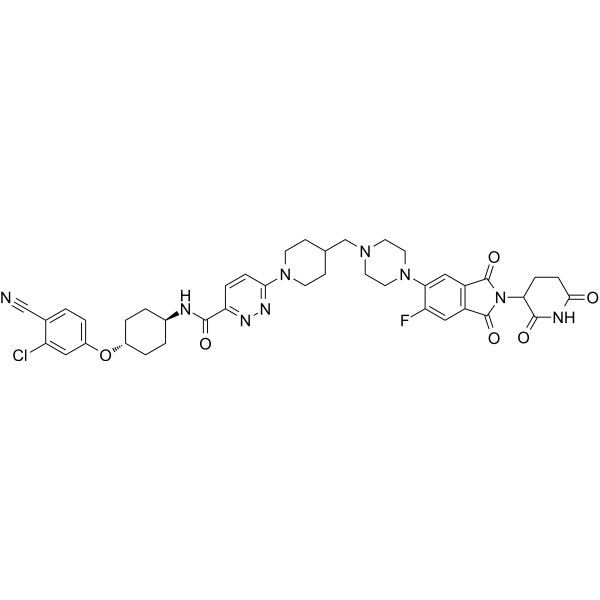
    Bavdegalutamide
    5+ Cited Publications

    ARV-110

    PROTACs Androgen Receptor Cancer
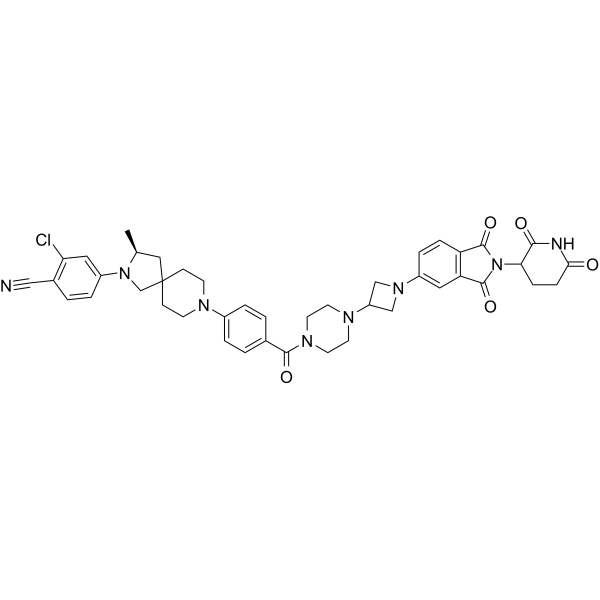
    Bavdegalutamide (ARV-110) is an orally active, specific androgen receptor (AR) PROTAC degrader. Bavdegalutamide promotes ubiquitination and degradation of AR. Bavdegalutamide can be used for the research of prostate cancer (Pink: AR ligand (HY-168299); Blue: E3 ligase ligand (HY-W093272); Black: linker (HY-W091986)) .
    Bavdegalutamide
  • HY-158101
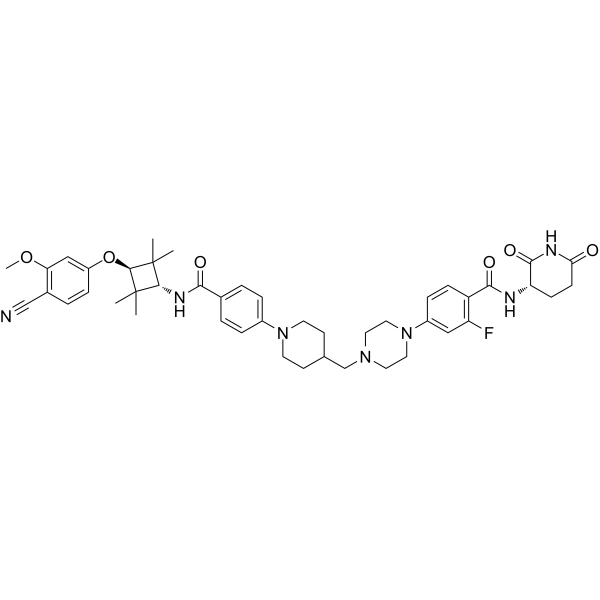
    BMS-986365
    1 Publications Verification

    CC-94676

    PROTACs Androgen Receptor Cancer
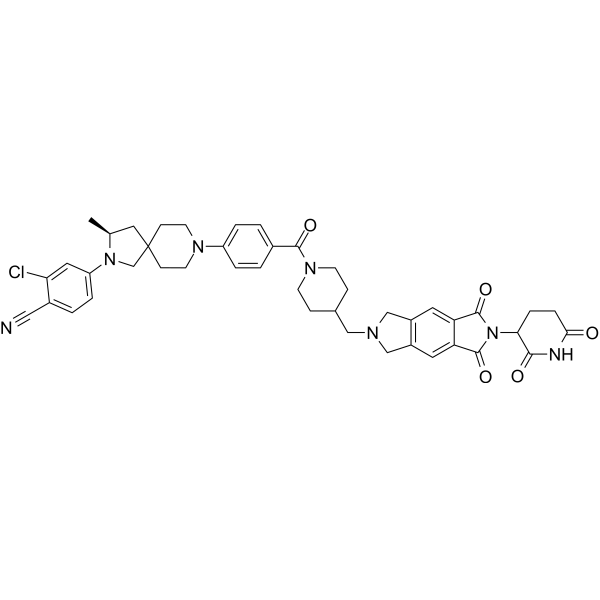
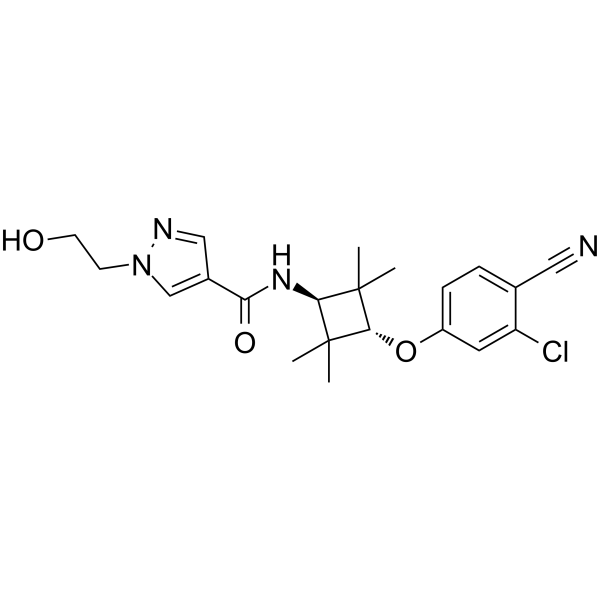
    BMS-986365 (CC-94676) is an orally active and selective targeted androgen receptor (AR) PROTAC degrader (DC50 of 10-40 nM). BMS-986365 is capable of inducing cereblon (CRBN) E3 ligase-dependent ubiquitination and degradation of the androgen receptor (AR), as well as various AR mutants. BMS-986365 shows no degradation of the close AR family members estrogen receptor (ER), progesterone receptor (PR), and glucocorticoid receptor (GR). BMS-986365 shows significant in vivo potency, degrading AR, inhibiting AR signaling, and restricting tumor growth in animal models of advanced prostate cancer. BMS-986365 can be used for the study of metastatic castration-resistant prostate cancer (mCRPC) .
    BMS-986365
  • HY-153342
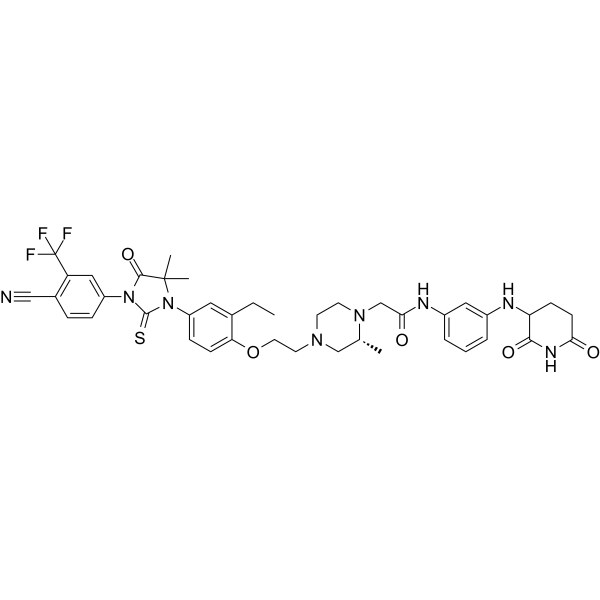
    Luxdegalutamide
    2 Publications Verification

    ARV-766; JSB462

    PROTACs Androgen Receptor Cancer
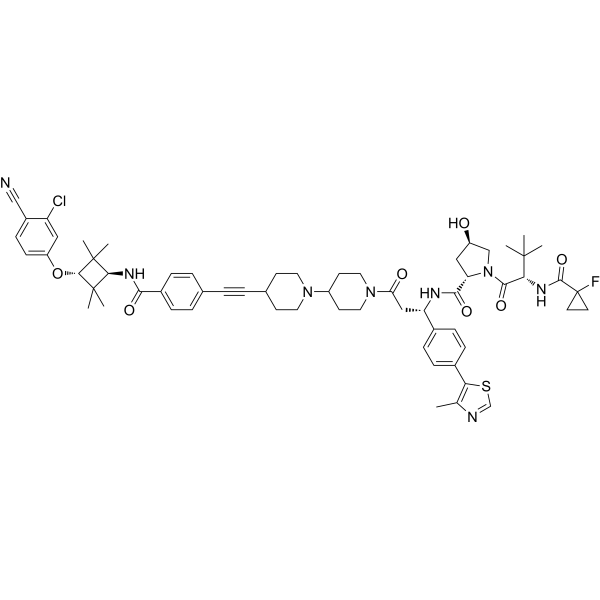
    Luxdegalutamide (ARV-766) is an orally active protein hydrolysis targeted chimeric (PROTAC) targeting androgen receptor (AR), which can degrade AR resistance related mutants, including T878/H875/L702 mutants. Luxdegalutamide has anti-tumor activity and can be used in the study of castration resistant prostate cancer .
    Luxdegalutamide
  • HY-130492
    ARCC-4
    3 Publications Verification

    PROTACs Androgen Receptor Cancer
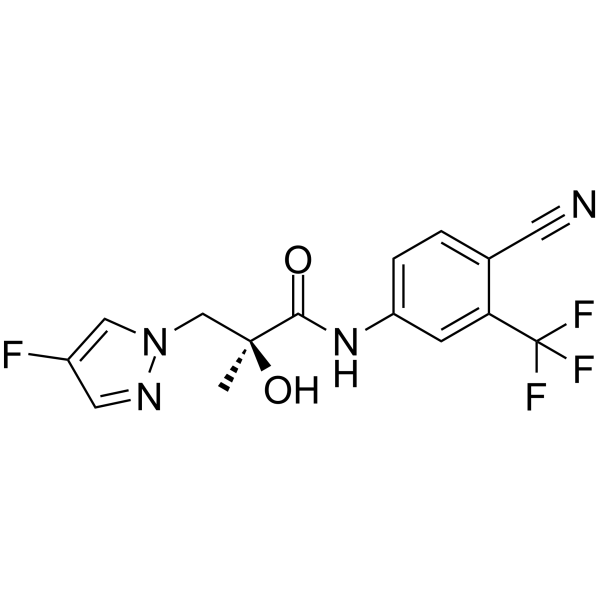
    ARCC-4 is a low-nanomolar Androgen Receptor (AR) degrader based on PROTAC, with a DC50 of 5?nM. ARCC-4 is an enzalutamide-based von Hippel-Lindau (VHL)-recruiting AR PROTAC and outperforms enzalutamide. ARCC-4 effectively degrades clinically relevant AR mutants associated with antiandrogen therapy .
    ARCC-4
  • HY-70006
    Galeterone
    3 Publications Verification

    TOK-001; VN-124-1

    Molecular Glues Androgen Receptor MNK Cytochrome P450 Apoptosis Cancer
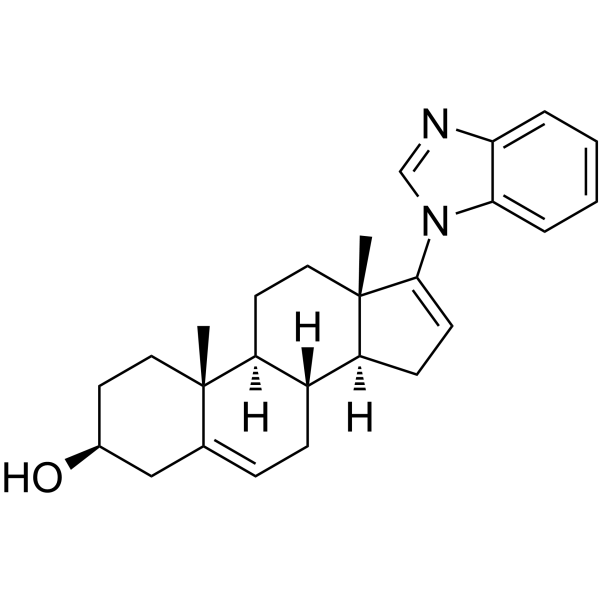
    Galeterone (TOK-001) is a potent, orally active molecular glue degrader, which degrades androgen receptor (AR) and its splice variants (AR-Vs) and MAP kinase-interacting serine/threonine protein kinase Mnk1/2. Galeterone also functions as a CYP17 inhibitor (IC50 = 47 nM). Galeterone induces cell apoptosis. Galeterone inhibits tumor growth in human prostate cancer xenograft mouse models. Galeterone can be used for castration resistant prostate cancer (CRPC) and pancreatic ductal adenocarcinoma (PDAC) research [1][2].
    Galeterone
  • HY-15194
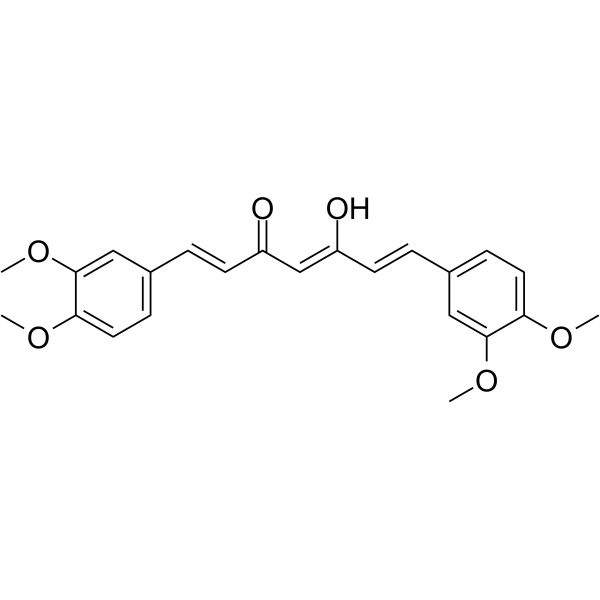
    Dimethylcurcumin
    10+ Cited Publications

    ASC-J9; GO-Y025

    Androgen Receptor Cancer
    Dimethylcurcumin (ASC-J9) is an androgen receptor degradation enhancer that effectively suppresses castration resistant prostate cancer cell proliferation and invasion.
    Dimethylcurcumin
  • HY-156751A

    RO7656594

    PROTACs Androgen Receptor Cancer
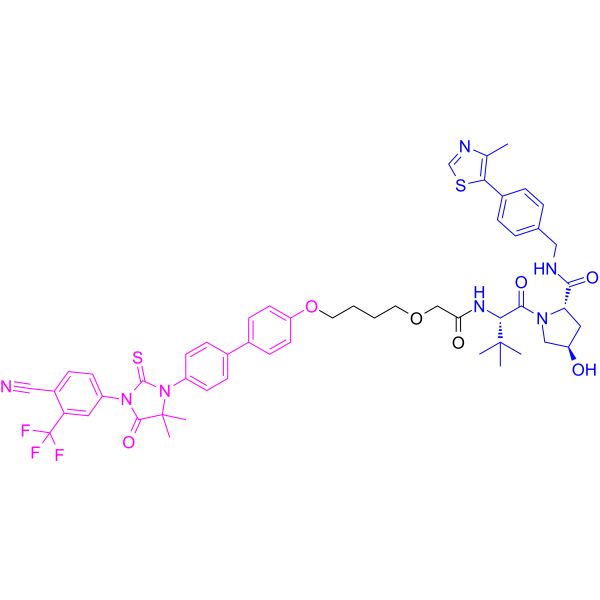
    GDC-2992 (Compound 28A) is an orally bioavailable androgen receptor (AR) PROTAC degrader. GDC-2992 degrads AR with a DC50 value of 2.7 nM and inhibits proliferation with an IC50 valude of 9.7 nM in VCaPcells. GDC-2992 can be used for prostatic cancer study. (Structure Note: Pink: target protein ligand (HY-130845); Blue: E3 ligase ligand (HY-W1003189A); Black: linker (HY-169975); E3 ligase ligand +linker (HY-169976A)) .
    GDC-2992
  • HY-130992

    Androgen Receptor Ligands for Target Protein for PROTAC Cancer
    Androgen receptor antagonist 1 is an orally available full androgen receptor (AR) antagonist with an IC50 of 59 nM . Androgen receptor antagonist 1 (Compound 6) can be used in the synthesis of PROTAC AR degraders, which results 24% and 47 % AR protein degradation in LNCaP cells at 1 μM and 10 μM, respectively .
    Androgen receptor antagonist 1
  • HY-173626

    Androgen Receptor Cancer
    EN1441 is a covalent degrader targeting the androgen receptor (AR) with an EC50 value of 4.2 μM and its truncated variant AR-V7. EN1441 selectively and potently degrades both AR and AR-V7 in androgen-independent prostate cancer cells. EN1441 is promising for research of androgen-independent prostate cancers .
    EN1441
  • HY-145479
    PROTAC AR-V7 degrader-1
    1 Publications Verification

    PROTACs Androgen Receptor Cancer
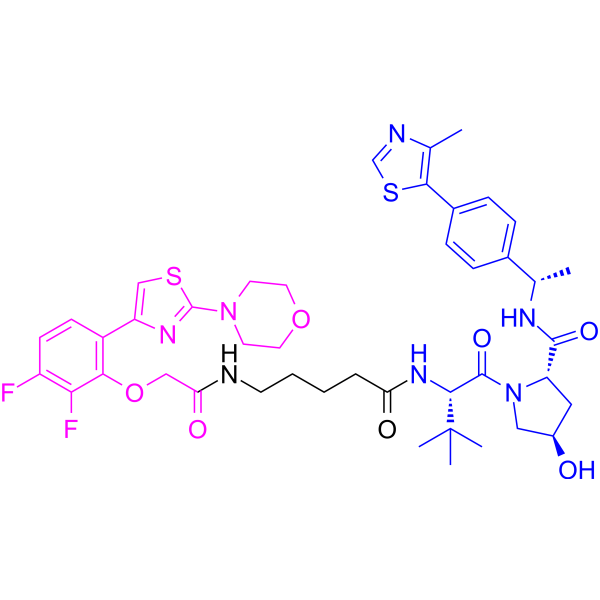
    PROTAC AR-V7 degrader-1 is an orally active and selective AR-V7 PROTAC degrader with a DC50 of 0.32 μM (in 22Rv1 cells). PROTAC AR-V7 degrader-1 can inhibit the proliferation of tumor cells and exhibit anti-tumor activity. PROTAC AR-V7 degrader-1 can be used for the research of cancers such as prostate cancer .(Pink: VPC-14228 (HY-117669); Black: linker (HY-W041652); Blue: VHL Ligand (HY-112078))
    PROTAC AR-V7 degrader-1
  • HY-136242

    Estrogen Receptor/ERR Endocrinology Cancer
    UT-34 is a potent, selective, orally bioactive second-generation pan-androgen receptor (AR) antagonist and degrader, with IC50 values of 211.7 nM, 262.4 nM, and 215.7 nM for wild-type AR, F876L-AR, and W741L-AR, respectively. UT-34 binds to the ligand-binding domain (LBD) and functional 1 (AF-1) domain of AR and requires the ubiquitin-proteasome pathway for AR degradation. UT-34 has anti-prostate cancer effects.
    UT-34
  • HY-114402

    PROTACs Androgen Receptor Cancer
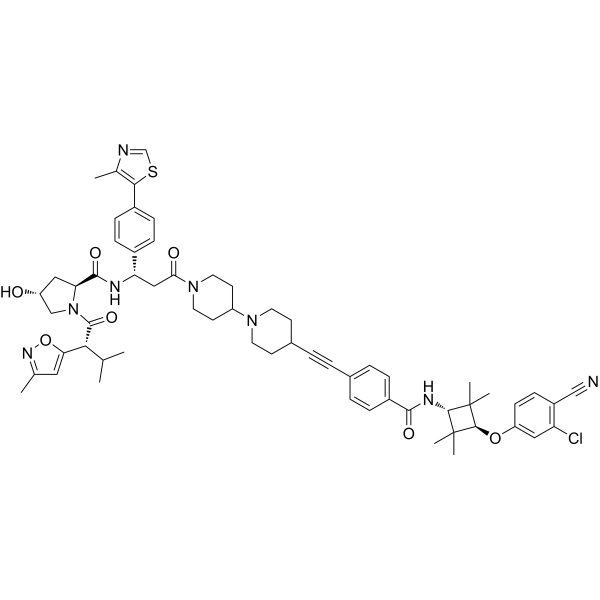
    ARD-69 is a PROTAC degrader based on the E3 ubiquitin ligase VHL and targeting the androgen receptor, which can induce androgen receptor (AR) protein degradation in AR-positive prostate cancer cells. ARD-69 inhibits AR-regulated gene expression, binds to the AR ligand binding domain at one end and binds to VHL at the other end, prompting AR to be recruited to the E3 ubiquitin ligase complex, triggering proteasome degradation, thereby inhibiting AR signaling pathways and downstream gene expression (such as PSA, TMPRSS2). ARD-69 can be used to study of castration-resistant prostate cancer (mCRPC) .
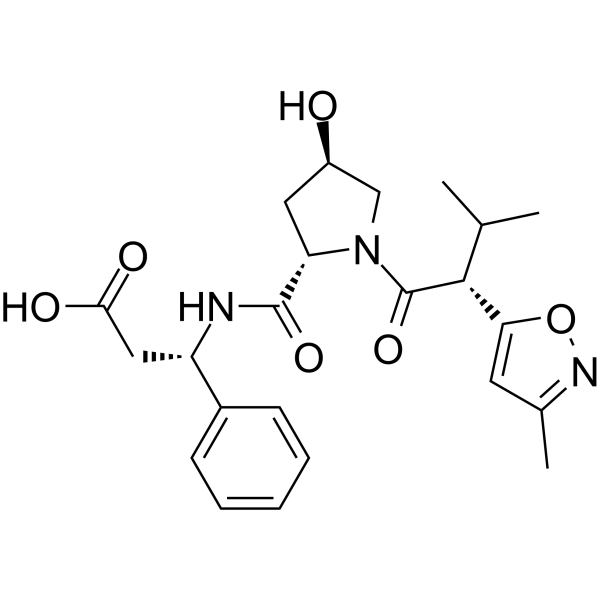
    ARD-69 is composed of a target protein ligand (pink part) AR antagonist 14 (HY-172624), a PROTAC linker (black part) tert-Butyl 4-ethynyl-[1,4'-bipiperidine]-1'-carboxylate (HY-W442074), and a VHL-type E3 ubiquitinase ligand (blue part) VH 101, acid (HY-47070); among them, the VHL ligand and the linker can form a conjugate VH 101-amide-piperidine-Pip-alkyne (HY-172625).
    ARD-69
  • HY-149433

    PROTACs Androgen Receptor Apoptosis Cancer
    BWA-522 is an orally active PROTAC degrader targeting full-length androgen receptor (AR-FL) and androgen receptor splice variant 7 (AR-V7). BWA-522 antagonizes the N-terminal domain (AR-NTD) of the androgen receptor, suppresses AR downstream signaling proteins and induces cancer cells apoptosis. BWA-522 inhibits tumor growth in LNCaP xenograft mouse model. BWA-522 can be used for the research of prostate cancer .
    BWA-522
  • HY-156111
    ARD-1676
    1 Publications Verification

    PROTACs Androgen Receptor Cancer
    ARD-1676 is an orally available androgen receptor (AR) PROTAC degrader, consisting of AR ligand and cereblon ligand. ARD-1676 has AR-degrading activity in vitro and in vivo and inhibits VCaP tumor growth in mouse xenograft tumor models .
    ARD-1676
  • HY-132292

    PROTACs Androgen Receptor Cancer
    ARD-2128 is a highly potent, orally bioavailable PROTAC androgen receptor (AR) degrader. ARD-2128 effectively reduces AR protein, suppresses AR-regulated genes in tumor tissues, and inhibits growth of tumor without signs of toxicity. ARD-2128 has the potential for the research of the prostate cancer .
    ARD-2128
  • HY-139659

    PROTACs Androgen Receptor Progesterone Receptor Apoptosis Cancer
    ARD-61 is a highly potent, effective and specific PROTAC androgen receptor (AR) degrader. ARD-61 potently and effectively induces AR and progesterone receptors (PR) degradation in AR+ cancer cell lines. ARD-61 induces apoptosis and effectively induces tumor growth inhibition in the MDA-MB-453 xenograft model in mice . ARD-61 is a click chemistry reagent, it contains an Alkyne group and can undergo copper-catalyzed azide-alkyne cycloaddition (CuAAc) with molecules containing Azide groups.
    ARD-61
  • HY-133045

    Ligands for E3 Ligase Cancer
    VHL Ligand 8 is a VHL ligand. VHL Ligand 8 can be used to synthesize ARD-266 (HY-133020), a highly potent and VHL E3 ligase-based androgen receptor (AR) PROTAC degrader. ARD-266 effectively induces degradation of AR protein in AR-positive LNCaP, VCaP, and 22Rv1 prostate cancer cell lines with DC50 values of 0.2-1 nM .
    VHL Ligand 8
  • HY-170329

    PROTACs Androgen Receptor Apoptosis Cancer
    PROTAC AR Degrader-8 is the PROTAC degrader for androgen receptor (AR) that degrades AR-FL with DC50s of 0.018 μM and 0.14 μM in 22Rv1 cell and LNCaP cell, degrades AR-V7 with DC50 of 0.026 μM in 22Rv1 cell. PROTAC AR Degrader-8 inhibits the proliferation of cancer cell 22Rv1 and LNCaP with IC50 values of 0.038 μM and 1.11 μM. PROTAC AR Degrader-8 arrests cell cycle at G2/M phase, induces apoptosis in 22Rv1 cell. PROTAC AR Degrader-8 exhibits anticancer efficacy in mouse and zebrafish model. PROTAC AR Degrader-8 can be used for the research of prostate cancer, castration-resistant prostate cancer .
    PROTAC AR Degrader-8
  • HY-161369

    PROTACs Histone Acetyltransferase Cancer
    CBPD-268 is a potent and orally active CBP/p300 PROTAC degrader with an DC50 value of ≤ 0.03 nM. CBPD-268 induces CBP/p300 degradation and inhibits cell growth. CBPD-268 shows antitumor activity. CBPD-268 has the potential for the research of AR-positive prostate cancer (Structure Note: Red, Androgen receptor degrader (HY-W248665A); Blue, CBP/p300 ligand (HY-161483); Black, Linker) .
    CBPD-268
  • HY-160777

    Galeterone 3β-imidazole

    Molecular Glues Androgen Receptor MNK Apoptosis Cancer
    VNPP433-3β (Galeterone 3β-imidazole) is an orally active molecular glue degrader, which degrades androgen receptor (AR) and its splice variants (AR-Vs) and MAP kinase-interacting serine/threonine protein kinase Mnk1/2. VNPP433-3β induces cell apoptosis. VNPP433-3β inhibits tumor growth in the CWR22Rv1 xenograft mouse model. VNPP433-3β can be used for the study of castration resistant prostate cancer (CRPC) and pancreatic ductal adenocarcinoma (PDAC) .
    VNPP433-3β
  • HY-149127

    ASC-JM17; ALZ-003

    Keap1-Nrf2 Androgen Receptor HSP Mitophagy Ferroptosis Apoptosis Reactive Oxygen Species (ROS) Autophagy Metabolic Disease
    Rosolutamide (ASC-JM17) is an orally active Nrf1/Nrf2 activator. Rosolutamide activates Hsf1 pathways, upregulates proteasome subunits and antioxidant enzymes, induces proteasome complex structural rearrangement, and enhances ubiquitin-proteasome system-mediated degradation. Rosolutamide reduces mutant androgen receptor and ataxin-3 aggregates, restores mitochondrial function, attenuates reactive oxygen species (ROS) levels, induces apoptosis and ferroptosis, and inhibits cancer cell growth. Rosolutamide can be used for the research of spinal and bulbar muscular atrophy, Huntington’s disease, and temozolomide-resistant glioblastoma .
    Rosolutamide
  • HY-43962

    Ligands for Target Protein for PROTAC Androgen Receptor Cancer
    Androgen receptor ligand 3 is an androgen receptor (AR) ligand. Androgen receptor ligand 3 is linked to an IAP ligand via a linker to form an ERα PROTAC degrader.
    Androgen receptor ligand 3
  • HY-139436

    PROTACs Androgen Receptor Cancer
    ARD-2585 is an exceptionally potent and orally active PROTAC degrader of androgen receptor .
    ARD-2585
  • HY-149862
    ARD-2051
    1 Publications Verification

    PROTACs Androgen Receptor Cancer
    ARD-2051 is a selective and orally active androgen receptor (AR) proteolysis-targeting chimera degrader. ARD-2051 achieves DC50 values of 0.6 nM for AR protein degradation in both the LNCaP and VCaP prostate cancer cell lines. ARD-2051 exhibits effective anti-tumor activity in VCaP xenograft mice model. ARD-2051 can be used for the research of prostate cancer (Pink: AR ligand (HY-400666), Blue: CRBN Ligand (HY-14658), Black: Linker) .
    ARD-2051
  • HY-133020

    PROTACs Androgen Receptor Cancer
    ARD-266 is a highly potent and von Hippel-Lindau E3 ligase-based Androgen Receptor (AR) PROTAC degrader. ARD-266 effectively induces degradation of AR protein in AR-positive LNCaP, VCaP, and 22Rv1 prostate cancer cell lines with DC50 values of 0.2-1 nM . ARD-266 is a click chemistry reagent, it contains an Alkyne group and can undergo copper-catalyzed azide-alkyne cycloaddition (CuAAc) with molecules containing Azide groups.
    ARD-266
  • HY-162702

    PROTACs Androgen Receptor Cancer
    AZ‘3137 is an orally active PROTAC-type androgen receptor (AR) degrader with a DC50 value of 22 nM. AZ‘3137 can degrade L702H mutant AR (DC50 of 92 nM). AZ'3137 can inhibit cell proliferation of LNCaP, with a GI50 value of 74 nM. AZ'3137 can inhibit AR signaling and tumor growth in prostate cancer mice (Pink: AR Ligand (HY-172954); Blue: CRBN ligand (HY-172955); Black: linker (HY-W262798); E3 Ligand+Linker: HY-172956) .
    AZ'3137
  • HY-175652

    PROTACs Adenosine Receptor Cancer
    AZD9750 is an orally active, Cereblon (CRBN)-recruiting, androgen receptor (AR)-targeted PROTAC degrader. AZD9750 induces the proteasome-dependent degradation of both wild-type AR and the drug-resistant mutant AR L702H, thereby inhibiting the AR signaling pathway. AZD9750 suppresses tumor growth in mouse prostate cancer xenograft models and has been utilized in prostate cancer research .
    AZD9750
  • HY-164552

    Apoptosis Androgen Receptor Cancer
    ZNU-IMB-Z15 (Compound Z15) is an antagonist of the androgen receptor (AR) and also a selective degrader of AR and ARV7. ZNU-IMB-Z15 can directly bind to the ligand-binding domain (LBD) and activation function-1 region of AR, and promote AR degradation through the proteasome pathway. ZNU-IMB-Z15 effectively inhibits the transcriptional activity of AR, AR mutants, and AR splice variants (ARVs), downregulating the mRNA and protein levels of AR downstream target genes, thereby overcoming the resistance to second-generation antiandrogen drugs induced by AR LBD mutations, AR amplification, and ARVs in castration-resistant prostate cancer (CRPC). ZNU-IMB-Z15 can inhibit the proliferation of AR-positive CRPC cell lines and induce their apoptosis, demonstrating anticancer activity both in vivo and in vitro .
    ZNU-IMB-Z15
  • HY-164807

    PROTACs Androgen Receptor Cancer
    SARD279 is a potent and selective Androgen Receptor degrader with DC50 value of 1099 nM. SARD279 can be used in prostate cancer research .(Structure Note: Pink: target protein ligand (HY-117486); Blue,: Hyt (HY-W001578); Black: linker (HY-W004896))
    SARD279
  • HY-163641

    Molecular Glues Androgen Receptor E1/E2/E3 Enzyme Cancer
    AR Degrader-1 (Compound ML 2-9) is a molecular glue androgen receptor (AR) monovalent degrader. AR Degrader-1 degrades AR through DCAF16 (E3 ligase) without obvious cytotoxicity in LNCaP prostate cancer cells .
    AR Degrader-1
  • HY-W013249

    PROTAC Linkers Cancer
    Boc-piperazine-benzoic acid is a PROTAC linker and can be used in the synthesis of PROTACs, such as PROTAC androgen receptor (AR) degrader ARD-2128 (HY-13229) .
    Boc-piperazine-benzoic acid
  • HY-175455

    PROTACs Androgen Receptor Akt Cancer
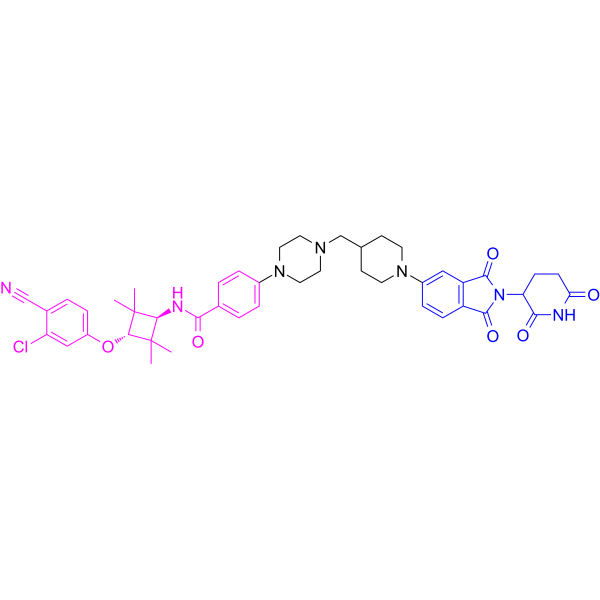
    LYA914 is an orally active AR/AR-V7 PROTAC degrader. LYA914 targets the proteolytic degradation of the conserved DNA binding domain (DBD) of the androgen receptor (AR). LYA914 exhibits potent antiproliferative effects in Enzalutamide (HY-70002)-insensitive/resistant cells. LYA914 inhibits tumor growth in VCaP/LNCaP tumor mouse models. LYA914 can be used to study castration-resistant prostate cancer (CRPC). (Pink: AR-DBD ligand-1: HY-175456, Blue: Thalidomide: HY-14658, Pink + Black: AR-DBD ligand-Linker Conjugate 1: HY-175457, Black: Boc-piperidine-oxopiperidin: HY-175458) .
    LYA914
  • HY-111848A

    SNIPERs PROTACs Androgen Receptor Cancer
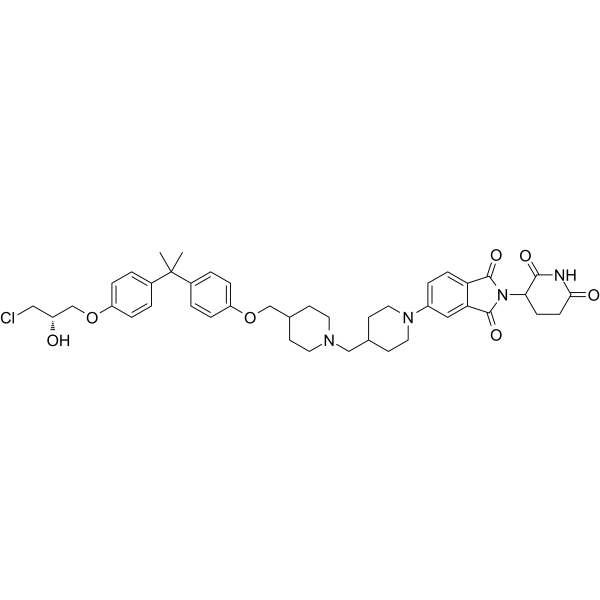
    PROTAC AR Degrader-4 comprises a IAP ligand binding group, a linker and an Androgen Receptor (AR) binding group. PROTAC AR Degrader-4 is an AR degrader. Degradation inducers based on cIAP1 are called specific and non-genetic IAP-dependent protein erasers (SNIPERs) .
    PROTAC AR Degrader-4 TFA
  • HY-111848

    SNIPERs PROTACs Androgen Receptor Cancer
    PROTAC AR Degrader-4 comprises a IAP ligand binding group, a linker and an Androgen Receptor (AR) binding group. PROTAC AR Degrader-4 is an AR degrader. Degradation inducers based on cIAP1 are called specific and non-genetic IAP-dependent protein erasers (SNIPERs) .
    PROTAC AR Degrader-4
  • HY-148777

    PROTACs Androgen Receptor Cancer
    A031 is a highly effective PROTAC androgen receptor (AR) degrader with an IC50 value less than 0.25 μM for AR protein degradation. A031 has an inhibitory effect on tumor growth in zebrafish with human prostate cancer (VCaP) .
    A031
  • HY-131388

    Ligands for Target Protein for PROTAC Cancer
    ABM-14 is a ligand for targeting androgen receptor (AR) for PROTAC. ABM-14 binds to a ligand for VHL via linker to form ARCC-4 (HY-130492) to degrade AR .
    ABM-14
  • HY-146397

    PROTACs Androgen Receptor Cancer
    TD-802 (Compound 33c) is an androgen receptor (AR) PROTAC degrader with good microsomal stability. TD-802 has good antitumor efficacy in vivo and can be used for metastatic castration-resistant prostate cancer research .
    TD-802
  • HY-157491

    PROTACs Androgen Receptor Epigenetic Reader Domain Cancer
    K2-B4-5e is a E3 ligase KLHDC2-based BRD4 and androgen receptor (AR) degradation PROTAC. K2-B4-5e is capable of inducing rapid and robust degradation of BET-family and AR proteins in cells .
    K2-B4-5e
  • HY-169387

    AUTOTACs Cancer
    YT 6-2-PEG3-C2-NH2 is the p62/SQSTM1 targeting, autophagy-targeting ligand-linker conjugate of AUTOTAC ATC-324 (HY-169385), which is an bivalent AR (Androgen Receptor) degrader. ATC-324 can reduce nuclear AR levels and downregulate target gene expression of AR and AR-v7, and also has a degradation effect on common AR mutants in PCa .
    YT 6-2-PEG3-C2-NH2
  • HY-70006A

    TOK-001 hydrochloride; VN-124-1 hydrochloride

    Molecular Glues Androgen Receptor MNK Cytochrome P450 Apoptosis Cancer
    Galeterone (TOK-001) hydrochloride is a potent, orally active molecular glue degrader, which degrades androgen receptor (AR) and its splice variants (AR-Vs) and MAP kinase-interacting serine/threonine protein kinase Mnk1/2. Galeterone hydrochloride also functions as a CYP17 inhibitor (IC50 = 47 nM). Galeterone hydrochloride induces cell apoptosis. Galeterone hydrochloride inhibits tumor growth in human prostate cancer xenograft mouse models. Galeterone hydrochloride can be used for castration resistant prostate cancer (CRPC) and pancreatic ductal adenocarcinoma (PDAC) research [1][2].
    Galeterone hydrochloride
  • HY-133046

    E3 Ligase Ligand-Linker Conjugates Cancer
    VHL Ligand-Linker Conjugates 17 incorporates a VHL ligand for the E3 ubiquitin ligase, and a PROTAC linker. VHL Ligand-Linker Conjugates 17 can be used in the synthesis of a series of PROTACs, such as ARD-266 (HY-133020). ARD-266 is a highly potent androgen receptor (AR) PROTAC degrader . VHL Ligand-Linker Conjugates 17 is a click chemistry reagent, it contains an Alkyne group and can undergo copper-catalyzed azide-alkyne cycloaddition (CuAAc) with molecules containing Azide groups.
    VHL Ligand-Linker Conjugates 17
  • HY-160221

    PROTACs Androgen Receptor Cancer
    PROTAC AR Degrader-7 (compound 99) is a PROTAC targeting androgen receptor with an IC50 value of 3 nM. PROTAC AR Degrader-7 is composed of PROTAC target protein ligand AR ligand-32 (HY-170303) (red part), E3 ligase ligand E3 ligase Ligand 44 (HY-170304) (blue part) and PROTAC Linker N-Boc-piperazine (HY-30105) (black part), among which the conjugate of E3 ubiquitin ligase ligand + Linker is E3 Ligase Ligand-linker Conjugate 145 (HY-170305) .
    PROTAC AR Degrader-7
  • HY-162764

    Androgen Receptor Cancer
    Androgen receptor degrader-5 (compound 14k) exhibits promising properties, including superior androgen receptor degradation activity and antiproliferative activity .
    Androgen receptor degrader-5
  • HY-177694

    PROTACs Androgen Receptor Cancer
    PROTAC AR Degrader-11 is a potent androgen receptor and androgen receptor splice variant-7 PROTAC degrader. PROTAC AR Degrader-11 shows potent cytotoxicity against both CWR22RV1 cells and VCaP cells. PROTAC AR Degrader-11 can be used in prostate cancer research . (Structure Note: Pink: Androgen Receptor ligand (HY-171809); Blue: CRBN ligand (HY-A0003); Black: linker (HY-169966))
    PROTAC AR Degrader-11
  • HY-171809

    Ligands for Target Protein for PROTAC Androgen Receptor Endocrinology
    AR ligand 42 is a androgen receptor ligand. AR ligand 42 can be used to synthesize androgen receptor PROTAC degrader ITRI-90 (HY-171808) .
    AR ligand 42
  • HY-170330

    Ligands for Target Protein for PROTAC Androgen Receptor Cancer
    AR ligand-33 is the ligand for androgen receptor, that can be used for synthesis of PROTAC AR Degrader-8 (HY-170329) as the target protein ligand .
    AR ligand-33
  • HY-156751

    (Rac)-RO7656594; PROTAC AR Degrader-6

    PROTACs Androgen Receptor Cancer
    (Rac)-GDC-2992 (Compound 1) is a PROTAC androgen receptor degrader (DC50: 10 nM in VCaP cell). (Rac)-GDC-2992 blocks the process of androgen receptor transduction and also degrades the receptor itself. (Rac)-GDC-2992 can be used for prostate cancer research. Pink: AR ligand (HY-130845); Blue: E3 ligase ligand (HY-W1003189); Black: linker (HY-169975) .
    (Rac)-GDC-2992
  • HY-176067

    Androgen Receptor Cancer
    LO-4-25 is a covalent degrader targeting the androgen receptor (AR) and its truncated variant AR-V7. LO-4-25 covalently binds to the E3 ubiquitin ligase CUL4 DCAF16, promoting the ubiquitination of AR and AR-V7, which subsequently are recognized and degraded by the proteasome, reducing the protein levels of AR and AR-V7 in cells. LO-4-25 is promising for research of androgen-independent prostate cancers .
    LO-4-25
  • HY-174377

    Androgen Receptor p38 MAPK Caspase Cytochrome P450 Calcium Channel Reactive Oxygen Species (ROS) Apoptosis Mitochondrial Metabolism GLUT Cancer

    PeS-9 is an Androgen Receptor (AR) degrader that induces androgen receptor degradation PeS-9 induces mitochondrial and ER stress by promoting cytotoxic ROS production, leading to the release of mitochondrial cytochrome C and AIF. PeS-9 subsequently activates caspases-9 and -3, causing DNA fragmentation and apoptotic cell death. PeS-9 has anticancer activity against prostate cancer and exerts in vivo antitumor and antimetastatic activity with minor side effects. PeS-9 can be used for the study of targeting monotherapy against GLUT-1-overexpressing tumors .

    PeS-9
  • HY-170448

    PROTACs Androgen Receptor Endocrinology
    PROTAC AR Degrader-9 (Compound c6) is a PROTAC degrader for androgen receptor, that degrades AR in human hair follicle papilla cells (HDPCs) with a DC50 of 262.38 nM. PROTAC AR Degrader-9 promotes the expressions of paracrine factors, such as TGF-β1 and β-catenin, exhibits hair regenerating efficacy in mouse models . (Pink: ligand for target protein AR ligand-38 (HY-170450); Black: linker; Blue: ligand for E3 ligase Cereblon (HY-170449))
    PROTAC AR Degrader-9

Inquiry Online

Your information is safe with us. * Required Fields.

Salutation


Country or Region *

Applicant Name *


Organization Name *

Department *


Email Address *


Product Name *

Cat. No.


Requested quantity *

Phone Number *


Remarks

Inquiry Online

Inquiry Information

Product Name:
Cat. No.:
Quantity:
MCE Japan Authorized Agent:

