Search Result
Results for "
Apoptosis assays
" in MedChemExpress (MCE) Product Catalog:
| Cat. No. |
상품명 |
Target |
연구분야 |
Chemical Structure |
-
- HY-13803
-
|
EPZ-6438; E-7438
|
Histone Methyltransferase
Apoptosis
|
Cancer
|
|
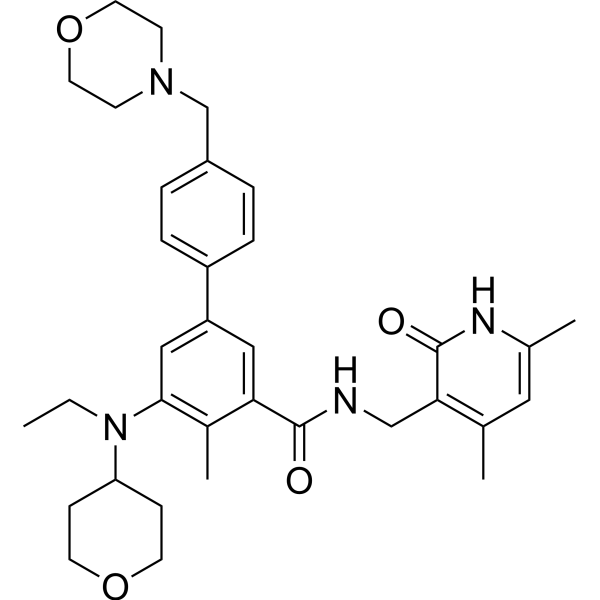
Tazemetostat (EPZ-6438) is a potent, selective and orally available EZH2 inhibitor. Tazemetostat inhibits the activity of human polycomb repressive complex 2 (PRC2)-containing wild-type EZH2 with a Ki value of 2.5 nM. Tazemetostat inhibits EZH2 with IC50s of 11 and 16 nM in peptide assay and nucleosome assay, respectively. Tazemetostat inhibits rat EZH2 with an IC50 of 4 nM. Tazemetostat also inhibits EZH1 with an IC50 of 392 nM. Tazemetostat induces apoptosis and differentiation specifically in SMARCB1-deleted MRT cells .
|
-
-
- HY-15924
-
|
MTT; Thiazolyl Blue Tetrazolium bromide; Methylthiazolyldiphenyl-tetrazolium bromide
|
Fluorescent Dye
|
Others
|
|
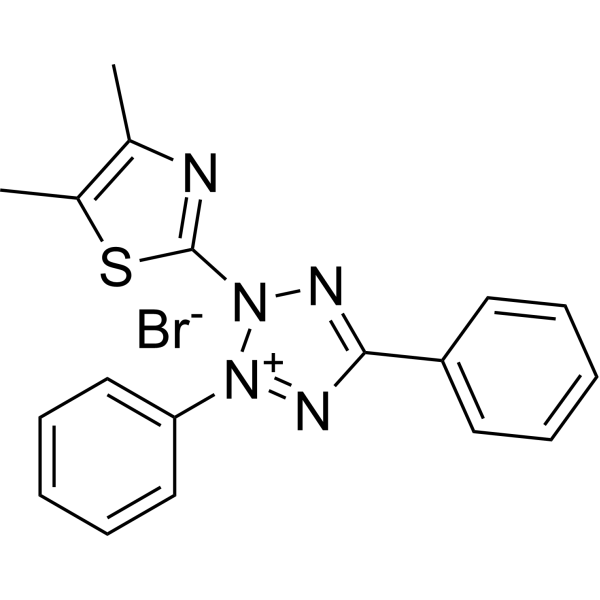
Thiazolyl Blue (MTT) is a cell-permeable and positively charged tetrazolium dye that is used to detect reductive metabolism in cells. Thiazolyl Blue is taken up by cells through the plasma membrane and then reduced to formazan by intracellular NAD (P) H-oxidoreductases. Thiazolyl Blue is frequently used in colorimetric assays to measure cell proliferation, cytotoxicity, and apoptosis .
|
-
-
- HY-18950
-
-
-
- HY-10127
-
|
AZD1152
|
Aurora Kinase
Apoptosis
|
Cancer
|
|
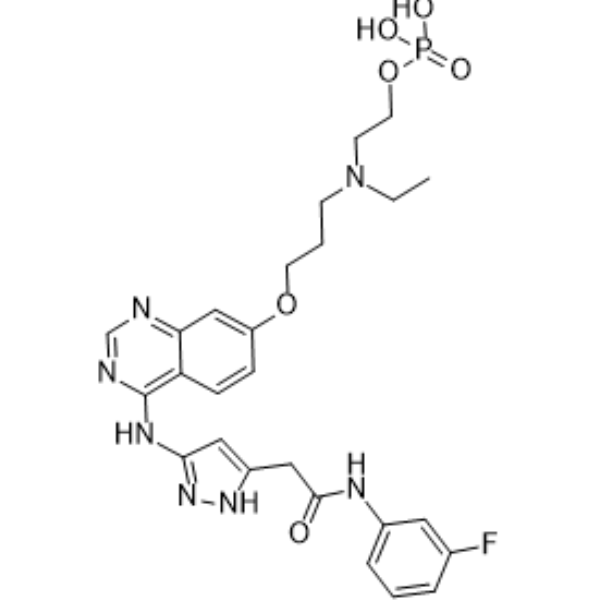
Barasertib (AZD1152), a pro-drug of Barasertib-hQPA, is a highly selective Aurora B inhibitor with an IC50 of 0.37 nM in a cell-free assay. Barasertib (AZD1152) induces growth arrest and apoptosis in cancer cells .
|
-
-
- HY-W004520
-
|
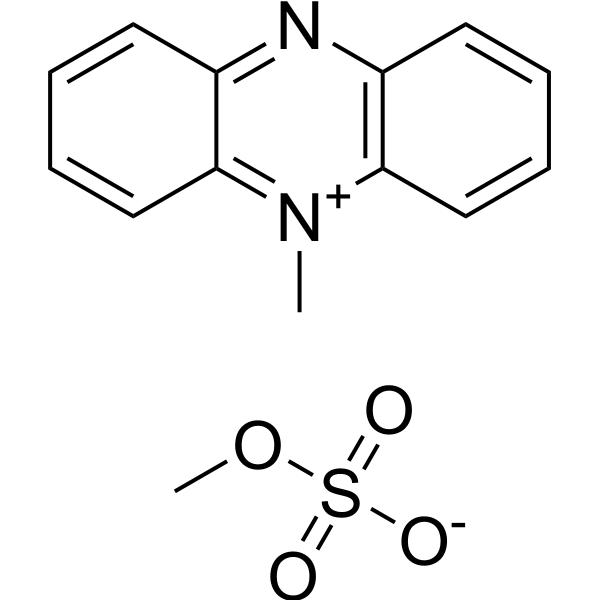
5-Methylphenazinium methylsulfate
|
Bacterial
Antibiotic
Apoptosis
|
Cancer
|
|
Phenazine methylsulfate is a free radical generator that can act as an electron transfer reactant in cell viability assays. It also has insecticidal properties. Furthermore, Phenazine methylsulfate induces oxidative DNA damage and cell apoptosis, showing antitumor activity .
|
-
-
- HY-134238
-
-
-
- HY-10126
-
|
AZD2811; INH-34; AZD1152-HQPA
|
Aurora Kinase
Apoptosis
|
Cancer
|
|
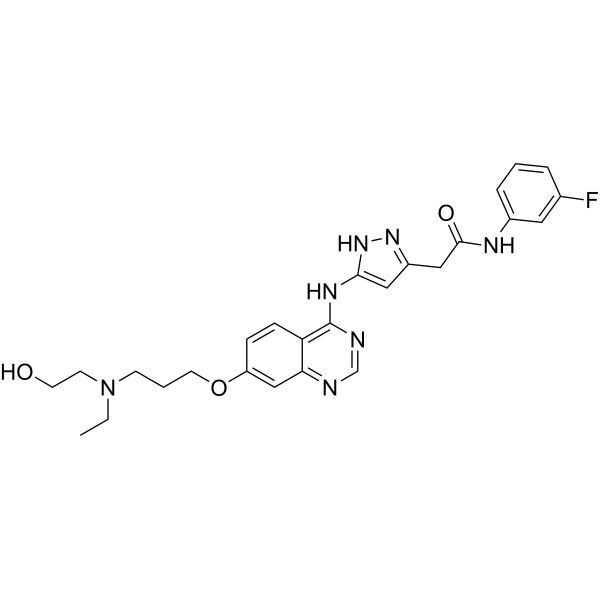
Barasertib-HQPA (AZD2811) is a highly selective Aurora B inhibitor with an IC50 of 0.37 nM in a cell-free assay. Barasertib-HQPA (AZD2811) induces growth arrest and apoptosis in cancer cells .
|
-
-
- HY-16701
-
|
|
IAP
|
Cancer
|
|
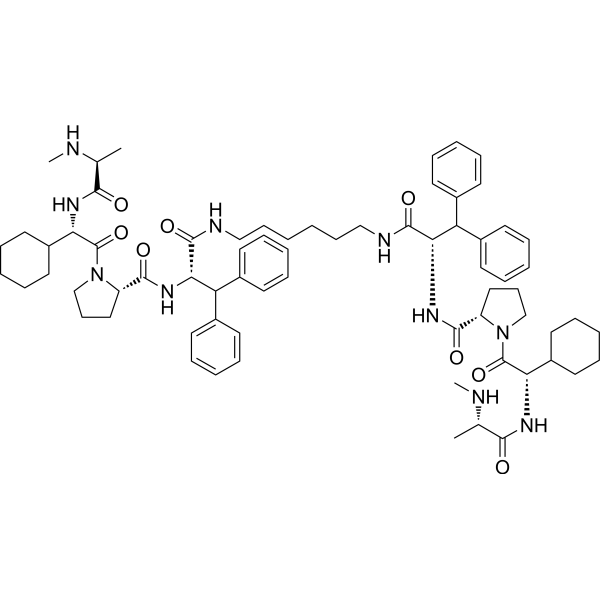
BV6 is an antagonist of cIAP1 and XIAP, members of the inhibitors of apoptosis (IAP) family. BV6 shows an IC50 of 7.2 μM in MTS assays in HCC193 cells. BV6 can be used in the research of endometrial cancer and endometriosis .
|
-
-
- HY-122611A
-
|
|
Androgen Receptor
Apoptosis
|
Cancer
|
|
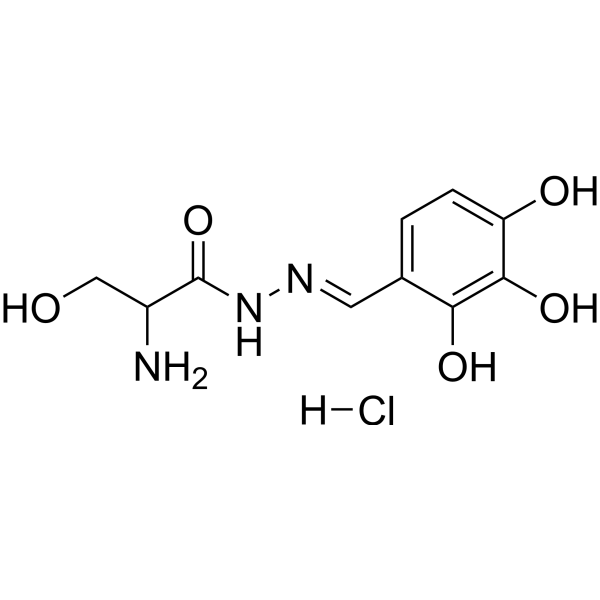
CSRM617 hydrochloride is a selective small-molecule inhibitor of the transcription factor ONECUT2 (OC2, a master regulator of androgen receptor) with a Kd of 7.43 uM in SPR assays, binding to OC2-HOX domain directly. CSRM617 hydrochloride induces apoptosis by appearance of cleaved Caspase-3 and PARP. CSRM617 hydrochloride is well tolerated in the prostate cancer mouse model
|
-
-
- HY-13208
-
|
AT-406 hydrochloride; Debio 1143 hydrochloride; SM-406 hydrochloride
|
IAP
Apoptosis
|
Cancer
|
|
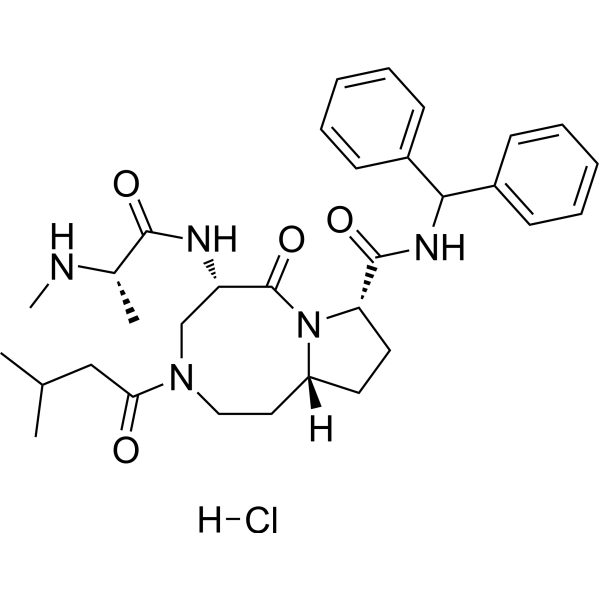
Xevinapant (AT-406) hydrochloride is a potent and orally bioavailable Smac mimetic and an antagonist of the inhibitor of apoptosis proteins (IAPs). Xevinapant hydrochloride binds to XIAP, cIAP1, and cIAP2 proteins with Kis of 66.4, 1.9, and 5.1 nM, respectively. Xevinapant hydrochloride effectively antagonizes XIAP BIR3 protein in a cell-free functional assay, induces rapid degradation of cellular cIAP1 protein, and inhibits cancer cell growth in various human cancer cell lines. Xevinapant hydrochloride is highly effective in induction of apoptosis in xenograft tumors .
|
-
-
- HY-119264
-
|
|
Molecular Glues
Ras
Apoptosis
HIF/HIF Prolyl-Hydroxylase
|
Cancer
|
|
PRLX-93936 is a molecular Glues that binds to and reprograms the TRIM21 ubiquitin ligase to degrade nuclear pore complexes. PRLX-93936 binds to TRIM21, forms a ternary complex with TRIM21 and NUP98, and mediates the ubiquitination and proteasomal degradation of NUP98 and other nuclear pore complex proteins. PRLX-93936 induces the loss of short-lived cytoplasmic mRNA transcripts, triggers cancer cell apoptosis (Apoptosis), and inhibits the activated Ras pathway. PRLX-93936 inhibits HIF-1 under hypoxic conditions (IC50 = 0.09 μM in cell-based reporter gene assay). PRLX-93936 suppresses tumor growth in mouse models and improves survival rates in mouse models of multiple myeloma. PRLX-93936 is applicable to research related to pancreatic cancer and multiple myeloma .
|
-

-
- HY-10037
-
|
MK-591
|
FLAP
Apoptosis
|
Inflammation/Immunology
|
|
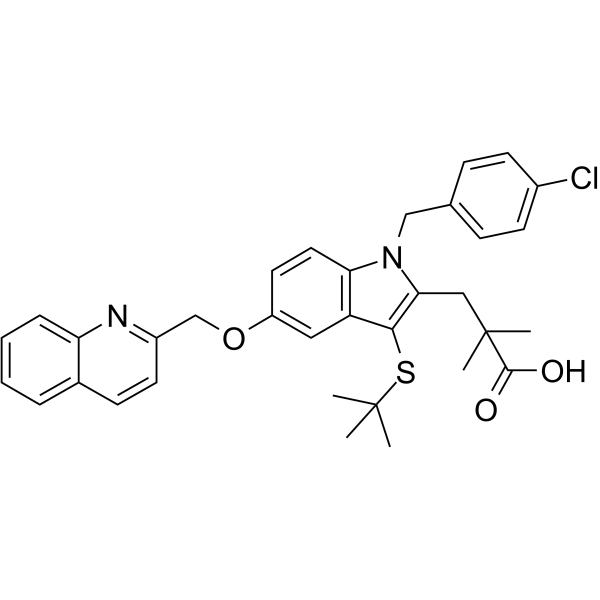
Quiflapon (MK-591) is a selective and specific 5-lipoxygenase-activating protein (FLAP) inhibitor with an IC50 of 1.6 nM in a FLAP binding assay. Quiflapon is also a potent and orally active Leukotriene biosynthesis (LT) inhibitor, shows IC50 values of 3.1 and 6.1 nM in intact human and elicited rat PMNLs, respectively. Quiflapon induces cell apoptosis .
|
-
-
- HY-N2078
-
|
Neodiosgenin
|
LXR
Reactive Oxygen Species (ROS)
Apoptosis
Fatty Acid Synthase (FASN)
|
Metabolic Disease
|
|
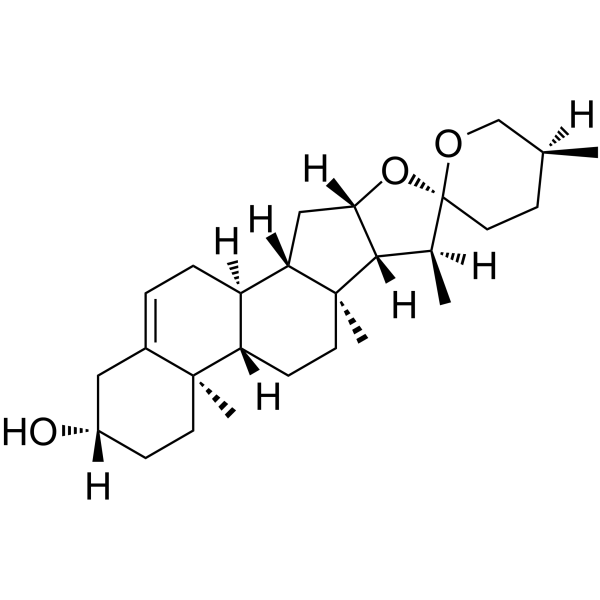
Yamogenin (Neodiosgenin) is a diastereomer of diosgenin. Yamogenin antagonizes the activation of the liver X receptor (LXR) in luciferase ligand assay. Yamogenin inhibits triacylglyceride (TG) accumulation through the suppression of gene expression of fatty acid synthesis in HepG2 hepatocytes. Yamogenin is a steroidal saponin that can be obtained from plant species with in vitro cytotoxicity, antioxidant, and antimicrobial properties. Yamogenin induces cell death via the extrinsic and intrinsic way of apoptosis. Yamogenin inhibits protein denaturation with an IC50 of 1421.92 μg/mL. Yamogenin can be studied in research on gastric cancer .
|
-
-
- HY-N2127
-
-
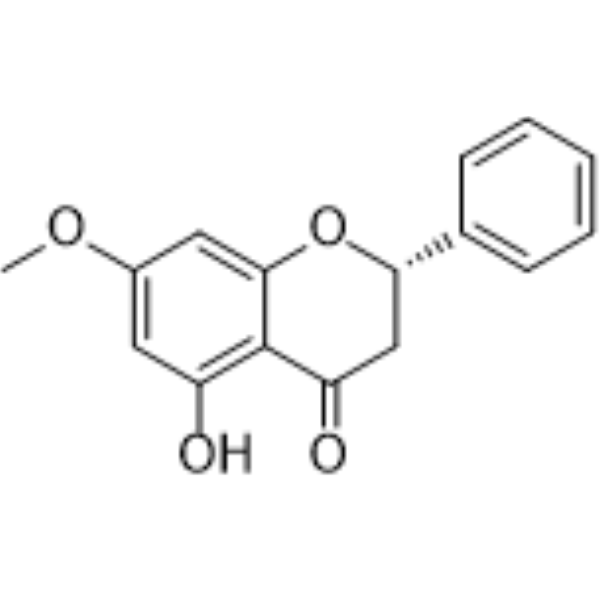
-
- HY-13803R
-
|
EPZ-6438 (Standard); E-7438 (Standard)
|
Reference Standards
Histone Methyltransferase
Apoptosis
|
Cancer
|
|
Tazemetostat (Standard) is the analytical standard of Tazemetostat. This product is intended for research and analytical applications. Tazemetostat (EPZ-6438) is a potent, selective and orally available EZH2 inhibitor. Tazemetostat inhibits the activity of human polycomb repressive complex 2 (PRC2)-containing wild-type EZH2 with a Ki value of 2.5 nM. Tazemetostat inhibits EZH2 with IC50s of 11 and 16 nM in peptide assay and nucleosome assay, respectively. Tazemetostat inhibits rat EZH2 with an IC50 of 4 nM. Tazemetostat also inhibits EZH1 with an IC50 of 392 nM. Tazemetostat induces apoptosis and differentiation specifically in SMARCB1-deleted MRT cells .
|
-

-
- HY-16999
-
|
|
MDM-2/p53
E1/E2/E3 Enzyme
Apoptosis
|
Cancer
|
|
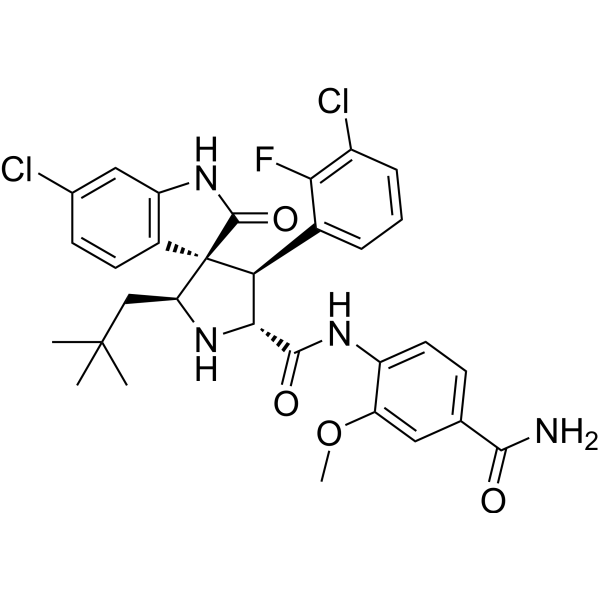
RO8994 (Compound 4) is an orally active, highly potent and selective spiroindolinone p53-MDM2 inhibitor with an IC50 value of 5 nM (HTRF binding assays) and 20 nM (MTT proliferation assays). RO8994 induces up-regulation of p53 expression and Apoptosis in wild-type p53 cancer cells. RO8994 also inhibits tumor growth in the tumor xenograft model .
|
-
-
- HY-119264A
-
|
|
Molecular Glues
Apoptosis
Ras
HIF/HIF Prolyl-Hydroxylase
|
Cancer
|
|
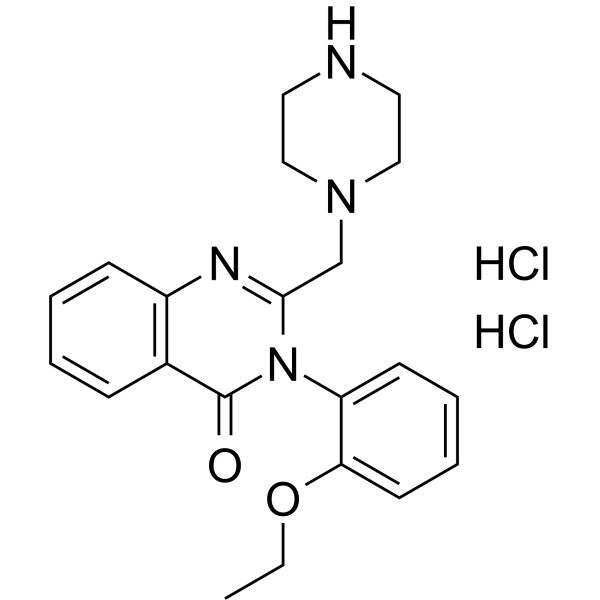
PRLX-93936 dihydrochloride is a molecular Glues that binds to and reprograms the TRIM21 ubiquitin ligase to degrade nuclear pore complexes. PRLX-93936 dihydrochloride binds to TRIM21, forms a ternary complex with TRIM21 and NUP98, and mediates the ubiquitination and proteasomal degradation of NUP98 and other nuclear pore complex proteins. PRLX-93936 dihydrochloride induces the loss of short-lived cytoplasmic mRNA transcripts, triggers cancer cell apoptosis (Apoptosis), and inhibits the activated Ras pathway. PRLX-93936 dihydrochloride inhibits HIF-1 under hypoxic conditions (IC50 = 0.09 μM in cell-based reporter gene assay). PRLX-93936 dihydrochloride suppresses tumor growth in mouse models and improves survival rates in mouse models of multiple myeloma. PRLX-93936 dihydrochloride is applicable to research related to pancreatic cancer and multiple myeloma .
|
-
-
- HY-139702
-
|
|
Integrin
Apoptosis
Caspase
|
Cancer
|
|
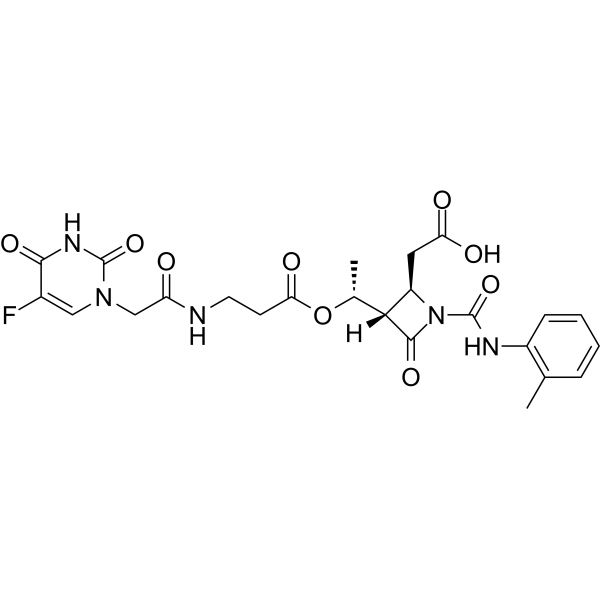
α5β1 integrin agonist-1 is an α5β1 integrin agonist, with an EC50 of 1.5 nM. α5β1 integrin agonist-1 inhabits α4β1 integrin (IC50 = 2.99 μM) in Jurkat/VCAM-1 adhesion assayα5β1 integrin agonist-1 induces concentration-dependent apoptosis and activates the caspase 3/7 pathway in α5β1 integrin-expressing K562 cancer cells. α5β1 integrin agonist-1 can be used for the study of cancer .
|
-
-
- HY-10515
-
|
|
PDK-1
|
Cancer
|
|
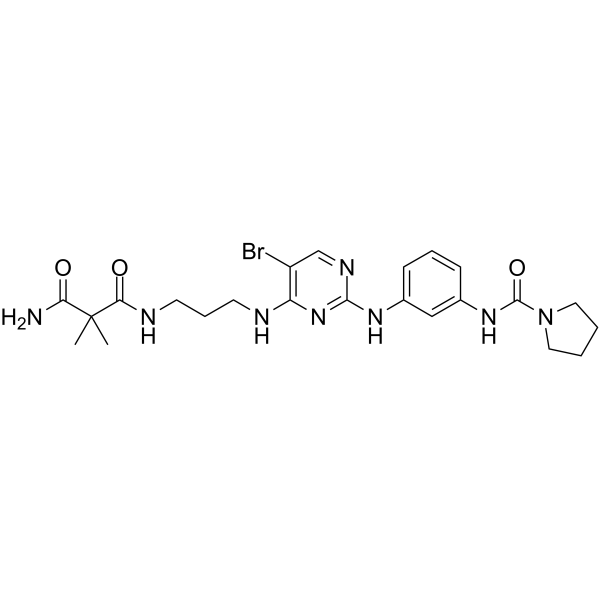
BX-320 is a selective, ATP-competitive, orally acitive, and direct PDK1 inhibitor with an IC50 of 30 nM in a direct kinase assay format. BX-320 also induces apoptosis. Anticancer effect .
|
-
-
- HY-10127A
-
|
AZD1152 dihydrochloride
|
Aurora Kinase
Apoptosis
|
Cancer
|
|
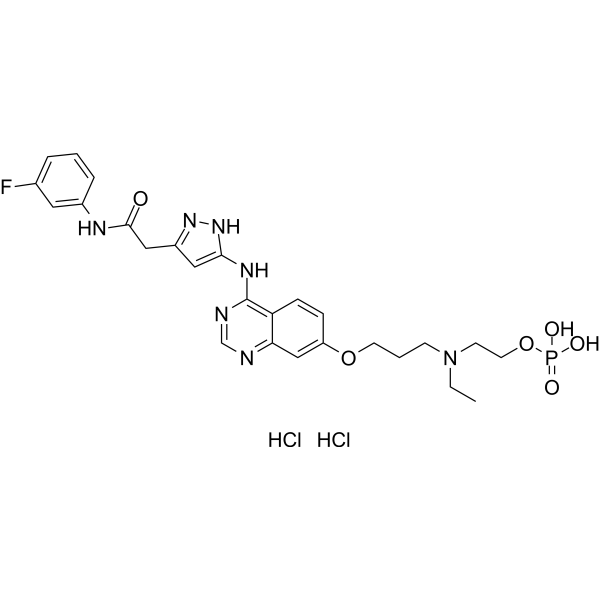
Barasertib (AZD1152 dihydrochloride), a pro-drug of Barasertib-hQPA, is a highly selective Aurora B inhibitor with an IC50 of 0.37 nM in a cell-free assay. Barasertib (AZD1152 dihydrochloride) induces growth arrest and apoptosis in cancer cells .
|
-
-
- HY-122611
-
|
|
Androgen Receptor
Apoptosis
|
Cancer
|
|
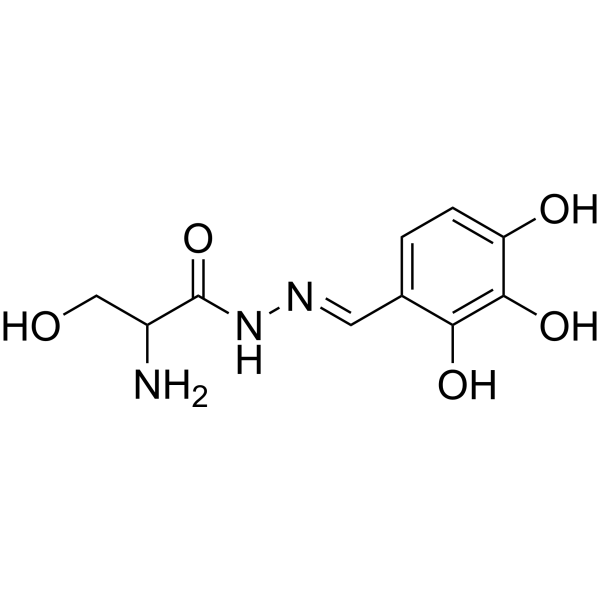
CSRM617 is a selective small-molecule inhibitor of the transcription factor ONECUT2 (OC2, a master regulator of androgen receptor) with a Kd of 7.43 uM in SPR assays, binding to OC2-HOX domain directly. CSRM617 induces apoptosis by appearance of cleaved Caspase-3 and PARP. CSRM617 is well tolerated in the prostate cancer mouse model
|
-
-
- HY-125209A
-
|
|
Apoptosis
PARP
DNA/RNA Synthesis
|
Cancer
|
|
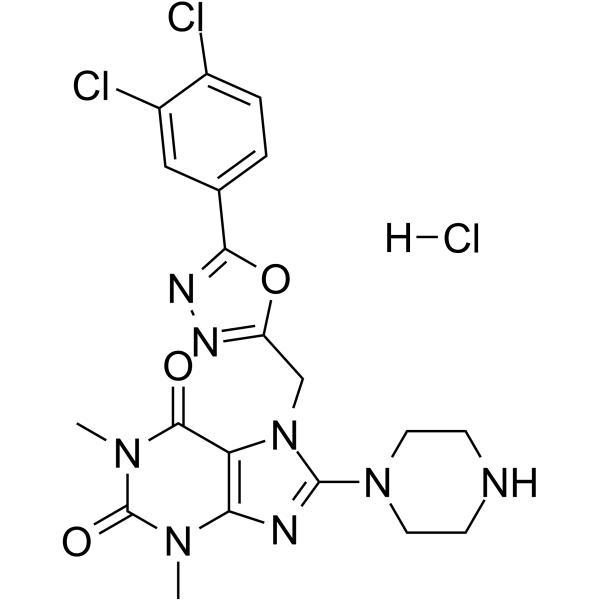
TH5427 hydrochloride is a NUDT5 inhibitor with a human target IC50 of 29 nM, ~690-fold selectivity over MTH1 in vitro, and selective functional inhibition over other NUDIX hydrolases including NUDT9 .TH5427 hydrochloride binds to the active site of NUDT5, blocking enzymatic activity related to ADP-ribose metabolism and PAR-derived ATP synthesis .TH5427 hydrochloride blocks progestin-dependent nuclear ATP synthesis, impairs progestin-induced chromatin remodeling, inhibits histone H1 displacement, disrupts progestin-dependent gene regulation, and abrogates progestin-dependent proliferation in breast cancer cells .TH5427 hydrochloride functions as a versatile probe to study nuclear ATP dynamics and ADP-ribose-related metabolism in cells .TH5427 hydrochloride engages NUDT5 at physiological temperatures, as demonstrated by Drug Affinity Responsive Target Stability (DARTS) assay .TH5427 hydrochloride stabilizes NUDT5 against thermal denaturation in cell lysates and intact cells, as shown by cellular thermal shift assay (CETSA) .TH5427 hydrochloride functionally inhibits NUDT5 activity, leading to downstream effects on oxidative DNA damage and DNA replication in triple-negative breast cancer (TNBC) cells .TH5427 hydrochloride suppresses proliferation of TNBC cells without inducing cell death or apoptosis, slows DNA replication in TNBC cells, promotes accumulation of oxidative DNA lesions, and triggers DNA damage response in TNBC cells .TH5427 hydrochloride suppresses growth of TNBC cells in vitro, inhibits growth of TNBC xenograft tumors in nude mice in vivo, and shows greater potency against TNBC cell lines compared to ER-positive and normal-like breast cell lines .TH5427 hydrochloride can be used for the research of breast cancer and triple-negative breast cancer .
|
-
-
- HY-179023
-
|
|
CDK
Apoptosis
Reactive Oxygen Species (ROS)
Caspase
Bcl-2 Family
c-Myc
IAP
|
Cancer
|
|
CDK9-IN-45 (Compound B11) is a highly selective CDK9 inhibitor with IC50 values for CDK9 and CDK1 of 7.13 and 489.5 nM respectively. CDK9-IN-45 exhibits a potent inhibitory effect on colorectal cancer cells. CDK9-IN-45 induces cell apoptosis and leads to significant accumulation of ROS. CDK9-IN-45 activates Caspase-3, downregulates Mcl-1, XIAP, and c-Myc. CDK9-IN-45 can be used for research on colorectal cancer .
|
-

-
- HY-16701A
-
|
|
IAP
|
Cancer
|
|
BV6 TFA is an antagonist of cIAP1 and XIAP, members of the inhibitors of apoptosis (IAP) family. BV6 TFA shows an IC50 of 7.2 μM in MTS assays in HCC193 cells. BV6 TFA can be used in the research of endometrial cancer and endometriosis .
|
-

-
- HY-138831
-
|
|
HDAC
Apoptosis
|
Cancer
|
|
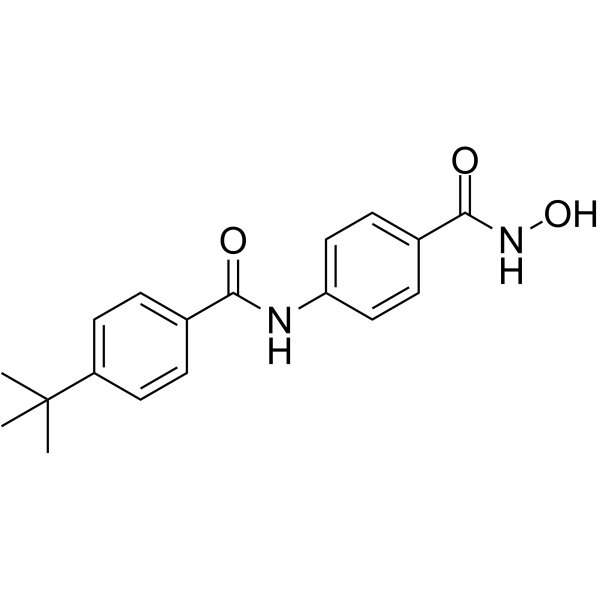
AES-350 is a potent and orally active HDAC6 inhibitor with an IC50 and a Ki of 0.0244 μM and 0.035 μM, respectively. AES-350 is also against HDAC3, HDAC8 in an enzymatic activity assay with IC50 values of 0.187 μM and 0.245 μM, respectively. AES-350 triggers apoptosis in AML cells through HDAC inhibition and can be used for acute myeloid leukemia (AML) research .
|
-
-
- HY-178150
-
|
|
Wee1
|
Cancer
|
|
WEE1-IN-14 (Compound 14) is a selective WEE1 inhibitor (IC50: 0.5 nM in L-RB-FEP calculations, 1.0 nM in ADP-Glo kinase assay). Inhibition of Wee1 in cancer cells disrupts the G2-M checkpoint, removes the regulatory controls on the cell cycle, and leads to early onset of mitotic failure followed by apoptosis of tumor cells. Therefore, WEE1-IN-14 is a useful tool for studying cancer biology .
|
-

-
- HY-123244
-
|
|
Bcl-2 Family
Apoptosis
|
Cancer
|
|
YC137 is a potent Bcl-2 antagonist with Kis of 1.3 μM and >100 μM for Bcl-2 and Bcl-xL when assayed in Bis-Tris buffer, respectively. YC137 inhibits the binding of the Bid BH3 peptide to Bcl-2, thus disrupting an interaction essential for the antiapoptotic activity of Bcl-2. YC137 selectively induces apoptosis of Bcl-2-dependent cells. YC137 has the potential for breast cancer research .
|
-

-
- HY-162360
-
|
|
Apoptosis
EGFR
Caspase
Bcl-2 Family
|
Cancer
|
|
EGFR-IN-109 (compound 4) is an EGFR inhibitor, with the IC50 values of 25.8 and 182.3 nM for EGFR WT and EGFR T790M, respectively. EGFR-IN-109 arrests the cancer cells’ growth at the G2/M phase and induces both early and late apoptosis. EGFR-IN-109 can be used in cancer research .
|
-
-
- HY-145499
-
|
|
Fluorescent Dye
|
Others
|
|
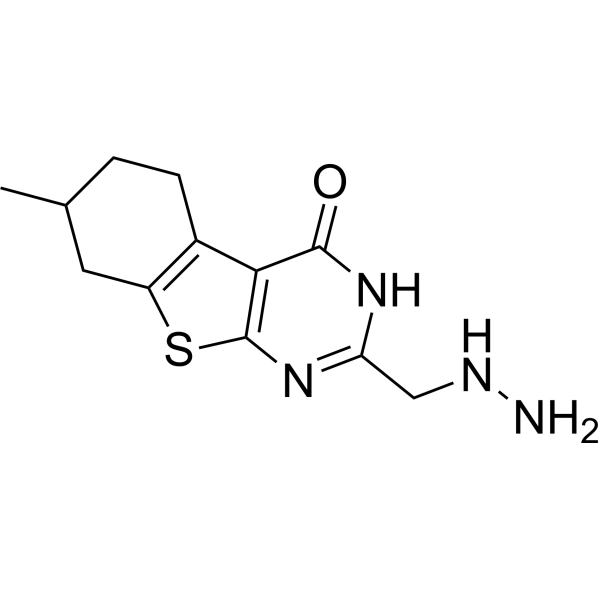
XTT is a cell-impermeable, negatively charged tetrazolium dye that produces a water-soluble formazan when reduced at the cell surface by cellular-derived NADH and an electron mediator. It is frequently used in colorimetric assays to measure cell proliferation, cytotoxicity, and apoptosis.
|
-

-
- HY-149005
-
|
|
Histone Methyltransferase
|
Cancer
|
|
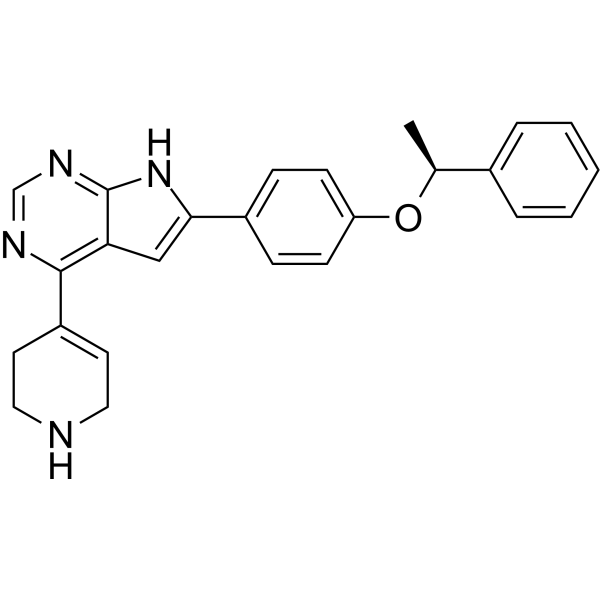
PRMT5-IN-19 (Compound 41) is an selective orally active non-nucleoside PRMT5 inhibitor with IC50 values of 23.9 nM (radioactive biochemical assay) and 47 nM (AlphaLISA assay). PRMT5-IN-19 can occupy the SAM-binding pocket in PRMT5 and block methyltransferase activity, which displays good selectivity over other PRMTs and PKMTs. PRMT5-IN-19 inhibits cell proliferation by inducing cell apoptosis, and can be used for cancer-related research .
|
-
-
- HY-10127R
-
|
AZD1152 (Standard)
|
Reference Standards
Aurora Kinase
Apoptosis
|
Cancer
|
|
Barasertib (Standard) is the analytical standard of Barasertib. This product is intended for research and analytical applications. Barasertib (AZD1152), a pro-drug of Barasertib-hQPA, is a highly selective Aurora B inhibitor with an IC50 of 0.37 nM in a cell-free assay. Barasertib (AZD1152) induces growth arrest and apoptosis in cancer cells .
|
-

-
- HY-W004520R
-
|
5-Methylphenazinium methylsulfate (Standard)
|
Reference Standards
Bacterial
Antibiotic
Apoptosis
|
Cancer
|
|
Phenazine (methylsulfate) (Standard) is the analytical standard of Phenazine (methylsulfate). This product is intended for research and analytical applications. Phenazine methylsulfate is a free radical generator that can act as an electron transfer reactant in cell viability assays. It also has insecticidal properties. Furthermore, Phenazine methylsulfate induces oxidative DNA damage and cell apoptosis, showing antitumor activity[1][2][3].
|
-

-
- HY-151968
-
|
|
Ras
|
Cancer
|
|
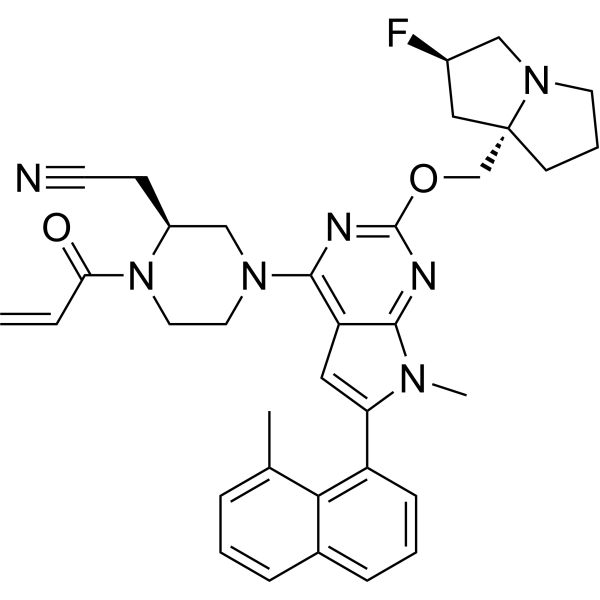
KRAS G12C inhibitor 57 (Compound 50) is a potent, selective, covalent and orally active KRAS G12C inhibitor with an IC50 of 0.21 μM in KRAS G12C/SOS1 binding assay. KRAS G12C inhibitor 57 induces cancer cell apoptosis .
|
-
-
- HY-168164
-
|
|
Histone Methyltransferase
|
Cancer
|
|
4-Methoxycinnamyl alcohol is an anticancer compound with cytotoxic activity against MCF-7, HeLa, and DU145 cancer cell lines with IC50 values of 14.24, 7.82, and 22.10 μg/mL, respectively. 4-Methoxycinnamyl alcohol showed the ability to induce cell necrosis, rather than apoptosis, after a 48-hour DNA fragmentation assay. 4-Methoxycinnamyl alcohol was isolated from Foeniculum vulgare .
|
-

-
- HY-122611R
-
|
|
Reference Standards
Androgen Receptor
Apoptosis
|
Cancer
|
|
CSRM617 (Standard) is the analytical standard of CSRM617. This product is intended for research and analytical applications. CSRM617 is a selective small-molecule inhibitor of the transcription factor ONECUT2 (OC2, a master regulator of androgen receptor) with a Kd of 7.43 uM in SPR assays, binding to OC2-HOX domain directly. CSRM617 induces apoptosis by appearance of cleaved Caspase-3 and PARP. CSRM617 is well tolerated in the prostate cancer mouse model
|
-

-
- HY-10037R
-
|
MK-591 (Standard)
|
Reference Standards
FLAP
Apoptosis
|
Inflammation/Immunology
|
|
Quiflapon (Standard) is the analytical standard of Quiflapon. This product is intended for research and analytical applications. Quiflapon (MK-591) is a selective and specific 5-lipoxygenase-activating protein (FLAP) inhibitor with an IC50?of 1.6 nM in a FLAP binding assay. Quiflapon is also a potent and orally active?Leukotriene biosynthesis (LT)?inhibitor, shows IC50?values of 3.1 and 6.1 nM in intact human and elicited rat PMNLs, respectively. Quiflapon induces cell apoptosis .
|
-

-
- HY-N1486R
-
|
3-Ketoursolic acid (Standard)
|
Reference Standards
Apoptosis
Endogenous Metabolite
NF-κB
|
Inflammation/Immunology
Cancer
|
|
CSRM617 (Standard) is the analytical standard of CSRM617. This product is intended for research and analytical applications. CSRM617 is a selective small-molecule inhibitor of the transcription factor ONECUT2 (OC2, a master regulator of androgen receptor) with a Kd of 7.43 uM in SPR assays, binding to OC2-HOX domain directly. CSRM617 induces apoptosis by appearance of cleaved Caspase-3 and PARP. CSRM617 is well tolerated in the prostate cancer mouse model
|
-

-
- HY-162103
-
|
|
TAM Receptor
Apoptosis
|
Cancer
|
|
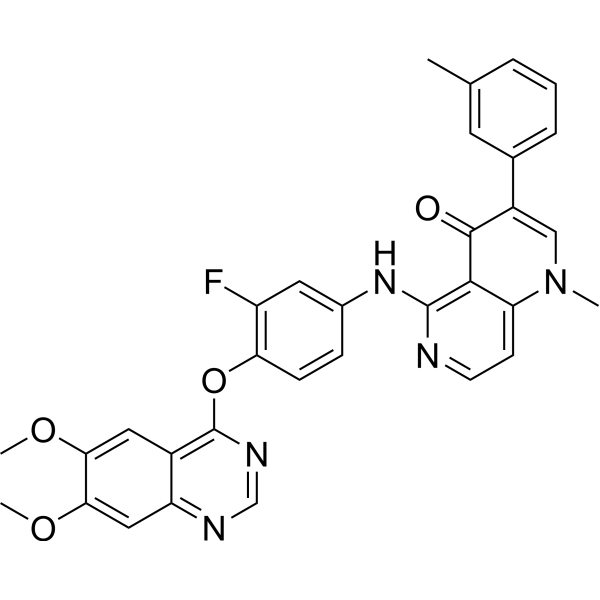
Axl-IN-18 (compound 25c) is a potent and selective type II AXL inhibitor. Axl-IN-18 shows excellent AXL inhibitory activity (IC50=1.1 nM) and 343-fold selectivity over the highly homologous kinase MET in biochemical assays (IC50=377 nM). Axl-IN-18 significantly inhibits AXL-driven cell proliferation, dose-dependently suppresses 4T1 cell migration and invasion, and induces apoptosis. Axl-IN-18 shows noticeable antitumor efficacy in a BaF3/TEL-AXL xenograft model .
|
-
-
- HY-N2078R
-
|
Neodiosgenin (Standard)
|
Reference Standards
LXR
Apoptosis
Fatty Acid Synthase (FASN)
Reactive Oxygen Species (ROS)
|
Metabolic Disease
|
|
Yamogenin (Standard) is the analytical standard of Yamogenin. This product is intended for research and analytical applications. Yamogenin (Neodiosgenin) is a diastereomer of diosgenin. Yamogenin antagonizes the activation of the liver X receptor (LXR) in luciferase ligand assay. Yamogenin inhibits triacylglyceride (TG) accumulation through the suppression of gene expression of fatty acid synthesis in HepG2 hepatocytes. Yamogenin is a steroidal saponin that can be obtained from plant species with in vitro cytotoxicity, antioxidant, and antimicrobial properties. Yamogenin induces cell death via the extrinsic and intrinsic way of apoptosis. Yamogenin inhibits protein denaturation with an IC50 of 1421.92 μg/mL. Yamogenin can be studied in research on gastric cancer .
|
-

-
- HY-143435
-
|
|
Apoptosis
|
Cancer
|
|
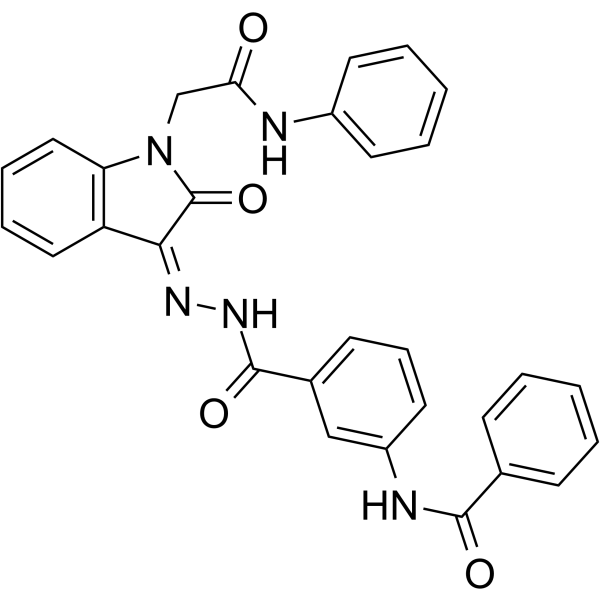
AG6033 is a potential novel CRBN modulator. AG6033 suppresses various tumor cells by modulating the interactions between CRBN and various antitumor target proteins. AG6033 can cause GSPT1 and IKZF1 degradation. AG6033 induces CRBN-dependent cytotoxic effect .
|
-
-
- HY-N8501
-
|
|
Bacterial
|
Infection
|
|
Emestrin is a mycotoxin originally isolated from E. striata that has antimicrobial, immunomodulatory, and cytotoxic activities. It is active against the fungi C. albicans and C. neoformans, as well as the bacteria E. coli, S. aureus, and methicillin-resistant S. aureus (MRSA; IC50s=3.94, 0.6, 2.21, 4.55, and 2.21 μg/mL, respectively).2 Emestrin is a chemokine (C-C motif) receptor 2 (CCR2) antagonist (IC50=5.4 μM in a radioligand binding assay using isolated human monocytes).3 Emestrin (0.1 μg/mL) induces apoptosis in HL-60 cells. It induces heart, thymus, and liver tissue necrosis in mice when administered at doses ranging from 18 to 30 mg/kg.
|
-

-
- HY-147514
-
|
|
Apoptosis
Caspase
PARP
Bcl-2 Family
|
Cancer
|
|
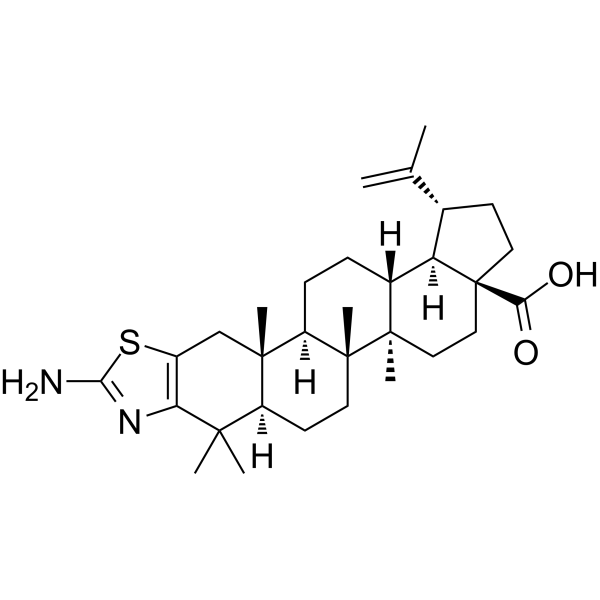
Anticancer agent 64 (compound 5m) shows cytotoxic activity in CCRF-CEM cells, with IC50 of 2.4 μM. Anticancer agent 64 shows good anticancer activity through apoptosis induction. Anticancer agent 64 induces caspase 3 and 7 activation and PARP cleavage. Anticancer agent 64 induces significant effect of mitochondria depolarization .
|
-
-
- HY-183960
-
|
|
ASK1
|
Metabolic Disease
Inflammation/Immunology
Cancer
|
|
BPyO-34 is a selective inhibitor of apoptosis signal-regulating kinase 1 (ASK1), with an IC50 of 0.52 μM against human targets. BPyO-34 inhibits the activity of ASK1 in in vitro kinase assays. BPyO-34 can be used in research related to various diseases such as diabetes and cancer .
|
-

-
- HY-10126R
-
|
AZD2811 (Standard); INH-34 (Standard); AZD1152-HQPA (Standard)
|
Aurora Kinase
Reference Standards
Apoptosis
|
Cancer
|
|
Barasertib-HQPA (Standard) is the analytical standard of Barasertib-HQPA (HY-10126). This product is intended for research and analytical applications. Barasertib-HQPA (AZD2811) is a highly selective Aurora B inhibitor with an IC50 of 0.37 nM in a cell-free assay. Barasertib-HQPA (AZD2811) induces growth arrest and apoptosis in cancer cells .
|
-

-
- HY-DY1086
-
|
MTT (solution); Thiazolyl Blue Tetrazolium bromide (solution); Methylthiazolyldiphenyl-tetrazolium bromide (solution)
|
Fluorescent Dye
|
Others
|
Thiazolyl Blue (solution) (MTT (solution)) is a cell-permeable and positively charged tetrazolium dye that is used to detect reductive metabolism in cells. Thiazolyl Blue is taken up by cells through the plasma membrane and then reduced to formazan by intracellular NAD (P) H-oxidoreductases. Thiazolyl Blue is frequently used in colorimetric assays to measure cell proliferation, cytotoxicity, and apoptosis .
Solvent and concentration: PBS: 5 mg/mL
|
-

-
- HY-181009
-
|
|
HDAC
Apoptosis
Autophagy
|
Cancer
|
|
HDAC-IN-98 is a HDAC1, HDAC2, HDAC3 inhibitor (one of the most selective class I HDAC inhibitors) with human IC50 values of 41.2 nM, 52.5 nM, and 74.3 nM respectively. HDAC-IN-98 induces H3K9 acetylation, p21 upregulation, G2/M arrest, cell apoptosis, has strong antiproliferative effects in colorectal cancer cells, low toxicity in healthy colon epithelium, modulates short-term in vitro effects via autophagy, and shows strong antitumor efficacy in vivo in the chorioallantoic membrane model (CAM) assay. HDAC-IN-98 can be used for the research of colorectal cancer .
|
-

-
- HY-15924
-
|
MTT; Thiazolyl Blue Tetrazolium bromide; Methylthiazolyldiphenyl-tetrazolium bromide
|
Fluorescent Dyes
|
|
Thiazolyl Blue (MTT) is a cell-permeable and positively charged tetrazolium dye that is used to detect reductive metabolism in cells. Thiazolyl Blue is taken up by cells through the plasma membrane and then reduced to formazan by intracellular NAD (P) H-oxidoreductases. Thiazolyl Blue is frequently used in colorimetric assays to measure cell proliferation, cytotoxicity, and apoptosis .
|
-
- HY-145499
-
|
|
Fluorescent Dyes
|
|
XTT is a cell-impermeable, negatively charged tetrazolium dye that produces a water-soluble formazan when reduced at the cell surface by cellular-derived NADH and an electron mediator. It is frequently used in colorimetric assays to measure cell proliferation, cytotoxicity, and apoptosis.
|
-
- HY-DY1086
-
|
MTT (solution); Thiazolyl Blue Tetrazolium bromide (solution); Methylthiazolyldiphenyl-tetrazolium bromide (solution)
|
Fluorescent Dyes
|
Thiazolyl Blue (solution) (MTT (solution)) is a cell-permeable and positively charged tetrazolium dye that is used to detect reductive metabolism in cells. Thiazolyl Blue is taken up by cells through the plasma membrane and then reduced to formazan by intracellular NAD (P) H-oxidoreductases. Thiazolyl Blue is frequently used in colorimetric assays to measure cell proliferation, cytotoxicity, and apoptosis .
Solvent and concentration: PBS: 5 mg/mL
|
-
- HY-K1070
-
4 Publications Verification
|
|
MCE Apoptosis and Necrosis Assay Kit provides a rapid and convenient method to detect cell apoptosis and necrosis.
|
| Cat. No. |
상품명 |
Category |
Target |
Chemical Structure |
-
- HY-134238
-
-
-
- HY-N2078
-
-
-
- HY-N2127
-
-
-
- HY-N1486R
-
-
-
- HY-N2078R
-
|
Neodiosgenin (Standard)
|
Structural Classification
other families
Plants
Steroids
Source Classification
|
Reference Standards
LXR
Apoptosis
Fatty Acid Synthase (FASN)
Reactive Oxygen Species (ROS)
|
|
Yamogenin (Standard) is the analytical standard of Yamogenin. This product is intended for research and analytical applications. Yamogenin (Neodiosgenin) is a diastereomer of diosgenin. Yamogenin antagonizes the activation of the liver X receptor (LXR) in luciferase ligand assay. Yamogenin inhibits triacylglyceride (TG) accumulation through the suppression of gene expression of fatty acid synthesis in HepG2 hepatocytes. Yamogenin is a steroidal saponin that can be obtained from plant species with in vitro cytotoxicity, antioxidant, and antimicrobial properties. Yamogenin induces cell death via the extrinsic and intrinsic way of apoptosis. Yamogenin inhibits protein denaturation with an IC50 of 1421.92 μg/mL. Yamogenin can be studied in research on gastric cancer .
|
-
-
- HY-N8501
-
|
|
Structural Classification
Natural Products
Microorganisms
Source Classification
|
Bacterial
|
|
Emestrin is a mycotoxin originally isolated from E. striata that has antimicrobial, immunomodulatory, and cytotoxic activities. It is active against the fungi C. albicans and C. neoformans, as well as the bacteria E. coli, S. aureus, and methicillin-resistant S. aureus (MRSA; IC50s=3.94, 0.6, 2.21, 4.55, and 2.21 μg/mL, respectively).2 Emestrin is a chemokine (C-C motif) receptor 2 (CCR2) antagonist (IC50=5.4 μM in a radioligand binding assay using isolated human monocytes).3 Emestrin (0.1 μg/mL) induces apoptosis in HL-60 cells. It induces heart, thymus, and liver tissue necrosis in mice when administered at doses ranging from 18 to 30 mg/kg.
|
-
Your information is safe with us. * Required Fields.
Inquiry Information
- 상품명:
- Cat. No.:
- 수량:
- MCE Japan Authorized Agent:








