



Xevinapant hydrochloride
Based on 13 publication(s) in Google Scholar
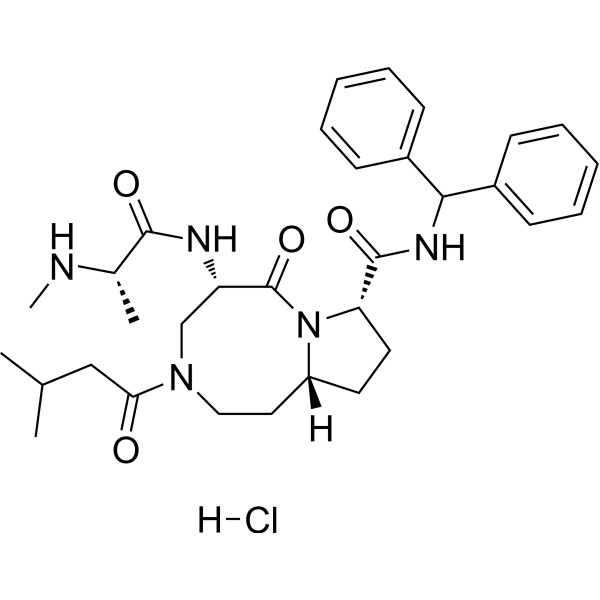
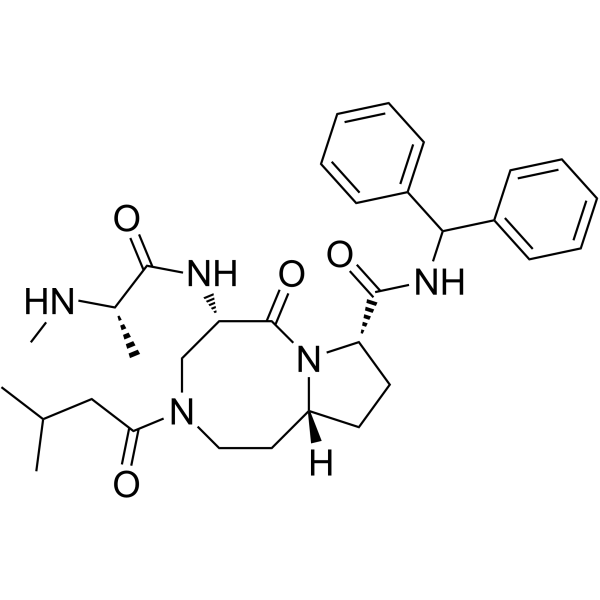
Xevinapant (AT-406) hydrochloride is a potent and orally bioavailable Smac mimetic and an antagonist of the inhibitor of apoptosis proteins (IAPs). Xevinapant hydrochloride binds to XIAP, cIAP1, and cIAP2 proteins with Kis of 66.4, 1.9, and 5.1 nM, respectively. Xevinapant hydrochloride effectively antagonizes XIAP BIR3 protein in a cell-free functional assay, induces rapid degradation of cellular cIAP1 protein, and inhibits cancer cell growth in various human cancer cell lines. Xevinapant hydrochloride is highly effective in induction of apoptosis in xenograft tumors.
For research use only. We do not sell to patients.
- Purity : 98.11%
- CAS No.: 1071992-57-8
- Formula: C32H44ClN5O4
- Molecular Weight:598.18
-
Storage:
-20°C, sealed storage, away from moisture and light
* In solvent : -80°C, 6 months; -20°C, 1 month (sealed storage, away from moisture and light)

To place orders, for customer services and technical support, please contact: MedChemExpress USA
Tel: 609-228-6898 E-mail: [email protected] [email protected]


-
 Biological Activity
-
Chemical Information
-
Solvent & Solubility
- Protocols
- Purity & Documentation
- References
-
 Help & FAQs


-
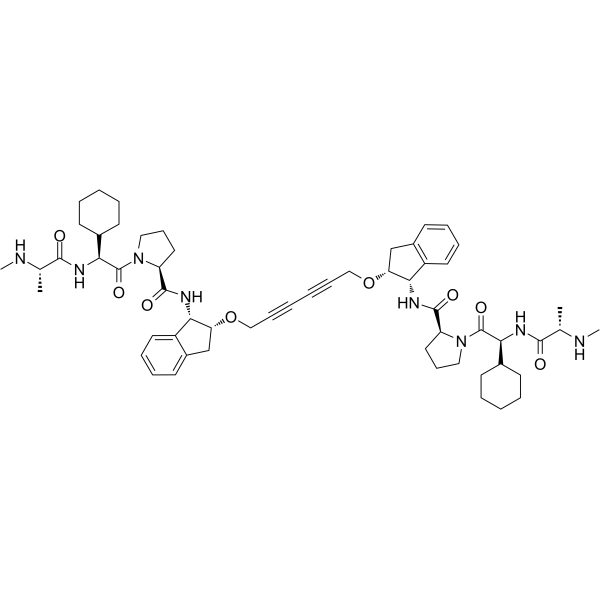
HY-12600
AZD5582 -
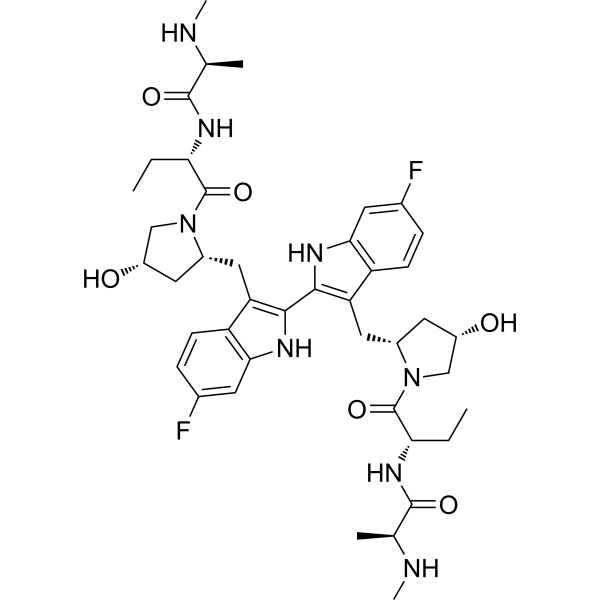
HY-16591
BirinapantXIAP/cIAP1 Antagonist -
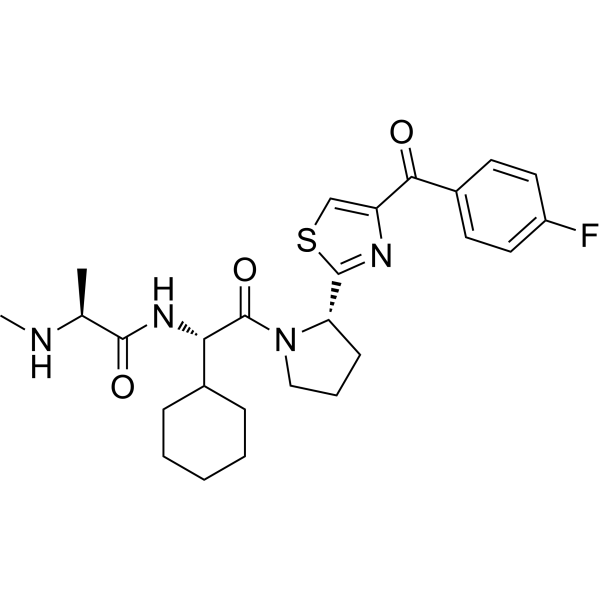
HY-15518
LCL161IAP Inhibitor -
HY-15454
XevinapantSmac Mimetic/IAPs Antagonist -
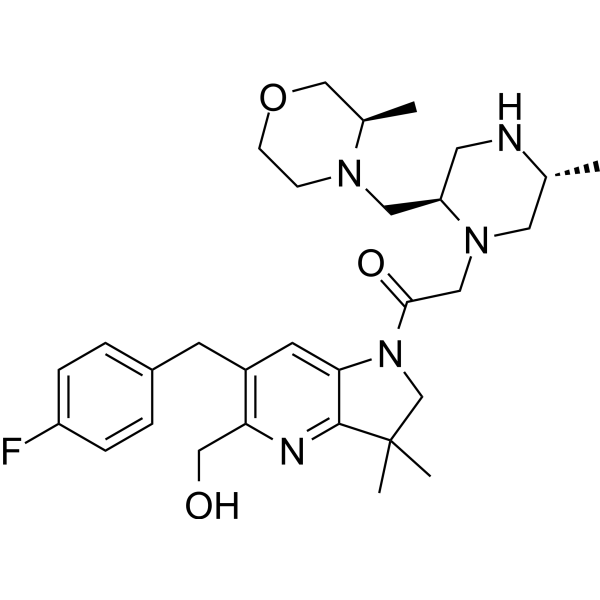
HY-109565
TolinapantIAP Antagonist -

HY-15989
SM-164IAP Antagonist -

HY-17473
EmbelinXIAP Inhibitor -
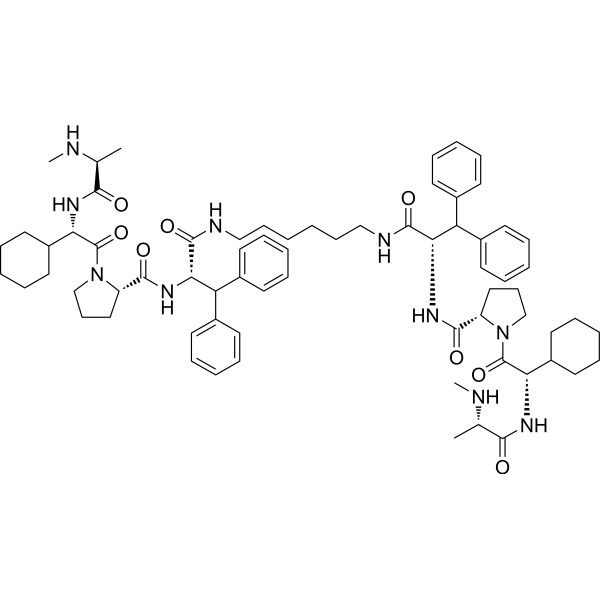
HY-16701
BV6cIAP1/XIAP Antagonist -
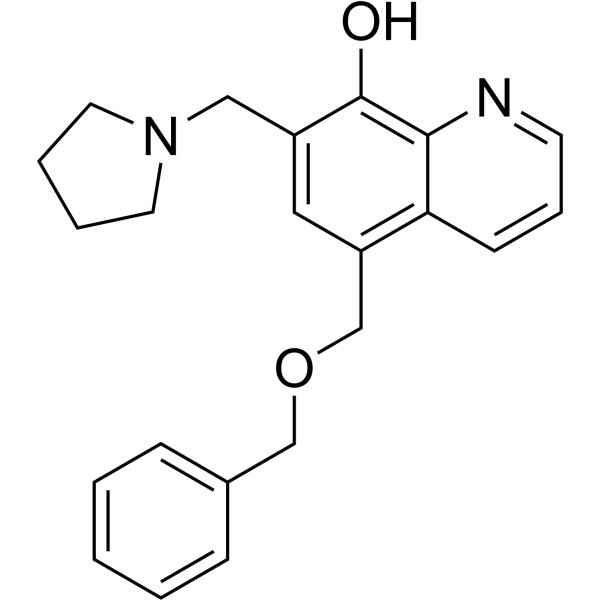
HY-12842
UC-112XIAP Inhibitor -
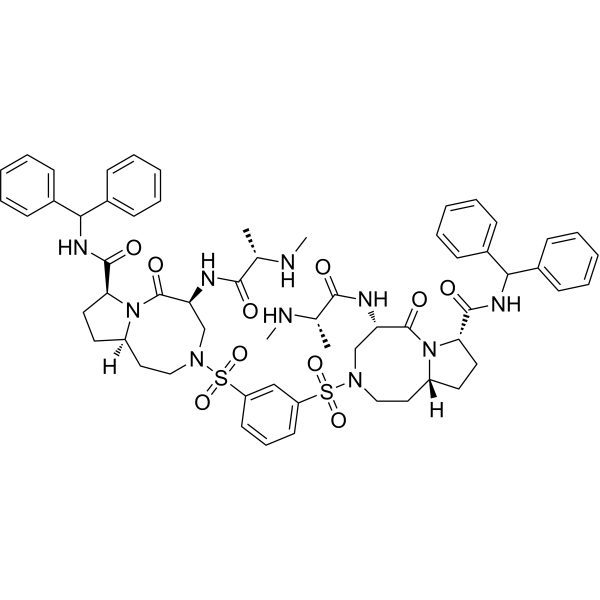
HY-125593
DasminapantIAP Antagonist -
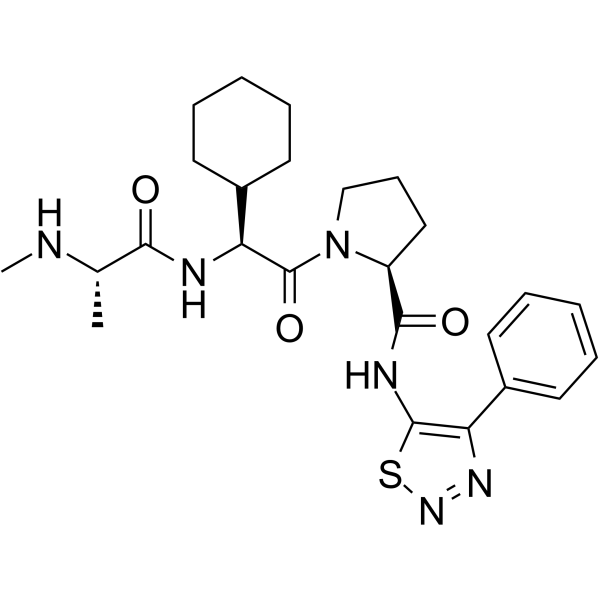
HY-13638
GDC-0152IAP Inhibitor -
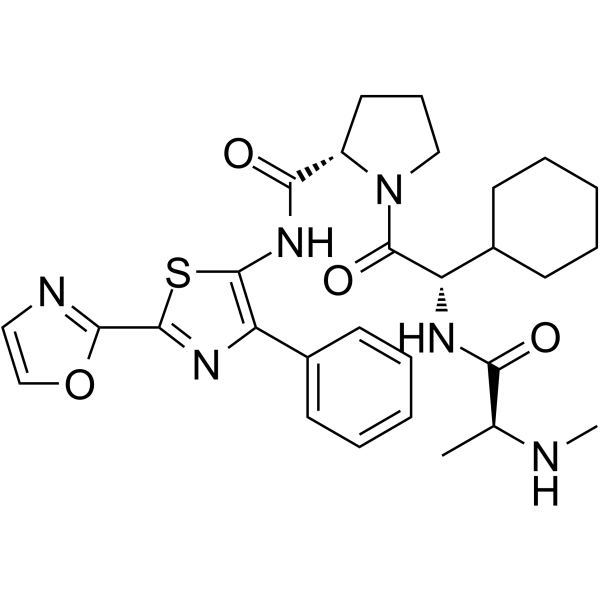
HY-15835
CUDC-427IAP Inhibitor
Publications Citing Use of MedChemExpress (MCE) Xevinapant hydrochloride
More- Nat Chem Biol. 2025 Aug;21(8):1238-1249. [Abstract]
- Biomark Res. 2025 Jan 9;13(1):8. [Abstract]
- J Exp Clin Cancer Res. 2025 Jul 4;44(1):191. [Abstract]
- J Med Chem. 2019 Oct 24;62(20):9188-9200. [Abstract]
- Cancer Gene Ther. 2026 May 2. [Abstract]
- Biochim Biophys Acta Mol Basis Dis. 2019 Oct 1;1865(10):2618-2632. [Abstract]
- Sci Rep. 2026 Feb 11;16(1):5882. [Abstract]
- Viruses. 2021 Dec 13;13(12):2490. [Abstract]
- Gene. 2023 Aug 5:876:147492. [Abstract]
- Biomed Pharmacother. 2026 Sep:202:119803.
- bioRxiv. 2026 Mar 6.
- bioRxiv. 2024 Nov 28:2024.11.25.625306. [Abstract]
- Research Square Preprint. 2024 Apr 15.
 Customer Validation & Images

-
Cell Proliferation/Viability Assay
-
Cell Proliferation/Viability Assay
-
Bio/Physico-chemical Assay
-
In Vivo Efficacy Study
-
Bio/Physico-chemical Assay


Biological Activity
Description
IC50 & Target
[1]|
cIAP1 1.9 nM (Ki) |
cIAP2 5.1 nM (Ki) |
XIAP 66.4 nM (Ki) |
In Vitro
Xevinapant (AT-406) hydrochloride potently inhibits cell growth in the MDA-MB-231 breast and SK-OV-3 ovarian cancer cell lines with IC50=144 nM and 142 nM, respectively. Xevinapant (0-3 μM; 0-48 horus) hydrochloride effectively induces cell death in a time- and dose-dependent manner[1].
MedChemExpress (MCE) has not independently confirmed the accuracy of these methods. They are for reference only. Further protocols information, click here.
In Vivo
MedChemExpress (MCE) has not independently confirmed the accuracy of these methods. They are for reference only.
-
Animal Model:SCID mice bearing MDA-MB-231 xenograft tumors[1]
-
Dosage:30 and 100 mg/kg
-
Administration:p.o.; 5 days a week for 2 weeks
-
Result:Strongly inhibits tumor growth at 30 and 100 mg/kg and completely inhibits tumor growth during the treatment with 100 mg/kg.
Clinical Trial
| NCT Number | Sponsor | Condition | Start Date |
Phase

|
|---|---|---|---|---|
| NCT01329991 | Plexxikon| | 2011-05 | PHASE1 |


Chemical Information
-
CAS No. 1071992-57-8
-
Appearance Solid
-
Molecular Weight 598.18
-
Formula C32H44ClN5O4
-
Color White to off-white
-
SMILES
O=C([C@@H]1CC[C@@](CCN(C(CC(C)C)=O)C[C@@H]2NC([C@@H](NC)C)=O)([H])N1C2=O)NC(C3=CC=CC=C3)C4=CC=CC=C4.[H]Cl
-
Synonyms
AT-406 hydrochloride; Debio 1143 hydrochloride; SM-406 hydrochloride
-
Shipping
Room temperature in continental US; may vary elsewhere.
-
Storage
-20°C, sealed storage, away from moisture and light
* In solvent : -80°C, 6 months; -20°C, 1 month (sealed storage, away from moisture and light)


Publications (13)
-
Journal Impact Factor
-
Most Recent
-
Nat Chem Biol
Persistent activation of TRPM4 triggers necrotic cell death characterized by sodium overload. [Abstract]2025 Aug;21(8):1238-1249. PMID: 39915626 -
Biomark Res
SMAC-armed oncolytic virotherapy enhances the anticancer activity of PD1 blockade by modulating PANoptosis. [Abstract]2025 Jan 9;13(1):8. PMID: 39789615 -
J Exp Clin Cancer Res
The reprogramming impact of SMAC-mimetic on glioblastoma stem cells and the immune tumor microenvironment evolution. [Abstract]2025 Jul 4;44(1):191. PMID: 40616096
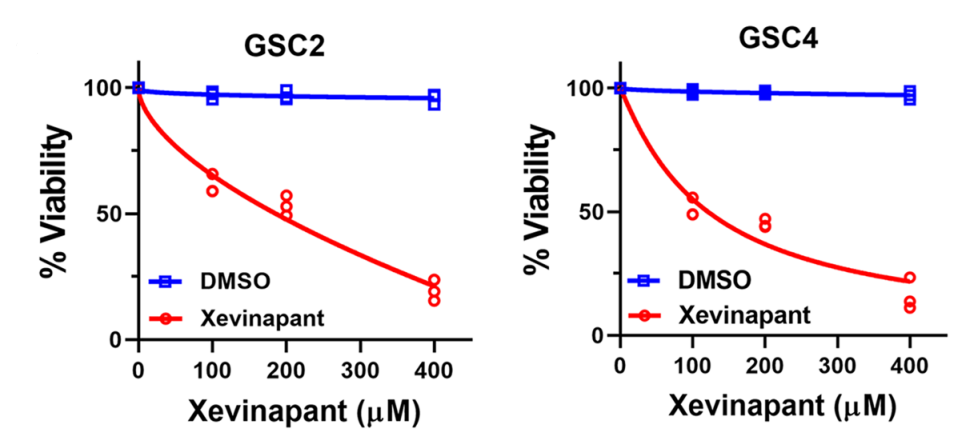
Xevinapant hydrochloride purchased from MedChemExpress. Usage Cited in: J Exp Clin Cancer Res. 2025 Jul 4;44(1):191. [Abstract]
Cell viabilities were measured following different doses of Xevinapant (0-400 μM) in human GSC2 and GSC4.
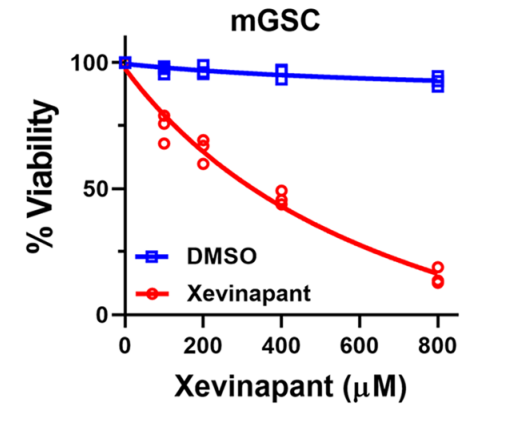
Xevinapant hydrochloride purchased from MedChemExpress. Usage Cited in: J Exp Clin Cancer Res. 2025 Jul 4;44(1):191. [Abstract]
Cell viabilities were measured following different doses of Xevinapant in mGSC.
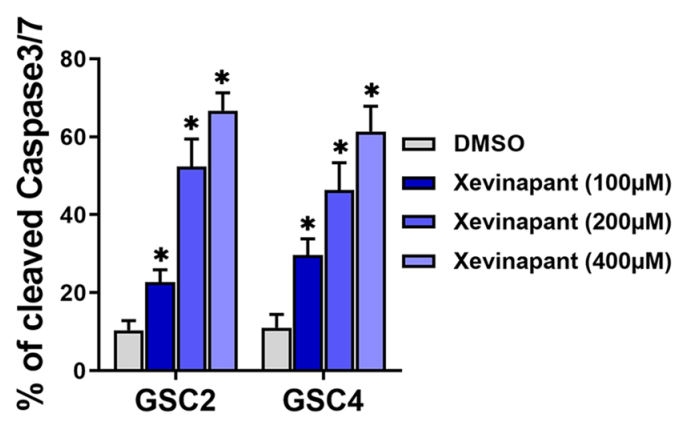
Xevinapant hydrochloride purchased from MedChemExpress. Usage Cited in: J Exp Clin Cancer Res. 2025 Jul 4;44(1):191. [Abstract]
Caspase 3/7 activity measurement following different dosing of Xevinapant (100-400 μM) in human GSCs.
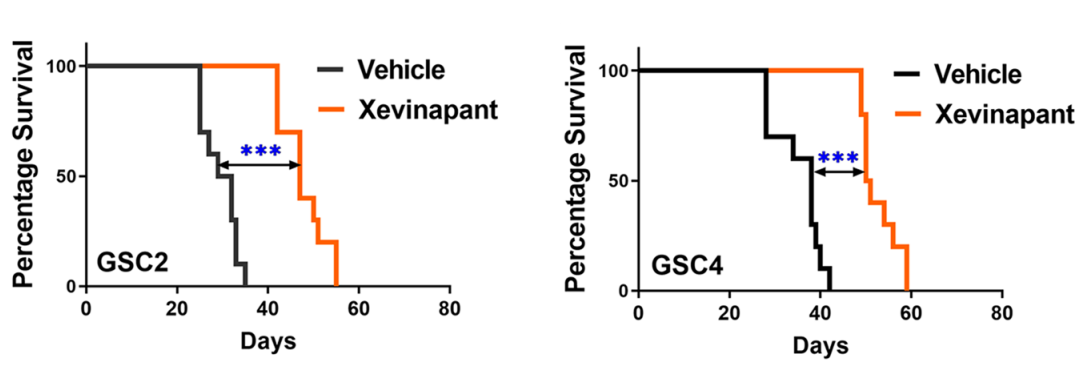
Xevinapant hydrochloride purchased from MedChemExpress. Usage Cited in: J Exp Clin Cancer Res. 2025 Jul 4;44(1):191. [Abstract]
Kaplan-Meier survival curves of immunocompromised mice bearing GSC2 and GSC4 treated with Vehicle or Xevinapant (50 mg/kg/day, oral, 2 weeks).
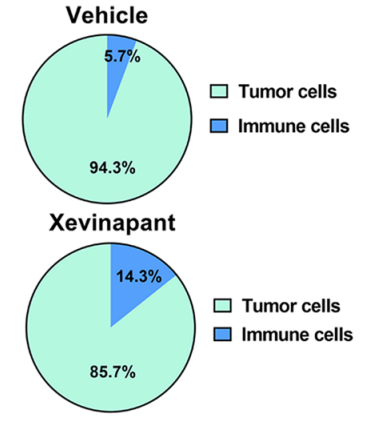
Xevinapant hydrochloride purchased from MedChemExpress. Usage Cited in: J Exp Clin Cancer Res. 2025 Jul 4;44(1):191. [Abstract]
Tumor cell and immune cell ratio in vehicle and Xevinapant tumors respectively.
-
J Med Chem
Aryl-fluorosulfate-based Lysine Covalent Pan-Inhibitors of Apoptosis Protein (IAP) Antagonists with Cellular Efficacy. [Abstract]2019 Oct 24;62(20):9188-9200. PMID: 31550155 -
Cancer Gene Ther
b-AP15 enhances TRAIL-induced cell death in HNSCC via the induction of ROS/JNK/DR5 signalling. [Abstract]2026 May 2. PMID: 42069980 -
Biochim Biophys Acta Mol Basis Dis
Directed elimination of senescent cells attenuates development of osteoarthritis by inhibition of c-IAP and XIAP. [Abstract]2019 Oct 1;1865(10):2618-2632. PMID: 31251987 -
Sci Rep
Comparing and combining xevinapant with ATR and PARP inhibition for the radiosensitization of HPV-negative HNSCC cells. [Abstract]2026 Feb 11;16(1):5882. PMID: 41673235 -
Viruses
The A179L Gene of African Swine Fever Virus Suppresses Virus-Induced Apoptosis but Enhances Necroptosis. [Abstract]2021 Dec 13;13(12):2490. PMID: 34960759 -
Gene
2023 Aug 5:876:147492. PMID: 37209886 -
-
-
bioRxiv
2024 Nov 28:2024.11.25.625306. PMID: 39651304 -


Solvent & Solubility
In Vitro:
DMSO : 175 mg/mL (292.55 mM; Need ultrasonic; Hygroscopic DMSO has a significant impact on the solubility of product, please use newly opened DMSO)
Please refer to the solubility information to select the appropriate solvent. Once prepared, please aliquot and store the solution to prevent product inactivation from repeated freeze-thaw cycles.
Storage method and period of stock solution: -80°C, 6 months; -20°C, 1 month (sealed storage, away from moisture and light). When stored at -80°C, please use it within 6 months. When stored at -20°C, please use it within 1 month.
Please refer to the solubility information to select the appropriate solvent. Once prepared, please aliquot and store the solution to prevent product inactivation from repeated freeze-thaw cycles.
Storage method and period of stock solution: -80°C, 6 months; -20°C, 1 month (sealed storage, away from moisture and light). When stored at -80°C, please use it within 6 months. When stored at -20°C, please use it within 1 month.
Concentration (start) × Volume (start) = Concentration (final) × Volume (final)
In Vivo:
Select the appropriate dissolution method based on your experimental animal and administration route.
- For the following dissolution methods, please ensure to first prepare a clear stock solution using an In Vitro approach and then sequentially add co-solvents:
- To ensure reliable experimental results, the clarified stock solution can be appropriately stored based on storage conditions. As for the working solution for In Vivo experiments, it is recommended to prepare freshly and use it on the same day.
- The percentages shown for the solvents indicate their volumetric ratio in the final prepared solution. If precipitation or phase separation occurs during preparation, heat and/or sonication can be used to aid dissolution.
Add each solvent one by one: 10% DMSO 40% PEG300 5% Tween-80 45% Saline
Solubility: ≥ 8.75 mg/mL (14.63 mM); Clear solution
This protocol yields a clear solution of ≥ 8.75 mg/mL (saturation unknown).
Taking 1 mL working solution as an example, add 100 μL DMSO stock solution (87.5 mg/mL) to 400 μL PEG300, and mix evenly; then add 50 μL Tween-80 and mix evenly; then add 450 μL Saline to adjust the volume to 1 mL.
Preparation of Saline: Dissolve 0.9 g sodium chloride in ddH₂O and dilute to 100 mL to obtain a clear Saline solution.
Add each solvent one by one: 10% DMSO 90% (20% SBE-β-CD in Saline)
Solubility: ≥ 8.75 mg/mL (14.63 mM); Clear solution
This protocol yields a clear solution of ≥ 8.75 mg/mL (saturation unknown).
Taking 1 mL working solution as an example, add 100 μL DMSO stock solution (87.5 mg/mL) to 900 μL 20% SBE-β-CD in Saline, and mix evenly.
Preparation of 20% SBE-β-CD in Saline (4°C, storage for one week): 2 g SBE-β-CD powder is dissolved in 10 mL Saline, completely dissolve until clear.
In Vivo Dissolution Calculator
Please enter the basic information of animal experiments:
-
-
-
-
Recommended: Prepare an additional quantity of animals to account for potential losses during experiments.
Please enter your animal formula composition:
-
%DMSO +
Recommended: Keep the proportion of DMSO in working solution below 2% if your animal is weak.
-
%+
-
+%Tween-80 + +
-
%Saline +
The co-solvents required include: DMSO, . All of co-solvents are available by MedChemExpress (MCE). , Tween 80. All of co-solvents are available by MedChemExpress (MCE).
Working solution concentration: 0.22 mg/mL
Method for preparing stock solution: mg drug dissolved in μL DMSO. Stock solution concentration: mg/mL. * In solvent : -80°C, 6 months; -20°C, 1 month (sealed storage, away from moisture and light)
1. Take μL DMSO stock solution;
2. Add μL .
μL , mix evenly;
3. Then add μL Tween 80, mix evenly;
4. Then add μL
Please ensure that the stock solution in the first step is dissolved to a clear state, and add co-solvents in sequence. You can use ultrasonic heating (ultrasonic cleaner, recommended frequency 20-40 kHz), vortexing, etc. to assist dissolution.

Protocols
-
Annexin V plus membrane-impermeant dye apoptosis staining
Annexin V-based apoptosis assays rely on the detection of phosphatidylserine (PS) externalization from the inner leaflet of the plasma membrane to the outer leaflet, an early biochemical hallmark of apoptosis. Fluorescently labeled Annexin V binds PS in a calcium-dependent manner, enabling identification of early apoptotic cells by flow cytometry or fluorescence microscopy. When combined with a membrane-impermeant DNA-binding dye (e. g. , propidium iodide), this approach allows discrimination between viable (Annexin V−/dye−), early apoptotic (Annexin V+/dye−), and late apoptotic or necrotic (Annexin V+/dye+) cell populations by assessing membrane integrity and PS exposure.
-
Somatic Cell Culture
A method of simulating the in vivo environment in vitro to maintain the cell growth, differentation and main functions.
-
CCK-8/WST-8 Cell Proliferation Assay
The CCK-8/WST-8 assay is based on the reduction of the water-soluble tetrazolium salt WST-8 to a water-soluble formazan product by cellular dehydrogenases in metabolically active cells, where the generated formazan amount is proportional to the number of living cells and is quantified by measuring absorbance in the visible range, providing a colorimetric readout for cell viability and proliferation assessment. This class of tetrazolium-based assays improves upon earlier MTT-based systems by producing a water-soluble formazan, eliminating the need for organic solubilization steps and enabling direct spectrophotometric measurement in culture medium.
-
Cell Counting-Based Growth Curve Assay
Cell counting-based growth curve assays quantify cell proliferation by directly measuring changes in viable cell number over time using manual or automated counting methods such as hemocytometer-based counting or instrument-assisted cell enumeration, enabling construction of growth curves that reflect population expansion dynamics in response to culture conditions. A widely used approach is trypan blue exclusion with hemocytometer counting, where membrane-compromised (non-viable) cells take up the dye, allowing discrimination between viable and non-viable cells while simultaneously enabling total cell number quantification. Repeated sampling across time points allows estimation of proliferation rate, growth phases, and comparative growth kinetics between experimental conditions.
-
Cell Viability Determination by MTT Colorimetric Assay
The following protocol uses the MTT colorimetric assay as a classic literature-established method for assessing cell viability/metabolic activity in cultured mammalian cells. MTT[3-(4,5-dimethylthiazol-2-yl)-2,5-diphenyltetrazolium bromide] is reduced by metabolically active cells to a colored formazan product; the amount of formazan is quantified spectrophotometrically and provides an indirect measure of metabolically active viable cells. Importantly, MTT reduction reflects cellular oxidoreductase/metabolic activity rather than an absolute direct count of living cells, so changes in cellular metabolism can alter the signal independently of cell number.
-
Apoptosis
Apoptosis, also called programmed cell death, is generally characterized by distinct morphological characteristics.
-
TUNEL staining for apoptotic DNA fragmentation
TUNEL staining detects DNA strand breaks by using terminal deoxynucleotidyl transferase to add labeled nucleotides to exposed 3′-OH DNA termini, generating either microscopic staining in fixed cells or tissue sections, or fluorescence/cytometric signal in cell suspensions. TUNEL positivity reflects DNA fragmentation but should not be interpreted alone as definitive apoptosis, because TUNEL can also label necrotic, autolytic, mechanically damaged, or DNA-repair-associated DNA breaks.
-
Protocol for Cell Counting and Cell Density Analysis
Cell counting and cell-density analysis estimate the number of cells in a known volume or field area. Manual hemocytometer counting uses a chamber of defined geometry to convert counted cells into cells/mL, while automated counters and image-analysis workflows detect cell objects from optical, brightfield, fluorescence, impedance, or digital-image features. Trypan blue viability counting is based on dye exclusion: viable cells with intact membranes exclude dye, while non-viable cells with compromised membranes stain blue. The readout is total cell density, viable-cell density, dead-cell density, and percent viability. Cell density can also be estimated from microscopy images by counting objects per image area, from flow cytometry using calibrated volume or reference particles, or from in situ microscopy in bioreactors after calibration against reference methods such as hemocytometer or flow cytometry.
-
Patient-Derived Xenograft (PDX)
Patient-derived xenograft (PDX) models are generated by engrafting primary human tumor tissue directly into immunodeficient mice, allowing in vivo propagation of patient tumor biology without initial in vitro adaptation. These models are used to preserve key histopathological and molecular characteristics of the original tumor and enable assessment of tumor growth dynamics and therapeutic response in a living organism. The biological readout is tumor engraftment and subsequent growth in the murine host, which reflects the ability of human tumor cells to survive, vascularize, and expand in an immunocompromised microenvironment.
-
Apoptosis Solutions
Apoptosis is a regulated, generally non-lytic cell-death pathway that removes unwanted, damaged, infected, or abnormal cells through coordinated morphological changes, caspase activation, DNA fragmentation, and membrane remodeling. The intrinsic apoptosis pathway is controlled mainly by mitochondrial outer membrane permeabilization, BCL-2 family proteins, cytochrome c release, apoptosome formation, caspase-9 activation, and downstream executioner caspase-3/7 activation. The extrinsic apoptosis pathway is initiated by death receptors such as Fas, TNFR, and TRAIL receptors, which recruit adaptor proteins and activate caspase-8 before engaging executioner caspases or mitochondrial amplification through BID cleavage. Apoptosis is linked to many phenotypes, including cancer cell killing, tissue homeostasis, immune regulation, neurodegeneration, infection response, and treatment-induced cytotoxicity; unresolved questions include how apoptosis interacts with necroptosis, pyroptosis, ferroptos
-
Splenic/Portal-Vein Liver Metastasis Xenograft
Splenic and portal-vein liver metastasis xenograft models deliver tumor cells into the portal circulation so that cells reach the liver first and form hepatic metastatic lesions; splenic injection uses the spleen as an access route to the portal system, while direct portal-vein injection introduces cells into the portal vein without requiring splenectomy. The assay detects liver colonization, intrahepatic tumor growth, tumor distribution, treatment response, survival, and liver-metastasis microenvironment changes; readouts include bioluminescence or fluorescence imaging, gross liver nodule counts, liver weight or tumor burden, histology, and survival.
-
MTT Cell Proliferation Assay
The MTT assay is a colorimetric endpoint assay for estimating viable cell number, cell growth, cytotoxicity, or cell activation in cultured mammalian cells. Living cells reduce the yellow tetrazolium salt MTT into purple/blue formazan, while dead cells do not generate the same signal; the resulting color can be quantified with a multiwell spectrophotometer. MTT reduction is commonly interpreted as a readout of metabolic activity that often correlates with viable cell number, but it should not be treated as a direct cell-counting method unless the assay is optimized for the cell type and experimental condition. Studies show that MTT reduction can involve mitochondrial and non-mitochondrial reducing systems, and formazan may accumulate in intracellular lipid droplets rather than simply marking mitochondria.
-
Subcutaneous Cell-Line-Derived Xenograft
Subcutaneous cell-line-derived xenograft (CDX) models are established by implanting cultured human cancer cell lines into immunodeficient mice, where the injected cells form localized tumors that can be monitored in vivo as a measure of tumorigenic potential, growth kinetics, and treatment response. These models are widely used in oncology research because they allow reproducible tumor formation and enable comparative assessment of tumor growth between different cell lines or genetic manipulations in a controlled in vivo microenvironment. Subcutaneous implantation of cancer cells in immunodeficient mice is a standard approach for evaluating tumor growth behavior and therapeutic response across multiple cancer types, including prostate, esophageal, pancreatic, and colon cancer models.
-
Orthotopic Cell-Line Xenograft
Orthotopic cell-line xenograft models involve implantation of human cancer cell lines into the anatomically corresponding organ of immunodeficient mice to reproduce tumor growth within a native microenvironment, enabling more clinically relevant tumor behavior compared with subcutaneous models. These models are widely used because orthotopic placement better recapitulates tumor progression, including invasion and metastatic spread, which are often underrepresented in heterotopic implantation systems. Compared with conventional xenografts, orthotopic implantation is described as more technically complex but provides improved simulation of tumor-microenvironment interactions and metastatic behavior, making it particularly valuable for translational oncology research. Surgical orthotopic implantation approaches have been emphasized as enabling faithful reproduction of clinical cancer features, including metastasis and disease progression patterns that align with the tumor’s organ of origi
-
Intraperitoneal/Peritoneal Dissemination Xenograft
Intraperitoneal (IP) or peritoneal dissemination xenograft models are based on the introduction of human cancer cells into the peritoneal cavity of immunodeficient mice, where they attach to peritoneal surfaces, form multicellular aggregates or spheroids, and progressively generate disseminated tumor nodules that mimic advanced peritoneal metastatic disease. These models are widely used to study ovarian cancer progression, tumor-microenvironment interactions, and intraperitoneal therapeutic responses, often incorporating bioluminescence or fluorescence imaging to longitudinally monitor tumor burden in vivo. The biological principle relies on the capacity of tumor cells such as SKOV3 or related ovarian carcinoma lines to survive in suspension, aggregate within ascites-like fluid, adhere to mesothelial surfaces, and invade peritoneal organs, thereby recapitulating human peritoneal carcinomatosis patterns observed in advanced disease.


Purity & Documentation
-
Data Sheet (281 KB)
-
SDS (252 KB)
- English - EN (252 KB)
- Français - FR (252 KB)
- Deutsch - DE (252 KB)
- Norwegian - NO (252 KB)
- Español - ES (252 KB)
- Swedish - SV (252 KB)
- Italian - IT (252 KB)
- Korean - KR (252 KB)
- Portuguese - PT (252 KB)
-
Handling Instructions (2659 KB)
References
[1]. Cai Q, Sun H, Peng Y, et al. A potent and orally active antagonist (SM-406/AT-406) of multiple inhibitor of apoptosis proteins (IAPs) in clinical development for cancer treatment. J Med Chem. 2011;54(8):2714-2726. [Content Brief]
[2]. Brunckhorst MK, et al. AT-406, an orally active antagonist of multiple inhibitor of apoptosis proteins, inhibits progression of human ovarian cancer. Cancer Biol Ther. 2012;13(9):804-811. [Content Brief]


Complete Stock Solution Preparation Table
Please refer to the solubility information to select the appropriate solvent. Once prepared, please aliquot and store the solution to prevent product inactivation from repeated freeze-thaw cycles.
Storage method and period of stock solution: -80°C, 6 months; -20°C, 1 month (sealed storage, away from moisture and light). When stored at -80°C, please use it within 6 months. When stored at -20°C, please use it within 1 month.
| Optional Solvent | Concentration Solvent Mass | 1 mg | 5 mg | 10 mg | 25 mg |
|---|---|---|---|---|---|
| DMSO | 1 mM | 1.6717 mL | 8.3587 mL | 16.7174 mL | 41.7934 mL |
| 5 mM | 0.3343 mL | 1.6717 mL | 3.3435 mL | 8.3587 mL | |
| 10 mM | 0.1672 mL | 0.8359 mL | 1.6717 mL | 4.1793 mL | |
| 15 mM | 0.1114 mL | 0.5572 mL | 1.1145 mL | 2.7862 mL | |
| 20 mM | 0.0836 mL | 0.4179 mL | 0.8359 mL | 2.0897 mL | |
| 25 mM | 0.0669 mL | 0.3343 mL | 0.6687 mL | 1.6717 mL | |
| 30 mM | 0.0557 mL | 0.2786 mL | 0.5572 mL | 1.3931 mL | |
| 40 mM | 0.0418 mL | 0.2090 mL | 0.4179 mL | 1.0448 mL | |
| 50 mM | 0.0334 mL | 0.1672 mL | 0.3343 mL | 0.8359 mL | |
| 60 mM | 0.0279 mL | 0.1393 mL | 0.2786 mL | 0.6966 mL | |
| 80 mM | 0.0209 mL | 0.1045 mL | 0.2090 mL | 0.5224 mL | |
| 100 mM | 0.0167 mL | 0.0836 mL | 0.1672 mL | 0.4179 mL |


Xevinapant hydrochloride Related Classifications
HY-13208 Related Classifications
 Powered by Bioz