Search Result
Results for "
Calmodulin-dependent protein kinases
" in MedChemExpress (MCE) Product Catalog:
| Cat. No. |
Nombre del producto |
Target |
Áreas de investigación |
Chemical Structure |
-
- HY-19805
-
STO-609
Maximum Cited Publications
31 Publications Verification
|
CaMK
AMPK
Autophagy
|
Metabolic Disease
|
|
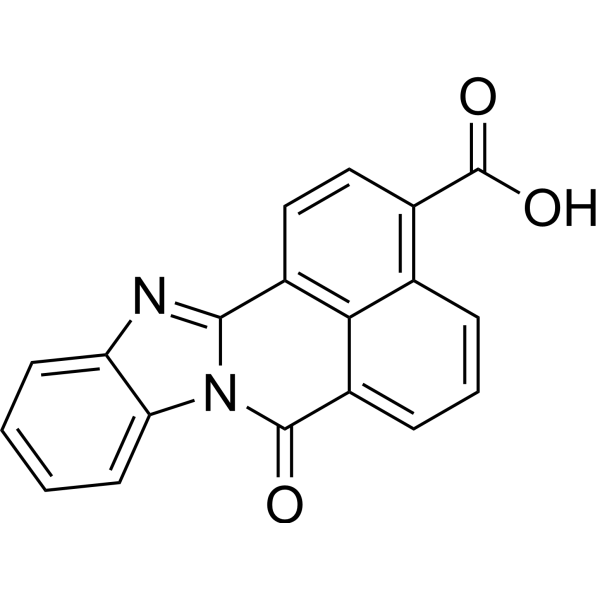
STO-609 is a selective and cell-permeable inhibitor of the Ca 2+/calmodulin-dependent protein kinase kinase (CaM-KK), with Ki values of 80 and 15 ng/mL for recombinant CaM-KKα and CaM-KKβ, respectively. STO-609 inhibits AMP-activated protein kinase kinase (AMPKK) activity in HeLa cell lysates with an IC50 ~0.02 g/ml.
|
-
-
- HY-N6732
-
|
SF2370; Antibiotic K 252a; Antibiotic SF 2370
|
Autophagy
PKA
PKC
Trk Receptor
CaMK
|
Infection
Inflammation/Immunology
|
|
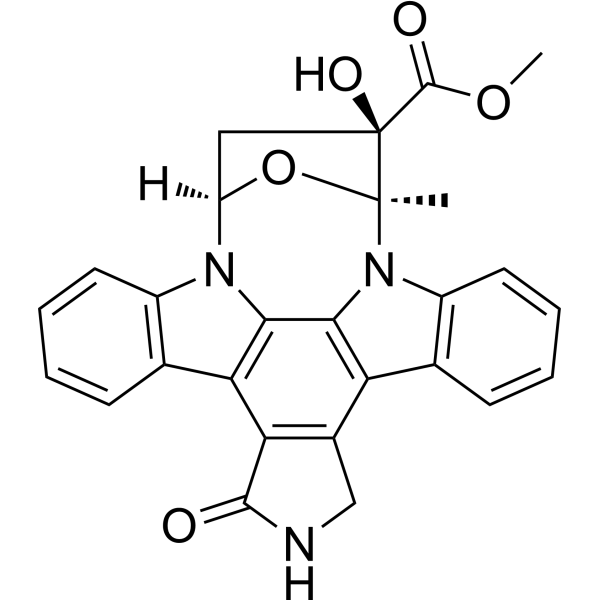
K-252a, a staurosporine analog, inhibits protein kinase, with IC50 values of 470 nM, 140 nM, 270 nM, and 1.7 nM for PKC, PKA, Ca 2+/calmodulin-dependent kinase type II, and phosphorylase kinase, respectively . K-252a is a potent inhibitor (IC50 of 3 nM) of the tyrosine protein kinase (TRK) activity of the NGF receptor gp140trk, the product of the trk protooncogene .
|
-
-
- HY-13290
-
|
|
CaMK
P2X Receptor
|
Metabolic Disease
Cancer
|
|
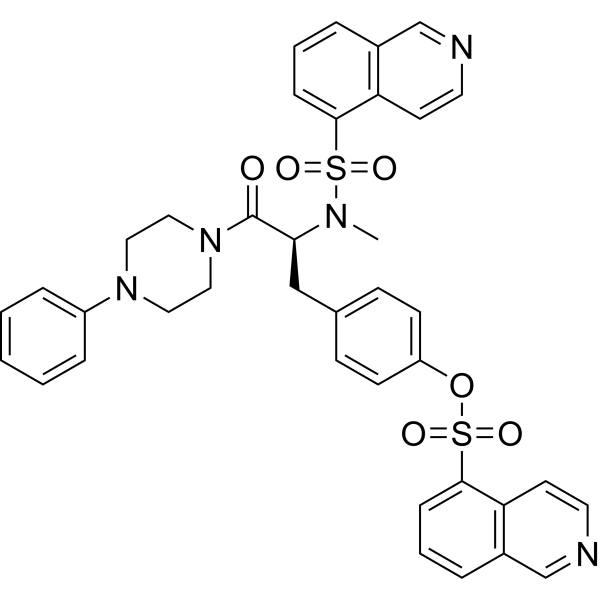
KN-62 is a selective and reversible inhibitor of calmodulin-dependent protein kinase II (CaMK-II) with a Ki of 0.9 μM for rat brain CaMK-II. KN-62 directly binds to the calmodulin binding site of CaMK-II. KN-62 displays noncompetitive antagonism at P2X7 receptors in HEK293 cells, with an IC50 value of approximately 15 nM.
|
-
-
- HY-108599
-
|
FR236924
|
PKC
CaMK
Phosphatase
Apoptosis
|
Neurological Disease
|
|
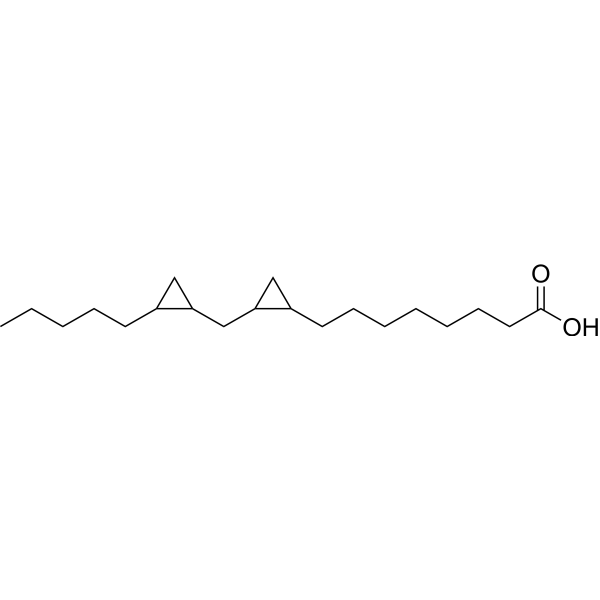
DCP-LA (FR236924), a linoleic acid derivative, selectively and directly activates PKCε. DCP-LA activates Ca( 2+)/calmodulin-dependent protein kinase II (CaMKII) and inhibits protein phosphatase-1 (PP-1) to stimulate AMPA receptor exocytosis. DCP-LA inhibits activation of caspase-3/-9 and protects neurons at least in part from oxidative stress-induced apoptosis .
|
-
-
- HY-Z0478
-
|
(S)-(-)-Limonene
|
Bacterial
Antibiotic
CaMK
|
Infection
Cardiovascular Disease
Metabolic Disease
|
|
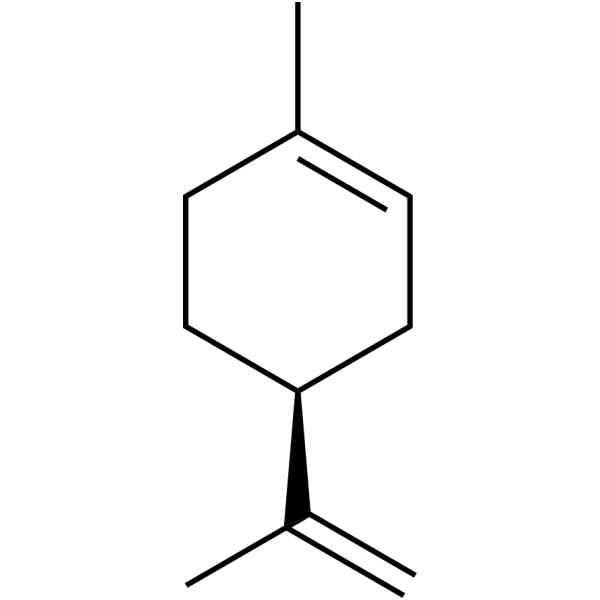
(-)-Limonene ((S)-(-)-Limonene) is orally active and can cause mild bronchoconstriction. (-)-Limonene alleviates cytosolic and mitochondrial oxidative stress by inhibiting the increase of calcium ions (Ca 2+) and Ca 2+/calmodulin-dependent protein kinase II (CaMKII). It also exerts anti-stress effects by inhibiting the activity of the hypothalamic-pituitary-adrenal (HPA) axis. Additionally, (-)-Limonene can be used as an antibacterial agent in aquaculture .
|
-
-
- HY-P1821
-
|
MHP4-14
|
PKC
|
Neurological Disease
|
|
Myelin Basic Protein (MHP4-14), a synthetic peptide comprising residues 4-14 of myelin basic protein, is a very selective PKC substrate (Km=7 μM). Myelin Basic Protein is not phosphorylated by cyclic AMP-dependent protein kinase, casein kinases I and II, Ca 2+/calmodulin-dependent protein kinase II, or phosphorylase kinase, and can be routinely used for the assay of protein kinase C with low background in the crude tissue extracts .
|
-

-
- HY-148907
-
|
|
CaMK
MEK
Mixed Lineage Kinase
RIP kinase
Tau Protein
|
Neurological Disease
|
|
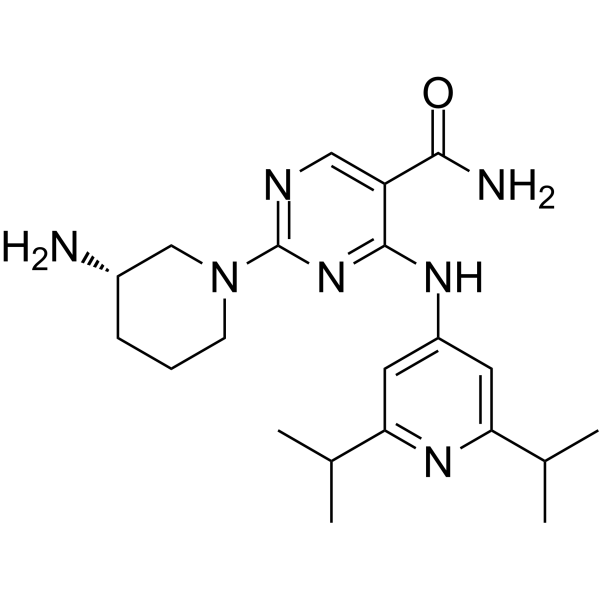
CS640 (Compound 19) is a chemical probe and a calmodulin-dependent kinase inhibitor. CS640 inhibits CaMK1D, CaMK1B, CaMK1A, CaMK1G, MEK5, RIPK4, mLK3 and PIP5K1, with IC50 values of 8, 3, 1, 1, 25 nM, 5.69, 2.75 and 11.2 μM, respectively. CS640 blocks Aβ-induced hyperphosphorylation of tau protein at the Thr181 site, but fails to protect primary mouse cortical neurons from Aβ-induced toxic damage. CS640 is applicable to research related to Alzheimer's disease .
|
-
-
- HY-110140
-
|
|
CaMK
|
Cardiovascular Disease
Neurological Disease
|
|
(E)-KN-93 phosphate is a Ca 2+/calmodulin-dependent protein kinase II (CaMKII) inhibitor with IC50 values of 9 μM and 3 μM against CaMKIIδMonomer and CaMKIIδDodecamer, respectively. (E)-KN-93 phosphate can be used in research on epilepsy, depression, and arrhythmias. .
|
-

-
- HY-100779
-
|
SMP 114
|
CaMK
Autophagy
|
Metabolic Disease
|
|
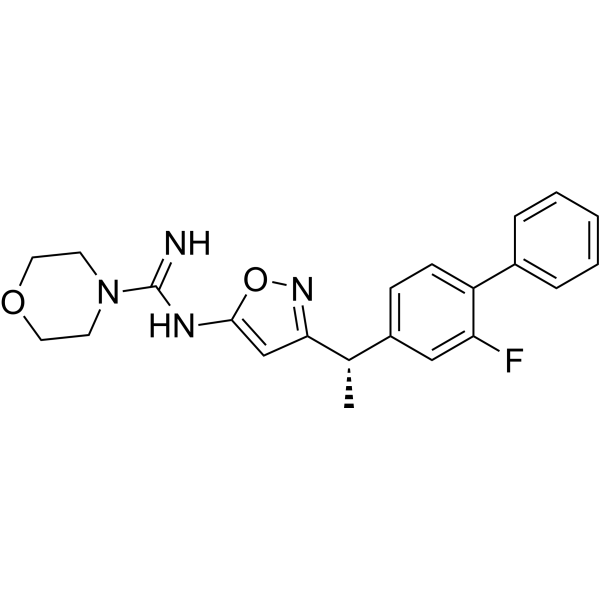
Rimacalib (SMP 114) is a Ca 2+/calmodulin-dependent protein kinase II (CaMKII) inhibitor, with IC50s of ~1 μM for CaMKIIα to ~30 μM for CaMKIIγ .
|
-
-
- HY-131900
-
|
|
PKC
PKA
PKG
Arp2/3 Complex
|
Others
|
|
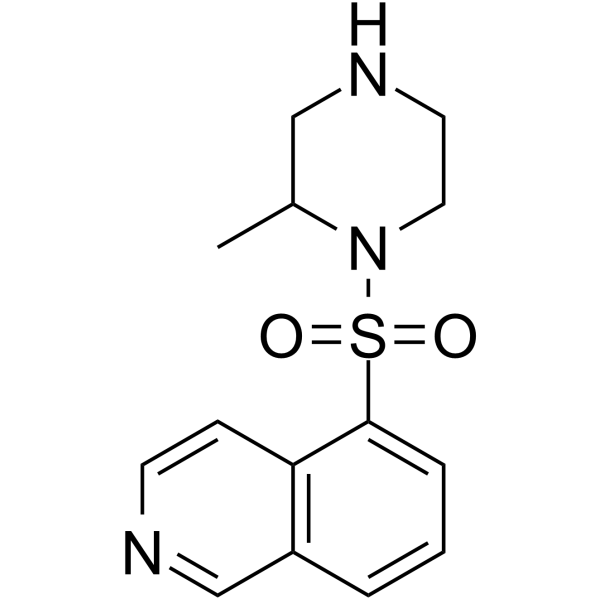
Protein kinase inhibitor H-7 is a selective inhibitor of PKC and cyclic nucleotide-dependent protein kinases, with a Ki value of 6.0 μM for rabbit protein kinase C, a Ki value of 3.0 μM for rabbit cAMP-dependent protein kinase, and a Ki value of 5.8 μM for porcine cGMP-dependent protein kinase. Protein kinase inhibitor H-7 has no effect on Ca 2+-calmodulin-dependent enzymes. Protein kinase inhibitor H-7 regulates the Actin cytoskeleton, inhibits contractility, disrupts stress fibers, induces protrusive activity, stabilizes intercellular junctions, and triggers rapid and reversible cytoskeletal reorganization. Protein kinase inhibitor H-7 serves as a research tool for elucidating the functions of protein kinase C-mediated signaling systems .
|
-
-
- HY-P0225
-
|
Autocamtide II
|
CaMK
Autophagy
|
Neurological Disease
|
|
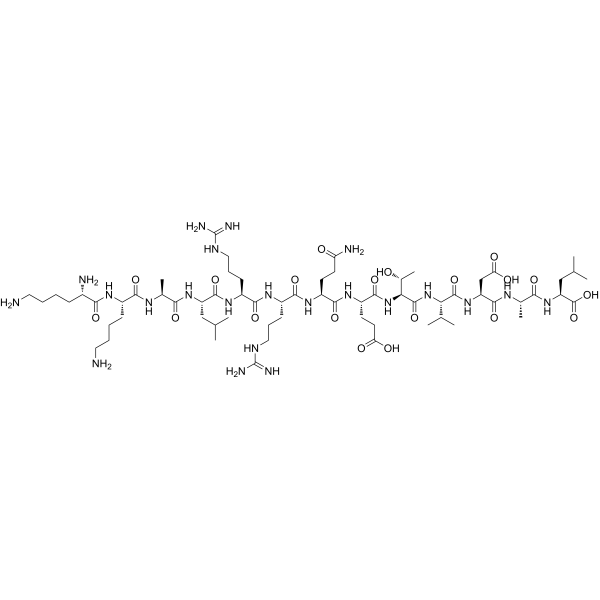
Autocamtide 2 is a highly selective peptide substrate of calcium/calmodulin-dependent protein kinase II (CaMKII). It can be used in the CaMKII activity assay.
|
-
-
- HY-168905
-
|
|
Calmodulin
|
Cancer
|
|
SGC-CAMKK2-1, a chemical probe, is the selective, inhibitor for calcium/calmodulin-dependent protein kinase kinase 2 (CAMKK2) with an IC50 of 30 nM. SGC-CAMKK2-1 inhibits AMPK phosphorylation in cell C4-2 with an IC50 of 1.6 μM .
|
-

-
- HY-N1989
-
|
|
Na+/K+ ATPase
CaMK
Apoptosis
Cholinesterase (ChE)
NO Synthase
NF-κB
|
Neurological Disease
Cancer
|
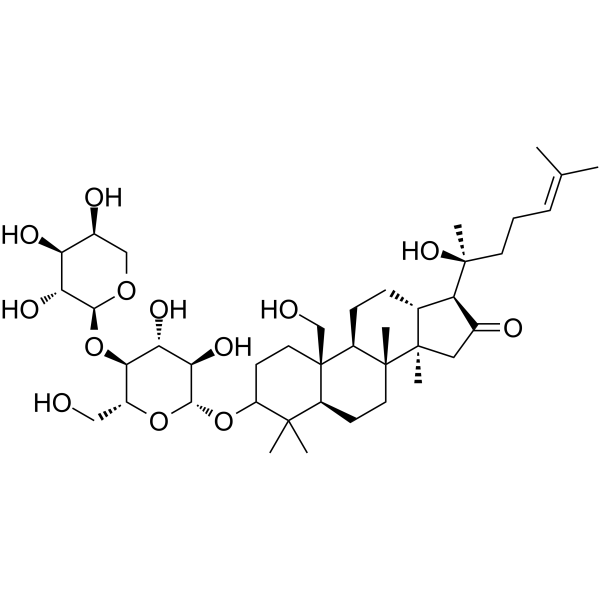
Bacoside A is an orally active, blood-brain barrier-permeable triterpenoid saponin that modulates the activities of ATPases, AChE, CaMK2A and iNOS. Derived from Bacopa monniera. Bacoside A exerts significant antioxidant, anti-inflammatory and anti-apoptotic effects by maintaining ion balance, scavenging reactive oxygen species, stabilizing cell membranes, and regulating the expression of NF-κB and apoptosis-related proteins. Bacoside A counteracts morphine-induced reductions in Na +/K +-ATPase, Ca 2+-ATPase and Mg 2+-ATPase activities, increases mitochondrial membrane potential, and decreases intracellular reactive oxygen species levels. Bacoside A specifically binds to calcium/calmodulin-dependent protein kinase IIA to trigger endoplasmic reticulum calcium release. Bacoside A exhibits non-apoptotic cytotoxicity against glioblastoma cells while protecting normal nerve cells from stress-induced damage. Bacoside A is applicable to the research of Parkinson's disease and glioblastoma multiforme .
|
-
-
- HY-P1821A
-
|
MHP4-14 TFA
|
PKC
|
Neurological Disease
|
|
Myelin Basic Protein (MHP4-14) TFA, a synthetic peptide comprising residues 4-14 of myelin basic protein, is a very selective PKC substrate (Km=7 μM). Myelin Basic Protein TFA is not phosphorylated by cyclic AMP-dependent protein kinase, casein kinases I and II, Ca 2+/calmodulin-dependent protein kinase II, or phosphorylase kinase, and can be routinely used for the assay of protein kinase C with low background in the crude tissue extracts .
|
-

-
- HY-146268
-
|
|
CaMK
|
Neurological Disease
|
|
CaMKIIα-IN-1 (Compound 4d) is an orally active Ca 2+/calmodulin-dependent protein kinase II α (CaMKIIα) inhibitor with a KD of 219 nM for CaMKIIα WT hub. CaMKIIα-IN-1 has good metabolic stability .
|
-
-
- HY-W170020
-
|
|
CaMK
|
Metabolic Disease
|
|
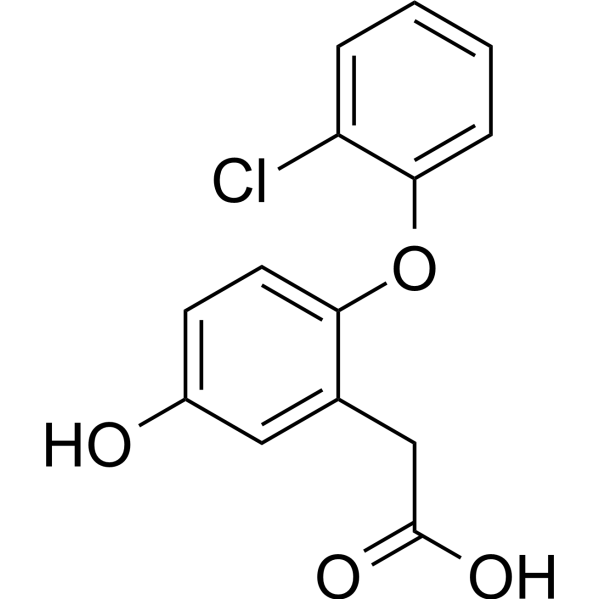
PTCA is a potent Ca2+/calmodulin-dependent protein kinase II α (CaMKIIα) ligand with a pKi value of 7.2 .
|
-

-
- HY-19805A
-
|
|
CaMK
AMPK
Autophagy
|
Metabolic Disease
|
|
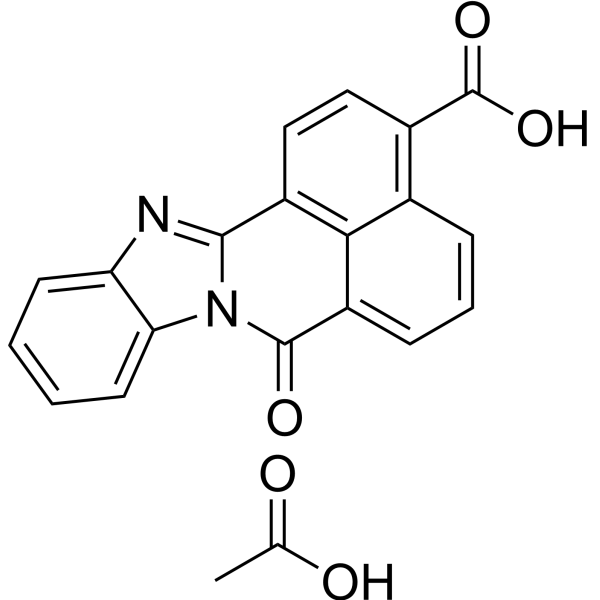
STO-609 acetate is a selective and cell-permeable inhibitor of the Ca 2+/calmodulin-dependent protein kinase kinase (CaM-KK), with Ki values of 80 and 15 ng/mL for recombinant CaM-KKα and CaM-KKβ, respectively. STO-609 acetate inhibits AMP-activated protein kinase kinase (AMPKK) activity in HeLa cell lysates with an IC50 ~0.02 g/ml.
|
-
-
- HY-P1479
-
|
|
Autophagy
CaMK
|
Neurological Disease
|
|
Calmodulin-Dependent Protein Kinase II (290-309) is a potent CaMK antagonist with an IC50 of 52 nM for inhibition of Ca2+/calmodulin-dependent protein kinase II .
|
-

-
- HY-19230
-
|
|
Calmodulin
NO Synthase
CaMK
Calcineurin
Proteasome
Caspase
|
Cardiovascular Disease
|
|
DY-9760e is a calmodulin (CaM) inhibitor. DY-9760e selectively inhibits the activity of various calmodulin-dependent enzymes by antagonizing the Ca²⁺/CaM complex, exhibiting the strongest inhibitory activity against nNOS, CaM kinase II, and calcineurin (Ki: 0.9, 1.4, and 2.0 μM, respectively). DY-9760e inhibits excessive nitric oxide production and protein tyrosine nitration, as well as the activation of calpain and caspase-3. DY-9760e reduces infarct size, improves cardiac function, and inhibits oxidative stress and cell death. DY-9760e can be used in research on the treatment of myocardial infarction, cerebral ischemia, and other diseases .
|
-

-
- HY-137658
-
|
PTP
|
Nucleoside Antimetabolite/Analog
DNA/RNA Synthesis
CaMK
|
Metabolic Disease
|
|
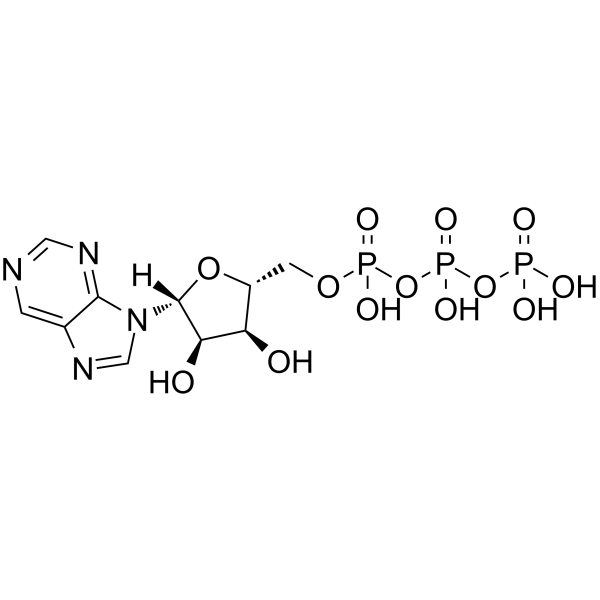
Purine riboside-5'-O-triphosphate, an active metabolite of Nebularine (HY-103694), acts as an inhibitor of DNA primase ATP and GTP polymerization activities, with IC50 values of 35 µM and 28 µM for the human enzyme, respectively. Purine riboside-5'-O-triphosphate also inhibits calmodulin-dependent protein kinase II (CaMKII) with a Ki value of 590 µM .
|
-
-
- HY-P5525
-
|
Autocamtide-3 Derived Inhibitory Peptide
|
CaMK
|
Others
|
|
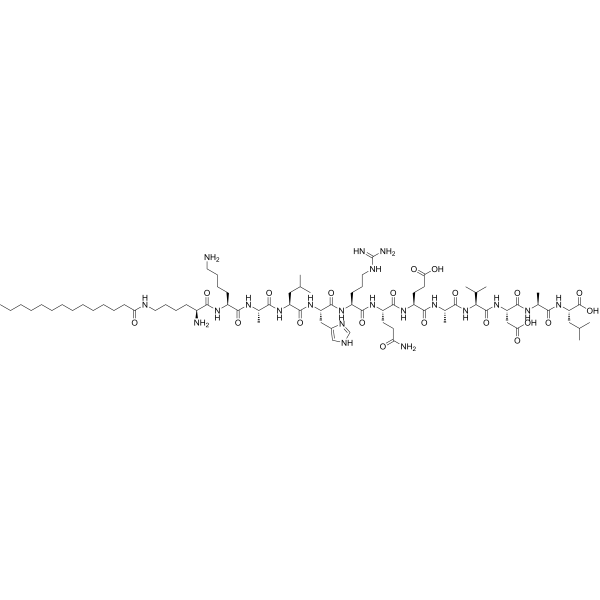
AC3-I, myristoylated is a biological active peptide. (This is a myristoylated form of Autocamtide-3-Derived Inhibitory Peptide (AC3-I), a highly specific inhibitor of Calmodulin-Dependent Protein Kinase ll (CaMKII) that is resistant to proteolysis. AC3-I is derived from Autocamtide-3, a substrate for CaMKII, with the Thr-9 phosphorylation site substituted with Ala.)
|
-
-
- HY-P1479A
-
|
|
Autophagy
CaMK
|
Neurological Disease
|
|
Calmodulin-Dependent Protein Kinase II (290-309) acetate is a potent CaMK antagonist with an IC50 of 52 nM for inhibition of Ca2+/calmodulin-dependent protein kinase II .
|
-

-
- HY-P1874
-
|
|
Calmodulin
|
Neurological Disease
|
|
Calmodulin-Dependent Protein Kinase II (281-309) is a peptide of calcium/calmodulin-dependent protein kinase II (CaM-kinase II) .
|
-

-
- HY-P10316
-
|
Calmodulin-dependent protein Kinase I (299-320) Binding Domain
|
CaMK
|
Others
|
|
CaMKI (299-320) refers to a peptide consisting of residues 299-320 of Calcium/calmodulin-dependent protein kinase I (CaMKI). CaMKI (299-320), as a protein kinase, has a high affinity interaction with Ca 2+-CAM (Kd≤1 nM≤1 nM), which can phosphorylate specific substrate proteins, thereby regulating their activity. CaMKI (299-320) contains the CAM-binding domain and the self-inhibition domain, and CaMKI (299-320) can be used to study cell physiological processes, including cell proliferation, differentiation, and apoptosis .
|
-

-
- HY-P10499
-
|
|
CaMK
|
Others
|
|
[Ala286]-Calmodulin-Dependent Protein Kinase II (281-302) is a modified fragment of calcium/calmodulin-dependent protein kinase II that contains the active domain of CaMKII and has an alanine substitution at position 286. [Ala286]-Calmodulin-Dependent Protein Kinase II (281-302) can be used to develop more potent CaMKII inhibitors .
|
-
![[Ala286]-Calmodulin-Dependent Protein Kinase II (281-302)](//file.medchemexpress.com/product_pic/hy-p10499.gif)
-
- HY-P3944
-
|
|
CaMK
|
Neurological Disease
|
|
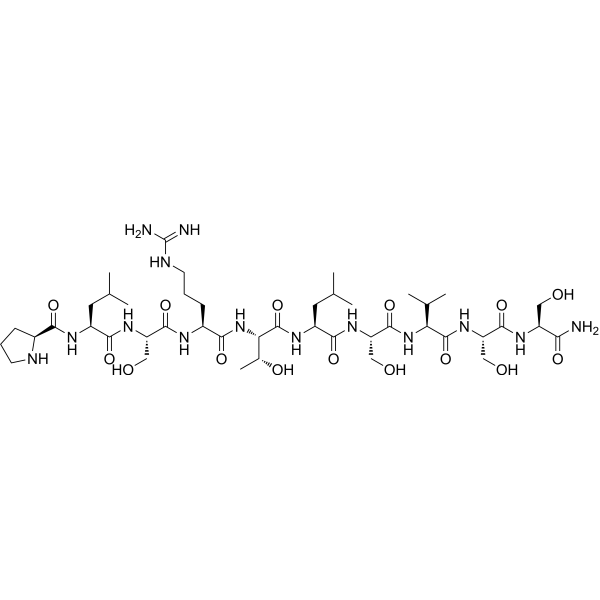
Calmodulin Dependent Protein Kinase Substrate is a Ca 2+- and calmodulin (CaM)-dependent protein kinase (CaMK) substrate peptide. Calmodulin Dependent Protein Kinase Substrate is a synthetic peptide substrate for protein kinases .
|
-
-
- HY-P3943
-
|
|
CaMK
|
Neurological Disease
|
|
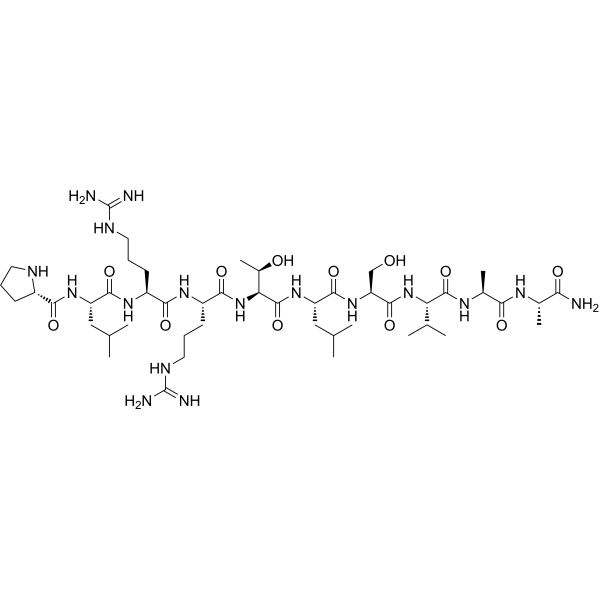
Calmodulin Dependent Protein Kinase Substrate Analog is a Ca 2+- and calmodulin (CaM)-dependent protein kinase (CaMK) substrate peptide. Calmodulin Dependent Protein Kinase Substrate Analog is a synthetic peptide substrate for protein kinases .
|
-
-
- HY-111093
-
|
|
CaMK
|
Neurological Disease
|
|
Protein kinase inhibitor 8 (Compound CK59) is a calmodulin-dependent protein kinase II (CaMKII) inhibitor. By inhibiting the activity of CaMKII, Protein kinase inhibitor 8 can attenuate the cytotoxicity induced by perfluorooctane sulfonic acid (PFOS) and alleviate the downregulation of GLT-1 expression caused by PFOS, thereby reducing neuronal damage. Protein kinase inhibitor 8 may be useful in research related to neurodegenerative diseases .
|
-

-
- HY-137658A
-
|
PTP tetrasodium
|
Nucleoside Antimetabolite/Analog
DNA/RNA Synthesis
CaMK
|
Metabolic Disease
|
|
Purine riboside-5'-O-triphosphate sodium, an active metabolite of Nebularine (HY-103694), acts as an inhibitor of DNA primase ATP and GTP polymerization activities, with IC50 values of 35 µM and 28 µM for the human enzyme, respectively. Purine riboside-5'-O-triphosphate sodium inhibits calmodulin-dependent protein kinase II (CaMKII) with a Ki value of 590 µM .
|
-

-
- HY-108599R
-
|
FR236924 (Standard)
|
Reference Standards
PKC
CaMK
Phosphatase
Apoptosis
|
Neurological Disease
|
|
DCP-LA (Standard) is the analytical standard of DCP-LA. This product is intended for research and analytical applications. DCP-LA (FR236924), a linoleic acid derivative, selectively and directly activates PKCε. DCP-LA activates Ca(2+)/calmodulin-dependent protein kinase II (CaMKII) and inhibits protein phosphatase-1 (PP-1) to stimulate AMPA receptor exocytosis. DCP-LA inhibits activation of caspase-3/-9 and protects neurons at least in part from oxidative stress-induced apoptosis[1][2][3].
|
-

-
- HY-156104
-
|
|
PROTACs
CaMK
|
Neurological Disease
|
|
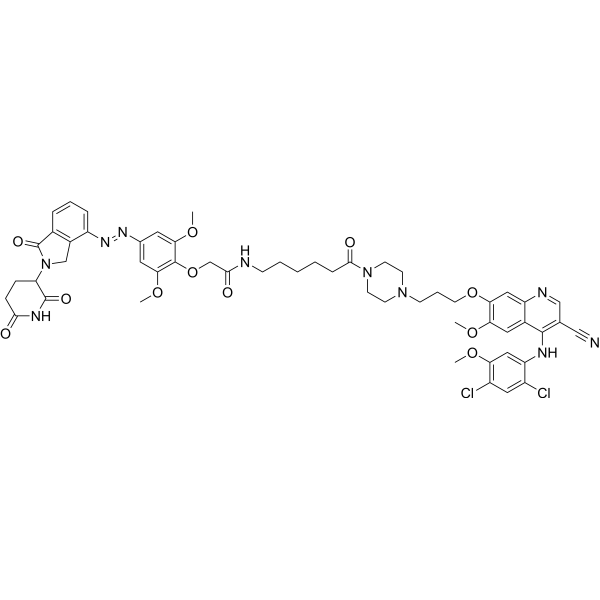
CaMKIIα-PHOTAC is a photochemically targeted chimera (PHOTAC) targeting Ca2+/calmodulin-dependent protein kinase II α (CaMKIIα). Molecules such as PHOTAC can catalyze the ubiquitination and degradation of target proteins through the endogenous proteasome under specific wavelengths of light. CaMKIIα-PHOTAC reduces synaptic function under light conditions, and it attenuates the intensity of evoked field excitatory postsynaptic potentials in the mouse hippocampus in response to physiological stimuli. CaMKIIα-PHOTAC plays a critical role in maintaining long-term potentiation and memory capacity in subcellular dendritic domains .
|
-
-
- HY-P10367
-
|
|
MAPKAPK2 (MK2)
Checkpoint Kinase (Chk)
AMPK
|
Others
|
|
Ziptide is a substrate for MAPK activated protein kinase 2 (MAPKAPK2, Km = 5 μM), MAPKAPK3 (Km = 30 μM), PARK (Km = 40 μM), checkpoint kinase 1 (Chk1, Km = 5 μM), AMP-activated protein kinase (AMPK, Km = 75 μM), and calcium/calmodulin-dependent protein kinase II (CamKII, Km = 300 μM) .
|
-

-
- HY-P1716
-
|
|
PKC
|
Neurological Disease
|
|
Neuropeptide DF2 is a DRNFLRFamide neuropeptide orignally isolated from crayfish. which enhances transmitter release and stimulates the amplitude of excitatory post-synaptic potentials (EPSP) through the calcium/calmodulin-dependent protein kinase .
|
-

-
- HY-E70950
-
|
|
Ser/Thr Kinase
|
Neurological Disease
|
|
Calmodulin-dependent protein kinase II, Rat, is a serine-threonine protein kinase involved in neurotransmitter release, stimulation-induced gene expression control, and microtubule-associated protein phosphorylation.
|
-

-
- HY-114554
-
|
|
Phosphodiesterase (PDE)
PKC
Bacterial
|
Infection
|
|
KS 619-1 is a Ca 2+/calmodulin-dependent cyclic nucleotide phosphodiesterase inhibitor. KS 619-1 exhibits strong inhibitory activity against this enzyme derived from bovine brain and heart, but shows weak inhibitory effects on calmodulin-independent phosphodiesterase and protein kinase C. KS 619-1 displays weak antibacterial activity against Staphylococcus aureus .
|
-

-
- HY-116153
-
|
|
Cholinesterase (ChE)
|
Neurological Disease
|
|
HUHS2002 is a free fatty acid derivative with the ability to enhance α7 cholinergic receptor activity. HUHS2002 enhances whole-cell membrane currents of α7 ACh receptors expressed in Xenopus oocytes in a concentration-dependent manner. The effects of HUHS2002 were blocked in the presence of the Ca2 /calmodulin-dependent protein kinase II (CaMKII) inhibitor KN-93. HUHS2002 activated CaMKII in cultured rodent hippocampal neurons, and this activation was abolished by KN-93. HUHS2002 also partially inhibited the activity of protein phosphatase 1 (PP1) in a cell-free PP1 activity assay .
|
-

-
- HY-W720917
-
|
|
CaMK
PKC
Amyloid-β
Apoptosis
|
Neurological Disease
|
|
Junicedric acid is a diterpenoid compound that can be isolated from the resin of the Araucaria araucana tree. Junicedric acid exerts neuroprotective activity by increasing intracellular calcium levels in hippocampal neurons, activating PKC and calcium/calmodulin-dependent protein kinase (CaMKII), and preventing Amyloid-β oligomer-induced synaptic protein loss, apoptosis, and long-term potentiation (LTP) inhibition. Junicedric acid can be used in the study of the pathological mechanisms of neurodegenerative diseases such as Alzheimer's disease .
|
-

-
- HY-129980A
-
|
|
|
Neurological Disease
Cancer
|
|
NPC-15437 is a selective PKC inhibitor with an IC50 of 19 µM. NPC-15437 competitively inhibits phorbol ester- (Ki of 5 µM) and phosphatidylserine-induced (Ki of 12 µM) PKC activity. NPC-15437 does not inhibits cAMP-dependent or calcium/calmodulin-dependent protein kinases. NPC-15437 augments TRAIL-induced cell death in non-small cell lung cancer and medulloblastoma cells. NPC-15437 can be used for the research of non-small cell lung cancer, medulloblastoma, and neurological disease .
|
-

| Cat. No. |
Nombre del producto |
Target |
Research Area |
-
- HY-P1821
-
|
MHP4-14
|
PKC
|
Neurological Disease
|
|
Myelin Basic Protein (MHP4-14), a synthetic peptide comprising residues 4-14 of myelin basic protein, is a very selective PKC substrate (Km=7 μM). Myelin Basic Protein is not phosphorylated by cyclic AMP-dependent protein kinase, casein kinases I and II, Ca 2+/calmodulin-dependent protein kinase II, or phosphorylase kinase, and can be routinely used for the assay of protein kinase C with low background in the crude tissue extracts .
|
-
- HY-P0225
-
|
Autocamtide II
|
CaMK
Autophagy
|
Neurological Disease
|
|
Autocamtide 2 is a highly selective peptide substrate of calcium/calmodulin-dependent protein kinase II (CaMKII). It can be used in the CaMKII activity assay.
|
-
- HY-P1821A
-
|
MHP4-14 TFA
|
PKC
|
Neurological Disease
|
|
Myelin Basic Protein (MHP4-14) TFA, a synthetic peptide comprising residues 4-14 of myelin basic protein, is a very selective PKC substrate (Km=7 μM). Myelin Basic Protein TFA is not phosphorylated by cyclic AMP-dependent protein kinase, casein kinases I and II, Ca 2+/calmodulin-dependent protein kinase II, or phosphorylase kinase, and can be routinely used for the assay of protein kinase C with low background in the crude tissue extracts .
|
-
- HY-P1479
-
|
|
Autophagy
CaMK
|
Neurological Disease
|
|
Calmodulin-Dependent Protein Kinase II (290-309) is a potent CaMK antagonist with an IC50 of 52 nM for inhibition of Ca2+/calmodulin-dependent protein kinase II .
|
-
- HY-P5525
-
|
Autocamtide-3 Derived Inhibitory Peptide
|
CaMK
|
Others
|
|
AC3-I, myristoylated is a biological active peptide. (This is a myristoylated form of Autocamtide-3-Derived Inhibitory Peptide (AC3-I), a highly specific inhibitor of Calmodulin-Dependent Protein Kinase ll (CaMKII) that is resistant to proteolysis. AC3-I is derived from Autocamtide-3, a substrate for CaMKII, with the Thr-9 phosphorylation site substituted with Ala.)
|
-
- HY-P1479A
-
|
|
Autophagy
CaMK
|
Neurological Disease
|
|
Calmodulin-Dependent Protein Kinase II (290-309) acetate is a potent CaMK antagonist with an IC50 of 52 nM for inhibition of Ca2+/calmodulin-dependent protein kinase II .
|
-
- HY-P1874
-
|
|
Calmodulin
|
Neurological Disease
|
|
Calmodulin-Dependent Protein Kinase II (281-309) is a peptide of calcium/calmodulin-dependent protein kinase II (CaM-kinase II) .
|
-
- HY-P10316
-
|
Calmodulin-dependent protein Kinase I (299-320) Binding Domain
|
CaMK
|
Others
|
|
CaMKI (299-320) refers to a peptide consisting of residues 299-320 of Calcium/calmodulin-dependent protein kinase I (CaMKI). CaMKI (299-320), as a protein kinase, has a high affinity interaction with Ca 2+-CAM (Kd≤1 nM≤1 nM), which can phosphorylate specific substrate proteins, thereby regulating their activity. CaMKI (299-320) contains the CAM-binding domain and the self-inhibition domain, and CaMKI (299-320) can be used to study cell physiological processes, including cell proliferation, differentiation, and apoptosis .
|
-
- HY-P10499
-
|
|
CaMK
|
Others
|
|
[Ala286]-Calmodulin-Dependent Protein Kinase II (281-302) is a modified fragment of calcium/calmodulin-dependent protein kinase II that contains the active domain of CaMKII and has an alanine substitution at position 286. [Ala286]-Calmodulin-Dependent Protein Kinase II (281-302) can be used to develop more potent CaMKII inhibitors .
|
-
- HY-P3944
-
|
|
CaMK
|
Neurological Disease
|
|
Calmodulin Dependent Protein Kinase Substrate is a Ca 2+- and calmodulin (CaM)-dependent protein kinase (CaMK) substrate peptide. Calmodulin Dependent Protein Kinase Substrate is a synthetic peptide substrate for protein kinases .
|
-
- HY-P3943
-
|
|
CaMK
|
Neurological Disease
|
|
Calmodulin Dependent Protein Kinase Substrate Analog is a Ca 2+- and calmodulin (CaM)-dependent protein kinase (CaMK) substrate peptide. Calmodulin Dependent Protein Kinase Substrate Analog is a synthetic peptide substrate for protein kinases .
|
-
- HY-P10367
-
|
|
MAPKAPK2 (MK2)
Checkpoint Kinase (Chk)
AMPK
|
Others
|
|
Ziptide is a substrate for MAPK activated protein kinase 2 (MAPKAPK2, Km = 5 μM), MAPKAPK3 (Km = 30 μM), PARK (Km = 40 μM), checkpoint kinase 1 (Chk1, Km = 5 μM), AMP-activated protein kinase (AMPK, Km = 75 μM), and calcium/calmodulin-dependent protein kinase II (CamKII, Km = 300 μM) .
|
-
- HY-P1716
-
|
|
PKC
|
Neurological Disease
|
|
Neuropeptide DF2 is a DRNFLRFamide neuropeptide orignally isolated from crayfish. which enhances transmitter release and stimulates the amplitude of excitatory post-synaptic potentials (EPSP) through the calcium/calmodulin-dependent protein kinase .
|
| Cat. No. |
Nombre del producto |
Category |
Target |
Chemical Structure |
-
- HY-N6732
-
|
SF2370; Antibiotic K 252a; Antibiotic SF 2370
|
Alkaloids
Structural Classification
Microorganisms
Classification of Application Fields
Inflammation/Immunology
Disease Research Fields
Indole Alkaloids
Source Classification
|
Autophagy
PKA
PKC
Trk Receptor
CaMK
|
|
K-252a, a staurosporine analog, inhibits protein kinase, with IC50 values of 470 nM, 140 nM, 270 nM, and 1.7 nM for PKC, PKA, Ca 2+/calmodulin-dependent kinase type II, and phosphorylase kinase, respectively . K-252a is a potent inhibitor (IC50 of 3 nM) of the tyrosine protein kinase (TRK) activity of the NGF receptor gp140trk, the product of the trk protooncogene .
|
-
-
- HY-Z0478
-
-
-
- HY-N1989
-
|
|
Triterpenes
Structural Classification
Classification of Application Fields
Terpenoids
Scrophulariaceae
Metabolic Disease
Plants
Disease Research Fields
Bacopa monnieri (Linn.) Wettst.
Source Classification
|
Na+/K+ ATPase
CaMK
Apoptosis
Cholinesterase (ChE)
NO Synthase
NF-κB
|
Bacoside A is an orally active, blood-brain barrier-permeable triterpenoid saponin that modulates the activities of ATPases, AChE, CaMK2A and iNOS. Derived from Bacopa monniera. Bacoside A exerts significant antioxidant, anti-inflammatory and anti-apoptotic effects by maintaining ion balance, scavenging reactive oxygen species, stabilizing cell membranes, and regulating the expression of NF-κB and apoptosis-related proteins. Bacoside A counteracts morphine-induced reductions in Na +/K +-ATPase, Ca 2+-ATPase and Mg 2+-ATPase activities, increases mitochondrial membrane potential, and decreases intracellular reactive oxygen species levels. Bacoside A specifically binds to calcium/calmodulin-dependent protein kinase IIA to trigger endoplasmic reticulum calcium release. Bacoside A exhibits non-apoptotic cytotoxicity against glioblastoma cells while protecting normal nerve cells from stress-induced damage. Bacoside A is applicable to the research of Parkinson's disease and glioblastoma multiforme .
|
-
-
- HY-114554
-
-
-
- HY-W720917
-
|
|
Structural Classification
Pinaceae
Terpenoids
Diterpenoids
Plants
Pinus merkusii Jungh. & de Vriese
Source Classification
|
CaMK
PKC
Amyloid-β
Apoptosis
|
|
Junicedric acid is a diterpenoid compound that can be isolated from the resin of the Araucaria araucana tree. Junicedric acid exerts neuroprotective activity by increasing intracellular calcium levels in hippocampal neurons, activating PKC and calcium/calmodulin-dependent protein kinase (CaMKII), and preventing Amyloid-β oligomer-induced synaptic protein loss, apoptosis, and long-term potentiation (LTP) inhibition. Junicedric acid can be used in the study of the pathological mechanisms of neurodegenerative diseases such as Alzheimer's disease .
|
-
Your information is safe with us. * Required Fields.
Inquiry Information
- Nombre del producto:
- Cat. No.:
- Cantidad:
- MCE Japan Authorized Agent:





![[Ala286]-Calmodulin-Dependent Protein Kinase II (281-302)](http://file.medchemexpress.com/product_pic/hy-p10499.gif)





